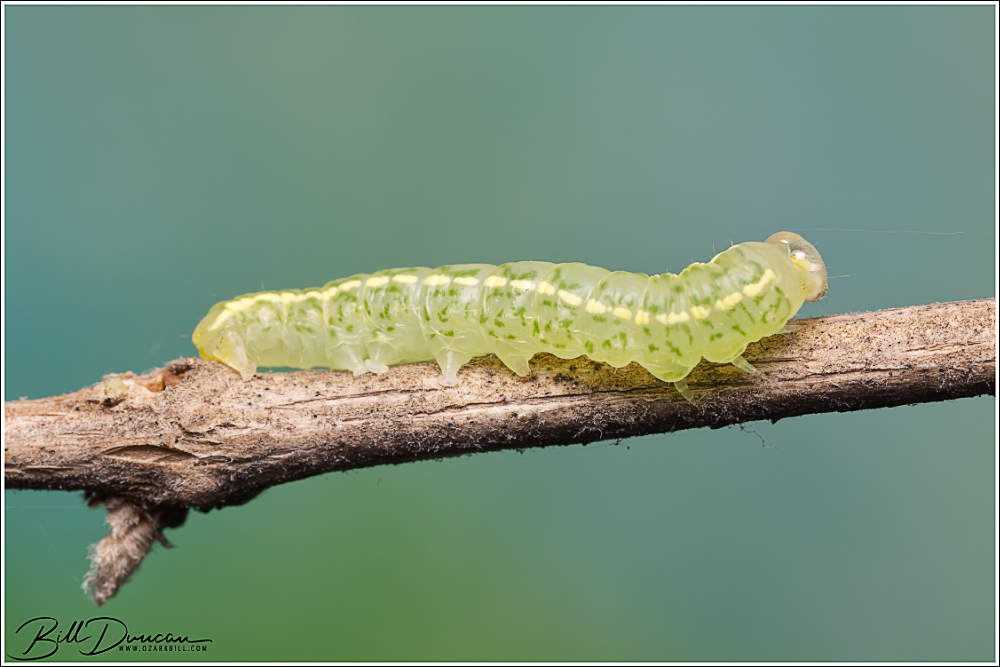
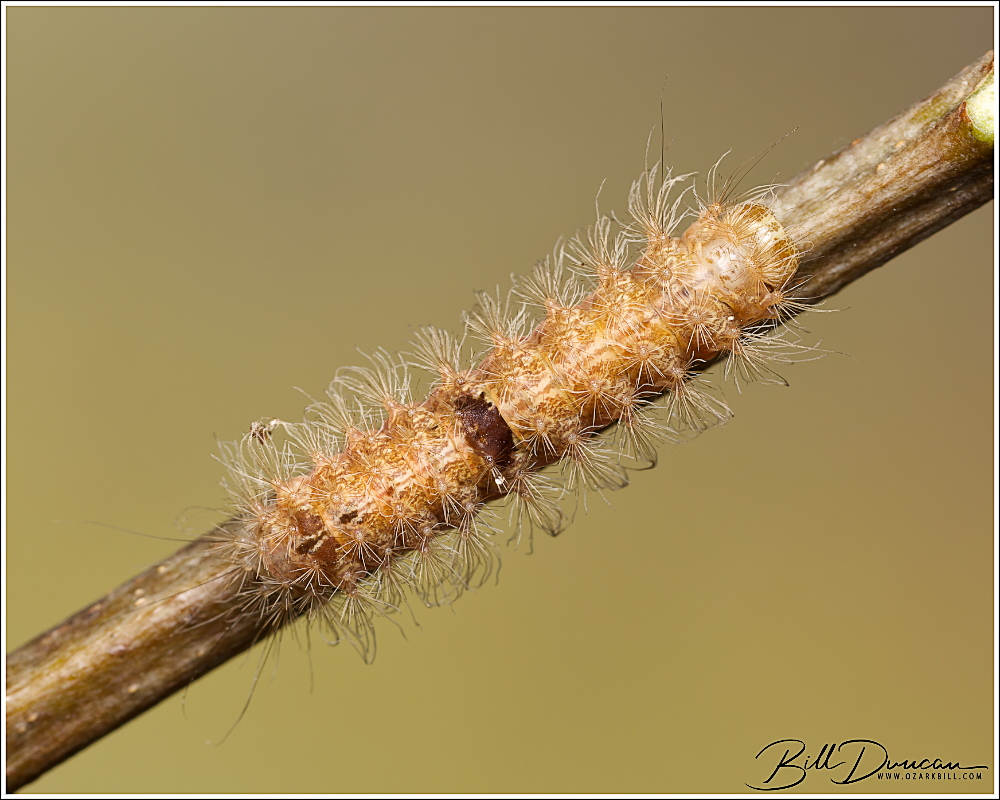
Two-spotted Oak Punkie (Coastal Plain Meganola Moth)
Meganola phylla (Dyar, 1898) P-no. 931112, fam. Nolidae
Host plant: Feeds on any oak (Quercus spp.) within its range
Dates found: 18 September, 2025
Locations found: Council Bluff Lake, Iron County, MO
Notes: Know better as the “coastal plain meganola moth,” which is quite inappropriate. These little cuties are found as far as Missouri and into Michigan and will host on numerous oak species that are found in their range.
Tag: ozarks
2026 Caterpillar Season – Juniper Hairstreak
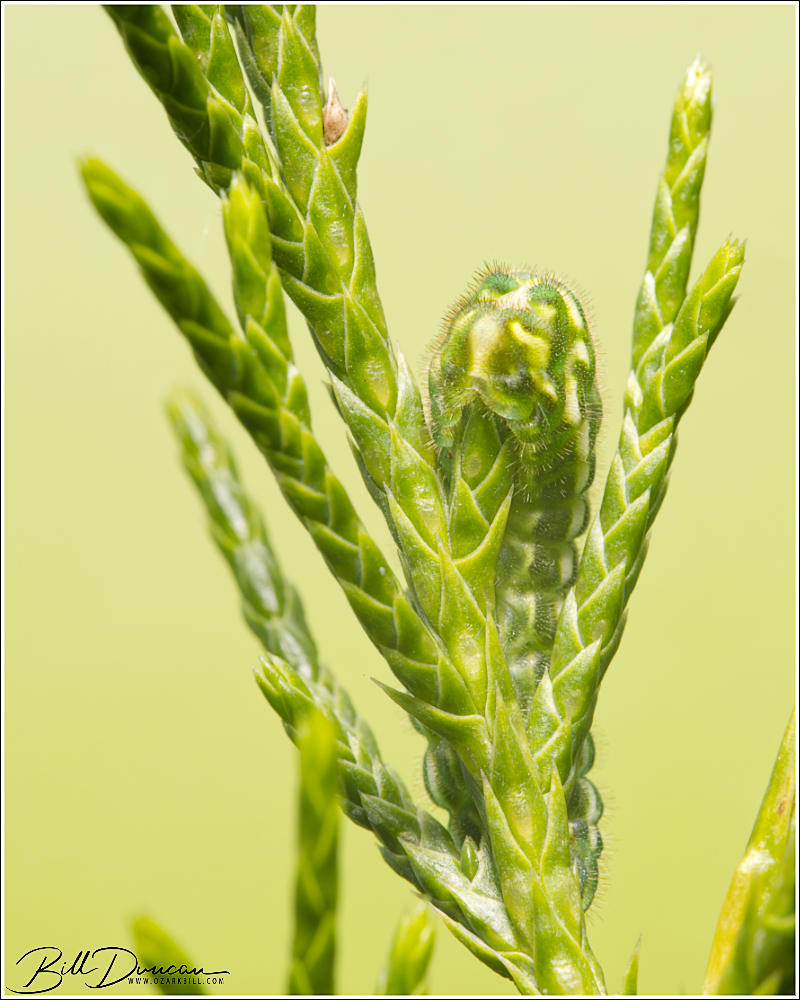
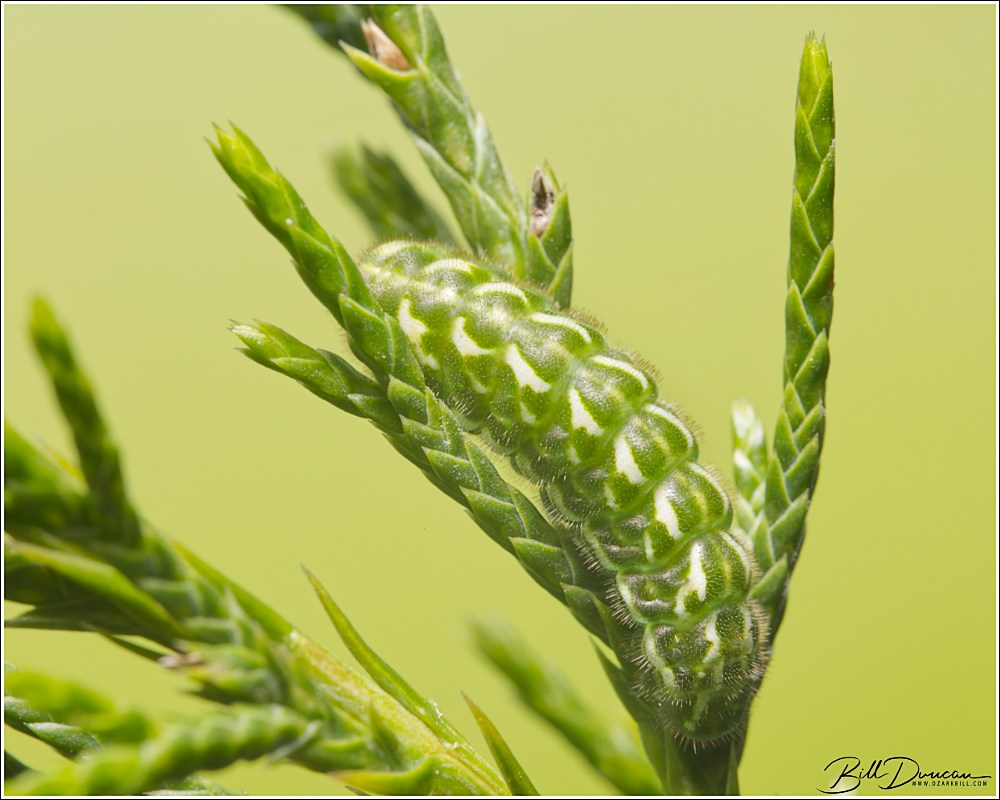
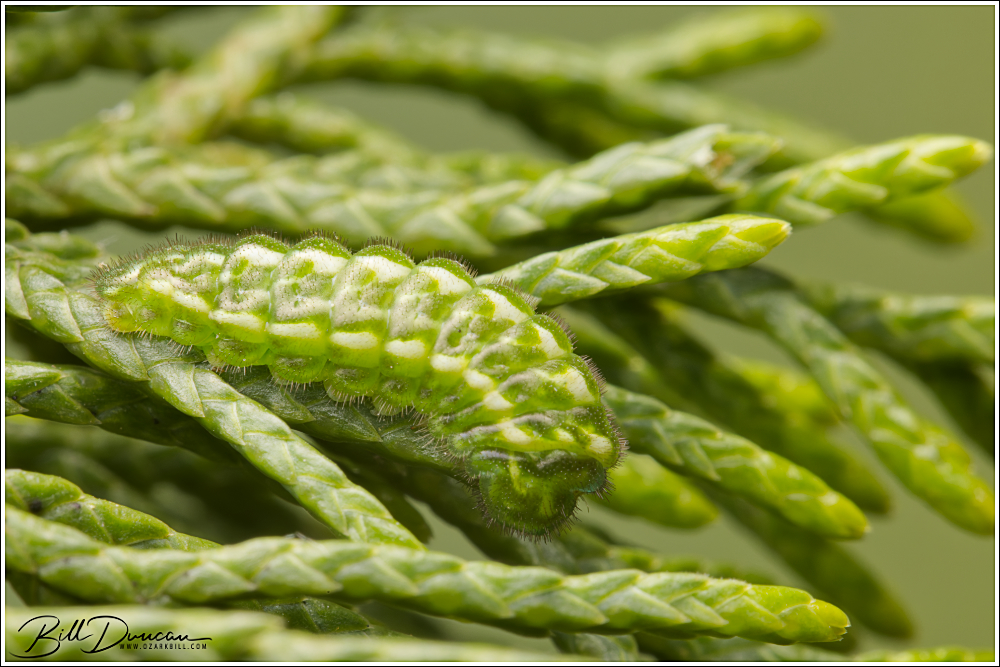
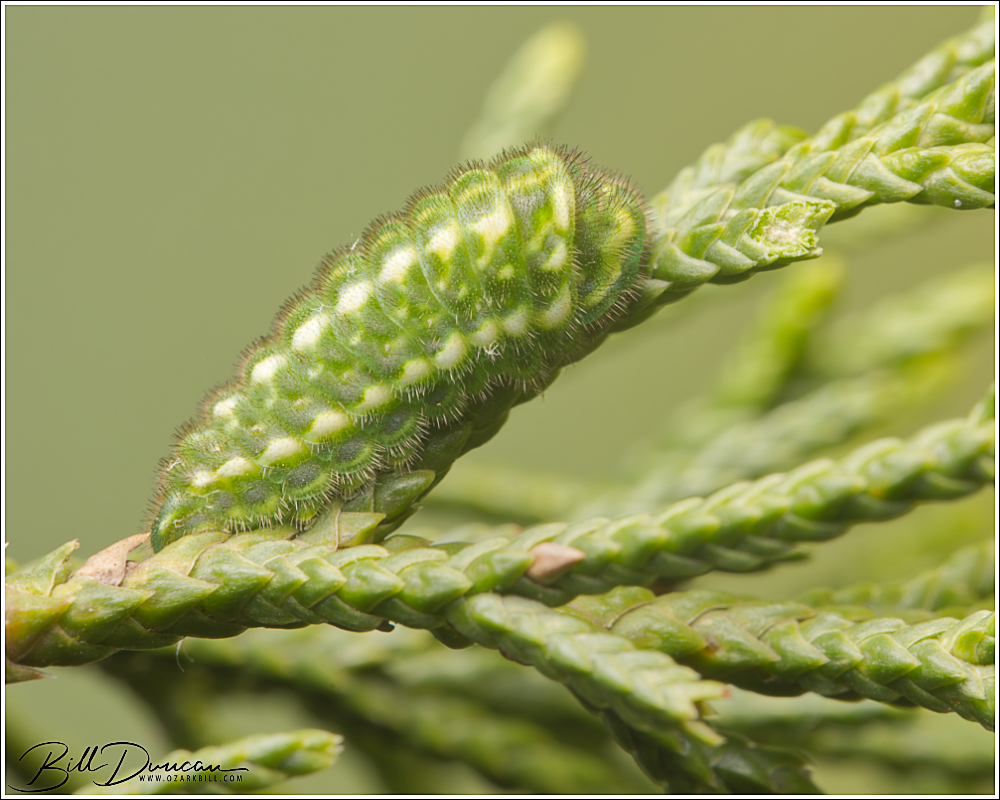
Juniper Hairstreak
Callophrys gryneus (Hübner, 1809) P-no. 77a0507, fam. Lycaenidae
Host plant: eastern red cedar (Juniperus virginiana)
Dates found: 9, 24 May, 2026
Locations found: Tyson Research Center, St. Louis County, MO
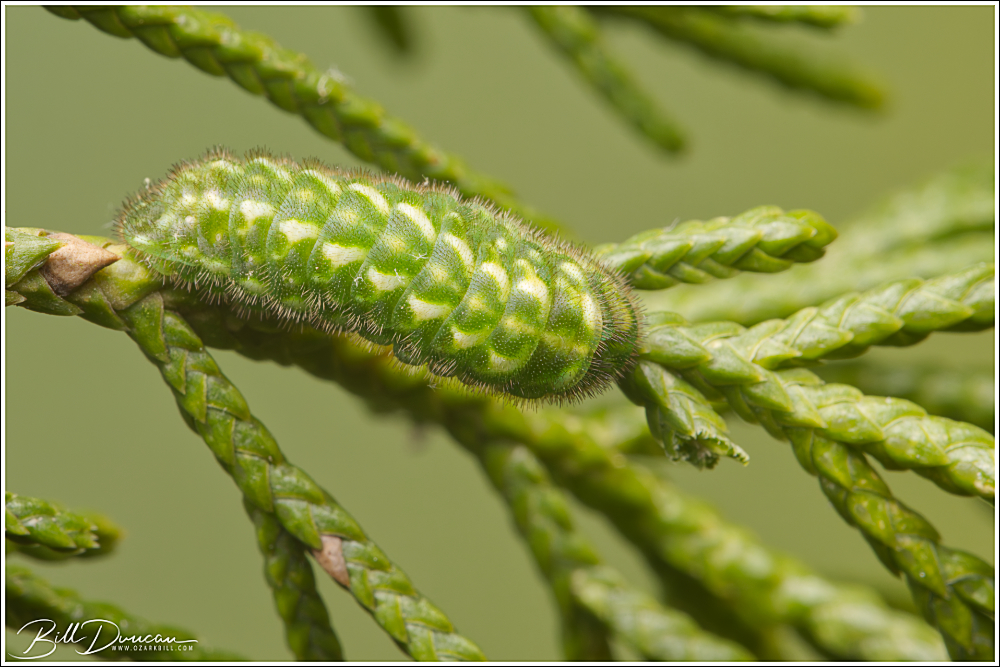
Notes: A master of camouflage. As the photos show, it would be a waste of time hunting for this species by eye amongst the countless branches of an eastern red cedar. Instead, using beating techniques or UV light at night are the best methods for finding these guys.


2026 Caterpillar Season – Banded Hairstreak
Banded Hairstreak
Satyrium calanus fam. Lycaenidae
Host plant: hickory (Carya sp.)
Dates found: 2 May, 2026
Locations found: Tyson Research Center, St. Louis County, MO
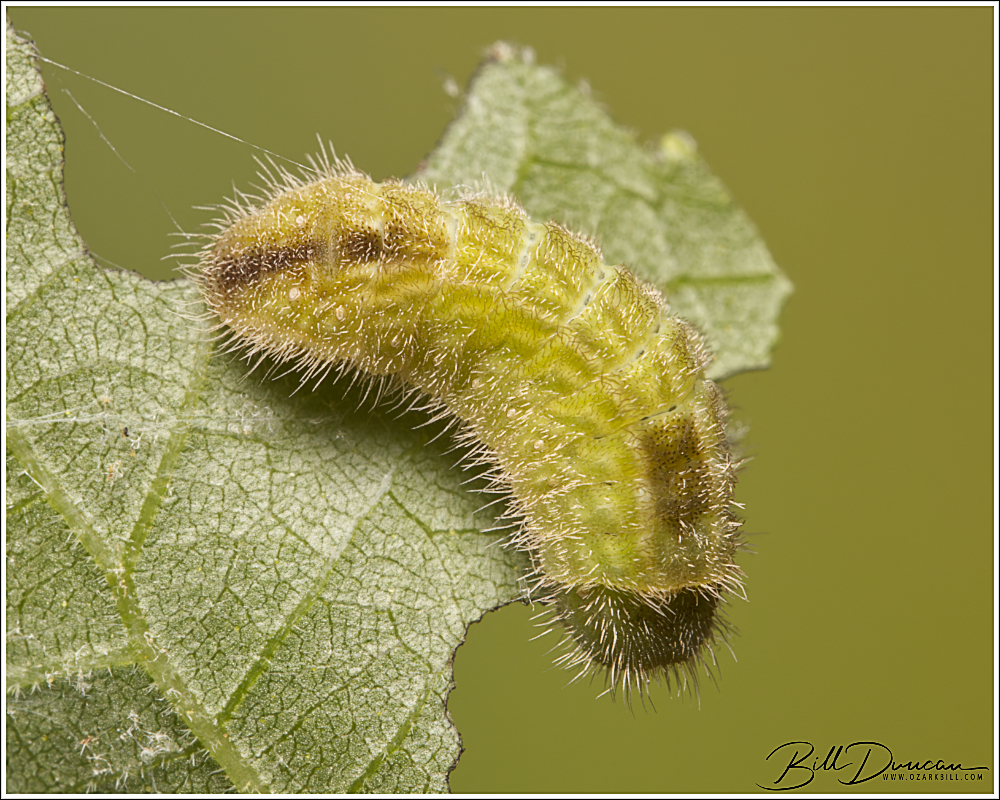
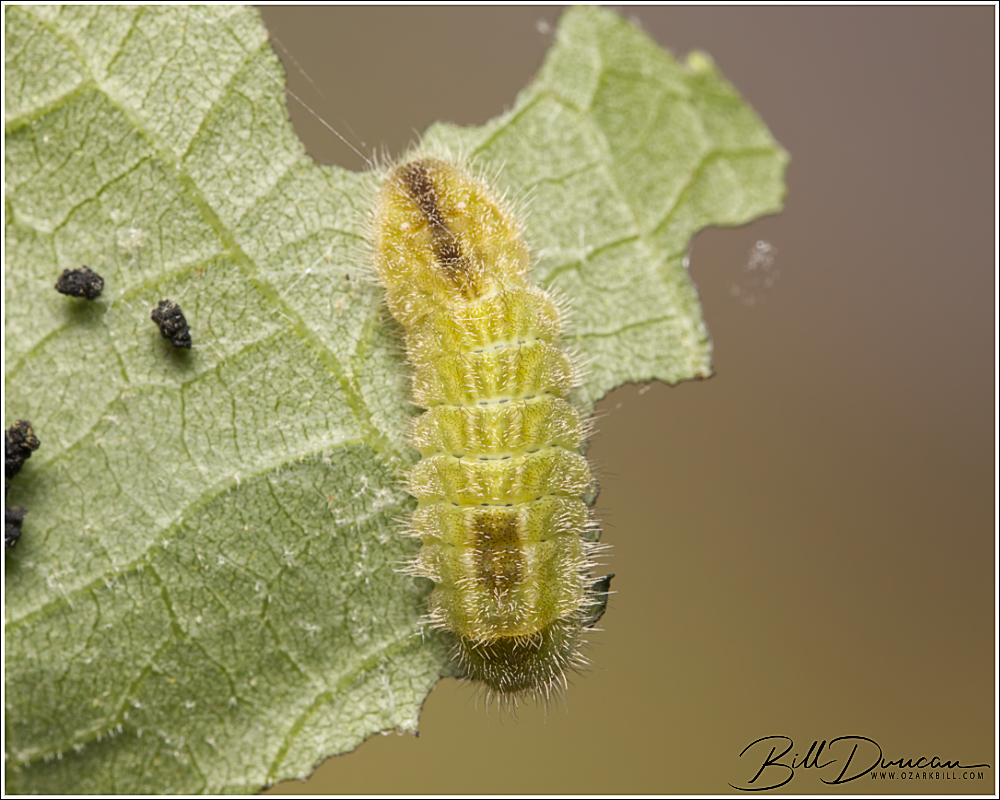
Notes: This was an interesting find. I looked through a number of fresh leaf-roll shelters, finding all of them occupied by a to be identified noctuid caterpillar. In one of these I also found this banded hairstreak caterpillar that was being attended by ants.


2026 Caterpillar Season – Lettered Sphinx
Lettered Sphinx
Deidamia inscriptum fam. Sphingidae
Host plant: wild grape (Vitis sp.)
Dates found: 30 May, 2026
Locations found: Tyson Research Center, St. Louis County, MO
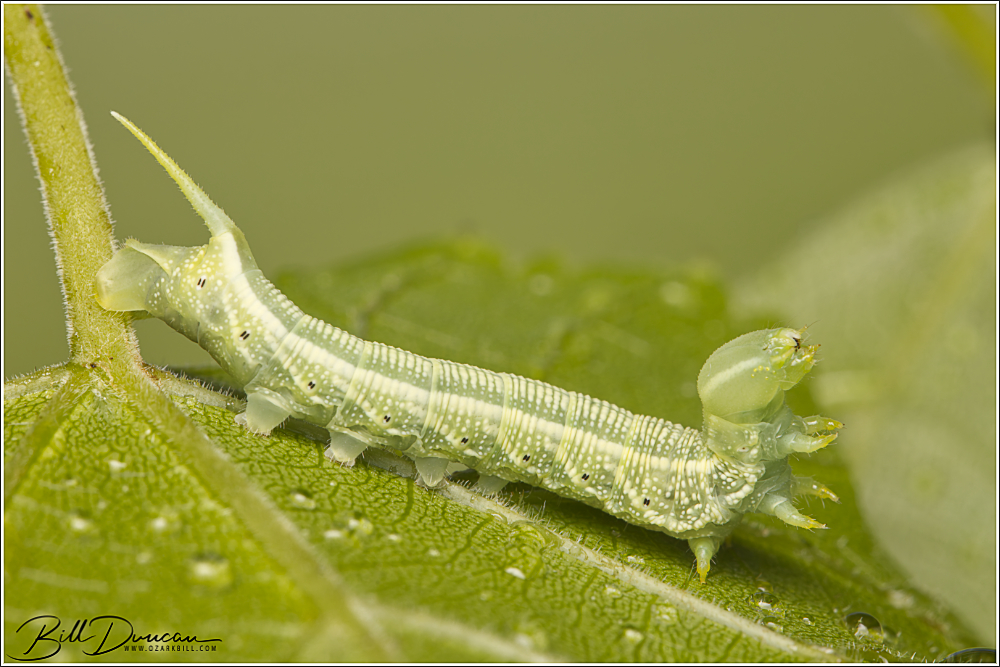
Notes: The caterpillar season started much earlier than typical for me. This year, I am making a point to start hunting in spring and early summer, enabling me to pick up new species that are not found later in the season. Additionally, I am finding some of the same species that I find during late season; thus, I am learning which species have multiple broods in our area. I have not been having a lot of success in finding cats in my early season hunting, but I have been having enough success with interesting species to keep me trying.
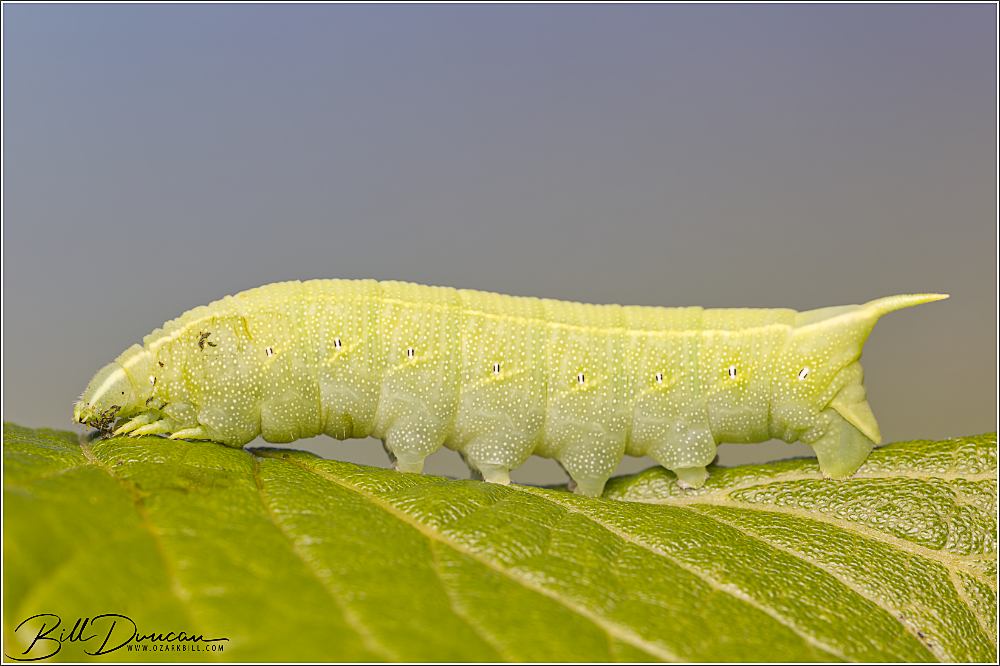
The lettered sphinx is an early season species that I found for the first time this year. My unfamiliarity with many of the sphinx moth caterpillars caused me some frustration. I found two of these on some grapevine. Due to their small size and lack of strong pattern contrast, I assumed these were early-mid instars of a typically larger species and one that I would most likely not be able to identify with certainty. Because of this, I did not take the time and efforts in getting as good of photographs of it that I would have liked. This species is one of the smallest and earliest of all the sphingids found in Missouri, with caterpillars being found from April through July.
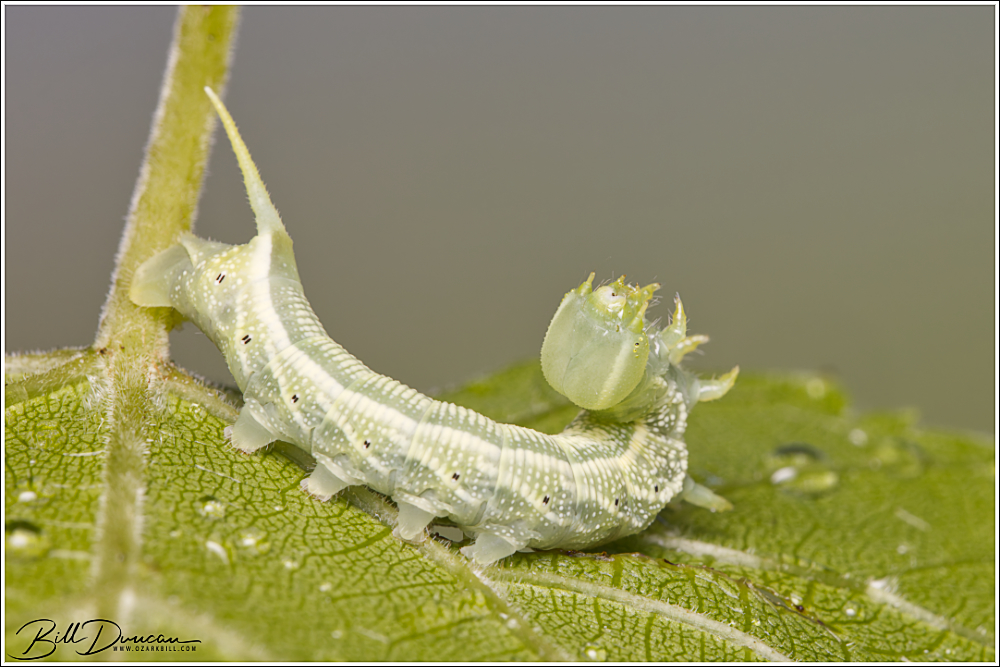
The behavior shown in these photos is a trait unique with this species. Upon disturbance, they throw their heads back over their bodies, exposing their mouthparts and legs to the air.


Addition—27 July, 2026
During a work trip to Minnesota in late June, I found some time for some caterpillar hunting and found this final instar lettered sphinx cat at Myre Big Island State Park.
2025 Caterpillar Season – Small Engrailed
Small Engrailed
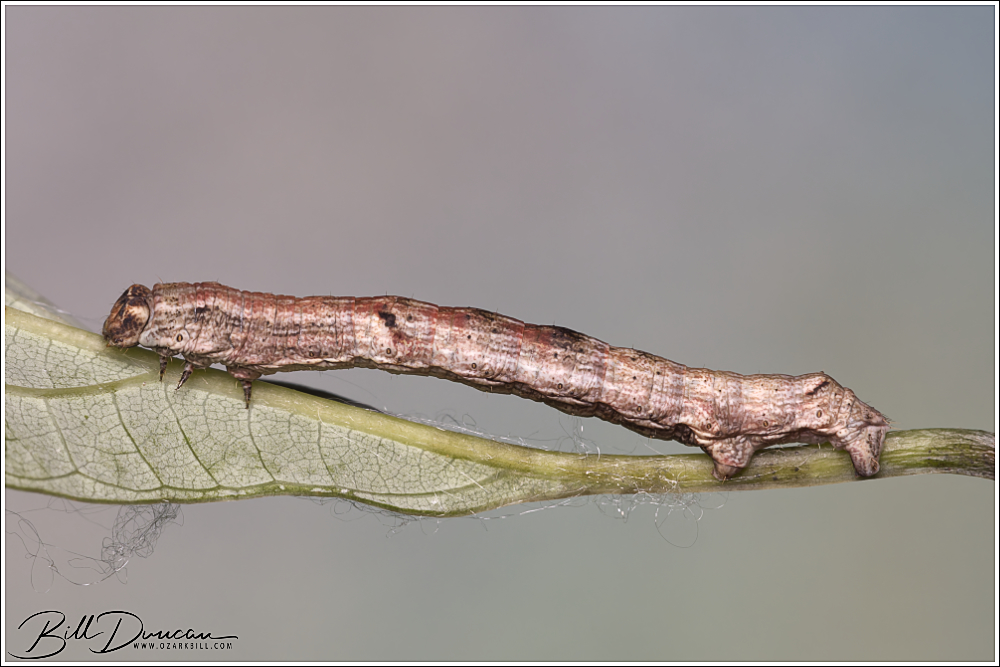
Ectropis crepuscularia. fam. Geometridaae
Host plant: Not recorded
Dates found: 23 August, 2025
Locations found: Tyson Research Center, St. Louis County, MO
Notes: This is the sole member of its genus found north of Mexico. It’s range covers the U.S. coast to coast, including parts of Alaska and much of Canada.
2025 Caterpillar Season – Baileya Moth
Baileya Caterpillar
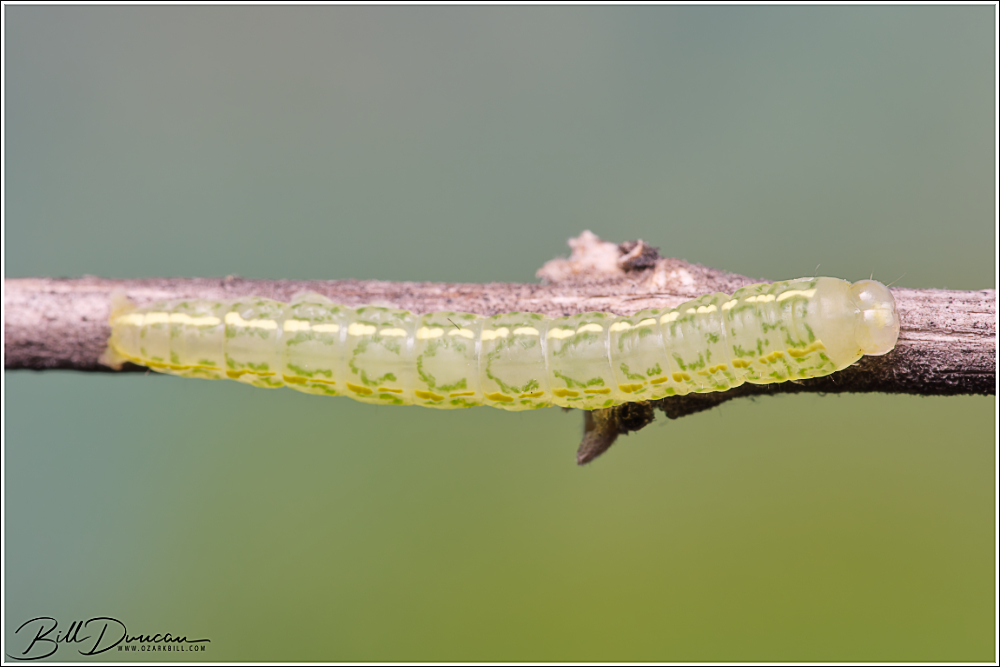
Baileya sp. fam. Nolidae
Host plant: Not recorded
Dates found: 30 August, 2025
Locations found: Tyson Research Center, St. Louis County, MO
Notes: There are four to six Baileya species found in Missouri. Although host plant preference may help to distinguish species, physical characteristics are of little help.


WGNSS Entomology Field Trips – September/October 2025
I’ve gotten to a point in a personal project that I can now spend some time posting more frequently here and processing some photos that have been backing up. Not that I have had a ton of success in getting significant photo opportunities the last several months.
The following are some photos of interesting insects that the WGNSS Entomology Group found on a couple trips to Missouri glades last year.
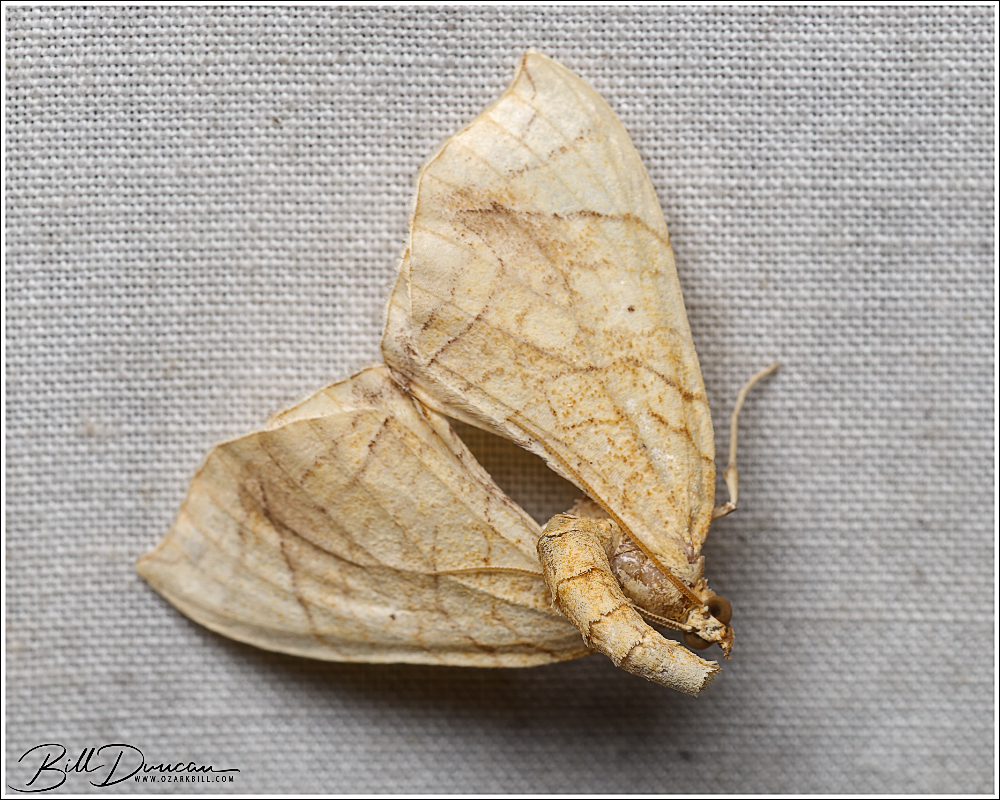
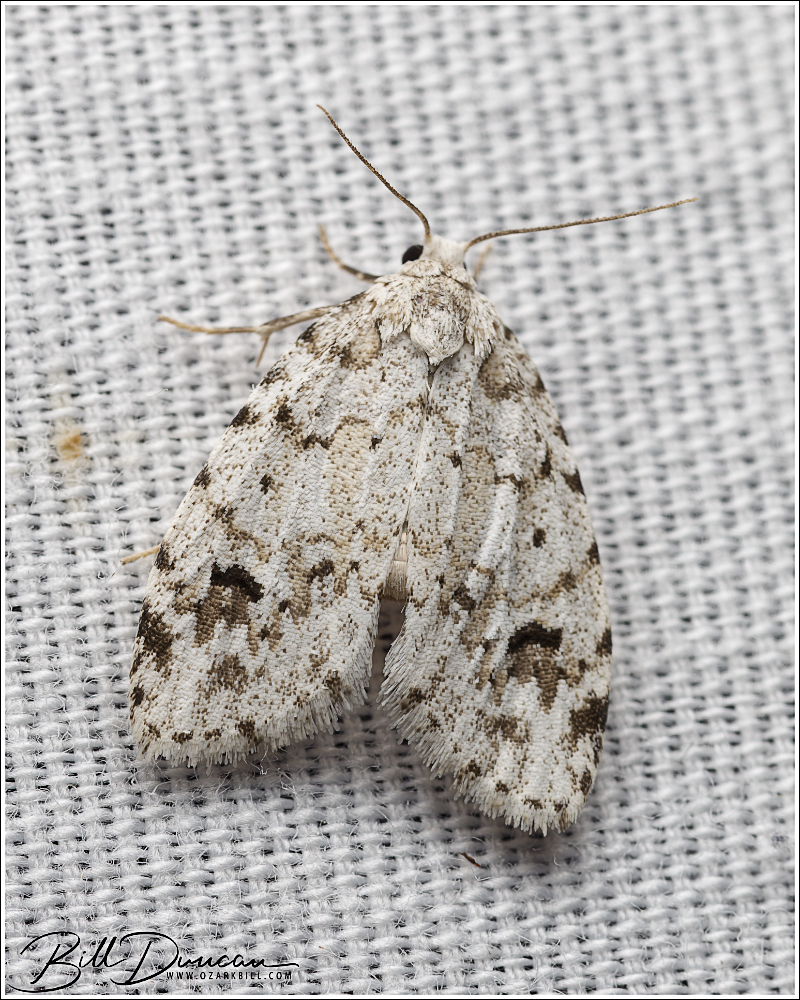
First up are a couple of moths found at a light trap we set up during a camp out at Caney Mountain Conservation Area in late September. The cool conditions were not conducive to attracting many moths, so the pickings were slim.
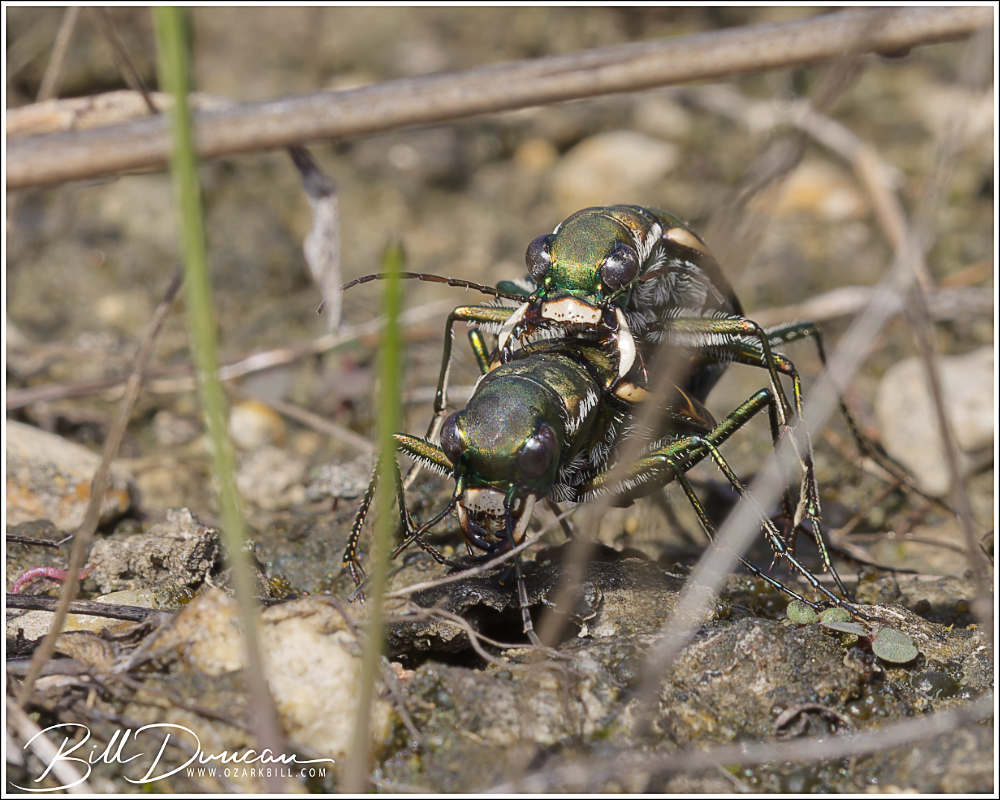
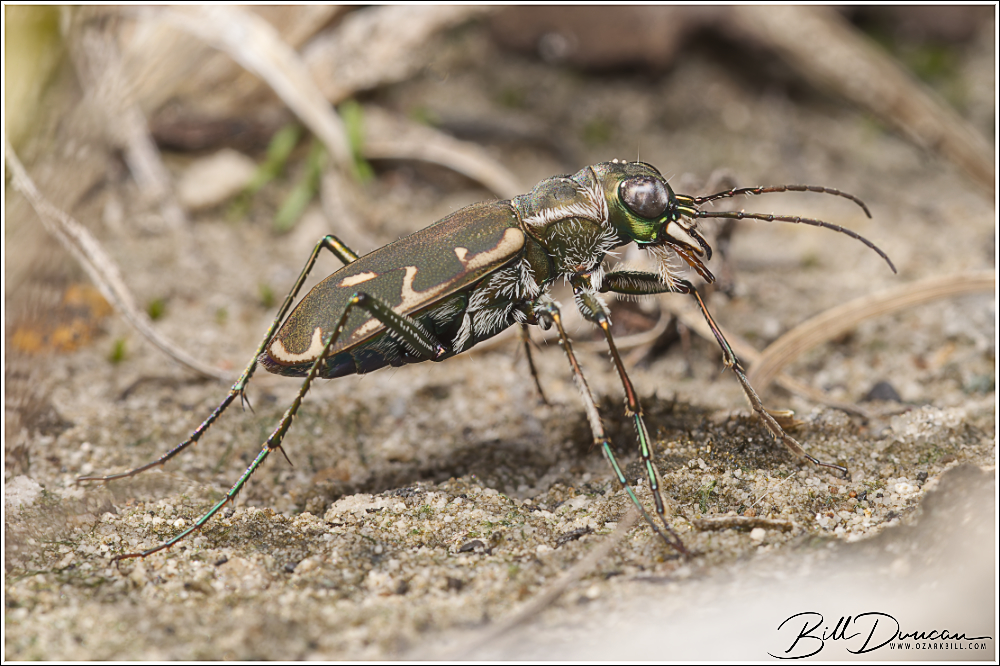
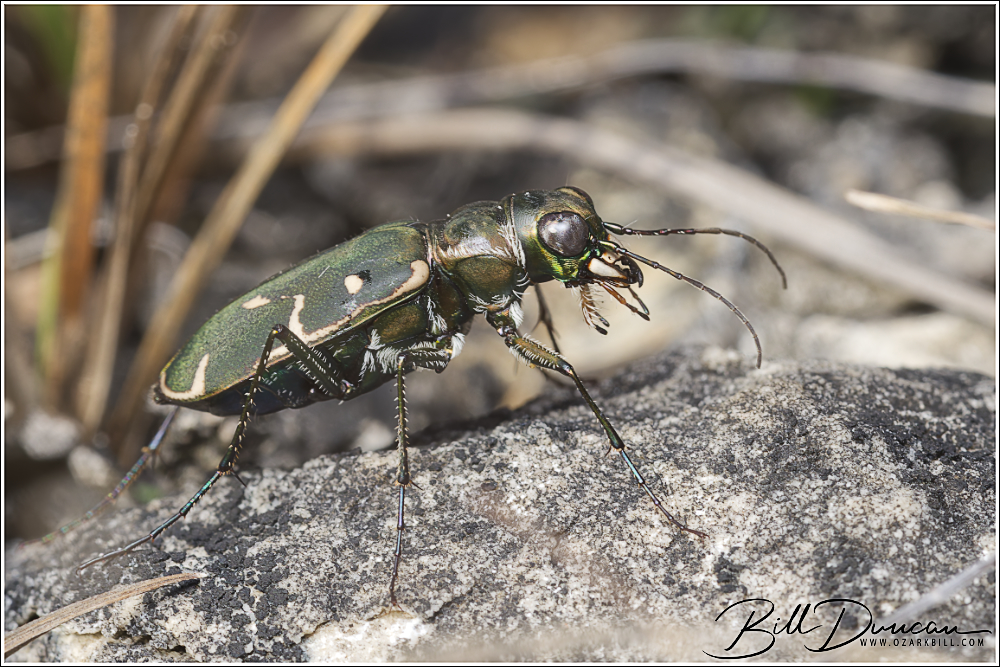
Next up is the fantastic Cicindelidia obsoleta vulturina (prairie tiger beetle). This species is primarily found in Texas, but there are scattered populations in Missouri, Arkansas, and Oklahoma.


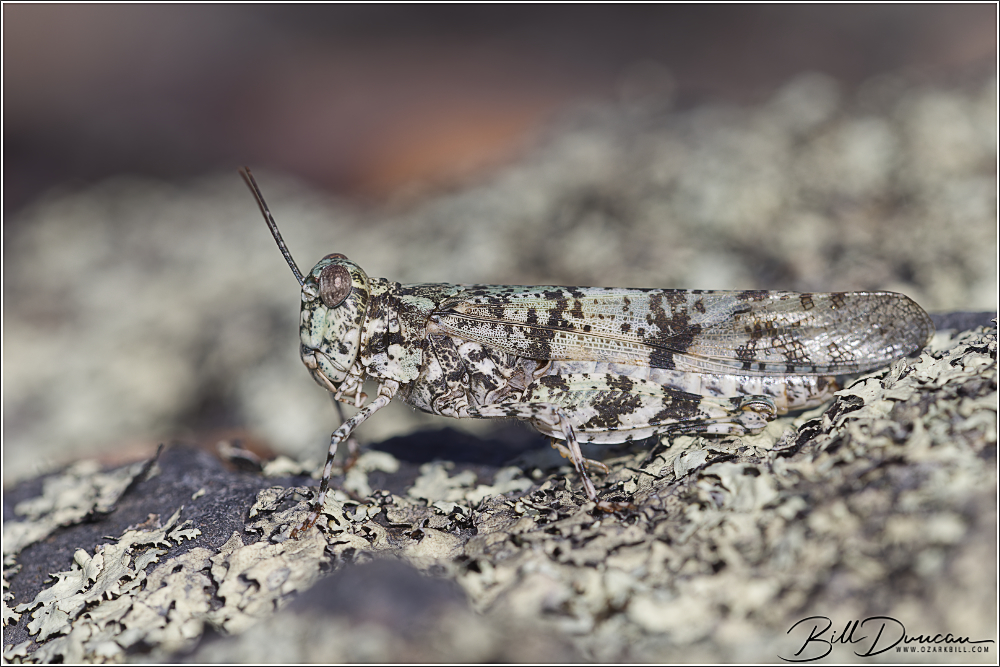
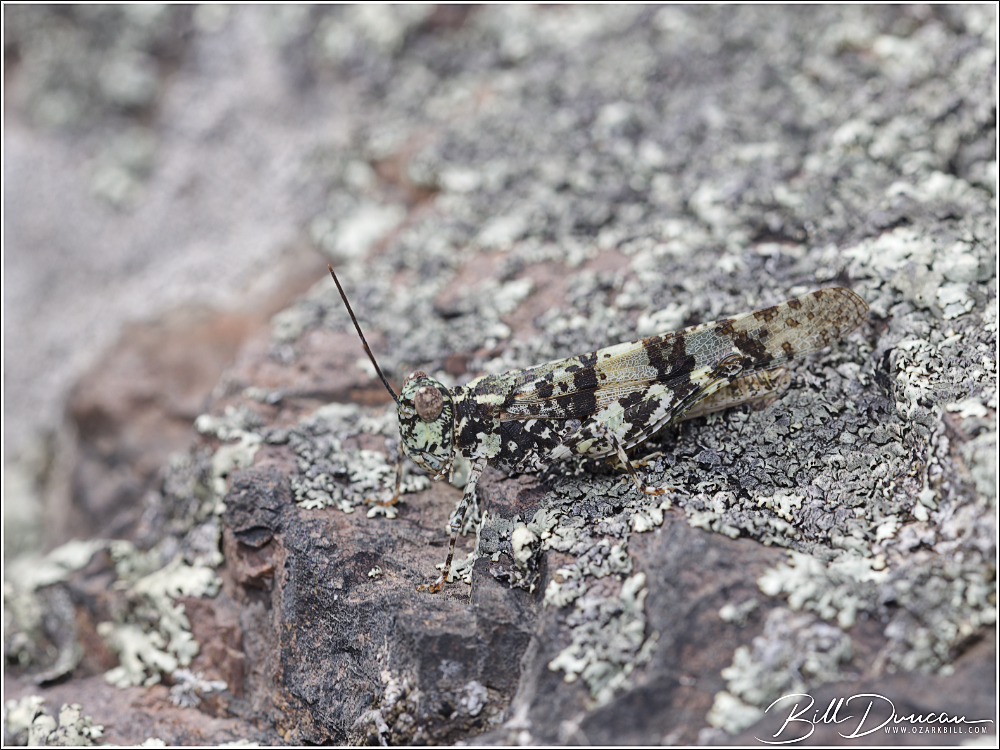
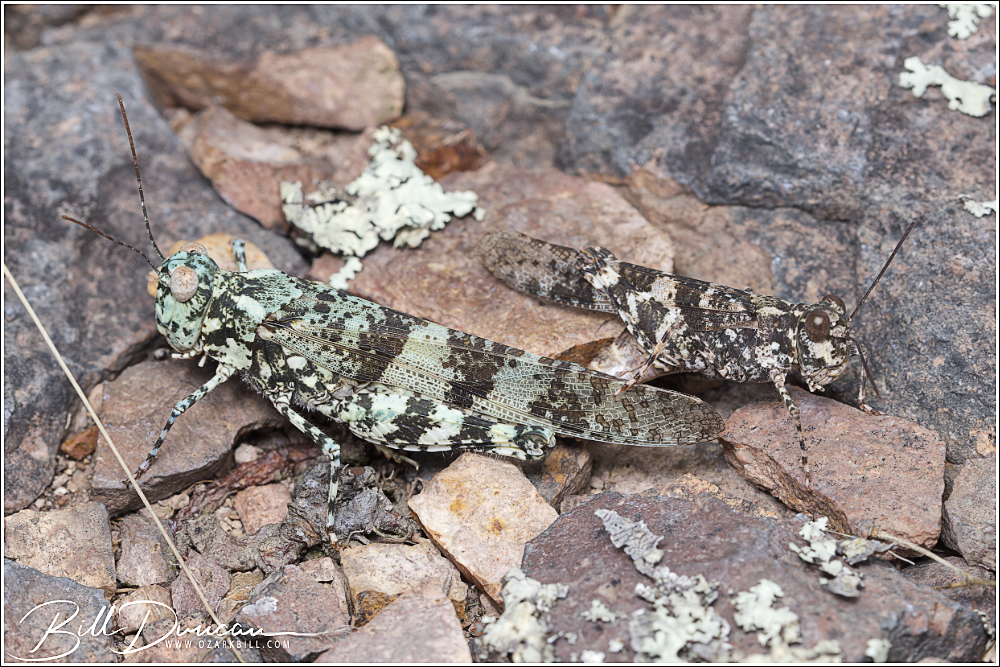
Finally, from a trip to Hughes Mountain Natural Area, we found a good number of Trimerotropis saxatilis (lichen grasshopper) Fam. Acrididae. These masters of camouflage utilize open, rocky areas like Missouri’s glade habitats.


2025 Caterpillar Season – Plagodis Geometer
Plagodis Geometer Caterpillar
Plagodis sp. fam. Geometridae
Host plant: Not recorded
Dates found: 06 September, 2025
Locations found: Babler State Park, St. Louis County, MO
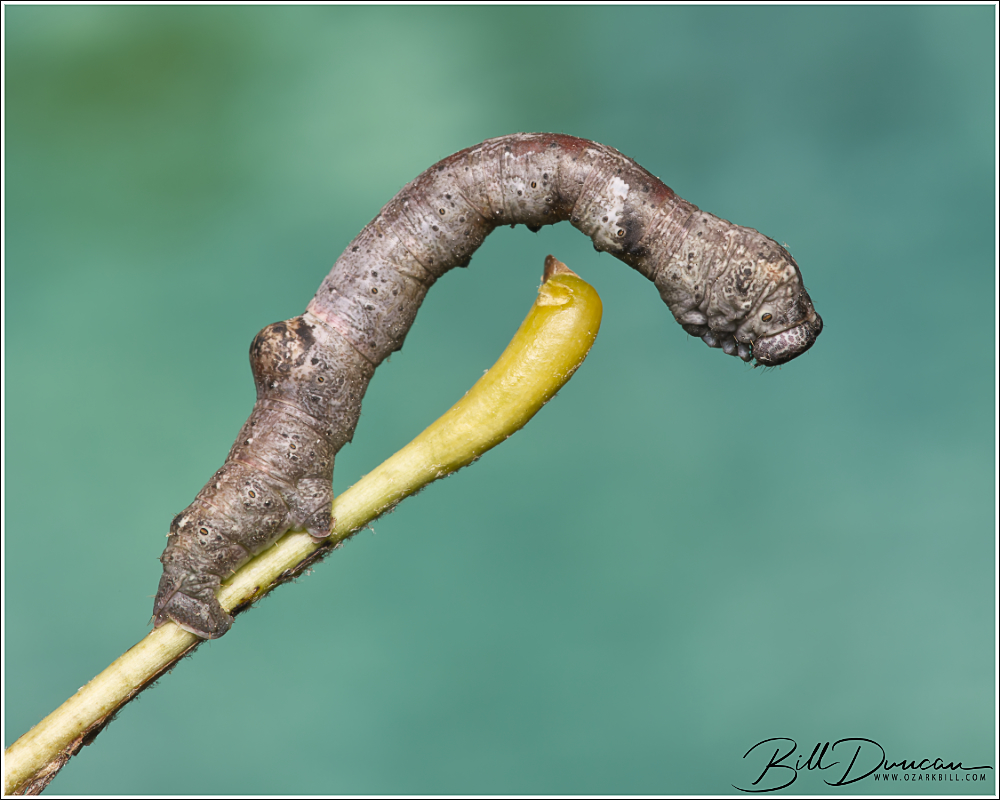
Notes: Plagodis larvae are well camouflaged to look like woody twigs on their host plants. Their body shape and coloration are not their only tools to use in their adaptive subterfuge. When disturbed, these twig mimics will become rigid instead of attempting to flea, often assuming this position while being handled.
2025 Caterpillar Season – Lace-capped Caterpillar
Mating Harvestmen
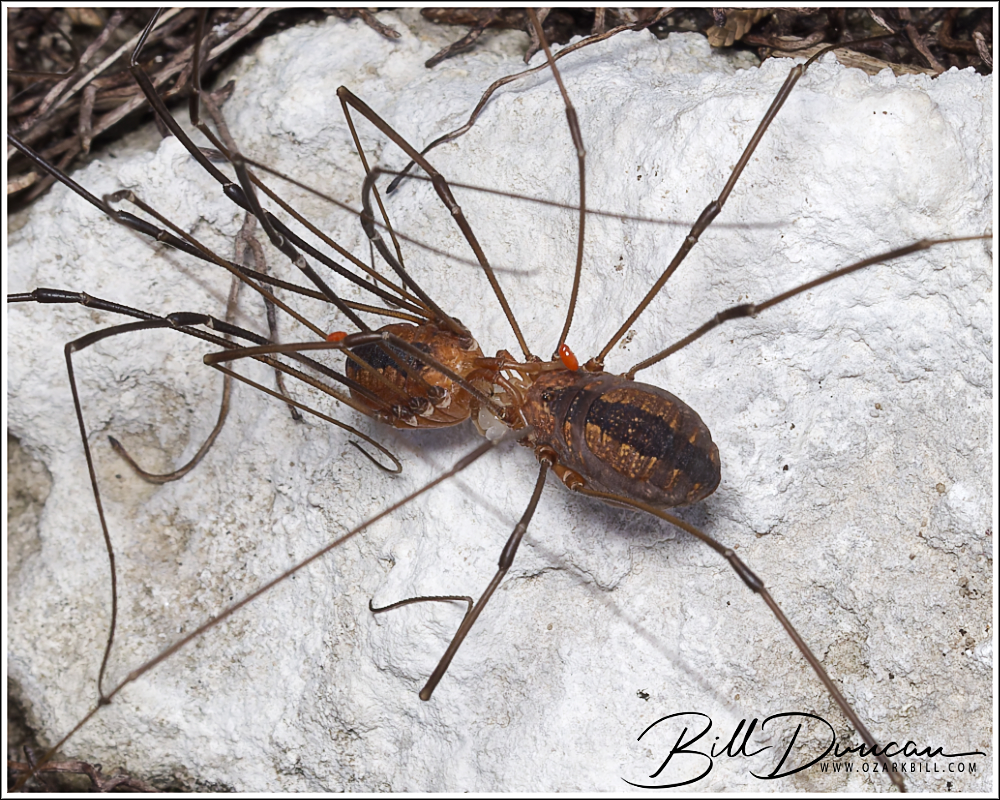
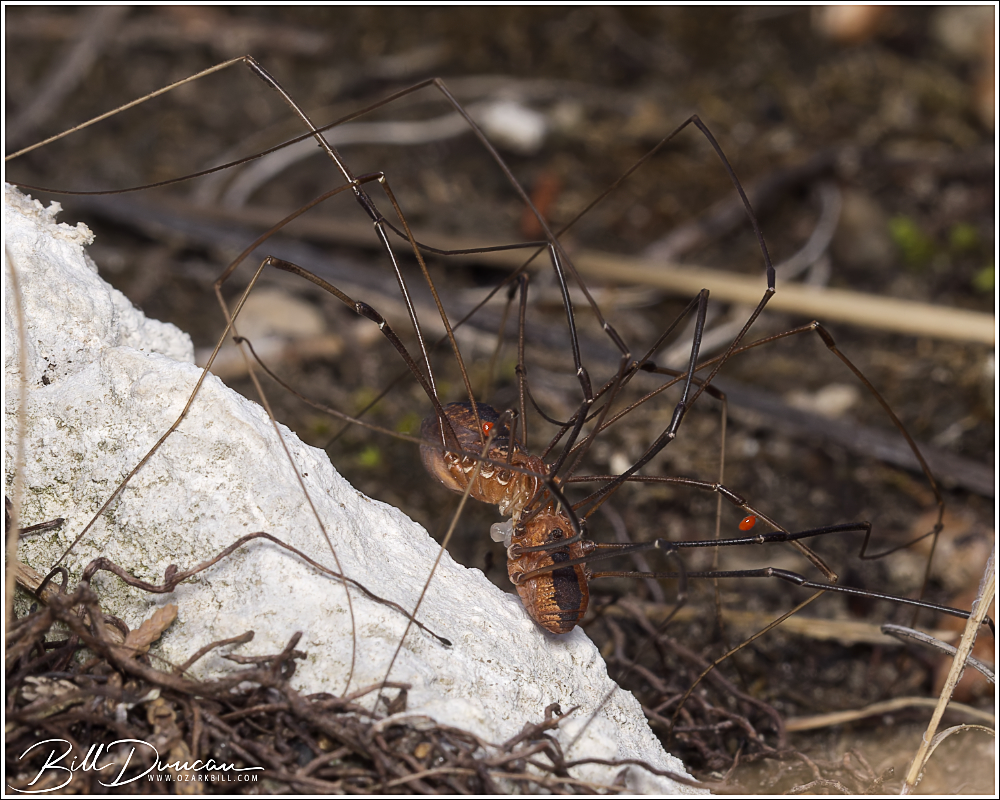
During a WGNSS Entomology Group trip in September of last year, we were thrilled to come across a mating pair of Leiobunum vittatum (eastern harvestmen) at Caney Mountain Conservation Area. In some of the photos below, you can see the male handing off his prenuptial gift to the female. Prenuptial gifts are produced by the males and consist of a mix of essential amino acids. Mating behaviors in harvestmen are complex and vary wildly between taxa. Unfortunately, these guys were among thick scrub that made for difficult photography. I tried my best to capture some of this behavior.