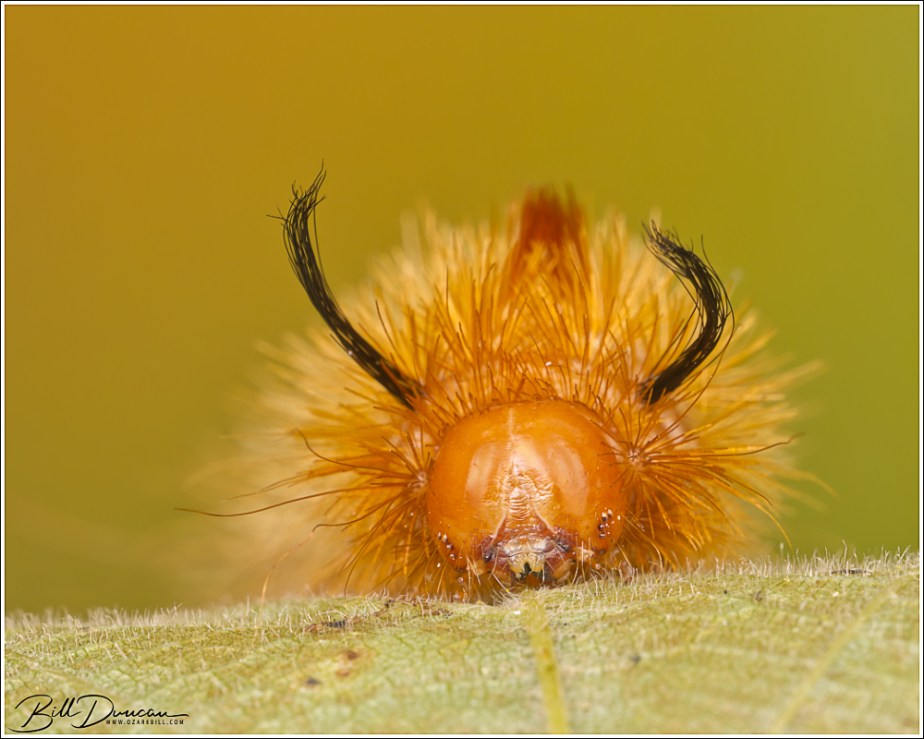
It’s with mixed emotions when the green season comes to an end for me. This year was great for finding new and long-sought caterpillar species. I seemed to find a good flow of getting enough time in the field and being able to stay on top of record keeping and photo processing. I would always like to find more time for field hunting, but being a healthcare slave like the rest of us, necessitates having a job and paying the bills. I suppose the winter season will be a nice break and allow time for catching up on other projects, like building my list of species I want to find next year!
This post contains a miscellany of caterpillars found during the 2026 season that I have shared in their own posts either this year or in recent years. Thanks to those who have expressed their interests and compliments this year. Many reading this will know already, but I will tease that I have been working on a special project with caterpillars for the past year and I hope to be able to share more about this in the coming months.
Wishing you all a great winter season and I look forward to getting back to the hunt next season!
Gelechiidae
Pyralidae
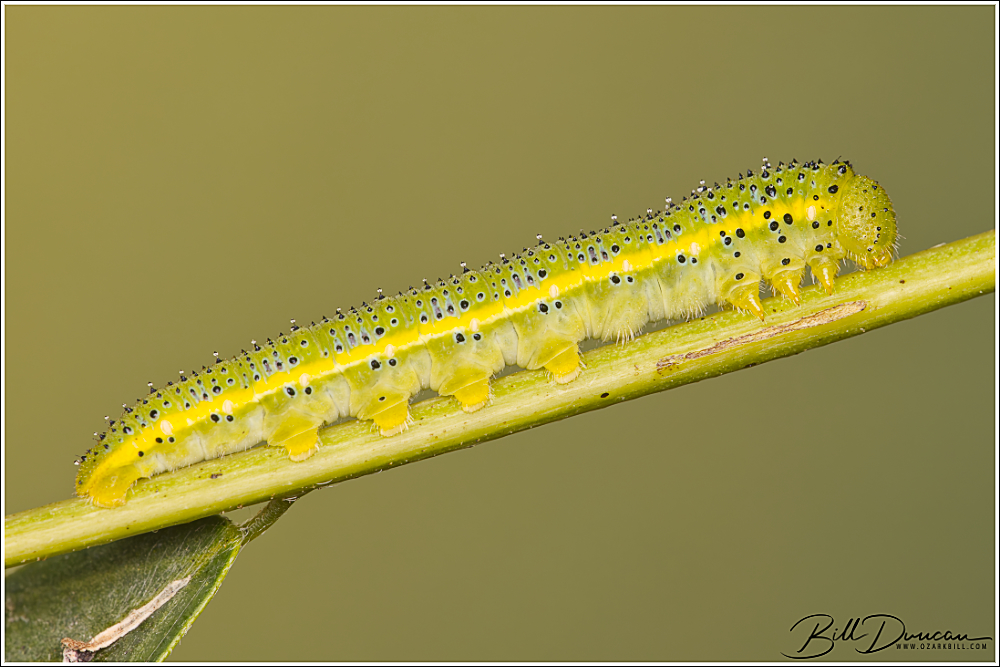
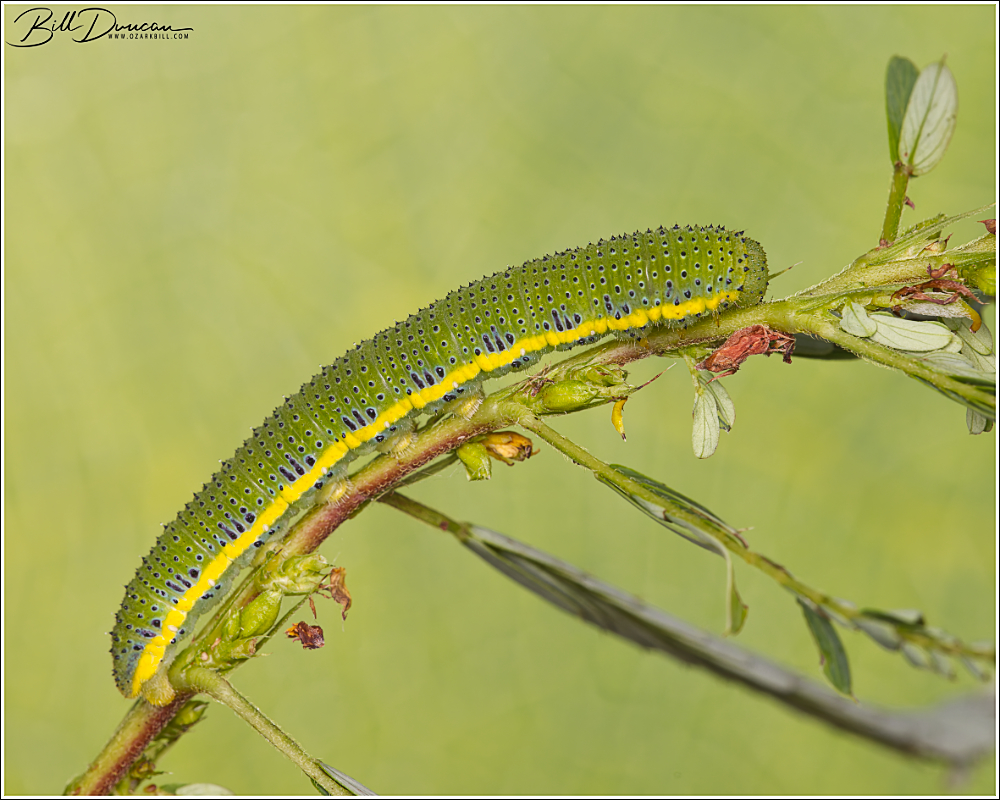
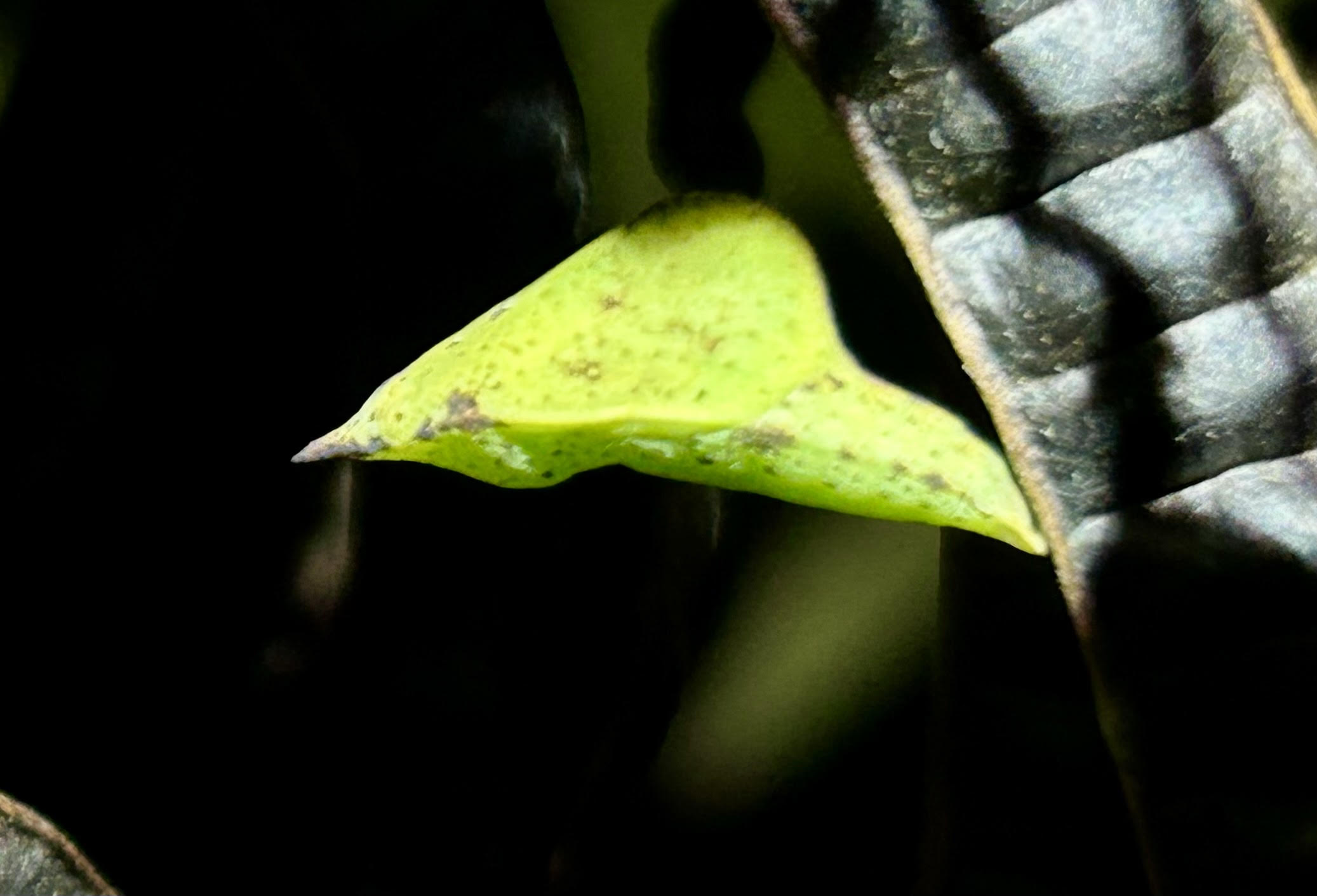
The clouded sulphur (Phoebis sennae) is very easy to find. Simply find its obligate host plants (Senna marilandica, Chamaecrista fasciculata) and have a look at night when they are more likely to be openly feeding. This species has a very cool chrysalis as well. Sorry for the crappy phone pic.
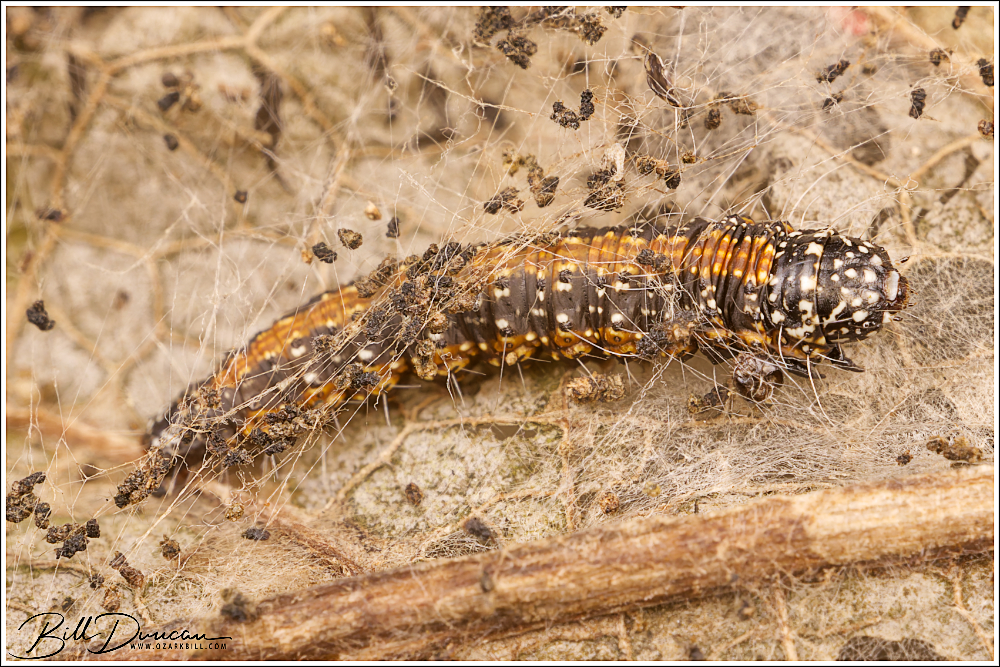
Nymphalidae
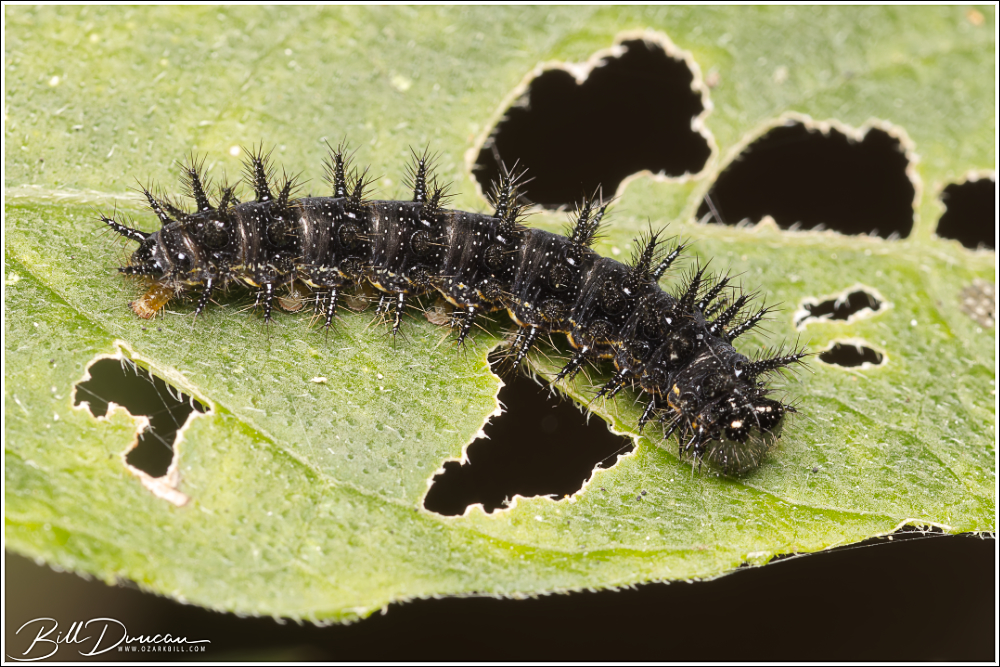
Papilionidae
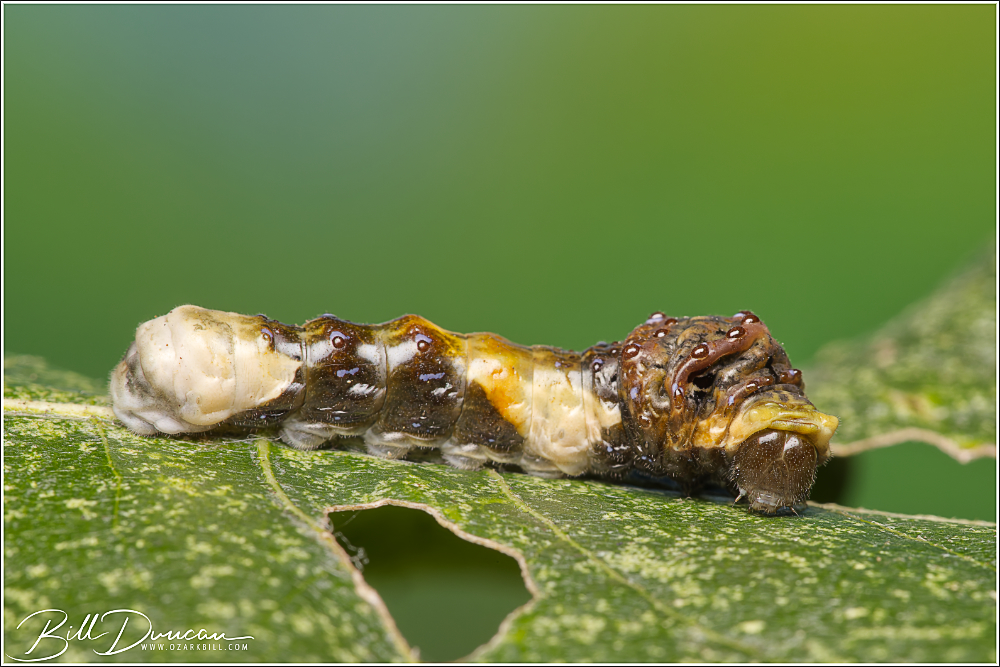
Erebidae
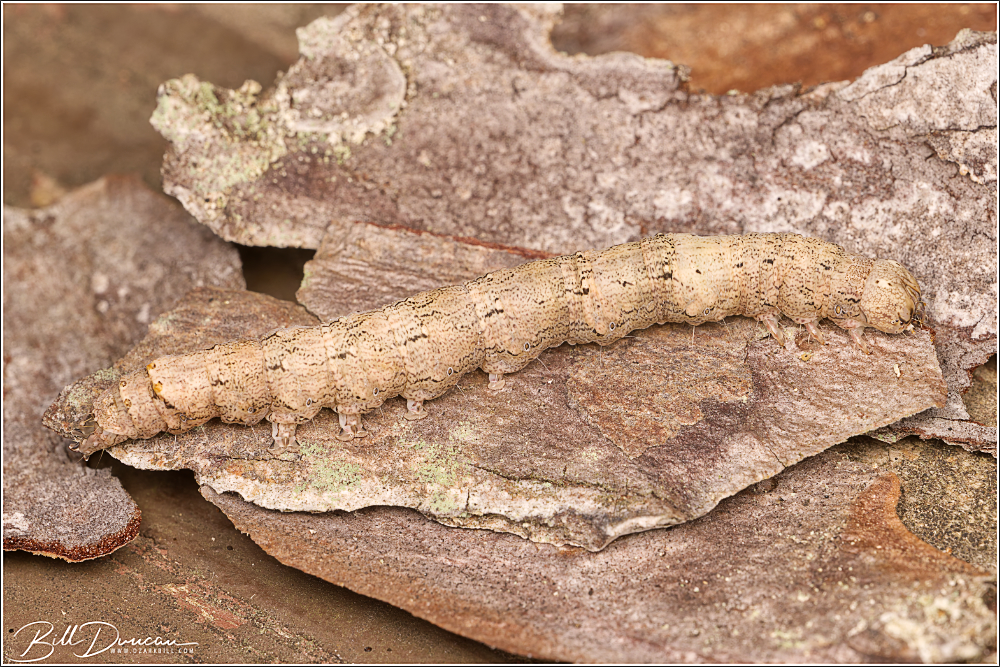
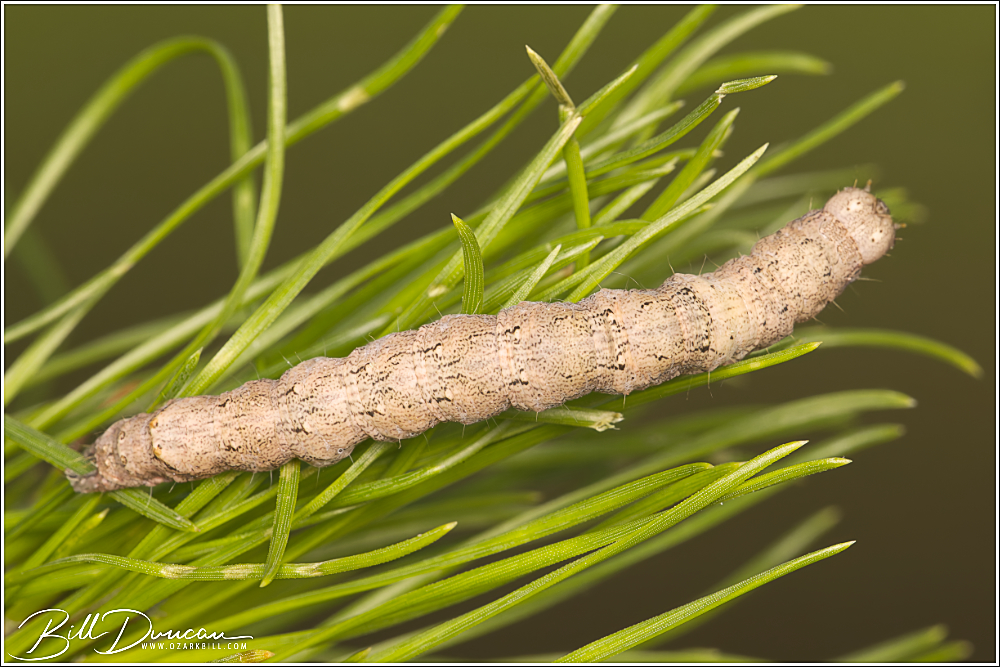
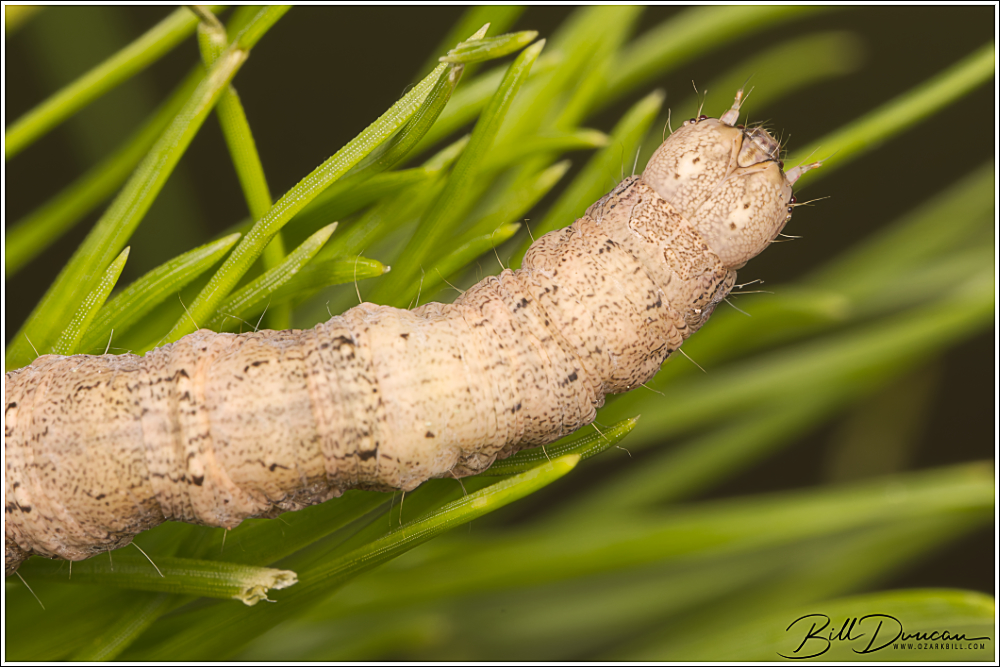
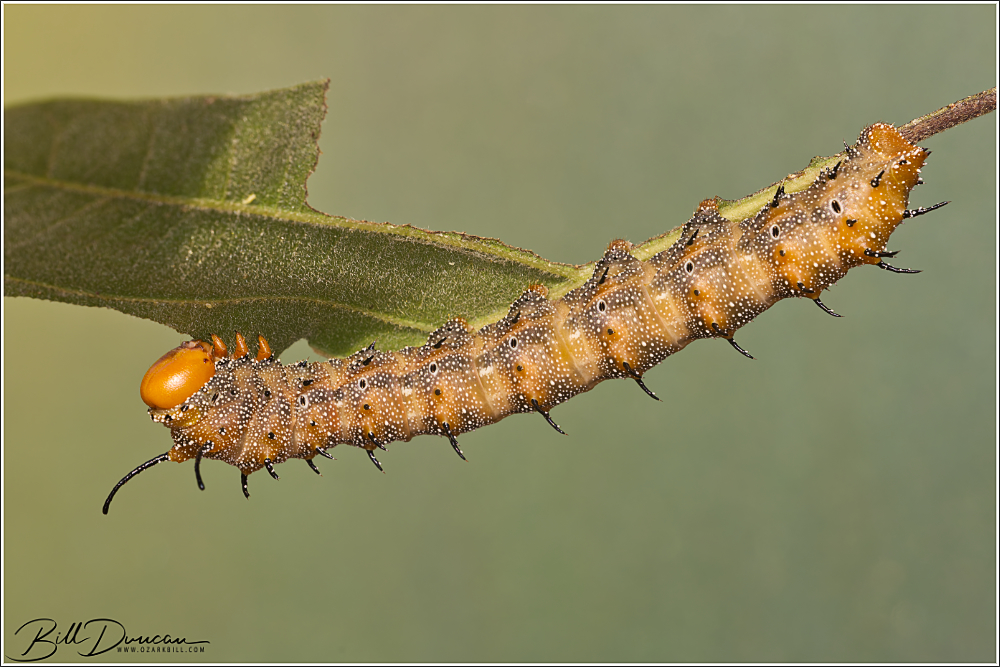
Besides the usual troubles, like trying to identify geometers, I did not run into many too difficult to identify cats this season. The one photographed above is an exception. This individual was found during a WGNSS entomology group outing to Loggers Lake in Shannon County in mid-August. It was found in a bark crevice of a shortleaf pine tree at about head height. This strongly suggests this could belong to one of the pine-feeding Zale species. However, several characteristics also align with Allotria elonympha (false underwing) that hosts principally on black gum (Nyssa sylvatica). Therin lies the issue. The area where we found this guy holds as many black gum as it does pine trees. Was this simply a Zale sp. passing the day in its pine host, or could it have been a wandering Allotria elonympha? The experts on iNaturalist cannot conclude, so for now it is simply labeled as Erebinae subfamily. Sometimes you simply cannot get to certain species determination.
Saturniidae
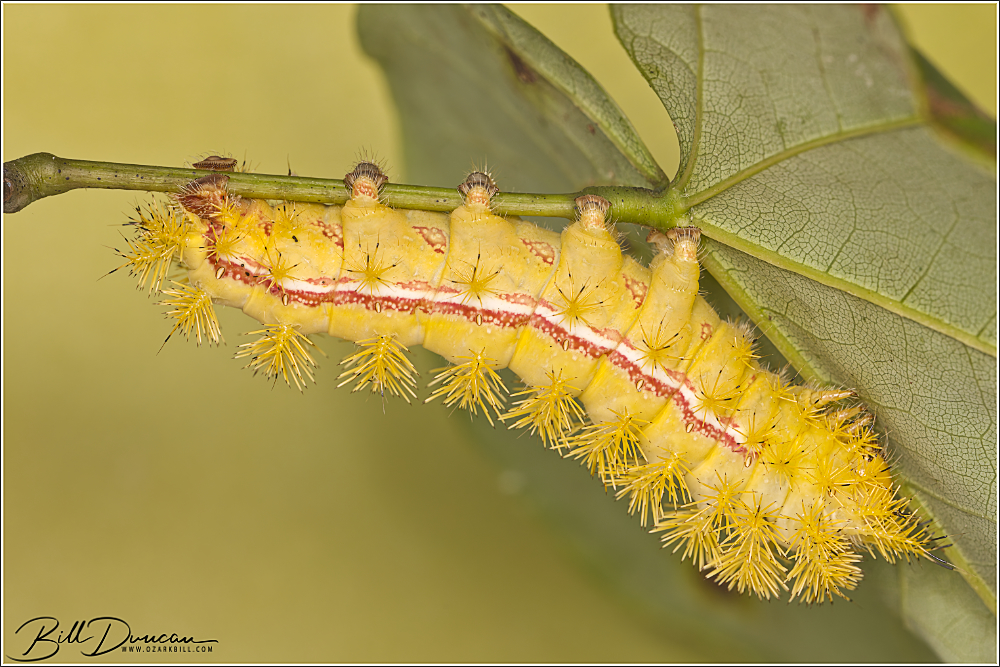
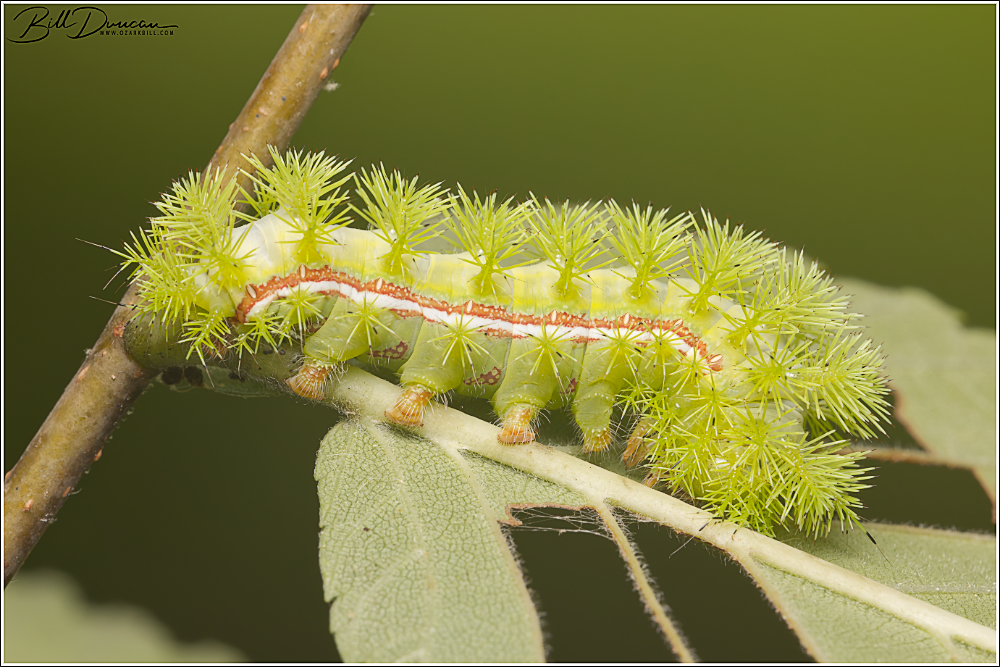
Io moth (Automeris io) caterpillars were frequent finds this year, showing up when you least expect them.
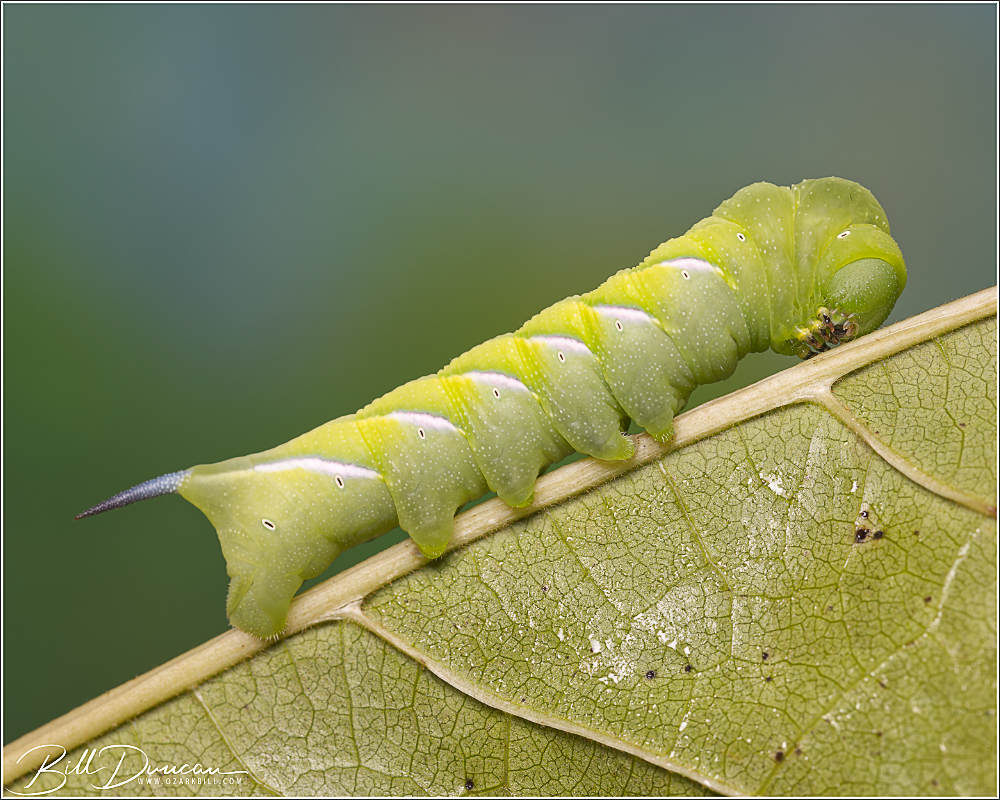
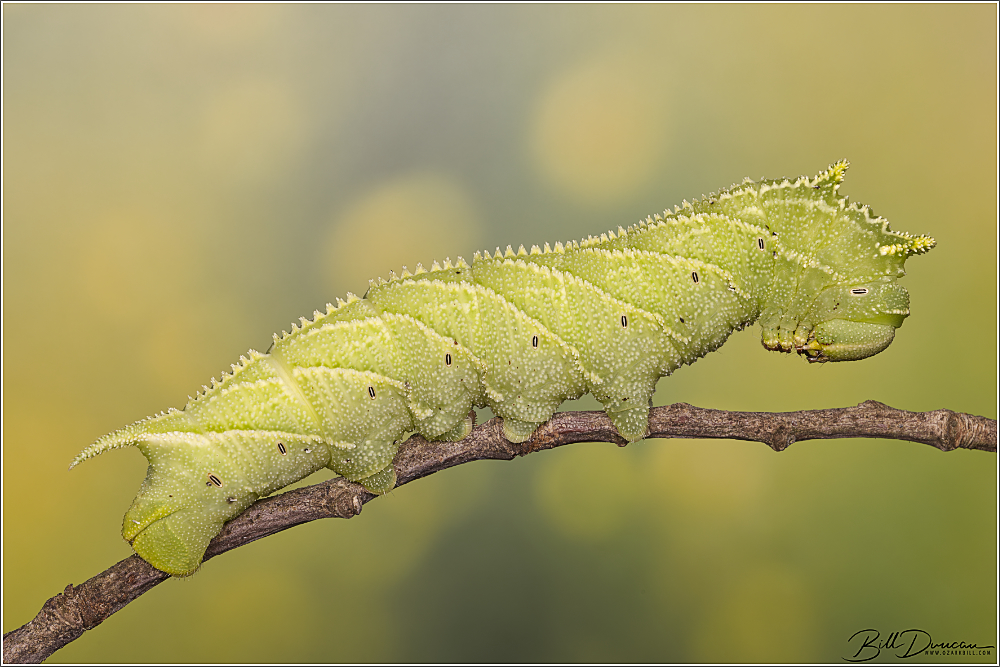
Sphingidae
Notodontidae
Noctuidae
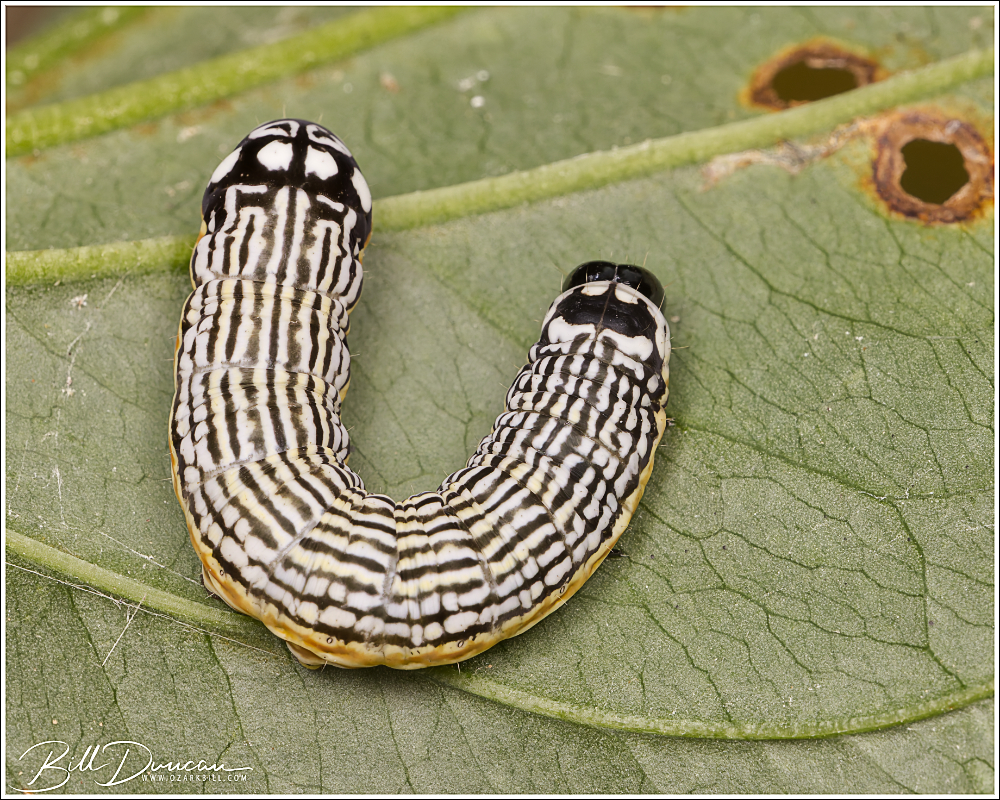
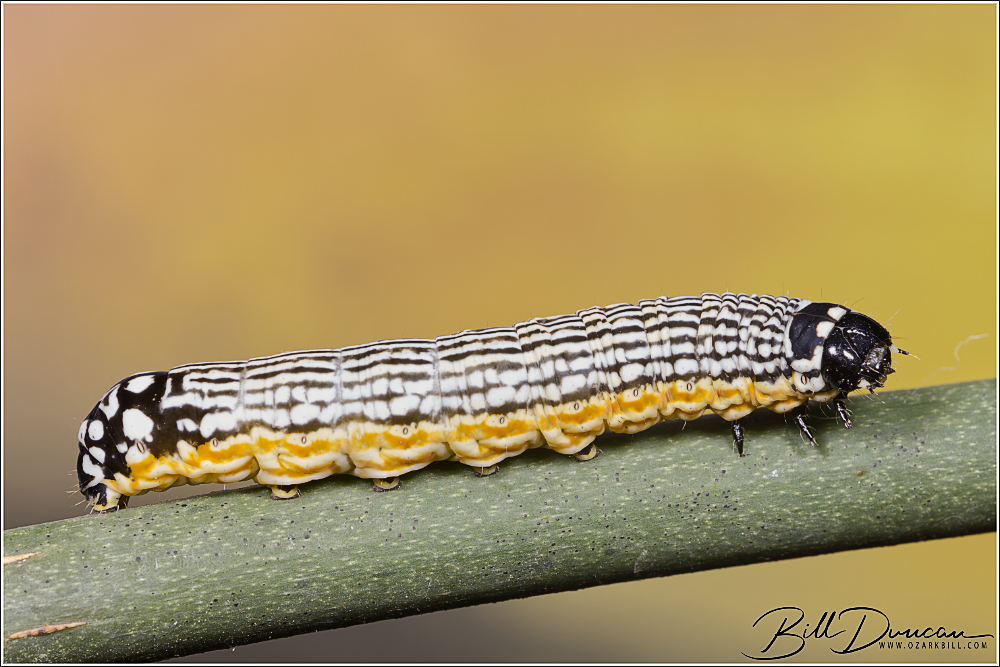
It took me until late September, but I was finally able to find a final instar turbulent phosphila (Phosphila turbulenta) at Blue Springs Creek Conservation Area in Crawford County.
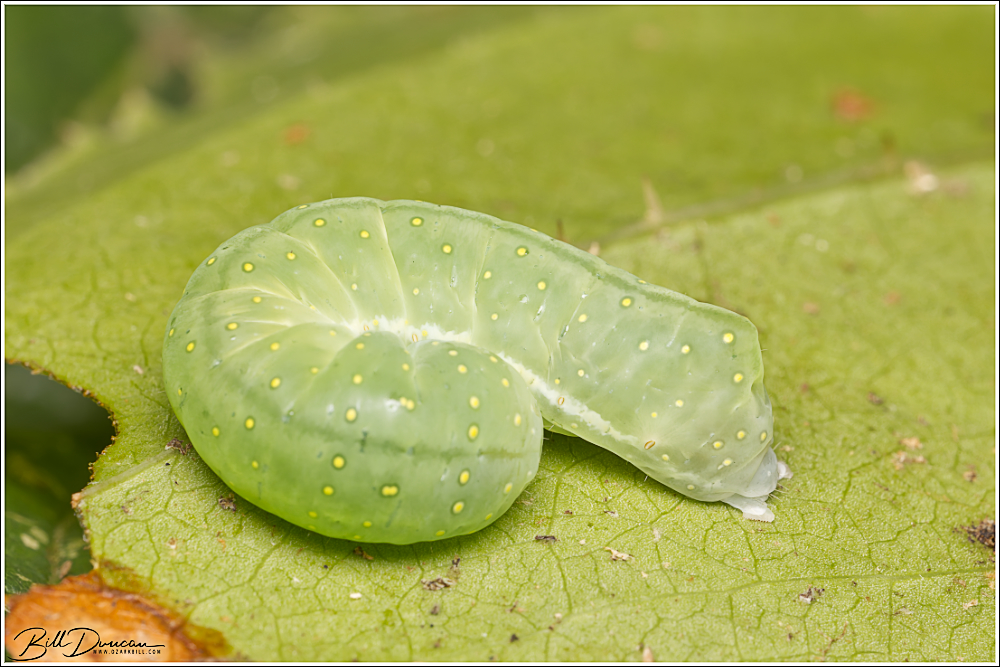
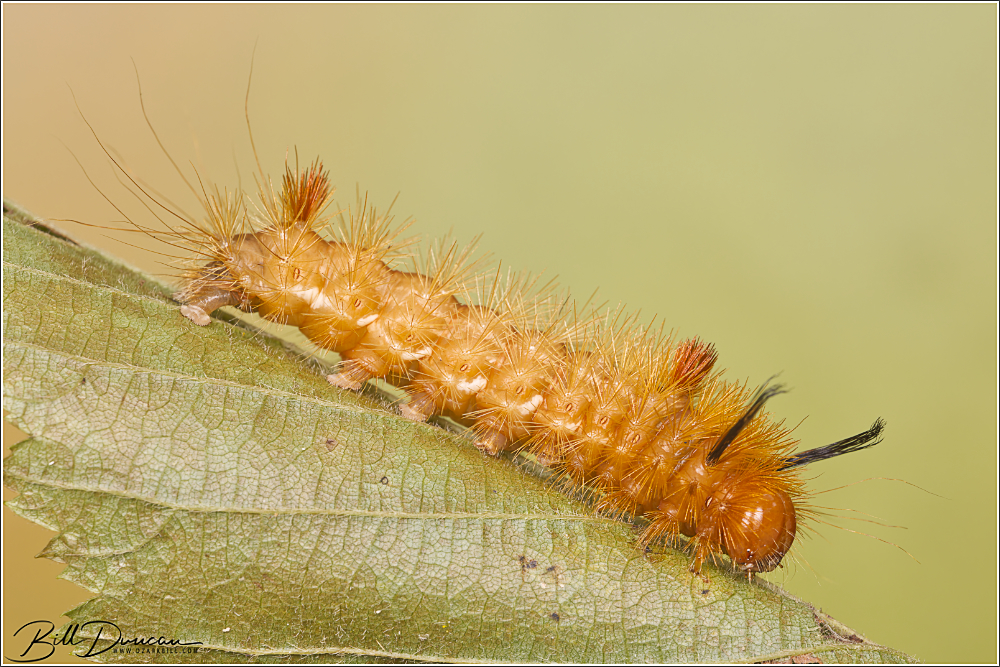
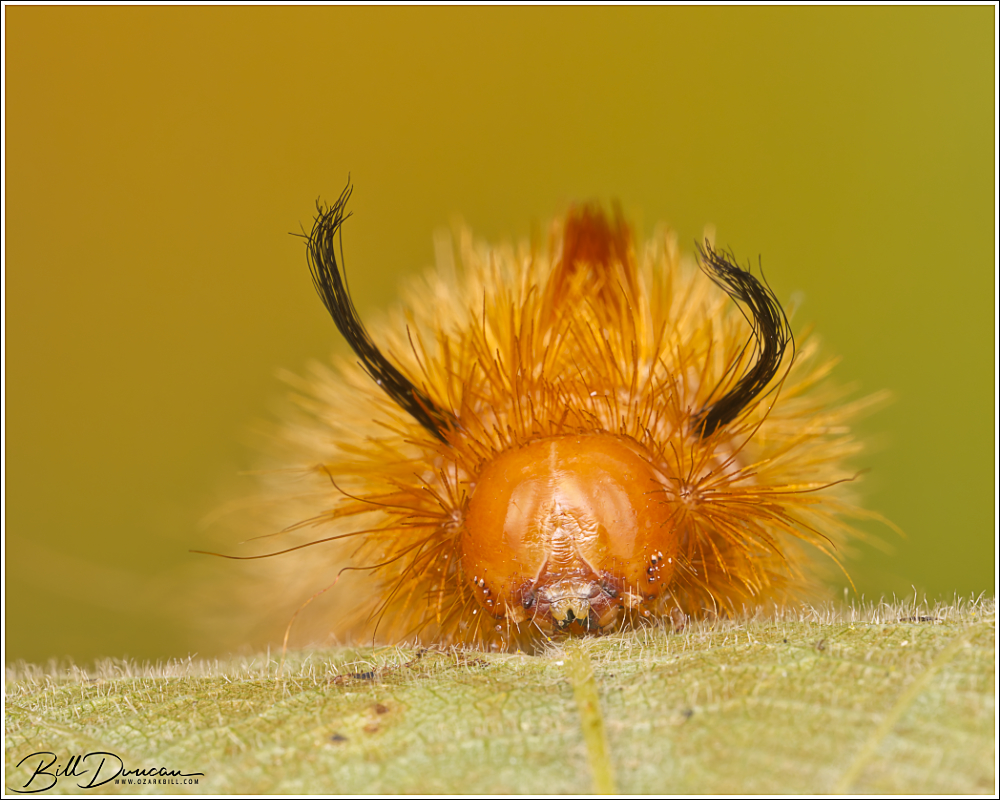
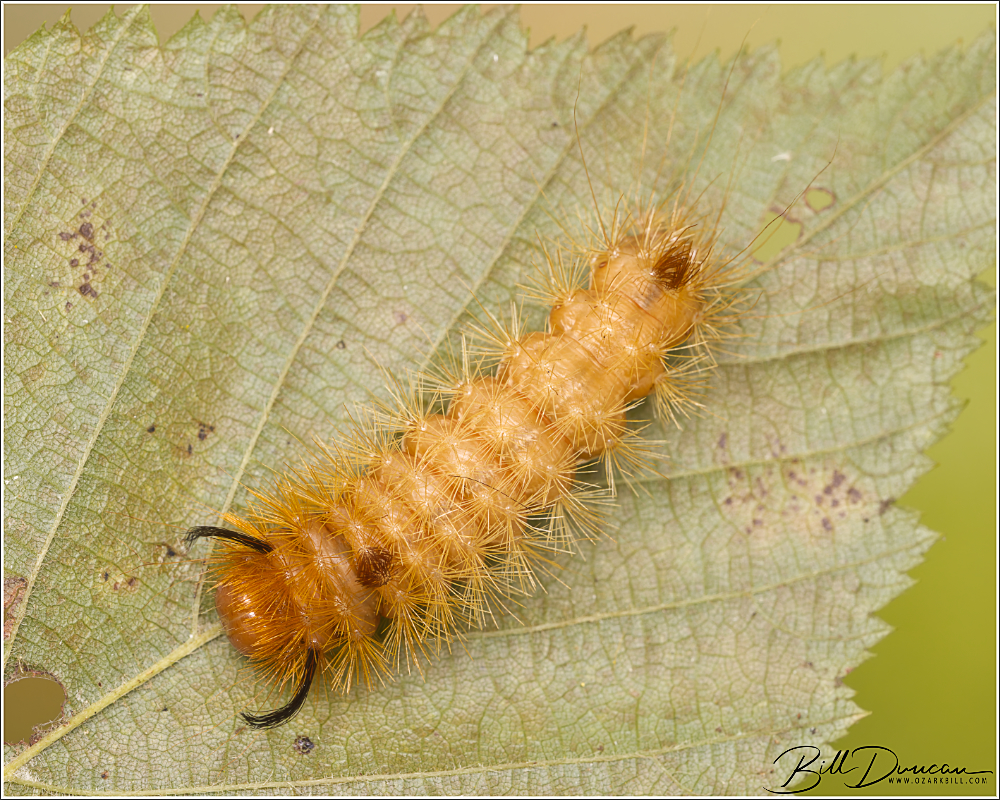
After spoiling an opportunity to photograph a yellowhorn (Colocasia sp.)cat earlier in the season, I was happy to find another that looked identical at Blue Springs Creek Conservation Area in late September.
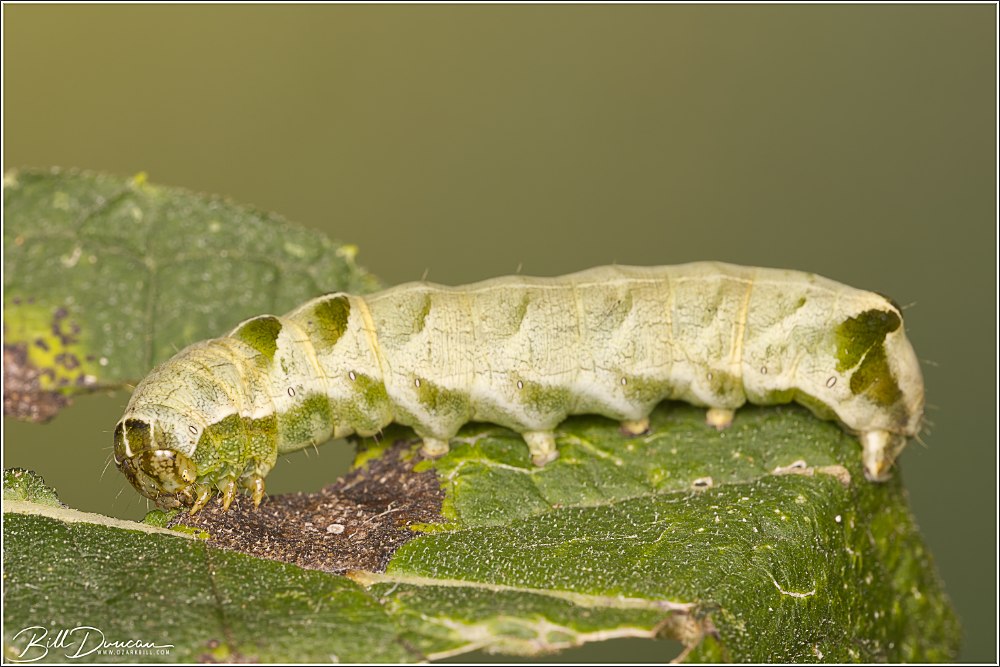
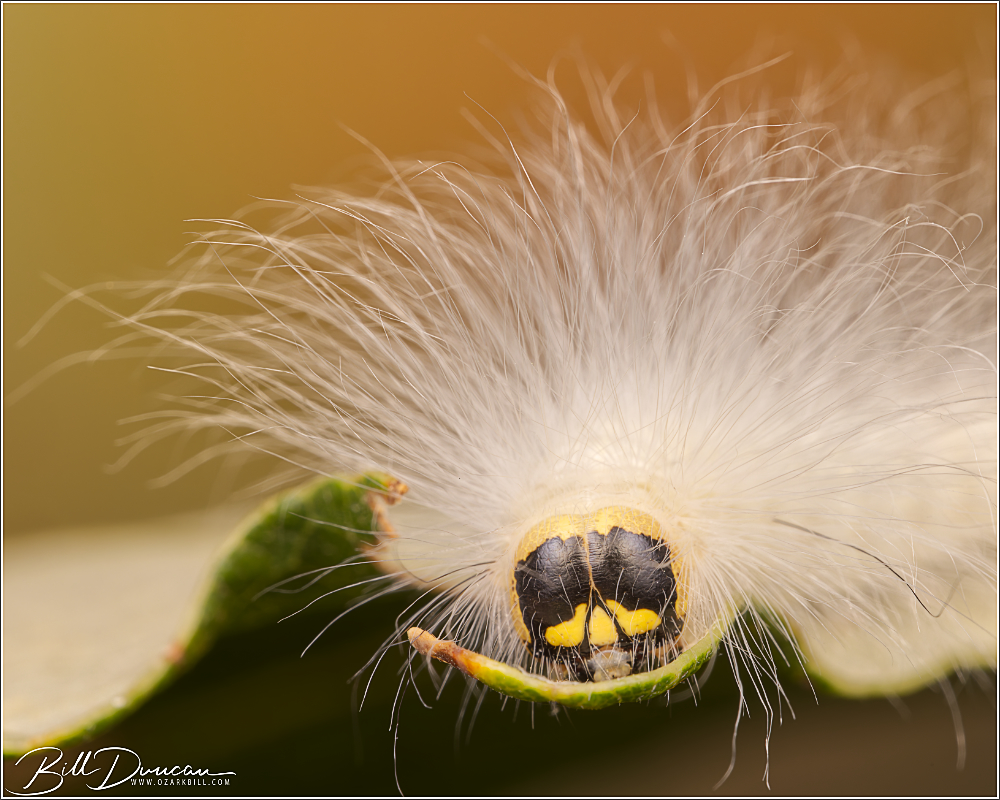
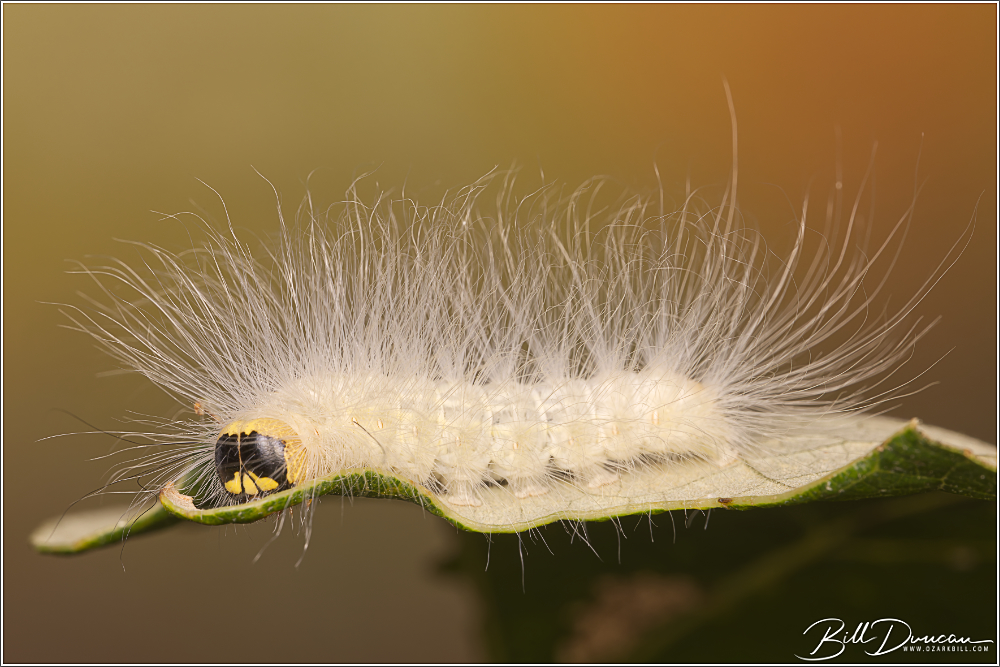
A fantastic laugher moth (Charadra deridens) that we found in Ste. Genevieve County in August. This individual has set up a cocoon on the back porch. Hopefully, I can see it as an sdult this spring.
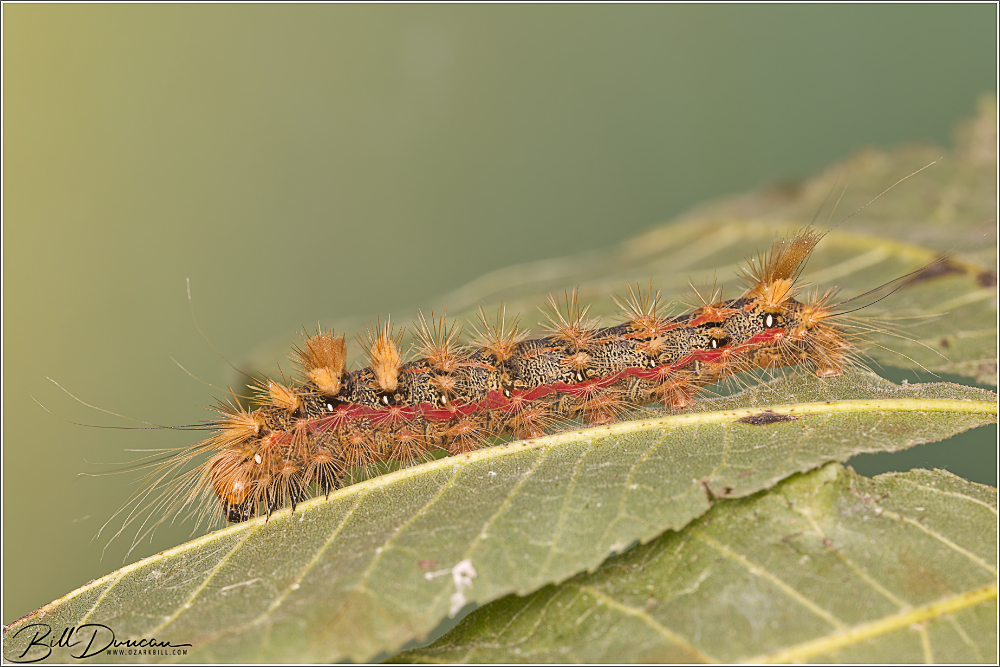
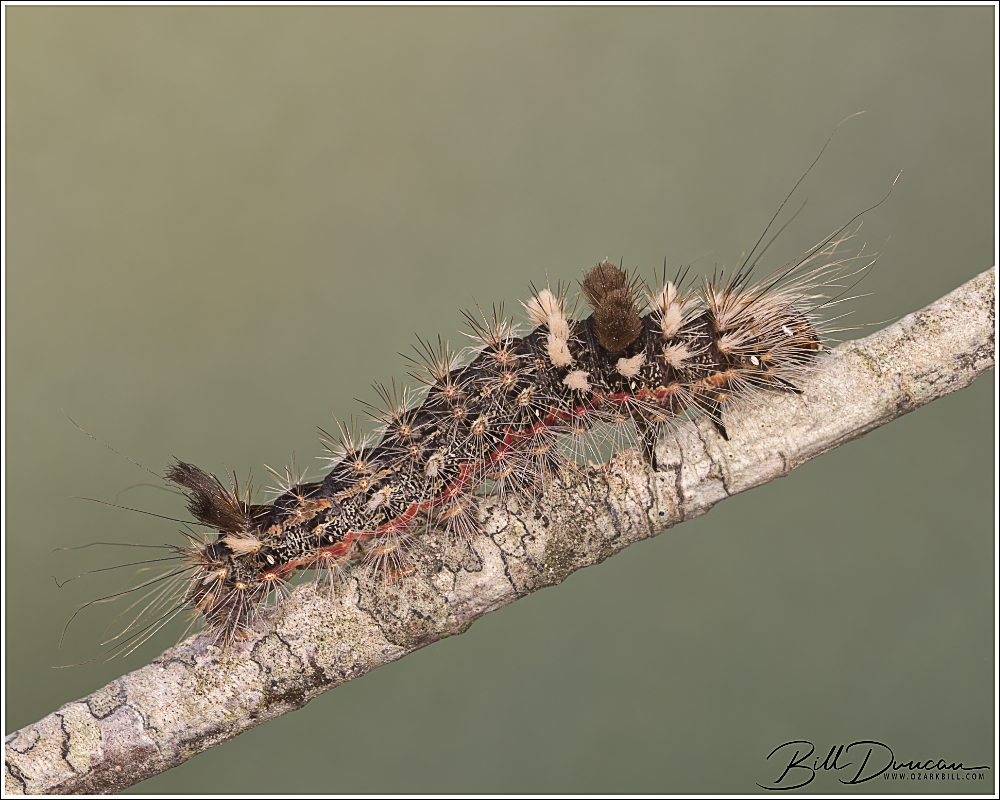
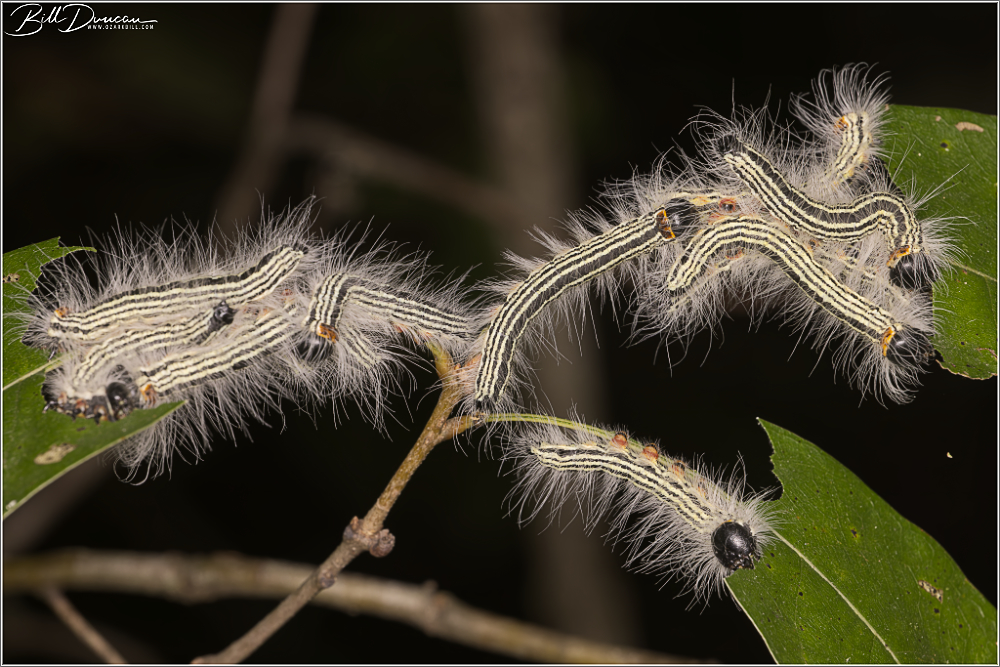
The past two seasons have been great in finding lots of yellow-haired dagger moths (Acronicta impleta).
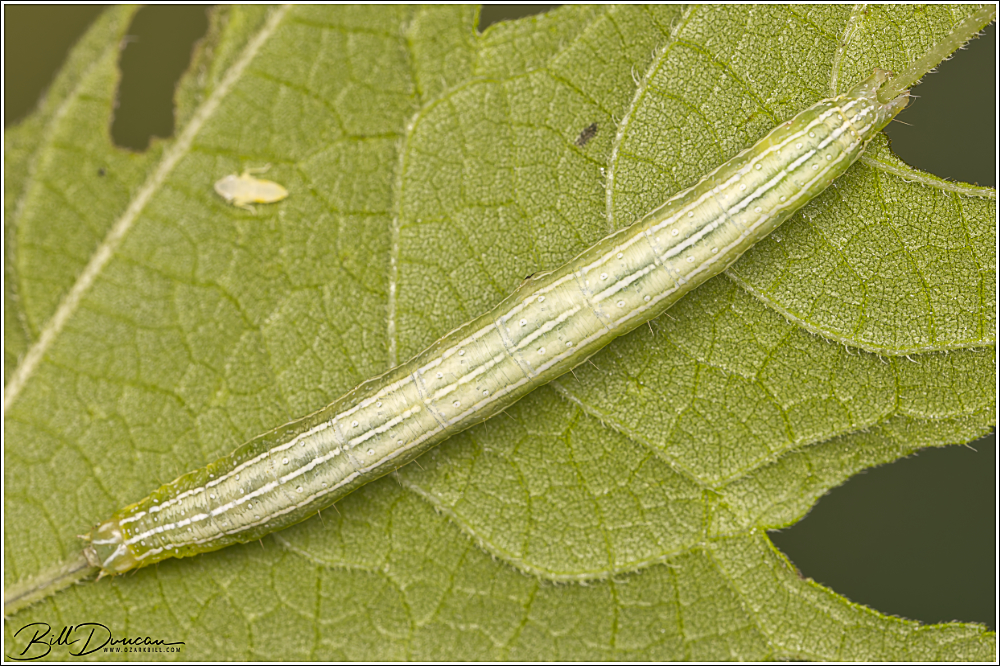
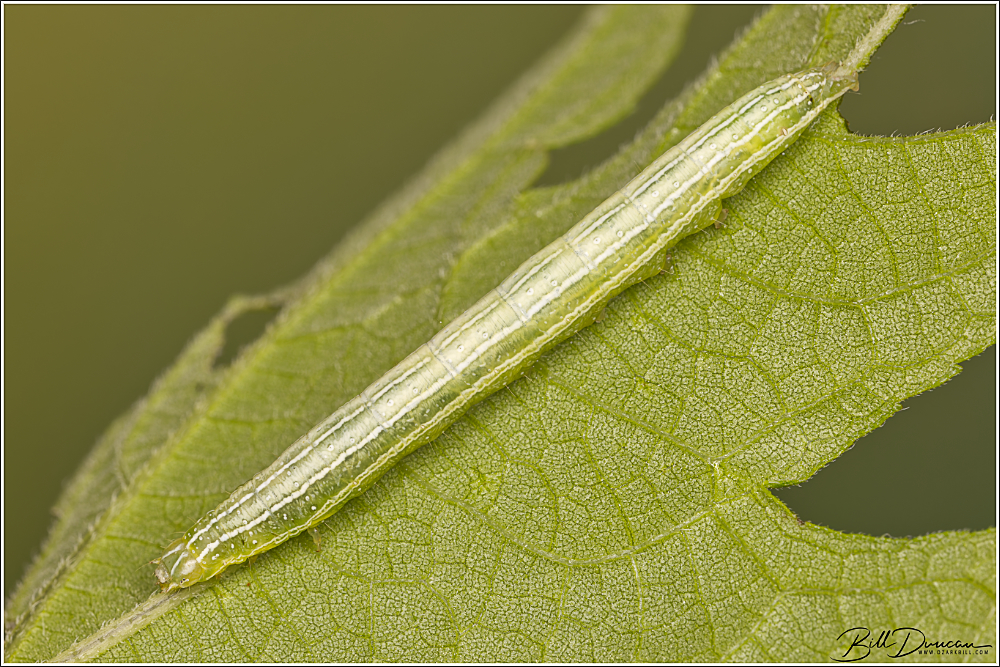
A common pinkband groundling (Ogdoconta cinereola) found in Ste. Genevieve County in early August.
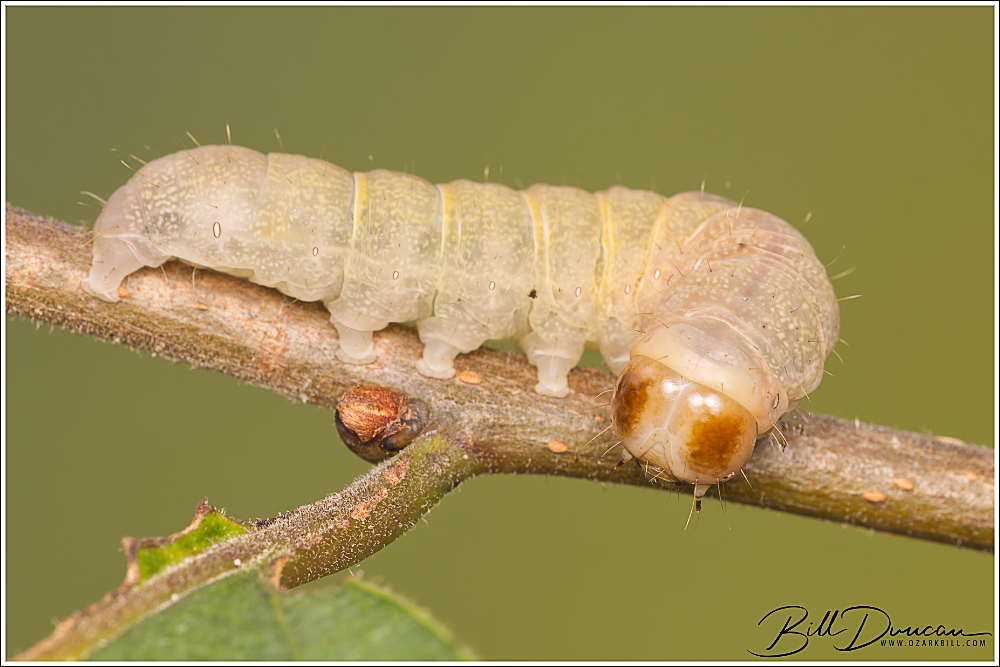
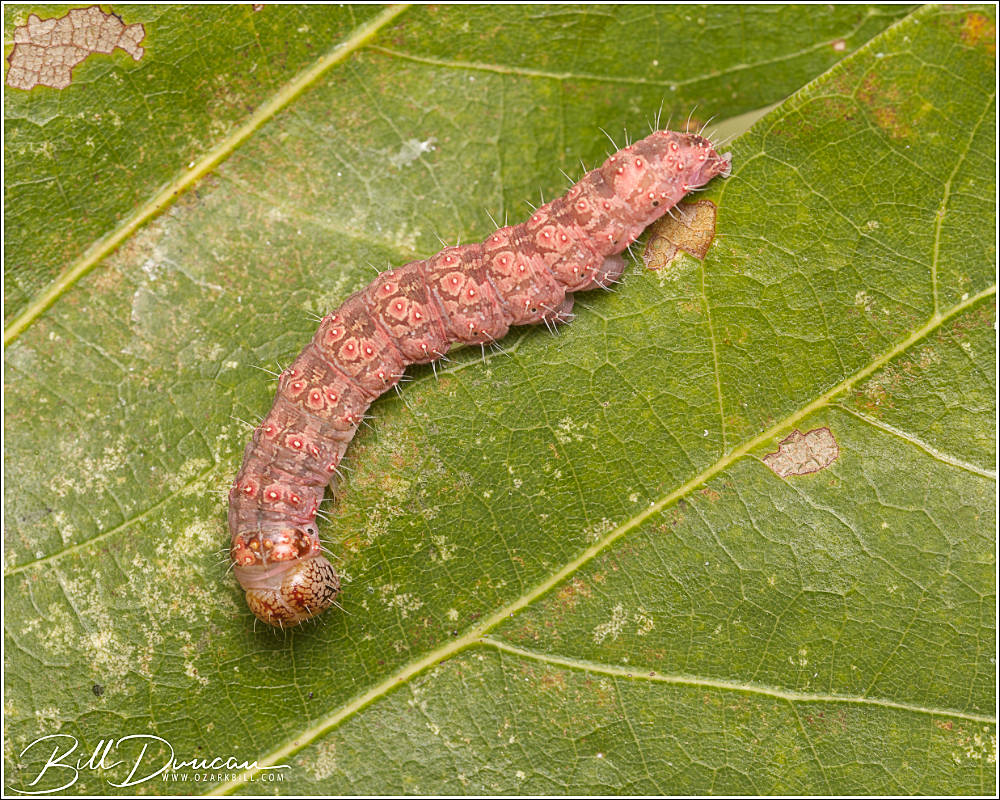
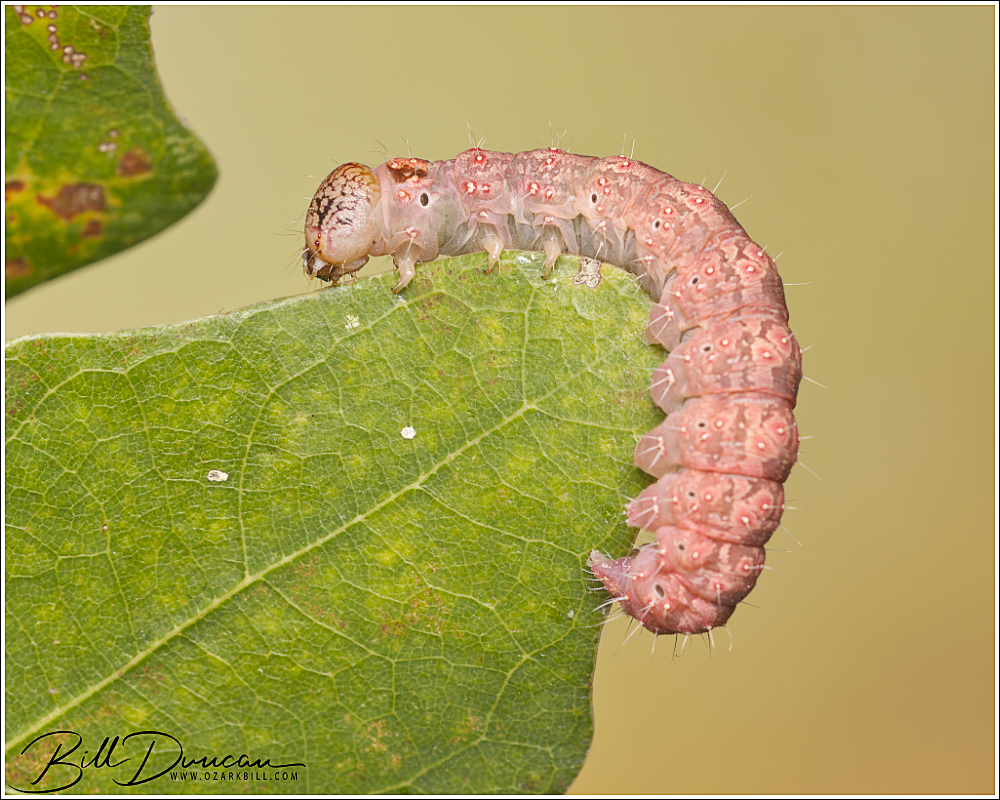
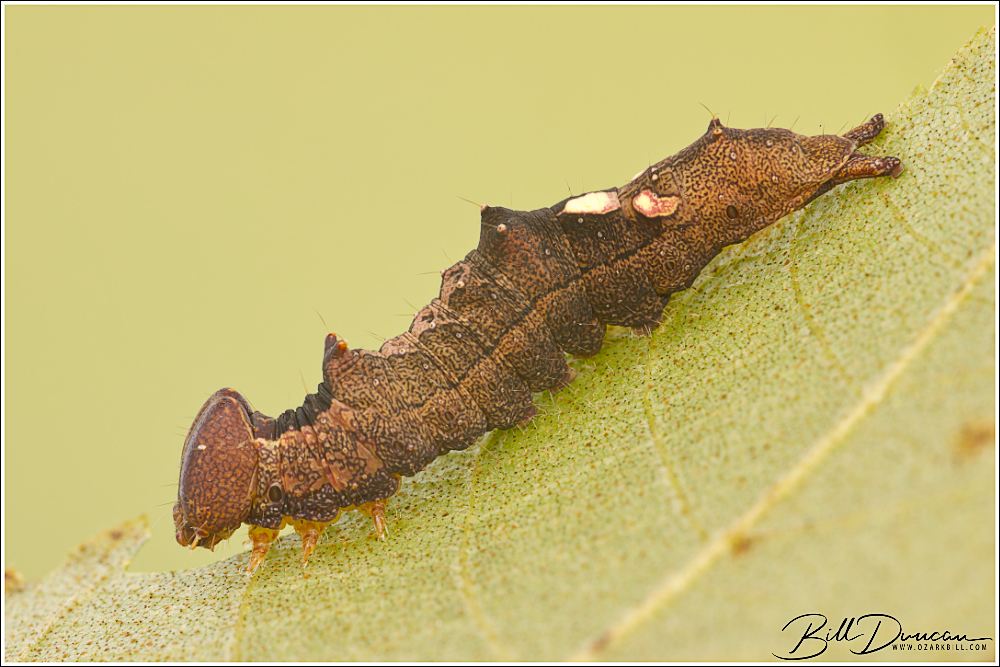
This attractive cat could be Acronicta ovata, or it could belong to one of six other species that make up this confusing complex.

