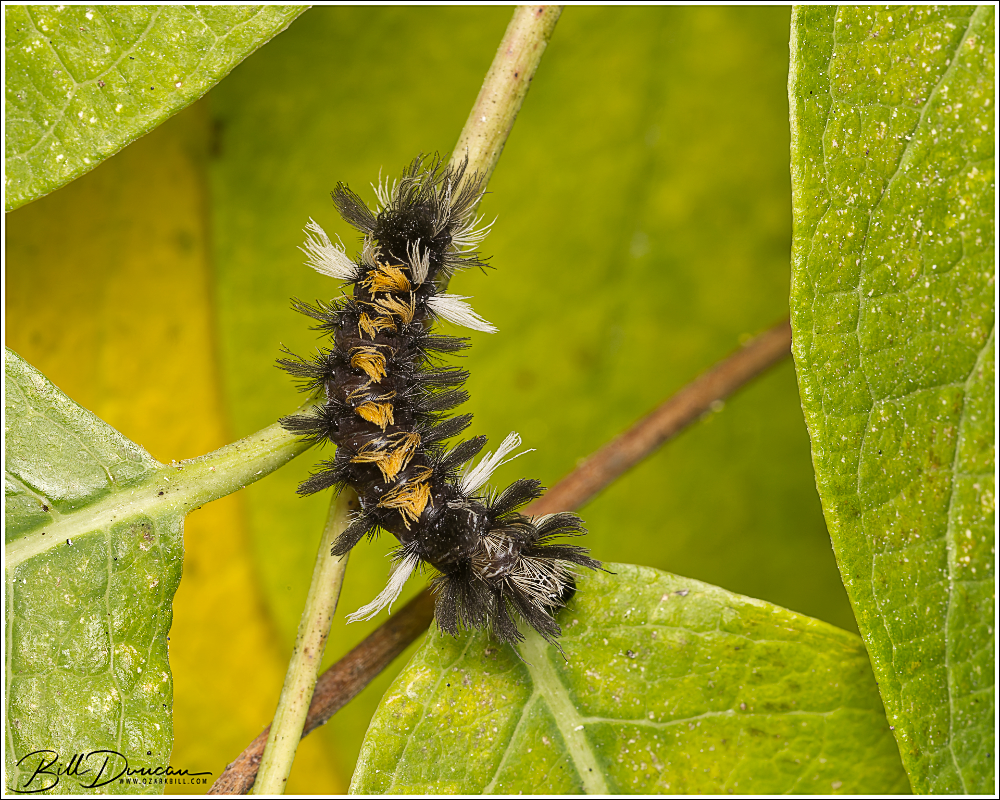
2026 Caterpillar Season – The Betrothed

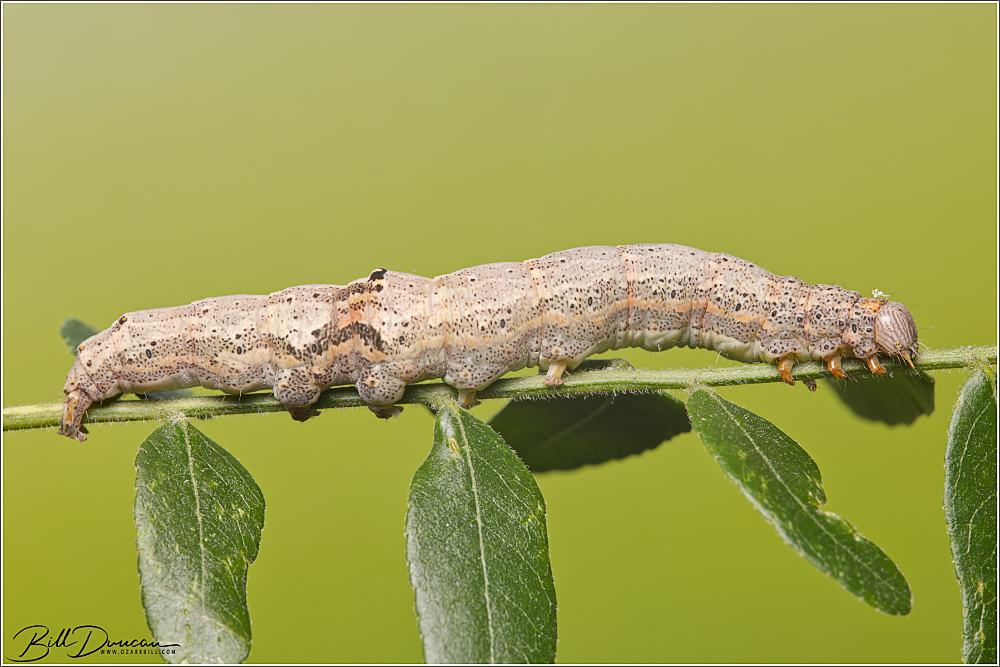
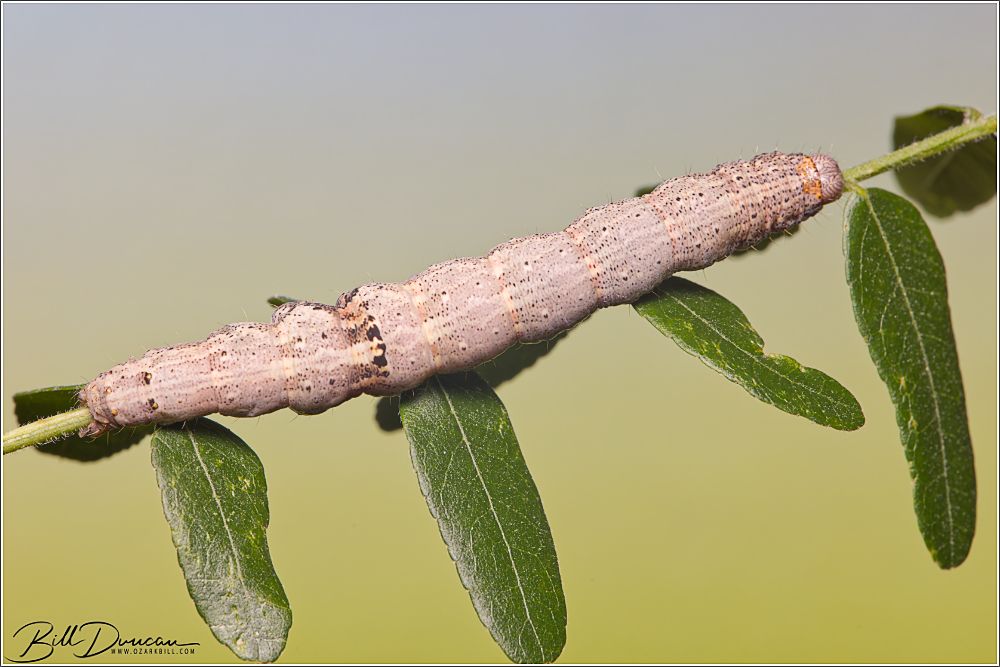
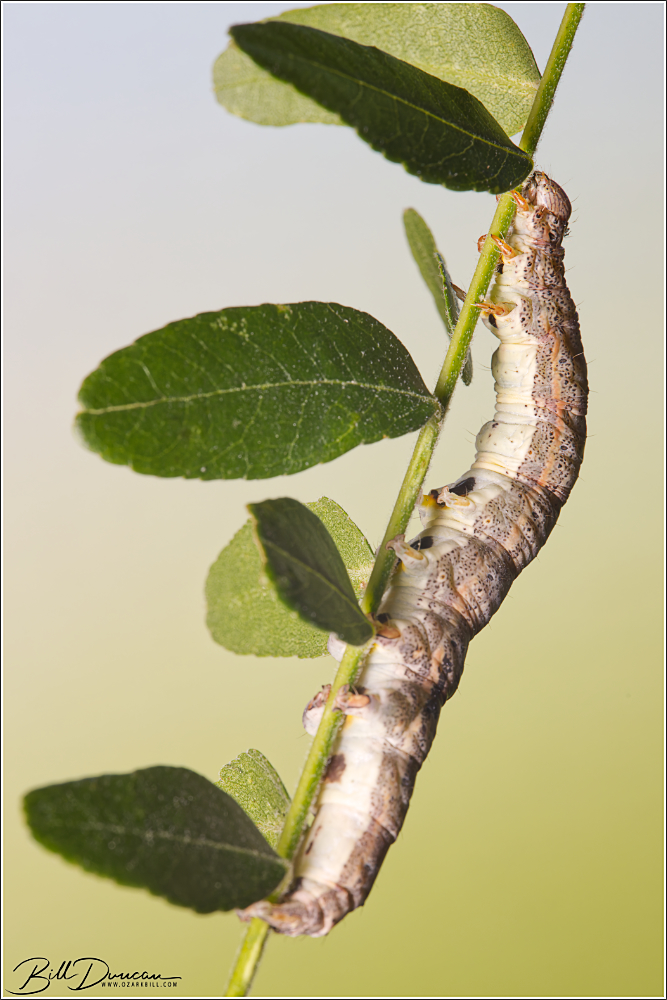
The Betrothed
Catocala innubens (Guenée, 1852) P-no. 930761, fam. Erebidae
Host plant: honey locust (Gleditsia triacanthos)
Dates found: 6 June, 2026
Locations found: Tyson Research Center, St. Louis County, MO
Notes: With more than 60 species documented in Missouri, the Catocala are common moths in our state. Despite this fact, this was my first time finding a caterpillar in this genus. Special efforts are needed to find them. They are strictly nocturnal feeders, spending the daylight hours hidden in bark crevices or even climbing all the way down their host tree’s trunk to spend the day in the leaf litter or in nearby herbaceous vegetation. Early instars can be found by beating tree limbs. Later instars can be found by searching at night. A more advanced technique involves using burlap “traps” wrapped around tree trunks. When the caterpillars move up or down, they may stay in the burlap flaps allowing you to check for them during the day. C. innubens is a specialist on honey locust.

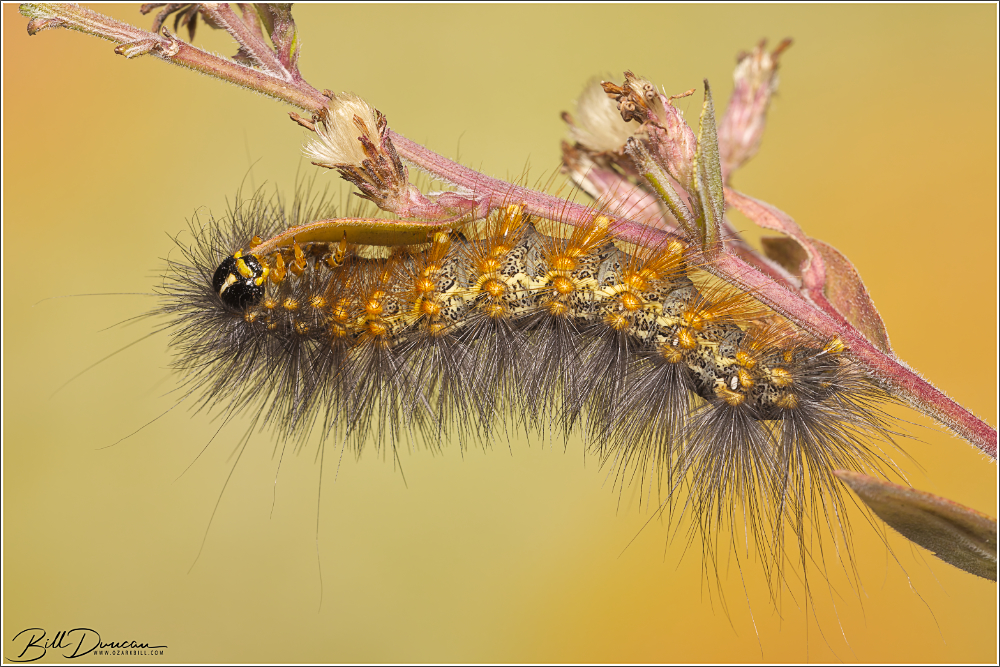
2025 Caterpillar Season – Definite Tussock Moth

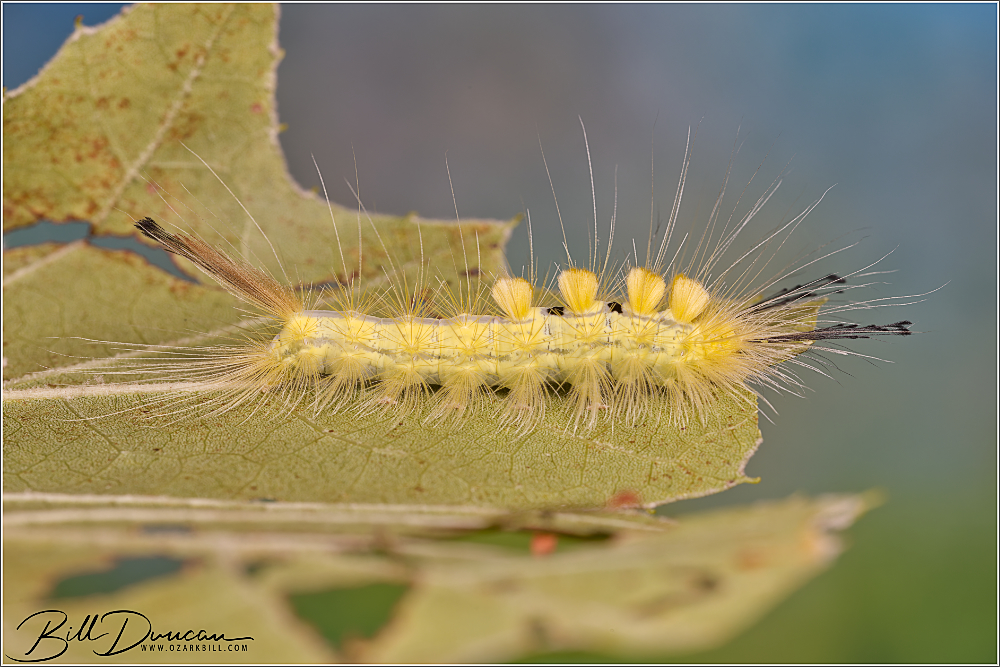
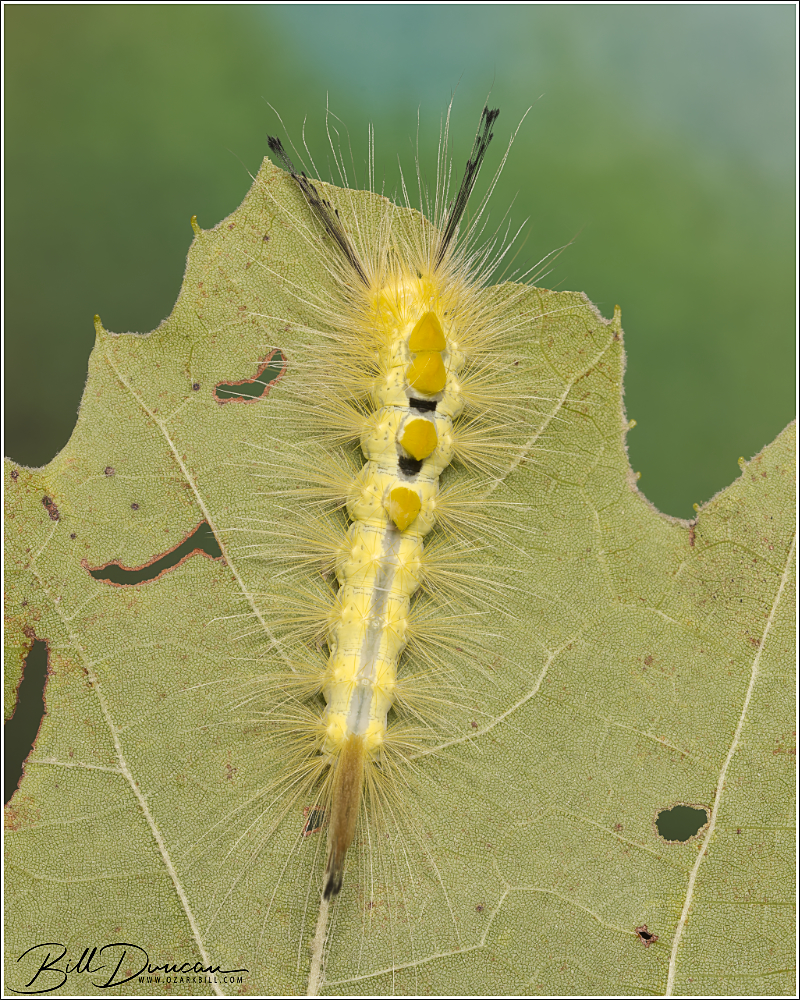
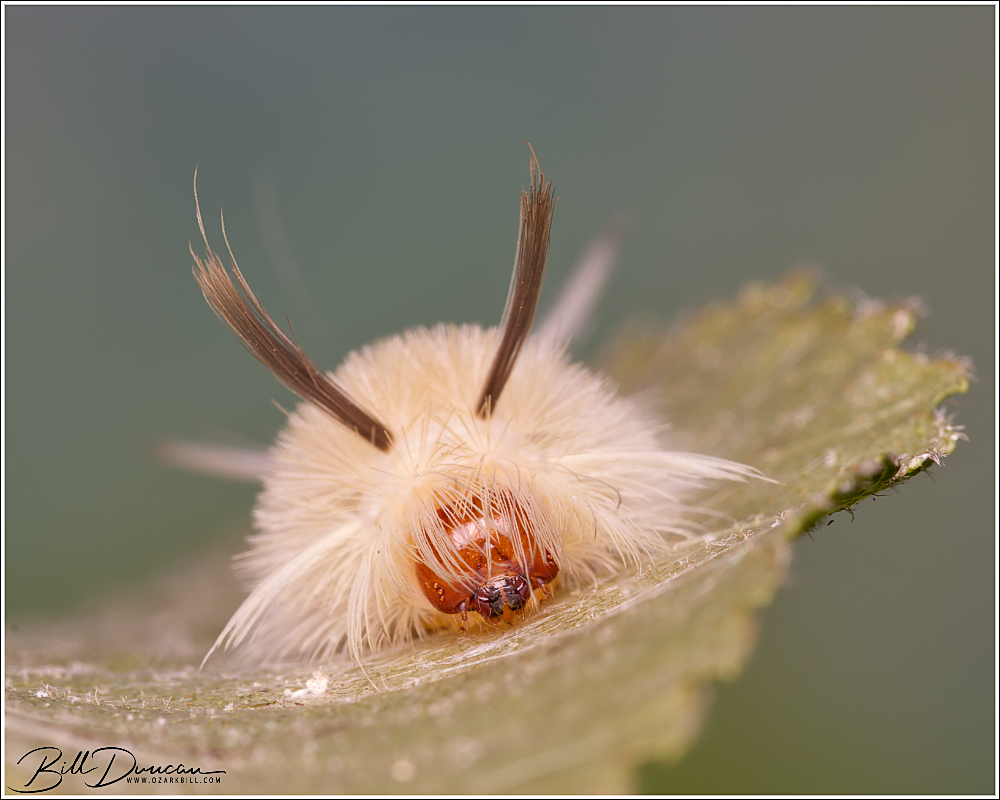
Definite Tussock Moth
Orgyia definita fam. Erebidae (Hodges#8314)
Host plant: Found on sycamore (Platanus occidentalis)
Dates found: 01 September, 2025
Locations found: Tyson Research Center, St. Louis County, MO
Notes: This species range seems to weirdly stop in extreme eastern Missouri based on official collection records as well as online databases like iNaturalist and BAMONA. I wonder if this species might be more abundant in the state than the data suggests, mainly by the numbers I have found during the past two years.

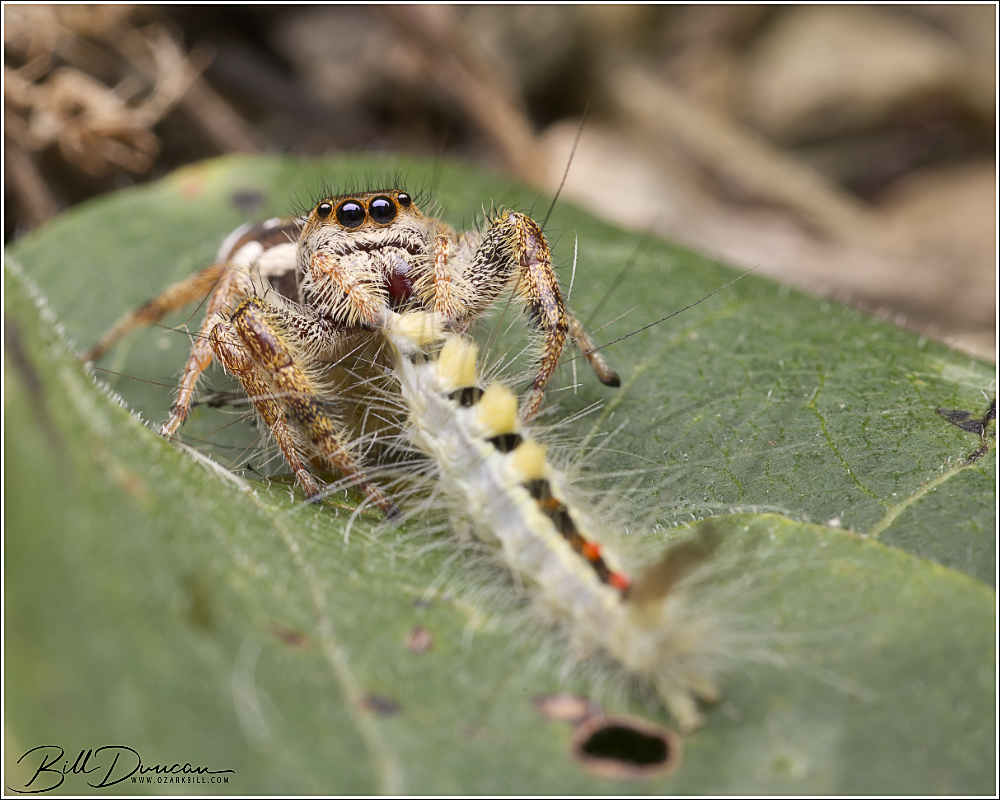
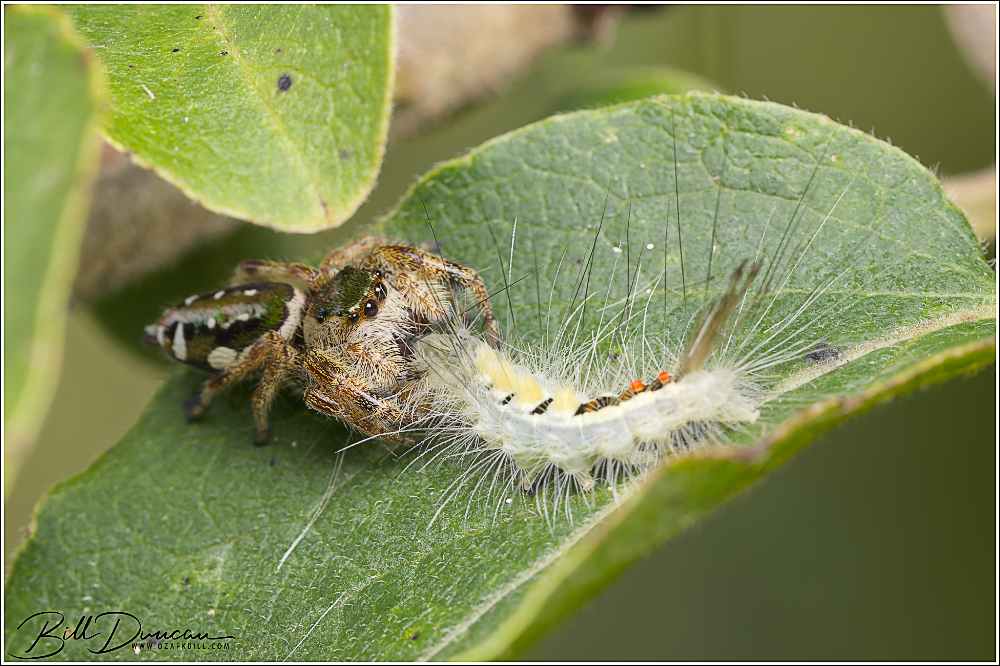
A Case of Caterpillar Carnage

From 2024. I came across this female salticid (Paraphidippus aurantius) that had made a meal from a caterpillar of this white-marked tussock moth (Orgyia leucostigma).

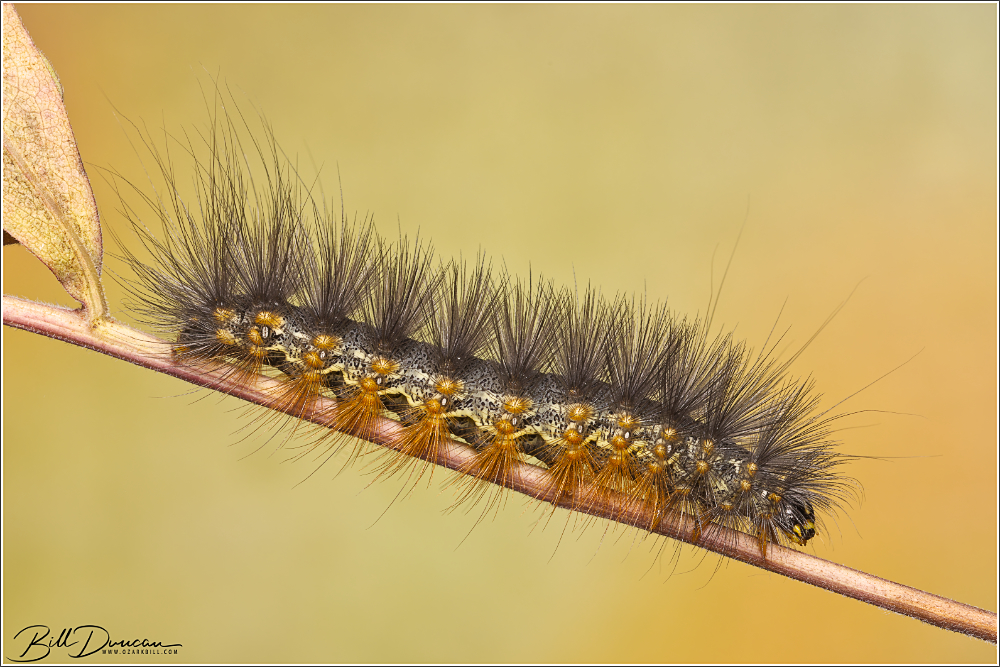
2025 Caterpillar Season – Sycamore Tussock Moth

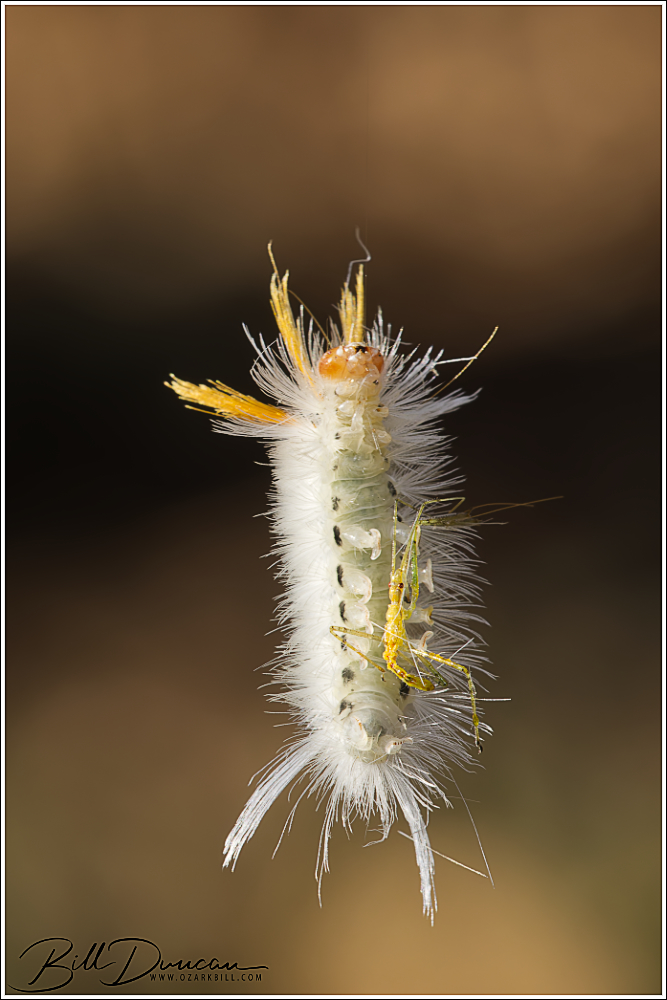
Sycamore Tussock Moth
Halysidota harrisii fam. Erebidae (Hodges#8204)
Host plant: Found on sycamore (Platanus occidentalis)
Dates found: 23 August, 2025
Locations found: Tyson Research Center, St. Louis County, MO
Notes: A specialist that feeds solely on sycamore.

2025 Caterpillar Season – Salt Marsh Moth

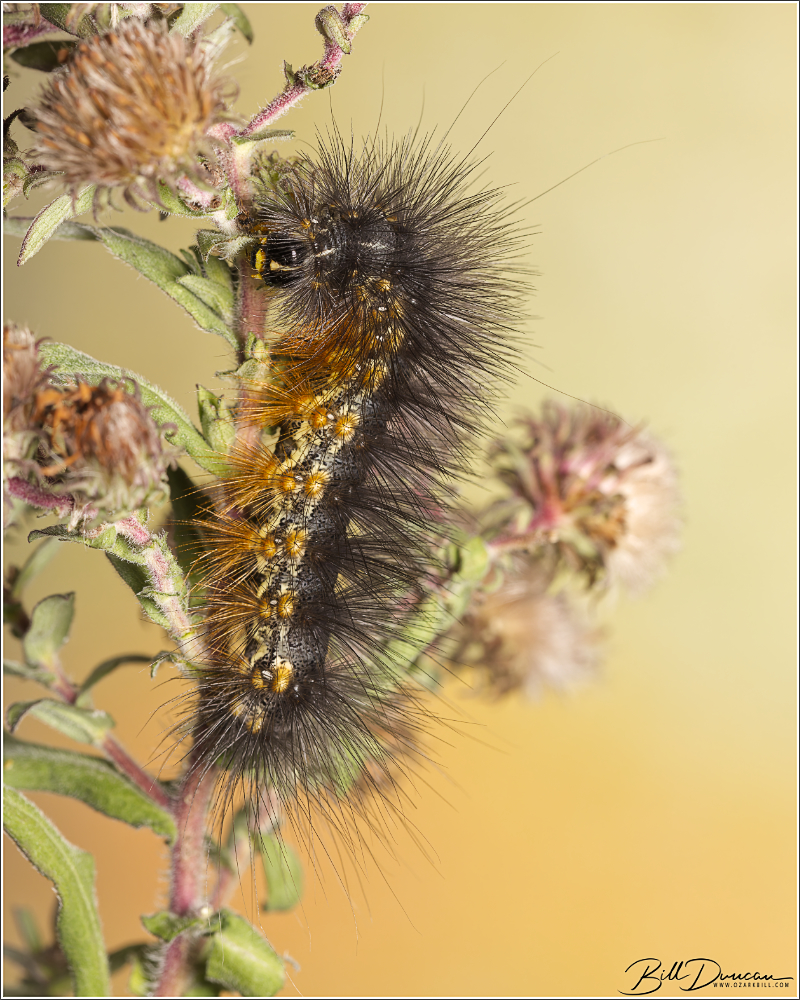
Salt Marsh Moth
Estigmene acrea fam. Erebidae (Hodges#8131)
Host plant: Found on New England aster (Symphyotrichum novae-angliae)
Date found: 11 November, 2025
Location found: Weldon Spring Interpretive Center, St. Louis County, MO
Notes: Feeds on a wide variety of herbaceous plants.

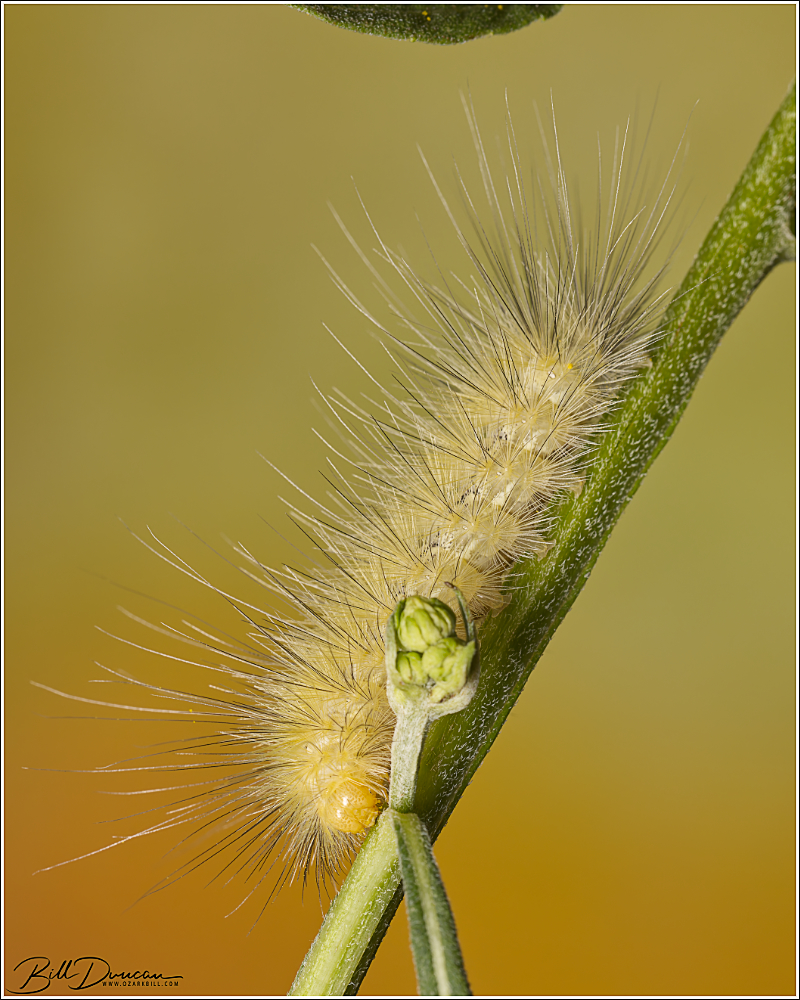
2025 Caterpillar Season – Virginian Tiger Moth

Virginian Tiger Moth
Spilosoma virginica fam. Erebidae (Hodges#8137)
Host plant(s): Found on wingstem (Verbesina alternifolia), swamp white oak (Quercus bicolor) and black willow (Silax nigra)
Date(s) and location(s): 13 September, 2025 – Tyson Research Center, St. Louis County, MO; 17-September, 2025 – Little Creve Coeur Ecological Area
Notes: Also referred to as the yellow wooly bear, this species is highly polyphagous.

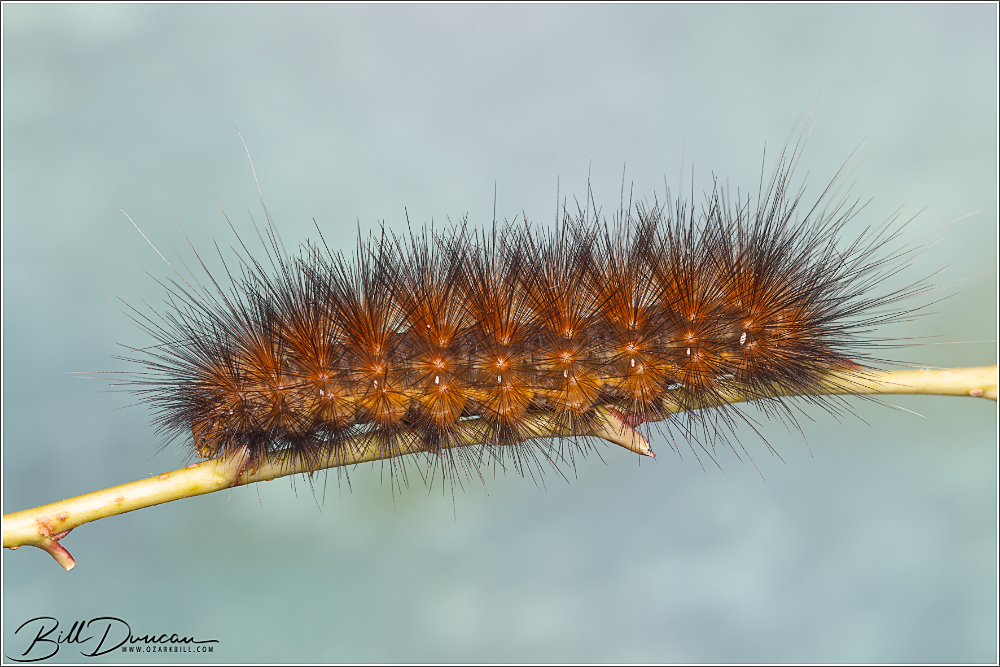
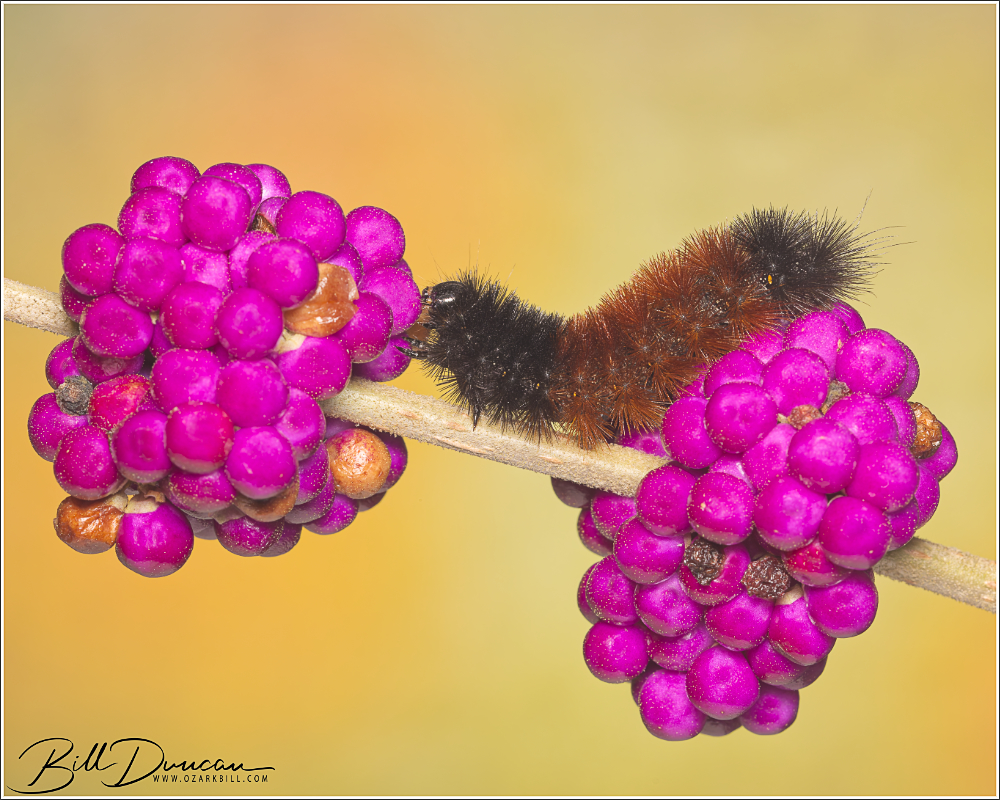
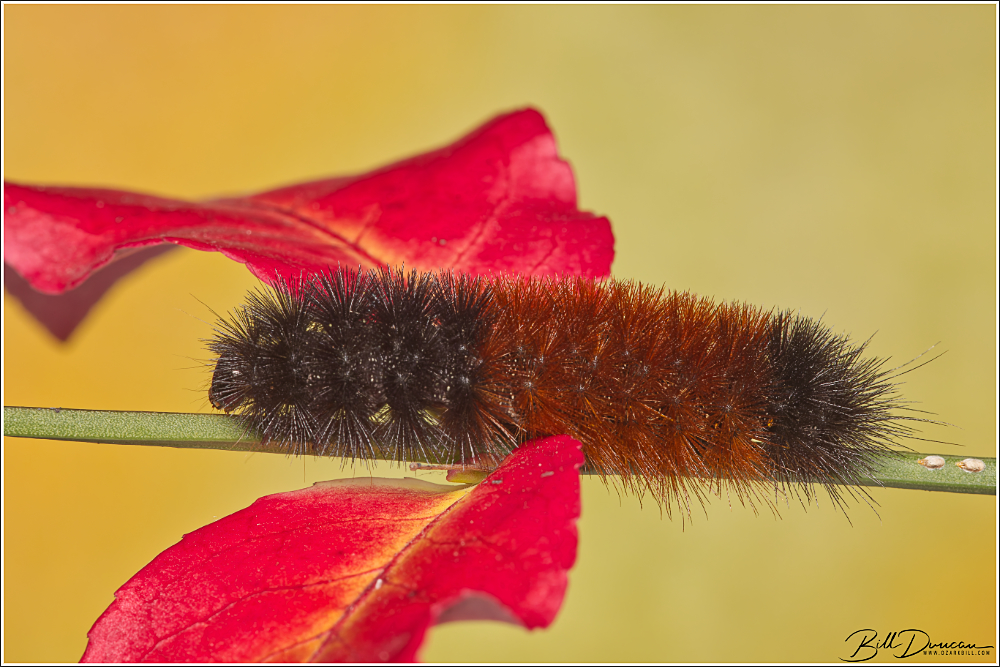
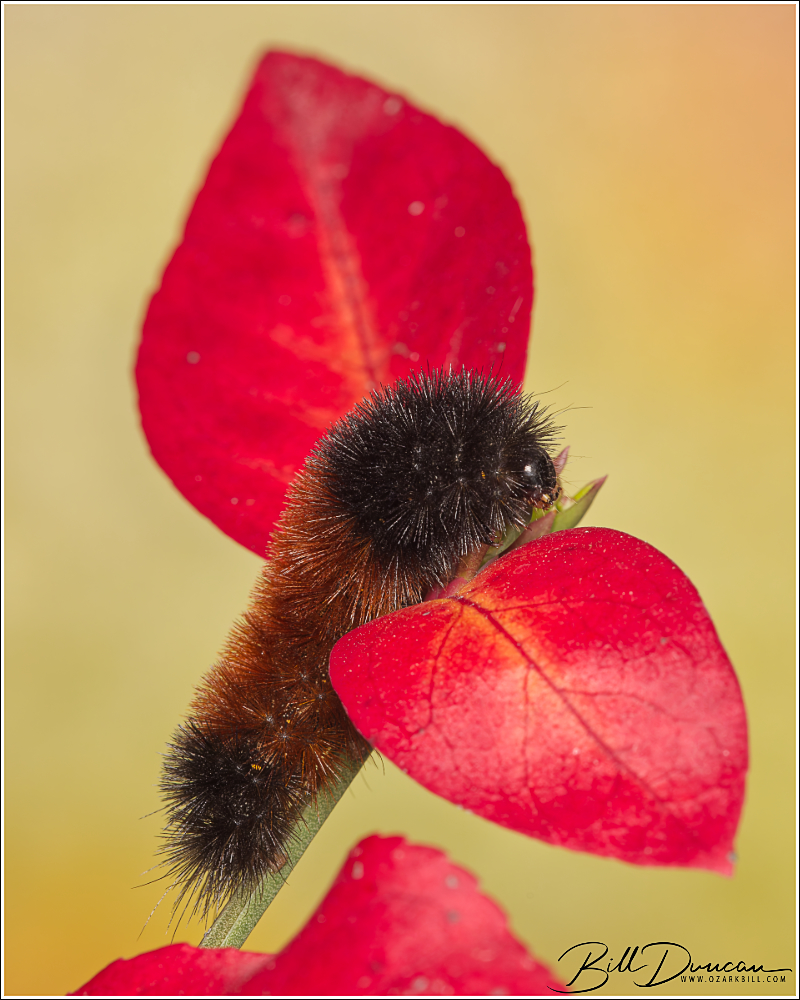
2025 Caterpillar Season – Wooly Bear

Wooly Bear
Pyrrharctia isabella fam. Erebidae (Hodges#8129)
Host plant(s): Found wandering
Date(s) and location(s): 08 November, 2025 – Riverlands Migratory Bird Sanctuary, St. Charles County, MO
Notes: Perhaps the most widely known caterpillar by the general public, the wooly bear is known as the Isabella tiger moth in its adult form. The caterpillars are often found crossing paths and roads during autumn, for reasons not fully understood. This species is highly polyphagous, eating a variety of trees, forbs and grasses. I chose some season-appropriate plants (Callicarpa americana & Euonymus americanus) from the backyard to photograph this caterpillar exploring.

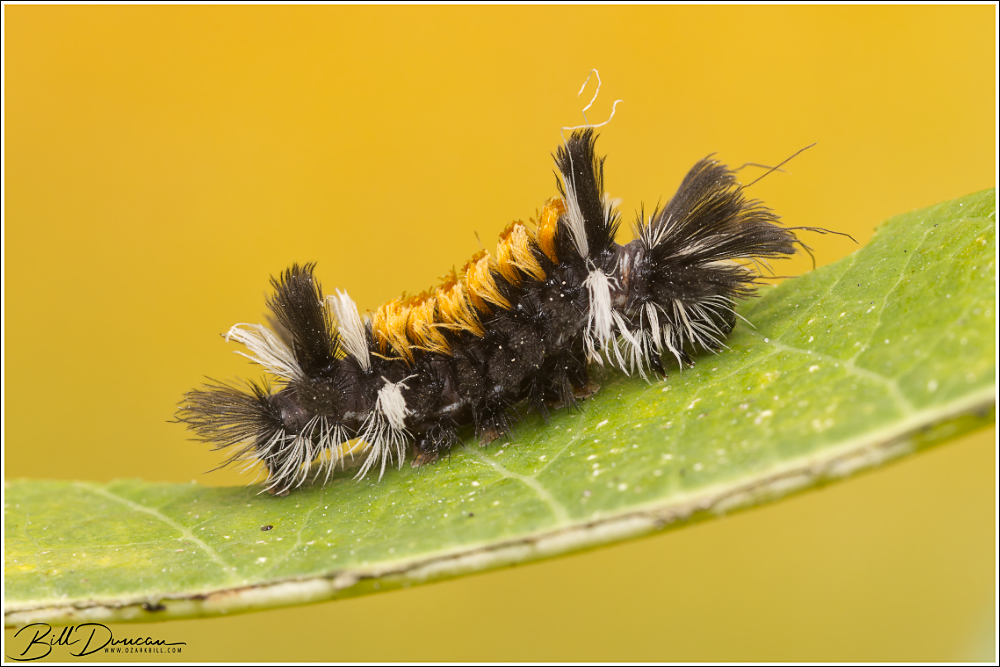
2025 Caterpillar Season – Milkweed Tussock Moth

Milkweed Tussock Moth
Euchaetes egle fam. Erebidae (Hodges#8238)
Host plant(s): Found on dogbane (Apocynum cannabinum)
Date(s) and location(s): 30 August, 2025 – Tyson Research Center, St. Louis County, MO

2025 Caterpillar Season – Delicate Cycnia

Delicate Cycnia Moth
Cycnia tenera fam. Erebidae (Hodges#8230)
Host plant(s): Found on dogbane (Apocynum cannabinum)
Date(s) and location(s): 30 August, 2025 – Tyson Research Center, St. Louis County
Notes: This species is a specialist on dogbane and milkweed (Apocynaceae). Adult moths have been observed to produce clicking sounds during flight in response to receiving echolocation signals from bats. It has been shown that these clicking responses led to a lower rate of predation from bats. This may be due to an aposematic warning signal due to the accumulation of cardenolides and cardiac glycoside from their larval host plants, or the clicking noise response may be interfering with the bats echolocation during the hunt.

2025 Caterpillar Season – Banded Tussock Moth

Banded Tussock Moth
Halysidota tessellaris fam. Erebidae (Hodges#8203)
Host plant(s): Three individuals found at this date and location, all found on hickory (Carya sp.)
Date(s) and location(s): 23 Aug, 2025 – Tyson Research Center, St. Louis County, MO
Notes: A very common and highly polyphagous species. The attractive adults are usually found during blacklighting nights.