"What a thousand acres of Silphiums looked like when they tickled the bellies of the buffalo is a question never again to be answered, and perhaps not even asked." -Aldo Leopold
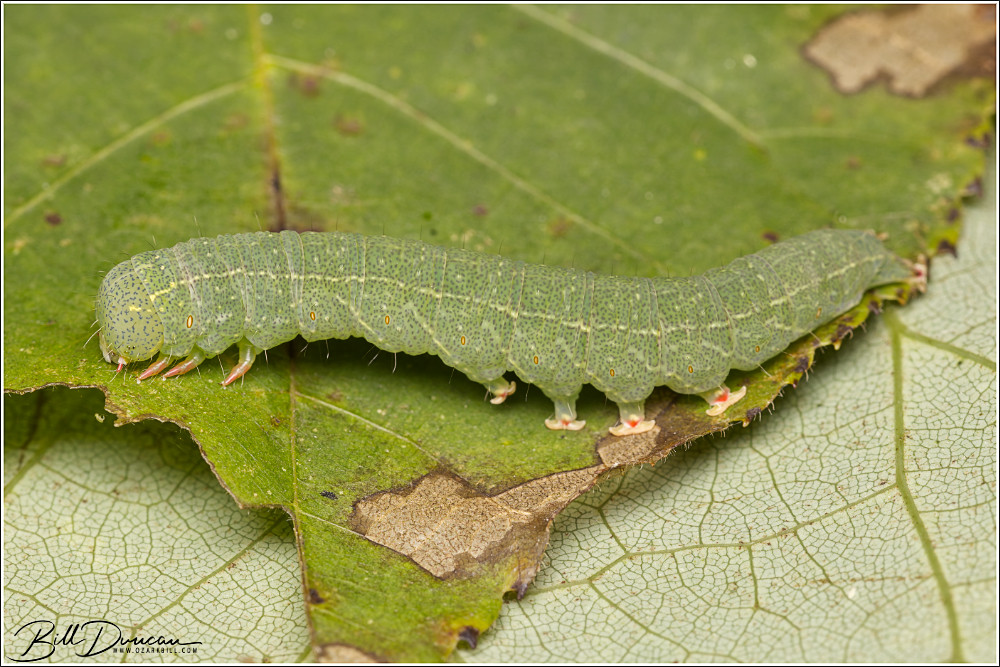
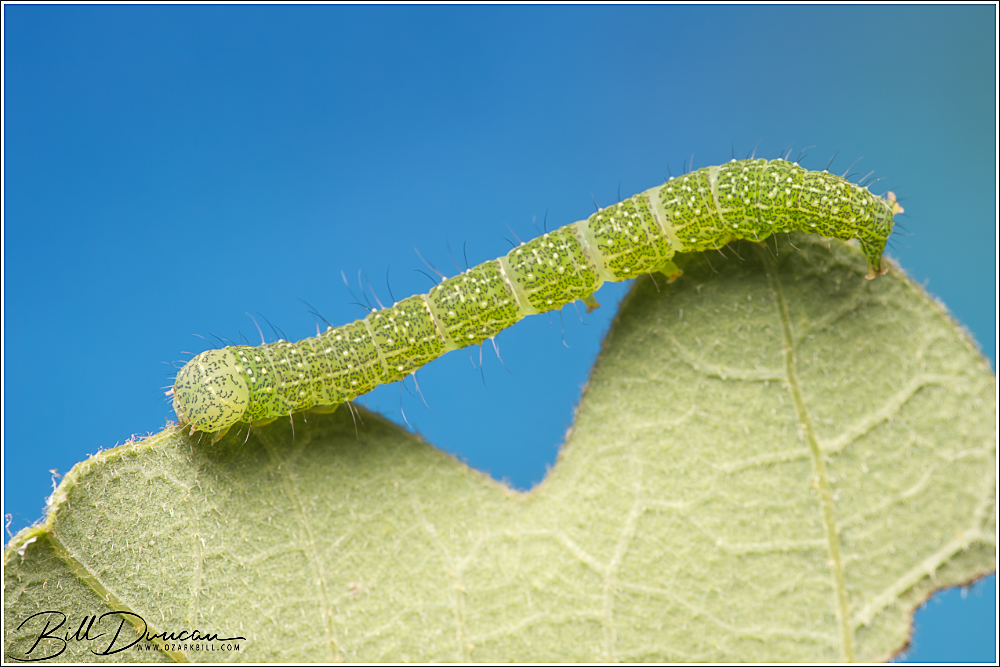
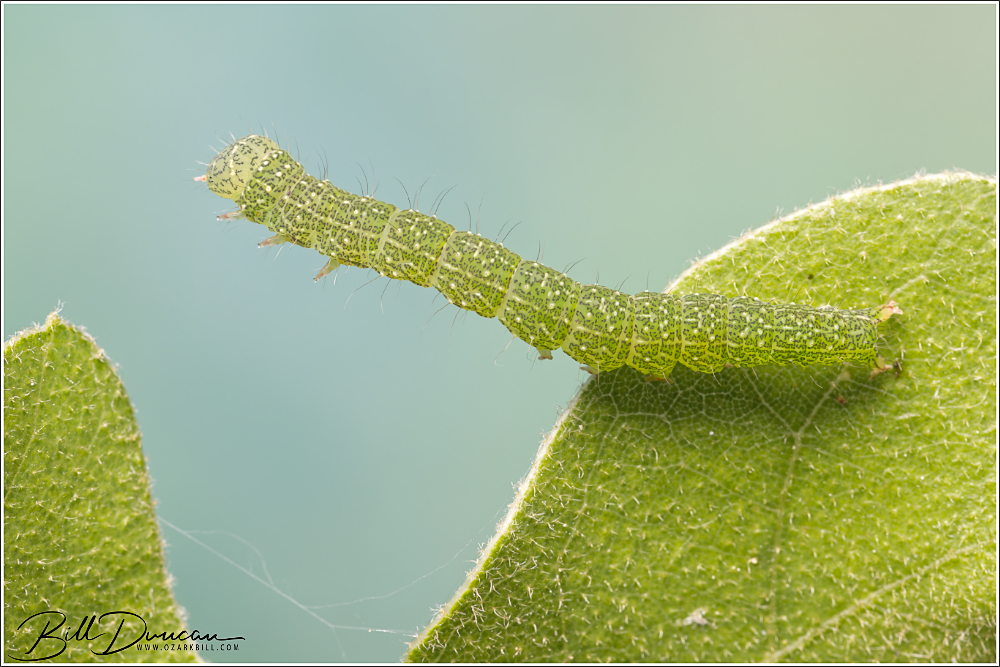
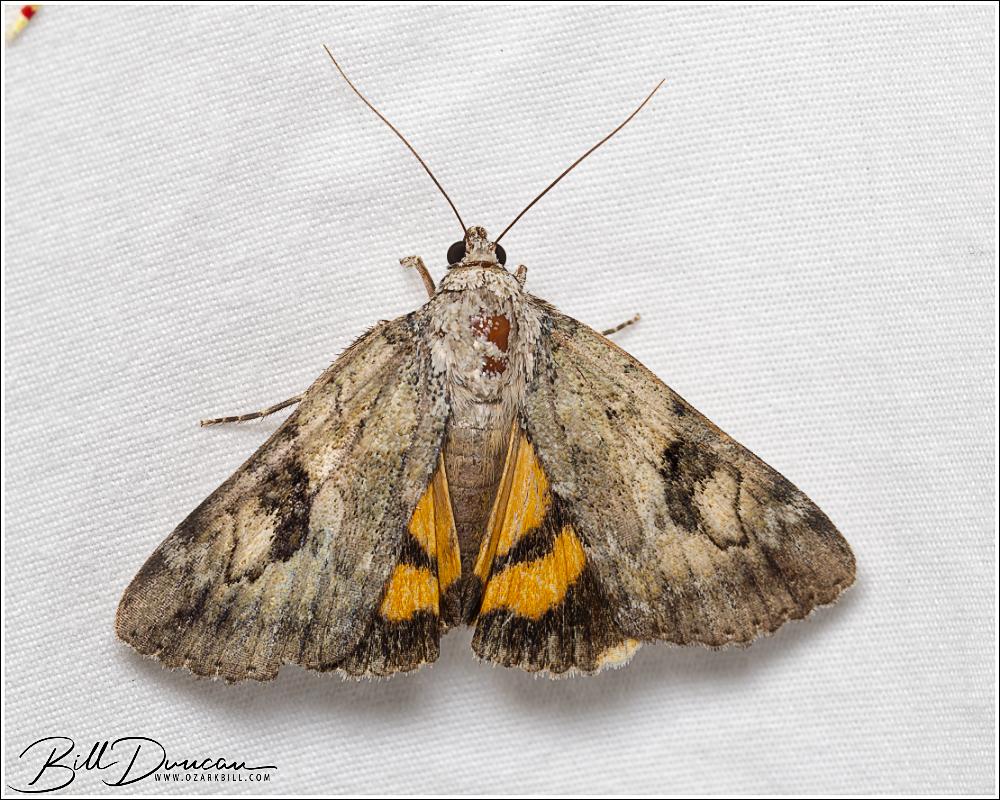
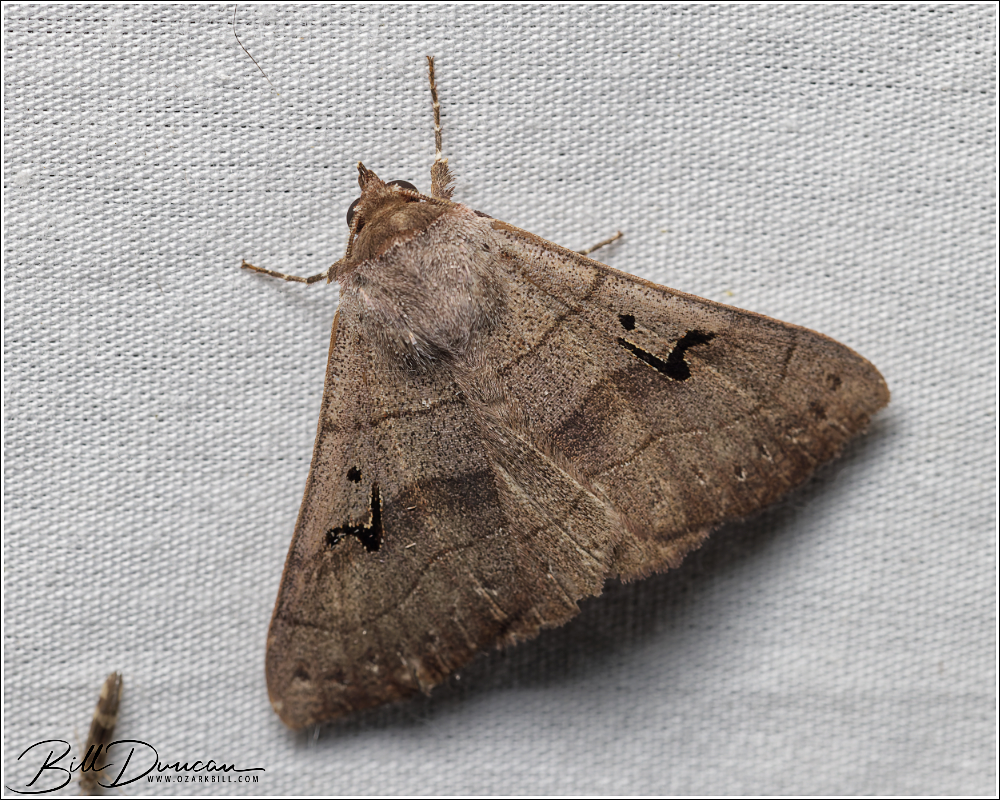
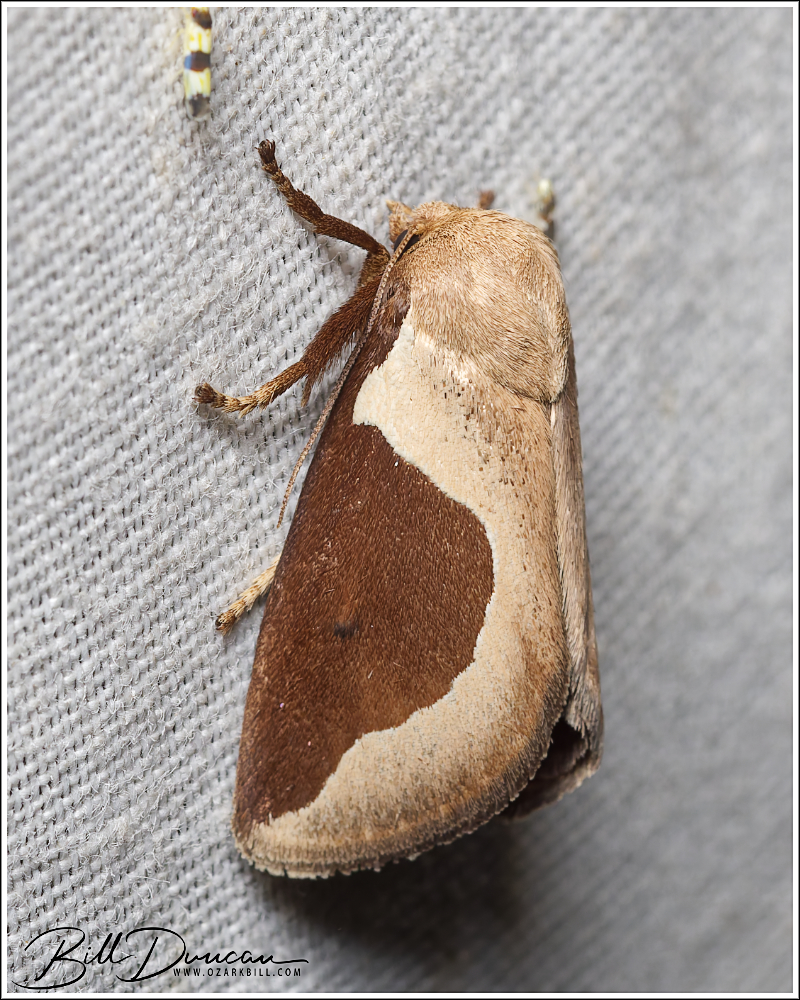
Brown Panopoda Panopoda carneicosta fam. Erebidae (Hodges#8588) Host plant: Found on hickory (Carya sp.) Date found: 09, 16, 23 Aug, 2025 Location found: BK Leach Conservation Area, Lincoln County, MO; Council Bluff Lake, Iron County, MO; Tyson Research Center, St. Louis County, MO Notes: With information I have, there appears to be no easy methods to discern between larvae of Panopoda carneicosta and P. rufimargo (red-lined panopoda). However, there is suppose to be distinct differences in host preferences, with P. carneicosta showing strong preferences for hickory and other members of Juglandaceae, while P. rufimardo reportedly feed on oak and beech (Fagaceae). My identification is based on the host plants on which the cats were found.
Red-humped Caterpillar Moth Oedemasia concinna fam. Notodontidae (Hodges#8010) Host plant: Found on redbud (Cercis canadensis) Date found: 16, Aug, 2025 Location found: Council Bluff Lake, Iron County, MO Notes: Shown in defensive posture with tail raised above its head. This was found during the WGNSS joint Entomology and Nature Photography Groups’ outing to Council Bluff Lake.
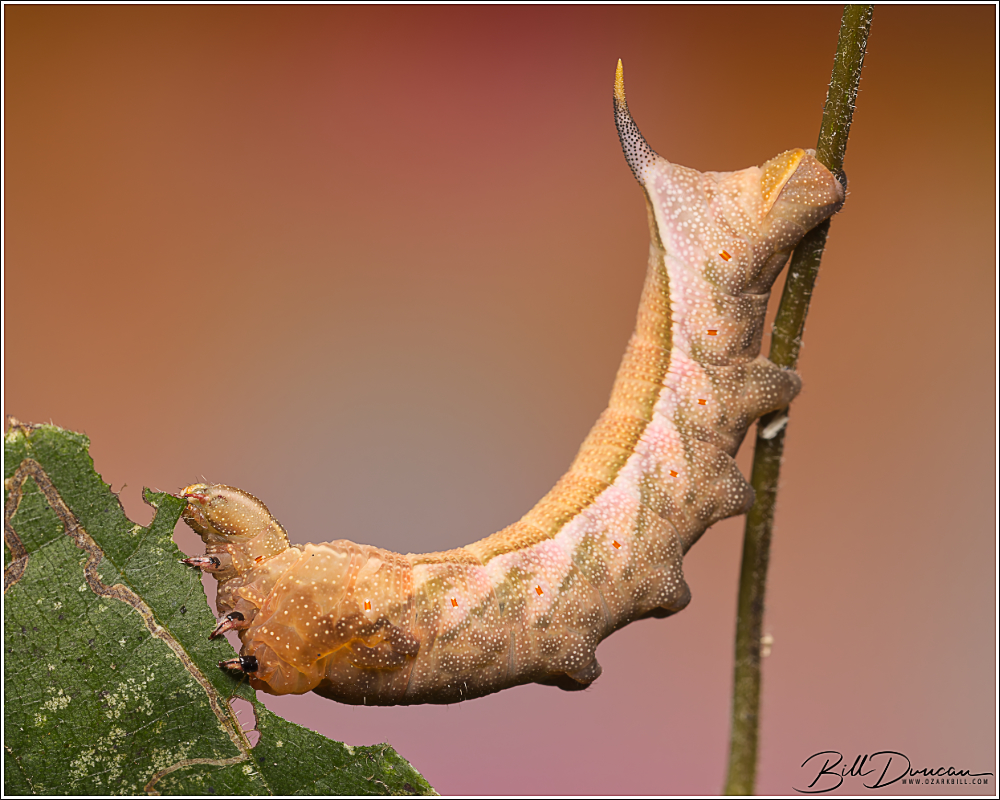
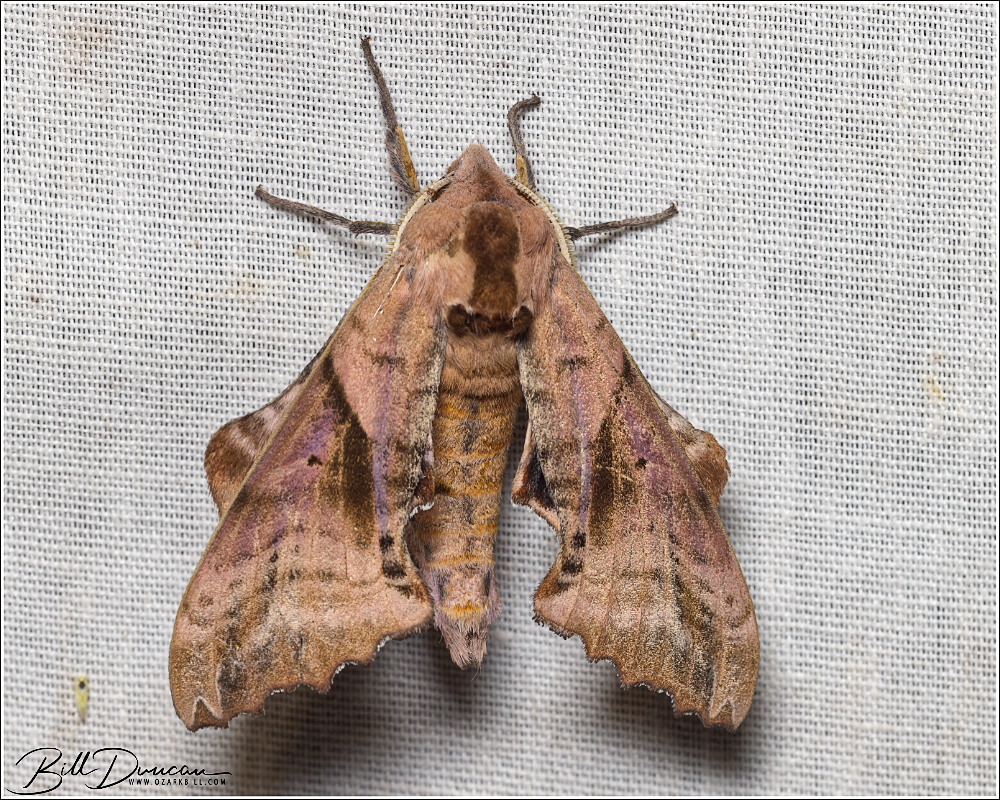
Virginia Creeper/Hog Sphinx Darapsa myron fam. Sphingidae (Hodges#7885) Host plant: Six individuals were found on this date and location: grape (Vitis sp.)-5, Virginia creeper (Parthenocissus quinquefolia)-1 Date found: 16, Aug, 2025 Location found: Council Bluff Lake, Iron County, MO Notes: This one showing the autumn/pre-pupal warm/brown coloration. All other individuals found were green. This was found during the WGNSS joint Entomology and Nature Photography Groups’ outing to Council Bluff Lake.
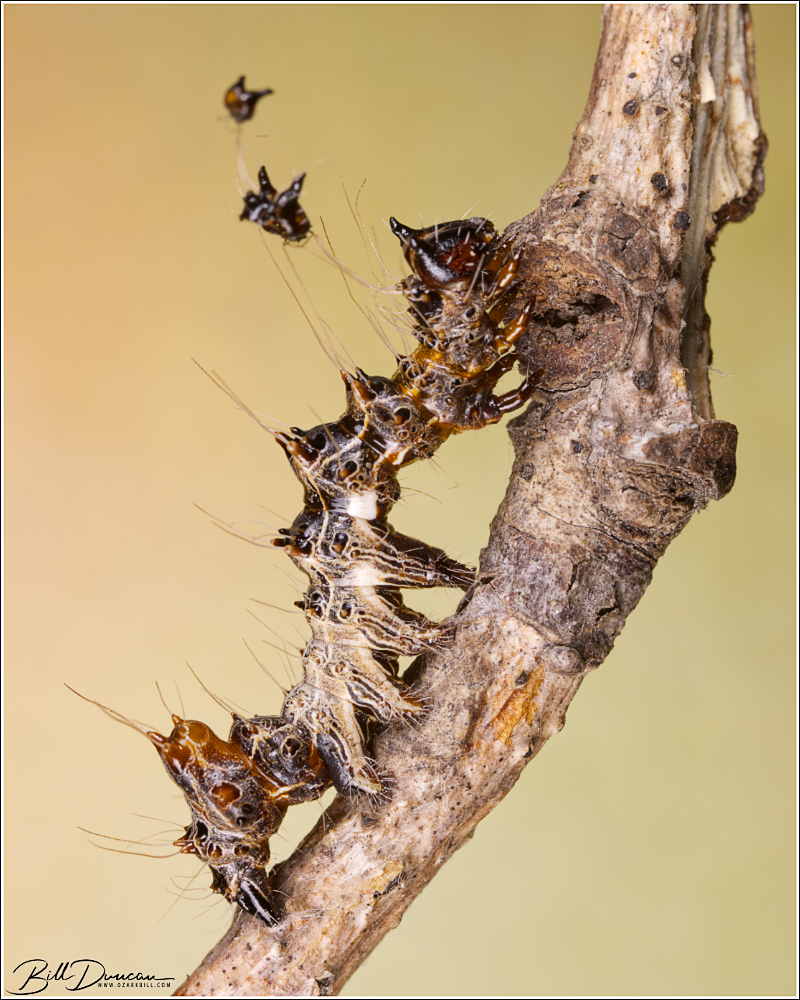
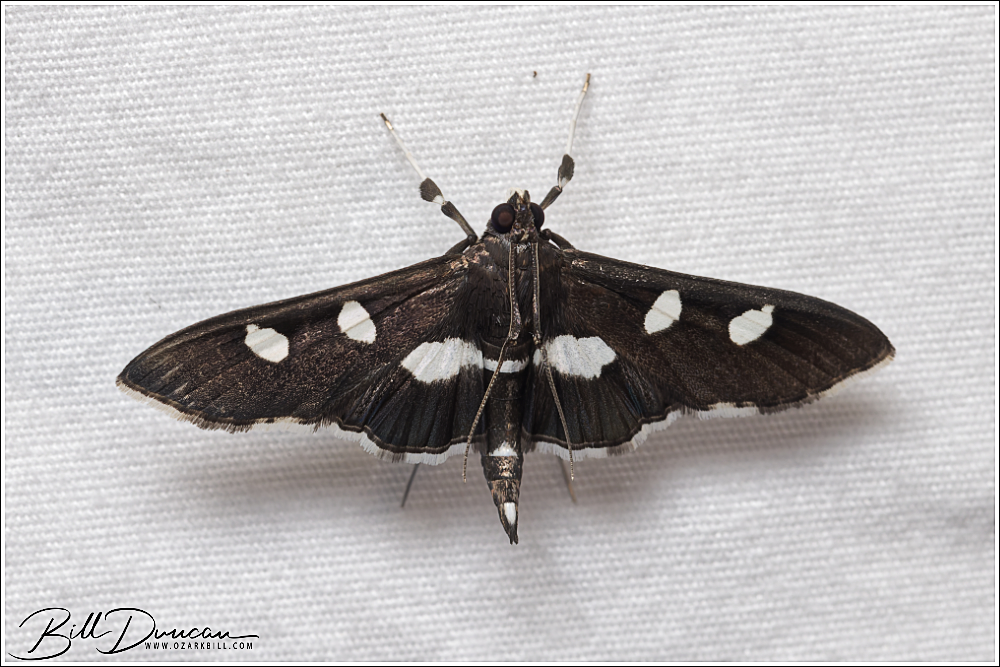
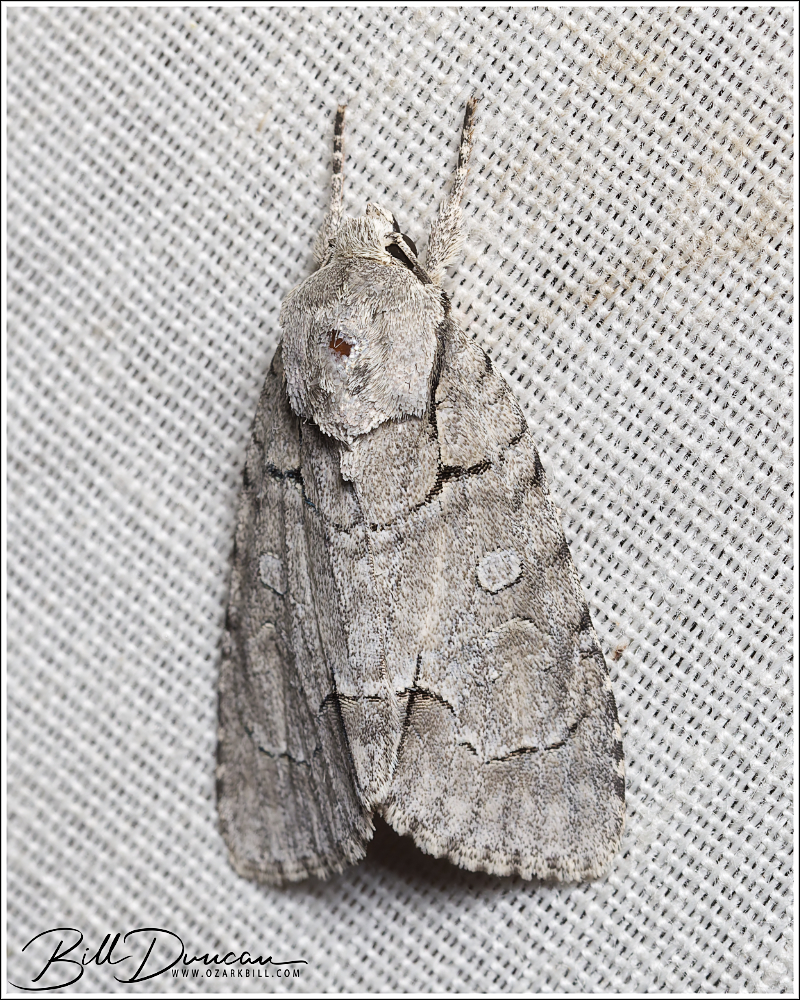
Harris’s Three-spot Harrisimemna trisignata fam. Noctuidae (Hodges#9286) Host plant: buttonbush (Cephalanthus occidentalis) Date found: ~16, Aug, 2025 Location found: Franklin County, MO Click here to see the adult moth Notes: Part spider and part bird dropping, this caterpillar is absolutely astounding. Note the empty head capsules that the caterpillar retains with each successive molt. It has been shown that these caterpillars use these to thrash at potential parasitoid wasps and flies that approach while attempting to deposit eggs on their would-be hosts.
Special thanks to Eva Wiedeman who found this individual in her neighborhood and brought it to our WGNSS fieldtrip at Council Bluff Lake. Photographing this caterpillar was a prime objective for me this season. Now I just need to find one on my own and hopefully a larger 4th instar!
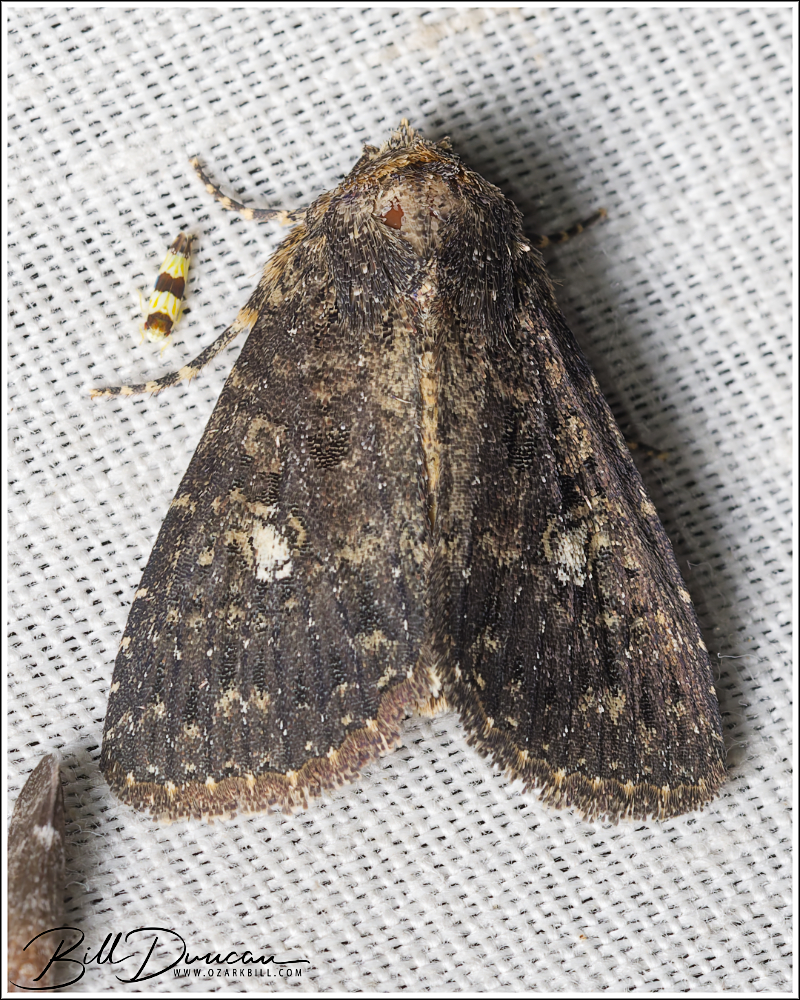
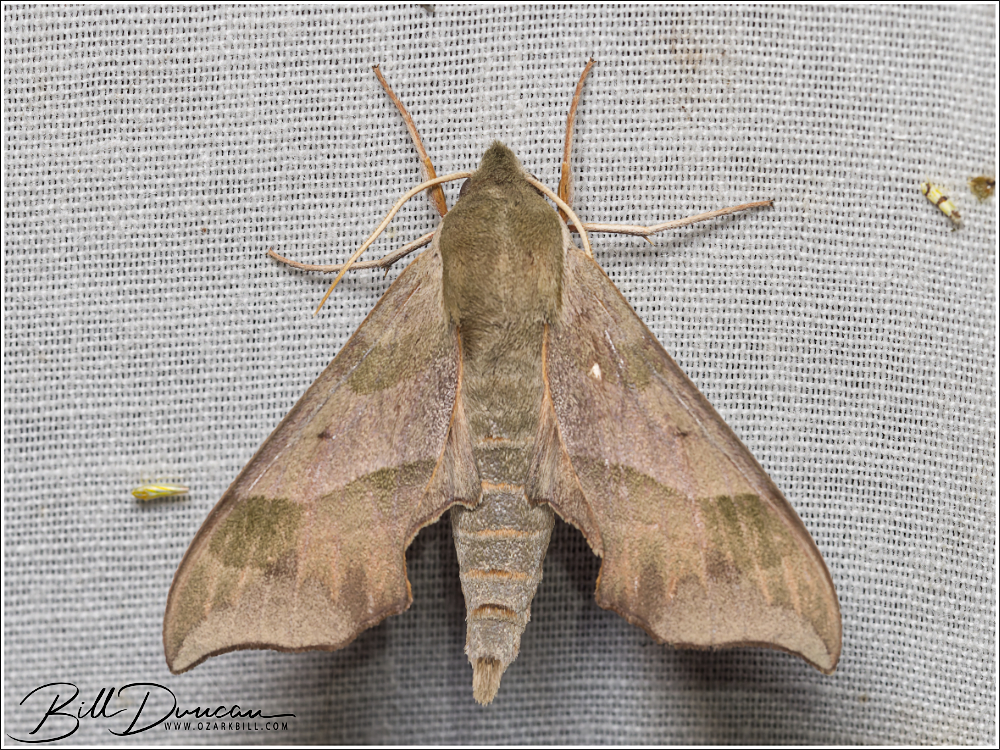
On the 24th of July, during the new moon and National Moth Week, the WGNSS Entomology Group set up several blacklighting stations at Tyson Research Center as a start of an entomological survey. Between WGNSS members, TRC staff and students from Washington University, I estimate there were 25-30 people in attendance until around midnight. Overall, I think the evening was a success and the numbers and diversity of insects was good. We had a few nice highlight species, but because of the number of people, I did not spend time trying to remove moths from the sheet and onto a natural background. I still have a few to process, but this post covers the moths I cared to photograph.
Many thanks to Katie Westby and Rich Thoma for organizing this event. I’d also like to thank jwileyrains at butterfliesandmoths.org for confirming and helping me with some identifications.
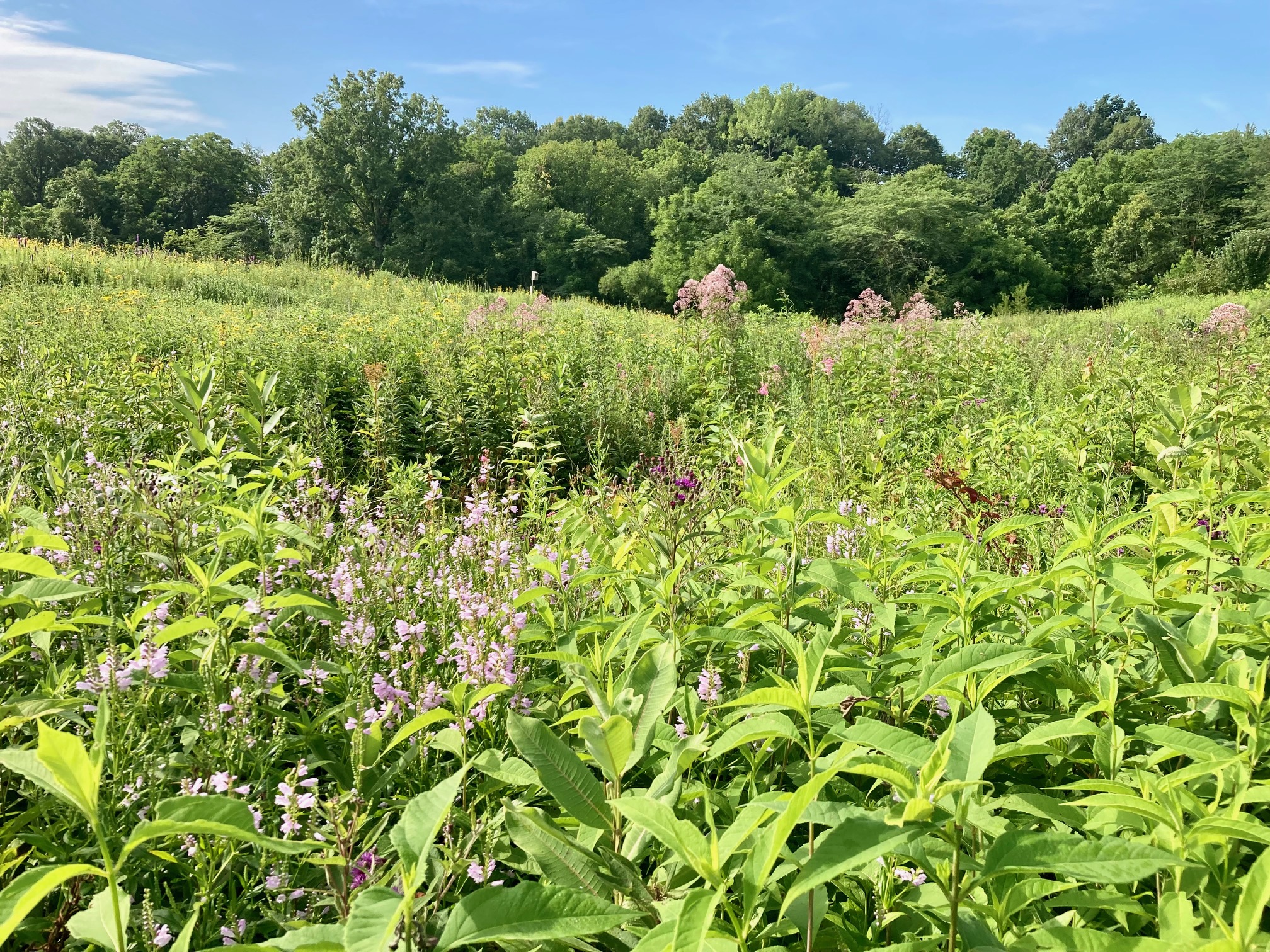
Part of the Horn’s Prairie Grove LWR with obedient plant blooming in the foreground and joe pye weed behind.
The WGNSS Entomology and Nature Photography Groups had a splendid treat in July of 2022 when we jointly visited Horn’s Prairie Grove Land Water Reserve (LWR) near Ramsey IL. This 40 acre patch represents part of the less than 1% of the remaining southern till plain prairie ecosystem that was nearly wiped from the planet due to land conversion for farming. Even better, about 30 acres are original “virgin” prairie, (the largest intact remnant prairie in IL) meaning these spots were never touched by the plow. Even better still, at this location there lies five different types of prairie habitat: seep/wetland, dry hillside, mesic, black soil and savanna.
Keith Horn, owner and guide to Horn’s Prairie Grove LWR
The story of this land is interesting. The current owners, Keith and Patty Horn, purchased the land in 2001 as “junk land” from an old farmer who’s family had owned since the 1870s. They liked the fact that the majority of the land was in a “wild” state. The untouched 30 acres had been used as a wild hay field, being cut almost yearly. They had noticed some nice wildflowers in bloom but did not realize what they had until a few years into a wildlife habitat improvement plan that included periodic burning. Every year they noticed more and more species in bloom. They have sought help in identifying the plant species here and the current list is now at 619 species, including six native orchid species! Bravo to the Horns for identifying what they had and taking the steps to see their land improved. This remnant prairie could have been destroyed in the blink of an eye if it had fallen into the wrong hands.
Although most of us were simply thrilled to be in such high quality habitat, the primary purpose of the trip was to check out the arthropod life. Unfortunately, in late July, we were there on a truly miserable day of weather. The heat and humidity created a heat index that was well above the safety zone. This meant not many of us had the nerve to do a great deal of walking and searching, especially much after lunch time.
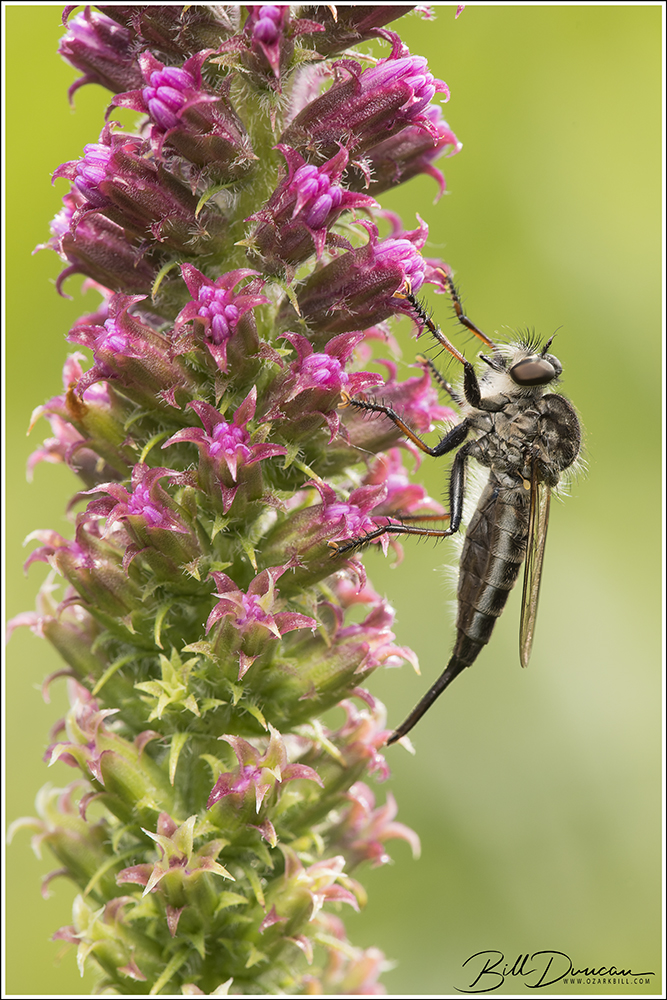
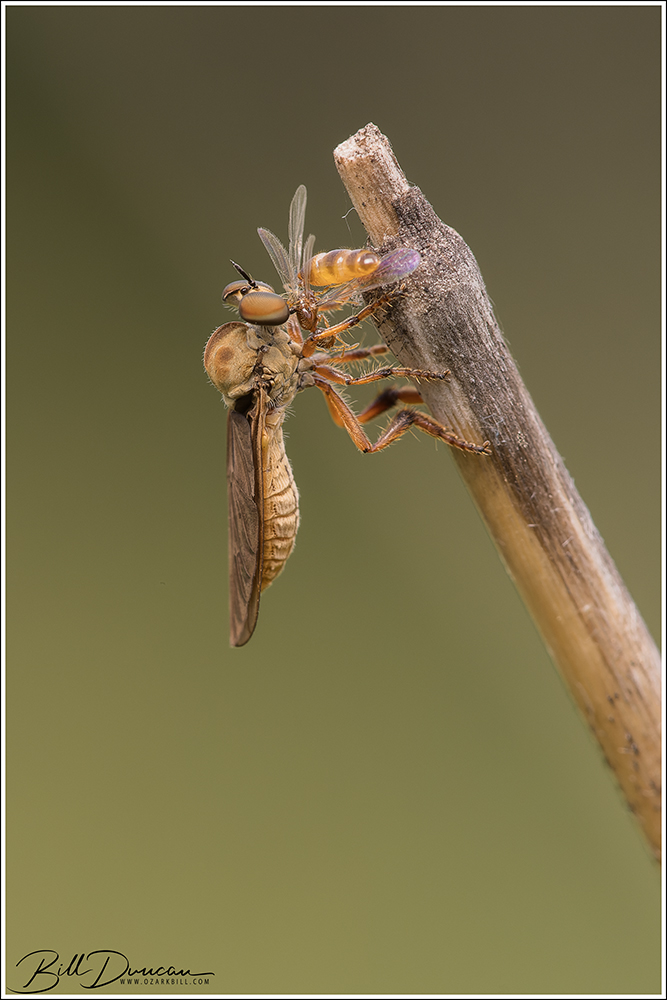
Efferia aestuans, the friendly robber (Family Asilidae)
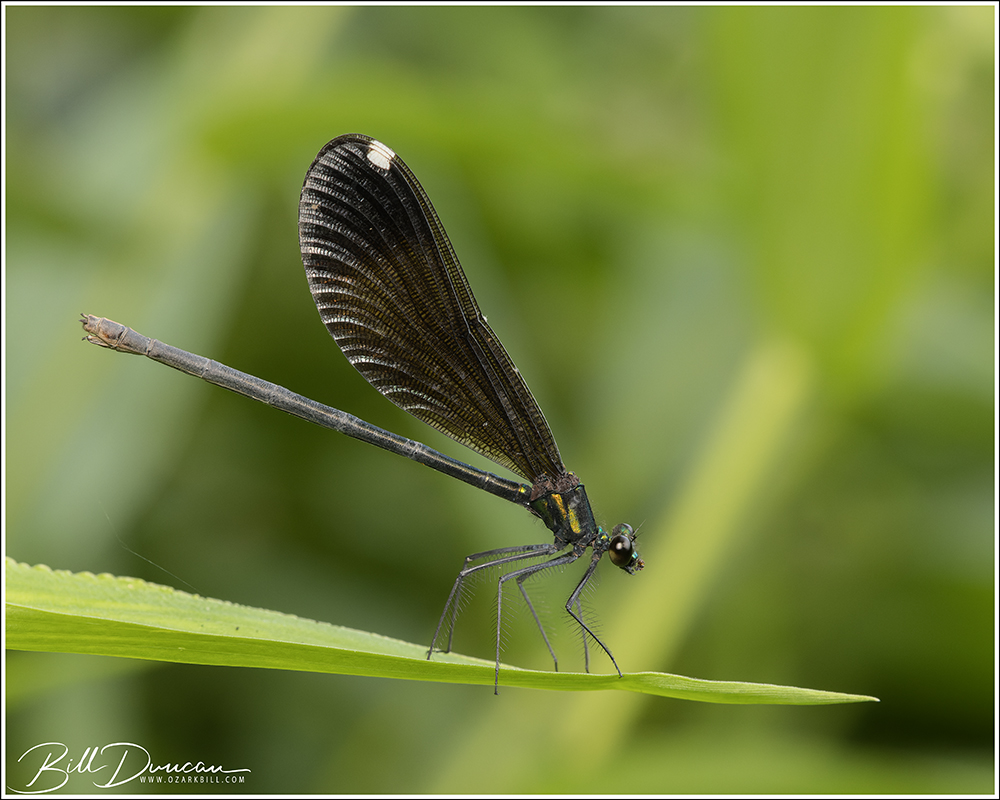
Calopteryx maculata, an ebony jewelwing damselfly that was found on the forest and prairie edge.
Members of our group walking among the blooming Liatris.
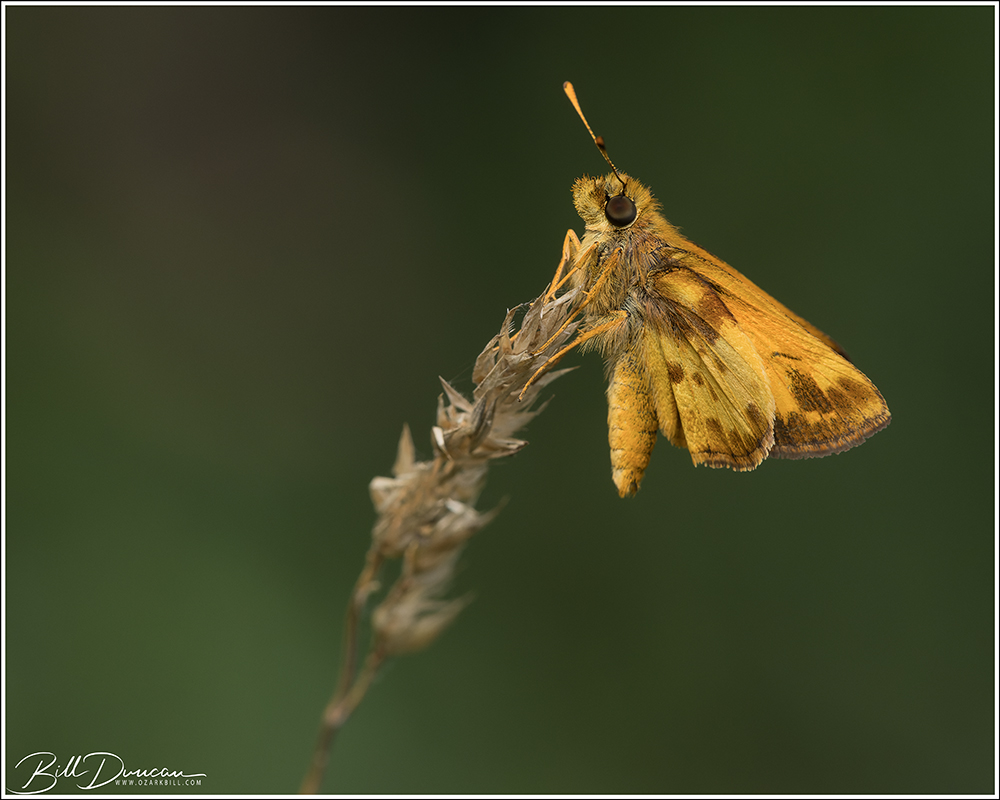
A gorgeous Poanes zabulon, Zabulon skipper (Family Hesperiidae)
What I am calling Wallengrenia egeremet, the northern broken-dash (Family Hesperiidae)
Keith Horn (back) and Chris Brown (front)
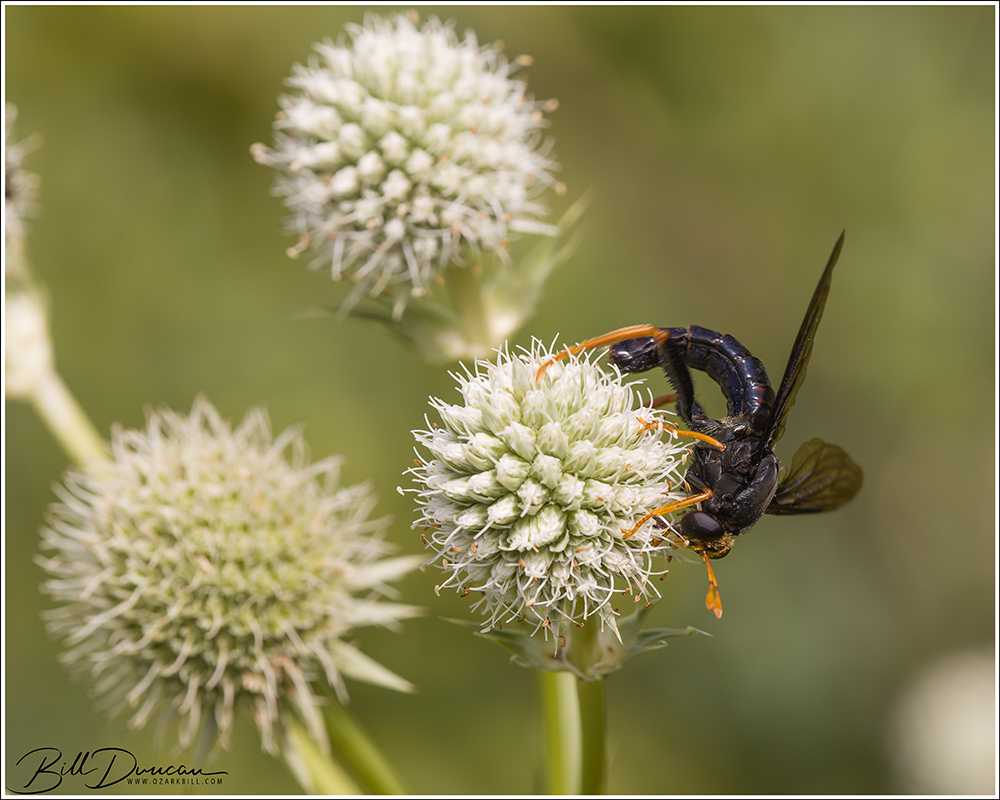
We were lucky to find both Mydas fly species to be found in Illinois, but I was only able to photograph this Mydas tibialis.
The gnat ogre! (Holcocephala sp.)
Interested in making visits to interesting high-quality habitats like this? Then consider joining Webster Groves Nature Study Society! Visit http://www.wgnss.org to find out more.
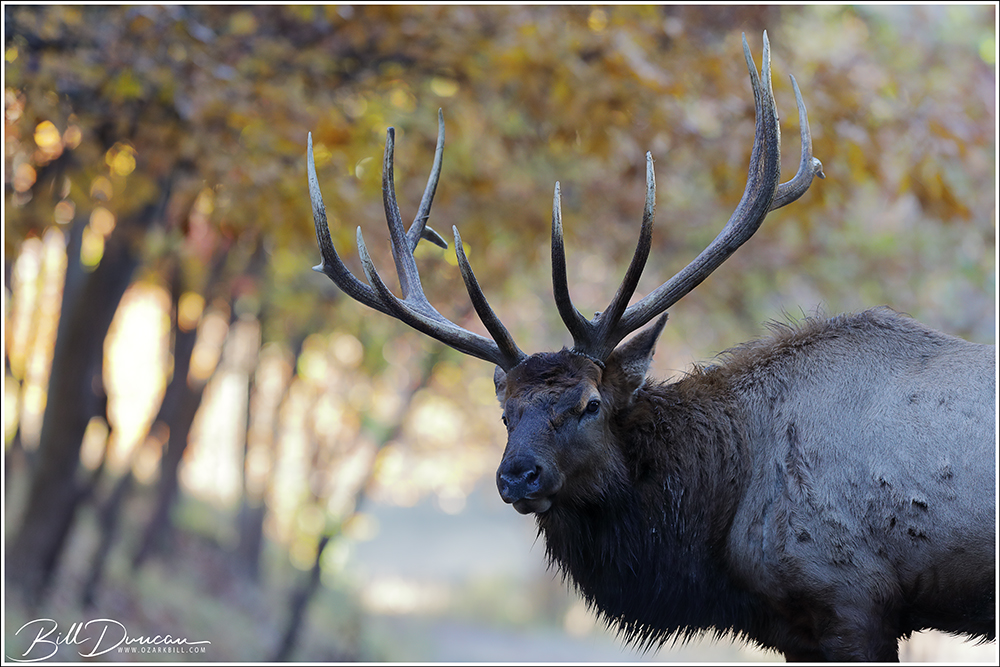
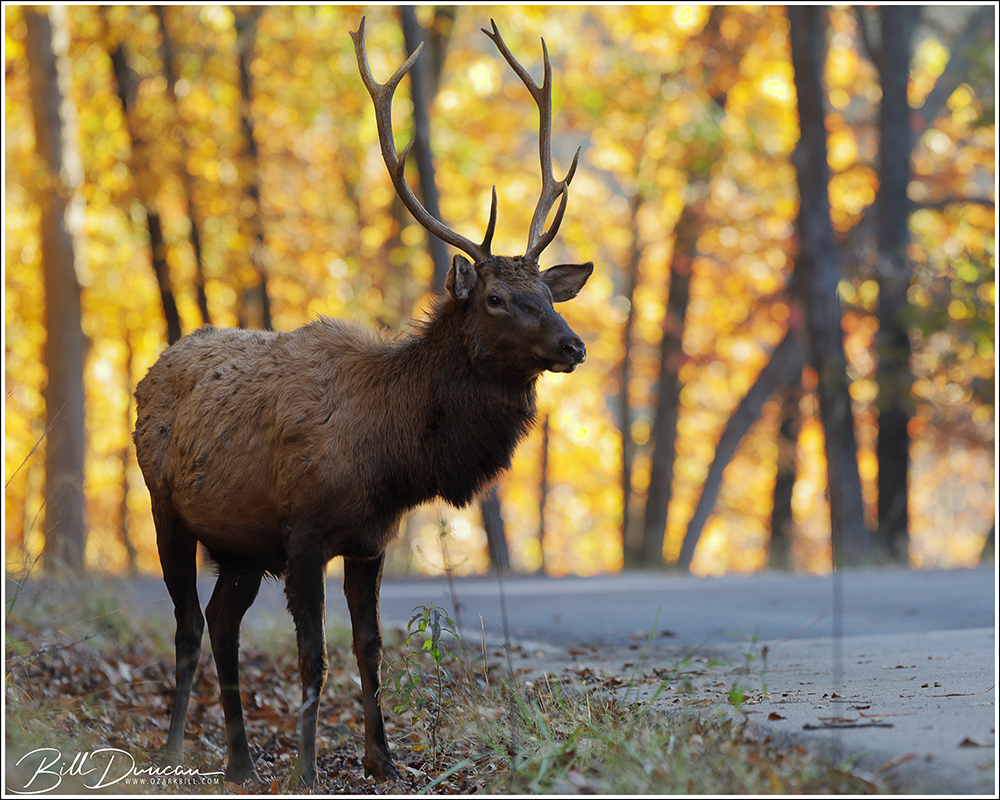
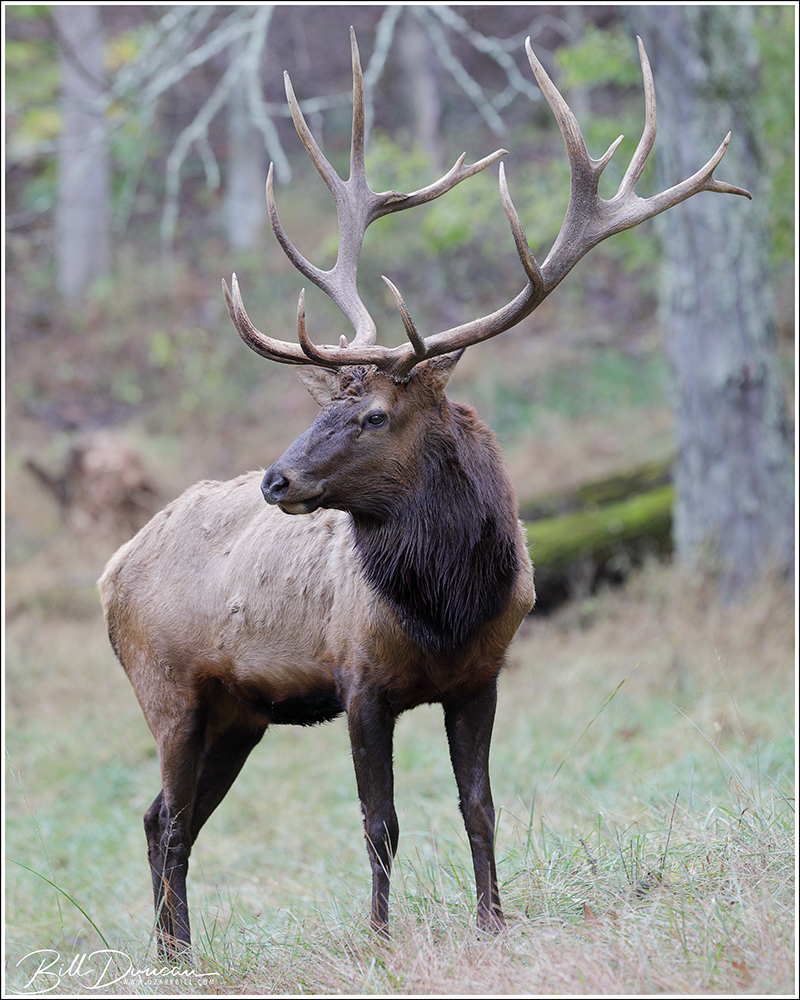
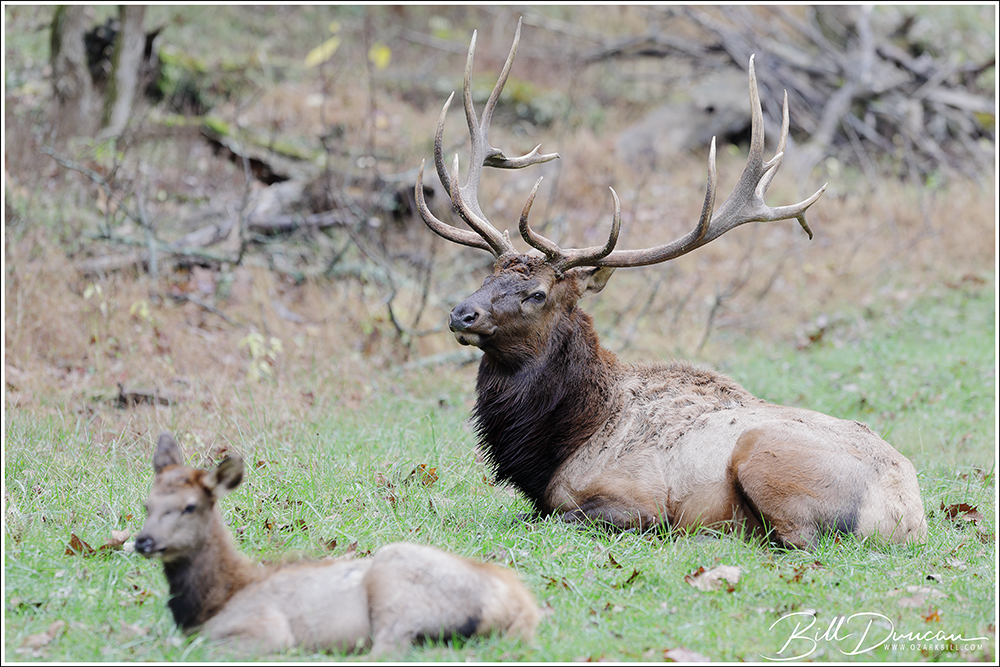
The dominant bull of the park gives a glance to the group of photographers has he roams his ground.
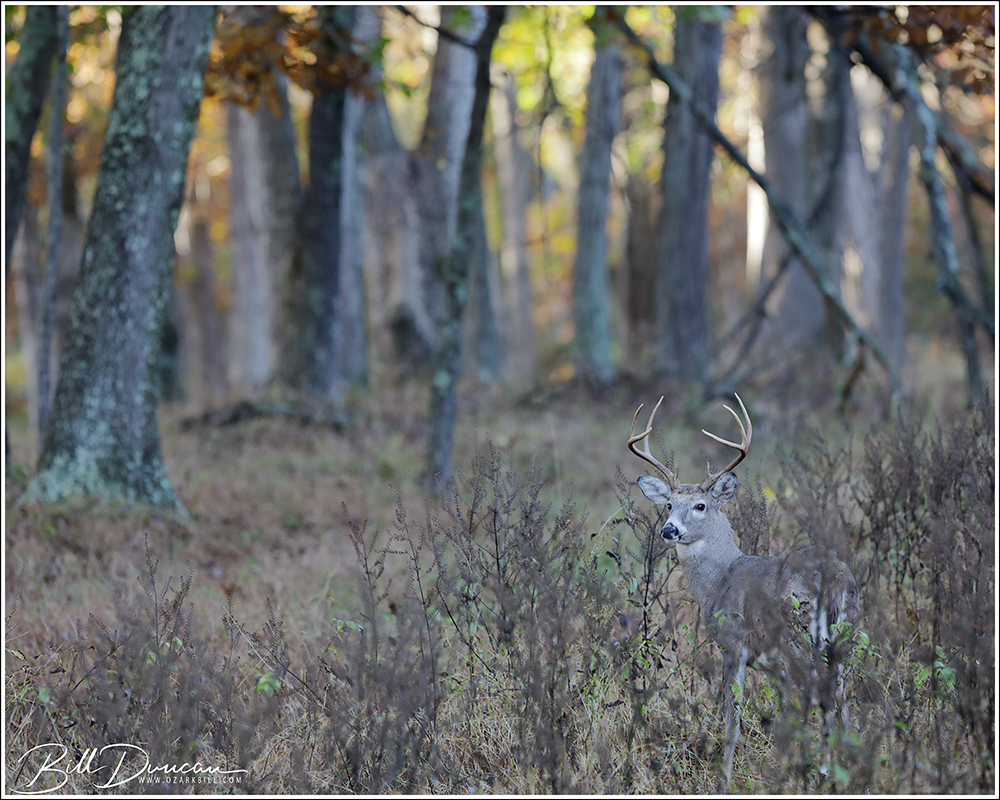
On a crisp and beautiful autumn morning this past Halloween, the WGNSS Nature Photo Group group enjoyed the rare occasion of visiting a relatively close St. Louis County location. Part of the St. Louis County Park system, Lone Elk Park has contained herds of elk and bison in some fashion since the original introduction in 1948. This is a beloved park that offers visitors up close looks at bison, elk, deer and other wildlife. Because of the constant visitors, the animals have no fear of humans and, therefore, are an easy subject for the nature photographer.
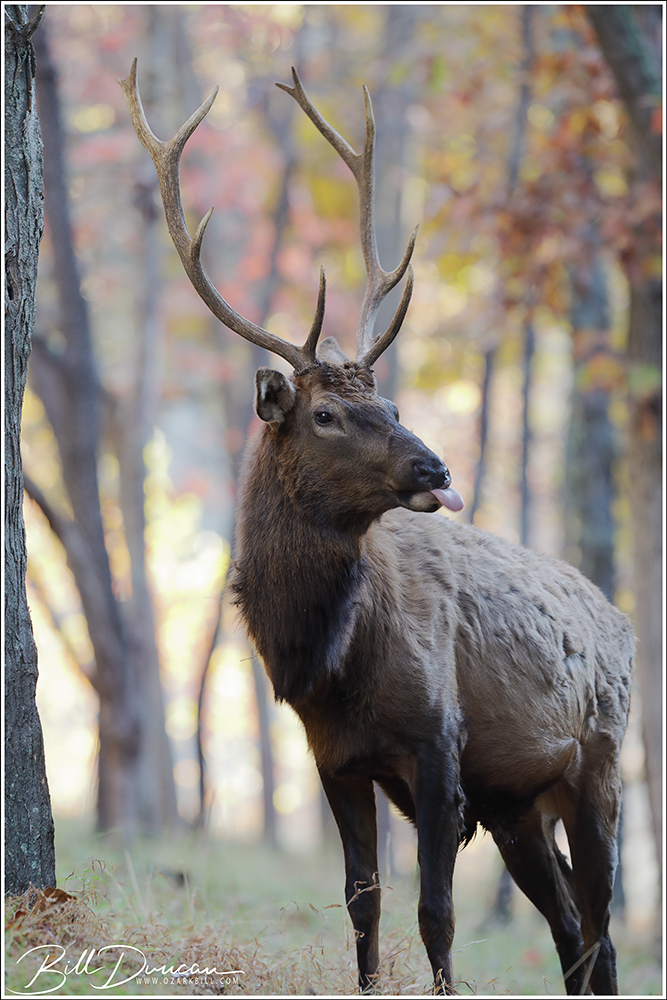
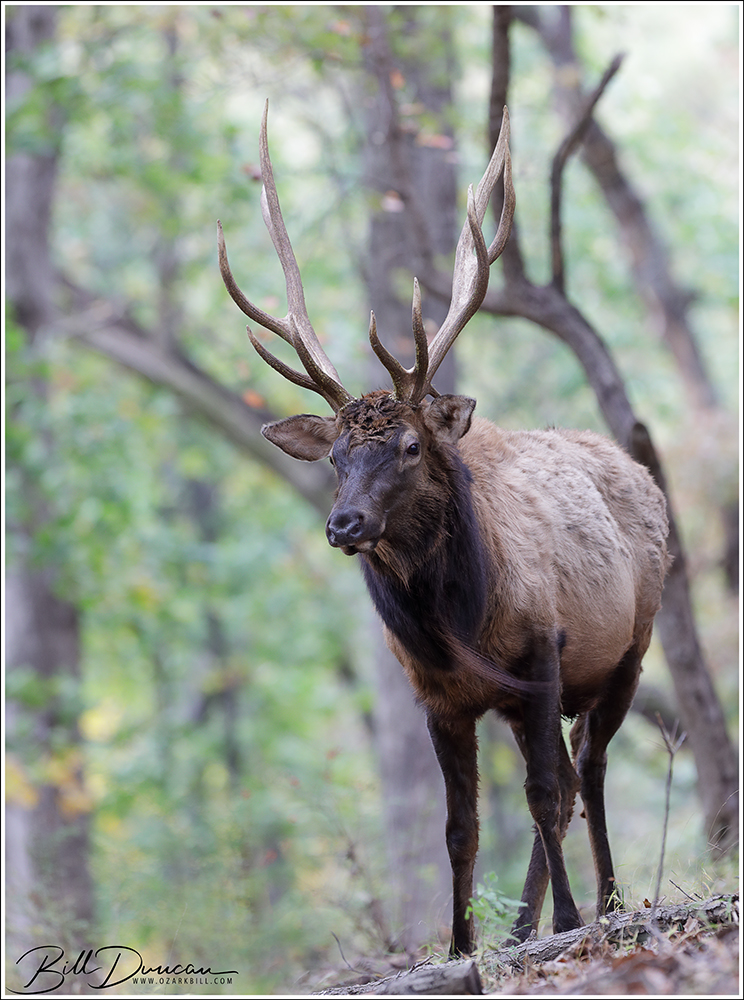
A “small satellite male” keeps to the outer boundary of the dominant bull’s area, hoping to find a stray cow.
Due to the cooperative nature of these subjects, a long telephoto lens, typically needed for wildlife photography is not required here. However, it is a good idea to give these animals their space and use common sense to keep the proper safe distance or remain in your vehicle while photographing here. Always be aware of your surroundings and photograph in a group when possible.
I recommend a mid-range telephoto focal length – a zoom lens in the neighborhood of 100-400 mm is an ideal choice. Depending on available light, a support like a tripod or monopod may be needed. However, with modern cameras and their ability to provide acceptable results at high sensitivities, handholding is usually a viable option.
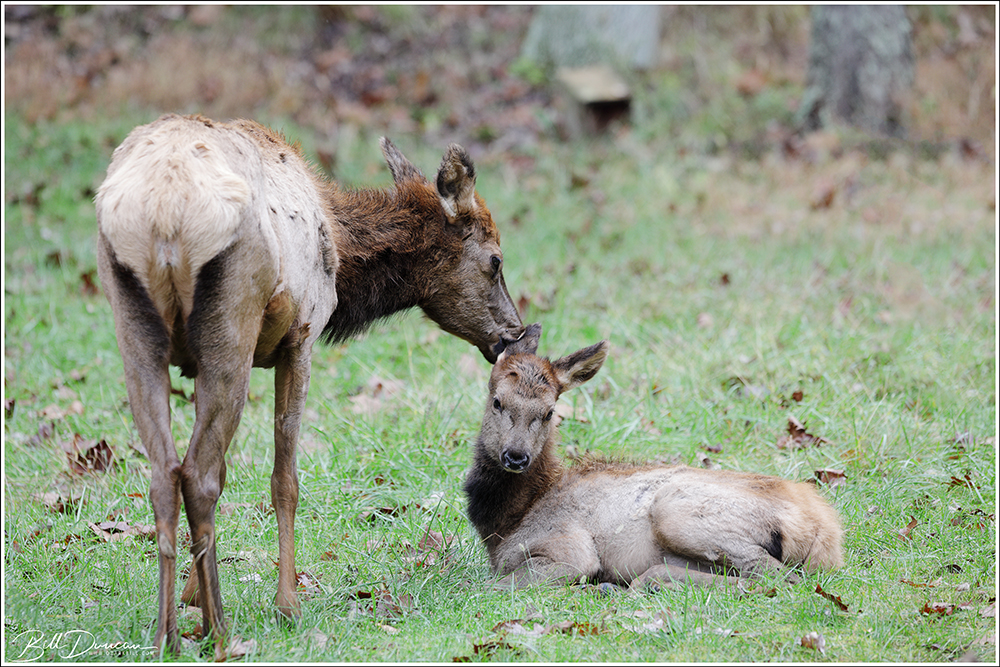
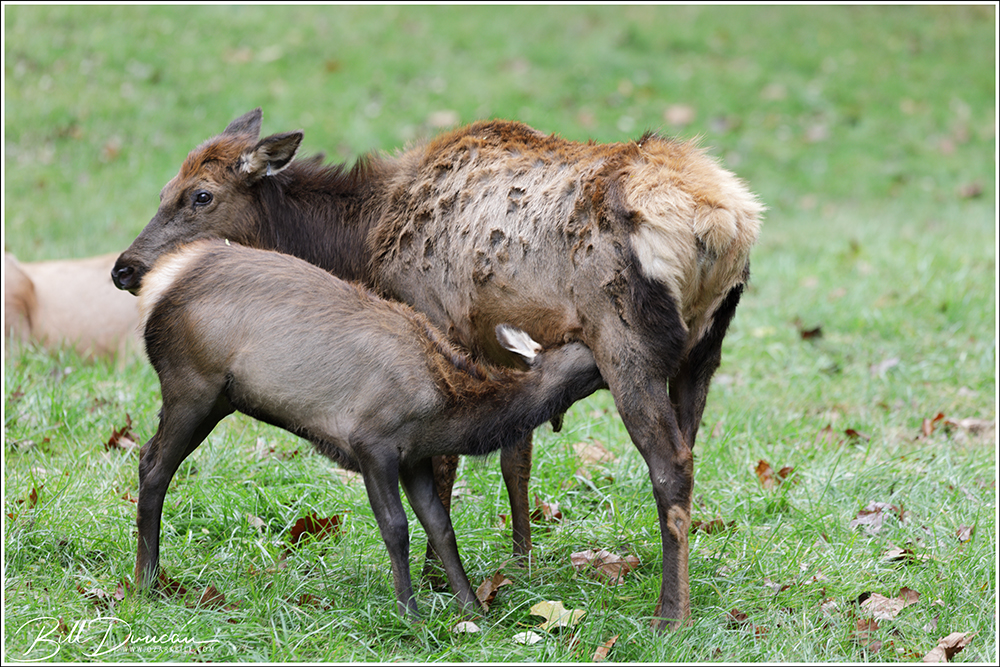
A mother cow gives her calf a reassuring muzzle nudge.
Because this is a nearby location, Lone Elk Park is a great spot to practice with wildlife while building a portfolio of a variety of images. Plan to visit during every season to include the greens of summer, the warm backgrounds associated with autumn and the snows (when available) of winter. Multiple visits will allow for photographing these animals at different life stages, such as when bull elk are in velvet in the summer or while bugling during the autumn rut. From time to time photographers have also been able to capture birthing of bison and elk and the subsequent play of the growing young. I hope to visit this location more frequently in the future.






















 A Thousand Acres of Silphiums
