2025 Caterpillar Season – Virginian Tiger Moth

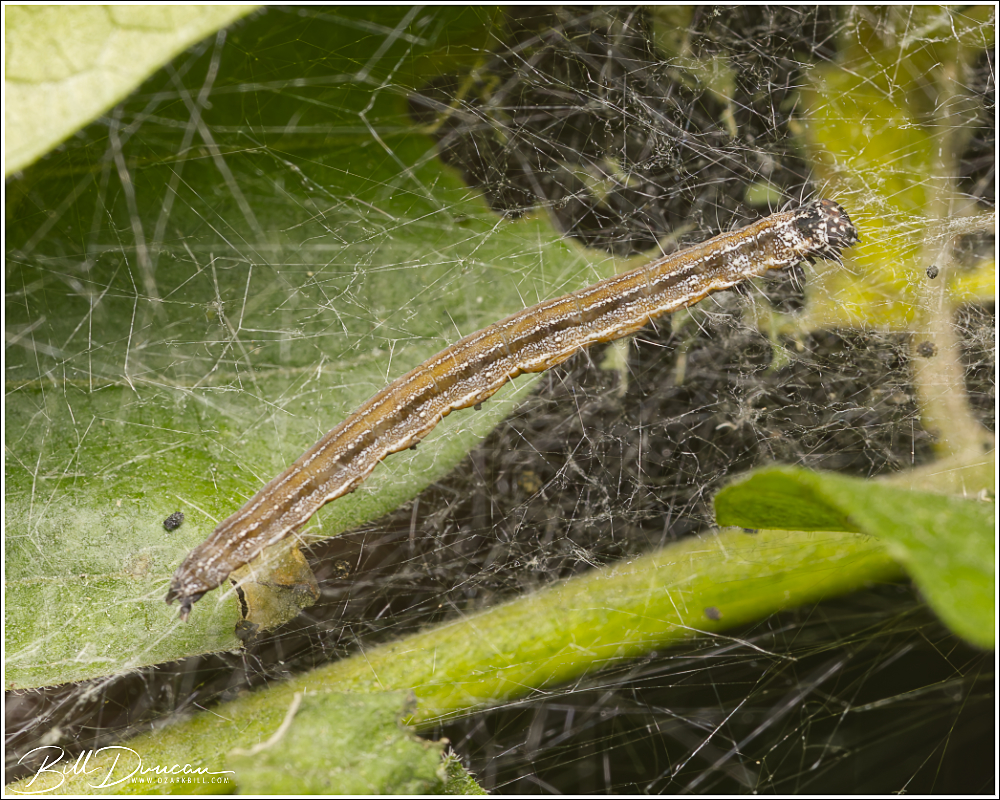
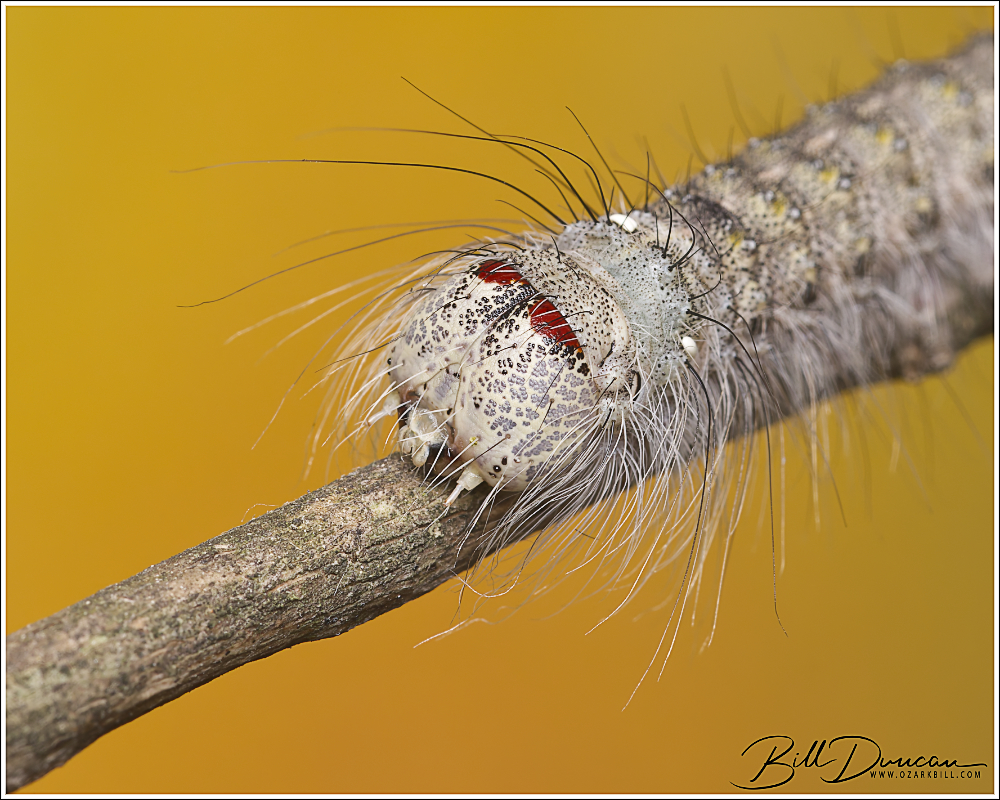
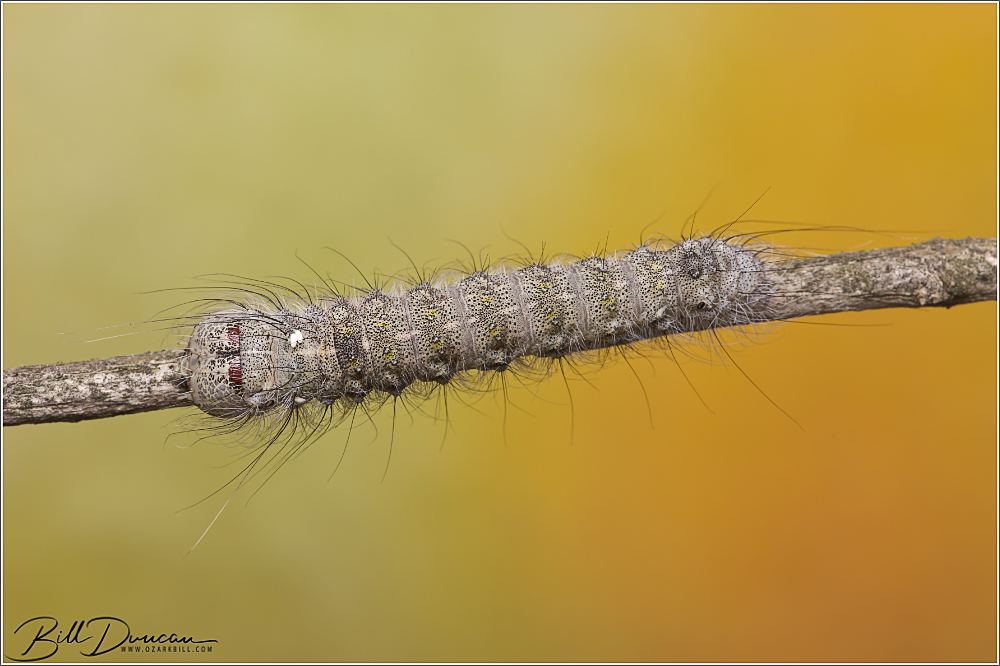
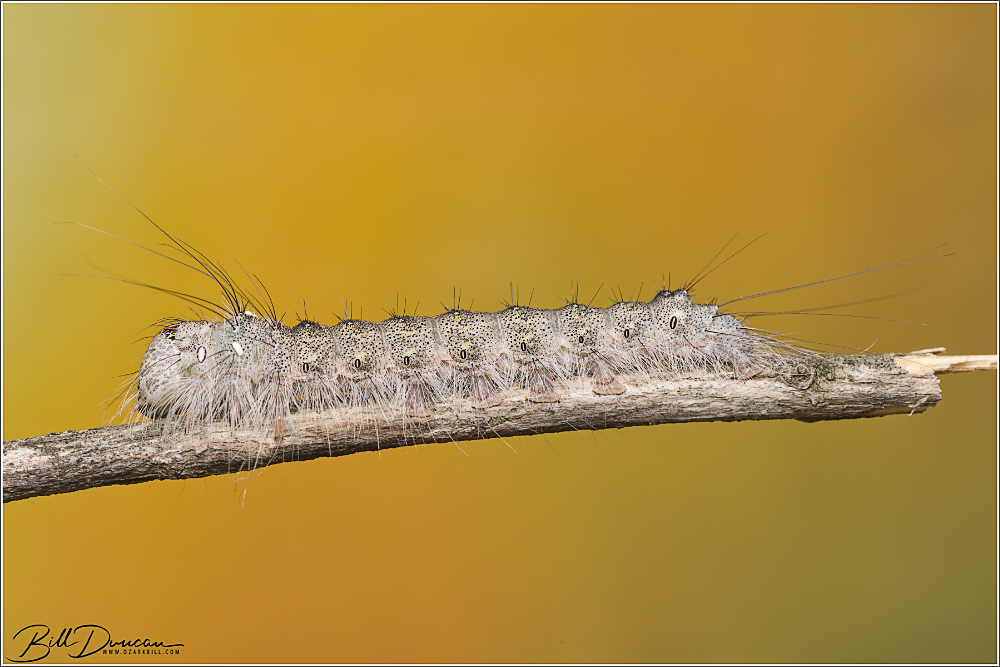
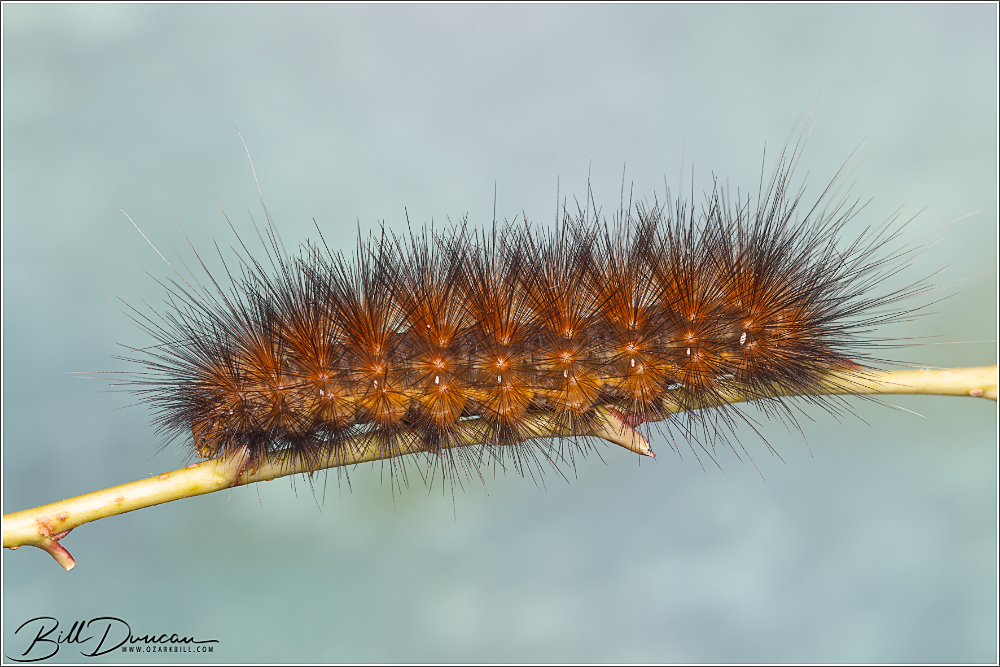
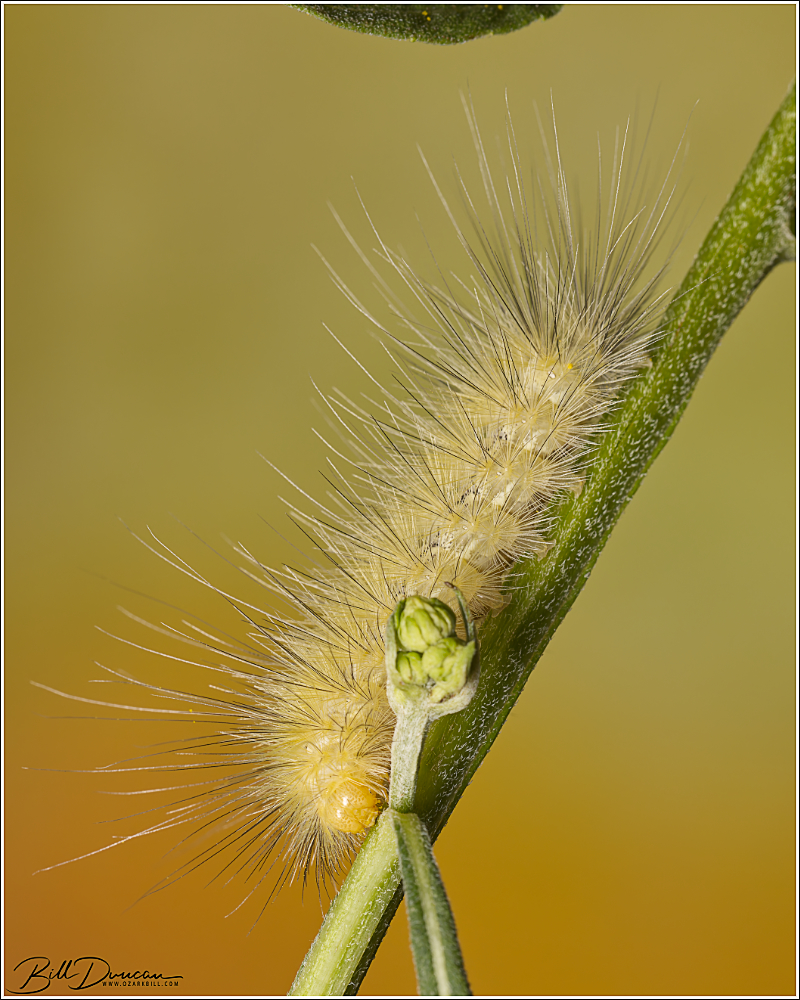
Virginian Tiger Moth
Spilosoma virginica fam. Erebidae (Hodges#8137)
Host plant(s): Found on wingstem (Verbesina alternifolia), swamp white oak (Quercus bicolor) and black willow (Silax nigra)
Date(s) and location(s): 13 September, 2025 – Tyson Research Center, St. Louis County, MO; 17-September, 2025 – Little Creve Coeur Ecological Area
Notes: Also referred to as the yellow wooly bear, this species is highly polyphagous.

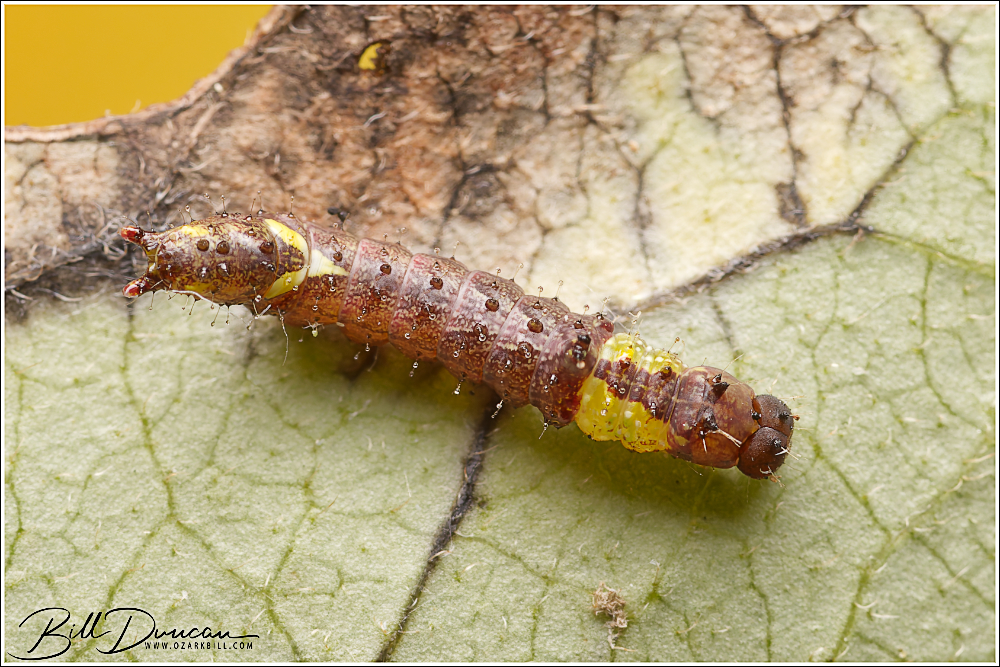
2025 Caterpillar Season – Birch Dagger Moth

Birch Dagger Moth
Acronicta betulae fam. Noctuidae (Hodges#9208)
Host plant(s): river birch (Betula nigra)
Date(s) and location(s): 15 September, 2025 – Creve Coeur Lake Park, St. Louis County, MO
Notes: A specialist, hosting only on river birch.

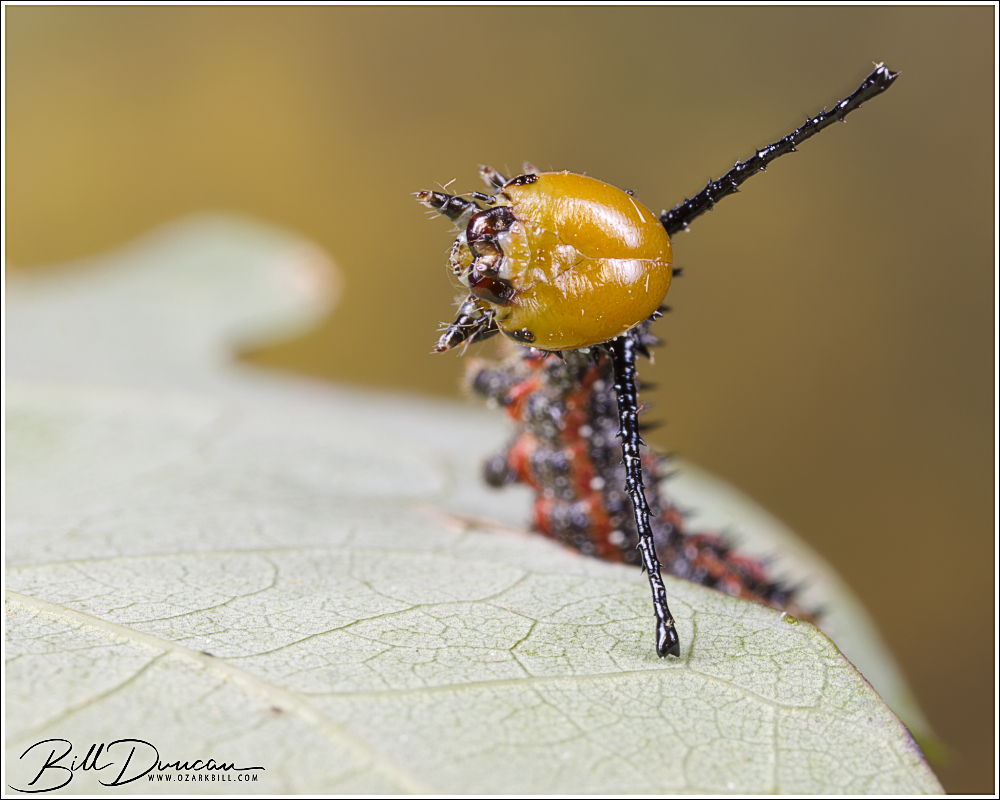
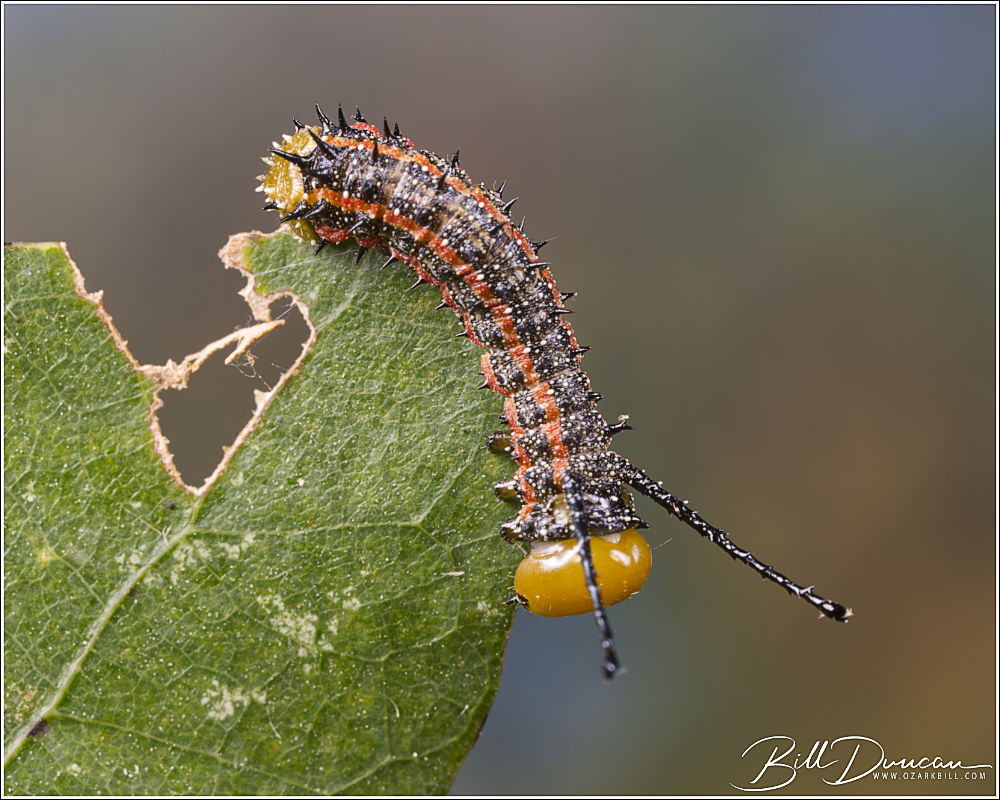
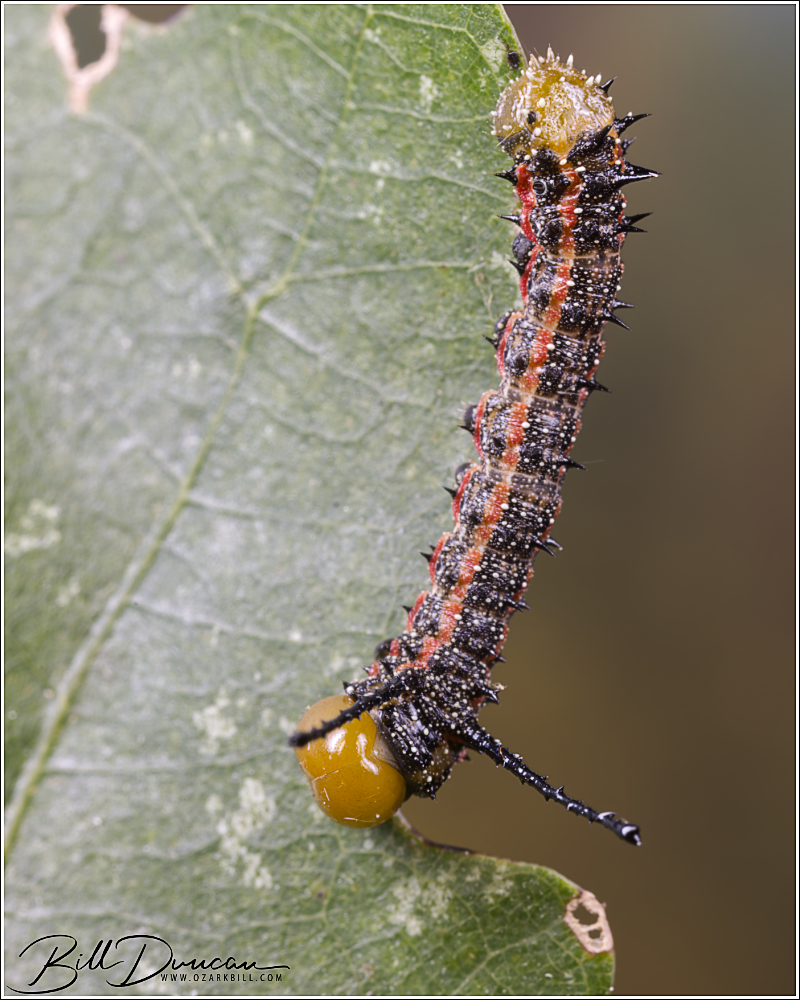
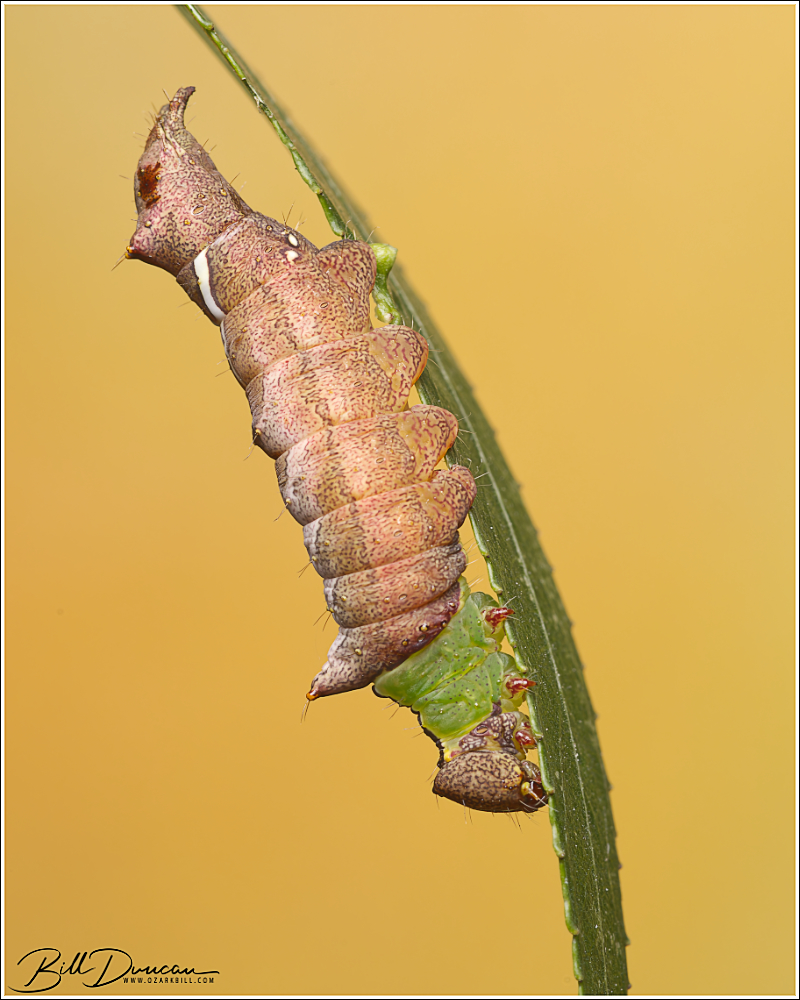
2025 Caterpillar Season – Unicorn Caterpillar Moth

Unicorn Caterpillar Moth
Coelodasys unicornis fam. Notodontidae (Hodges#8007)
Host plant(s): redbud, hackberry, willow
Date(s) and location(s): 30 August, 2025 – Tyson Research Center, St. Louis County, MO; 06 September 2025 – Babler State Park, St. Louis County, MO; 15-September, 2025 – Creve Coeur Lake Park, St. Louis County, MO
Notes: Previous to this year, I assumed this species was an oak/hickory specialist. This is obviously not the case. This species is polyphagous and I was surprised at how many I found on willows this year. Look closely at the upper right photo in this gallery for signs that this individual was parasitized.
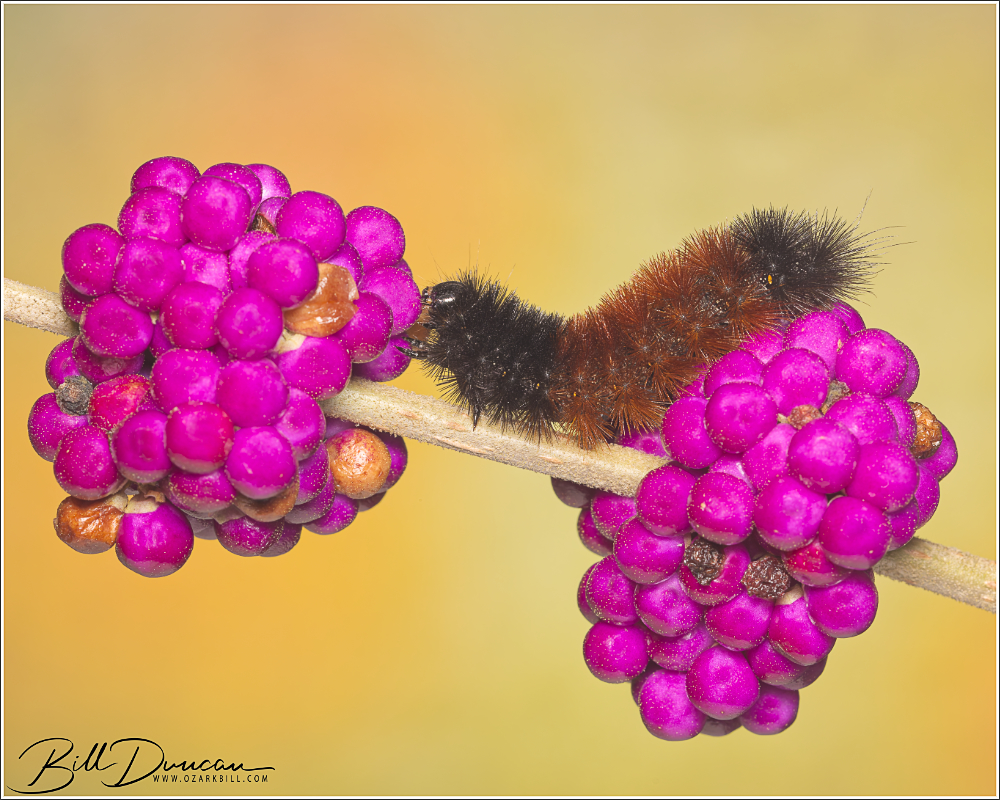
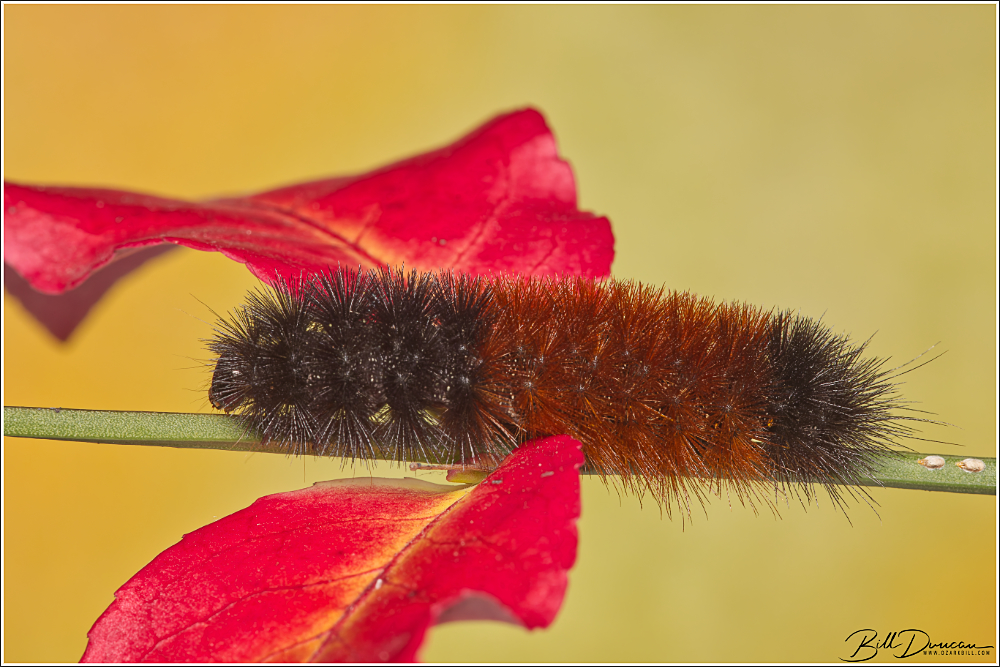
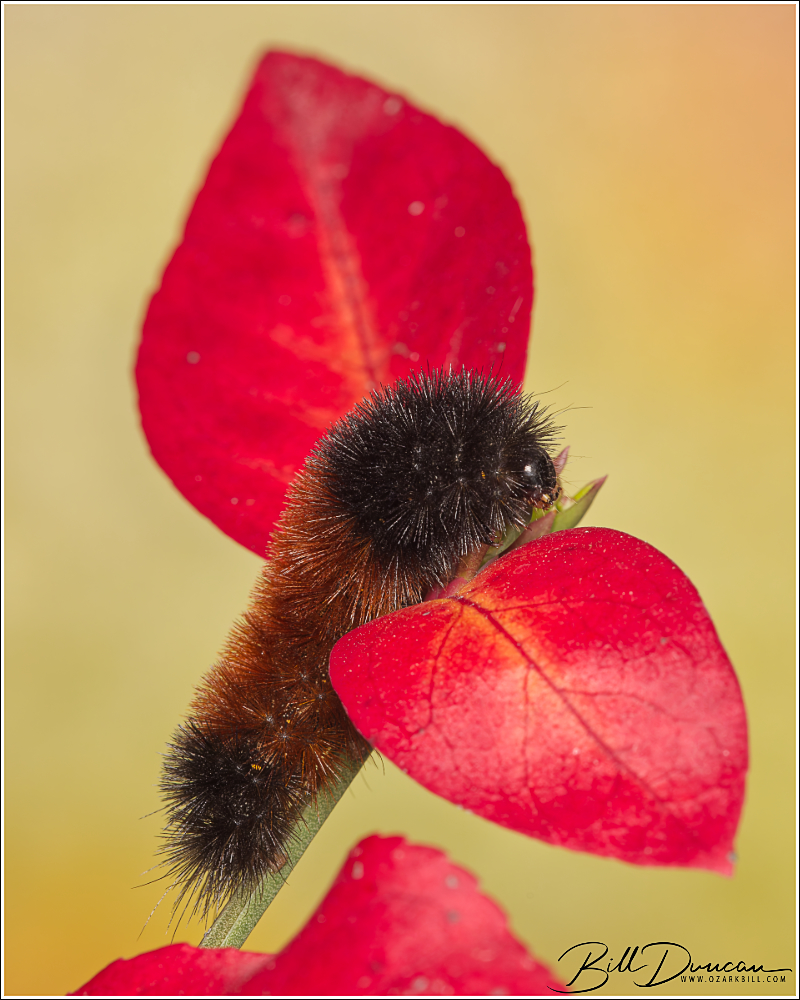
2025 Caterpillar Season – Wooly Bear

Wooly Bear
Pyrrharctia isabella fam. Erebidae (Hodges#8129)
Host plant(s): Found wandering
Date(s) and location(s): 08 November, 2025 – Riverlands Migratory Bird Sanctuary, St. Charles County, MO
Notes: Perhaps the most widely known caterpillar by the general public, the wooly bear is known as the Isabella tiger moth in its adult form. The caterpillars are often found crossing paths and roads during autumn, for reasons not fully understood. This species is highly polyphagous, eating a variety of trees, forbs and grasses. I chose some season-appropriate plants (Callicarpa americana & Euonymus americanus) from the backyard to photograph this caterpillar exploring.

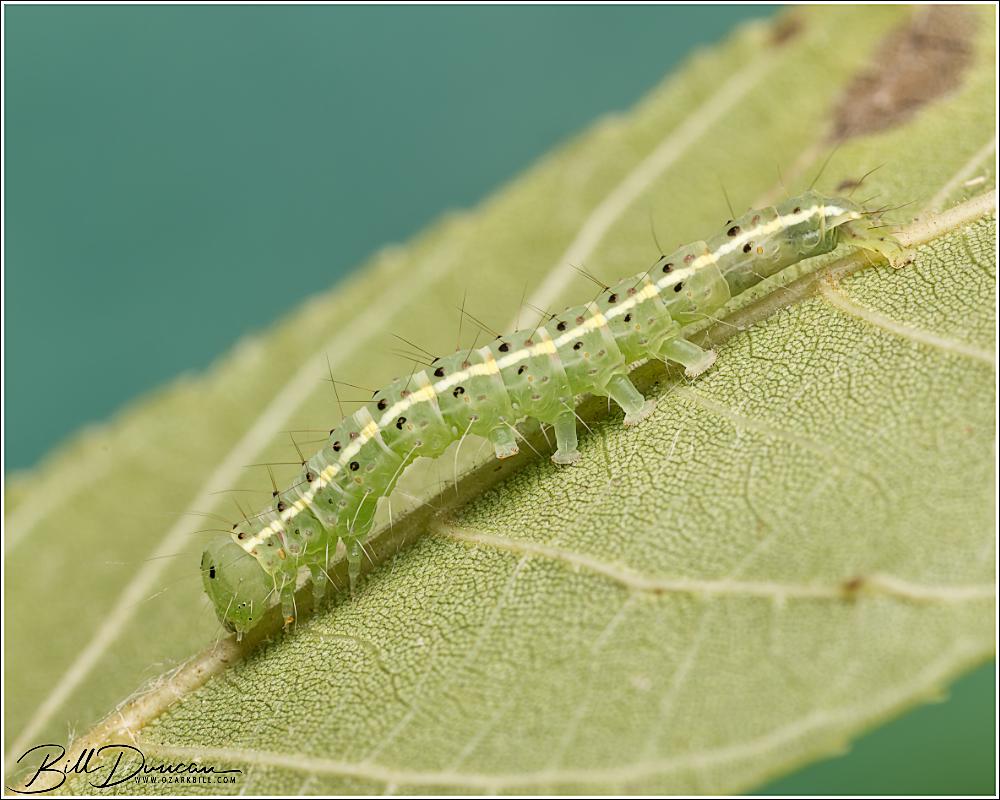
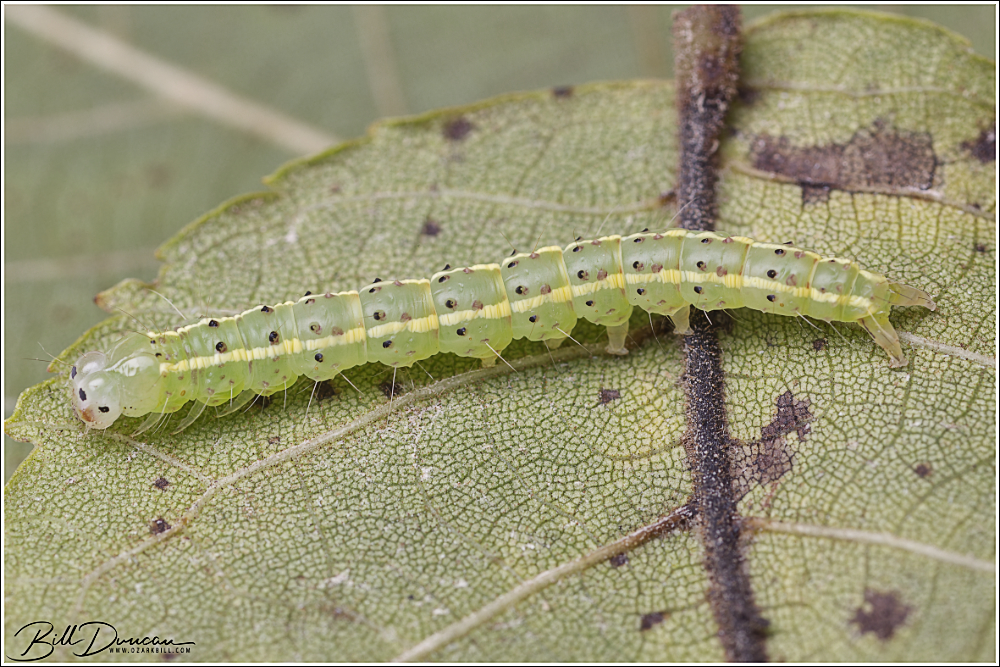
2025 Caterpillar Season – Red-crossed Button Slug Moth

Red-crossed Button Slug
Tortricidia pallida fam. Limacodidae (Hodges#4653)
Host plant(s): Found on white oak (Quercus alba)
Date(s) and location(s): 31 August, 2025 – Tyson Research Center, St. Louis County, MO
Notes: Click here to see adult.

2025 Caterpillar Season – Waved Sphinx

Waved Sphinx
Ceratomia undulosa fam. Sphingidae (Hodges#7787)
Host plant(s): Found on hickory (Carya sp.)
Date(s) and location(s): 31 August, 2025 – Tyson Research Center, St. Louis County, MO
Notes: This is one of those perplexing situations. Wagner and most other authorities suggest this species hosts solely on ash (Fraxinus), but I found this guy actively feeding on a mid-sized hickory during an evening hunt.

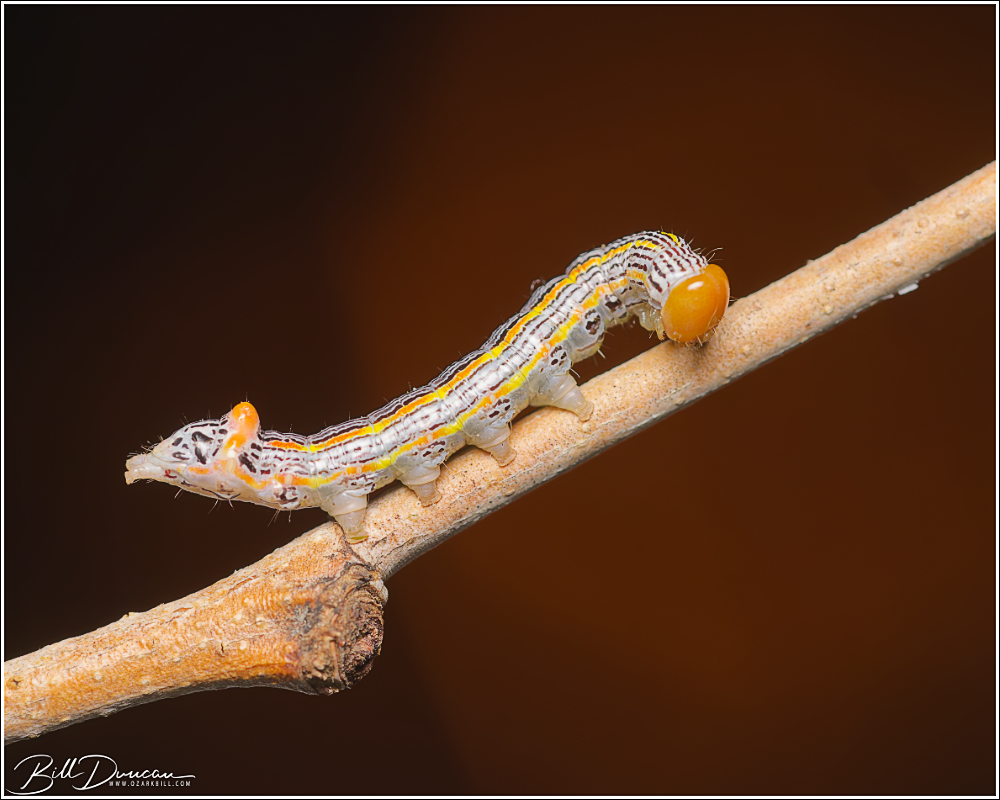
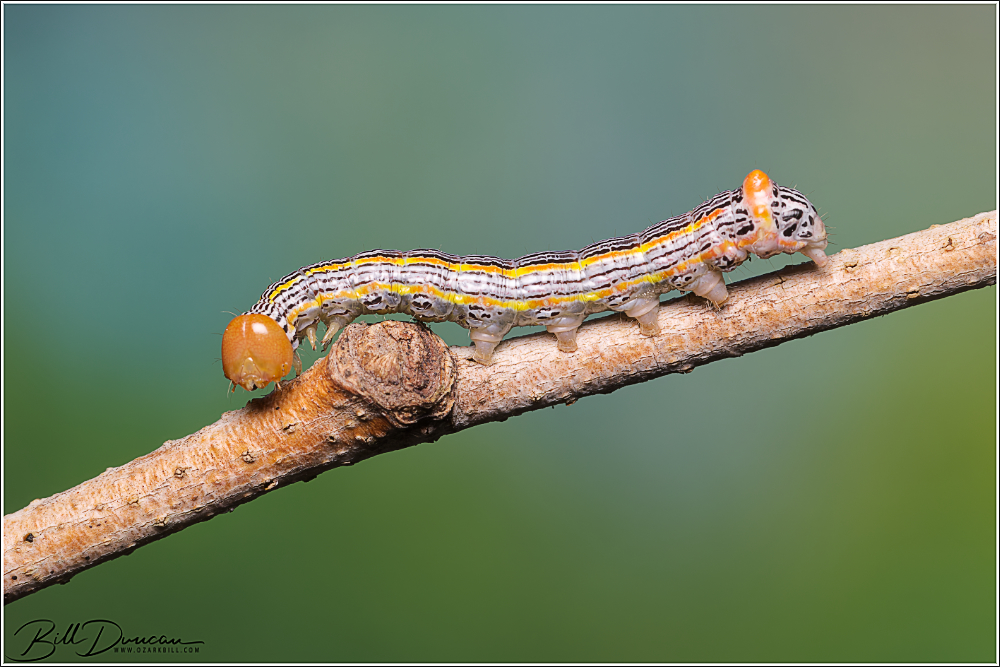
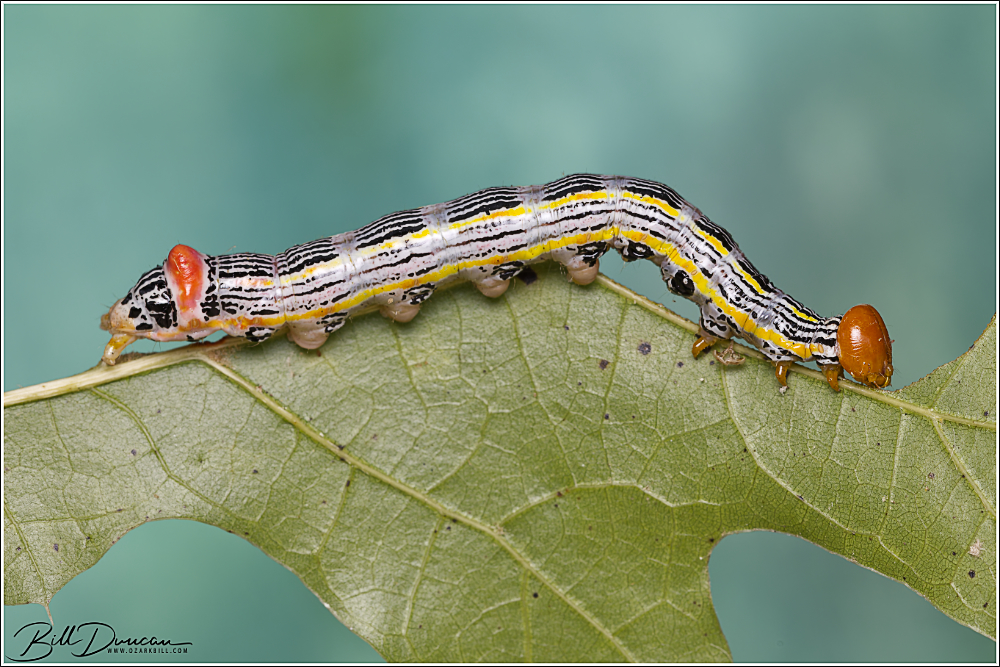
2025 Caterpillar Season – White-dotted Prominent

White-dotted Prominent
Nadata gibbosa fam. Notodontidae (Hodges#7915)
Host plant(s): Found on white oak (Quercus alba)
Date(s) and location(s): 25 September, 2025 – Council Bluff Lake, Iron County, MO
Notes: When threatened, caterpillars of this species curl their heads over their bodies exposing their large yellow, black-tipped mandibles.

WGNSS Visits Snake Road – October 2025

The Webster Groves Nature Study Society’s (WGNSS) Nature Photography Group headed to the LaRue Pine Hills in mid-October to visit the famous LaRue Rd, better known as the “Snake Road.” Our targets for the day were snakes, of course, along with any other herps that we could be fortunate enough to find. Unsurprisingly, the snake of the day was the cottonmouth (Agkistrodon piscivorus), of which we found close to 15 individuals. We found several different frog species and a real good number of cave salamanders (Eurycea lucifuga).

Cottonmouth (Agkistrodon piscivorus)

Green Frog (Lithobates clamitans)
Green Tree Frog (Dryophytes cinereus)
Cave Salamander (Eurycea lucifuga)
Cave Salamanders (Eurycea lucifuga)

A short ways from the main road, we came across a small grotto. Looking closely with a light, I was able to find at least five cave salamanders resting on different shelves. After about 15 minutes on my knees, working out how to best light and photograph these guys, I finally focused my attention towards the back end of this small cave. There I noticed a medium-sized cottonmouth with its head raised that was apparently watching me the entire time, about a foot or so behind the salamanders.

Cave Salamanders and an unexpected guest. Can you find the cottonmouth?

We were joined by our friend, Stacia Novy, on this trip, who provided an unexpected treat! She brought along her two Aplomado Falcons that we had an opportunity to photograph, pet, and watch eat. Unfortunately, strong winds and a few soaring Bald Eagles that would not leave the area limited the amount of flight time the birds had, but we really appreciated the opportunity.

A couple photos of Stacia with her bird

Afterwards, the group headed to one of my favorite breweries – Scratch in Ava Illinois. Stacia brough one of the Falcons to the outside location and we had a most unique partner to go along with our wood-fired pizzas and beer.

My drinking partner

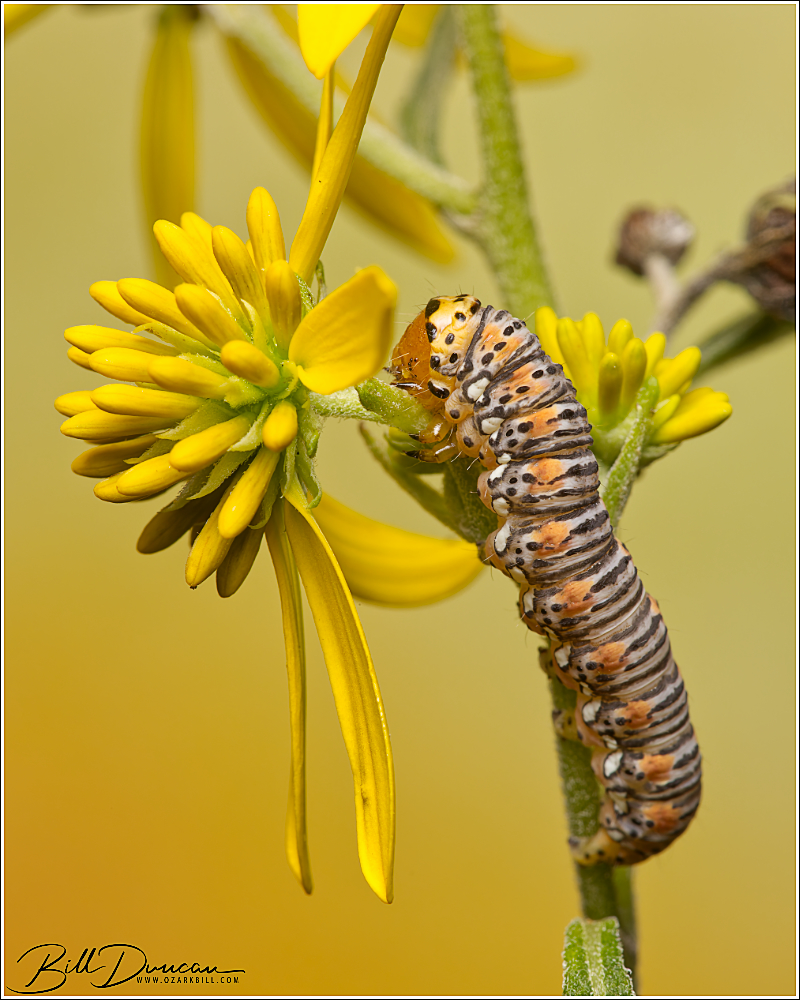
2025 Caterpillar Season – Milkweed Tussock Moth

Milkweed Tussock Moth
Euchaetes egle fam. Erebidae (Hodges#8238)
Host plant(s): Found on dogbane (Apocynum cannabinum)
Date(s) and location(s): 30 August, 2025 – Tyson Research Center, St. Louis County, MO

Oedemasia concinna – Parasitized

During a caterpillar hunt in mid-September at Don Robinson State Park, I came across a redbud leaf with a number of mummified Oedemasia concinna (red-humped caterpillar moth) caterpillars. These cats all appeared to be dead and were wrapped in what looks like their own silk. After close inspection, I could not find any exit holes that the potential parasitoid would have made. So, I collected the leaf and the baker’s dozen of these hosts and took them home to hopefully rear the parasitoids.

Parasitized Oedemasia concinna (red-humped caterpillar). This species is gregarious as early instars.
A closeup of one of the unfortunate caterpillars.

About three days later I checked the container that held these guys. To my surprise every single parasitoid had emerged from their hosts. In this case, the natural enemy is the Ichneumonid parasitoid, Hyposoter fugitivus. In the following images you can see the tiny wasps that have emerged from the even tinier caterpillars.

Here are some closeups of the wasps.

Finally, a photo of the gorgeous caterpillar they may have become if not for these natural enemies…

Oedemasia concinna (red-humped caterpillar) found at Tyson Research Center, St. Louis County, MO.