"What a thousand acres of Silphiums looked like when they tickled the bellies of the buffalo is a question never again to be answered, and perhaps not even asked." -Aldo Leopold
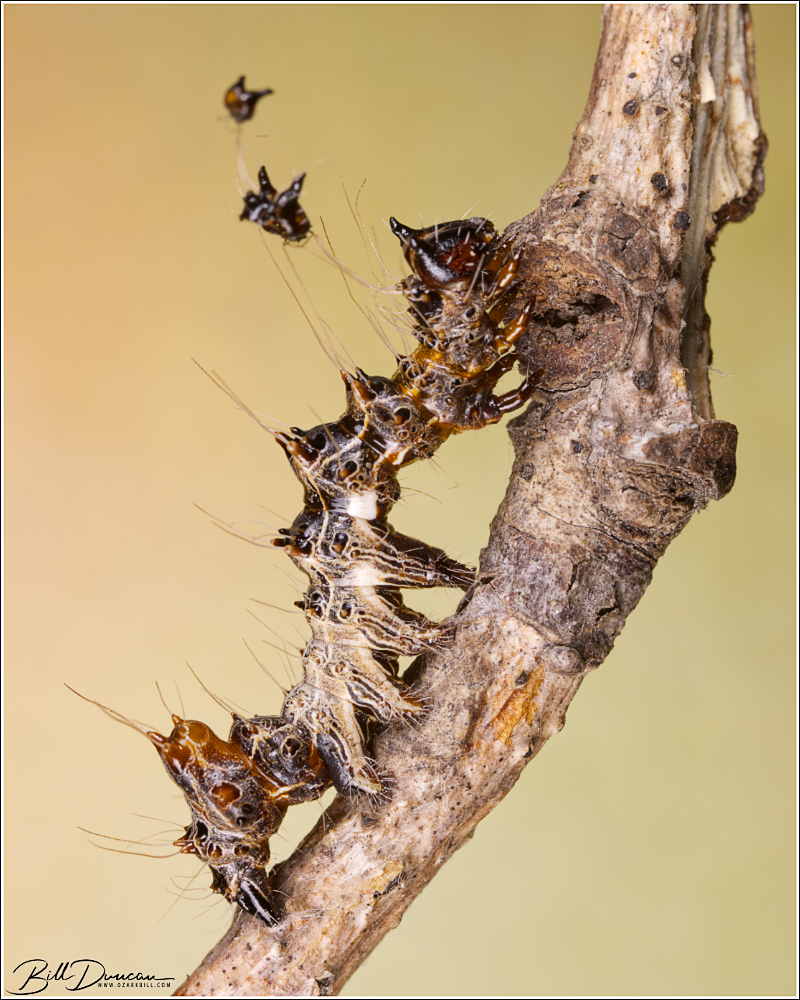
Harris’s Three-spot Harrisimemna trisignata fam. Noctuidae (Hodges#9286) Host plant: buttonbush (Cephalanthus occidentalis) Date found: ~16, Aug, 2025 Location found: Franklin County, MO Click here to see the adult moth Notes: Part spider and part bird dropping, this caterpillar is absolutely astounding. Note the empty head capsules that the caterpillar retains with each successive molt. It has been shown that these caterpillars use these to thrash at potential parasitoid wasps and flies that approach while attempting to deposit eggs on their would-be hosts.
Special thanks to Eva Wiedeman who found this individual in her neighborhood and brought it to our WGNSS fieldtrip at Council Bluff Lake. Photographing this caterpillar was a prime objective for me this season. Now I just need to find one on my own and hopefully a larger 4th instar!
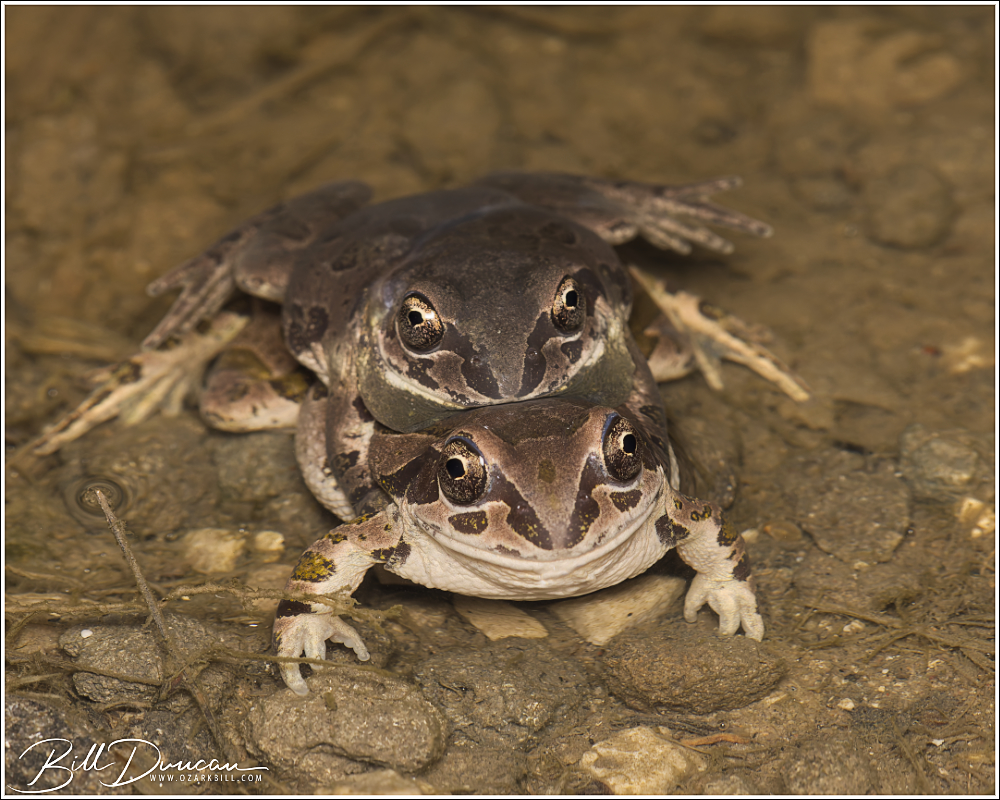
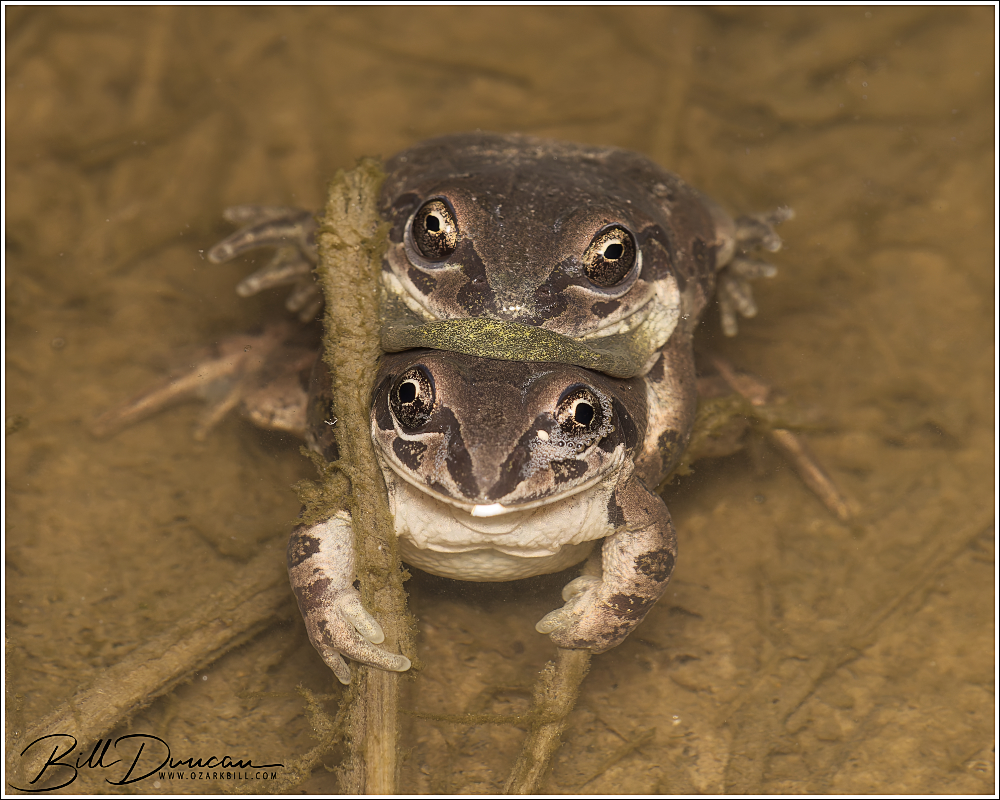
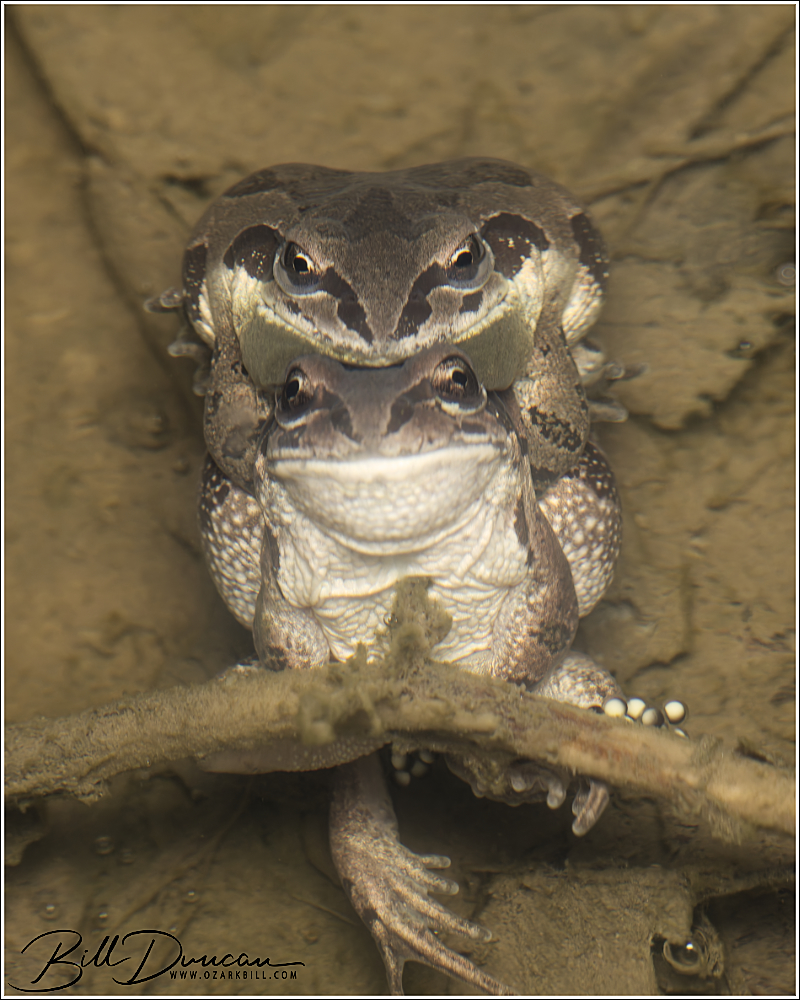
During this past weekend the WGNSS Nature Photography group met up with our friend Dr. Rick Essner from SIUE to see and photograph one of our favorite subjects, the Illinois chorus frog (Pseudacris illinoensis) . I first wrote about these wonderful little guys a couple of years ago when Rick helped a few of us see them for the first time.
This year’s visit was perfectly timed for my primary photography goal, which was to photograph this species during amplexus. Our first stop was at a sand-prairie habitat where the frogs use small plastic basins that are set into the ground in order to keep the standing water these frogs need to deposit eggs and the resulting tadpoles need for their development. In addition to these artificial basins, the land mangers at this and a nearby sand prairie tract have recently installed larger ponds with liners to retain water long enough to see the frogs through their development cycle without the need to worry about egg-predating fish. These ponds were only installed this winter, however, and cover-providing vegetation and structures in the water are not yet established. We only found a couple of frogs at these locations but hopefully these new ponds will support a strong breeding population in years to come.
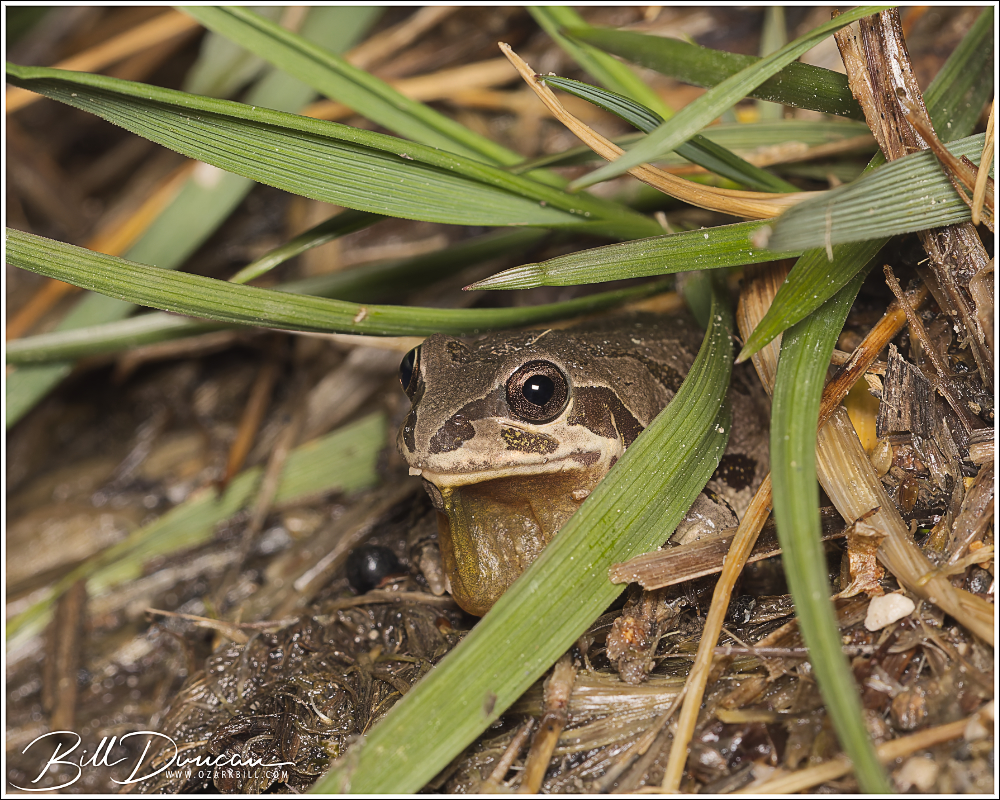
An Illinois chorus frog hunkering in the sandy bank of one of the new future breeding ponds.
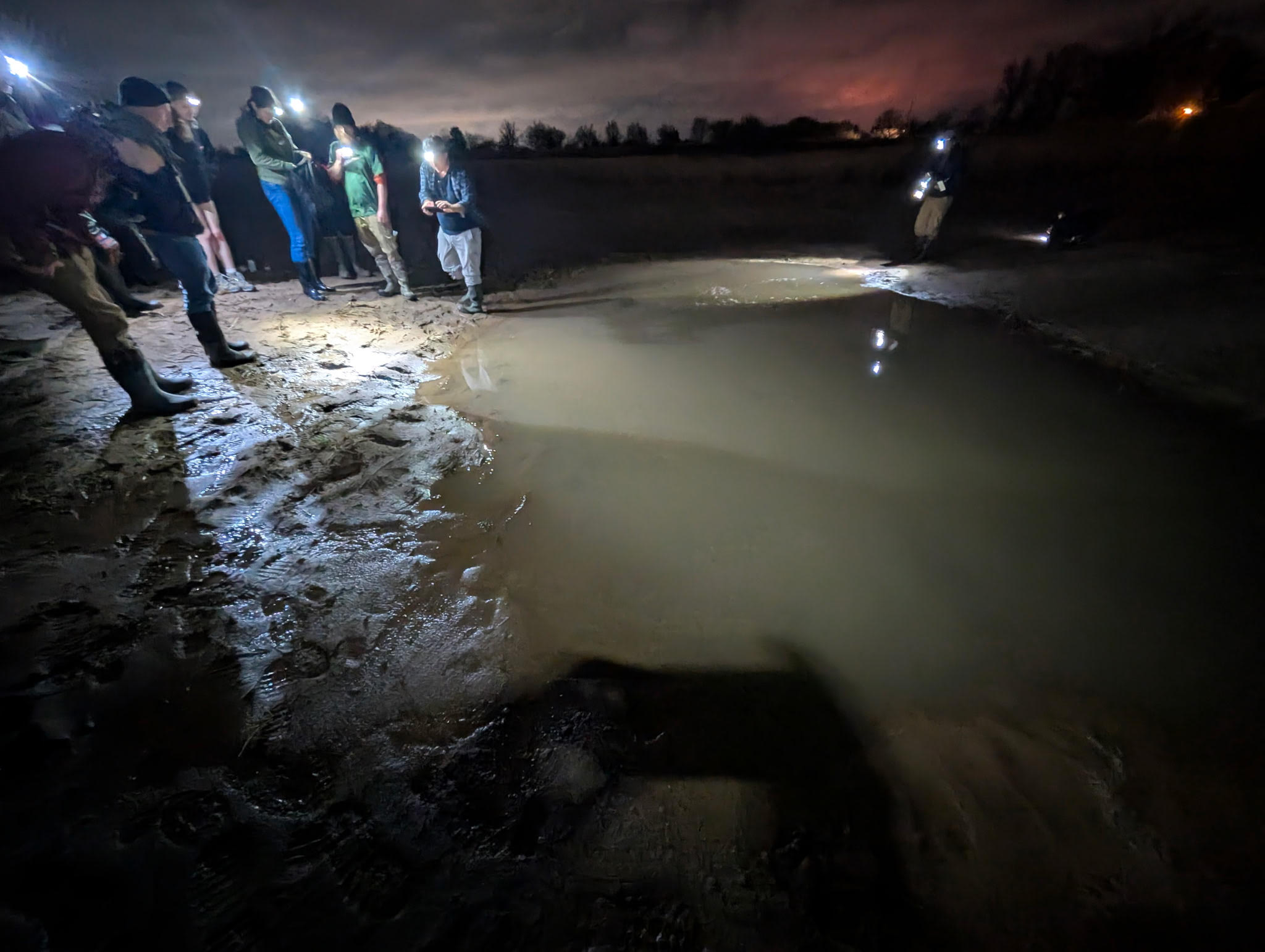
Rick Essner, his students and WGNSS photographers standing on the banks of one of the new breeding ponds within the sand prairie habitat. Photo by Miguel Acosta.
WGNSS members and frog paparazzi, Casey, Dave and Miguel photograph a frog while a student collects measurement data on another.
Getting photographs was not the primary reason Rick and his students were out on this fantastic evening. The biologists at SIUE are using mark-recapture techniques to study population demography and spatial activity, as well as the frog’s feeding behavior, locomotor behavior, and diet. It was fascinating to watch the students insert the smallest available PIT (Passive Integrated Transponders) tags in order to identify individual frogs in order to monitor their growth, movement and other characteristics over time.
A student uses calipers to take the frog’s snout-vent length measurement
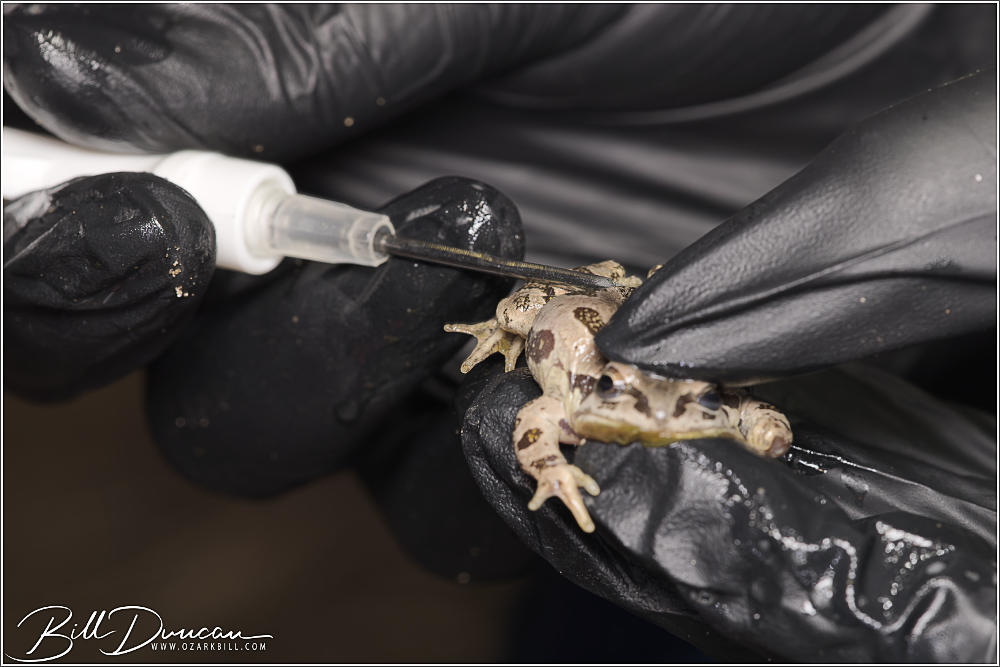
A student prepares to insert the PIT subcutaneously into the frog. Following the insertion, the puncture in the skin is sealed with Vetbond.
After the PIT has been inserted, the student checks that the identification from the transponder can be read and recorded. The frog now has an identity!
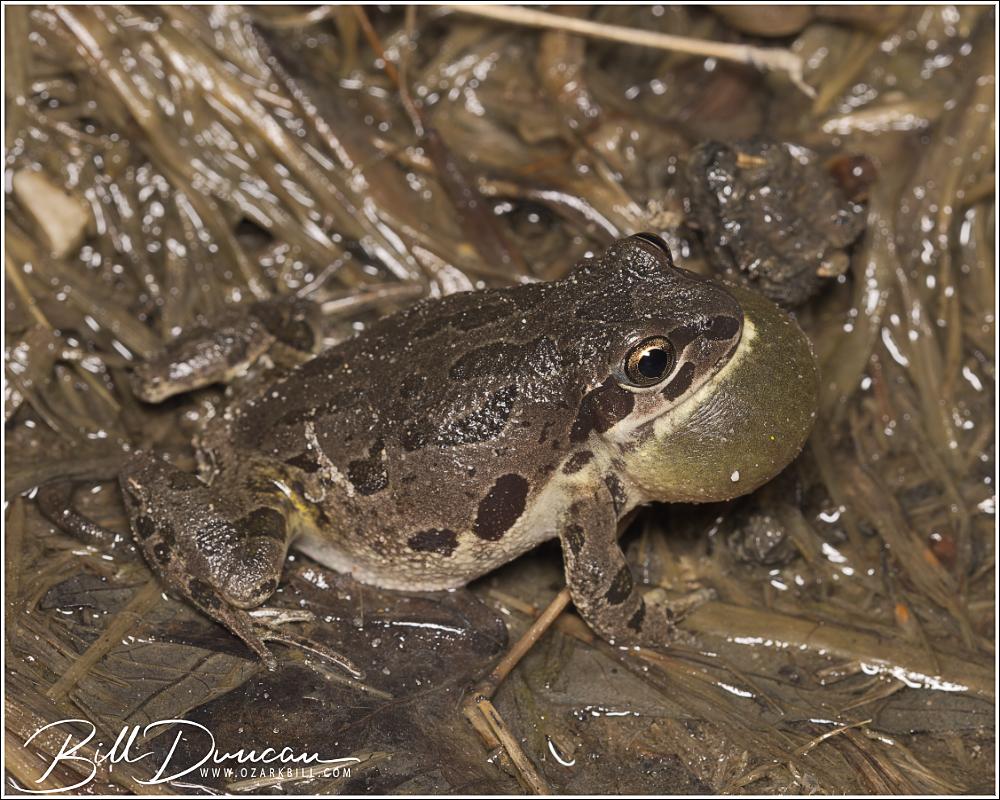
After finding a few frogs in the sand prairie, we followed Rick and his students to other potential locations that might contain breeding frogs. We found what we were looking for in a location that was somewhat unfortunate but definitely contained what the frogs were looking for. At a drainage ditch between a small blacktop road and an agricultural field we found a group that I estimated to be between 25 and 50 Illinois chorus frogs along with quite a few American toads (Anaxyrus americanus). Here we easily photographed pairs in amplexus and struggled to photograph calling male Illinois chorus frogs.
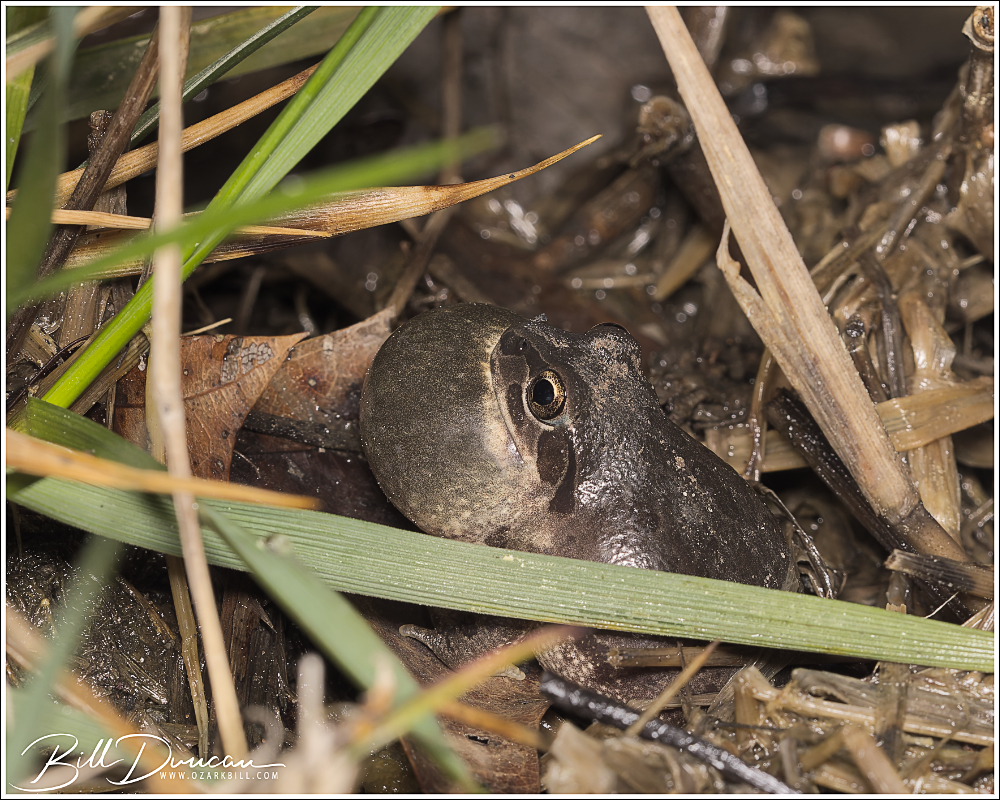
In order to photograph the frogs with inflated vocal sacs during their vocalizations, we first needed to find the solo males that were vocalizing. This was the first challenge. The unpaired males seemed to have a high preference for vocalizing under the cover of the short vegetation along the banks of the ditch. This made finding them quite a difficulty. Additionally, as anyone who might have the experience of attempting to find vocalizing frogs will know, they exhibit what could be called a ventriloquist effect. As the observer hones into the location where the frog must be calling from, it is simply impossible to find. This effect is hypothesized to be an adaptation to predation avoidance. A stationary frog, vocalizing at incredible decibels, could be seen as ringing the dinner bell for predators with the ability to use auditory cues to track their prey. This may help with predator avoidance, but then how does the female find her chosen mate with the sweetest voice?
Finding the vocalizing males was just half the battle. In order to photograph these guys at night, we must shine a light in order to focus on them. More times than not, as soon as I trained my focusing light on to one of them, they would quit calling. It would then take quite a while for them to get started again after sitting still with the lights out. It took me quite a few attempts to get the few successful images I was fortunate to get.
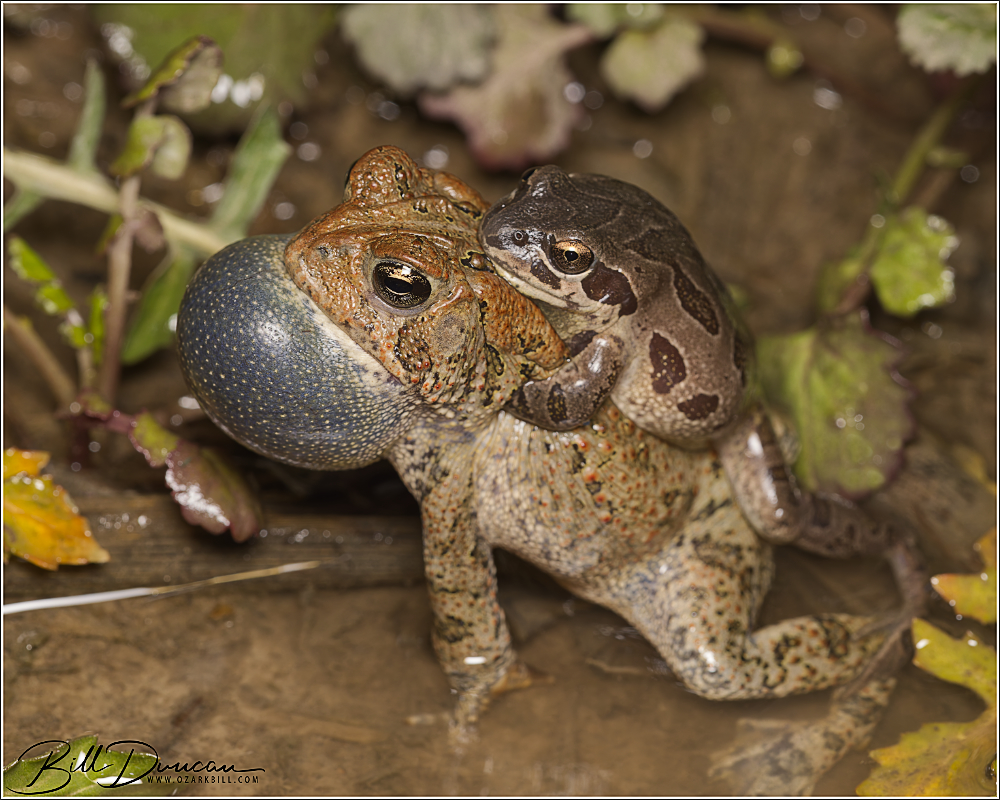
When male frogs are in a perfect situation such as this, they are eager for ANY opportunity. If it moves and in any way matches their search pattern – namely, any other frog, they are known to grab and hold on, whether that be a conspecific female or male, or sometimes something even more, shall we say, less evolutionarily appropriate…
This Illinois chorus frog was so randy that this American toad looked ripe for the picking!
On top of this interspecies attempt, the toad turned out to be a male!
That’s all I have to share from this wonderful evening. I’m happy to see that researchers at SIUE are studying this threatened species and that the land managers are making strong attempts at improving breeding habitats for this wonderful species.
The WGNSS Nature Photography Group, led by the man with the great ideas, Casey Galvin, headed to Elephant Rocks State Park in Iron County, MO, for the group’s February field trip. Our primary target for the evening was to utilize the full moon to light our scene after sundown – images often referred to as “moonscapes.” This was my first real attempt at taking moonscapes; usually I am focused on low to no-moon nights in order to focus on stars and deep sky objects.
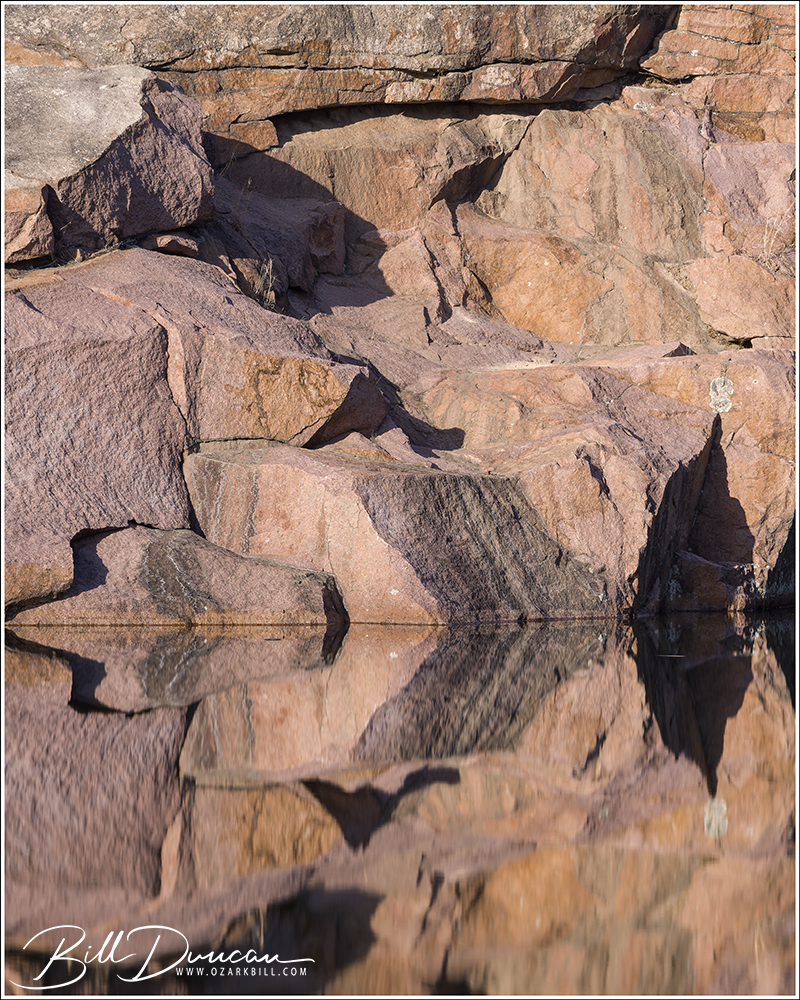
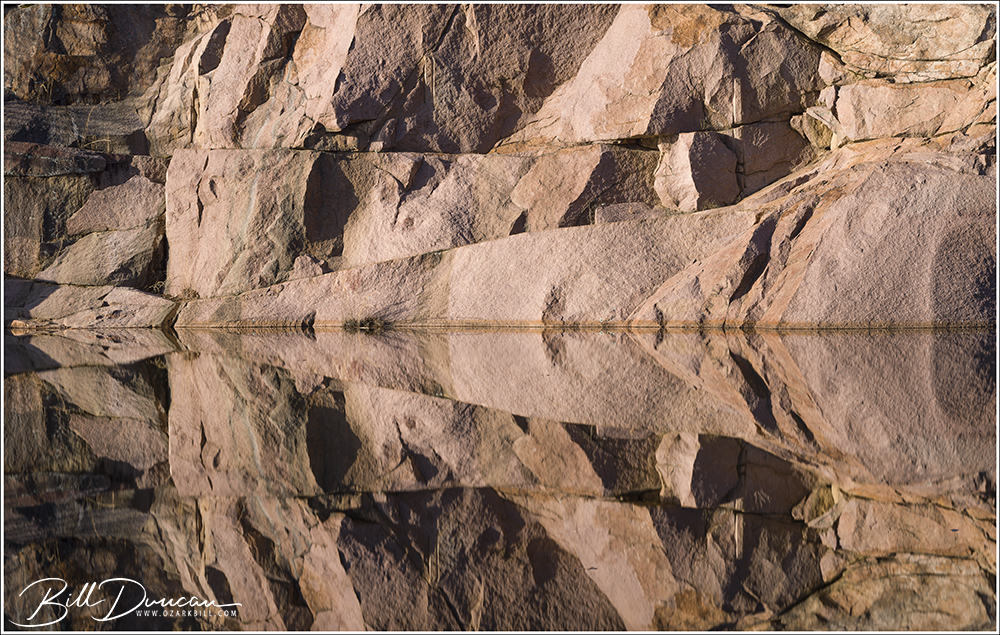
Reflections on Quarry Lake ISO-50, f/11, 3.2 sec. exposure, 140 mm focal length
We arrived in time to have a walk around prior to sunset and the park’s official closing time. In order to be in the park after 5:00 pm, special permission must be made ahead of time. During our stroll, we made our way to the backside of the quarry lake – somewhere I had not been in many years. This turned out to be a serendipitous experience. There we encountered some very nice golden light and excellent reflections coming from the lake’s surface. Unfortunately, the winds were just strong enough to create some obnoxious ripples on the water, ruining the mirror effect I was going for. No worries, however; I added a CPL and a pretty strong neutral density filter (in order to increase shutter speed) to my mid-telephoto lens and the ripples magically disappeared.
Several abstract-like faces appeared in tight-compositions with the rock wall mirrored off the lake’s surface ISO-100, f/9, 2.5 sec. exposure, 84 mm focal length
I find capturing enough saturation in lighter colors a challenge with digital cameras. I am finally learning how to recover this in post-processing. The pretty light helped showcase the pink granites that the St. Francois Mountains are known for. ISO-50, f/11, 5 sec. exposure, 118 mm focal length
This one was too good to pass up the opportunity to make the face more obvious by orienting it vertically. ISO-100, f/9, 4 sec. exposure, 73 mm focal length
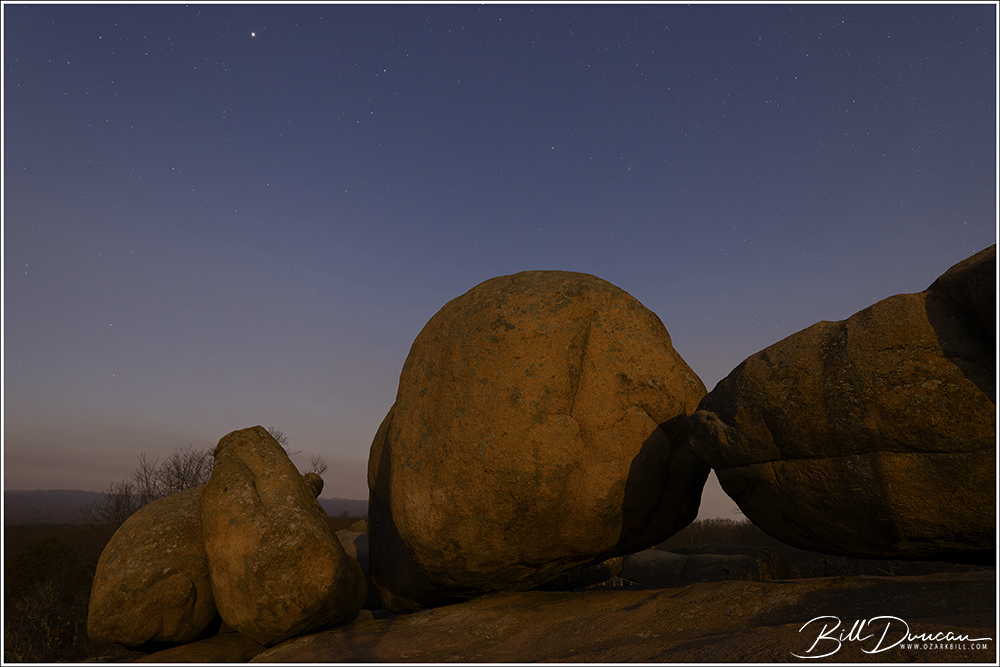
Shortly before sunset, we headed to the other side of the park to hang out with the rocks that give the park its famous identity. The remaining images were all taken after the sun had set and were exposed using only the light of the February full “snow moon.”
Moon rising over Elephant Rocks ISO-640, f/5.6, 10 sec. exposure, 20 mm focal length
Somewhat surprisingly, care had to be taken when shooting with the full moon at our backs as the shadows were very noticeable! ISO-3200, f/4, 6 sec. exposure, 20 mm focal length
Newer cameras shooting at longer exposures can pick up more stars than can be seen by the naked eye. I was happy to see the Pleiades and the Andromeda Galaxy in several of my moonscape images. ISO-320, f/4, 6 sec. exposure, 19 mm focal length
Can you spot the Pleiades star cluster in this moonscape? ISO-640, f/4.5, 8 sec. exposure, 15 mm focal length
This was certainly a special trip spent with friends. Temperatures and sky conditions were near perfect for photographing moonscapes. I was a bit surprised we did not have more WGNSS members take advantage of this special access. I won’t complain about that too much as I think having too many photographers would have made things more challenging with fighting shadows and finding access to good compositions.
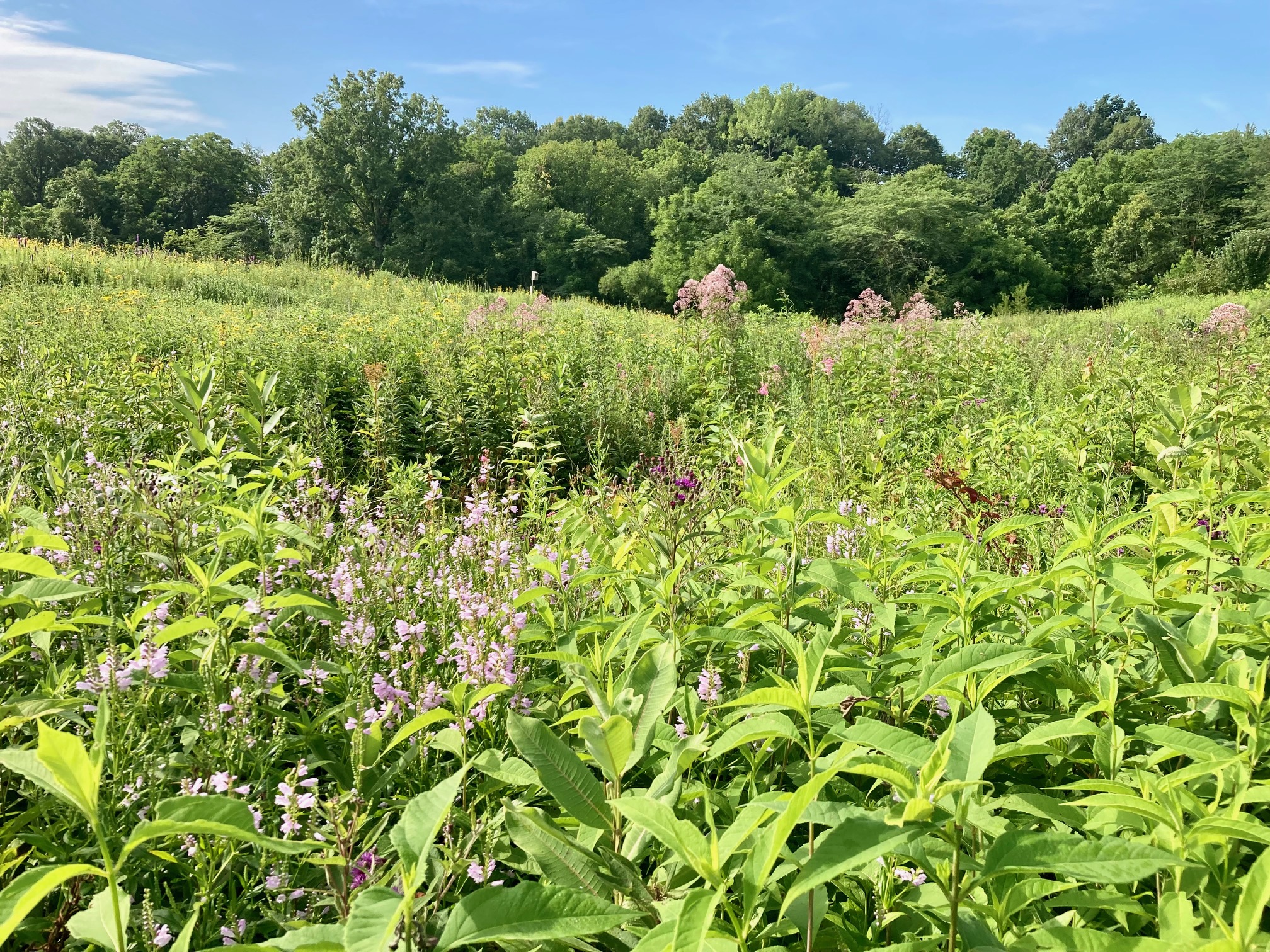
Part of the Horn’s Prairie Grove LWR with obedient plant blooming in the foreground and joe pye weed behind.
The WGNSS Entomology and Nature Photography Groups had a splendid treat in July of 2022 when we jointly visited Horn’s Prairie Grove Land Water Reserve (LWR) near Ramsey IL. This 40 acre patch represents part of the less than 1% of the remaining southern till plain prairie ecosystem that was nearly wiped from the planet due to land conversion for farming. Even better, about 30 acres are original “virgin” prairie, (the largest intact remnant prairie in IL) meaning these spots were never touched by the plow. Even better still, at this location there lies five different types of prairie habitat: seep/wetland, dry hillside, mesic, black soil and savanna.
Keith Horn, owner and guide to Horn’s Prairie Grove LWR
The story of this land is interesting. The current owners, Keith and Patty Horn, purchased the land in 2001 as “junk land” from an old farmer who’s family had owned since the 1870s. They liked the fact that the majority of the land was in a “wild” state. The untouched 30 acres had been used as a wild hay field, being cut almost yearly. They had noticed some nice wildflowers in bloom but did not realize what they had until a few years into a wildlife habitat improvement plan that included periodic burning. Every year they noticed more and more species in bloom. They have sought help in identifying the plant species here and the current list is now at 619 species, including six native orchid species! Bravo to the Horns for identifying what they had and taking the steps to see their land improved. This remnant prairie could have been destroyed in the blink of an eye if it had fallen into the wrong hands.
Although most of us were simply thrilled to be in such high quality habitat, the primary purpose of the trip was to check out the arthropod life. Unfortunately, in late July, we were there on a truly miserable day of weather. The heat and humidity created a heat index that was well above the safety zone. This meant not many of us had the nerve to do a great deal of walking and searching, especially much after lunch time.
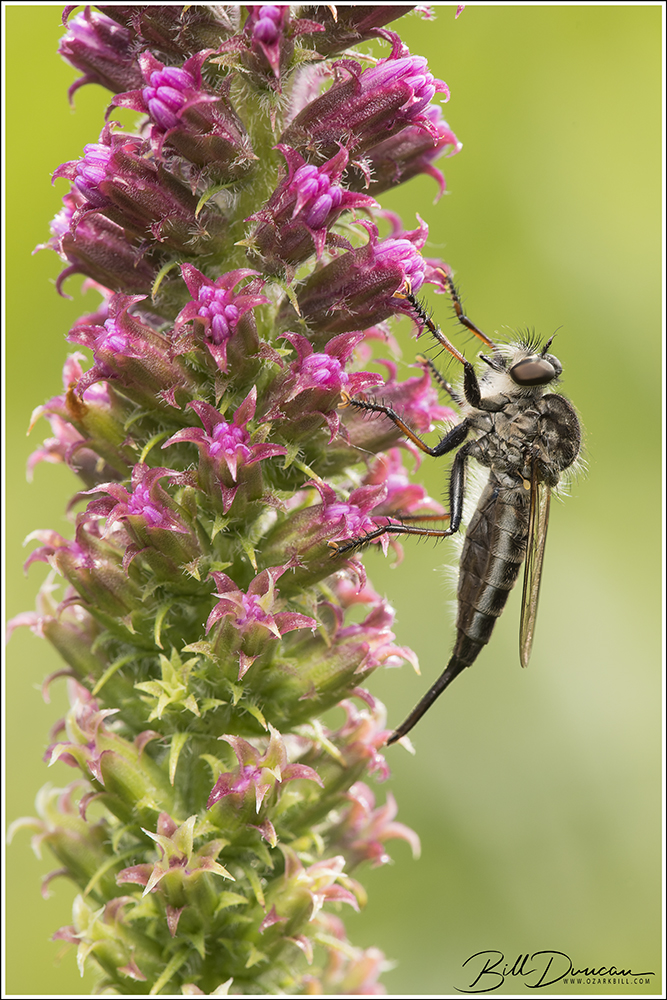
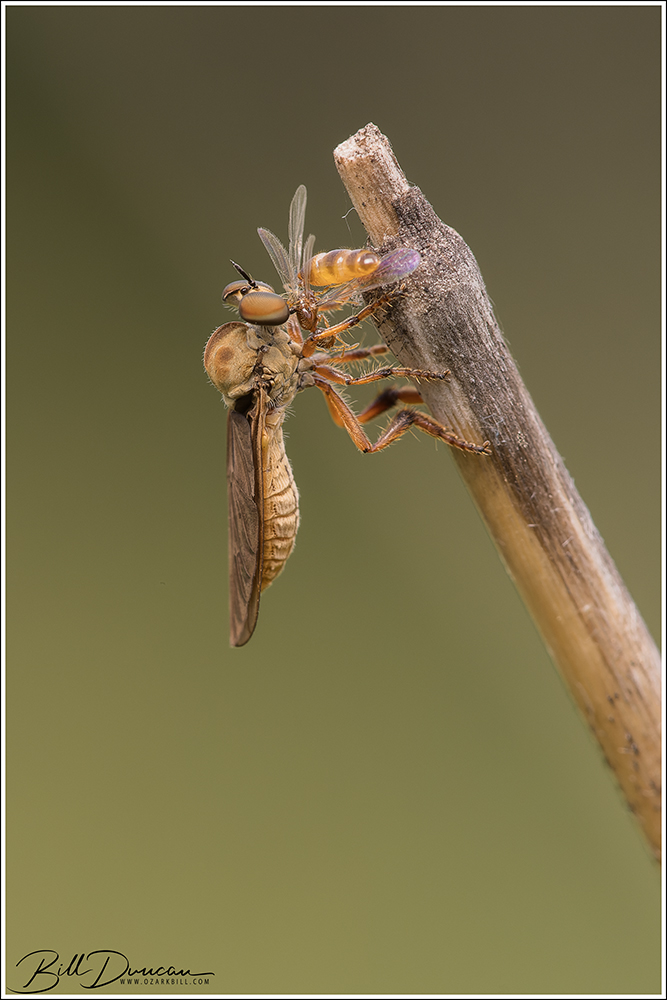
Efferia aestuans, the friendly robber (Family Asilidae)
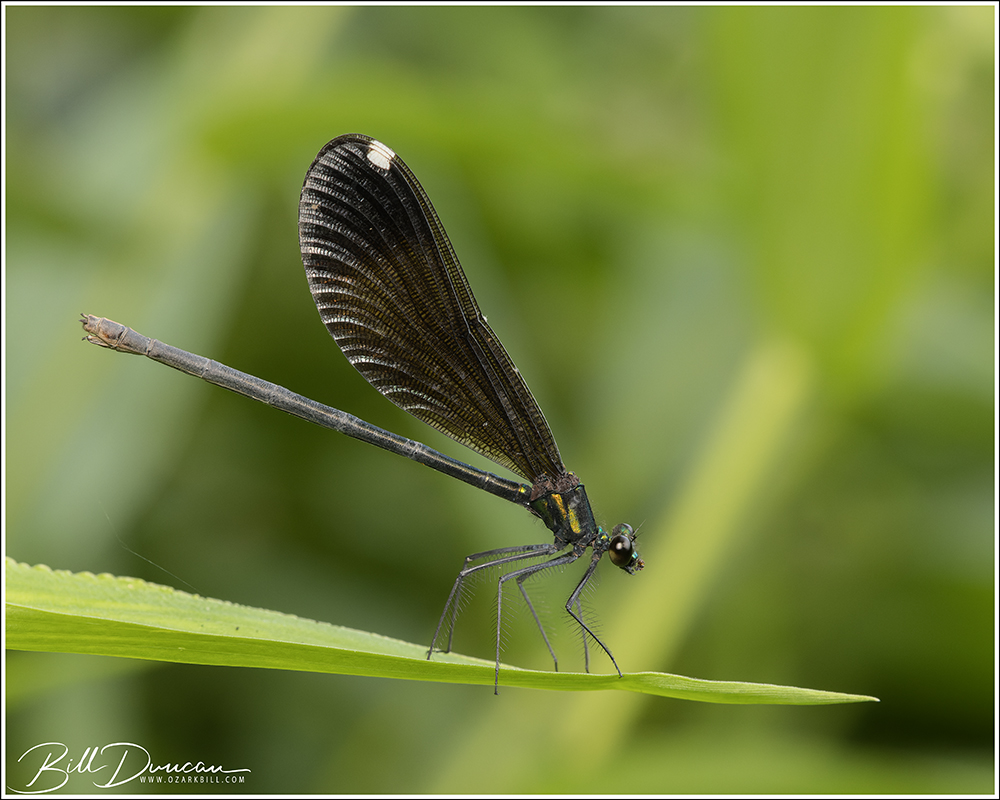
Calopteryx maculata, an ebony jewelwing damselfly that was found on the forest and prairie edge.
Members of our group walking among the blooming Liatris.
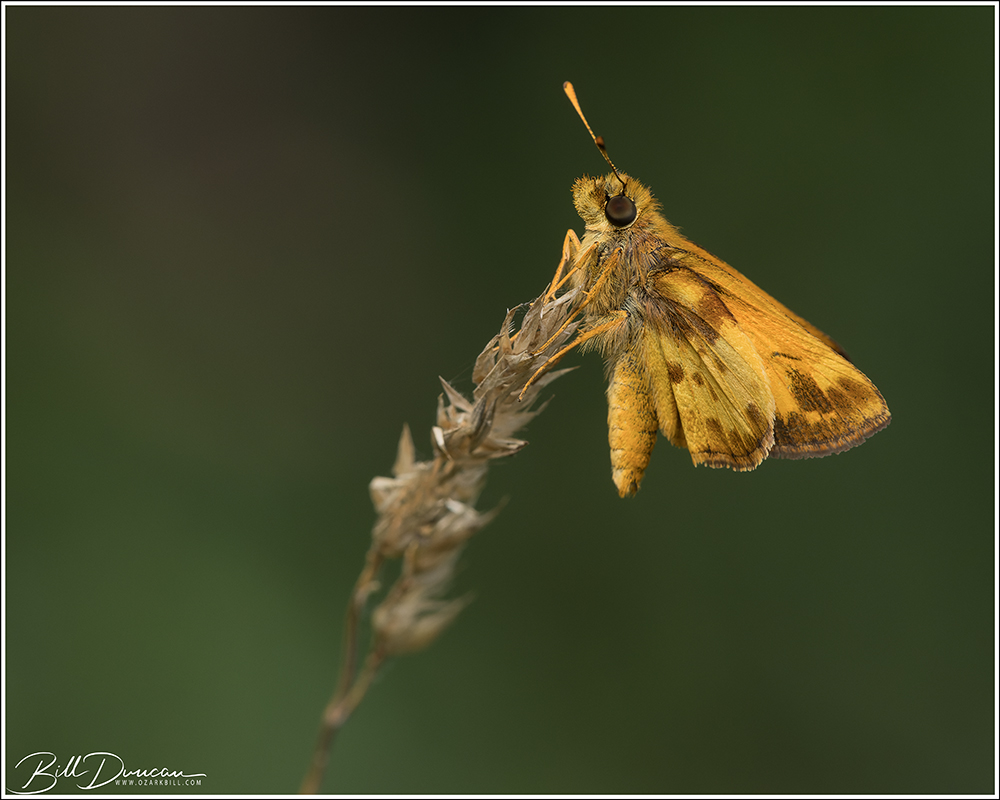
A gorgeous Poanes zabulon, Zabulon skipper (Family Hesperiidae)
What I am calling Wallengrenia egeremet, the northern broken-dash (Family Hesperiidae)
Keith Horn (back) and Chris Brown (front)
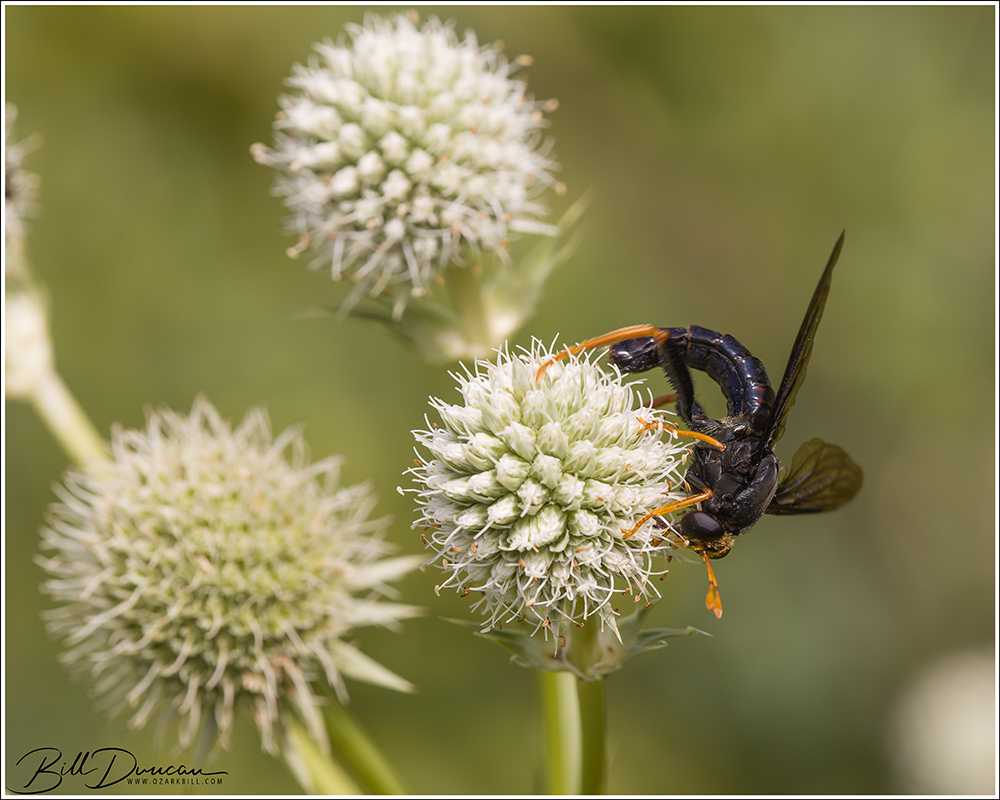
We were lucky to find both Mydas fly species to be found in Illinois, but I was only able to photograph this Mydas tibialis.
The gnat ogre! (Holcocephala sp.)
Interested in making visits to interesting high-quality habitats like this? Then consider joining Webster Groves Nature Study Society! Visit http://www.wgnss.org to find out more.
The following images were taken during the WGNSS Nature Photography Group’s trip to Garden of the Gods (GOTG) and other locations this past April. This group is currently being led by Miguel Acosta. If you are interested in joining us for one of the group’s monthly outings, please see details at http://www.WGNSS.org!
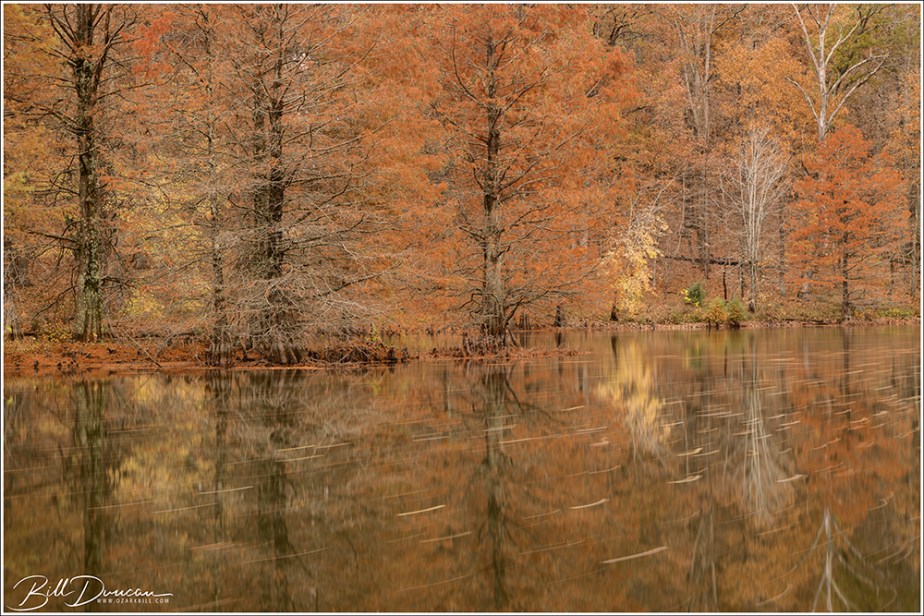
Late autumn colors on a mirror lake.
Many thanks to the photographers we met on the trail at Bell Smith Springs Wilderness who tipped us off to a spectacular mirror lake in the Shawnee. Miguel and I stopped at this location before heading back to St. Louis. The peak fall colors were obviously passed but this place screams potential and I hope to get there again next year. We had really nice conditions for this type of photography, with cloudy skies and winds which weren’t too bad. We could have found a few more compositions but the rains came and the winds got worse so we called it a day.
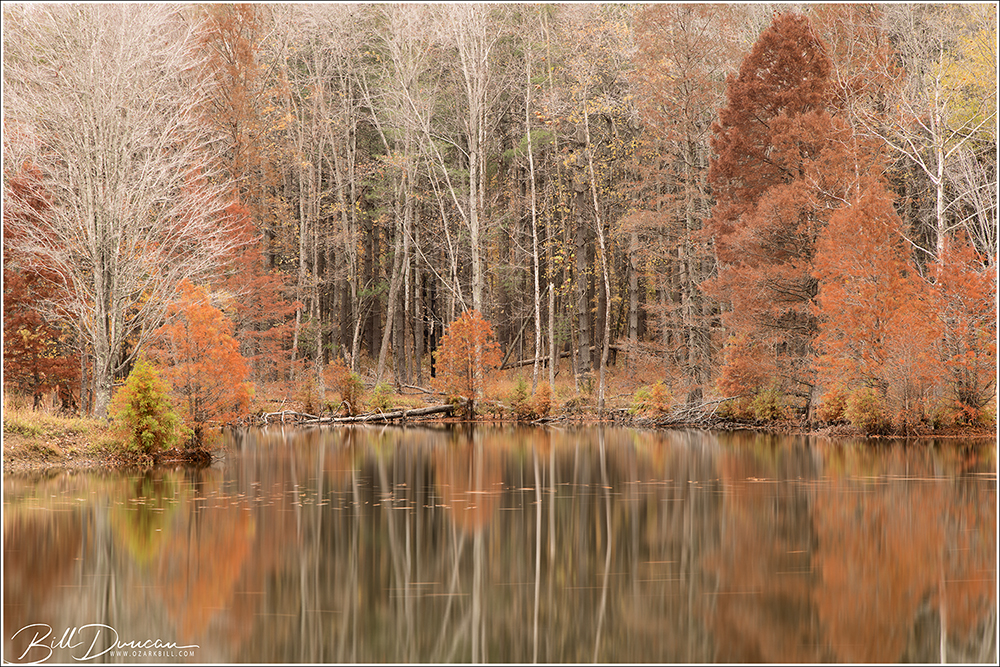
A different composition from the same scene as above.
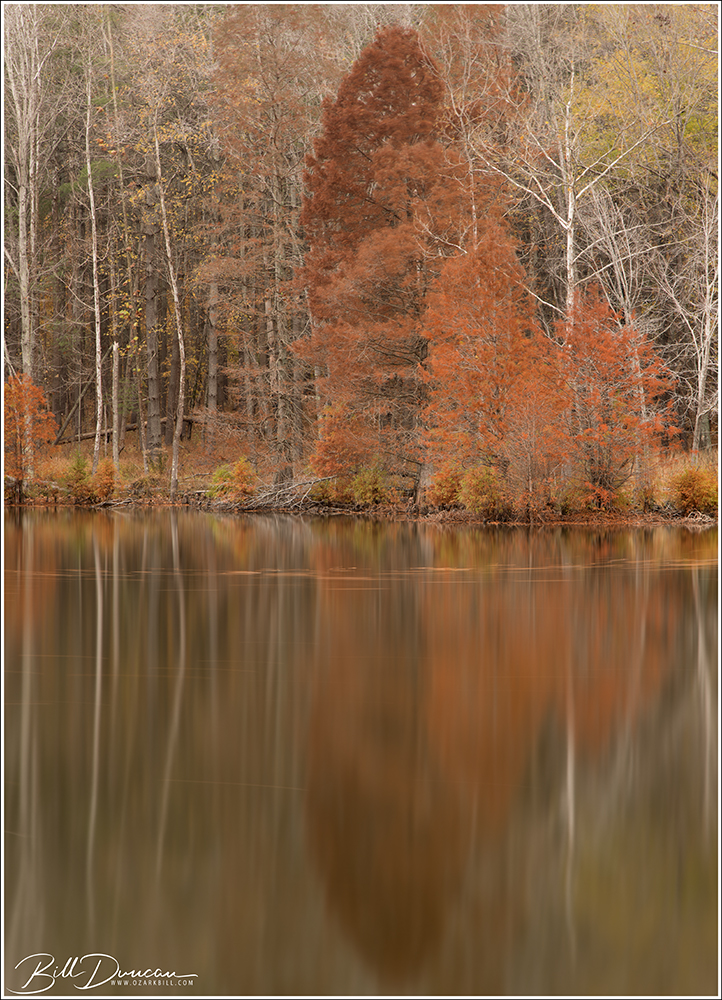
The waters here were not as calm as to be desired for our purposes, but using polarizer and neutral density filters allowed us to get long shutter speeds that helped to lessen the effects of any wind-blown ripples on the water’s surface. All images in this post from this location were taken with shutter speeds between 20 and 30 seconds.
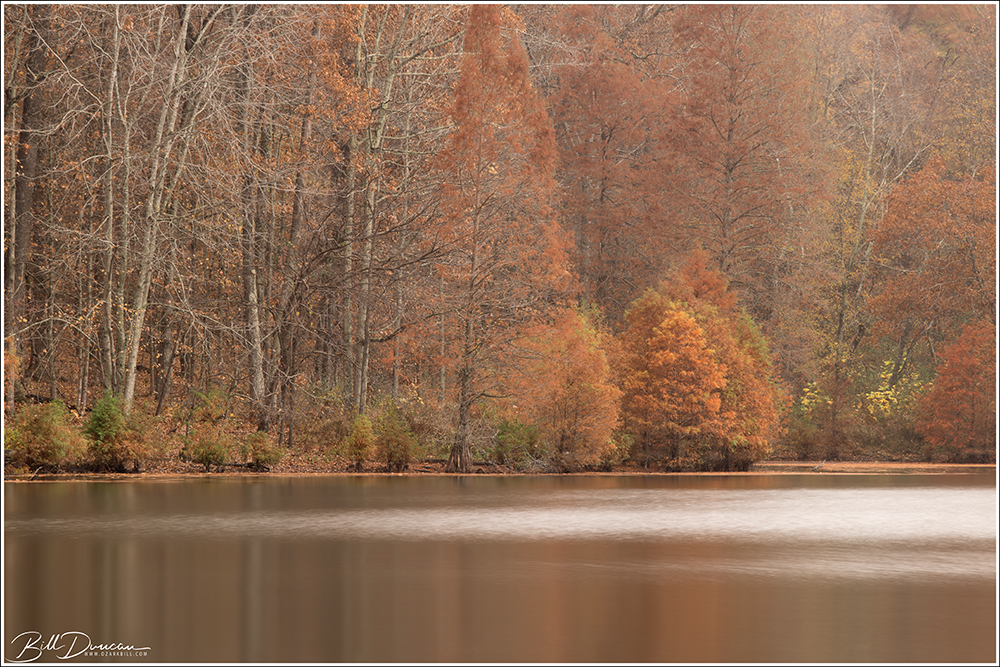
A wind-blown mirror lake
In the photo above the wind was starting to move pretty quickly across the wider portion of the lake. Using a shutter speed of 30 seconds allows the ripples created to appear with a more painterly appearance.
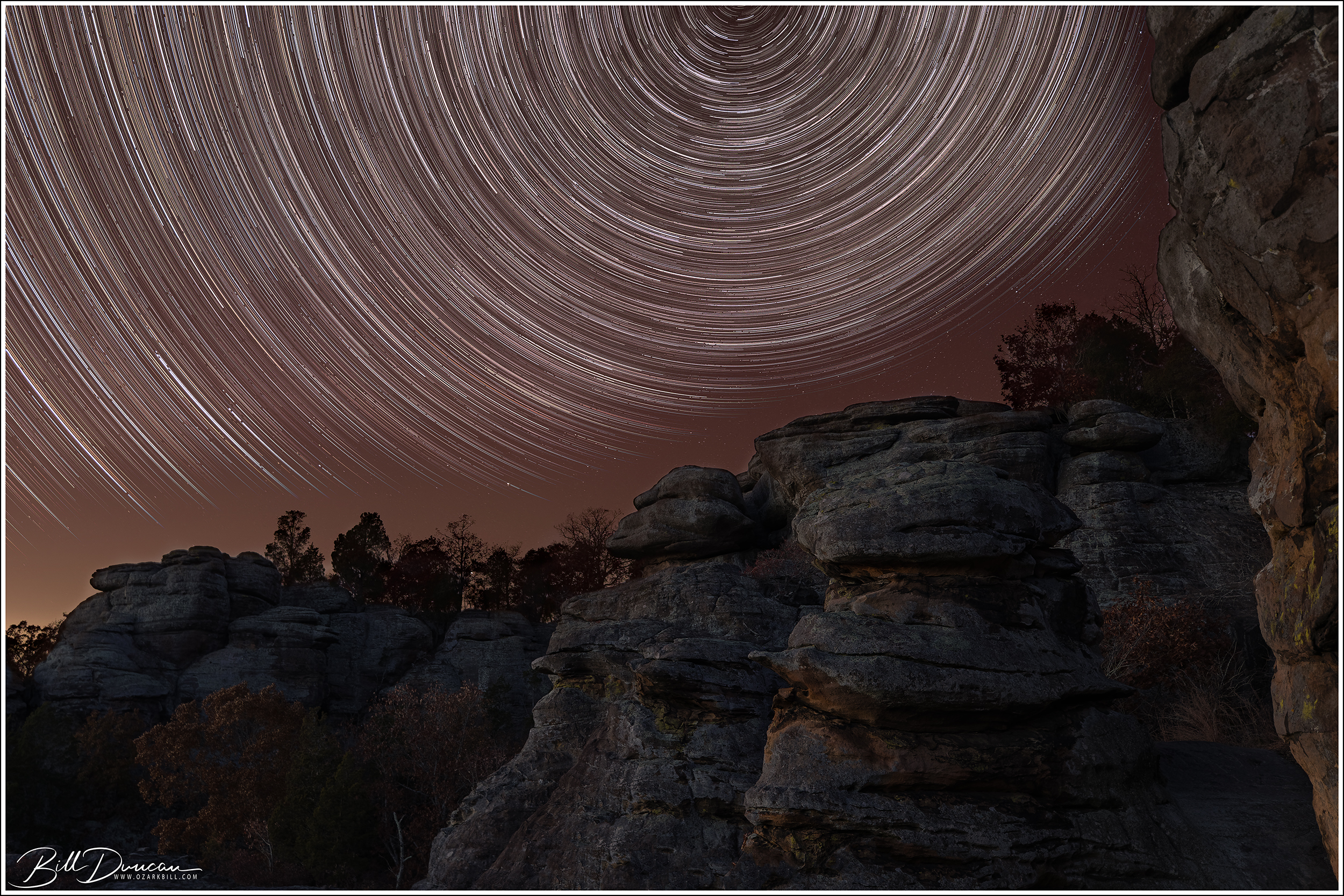
Monkey face with star trails
During this weekend trip, some of us enjoyed the camping experience while others chickened out and stayed at hotels or cabins. Similarly, some of us stayed late at GOTG to do a little astrophotography. Well, I should say that I stayed late. 😉 After my friends nabbed a couple of quick Milky Way images, they headed back to their air conditioned rooms and I was left by myself to work on the photo seen above. This photo was made by combining 213 30-second images in the computer to build the star trails with the iconic “monkey face” and other rock formations that GOTG is known for in the foreground.
This was a great weekend of friends, photography, hiking and camping.
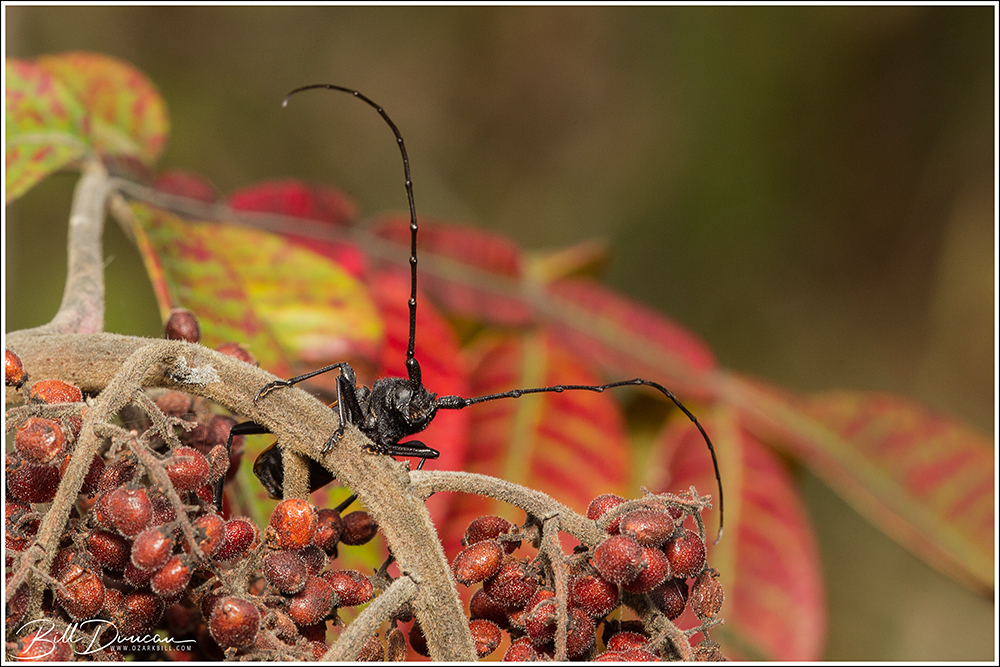
For the second year in a row, a special beetle that has been described by our own Ted MacRae as “one of the rarest and most beautiful species of longhorned beetle to occur in Missouri” was found during the joint field trip of the WGNSS Entomology and Nature Photography groups at Hughes Mountain Natural Area. Tragidion coquus, purported to be spider wasp mimics, mine in dead oak branches and can be found in flight between June and November. I wasn’t happy with my photos of last year’s specimen (also a female), so I was thrilled to be able to take the time and set her on some foliage with fall colors. It was an almost disaster as she was able to take flight before we were finished. But, having the quick reflexes of a Marvel superhero, I was able to catch her out of the air with a quick grab with just a slight kink in her antennae in consequence.
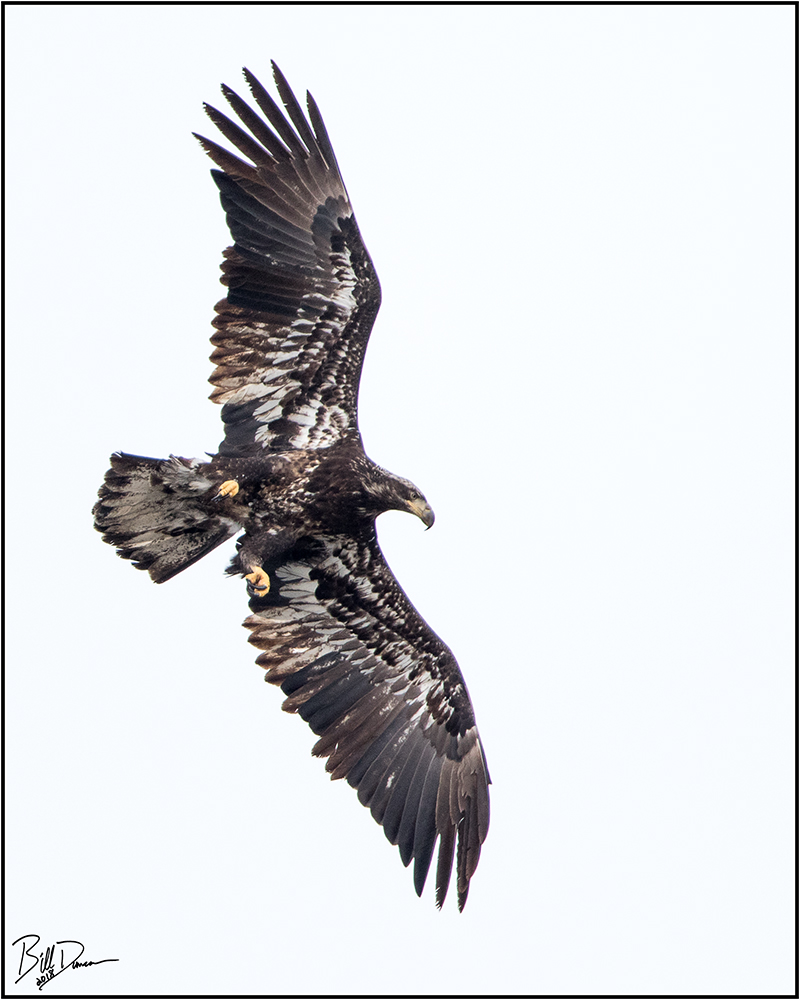
The WGNSS Natural History Photo Group had a fun field trip in January, when we headed north up the Mississippi to the riverside town of Clarksville. Here at lock and dam #24, we were fortunate to be alongside ~75 eagles of various ages that took turns in catching the stunned shad that is their primary winter food source along the great river. We arrived early in the morning and made a day of it, experiencing wide shifts in weather from grey and snowy to partly sunny skies. I’m not an expert in aging these eagles, but I believe the bird picture above is a subadult II, which means it is 2.5 – 3 years old. In this photo you can see several retained juvenile secondaries on each wing.
Bald Eagle subadult “2nd year”
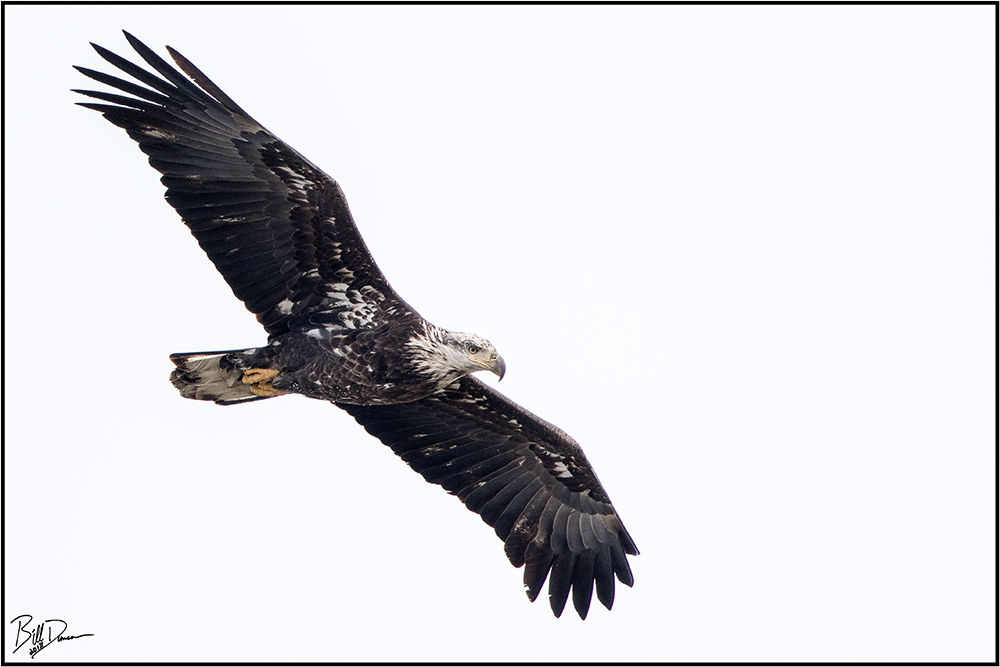
The long and pointed secondaries make me think this bird is probably a year younger than the bird in the previous photo. I would guess this bird is 1.5 – 2 years old. The temperatures on this day were cold, but not too severe. We arrived with the car’s thermometer reading 16°F. There was a light wind most of the day, but not nearly as bad as there could have been.
Bald Eagle Adult
With patience, there were some opportunities to capture a bird’s profile as it came to pick up a poor stunned fish.
The successful fisher
The majority of prey captured in this way is small enough to be eaten immediately on the wing in a single “bite”. Sometimes, however, the bird is forced to retreat with its groceries and eat in seclusion.
Bald Eagle subadult “4th year”
The bird pictured above is much closer to looking like an adult bird, showing the mostly white head and tail. I estimate this bird as being 3.5 to 4 years old.
Bald Eagle – juvenile fishing
I noticed this in previous years, that it seems like the juveniles spend more time fishing than the adults. In the photo above, you can see a juvenile with an already full crop is pulling another fish from the river.
This is just a few I have processed so far. We have something in the works that may produce something much more in terms of eagle photography. Until next time.
Seven of us made the long drive to our destination on the morning of the 23rd . The week of
Thanksgiving can be an excellent choice for visiting Loess Bluff NWR, but always depends on the
weather. We were a bit concerned with the early cold snap our region experienced this autumn.
However, in the week or so preceding the trip, the weather warmed so we were not hampered by ice
that can completely cover the shallow waters of the wetlands. Having open water affords very close
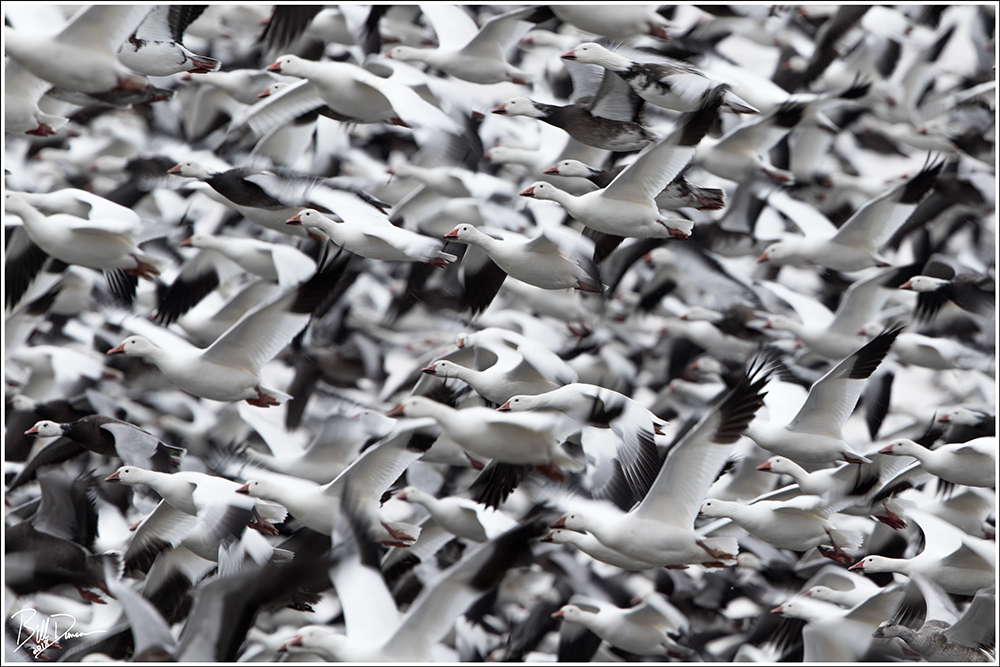
views of our photographic subjects and the primary reason we drove such a distance – the blizzard.
The blizzard
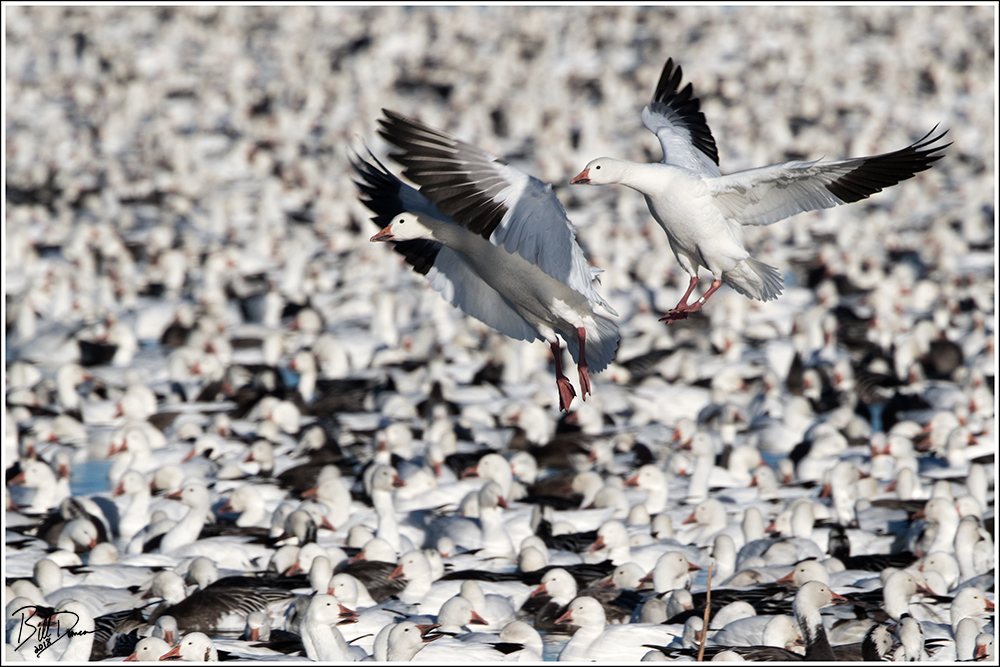
Typically, one million to two million Snow Geese will make this location a stop over during spring
and autumn migration and numbers of over 500,000 birds on a single count are not uncommon.
During our visit, the official counts were slightly over 100,000 birds, but the feeling with the group
was that this was grossly underestimated.
Rising snow
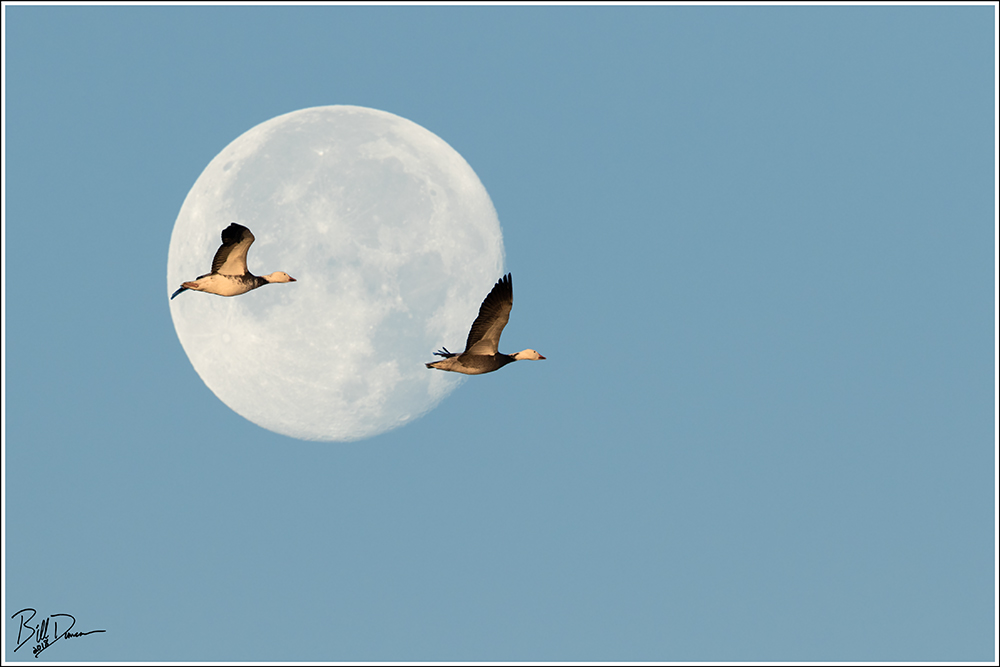
If conditions allow, getting the moon behind the Snow Geese can make a nice composition.
Rising snow against setting moon
Lunar Liberty
On our first day of the trip we were faced with mostly cloudy weather. As I told the group, this provides an opportunity to more easily try panning motion shots like the one pictured below. This is not my most successful attempt at such an image, but I wanted to share it here to demonstrate the multitude of opportunities for a diversity of photos to be made.
Panning with the action
Snow Geese are not the only subjects that make this trip worthwhile. The refuge also provides
important habitat for birds such as Bald Eagles, sparrows, a variety of ducks and wading birds, as
well as mammals like white-tailed deer and muskrats. On our initial entry to the park, Dave and Bill
found a Merlin on a relatively good perch above the road. We spent some time photographing the
bird, but regretted that the rest off our party were on the other side of the refuge and would not
likely be able to get the looks we did. Fortunately, a Merlin – likely the same bird, was spotted on
our second day and was viewable by all.
Merlin
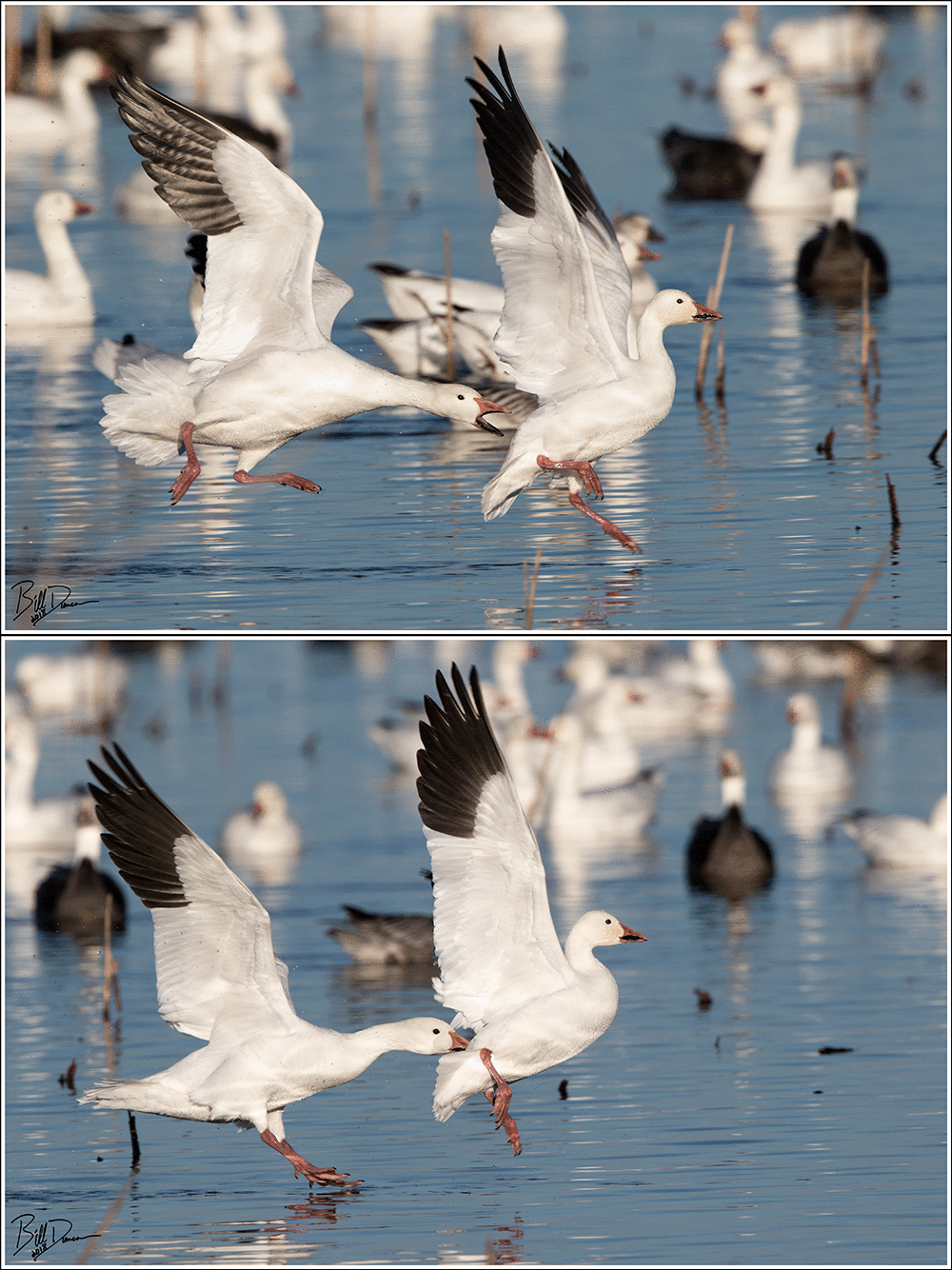
With subjects in the hundreds of thousands to the millions, making a purposeful image can be challenging. It is quite natural to want to shoot at everything that moves, but try and focus. Finding smaller action scenes is one way the photographer can focus on the individuals and their stories that make up the grander scheme.
Goosing a goose
Although we experienced skies with periods of heavy overcast, we were presented with fantastic
sunsets on both days. Being able to make the birds part of the story made these images all the more special.
Sun setting on snowy waters
A beautiful end
The WGNSS Photo Group is committed to an overnight trip to this and similar locations within the Midwest on Thanksgiving week. If you’d like to join us next year, please let me know!
Ever since I heard that a number of newly identified populations had been discovered in Missouri, I have been wanting to find the Hine’s Emerald Dragonfly (Somatochlora hineana). I’ve gone a time or two on my own in previous years, but without specific knowledge on the where’s and when’s to find the flying adults. On June 16th, 2018, the Webster Groves Nature Study Society’s (WGNSS) Nature Photography Group headed to what might be the largest population of this species in the state. Thanks to WGNSS member and photographer, Casey Galvin, we were allowed access to a privately held farm in Dent County, MO that holds this population.
So, what is a Hine’s Emerald Dragonfly and what distinguishes them from the other 24 or so species in the Stomatochlora genus, or the “striped emeralds”? The above photo shows these distinguishing characteristics. Beyond the obvious emerald green eyes that all of the striped emeralds possess is the pair of yellow thoracic stripes on the sides of this species. Another and more diagnostic is the particulars of the genitalia. Using a good field guide will easily allow you to come to a species.
Hine’s Emerald Dragonfly – Finally at rest
Currently on the endangered species list, S. hineana was thought extinct as late as the mid 1900’s. Current populations of this species are now known from the states of Illinois, Wisconsin, Michigan and Missouri. Current population estimates indicate that there are approximately 30,000 individuals in the world. About 20,000 of these are believed to be in the species stronghold of Door County, WI. Like many of the striped emeralds, S. hineana has specific habitat requirements. The preferred habitat for this species is fens and sedge meadows overlying dolomite bedrock. Habitat loss, pesticide use and changes in ground water are identified risk factors affecting the Hine’s Emerald.
Hine’s Emerald Dragonfly – A photographer’s potential nightmare
Like many dragonflies, S. hineana is a sun-lover, active in the early parts of a June morning before things get too hot and he finds a hidden perch. Until then the males are airborne, patrolling their territory in the hopes of finding a female or a male to chase away. The photographer need be patient and wait for the opportunity when the insect stops to hover in the same general place. This is the split-second opportunity that you wait for. The problem is that autofocus is of little to no help. I primarily used manual focus on the in-flight shots.
Hine’s Emerald Dragonfly – A worthy pursuit
There were plenty of opportunities for the patient photographer and observer. Often, an individual would fly so close to the lens we were sure it would use it as a perch. At these distances any movement by the dragonfly would throw it completely out of focus, so the photographer is looking for the sweet spot – close enough to be large in the frame, but far enough to enable tracking.
Hine’s Emerald Dragonfly – A rare gem
It was such a thrill to finally be able to meet these guys. With this location and up to 20 others, it is nice to know that Missouri is home to such a rare gem. Hopefully it will remain so.