"What a thousand acres of Silphiums looked like when they tickled the bellies of the buffalo is a question never again to be answered, and perhaps not even asked." -Aldo Leopold

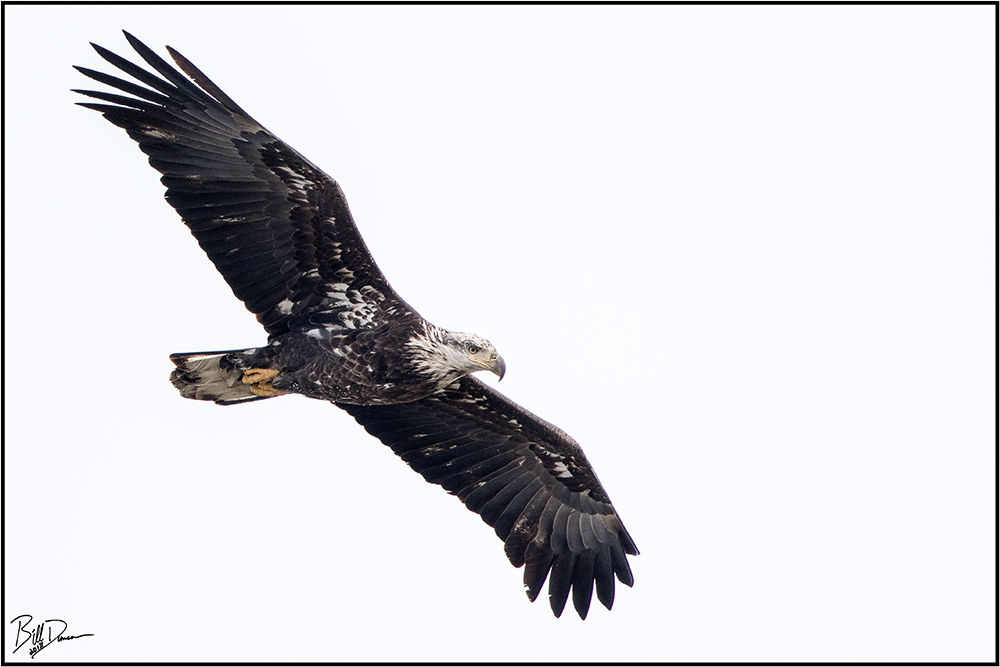
The WGNSS Natural History Photo Group had a fun field trip in January, when we headed north up the Mississippi to the riverside town of Clarksville. Here at lock and dam #24, we were fortunate to be alongside ~75 eagles of various ages that took turns in catching the stunned shad that is their primary winter food source along the great river. We arrived early in the morning and made a day of it, experiencing wide shifts in weather from grey and snowy to partly sunny skies. I’m not an expert in aging these eagles, but I believe the bird picture above is a subadult II, which means it is 2.5 – 3 years old. In this photo you can see several retained juvenile secondaries on each wing.
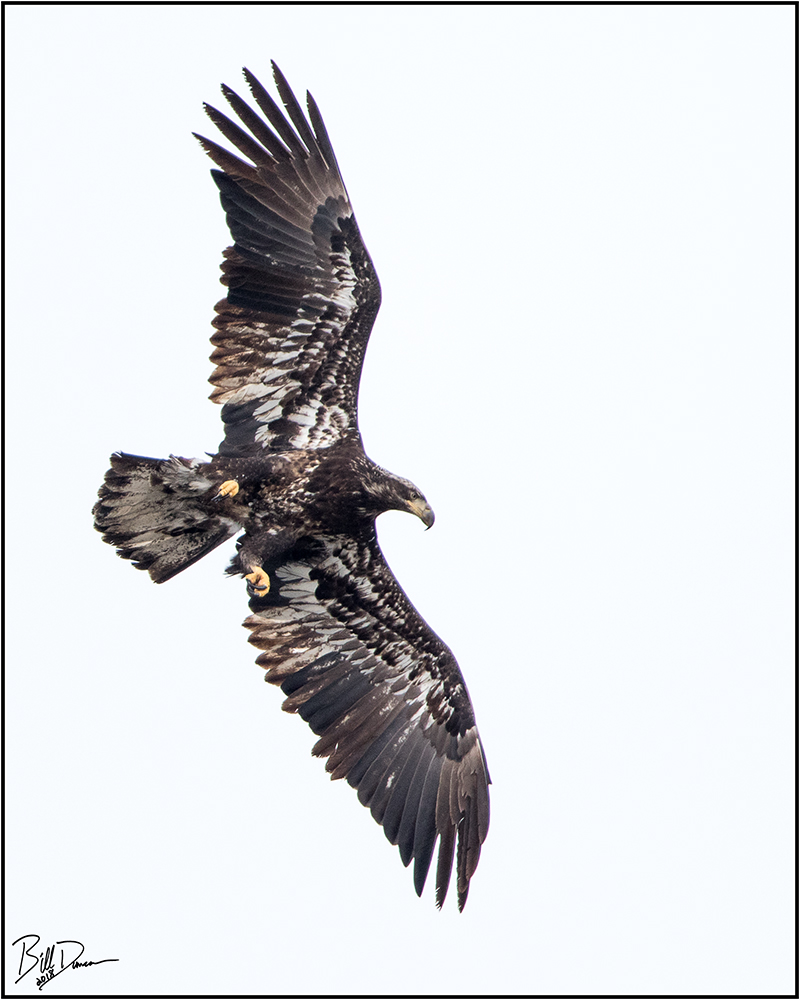
The long and pointed secondaries make me think this bird is probably a year younger than the bird in the previous photo. I would guess this bird is 1.5 – 2 years old. The temperatures on this day were cold, but not too severe. We arrived with the car’s thermometer reading 16°F. There was a light wind most of the day, but not nearly as bad as there could have been.

With patience, there were some opportunities to capture a bird’s profile as it came to pick up a poor stunned fish.

The majority of prey captured in this way is small enough to be eaten immediately on the wing in a single “bite”. Sometimes, however, the bird is forced to retreat with its groceries and eat in seclusion.
The bird pictured above is much closer to looking like an adult bird, showing the mostly white head and tail. I estimate this bird as being 3.5 to 4 years old.

I noticed this in previous years, that it seems like the juveniles spend more time fishing than the adults. In the photo above, you can see a juvenile with an already full crop is pulling another fish from the river.
This is just a few I have processed so far. We have something in the works that may produce something much more in terms of eagle photography. Until next time.
-OZB
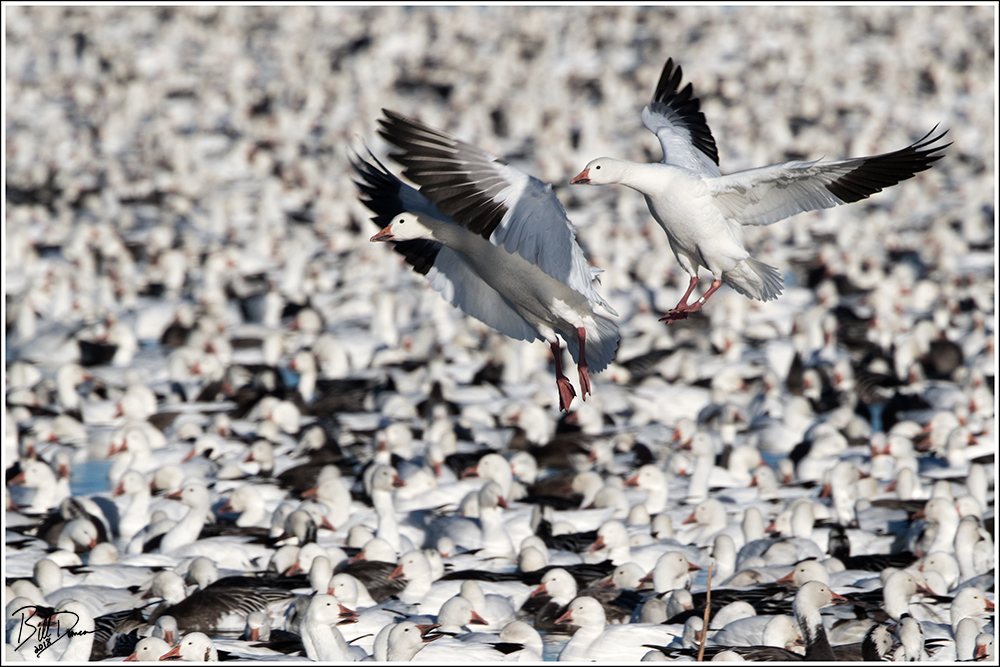
Seven of us made the long drive to our destination on the morning of the 23rd . The week of
Thanksgiving can be an excellent choice for visiting Loess Bluff NWR, but always depends on the
weather. We were a bit concerned with the early cold snap our region experienced this autumn.
However, in the week or so preceding the trip, the weather warmed so we were not hampered by ice
that can completely cover the shallow waters of the wetlands. Having open water affords very close
views of our photographic subjects and the primary reason we drove such a distance – the blizzard.
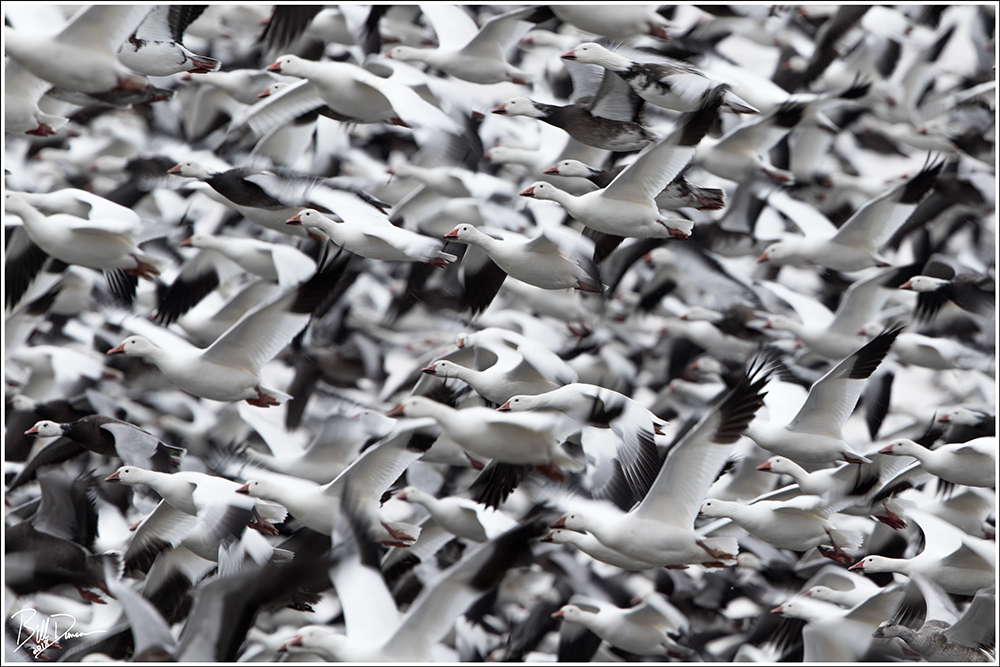
Typically, one million to two million Snow Geese will make this location a stop over during spring
and autumn migration and numbers of over 500,000 birds on a single count are not uncommon.
During our visit, the official counts were slightly over 100,000 birds, but the feeling with the group
was that this was grossly underestimated.

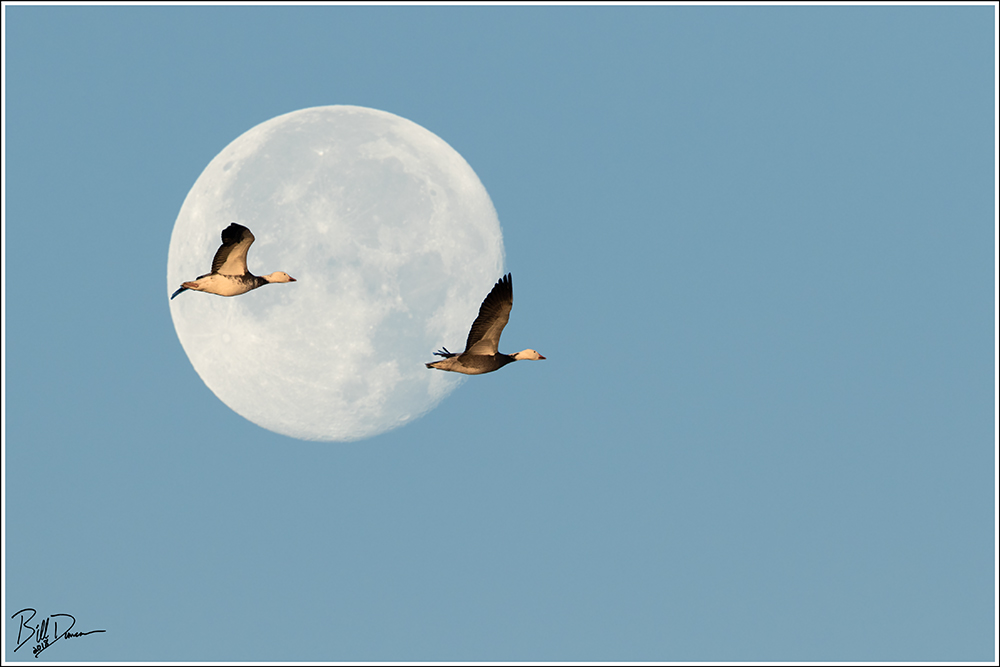
If conditions allow, getting the moon behind the Snow Geese can make a nice composition.

On our first day of the trip we were faced with mostly cloudy weather. As I told the group, this provides an opportunity to more easily try panning motion shots like the one pictured below. This is not my most successful attempt at such an image, but I wanted to share it here to demonstrate the multitude of opportunities for a diversity of photos to be made.

Snow Geese are not the only subjects that make this trip worthwhile. The refuge also provides
important habitat for birds such as Bald Eagles, sparrows, a variety of ducks and wading birds, as
well as mammals like white-tailed deer and muskrats. On our initial entry to the park, Dave and Bill
found a Merlin on a relatively good perch above the road. We spent some time photographing the
bird, but regretted that the rest off our party were on the other side of the refuge and would not
likely be able to get the looks we did. Fortunately, a Merlin – likely the same bird, was spotted on
our second day and was viewable by all.

With subjects in the hundreds of thousands to the millions, making a purposeful image can be challenging. It is quite natural to want to shoot at everything that moves, but try and focus. Finding smaller action scenes is one way the photographer can focus on the individuals and their stories that make up the grander scheme.
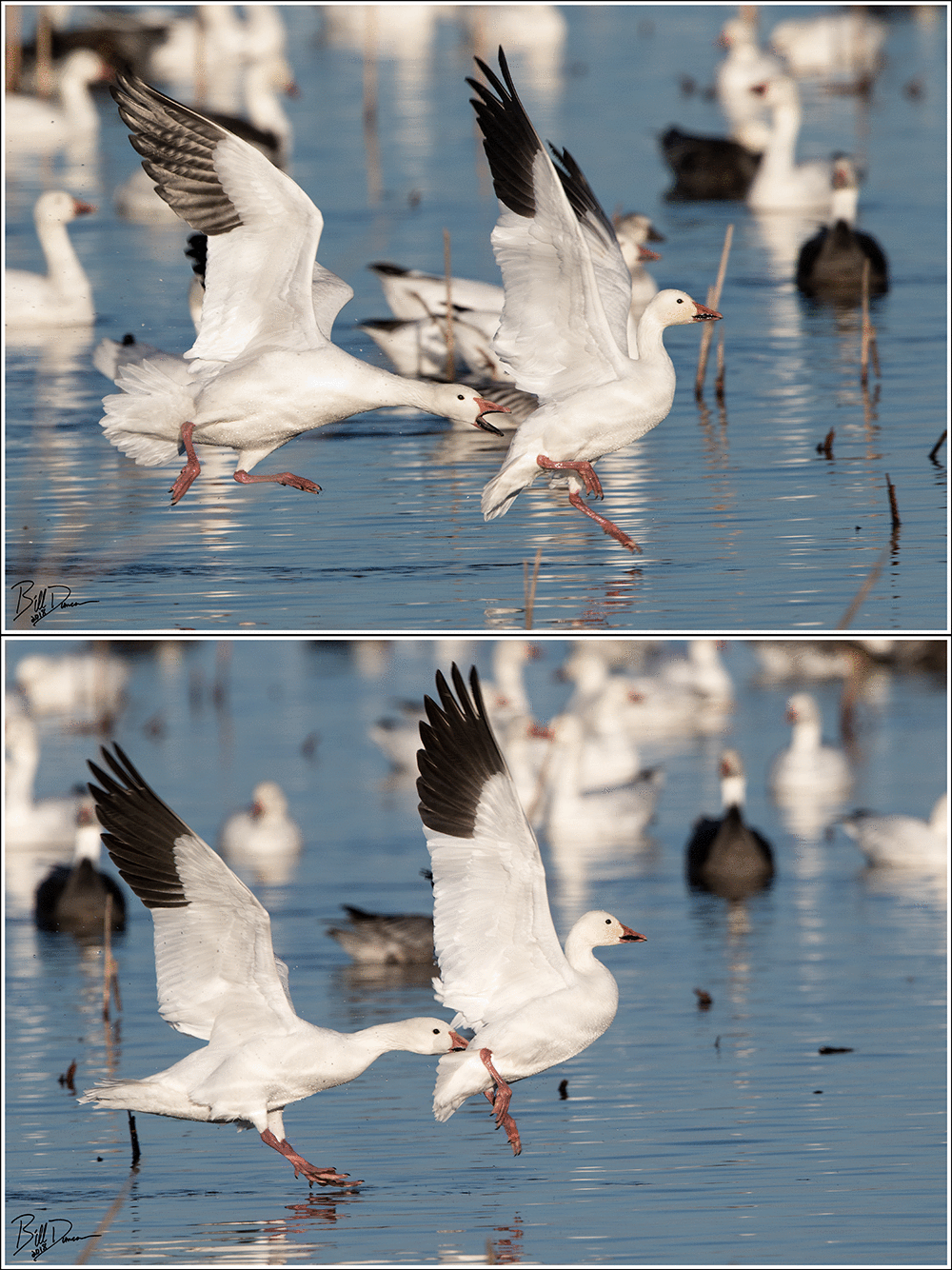
Although we experienced skies with periods of heavy overcast, we were presented with fantastic
sunsets on both days. Being able to make the birds part of the story made these images all the more special.


The WGNSS Photo Group is committed to an overnight trip to this and similar locations within the Midwest on Thanksgiving week. If you’d like to join us next year, please let me know!
-OZB

Ever since I heard that a number of newly identified populations had been discovered in Missouri, I have been wanting to find the Hine’s Emerald Dragonfly (Somatochlora hineana). I’ve gone a time or two on my own in previous years, but without specific knowledge on the where’s and when’s to find the flying adults. On June 16th, 2018, the Webster Groves Nature Study Society’s (WGNSS) Nature Photography Group headed to what might be the largest population of this species in the state. Thanks to WGNSS member and photographer, Casey Galvin, we were allowed access to a privately held farm in Dent County, MO that holds this population.

So, what is a Hine’s Emerald Dragonfly and what distinguishes them from the other 24 or so species in the Stomatochlora genus, or the “striped emeralds”? The above photo shows these distinguishing characteristics. Beyond the obvious emerald green eyes that all of the striped emeralds possess is the pair of yellow thoracic stripes on the sides of this species. Another and more diagnostic is the particulars of the genitalia. Using a good field guide will easily allow you to come to a species.
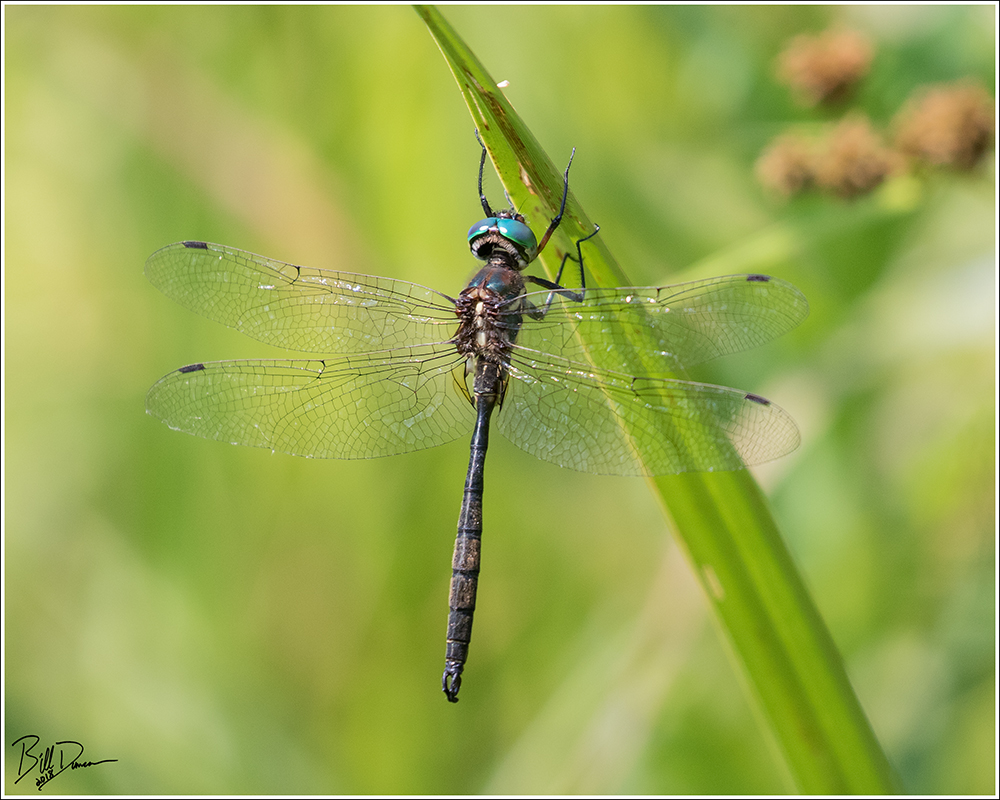
Currently on the endangered species list, S. hineana was thought extinct as late as the mid 1900’s. Current populations of this species are now known from the states of Illinois, Wisconsin, Michigan and Missouri. Current population estimates indicate that there are approximately 30,000 individuals in the world. About 20,000 of these are believed to be in the species stronghold of Door County, WI. Like many of the striped emeralds, S. hineana has specific habitat requirements. The preferred habitat for this species is fens and sedge meadows overlying dolomite bedrock. Habitat loss, pesticide use and changes in ground water are identified risk factors affecting the Hine’s Emerald.
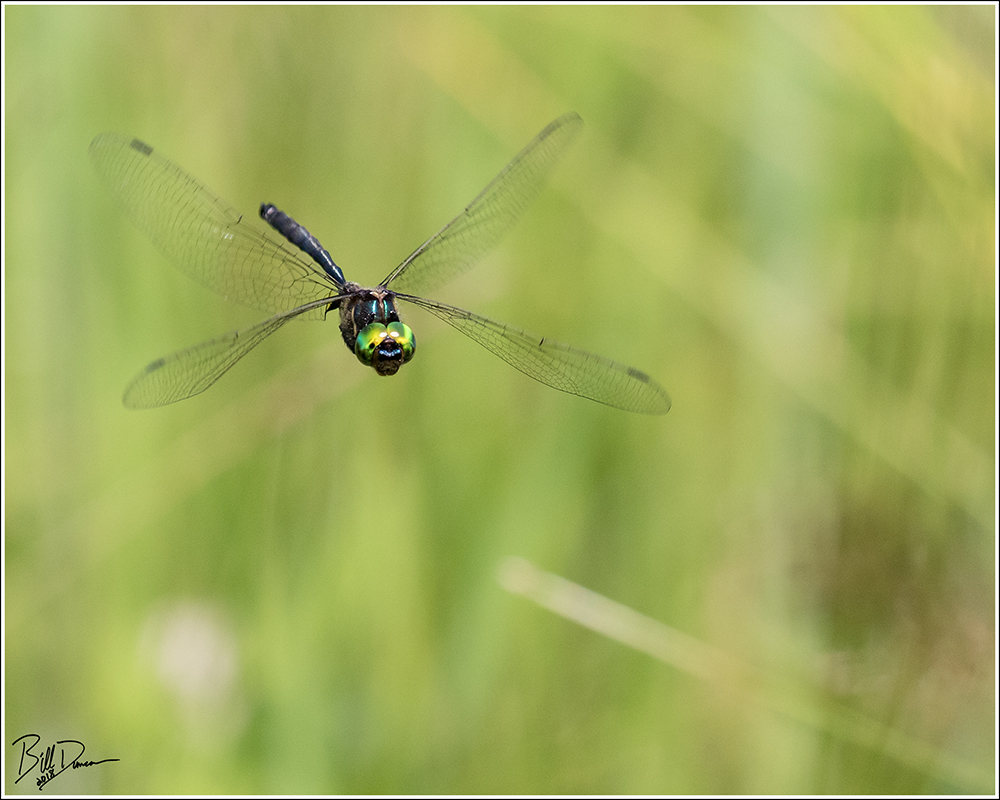
Like many dragonflies, S. hineana is a sun-lover, active in the early parts of a June morning before things get too hot and he finds a hidden perch. Until then the males are airborne, patrolling their territory in the hopes of finding a female or a male to chase away. The photographer need be patient and wait for the opportunity when the insect stops to hover in the same general place. This is the split-second opportunity that you wait for. The problem is that autofocus is of little to no help. I primarily used manual focus on the in-flight shots.
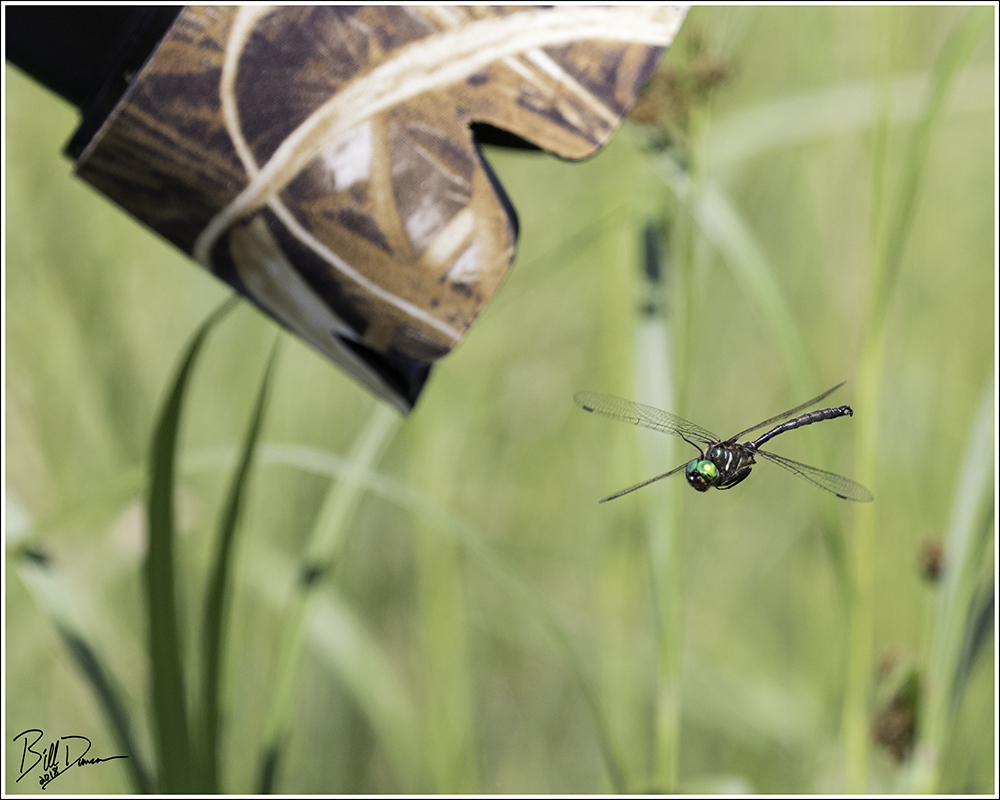
There were plenty of opportunities for the patient photographer and observer. Often, an individual would fly so close to the lens we were sure it would use it as a perch. At these distances any movement by the dragonfly would throw it completely out of focus, so the photographer is looking for the sweet spot – close enough to be large in the frame, but far enough to enable tracking.
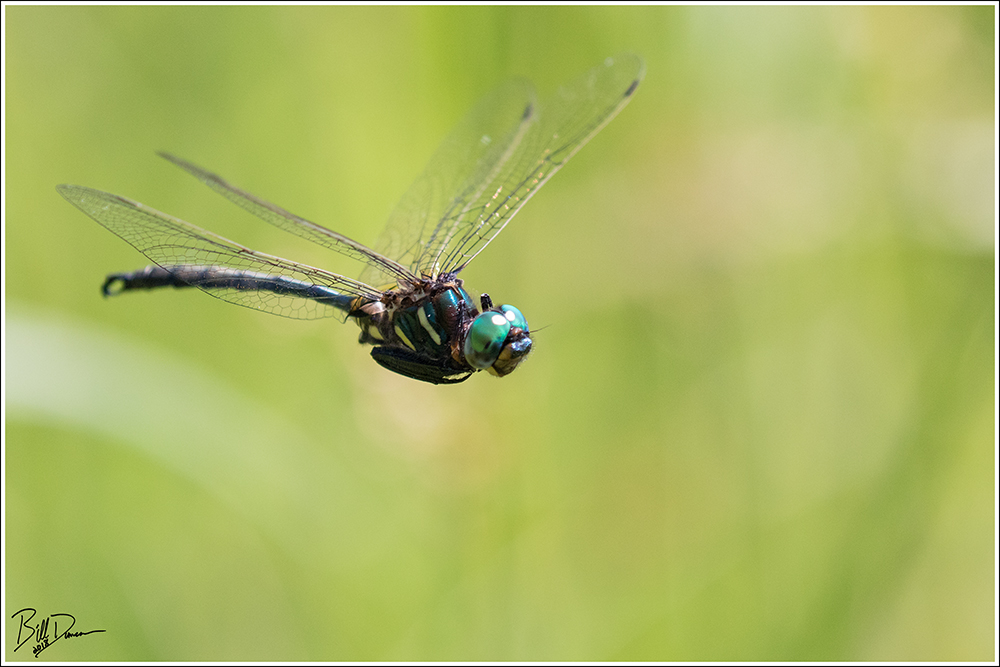
It was such a thrill to finally be able to meet these guys. With this location and up to 20 others, it is nice to know that Missouri is home to such a rare gem. Hopefully it will remain so.
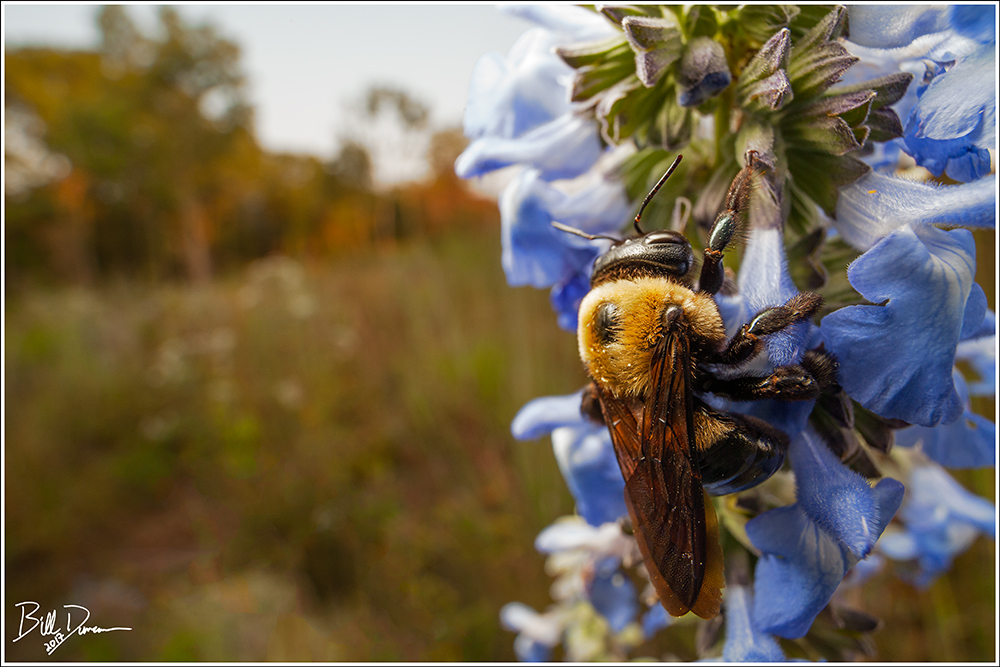
The WGNSS Photography Nature Group met at Cuivre River State Park on Saturday the 2nd in hopes to find members of Limacodidae (slug moths). Perplexing to me, we struck out in the same time and place I found them in numbers and diversity a year ago.
It was still a good time. We found a number of other macro subjects and explored a couple of new places. I also got to give a first spin to my new lens. A wide-angle macro – the Laowa 15mm f/4 Wide Angle Macro. A rather new lens design and one with a pretty steep learning curve, these photos are really just practice. With time and strategy, I think I can get better at this.
Two areas to focus on in improving with this lens:
1) Getting a better handle on exposing for the environment (background) while getting the right amount of light from the flash to properly expose the foreground macro subject. I think this should be easier to predict with practice. I’m not at all sure that I can ever get it on a first try.
2) Figuring out how much dof is just right. Sometimes getting more detail in the background will be desirable. Other times, it is best to blur it out to bring focus on the primary subject.
This is a funnel web or grass spider (Agelenopsis spp.) that we found protecting her egg sack on the leaf of poison ivy (Toxicodendron radicans). She will likely guard the eggs here until the winter takes her.

One of the nice finds of the day was this Black-waved Flannel Moth (Megalopygidae – Lagoa crispata (4644)). One of the key features of this lens is being able to focus close enough to the primary subject for macro-level detail while capturing so much more in the subject’s environment. In this case, I tried to give the perspective of what it may be like for the bug when being discovered by entomologists or nature photographers. Pictured left to right are WGNSS members Rich Thoma, Dave Seidensticker and Casey Galvin.

After the group disbanded at Cuivre River SP, Miguel Acosta and I decided to visit and explore Little Lost Creek Conservation Area near Warrenton. We hiked about 6 miles and I camped there the following evening. I took a quick photo hike in the morning and found these two Brown Stink Bugs (Pentatomidae – Euschistus servus) in copulation. They didn’t like that lens being so close and kept moving to the opposite side of the boneset (Eupatorium) blooms.

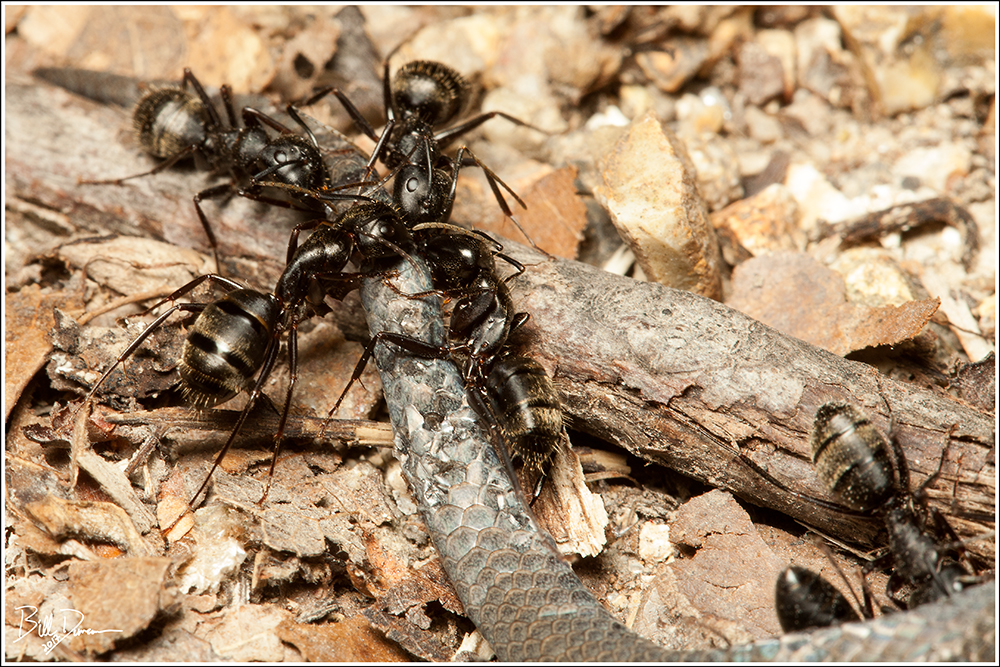
This series was taken on the joint outing of the WGNSS Entomology and Nature Photography Groups at Council Bluff Lake. Here we have eastern black carpenter ants (Camponotus pennsylvanicus) feeding on a freshly dead ring-necked snake (Diadophis punctatus).


