2025 Caterpillar Season – Unicorn Caterpillar Moth

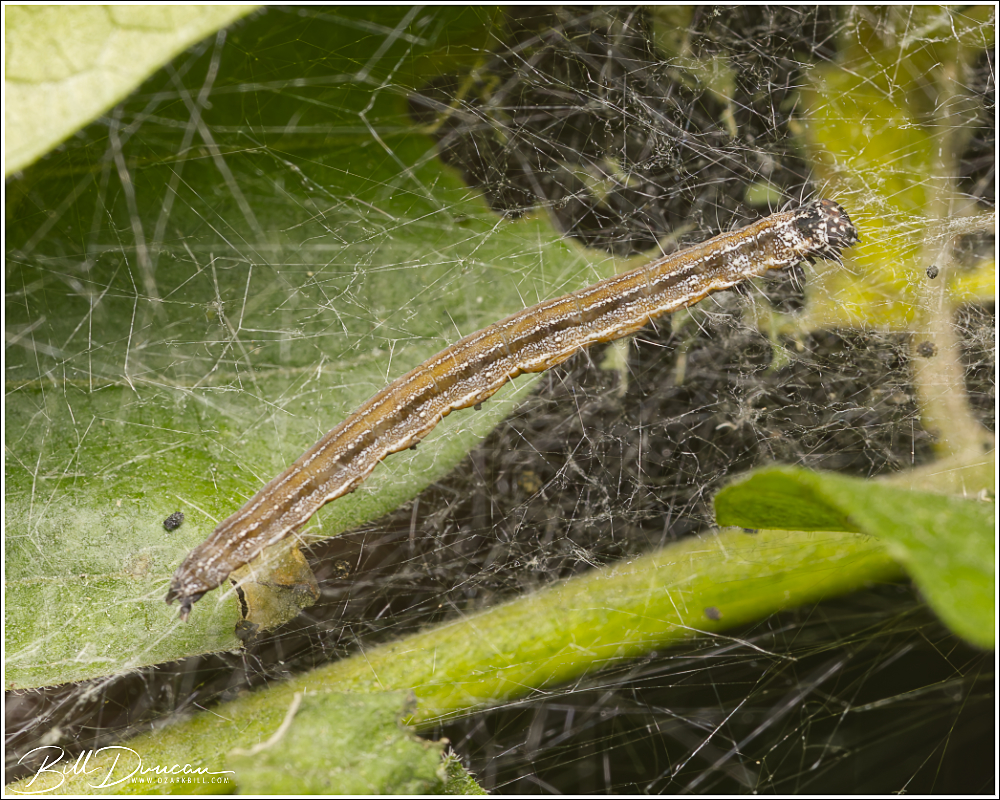
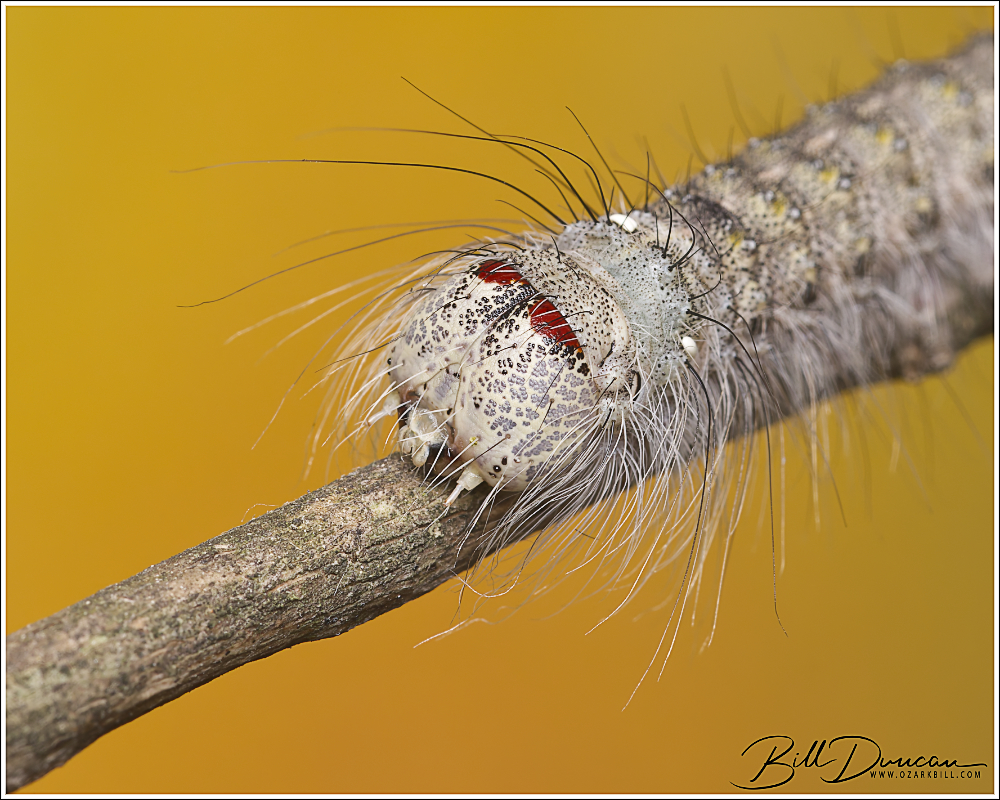
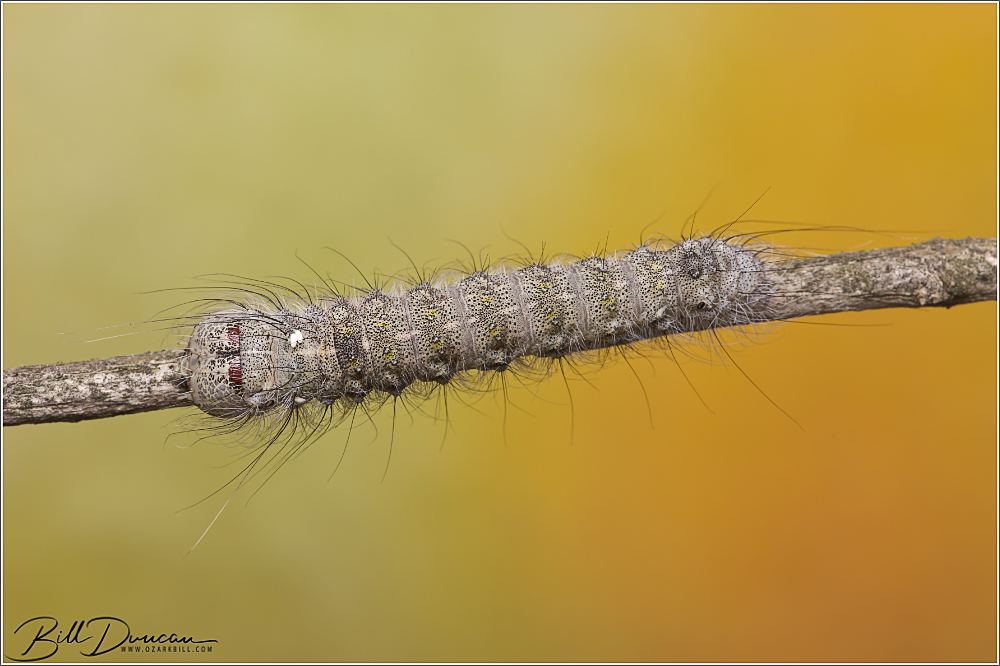
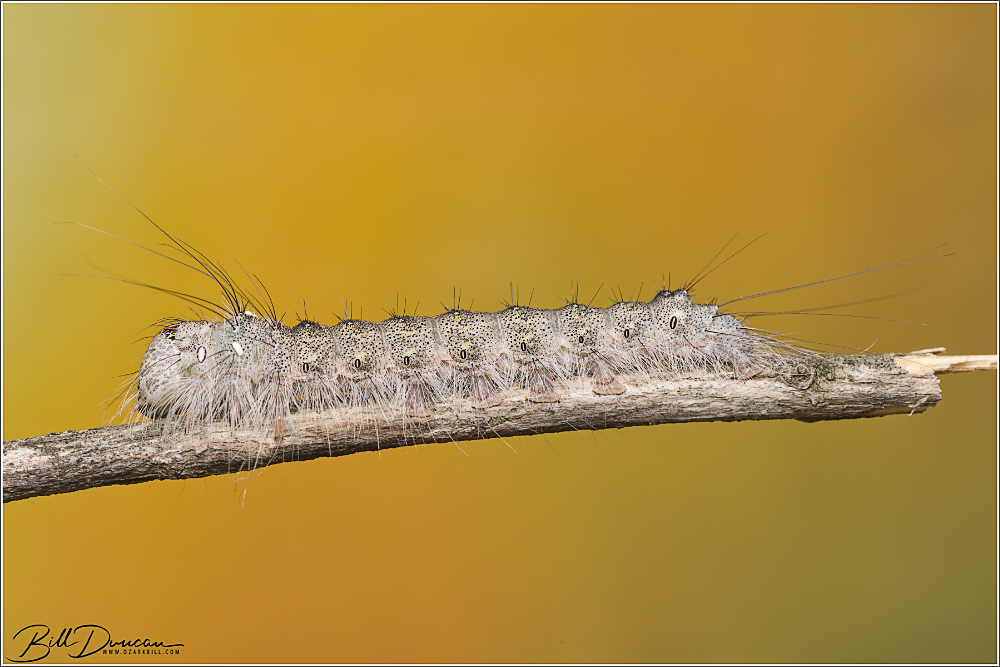
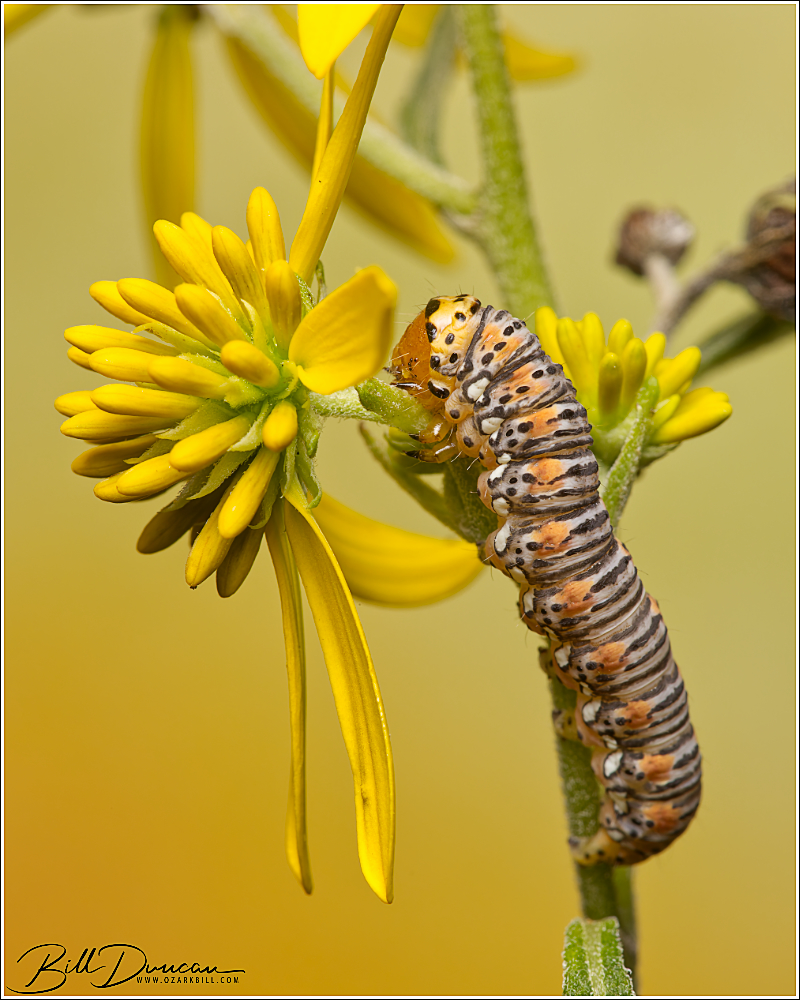
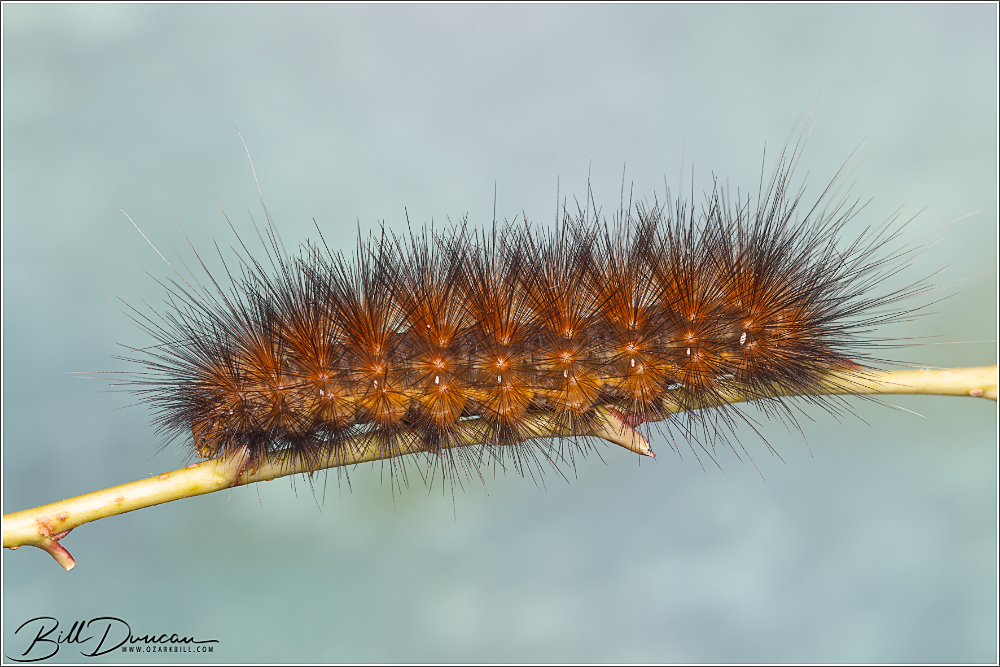
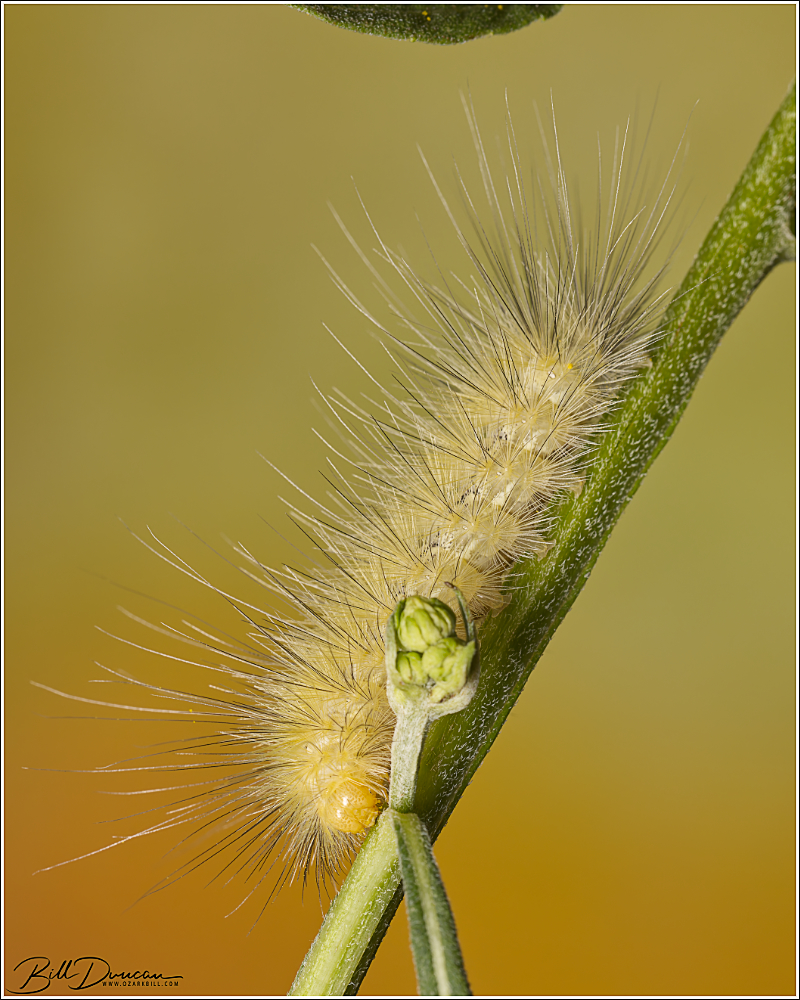
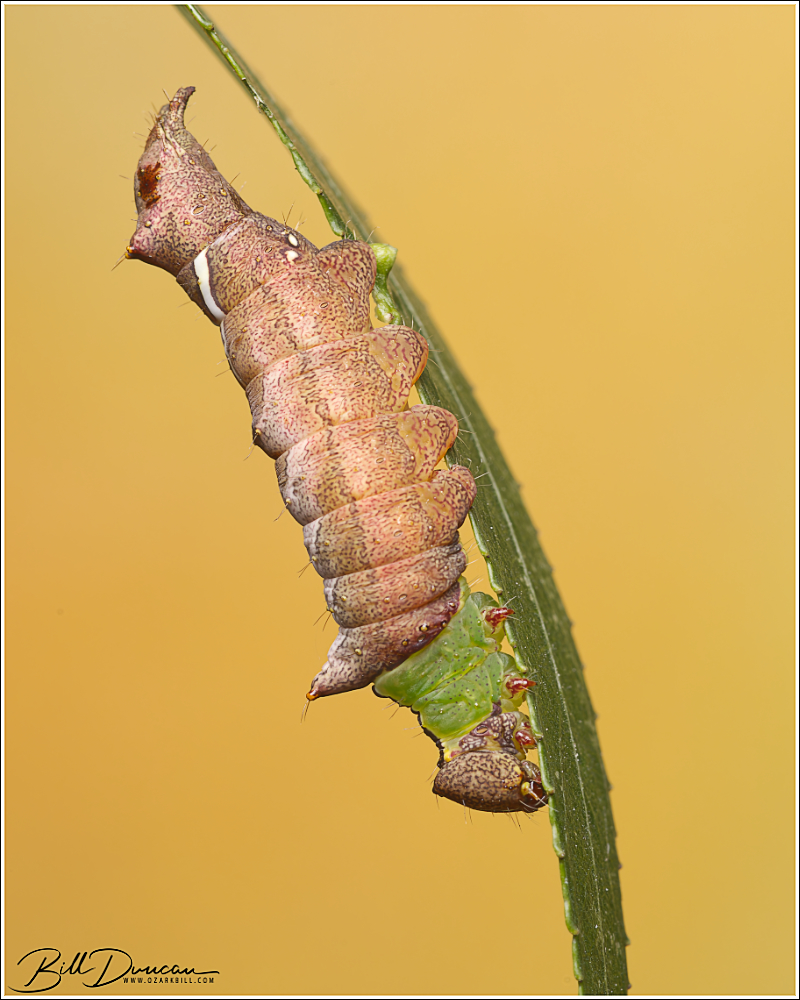
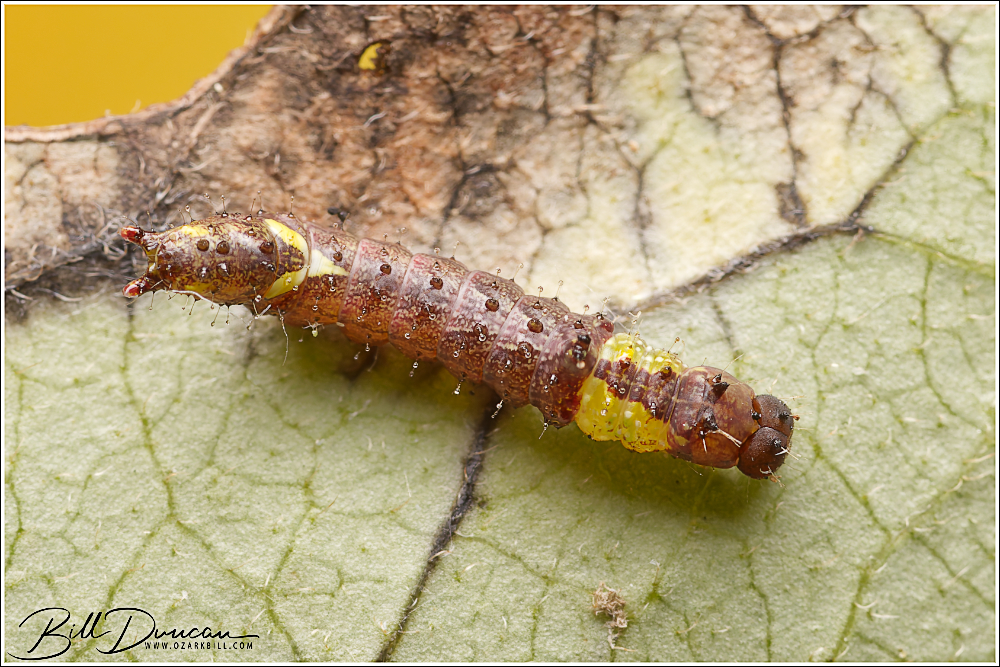
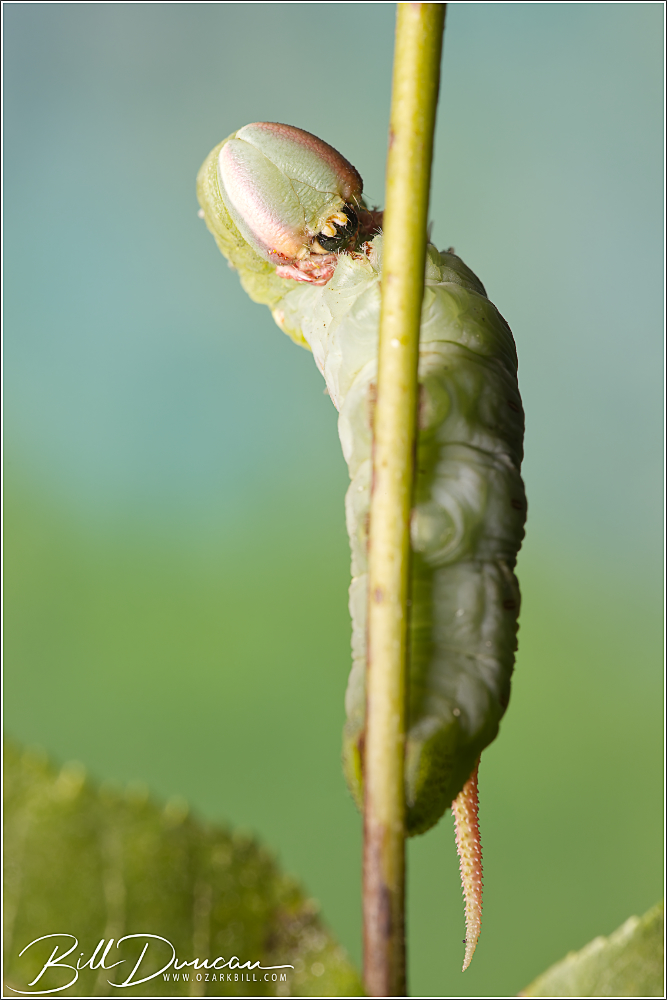
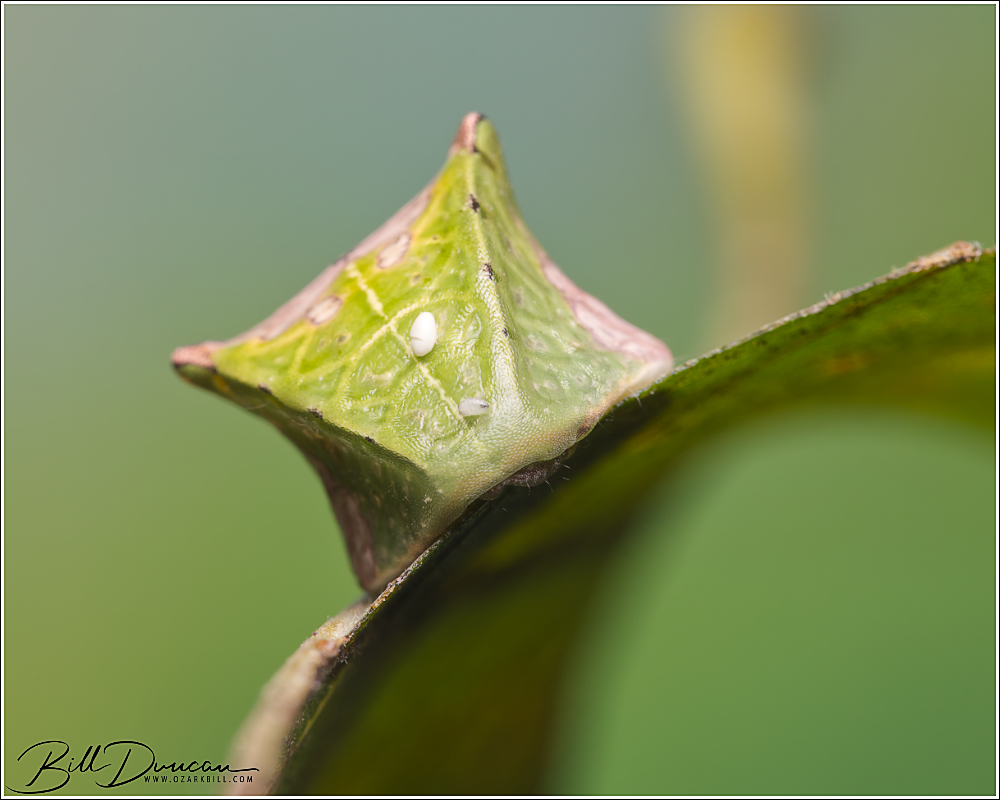
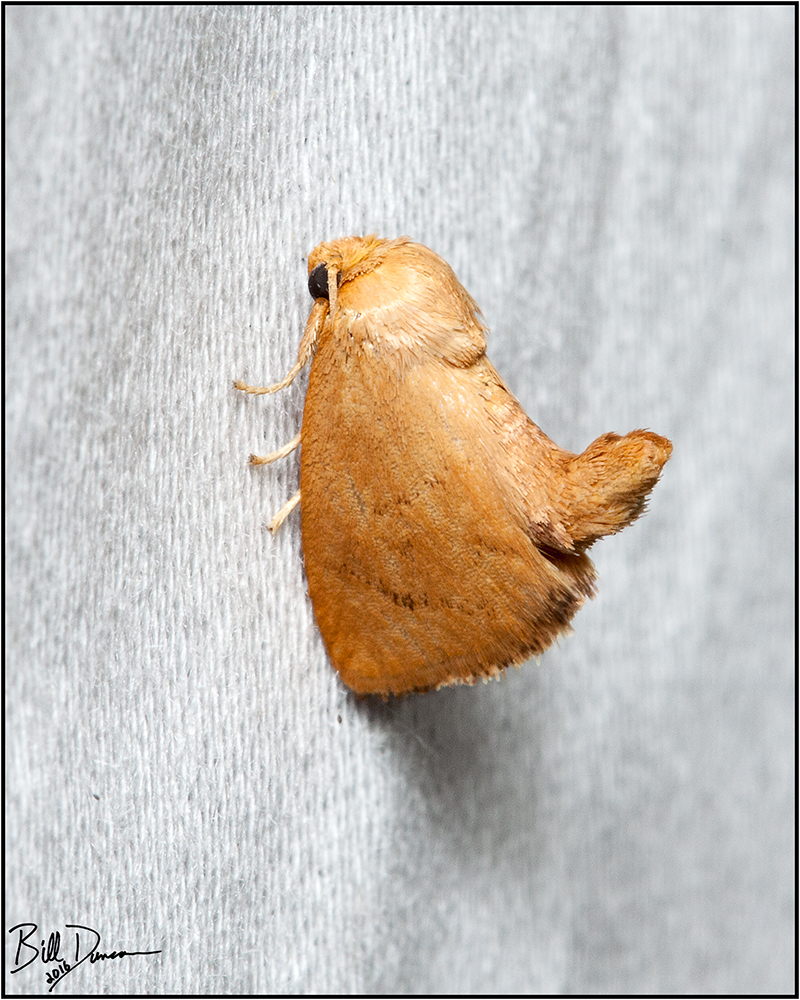
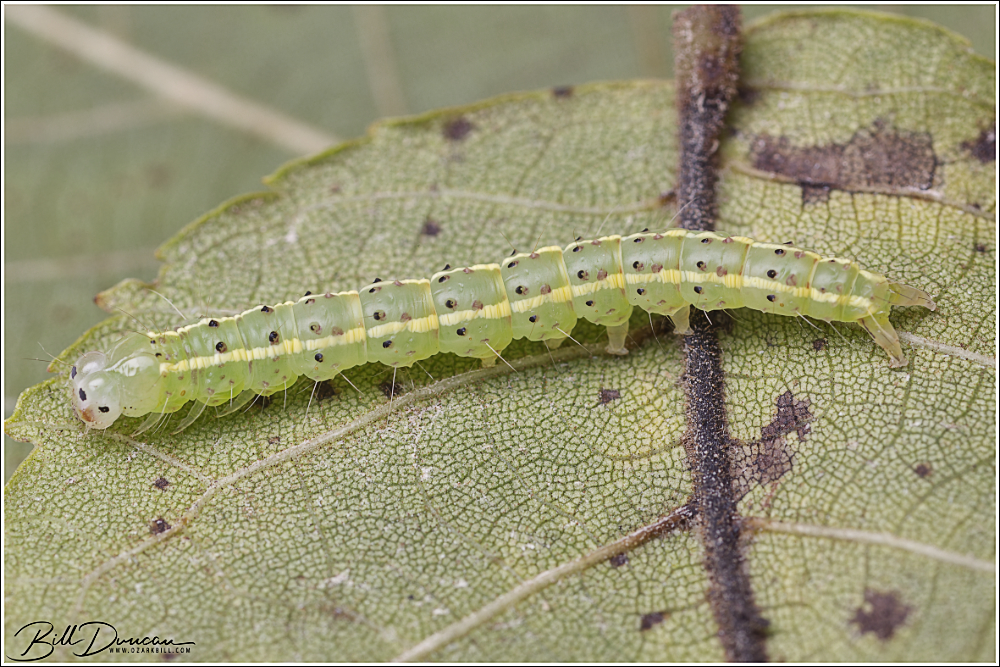
Unicorn Caterpillar Moth
Coelodasys unicornis fam. Notodontidae (Hodges#8007)
Host plant(s): redbud, hackberry, willow
Date(s) and location(s): 30 August, 2025 – Tyson Research Center, St. Louis County, MO; 06 September 2025 – Babler State Park, St. Louis County, MO; 15-September, 2025 – Creve Coeur Lake Park, St. Louis County, MO
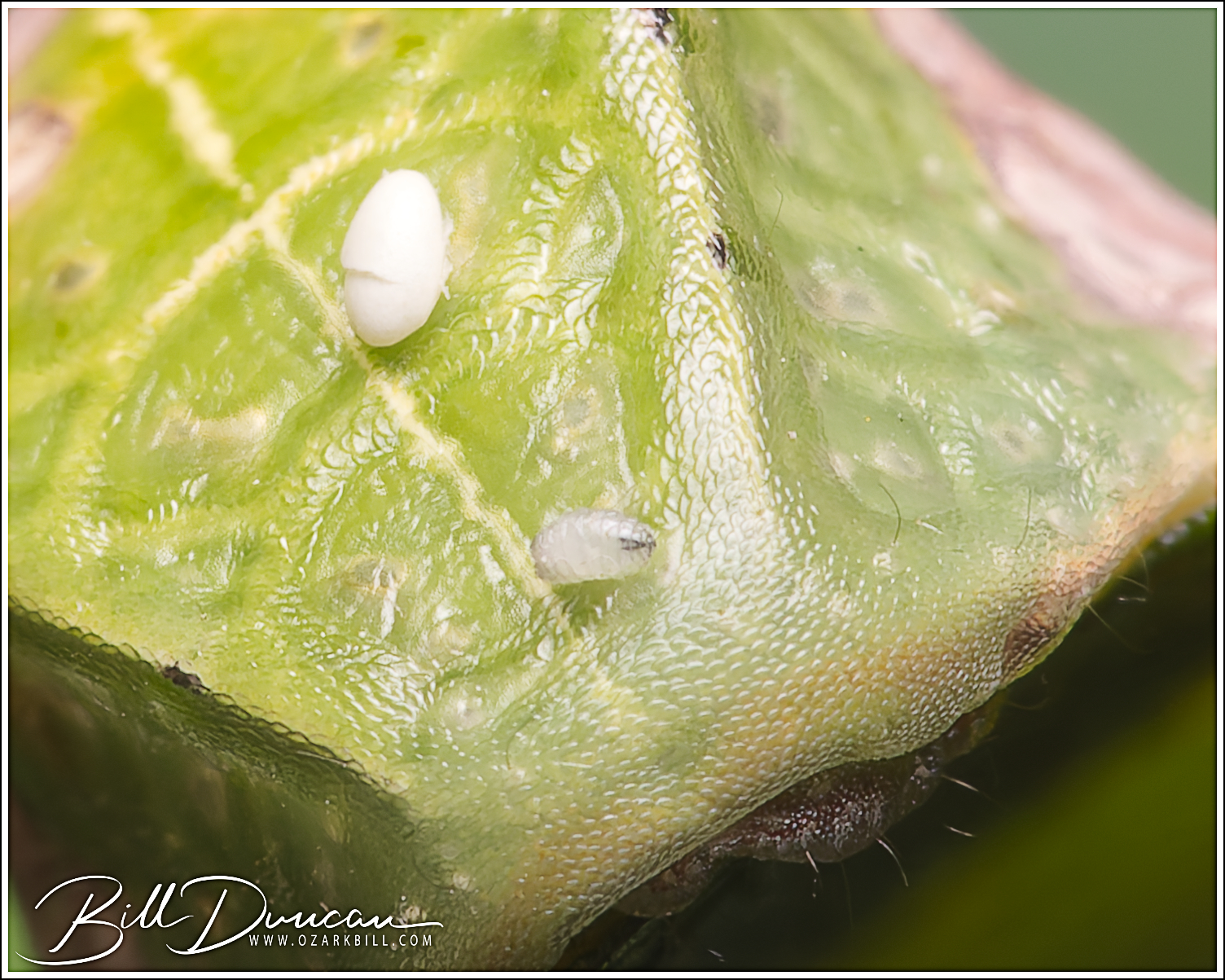
Notes: Previous to this year, I assumed this species was an oak/hickory specialist. This is obviously not the case. This species is polyphagous and I was surprised at how many I found on willows this year. Look closely at the upper right photo in this gallery for signs that this individual was parasitized.
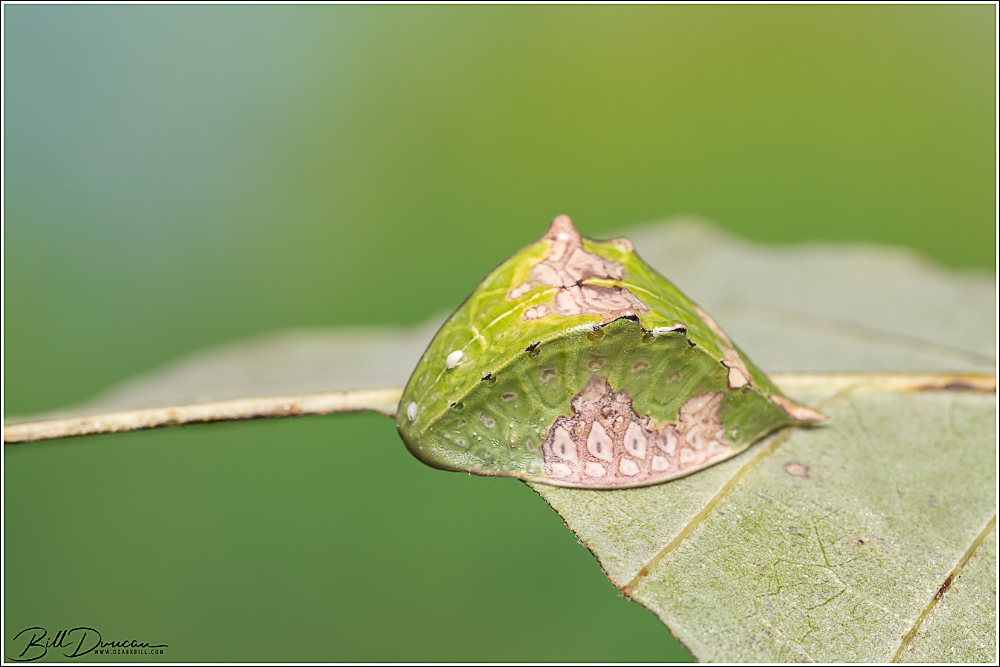
2025 Caterpillar Season – Red-crossed Button Slug Moth

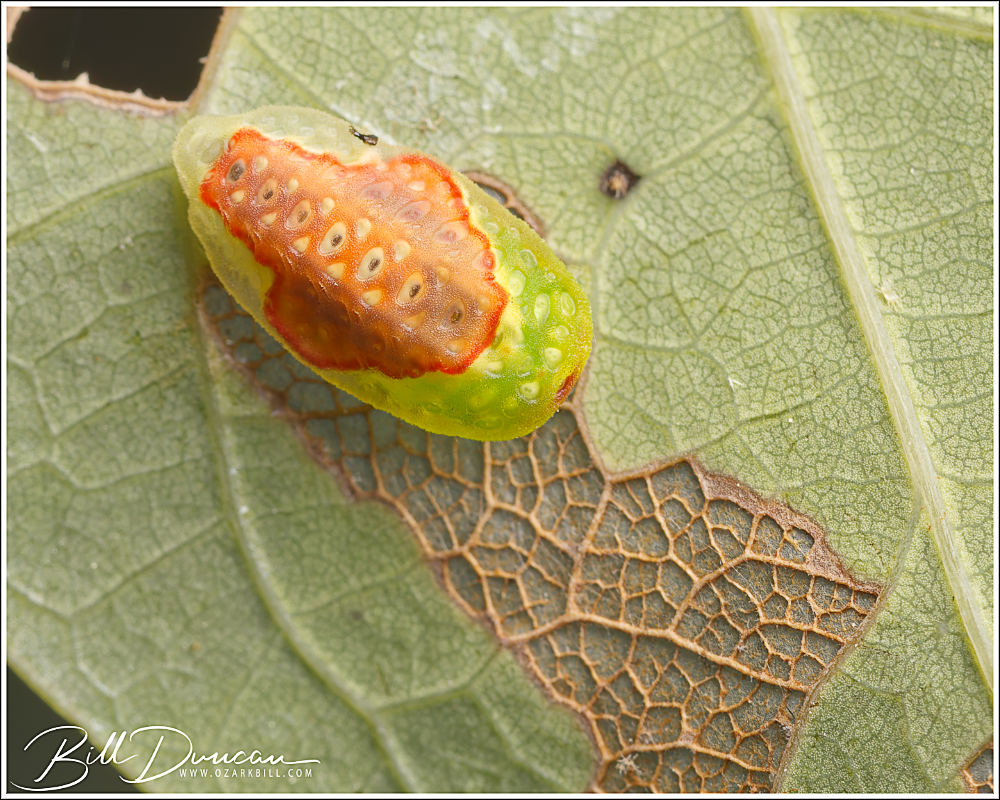
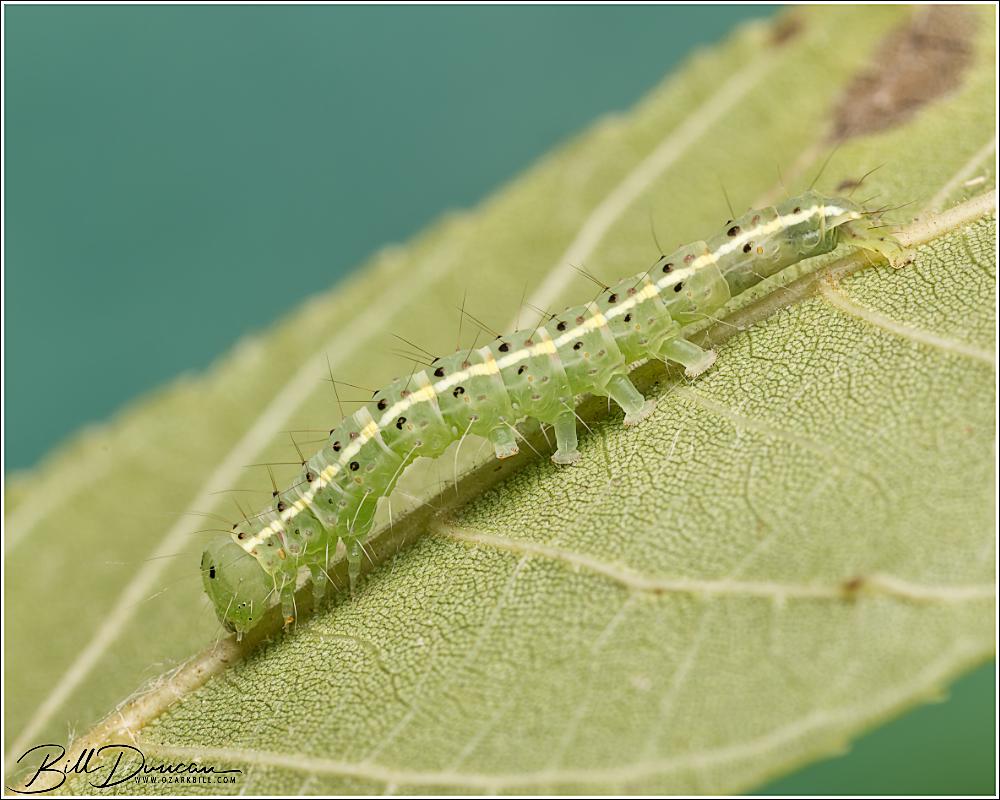
Red-crossed Button Slug
Tortricidia pallida fam. Limacodidae (Hodges#4653)
Host plant(s): Found on white oak (Quercus alba)
Date(s) and location(s): 31 August, 2025 – Tyson Research Center, St. Louis County, MO
Notes: Click here to see adult.

2025 Caterpillar Season – Waved Sphinx

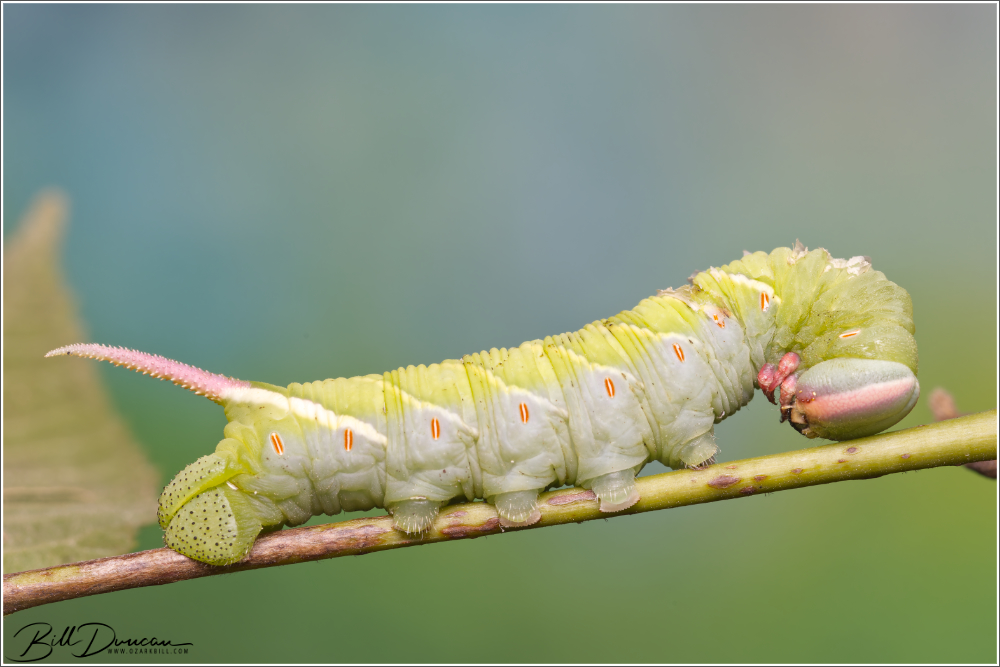
Waved Sphinx
Ceratomia undulosa fam. Sphingidae (Hodges#7787)
Host plant(s): Found on hickory (Carya sp.)
Date(s) and location(s): 31 August, 2025 – Tyson Research Center, St. Louis County, MO
Notes: This is one of those perplexing situations. Wagner and most other authorities suggest this species hosts solely on ash (Fraxinus), but I found this guy actively feeding on a mid-sized hickory during an evening hunt.

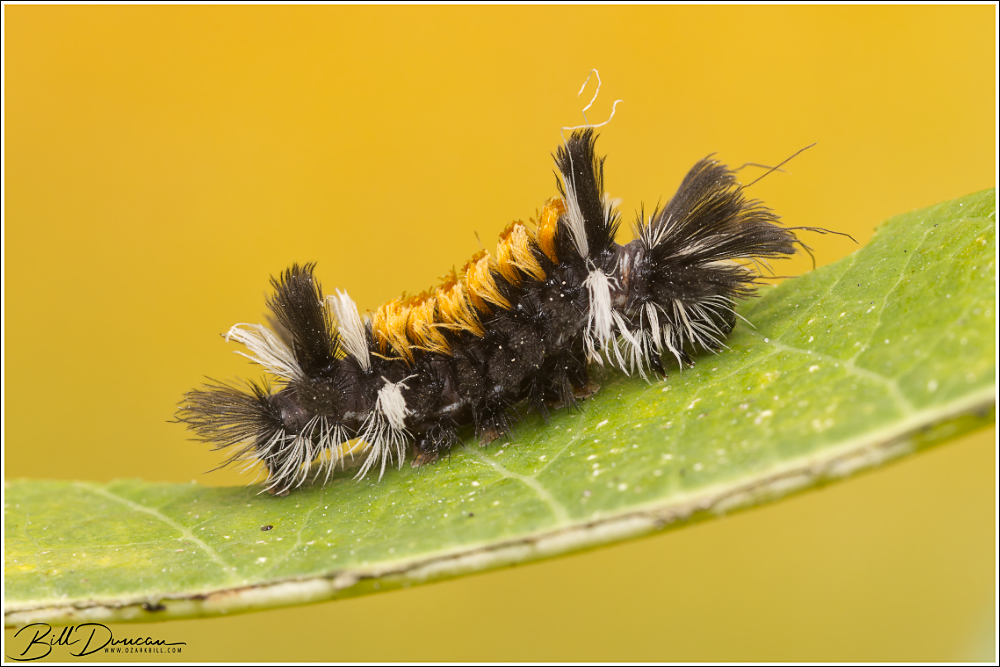
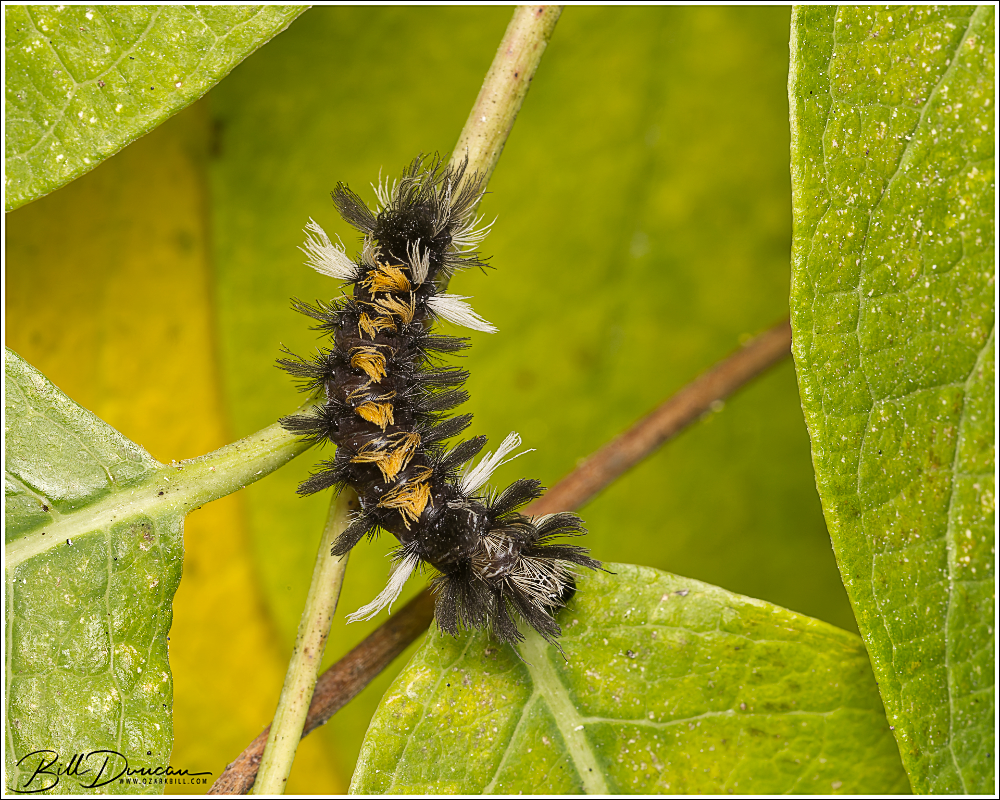
2025 Caterpillar Season – Milkweed Tussock Moth

Milkweed Tussock Moth
Euchaetes egle fam. Erebidae (Hodges#8238)
Host plant(s): Found on dogbane (Apocynum cannabinum)
Date(s) and location(s): 30 August, 2025 – Tyson Research Center, St. Louis County, MO

2025 Caterpillar Season – Skiff Moth

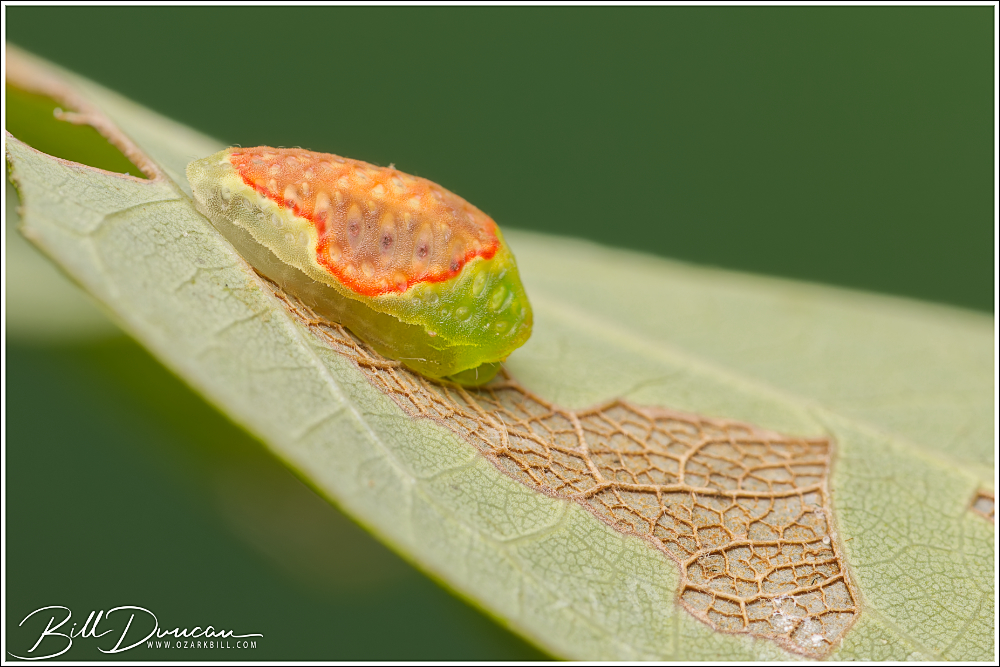
Skiff Moth
Prolimacodes badia fam. Limacodidae (Hodges#4671)
Host plant(s): Found on chinquapin oak (Quercus muehlenbergii)
Date(s) and location(s): 31 August, 2025 – Tyson Research Center, St. Louis County, MO
Notes: This poor cat is host to a tachinid fly larvae. A closeup image is included showing the egg as well as the larvae that has pierced the skin of the caterpillar in order to breath.

2025 Caterpillar Season – Oblique Heterocampa

Oblique Heterocampa
Heterocampa obliqua fam. Notodontidae (Hodges#7983)
Host plant(s): Found on chinquapin oak (Quercus muehlenbergii)
Date(s) and location(s): 13 September, 2025 – Tyson Research Center, St. Louis County, MO
Notes: An oak specialist.

2025 Caterpillar Season – Crowned Slug Moth

Crowned Slug Moth
Isa textula fam. Limacodidae (Hodges#4681)
Host plant(s): Found on sassafras, northern red oak, redbud
Date(s) and location(s): 31 August, 19-September, 2025 – Tyson Research Center, St. Louis County, MO; 27 September, 2025 – Caney Mountain Conservation Area, Ozark County, MO
Notes: By far the most numerous Limacodid I found in 2025.

2025 Caterpillar Season – Wavy-lined Prominent

Wavy-lined Prominent
Cecrita biundata fam. Notodontidae (Hodges#7995)
Host plant(s): not recorded
Date(s) and location(s): 30 August, 2025 – Tyson Research Center, St. Louis County, MO
Notes: Click here to view adult of this species

2025 Caterpillar Season – Giant Leopard Moth

Giant Leopard Moth
Hypercompe scribonia fam. Erebidae (Hodges#8146)
Host plant(s): younger instar – white vervain (Verbena urticifolia); final instar – wandering
Date(s) and location(s): 30 August, 2025 – Tyson Research Center, St. Louis County, MO; 27 September, 2025 – Caney Mountain Conservation Area, Ozark County, MO
Notes: This spiney species contains no venom. Other than some minor prickling, these can be handled without worry. This is a highly polyphagous species, feeding on several families of woody plants and forbs. Caterpillars of this species overwinter and will pupate the following spring.

2025 Caterpillar Season – Spicebush Swallowtail

Spicebush Swallowtail
Papilio troilus fam. Papilinoidae (Hodges#4181)
Host plant(s): Found on sassafras (Sassafras albidum) and spicebush (Lindera benzoin)
Date(s) and location(s): 26 July, 2024 – Engelmann Woods Natural Area, Franklin County, MO; Tyson Research Center, St. Louis County, MO
Notes: This species and other, more rare species of swallowtails may be facing problems in the future with the introduction of laurel wilt, caused by the fungus Raffaelea lauricola, which is vectored by the redbay ambrosia beetle (RAB), Xyleborus glabratus. These nonnative species were first discovered in the southeastern U.S. in 2002. Since then this disease and its vectoring insect have been documented in 11 southeastern states and have killed millions of plants in the laurel family, which include sassafras and spicebush. Laurel wilt has not yet been reported in Missouri, but has been confirmed in the neighboring states of Tennessee, Kentucky, and Arkansas. Winter temperatures could perhaps keep this disease from spreading north into Missouri, but warmer winters associated with climate change are not promising.