2025 Caterpillar Season – Blinded Sphinx

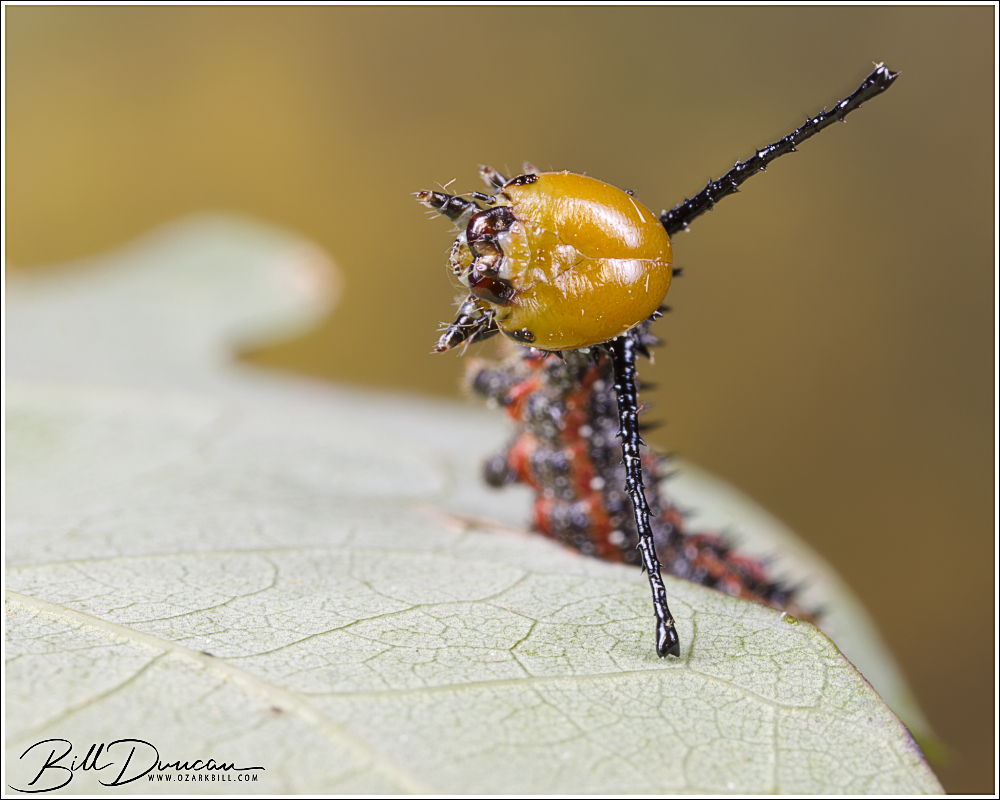
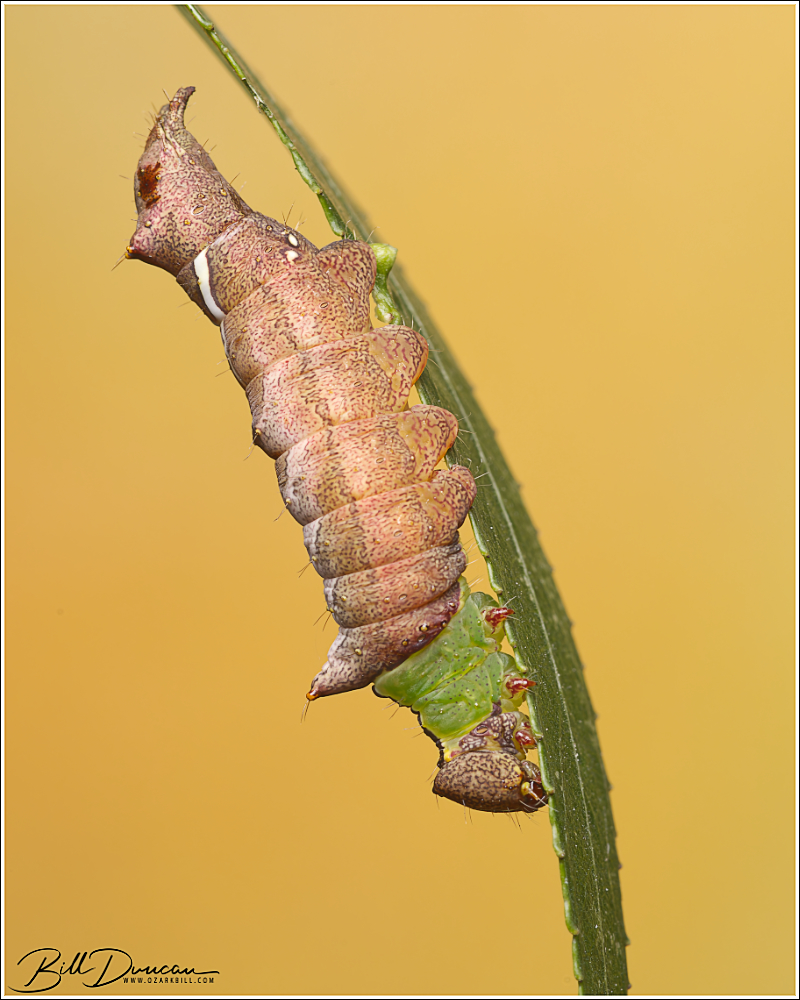
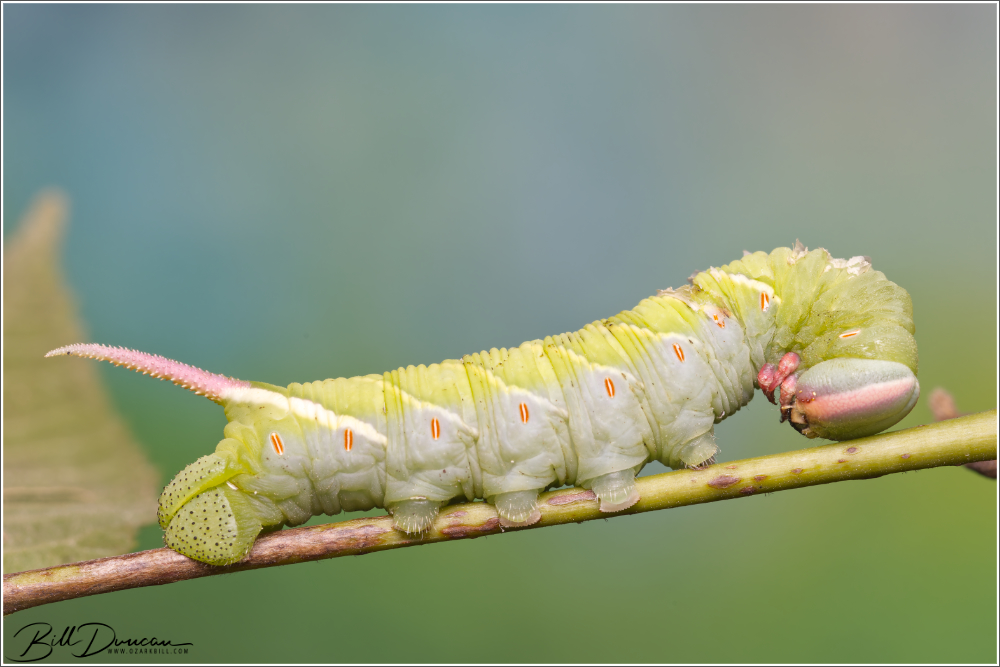
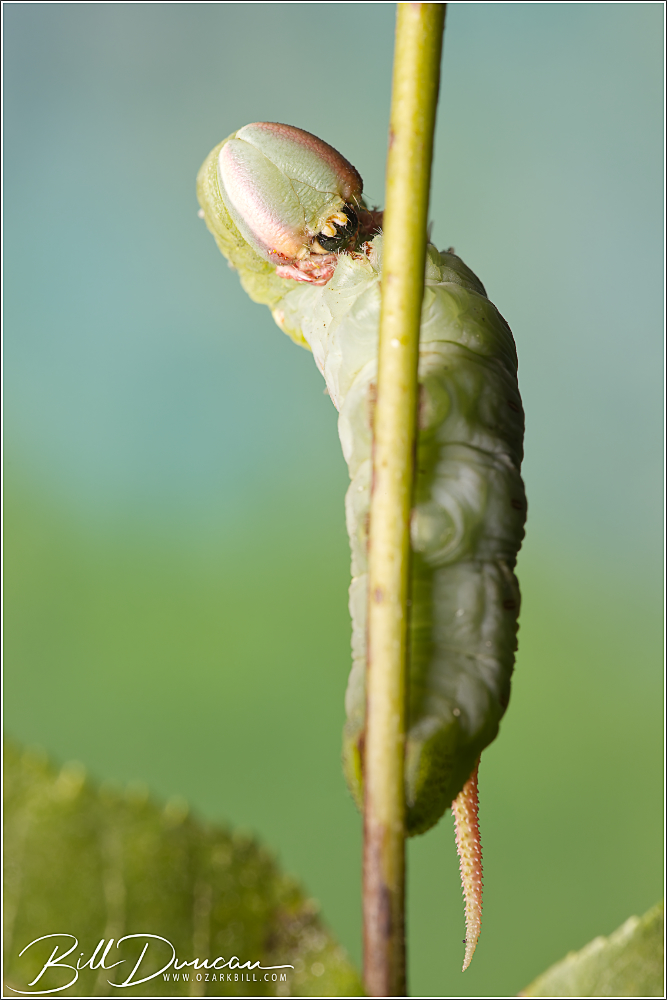
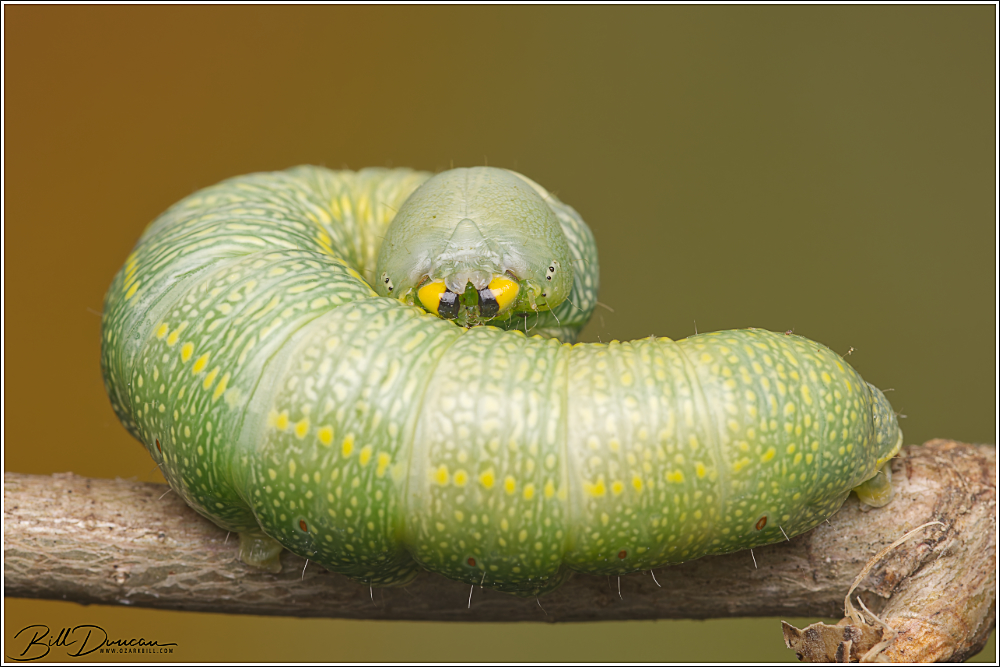
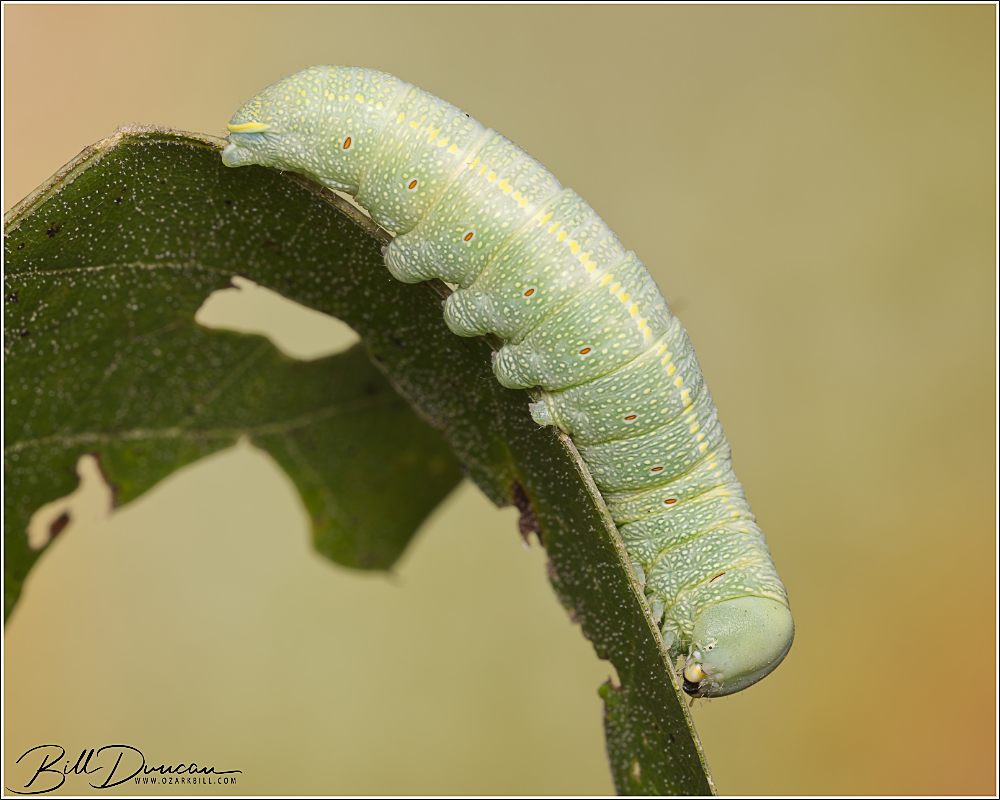
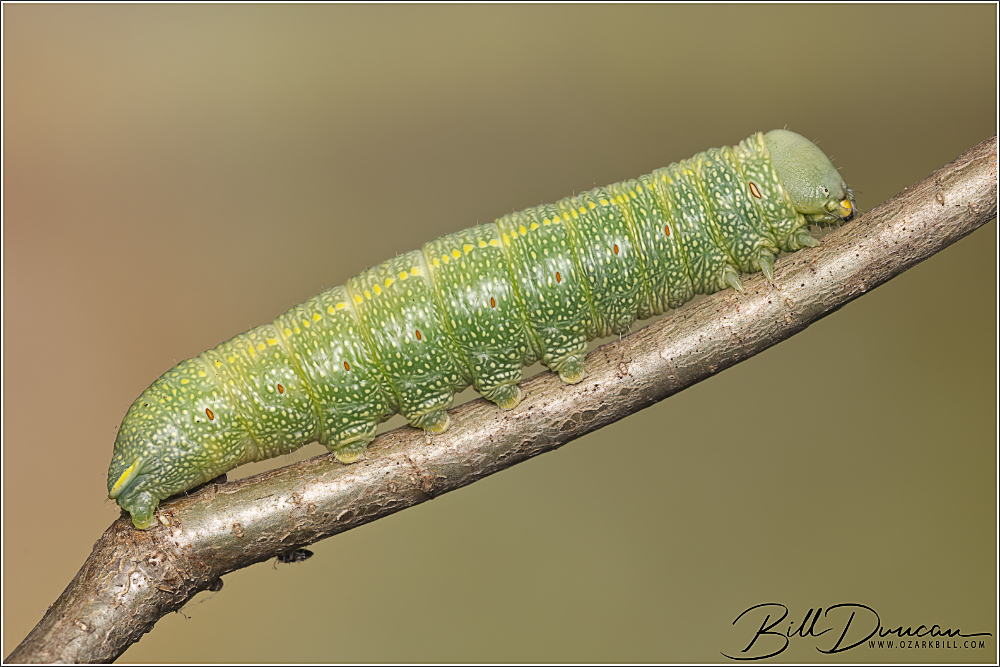
Blinded Sphinx
Paonias excaecata fam. Sphingidae (Hodges#7824)
Host plant(s): Found on willow (Salix sp.)
Date(s) and location(s): 17 September, 2025 – Creve Coeur Lake Park, St. Louis County; 18-September, 2025 – Council Bluff Lake, Iron County, MO
Notes: I collected one of these to rear that has now pupated. Hopefully I will find a fantastic adult in the spring.

2025 Caterpillar Season – Harvey’s Prominent

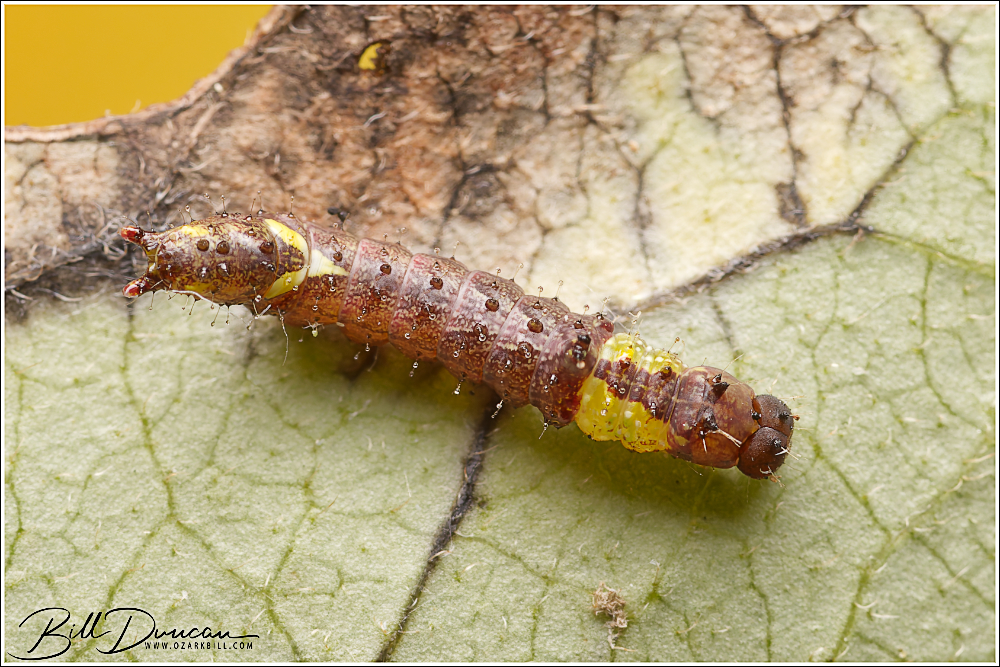
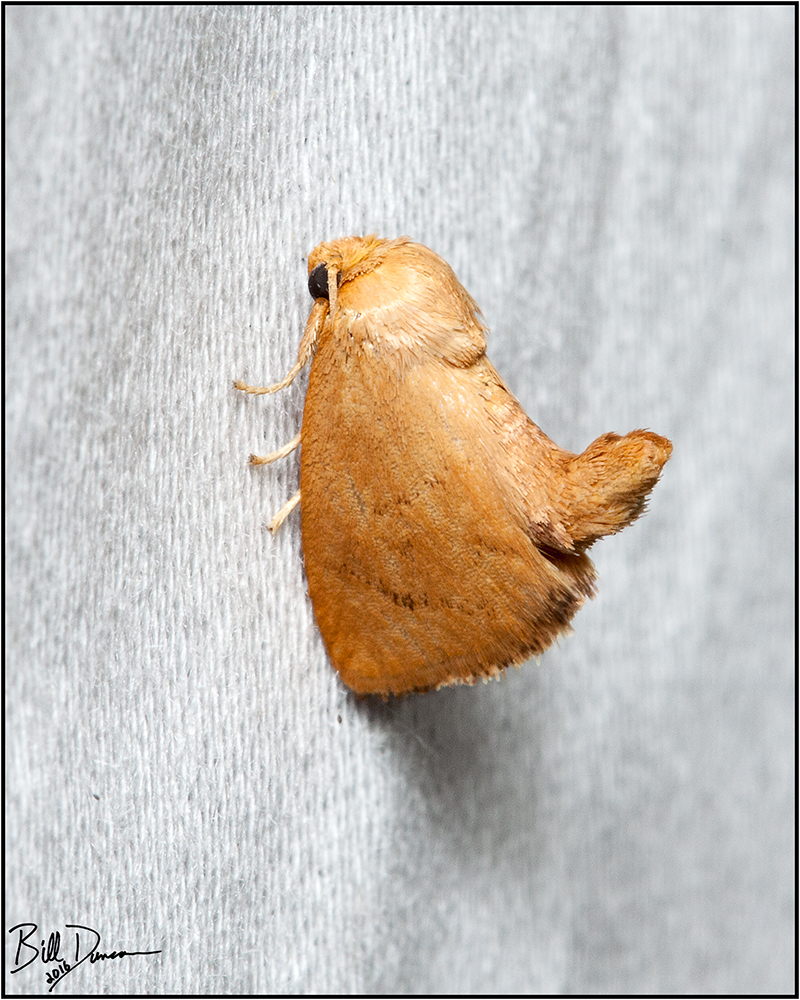
Harvey’s Prominent
Litodonta hydromeli fam. Notodontidae (Hodges#7968)
Host plant(s): Found on gum bumelia (Sideroxylon lanuginosum)
Date(s) and location(s): 30 August, 2025 – Tyson Research Center, St. Louis County
Notes: Found primarily in Texas and Oklahoma, this species northeastern range limit appears to be the St. Louis area.

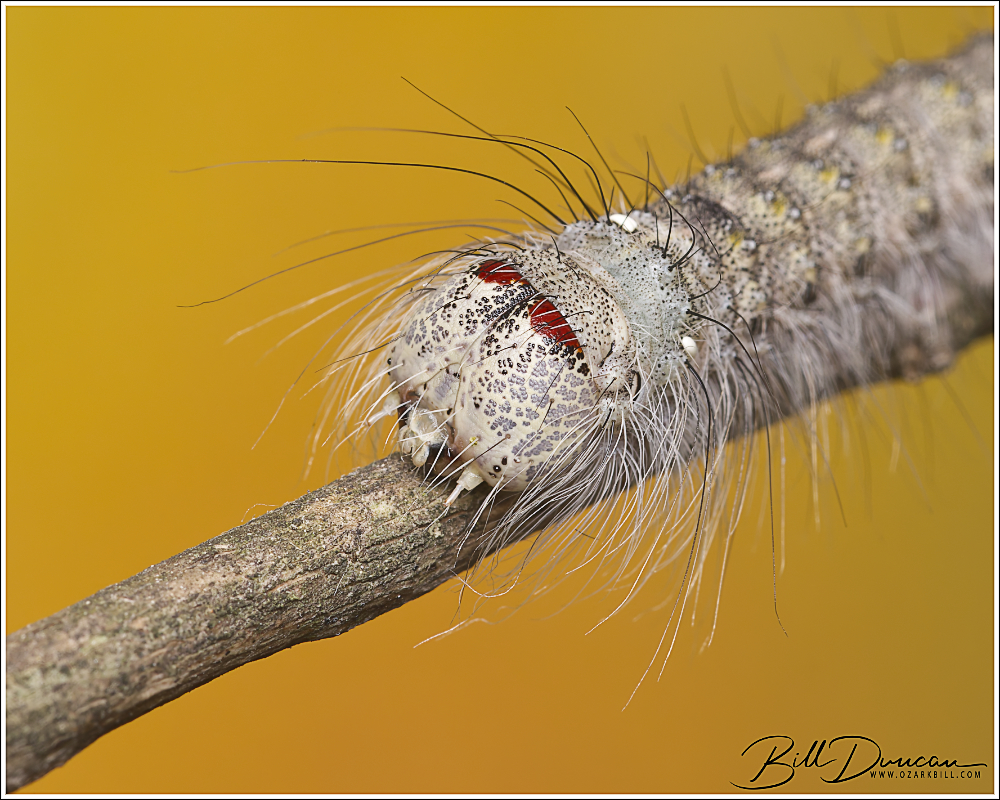
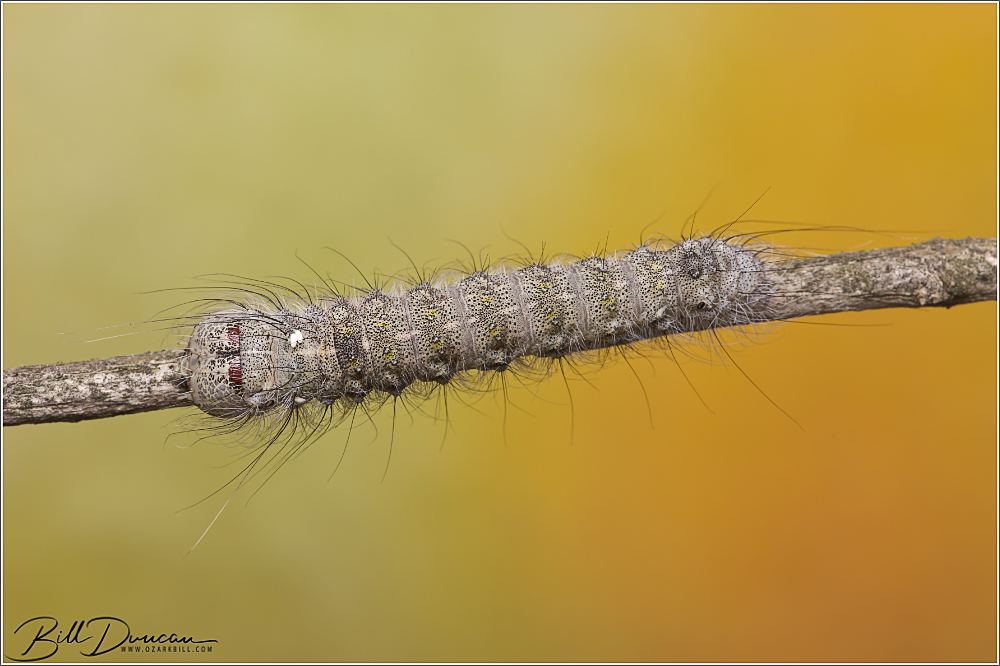
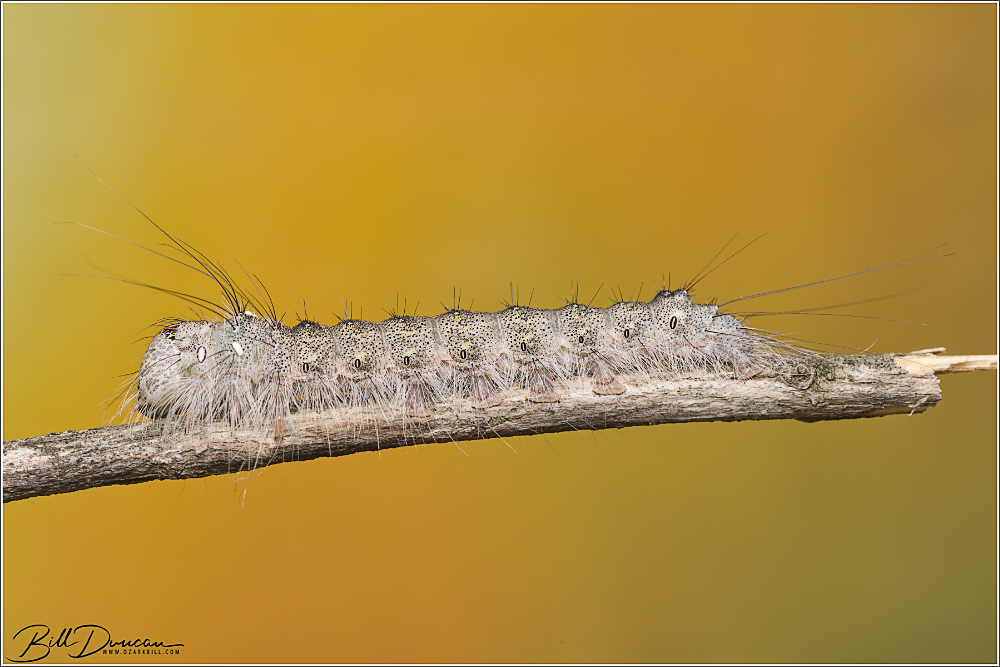
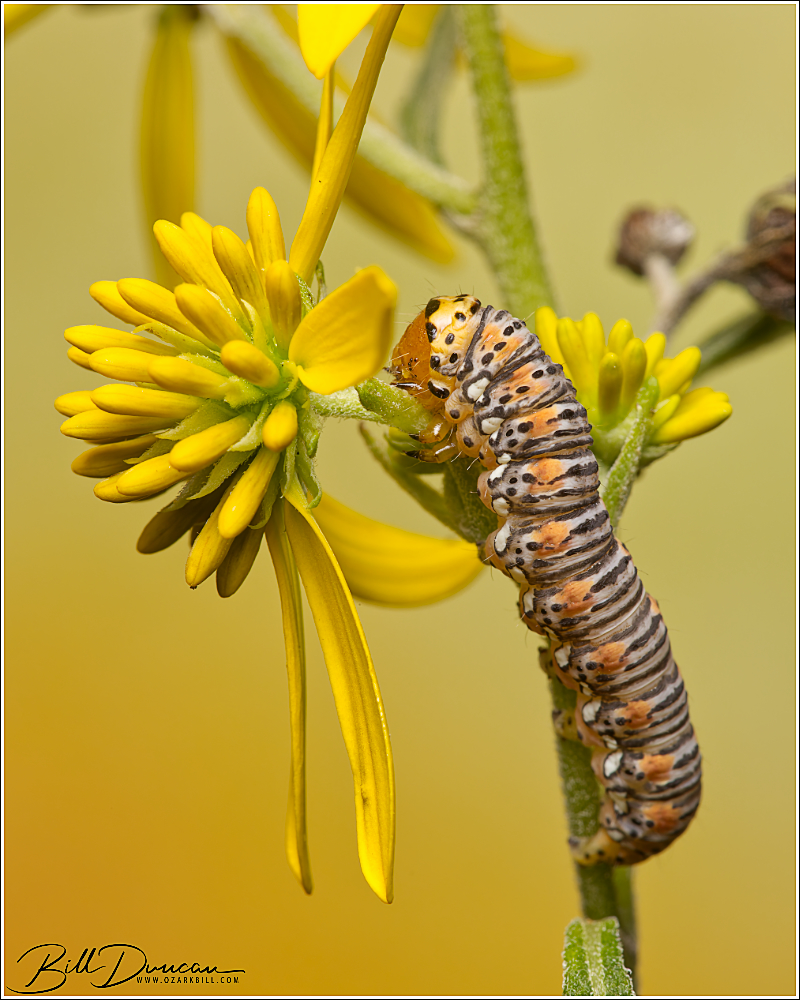
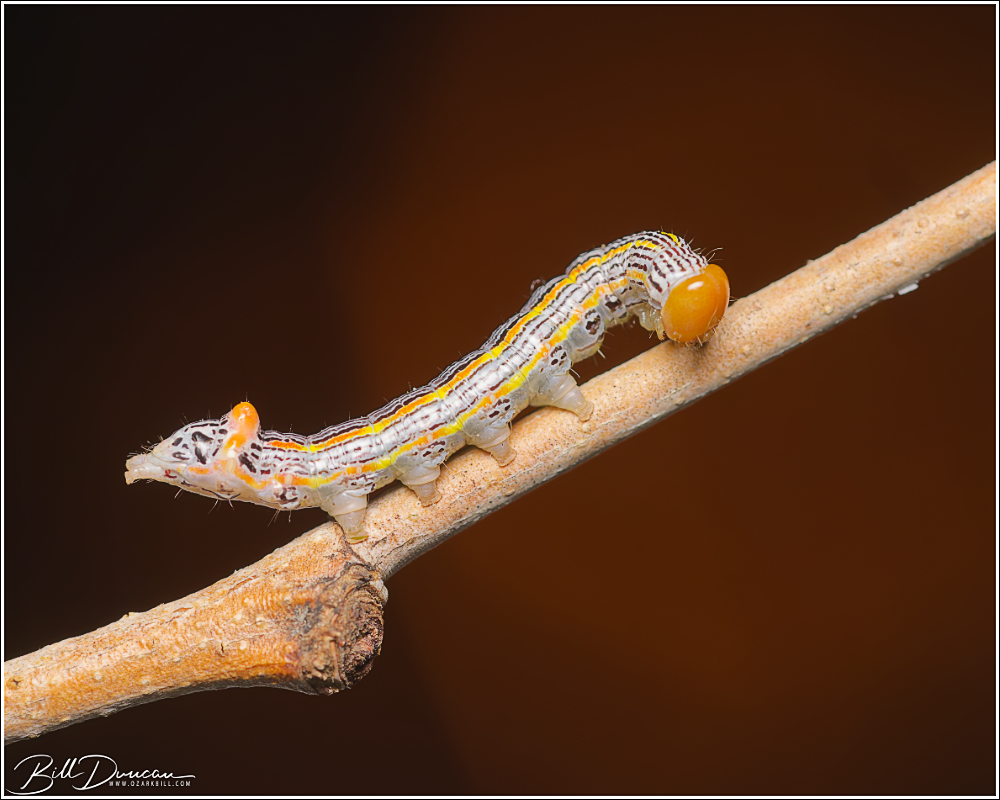
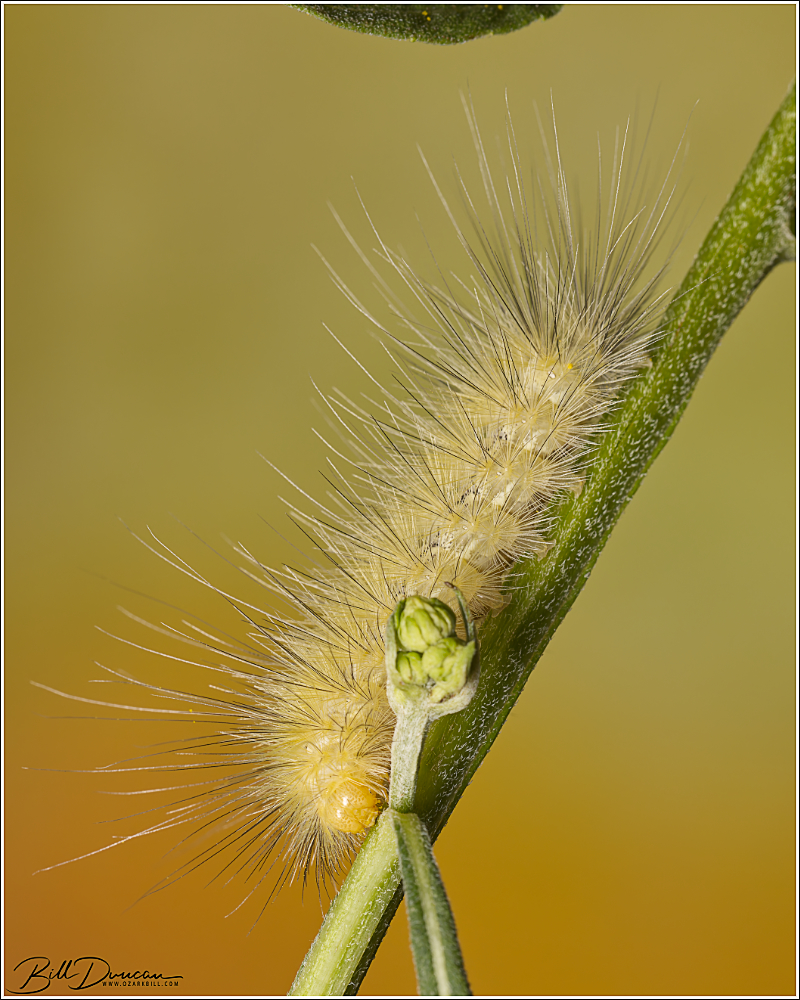
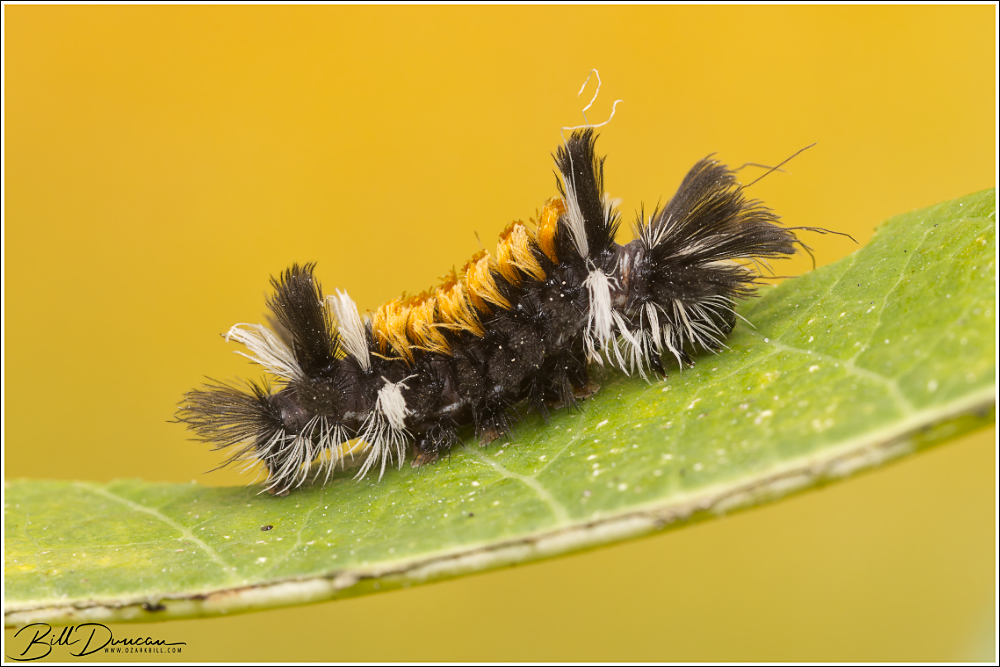
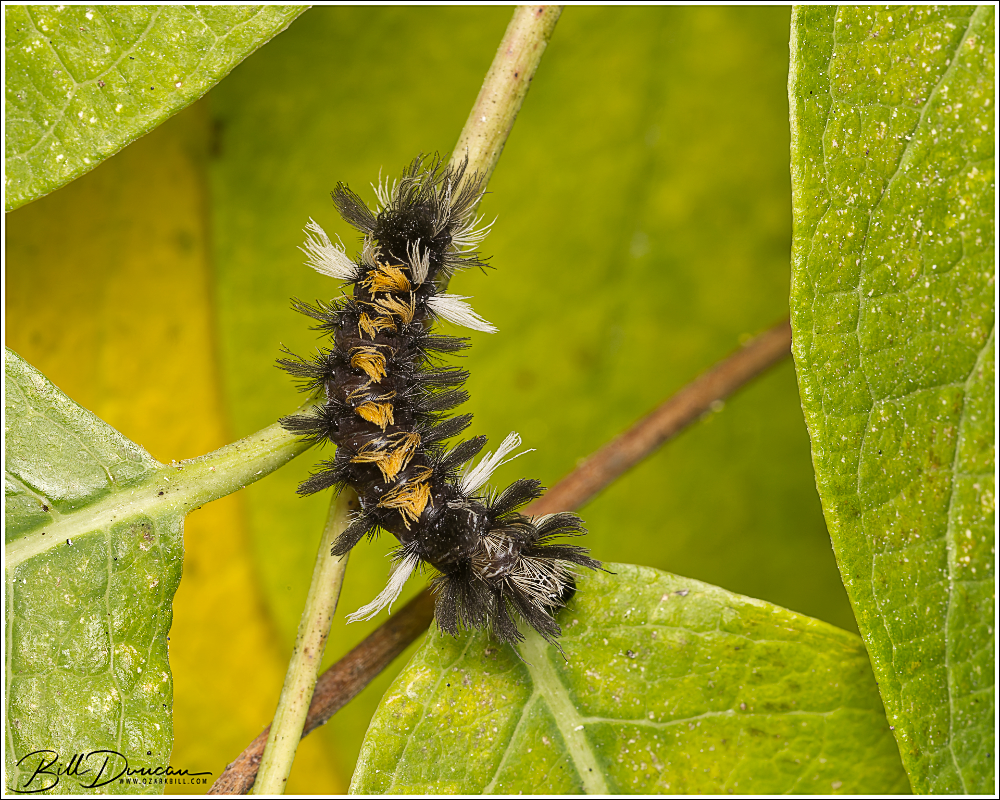
2025 Caterpillar Season – Delicate Cycnia

Delicate Cycnia Moth
Cycnia tenera fam. Erebidae (Hodges#8230)
Host plant(s): Found on dogbane (Apocynum cannabinum)
Date(s) and location(s): 30 August, 2025 – Tyson Research Center, St. Louis County
Notes: This species is a specialist on dogbane and milkweed (Apocynaceae). Adult moths have been observed to produce clicking sounds during flight in response to receiving echolocation signals from bats. It has been shown that these clicking responses led to a lower rate of predation from bats. This may be due to an aposematic warning signal due to the accumulation of cardenolides and cardiac glycoside from their larval host plants, or the clicking noise response may be interfering with the bats echolocation during the hunt.

2025 Caterpillar Season – Crowned Slug Moth

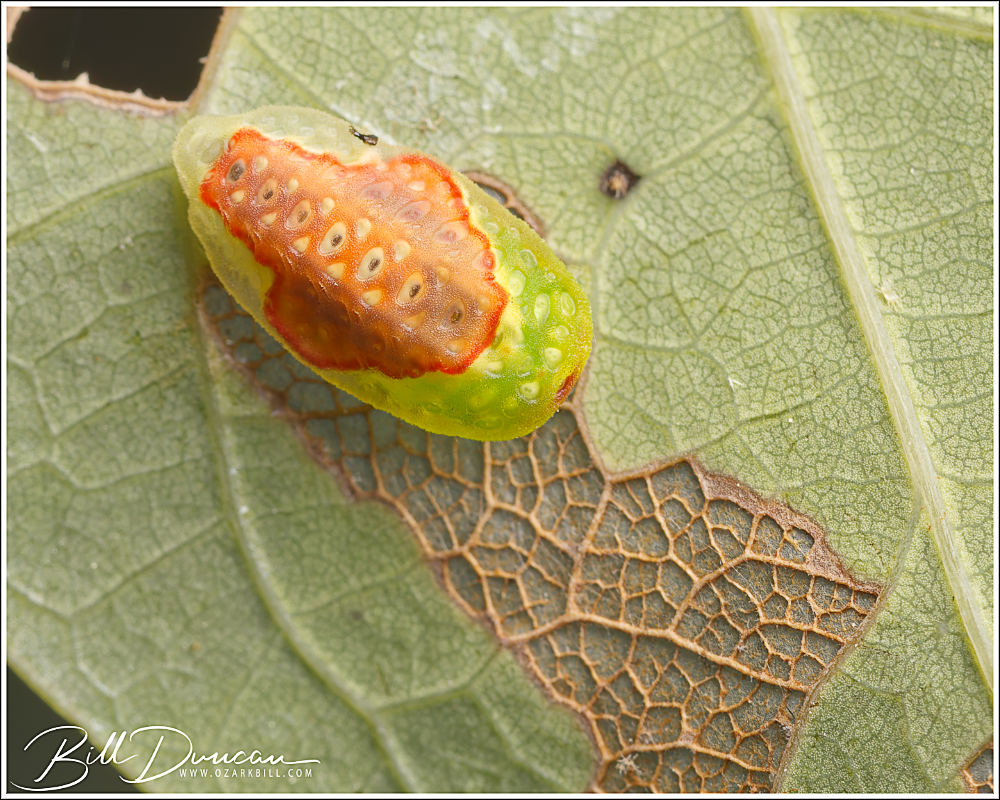
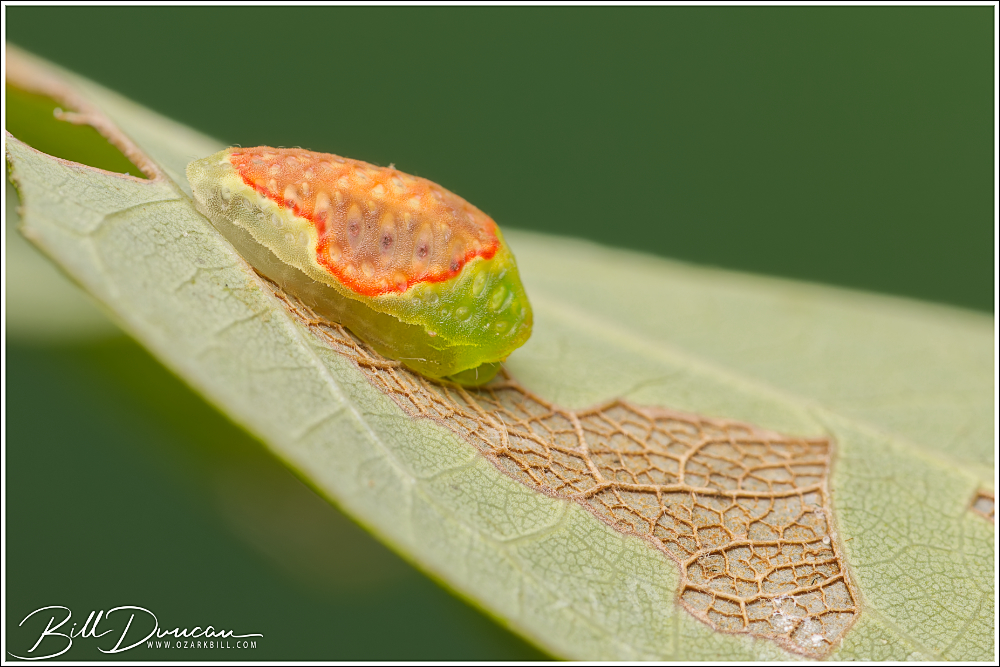
Crowned Slug Moth
Isa textula fam. Limacodidae (Hodges#4681)
Host plant(s): Found on sassafras, northern red oak, redbud
Date(s) and location(s): 31 August, 19-September, 2025 – Tyson Research Center, St. Louis County, MO; 27 September, 2025 – Caney Mountain Conservation Area, Ozark County, MO
Notes: By far the most numerous Limacodid I found in 2025.

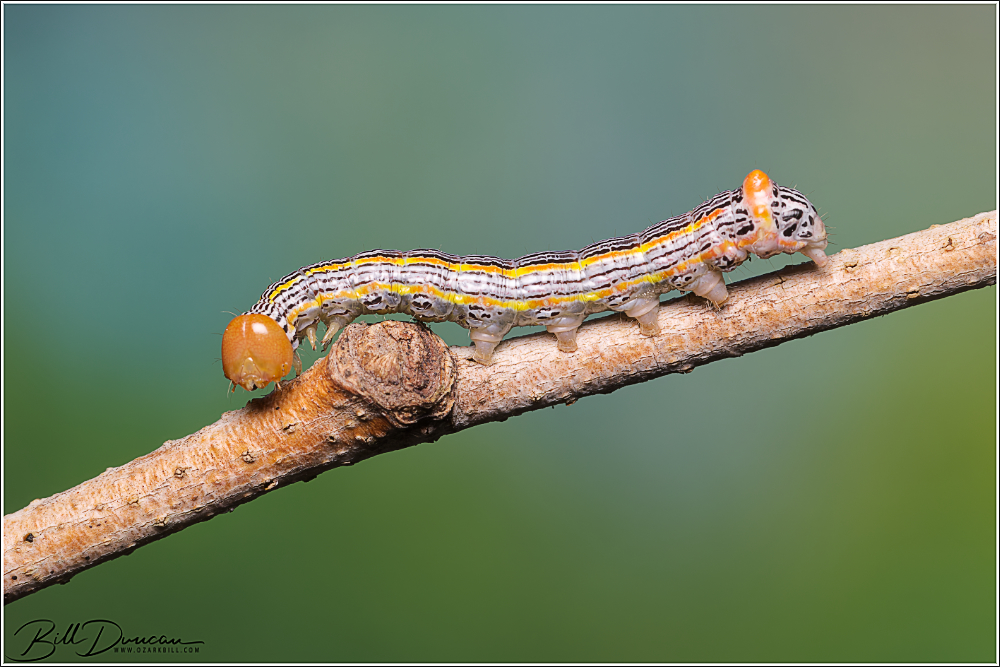
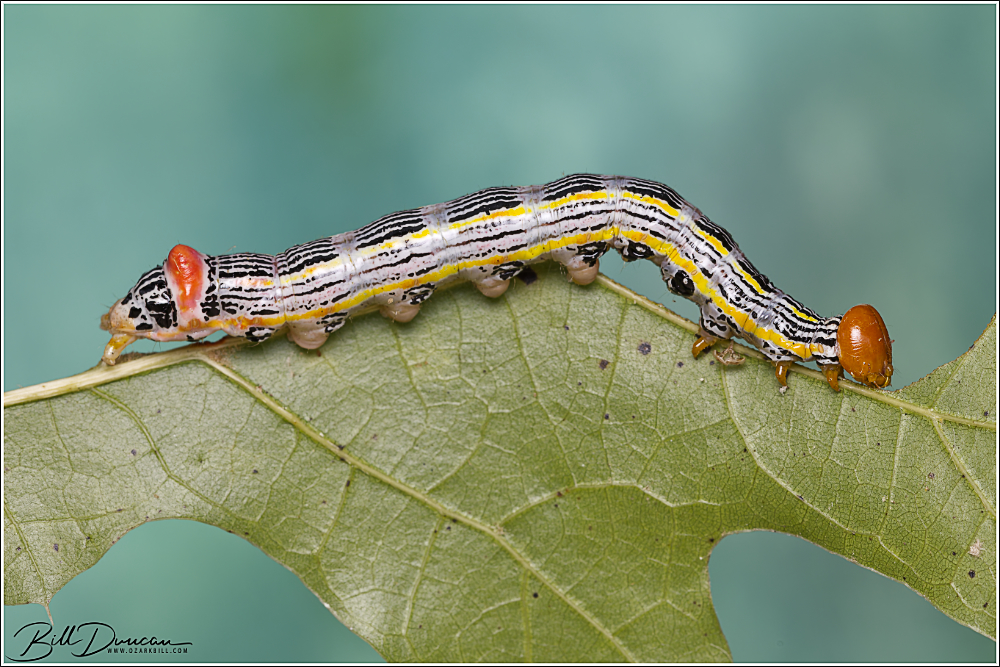
2025 Caterpillar Season – Wavy-lined Prominent

Wavy-lined Prominent
Cecrita biundata fam. Notodontidae (Hodges#7995)
Host plant(s): not recorded
Date(s) and location(s): 30 August, 2025 – Tyson Research Center, St. Louis County, MO
Notes: Click here to view adult of this species

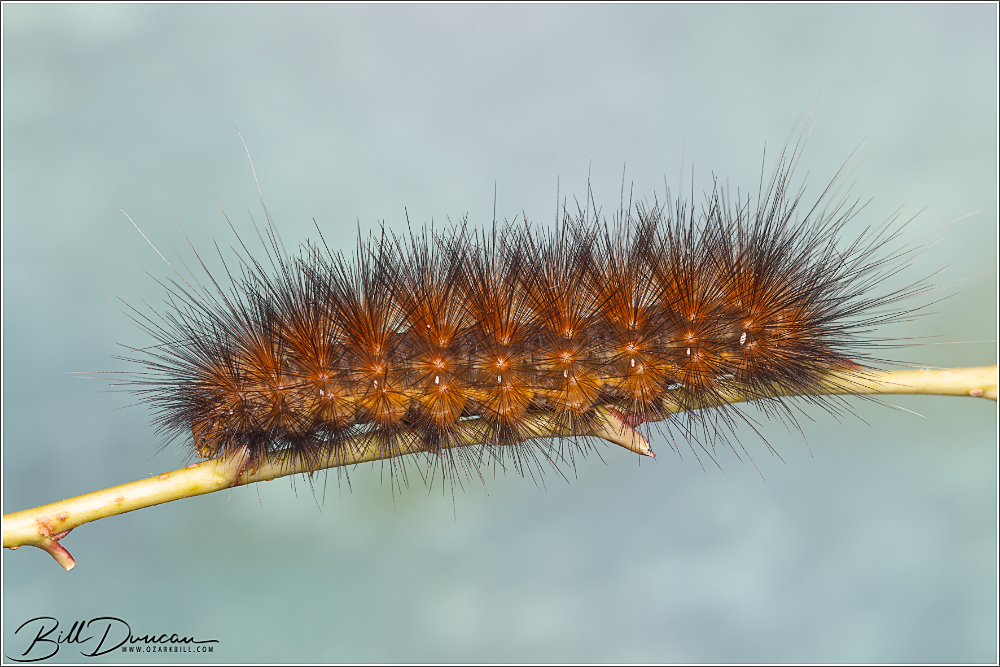
2025 Caterpillar Season – Giant Leopard Moth

Giant Leopard Moth
Hypercompe scribonia fam. Erebidae (Hodges#8146)
Host plant(s): younger instar – white vervain (Verbena urticifolia); final instar – wandering
Date(s) and location(s): 30 August, 2025 – Tyson Research Center, St. Louis County, MO; 27 September, 2025 – Caney Mountain Conservation Area, Ozark County, MO
Notes: This spiney species contains no venom. Other than some minor prickling, these can be handled without worry. This is a highly polyphagous species, feeding on several families of woody plants and forbs. Caterpillars of this species overwinter and will pupate the following spring.

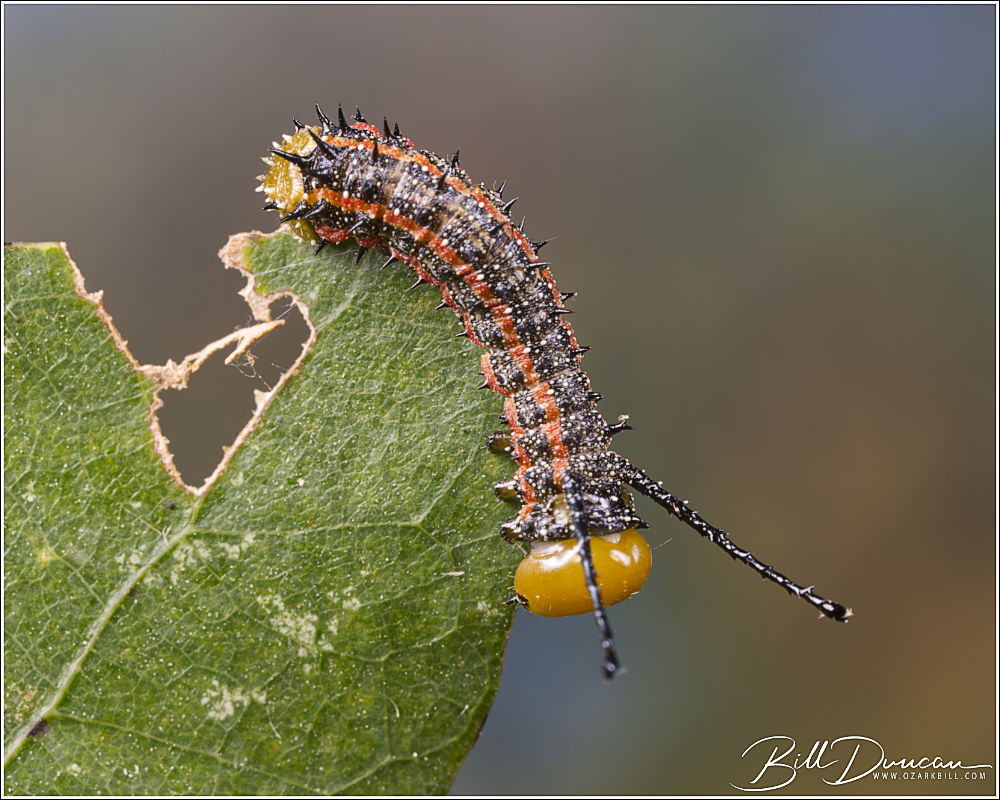
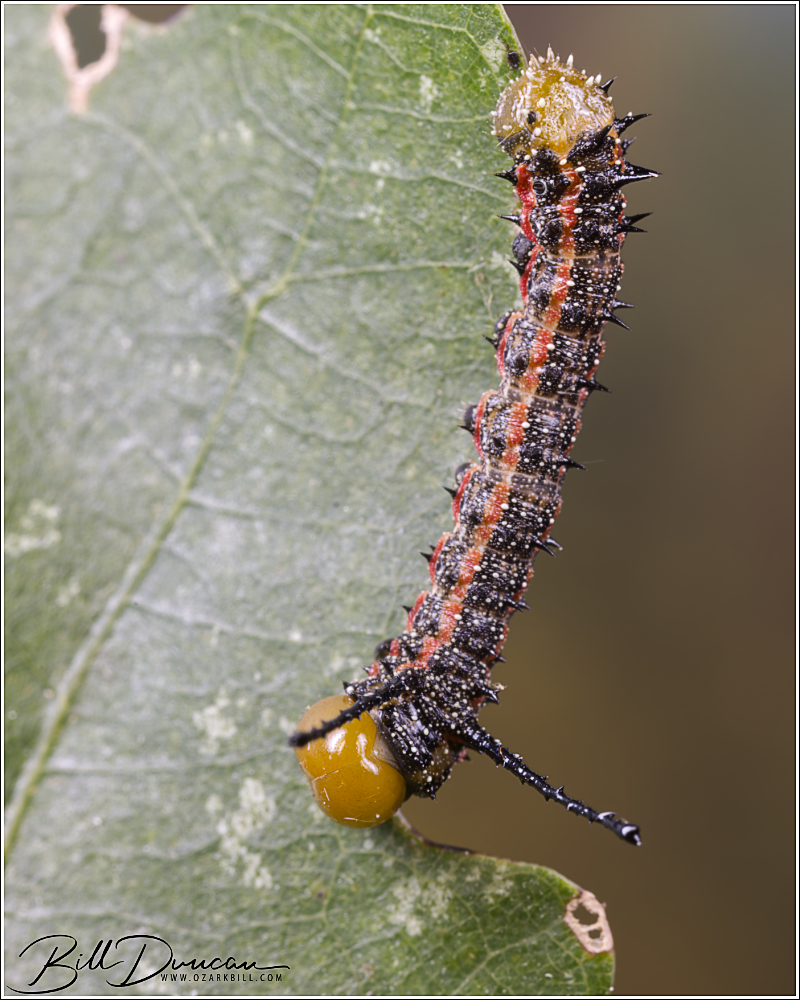
2025 Caterpillar Season – Viceroy

Viceroy
Limenitis archippus fam. Nymphalidae (Hodges#4523)
Host plant(s): Found on willow (Salix sp.)
Date(s) and location(s): 15 September, 2025 – Creve Coeur Lake Park, St. Louis County, MO; 16 September, 2025 – Johnson’s Shut-ins State Park, Reynolds County, MO
Notes: This species is visually similar to another bird dropping mimic, the closely related red-spotted purple (Limenitis arthemis). Although phenotypic characteristics can be used to verify, host plants should be the primary resource used. In Missouri, the viceroy will almost always be found on willow, while the red-spotted purple is most likely to be the caterpillar on black cherry.

2025 Caterpillar Species – Hackberry Emperor

Hackberry Emperor
Asterocampa celtis fam. Nymphalidae (Hodges#4557)
Host plant(s): Found on hackberry (Celtis occidentalis)
Date(s) and location(s): 31 August, 2025 – Tyson Research Center, St. Louis County, MO
Notes: This species is generally considered as bivoltine, meaning there are two broods per season. The second generation overwinters as caterpillars. Third-instar caterpillars climb down their trees to spend the winter hidden in hibernacula (leaf shelters) that they create among the leaf litter. The following spring they climb back to the treetops to complete their lifecycle with the newly emerged leaves.

2025 Caterpillar Season – Spicebush Swallowtail

Spicebush Swallowtail
Papilio troilus fam. Papilinoidae (Hodges#4181)
Host plant(s): Found on sassafras (Sassafras albidum) and spicebush (Lindera benzoin)
Date(s) and location(s): 26 July, 2024 – Engelmann Woods Natural Area, Franklin County, MO; Tyson Research Center, St. Louis County, MO
Notes: This species and other, more rare species of swallowtails may be facing problems in the future with the introduction of laurel wilt, caused by the fungus Raffaelea lauricola, which is vectored by the redbay ambrosia beetle (RAB), Xyleborus glabratus. These nonnative species were first discovered in the southeastern U.S. in 2002. Since then this disease and its vectoring insect have been documented in 11 southeastern states and have killed millions of plants in the laurel family, which include sassafras and spicebush. Laurel wilt has not yet been reported in Missouri, but has been confirmed in the neighboring states of Tennessee, Kentucky, and Arkansas. Winter temperatures could perhaps keep this disease from spreading north into Missouri, but warmer winters associated with climate change are not promising.

2025 Caterpillar Season – Eastern White-blotched Heterocampa

Eastern White-blotched Heterocampa
Heterocampa pulverea fam. Notodontidae (Hodges#7990.1)
Host plant(s): Found on red oak sp. (Quercus sp.)
Date(s) and location(s): 18 Sep, 2025 – Council Bluff Lake, Iron County, MO
Notes: As great of a resource as Wagner’s Caterpillars of Eastern North America has been for me, I have to keep reminding myself that it was published in 2005. Taxonomists have been hard at work on a number of taxa since then, and I often struggle with how to find out whether a particular taxon has changed. It recently came to my attention that today’s species, once considered a subspecies of Heterocampa umbrata, was revised in 2021 and given specific status. The common names for these two species are confusing. H. umbrata, which is found in Florida and southeastern Georgia, keeps its name of white-blotched heterocampa, while H. pulverea, which is found throughout eastern U.S. and Canada is now called eastern white-blotched heterocampa.