"What a thousand acres of Silphiums looked like when they tickled the bellies of the buffalo is a question never again to be answered, and perhaps not even asked." -Aldo Leopold
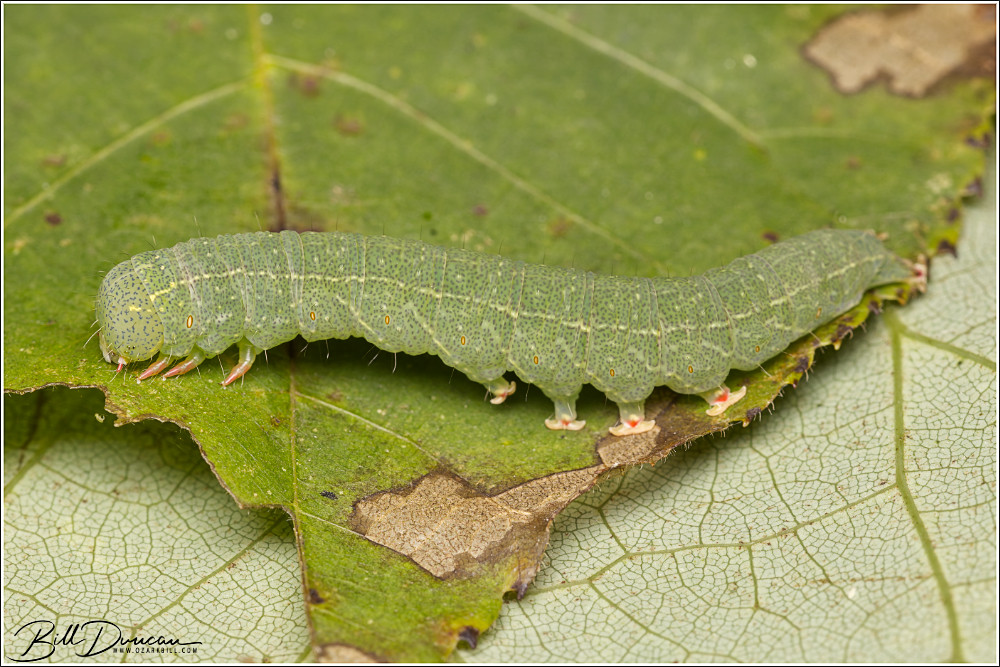
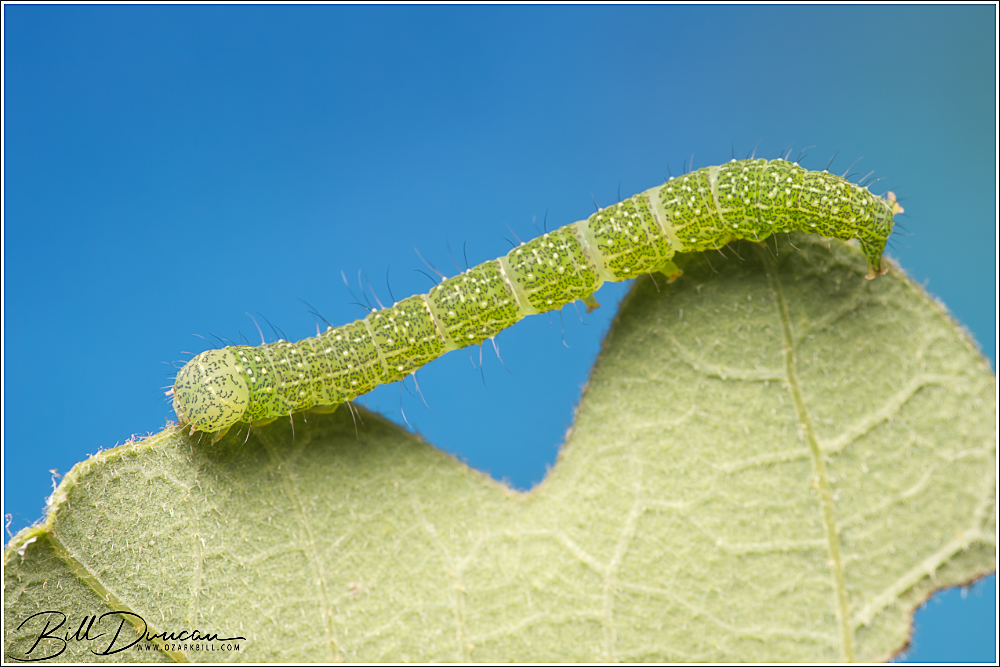
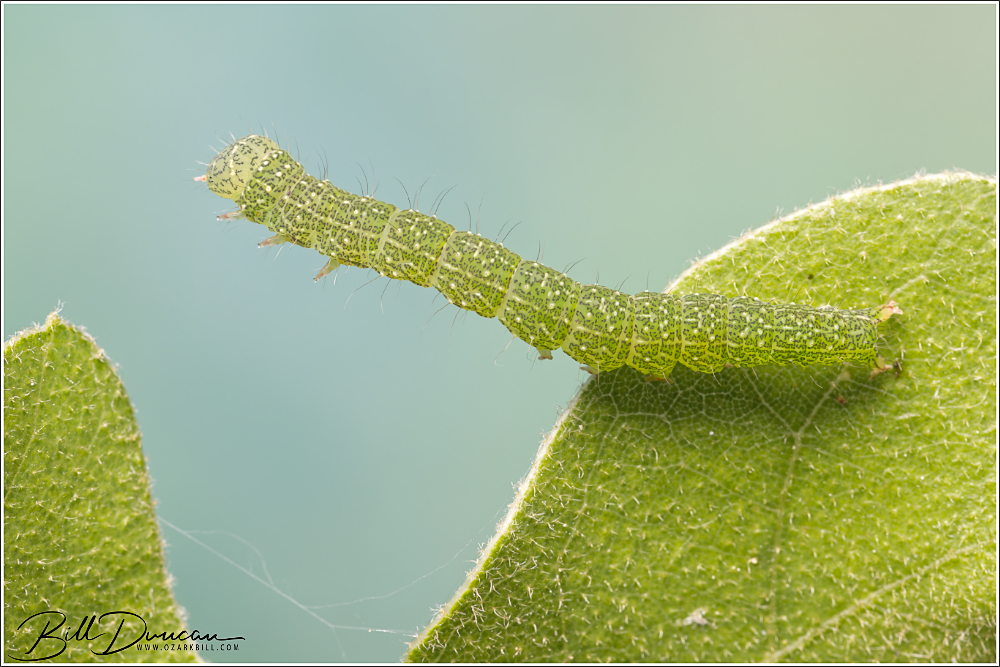
Brown Panopoda Panopoda carneicosta fam. Erebidae (Hodges#8588) Host plant: Found on hickory (Carya sp.) Date found: 09, 16, 23 Aug, 2025 Location found: BK Leach Conservation Area, Lincoln County, MO; Council Bluff Lake, Iron County, MO; Tyson Research Center, St. Louis County, MO Notes: With information I have, there appears to be no easy methods to discern between larvae of Panopoda carneicosta and P. rufimargo (red-lined panopoda). However, there is suppose to be distinct differences in host preferences, with P. carneicosta showing strong preferences for hickory and other members of Juglandaceae, while P. rufimardo reportedly feed on oak and beech (Fagaceae). My identification is based on the host plants on which the cats were found.
Red-humped Caterpillar Moth Oedemasia concinna fam. Notodontidae (Hodges#8010) Host plant: Found on redbud (Cercis canadensis) Date found: 16, Aug, 2025 Location found: Council Bluff Lake, Iron County, MO Notes: Shown in defensive posture with tail raised above its head. This was found during the WGNSS joint Entomology and Nature Photography Groups’ outing to Council Bluff Lake.
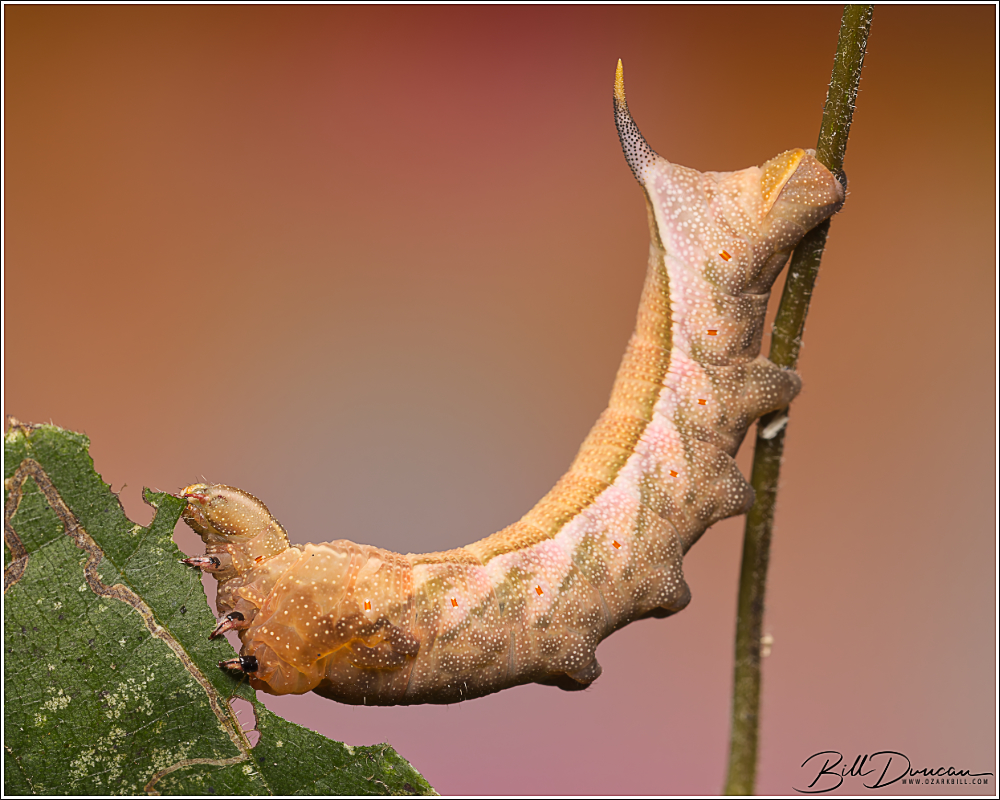
Virginia Creeper/Hog Sphinx Darapsa myron fam. Sphingidae (Hodges#7885) Host plant: Six individuals were found on this date and location: grape (Vitis sp.)-5, Virginia creeper (Parthenocissus quinquefolia)-1 Date found: 16, Aug, 2025 Location found: Council Bluff Lake, Iron County, MO Notes: This one showing the autumn/pre-pupal warm/brown coloration. All other individuals found were green. This was found during the WGNSS joint Entomology and Nature Photography Groups’ outing to Council Bluff Lake.
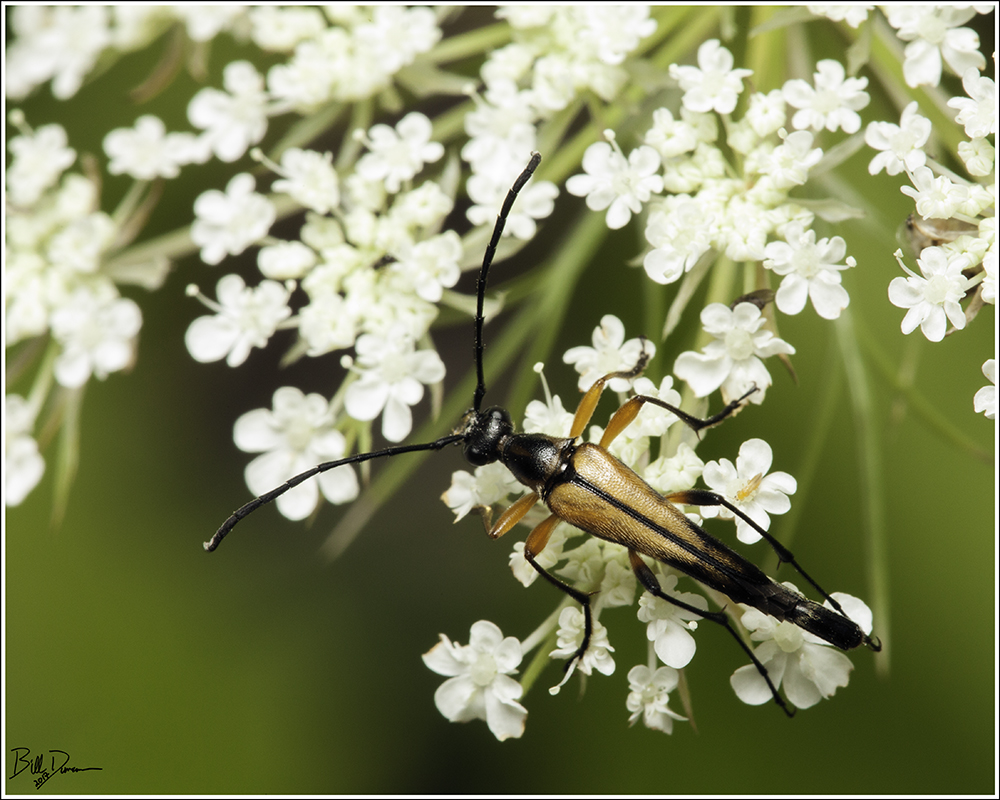
Members of WGNSS Entomology and Nature Photography Groups met on June 24th, 2017 to see what interesting insects could be found. In this post I am sharing a few of the more interesting that I was able to get photographs of during the day. The find of the day had to be the Cerambycid pictured above that was, by no surprise, found by Ted MacRae.
Delta Flower Scarab
We found that blooms were a great way to find beetles. It is easy to see how the delta flower scarab (Trigonopeltastes delta) got its name.
Flower Longhorn
Cerambicids like this flower longhorn can readily be found on blooms.
Banded Netwing
The banded netwing beetle (Calopteron reticulatum) are easy to find, often located in the open atop vegetation. They rely on aposematic coloration to advertise that they carry aboard chemical compounds that make them a distasteful meal.
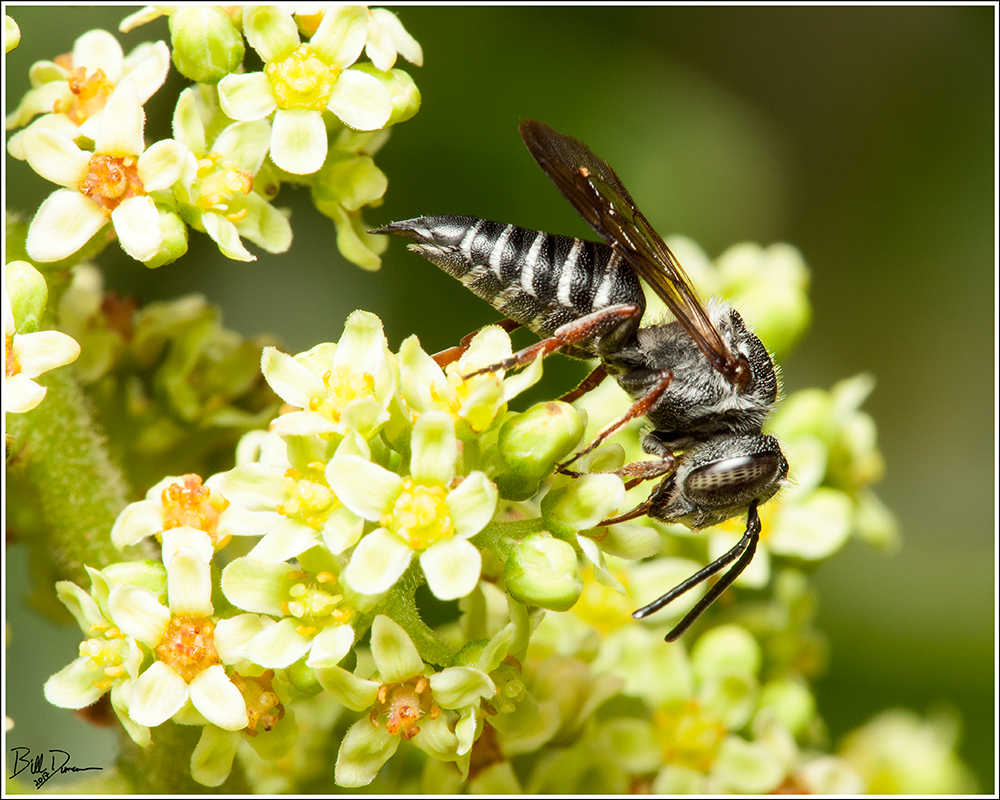
Agapostemon sp
The Hymenoptera were well represented on blooms of wild hydrangea (Hydrangea arborescens), Queen Ann’s lace (Daucus carota) and as pictured above, fragrant sumac (Rhus aromatica). I find the native bees to be tricky to identify by photographs, but I believe this can be placed in the genus Agopostemon. These bees nest in the ground and to promote them, leave patches of soil exposed somewhere in your yard.
Not to leave out the Leps, this double-toothed prominent moth larvae was found. These guys have developed very effective camouflage that allows them to blend in and resemble the toothed, wavy margins of their elm (Ulmus) host plants.
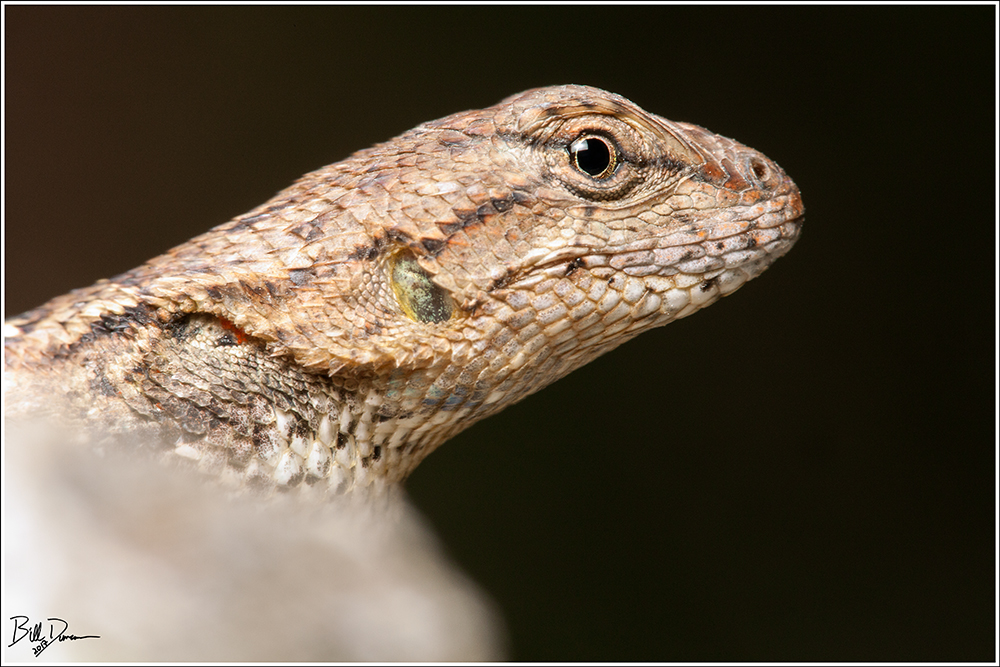
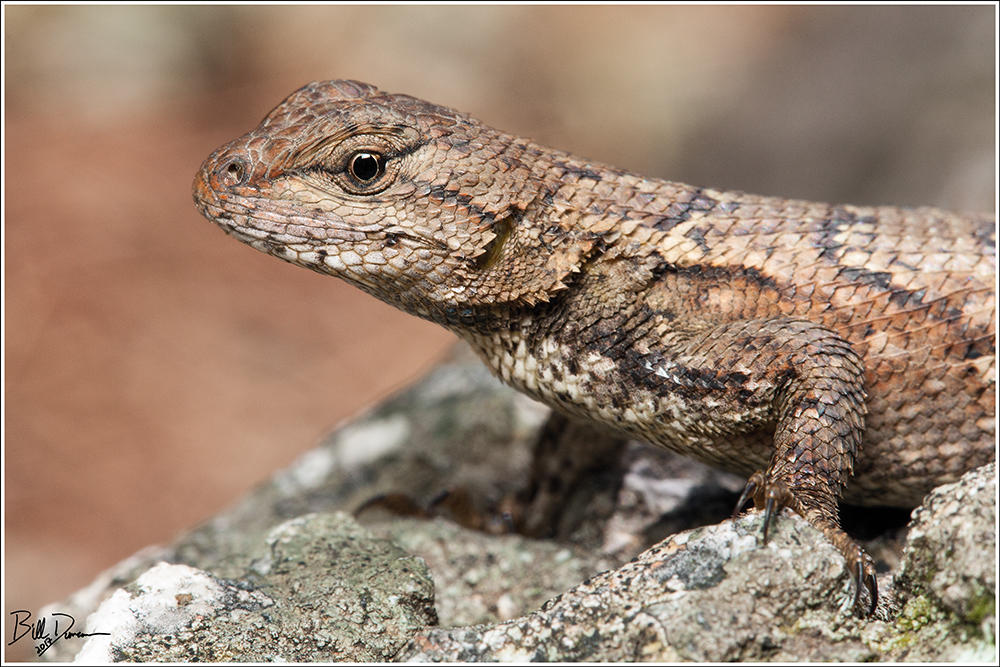
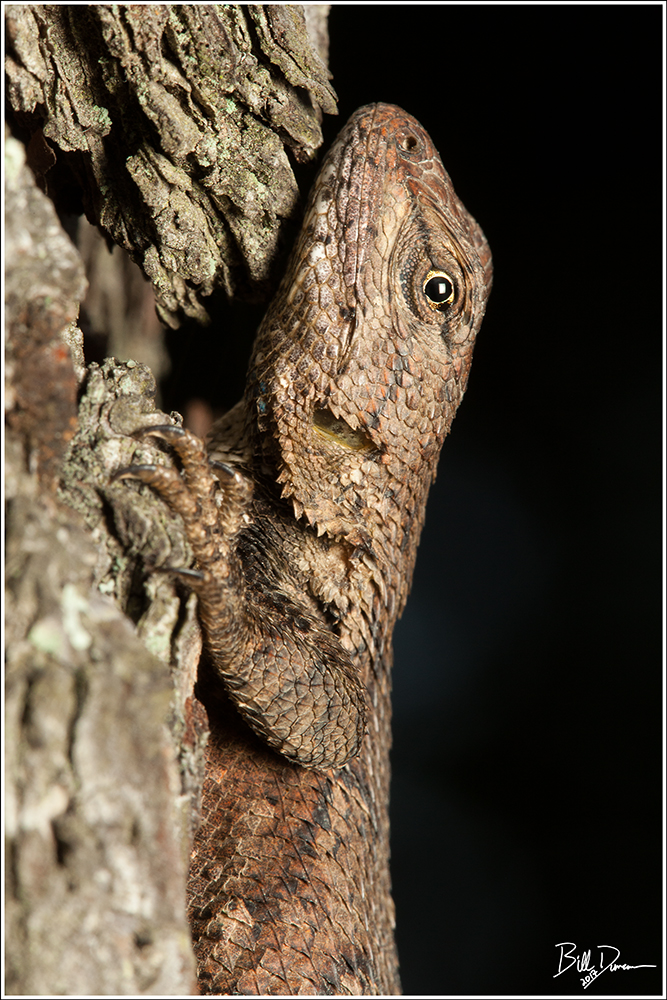
During our search for insects at Council Bluff Lake, the WGNSS Nature Photography Group stumbled upon this cooperative and gravid female northern fence lizard (Sceloporus undulatus hyacinthus). She allowed our close inspection as she attempted to bask and warm herself on a rock.
You might not be able to tell, but this is one of the greatest swimming holes we know in Missouri. Since I have only three regular readers of this blog and I believe only one of them can swim, I don’t think I risk anything by saying this… 😉









 A Thousand Acres of Silphiums