"What a thousand acres of Silphiums looked like when they tickled the bellies of the buffalo is a question never again to be answered, and perhaps not even asked." -Aldo Leopold
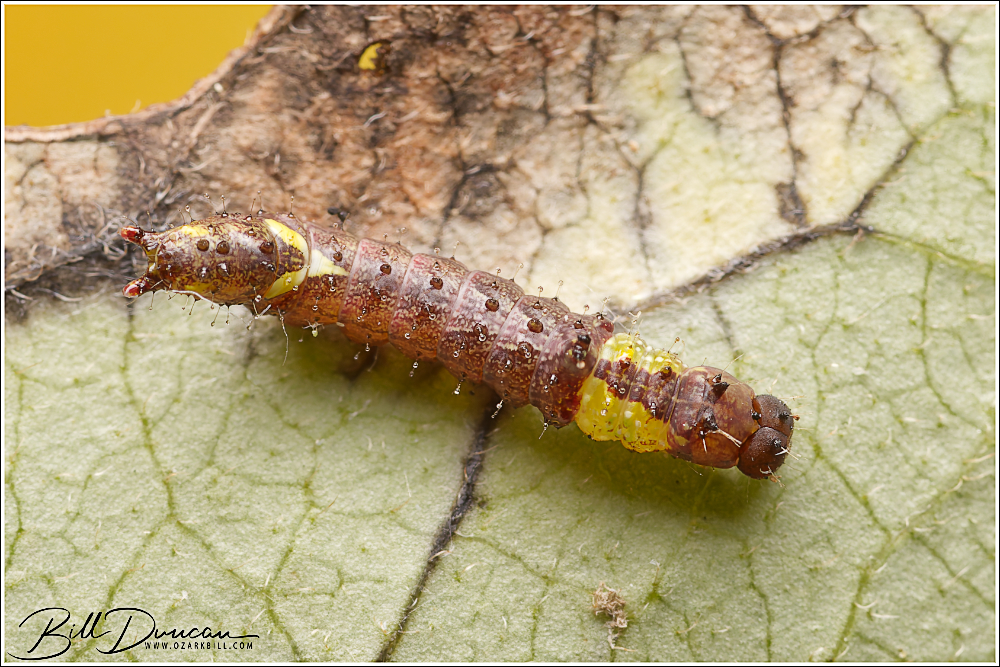
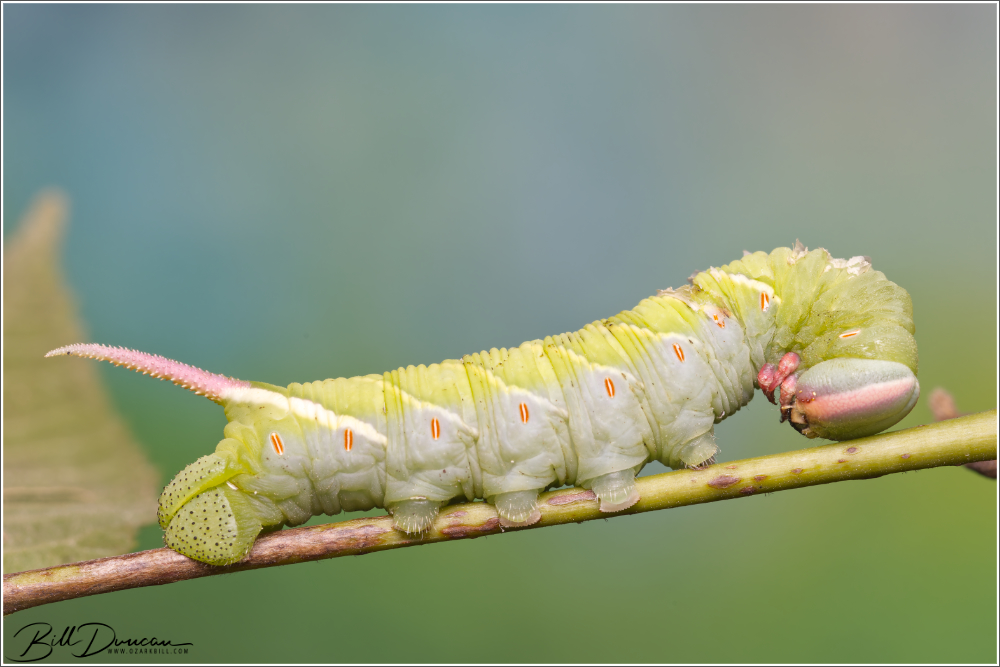
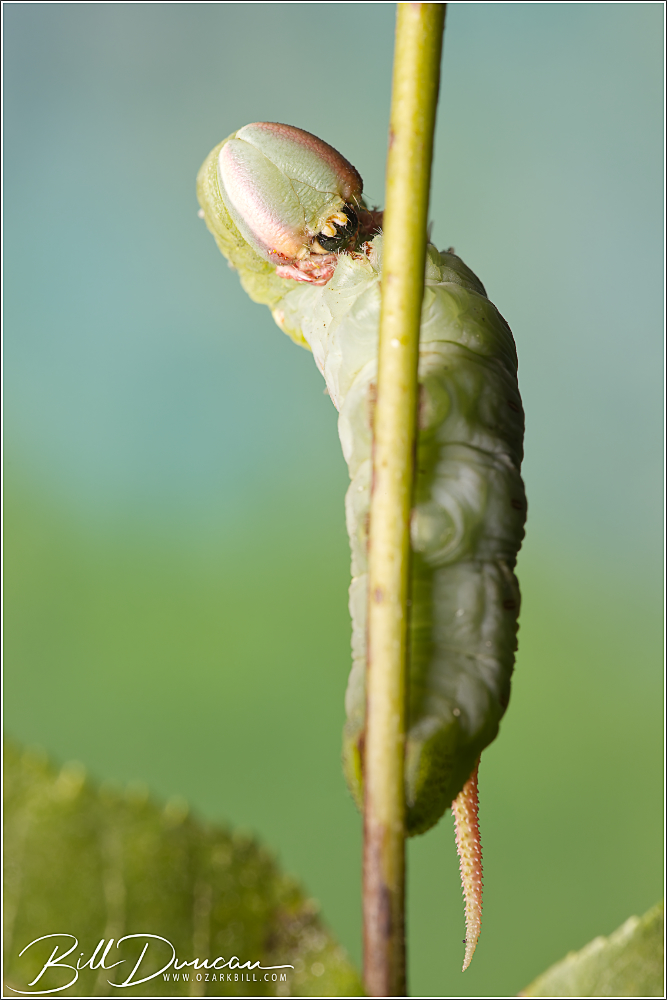
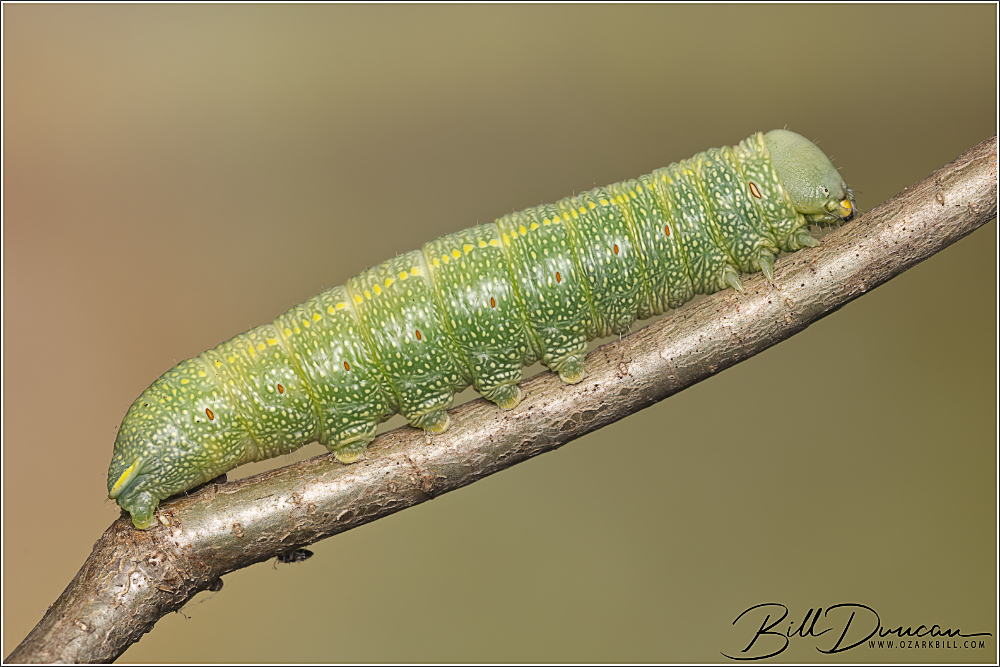
Waved Sphinx Ceratomia undulosa fam. Sphingidae (Hodges#7787) Host plant(s): Found on hickory (Carya sp.) Date(s) and location(s): 31 August, 2025 – Tyson Research Center, St. Louis County, MO Notes: This is one of those perplexing situations. Wagner and most other authorities suggest this species hosts solely on ash (Fraxinus), but I found this guy actively feeding on a mid-sized hickory during an evening hunt.
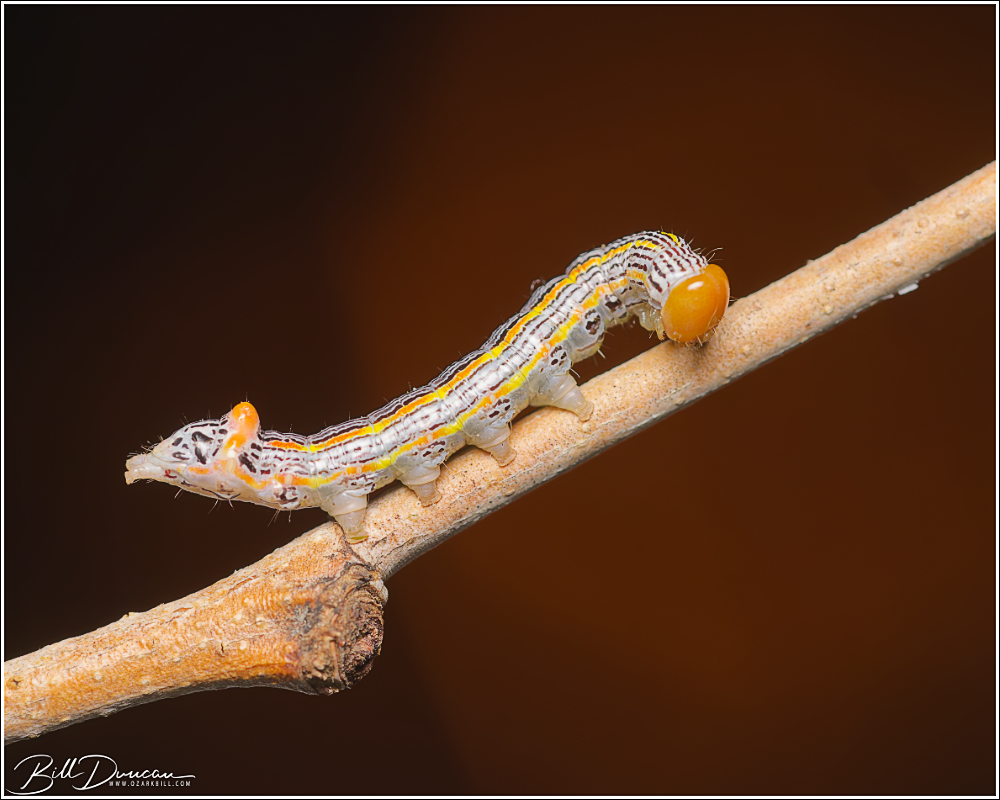
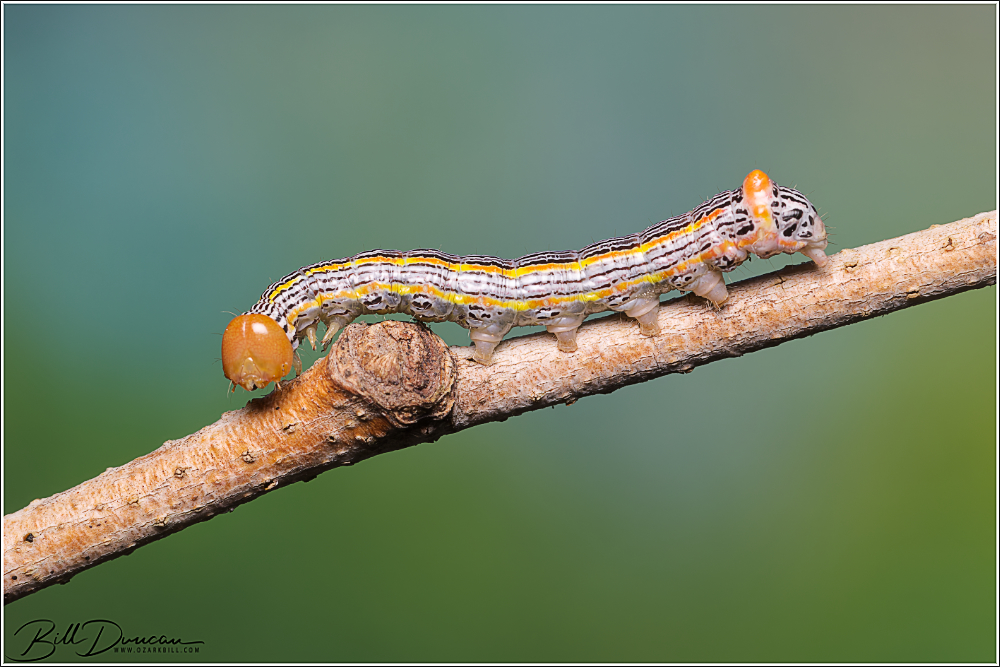
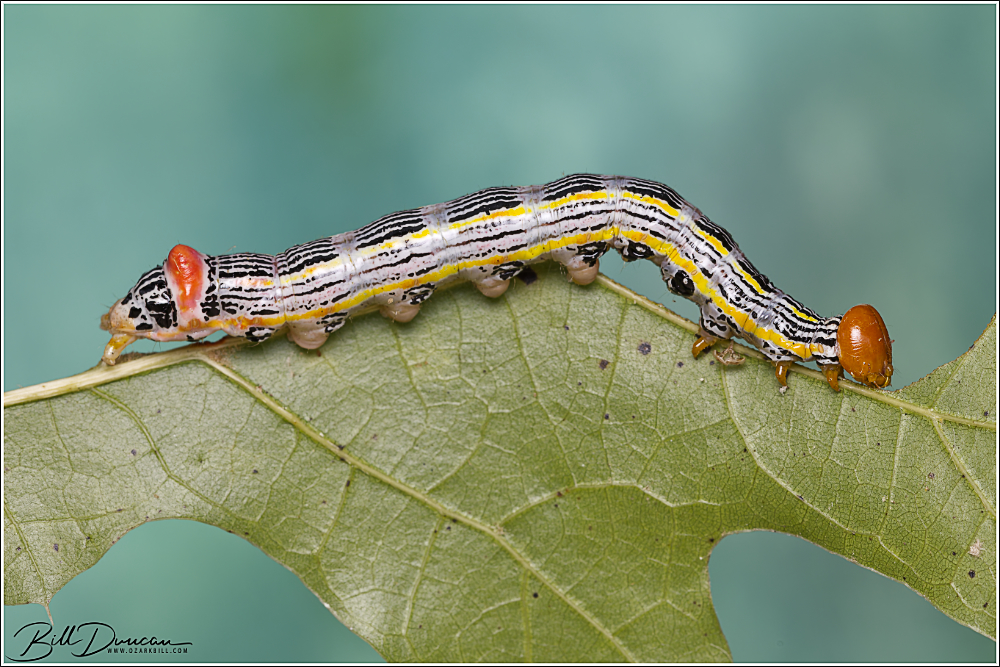
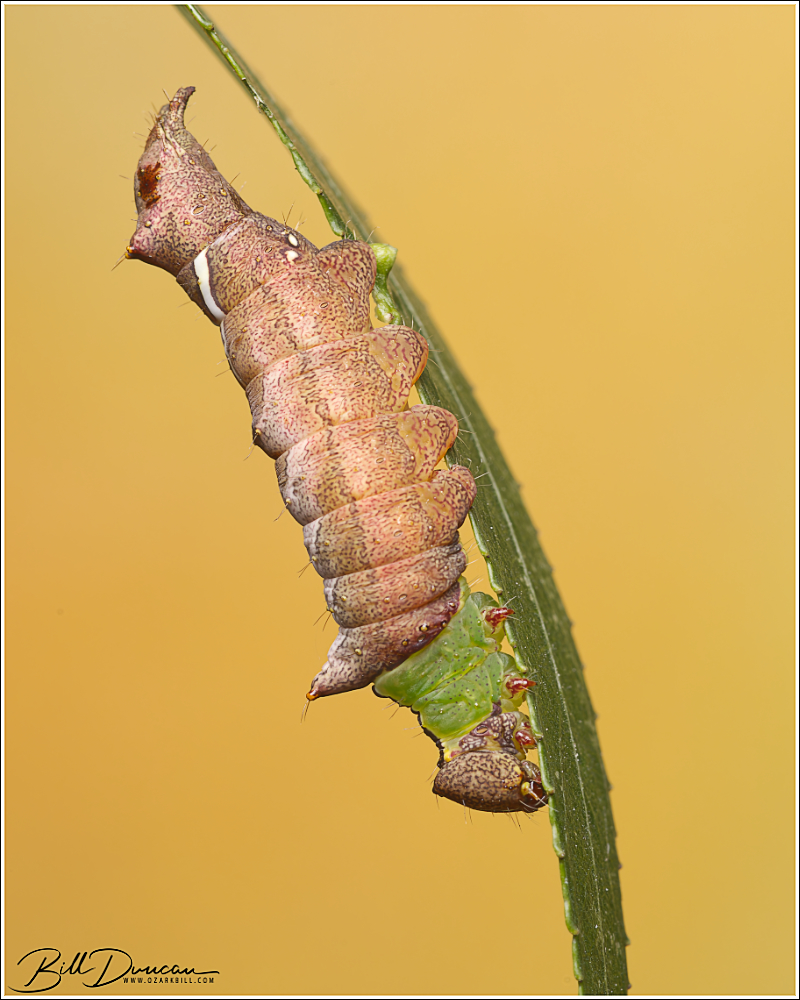
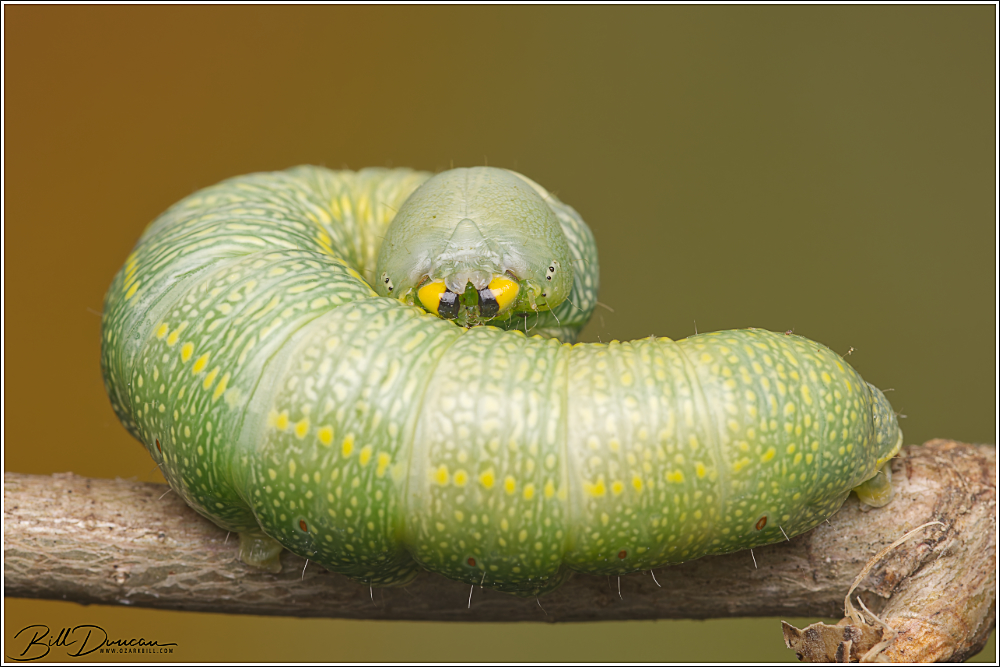
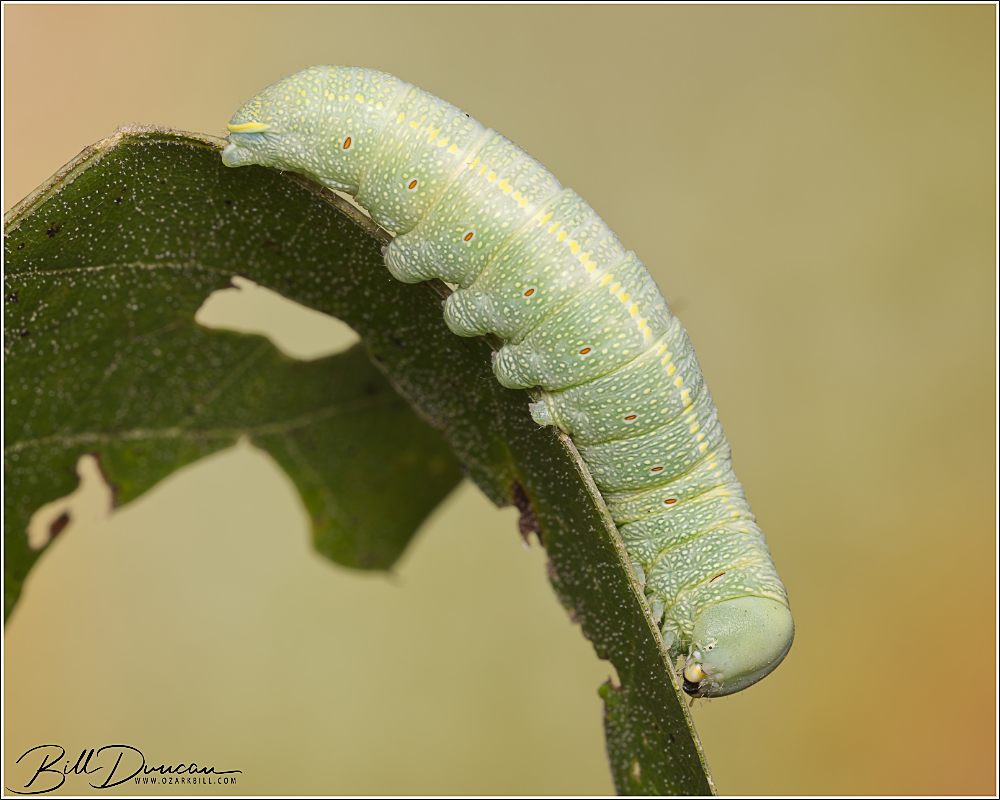
White-dotted Prominent Nadata gibbosa fam. Notodontidae (Hodges#7915) Host plant(s): Found on white oak (Quercus alba) Date(s) and location(s): 25 September, 2025 – Council Bluff Lake, Iron County, MO Notes: When threatened, caterpillars of this species curl their heads over their bodies exposing their large yellow, black-tipped mandibles.
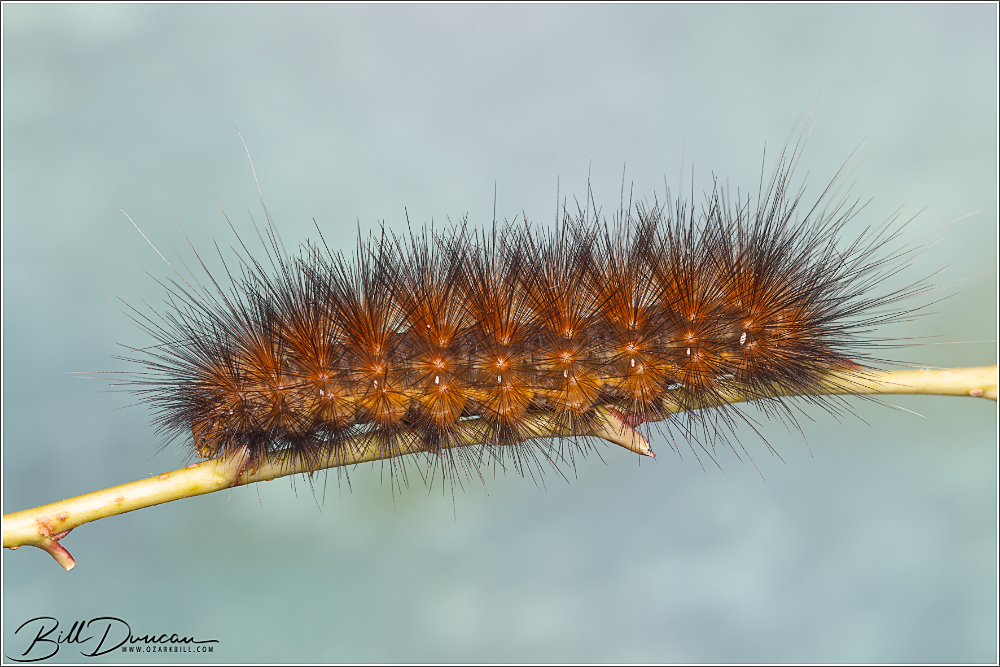
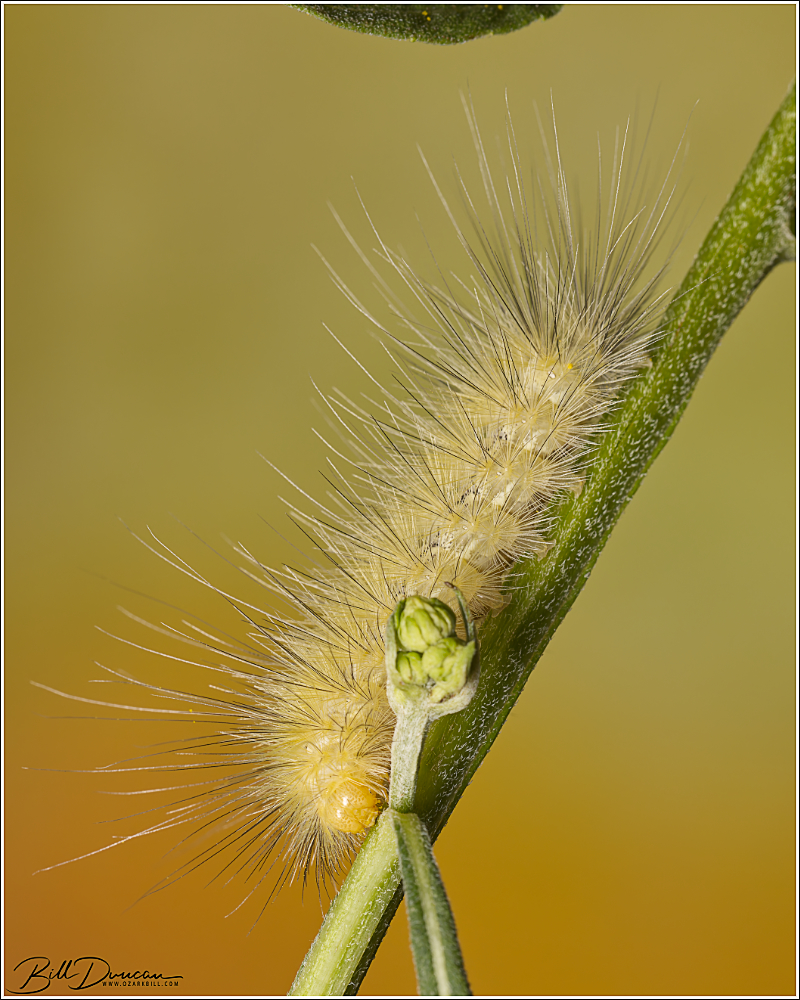
Milkweed Tussock Moth Euchaetes egle fam. Erebidae (Hodges#8238) Host plant(s): Found on dogbane (Apocynum cannabinum) Date(s) and location(s): 30 August, 2025 – Tyson Research Center, St. Louis County, MO
During a caterpillar hunt in mid-September at Don Robinson State Park, I came across a redbud leaf with a number of mummified Oedemasia concinna (red-humped caterpillar moth) caterpillars. These cats all appeared to be dead and were wrapped in what looks like their own silk. After close inspection, I could not find any exit holes that the potential parasitoid would have made. So, I collected the leaf and the baker’s dozen of these hosts and took them home to hopefully rear the parasitoids.
Parasitized Oedemasia concinna (red-humped caterpillar). This species is gregarious as early instars.
A closeup of one of the unfortunate caterpillars.
About three days later I checked the container that held these guys. To my surprise every single parasitoid had emerged from their hosts. In this case, the natural enemy is the Ichneumonid parasitoid, Hyposoter fugitivus. In the following images you can see the tiny wasps that have emerged from the even tinier caterpillars.
The ichneumonid wasp Hyposoter fugitivus recently emerged from its host, Oedemasia concinna.The ichneumonid wasp Hyposoter fugitivus recently emerged from its host, Oedemasia concinna.
Here are some closeups of the wasps.
Finally, a photo of the gorgeous caterpillar they may have become if not for these natural enemies…
Oedemasia concinna (red-humped caterpillar) found at Tyson Research Center, St. Louis County, MO.
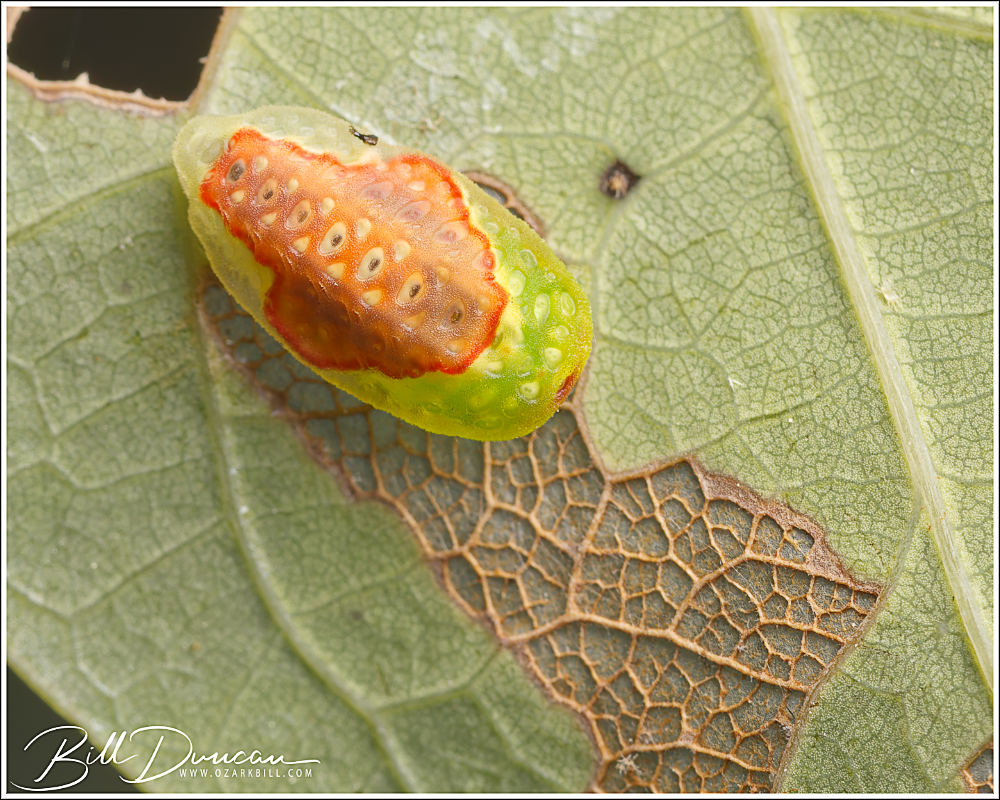
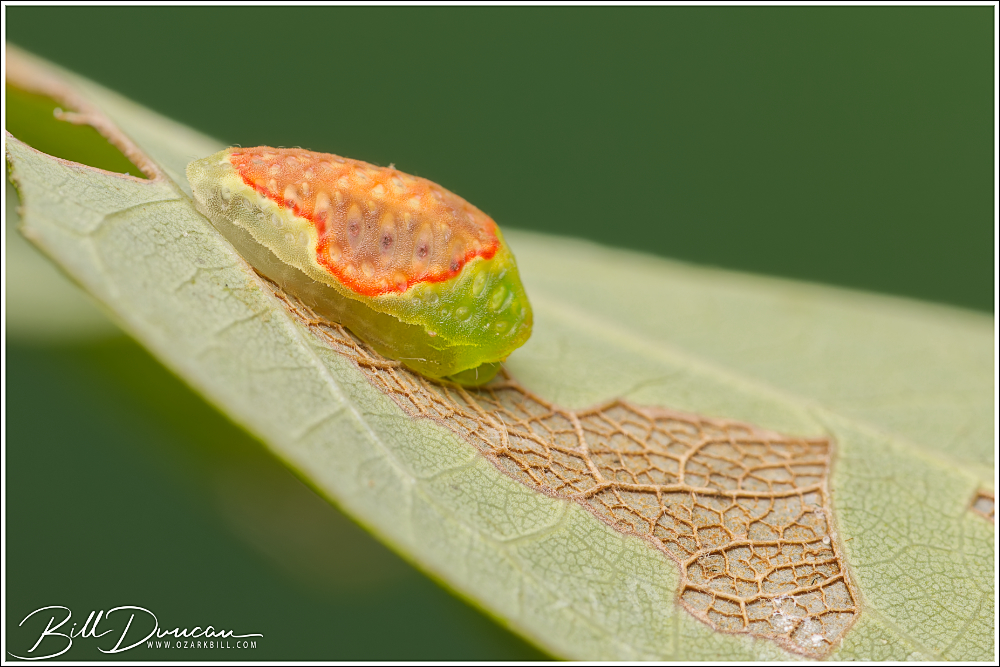
Skiff Moth Prolimacodes badia fam. Limacodidae (Hodges#4671) Host plant(s): Found on chinquapin oak (Quercus muehlenbergii) Date(s) and location(s): 31 August, 2025 – Tyson Research Center, St. Louis County, MO Notes: This poor cat is host to a tachinid fly larvae. A closeup image is included showing the egg as well as the larvae that has pierced the skin of the caterpillar in order to breath.
Oblique Heterocampa Heterocampa obliqua fam. Notodontidae (Hodges#7983) Host plant(s): Found on chinquapin oak (Quercus muehlenbergii) Date(s) and location(s): 13 September, 2025 – Tyson Research Center, St. Louis County, MO Notes: An oak specialist.
Smeared Dagger Moth Acronicta oblinita fam. Noctuidae (Hodges#9272) Host plant(s): Found on willow (Salix sp.) Date(s) and location(s): 15 September, 2025 – Little Creve Coeur Ecological Area Notes: I found six of these caterpillars, all about the same size, color, and pattern, at this date and location within a few minutes of searching through willows. Due to the summer drought, willows in this areas were easily accessible at this location without the need of boots! Another common name for this species is the smartweed caterpillar. They do feed on smartweed but are highly polyphagous and feed on numerous forbs and woody plants.
Beware the urticating hairs of this species. This has been the most irritating caterpillar “sting” I have yet experienced. A bit more fiery than others and it came with a lingering rash with small blisters.
Blinded Sphinx Paonias excaecata fam. Sphingidae (Hodges#7824) Host plant(s): Found on willow (Salix sp.) Date(s) and location(s): 17 September, 2025 – Creve Coeur Lake Park, St. Louis County; 18-September, 2025 – Council Bluff Lake, Iron County, MO Notes: I collected one of these to rear that has now pupated. Hopefully I will find a fantastic adult in the spring.
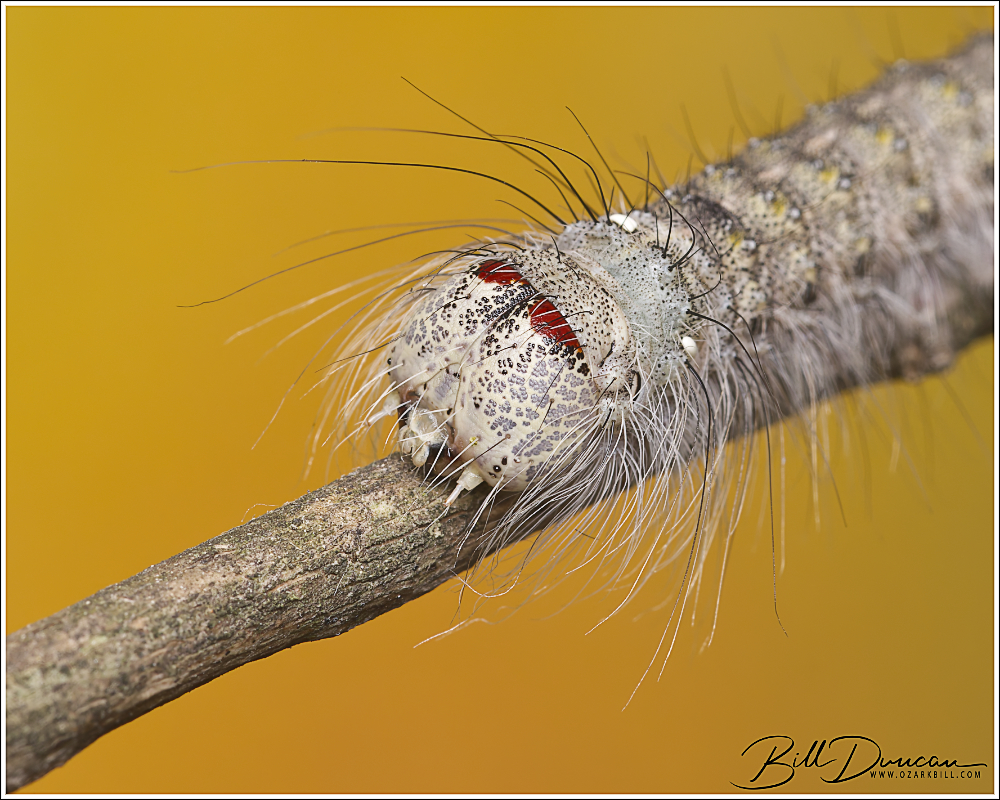
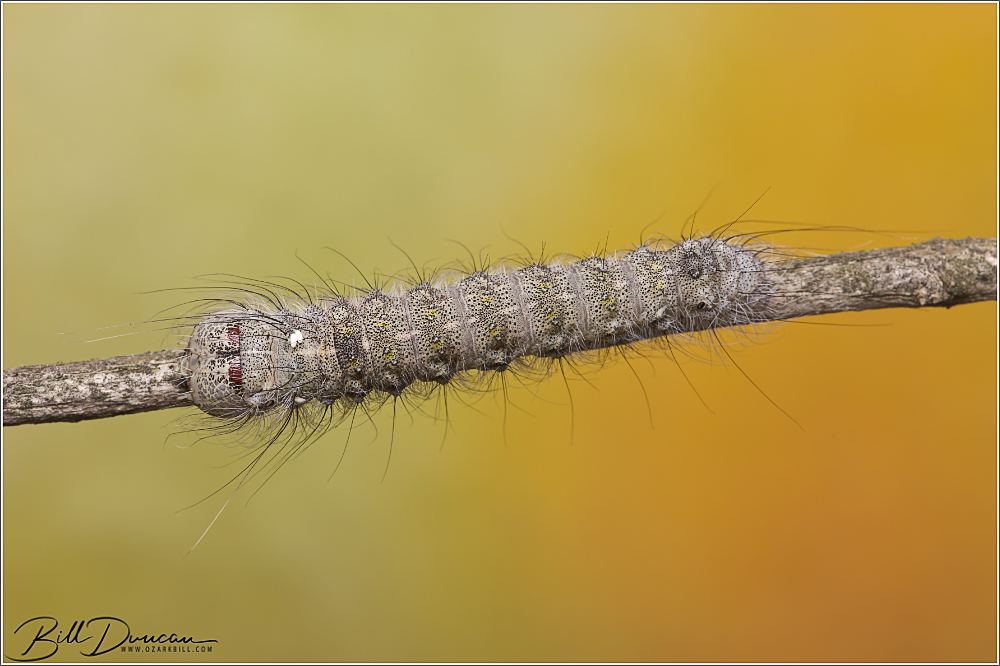
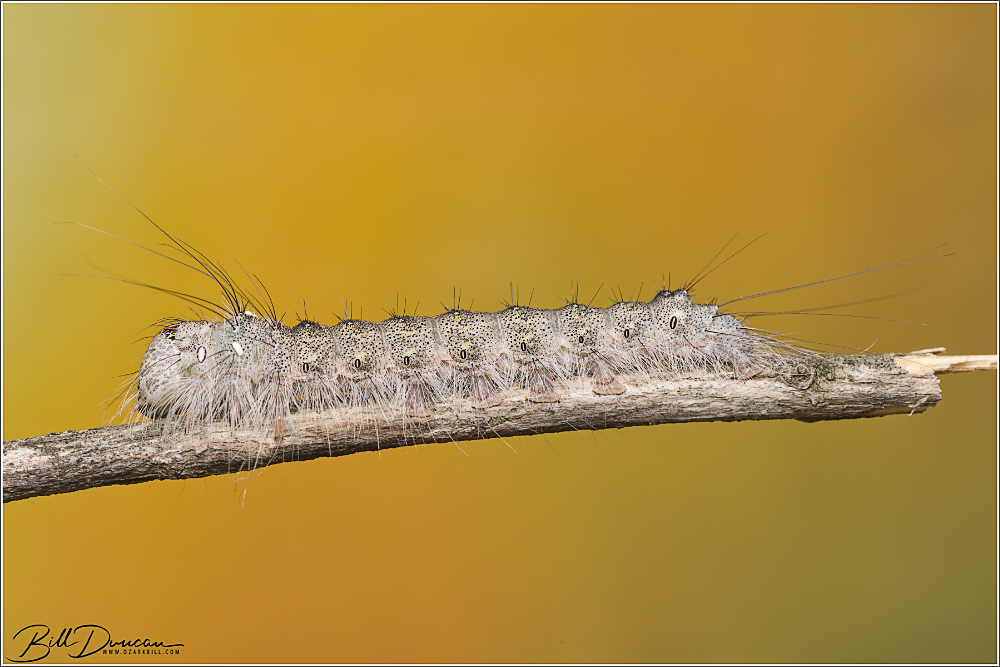
Harvey’s Prominent Litodonta hydromeli fam. Notodontidae (Hodges#7968) Host plant(s): Found on gum bumelia (Sideroxylon lanuginosum) Date(s) and location(s): 30 August, 2025 – Tyson Research Center, St. Louis County Notes: Found primarily in Texas and Oklahoma, this species northeastern range limit appears to be the St. Louis area.
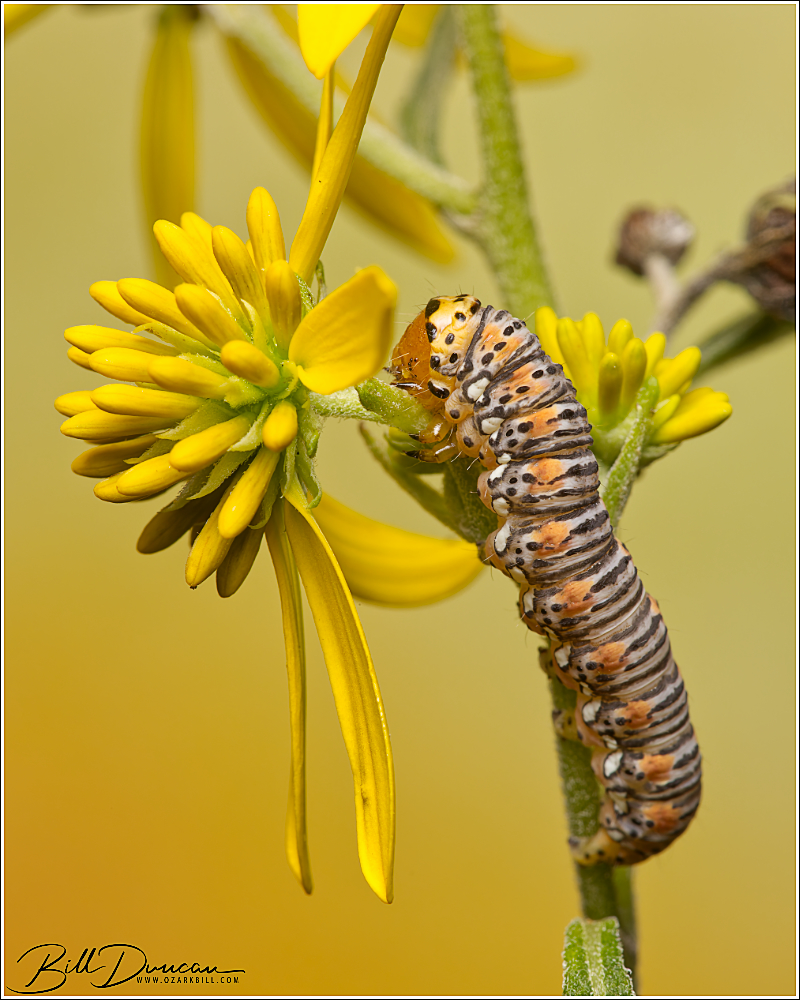
Delicate Cycnia Moth Cycnia tenera fam. Erebidae (Hodges#8230) Host plant(s): Found on dogbane (Apocynum cannabinum) Date(s) and location(s): 30 August, 2025 – Tyson Research Center, St. Louis County Notes: This species is a specialist on dogbane and milkweed (Apocynaceae). Adult moths have been observed to produce clicking sounds during flight in response to receiving echolocation signals from bats. It has been shown that these clicking responses led to a lower rate of predation from bats. This may be due to an aposematic warning signal due to the accumulation of cardenolides and cardiac glycoside from their larval host plants, or the clicking noise response may be interfering with the bats echolocation during the hunt.