
“Song Sparrow, Autumn 2012”
"What a thousand acres of Silphiums looked like when they tickled the bellies of the buffalo is a question never again to be answered, and perhaps not even asked." -Aldo Leopold
“Song Sparrow, Autumn 2012”
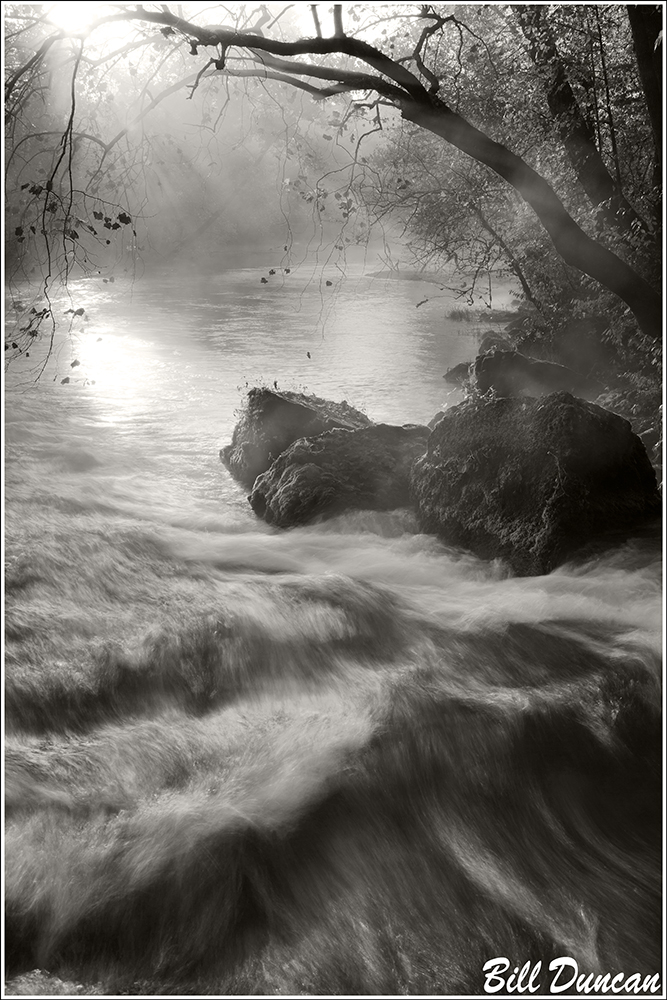
It’s the day before Thanksgiving. I was fortunate again to be able to have most of the week off of work. This day I decided I would allow myself the uncommon treat of “sleeping in” and catching up on some rest, allow myself some down time. I rarely do this and I think it helps to “turn off” every now and then to help slow down, to say, it is OK to not be productive. So that was the plan, and I even stayed up pretty late. Then, just a scant few hours after I shut my eyes, I hear a voice, far off. Eventually I realize it was Sarah trying to convey some sort of message. I believe she had to repeat herself no fewer than four times before I comprehended – “The weather guy is saying this may likely be one of the foggiest days in St. Louis history.” She knows I am a sucker for a foggy day. Because we live so far from many of the great nature scenes, more often than not, I cannot get to a destination before the typical morning ephemeration has burned down. Figuring this would likely be the case on this particular morning, I almost said forget it, and went back to sleep. But, as Sarah knew, I would definitely have kicked myself repeatedly if I at least did not get out and try. If nothing else, the least I would get is a nice hike on a beautiful morning. I chose the relatively close Castlewood State Park. Sarah and I had recently tackled a particularly scenic trail with bluff views along the Meramec River, and I knew that a thick fog could be used well for a dramatic composition. Here are a few images I’ve had the opportunity to process so far. My “immortal thanks” to Sarah for waking me and to Mr. Whitman for his lines that follow.
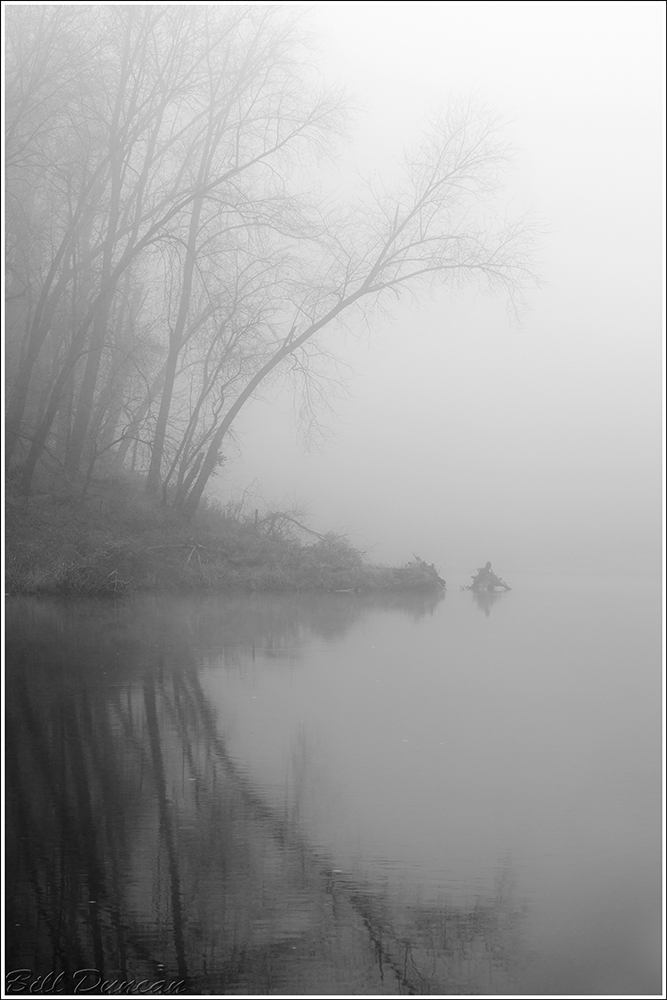
To think of time – of all that retrospection,
To think of today, and the ages continued henceforward.
Have you guess’d you yourself would not continue?
Have you dreaded these earth beetles?
Have you fear’d the future would be nothing to you?

Is today nothing? is the beginningless past nothing?
If the future is nothing they are just as surely nothing.
To think that the sun rose in the east – that men and women were flexible, real, alive – that everything was alive,
To think that you and I did not see, feel, think, nor bear our part,
To think that we are now here and bear our part.
Not a day passes, not a minute or second without an accouchement,
Not a day passes, not a minute or second without a corpse.

To think the thought of death merged in the thought of materials,
To think of all these wonders of city and country, and others taking great interest in them, and we taking no interest in them.
To think how eager we are in building our houses,
To think others shall be just as eager, and we quite indifferent.
Slow-moving and black lines creep over the whole earth – they never cease – they are the burial lines,
He that was President was buried, and he that is now President shall surely be buried.
“A sense of history should be the most precious gift of science and of the arts, but I suspect that the grebe, who has neither, knows more history than we do. His dim primordial brain knows nothing of who won the Battle of Hastings, but it seems to sense who won the battle of time. If the race of men were as old as the race of grebes, we might better grasp the import of his call. Think what traditions, prides, disdains, and wisdoms even a few self-conscious generations bring to us! What pride of continuity, then, impels this bird, who was a grebe eons before there was a man.”
-Aldo Leopold-
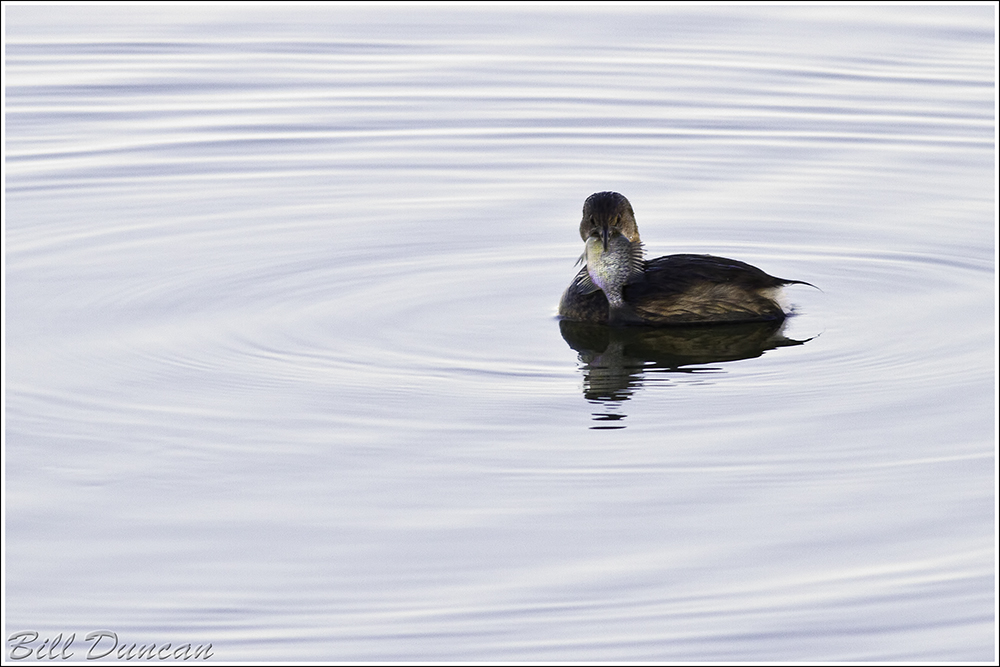
“Peid-billed Grebe with Fish”
“The outstanding characteristic of perception is that it entails no consumption and no dilution of any resources. The swoop of a hawk, for example, is perceived by one as the drama of evolution. To another it is only a threat to the full frying-pan. The drama may thrill a hundred successive witnesses; the threat only one – for he responds with a shotgun.”
-Aldo Leopold-
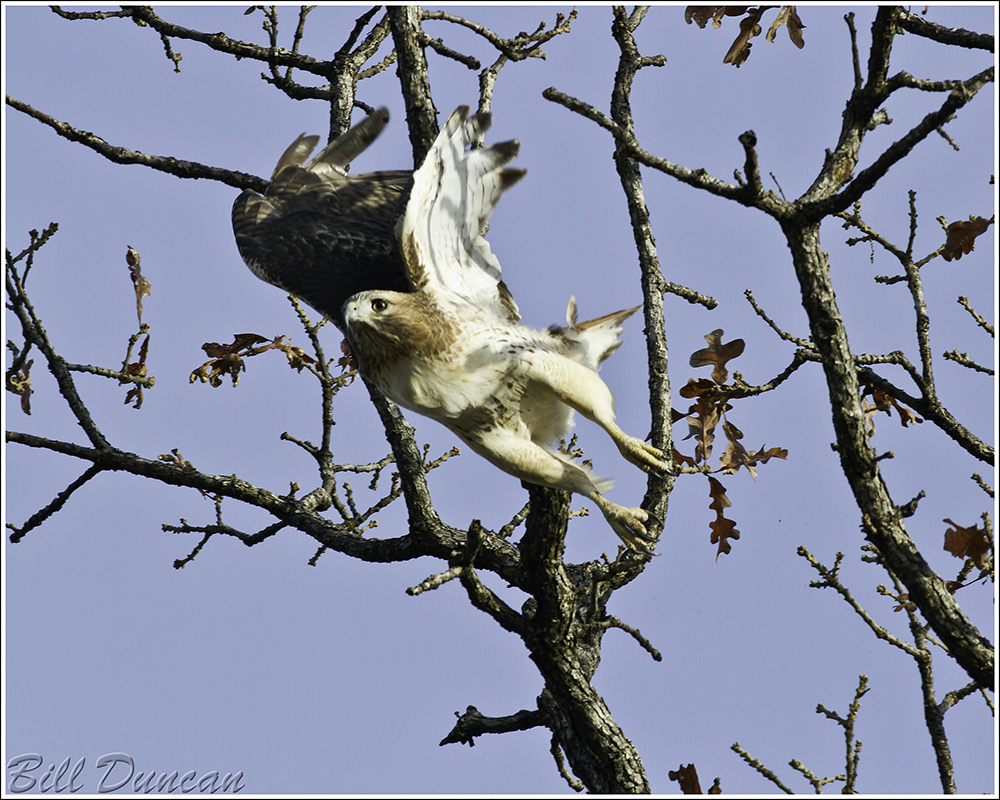
“Red-tailed Hawk”
Did you know…?
The YBSS can be identified from other woodpeckers by their drumming? Sapsuckers have a stuttering, Morse-code like cadence to their drumming. Listen for this the next time you are in the woods.

“Yellow-bellied Sapsucker”
“All this you surely will see, and much more, if you are prepared to see it, -if you look for it. Otherwise, regular and universal as this phenomenon is, whether you stand on the hill-top or in the hollow, you will think for threescore years and ten that all the wood is, at this season, sear and brown. Objects are concealed from our view, not so much because they are out of the course of our visual ray as because we do not bring our minds and eyes to bear on them; for there is no power to see in the eye itself, any more than in any other jelly. We do not realize how far and widely, or how near and narrowly, we are to look. The greater part of the phenomena of Nature are for this reason concealed from us all our lives.”
-Henry David Thoreau-
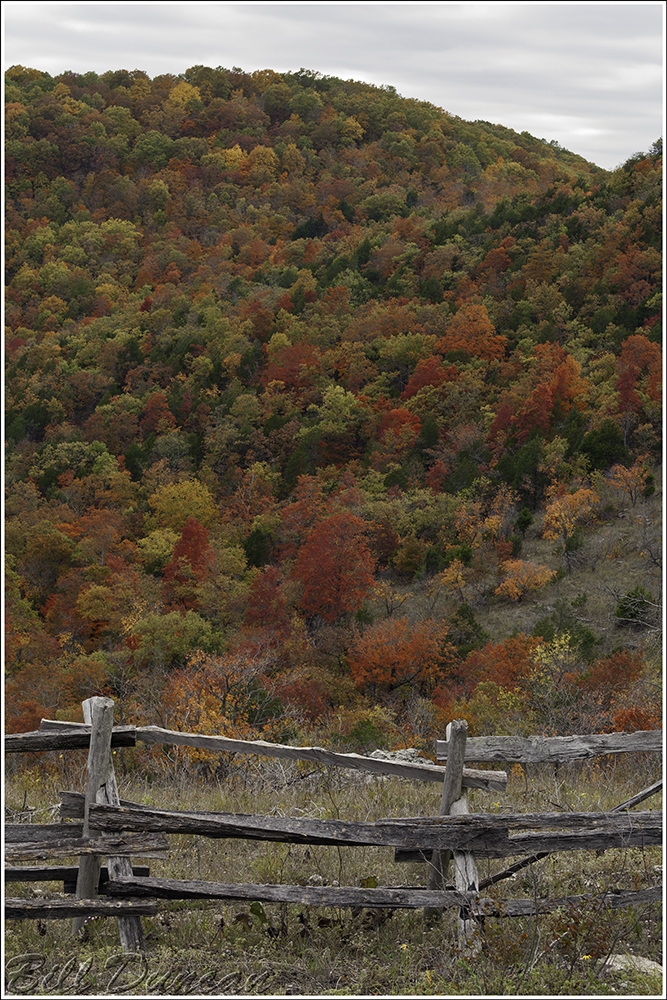
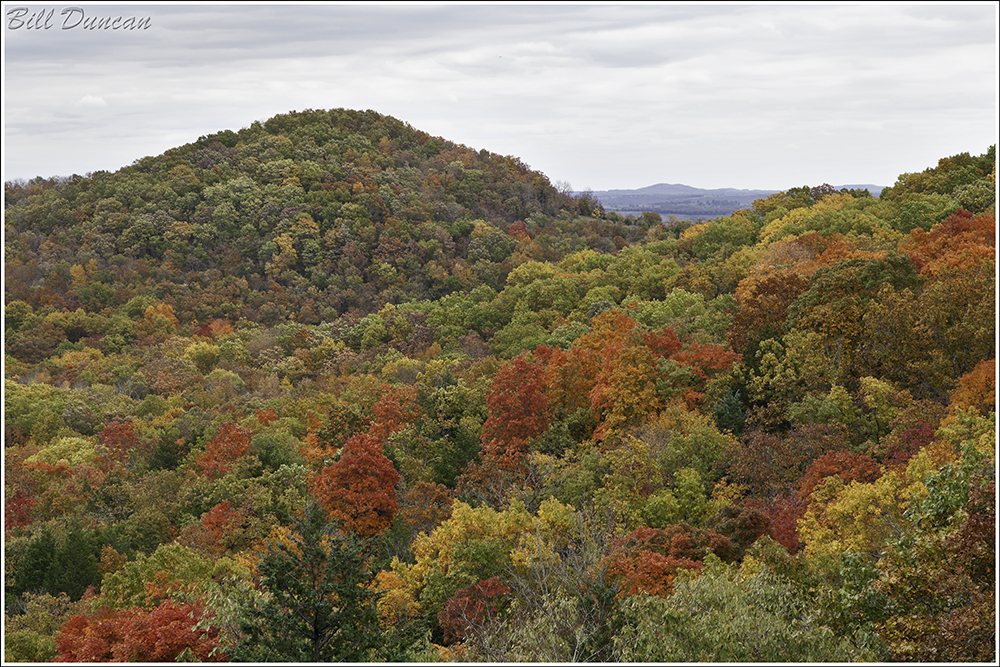
“October is the month of painted leaves. Their rich glow now flashes around the world. As fruit and leaves and the day itself acquire a bright tint just before they fall, so the year near its setting. October is its sunset sky; November the later twilight.”
-Henry David Thoreau-
More and more I’m beginning to appreciate HDT’s recurring theme of matching the development and maturity of flowers, fruits and even leaves and shoots of plants together as analogous cycles in nature. This is an idea he writes about in several pieces. In the passage above, he takes it a step further and shows the similarities the course of seasons within the year has with the progression of a single day. Simple, but I like it. The colors and changes so dramatic in spring and fall are like those of sunrise/sunset. The high sun and heat of the day are so like a long, hot temperate summer, while winter is of course equated to night. Of course, this metaphor only makes sense in the temperate zones of our planet, but I like it.
“When a page is written over but once it may be easily read; but if it be written over and over with characters of every size and style, it soon becomes unreadable, although not a single confused meaningless mark or thought may concur among all the written characters to mar its perfection. Our limited powers are similarly perplexed and overtaxed in reading the inexhaustible pages of nature, for they are written over and over uncountable times, written in characters of every size and colour, sentences composed of sentences, every part of a character a sentence. There is not a fragment in nature, for every relative fragment of one thing is a full harmonious unit in itself. All together form the one grand palimpsest of the world.”
-John Muir-
This post is likely only to interest photographers, particularly wildlife photographers, if even them. So, if you are not in this category go ahead and have a look at this mediocre photograph of an absolutely stunning bird – the Cedar Waxwing – having fun with its food (what I believe are the berries of the green hawthorn). Go ahead, I assure you. You will not care a bit about what I’m about to ramble on about.
I’m always confused when trolling around the nature photography forums, as I sometimes do, when I see a photographer presenting their work proudly claim that “this image has not been cropped in any way.” So what? I could close this by simply saying that a viewer of a photograph doesn’t give a damn what you did to make the final image. Nor should they! The end product-the photograph, should stand by itself and tell the story you are attempting to relate. End of story.
But, to take this a bit further. To try and understand why someone should take pride in such an “accomplishment”, I will try and dig through this a bit. What these folks are saying is that the bird or other creature is presented exactly as they were in the viewfinder of the camera at time of exposure. One reason they take pride in this is that they were able to accomplish the final composition “in camera” and did not “recompose” in post-processing. Okay, there may be something to be said for this, but I do not find it all that motivating. I think boasts like this, as well as the fact that some can do it, says a couple of potential things about the person making the image. One: they are likely able to afford long glass. In the majority of cases they need a very long focal length to accomplish a final non-cropped image. Or, two: they likely got too close to the animal being photographed. Don’t get me wrong. I think anyone who spends a considerable amount of time photographing wildlife – particularly birds, will get too close, or at least wonder if they are putting too much stress on their subject. I know I have. Having explored this a bit, I do not see a reason for the prideful boasts.
These same types will then exclaim that any photographer who must crop an image in post to make the final composition of a centralized subject (gasp!!) must then present it as a cropped image when exhibiting that photograph. Once again, the concept of the photograph as the ultimate piece of the process makes me beg the question, why? I think we are fortunate to live in this era of high-resolution. Those of us who can’t or won’t afford to spend for the super-tele, super-fast glass now have the opportunity to make a worthwhile image by cropping as much as 75% of the captured image! Of all the bird photos I have made, I estimate that I cropped 98% in post. I typically shoot the bird using the center positioned AF point to maximize proper exposure and get the subject as sharp as possible. I will then crop as the final action in my post work flow. Usually, this is the first time I think about composition. In the field tracking a wild bird you simply must grab the shot when the animal presents itself. You cannot ask if it would please sit on the horizontal branch in the open with the bright red berries while showing us a particular side. Well, I guess you can if you are one to use bait to draw in your subject, but that’s a subject of a different post…
Please forgive my boring rambling. And please, do let me know if you have a dissenting opinion. I would love to hear any other reasoning behind this line of thinking.
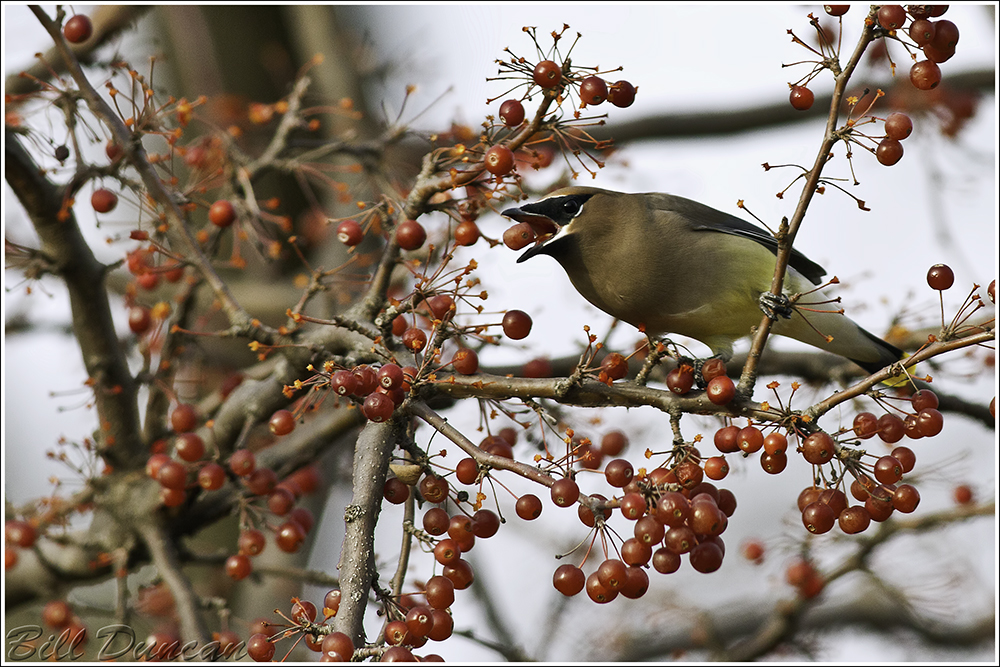
“You Are What You Eat”
“On no subject are our ideas more warped and pitiable than on death. Instead of the sympathy, the friendly union, of life and death so apparent in Nature, we are taught that death is an accident, a deplorable punishment for the oldest sin, the arch-enemy of life, etc. Town children, especially, are steeped in this death orthodoxy, for the natural beauties of death are seldom seen or taught in towns.”
-John Muir-

“Barred Owl”
 A Thousand Acres of Silphiums