"What a thousand acres of Silphiums looked like when they tickled the bellies of the buffalo is a question never again to be answered, and perhaps not even asked." -Aldo Leopold
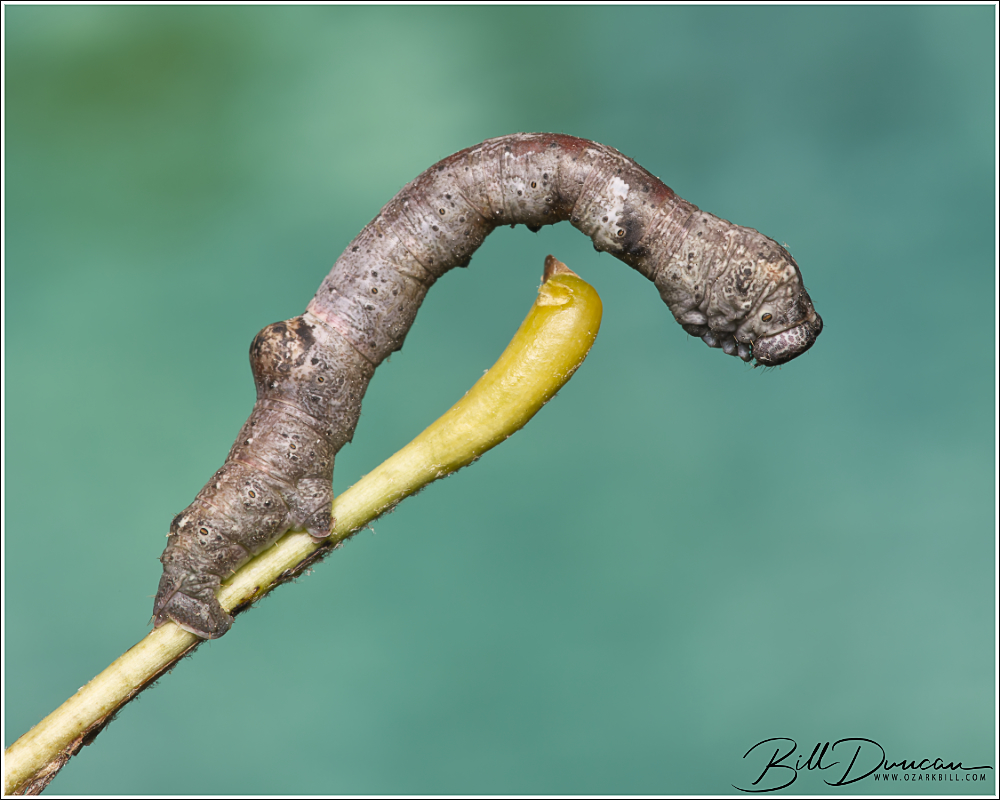
Plagodis Geometer Caterpillar Plagodis sp. fam. Geometridae Host plant: Not recorded Dates found: 06 September, 2025 Locations found: Babler State Park, St. Louis County, MO Notes: Plagodis larvae are well camouflaged to look like woody twigs on their host plants. Their body shape and coloration are not their only tools to use in their adaptive subterfuge. When disturbed, these twig mimics will become rigid instead of attempting to flea, often assuming this position while being handled.
Lace-capped Caterpillar Ianassa lignicolor fam. Notodontidae (Hodges#017) Host plant: Found on white oak (Quercus alba) Dates found: 18 September, 2025 Locations found: Council Bluff Lake, Iron County, MO Notes: A specialist, feeding only on oaks (Quercus spp.) and birches (Betula spp.).
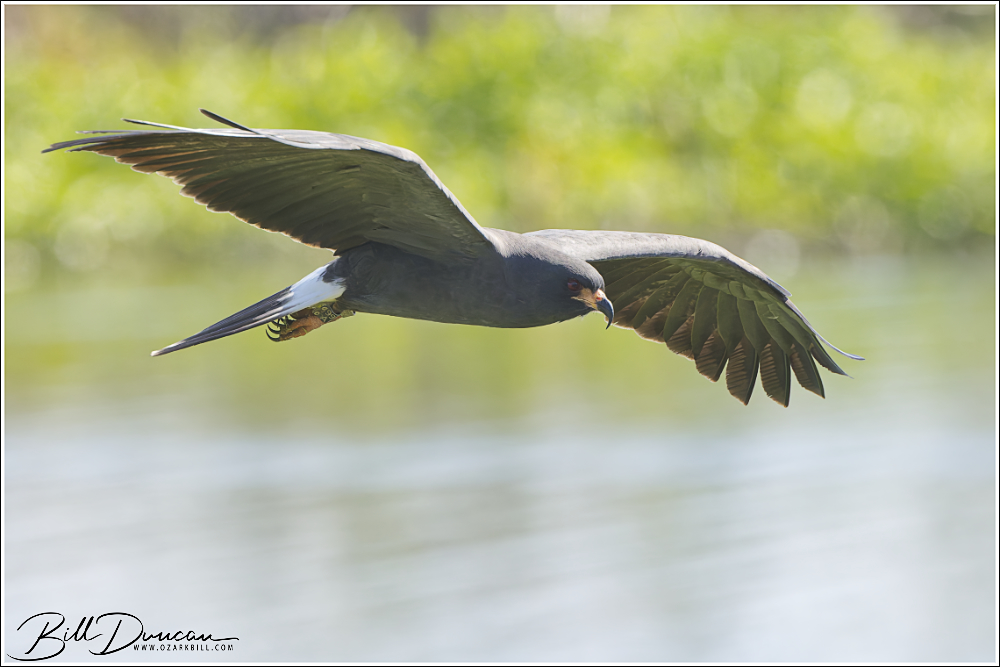
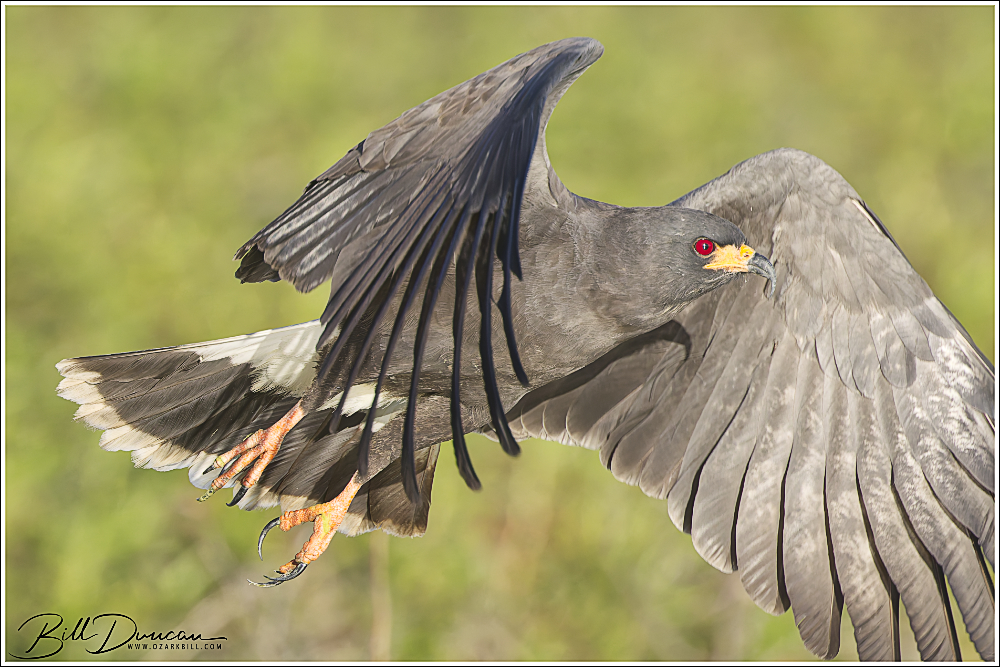
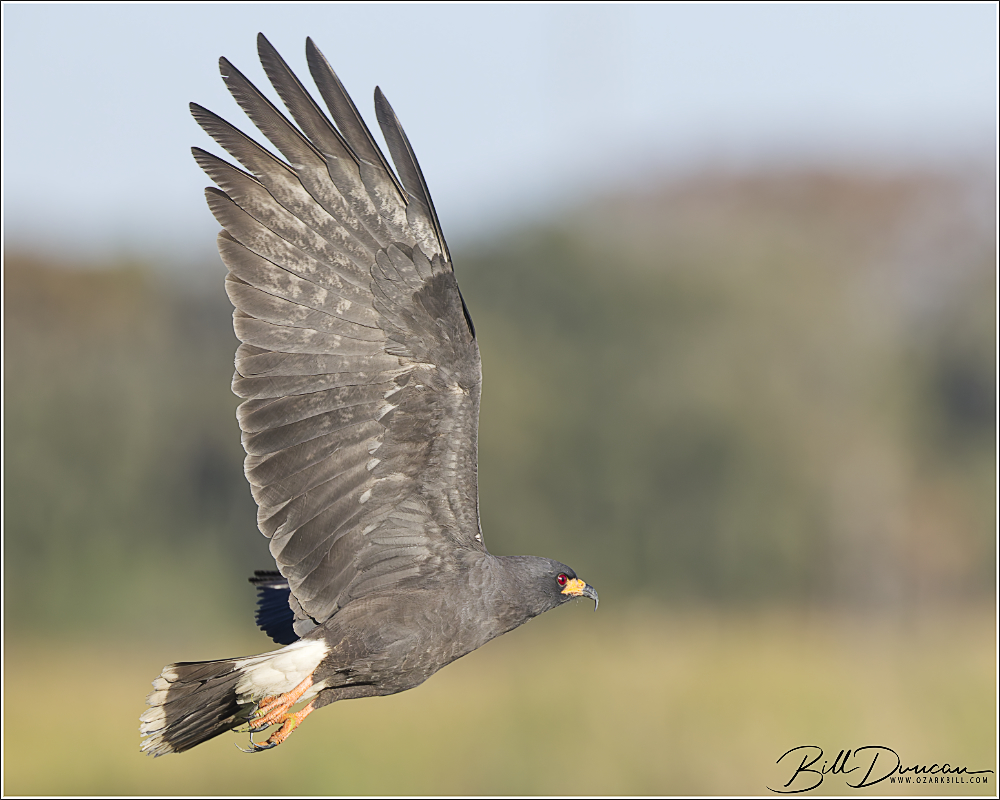
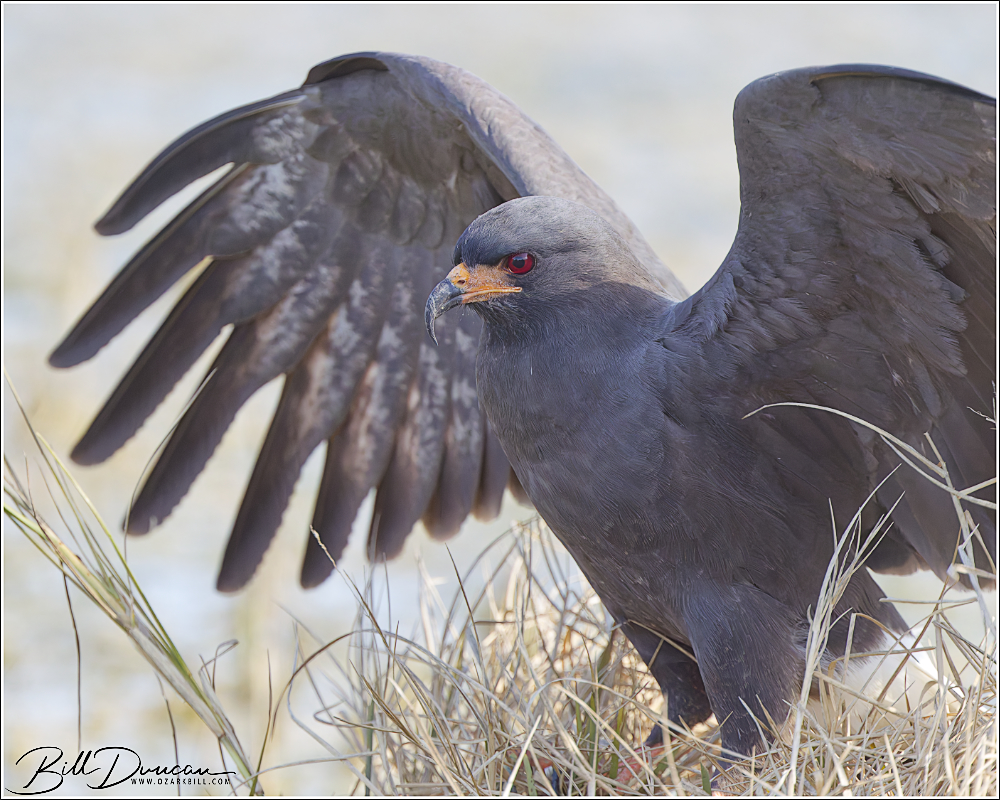
This post is dedicated to my friend and mentor, Godfrey Bourne. Godfrey researched Snail Kites for his Ph.D. work while at the University of Michigan. I remember listening to some of his stories and seeing photographs of this impressive bird of prey. Around 25 years later they were still high on my wish list to find and photograph. Last week, I just happened to have a work trip down to Orlando, Florida. I made sure I had time for a personal day or two and the Snail Kite was the primary species I sought out over all the impressive birds that can be found in the state.
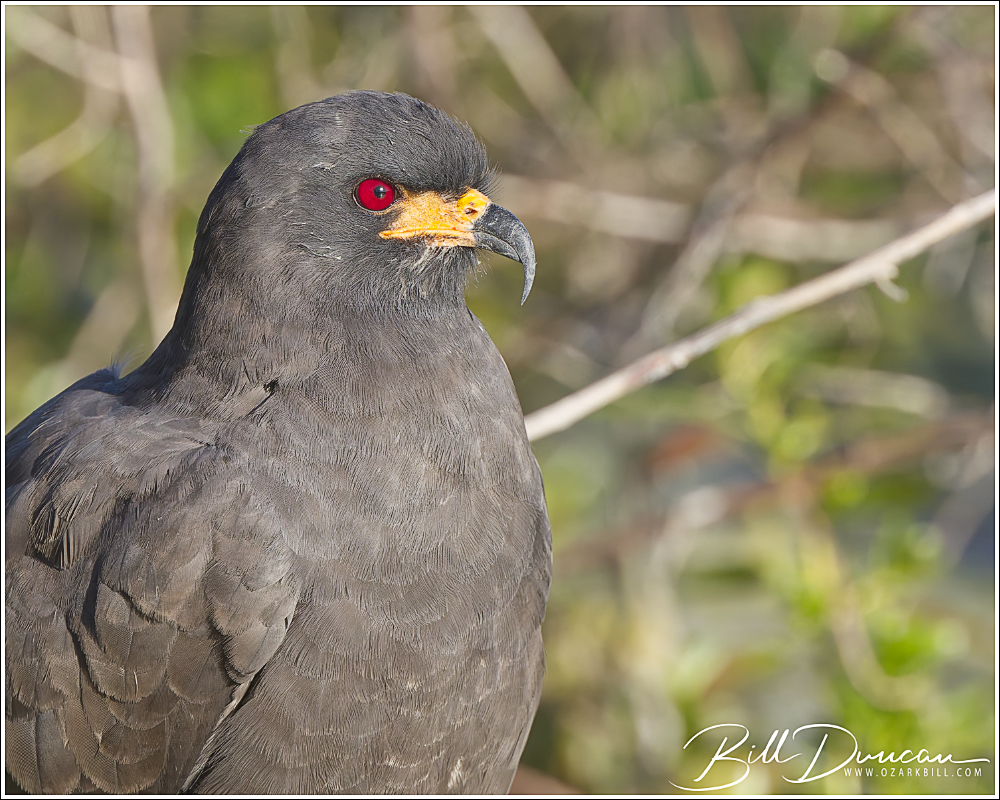
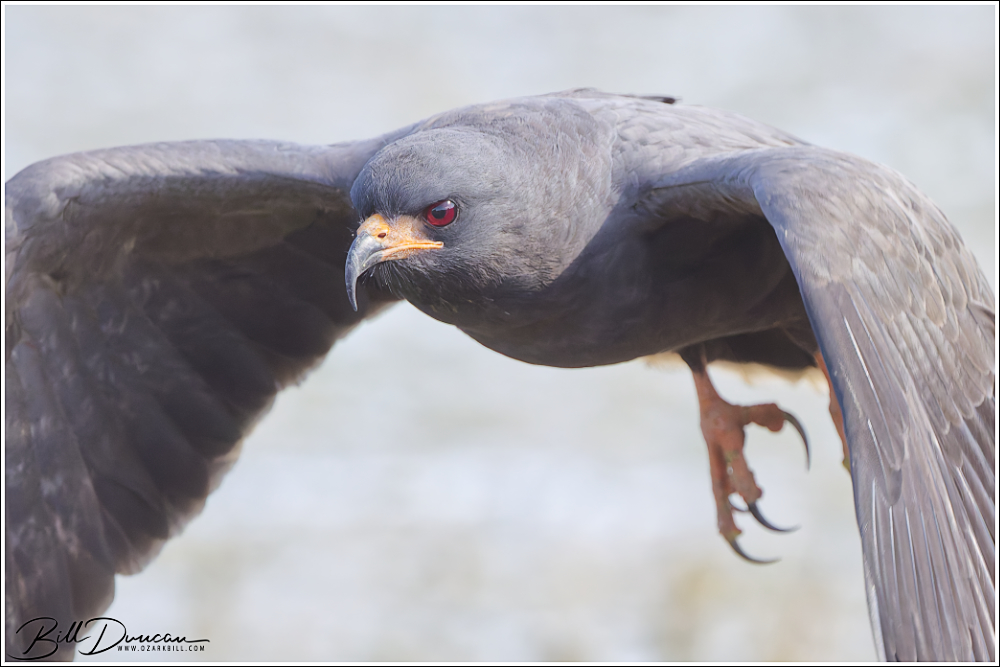
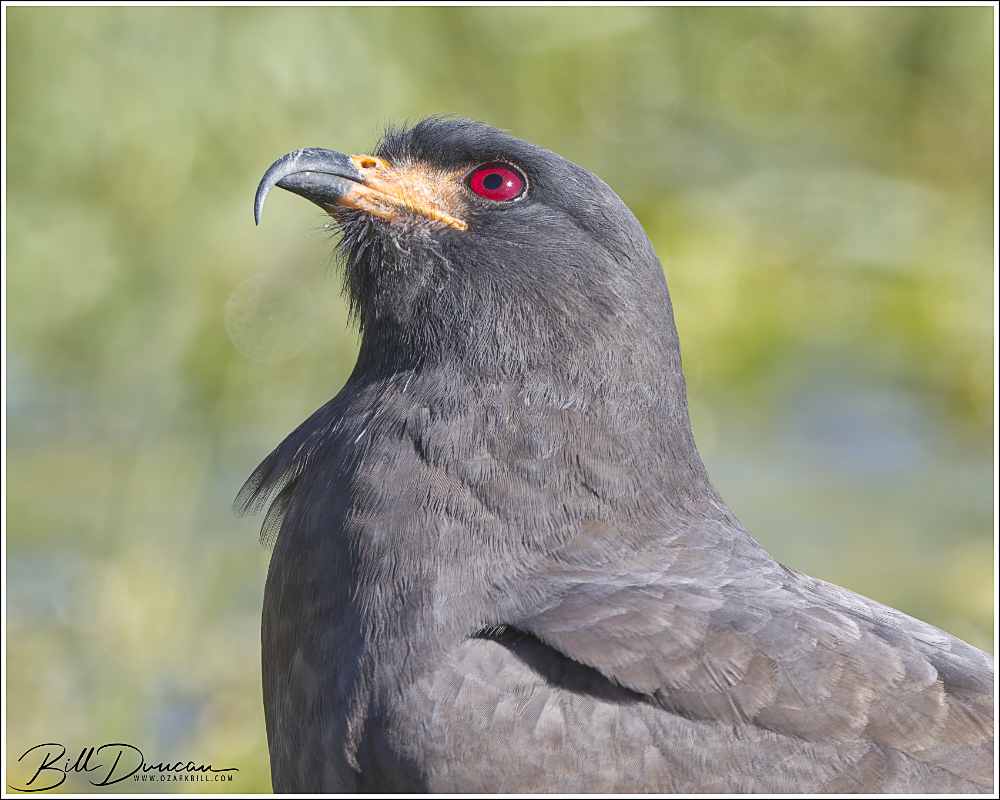
The Snail Kite’s impressive hooked beak is the perfect tool for getting the apple snails out of their shells.
After watching some videos from a well known bird photographer on YouTube, I got the impression that this species might be difficult to find – that these birds are only found in wetlands away from developed areas that take knowledge and special equipment to reach. With my experience last week, I am beginning to think that this photographer’s motive was in selling his high-priced workshops.
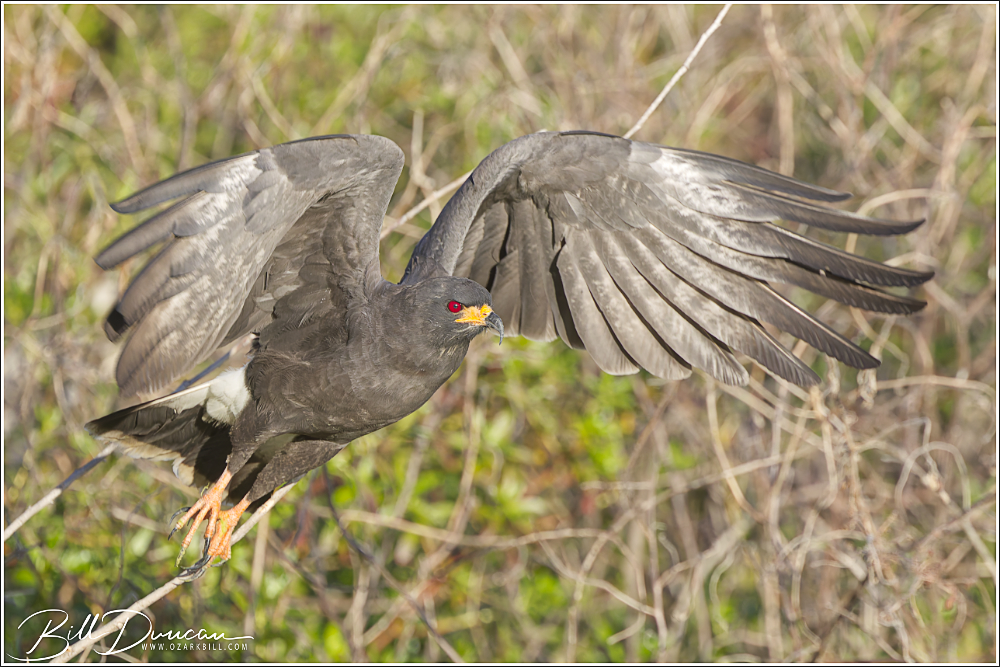
At this time of the day, even in January, direct sunlight was not flattering to these birds. I waited for small clouds to block the sun in order to get a better image.
Don’t get me wrong, with a current population estimate of approximately 2,000 individuals in Florida, these are not common birds; in fact, they are listed as endangered in the United States. This is primarily due to overdevelopment of wetland habitat in the sunshine state along with mismanagement of these habitats that has led to the decline of apple snails – the Snail Kite’s only food source. Thankfully, this species has a large range across the neotropics, from Mexico and the Caribbean to Southern Brazil. The species as a whole is currently not threatened with extinction.
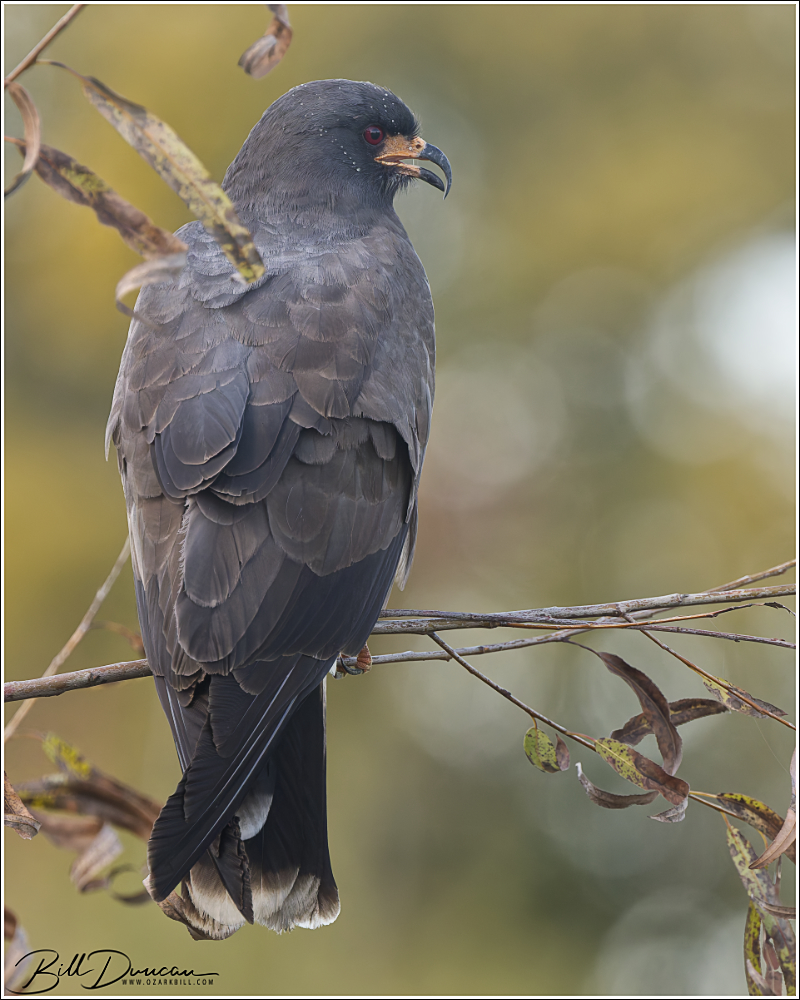
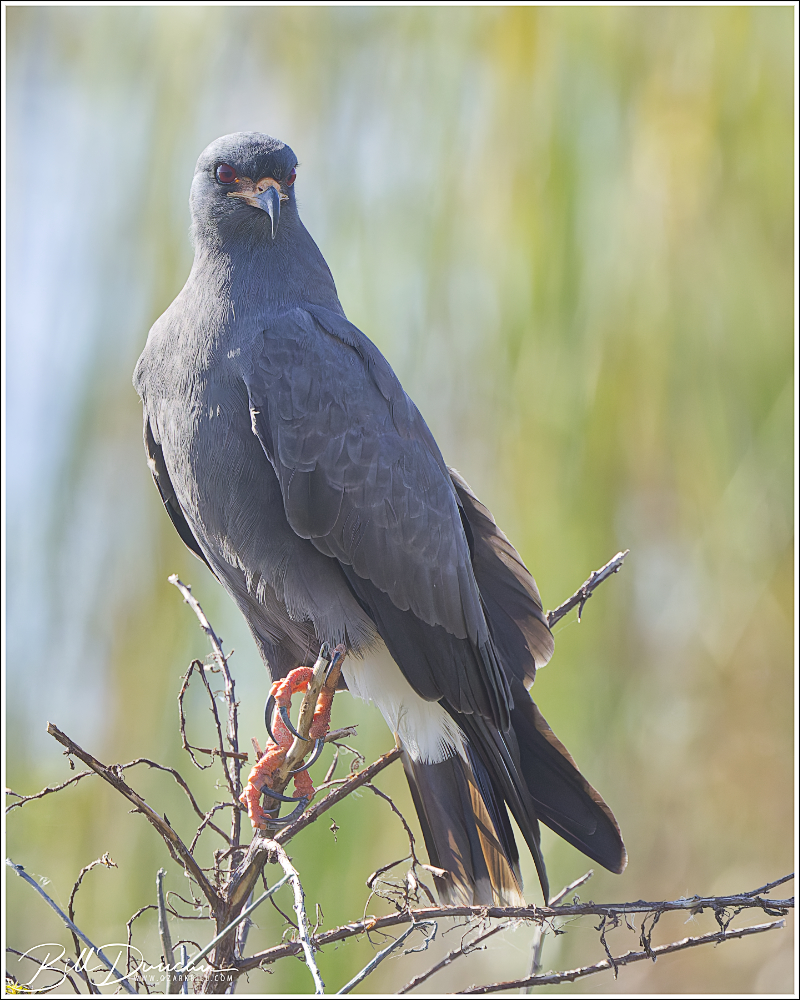
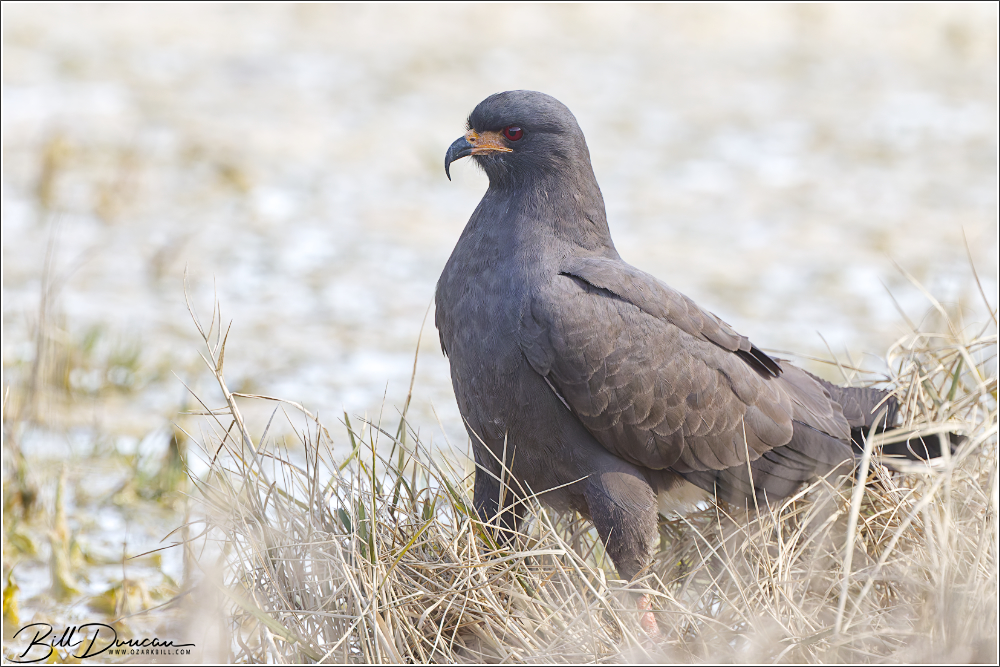
Being an endangered species, the Snail Kites are often banded for distribution, tracking, and research purposes.
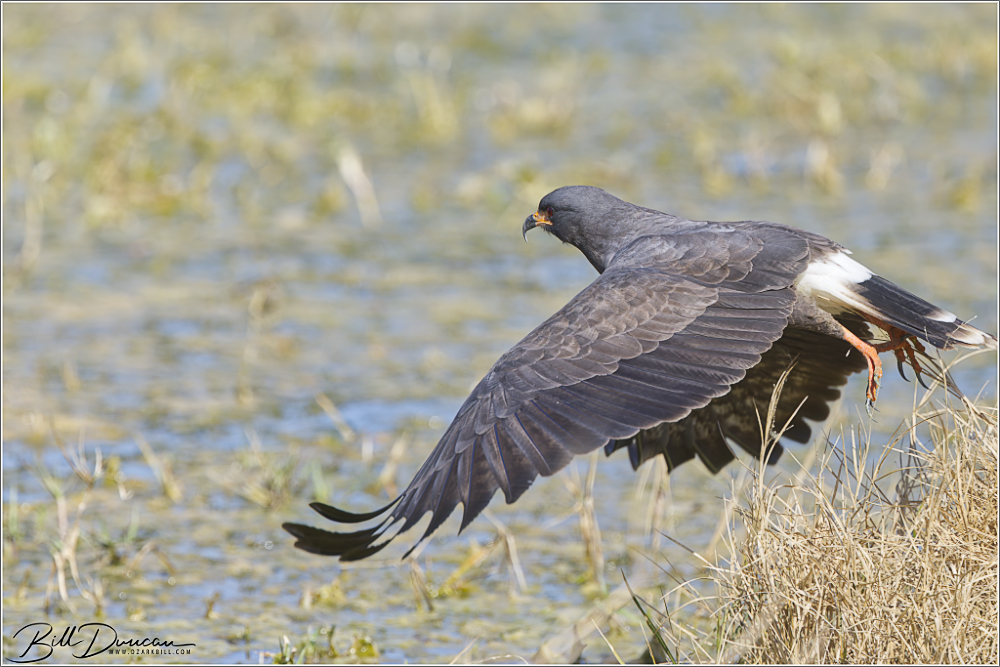
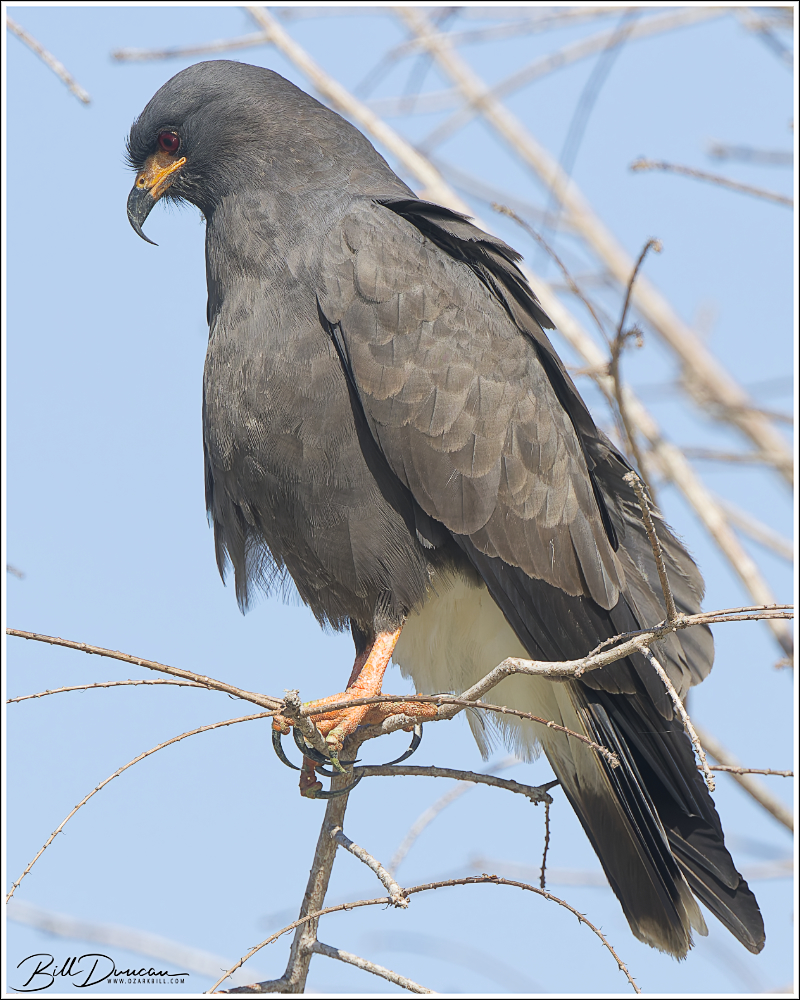
In two close by areas, only a 30 minute drive from Orlando, I was easily able to find four Snail Kites and watched them for hours in a lake/marsh area that was heavily used by recreating people. Seeing as this is an endangered species, my intention was to give them plenty of room, but I was shocked as I watched people pass by them within just 10 feet or so without the birds seeming to care. On a couple of occasions, I sat down under a shade tree with 50-100 feet between me and the bird and was astounded when they flew closer and closer to me during their foraging. I have always said that any bird photograph taken in Florida should have an asterisk attached due to these birds being so accustomed to people. After just a couple of days experiencing this myself, I still feel this way!
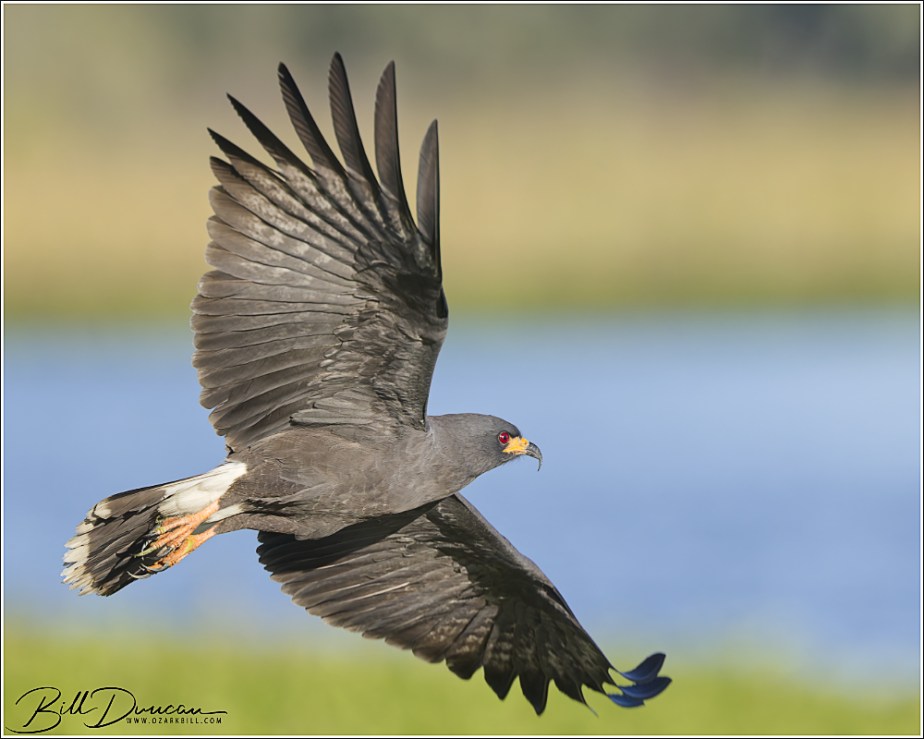
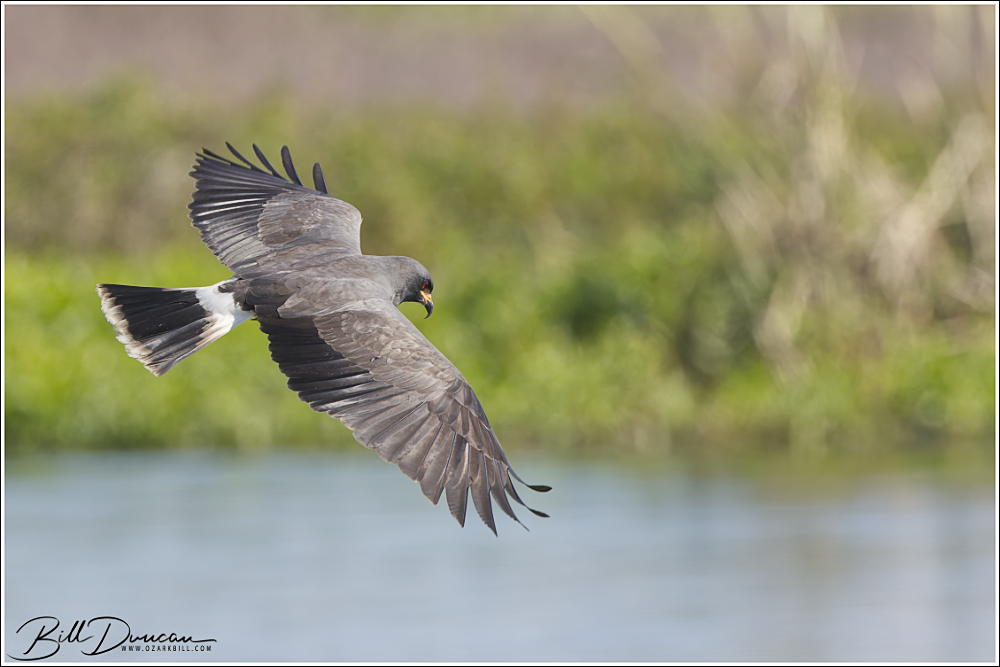
A Snail Kite moving along the lake edge with a constant eye for a nice-sized apple snail.
This species numbers in Florida are highly affected by drought conditions and have varied wildly in recent decades. Changing climate patterns are not helping the Snail Kite restoration attempts and I fear for what the next decades may bring. Hopefully they will be as easy for me to find during my next visit to Florida. Thank you for reading this far and I’ll leave you with a few more photos.
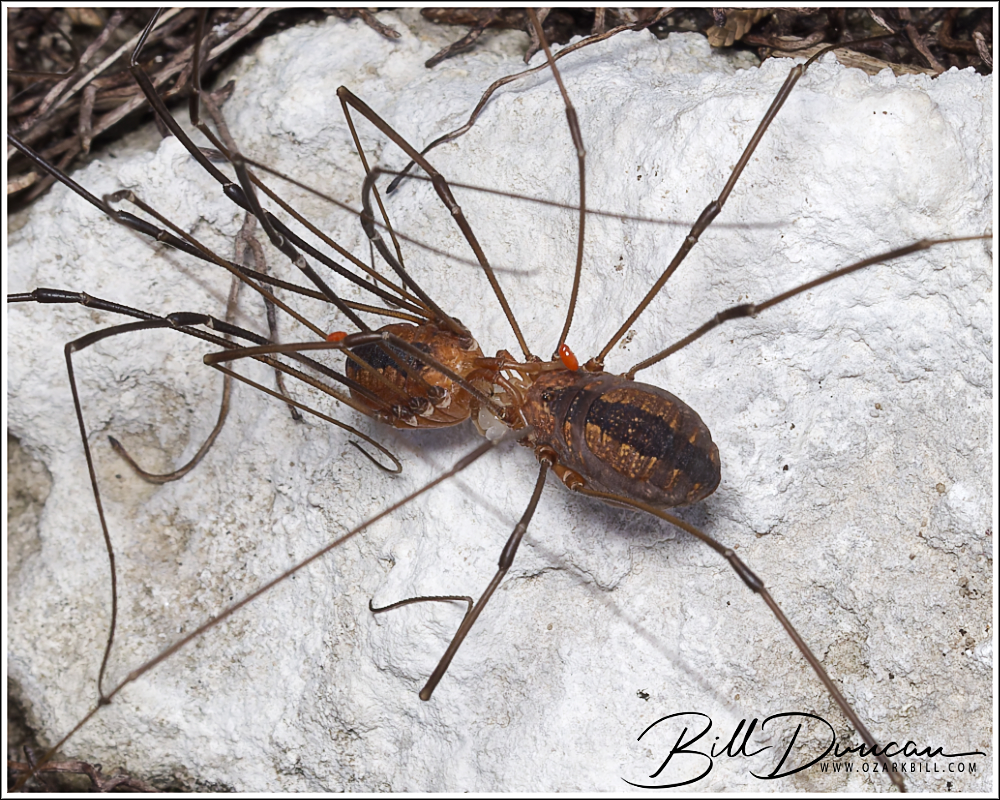
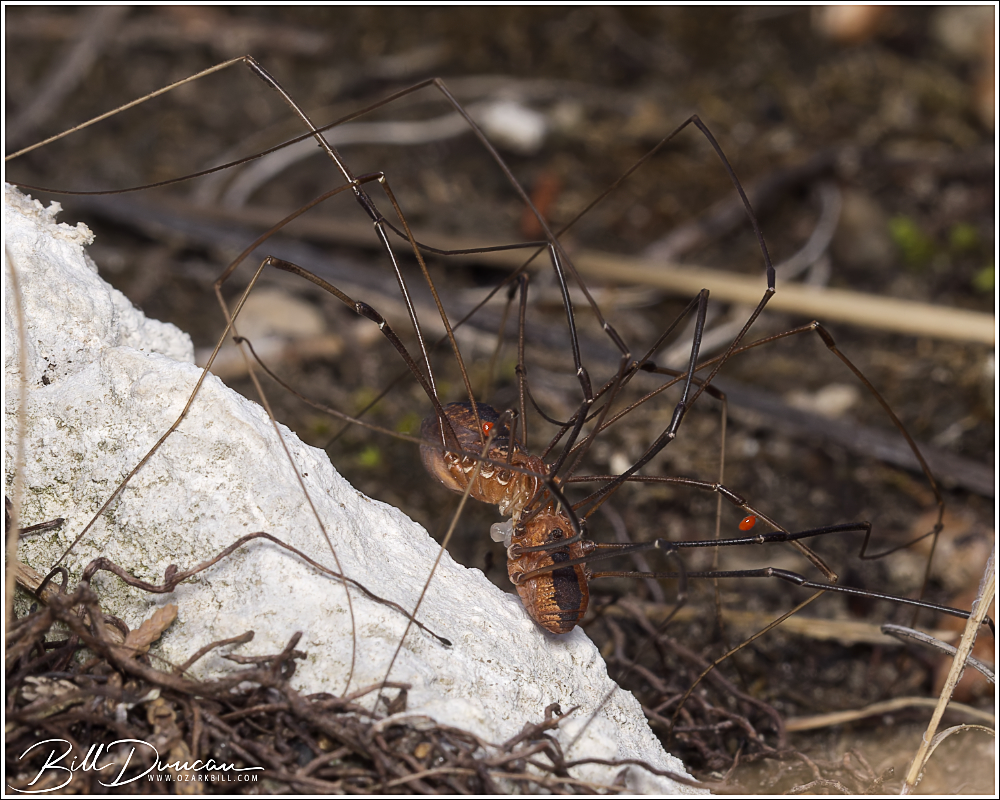
During a WGNSS Entomology Group trip in September of last year, we were thrilled to come across a mating pair of Leiobunum vittatum (eastern harvestmen) at Caney Mountain Conservation Area. In some of the photos below, you can see the male handing off his prenuptial gift to the female. Prenuptial gifts are produced by the males and consist of a mix of essential amino acids. Mating behaviors in harvestmen are complex and vary wildly between taxa. Unfortunately, these guys were among thick scrub that made for difficult photography. I tried my best to capture some of this behavior.
First look at mating eastern harvestmen. Smaller male at back/left.
A closer look shows what I presume to be a prenuptial gift being handed off to the female at front/right.
Another look at mating embrace of Leiobunum vittatum (eastern harvestmen).
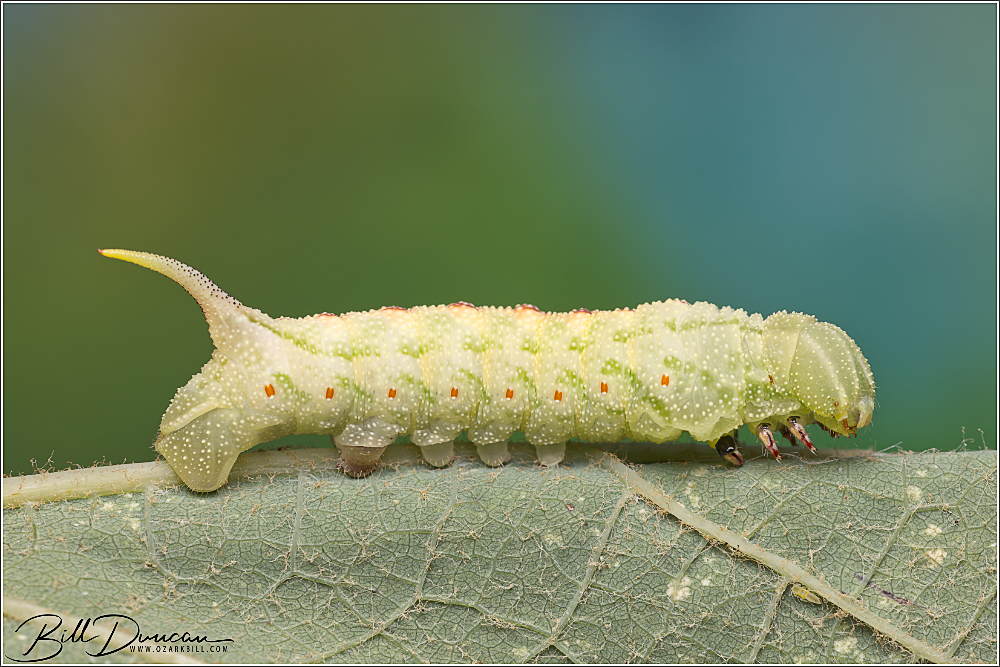
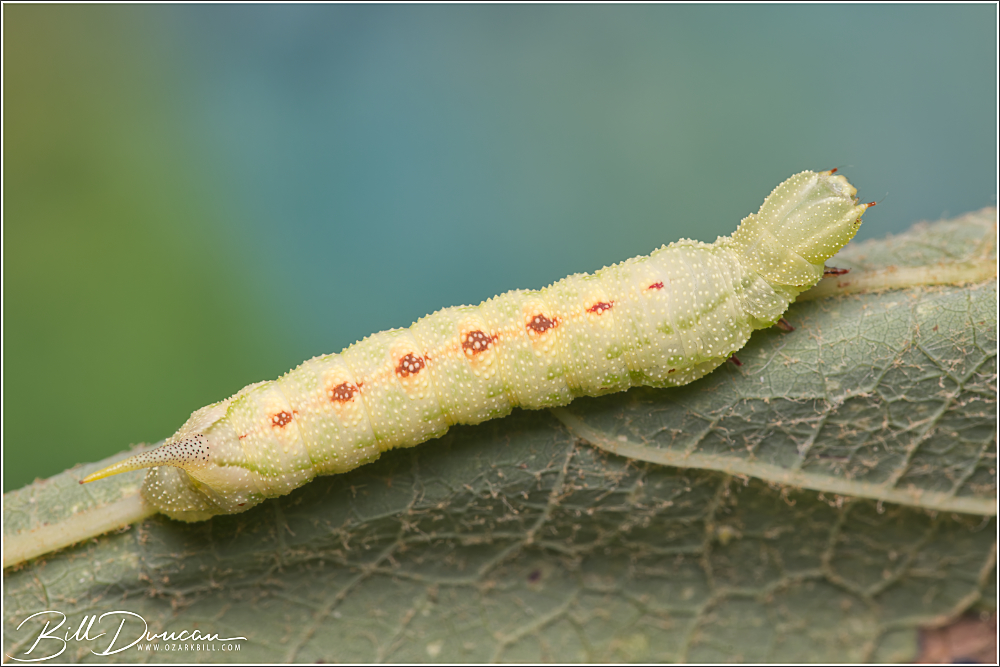
Virginia Creeper Sphinx Darapsa myron fam. Sphingidae (Hodges#7885) Host plant: Found on grape species (Vitis sp.) Dates found: 31 August, 2025 Locations found: Tyson Research Center, St. Louis County, MO Notes:
Definite Tussock Moth Orgyia definita fam. Erebidae (Hodges#8314) Host plant: Found on sycamore (Platanus occidentalis) Dates found: 01 September, 2025 Locations found: Tyson Research Center, St. Louis County, MO Notes: This species range seems to weirdly stop in extreme eastern Missouri based on official collection records as well as online databases like iNaturalist and BAMONA. I wonder if this species might be more abundant in the state than the data suggests, mainly by the numbers I have found during the past two years.
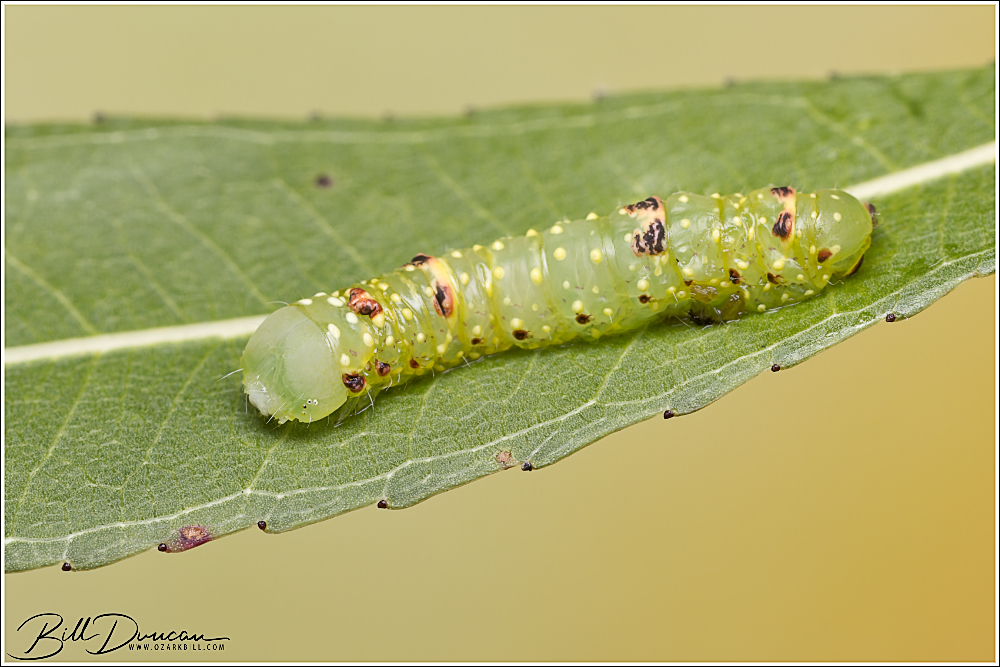
The Brother Raphia frater fam. Noctuidae (Hodges#9193) Host plant: black willow (Salix nigra) Dates found: 16 September, 2025 Locations found: Johnson’s Shut-ins State Park, Reynolds County, MO Notes: This species ranges over most of the lower 48 United States and southern Canada. It is infrequently found in Missouri.
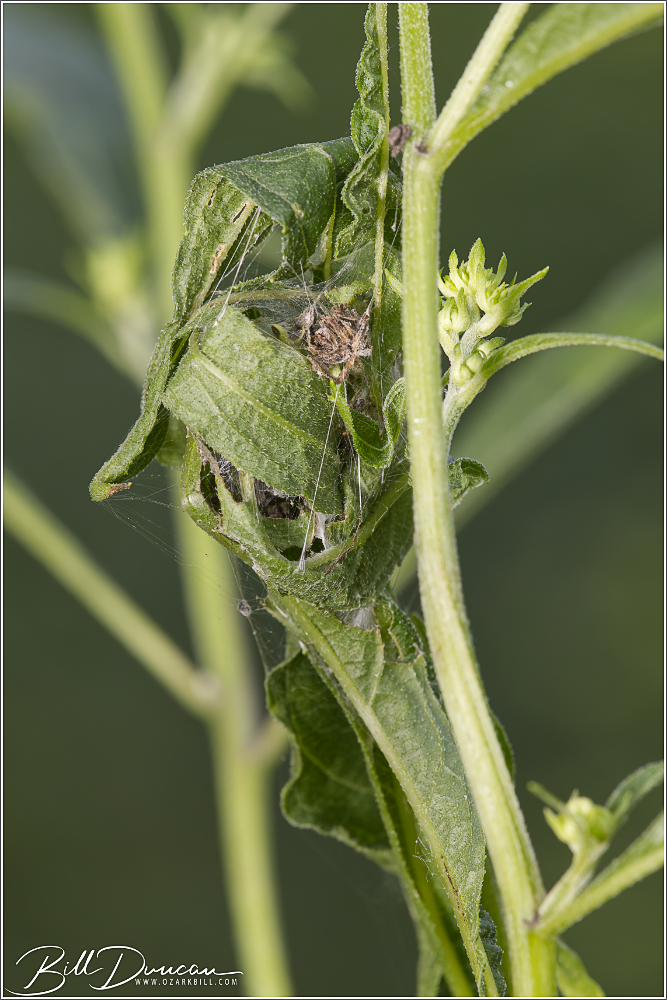
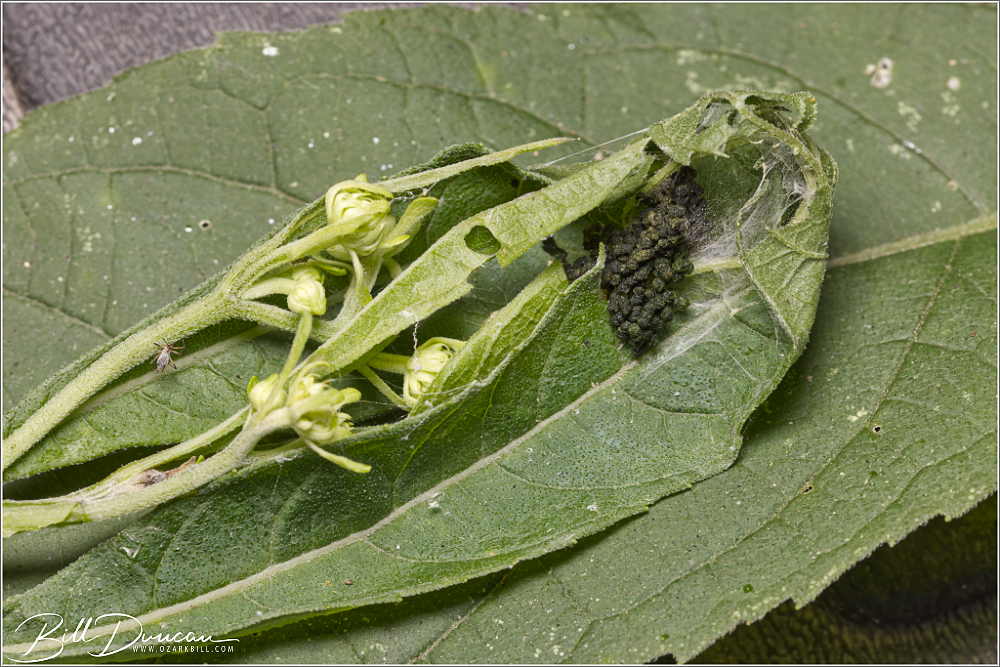
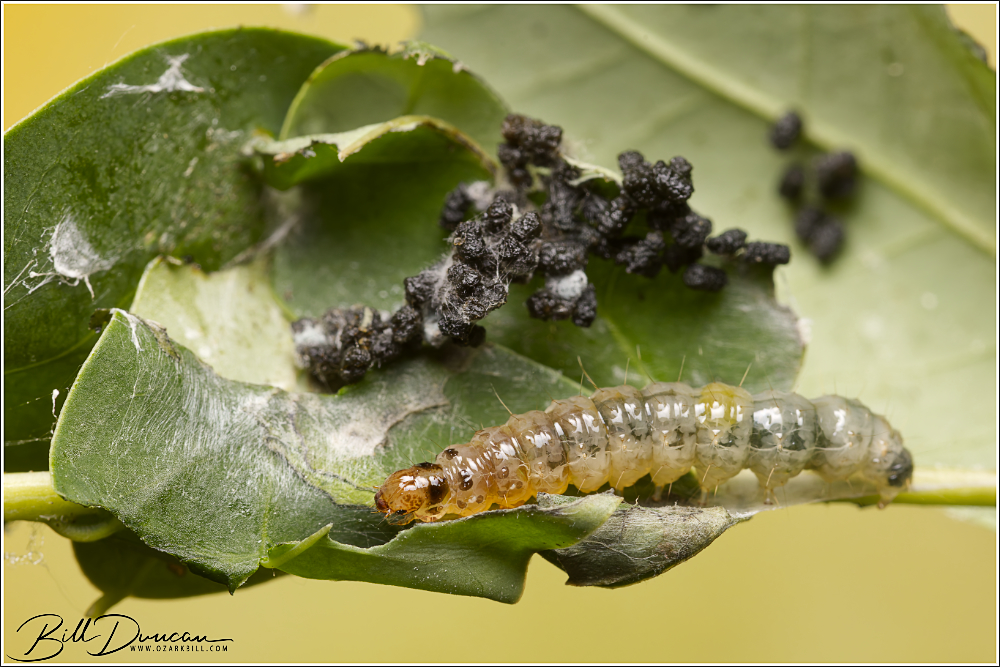
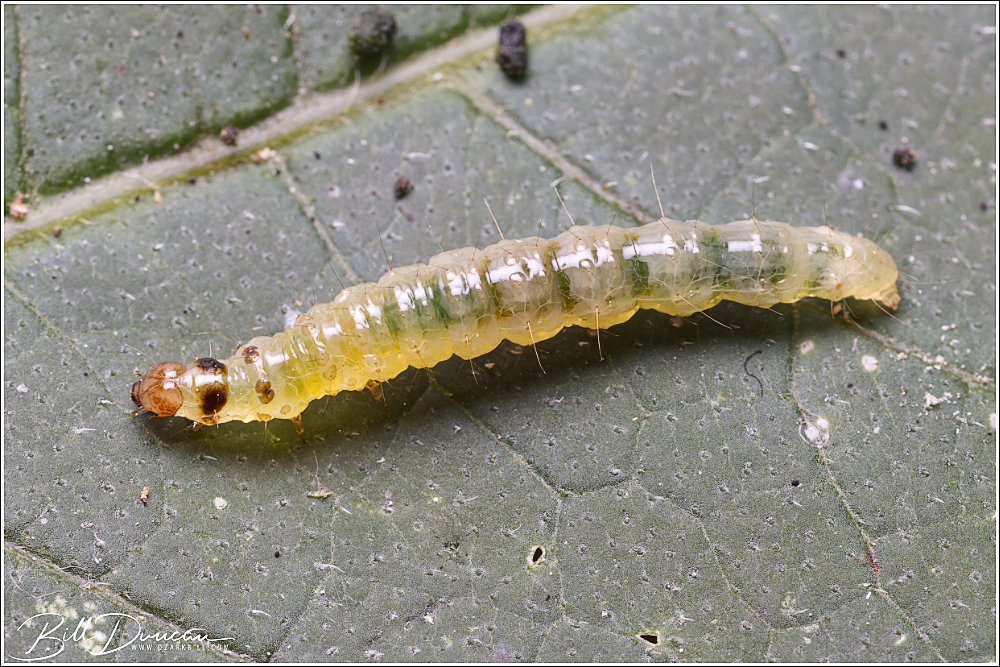
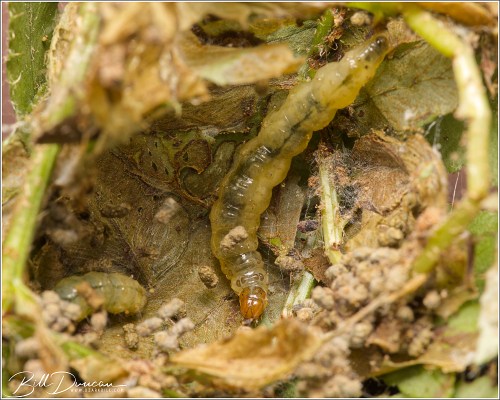
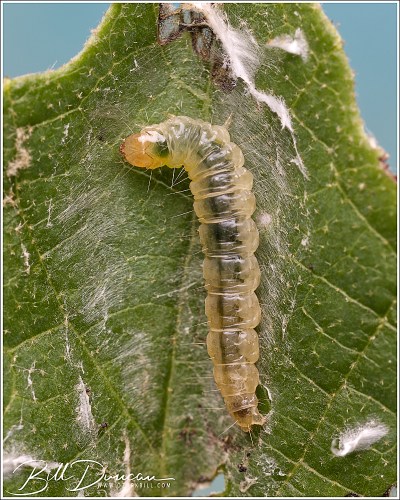
Tonight’s caterpillars are a few nondescript species of Herpetogramma (Family Crambidae) typically referred to as webworms. Most Herpetogramma feed on grasses, but the individuals I found this year feed on dicots or ferns. These guys are leaftiers that can be found easily by looking for the leaf shelters that they tie together with silk. So far I have been unable to find known associations between these species and hosts, nor visual characteristics that help to identify these larvae to species. Please let me know if you can enlighten me.
This species was found in considerable numbers at Tyson Research Center in August and were hosting on wingstem (Verbesina alternifolia).
The next species is really special as it represents one of the very few species of Lepidoptera that feed on ferns.
A Herpetogramma species inside a ball-like shelter made from its fern host.
This next one was found at Loggers Lake in July. We found this on an unrecorded aster in a simple folder leaf shelter.
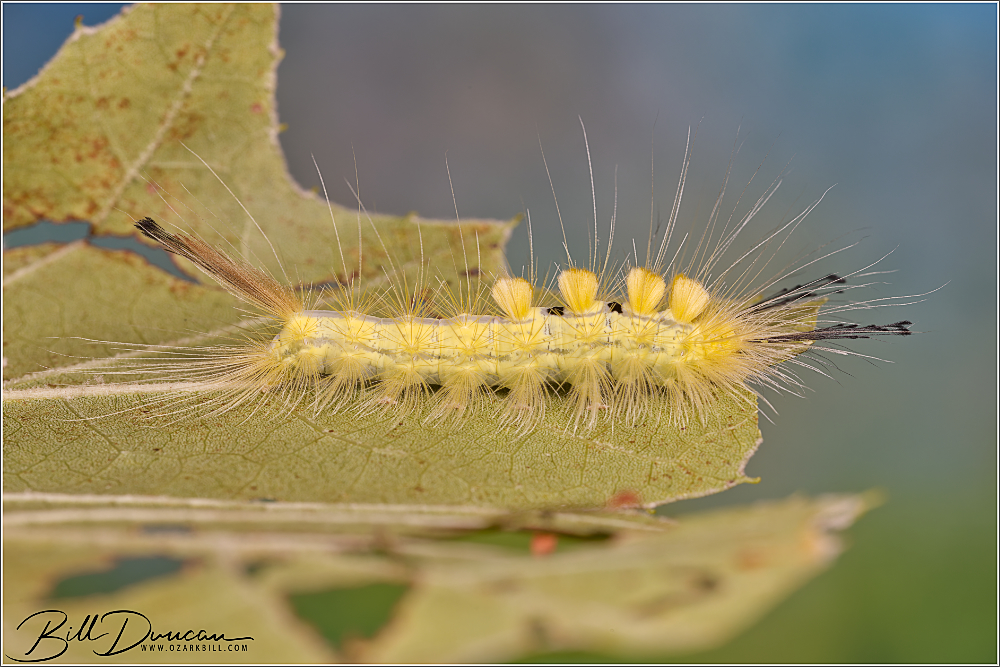
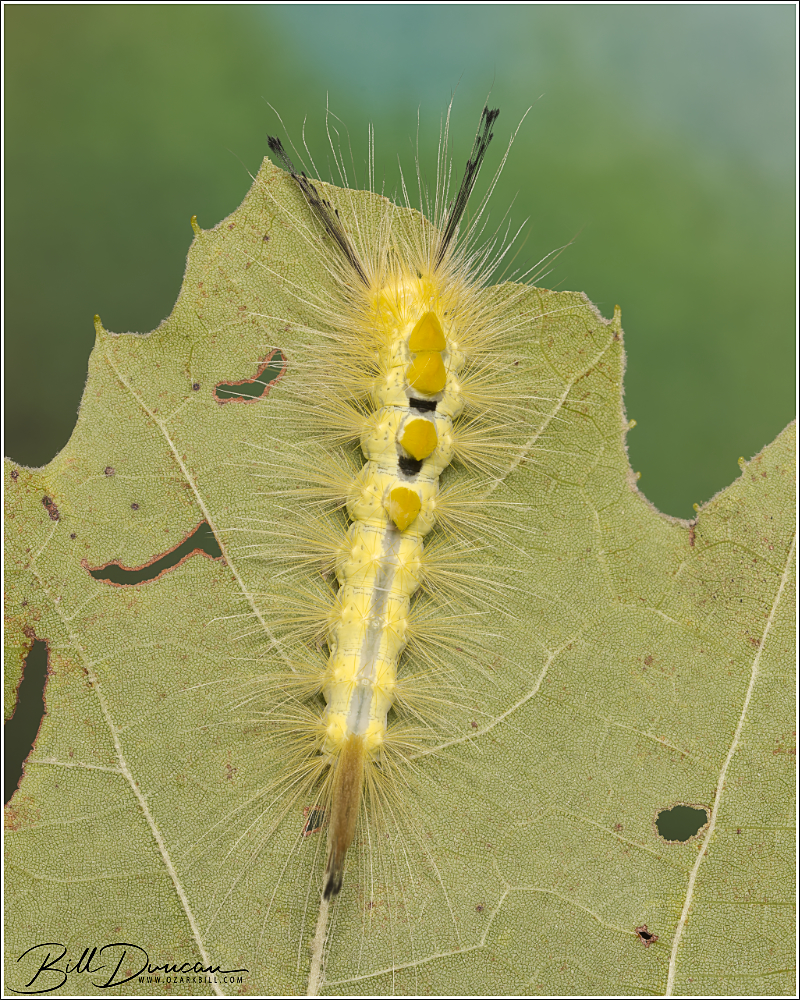
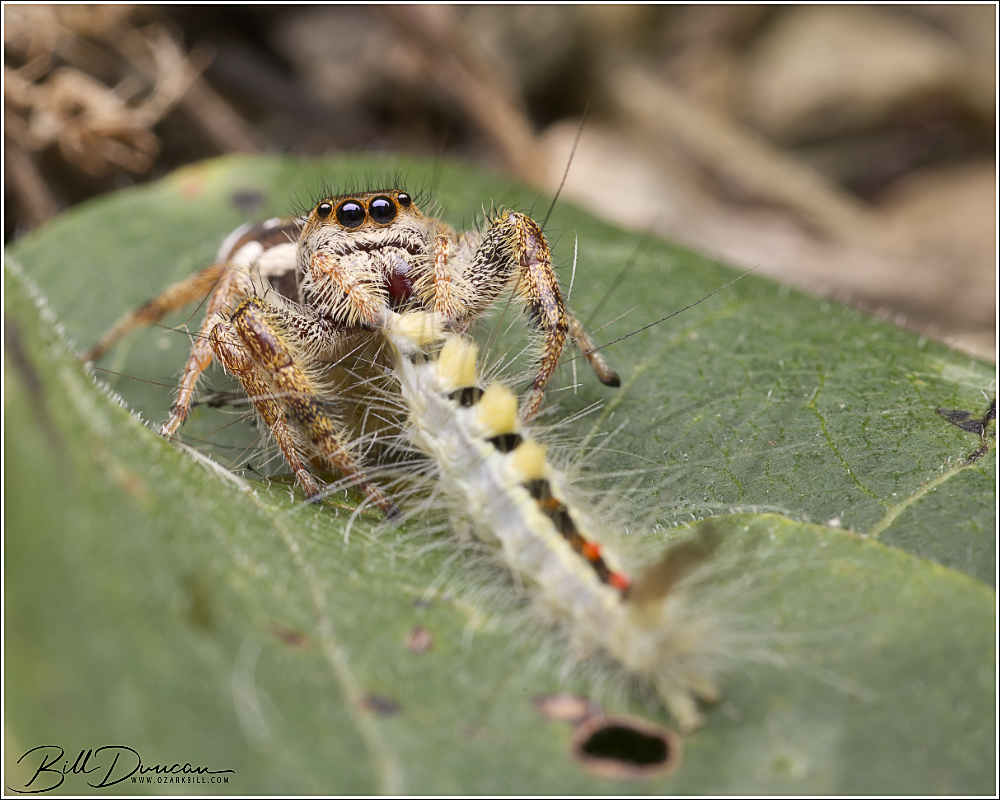
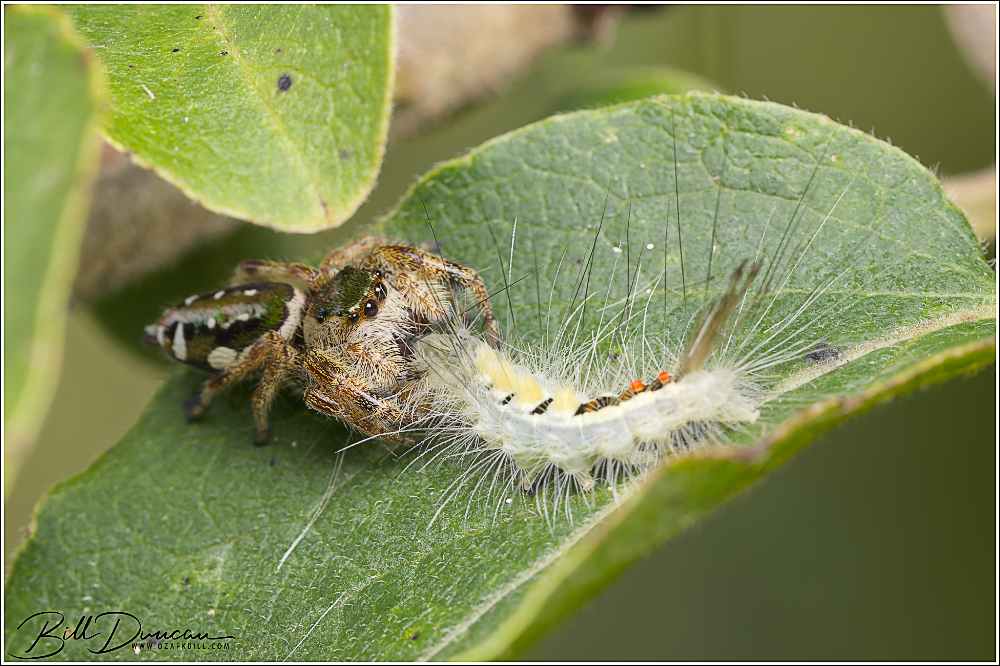
From 2024. I came across this female salticid (Paraphidippus aurantius) that had made a meal from a caterpillar of this white-marked tussock moth (Orgyia leucostigma).
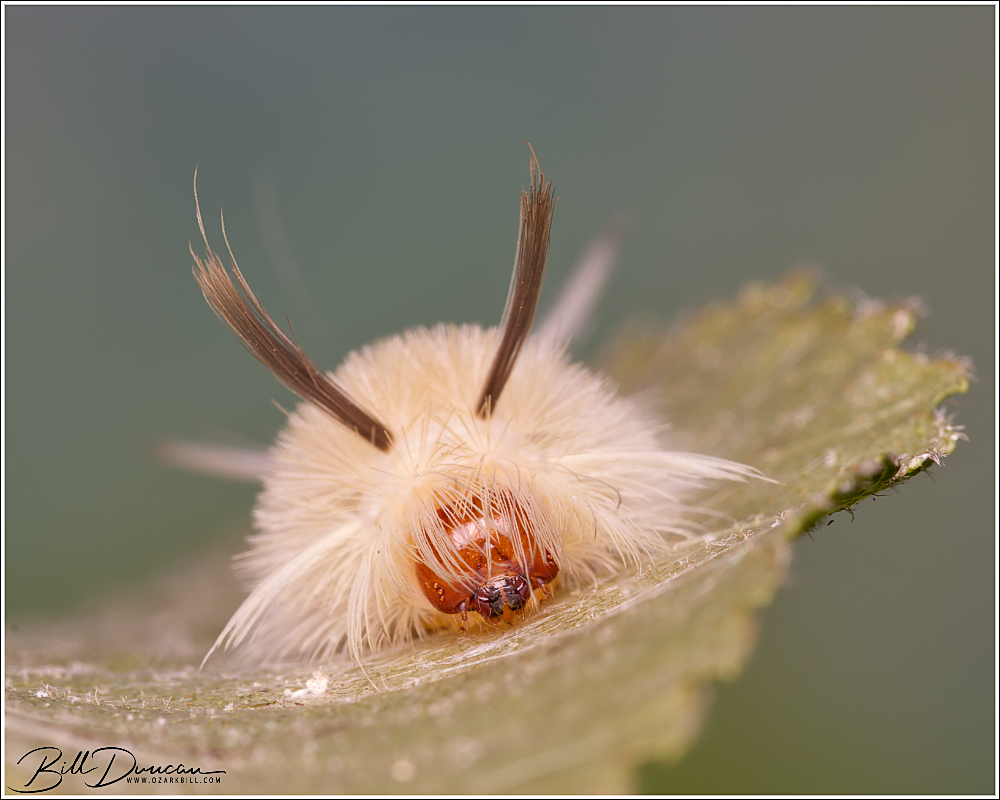
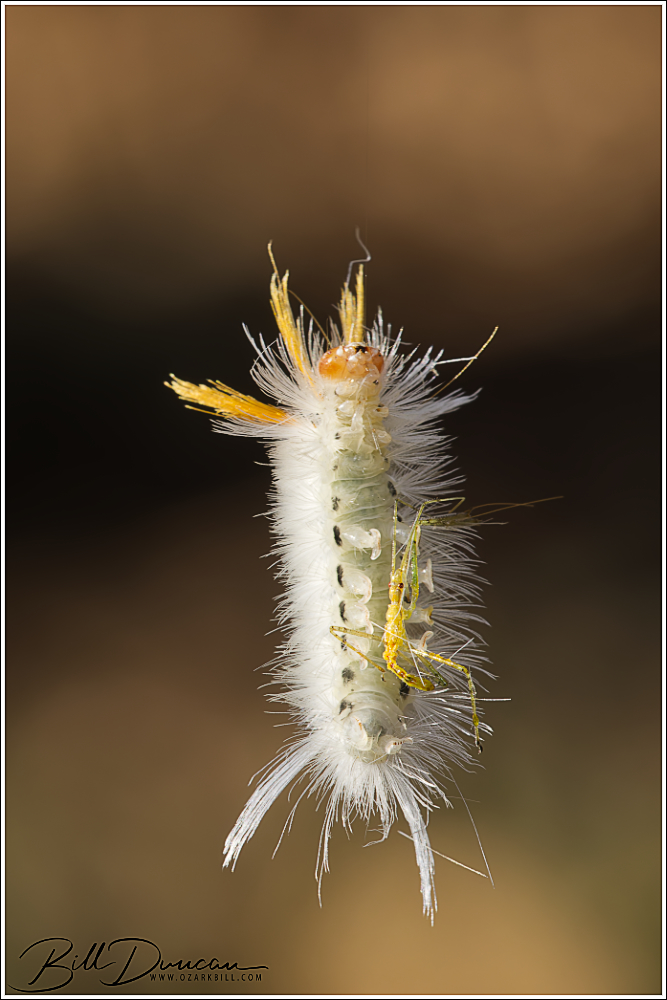
Sycamore Tussock Moth Halysidota harrisii fam. Erebidae (Hodges#8204) Host plant: Found on sycamore (Platanus occidentalis) Dates found: 23 August, 2025 Locations found: Tyson Research Center, St. Louis County, MO Notes: A specialist that feeds solely on sycamore.



 A Thousand Acres of Silphiums