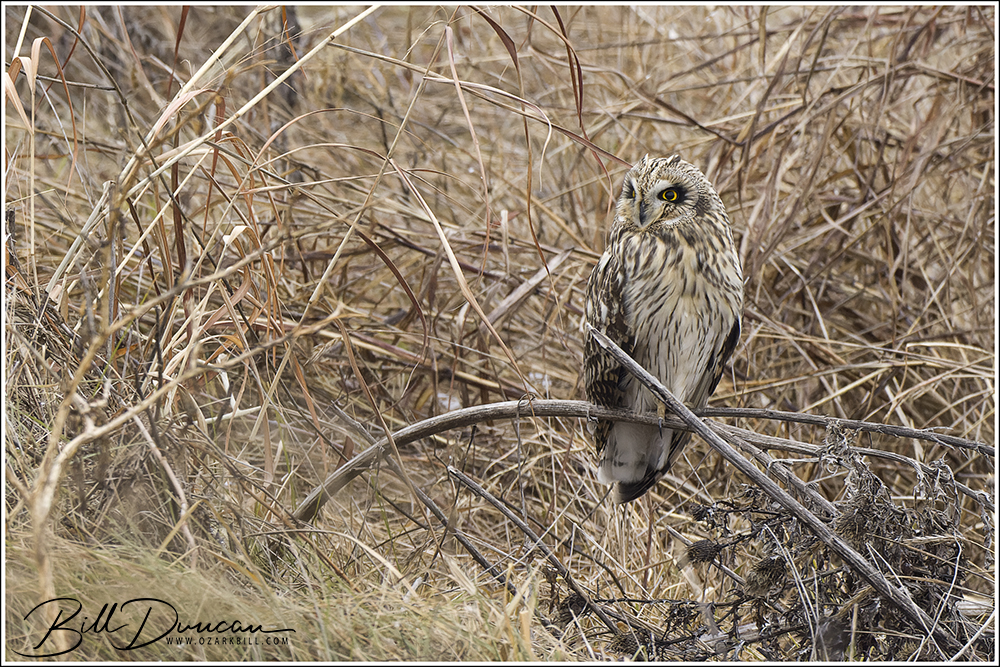
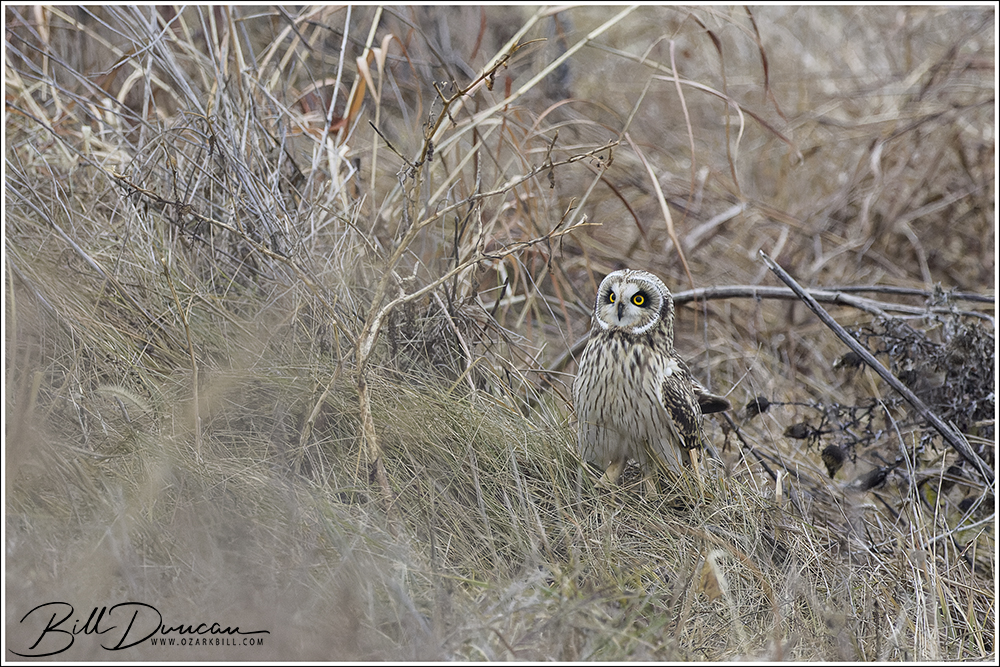
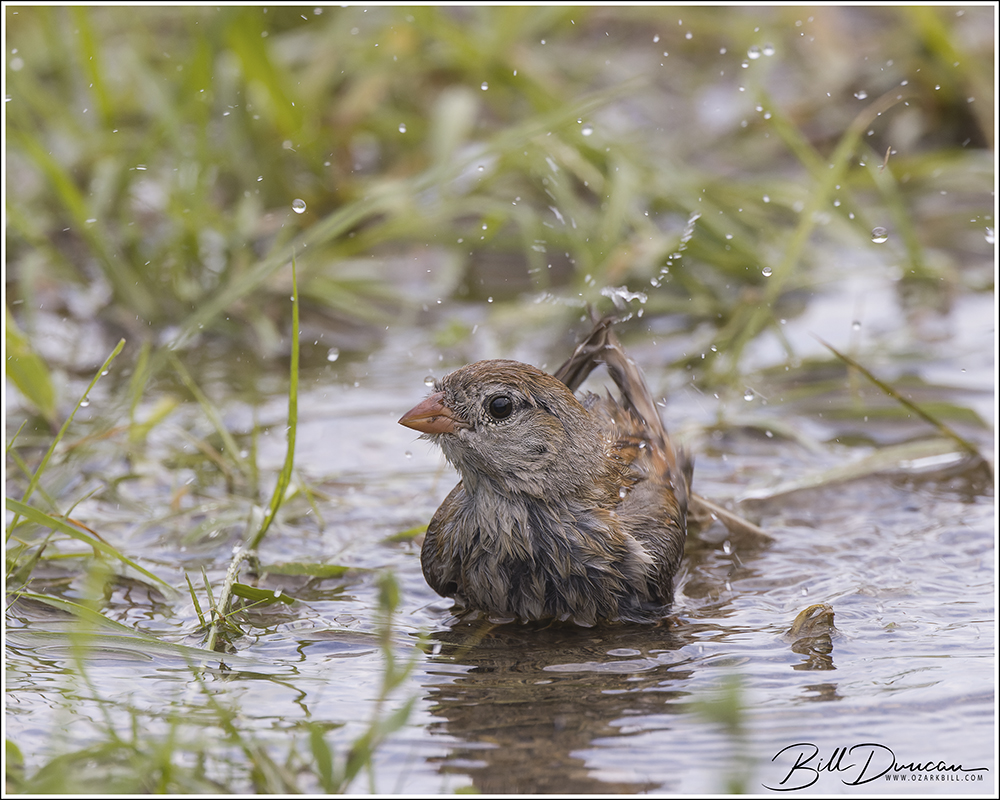
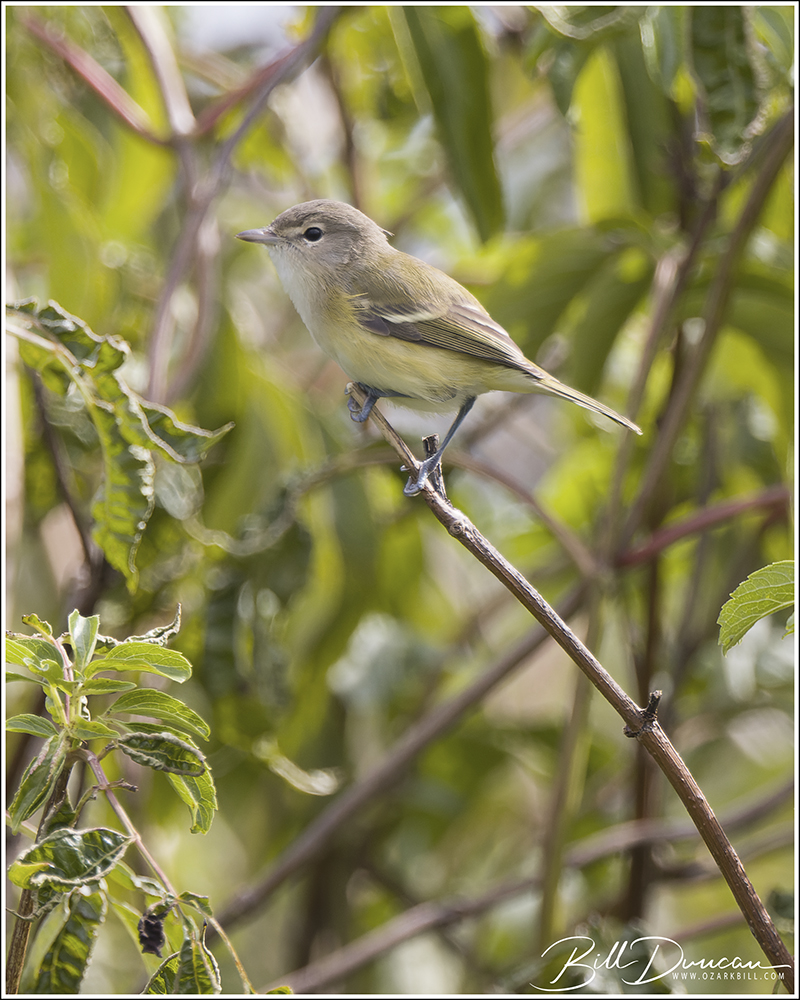
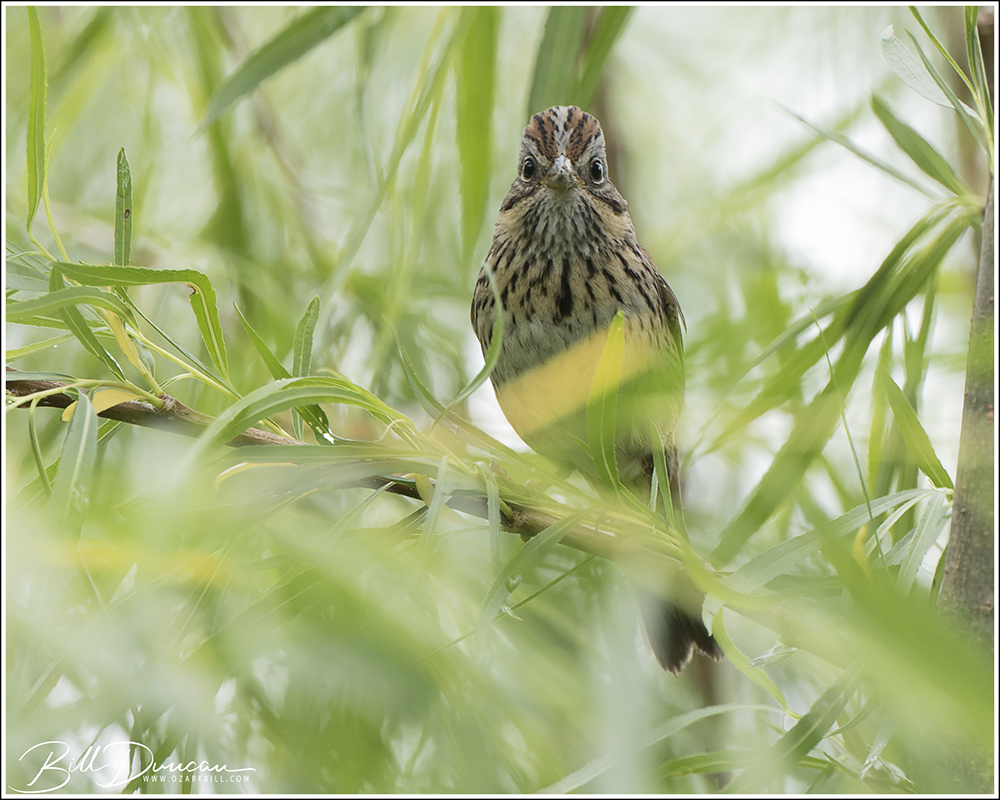
Just a trio of birds photographed in 2023 that didn’t fit into any specific post.
"What a thousand acres of Silphiums looked like when they tickled the bellies of the buffalo is a question never again to be answered, and perhaps not even asked." -Aldo Leopold
Just a trio of birds photographed in 2023 that didn’t fit into any specific post.
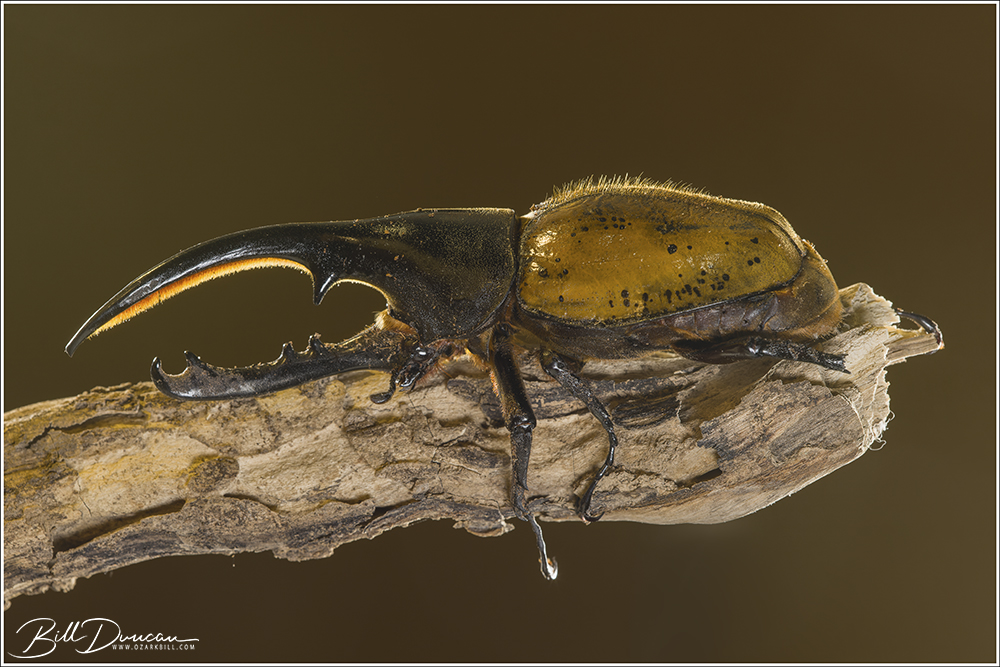
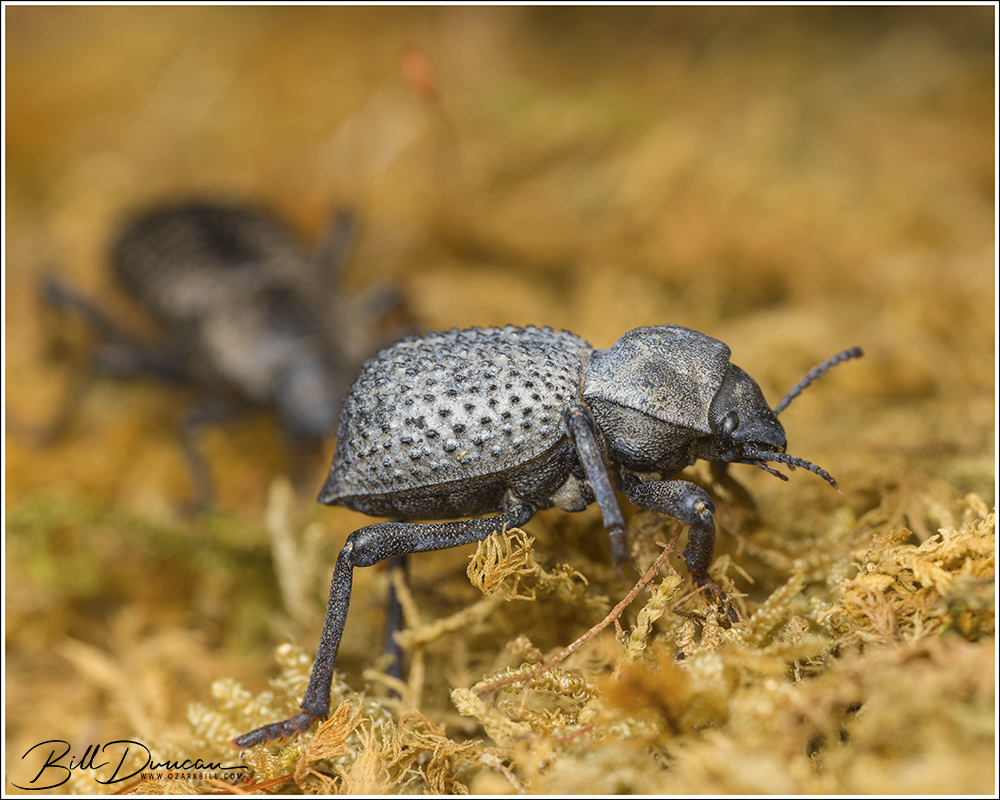
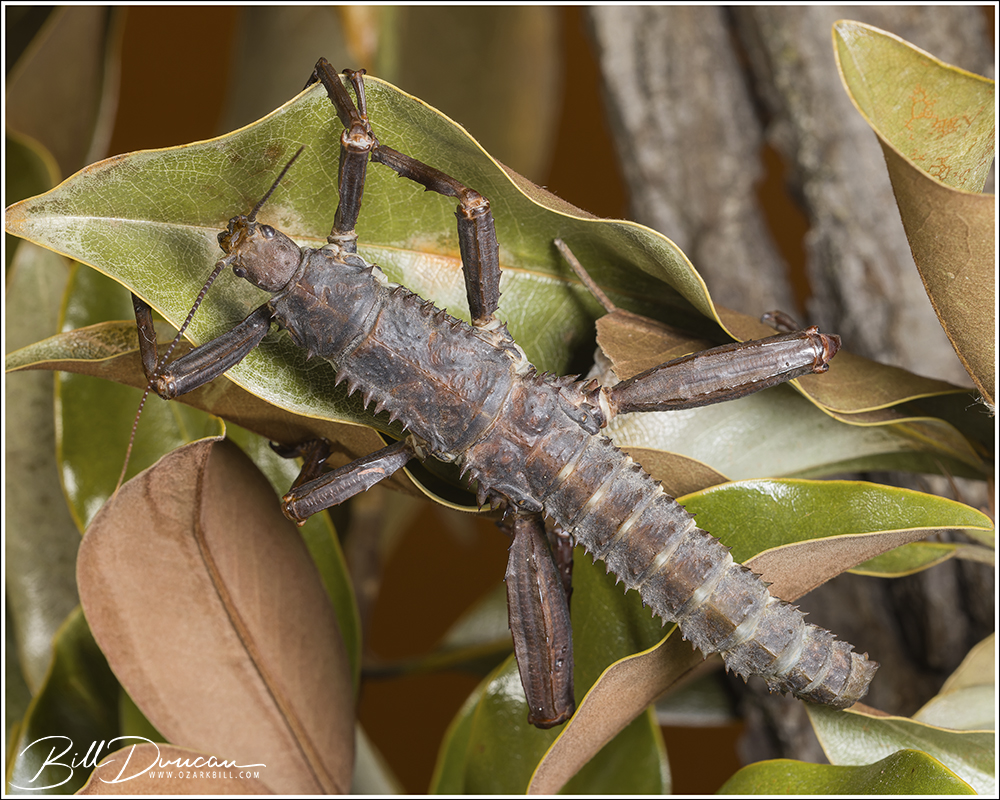
In February, the Webster Groves nature Study Society’s Nature Photography Group headed to the Sophia M. Sachs Butterfly House in Chesterfield. We paid for after-hours access and were delighted with the opportunities presented to us. Many thanks to Casey Galvin, group leader for the Nature Photography Group, for organizing this visit, and to Chris Hartley from the Butterfly House for being a lovely host. Chris patiently dealt with our needs, requests and questions, while wrangling our subjects for us. He and the Butterfly House provided us a wonderful experience of photographing some remarkable arthropods from around the world. Here are some of my favorite photos from the evening.




That’s all from this outing. Interested in joining in one one of these WGNSS outings? Feel free to contact me or check us out at http://www.wgnss.org to learn more.
-OZB
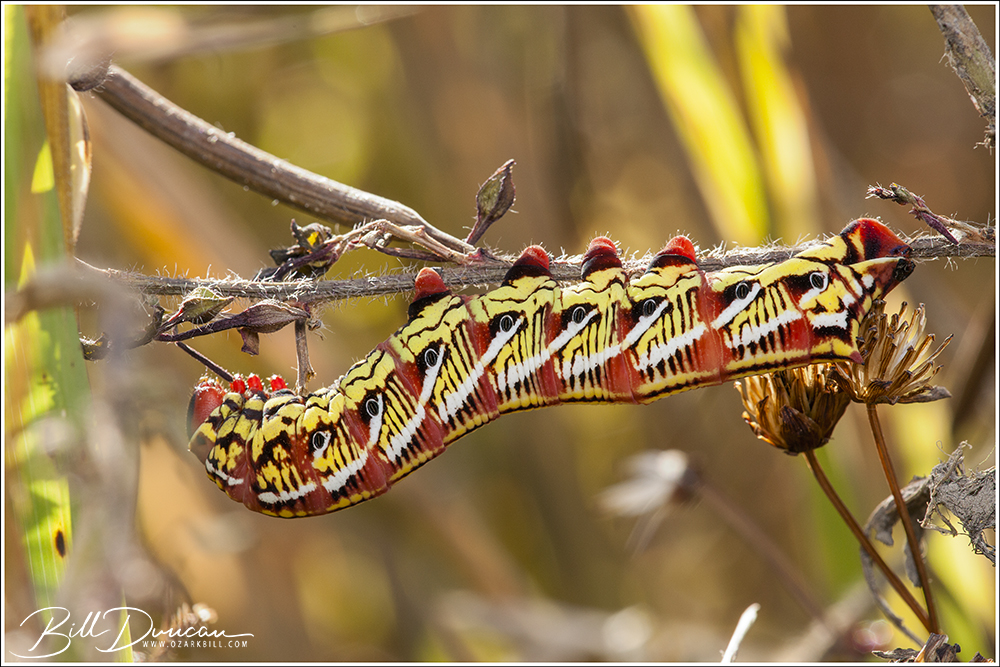
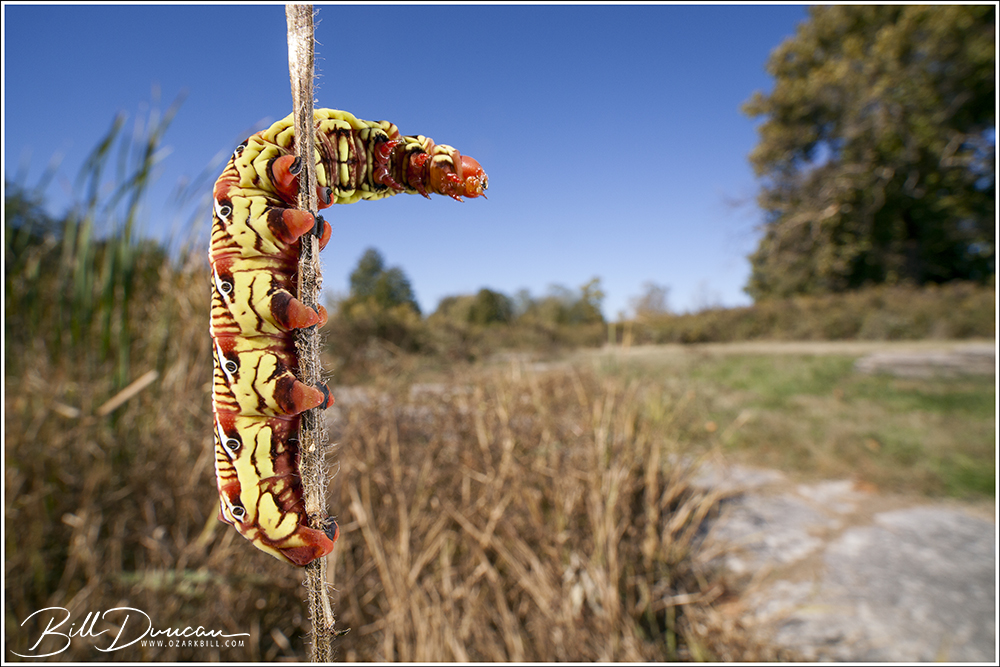
Here’s one from 2018 that I only posted on Facebook for some reason. As you can see this is too fantastic of a caterpillar not to capture in the blog. These are caterpillars of the banded sphinx moth (Eumorpha fasciatus, Hodges #7865) that were photographed on their host plant – primrose willow (Ludwigia sp.). Many thanks again to Kyran Leeker who turned me on to these guys.


On a couple of successive Saturdays in mid-February, I had the pleasure to find myself at an old favorite spot to practice my high-speed action photography on some of the cutest little predators that I can imagine. In a spot more popular with fisher folk, I setup immediately behind the spillway of the Carlyle Lake damn with high hopes of shooting the Bonaparte’s Gulls that winter in this area.
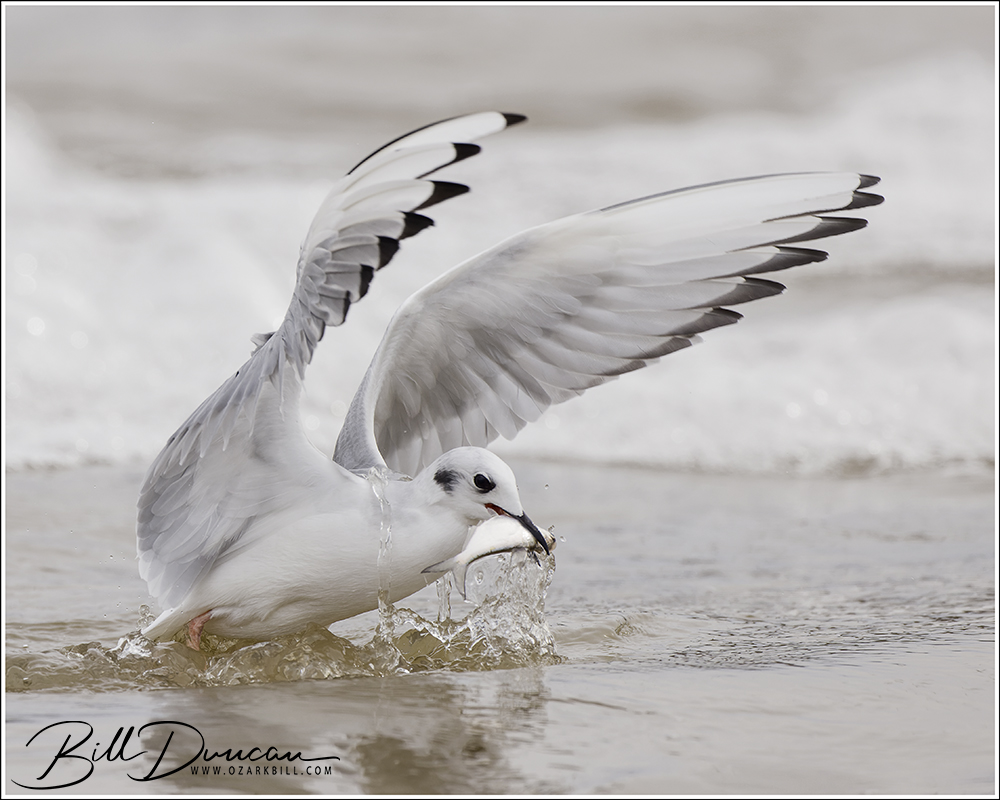
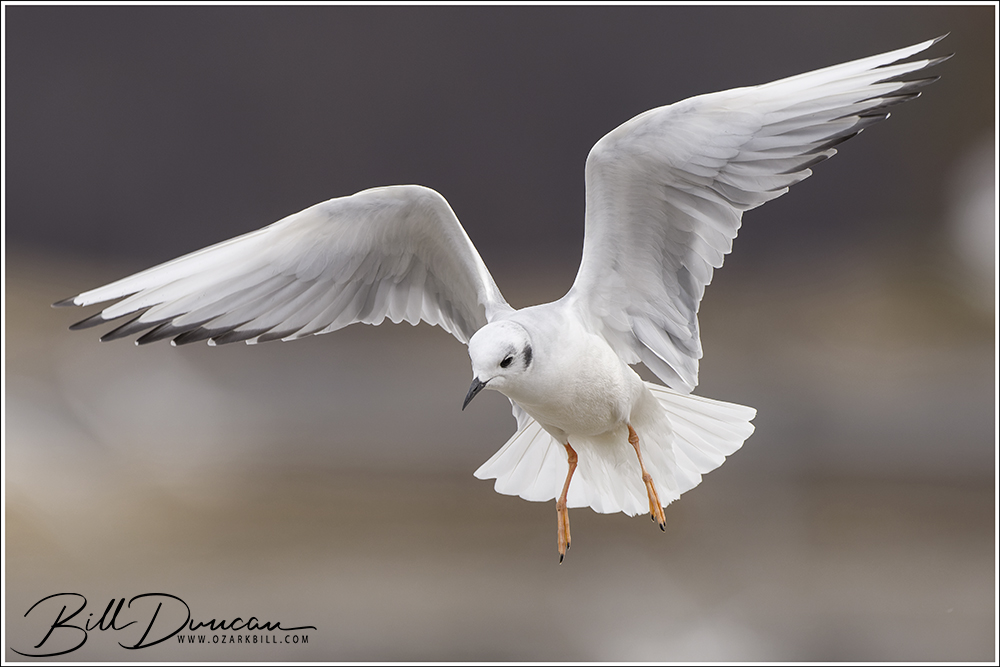

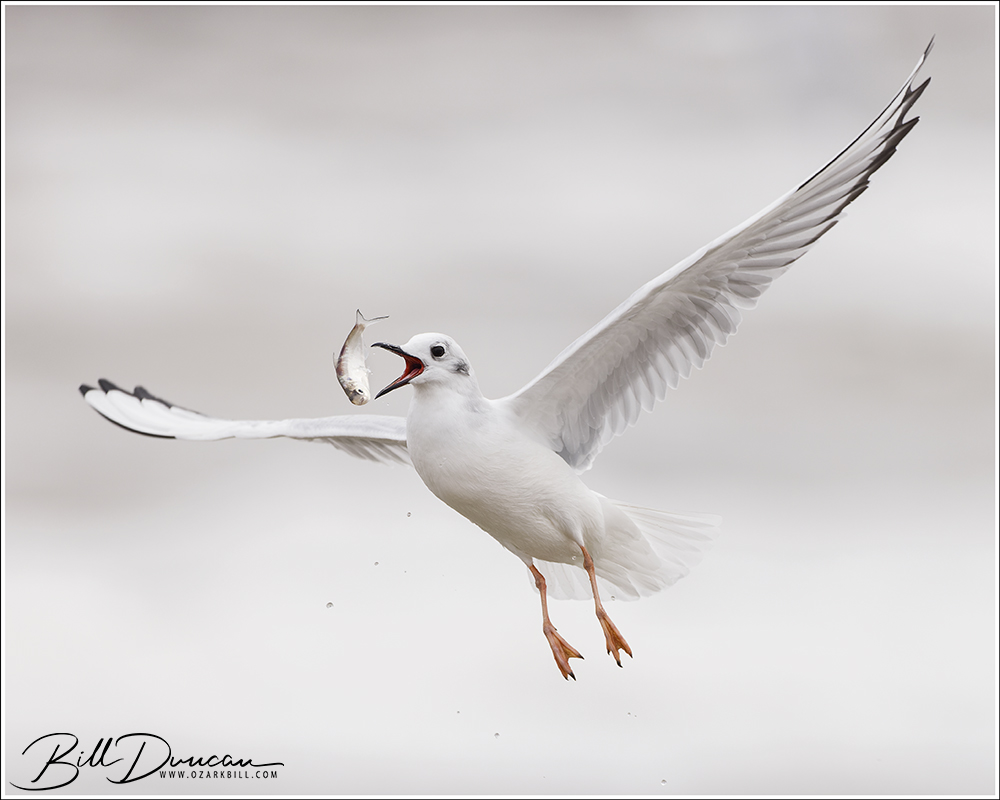
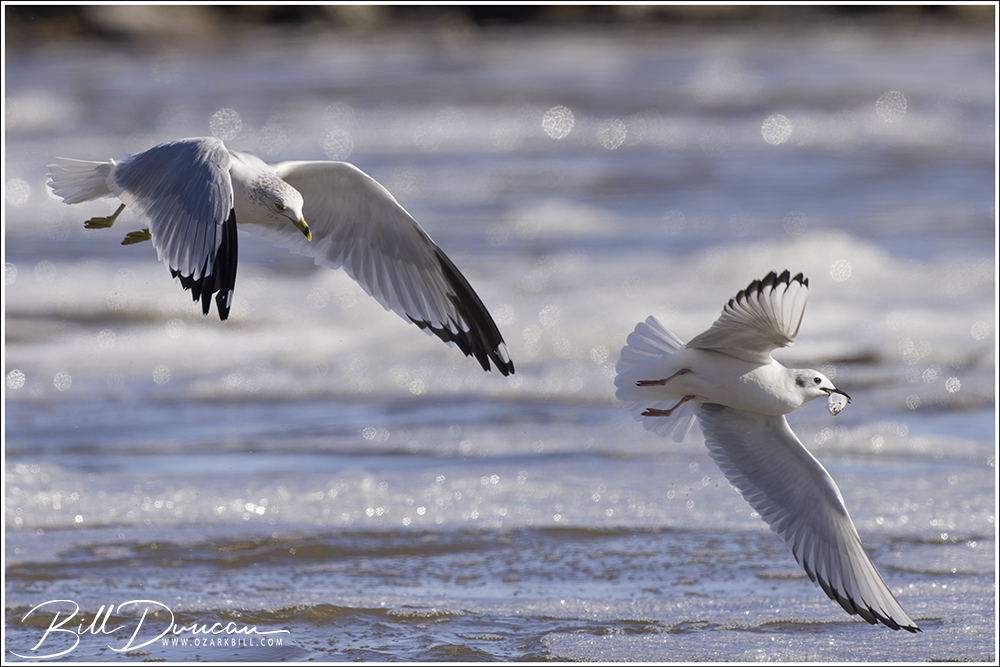
On my first Saturday visit, these cute little “Bonnies” represented at least 75% of the gull species taking advantage of the stunned gizzard and threadfin shad that come pouring through the spillway. This was great! Although photographing Ring-billed Gulls is always good for practice, they don’t excite me very much at all. What wasn’t great on this first day was the light, which I would describe as something like the sloppy end of a morning’s constitutional. Thank goodness for modern cameras with much improved high ISO performance and autofocus systems!
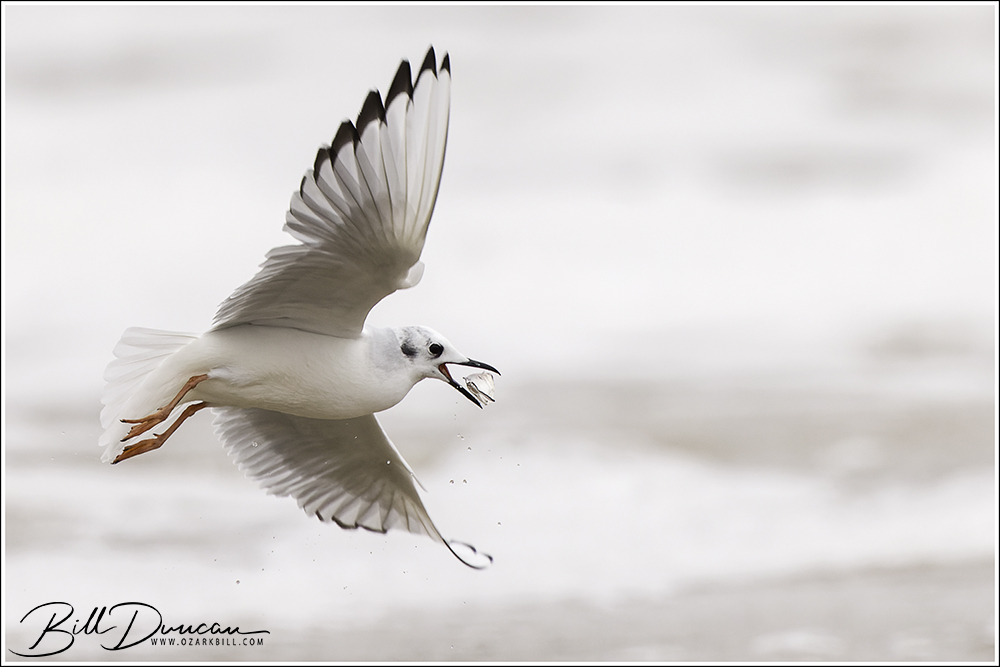
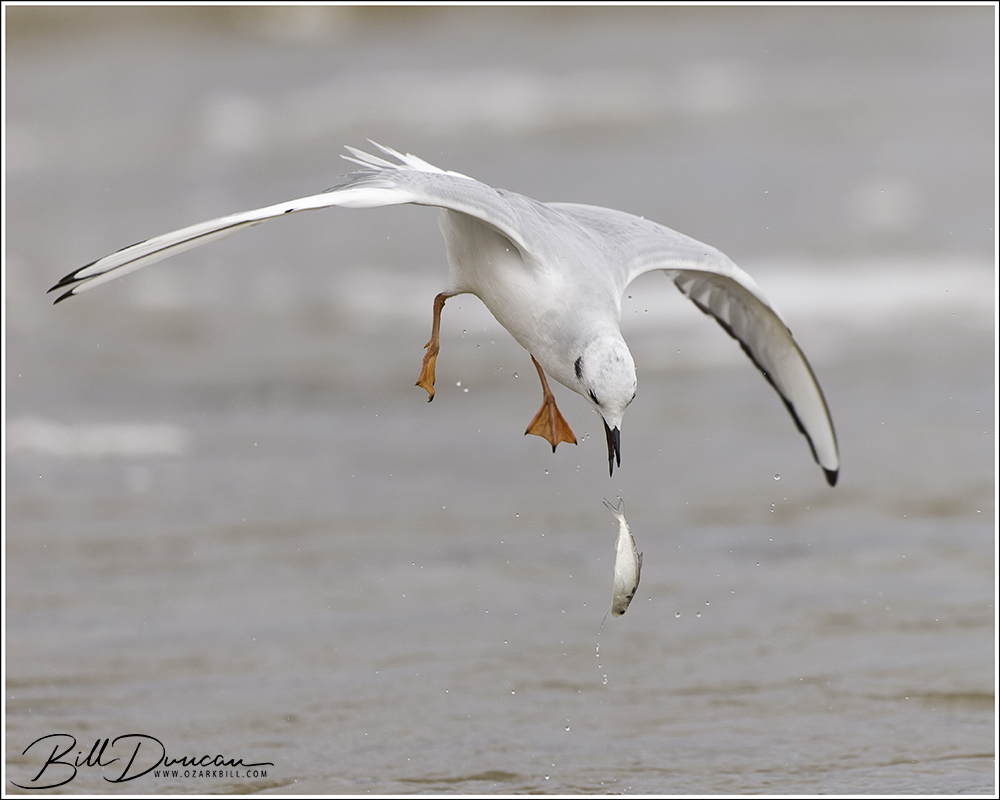
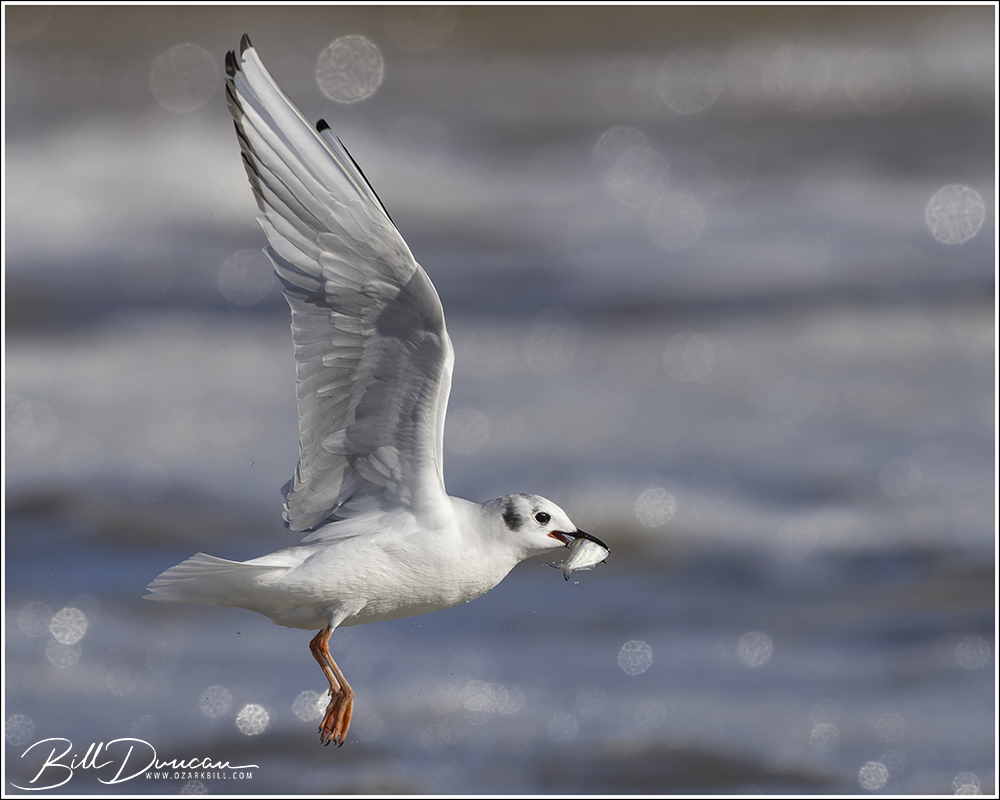
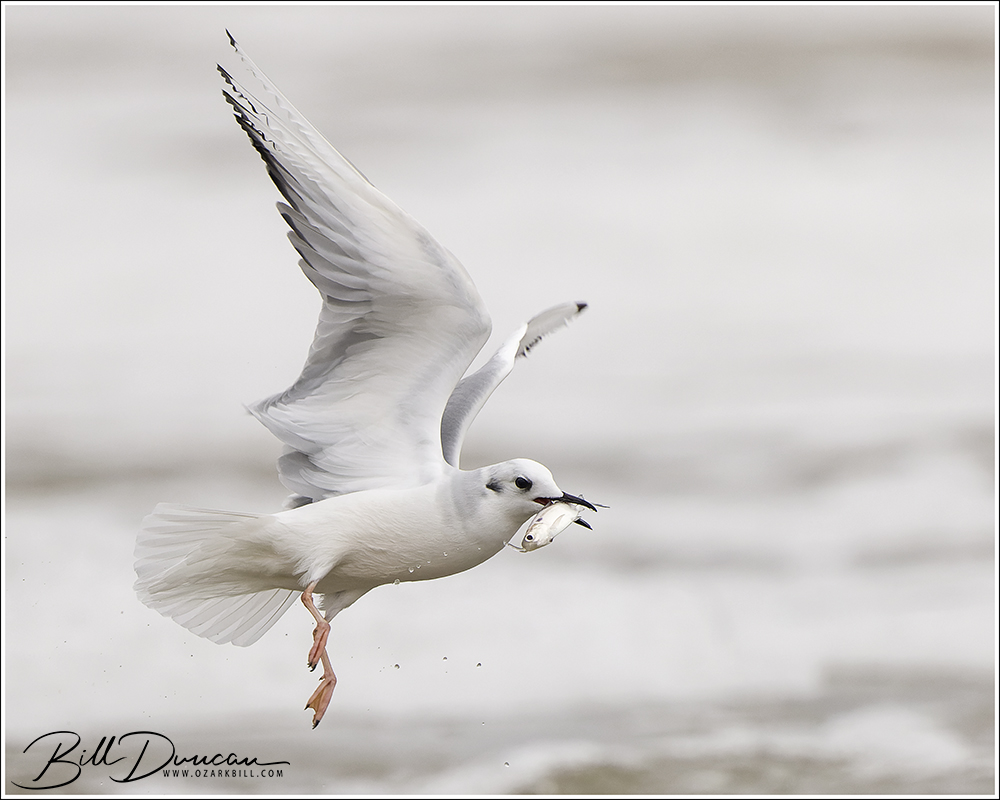
Photographing Bonnies while hunting like this is a real test of a photographer’s skills and their photographic gear. These guys are faster than a prairie fire with a tailwind. They have to be with the ever present Ring-billed Gulls nearby waiting to steal an easy meal.
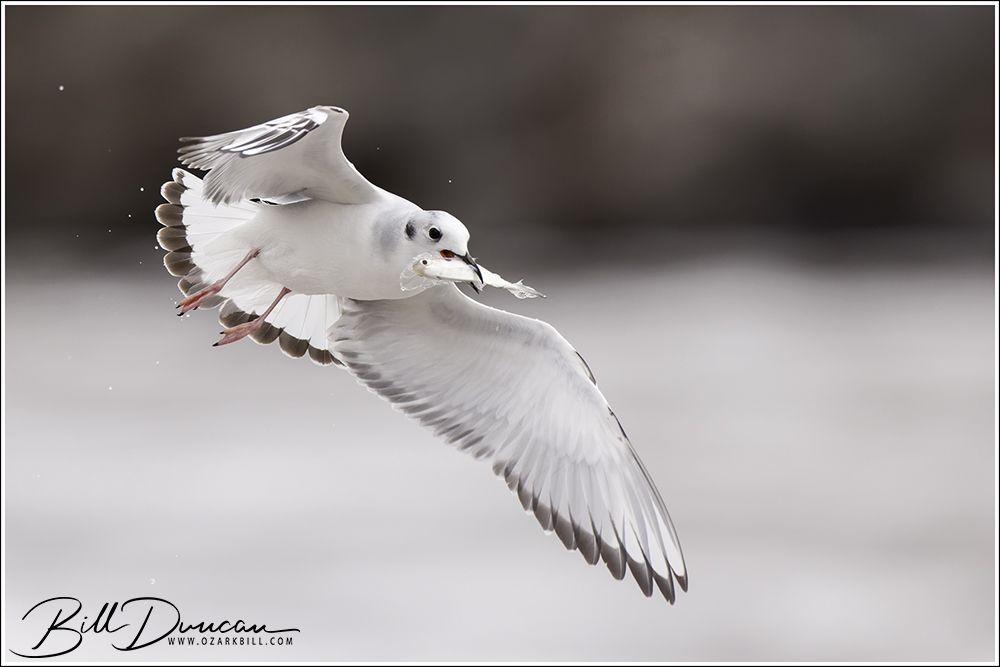
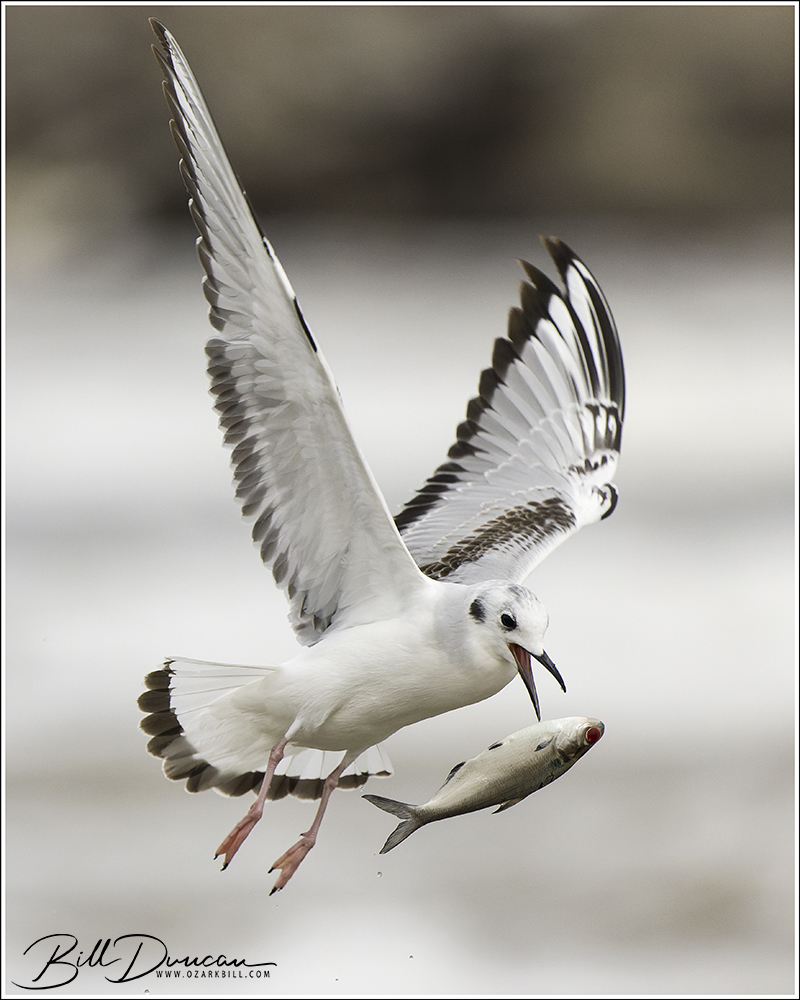
The photos I’ve shared so far all showed adult winter-plumaged Bonaparte’s Gulls. First-year winter birds are east to distinguish from the adults with their black tail bands and “M”-shaped black markings on their wing tops. These first year birds are every bit the skilled fishers that the adults are as you can see below.
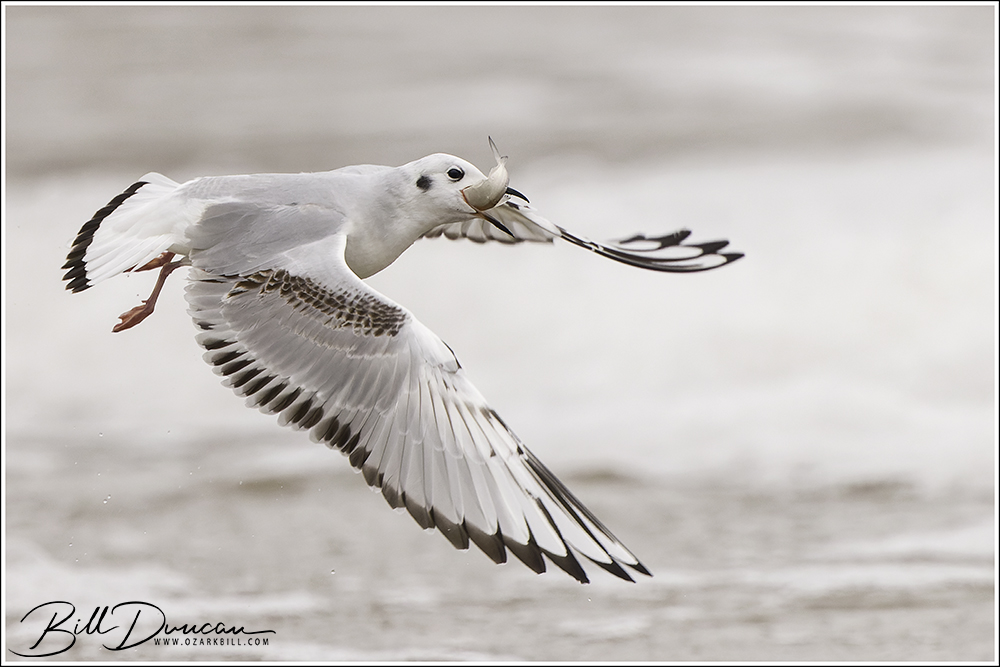
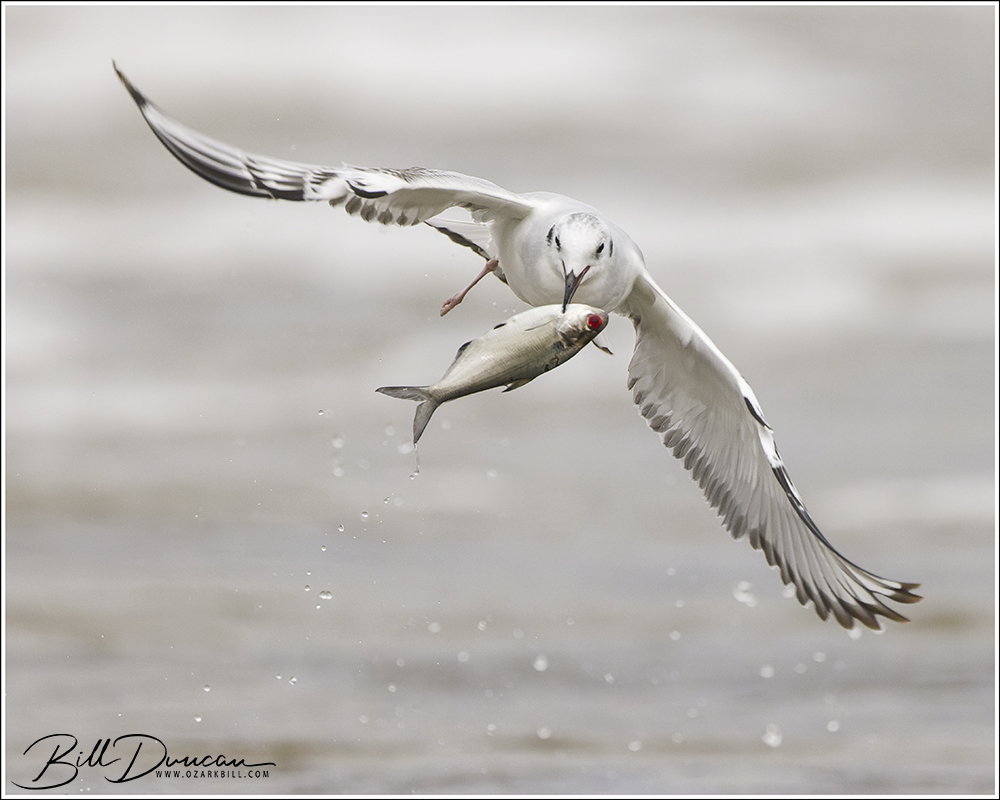
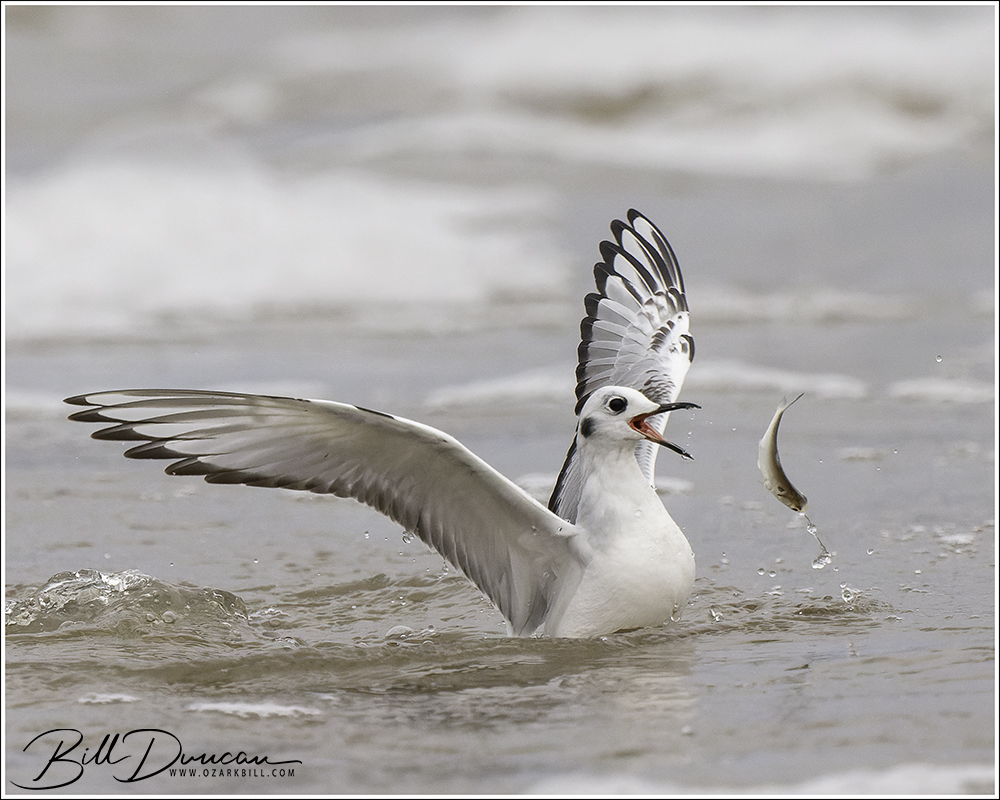
On my next visit a week later, the skies were clear and I was now challenged with a pretty strong mid-day light coming into the spillway. I felt that this still should afford more speed and a bit better image quality than I had on my previous visit. Unfortunately, the Bonnies must have moved elsewhere. Most of the gulls present were Ring-billed and I only counted four Bonnies during the hour or so I was there.
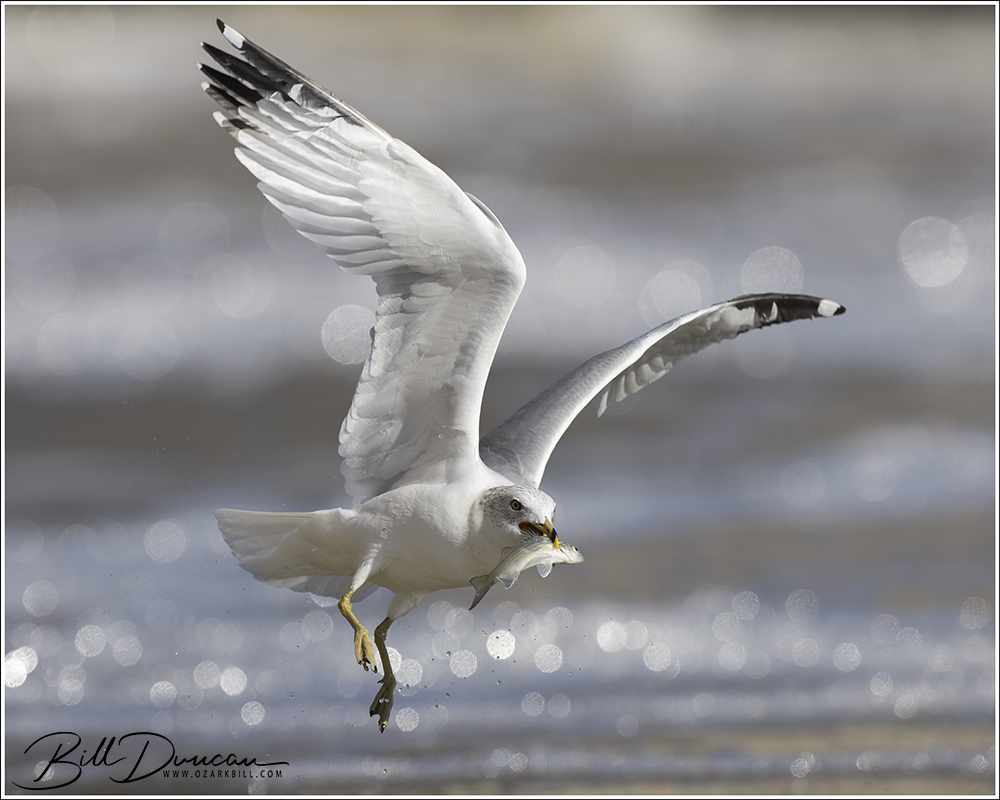
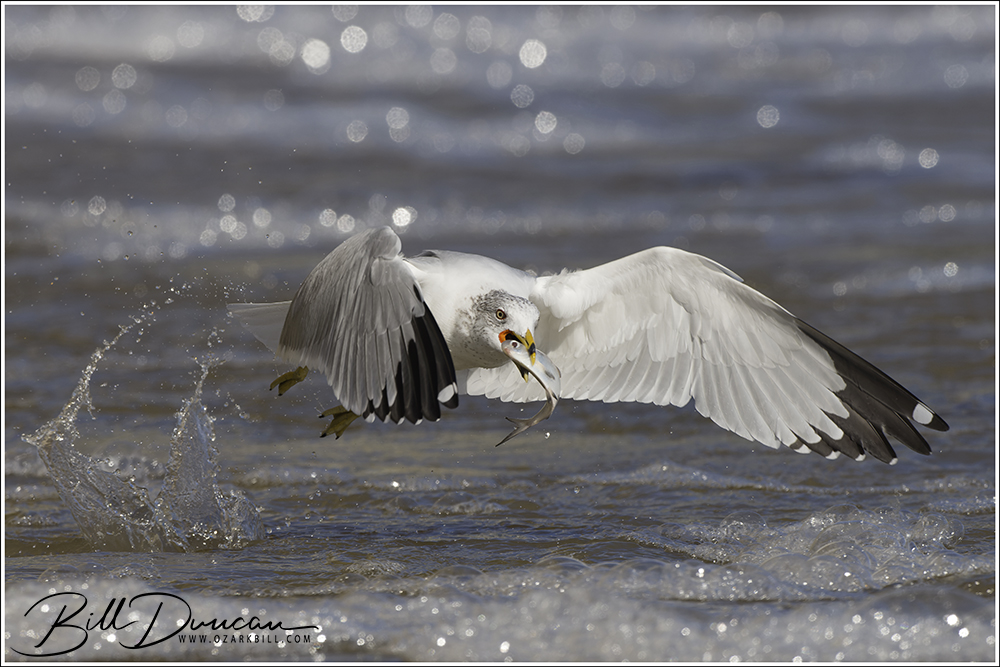
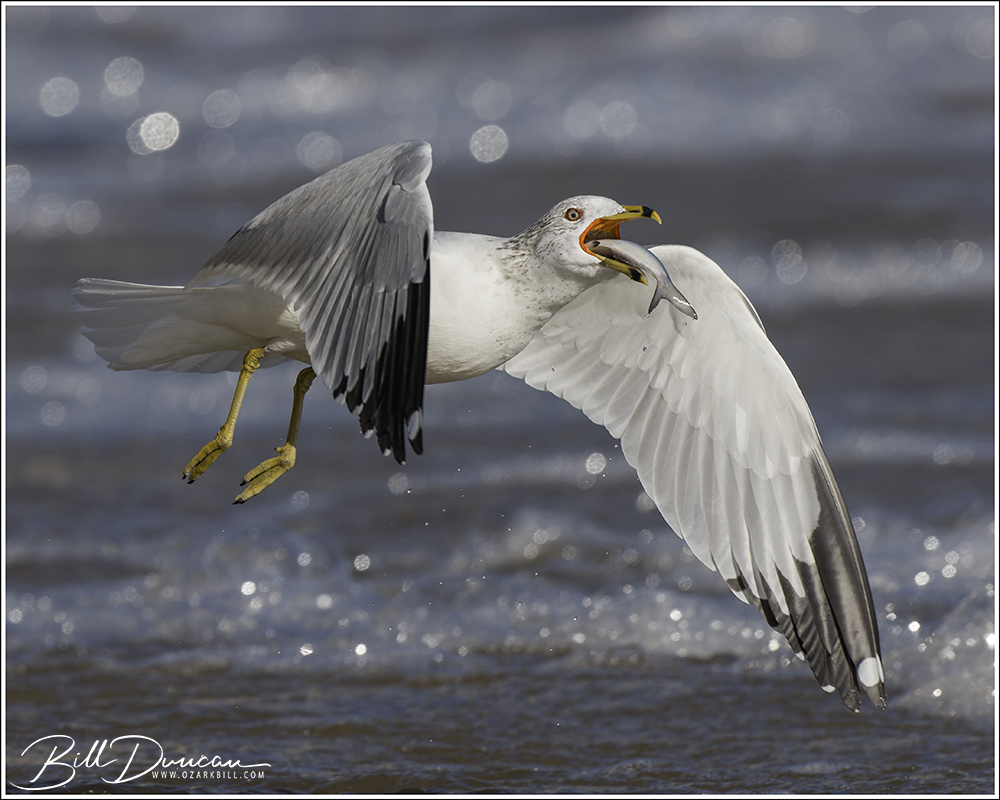

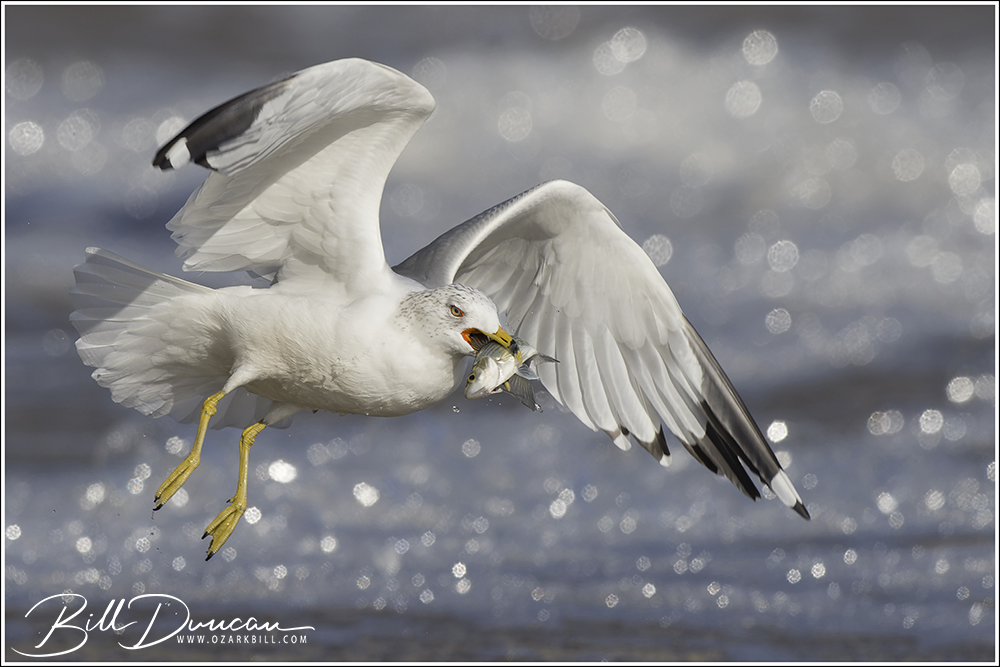
Wildlife photographers looking for a fun and fast-paced challenge that has no chance of interfering with their photographic subjects should really consider visiting this location.
-OZB
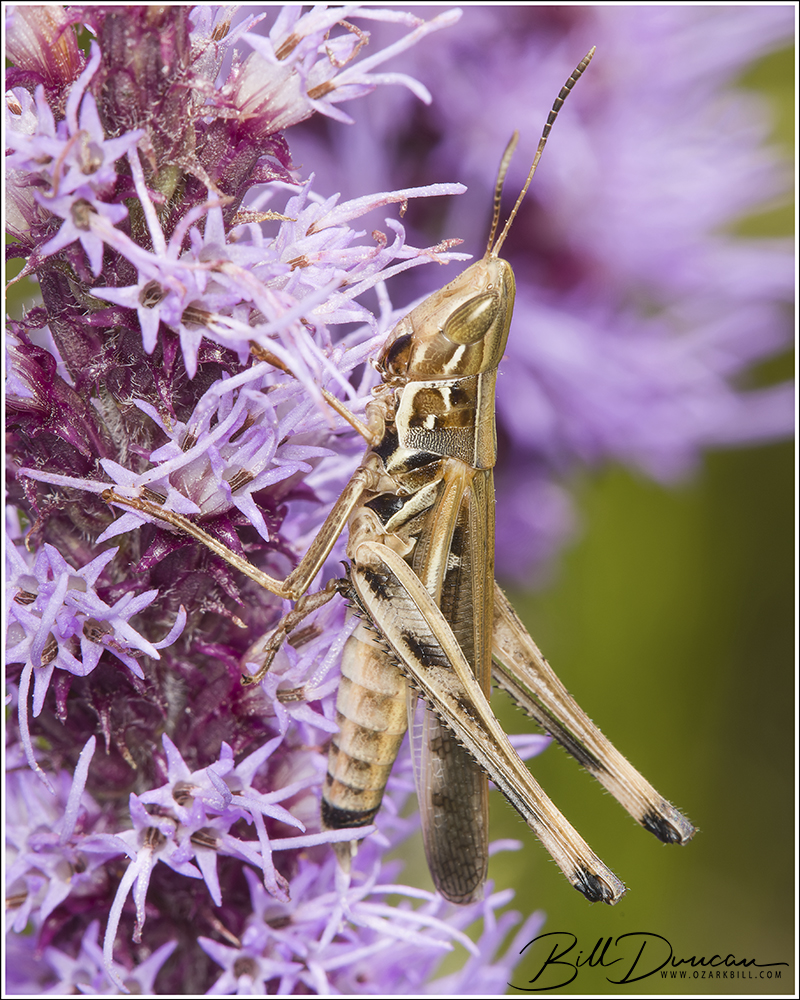
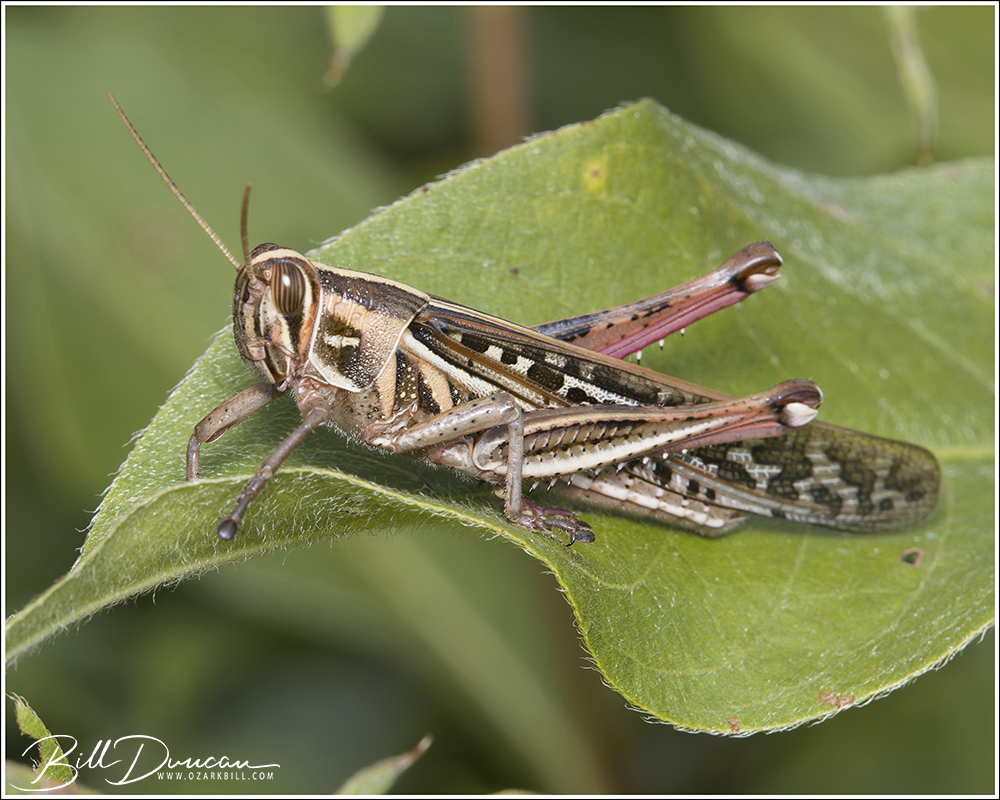
Here are a few handsome Orthopterans from the 2023 season.

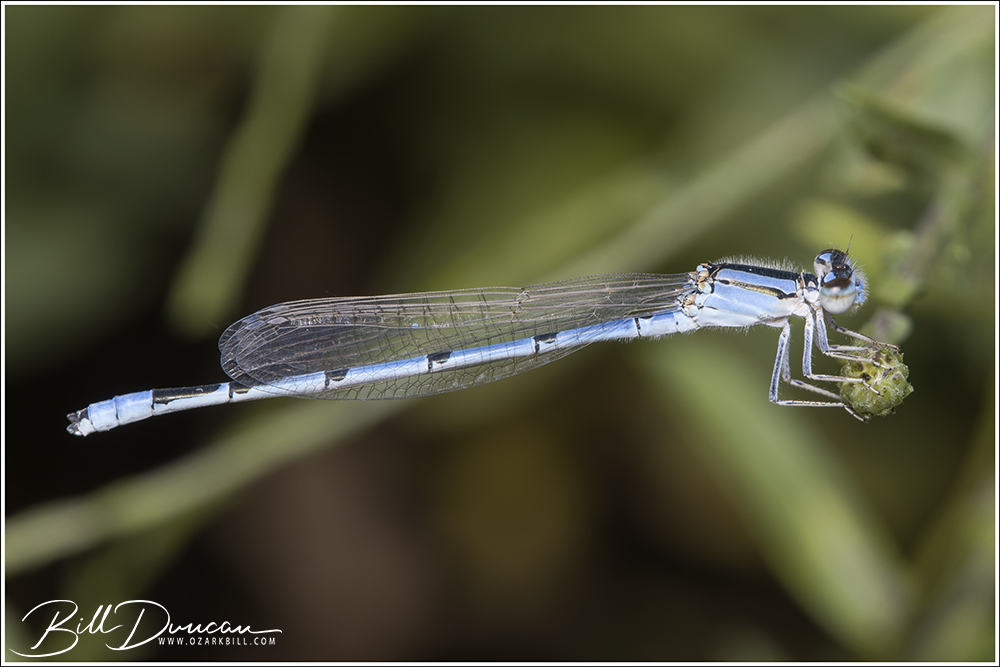
It’s February already and I’m still trying to wrap up photos from last year. Here are some photos of odonates from 2023.



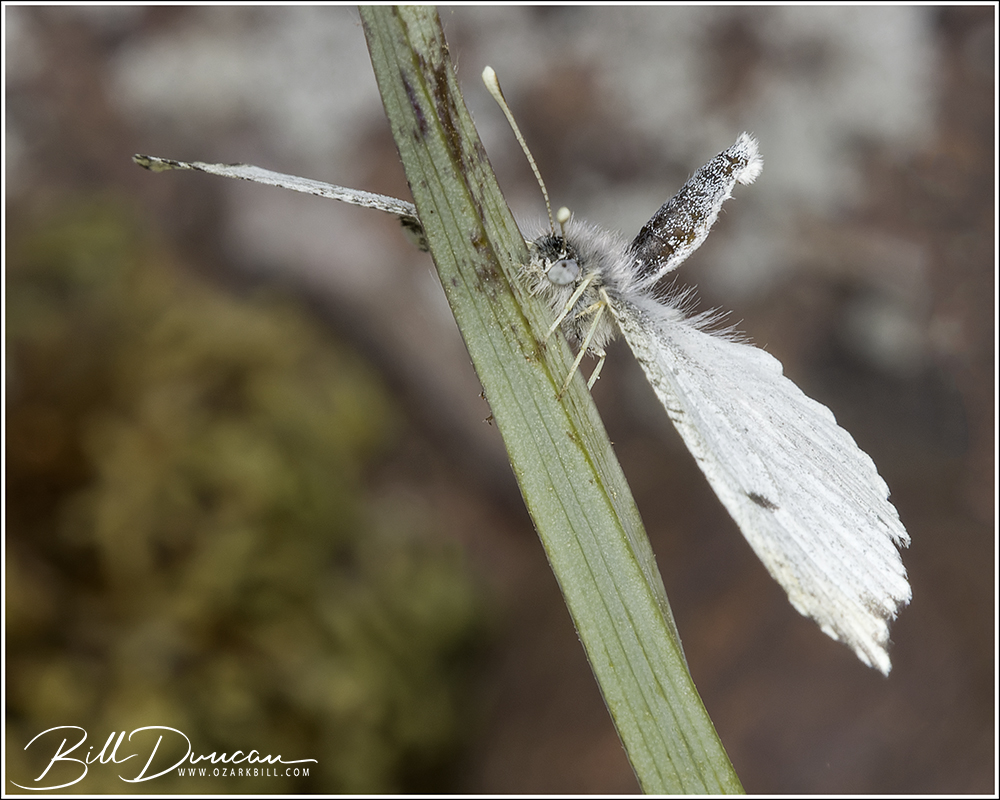
These are not the photos I envisioned getting when going after the falcate orangetip (Anthocharis midea). Casey and I must have spent more than a couple of hours running around Hugh’s Mountain Natural Area, waiting for one of these gorgeous males to land at a flower to nectar. Unfortunately, this rarely happened, and when they did finally set they were up again within seconds.
These guys were definitely not interested in feeding while we were there, instead they incessantly roamed the glades and woodland edges hunting for females. This is where I finally got a little bit of luck by finding a stationary female. She had drawn the attention of several males who were fighting for a chance to breed.
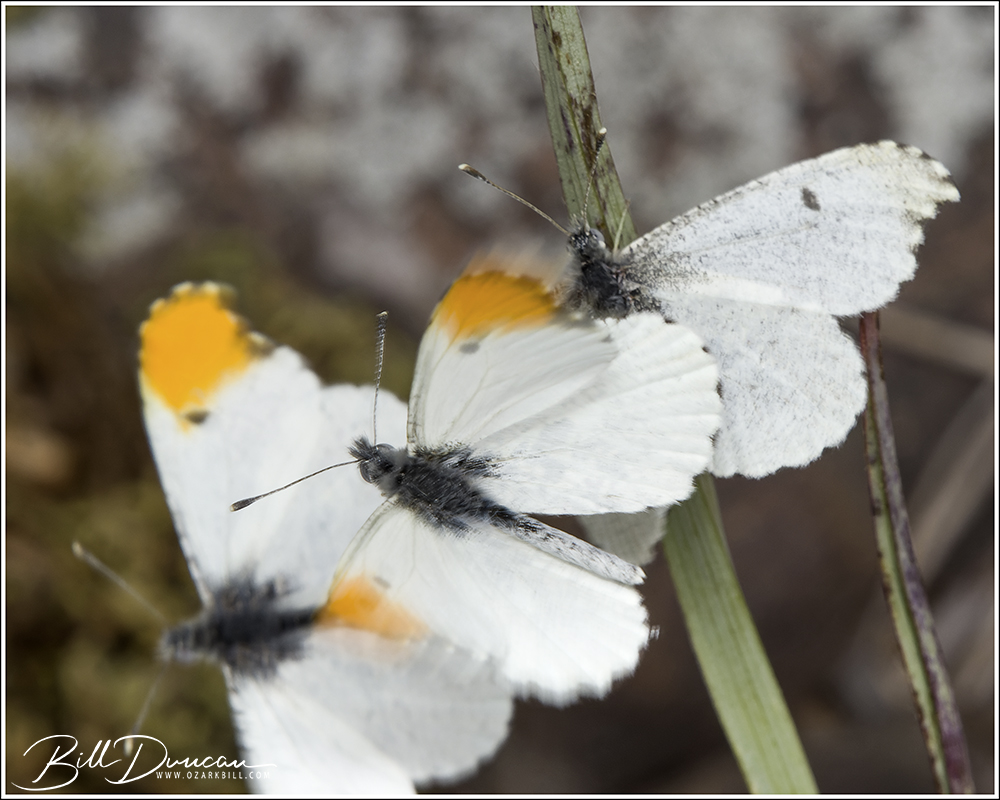
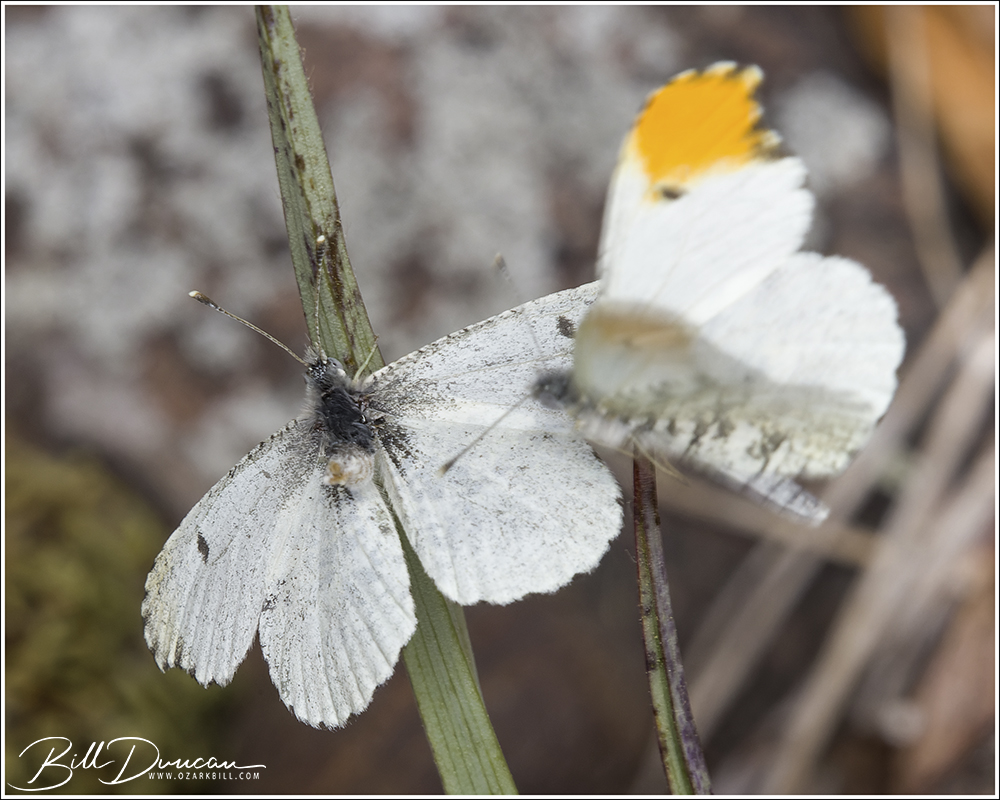
Members of the Pieridae family, the falcate orangetip’s host are members of the mustard family (Brassicaceae). The caterpillars feed mostly at night on the flower tissues of these plants.
I was happy to final start working on getting some butterfly and skipper photos in 2023. I joined the local North American Butterfly Association and really enjoyed getting out on a few of their counts. I’m still learning the diurnal moths (butterflies) and have a ways to go before I can call myself competent. Here are a few photos from the Nymphalidae family to share from 2023.
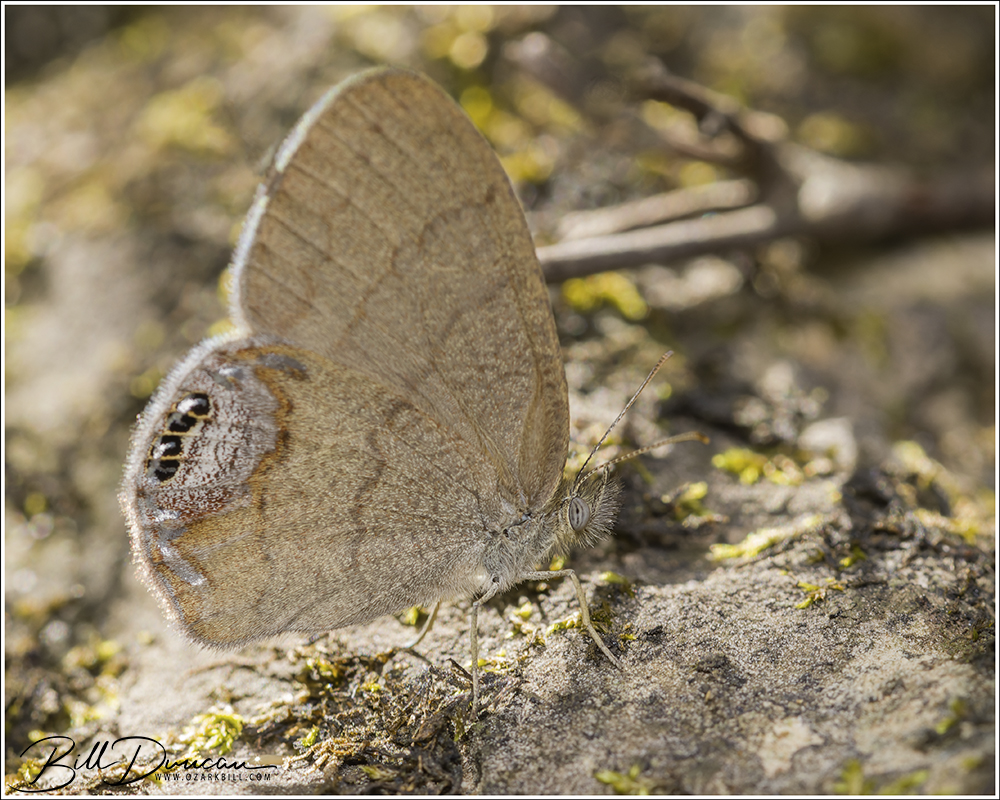
This gemmed satyr was an unexpected find while visiting St. Francois State Park in September. Not long ago this species was restricted to extreme southern Missouri. They now seem to be continuing a northern expansion in their range. Quite a few butterflies have eyespots that are found on different locations of their wings, presumably to make them look like much larger organisms as well as to persuade would-be predators to attack something beside the vulnerable true heads. I have recently read that some have hypothesized the spot on this species wings developed to mimic certain jumping spiders. In my photo I think this looks to be highly plausible – with the two primary eyes centered around a grey backdrop that looks very much like a jumping spider to me.

Once believed to be a pure example of Batesian mimicry in a complex with the monarch and queen butterflies, some evidence now suggests that the viceroy may be distasteful to predators, providing evidence that this is instead should be considered a case of Müllerian mimicry. This is turning out to be quite the complex case to understand, with some reports suggesting that the host plant that a particular individual viceroy was raised on determines whether or not it is distasteful. Other work has suggested that gene complexes that may differ between populations of viceroys determines distastefulness. More work is needed to determine what exactly is going on here. This photo was taken on a NABA walk ate Marais Temps Clair C.A. in September.

Photographed at Marais Temps Clair C.A. in early October, the red admiral is a lover of nettles, feeding solely on members of the Urticaceae family.

Famous for its migration, the painted lady hosts on numerous species of Asteraceae.

Being strictly found in the new-world, the American lady can be distinguished from the painted lady by the number of spots on the ventral sides of the hindwings. As seen in the photo above, the American lady has two large eyespots whereas its cousin, the painted lady, has four. Photographed at Horn’s Prairie Grove LWR in July.
The WGNSS Nature Photography Group headed to the St. Louis Zoo during a frigid winter spell this past weekend. Light could have been better and we struck out on a few things we were targeting, but I am pleased with a few images I was able to make. Everyone was well bundled for the conditions and I think had a nice time.


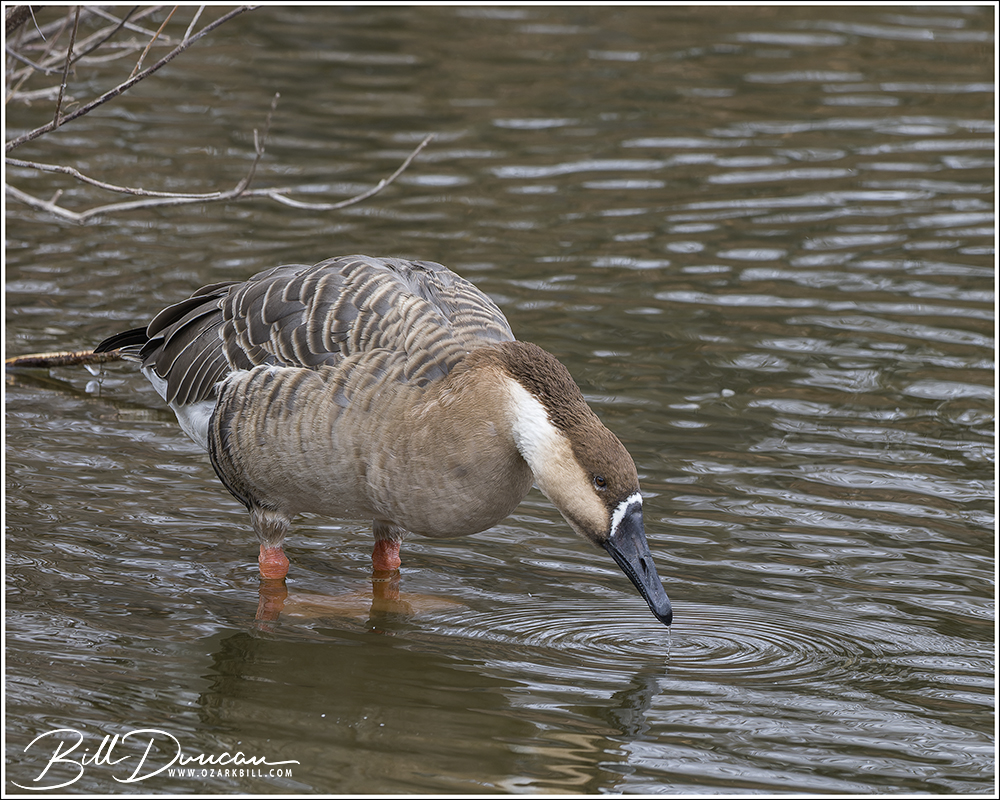
The St. Louis Zoo also contains a number of species native to Missouri, most of which are rescued animals that have poor chances of survival in the wild. Some, like the eastern grey squirrel and eastern cottontail, along with some waterfowl and wading birds are wild species that stick to the zoo grounds looking for easy meals.




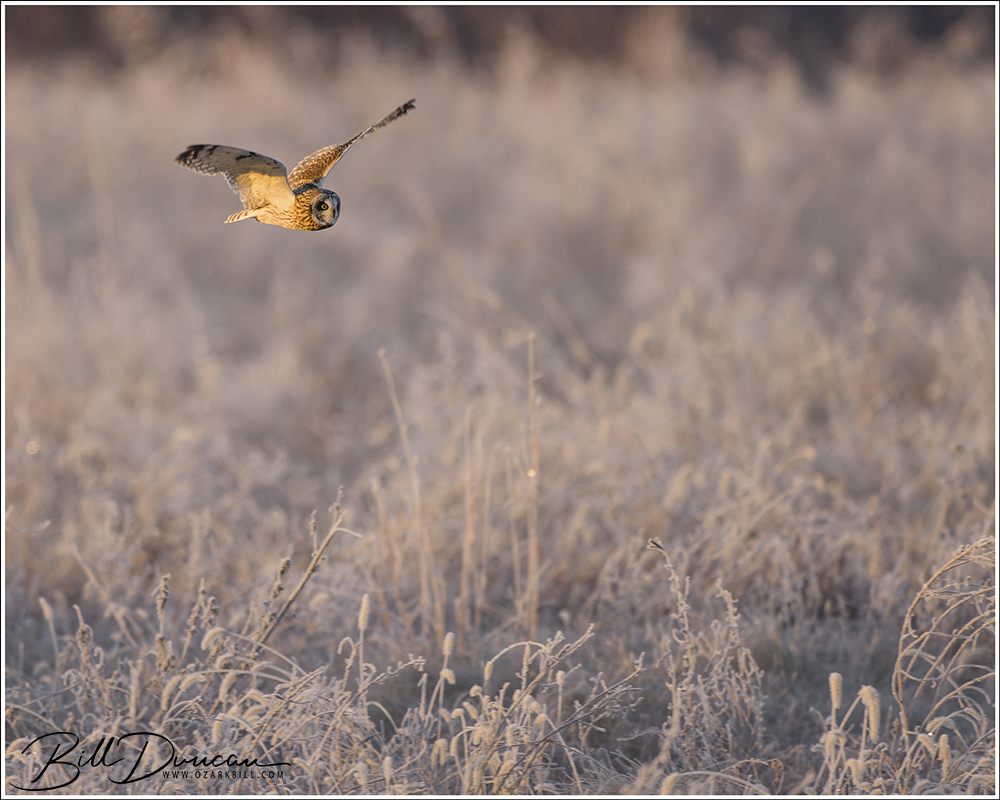
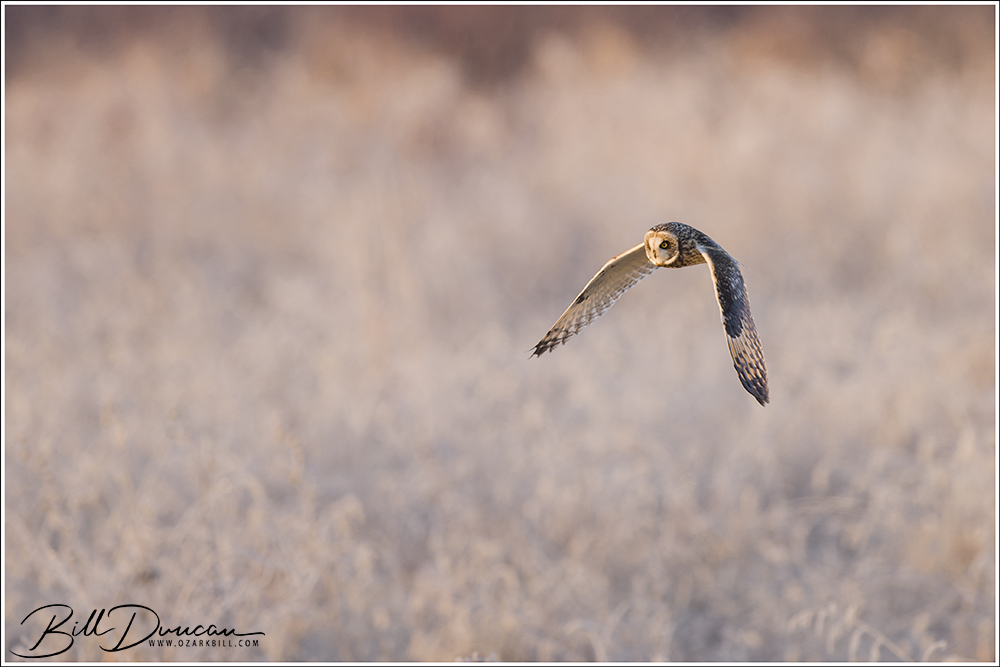
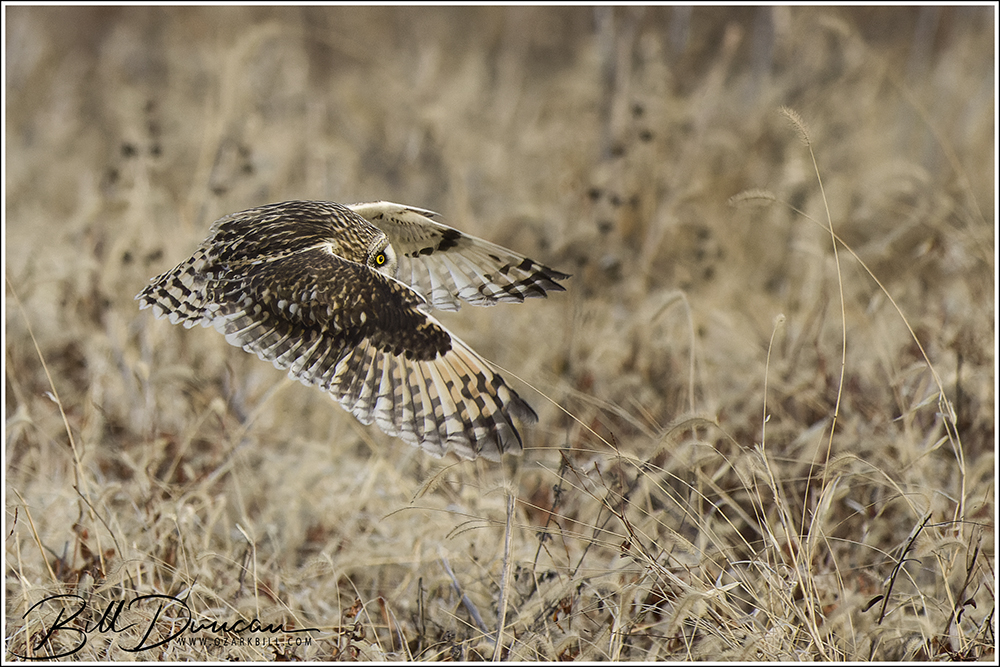
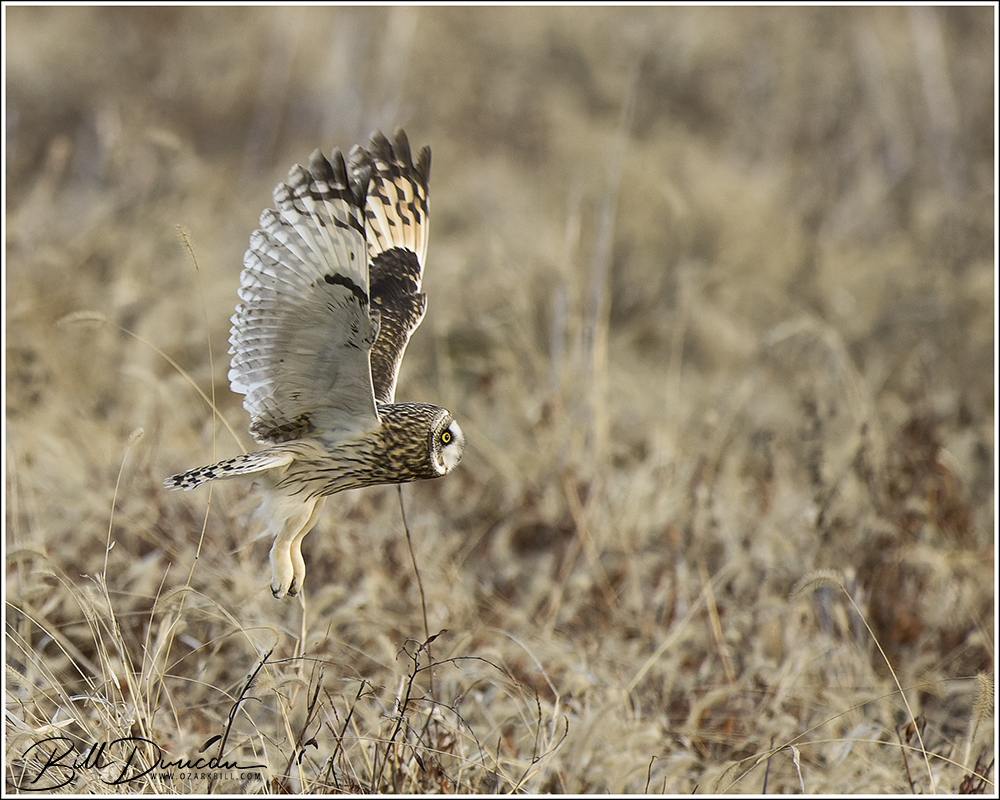
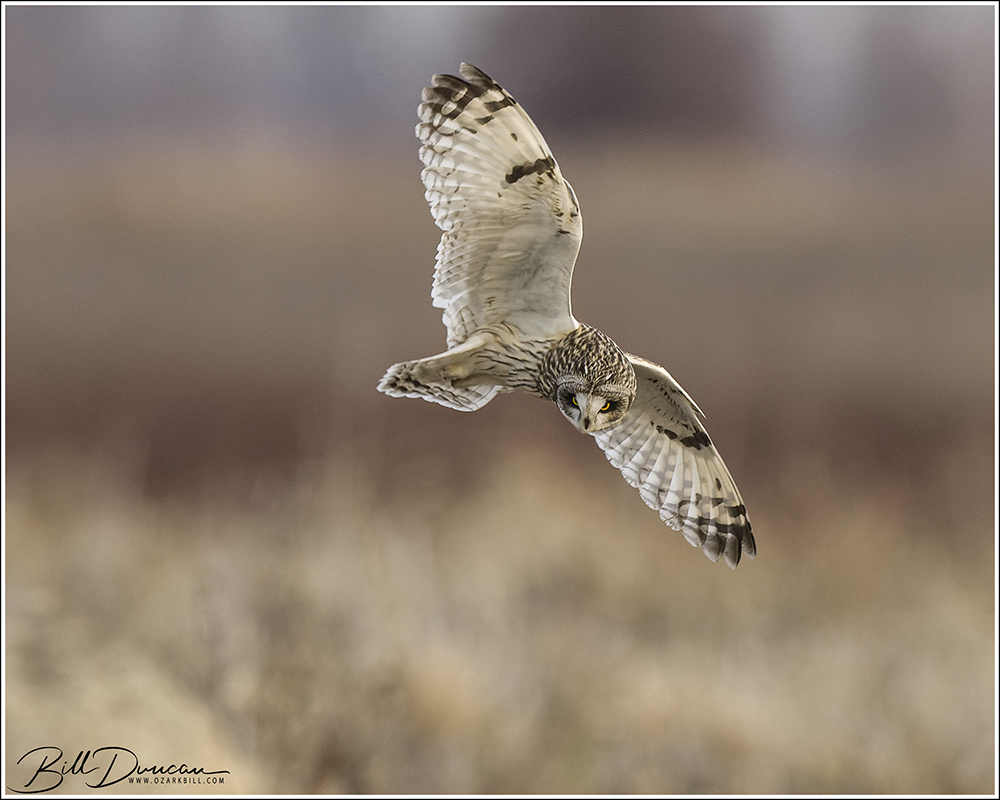
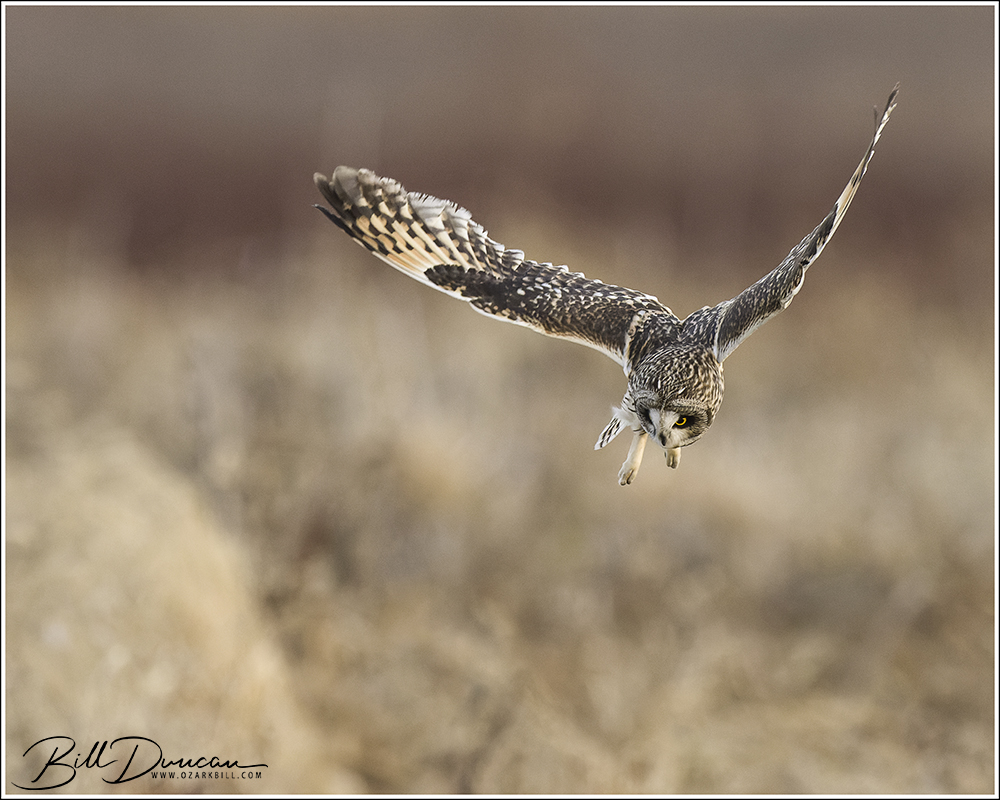
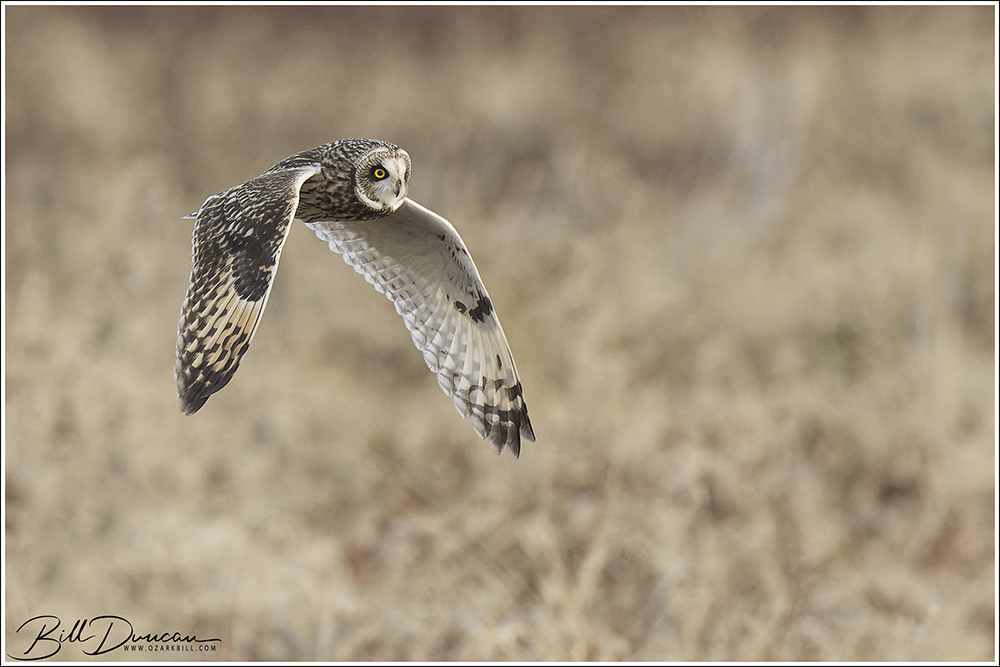
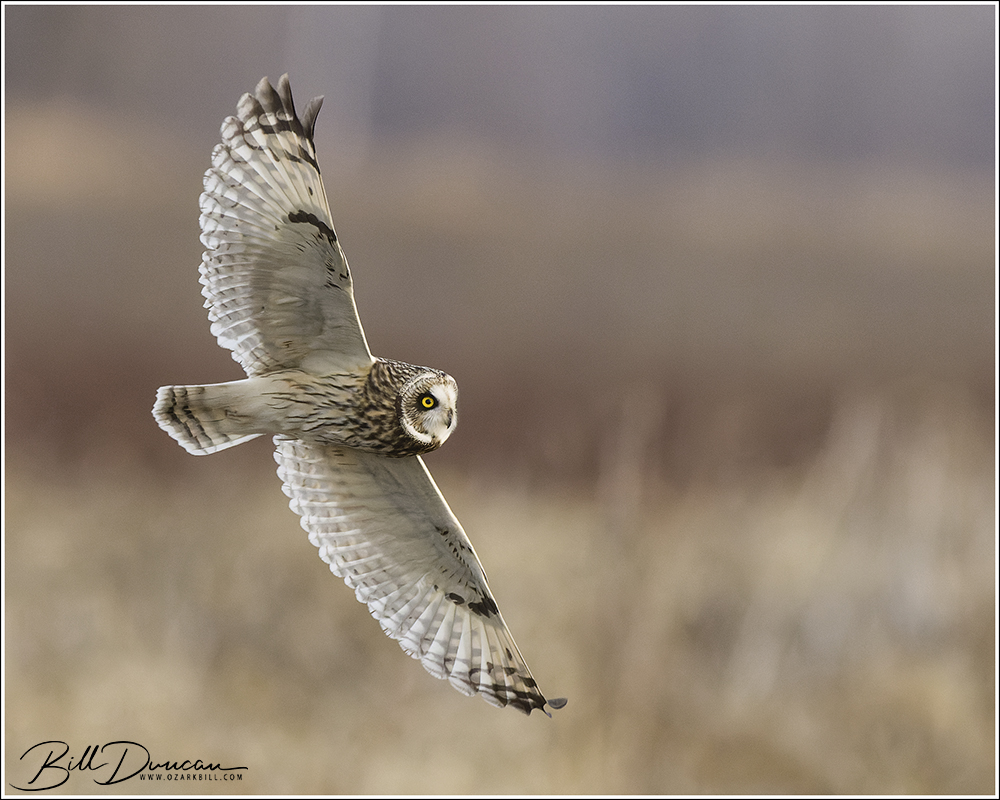
Despite being a pretty disappointing season for winter birds so far, due to not being much of a winter season, one saving grace has been the unprecedented appearance of a number of Short-eared Owls that have set up shop in the grasslands at Riverlands Migratory Bird Sanctuary near the confluence of the Mississippi and Missouri Rivers. It seems as though every birder and photographer in the bi-state area has heard about this and show up regularly to view the spectacle.
Finding the opportunity to be there in good light with the birds cooperative has been a challenge for me over the past month or so they have been here. But, I did have some luck under less than optimal skies. Despite poor lighting and the birds being a little further away than I would like, I was able to manage a few images I can live with. I’m hoping to have a few more opportunities before the season is over.