I do not believe I have shared a single slug moth (fam. Limacodidae) caterpillar in 2026. This is mainly because I shared so many of these in the past several years. I did, however, photograph a few this year and I thought I would pool them all in this one post.
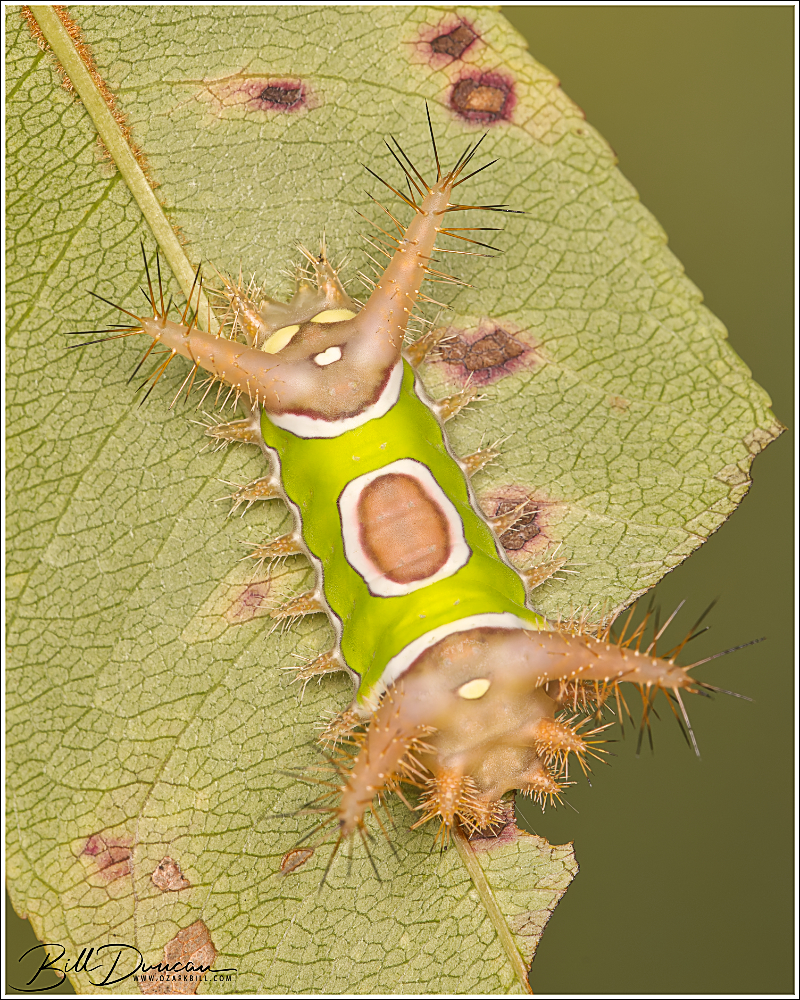
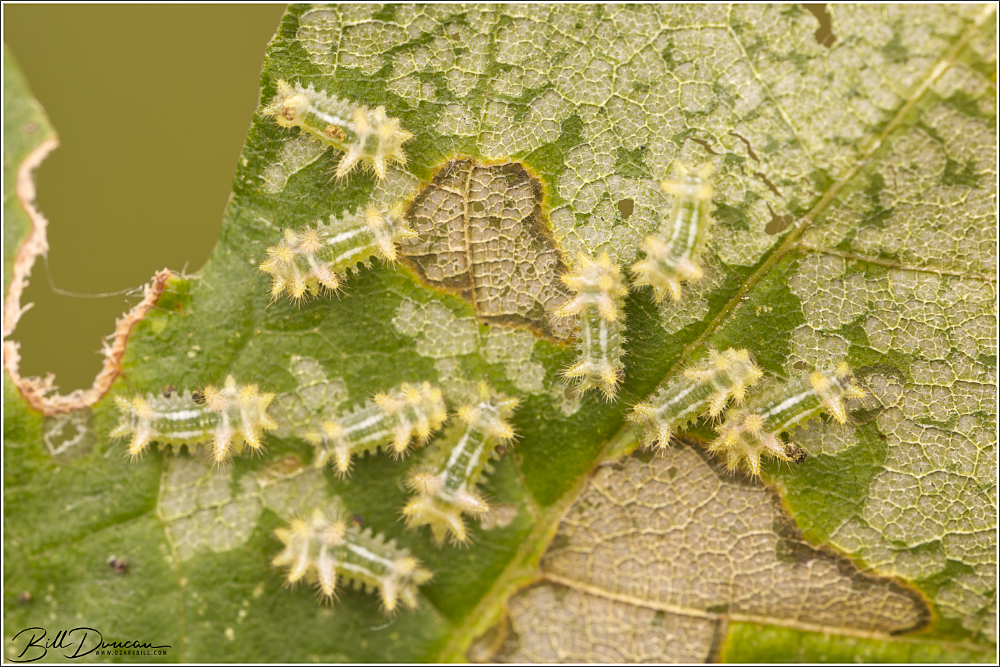
First up is the saddleback caterpillar (Acharia stimulea).
The little ones, which are likely 1st instars, were found at Don Robinson State Park in Jefferson County, while the more developed individual was found at the WGNSS trip to Logger’s Lake in Shannon County. Note in the photo on the right that the little ones do not consume the whole leaf, but at this small stage, they scrape the upper layer of the leaf surface.
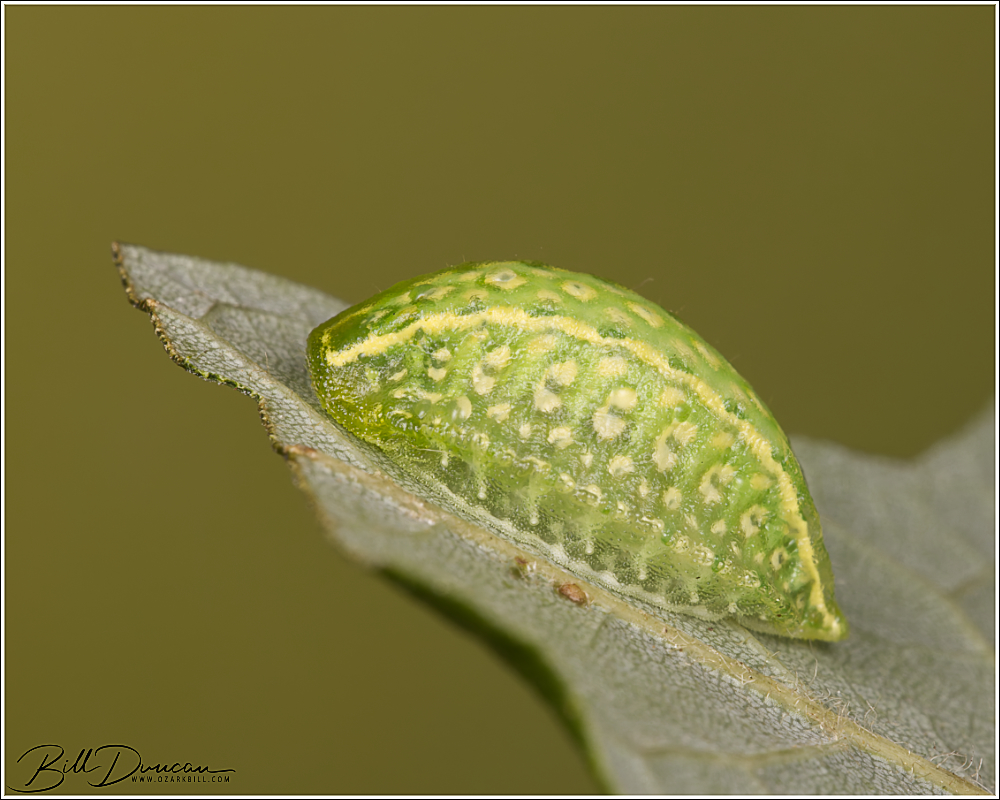
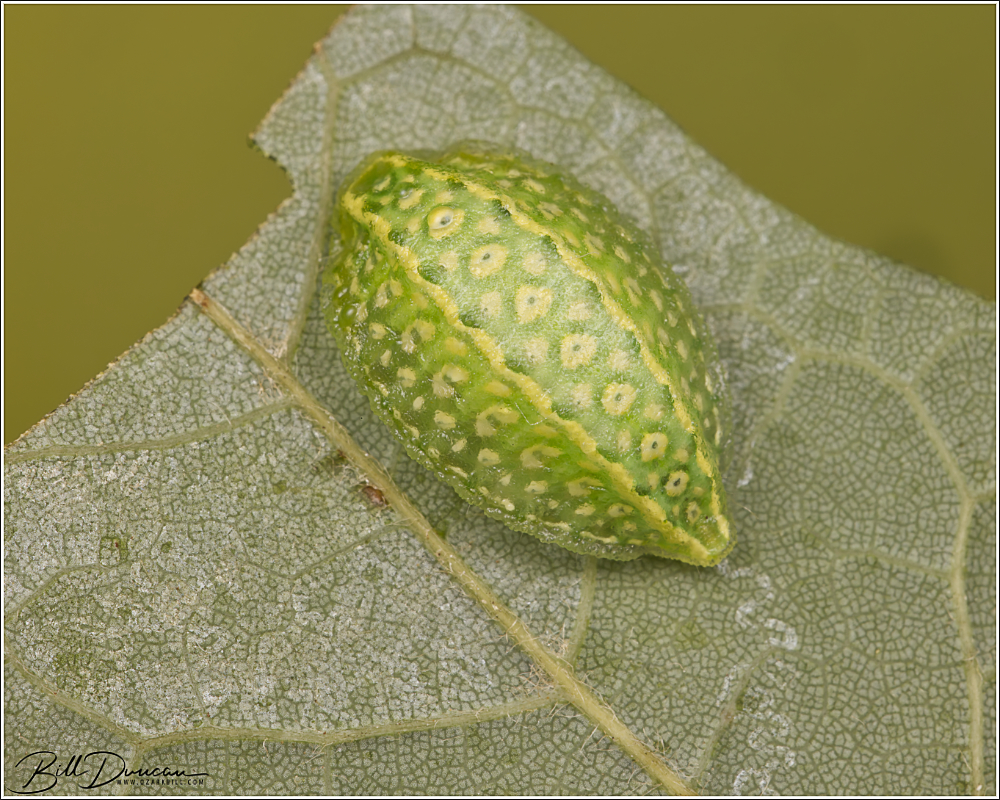
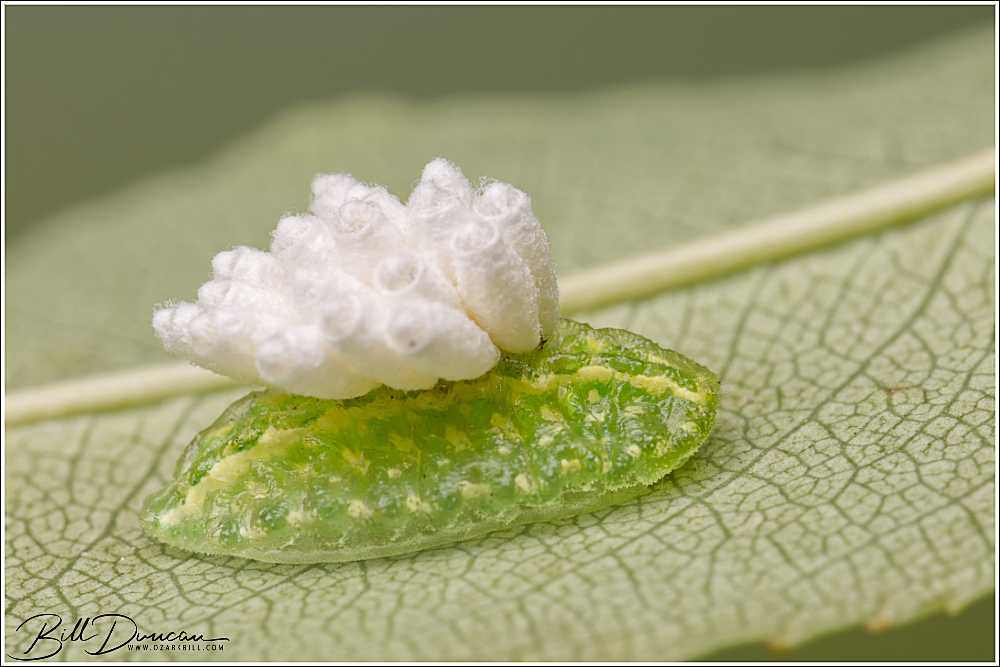
Next up is the yellow-shouldered slug moth (Lithacodes fasciola).
The healthy final instar individual was found in Ste. Genevieve County in August, while the poor victim of braconid parasitoid wasps was found at Tyson Research Center in early July.
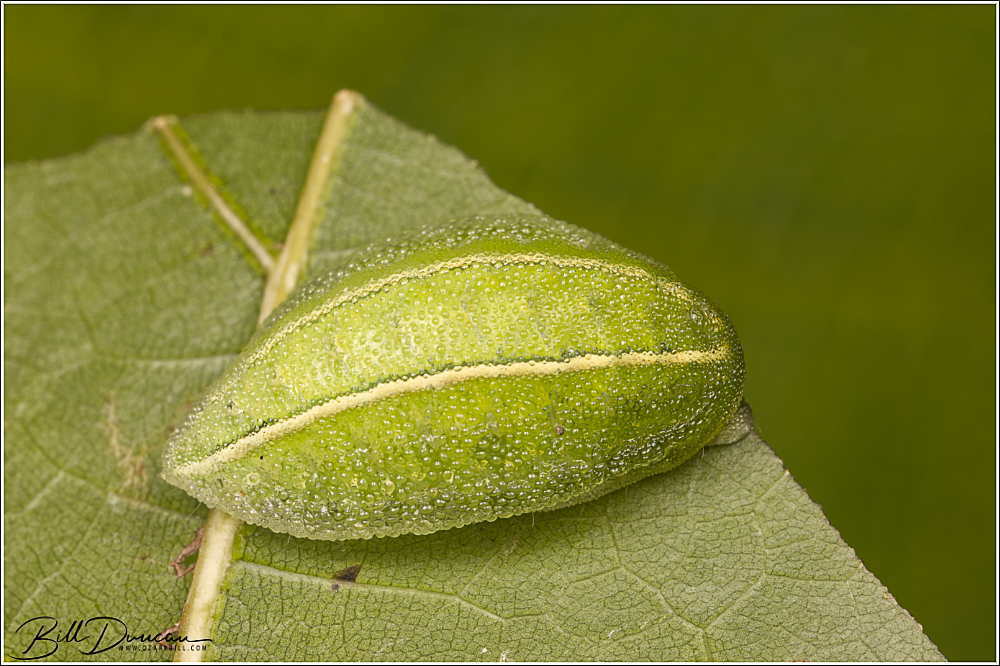
This shagreened slug moth (Apoda biguttata) caterpillar can often be confused with the species before and after. Notice the shagreen-leather-like texture of the integument to discern this one from the yellow-shouldered slug and the following species. This one was found at Don Robinson State Park in mid-September.
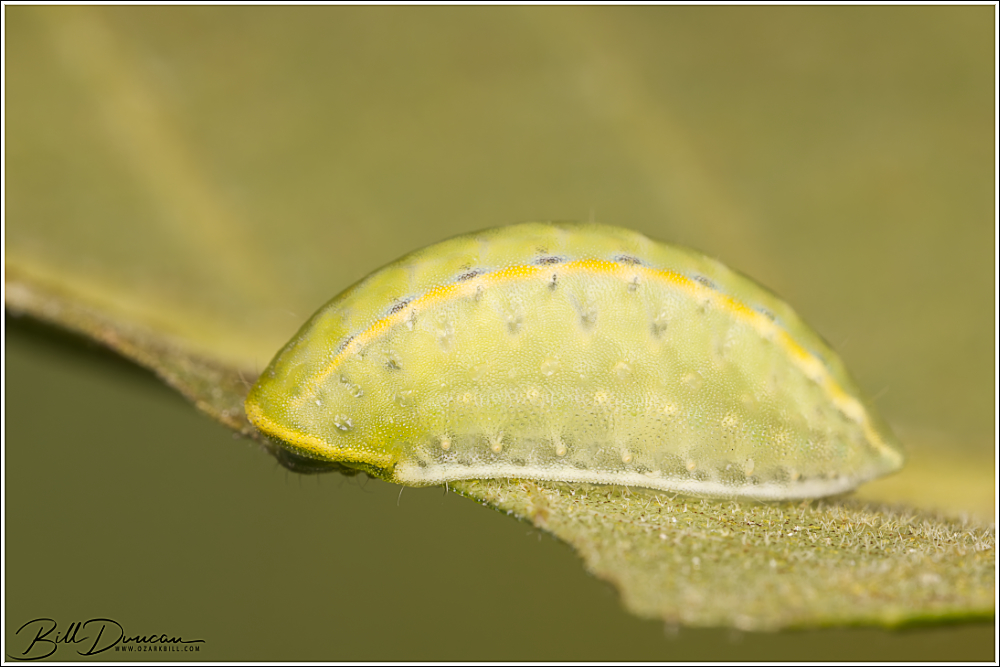
The yellow-collared slug moth (Apoda y-inversum) can be identified by the yellow collar at the anterior end along with the yellow sub-dorsal striping. This one was found at Tyson Research Center in early July.
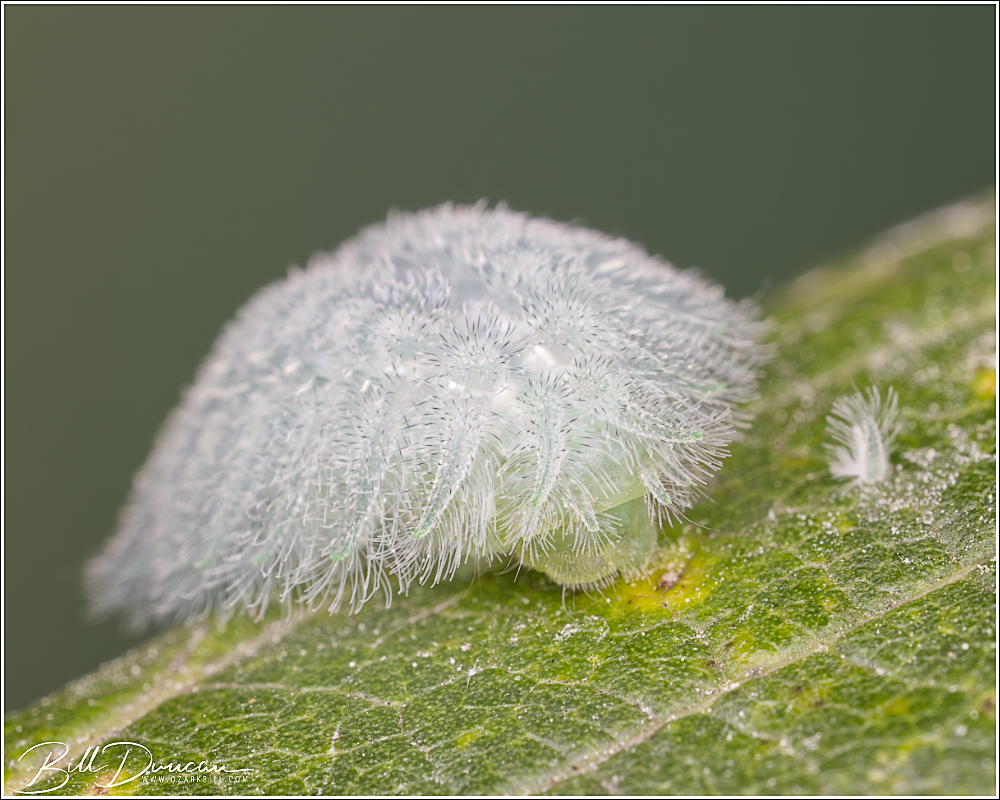
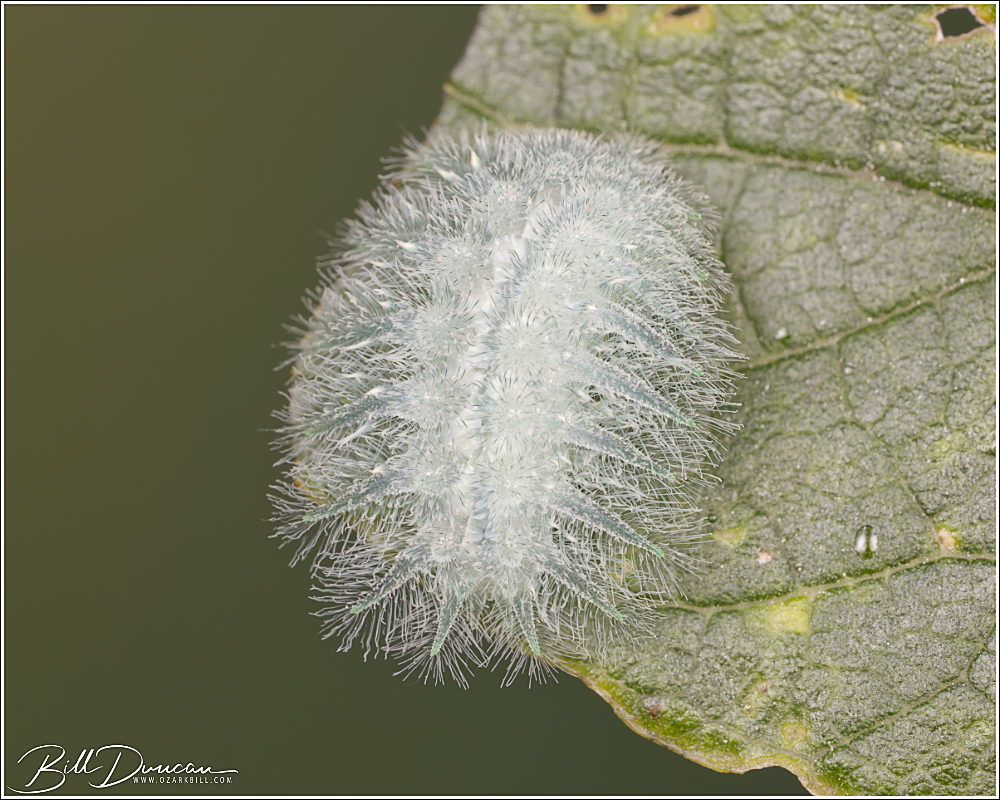
I had a lot of luck finding the crowd-favorite spun glass slug moth (Isochaetes beutenmuelleri) this season. This one was found in Ste Genevieve County in early August on hackberry.
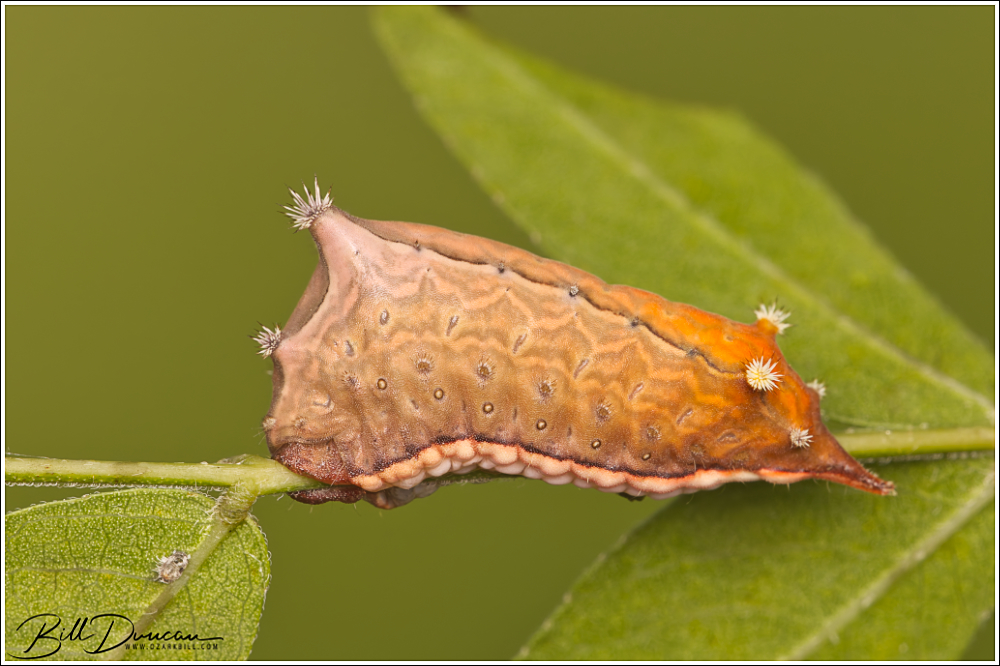
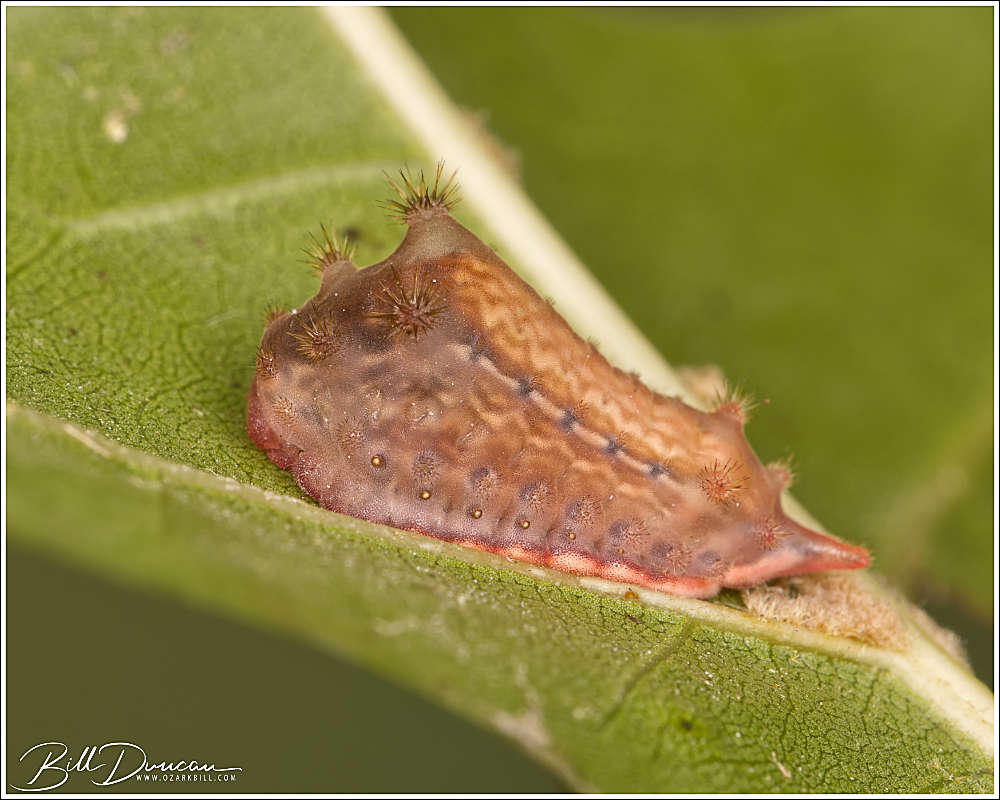
I typically don’t have much luck finding the smaller parasa (Parasa chloris) caterpillars, but this season we discovered five. The two pictured here were found on honey locust and pin oak. Most limacodids are notorious as being highly polyphagous and can be expected on nearly any woody plant species in the state. This year, I found one of this species feeding on the herbaceous wingstem (Verbesina alternifolia).
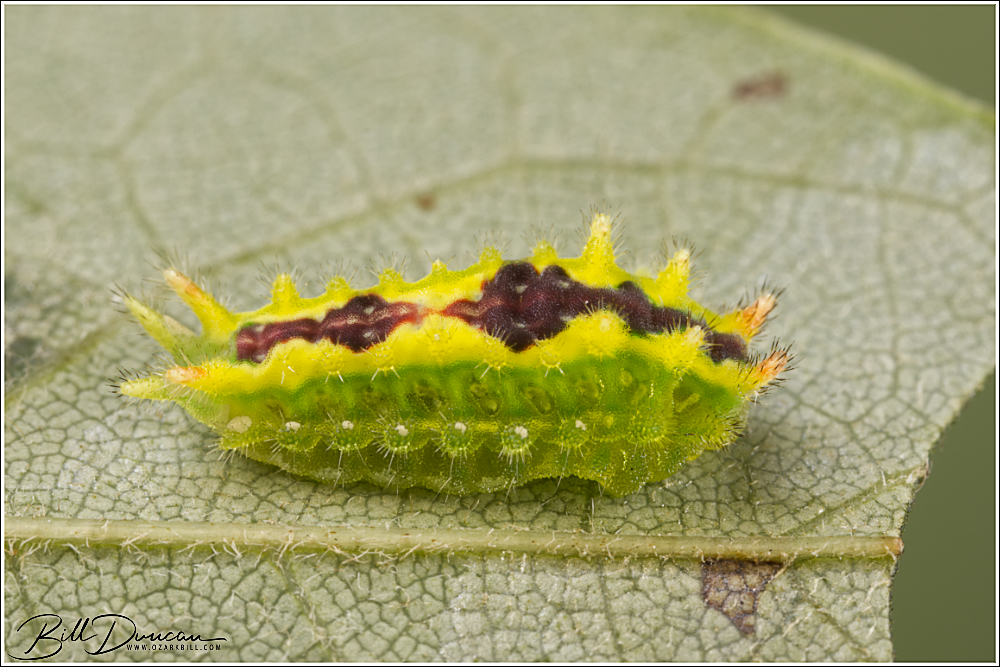
This beautiful purple-crested slug moth (Adoneta spinuloides) was found at Tyson Research Center in late July.
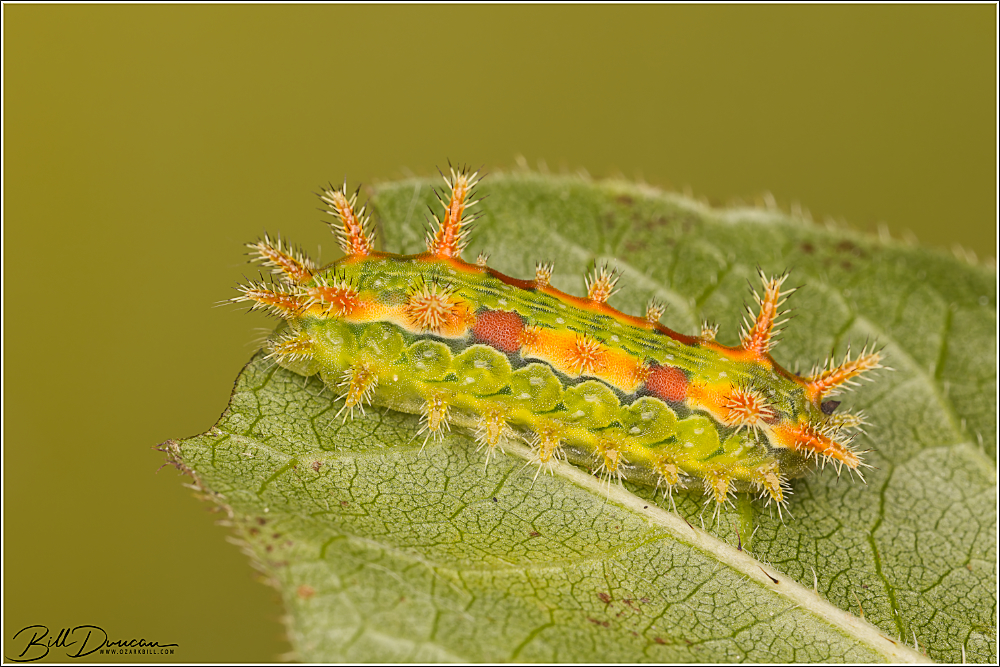
The spiny oak slug (Euclea delphinii) is typically, but not always found feeding on oaks. This year, however, we found one using Roseshell Azalea (Rhododendron prinophyllum) as host.
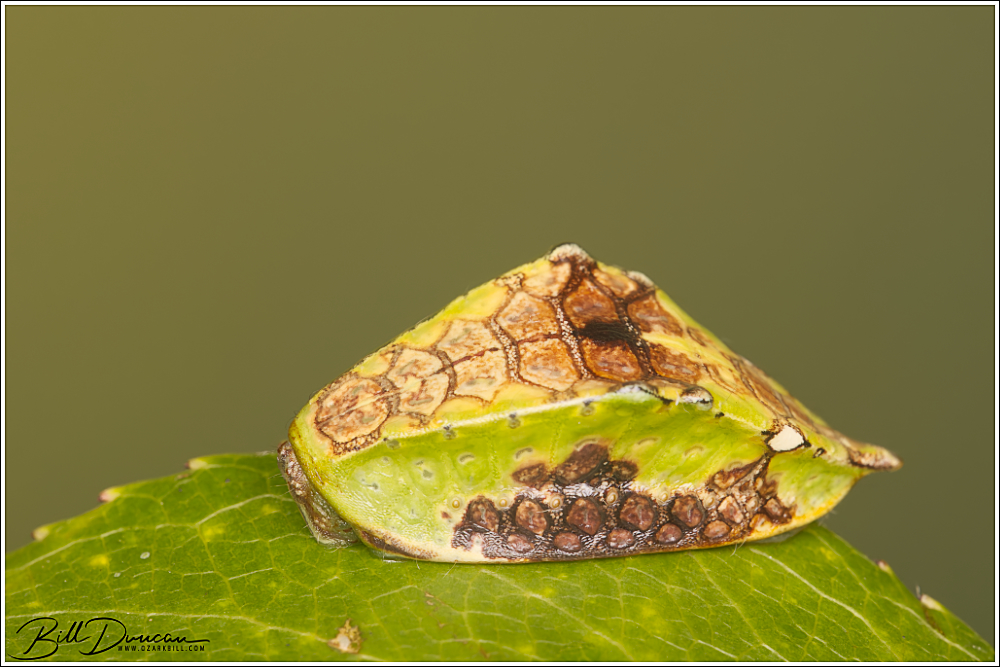
Last but not least is this wonderful skiff moth (Prolimacodes badia). These guys come in a wide assortment of patterns, ranging from mostly green, to what you see here, an animal dressed as a scenescent and diseased leaf. This one was found on the WGNSS trip to Logger’s Lake in mid-August.
This covers the slug moth caterpillars I photographed in 2026. One odd thing to note is that no monkey slug cats were found this year. I’m still trying to wrap my ahead around limacodid abundance and dispersal. Some years, certain species are found in large numbers across a variety of habitat types, while the next year they are difficult or impossible to find. These swings are most likely due to parasitoid pressures that wax and wane and are effective biological controls for all lepidopterans.

