Promethea Silkmoth
Callosamia promethea (Drury, 1773) P-no. 890079
Host plant: Found on buttonbush (Cephalanthus occidentalis)
Date found: 28 June, 2026
Location found: Pinewoods Lake Recreation Area, Carter County, MO
Notes: I shared this species in an exciting finding and rearing experience last season here and here. To my delightful surprise, the WGNSS Entomology Group found four early instar (L1/L2) caterpillars during a trip to Pinewoods Lake in late June of this year. Since I have a buttonbush in the yard, I decided to bring them home to rear.
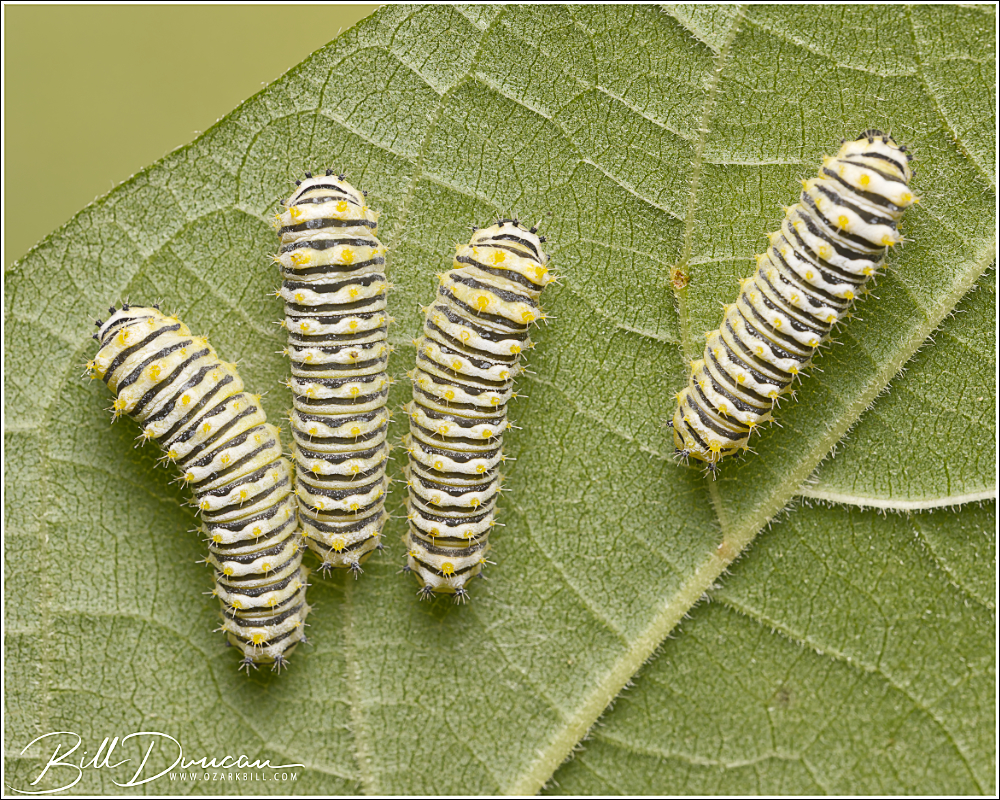
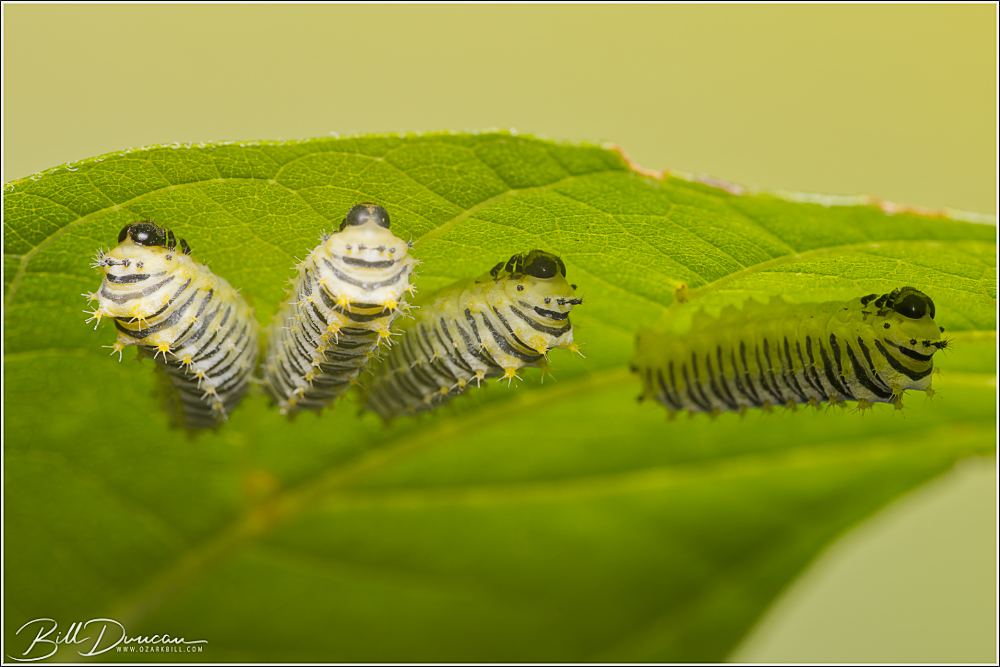
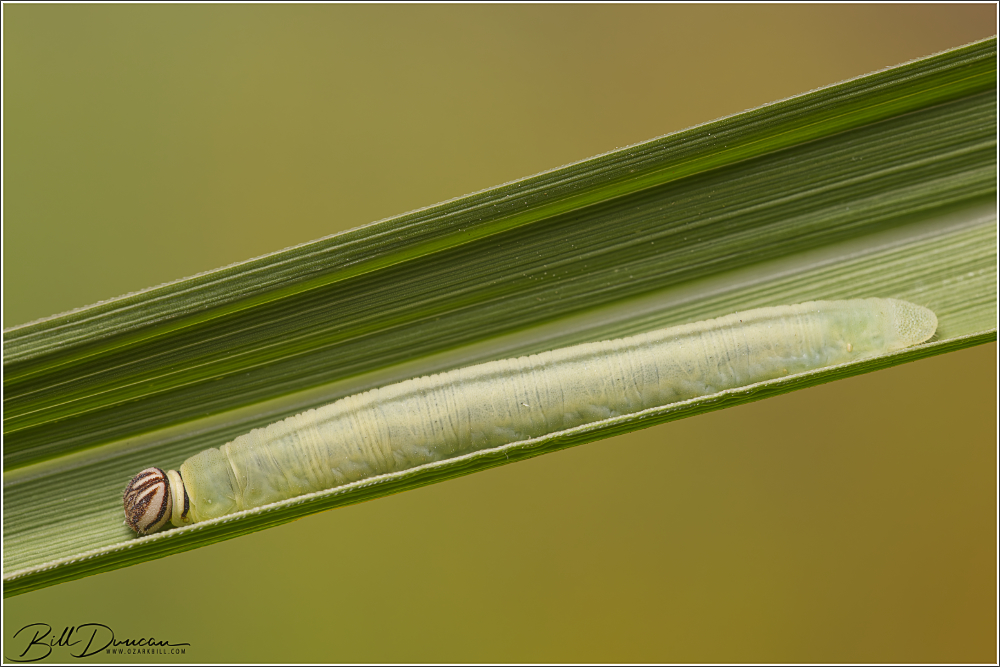
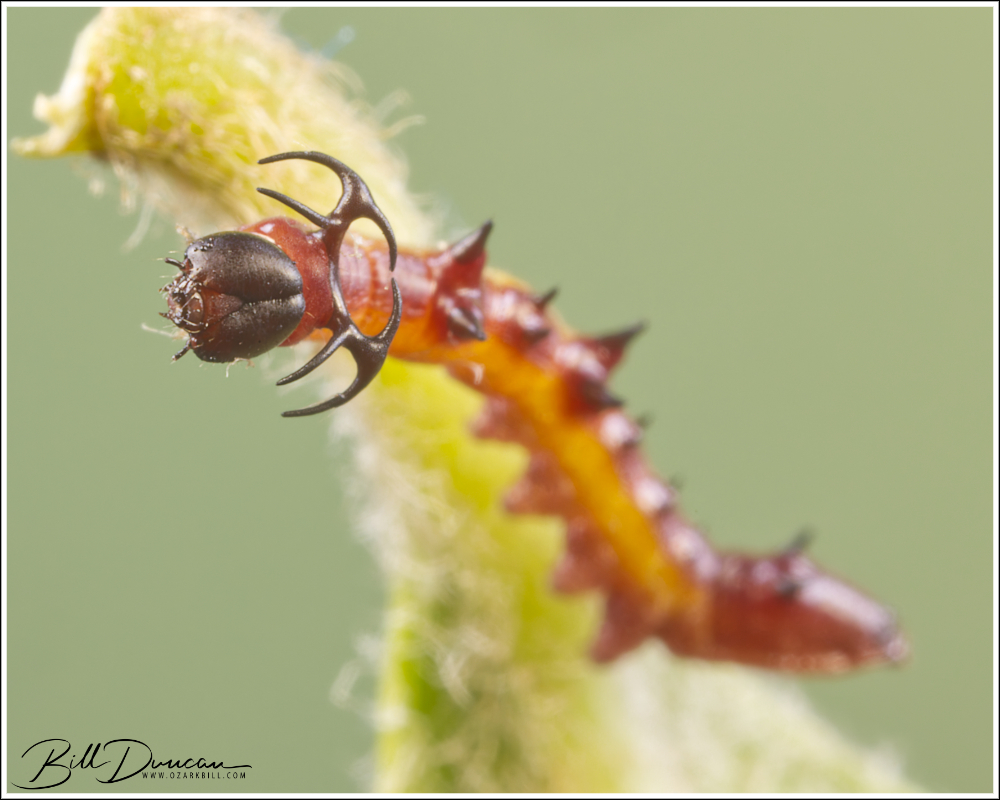
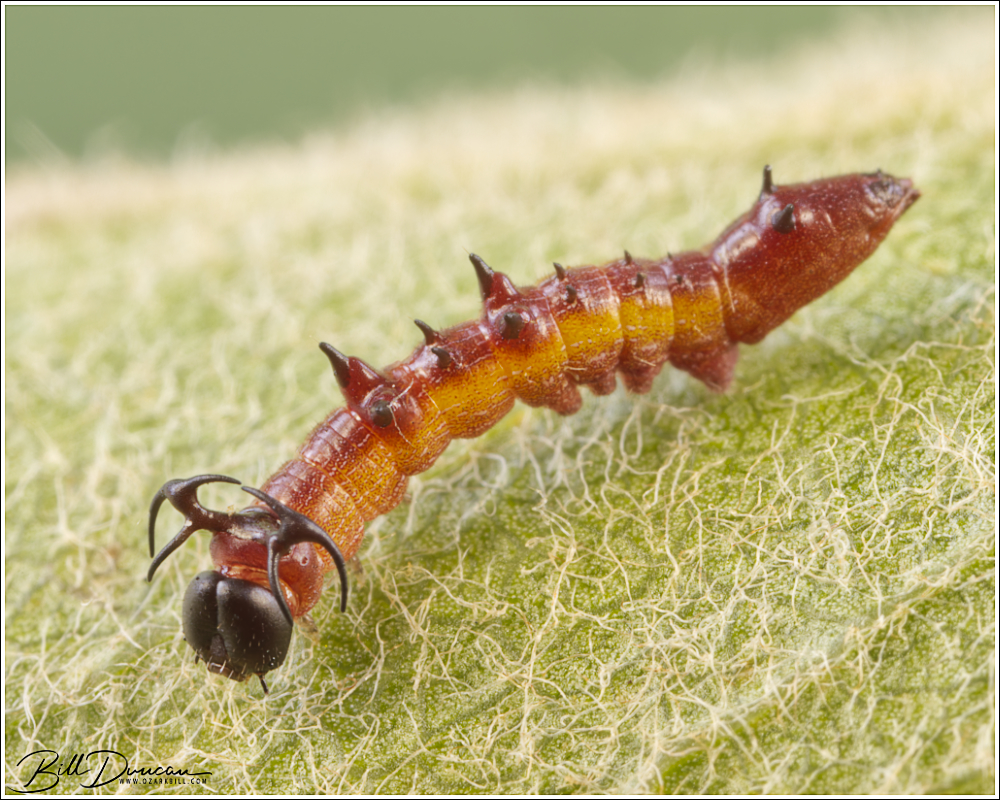
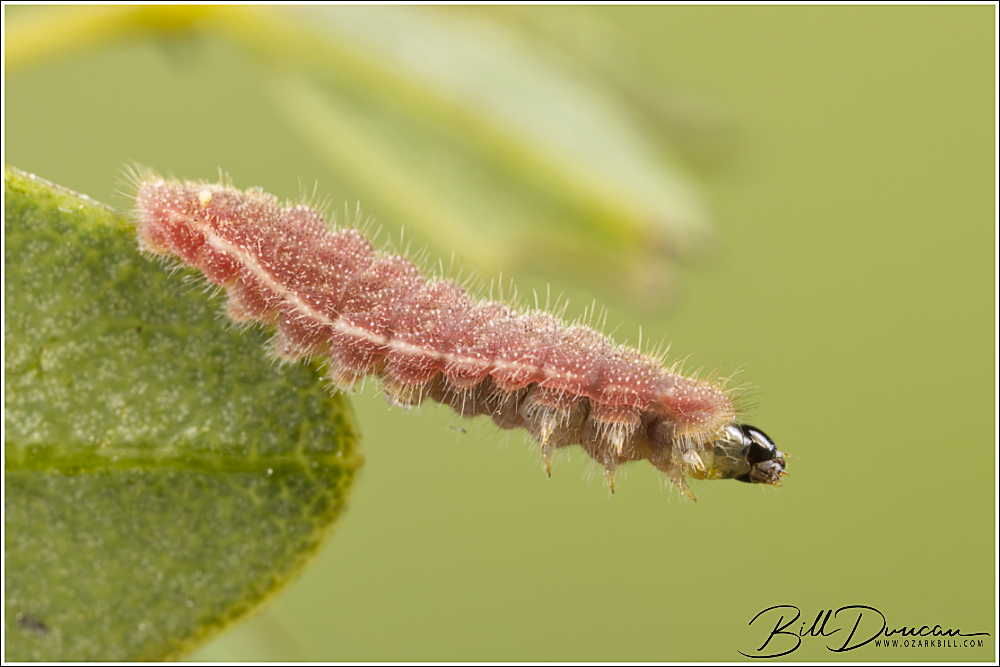
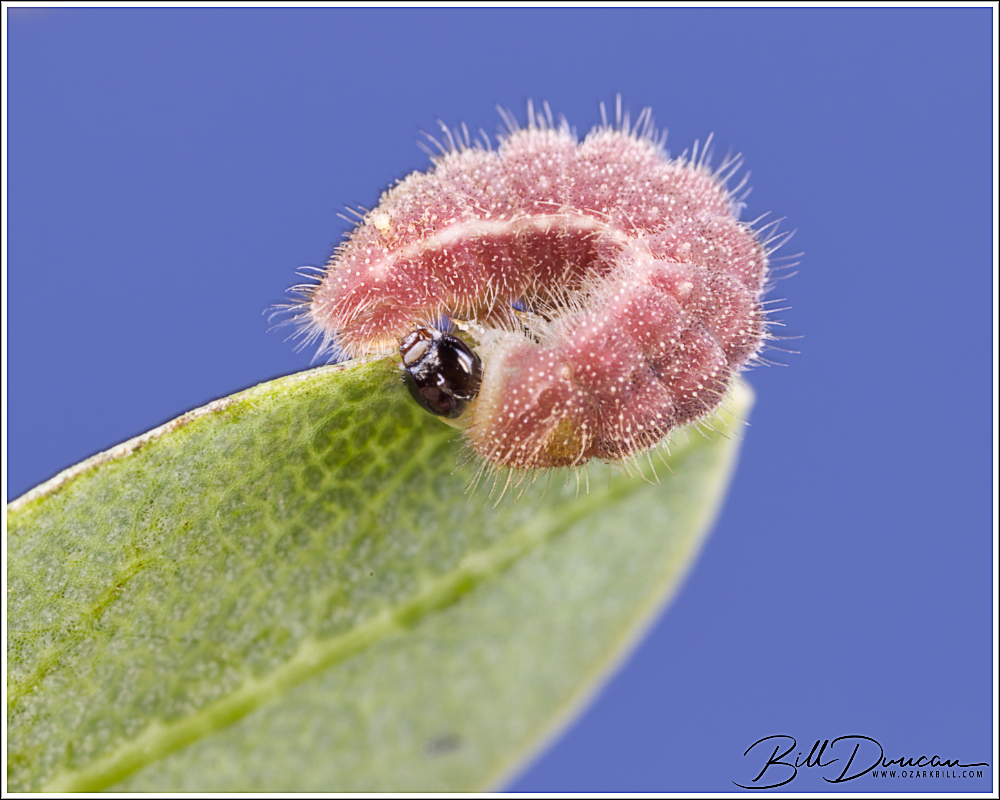
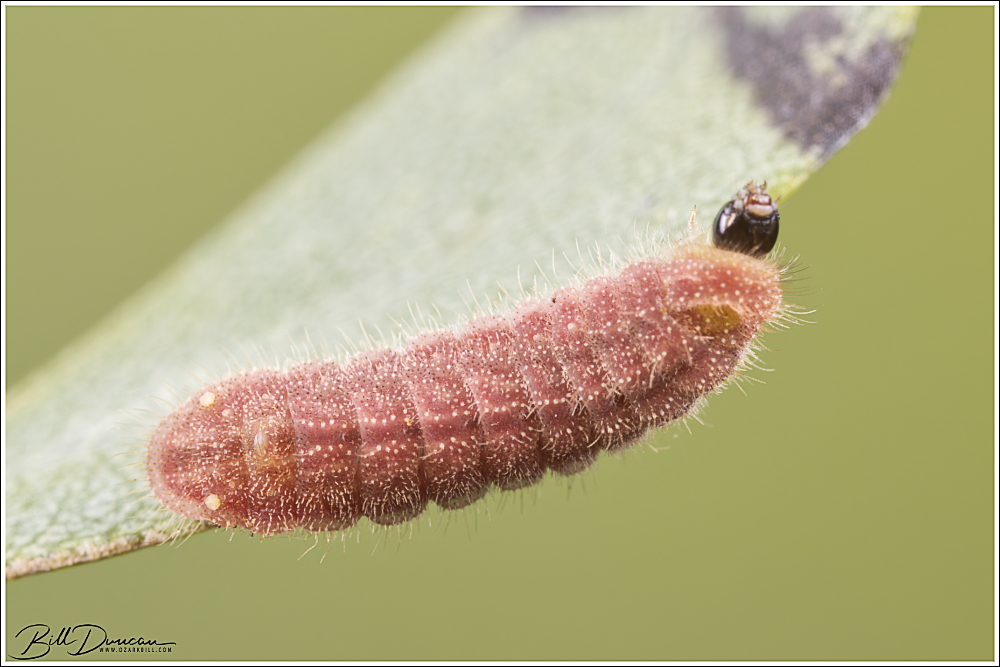
Early instar (L1/L2) Callosamia promethea larvae on buttonbush host.
I was getting a bit worried about my buttonbush by the amount of material these four guys were putting away. Nevertheless, I continued to supply them with fresh branches and photographed them during their development.

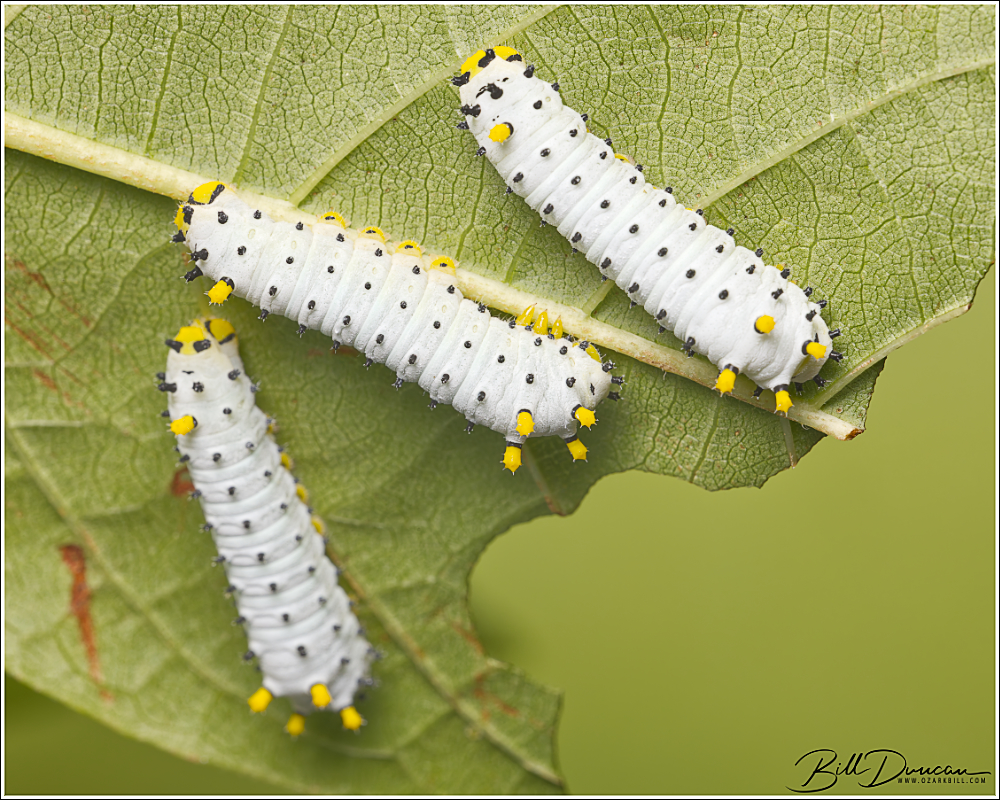
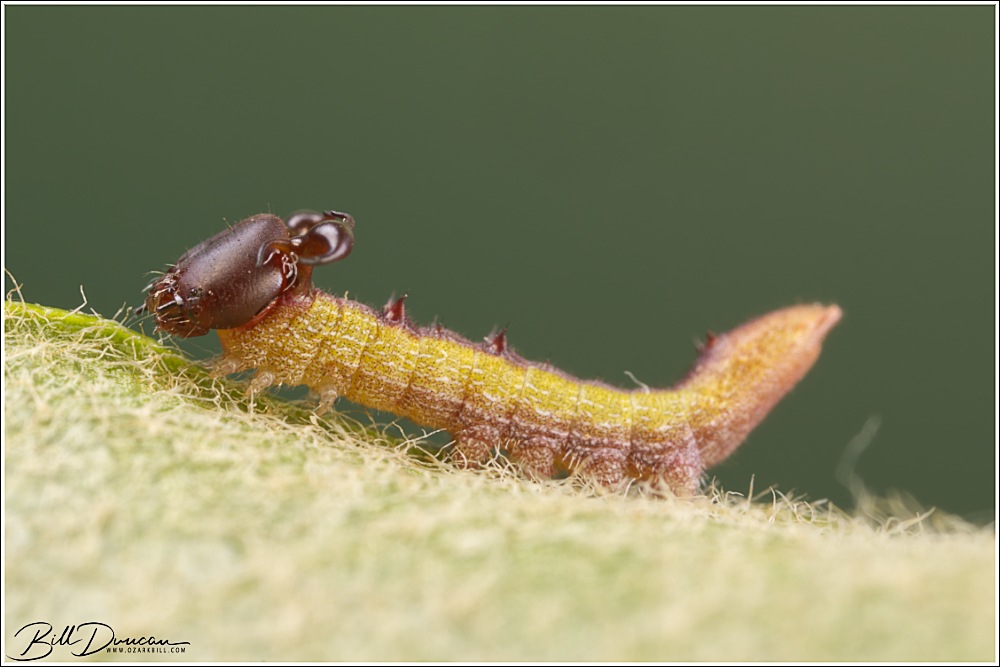
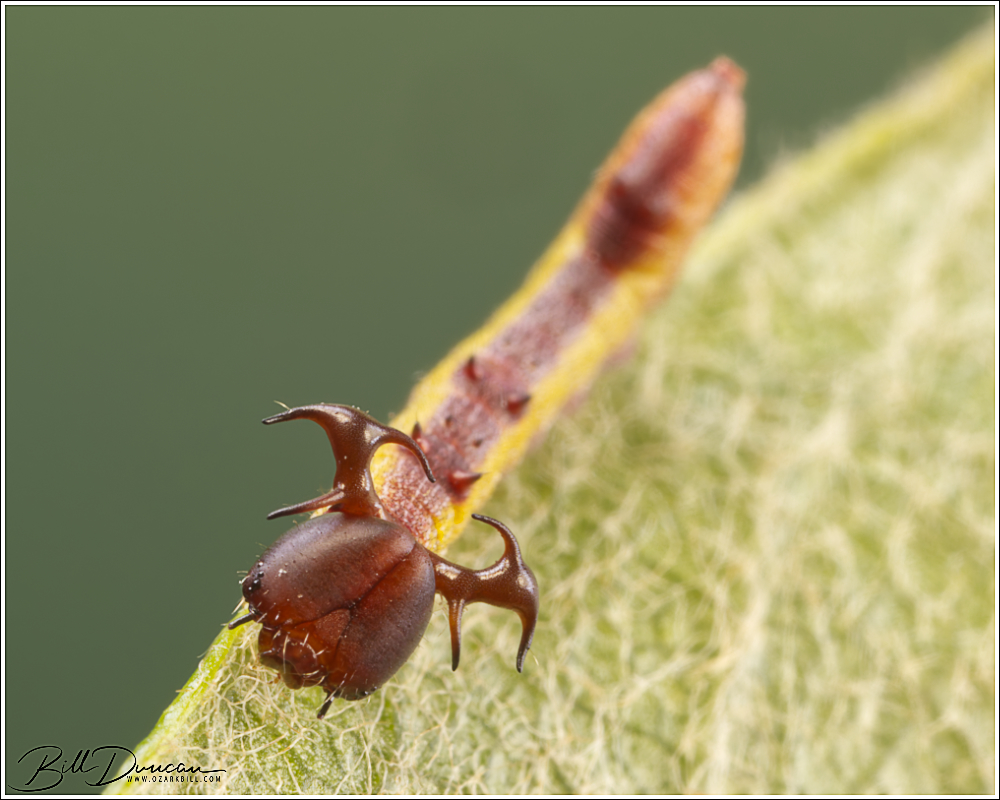
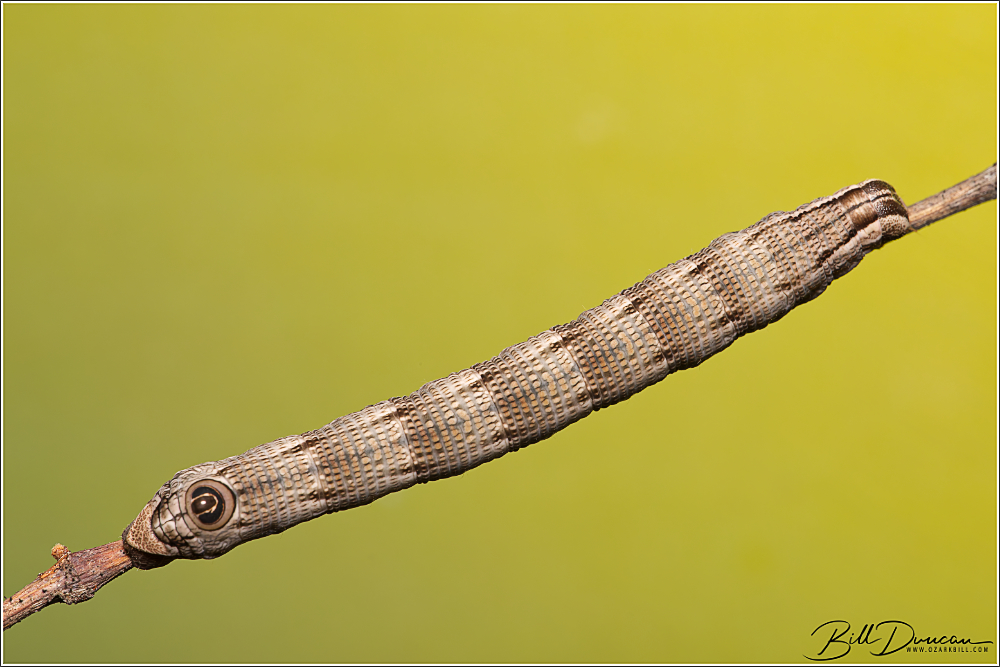
Mid instar (L3) Callosamia promethea larvae on buttonbush host.


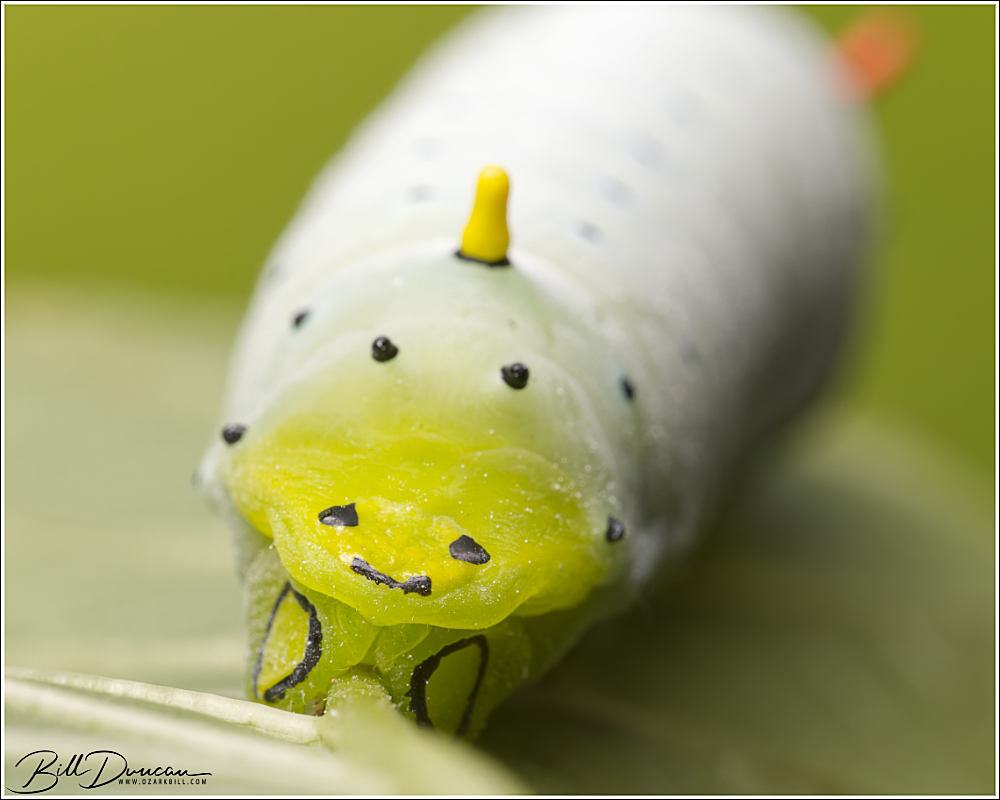
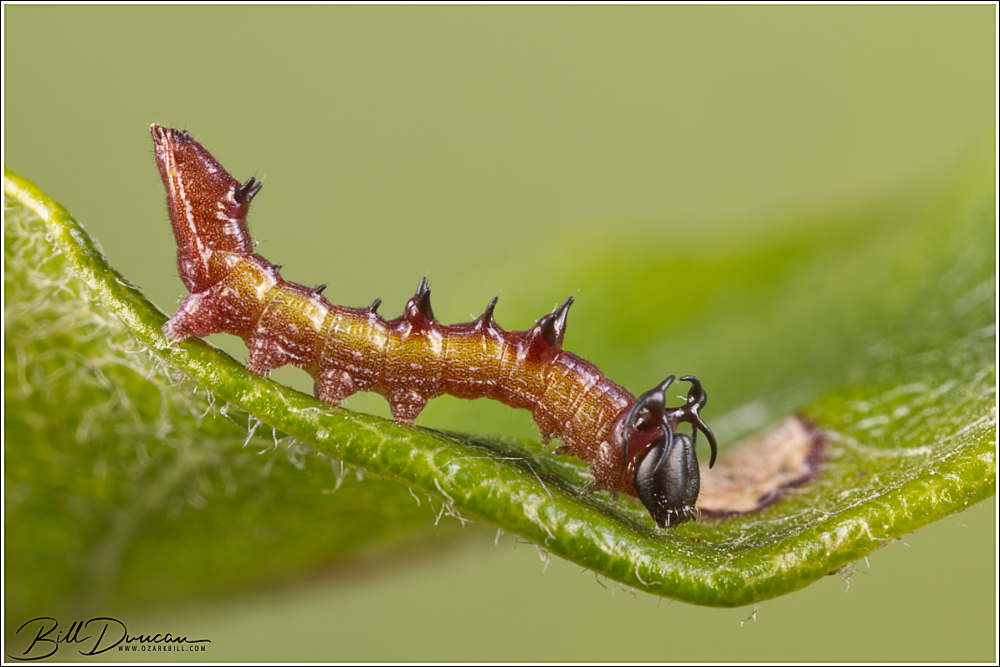
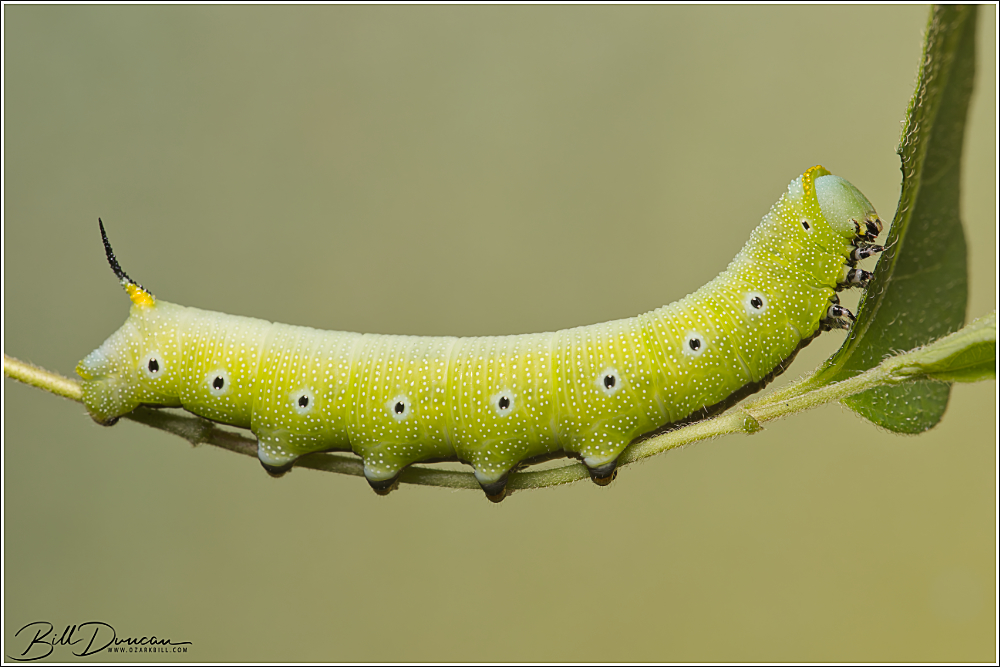
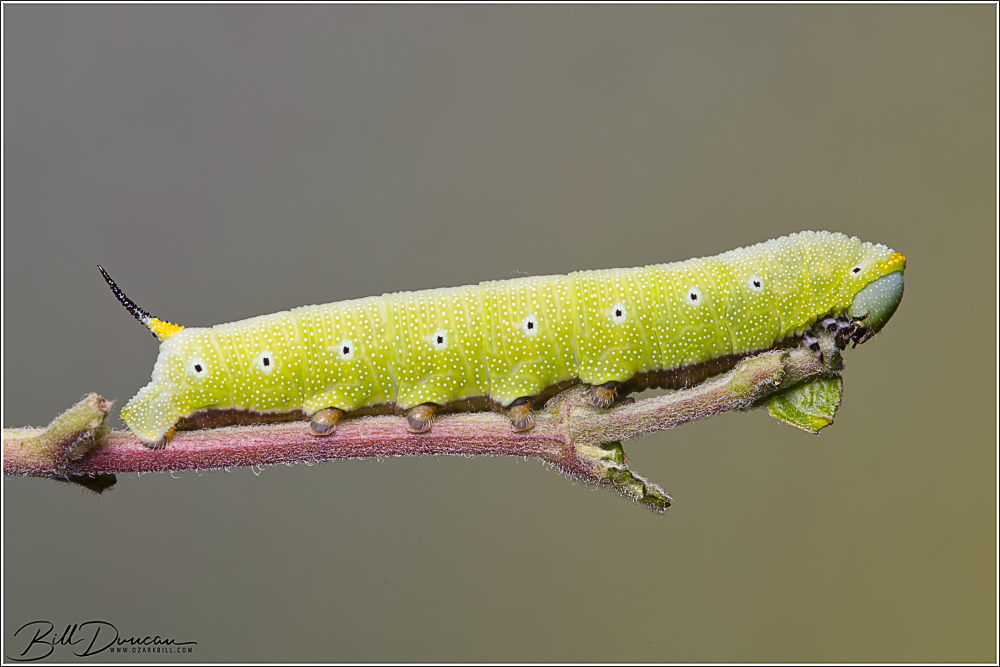
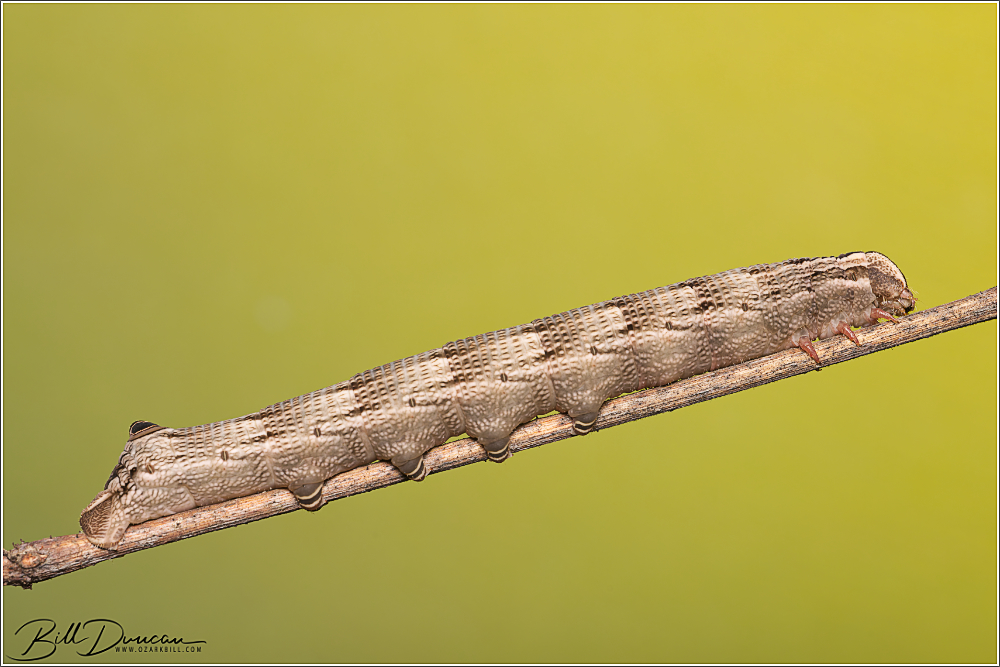
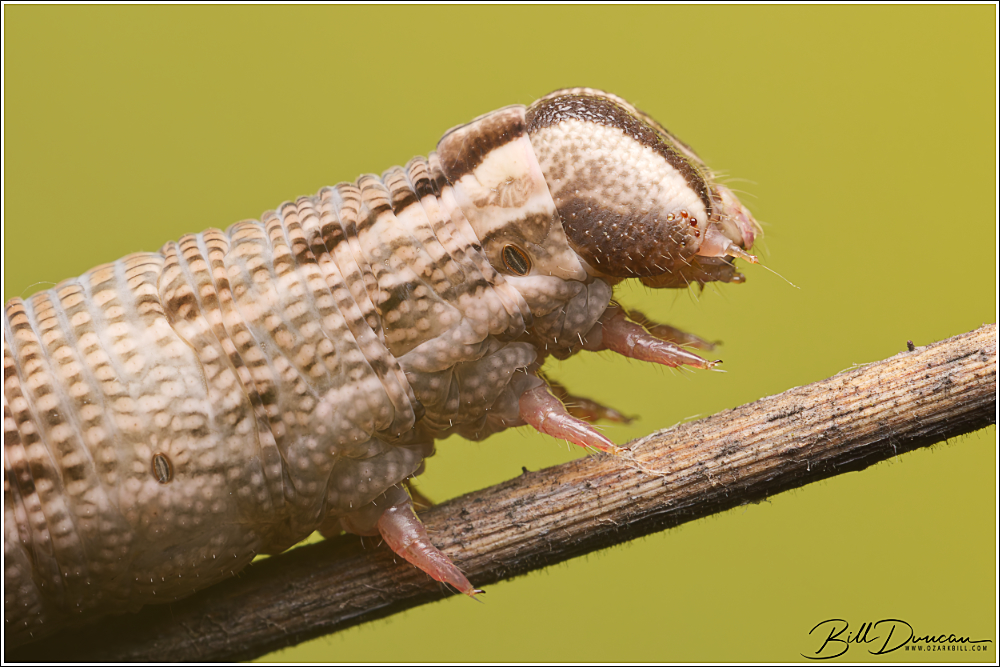
Late instar (L4/L5) Callosamia promethea larvae on buttonbush host.
By mid-July, the caterpillars were fully developed and all four went into cocoons with 2-3 days of each other. From what I could find in literature, it seems that this species is bivoltine (having two broods per season) in our region. However, I was not sure if these guys would eclose this season, or if I would have to wait until the spring to see the moths. If you paid attention to the featured image at the top of this post, I assume you have guessed already.
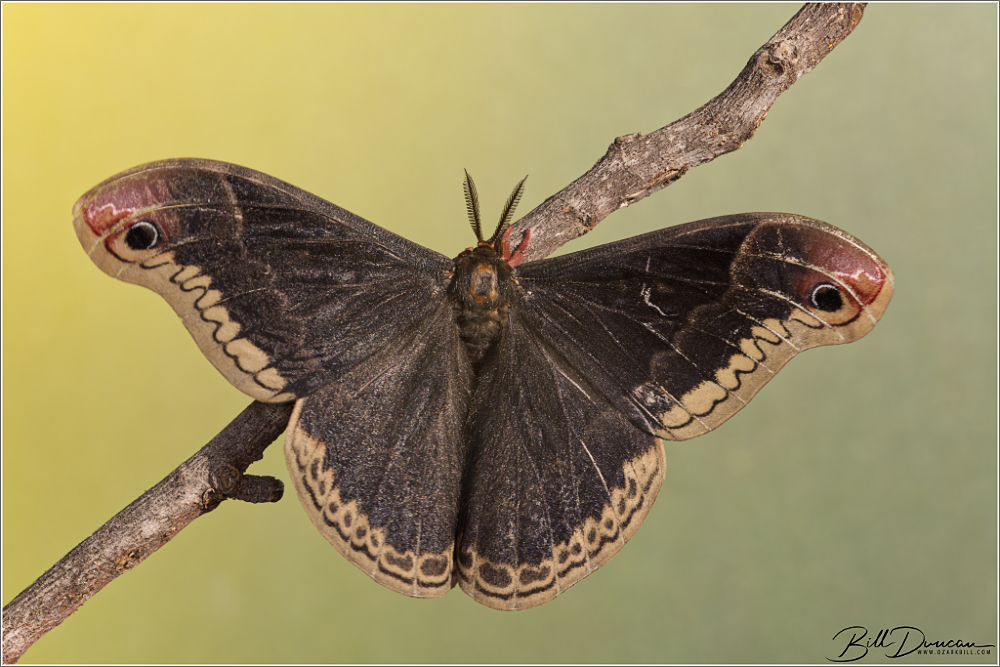

Adult male Callosamia promethea. Notice the dorsal coloration and patterning that is reminiscent of a dark swallowtail.
The individual that Chris reared last season turned out to be female. After reading about the interesting sexual dimorphism in the adults of this species, I was eager to see and photograph a male. As you would expect, female Promethea moths are nocturnal, do not feed, and are eager to mate and lay eggs. The adult males are just as eager, but are diurnal and with different color and pattern. They typically fly in the afternoons, searching for females with which to mate. Their patterning suggest that they may be Batesian mimics of distasteful day-flying swallowtails, e.g. pipevine swallowtails.
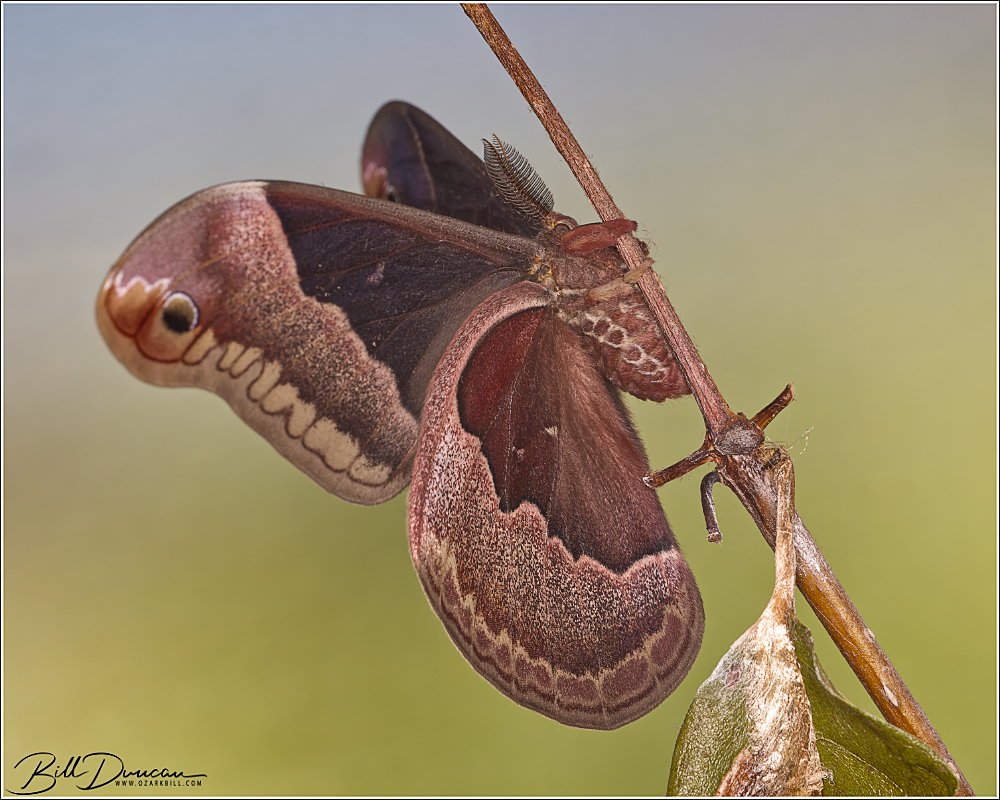

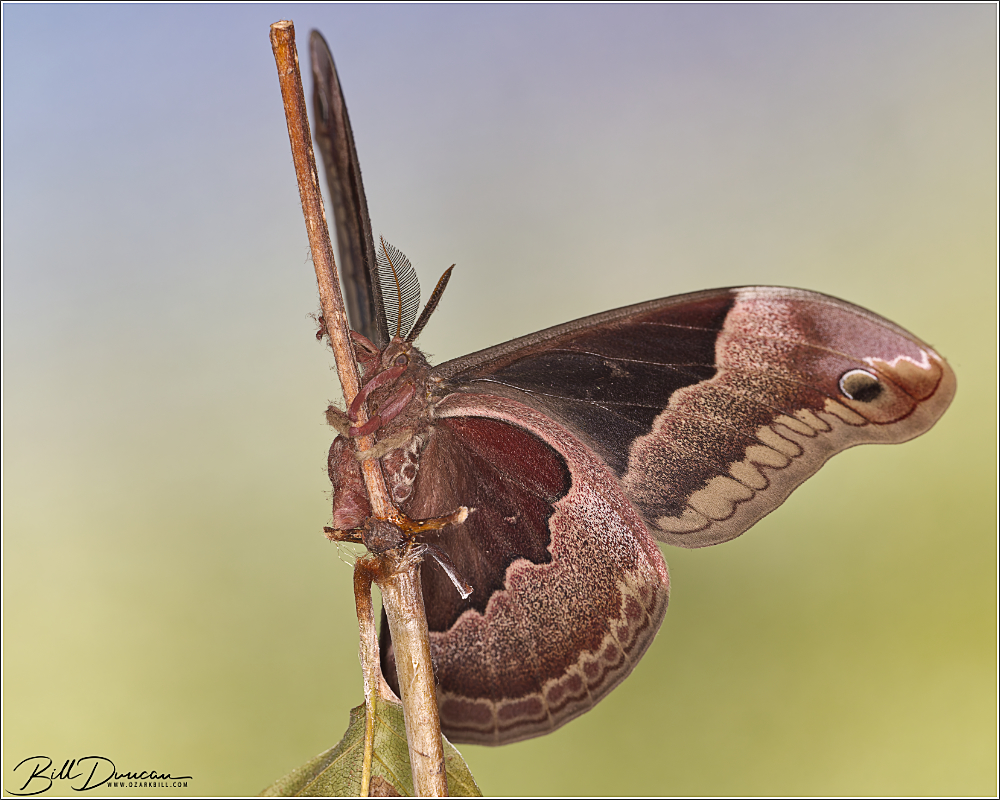
The fourth and final adult Callosamia promethea to eclose turned out to be this gorgeous male.
This season’s cats turned out to be three males and a female, and there is an interesting story to be told here. All four eclosed within seven days. The first two were male. I photographed these and released them in my neighborhood. Early in the morning, a couple of days following the release of the second male, I found a gorgeous female had eclosed and was letting her wings expand in their flight cage. In mid afternoon of that same day, we noticed a male Promethea moth trying to get into the screen porch! I assume, but do not know for certain, that this was one of the males I released previously. I opened the door to the screen porch and he eventually found his way in and headed directly to the cage holding the female. I opened the cage door and he shortly made his way to her.
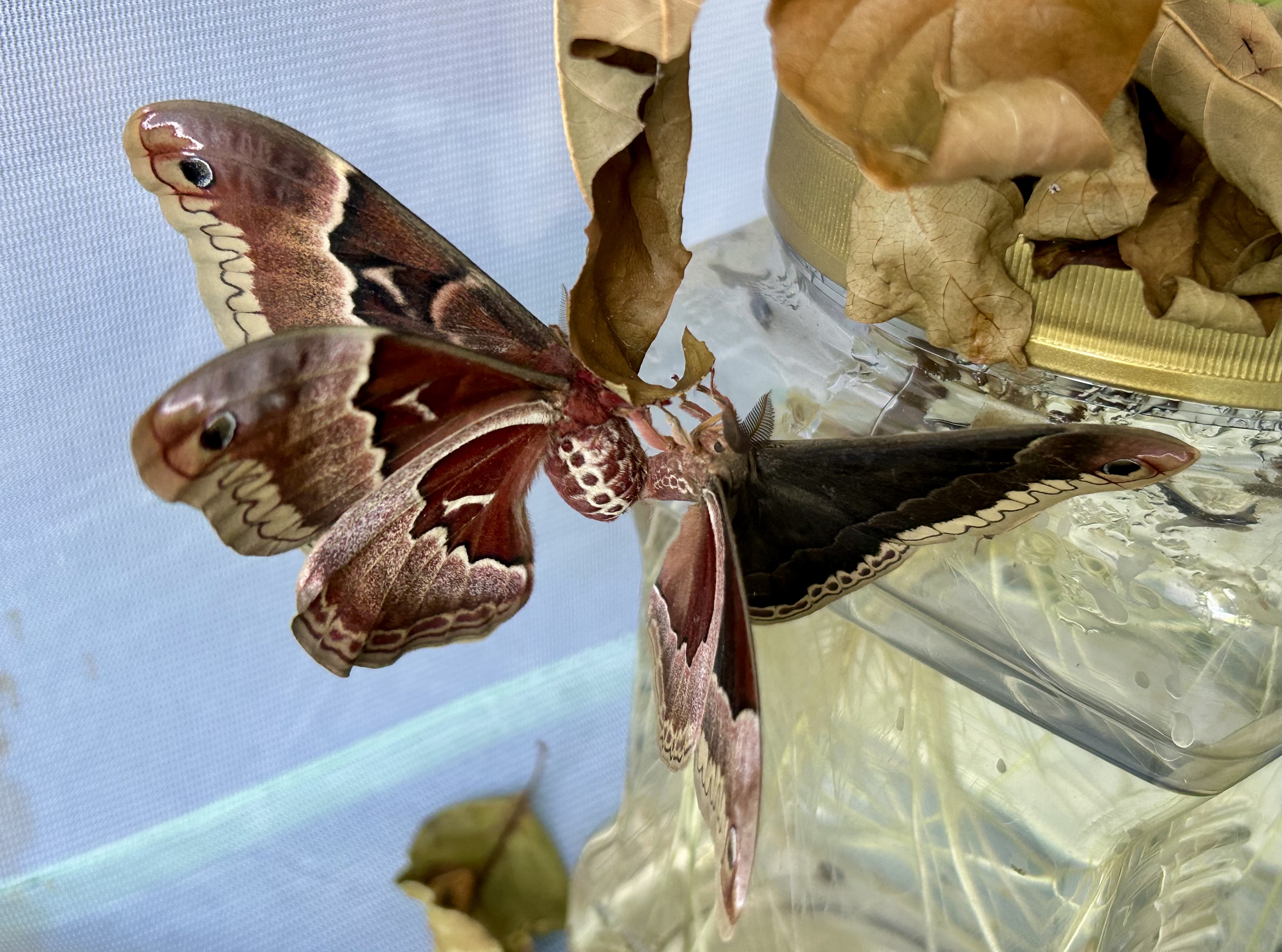
I am always shocked by how quickly moths want to deposit their eggs following mating. I was busy with something else for a few hours and when I returned, the female was busy depositing eggs on her flight cage. I quickly released her to the neighborhood so hopefully she could deposit her remaining eggs at a more suitable location. We are monitoring the eggs now stuck to the top of the flight cage and will be prepared to move the young cats to the backyard buttonbush when they arrive.
Thanks for stopping by!
-OZB