Floating the Upper Current

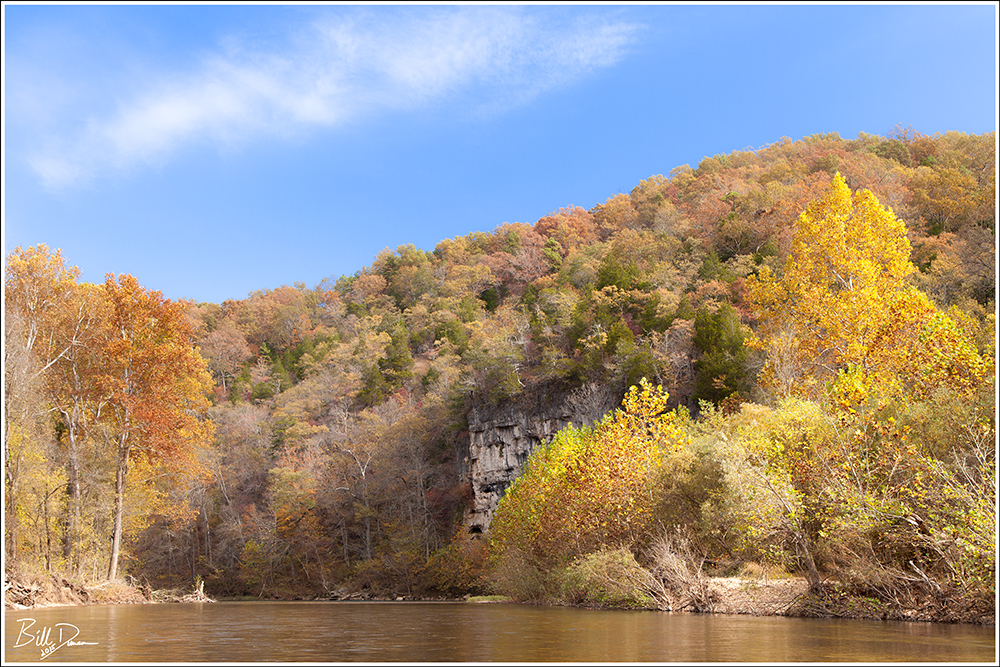
Upper Current in Autumn

I’m finally ready to share a few more images from a float down the upper third or so of the Current River that Steve and I had the great fortune to experience this past October.  We started at navigable mile 8.0 at Cedar Grove Access and pulled out three days later at mile 51, the confluence of the Current and that other, oh-so desirable, Ozark stream – the Jacks Fork.  If one floats slow and quiet, the opportunity to see wildlife is very high in this National Park (Ozark National Scenic Riverways N.P.).  I’v shared a couple of images of these guys previously.  I believe we found 8-9 Mink during the first day of this float.  It was enjoyable watching them busily hunt along the stream banks, mostly oblivious to our presence.  As usual, Steve did a great job in keeping us quiet and pointed in the optimal direction for capturing some images.
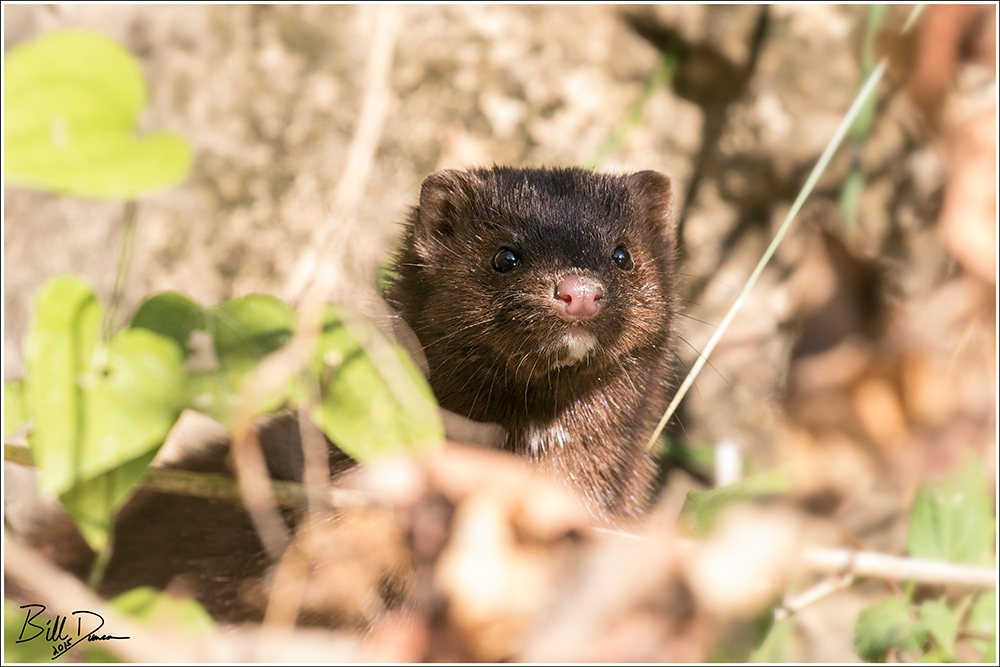
American Mink
American Mink

It was quite a challenge to keep up with these guys as they fished.  This one below had caught a nice-sized crayfish and barely slowed to stop and enjoy his snack.
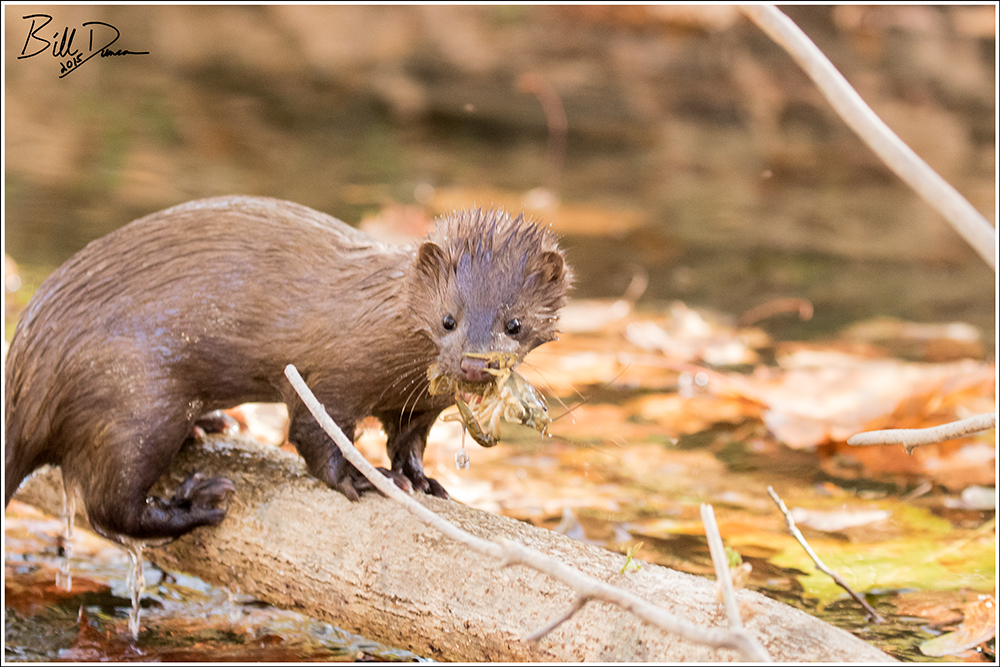
Ozark Lobster!
Ozark Lobster!

Here is a photo of one investigating the water prior to dipping back in.
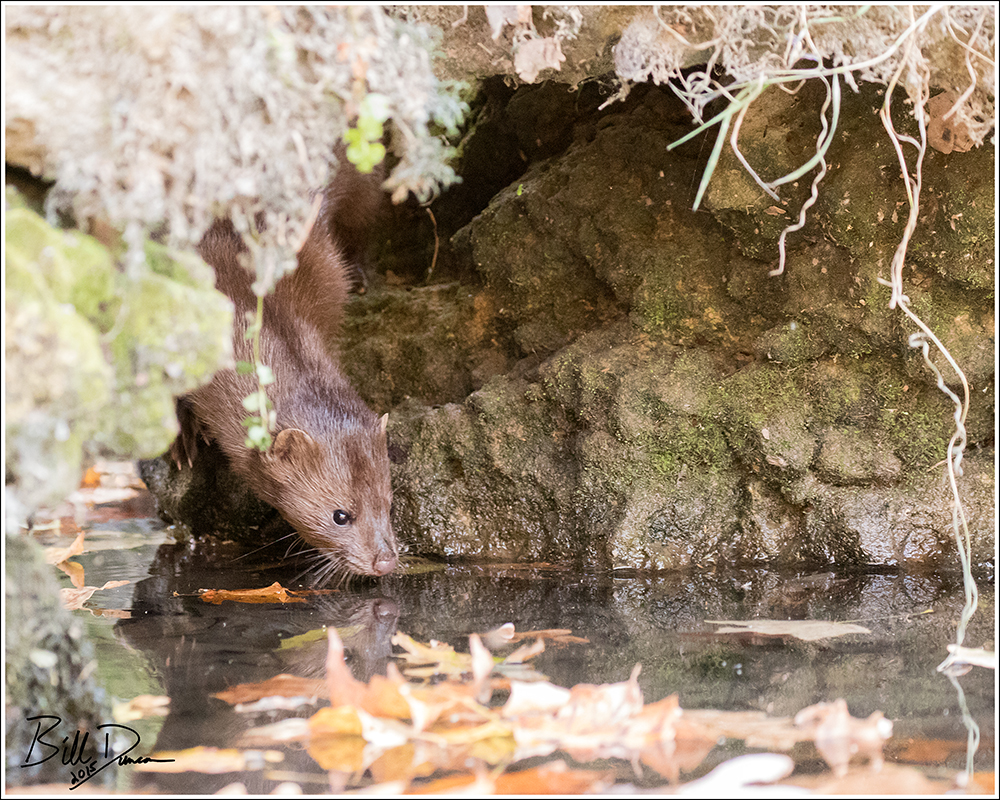
Testing the Water
Testing the Water

Not only does a float down the Current allow for great observations of wildlife, but many geological features are most easily seen by being on the river as well.  Cave Spring can now be accessed via a nice newer trail, but it is much nicer accessing it by boat.  The endpoint of a vast and interesting karst drainage system, Cave Spring rises from the back of a short cave.  At the rear of this cave one can guide a boat over the vertical conduit of the spring, which is ~155 feet deep!  What an eerie sensation it is to shine your light down and still see no more than a fraction of the length of the conduit shaft.  In the image below, I am on a dry exposed shelf adjacent to the spring’s outlet and Steve is guiding the canoe towards the river.
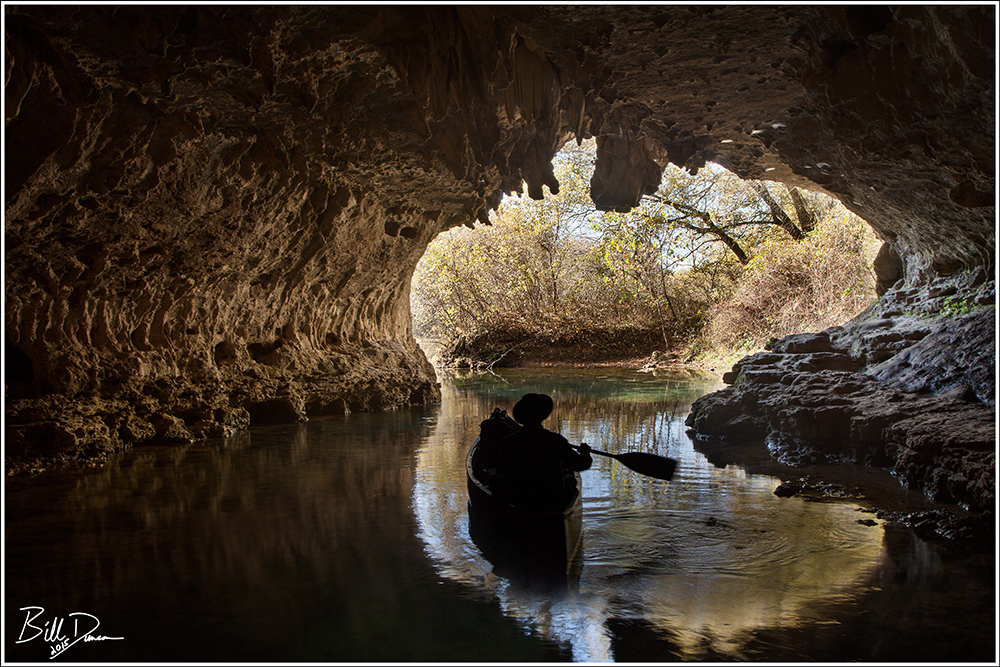
Cave Spring
Cave Spring

Pultite is a spring found on this upper stretch of the Current River that is surrounded on all sides except the river by private property.  This means that one must boat or wade/swim to visit it.  At only ~ 1/10 the output of Big Spring, Pultite is still quite a good-sized spring with and average daily output of ~ 25 million gallons.  The effluent channel on this one is quite attractive and I hope to visit more often.
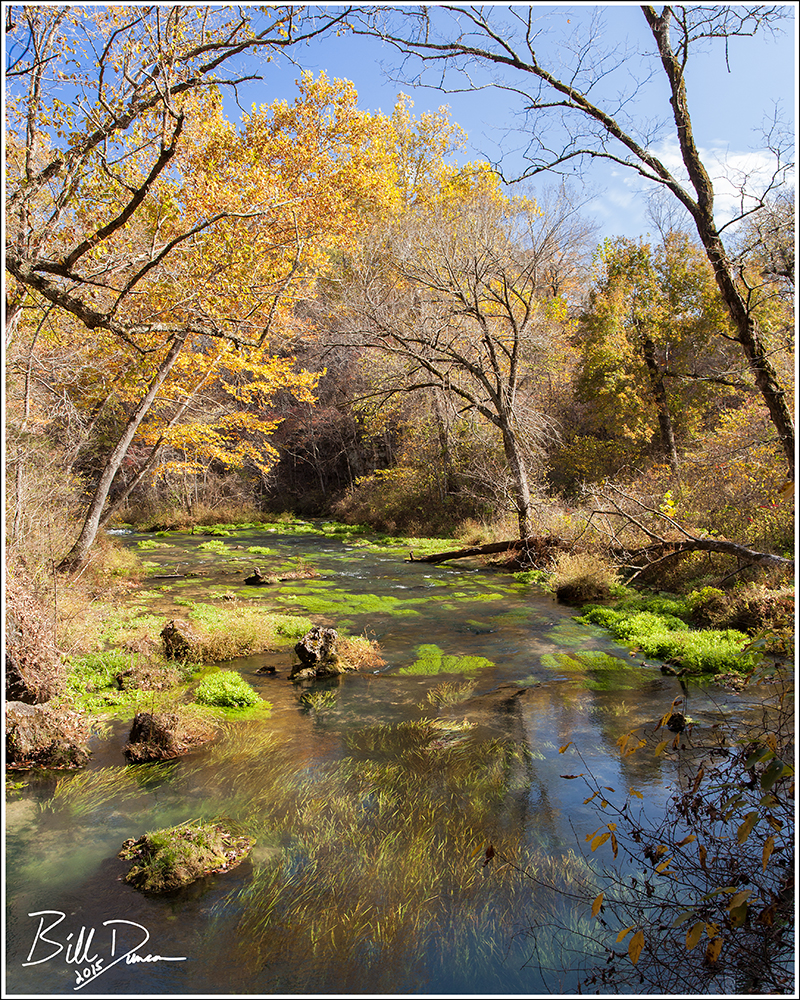
Pultite Channel
Pultite Channel

If day one was for the Mink, day two was our River Otter day.  We had no Mink, but 5 or 6 of these large weasels were spotted.
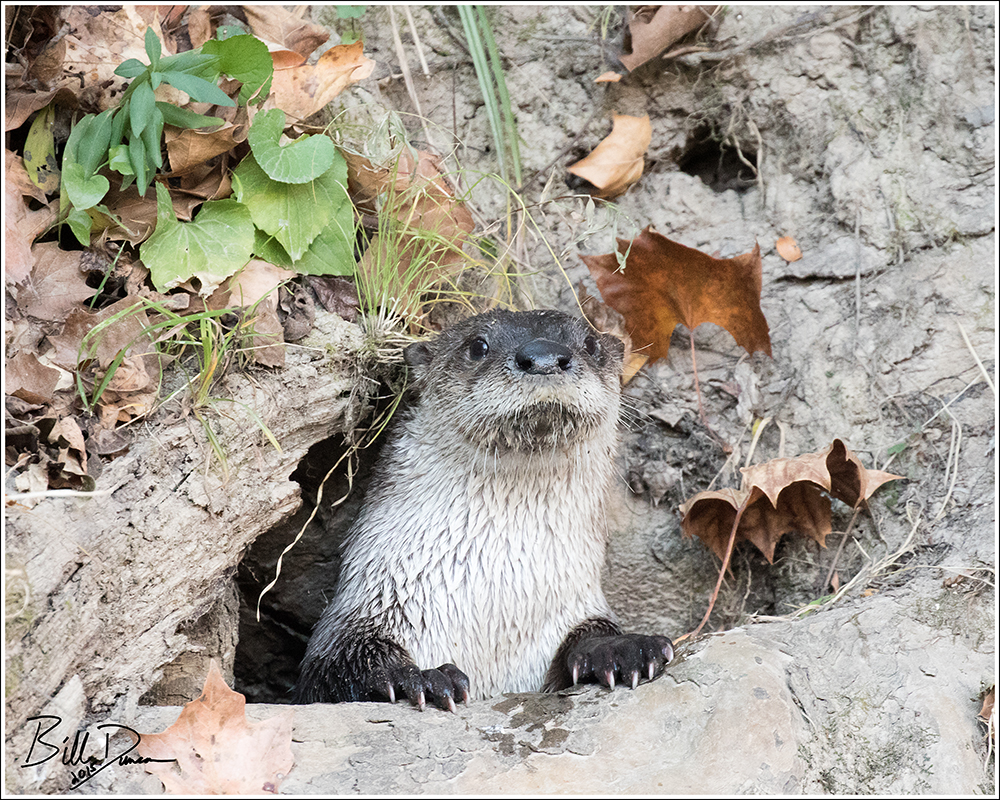
North American River Otter

Not to forget the birds!  These days, a trip to nearly any permanent Missouri water source will likely bring an encounter with a Bald Eagle.  Observing these guys in the Ozarks will never get old to me.
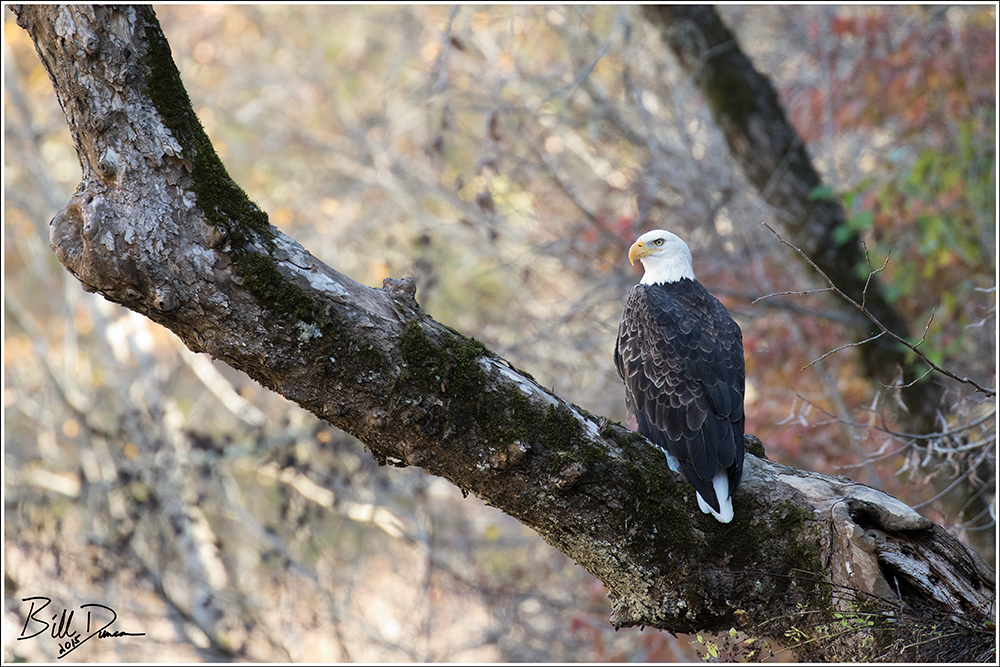
Bald Eagle
Bald Eagle

Another constant companion on these floats are the Fish Crows, here pictured finishing up a little Ozark lobster.
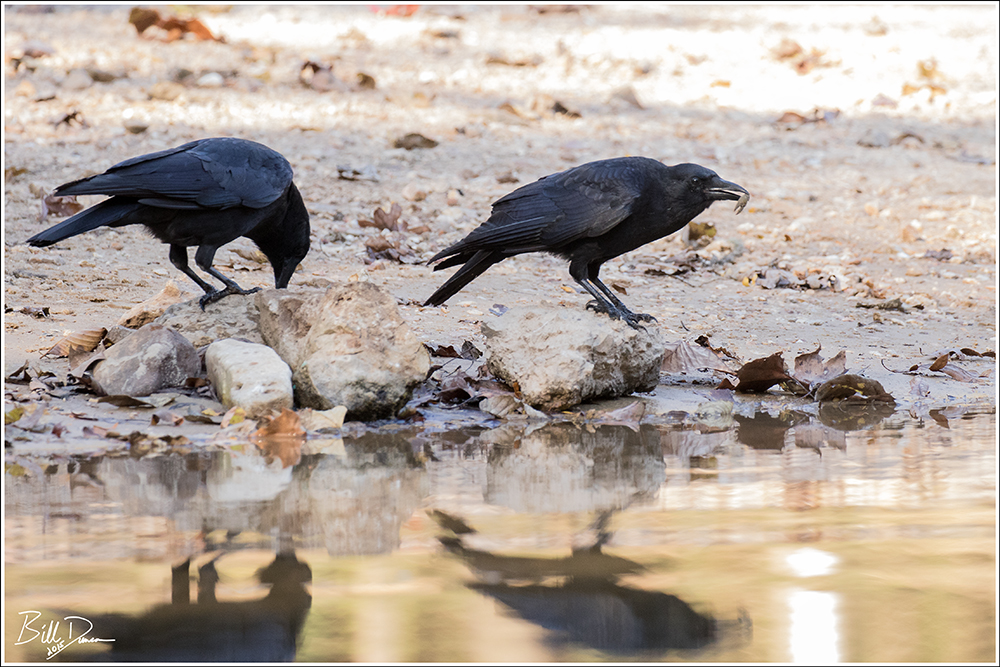
Fish Crow
Fish Crow

We were fortunate in having mostly clear and dry skies on this trip, which allowed us to throw our bags directly on whatever gravel bar that struck our fancy and sleep directly underneath the stars.  A morning fire was necessary – not only to burn the dew off of our sleeping bags, but of course, for the river-water French-press coffee.  Dark skies on these streams afford great opportunities for astrophotography.  My only wish for this trip is that I was a little more tolerant of the cold, tiredness and laziness that limited my patience for getting better nightscape images… 😉
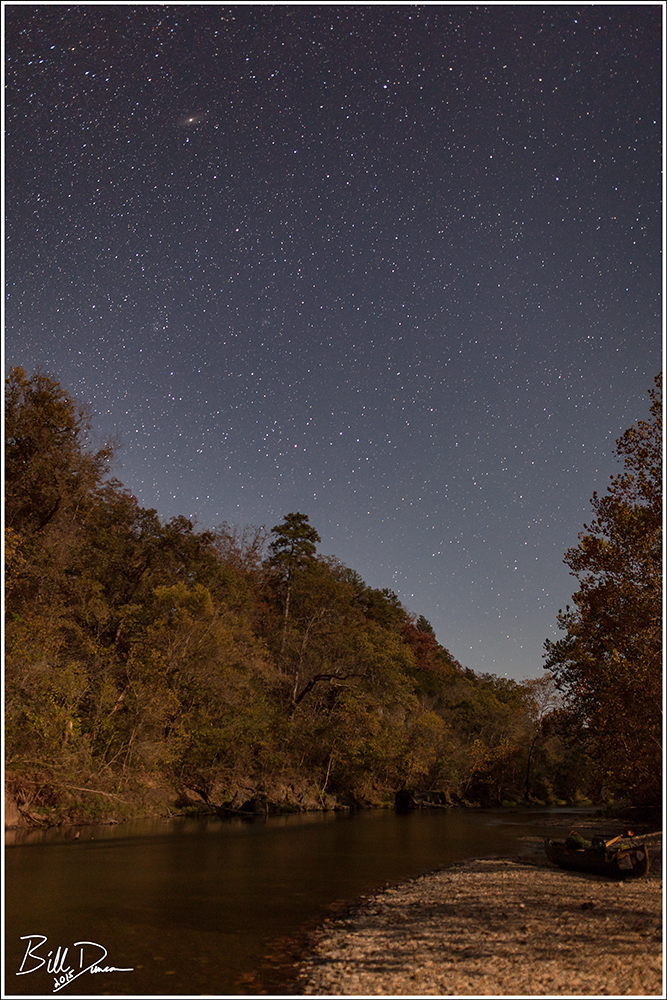
Nightscape on the Upper Current

I will be posting more images of this trip on my Flickr account in the near future.  Thanks for visiting and I hope to post again in the near future.

-OZB
 

Binder Lake Scoters

Surf Scoters
Surf Scoters

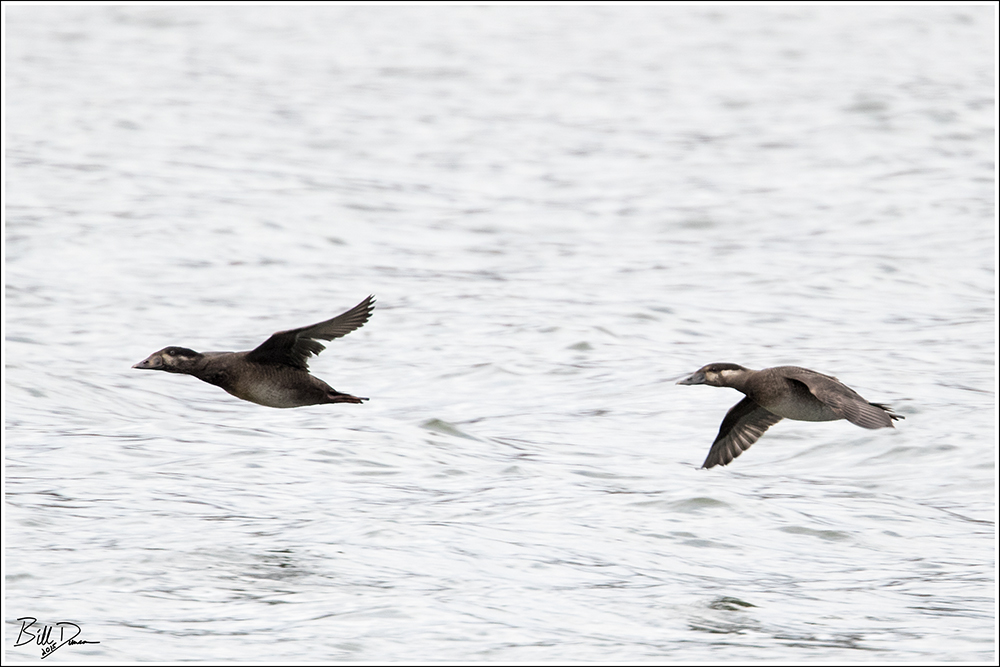
As has been my luck with the rarities lately, if I can find them at all, it will be under poor light.  This is the pair of Surf Scoters that have been spending time lately at Binder Lake, just outside Jefferson City.  This was my first trip to the lake and it held a number of interesting waterfowl species.

Scoters Landing
Scoters Landing

Surf Scoters typically winter on almost any coastal waters of North America.  My best guess is that these guys were on their way to gulf waters and decided to have an extended stay in a midwestern lake during this quite autumn we have had so far.

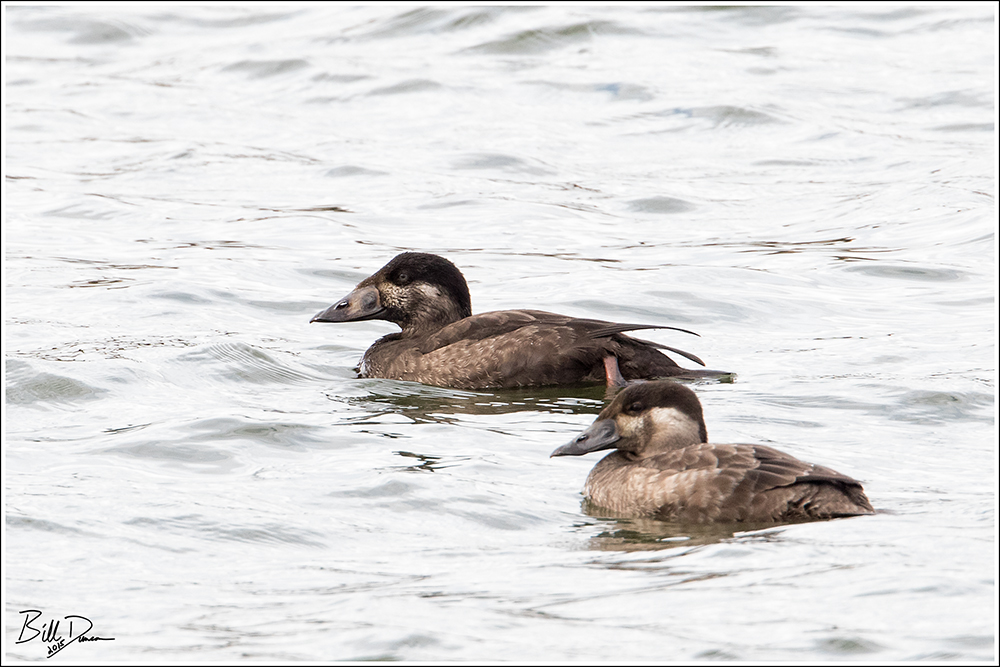
Scoter Hens
Scoter Hens

In my opinion, this is a couple of hens, but I am no expert.

Birds of Quivira – Final Thoughts

A Muddy Profusion
A Muddy Profusion

Today I am presenting the final images that I plan on sharing from the trip that Steve and I made to Quivira NWR way back this past May.

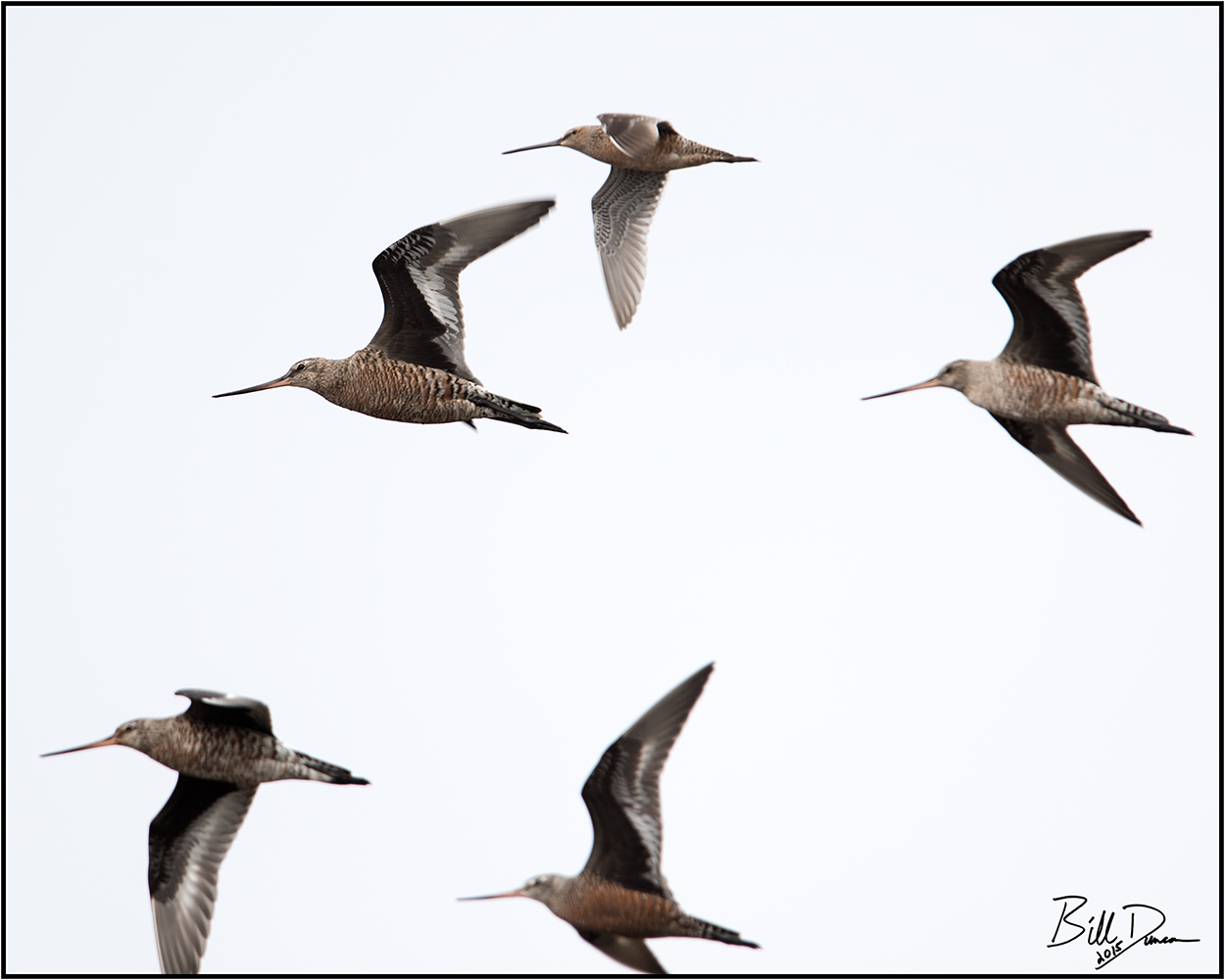
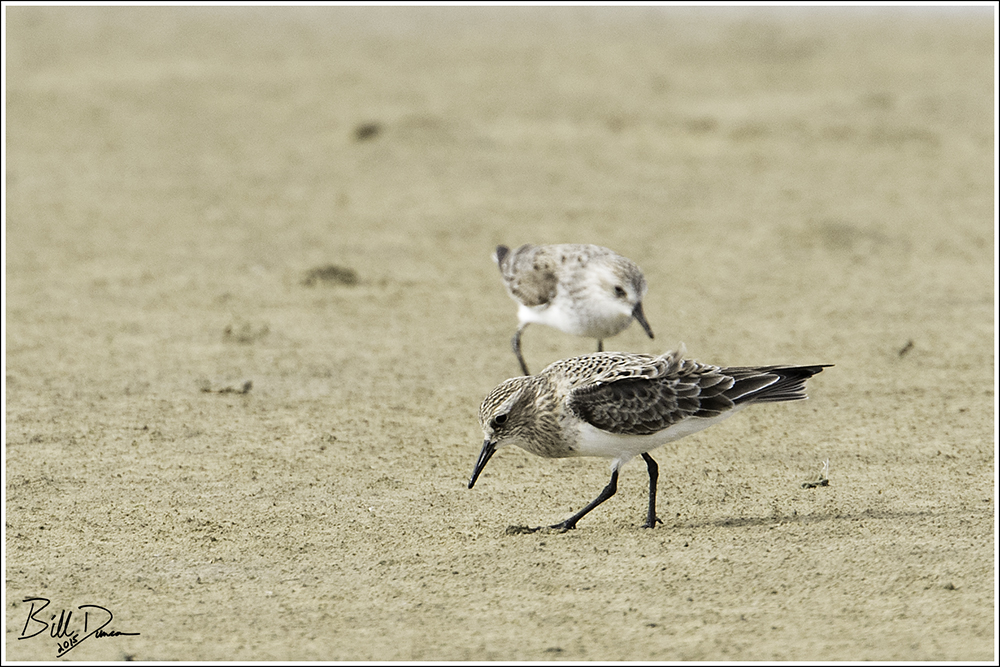
Godwits and A Dowitcher

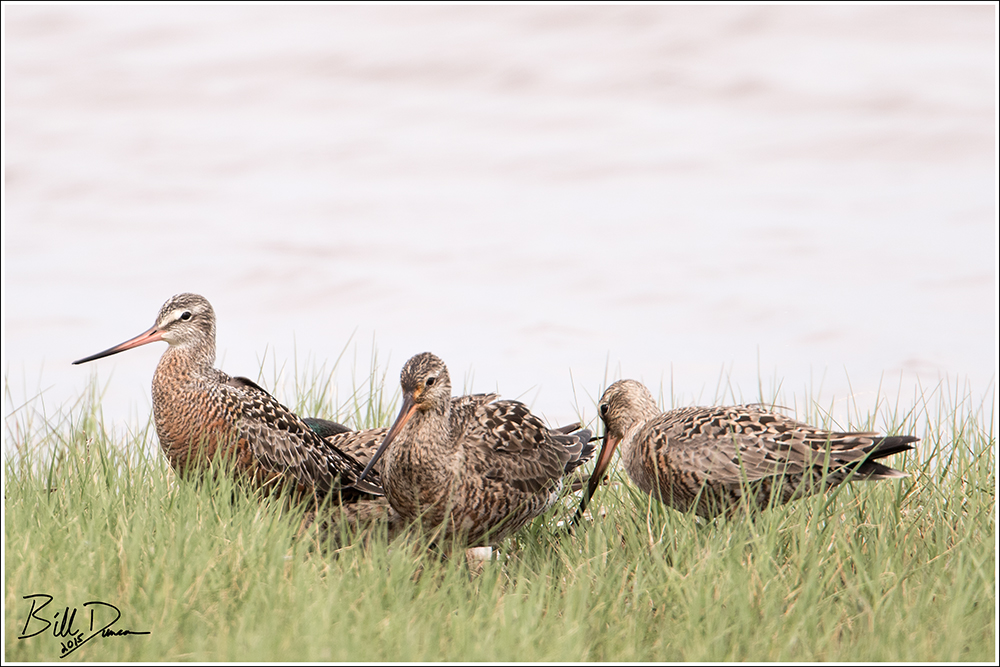
These Hudsonian Godwits were a pleasure to watch.  See below for a shot of them in rest.

Godwits
Godwits

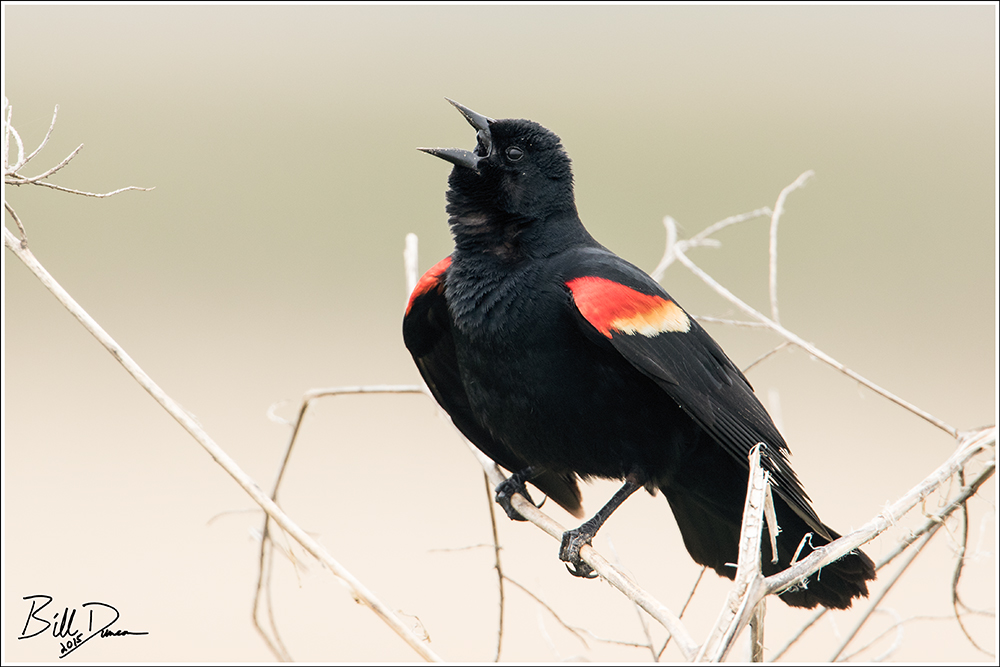
Surprisingly, we seemed to have more Yellow-headed Blackbirds than Red-winged, but we did have plenty of Red-winged to watch as well.

Red-winged Blackbird

No trip to the grasslands is complete without a Quail…

Bobwhite Quail
Bobwhite Quail

We watched this female/juvenile Yellow Warbler take a bath in one of the creeks that run through the reserve.

Yellow Warbler
Yellow Warbler

What a collection of birds, photos and memories these few days in the Kingdom of Quivira provided.  We can’t wait to visit again.

Kingdom of Quivira
Kingdom of Quivira

-OZB
Birds of the Marsh

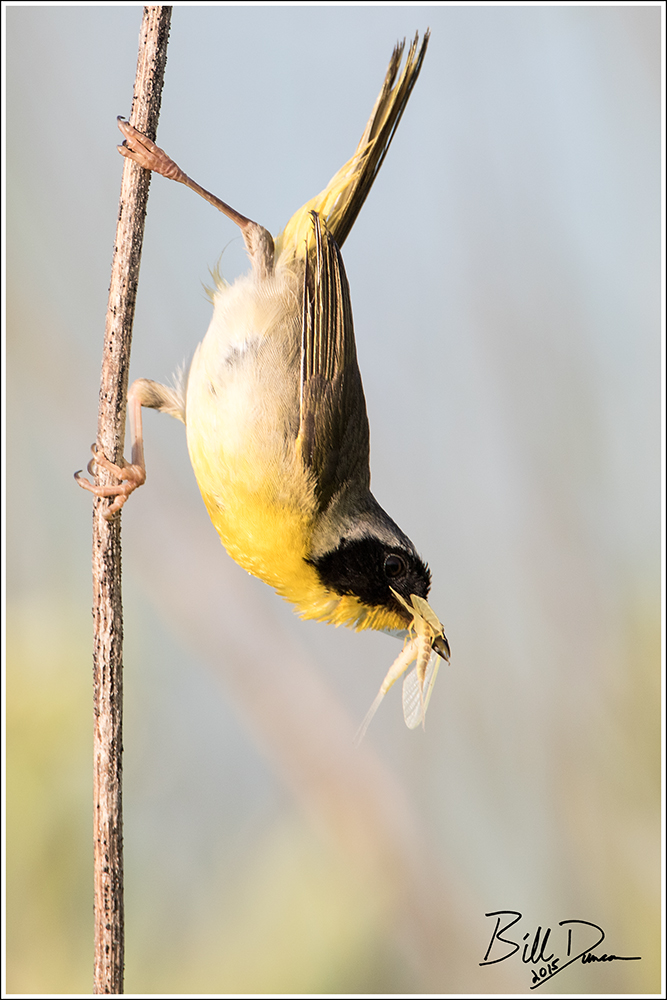
Common Yellowthroat
Common Yellowthroat

Missouri marshes are a great place to find a number of bird species in late summer and early fall.  This Common Yellowthroat, a species of wood warbler, was photographed this August at Riverlands Migratory Bird Sanctuary.  This guy was packing Mayfly in his beak two or three at a time to bring back to the hungry chicks in the nest.

Caspian Tern
Caspian Tern

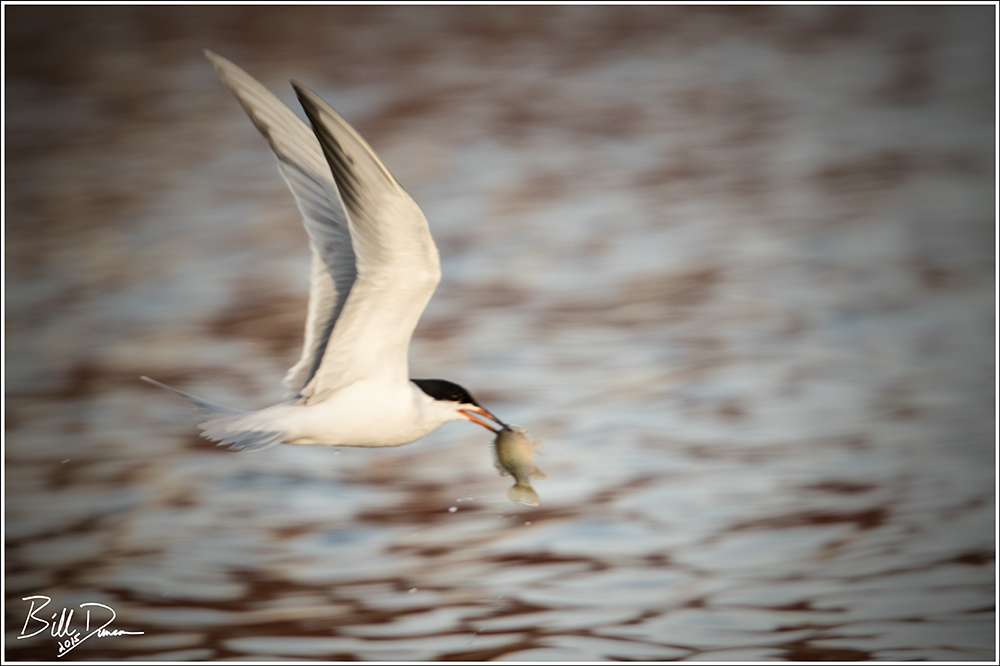
A visitor to Missouri’s marshes during migration, the Caspian Tern will always take advantage of the easy fishing that can be found at Riverlands and surrounding wildlife refuges along our great rivers.

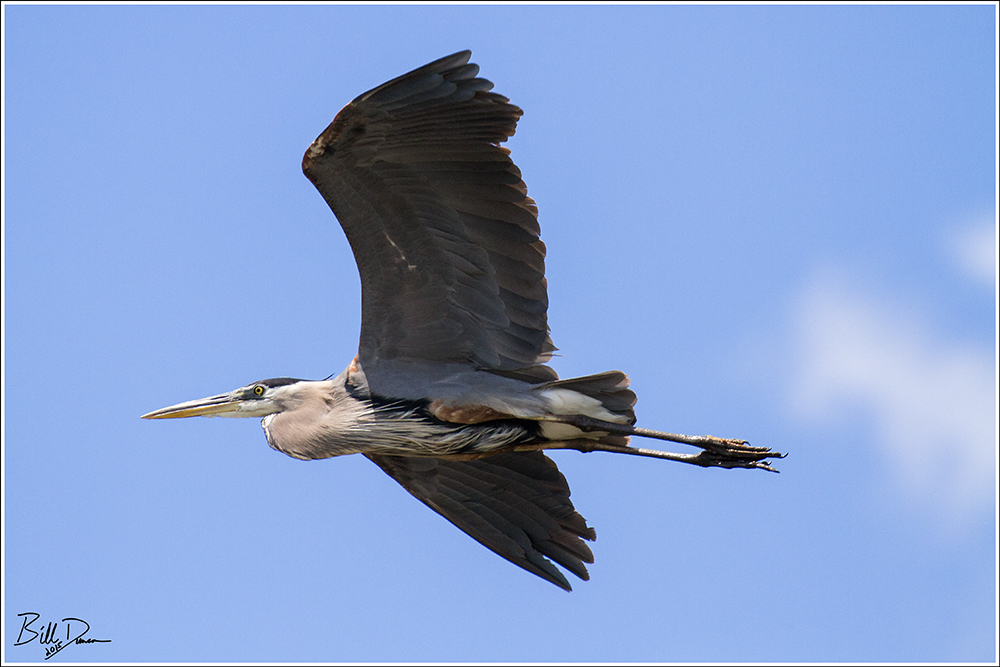
Great Blue Heron
Great Blue Heron

Anyone who spent any amount of time in the marsh will know the Great Blue Heron.  This giant, yet leery bird is a common site, hunting for fish or any other vertebrate it can catch.

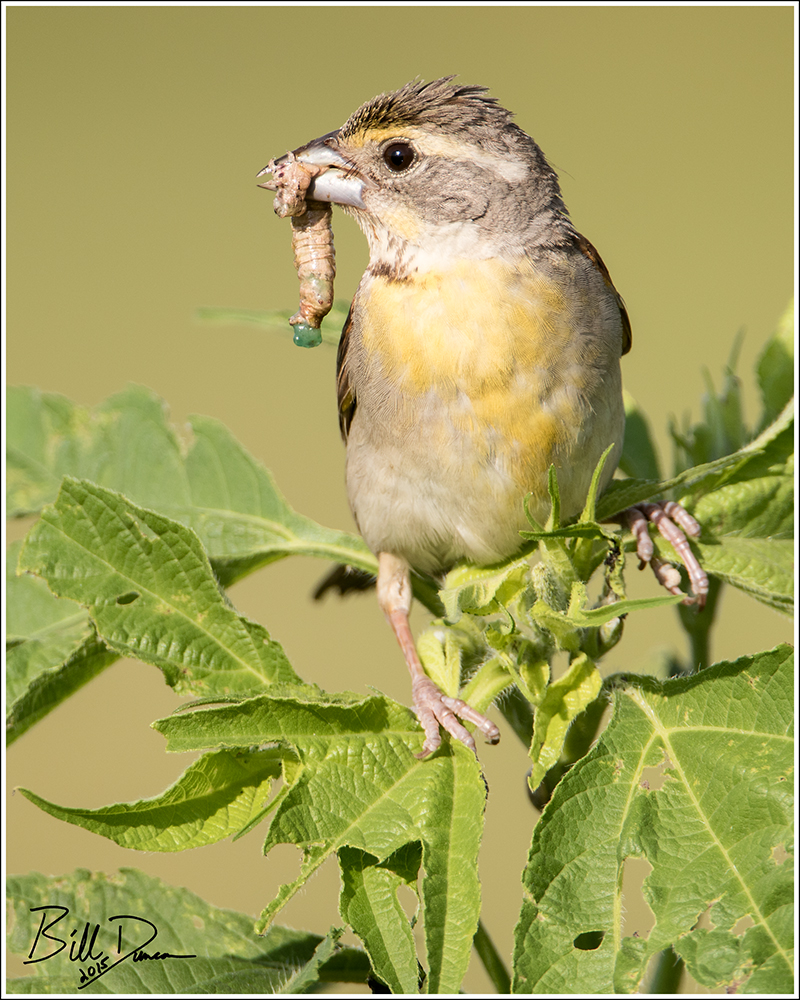
Dickcissel
Dickcissel

A very common nester in Missouri marshes and fields, the Dickcissel advertises its presence with its incessant song.

Marsh Wren
Marsh Wren

So attached to the Marsh, they named the bird after it.  The Marsh Wren sings its musical song throughout the day and is quite territorial.


Day Three in Southwestern Puerto Rico – Maricao State Forest (Elfin Woods)

Elfin Woods
Elfin Woods

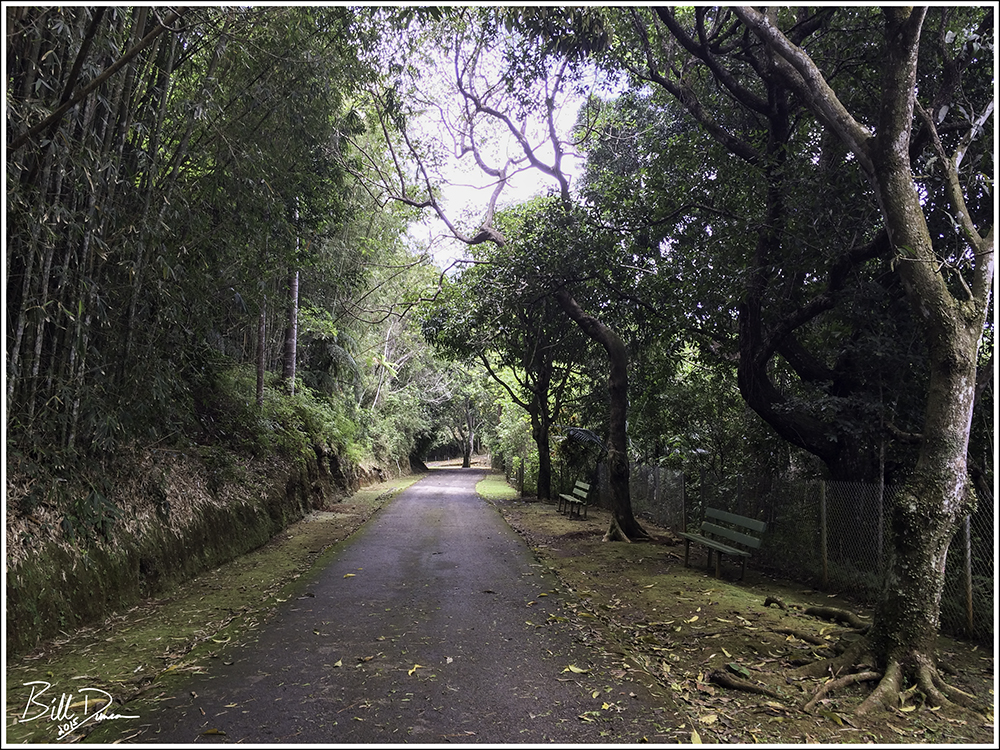
My third and final day to myself in southwestern Puerto Rico would be quite memorable.  I placed myself within the center of the Elfin Woods of the Maricao State Forest.  I arrived at ~ 06:30 and did not leave until ~19:30.  The AM weather was spectacular, with cool temps and some steady breeze and partly cloudy skies.  I stayed the entire day in a little recreation/biological station that was about 1/4 of a mile long.  It contained nice bathrooms and covered picnic tables.  This was a good thing because the rains came onto the mountain at about 13:00 and stayed mostly through the time that I left.

Kilometer 16
Kilometer 16

On mountain road 120, look for this sign.  This is one of only a likely two spots on earth to have a good chance of seeing the Elfin Woods Warbler, one of the endemic bird species to the island and one I had little hope of finding.

CCC at Maricao
CCC at Maricao

There were a couple of those old CCC signs here as well.

Elfin Woods - Tourist Style
Elfin Woods – Tourist Style

I had read bits and pieces that there were trail heads here and others scattered throughout this small forest preserve, but I could find no signs of those anywhere.  Ultimately, I doubt I missed much.  The ~1/4 of a mile I had was split mostly between the birds and myself.  All it took was some patience, or, lots of patience as the birds came and went into the thick vegetation that rose or dropped steeply on one respective side of the road or the other.

Antillean Mango
Antillean Mango

Many species of tropical hummingbirds are known to occur within a narrow range of altitude.  The Antillean Mango can be found throughout the rainforest habitats of Puerto Rico, up to the highest peaks of the island.

Puerto Rican Bullfinch

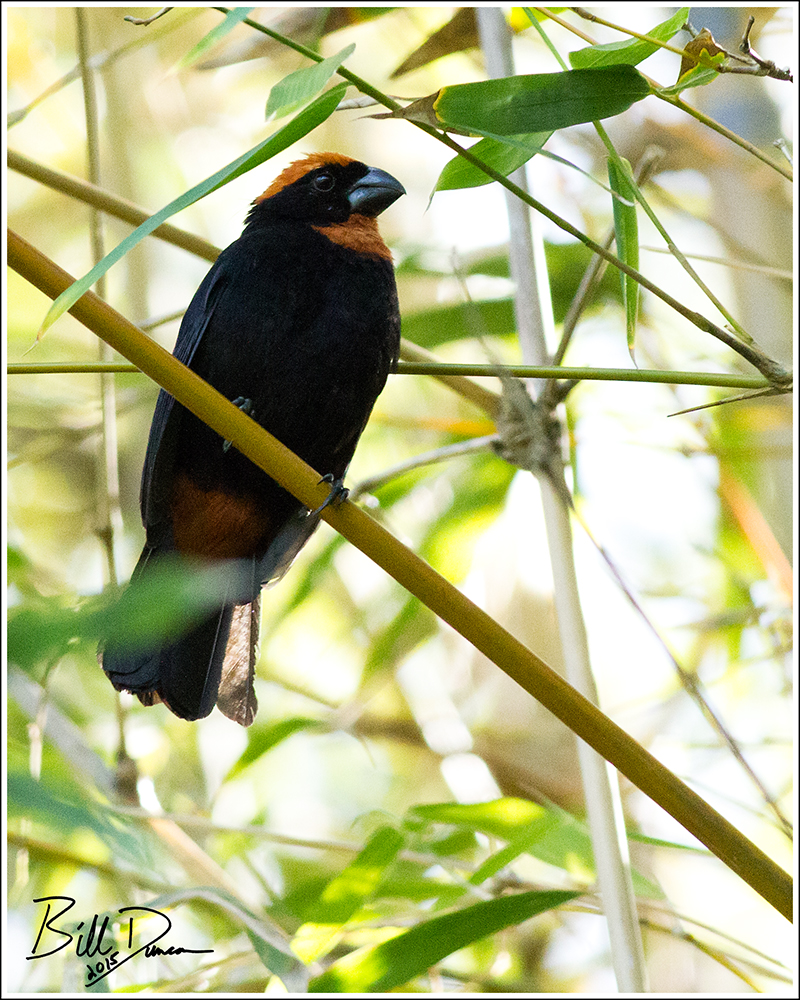
The Puerto Rican Bullfinch is not a finch at all, but a Cardinal.  It has a song that is quite reminiscent of our Northern Cardinal.  I found these guys, like so many of the birds on the island, to be a bit shy and tricky to get a clear view of.

Puerto Rican Tanager

The Puerto Rican Tanager is another endemic bird of the island.  The cloudy skies made photography quite challenging.

Pearly-eyed Thrasher

After this Pearly-eyed Thrasher had its fill of the water-apple, I made sure I got my two or three as well… 😉

Exotics
Exotics

While this stretch of mountains is a dream for the botanist (more than 250 species of trees), several of these are imports from other tropical locations.  Similar to the El Yunque forest on the eastern side of the island, several exotic tree species have been introduced here from Australia.  While several of these species seem to have a small or even neutral effect on the native ecosystems, some have become quite problematic, like these invasive eucalyptus.

Puerto Rican Tody
Puerto Rican Tody

The Todys were here as well!  And I was in for quite a surprise.

Puerto Rican Tody
Puerto Rican Tody

One of the several highlights of the day was finding a PR Tody nest cavity in the side of a mud bank.  These guys are in the same family as the Kingfishers, and build a similar nest cavity.  I happened to be walking by as a bird hopped to the entrance and darted within feet from my face while giving me a terrible scolding.  I backed off a bit, hoping it would come back for a great photo opportunity.  After 20-30 minutes no birds came, so I pushed on, not wanting to be the reason a youngster was not getting a meal.  I would walk by the cavity a few times over the course of the day, but never had any luck.  I don’t think they spend a lot of time within sight of the nest cavity, it being a quick in and out operation.

Puerto Rican Tody Nest Cavity

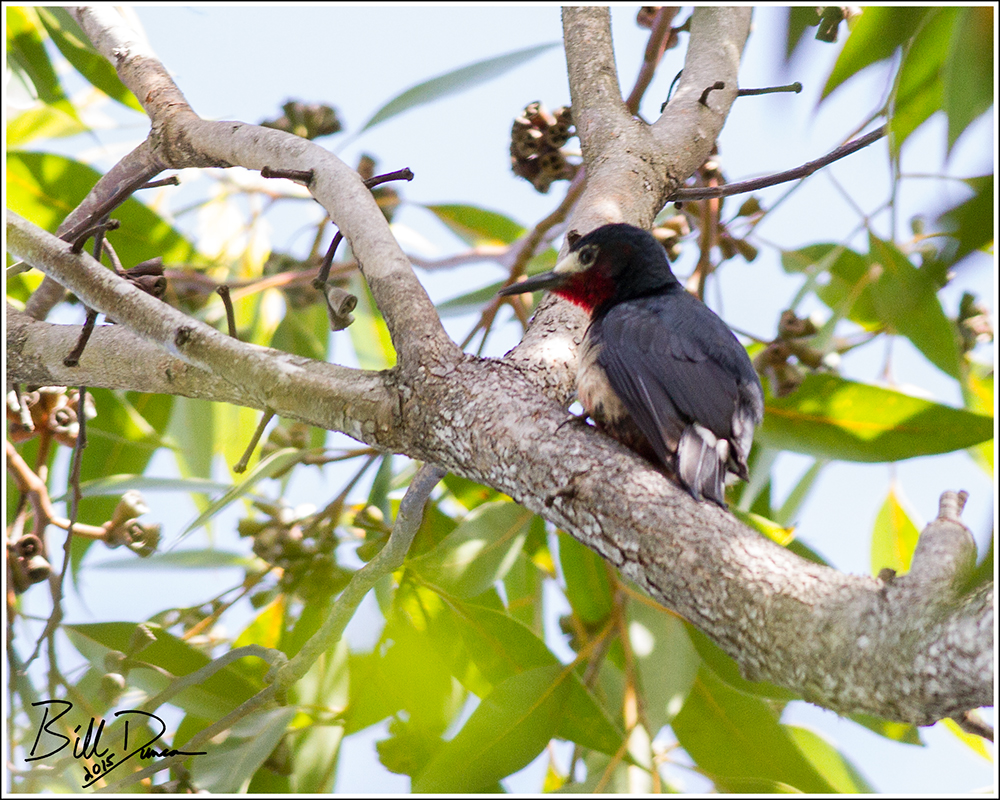
Although I was able to find a couple of the PR Woodpeckers the day prior at Cabo Rojo, I was not able to get any photographs.  Thankfully a group came through the area and I managed a couple of mediocre shots.  Spectacular birds, as are most Woodpeckers.

Puerto Rican Woodpecker

Finally, the quintessential bird for this most Tolkienesque of forests.  The Elfin Wood Warbler.  I was able to watch a small group of these quite mobile darts move in and out of the dense, roadside wall of the forest canopy.  Only described by science in 1972, it has been estimated there may be as few as 1800 of these birds left on the island.

Elfin Woods Warbler
Elfin Woods Warbler

Human modification and destruction of these mountain forests are having major detrimental effects on these habitats throughout the tropics.  In Puerto Rico this habitat is being lost to communication arrays and the roads to service them – one of the costs of global connectivity.  I was appalled by some of the views I had of antennas being stacked as thick as trees on some of the mountain tops in this Forest.

Coffee is king here and some of the oldest and largest coffee farms are found within Maricao.  I was able to speak with several folks on the island who worked as, or were part of families associated with farming coffee.  Not one of them practiced or had any plans to practice shade-grown, bird-friendly coffee.  Although it certainly is not the perfect answer in protecting these endemic mountain species, purchasing shade-grown coffee is an important practice in enabling conservation in these areas.

As the light waned and the rains began to lighten, I sat listening to the coqui frogs and other pieces of the night symphony begin their warm up.  Just when I thought it couldn’t get better, I heard what I had hoped to hear – the Puerto Rican Screech Owl.  This bird gave me a total of 17 of a possible 18 endemic bird forms for the enchanted isle.  The only miss was the Puerto Rican Parrot, which is only found in small patches of El Yunque to the east.  I can only hope that these birds can continue existing in their present forms long after I have not.

Thanks for visiting…
OZB


Birds of Quivira – Belted Kingfisher

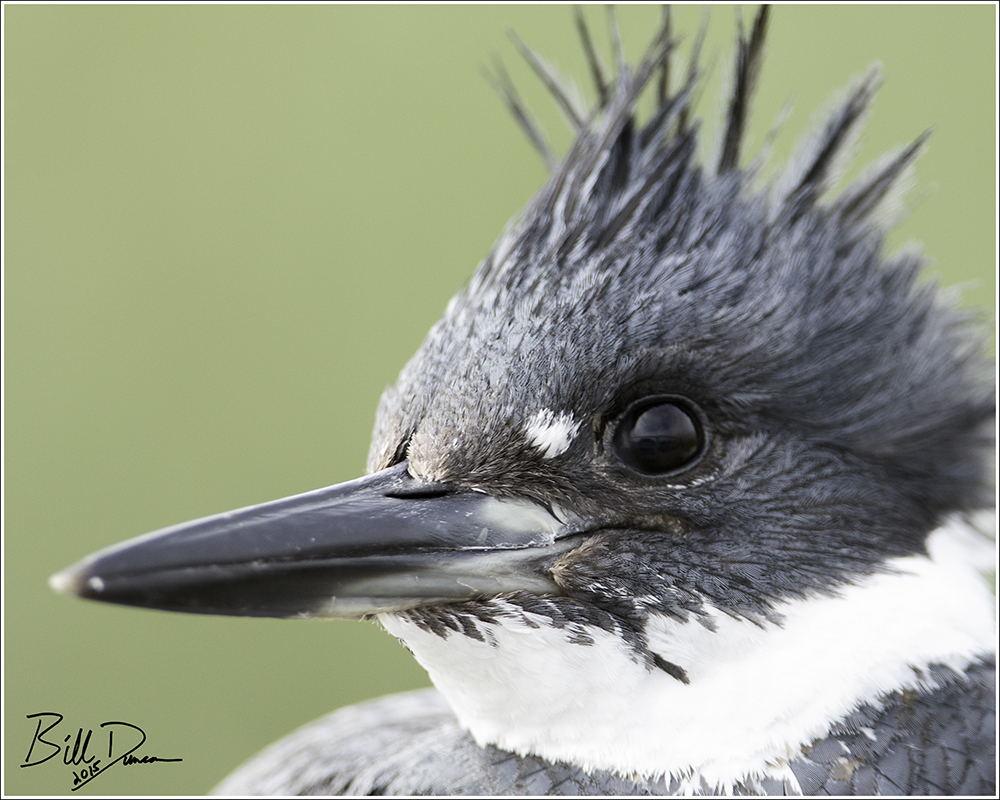
Belted Kingfisher
Belted Kingfisher

While at Quivira, Steve and I happened upon one of the most patient, cooperative wild birds I have ever come across, this male Belted Kingfisher.  It stayed perched, except when taking off to grab a prey item, as we slowly crept closer in the car.

Belted Kingfisher
Belted Kingfisher

In the photo below, the bird winds up to bash a crayfish that it eventually swallowed.

Belted Kingfisher
Belted Kingfisher

Thanks for visiting!

Belted Kingfisher
Belted Kingfisher

-OZB

Birds of Quivira – White-faced Ibis

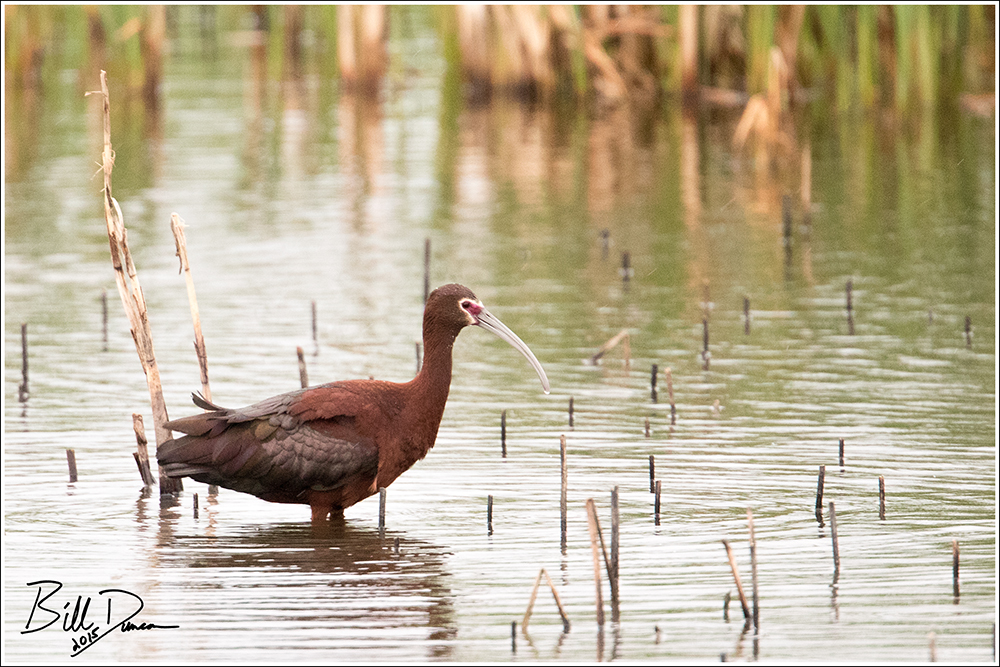
White-faced Ibis
White-faced Ibis

The White-faced Ibis are pretty abundant at Quivira and Cheyenne Bottoms and across the Great Plains in general.  It is believed that this was primarily a western species that has been slowly moving eastward during the past century.  Nesting grounds are still rather patchy and infrequent, but they have been documented to nest at both Cheyenne Bottoms and Quivira.

White-faced Ibis
White-faced Ibis

-OZB