A Bit of Batting Practice

For the WGNSS Nature Photography Group’s January outing we headed to Carlyle Lake in Illinois. Our primary target was the dam’s spillway. I have had a lot of fun at this location photographing Bonaparte’s Gulls and American White Pelicans during past winters and these species are what we were hoping for on this trip.

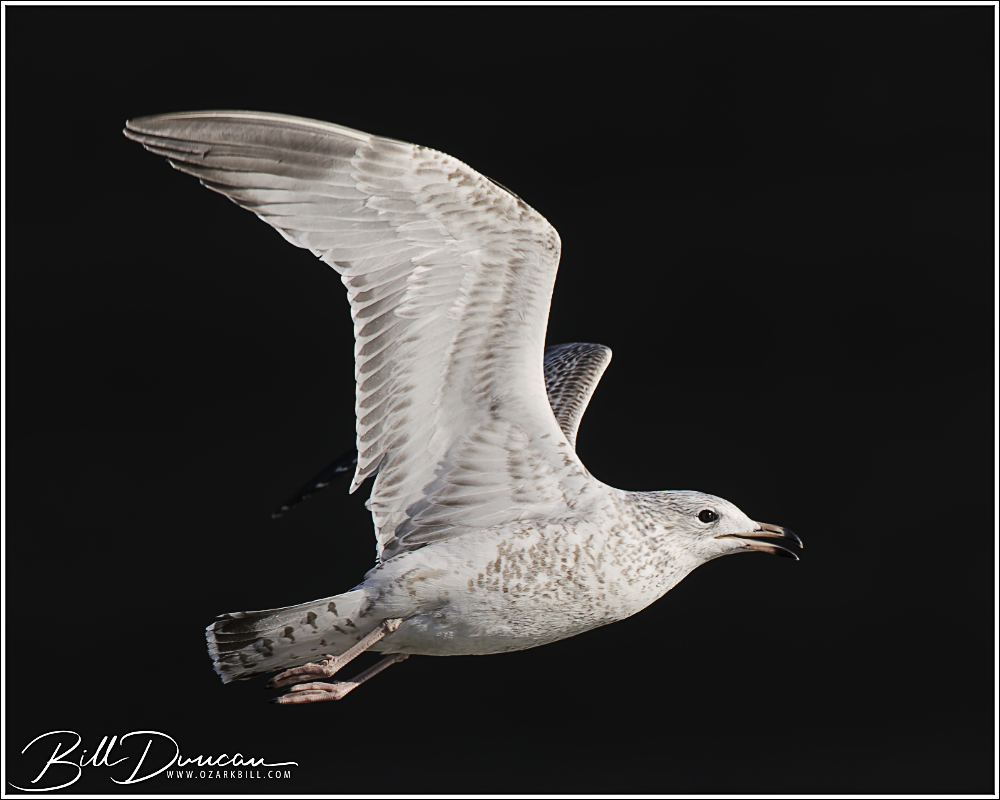
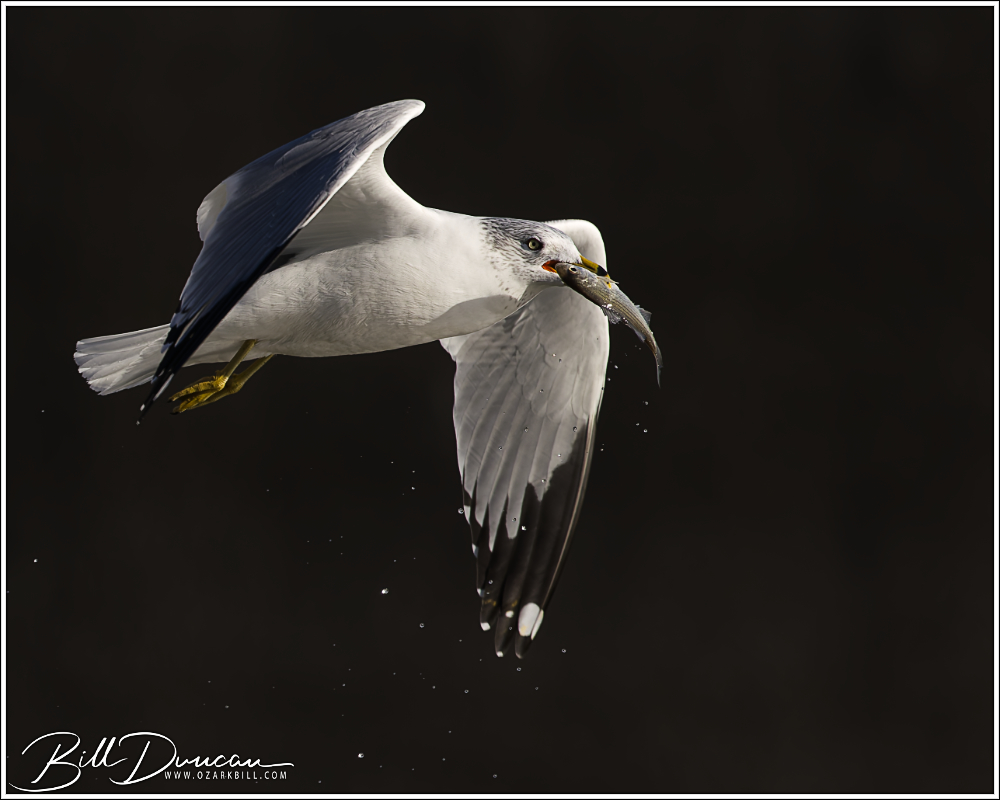
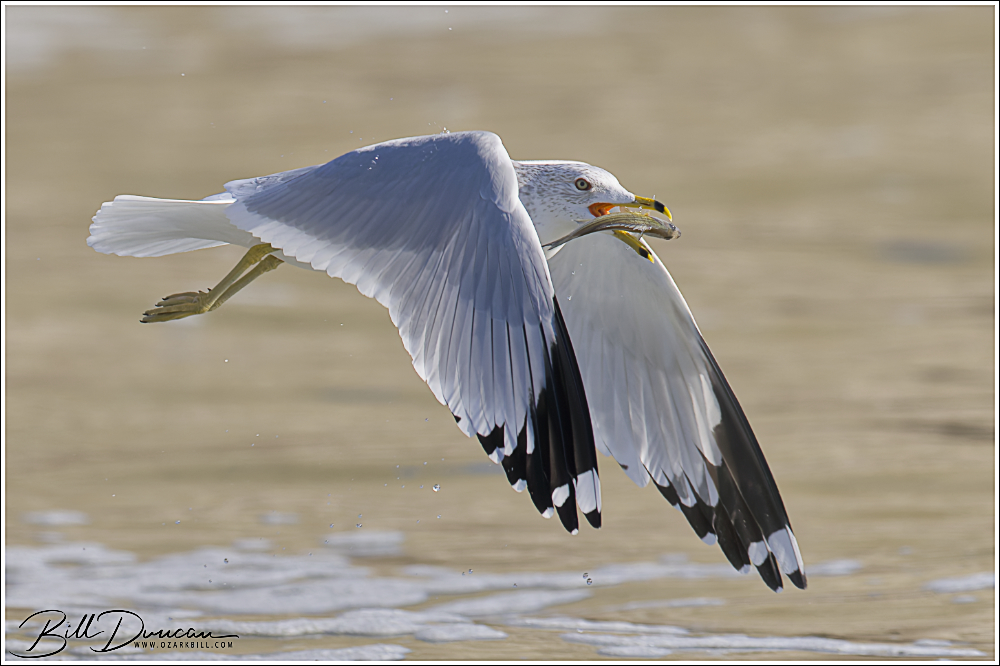
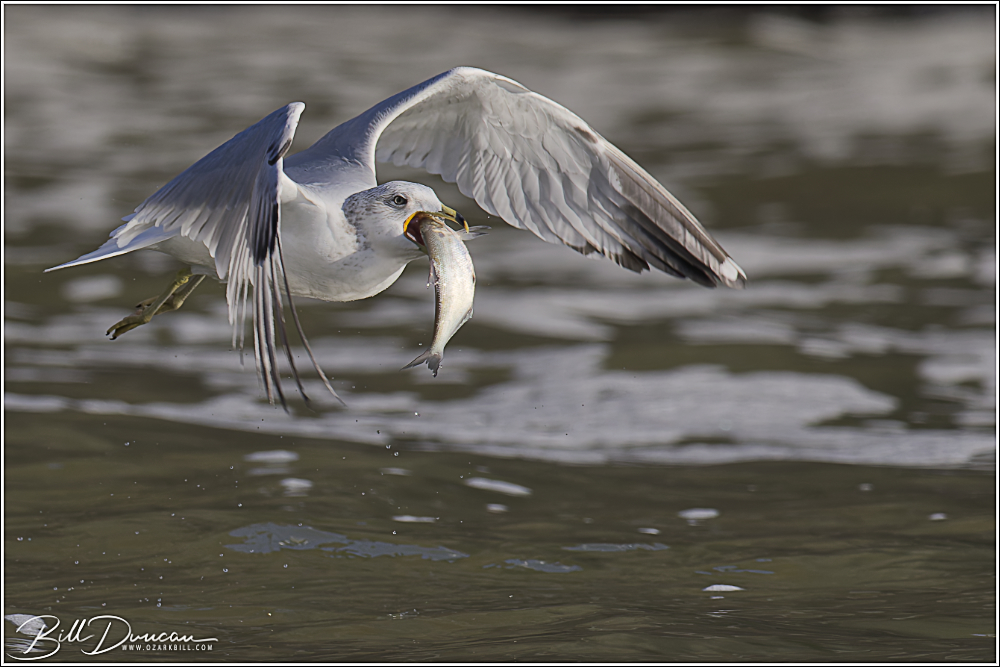
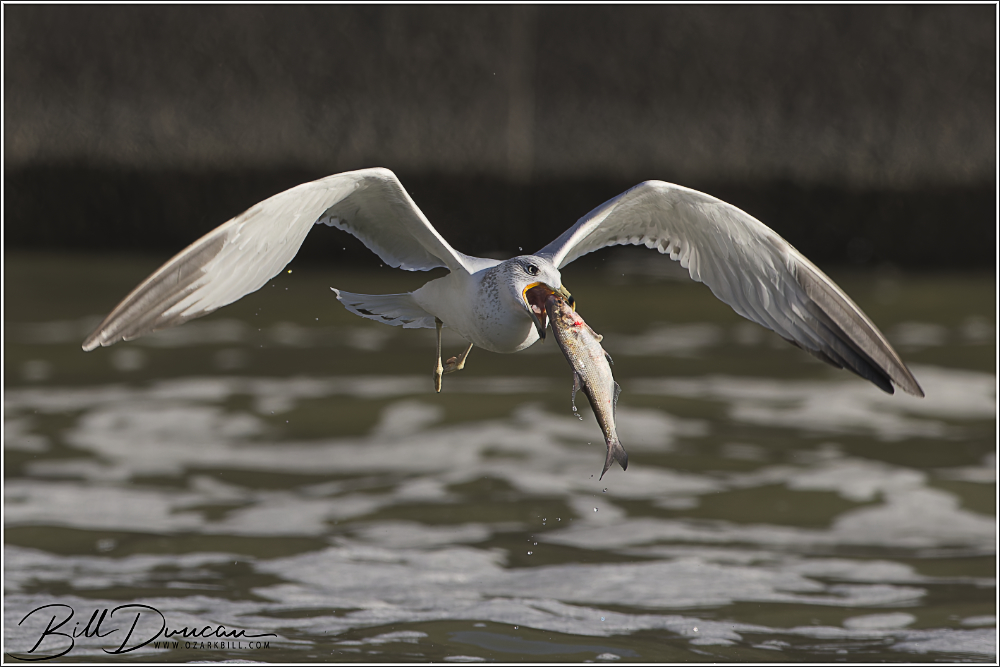
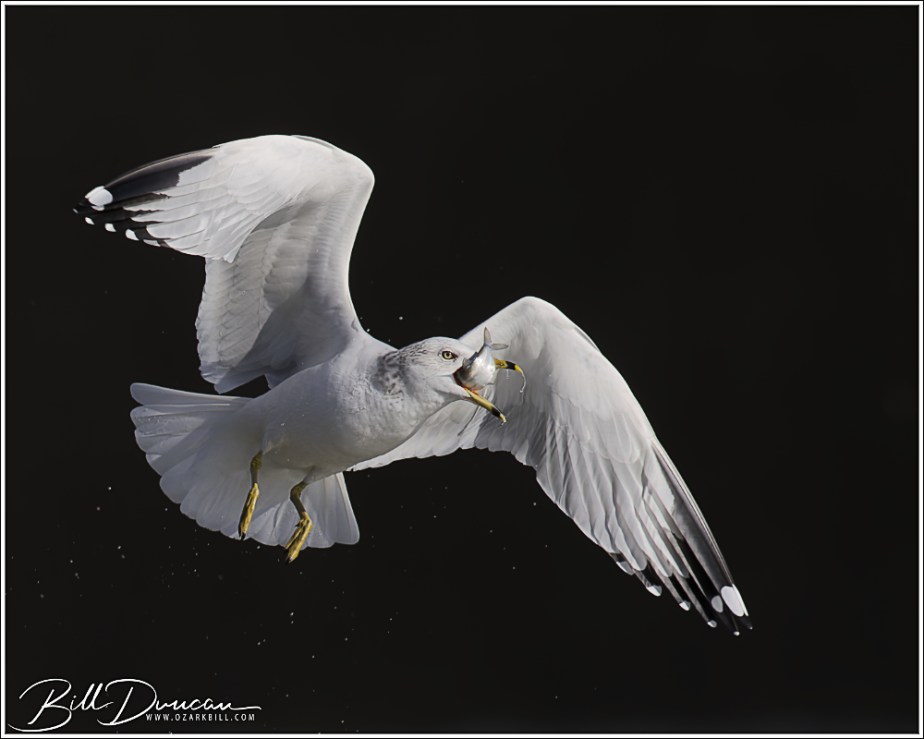
Being a spillway with the dam and infrastructure surrounding it, the backgrounds are definitely challenging; however, it is not impossible to handle. The images below showcase one method we could use to handle this situation. With the rising sun at our backs, I noticed the light was hitting these mostly white birds perfectly. By exposing precisely for the whites and a little exposure manipulation in post-processing, it was possible to turn the darker concrete walls of this section of the spillway nearly black, which allows the birds to pop off this background as seen in the images below.
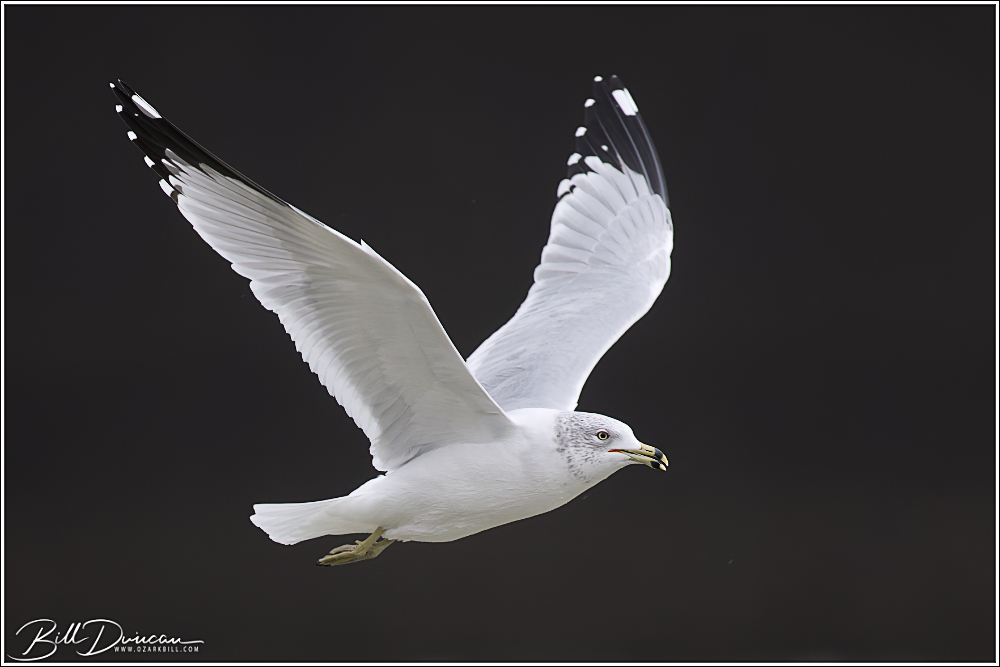
Predicting the movement of birds in a typical winter is difficult and this winter, where seasons have been changing on a daily basis, is pretty much impossible. On top of that, water levels in the lake and spillway channel were a couple feet below normal. The spillway gates were releasing just enough water, which I believe limited the numbers and size of fish falling through. So, it wasn’t surprising that we found almost nothing but Ringed-bill Gulls (RBGU) fishing in the spillway.

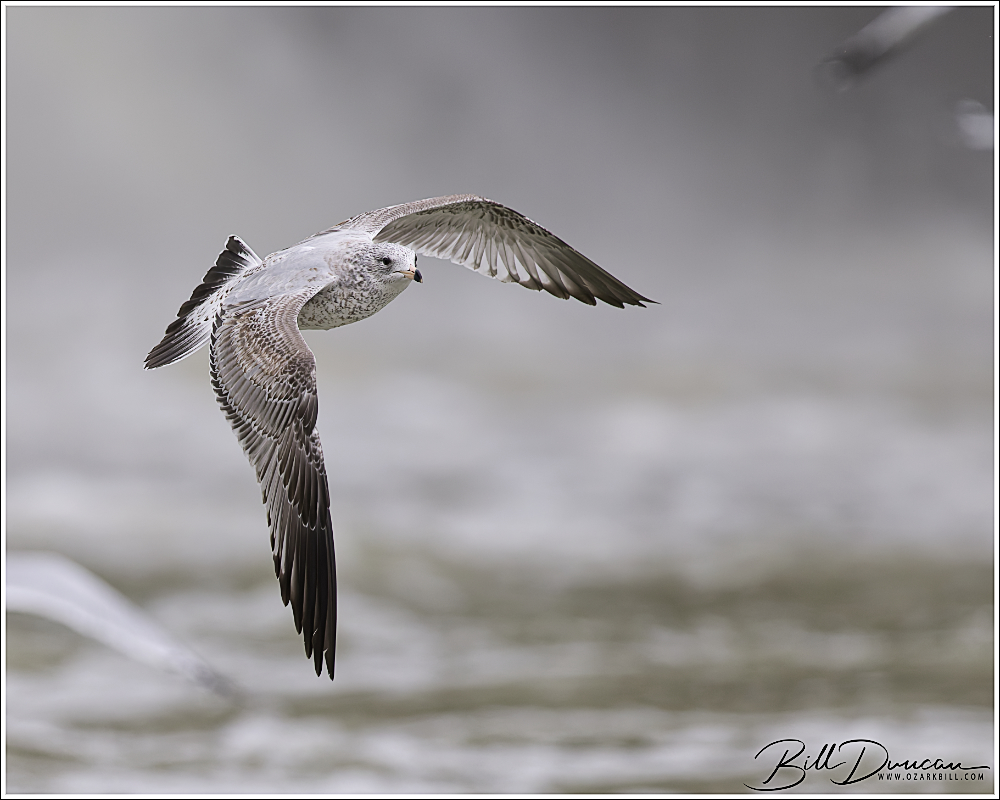
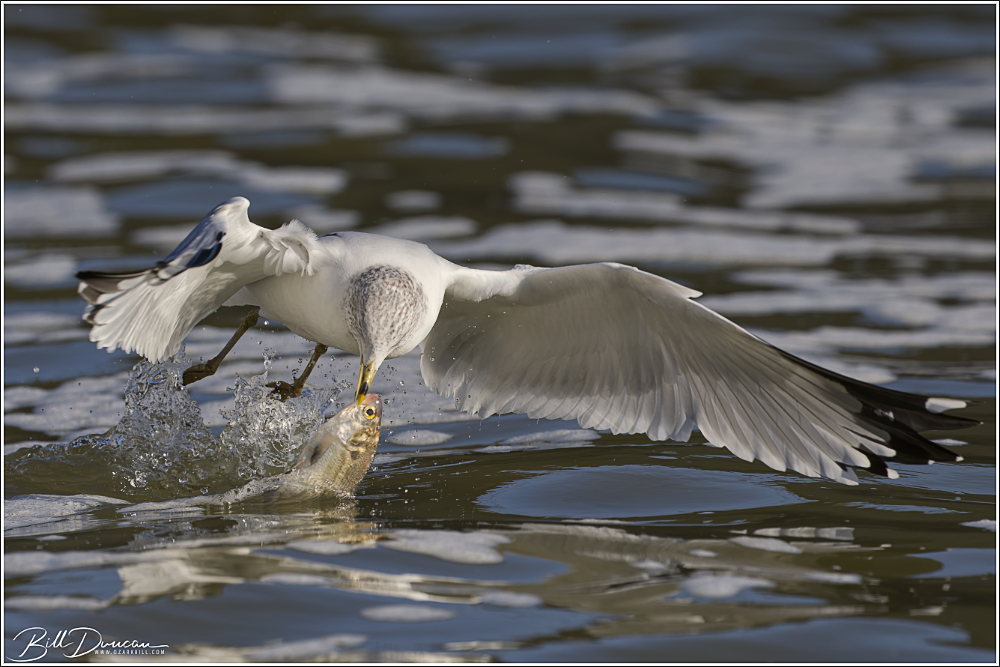
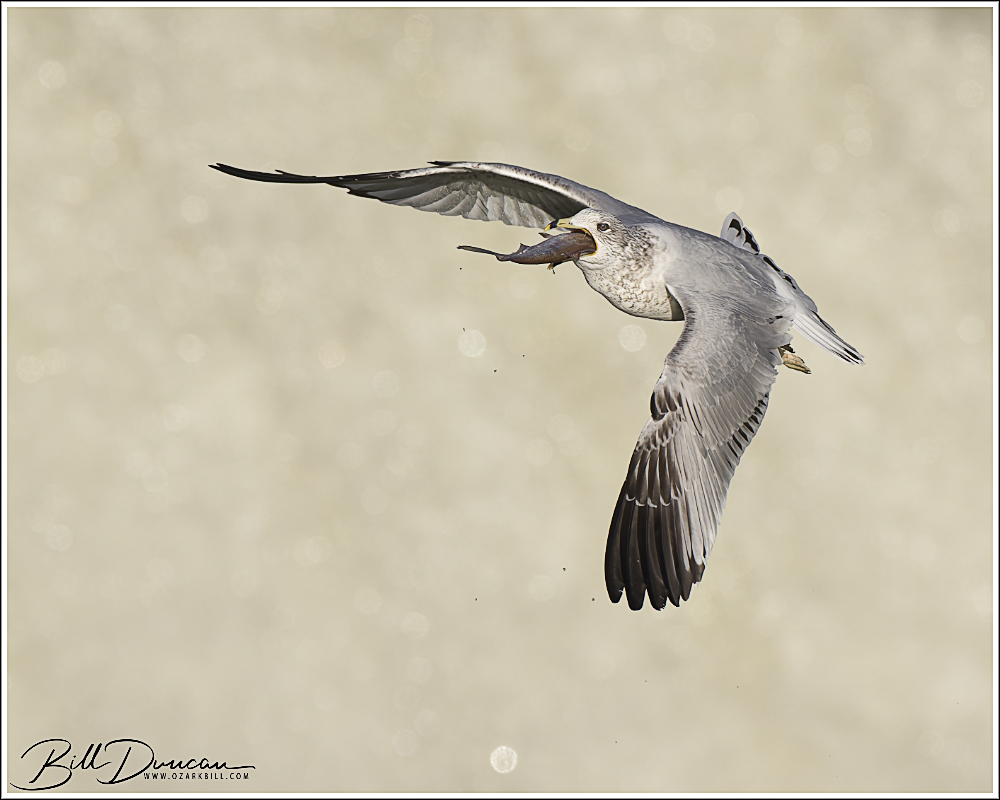
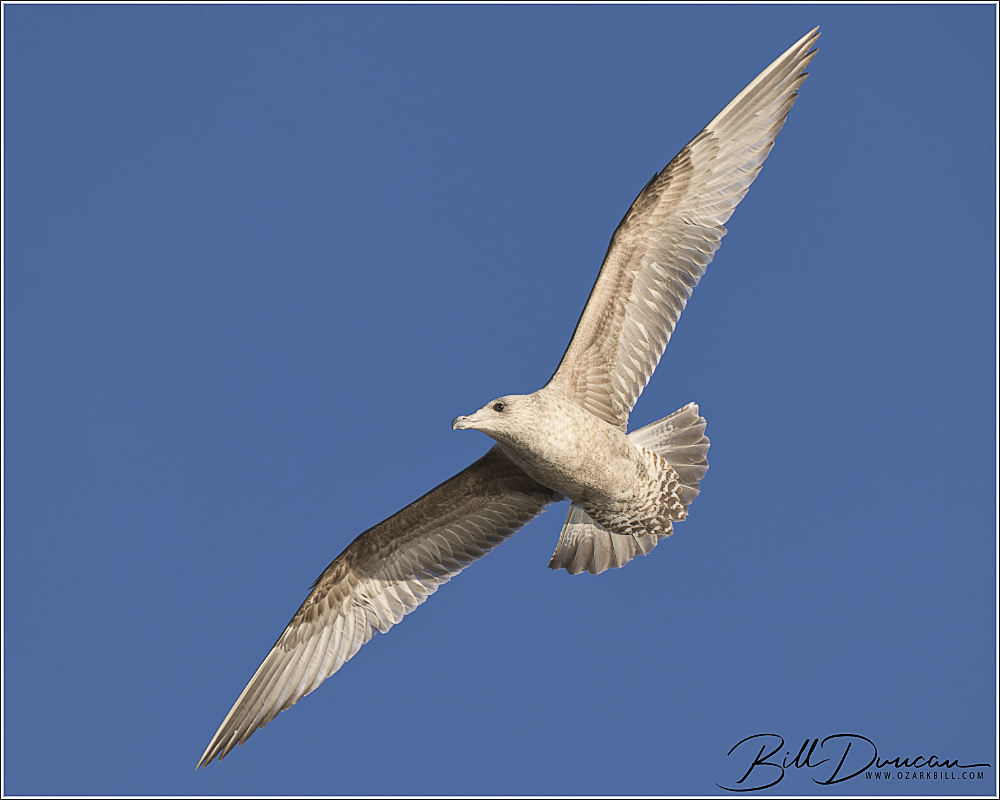
Ring-billed Gulls are considered 3-year gulls, meaning that they have a plumage transition for the first three years of their lives before they develop into the typical adult plumage. In addition, there is considerable variation within these years, e.g. a 2 year old gull may look different from a 2.5 year gull. Given I am no expert, I have made some captions with my best guesses on the ages of some of these birds.

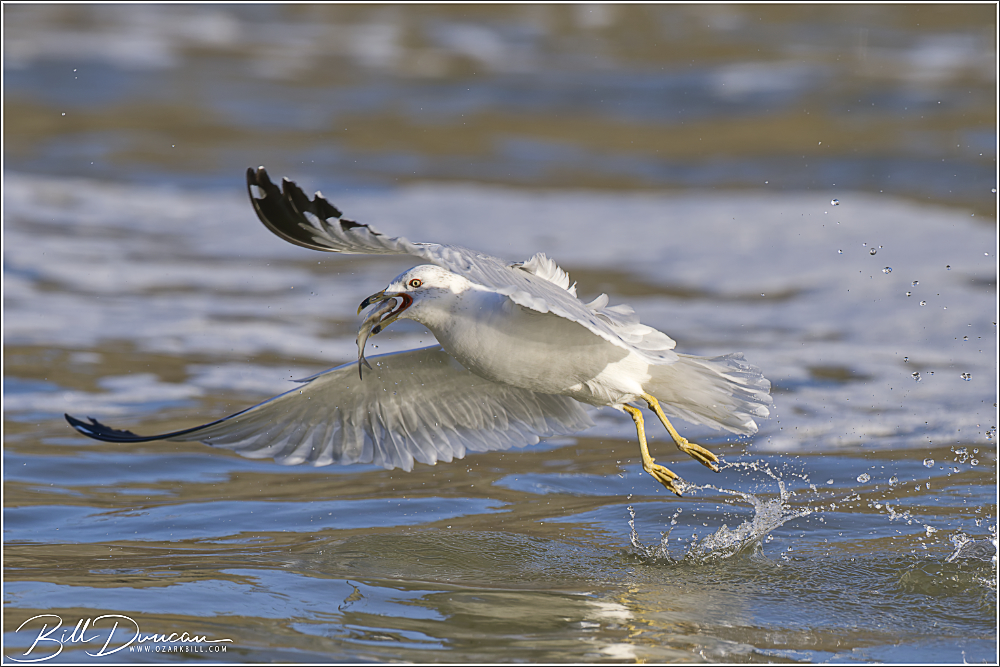
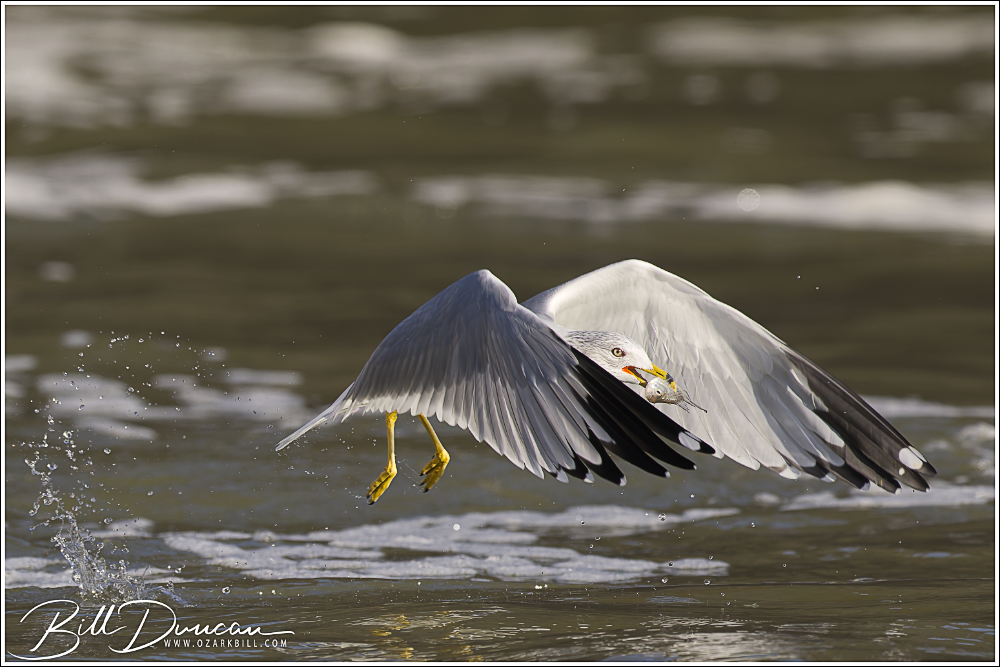
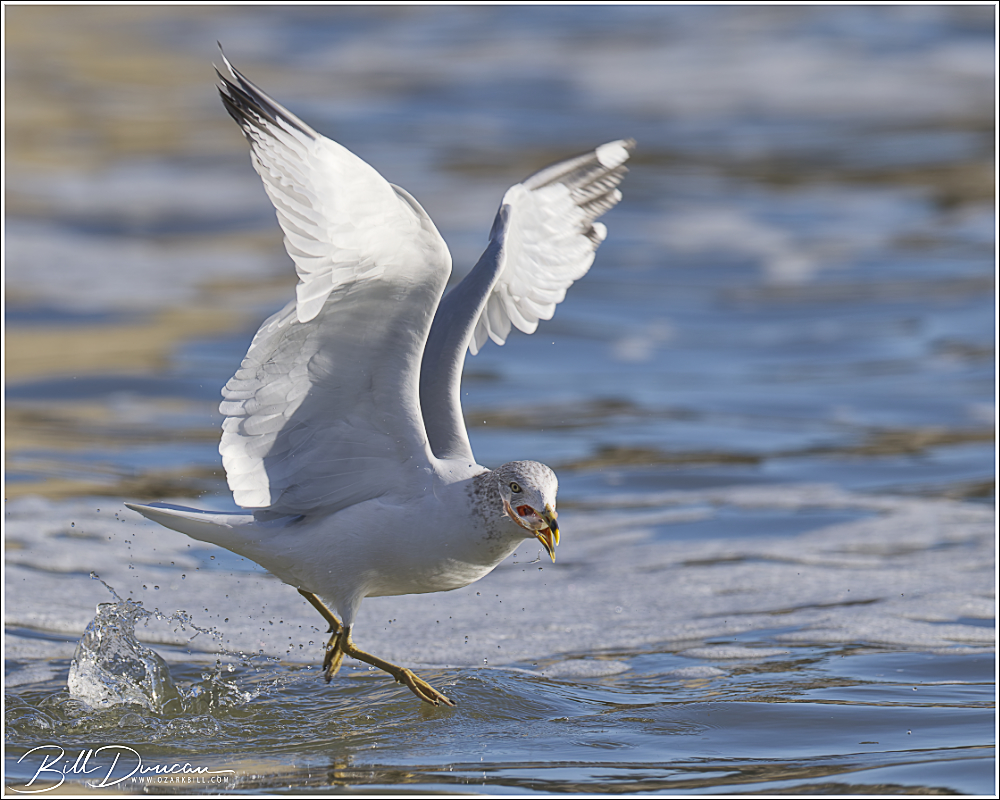
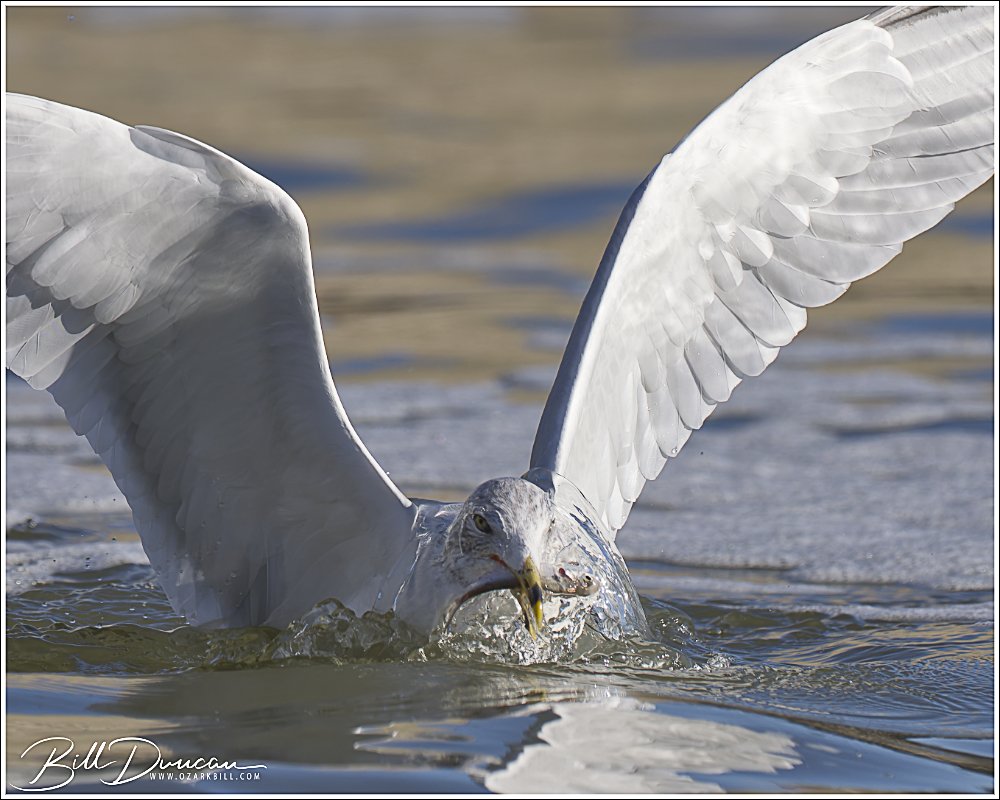
Another method of dealing with ugly backgrounds at this location is to focus on the fishing activities or other opportunities where the water will be the background of the image.
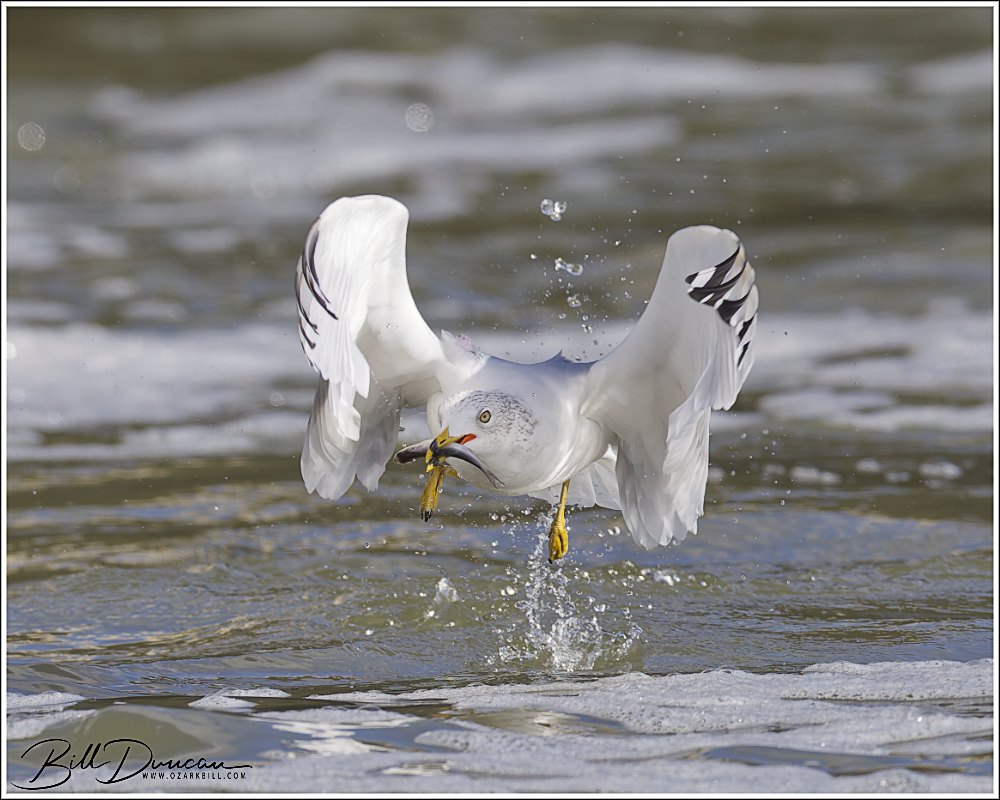
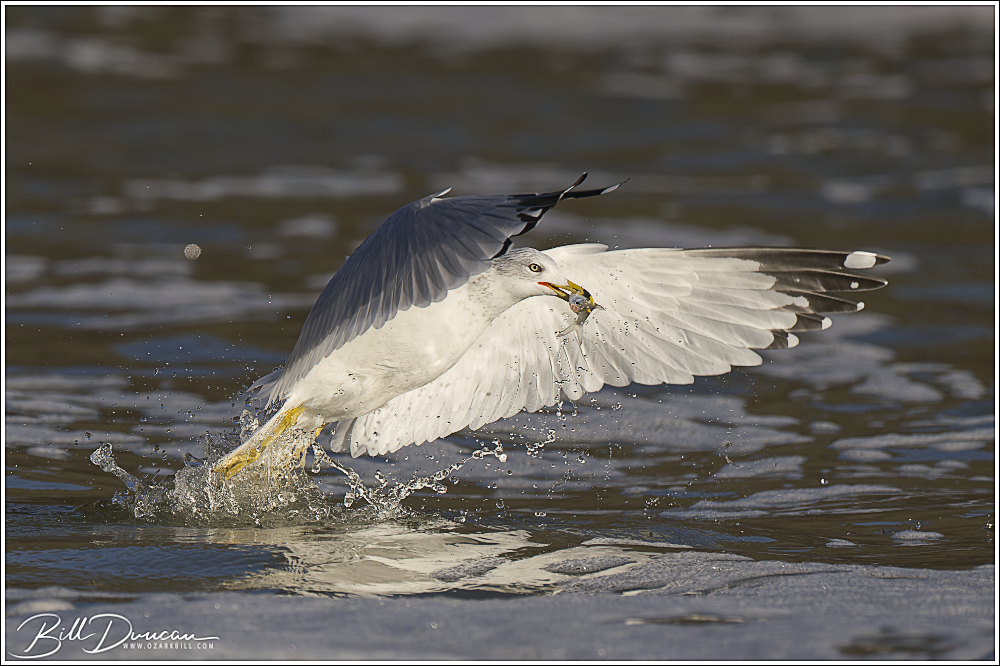
Many nature photographers would consider this a bust of a day and would perhaps head back home to watch a meaningless football game. However, I like to look at this as both an opportunity for practice and to potentially learn something new about a species taken for granted and usually ignored. I liken opportunities such as this to batting practice in three ways: 1) It gives you a chance to hone your skills – this is high-speed action photography with challenging backgrounds and dynamic lighting. If you haven’t mastered your camera’s exposure and autofocus settings, you will likely struggle getting the images you envision, 2) It’s a lot of fun! Whatever species you find in a spillway like this, there will likely by plenty of birds fishing, giving plenty of opportunities to capture those fleeting moments, and 3) with a species like the RBGU, you won’t likely come away with anything to brag about. These aren’t eagles or owls or some rare species that will be all the talk on social media.

I really enjoyed watching the gulls catch and position their fish in flight for the head-first swallow. I was fortunate enough to catch this in action in several of my photos – they literally give them a little toss and catch them again so that the head is facing towards their mouth. It was also interesting to watch a few who knew the fish was too large to ingest and subsequently released back to the water.
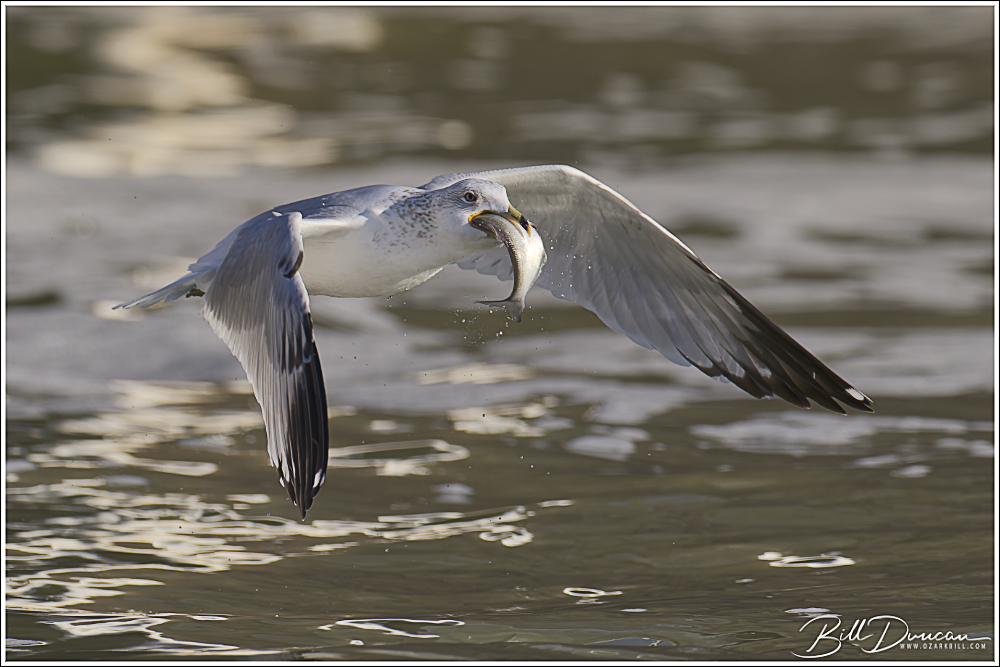
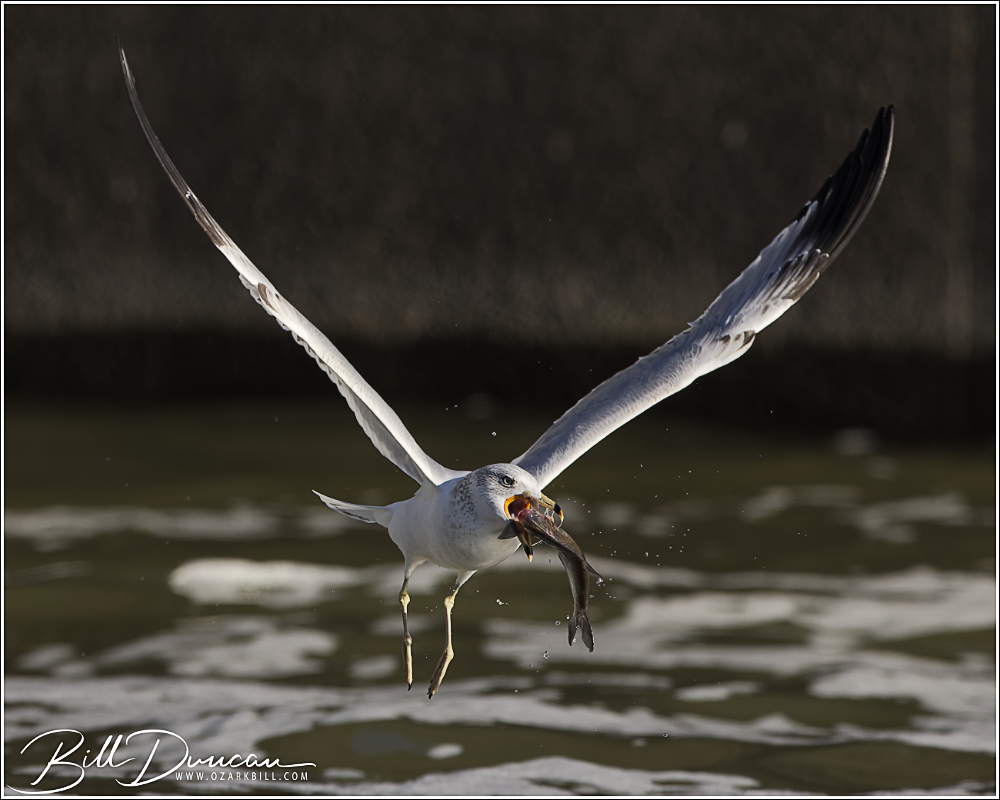
As I alluded to above, I had a lot of fun shooting these gulls. The feeding opportunities were not as plentiful as I usually find at this location, but by staying alert and ready I came home with some photos that I really like.

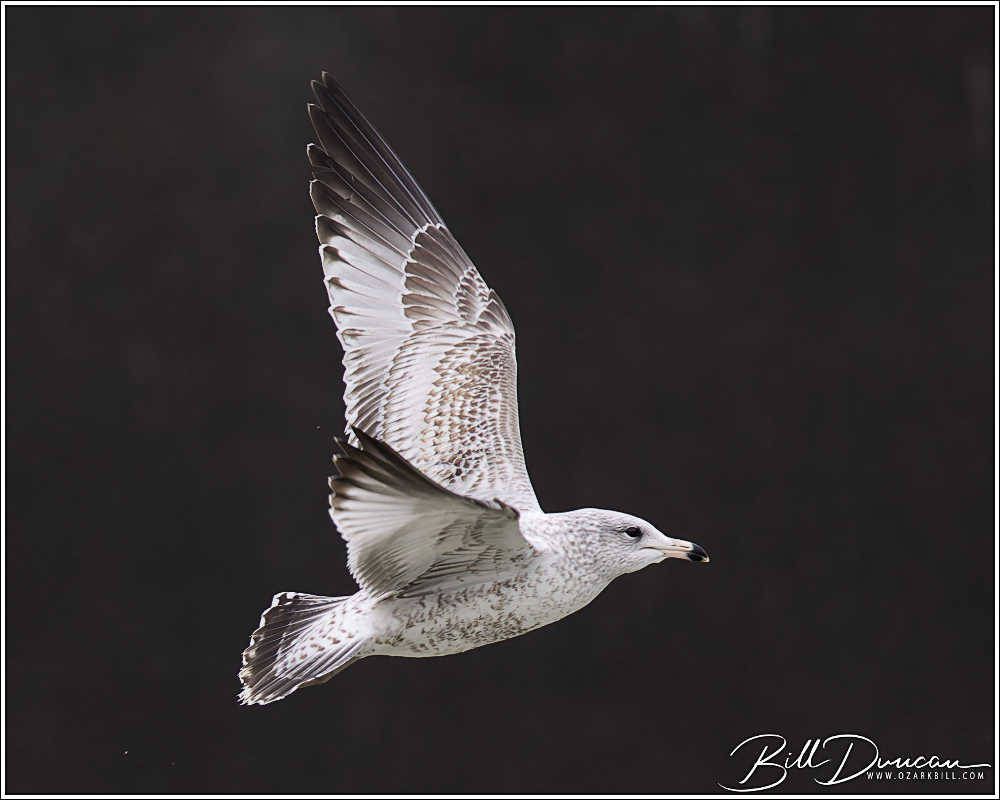
Ring-billed Gulls were not the sole fishers we found. We also had several first-year Herring Gulls shown below. Unfortunately these birds did none of their own fishing, but seemed content in attempting to steal the catch from the RBGU.
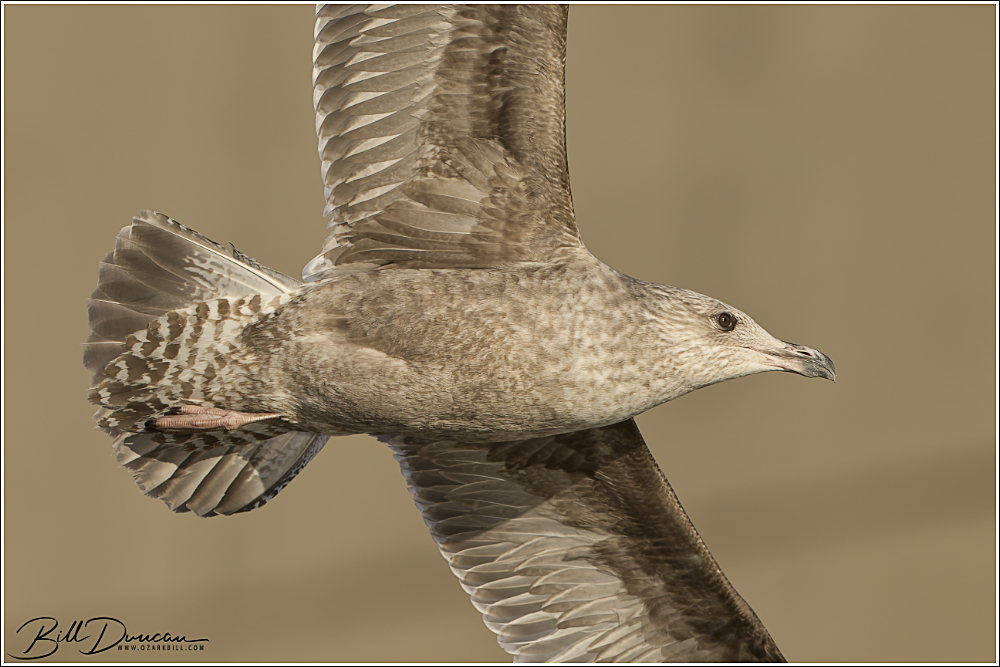
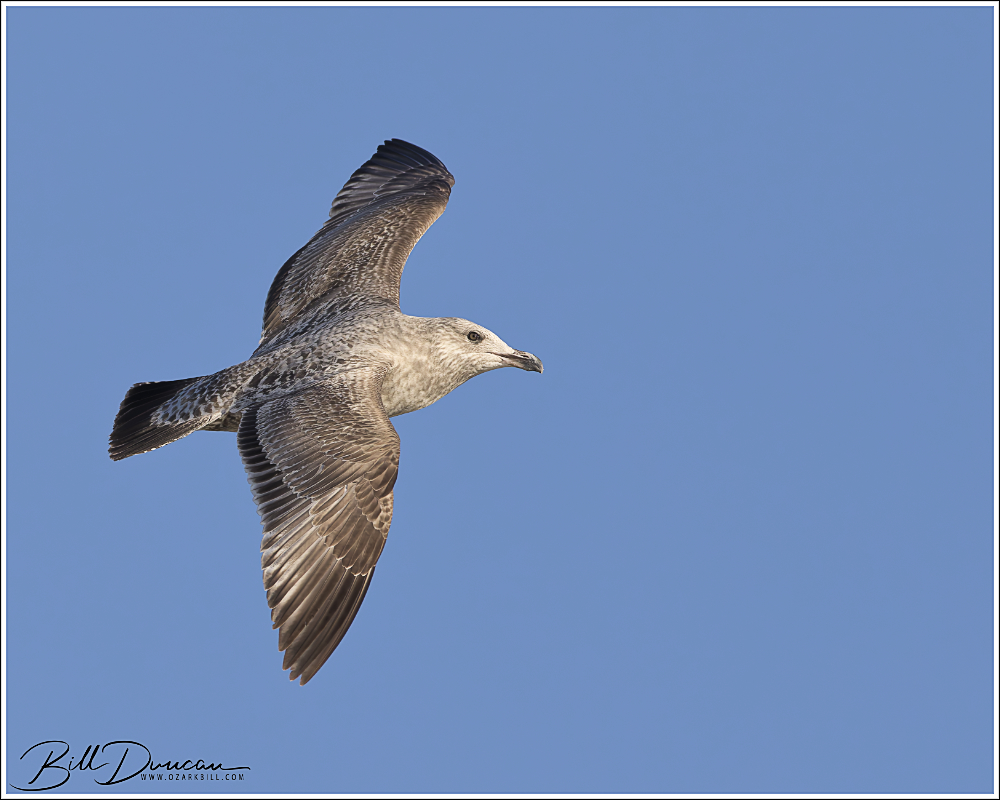
Thanks for visiting!

-OZB
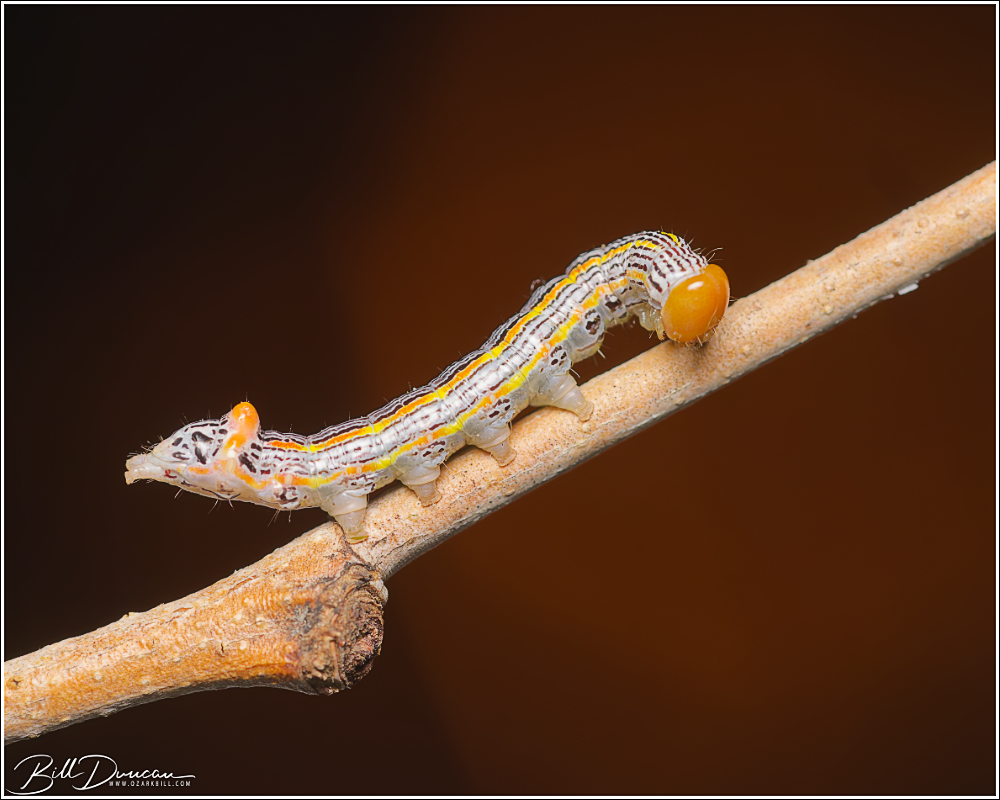
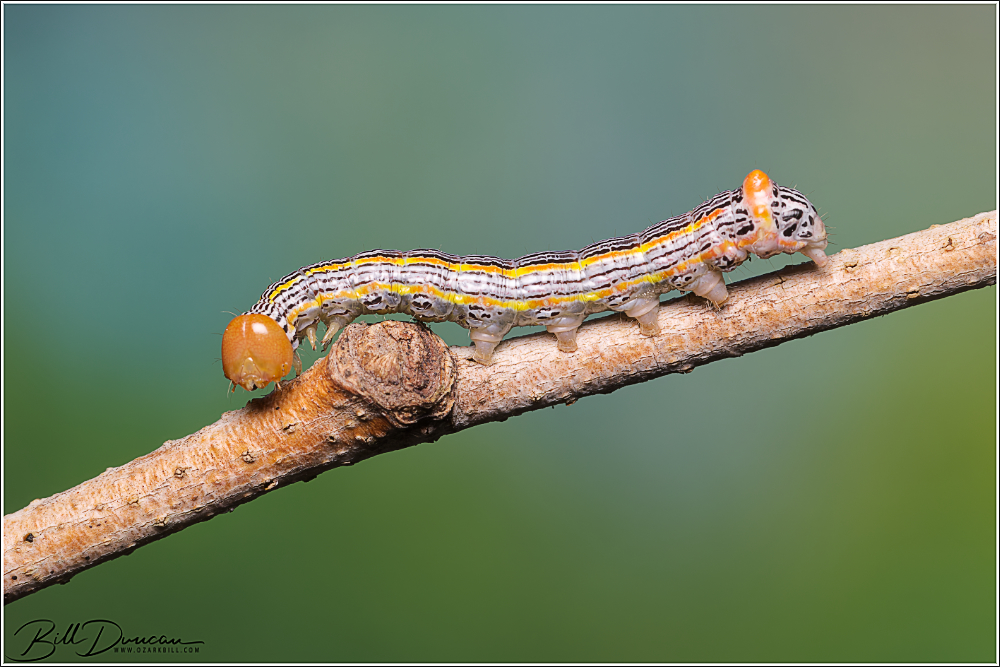
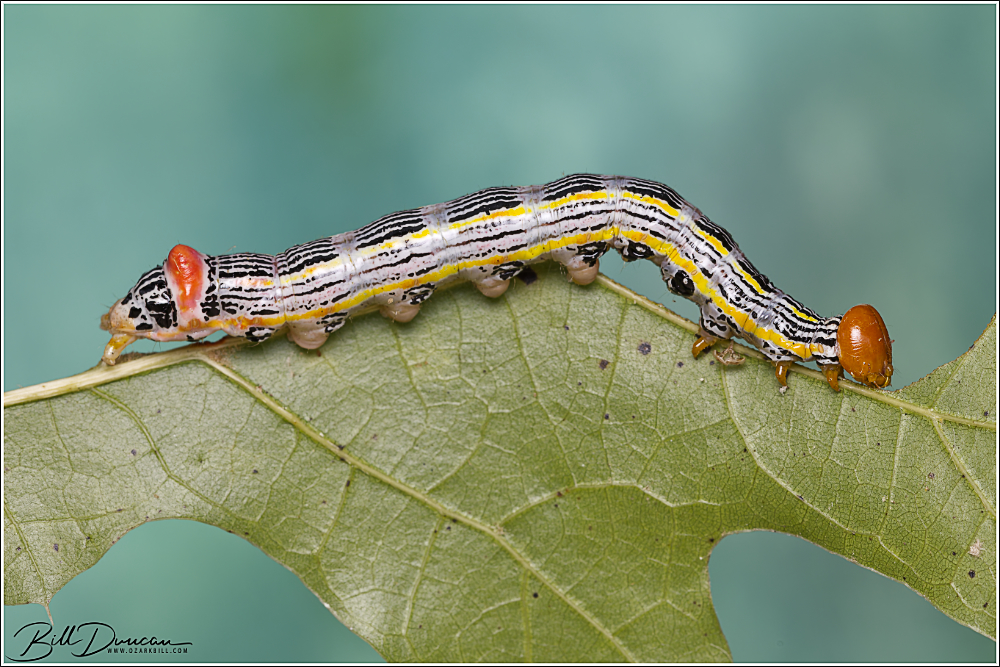
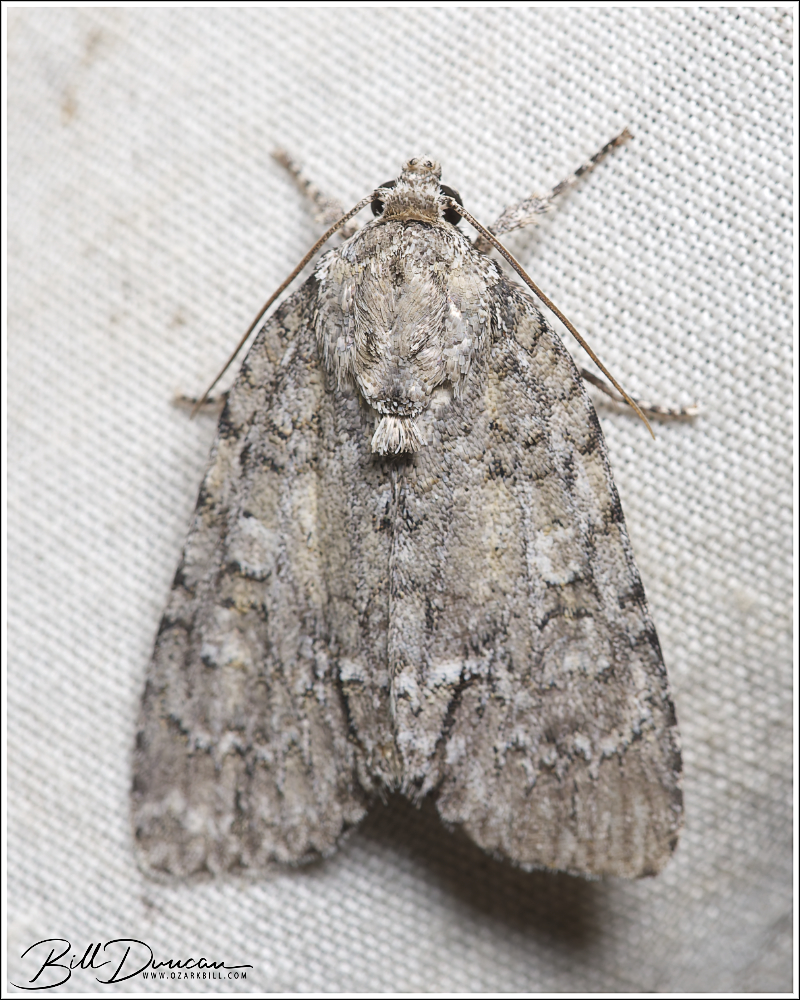
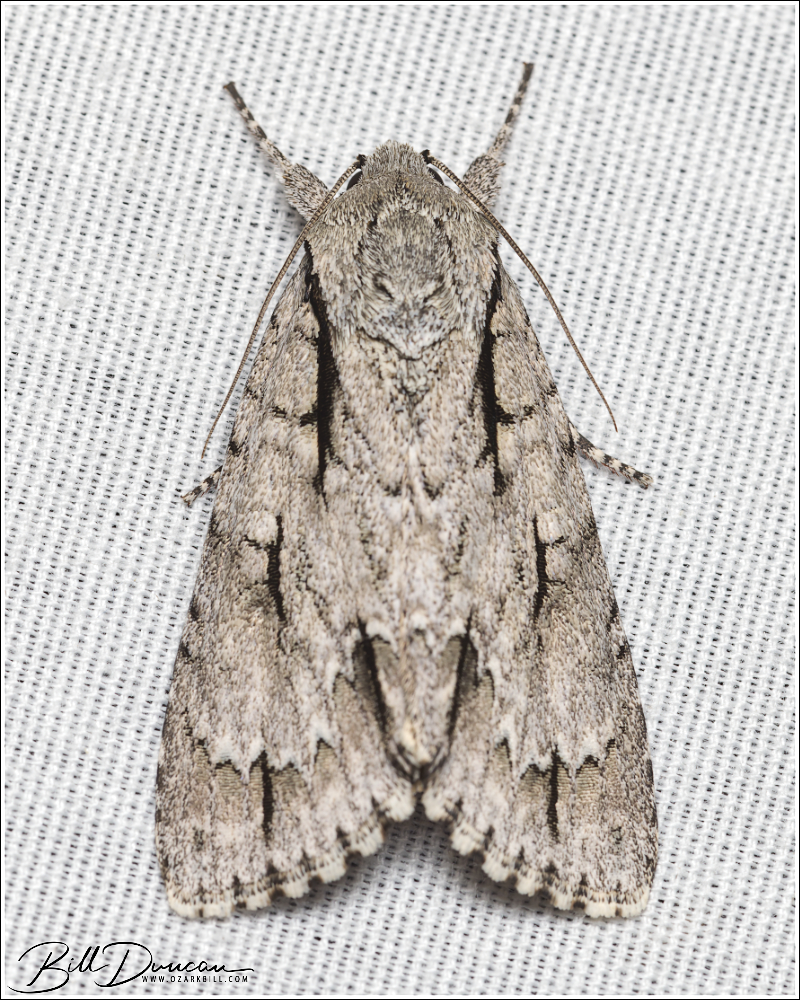
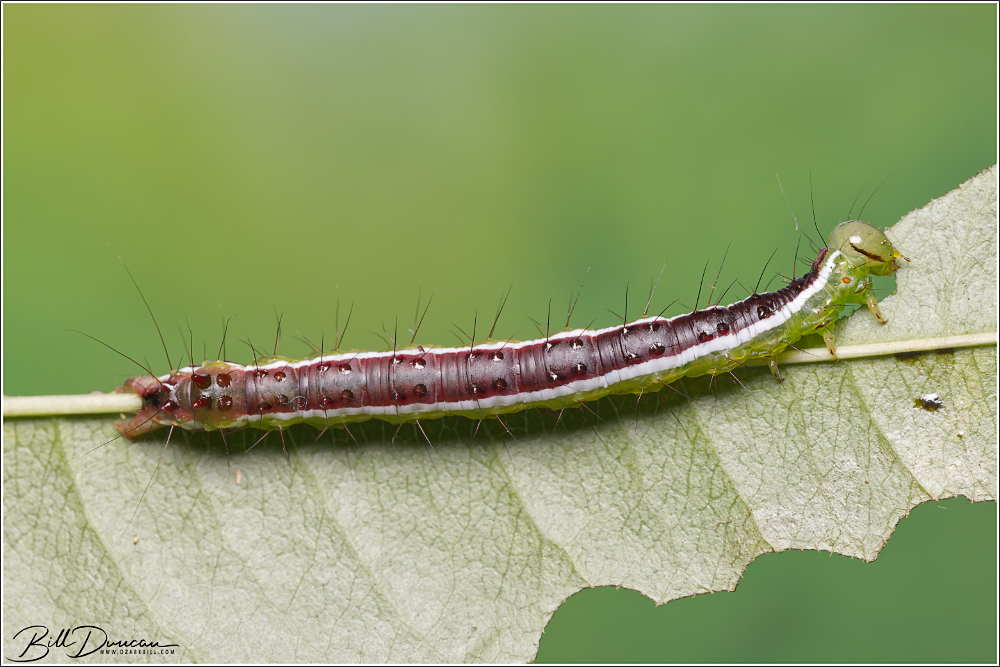
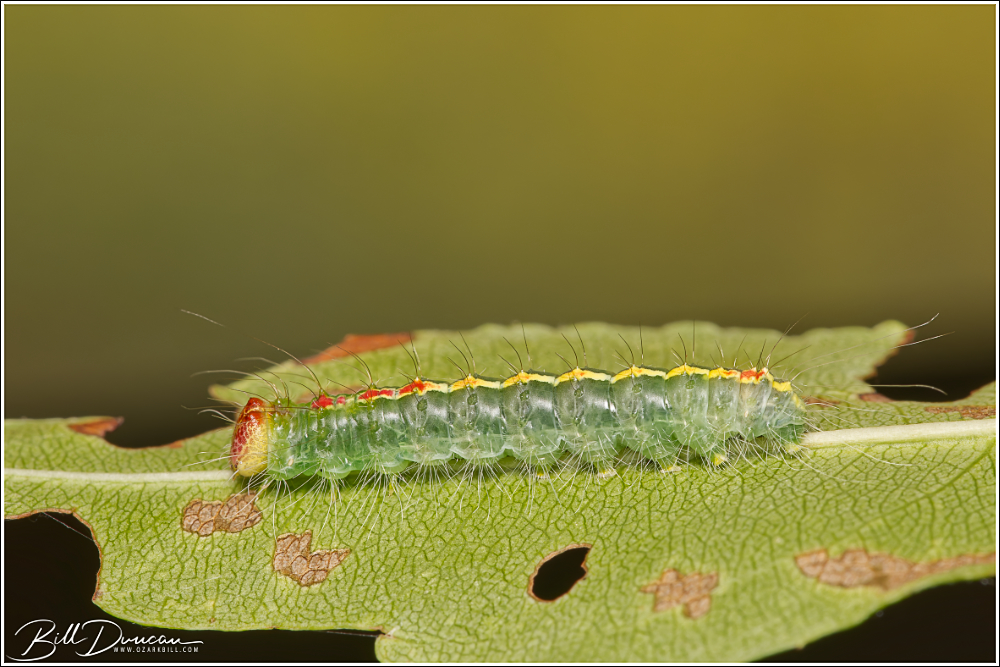
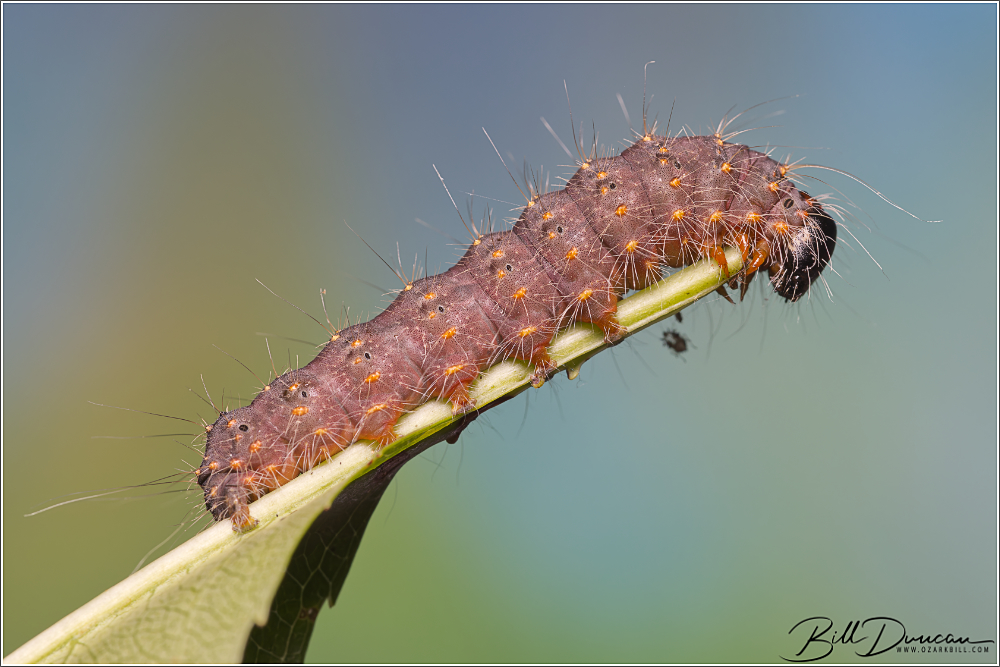
2025 Caterpillar Season – Humped Oakworm

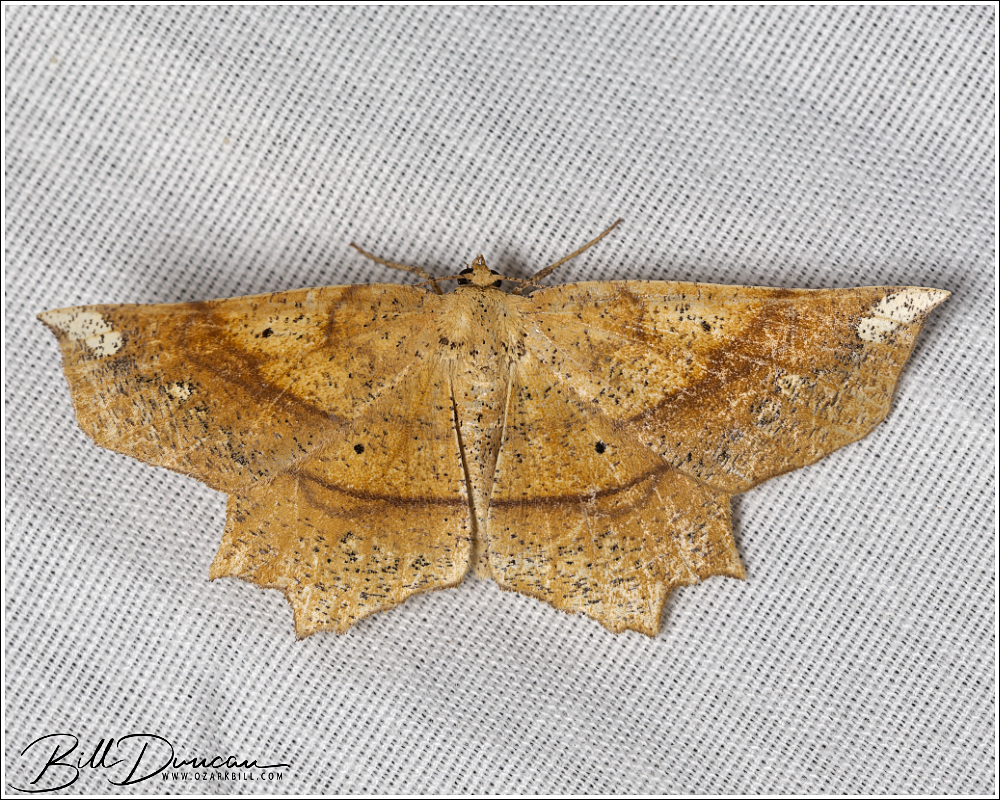
Humped Oakworm Moth
Symmerista sp. fam. Notodontidae
Host plant(s): Found on oak (Quercus sp.)
Date(s) and location(s): 18 September, 2025 – Council Bluff Lake, Iron County, MO; 27-September, 2025 – Caney Mountain Conservation Area, Ozark County, MO
Notes: Caterpillars of S. canicosta (red-humped oakworm) and S. albifrons (white-headed prominent) are indistinguishable as larvae and are so similar as adults that the only way to distinguish the two is by dissecting the genitalia. Both species are found in Missouri and both feed on the same host plants – beech, chestnut and oaks (any members of the Fagaceae).

Council Bluff Lake Lepidopterans – The Adults

Going back to the August 16th WGNSS trip to Council Bluff Lake. After a day (and night) of caterpillar hunting, a couple of us set up light stations to attract nocturnal insects. Here are a few of the moths that I photographed from this evening.

Erebidae

Allotria elonympha (false underwing Hodges#8721)

Geometridae

Euchlaena amoenaria (deep yellow euchlaena, Hodges#6733)

Noctuidae

Acronicta immodica (medium oak dagger. Hodges#9242.1)
Acronicta lobeliae (greater oak dagger, Hodges#9238)

Click here to see photos of the greater oak dagger caterpillar

Chytonix palliatricula (cloaked marvel, Hodges#9556)
Polygrammate hebraeicum (The Hebrew, Hodges#9285)

Click here to see photos of the Hebrew caterpillar

Acronicta funeralis (funerary dagger/paddle caterpillar, Hodges#9221)

Click here to see photos of the paddle caterpillar (final instar)
Click here to see photos of the paddle caterpillar (mid-instar)

Notodontidae

Cecrita biundata (wavy-lined prominent, Hodges#7995)
Furcula borealis (white furcula, Hodges#7936)

Saturniidae

Antheraea polyphemus (polyphemus moth, Hodges#7757)

Click here to see a photo of the caterpillar of the polyphemus moth caterpillar

Sphingidae

Darapsa myron (Virginia creeper sphinx, Hodges#7885)

Click here to see a photo of the Virginia creeper sphinx moth caterpillar

2025 Caterpillar Season – Tufted Bird Dropping Moth

Tufted Bird Dropping Moth
Cerma cerintha fam. Noctuidae (Hodges#9062)
Host plant: Host plant not recorded but species is known to feed on Rosaceae Family members
Date found: 16, Aug,, 2025
Location found: Council Bluff Lake, Iron County, MO
Notes: As should be obvious by the common name, the adults of this moth are bird dropping mimics. These caterpillars tunnel into soft wood at the end of the season where they overwinter as a pupa.

2025 Caterpillar Season – Red-washed Prominent

Red-washed Prominent
Oligocentria semirufescens fam. Notodontidae (Hodges#8012)
Host plant: Found on redbud (Cercis canadensis)
Date found: 16, Aug, 2025
Location found: Council Bluff Lake, Iron County, MO
Notes: This was found during the WGNSS joint Entomology and Nature Photography Groups’ outing to Council Bluff Lake.

2025 Caterpillar Season – Cherry Dagger

Cherry Dagger
Acronicta hasta fam. Noctuidae (Hodges#9229)
Host plant: Two individuals at different instars were found at this location and date – both on black cherry (Prunus serotina)
Date found: 16, Aug, 2025
Location found: Council Bluff Lake, Iron County, MO
Notes: This was found during the WGNSS joint Entomology and Nature Photography Groups’ outing to Council Bluff Lake.

2025 Caterpillar Season – Imperial Moth

Imperial Moth
Eacles imperialis fam. Saturniidae (Hodges#7704)
Host plant: Three individuals found at this date and location: 2-redbud (Cercis canadensis), 1-sassafras (Sassafras albidum)
Date found: 16, Aug, 2025
Location found: Council Bluff Lake, Iron County, MO
Notes: This was found during the WGNSS joint Entomology and Nature Photography Groups’ outing to Council Bluff Lake.

2025 Caterpillar Season – The Hebrew

The Hebrew
Polygrammate hebraeicum fam. Noctuidae (Hodges#9285)
Host plant: black gum (Nyssa sylvatica)
Date found: 16, Aug, 2025
Location found: Council Bluff Lake, Iron County, MO
Notes: Common and specific names come from apparent resemblance of adult moth’s pattern to Hebrew characters. This was found during the WGNSS joint Entomology and Nature Photography Groups’ outing to Council Bluff Lake.

2025 Caterpillar Season – Question Mark

Question Mark
Polygonia interrogationis fam. Nymphalidae (Hodges#4420)
Host plant: NA
Date found: 16, Aug, 2025
Location found: Council Bluff Lake, Iron County, MO
Notes: Two individuals found at this date and location. One was found on sassafras and the other on redbud. Typical hostplants include elm and hackberry. One individual pupated in contained overnight, further suggesting that both were pre-pupal and collected on plants during wandering. This was found during the WGNSS joint Entomology and Nature Photography Groups’ outing to Council Bluff Lake.

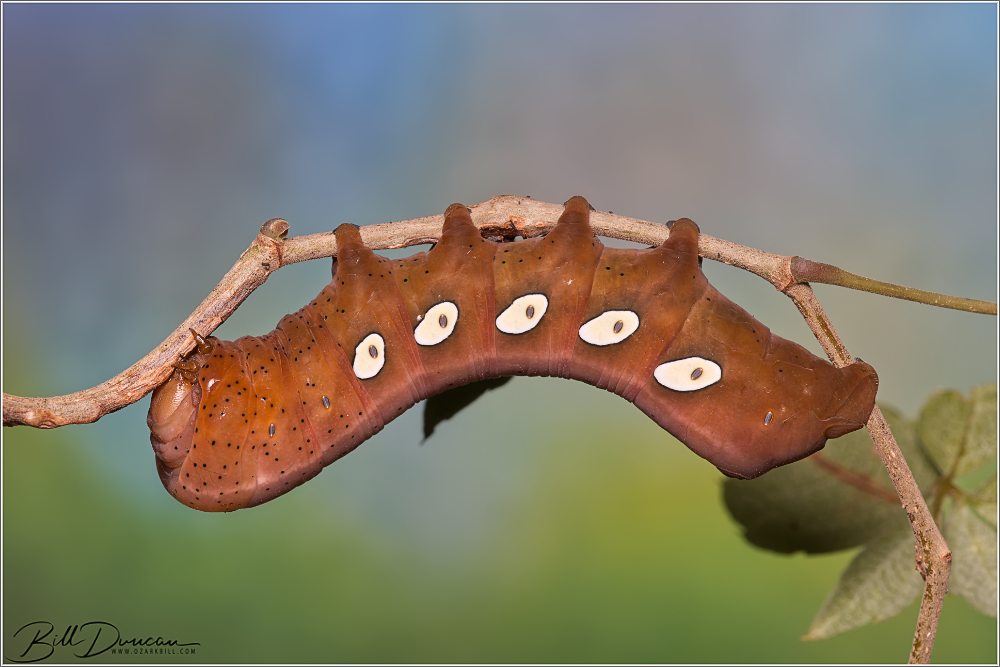
2025 Caterpillar Season – Pandora Sphinx

Pandora Sphinx
Eumorpha pandorus fam. Sphingidae (Hodges#7859)
Host plant: Virginia creeper (Parthenocissus quinquefolia)
Date found: 16, Aug, 2025
Location found: Council Bluff Lake, Iron County, MO
Notes: During its final instar, this sphinx caterpillar loses its horn and is replaced with a button (not pictured). This was found during the WGNSS joint Entomology and Nature Photography Groups’ outing to Council Bluff Lake.