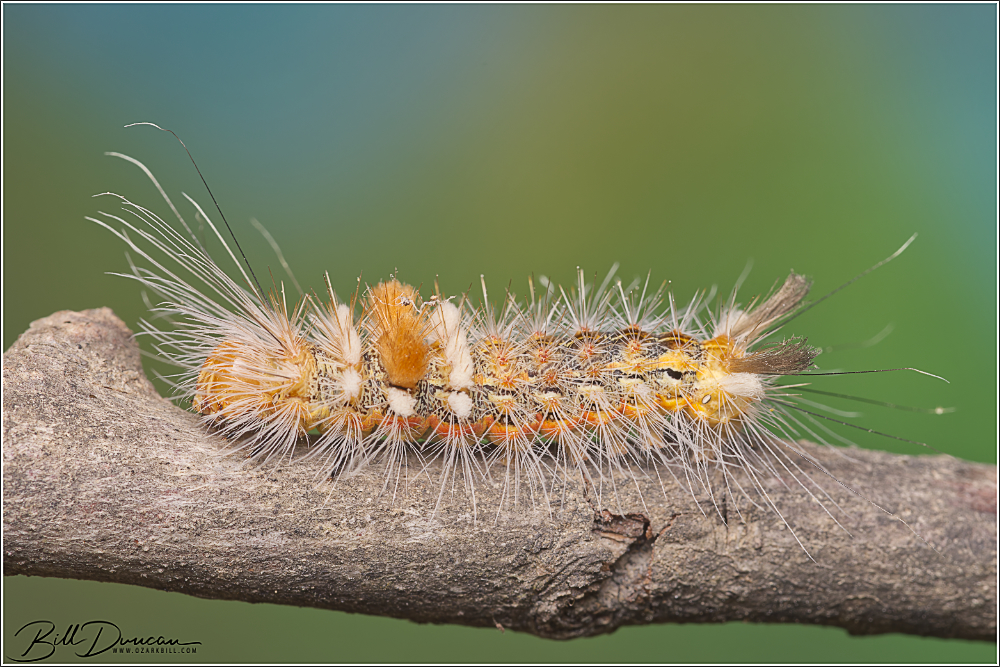
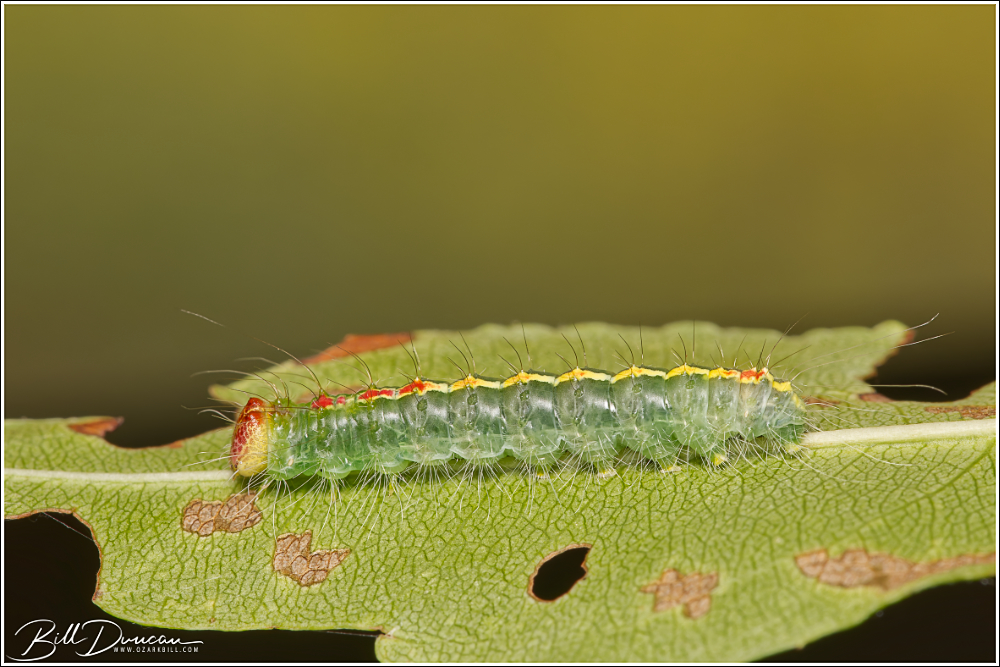
Spotted Phosphila
Phosphila miselioides fam. Noctuidae (Hodges#9619)
Host plant: Found on greenbrier (Smilax sp.)
Date found: 16, Aug, 2025
Location found: Council Bluff Lake, Iron County, MO
Notes: Two species of Phosphila can be found in Missouri. This was found during the WGNSS joint Entomology and Nature Photography Groups’ outing to Council Bluff Lake.
Tag: noctuidae
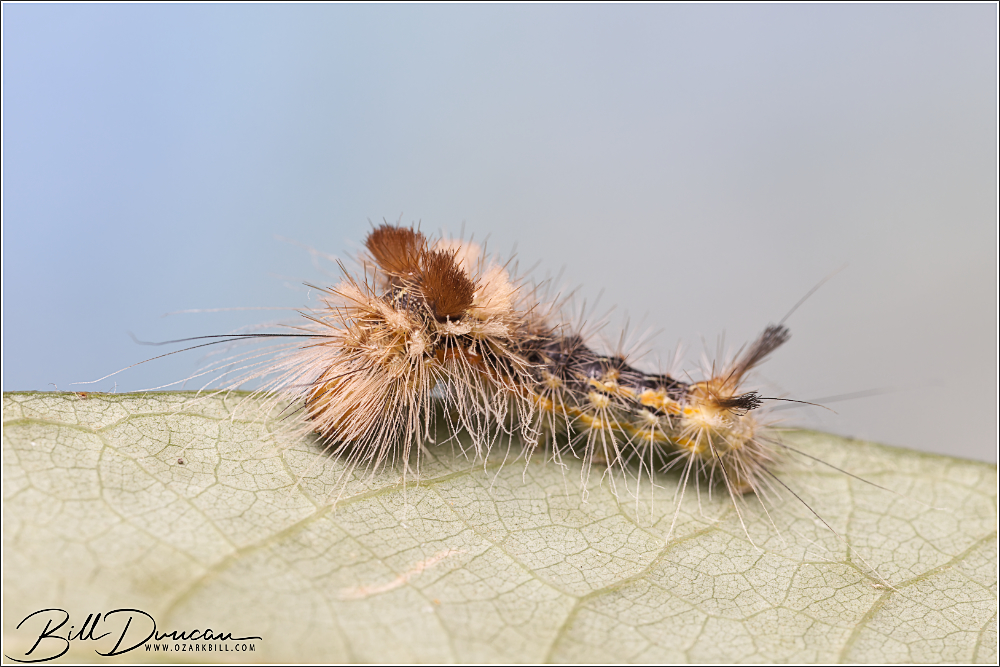
2025 Caterpillar Season – Tufted Bird Dropping Moth
Tufted Bird Dropping Moth
Cerma cerintha fam. Noctuidae (Hodges#9062)
Host plant: Host plant not recorded but species is known to feed on Rosaceae Family members
Date found: 16, Aug,, 2025
Location found: Council Bluff Lake, Iron County, MO
Notes: As should be obvious by the common name, the adults of this moth are bird dropping mimics. These caterpillars tunnel into soft wood at the end of the season where they overwinter as a pupa.


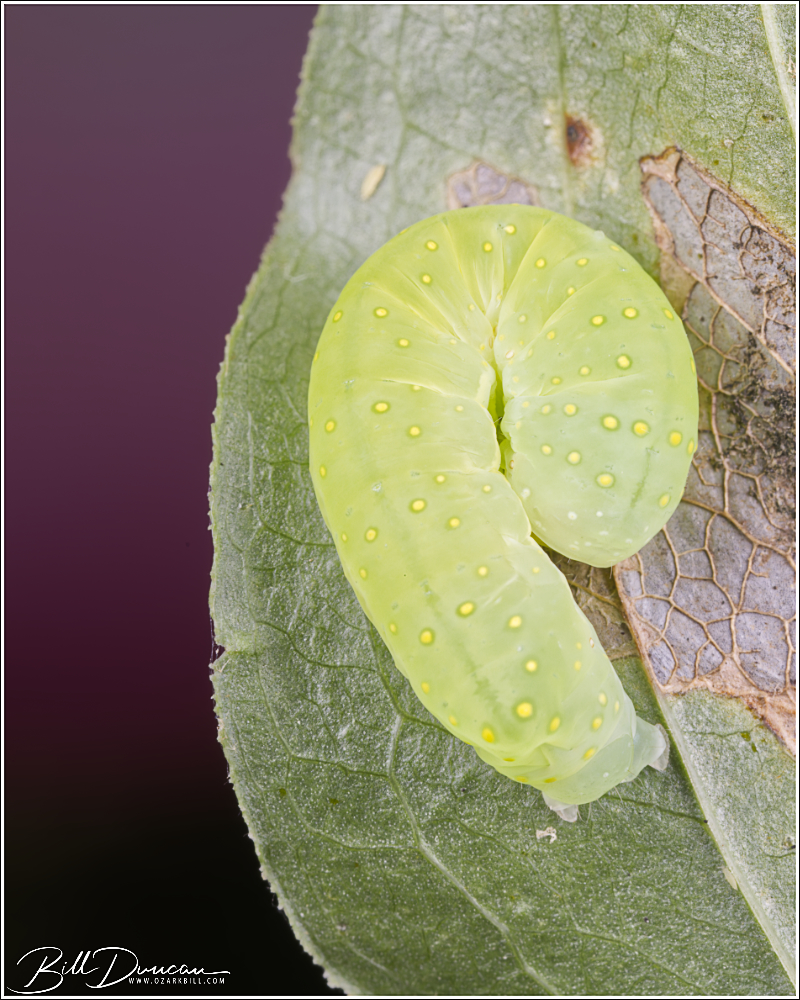
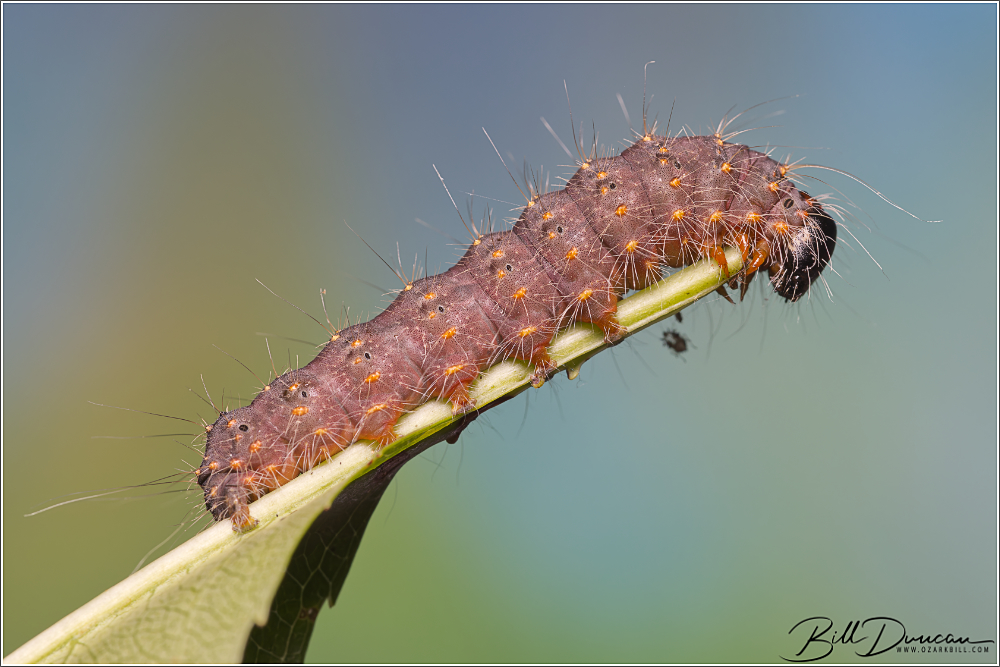
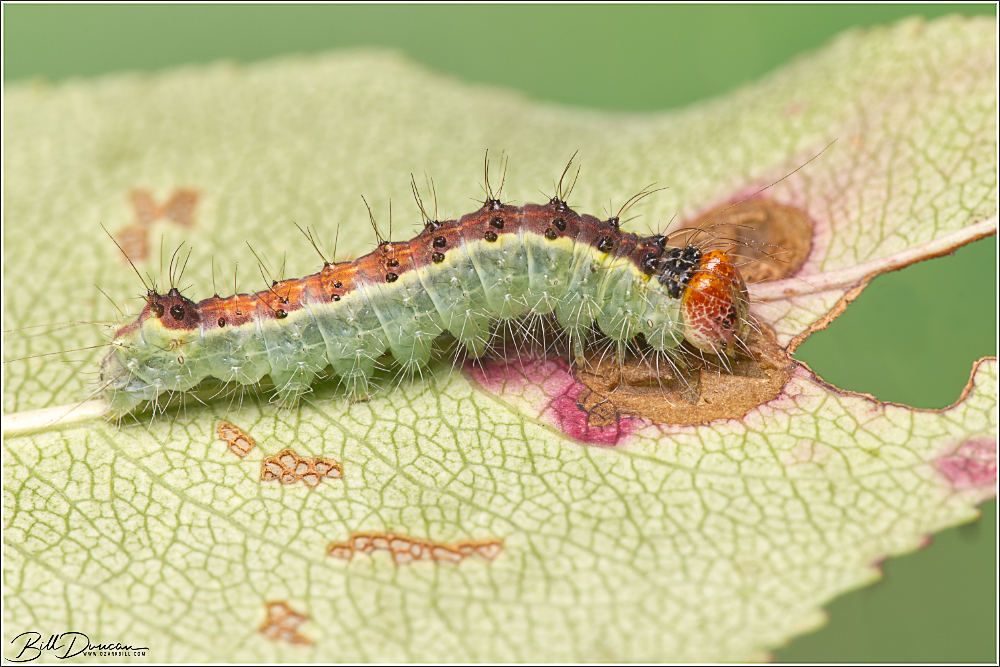
2025 Caterpillar Season – Cherry Dagger
Cherry Dagger
Acronicta hasta fam. Noctuidae (Hodges#9229)
Host plant: Two individuals at different instars were found at this location and date – both on black cherry (Prunus serotina)
Date found: 16, Aug, 2025
Location found: Council Bluff Lake, Iron County, MO
Notes: This was found during the WGNSS joint Entomology and Nature Photography Groups’ outing to Council Bluff Lake.


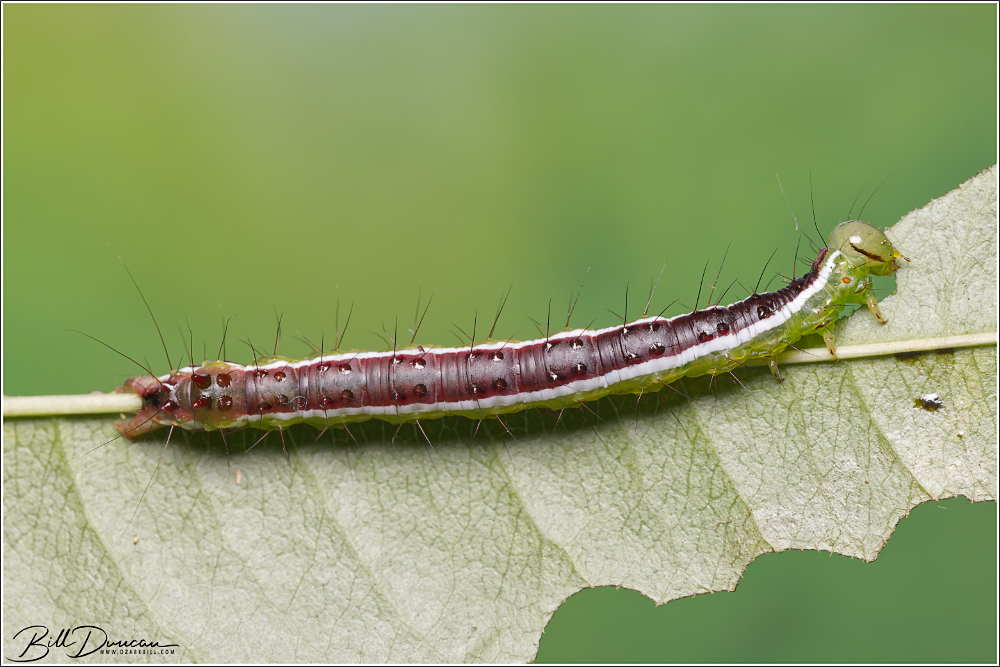
2025 Caterpillar Season – The Hebrew
The Hebrew
Polygrammate hebraeicum fam. Noctuidae (Hodges#9285)
Host plant: black gum (Nyssa sylvatica)
Date found: 16, Aug, 2025
Location found: Council Bluff Lake, Iron County, MO
Notes: Common and specific names come from apparent resemblance of adult moth’s pattern to Hebrew characters. This was found during the WGNSS joint Entomology and Nature Photography Groups’ outing to Council Bluff Lake.
2025 Caterpillar Season – The Splendid Dagger
Splendid Dagger
Acronicta superans fam. Noctuidae (Hodges#9226)
Host plant: black cherry (Prunus serotina)
Date found: ~09, Aug, 2025
Location found: Cuivre River State Park, Lincoln County, MO
Notes: I have still not found a late instar of this species, which is even more splendid.


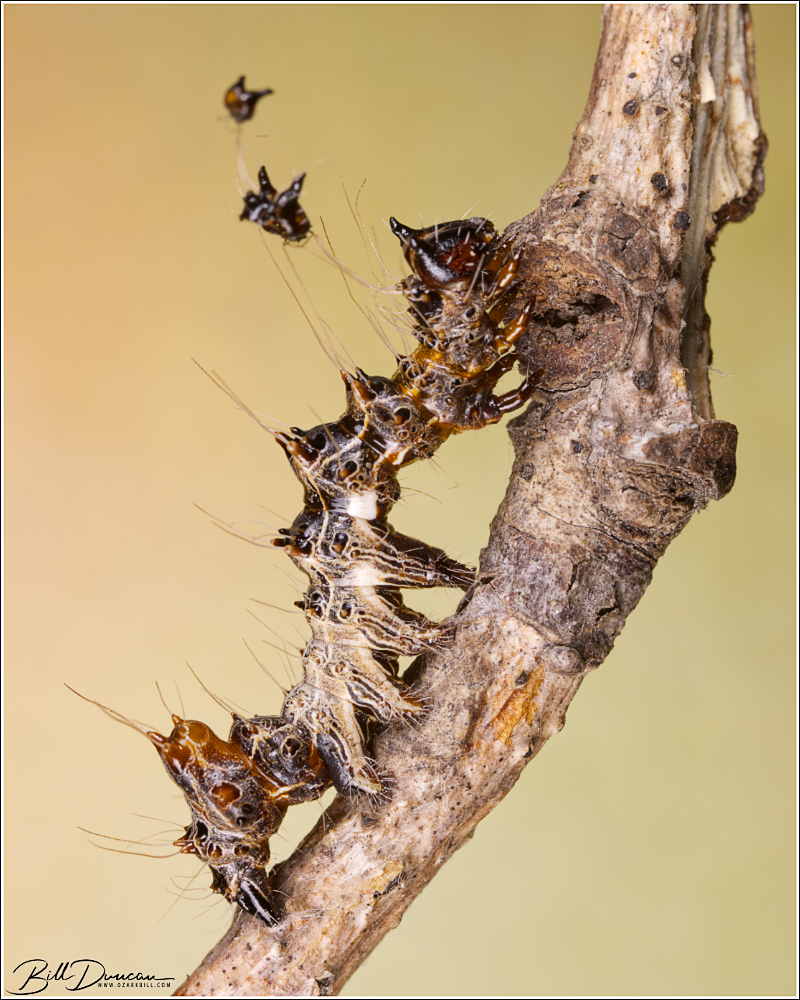
2025 Caterpillar Season – Harris’s Three-spot
Harris’s Three-spot
Harrisimemna trisignata fam. Noctuidae (Hodges#9286)
Host plant: buttonbush (Cephalanthus occidentalis)
Date found: ~16, Aug, 2025
Location found: Franklin County, MO
Click here to see the adult moth
Notes: Part spider and part bird dropping, this caterpillar is absolutely astounding. Note the empty head capsules that the caterpillar retains with each successive molt. It has been shown that these caterpillars use these to thrash at potential parasitoid wasps and flies that approach while attempting to deposit eggs on their would-be hosts.
Special thanks to Eva Wiedeman who found this individual in her neighborhood and brought it to our WGNSS fieldtrip at Council Bluff Lake. Photographing this caterpillar was a prime objective for me this season. Now I just need to find one on my own and hopefully a larger 4th instar!


2025 Caterpillar Season – Greater Oak Dagger Moth
Greater Oak Dagger Moth
Acronicta lobeliae fam. Noctuidae (Hodges#9238)
Host plant: Found on white oak (Quercus alba)
Date found: 09, Aug, 2025
Location found: Cuivre River State Park, Lincoln County, MO
Notes: Our second largest dagger moth species, the erroneously named A. lobeliae is a specialist feeder on oaks.


2024 Caterpillar Season – Splendid Dagger
2024 Caterpillar Season – Hitched Arches
Hitched Arches
Melanchra adjuncta fam. Noctuidae
Host plant: Found on unrecorded herbaceous plant.
Dates found: 21, Sep, 2024
Locations Found: Meramec State Park, Franklin County, MO
Notes: Both larvae and adult forms are stunning. Sarah impressively found this cat walking along trail. Its positioning and camouflage, making it look like crinkled senescing vegetation, was so effective it took me quite a while to find it even with Sarah pointing directly at it.
Biological Pest Control
Today I am showcasing an example of biological pest control that I came across in my own neighborhood in late April of this year. The image below shows a bronzed cutworm moth larvae (Nephelodes minians) in the Family Noctuidae that has been parasitized by a Braconid wasp in the genus Cotesia. This is a very species-rich genus of parasitoids, but there is a fair chance of this species being C. marginiventris. Thanks very much to Alex Soohoo-Hui for his assistance in narrowing down the identification of this minute wasp.

The bronzed cutworm is a very common moth that feeds on various grasses, including crops like maize and other cereals as well as turf grasses. I consistently find these cats or their chrysalis whenever I dig a new hole in the yard.

After the wasp deposits her eggs on the host, the wasp larvae feed on the caterpillar internally, being careful not to do much damage to vital organs. The host will never survive, but the parasitoids must ensure that it stays alive long enough for the brood to reach maturity. Often, the caterpillar will still be alive when the wasp larvae emerge and begin to spin their cocoons and will defend itself and its parasites from potential predators.
In this case, the caterpillar seemed dead. I collected it and took it home with hopes of rearing out the tiny wasps to photograph and identify. In about four days, I came home to find 15-20 adult wasps had emerged.
The adult wasps are extremely tiny, measuring 2-3 mm. In order to have a chance at getting photographs, I placed their enclosure into the refrigerator for a minute or two. The wasps in the accompanying images might appear dead, but they perked up within a couple of minutes. After getting my photographs, I released the brood into my backyard to continue their pest control services.
A couple more looks at this diminutive but effective parasitoid.