"What a thousand acres of Silphiums looked like when they tickled the bellies of the buffalo is a question never again to be answered, and perhaps not even asked." -Aldo Leopold
Eastern White-blotched Heterocampa Heterocampa pulverea fam. Notodontidae (Hodges#7990.1) Host plant(s): Found on red oak sp. (Quercus sp.) Date(s) and location(s): 18 Sep, 2025 – Council Bluff Lake, Iron County, MO Notes: As great of a resource as Wagner’s Caterpillars of Eastern North America has been for me, I have to keep reminding myself that it was published in 2005. Taxonomists have been hard at work on a number of taxa since then, and I often struggle with how to find out whether a particular taxon has changed. It recently came to my attention that today’s species, once considered a subspecies of Heterocampa umbrata, was revised in 2021 and given specific status. The common names for these two species are confusing. H. umbrata, which is found in Florida and southeastern Georgia, keeps its name of white-blotched heterocampa, while H. pulverea, which is found throughout eastern U.S. and Canada is now called eastern white-blotched heterocampa.
Hickory Horned Devil Citheronia regalis fam. Saturniidae (Hodges#7706) Host plant(s): Found on black walnut (Juglans nigra) Date(s) and location(s): 07 Sep, 2025 – Tyson Research Center, St. Louis County, MO Notes: Another longtime target species that I was able to find this year, this penultimate instar of this fantastic creature was located on the single reachable branch of a large black walnut. The adults of this species are known as royal walnut moths and regal moths.
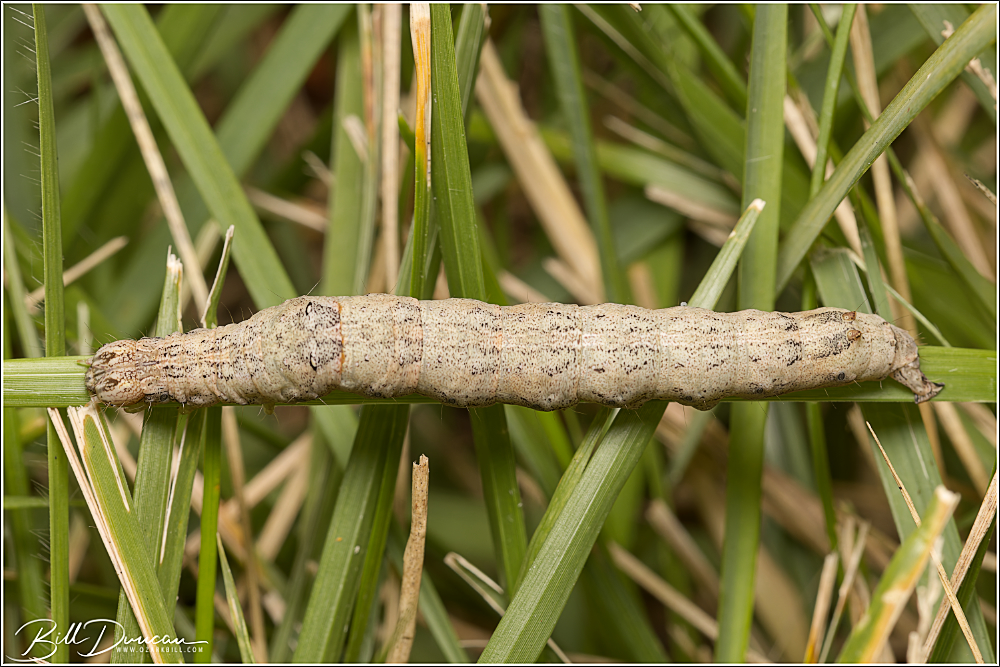
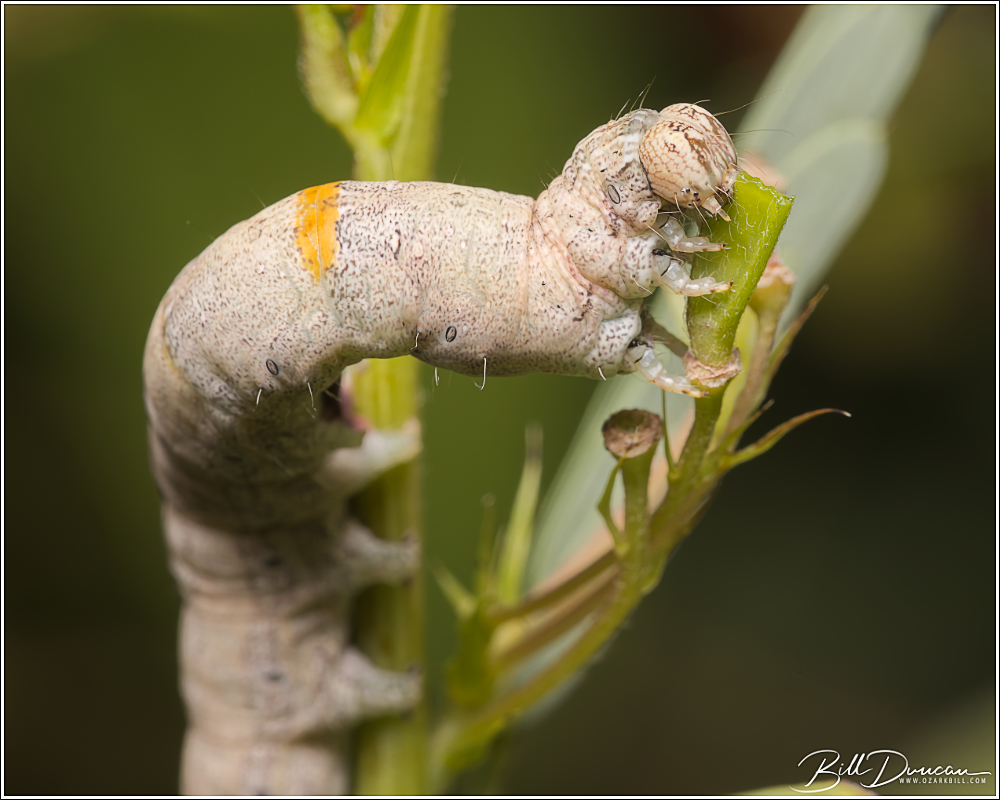
Sigmoid Prominent Clostera albosigma fam. Notodontidae (Hodges#7895) Host plant(s): Found on willow (Salix sp.) Date(s) and location(s): 16 Sep, 2025 – Johnson’s Shut-ins State Park, Reynolds County, MO Notes: The first of this species’ caterpillar I have seen, Pete and I found this while doing some beating on willows. This species also hosts on poplar. The sigmoid prominent can be found over most of the U.S. and Canada, but is most concentrated in the Northeastern and upper Midwest regions. At first glance, this individual looks pretty plain, but on closer inspection the colors and patterns are downright striking. From other photos I have seen, these caterpillars are quite variable in appearance.
In late July, Chris Brown and I enjoyed a night of blacklighting at Engelmann Woods Natural Area in Franklin County, MO. Coincidentally, this was exactly one year to the day from a blacklighting session I had here in 2024. I have also done this during July in previous years at this same location. It is interesting seeing the patterns of the same moth species as well as others that might not have shown up to the sheet on previous occasions.
Here are a few insects that I thought I would share here.
Eudryas gata (beautiful wood nymph)
We found at least four Eudryas gata (beautiful wood nymph) resting on vegetation nearby the lighted sheet. I feel this species is perfectly named. Although the adult form is technically a bird-dropping mimic, it is still beautiful along with the caterpillar.
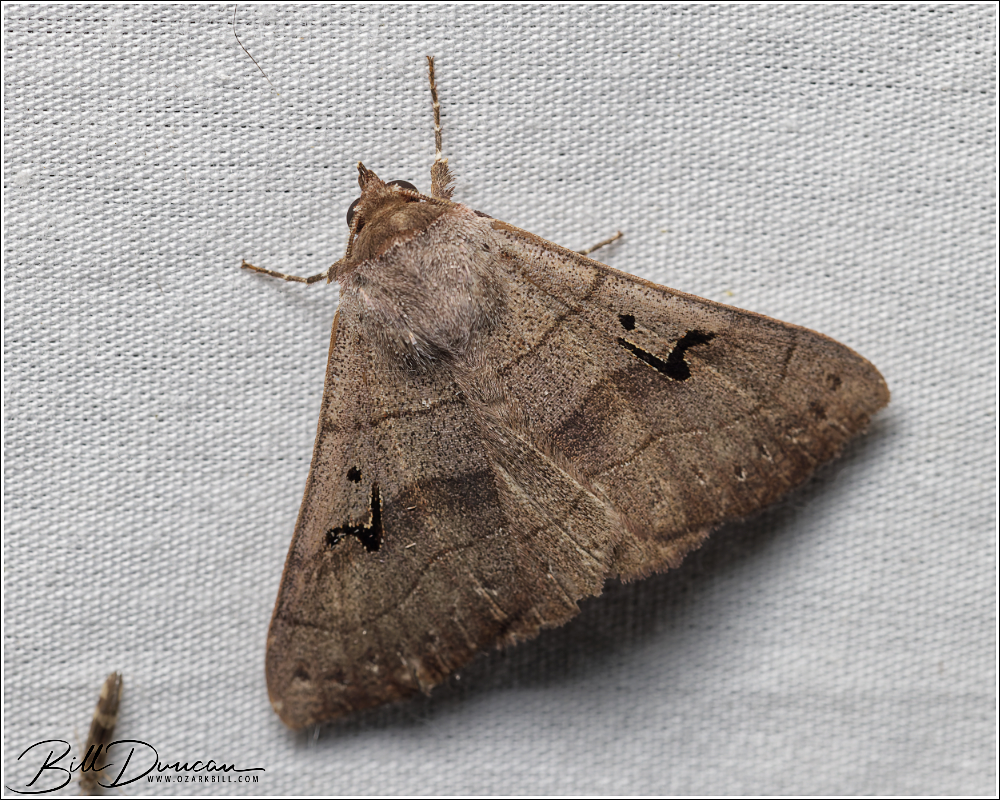
Marathyssa inficita (dark marathyssa). This is a bizarre little moth that is often attracted to our lights. This species caterpillar hosts on sumac (Rhus sp.) and poison ivy (Toxicodendron radicans).
Tarache aprica (exposed bird dropping moth)
Tarache aprica (exposed bird dropping moth) is a small but striking member of the Noctuidae family. The caterpillar, which I have yet to find, is also a bird dropping mimic.
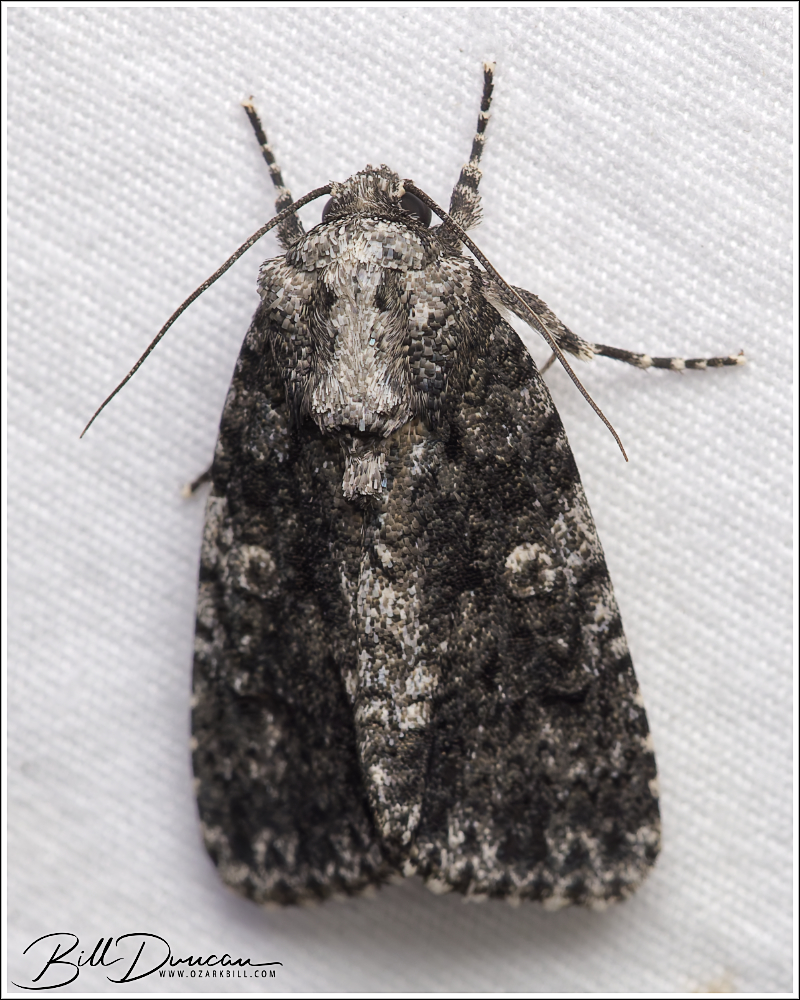
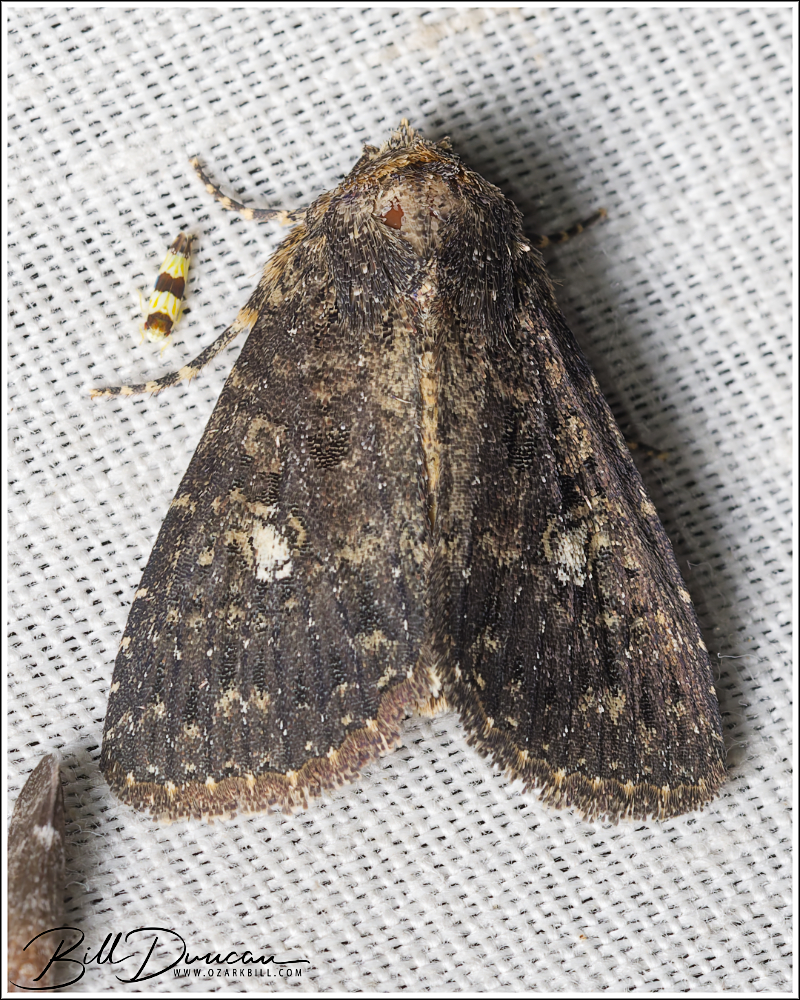
Acronicta afflicta (afflicted dagger moth) fam. Noctuidae, hosts on oaks
It’s always a pleasure to find a fresh Dryocampa rubicunda (rosy maple moth)
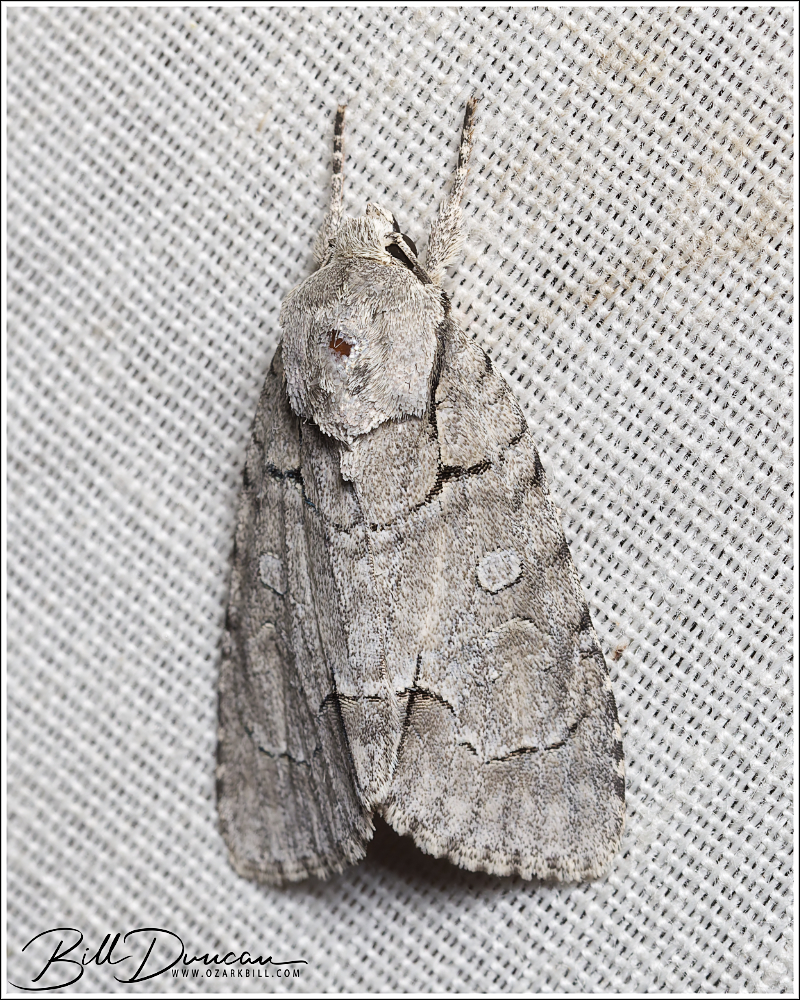
Nadata gibbosa (white-dotted prominent)
Nadata gibbosa, the white-dotted prominent is a common Notodontid. We frequently find their caterpillars during our hunts on oak trees.
Plagodis alcoolaria (Hollow-spotted Plagodis)
Datana sp.
I have discovered that members of the Datana genus can be difficult to narrow down to species in both adult and larval forms. This moth pictured above exhibits patterns that could match D. contracta, major, and drexelii. Perhaps having this specimen collected and in-hand, the species could be determined, but not with this single photo.
Harrisimemna trisignata (Harris’s three-spot)
The find of the night for me was two beautiful Harrisimemna trisignata (Harris’s three-spot) moths. I have seen the adults before but never managed to get a good photograph. This is probably number one on my caterpillar list to find one day.
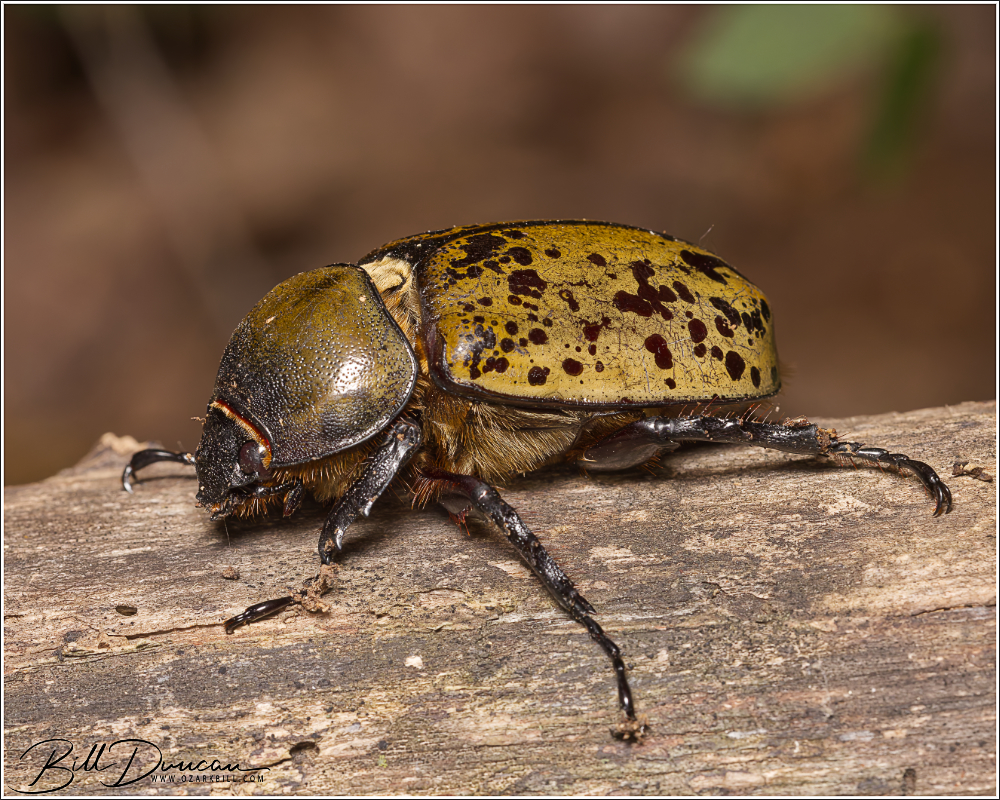
Dynastes tityus (eastern Hercules beetle)
I believe this is the forth Dynastes tityus I’ve come across and they have all been females. Maybe next time, I hold on to a female in a cage to see if she can attract a male for me.
Eacles imperialis (imperial moth)
It seems that Eacles imperialis are now a sure thing at a blacklighting event at Engelmann Woods. Usually around midnight, you can expect at least a couple to visit.
That’s all from this night. I’m looking forward to a blacklighting session with the WGNSS group this coming weekend. It should be great and I will plan on sharing what we find here.
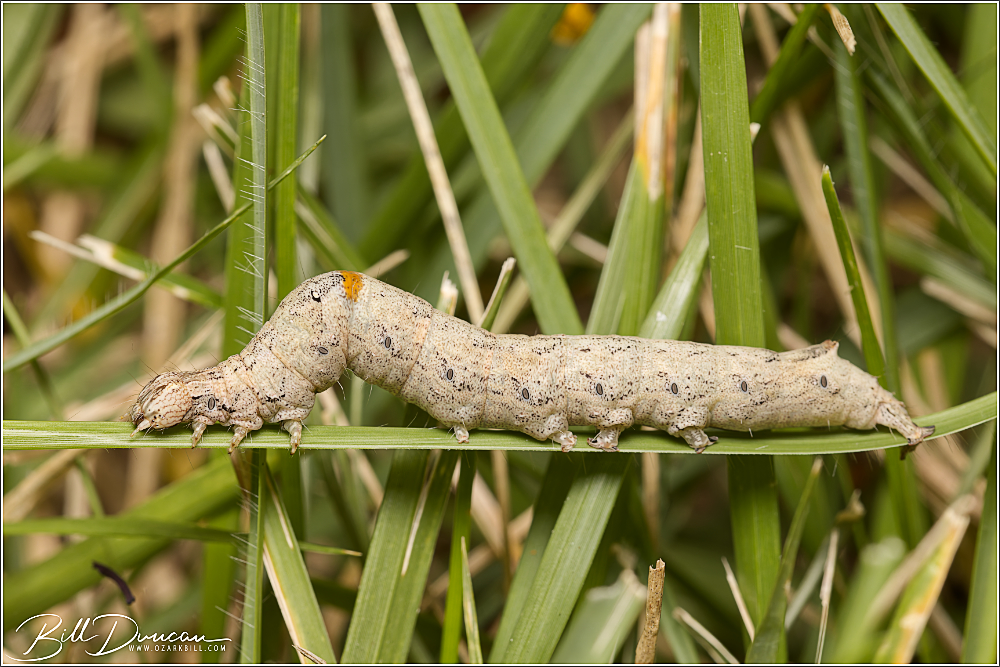
I’ve tried hunting for caterpillars among my native plants in the yard over the past several years, hoping to find some interesting caterpillars with very little success. This past weekend I was looking around my little prairie patch in the backyard with my UV flashlight and found something exciting. Two large caterpillars feasting on partridge pea (Chamaecrista fasciculata). It took me quite a bit of research to finally identify them as one of the Zale moths (Zale sp.) in the Family Erebidae. I am fairly certain this must be Zale lunata (lunate zale), but according to Wagner in “Caterpillars of North America” and “Owlet Caterpillars of Eastern North America,” Z. lunata and Z. minerea are nearly indistinguishable as larvae. However, because there are no records I could find of Z. minerea feeding on herbaceous plants and Z. lunata is known to feed occasionally on herbaceous plants, particularly those in the pea family, I think it is a safe bet to call these Z. lunata. To test this for certain, I hope to be able to find them again and try rearing one to an adult, which are easy to distinguish between these two species.
15-August update:
A couple of nights after taking these photos, I visited the prairie patch and found four of these zale caterpillars. I collected one and put it into a flight cage along with some freshly cut partridge pea.
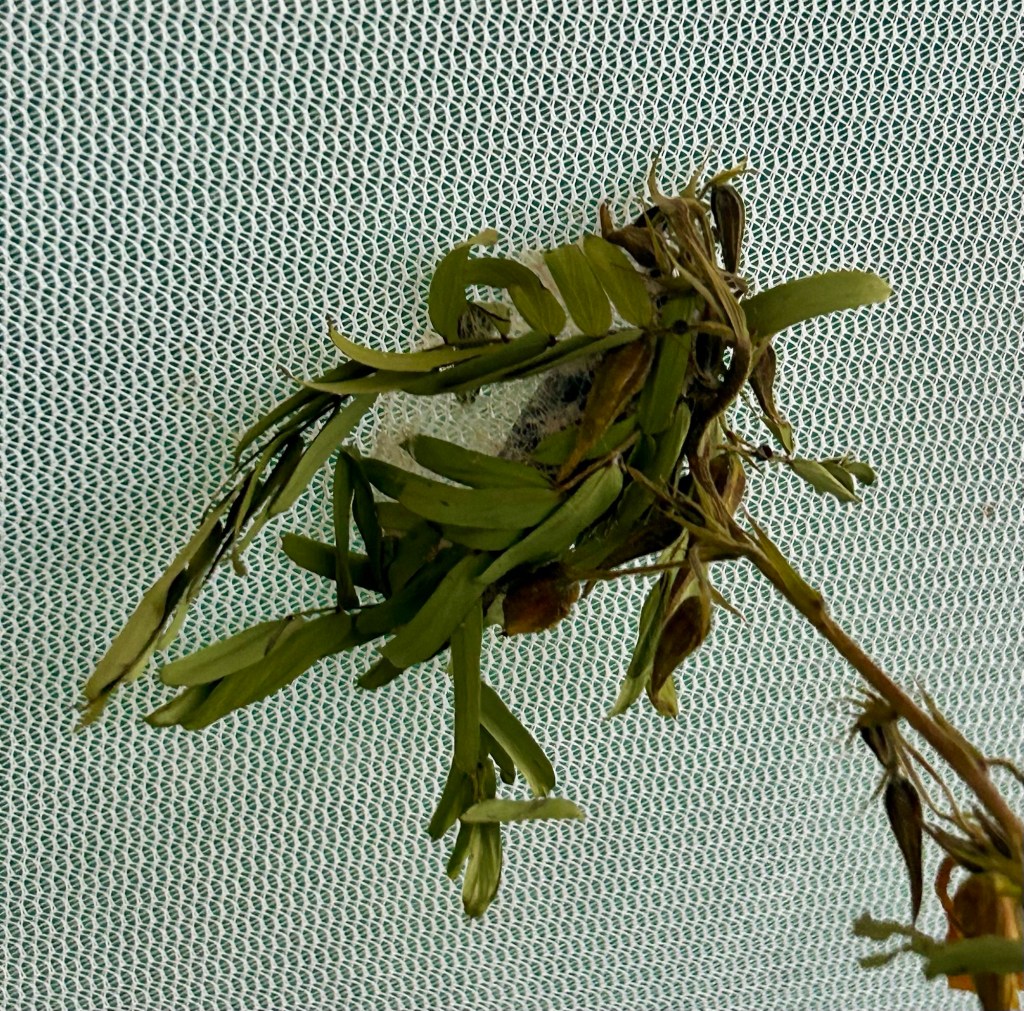
After not being able to find the caterpillar for the past two days, I finally discovered that it had pupated and has used some of the vegetation to cover its cocoon. There’s a chance it might eclose this year. If not, I’ll have to wait until the spring, assuming it survives that long. Here’s a photo of its pupation site.
Zale sp. cocoon
28-August update:
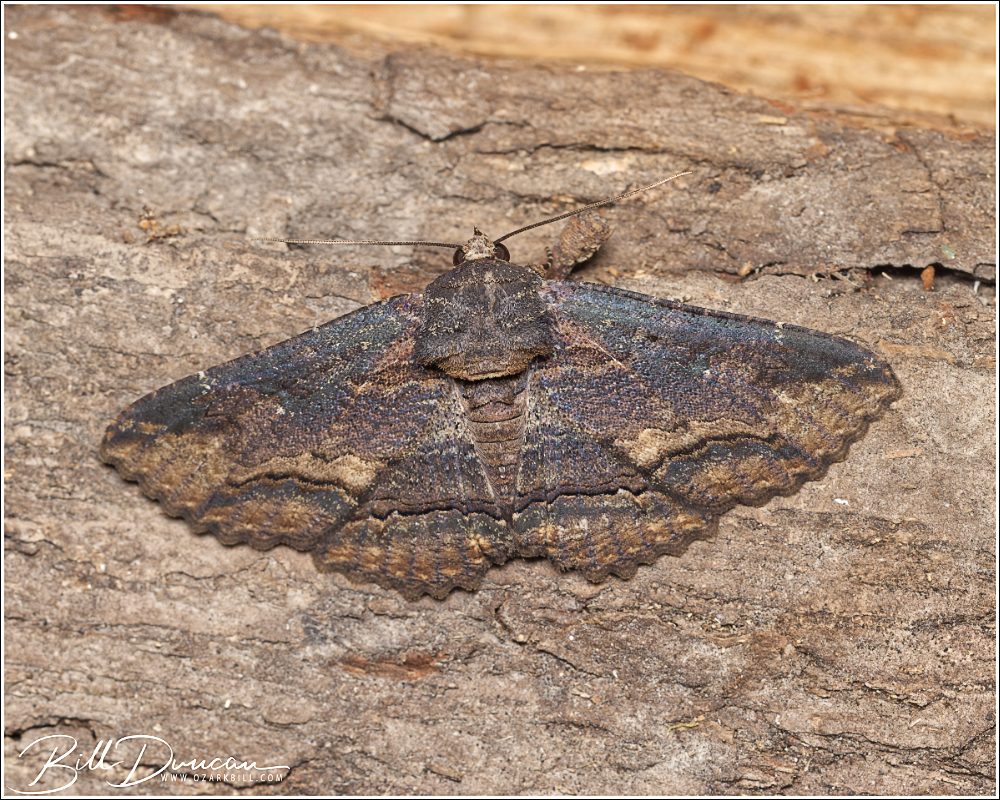
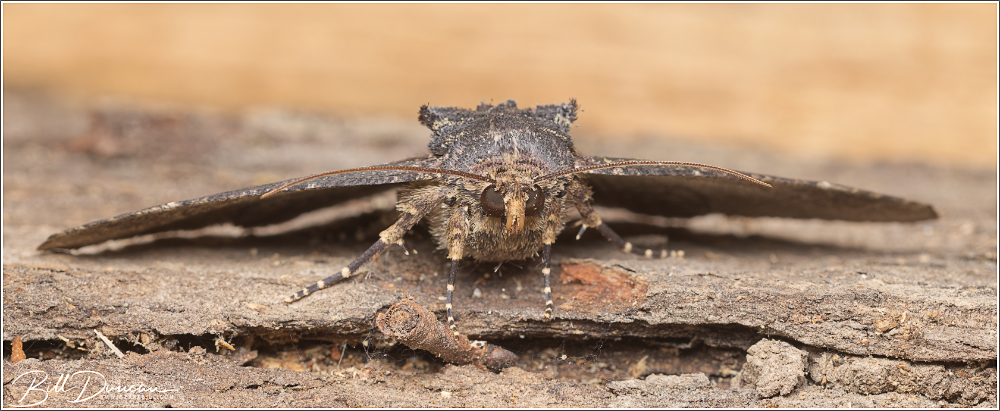
Upon returning from work today, I found that my Zale had eclosed! I took a few photos and I think we can now definitely say this is Zale lunata.
On the 24th of July, during the new moon and National Moth Week, the WGNSS Entomology Group set up several blacklighting stations at Tyson Research Center as a start of an entomological survey. Between WGNSS members, TRC staff and students from Washington University, I estimate there were 25-30 people in attendance until around midnight. Overall, I think the evening was a success and the numbers and diversity of insects was good. We had a few nice highlight species, but because of the number of people, I did not spend time trying to remove moths from the sheet and onto a natural background. I still have a few to process, but this post covers the moths I cared to photograph.
Many thanks to Katie Westby and Rich Thoma for organizing this event. I’d also like to thank jwileyrains at butterfliesandmoths.org for confirming and helping me with some identifications.
I believe this is the last I have to share from this year’s caterpillar season. Overall, I think this was a successful season and I had a lot of fun finding some cool species. I still have tons to learn and species to find. I’m hoping to continue this next year and hopefully get going on early season hunting. This is quite difficult because the spring and early summer are great for things like birds and plants as well. I need more Saturdays!
I’ll finish up with this fantastic late season walnut sphinx caterpillar (Amorpha juglandis) that I found at Onondaga Cave State Park in late September. I finally noticed that this genus name, Amorpha, is shared with one of my favorite groups of plants, the false indigos, like Amorpha fruticosa. I looked this up and Amorpha comes from Greek for “shapeless” or “deformed.” This genus of plants received this name due to their having only one petal on their flowers, unlike the rest of the Fabaceae.
Amorpha juglandis has been in a few other genera and now is placed in it’s own monotypic genus. I have not been able to find out which particular characteristic provides the “deformed” nature for the Amorpha epithet. If you know this, I’d be grateful to learn this.
Red-crossed Button Slug Tortricidia pallida fam. Limacodidae Host plant: red oak member (Quercus sp.) Dates found: 14, Sep, 2024 Locations Found: Kaintuck Hollow, Phelps County, MO Notes: Although we supposedly have two other button slug species in Missouri, this is the only one I’ve been able to identify. Very common.
With books, apps and internet sources, I think I did a fair job of identifying most of the caterpillars that came my way this year. There are still a few that I have not been able to identify, however. I placed the following on iNaturalist and Bugguide months ago, but so far no experts have given their opinions. If you have any ideas that could help, I’d appreciate to hear them.
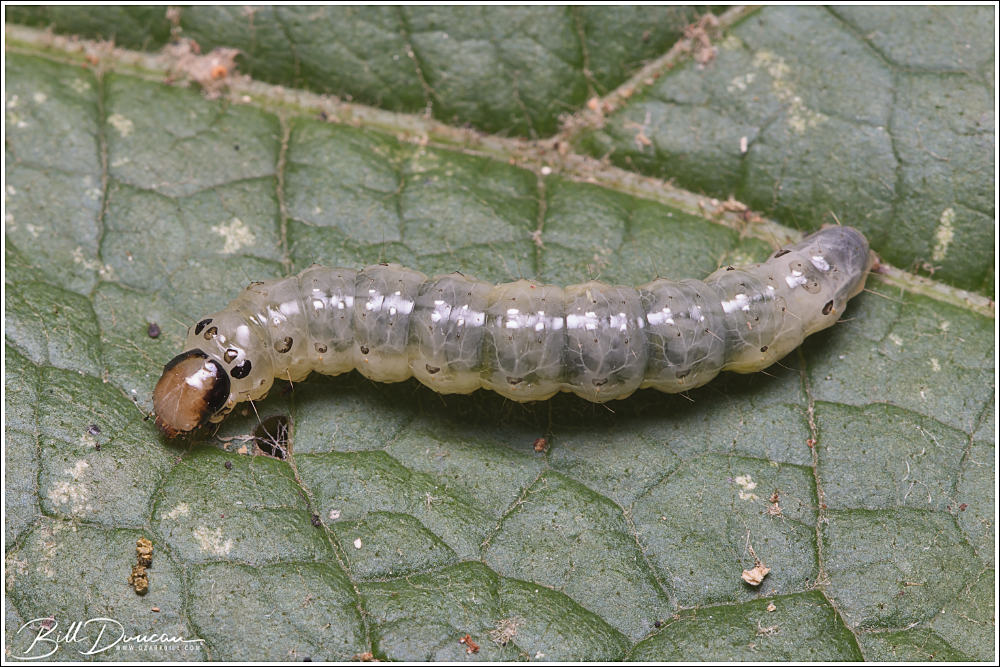
This first cute little one I found at Englemann Woods N.A. in Franklin County, MO in late June. I wish I had taken more photos. I think this could be one of the punkies (fam. Nolidae), but it might also belong to one of the other spiney families.
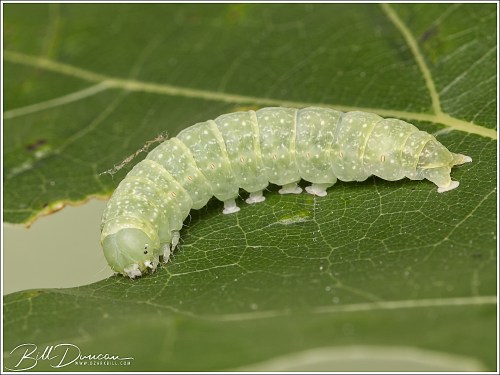
This next one is part of a group I really loath to try to identify – nondescript green cats. I’ve gone through the guides numerous times but simply couldn’t find a perfect match. It most likely belongs to the Noctuidae family, but that doesn’t narrow it down very far. This was also found at Englemann Woods N.A. in late June and found on white oak (Quercus alba).
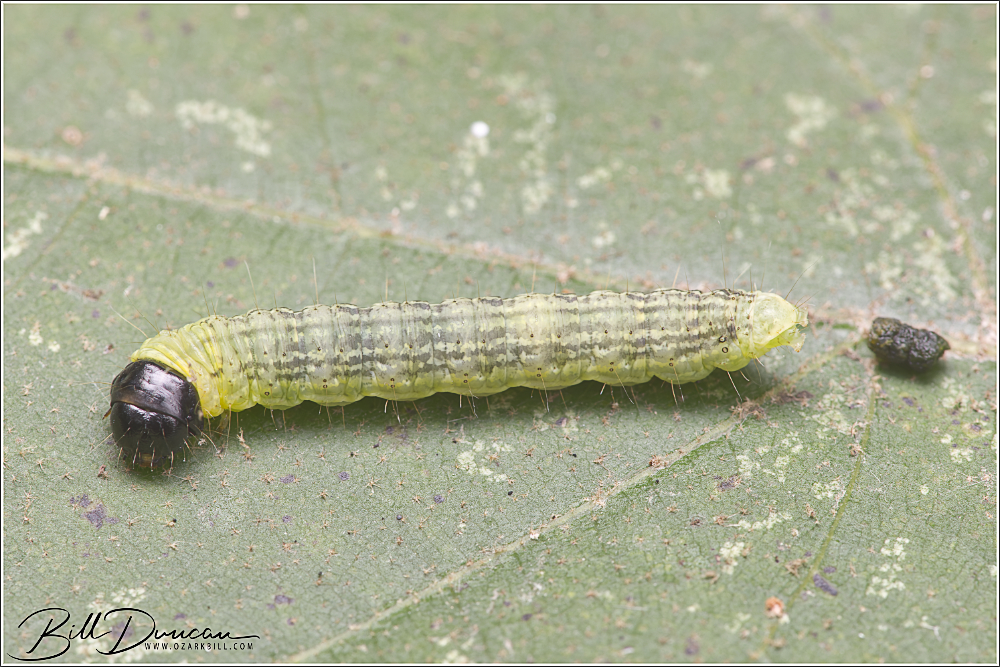
Next up is also a group that I haven’t gotten the hang of yet. This is likely a tiger moth (subfam. Arctiinae), but I’m not sure where to begin there. Found at Prairie Garden Trust on July 6th. Host plant not recorded.
Finally, a cat that I found in a leaf shelter of Vitis aestivalis at Kaintuck Hollow in Phelps County on July 13th. I believe this might be Herpetogramma aeglealis (fam. Carambidae) but it’s not close enough for me to be certain.




















 A Thousand Acres of Silphiums