"What a thousand acres of Silphiums looked like when they tickled the bellies of the buffalo is a question never again to be answered, and perhaps not even asked." -Aldo Leopold
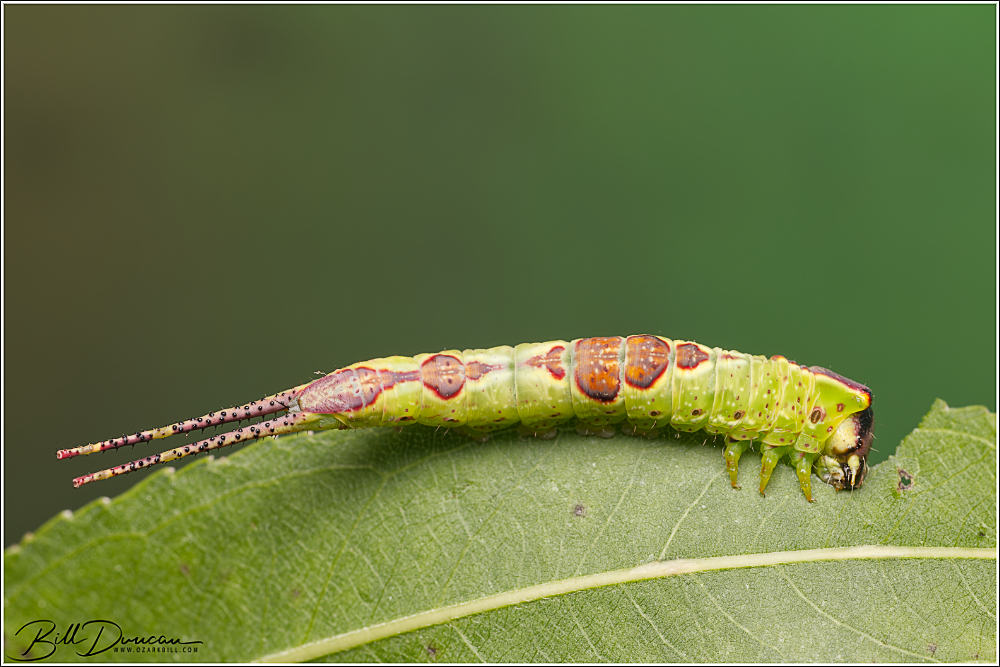
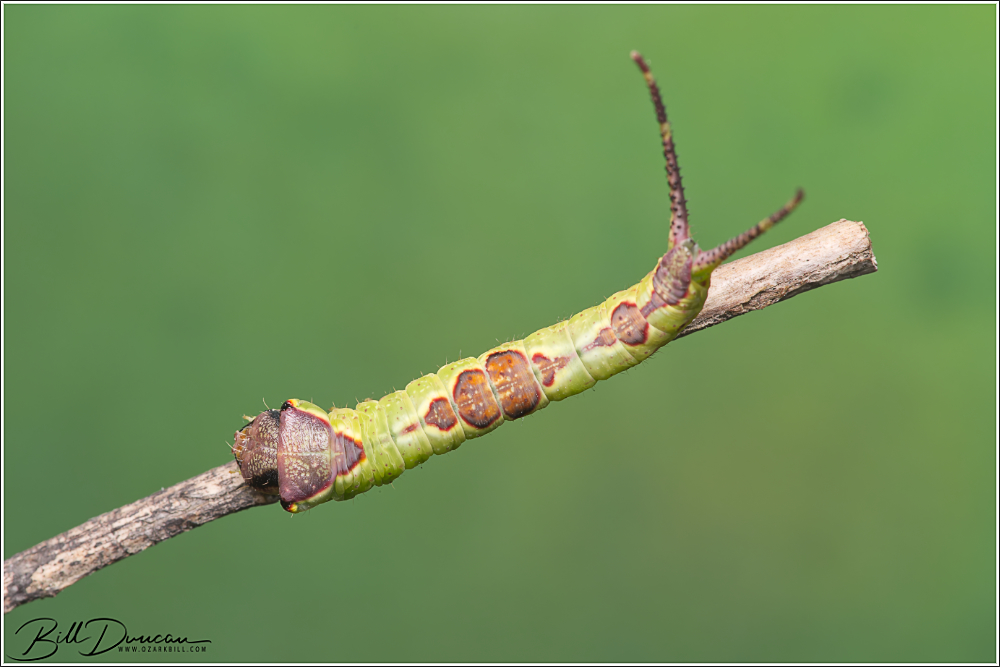
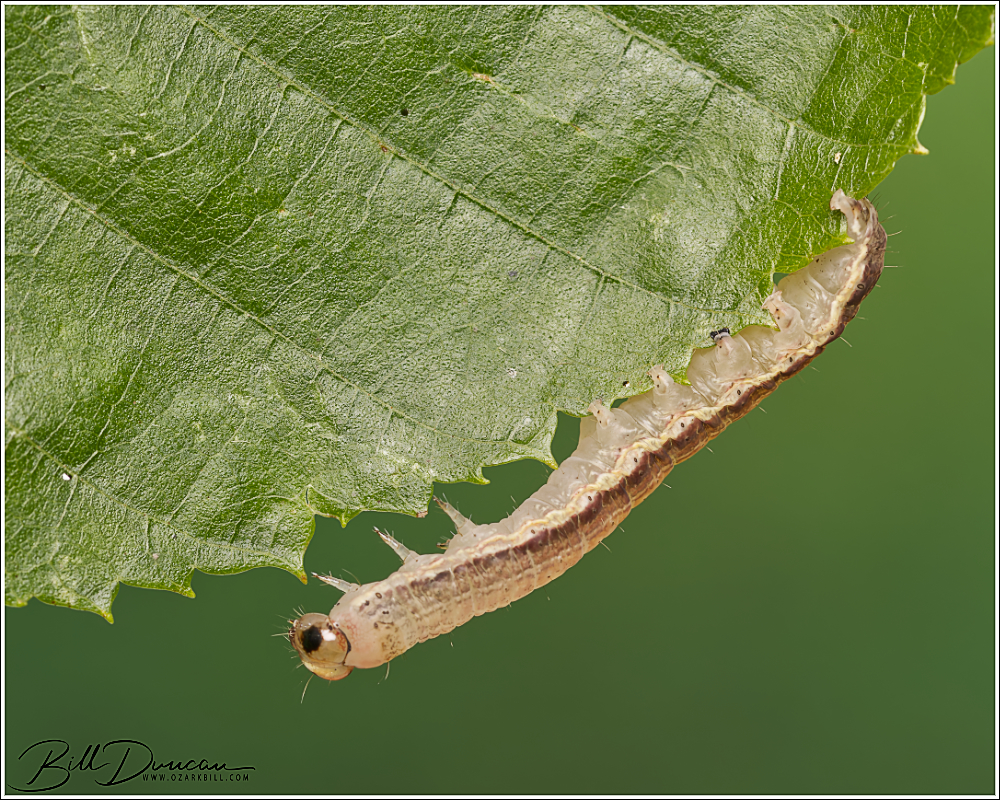
Gray Furcula Furcula cinerea fam. Notodontidae (Hodges#7937) Host plant: Found on black willow (Salix nigra) Date found: 09, Aug, 2025 Location found: BK Leach Conservation Area, Lincoln County, MO Notes: Dark eyespots on first thoracic segment give this caterpillar the look of a potential snake.
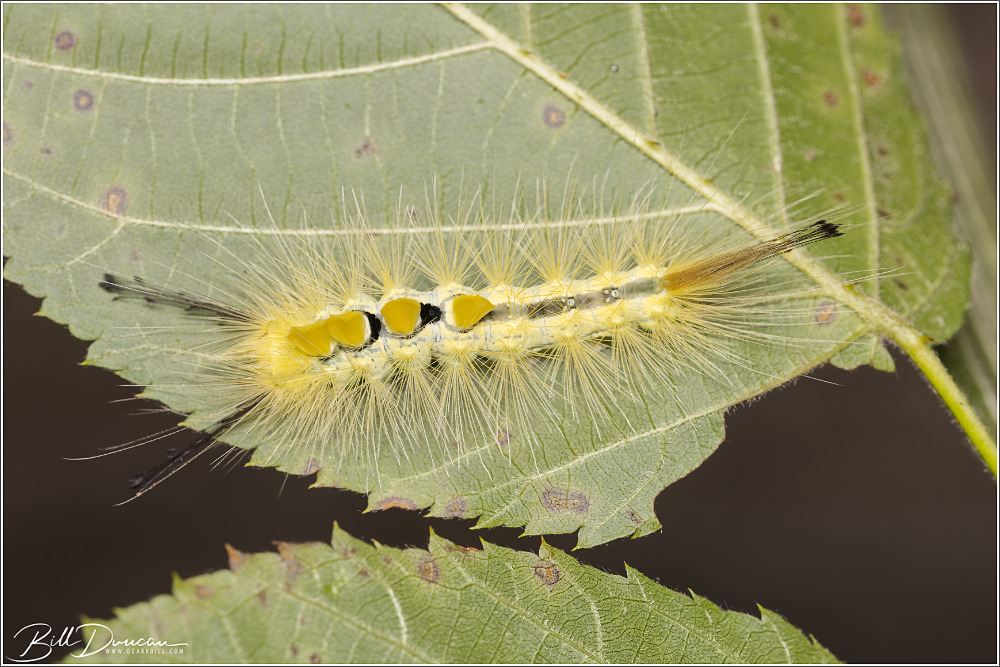
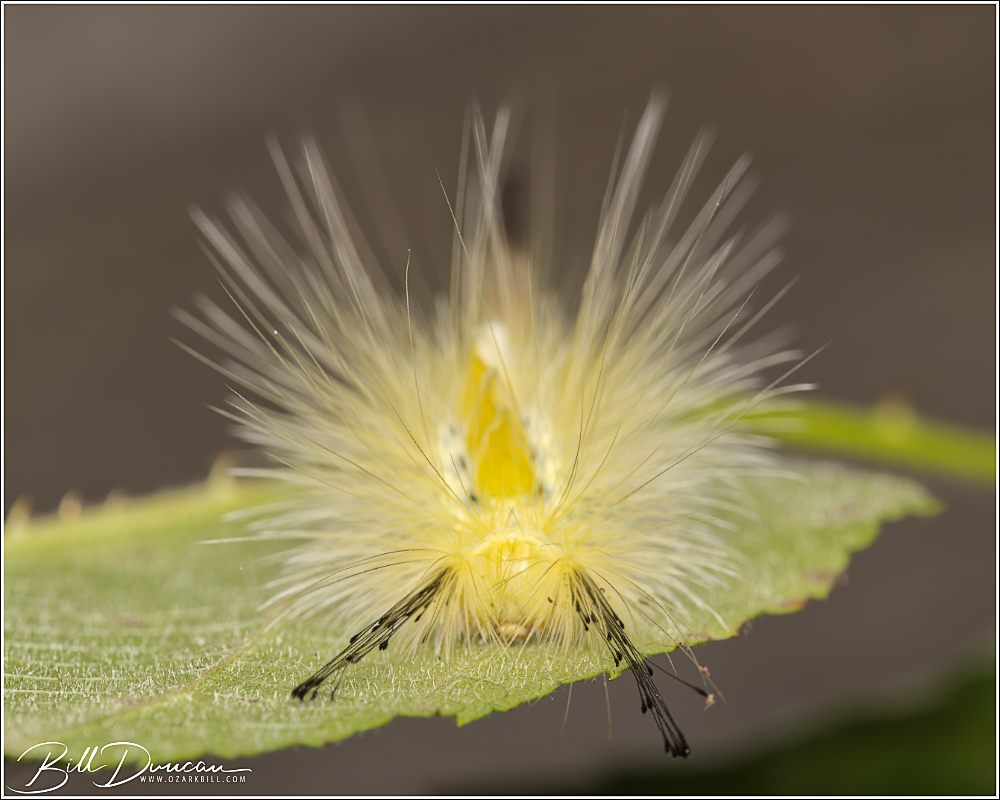
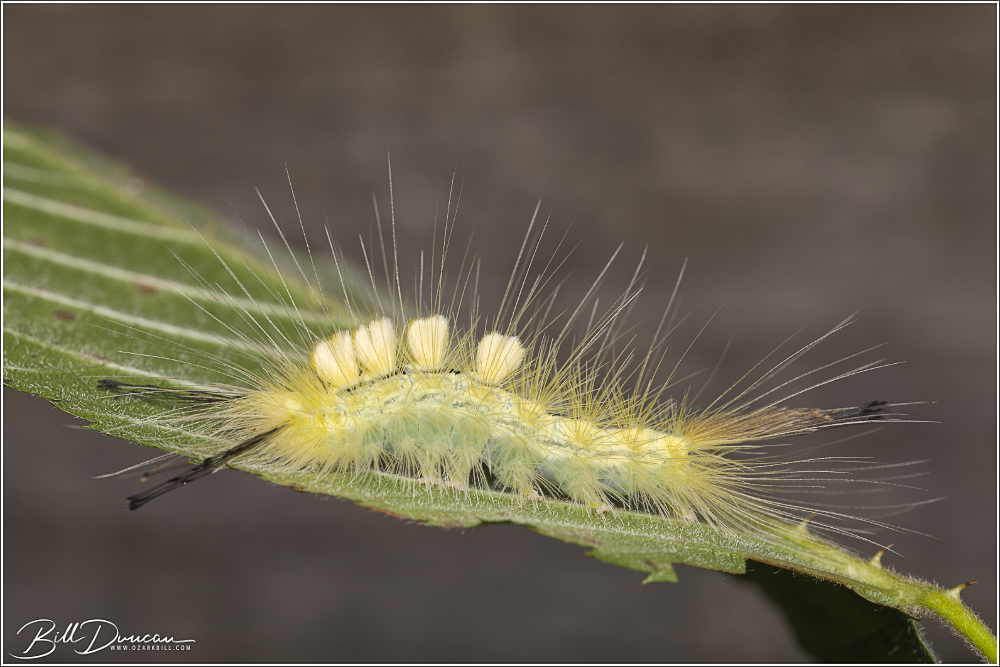
Definite Tussock Moth Orgyia definita fam. Erebidae (Hodges#8314) Host plant: Found on common blackberry (Rubus allegheniensis) Date found: 09, Aug, 2025 Location found: Cuivre River State Park, Lincoln County, MO Notes: Found in dense populations east of the Mississippi River, this species has only a handful of records in Missouri databases such as iNaturalist and butterfliesandmoths.org. I realize that I had seen this caterpillar before, but being the amateur that I am, I though I was looking at a lightly colored or recently molted Orgyia leucostigma.
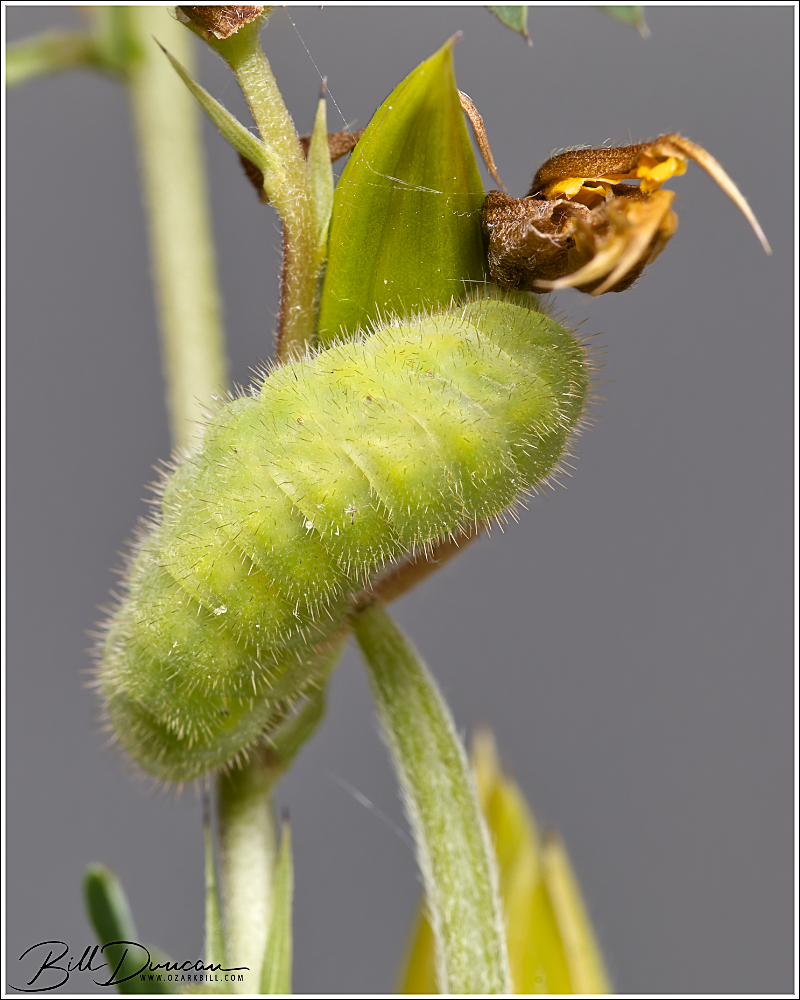
Gray Hairstreak Strymon melinus fam. Lycaenidae (Hodges#4336) Host plant: Found on partridge pea (Chamaecrista fasciculata) Date found: 07, Aug, 2025 Location found: Backyard prairie patch, St. Louis County, MO Notes: After years of searching for a hairstreak caterpillar, I found 11 of these guys in one evening while searching the backyard prairie with a UV flashlight. Plant partridge pea!
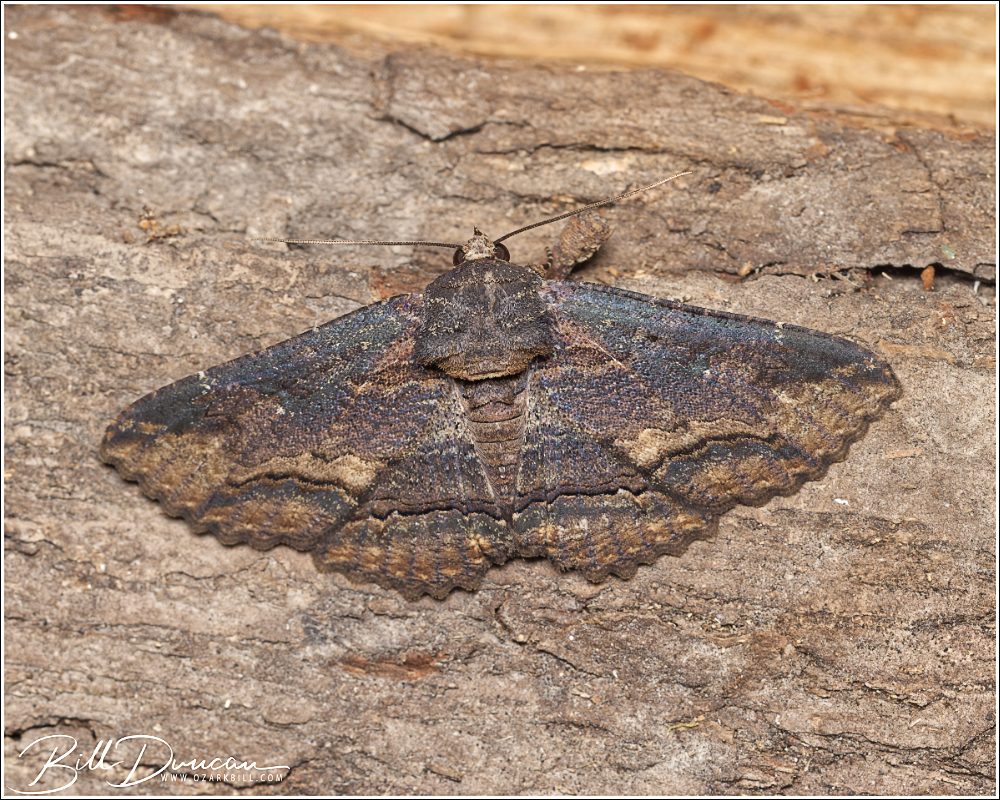
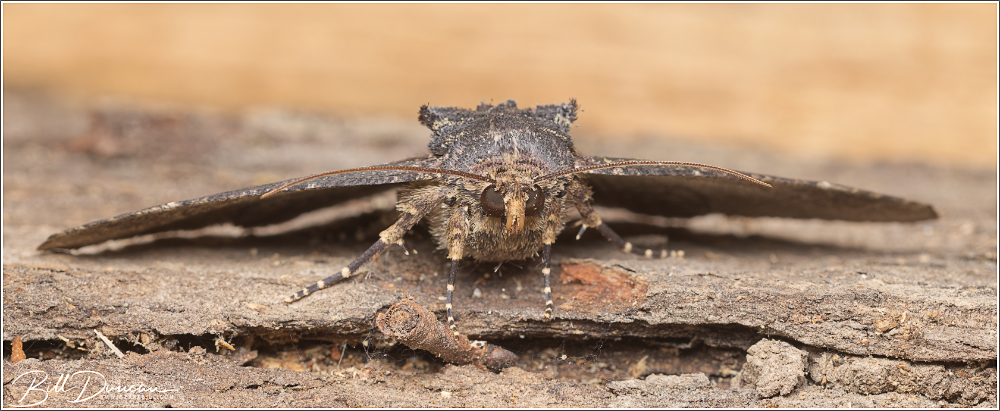
Fluid Arches Morrisonia latex fam. Noctuidae (Hodges#10291) Host plant: Found on hop hornbeam (Ostryavirginiana) Dates found: 05, Jul, 2025 Locations Found: Logger’s Lake Recreation Area, Shannon County, MO Notes: This is a very polyphagous species and can be found on almost any native woody plant.
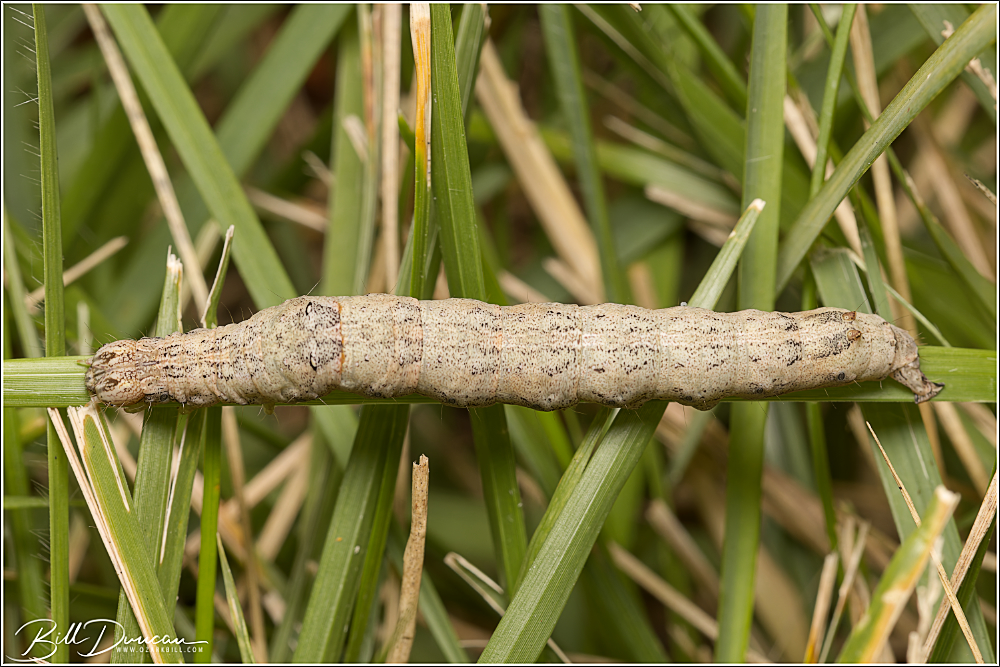
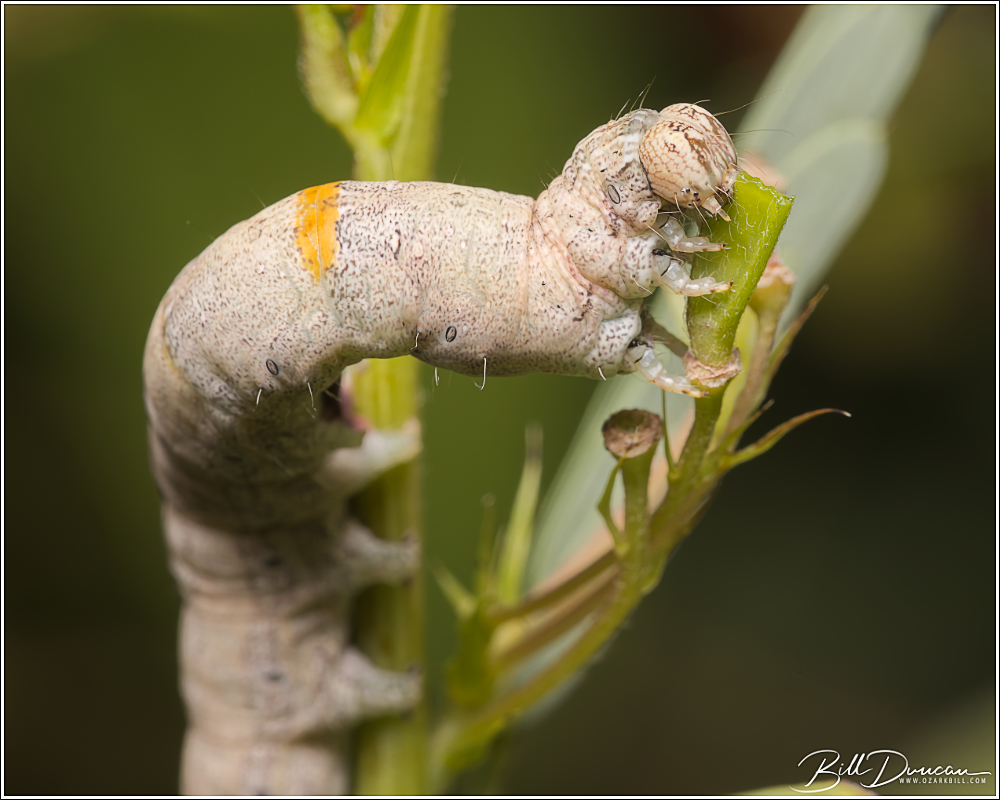
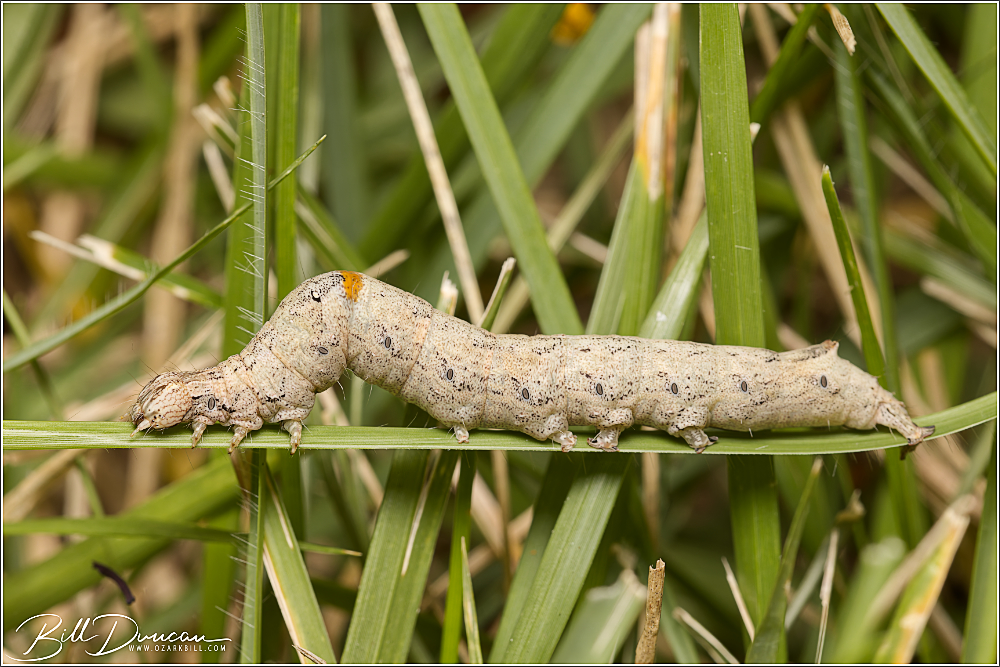
I’ve tried hunting for caterpillars among my native plants in the yard over the past several years, hoping to find some interesting caterpillars with very little success. This past weekend I was looking around my little prairie patch in the backyard with my UV flashlight and found something exciting. Two large caterpillars feasting on partridge pea (Chamaecrista fasciculata). It took me quite a bit of research to finally identify them as one of the Zale moths (Zale sp.) in the Family Erebidae. I am fairly certain this must be Zale lunata (lunate zale), but according to Wagner in “Caterpillars of North America” and “Owlet Caterpillars of Eastern North America,” Z. lunata and Z. minerea are nearly indistinguishable as larvae. However, because there are no records I could find of Z. minerea feeding on herbaceous plants and Z. lunata is known to feed occasionally on herbaceous plants, particularly those in the pea family, I think it is a safe bet to call these Z. lunata. To test this for certain, I hope to be able to find them again and try rearing one to an adult, which are easy to distinguish between these two species.
15-August update:
A couple of nights after taking these photos, I visited the prairie patch and found four of these zale caterpillars. I collected one and put it into a flight cage along with some freshly cut partridge pea.
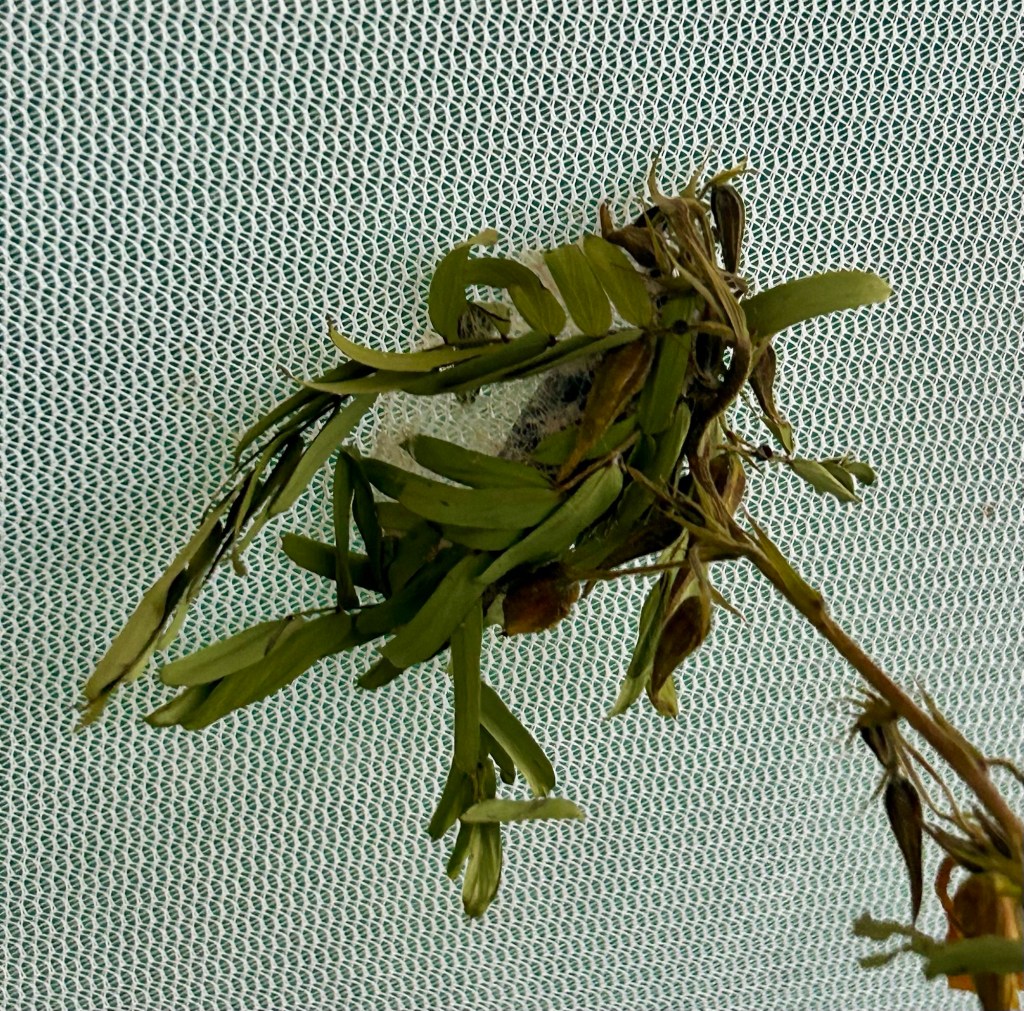
After not being able to find the caterpillar for the past two days, I finally discovered that it had pupated and has used some of the vegetation to cover its cocoon. There’s a chance it might eclose this year. If not, I’ll have to wait until the spring, assuming it survives that long. Here’s a photo of its pupation site.
Zale sp. cocoon
28-August update:
Upon returning from work today, I found that my Zale had eclosed! I took a few photos and I think we can now definitely say this is Zale lunata.
I believe this is the last I have to share from this year’s caterpillar season. Overall, I think this was a successful season and I had a lot of fun finding some cool species. I still have tons to learn and species to find. I’m hoping to continue this next year and hopefully get going on early season hunting. This is quite difficult because the spring and early summer are great for things like birds and plants as well. I need more Saturdays!
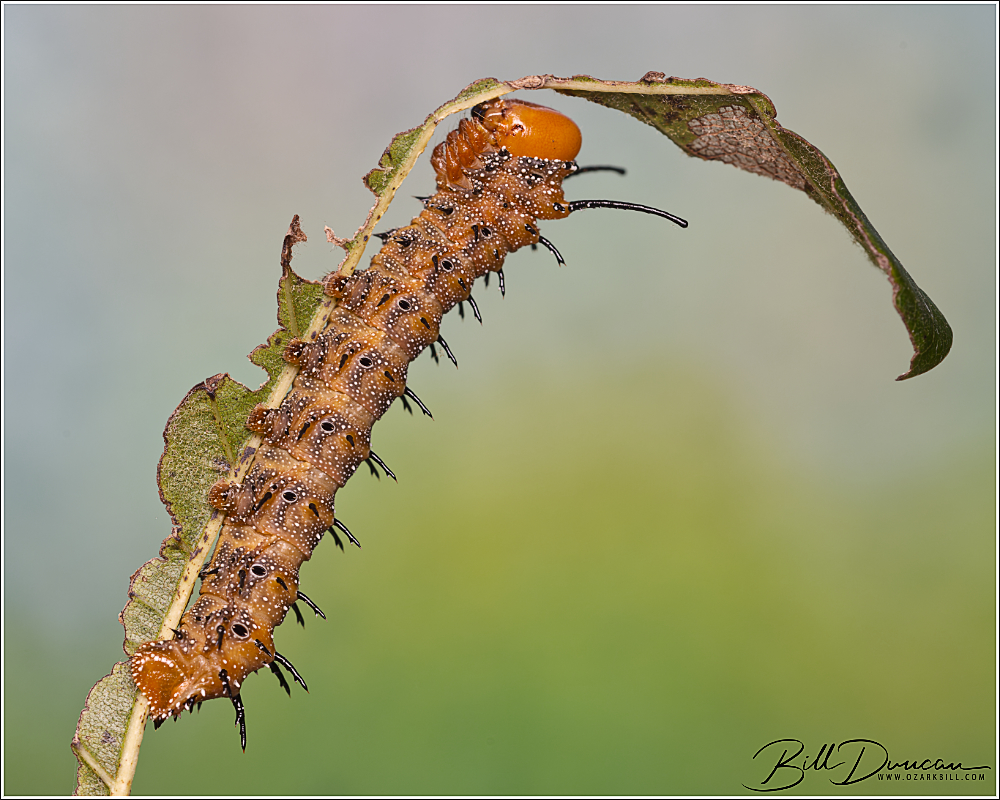
I’ll finish up with this fantastic late season walnut sphinx caterpillar (Amorpha juglandis) that I found at Onondaga Cave State Park in late September. I finally noticed that this genus name, Amorpha, is shared with one of my favorite groups of plants, the false indigos, like Amorpha fruticosa. I looked this up and Amorpha comes from Greek for “shapeless” or “deformed.” This genus of plants received this name due to their having only one petal on their flowers, unlike the rest of the Fabaceae.
Amorpha juglandis has been in a few other genera and now is placed in it’s own monotypic genus. I have not been able to find out which particular characteristic provides the “deformed” nature for the Amorpha epithet. If you know this, I’d be grateful to learn this.
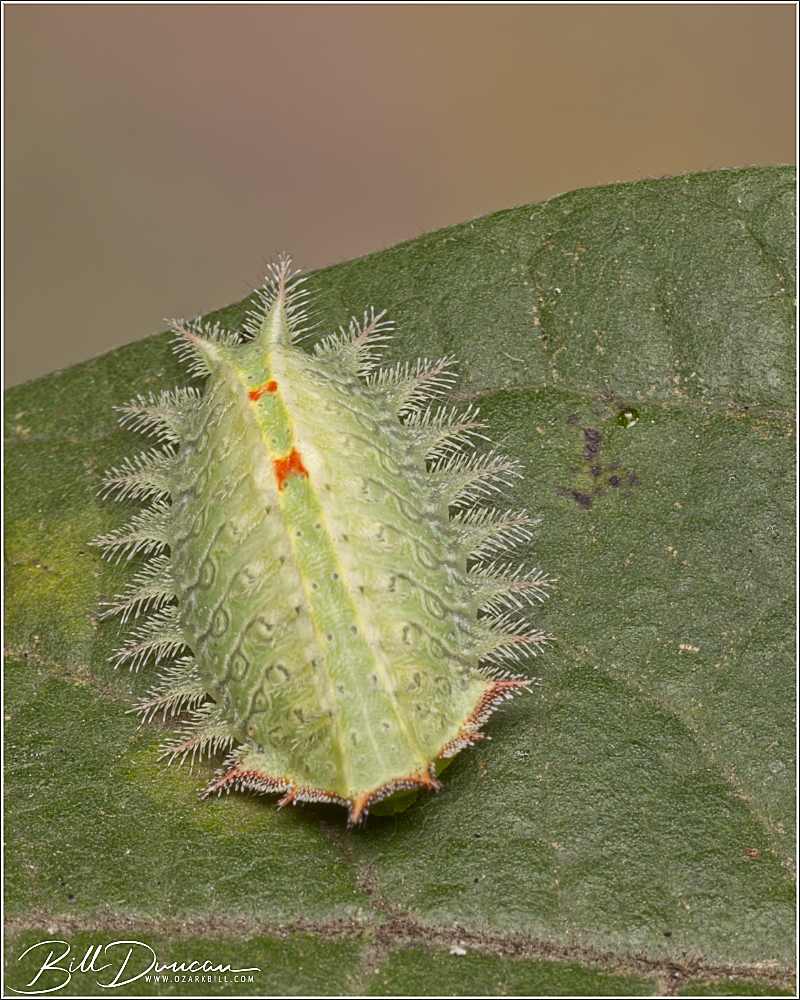
Crowned Slug Moth Isa textula fam. Limacodidae Host plant: Found on sassafras (Sassafras albidum) Dates found: 5, Oct, 2024 Locations Found: Daniel Boone Conservation Area, Warren County, MO Notes: I was getting a bit tired of simply shooting slug moth caterpillars from the typical overhead viewpoint that is often seen with these “flatter” species. In this image I used the Canon TS-E 90mm f/2.8L macro lens along with a 36mm extension tube. This allowed me to change the plane of focus in order to get the entire animal with acceptable depth of field despite the angle I shot it with and get the magnification and detail I wanted. It isn’t necessarily the most pleasing image compositionally, but I have used this approach with several slow moving slug moth caterpillars this season and I am liking this technique.
Spiny Oakworm Moth Anisota stigma fam. Saturniidae Host plant: Found on post oak (Quercus stellata). Dates found: 24, Aug, 2024 Locations Found: Schoolcraft Prairie, Washington County, MO Notes: For a Saturn moth, this species is diminutive and overlooked but still quite stunning!
Hitched Arches Melanchra adjuncta fam. Noctuidae Host plant: Found on unrecorded herbaceous plant. Dates found: 21, Sep, 2024 Locations Found: Meramec State Park, Franklin County, MO Notes: Both larvae and adult forms are stunning. Sarah impressively found this cat walking along trail. Its positioning and camouflage, making it look like crinkled senescing vegetation, was so effective it took me quite a while to find it even with Sarah pointing directly at it.
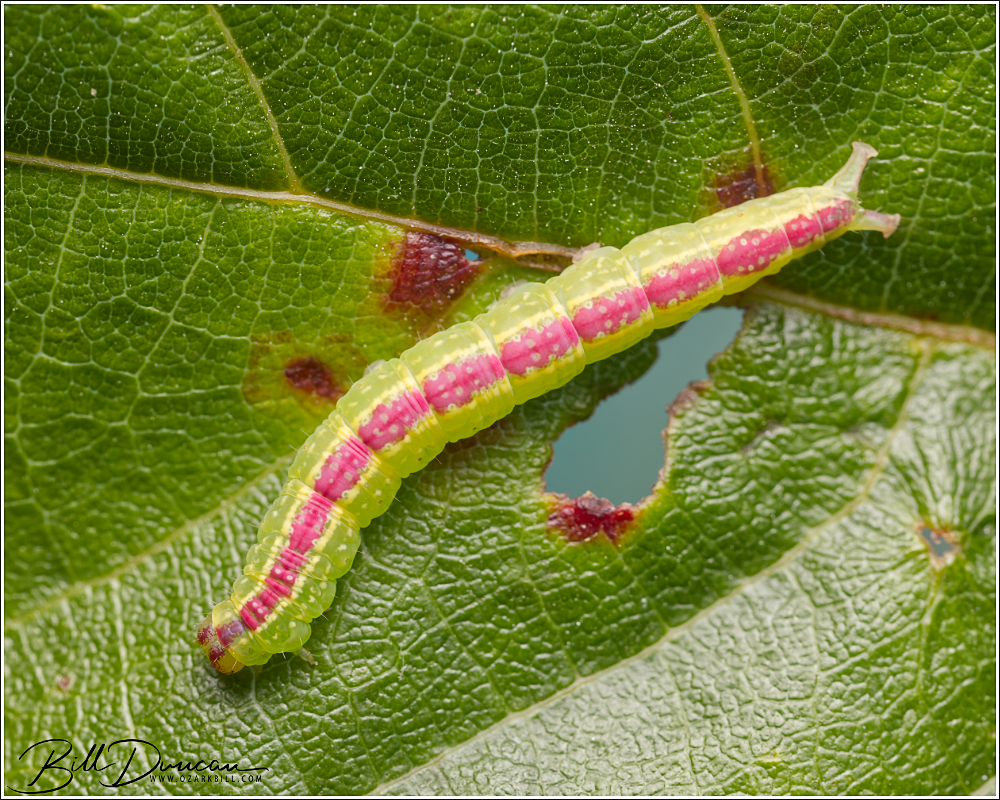
Red-fringed Emerald Nemoria bistriaria fam. Geometridae Host plant: Found on white oak (Quercus alba) Date found: 7, Sep, 2024 Locations Found: Kaintuck Hollow, Phelps County, MO Notes: Although some reports suggest other host plants are used, it is likely that this species specializes on white oak.