An image of a Black and White Warbler taken this past spring. The song-birds have begun moving south now. Things have been so busy, I’ve barely had a chance to go birdwatching to watch them pass through.
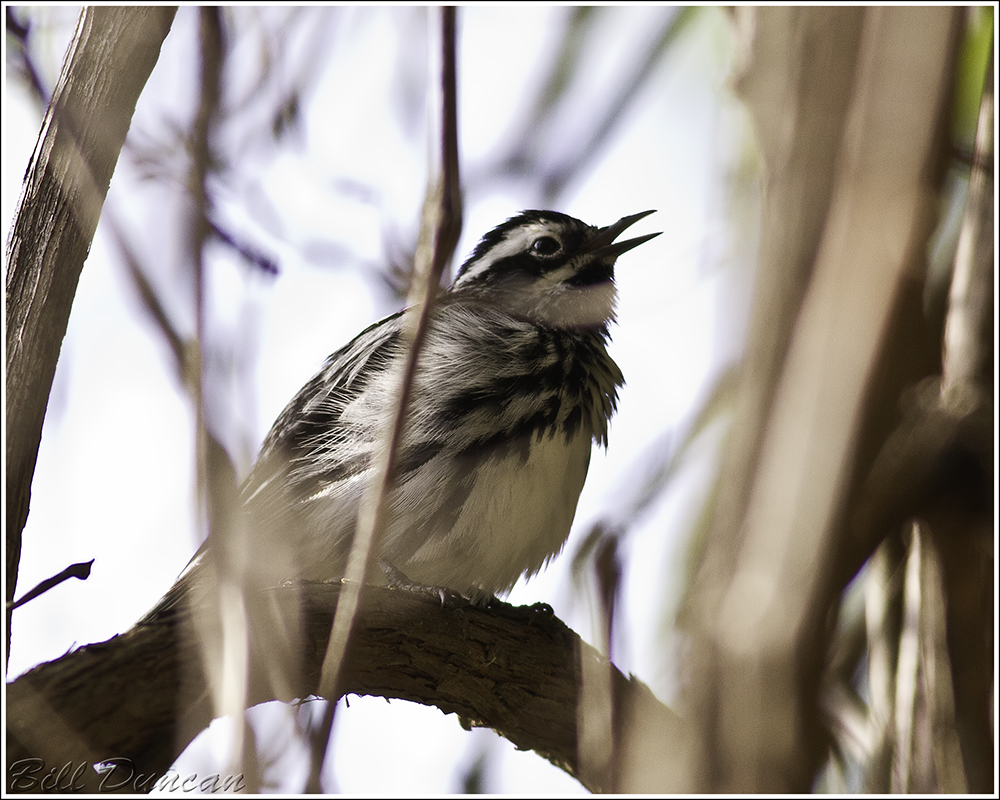
“Black and White Warbler”
"What a thousand acres of Silphiums looked like when they tickled the bellies of the buffalo is a question never again to be answered, and perhaps not even asked." -Aldo Leopold
An image of a Black and White Warbler taken this past spring. The song-birds have begun moving south now. Things have been so busy, I’ve barely had a chance to go birdwatching to watch them pass through.
“Black and White Warbler”
This past June, Steve and I took a walk through one of the highest quality woodlands our Ozark hills have to offer. The short hike from the head of the spring to the Powder Mill trail-head and back offered an amazing diversity of life. Here are just a few of the things we were able to find and capture on camera.
Nothing can be mentioned about this location without first discussion of the spring itself. The Osage Indians referred to it as “Spring of the Summer Sky”, a most apt description for a spring who’s appearance defines the color blue. And in summer, when the flow is not overly encumbered by the suspension of dissolved limestone from heavy rains, the crystal-clear waters afford a look to the bottom of the spring, some 250 feet below the pool’s surface.

“Blue Spring Run”
The small nooks and crevices carved over the ages into the limestone and dolomite that overlook the spring pool make the perfect shelter for the Eastern Phoebe to make their nests. Most folks have likely seen the nests of this species under overhangs on human-made structures. It has only been within the last year that I have been fortunate enough to observe these nests in their more natural of settings. A perfectly placed snag within the spring’s pool makes for a fine resting place for a young Phoebe that is taking a break from the carrying on that was taking place near these nests. It was also a great place and time for us to take a break and take in everything this spot has to offer.

“Eastern Phoebe on a Snag“
Back on the trail a few minutes later Steve and I were pleased to find this guy. A first for the both of us, this Dung Beetle was moving this “resource” with full conviction. We couldn’t figure out where she was moving it, but she was sure not going to let us get in her way. When gently stopped she would climb to the top of her ball and let it be known that it was claimed.

“King of the Hill“
Here’s a little “motion pan” to give an idea of the speed at which she could move her grocery towards its future larder.

“The Cache”
Our primary goals for this early summer day where to see if we couldn’t find and photograph any or all of three of the more rare warblers that are known to nest in this area. These would be the Swainson’s, Cerulean and Hooded Warbler. Although we did get a few confirmed vocalizations from a Swainson’s, we could not get our eyes on the sneaky guy through all the vegetation. A few quick and loud playbacks did, however, coax 4-5 male Cerulean Warblers to descend from the forest canopy in order to meet the new male who had apparently set up shop amidst their territory cluster.

“Singing Cerulean”
This was a sweeter treat for us than spending time with Willy Wonka (Wilder not Depp) and Heather Graham in a chocolate factory. They seemed totally curious and intrigued as they moved among lower branches, foraging and singing as they went. Did you know this species has suffered more than 70% population decline since the 1960’s? Approximately 500,000 birds are the current population estimates and habitat destruction and fragmentation continue to threaten this species. Check out The Nature Conservancy for more information on this great bird, and consider checking out Cerulean Blues.
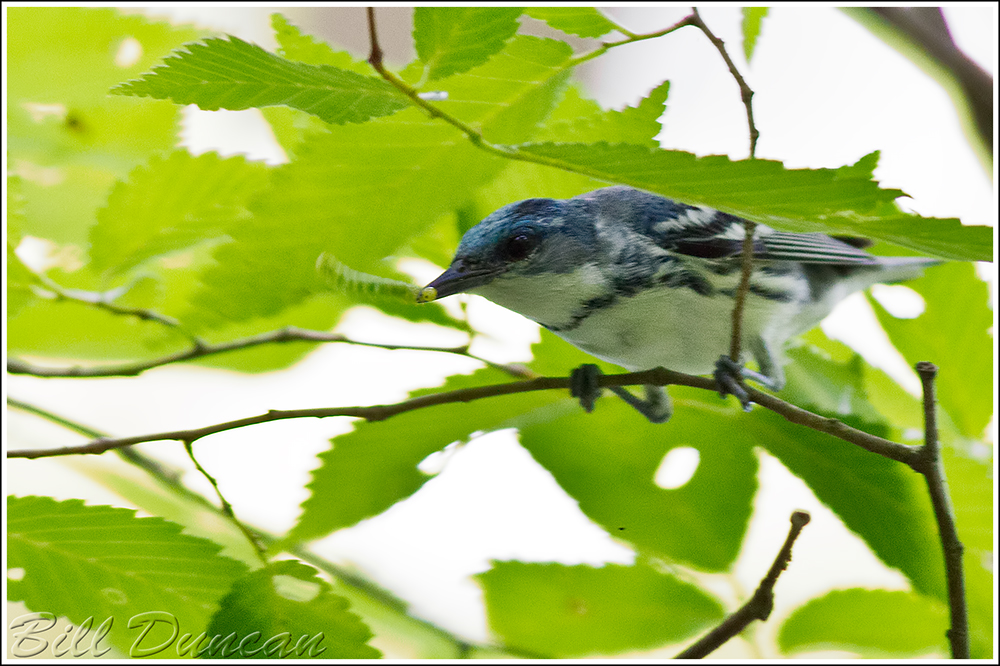
“Cerulean with Insect“
Finally, I present a pair of gorgeous Northern Water Snakes that were basking on some exposed rock not to far from shore along the Current River.
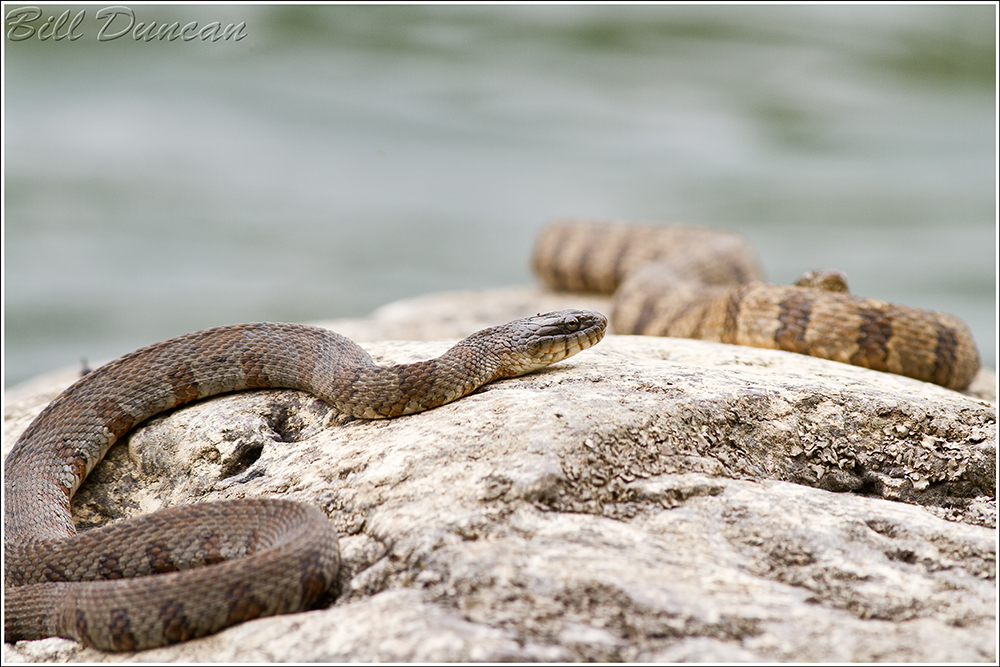
“Basking Water Snakes”
Steve and I came across this pair at RMBS this summer. When disturbed, males of this species can almost be intimidating with their nasal calls and angry sounding song.
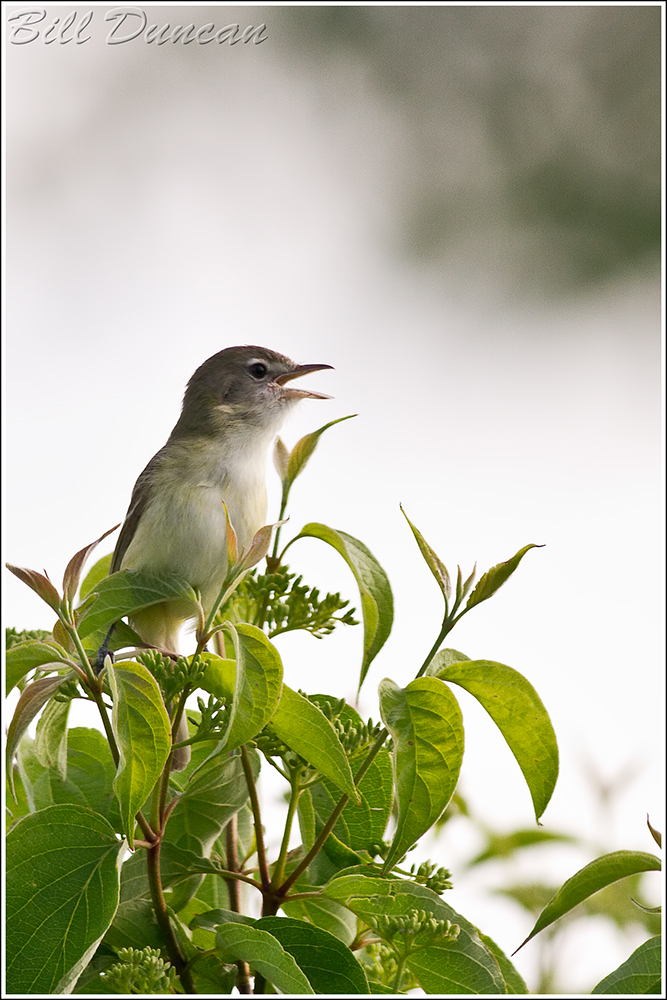
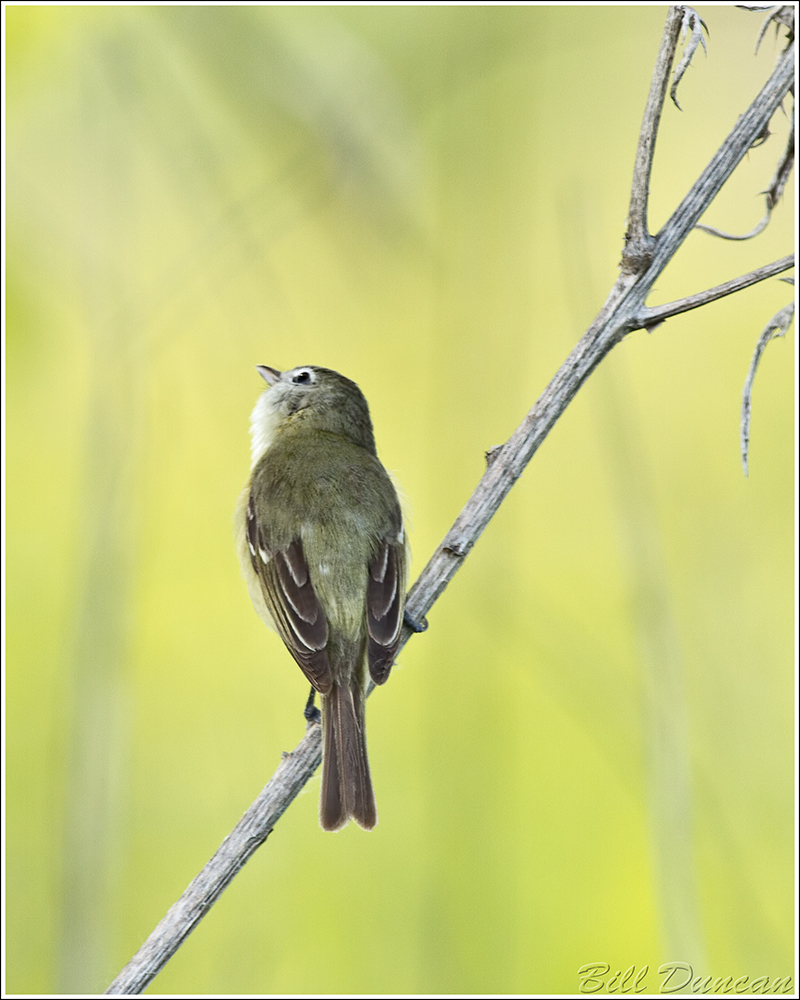
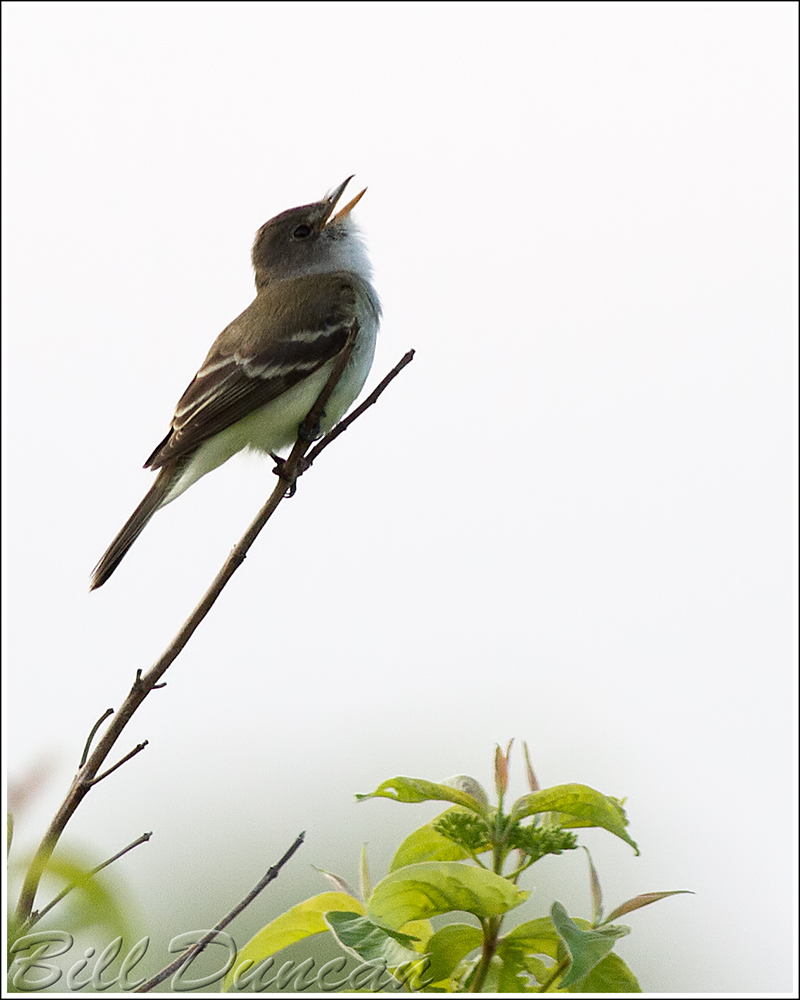
Once believed to be the same species as the Alder Flycatcher, the Willow Flycatcher (pictured here) can be distinguished most easily by it’s distinct song. These images were taken at RMBS this spring.

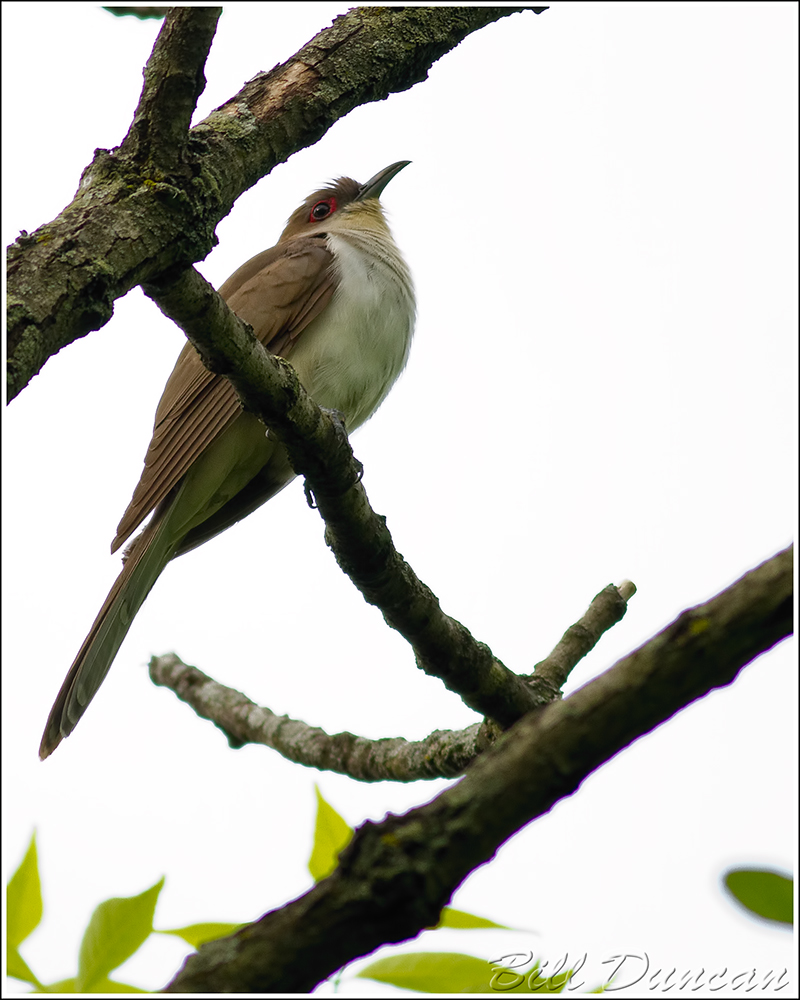
Often heard, but difficult to find, the Black-billed Cuckoo specializes in eating caterpillars. I fortunately stumbled onto this guy this spring.


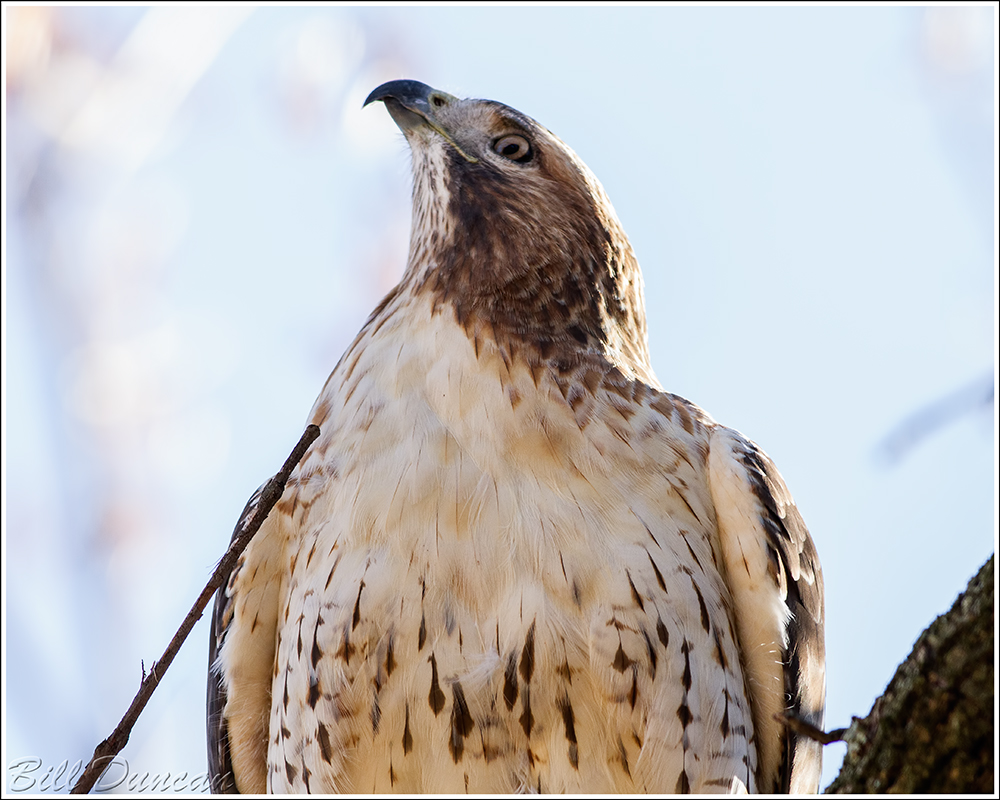
Dedicated to Bill Rudden, a St. Louis City based birder and bird photographer who passed away recently. I took this image of one of Carondelet Park’s Red-tailed Hawks on the day I met Bill for the first time. We had some good conversation that day while looking for the Crossbills that were visiting. I’m sorry I didn’t get know him better.
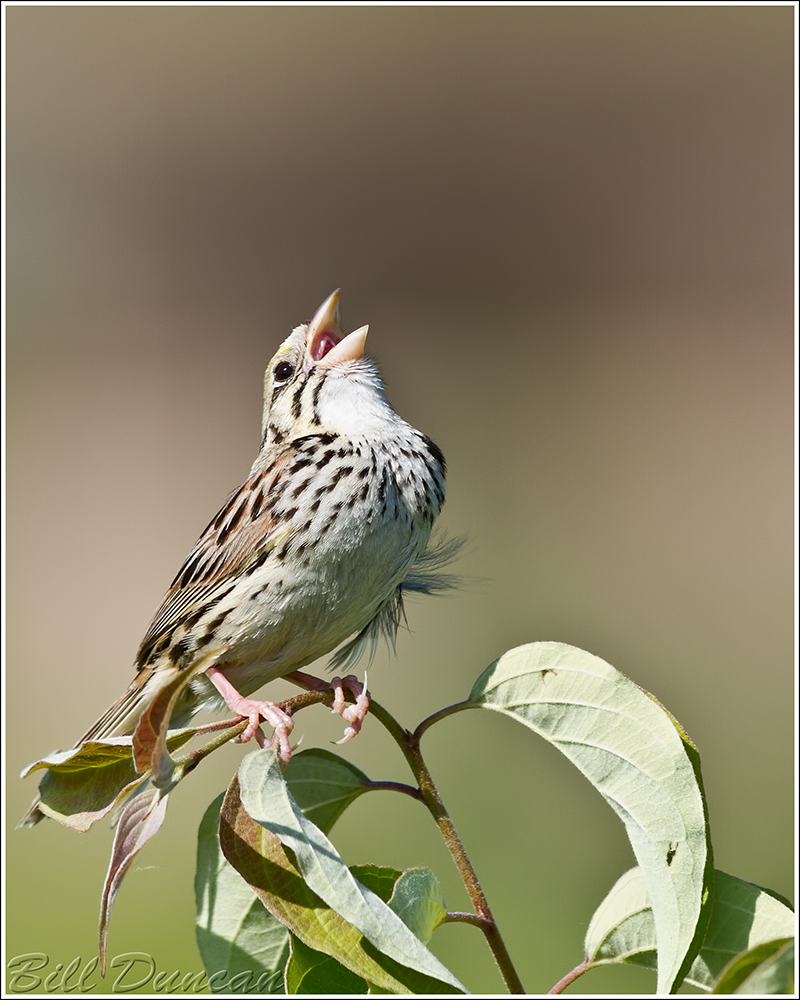
A bird with a song more reminiscent of a hiccup, the Henslow’s Sparrow is a secretive little guy, except while singing. Due to habitat loss, this species has dropped in numbers in recent decades and is currently listed as “near-threatened”.
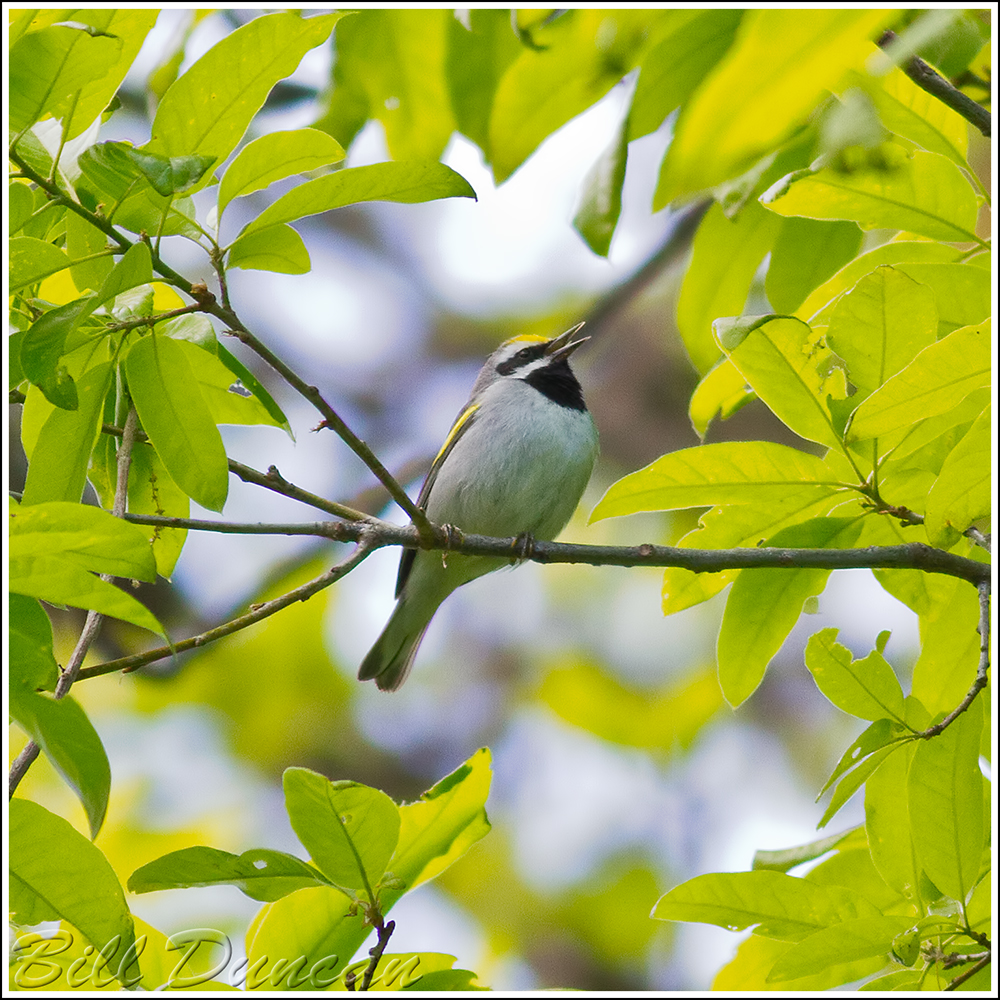
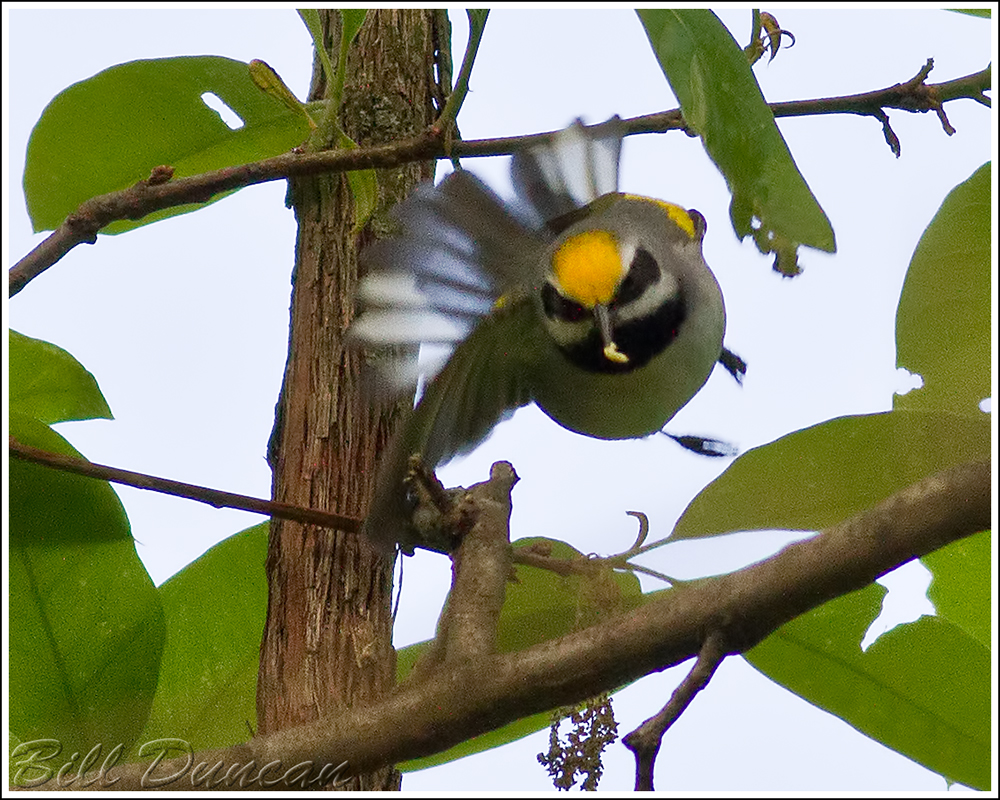
Known for their tendency to hang upside down while foraging for prey, the Golden-winged Warblers are partial to early successional habitats. Pressures from habitat changes and from the closely related Blue-winged Warbler have forced a downward shift in overall numbers of this species.

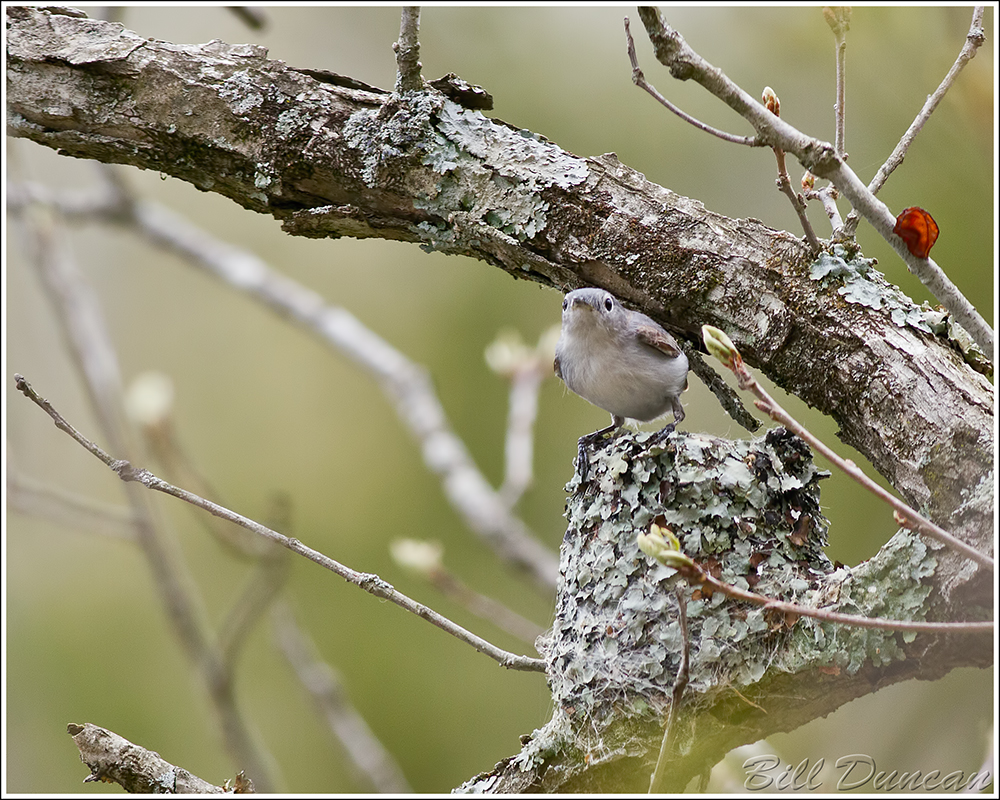
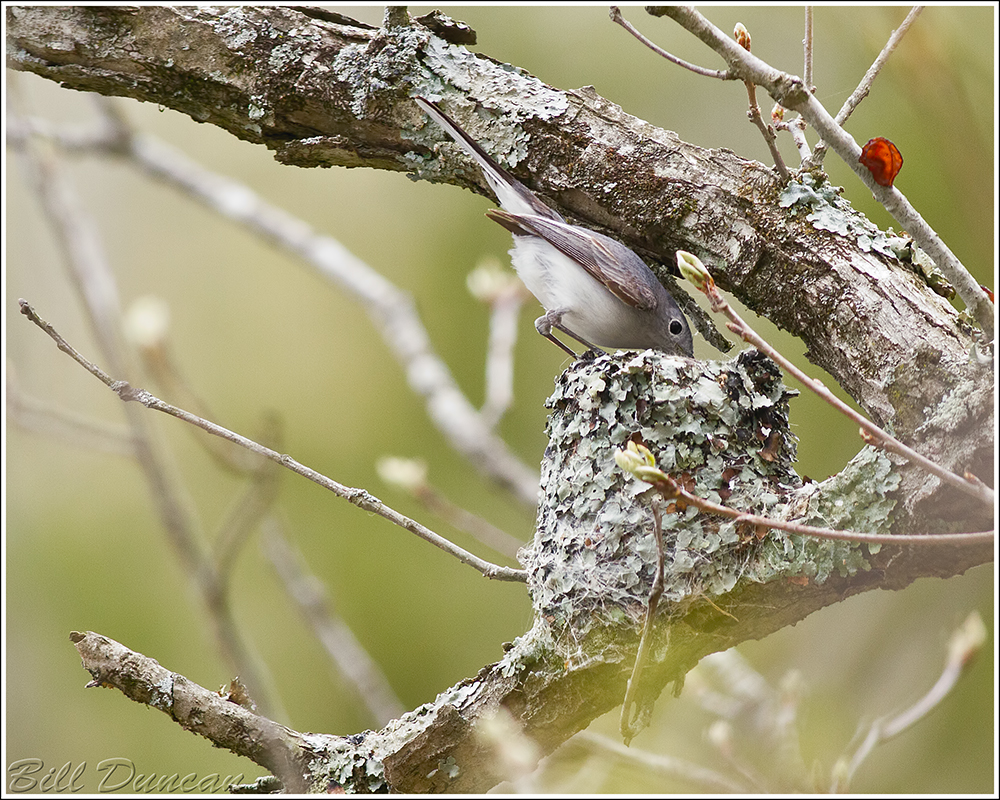
Here are just a few more photos from the aborted Gnatcatcher nest that we found this spring. Steve and I jointly found an active and very successful nest of the same species at SNR recently. I will hopefully get to those photos before first snowfall. 😉

My grandparents have had nesting House Wrens for a number of years now. Next to Cardinals baseball watching these guys go about their daily business is their next biggest form of summer entertainment. This past Mother’s Day I brought the big lens and made some images.

It is amazing to hear what large and complicated songs come from such a little package. This guy’s melodies were bouncing off of all the neighbor’s houses.

Here one of the parents is visiting the nest box. I believe they had eggs in the nest at this particular time.

Here is a little bit of photo talk (like I am qualified to give advice). These ultra-telephoto lenses have a long minimum focusing distance, or the minimal distance the lens must be to achieve focus. On my 500mm, this is close to 17 feet! In the case of shooting this male Wren as he scans his territory, I was able to put a chair next to the screened porch and was probably 10-12 feet from him. I was prepared and had a strategy to overcome this issue, I just didn’t think I’d ever get close enough to a feathered target to need it! Out popped an extender that moves the lens a few millimeters further from the camera’s sensor. Through the physics of optics that I will not try to explain (like I could if I wanted to), the minimal focusing difference drops low enough to get sharp focus of the close bird!
As with everything in photography there are compromises to be had with every advantage. The good thing is there is no loss of image quality here, because you are adding no extra lens elements. The extenders are simply extra space holders. The losses here are the inability to obtain far distance focus (at infinity or thereabouts) as well as losing just a bit of light.

These guys never stop building and redecorating the nest.

I have heard the chicks recently fledged and the parents are already on the wing. Maybe next year I’ll try to get some shots of the chicks on their first days outside the nest.

