For Bill Rudden…

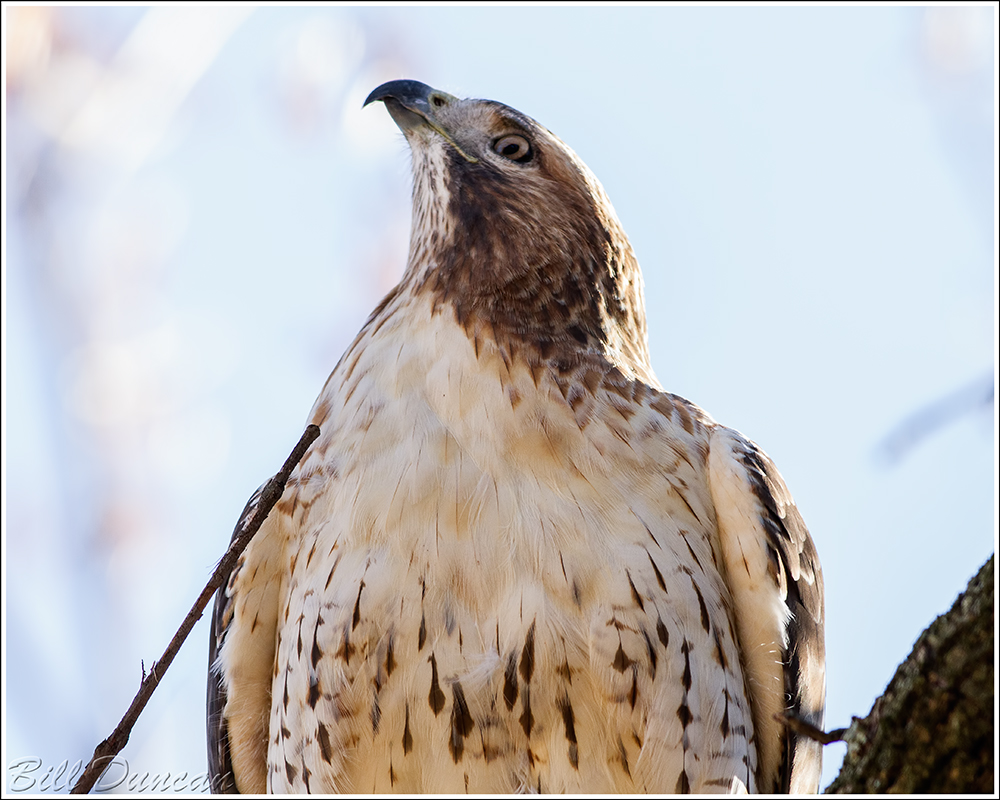
Dedicated to Bill Rudden, a St. Louis City based birder and bird photographer who passed away recently.  I took this image of one of Carondelet Park’s Red-tailed Hawks on the day I met Bill for the first time.  We had some good conversation that day while looking for the Crossbills that were visiting.  I’m sorry I didn’t get know him better.

IMG_8168

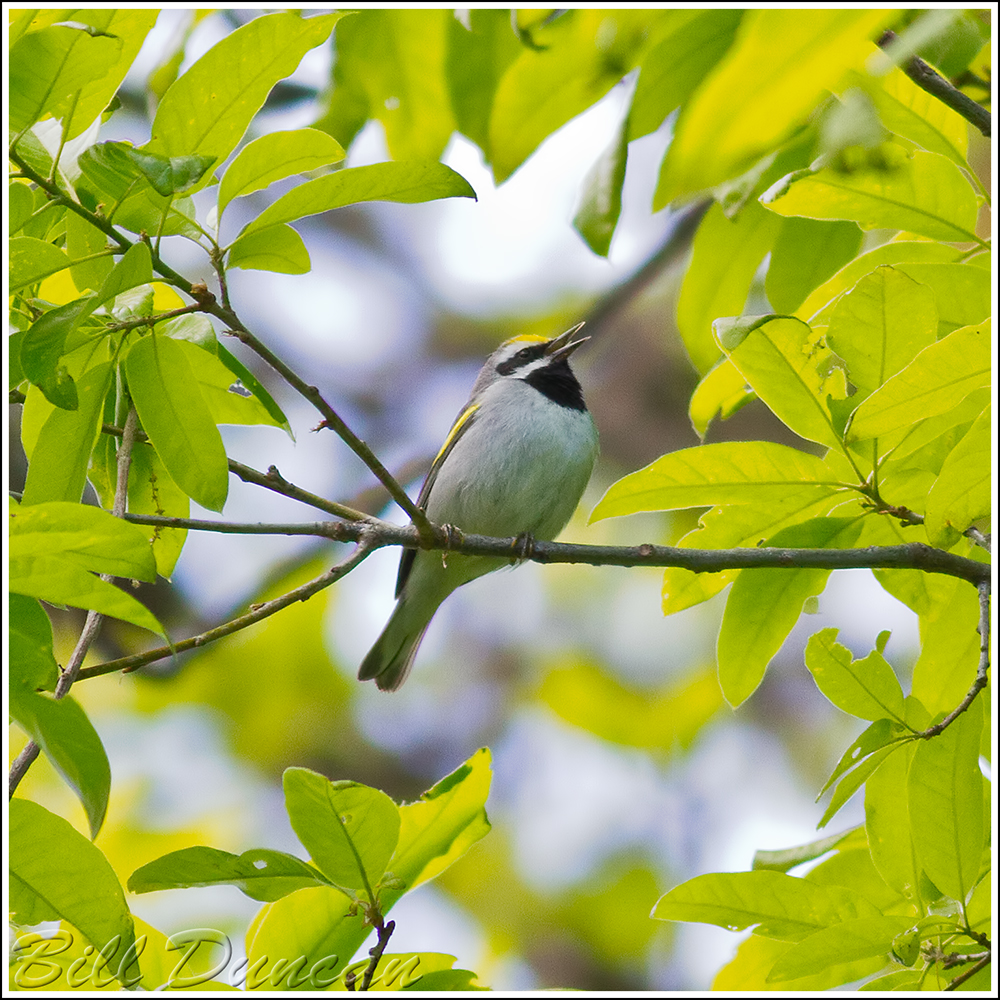
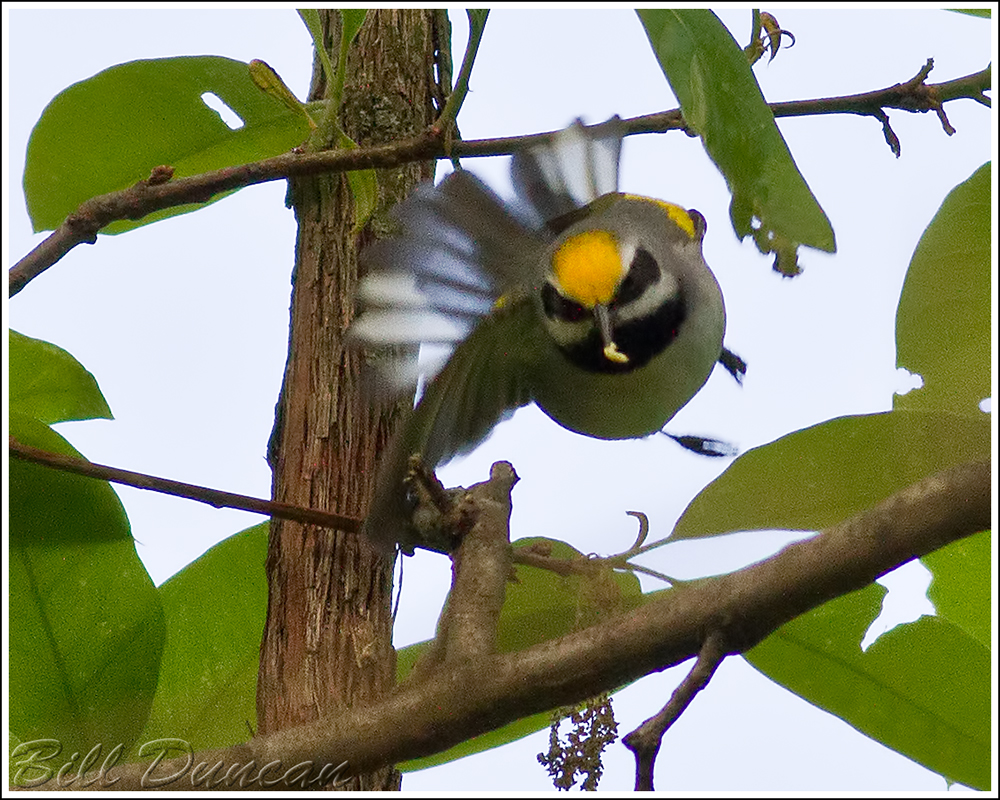
Species Spotlight: Golden-winged Warbler

Known for their tendency to hang upside down while foraging for prey, the Golden-winged Warblers are partial to early successional habitats.  Pressures from habitat changes and from the closely related Blue-winged Warbler have forced a downward shift in overall numbers of this species.

IMG_3239

IMG_3246

IMG_3271

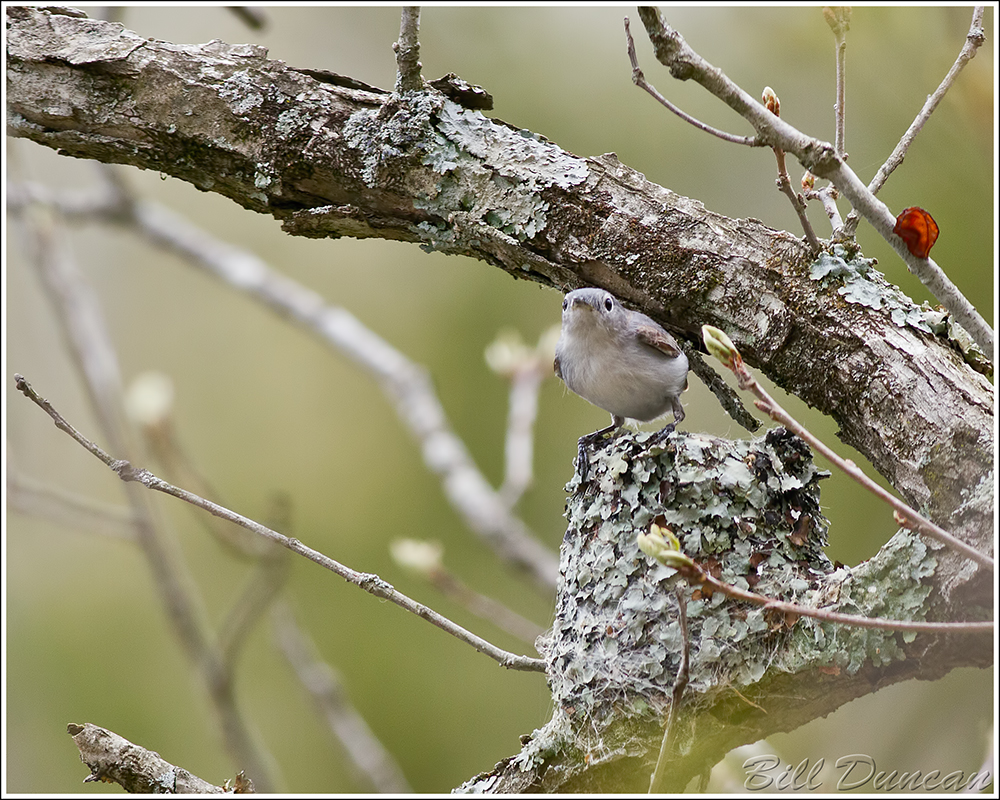
Blue-Grey Gnatcatchers: St. Francois State Park Wrap Up

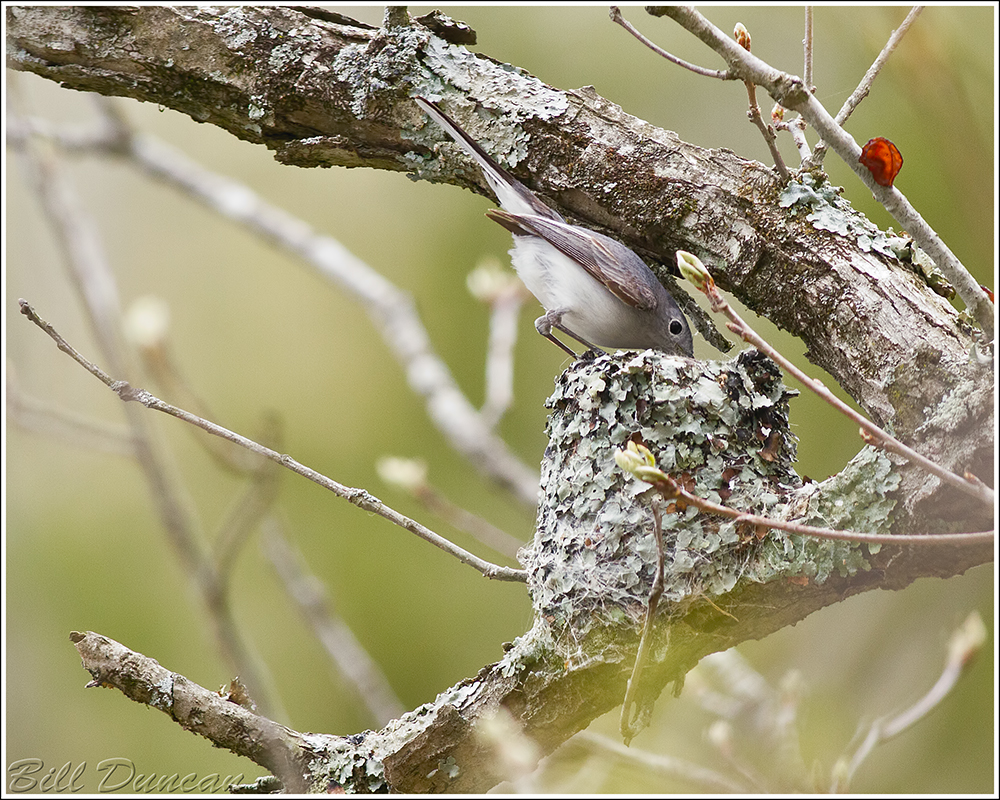
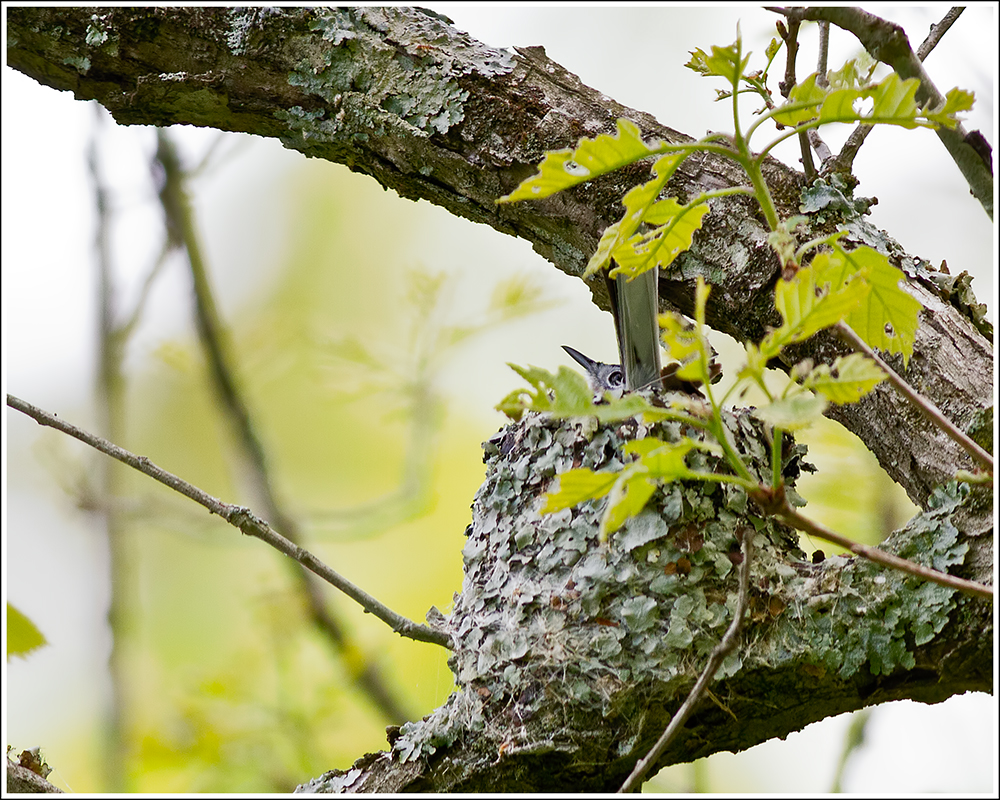
Here are just a few more photos from the aborted Gnatcatcher nest that we found this spring.  Steve and I jointly found an active and very successful nest of the same species at SNR recently.  I will hopefully get to those photos before first snowfall.  😉

IMG_3011 IMG_3024 IMG_3002

The Missouri House Wren

My grandparents have had nesting House Wrens for a number of years now.  Next to Cardinals baseball watching these guys go about their daily business is their next biggest form of summer entertainment.  This past Mother’s Day I brought the big lens and made some images.

 IMG_4161

It is amazing to hear what large and complicated songs come from such a little package.  This guy’s melodies were bouncing off of all the neighbor’s houses.

IMG_4237

Here one of the parents is visiting the nest box.  I believe they had eggs in the nest at this particular time.

IMG_4266

Here is a little bit of photo talk (like I am qualified to give advice).  These ultra-telephoto lenses have a long minimum focusing distance, or the minimal distance the lens must be to achieve focus.  On my 500mm, this is close to 17 feet!  In the case of shooting this male Wren as he scans his territory, I was able to put a chair next to the screened porch and was probably 10-12 feet from him.  I was prepared and had a strategy to overcome this issue, I just didn’t think I’d ever get close enough to a feathered target to need it!  Out popped an extender that moves the lens a few millimeters further from the camera’s sensor.  Through the physics of optics that I will not try to explain (like I could if I wanted to), the minimal focusing difference drops low enough to get sharp focus of the close bird!

As with everything in photography there are compromises to be had with every advantage.  The good thing is there is no loss of image quality here, because you are adding no extra lens elements.  The extenders are simply extra space holders.  The losses here are the inability to obtain far distance focus (at infinity or thereabouts) as well as losing just a bit of light.

IMG_4112

These guys never stop building and redecorating the nest.

IMG_4212

I have heard the chicks recently fledged and the parents are already on the wing.  Maybe next year I’ll try to get some shots of the chicks on their first days outside the nest.

Peet-sah!

I don’t know why Acadian Flycatchers are always screaming for a pizza.  Have you ever watched one of these try and bite a piece off?  Not a fun sight.

So those photographers who use Flickr, what is your final opinion on those changes they sprang on us?  It has turned my world upside down.  I can’t stand the damn thing now and I am looking into alternatives.  I never thought I’d be saying that.

IMG_4643

Summer Tanager Nest

This image of a mamma Summer Tanager visiting her newly developing nest was taken a few weeks ago.  She should now be busy raising young.  I have decided not to invade her space unless I can get to this location and set up in a blind before first light.  Unfortunately, this would be quite the feat at this time of year.  The drive to Hawn SP, where the nest is located, is about 1.5 hours from my front door.  I wish her luck and thanks to Steve who found the nest and provided a great map and directions for me.

IMG_4026

A Few Spring Wood Warblers

Spring migration for the “land birds” is pretty much over.  As usual, I am not happy with the amount of photos I was able to get of these guys as they pass by.  But, I did enjoy every moment I got to spend trying.  Here are a few that I have gotten around to processing so far.  These were all caught at Monsanto’s World Headquarters, one of my favorite migration traps in the StL metropolitan area.

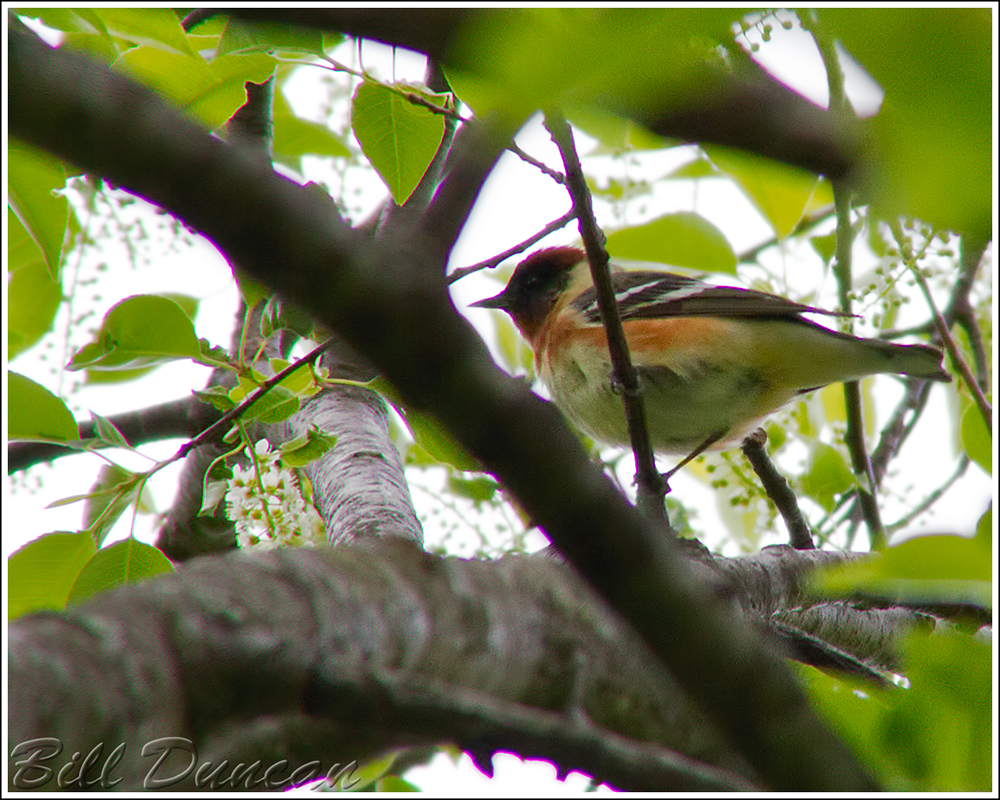
A large warbler, the Bay-breasted Warbler is a rather uncommon migrant.  The lighting was terrible in this scenario and caused a good deal of C.A. However, this was my first usable image of this species.IMG_3443

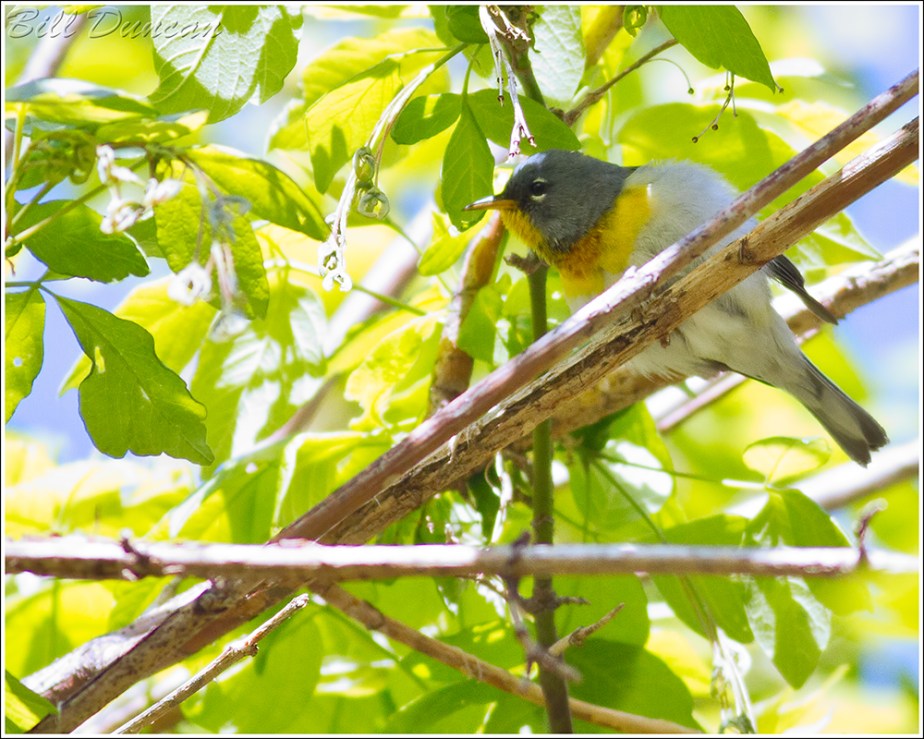
Lovers of the tree-tops, I find that Northern Parula are easily heard but more difficult to spot.  They can be found in large numbers across Missouri and do nest throughout the Ozarks.
IMG_2818

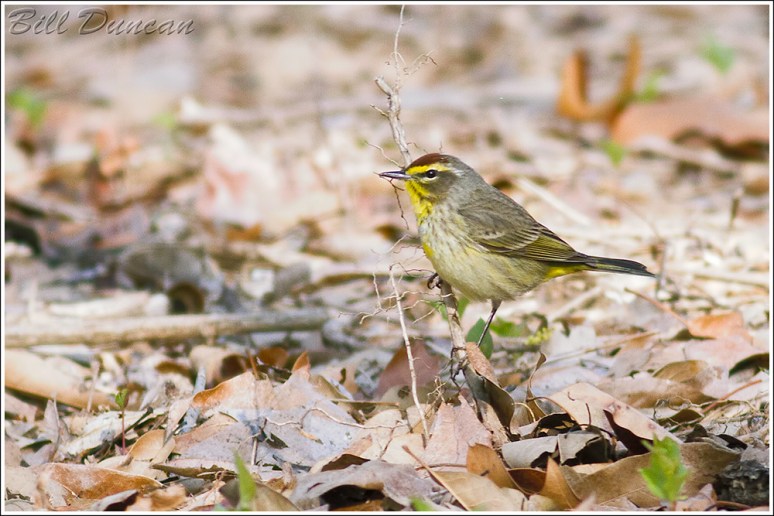
The oh so cute, Palm Warbler, or “Palmies” are one of the species I seemed to spot more often than normal this spring.  These guys are usually found on or near the ground on lower tree branches and bushes.
 IMG_2686

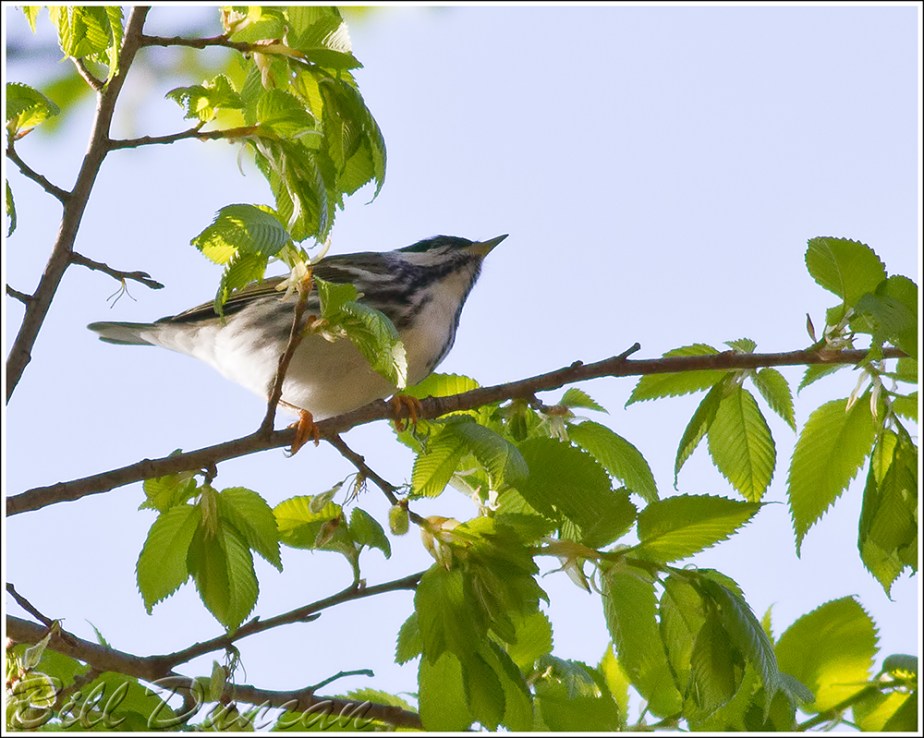
The Blackpoll Warbler’s migratory trek is one of the longest of all the songbirds.  These guys nest throughout the northern boreal forests and go as far as northern Alaska.  They winter in South America.
IMG_2714

 Finally, the bird pictured below is the Black and White Warbler.  More abundant and easier to spot, these birds behave much like the nuthatches – climbing up tree trunks and looking under limbs for their arthropod prey.

 IMG_3680

Blackburnian Warbler

Relying highly on the abundance of spruce budworm populations in their boreal forest nesting grounds, Blackburnian Warblers numbers will rise and fall dramatically with numbers of this insect prey.

IMG_3288

“Blackburnian Warbler, May 2013”

Technical details: Canon EOS 7D camera,  EF400mm f/5.6L USM lens, ISO 640,  f/5.6, 1/200 sec

Disappointment at the Gnatcatchers’

Steve selflessly checked on the Gnatcatcher’s nest at St. Francois SP late this past week to give me an update to help plan for the weekend.  When he arrived he watched as the pair appeared to be deconstructing the nest and moving the materials!  This was surprising as they definitely were incubating eggs when I had visited about five days prior.  We found one description of this kind of behavior in Harrison’s Eastern Bird Nests:

“Unusual characteristic of this bird: it tears up a completely or partly completed nest and reuses the material to build nest nearby.  Author has seen this several times; believes that awareness of possible discovery during building may be cause.”

I have a few pieces of evidence to possibly explain why they would move a nest in which they were already incubating a clutch.

1) They built this nest ~20 feet above a rather popular State Park trail and the numbers of people walking underneath caused them to seek a different spot.

2) Egg predation.  Someone found the nest and relieved them of their brood.

3) Cowbirds.  The BHCB activity was apparent around the nest when I visited.  Perhaps they snuck an egg in and the host birds discovered the ploy?

I guess we will never know.  Steve tried his best to follow the “contractors” as they moved their building materials to the new construction site.  Their speed and the fully-leaved trees made this an impossible task.  Oh well, maybe next time.

IMG_3999

“Housing Crisis”

Technical details: Canon EOS 7D camera, EF500mm f/4.5L USM lens, ISO 640,  f/6.3, 1/200 sec