An image of a Black and White Warbler taken this past spring. The song-birds have begun moving south now. Things have been so busy, I’ve barely had a chance to go birdwatching to watch them pass through.
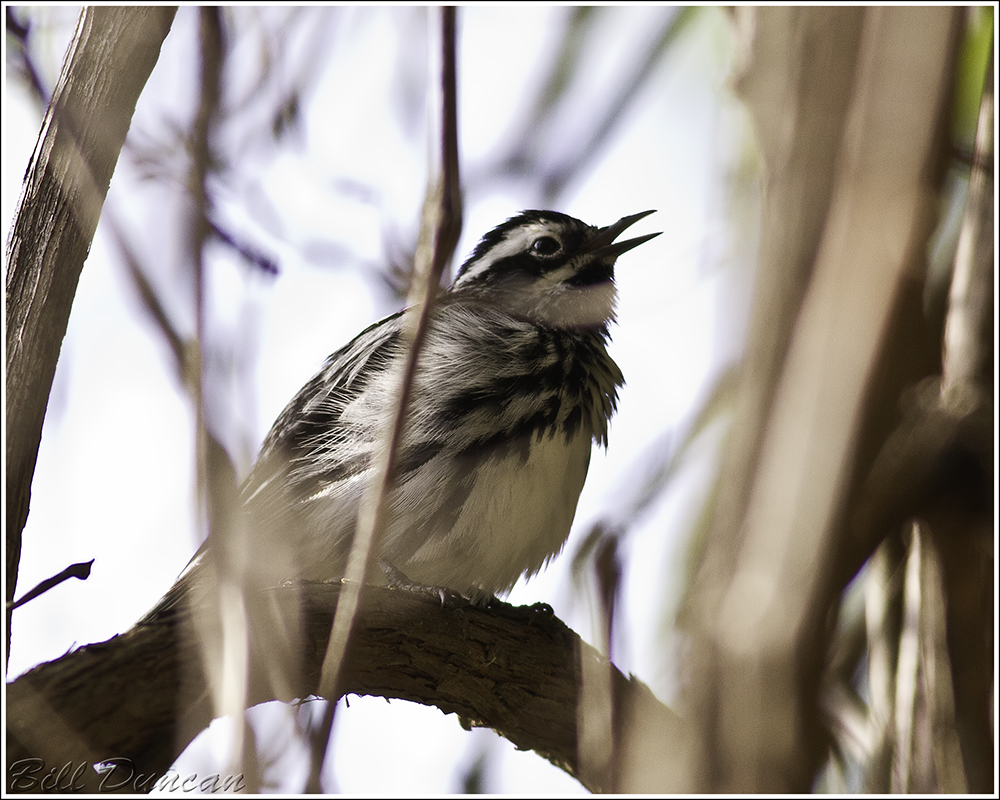
“Black and White Warbler”
"What a thousand acres of Silphiums looked like when they tickled the bellies of the buffalo is a question never again to be answered, and perhaps not even asked." -Aldo Leopold
An image of a Black and White Warbler taken this past spring. The song-birds have begun moving south now. Things have been so busy, I’ve barely had a chance to go birdwatching to watch them pass through.
“Black and White Warbler”
This past June, Steve and I took a walk through one of the highest quality woodlands our Ozark hills have to offer. The short hike from the head of the spring to the Powder Mill trail-head and back offered an amazing diversity of life. Here are just a few of the things we were able to find and capture on camera.
Nothing can be mentioned about this location without first discussion of the spring itself. The Osage Indians referred to it as “Spring of the Summer Sky”, a most apt description for a spring who’s appearance defines the color blue. And in summer, when the flow is not overly encumbered by the suspension of dissolved limestone from heavy rains, the crystal-clear waters afford a look to the bottom of the spring, some 250 feet below the pool’s surface.

“Blue Spring Run”
The small nooks and crevices carved over the ages into the limestone and dolomite that overlook the spring pool make the perfect shelter for the Eastern Phoebe to make their nests. Most folks have likely seen the nests of this species under overhangs on human-made structures. It has only been within the last year that I have been fortunate enough to observe these nests in their more natural of settings. A perfectly placed snag within the spring’s pool makes for a fine resting place for a young Phoebe that is taking a break from the carrying on that was taking place near these nests. It was also a great place and time for us to take a break and take in everything this spot has to offer.

“Eastern Phoebe on a Snag“
Back on the trail a few minutes later Steve and I were pleased to find this guy. A first for the both of us, this Dung Beetle was moving this “resource” with full conviction. We couldn’t figure out where she was moving it, but she was sure not going to let us get in her way. When gently stopped she would climb to the top of her ball and let it be known that it was claimed.

“King of the Hill“
Here’s a little “motion pan” to give an idea of the speed at which she could move her grocery towards its future larder.

“The Cache”
Our primary goals for this early summer day where to see if we couldn’t find and photograph any or all of three of the more rare warblers that are known to nest in this area. These would be the Swainson’s, Cerulean and Hooded Warbler. Although we did get a few confirmed vocalizations from a Swainson’s, we could not get our eyes on the sneaky guy through all the vegetation. A few quick and loud playbacks did, however, coax 4-5 male Cerulean Warblers to descend from the forest canopy in order to meet the new male who had apparently set up shop amidst their territory cluster.

“Singing Cerulean”
This was a sweeter treat for us than spending time with Willy Wonka (Wilder not Depp) and Heather Graham in a chocolate factory. They seemed totally curious and intrigued as they moved among lower branches, foraging and singing as they went. Did you know this species has suffered more than 70% population decline since the 1960’s? Approximately 500,000 birds are the current population estimates and habitat destruction and fragmentation continue to threaten this species. Check out The Nature Conservancy for more information on this great bird, and consider checking out Cerulean Blues.
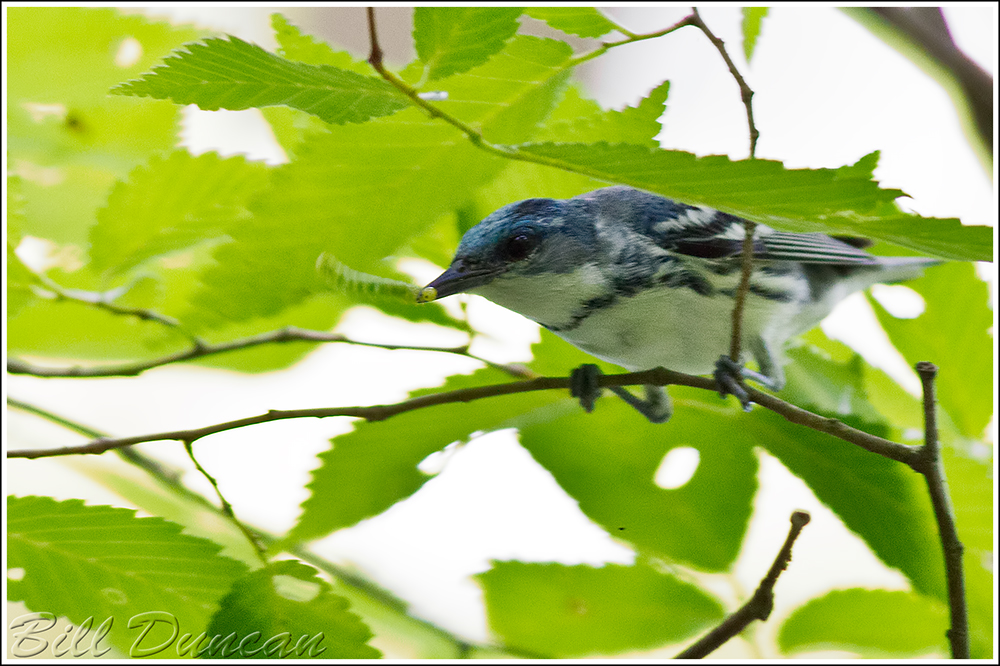
“Cerulean with Insect“
Finally, I present a pair of gorgeous Northern Water Snakes that were basking on some exposed rock not to far from shore along the Current River.
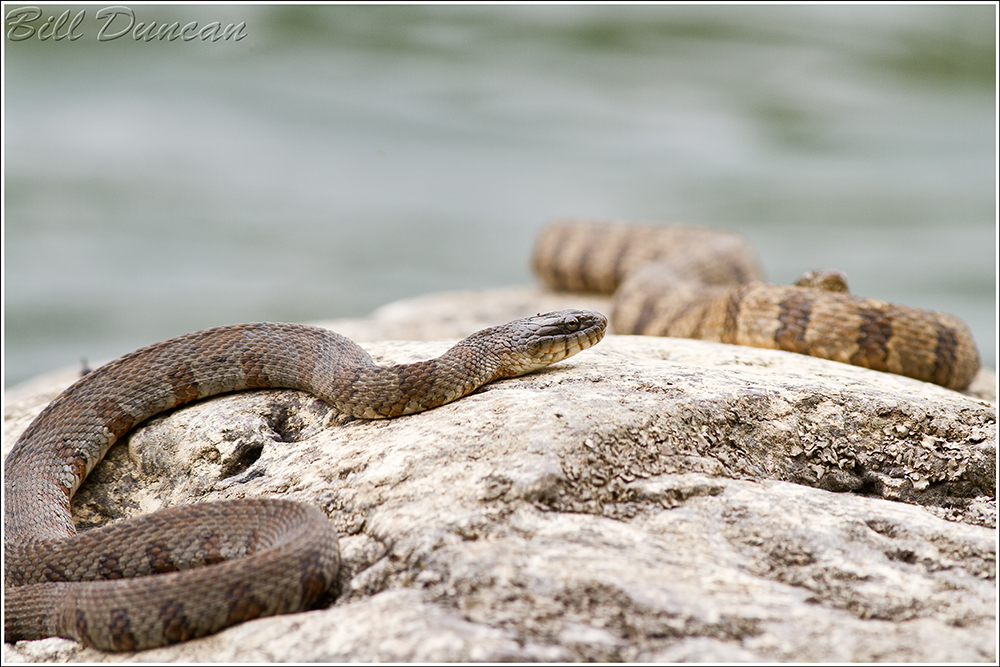
“Basking Water Snakes”
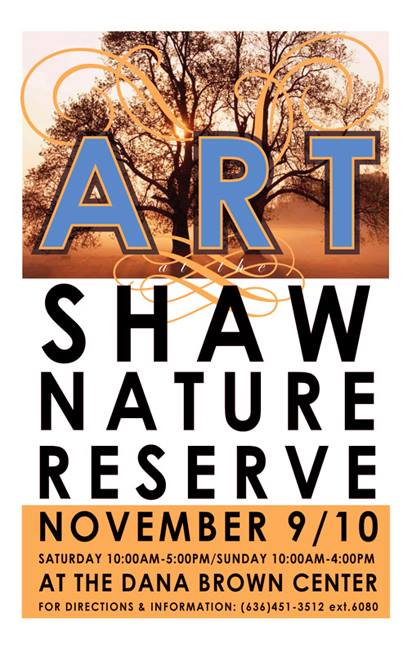
That’s right my friends. I am excited to announce that OZB will be presenting his work (~75 unique prints will be available) at Art at the Shaw Nature Reserve 8th Annual Show & Sale to be held this autumn. I would love to meet and say hello to all of you who have given me support through our relationships via Flickr and A Thousand Acres of Silphiums over the years. Don’t worry, there will be real artists there as well! 😉 So, if you are willing and able to be there, I look forward to meeting you in person! Here are directions to SNR.
 I would also like to announce that Ozark Bill is now on Facebook! It is definitely a work in progress, but for now, I am posting what images will be available at the show.
I’ve discussed Hughes Mountain Natural Area a few times in this blog. There is still so much I have yet to discover and photograph here, that I am always keen to pay a visit. Typically, plants go quickly dormant and animals become hard to find during summer’s dog days. The cooler, wet summer we are had this year provided an extended window of activity for many of the residents of this glade-covered knob. These images were taken during a July evening as Steve and I paid a visit to one of our mutual favorite destinations.
For a while now, I’ve know of the first citizen I’d like to introduce to you. Because I often have troubles slowing down and looking around, I had never actually seen one of these guys until this summer. Of course, they are everywhere you look. I am speaking of the Lichen Grasshopper, a species perfectly adapted at blending in with the lichen-covered exposed rocks on igneous glades such as those found at Hughes Mountain.

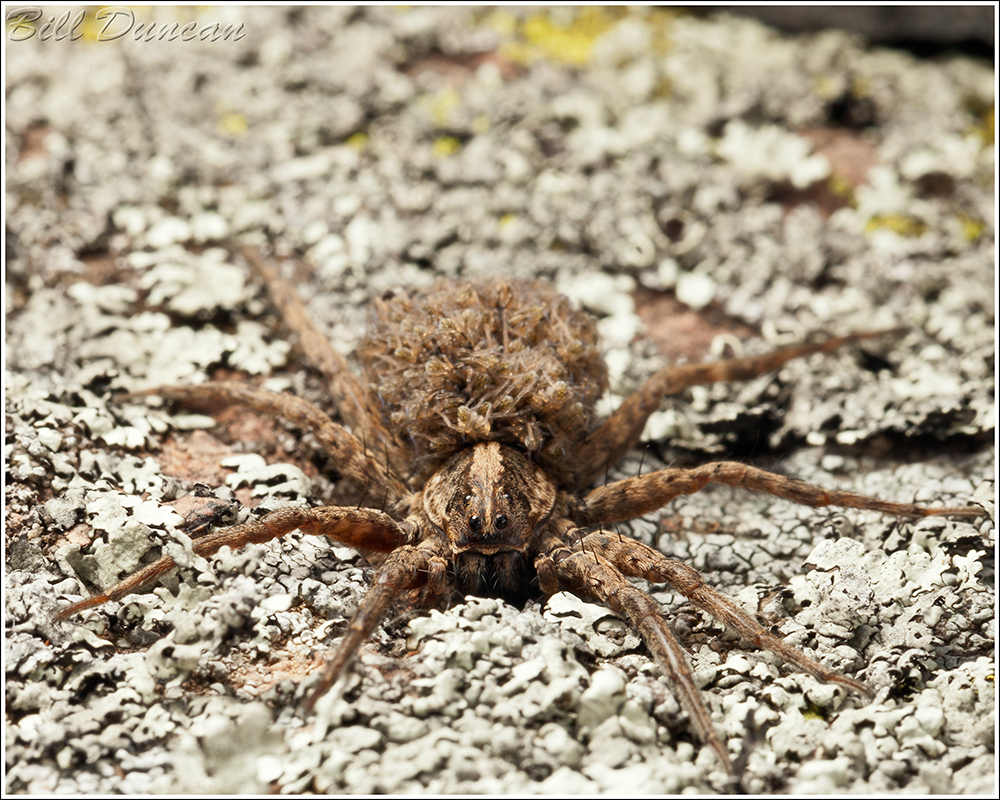
As I was destroying my delicate knees and elbows trying to get a shot of these weary grasshoppers I happened across this gal, a mamma Wolf Spider, out for a stroll with the kids. She didn’t seem to mind the paparazzo activity.
The Fame Flower, a member of the succulent tending, Purslane family, is also known as Rock Pink and Flower-of-an-Hour, due to the ephemeral flowers opening late in the afternoon. The flowers of this magnificent little plant are suspended on fine, wispy, leafless stalks (scape) many times longer than the short, succulent leaves. Any small breeze sets these warmly saturated blooms swaying back and forth, bringing difficulty to obtaining a nice photograph. Bravos to Steve for identifying this one!

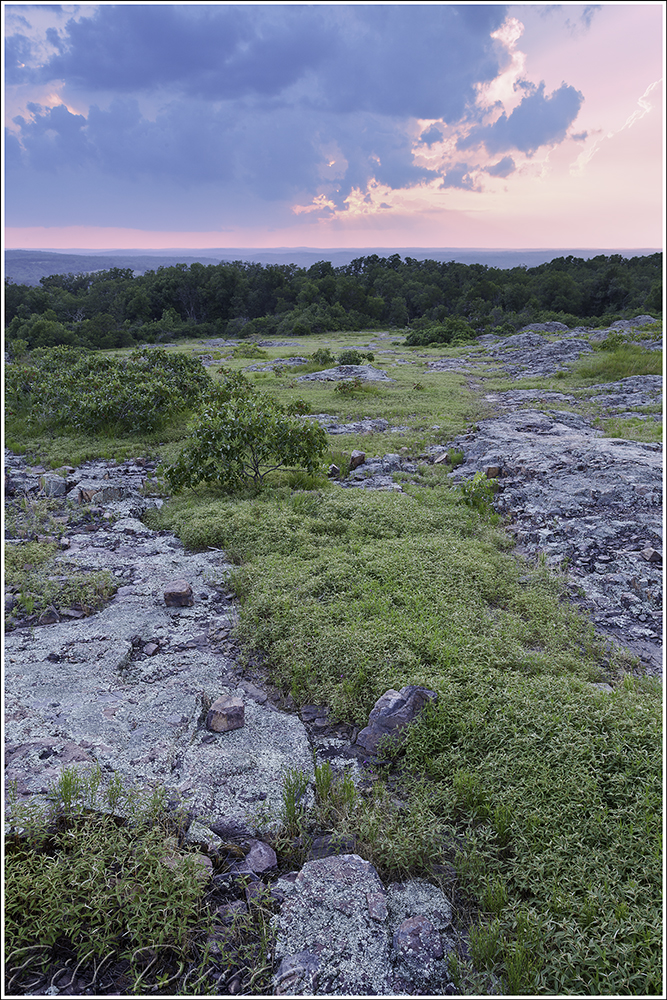
Finally, I wanted to provide a “habitat shot” that exemplifies where these organisms can be found. Hopefully next time I can show you some of the other kind-hearted citizens of the Ozark Glades, like the Tarantula, the Black Widow and Scorpions.
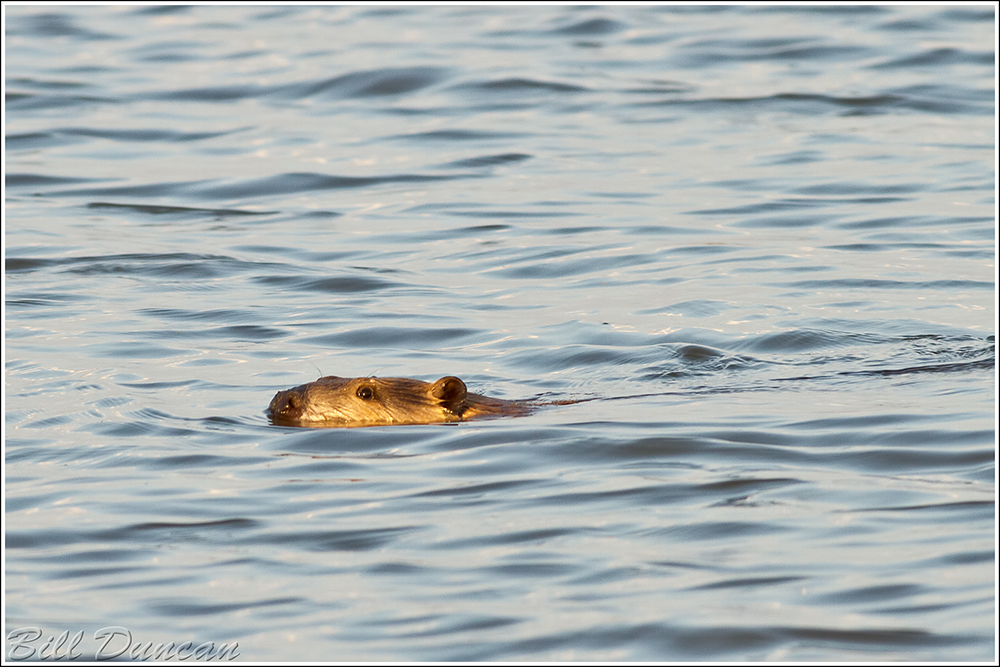
This past May, Steve and I took a hike around the Heron Pond area at Riverlands. To our surprise we found this Beaver swimming around near mid-day. He seemed a bit upset by our presence, although the pond was quite large and we stuck to the levee trails. Every few minutes he would give us a tail slap that was a bit intimidating. Imagine making such a fuss over OZB!
I’m sorry to have been a bit absent on the blog the last few weeks. Life has been a bit busy lately. I am also working diligently (sort of) on a piece of photography news that I hope to reveal on the blog in the next week or two. Stay tuned for the really big news! 😉

Historically referred to as the “striped squirrel” the Eastern Chipmunk is found throughout deciduous forests of eastern North America.

Steve and I came across this pair at RMBS this summer. When disturbed, males of this species can almost be intimidating with their nasal calls and angry sounding song.
I had been wishing to visit Dunn Ranch Prairie in Harrison County, Missouri for a few years. Part of the Grand River Grasslands, Dunn Ranch, along with Prairie State Park to the south is one of the two largest contiguous prairie habitats in Missouri. Fortunately, Dunn is home to about 1000 acres of original, unplowed prairie alongside parcels that are in various stages of prairie reclamation via reconstruction activities by The Nature Conservancy staff. With help from contacts at TNC (Hi and thanks Amy, Hillary and Randy!) and a recently found twin brother, Steve, who is as willing, able and interested in getting elbows deep in whatever Nature and the outdoors puts in our path, I had that opportunity as part of a five day excursion to the western half of the State. We made stops to visit other prairie and marsh remnants nearby, but Dunn Ranch and adjacent Pawnee Prairie were our base. I hope to provide tidbits of information about these endangered habitats and discuss some of the trials that TNC faces in these reclamation efforts and provide hopefully interesting accounts of Steve’s and my excursion in future posts where I plan to discuss birds/wildlife and landscape photography. This first post is dedicated to astrophotography.
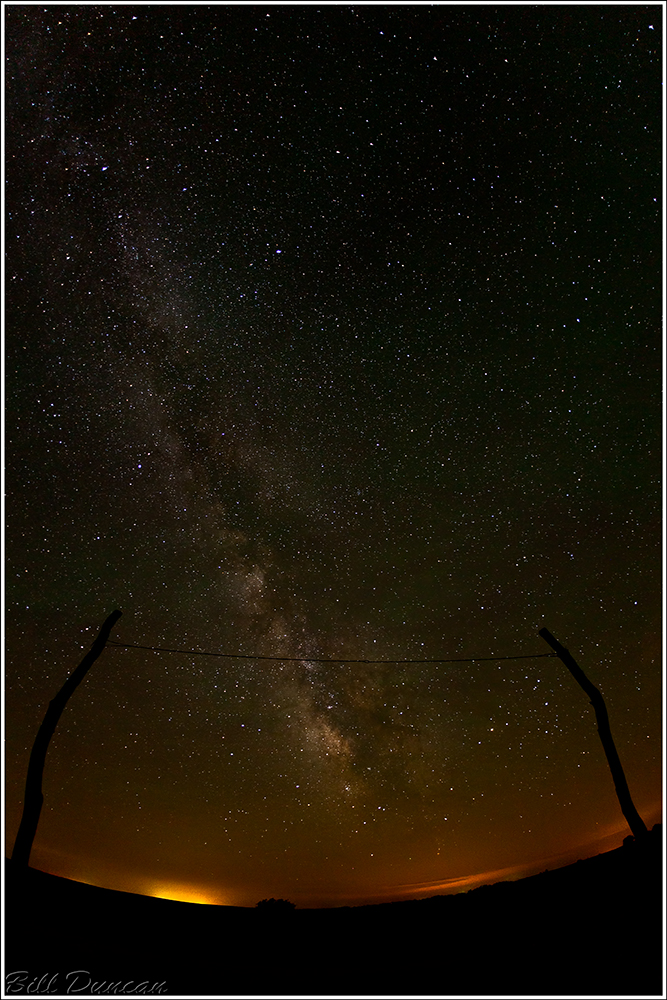
Astrophotography has been of interest to me for some time now. Being born and raised in urban environments, I can count on one hand how many times I’ve been able to witness a dark, clear sky – relatively free from light pollution. Making images of this type of sky was one of the major goals for this trip. Even without the aid of telescopes and tracking mounts, astrophotography with the dSLR can be a fulfilling challenge. I scoured the web for months prior to the trip, trying to find techniques and tips for success. With so much to consider, I knew this was going to be a mostly trial and error experience.
The internet is full of great “how-to” articles on how to go about making nice astrophotographs, so I will not go into too much detail. We were fortunate in a number of ways concerning the environmental conditions for this endeavor. First, obviously, one needs clear skies. The first couple of days (and nights) were a bit overcast, but on the night all these images were taken, we had a mostly clear sky. Second, for taking photos of stars, it is optimal to have little or no moon. On this particular night, the moon was just a couple days past “new”. But, that did not matter because the moon was almost in perfect sync with the rising and setting of the sun. On this night, the fingernail moon was below the horizon by 10:00. So, we had two important factors in our favor. Other issues to consider are light pollution from ground sources. We thought we were on the winning side here, being so far removed from any city of significant size. What we came to discover is how much the camera’s sensor will pick up artificial light sources. Even well past midnight, all the images I made show glow from the horizon, illumination that was not noticeable by the human eye.
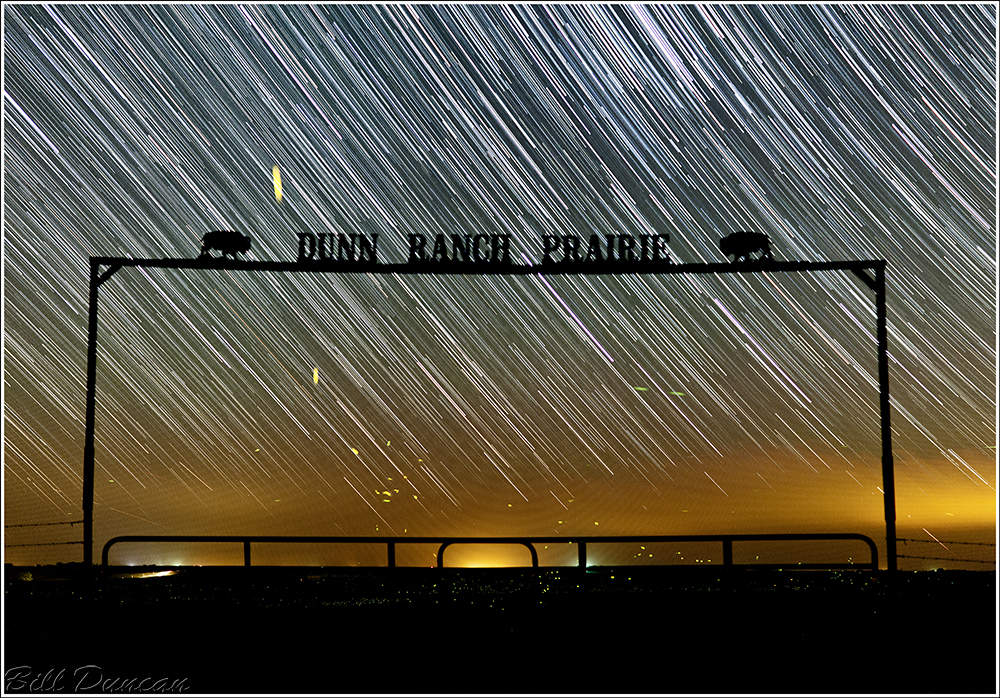
One other potential headache for consideration is aircraft and satellites moving through your frame. Depending on the specific technique you use to create a star-trail image like the one above, you will either have one long exposure of up to an hour or longer, or a series of shorter images taken in continuous fashion and combined later in the computer. Either way, in most areas of our country you will pick up the light signatures of these aircraft in your images. I was quite surprised by the numbers of these trails that were picked up on the camera’s sensor. In making the two composite-made star-trail images in this post I spent several hours painstakingly removing these by hand from hundreds of individual images used to generate these composites. The yellowish green lights are trails from lighting bugs that collected over these images. I decided to leave these alone.
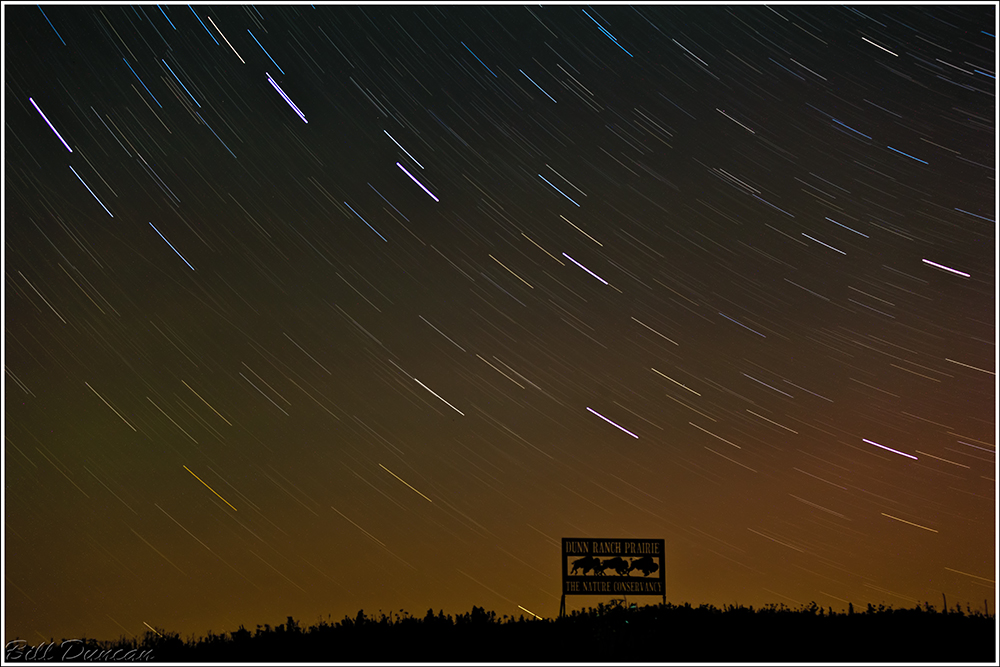
Although it may be pretty, a photograph of the stars alone with normal focal lengths usually holds little lasting interest. I knew that to make something interesting and to relate it to place, I needed to find something unique and attractive to position in the foreground. This would make a complete image.
The couple of days or so before this evening, I was checking out the landscape around Dunn, looking for these potential foregrounds and asking Steve to help me remember their locations and the general directions in which they faced. These cut-steel/iron signs were quite popular with the different ranches in the area and I assume someone makes them locally. I fell in love with this one on a prairie hillside at Dunn and knew I had to try this. Unfortunately, this was getting quite late into the morning and I did not have the energy left to give it my all. I used a longer focal length because of the distance of the sign from the road. This gives a somewhat pleasant side effect of allowing for star trails to record in less time than it takes for a wide angle composition. This image is one exposure of about 11 minutes. If I had known the potential here, I would have given it more thought and probably put together a longer composite series to lessen the horrible noise and IQ observed in the RAW image. Oh well, maybe next time. Oh yeah, in this photo, the light pollution from the horizon works pretty well in back-lighting the sign and making some nice silhouettes of the prairie forbs. We tried a bit of light painting, but it came nowhere close to this.
P.S. Can you name the constellation caught in this image above?
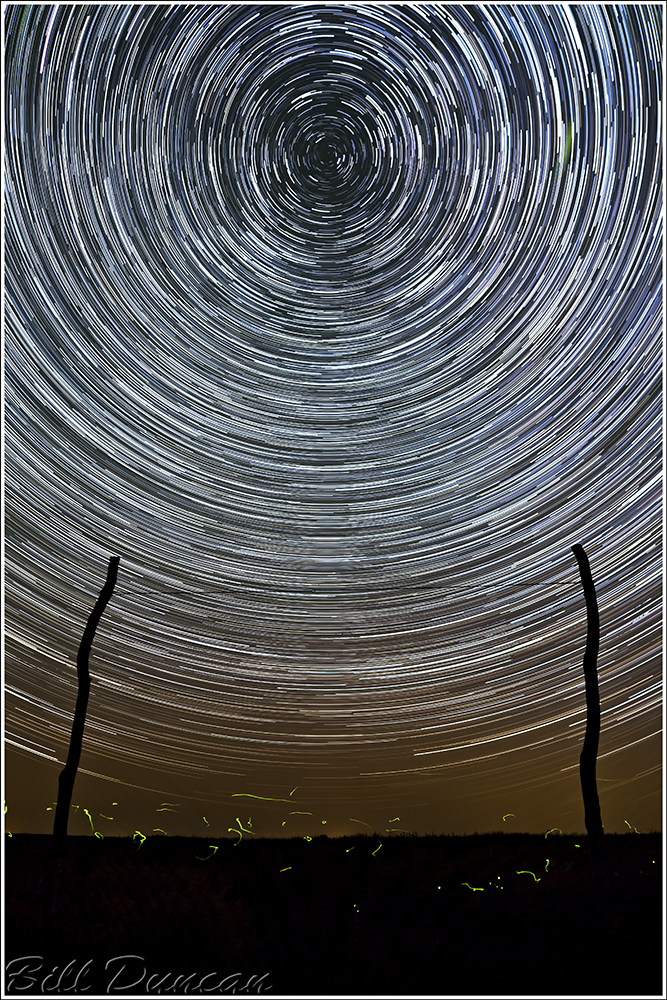
The image above I believe is my favorite of my astrophotography attempts. I wish I could say I did my homework and knew exactly where the north star was and positioned it oh so perfectly between the gate posts. Steve and I could not say for certain (Do you know how many stars there are up there!?). All I did was try my best to center the gates in the middle of the frame as best we could in this dark night. I wish I could say I knew exactly how long (how many exposures) I wanted/needed to get the rotating perspective seen here. All I did was decide that I would try and fill an entire eight gig memory card. This equated to about 350 13-second exposures for a total “exposure time” of about 75 minutes. I did not even know how I was going to stack these together in the computer. I knew there were a few specialty software as well as a manual option in PS. I tried three different freeware apps and discovered the last one I tried, “Startrails” gave me the best results. Anyway, this image will always remind me of sitting in the road with the camera doing its work, enjoying a couple of good beers with Steve and listening to wildlife: coyotes howling on three sides of us in the distance, Henslows Sparrows singing like it was the middle of the day and a presumable deer that walked just off the road past us less than 10 feet away. I have no idea if the deer could see us or knew that we were there.
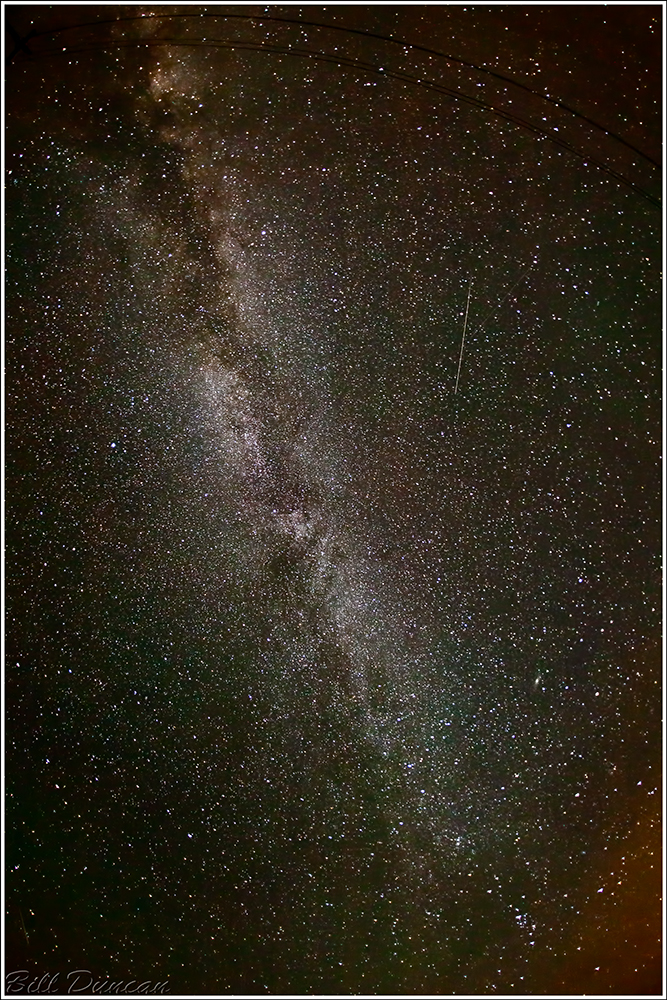
I say with all sincerity that I would trade the benefits of living in a large metropolitan area just to have the privilege of viewing night skies like this on a regular basis. How did we agree to give this up? I guess this issue ranks up there with the question of my foreskin. Nobody ever asked me and I’ll likely never have the opportunity to get it back. ;=)
Anyway, this was one hell of an experience and I can’t wait to give it another try.
Located mere feet from the Meramec River in Crawford County, I came across this natural bridge – named “Steelville NB” in Beveridge’s “Geologic Wonders and Natural Curiosities of Missouri” while visiting Zahorsky Woods. An adjoining lot’s owner invited me to hike his trails and gave me directions to it’s location. I’d love to go back following a heavy rain.

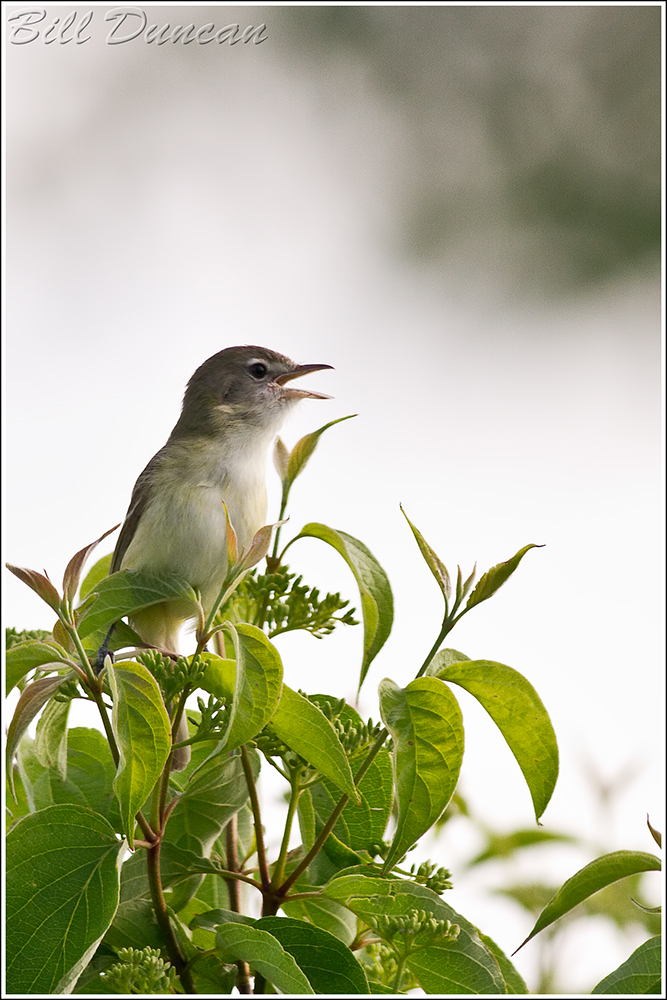
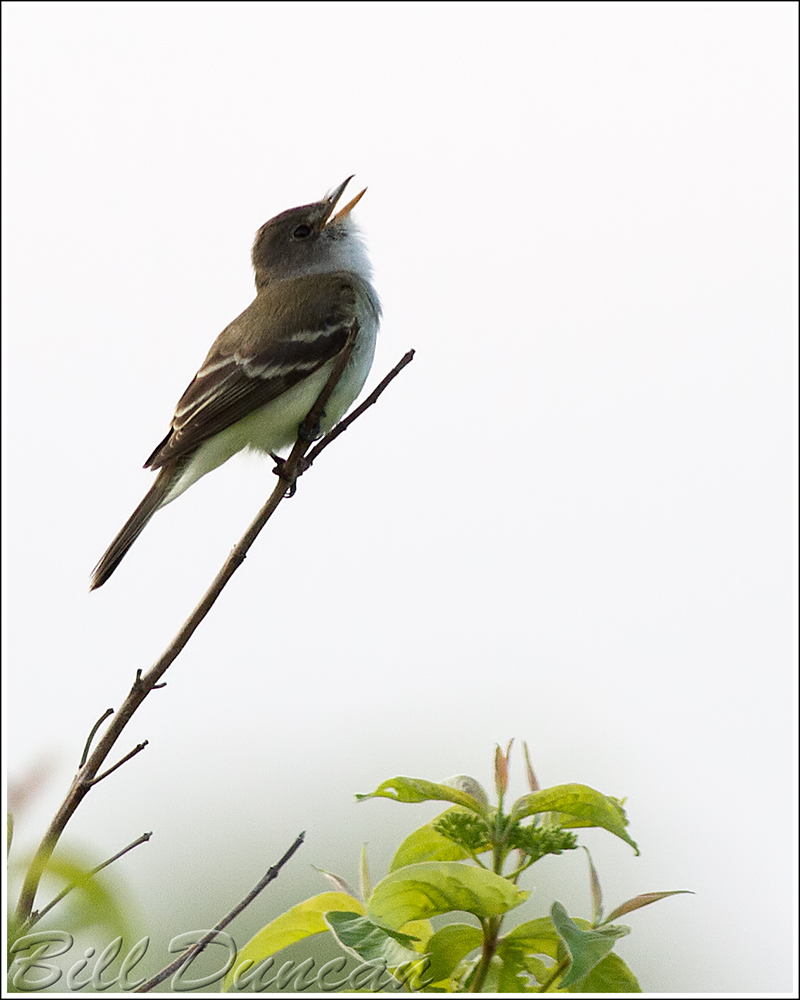
Once believed to be the same species as the Alder Flycatcher, the Willow Flycatcher (pictured here) can be distinguished most easily by it’s distinct song. These images were taken at RMBS this spring.

 A Thousand Acres of Silphiums