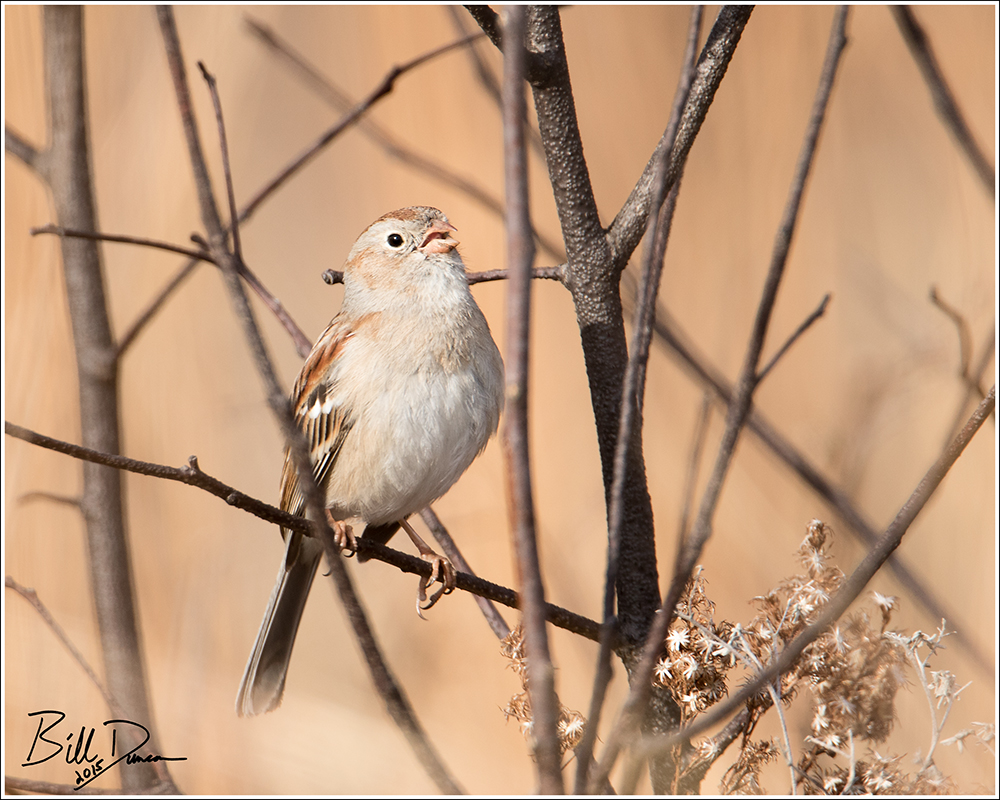
Here are a few birds taken from SNR this spring.


"What a thousand acres of Silphiums looked like when they tickled the bellies of the buffalo is a question never again to be answered, and perhaps not even asked." -Aldo Leopold
Here are a few birds taken from SNR this spring.
Before we get to a few birds from this spring… Why do people like Adobe Lightroom so much? I know it definitely helps in cataloging my images and I am better off than what I was before, but the hassle and bugs I have to deal with… Just yesterday, we lost power during the storms and then next time I was able to load up LR, all my settings went back to default! I guess I should be thankful that all of my images appear to be in the right spot. Computers…
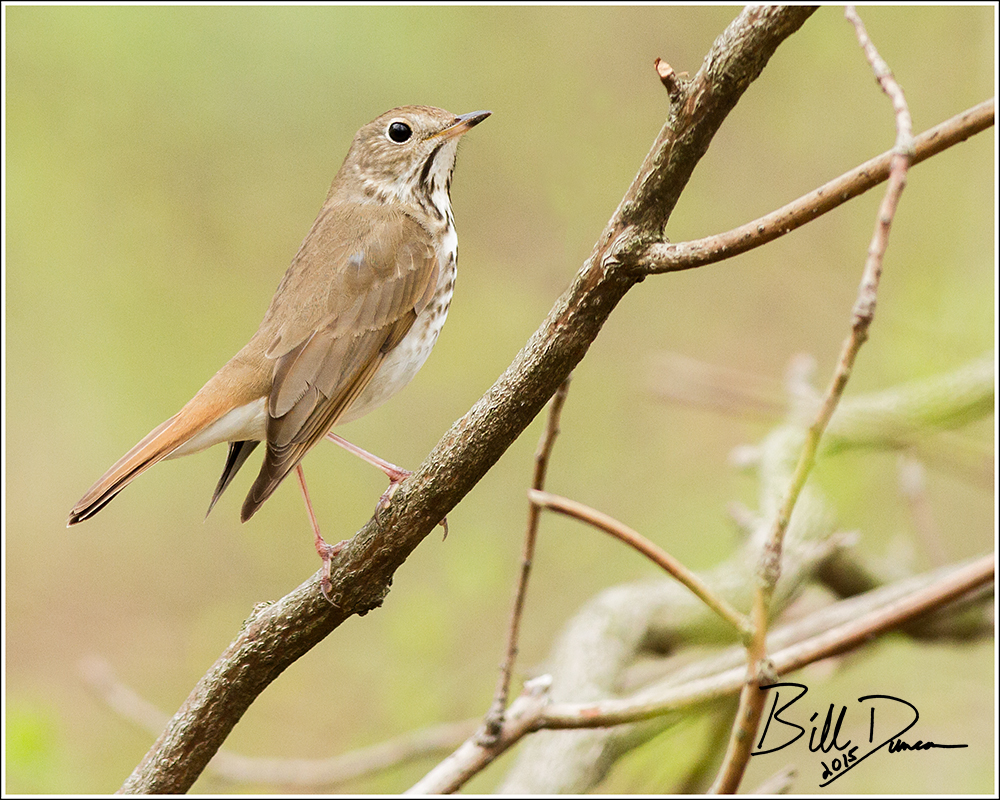
Hermit Thrush
Such a silent bird. Whenever I am lucky enough to cross its path, it is almost always found by eyesight. This guy patiently hung out with me for a bit.
Mallard Drake
Pretty much a staple in the pond at my working location. Sometimes I don’t seem to bother them, while others I cause them to flush.

Brown Creeper
I have seen these guys all over the place this spring. Always one of my favorites, it has been a real treat to seem them so regularly the past two weeks.

“Knowing the place and the hour, you seat yourself under a bush to the east of the dance floor and wait, watching against the sunset for the woodcock’s arrival. He flies in low from some neighboring thicket, alights on the bare moss, and at once begins the overture: a series of queer throaty peents spaced about two seconds apart, and sounding much like the summer call of the Nighthawk.”
-Aldo Leopold, A Sand County Almanac–

Whether for a hunt, photograph or just to watch, knowing an animal’s favored habitat, the likelihood of finding them at a particular time (circadian and calendar), and specific behaviors are crucial for finding a species of focus. The American Woodcock, also known as a Timberdoodle or Bogsucker, arrives early in the spring to its preferred display grounds.
Young forest is required for nesting Woodcock, and to observe their courtship displays one must find their preferred singing grounds. Woodcock prefer young, dense, successional forest that is somewhat on the wet side, with marsh or forest streams nearby. The singing grounds are typically located in an opening with mixed grassland habitat. An optimal location would be a treeless opening large enough for several males to establish their ground and that allows room for flight. Around 10-15 minutes after sunset from late February to late April, the males slowly begin to peent (see video below) usually from a more covered location. As darkness takes over, the males will venture out onto their preferred open grounds to allow the girls the best possible views. A nice spot for this in Missouri is often a mowed path through native grassland habitat.
After a series of peents, the male jumps into a spiraling flight while emitting a twitter due to stiff feathers that he takes advantage of in his performance. Upon reaching 300 feet or so, he heads back to ground, this time in a zig-zag fashion and making a peculiar liquid-like warble, which sounds to me like an alien’s egg-timer counting down to a perfect soft-boil. While on the singing grounds, you may on occasion be “buzzed”; however, there is no need for alarm, as their eyesight at night is supposedly very good. This “sky-dance” as Leopold so perfectly described it, ends approximately 35 minutes or so after sunset. It is possible to hear them vocalizing and dancing throughout the night, but it is nothing compared to the concert that is just on the darker side of crepusculum.
Happy first day of spring! To celebrate the outgoing winter, here are a couple shots of a Savannah Sparrow making a living in the snow. These were taken at Clarence Cannon NWR.
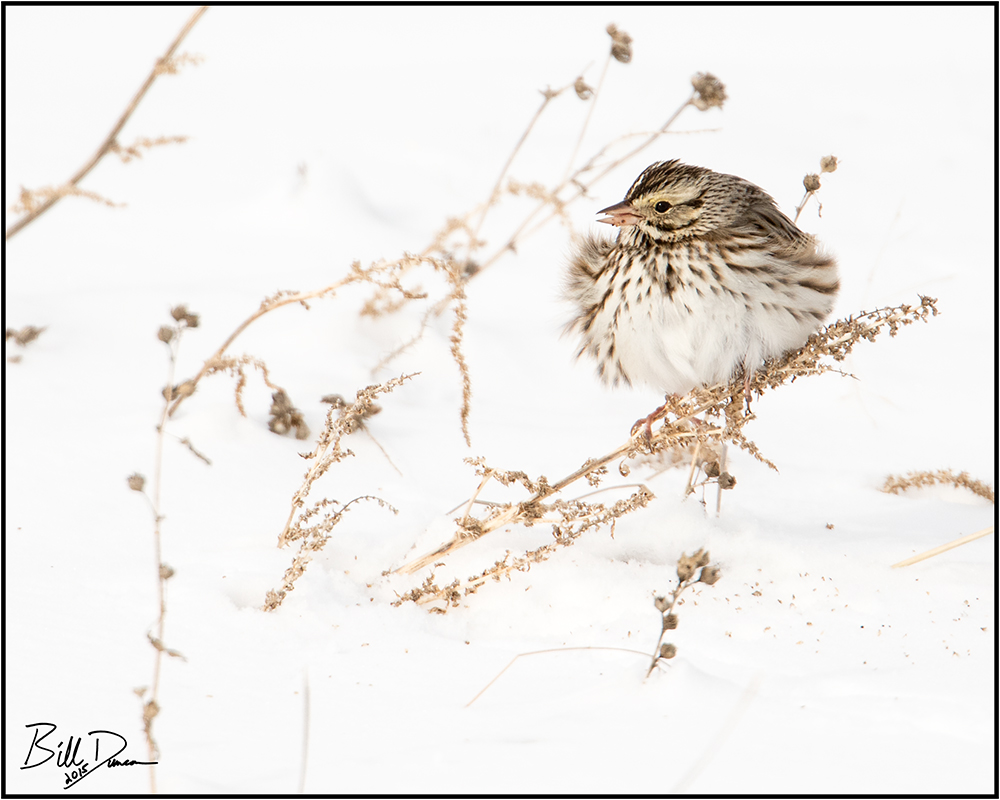
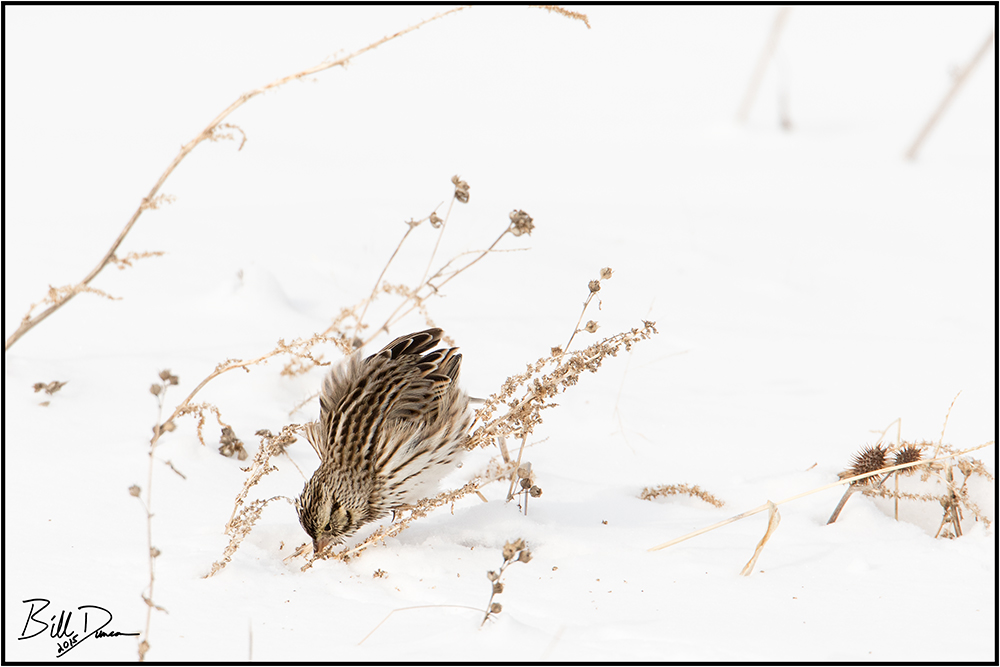
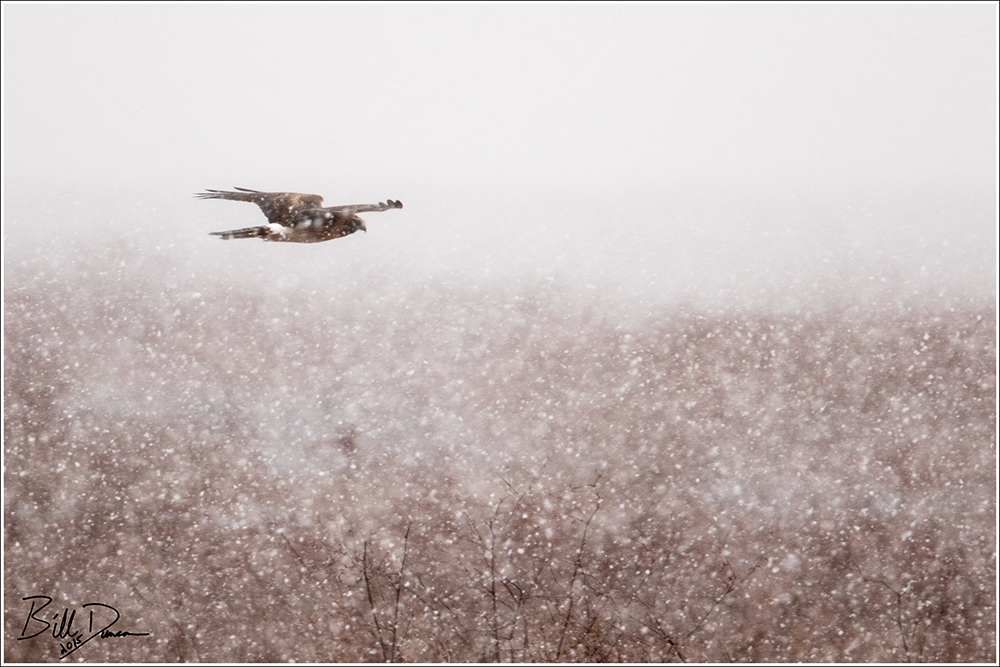
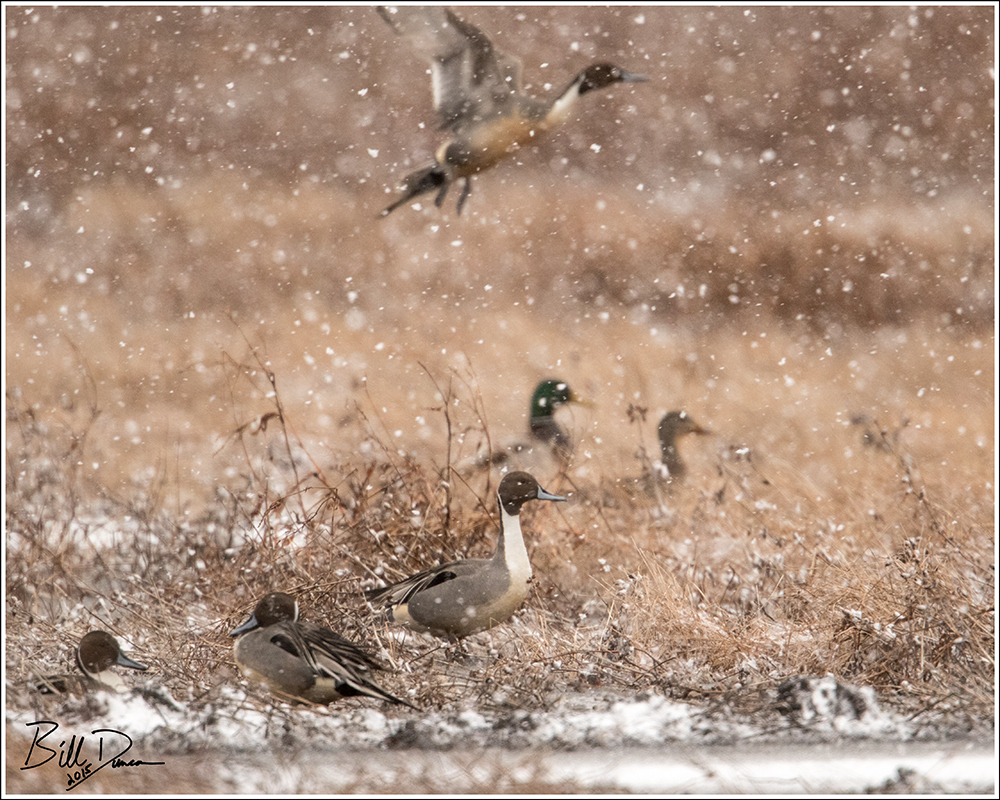
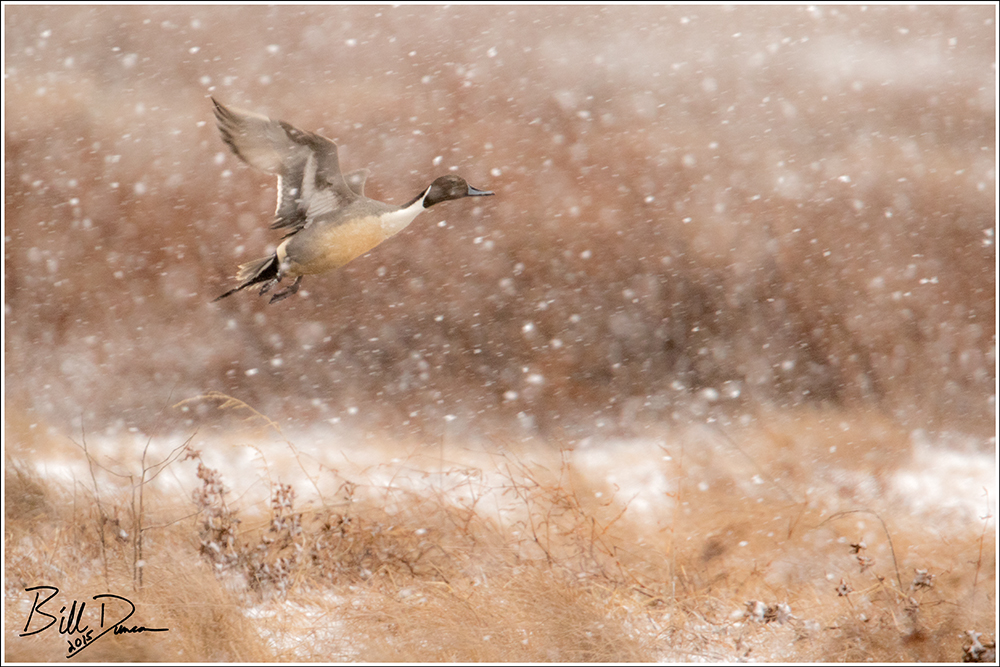
This past Saturday I headed up north on Highway 79. Knowing that the frigid temps and predicted winds of 30 mph + would not afford many great opportunities, the chance of snow in these areas made me think that something interesting could happen. Here are a few I thought worthy to share.
Hello again. Although I promised myself I would get this post out on time this year, here we are on Valentine’s Day. Of course, I still have not processed everything I intend to from 2014, but I think I’ve finished the major images by now. Like last year, this is not necessarily my “best” images of the year, but a list comprised of images that captured something special to me, while being at least a competent photograph. Once again, I was nearly frozen by the list of images to choose from. I had one fewer landscape and one more wildlife image this year compared to last, for whatever that is worth. Follow the links to the posts that each image was featured in.
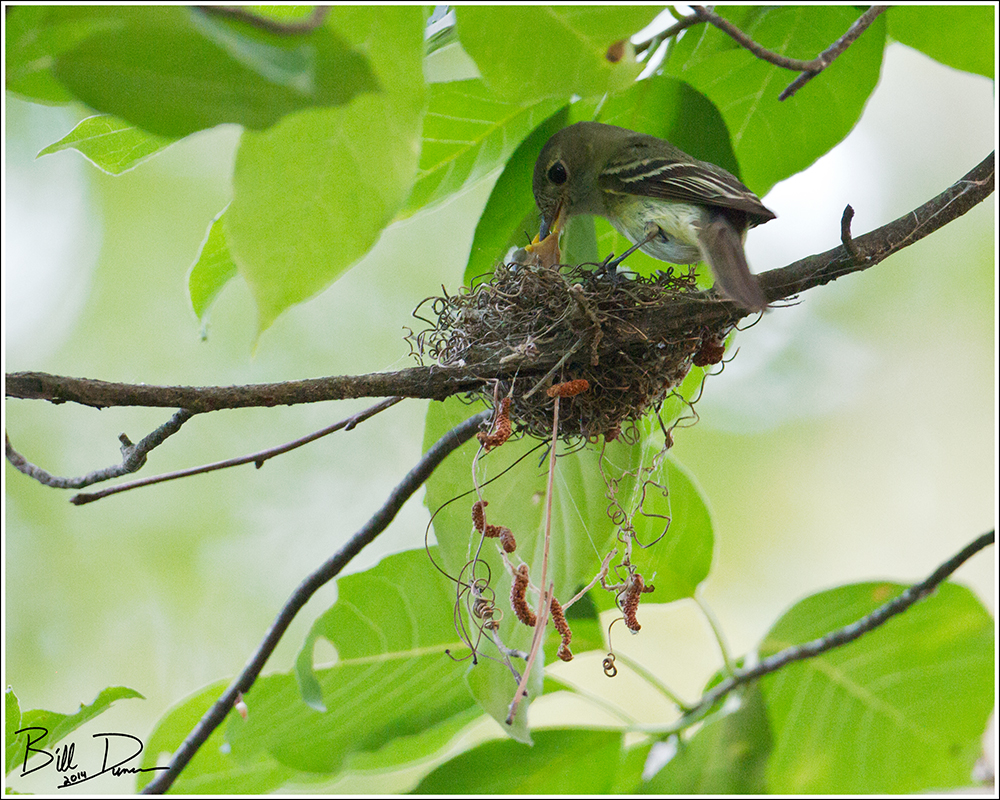
#10) “Acadian Flycatchers – Feeding Time”
Although it lacked a happy ending (see original post), Steve and I were absolutely thrilled in getting an opportunity to view and photograph a sought after nesting species. The nest location was poorly lit, being well concealed in the foliage at Hawn S.P. However, with a tripod and shutter release cable, it is something to see how slow you can take the shutter speed in these situations.
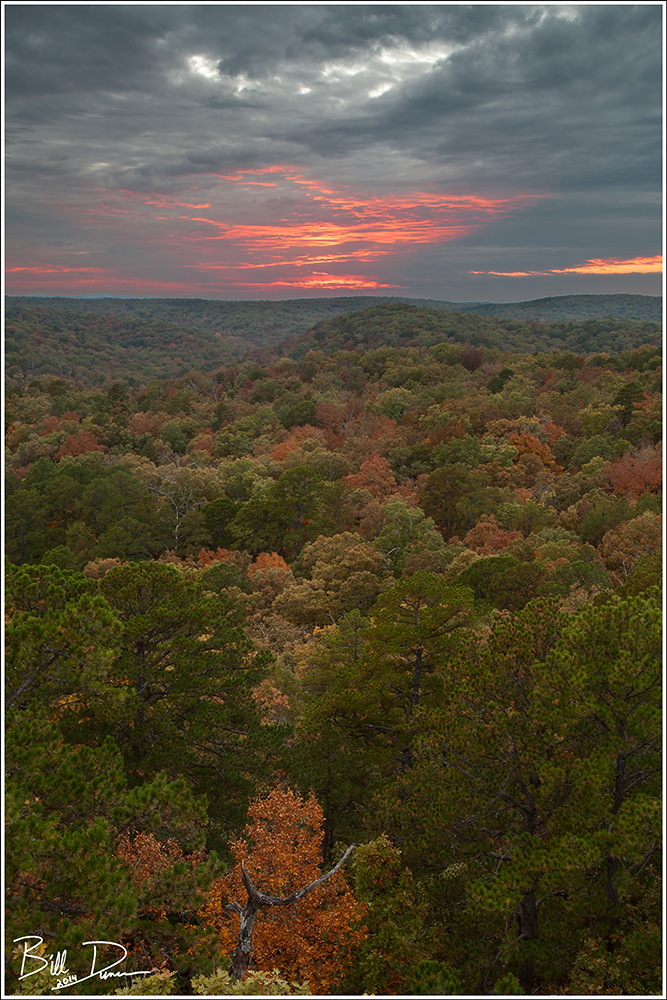
This one was from our last stay in the cabins at Big Spring S.P. for a number of years (due to closing during renovation work). It turned out to be a pretty interesting sunset, with just a couple minutes of fire.
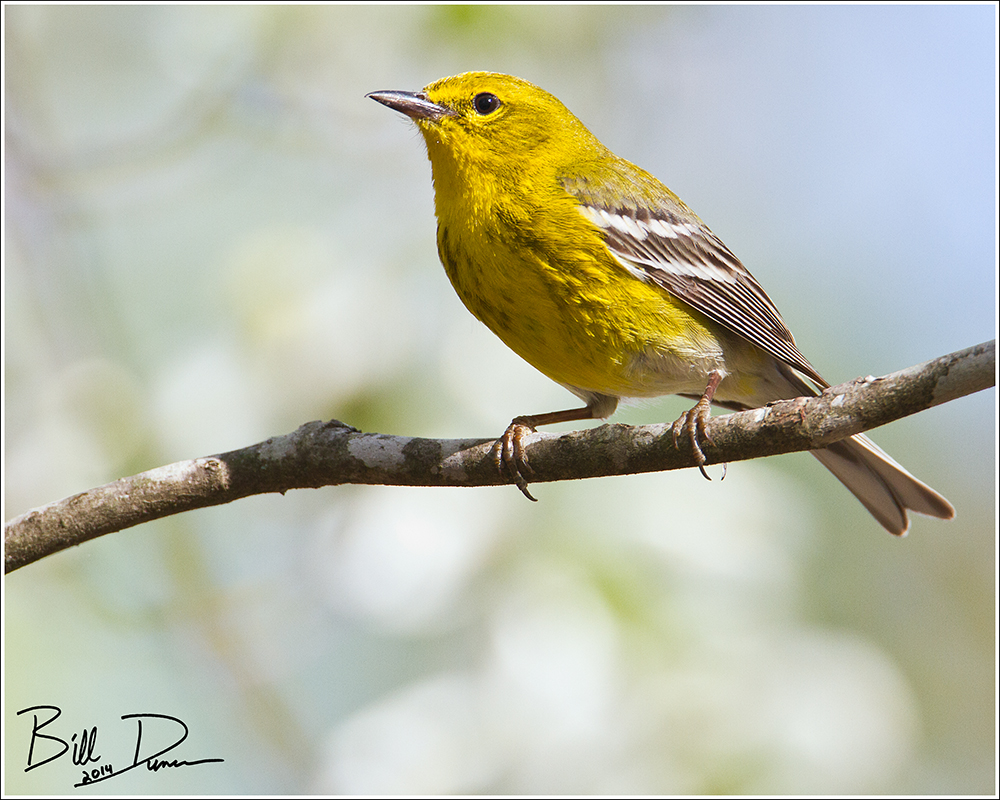
#8) “Male Pine Warbler, Big Spring State Park, April 2014”
From our vernal Big Spring trip. I was quite happy with this image, although I was hoping the white dogwood blossoms behind the bird would be a little more distinct. Oh well, always room for improvement.
From our literally unforgettable day in the canoe in the waters of Mingo. This image was taken later in the day and showcases what a sun-star pattern from a nine-bladed aperture diaphragm can look like. Kudos to Canon for putting this feature in all of their new f4 zoom “L” lenses in the past several years.

I had to place at least one image from my time in Brazil from this year. I was able to make images of quite a few species, but this patient Jacamar might be the most memorable. We came across this guy in Serra do Mar State Park in Brazil’s Atlantic Rain-forest while on a birding/nature hike. It sat while we got great views and some photographs.

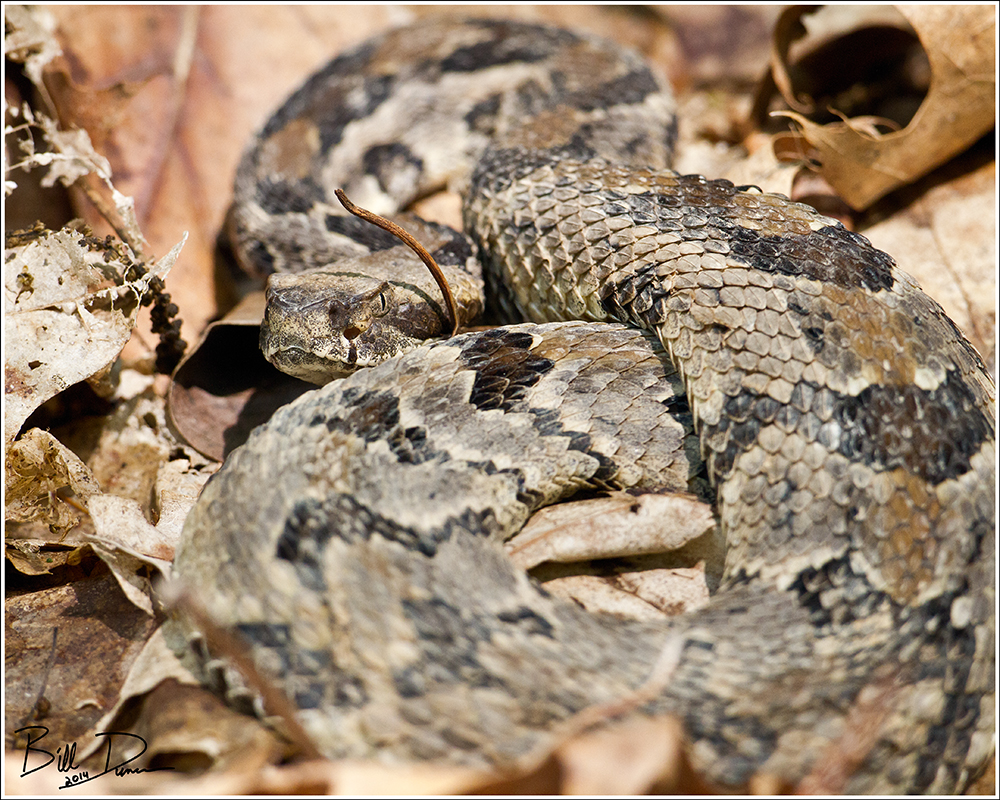
Although I questioned why I would want to bring up the memory of not having an appropriate lens to shoot snakes on “Snake Road”, I still love this image and the memories it contains of shooting this Timer Rattlesnake with a 500mm “bird lens”. Shoot, I bet most of you are thinking I did have the most appropriate lens for the job. 😉
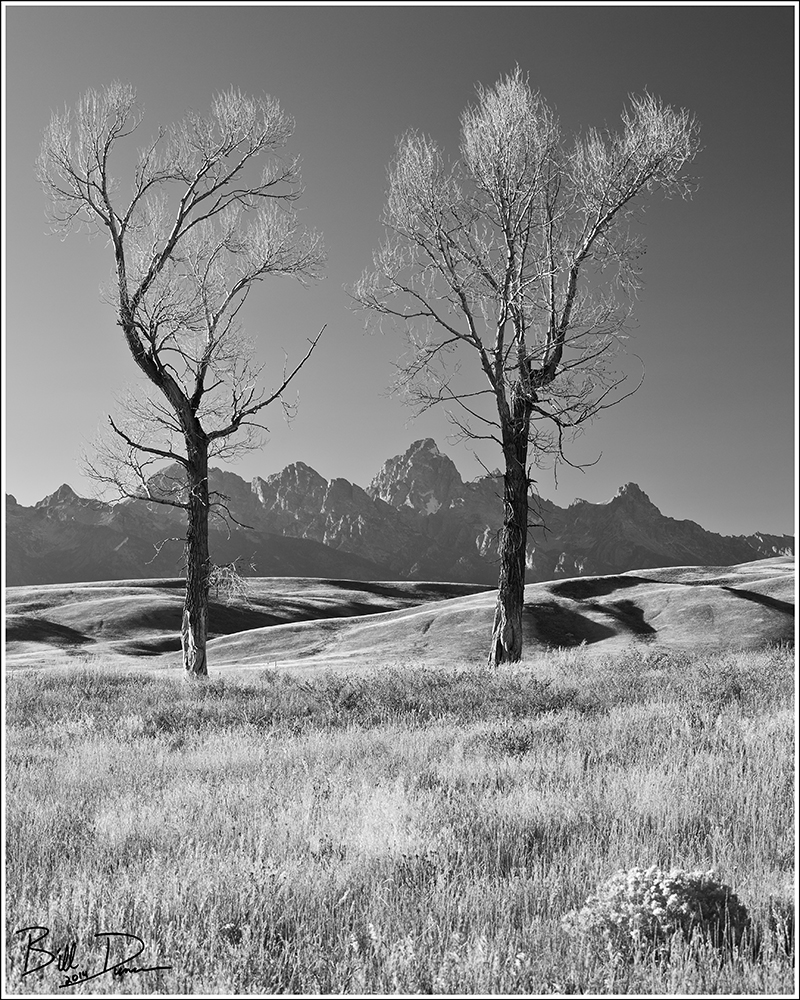
#4) “Twin Cottonwoods on Tetons”
Taken on Sarah and My trip out west this past September. This image was taken inside the National Elk Refuge. In the waning light, Sarah and I came across these two cottonwood with nicely shadowed foothills lying before the Tetons.
It’s a usable photograph of one of the rarest nesting birds in Missouri. What else is there to say? What a memory. My only regret is always forgetting that my dSLR cameras are capable of taking great video. Video of this guys singing would have been the icing on the cake.

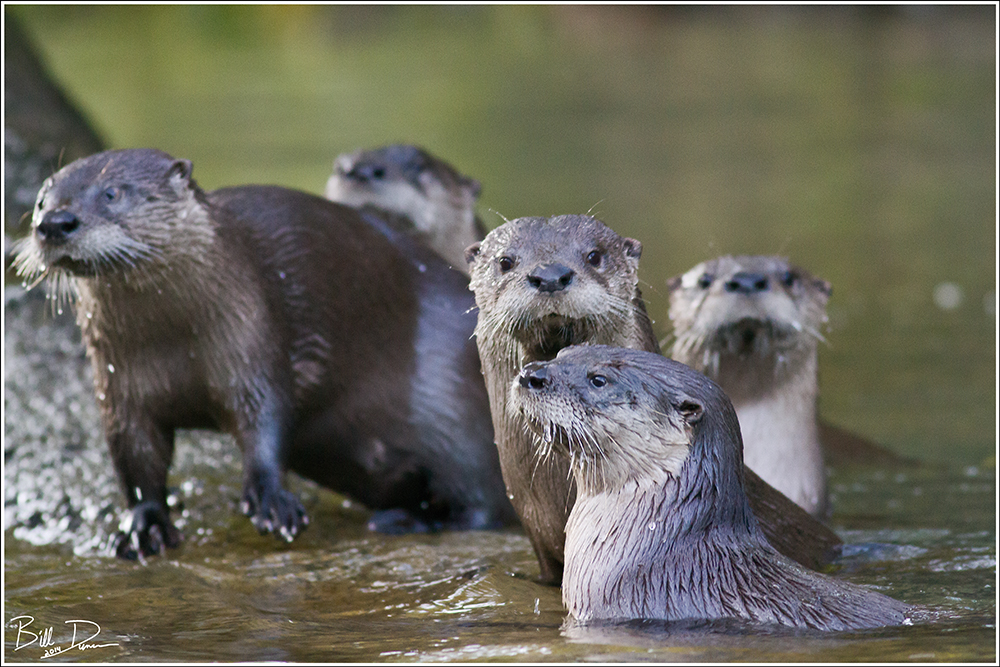
Steve and I had two great experiences with River Otters in 2014. This one was taken on the Eleven Point this autumn and shows mom and all four of the kids in one tight shot.
#1) Bald Eagle Nest Week Three – Mom Brings a Fish
I could have picked a dozen from the weeks spent at the nest to put into my top ten. I’m not sure why I chose this one, other than it is among my favorites of hundreds of keepers from the nest. Although mom never stayed to feed the young while we were watching, she did often bring prey to the nest as is seen in this image.

Well, that summarizes a good bit of what I was fortunate enough to capture in 2014. Thanks so much to Sarah and Steve and everyone who was part of these experiences. I can’t wait to see what’s in store for 2015!
Ozark Bill Duncan – February 14th, 2015
Hanging around, nothing left to do but frown…
-Karen Carpenter-
Hanging Around, Nothing Left to do but Frown…
-Karen Carpenter-
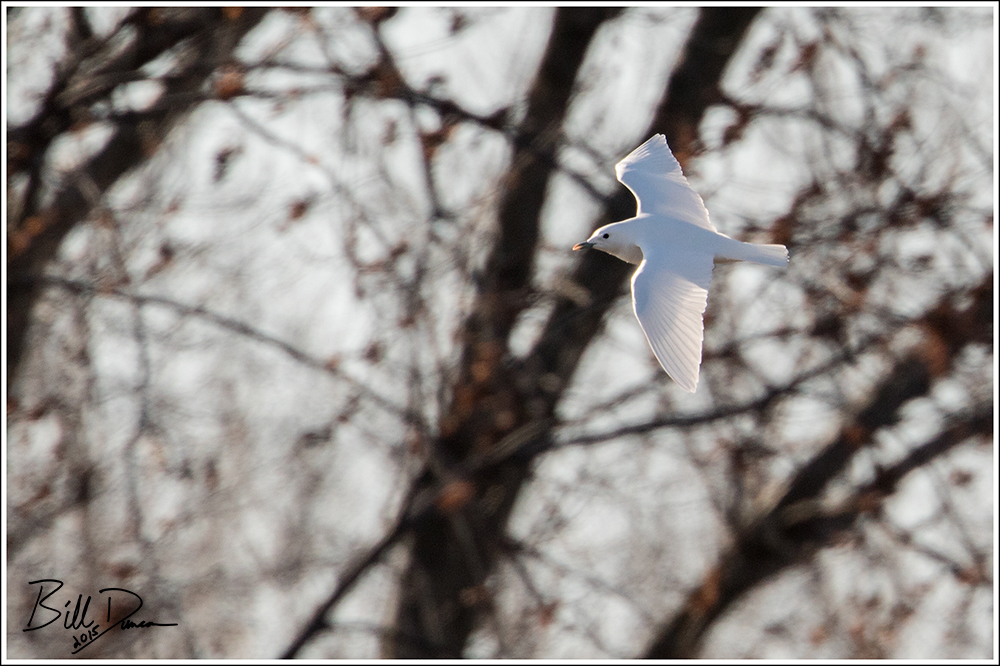
In case you have not heard, Missouri had it’s first documented visit by an Ivory Gull this past month. This species is typically found north – way north. We’re talking fighting with Polar Bears for scraps north. Once in a while a species like this gets way off track and can be found far from home. This bird was found in the marina and lock and dam areas at Quincy Illinois and Missouri.

Folks flocked from as far as Texas and Florida, to the Carolinas and New England. This was a potential once in a lifetime bird, unless you took a trip to their normal range.
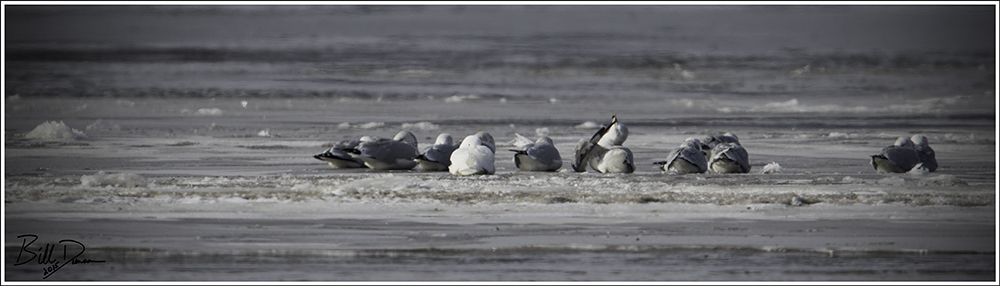
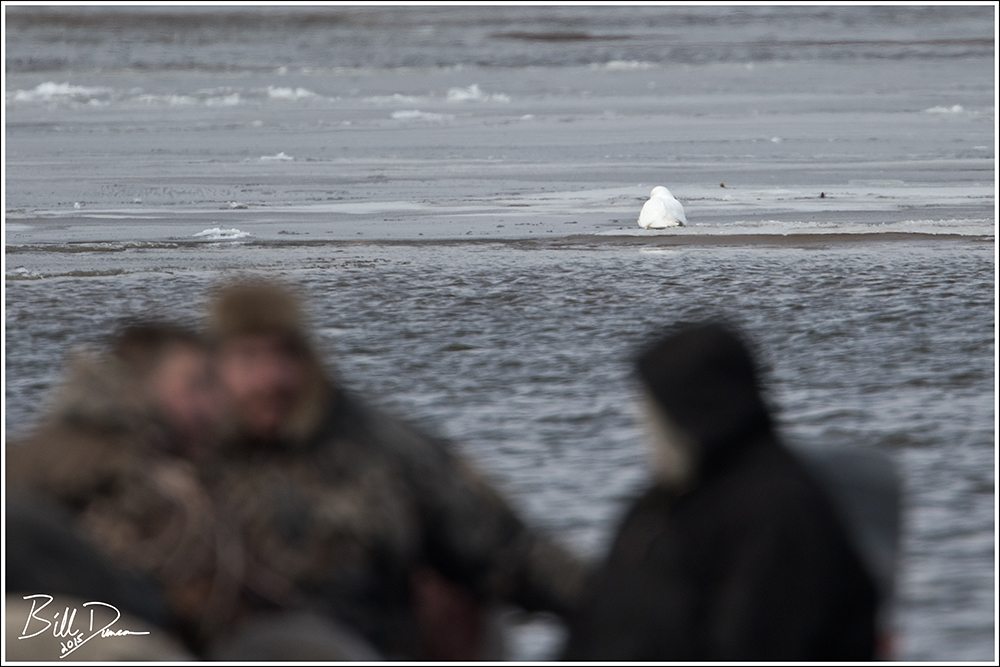
Although we were not fortunate enough to get super close looks in great light, Steve and I were thrilled with watching the bird for several hours over the course of an extremely cold and windy Sunday.

At least one photographer paid a local to motor him past the gull to get a closer shot. A truly surreal experience.
This past Thanksgiving break Steve and I found ourselves back at Jasper-Pulaski to see the tens of thousands of Sandhill Cranes that stop there during their autumn and vernal migrations. Although the spectacle of that many three-foot birds in one place is always worth the drive, of course we wind up with heavy overcast skies, which makes getting interesting photos quite a challenge. The numbers of birds during this visit did not disappoint.
During the night, the majority of birds roost in one or two places on the reserve or nearby. During the day they spend their time picking up fallen grain in the surrounding agricultural fields. After lunch one day, we were driving around watching the different groups move across the landscape. With light as poor as it was, my attention went to staying awake, while Steve lost the fight and started to dose off and on. After a time, I was startled back to full alertness by Steve’s exclamation of “White!” I found a place to pull over at the nearest opportunity. And, after wrenching our necks, we confirmed what we were both anticipating the bird to be…

This was a life bird for the both of us, and with about 500 birds left on the entire planet, we were sure going to watch this guy as much as we could. At five feet tall, with nearly an eight foot wingspan, this mostly white bird could be seen for well more than a mile away. This made him easy to follow, but we made sure we gave him his space. He was definitely attached to the Sandhill Cranes, and seemingly was uncomfortable without being near at least a few of his cousins.
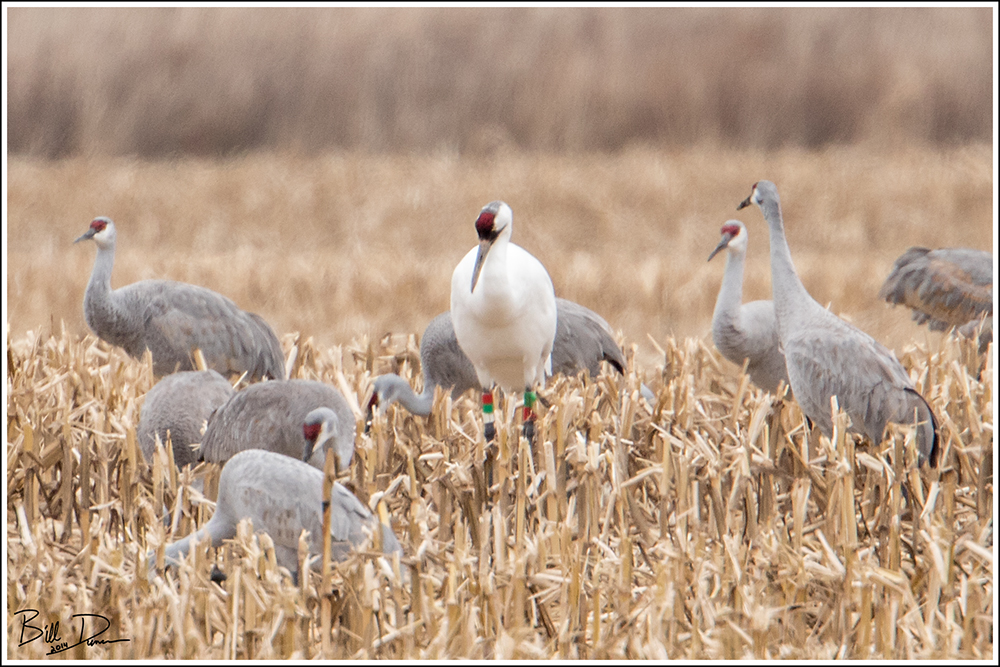
How do we know that Nougat is a male? See his colored leg bands in the 2nd and 3rd photos of this post? These are used to identify and keep track of the banded birds.
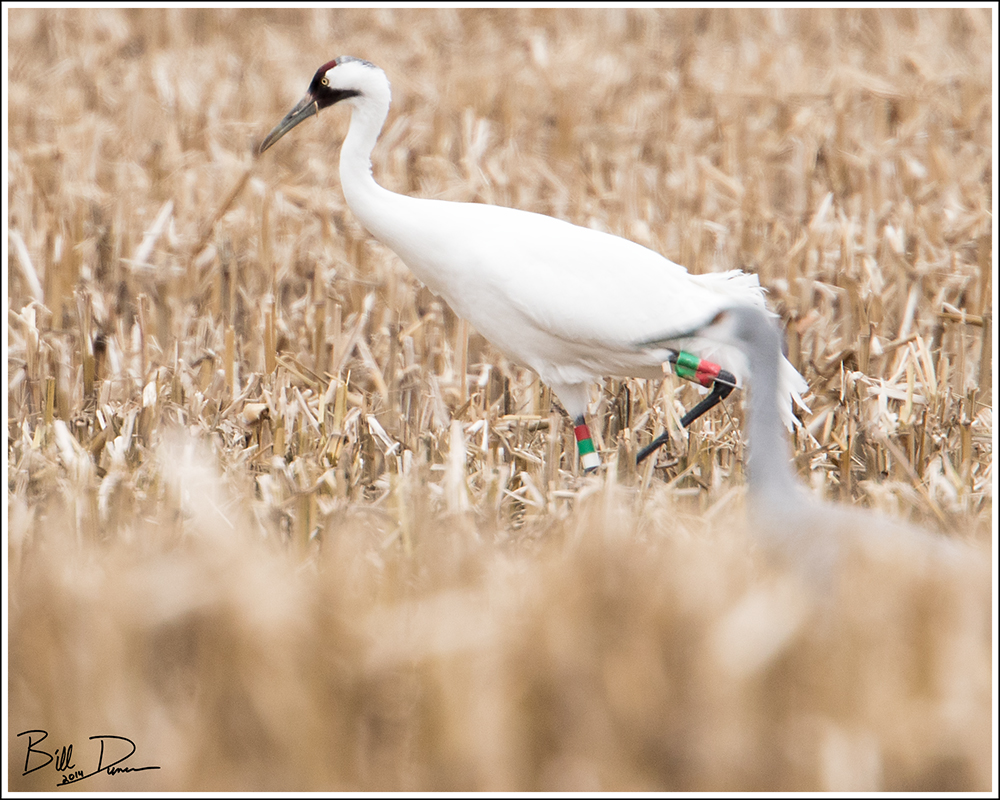
Click on Nougat to read more about this fantastic bird.
 A Thousand Acres of Silphiums