Part three of a three-part series documenting the progression of a RTHU nest.
Tag: wildlife photography
Ruby-throated Hummingbird Nest – Part Two
Part two of a three-part series documenting the progression of a RTHU nest.
Ruby-throated Hummingbird Nest – Part One
I was busy for several weeks this summer observing and photographing a Ruby-throated Hummingbird and her nest. I collected a lot of behavioral data and took way too many photos and video. Here is part one of what will likely be a three to four part video that summarizes the experience.
Snowy Owl – The Video
Horned Fungus Beetle
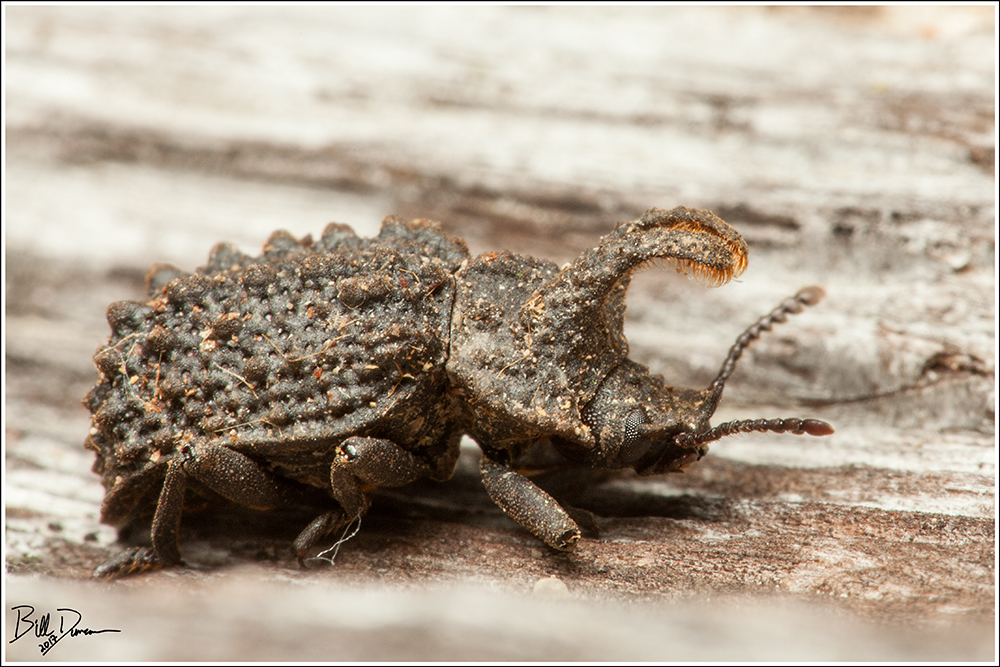
Here is one of the interesting visitors I had to my black lights at Hawn State Park this summer. Bolitotherus cornutus, or horned fungus beetle is in the darkling beetle family, Tenebrionidae. I wish I knew of their preference for polypore fungi as larvae and adults so that I could have photographed them on more suitable substrate.

Black Carpenter Ants
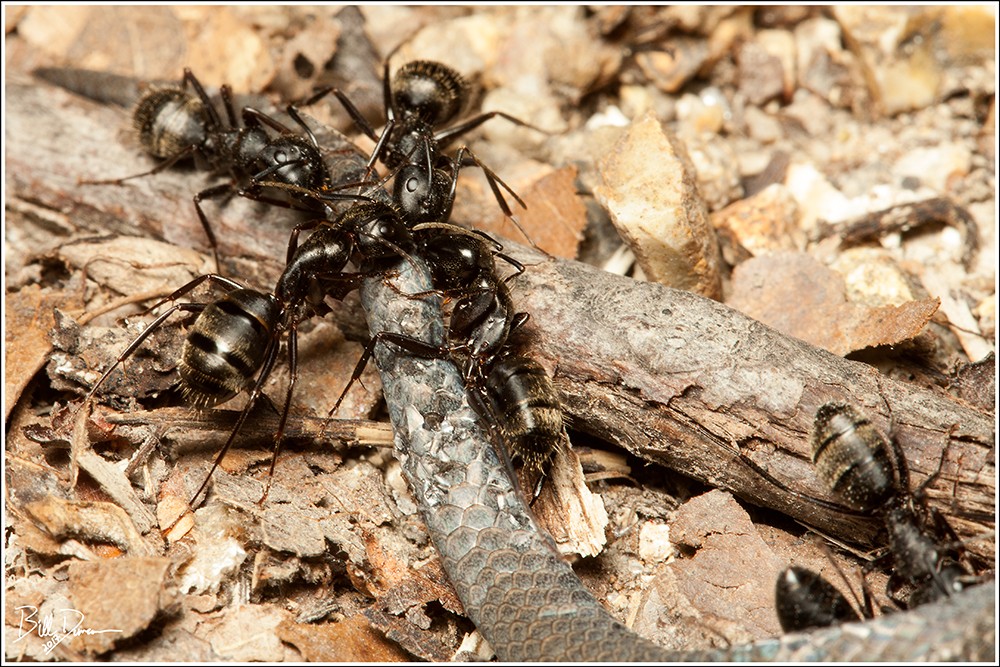
This series was taken on the joint outing of the WGNSS Entomology and Nature Photography Groups at Council Bluff Lake. Here we have eastern black carpenter ants (Camponotus pennsylvanicus) feeding on a freshly dead ring-necked snake (Diadophis punctatus).


It’s Officially Spring!
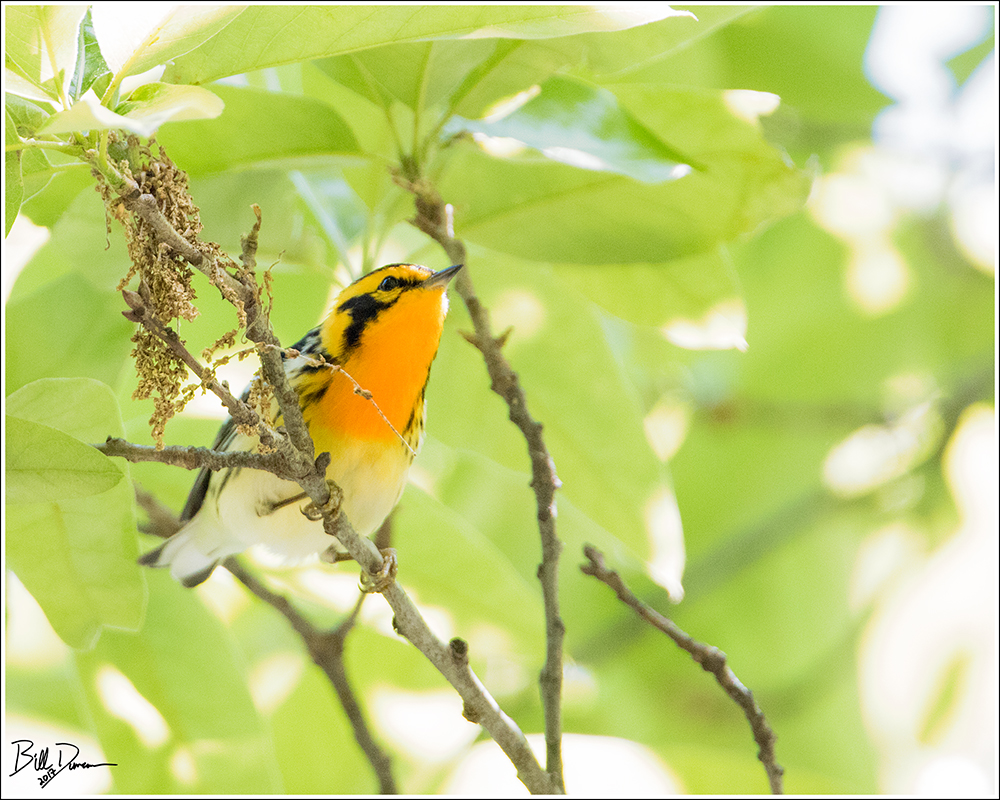
Along with finding the typical rarities that everyone looks for during spring migration, I will not count spring as arriving until I lay eyes on a male Blackburnian Warbler. This past Saturday, not only did Miguel and I find my prize at Carondelet Park, but I got my best photos to date of this tree-top dwelling, piece of greased lighting.
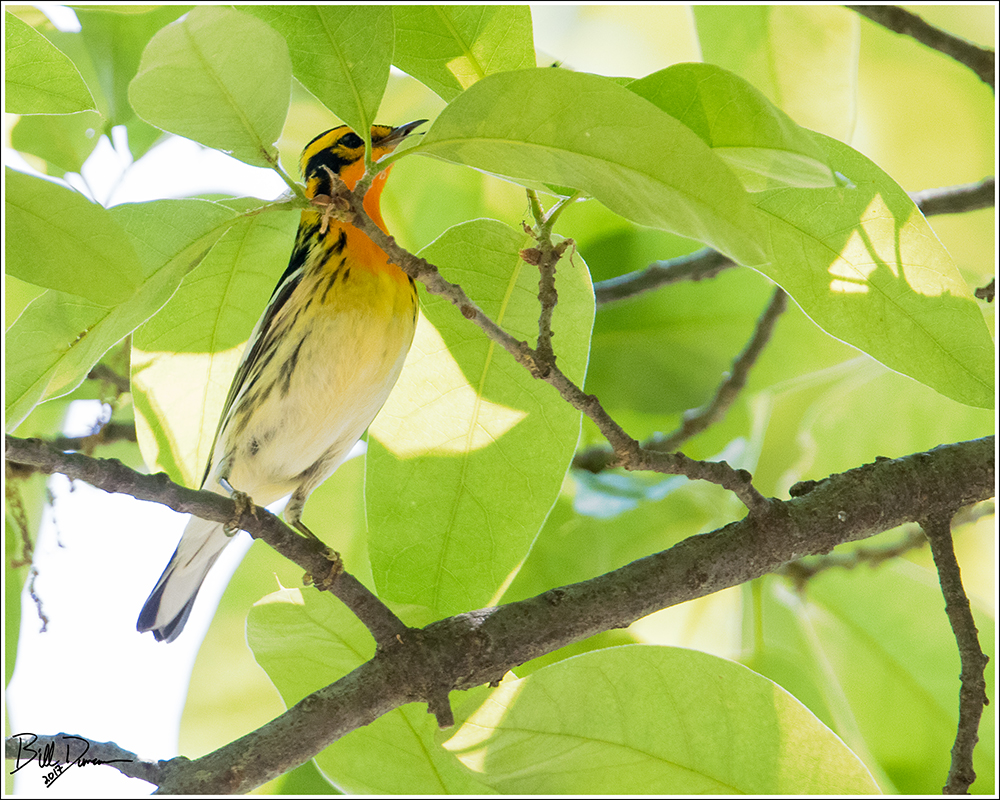
With a throat this bright and luminous, a song that is so high-pitch that dogs aren’t safe for blocks and a never resting habit, more than one birder has assumed these guys must be powered by a battery. Seriously, there’s a reason these guys eat all day long. They have to!

Well, hopefully I might have another before the season has completed springing. If not, I’ll always have something to look forward to next year.
-OZB
How I Spent Superb Owl Sunday
For the first time since junior high I did not watch a single down or minute of the NFL this season and I couldn’t be happier for it. Rape my town three times, NFL – shame on you. I’ve been pleased to get those precious free minutes back for my Sundays, several of which I found I could spend not dreading the upcoming workweek.
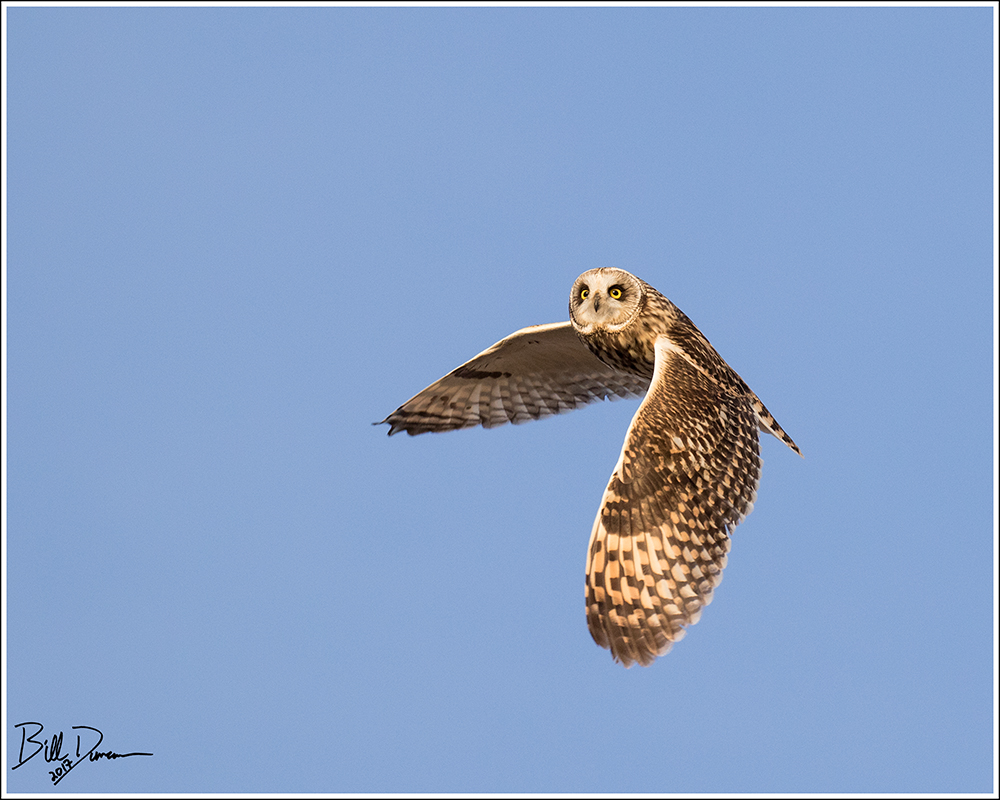
When the forecast showed a near perfect meteorological condition for shooting the Short-eared Owls of BK Leach, I figured this could be promising. While most other naked apes with functioning vision would be in front of the picture box and ingesting mass quantities of wings and beer, I would enjoy the warm and lightly breezy evening in my own kind of chair with friends of a different sort.
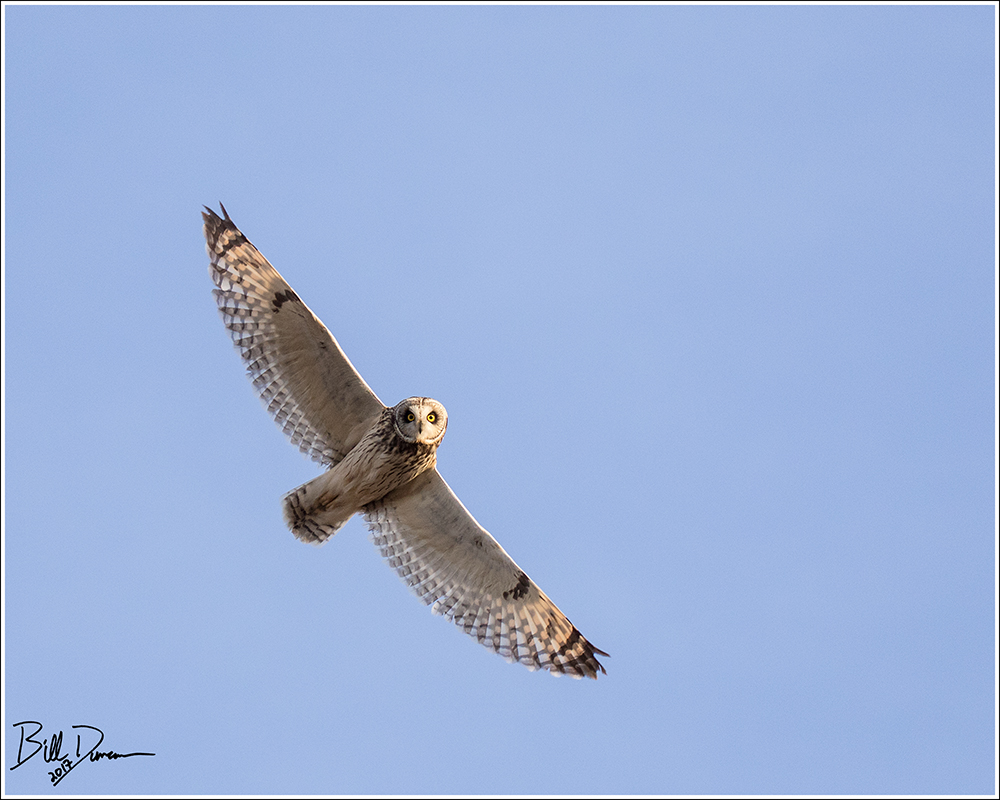
Of course there is never a sure thing. Often, when I have expected the best due to light and temperature, the owls don’t show where I set myself. On this particular day, all conditions came together and I had a super time.
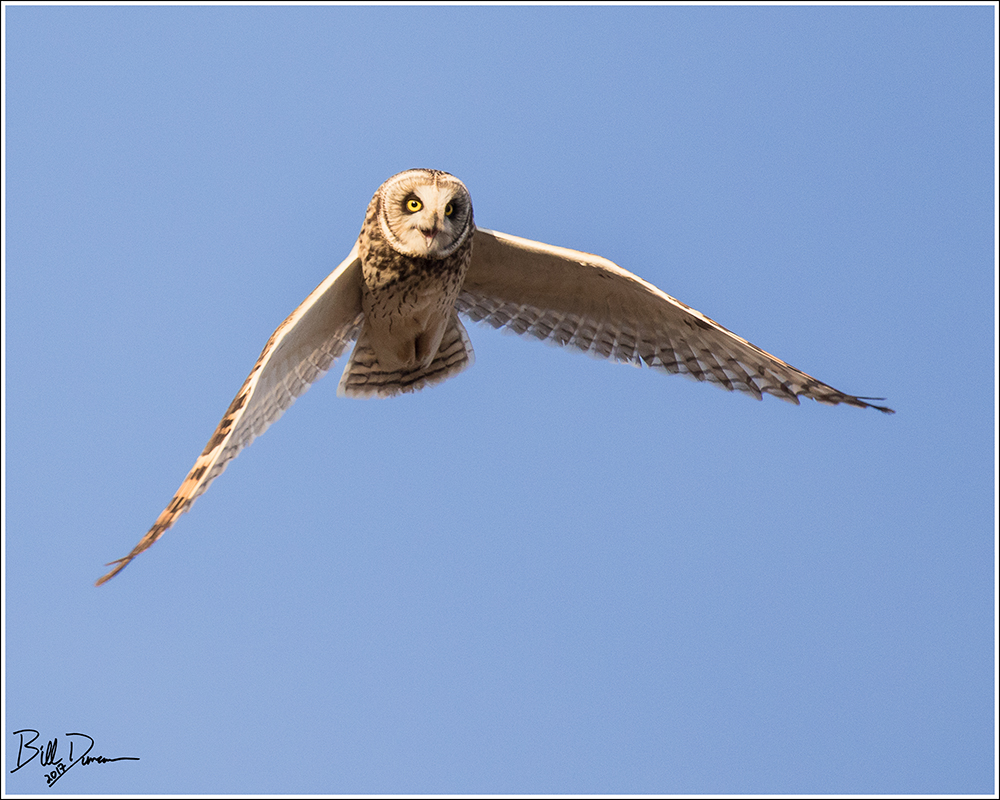
I want to give huge thanks for my lovely and talented wife, Sarah, for the special help she gave me this season in getting my best to date SEOW in flight shots.
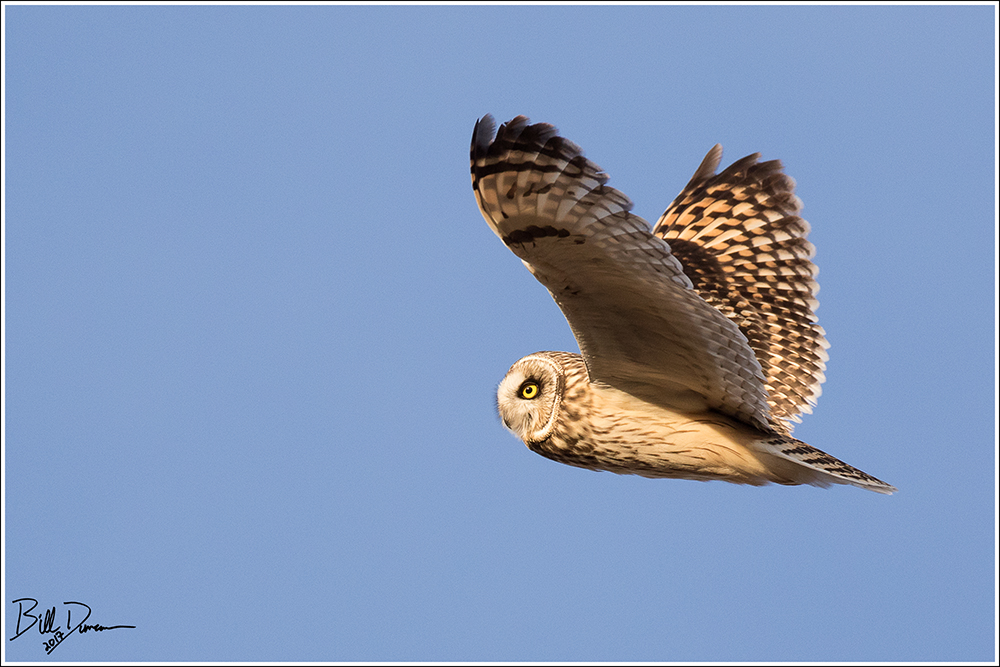
A perfect day ended in the perfect way – with a great sunset on the Lincoln Hills.
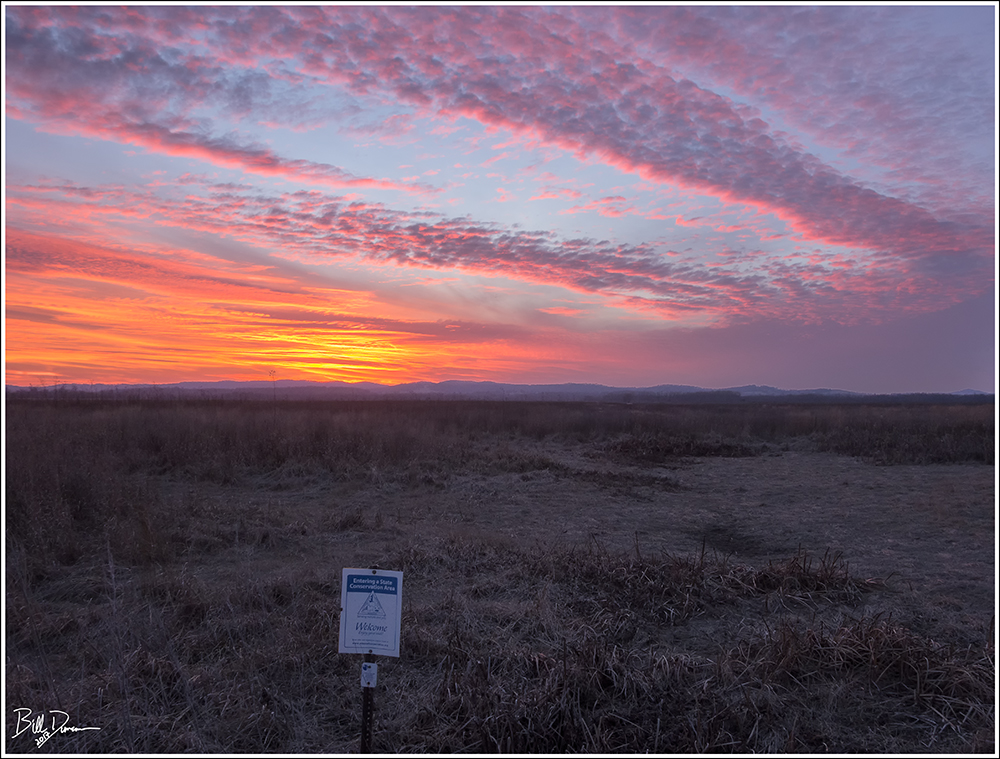
Until next time…
-OZB
Birds of the Texas Gulf Coat – Laughing Gull

When traveling to a new location it is always interesting to see what gull species is the local equivalent to our Ring-billed Gull. In the case of the Texas gulf coast, that is definitely the Laughing Gull. We found that a really great place to see hundreds at great distance is the ferry ride between the Bolivar Peninsula and Galveston. Be sure to check the water as well as the skies if you take this 20 minute boat ride. Steve and I were able to spot a bottlenose dolphin or two during the crossing.

After hearing their vocalizations for quite a long period, we can say this species is quite aptly named!
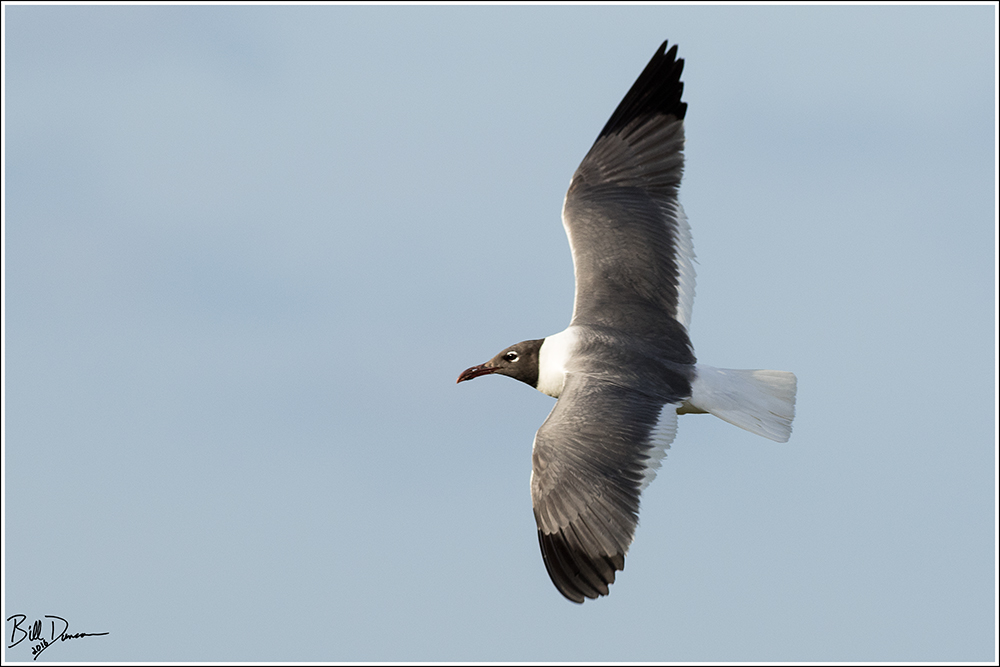
In summer plumage, this is obviously one of the easier gulls to identify. Largest of the hooded gulls, with red bill, legs and feet, slate-colored back and black primaries.

Birds of the Texas Gulf Coast – Flying High on High Island

Most birders who have had the opportunity to travel will know about High Island, a small township along the gulf coast that is among the most famous of birding locations in the country. This relatively small plot of land, along with other spots within a few minutes drive, can boast bird lists higher than many states, if not whole geographic regions of the country. What surprised me during our visit last May was the diversity in habitat. High Island is mostly famous for its potential for massive fallout during spring migration – migrating songbirds either traveling up the coast or flying directly over the gulf will stop here for a drink of fresh water and to fill up on grub before continuing north to nesting grounds. We realized we were going to miss most of the migration at the end of May, but still wanted to pay a visit. The place is so popular that there is bleacher seating around key ponds to allow for visitors to watch as birds by the hundreds land for a drink and forage through the live oaks.
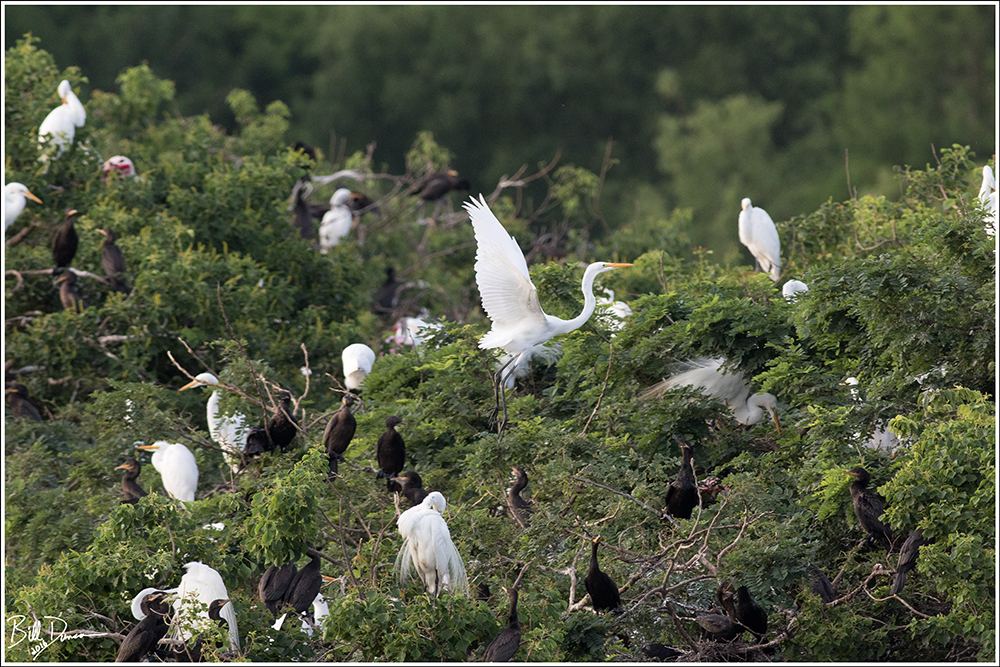
The numbers and diversity of songbirds across the Houston/Galveston coastal areas we visited were even sparser than we anticipated, but on arriving pre-dawn at the rookery we were quite surprised. Every bit of vegetation on this relatively small island was being used by wading birds. We were in awe by the numbers of Neotropical Cormorants and Roseate Spoonbills that filled the branches as well as the skies.
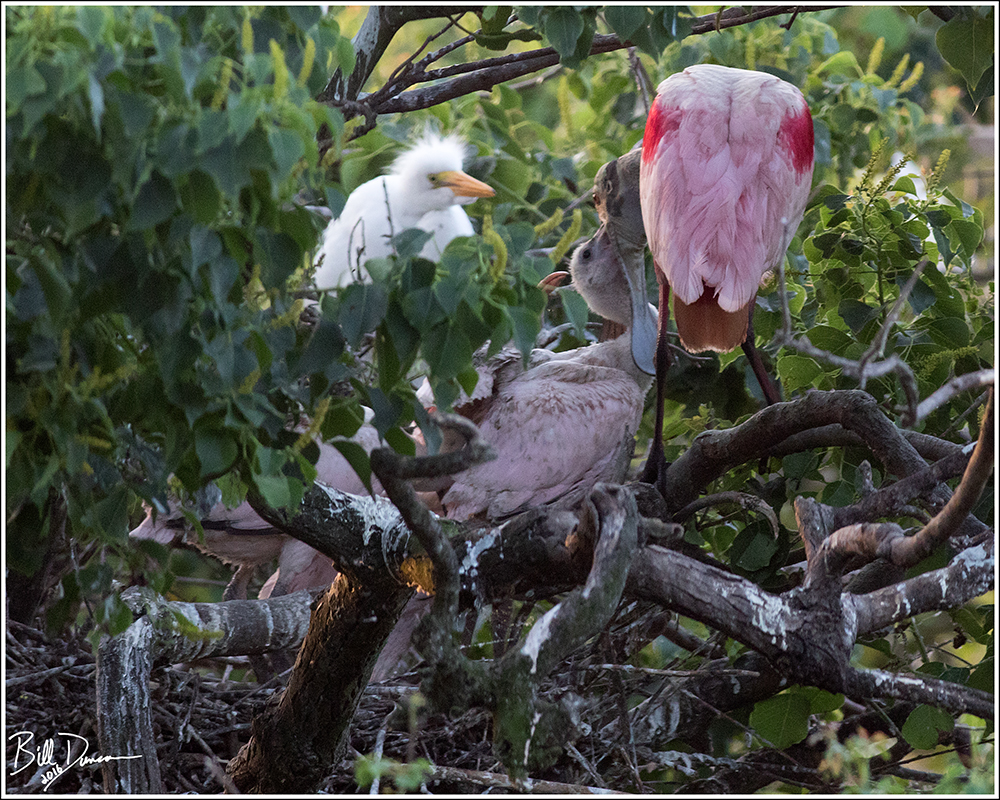
Lighting was quite challenging – what little light available at this time of the morning was often coming from behind the subject. Evening may have been better photographically but we had lots of ground to cover. One of the sights that had me the most excited was a nesting Great-Egret. These are birds that are routinely found during the warmer months in Missouri, but finding one feeding chicks was a real treat.

Early in the dawn hours we were treated a Common Gallinule (Moorhead) hen bringing her chicks down to the water for a drink.

Prehistoric looking Spoonbills would sometimes fly right overhead.

I hope to visit High Island some spring during a nice fallout period one day, but I will be just as excited to watch and photograph at the rookery once more.

You can see more photos from the High Island rookery and the Texas Gulf Coast by visiting me on Flickr.
Until next time…
-OZB

