Today’s post spotlights a few images I took recently at the least well-known, but perhaps my favorite, of the Ste. Genevieve trio gem locations found in south-eastern Missouri, Hickory Canyons Natural Area. The other two nearby locations are Hawn State Park and Pickle Springs Natural Area. Much of the exposed rock in this area is known as LaMotte sandstone and was deposited around 500 million years ago under the Paleozoic sea, which covered this region except the igneous knobs of what are now called the St. Francois Mountains. Unlike the other sedimentary rocks – like dolomite and limestone that compose much of the Ozarks, sandstones are generally much more resistant to erosion. This results in rock features that are often quite spectacular to the eye and the canyons, bluffs and other exposed sandstone bedrock have become favorites for hikers, rock climbers and other travelers to this region.

“Addressing the Optimates”
Technical details: Canon EOS 7D camera, EF70-200mm f/4L IS USM lens @ 89mm, ISO 320, f/20, 0.4 sec
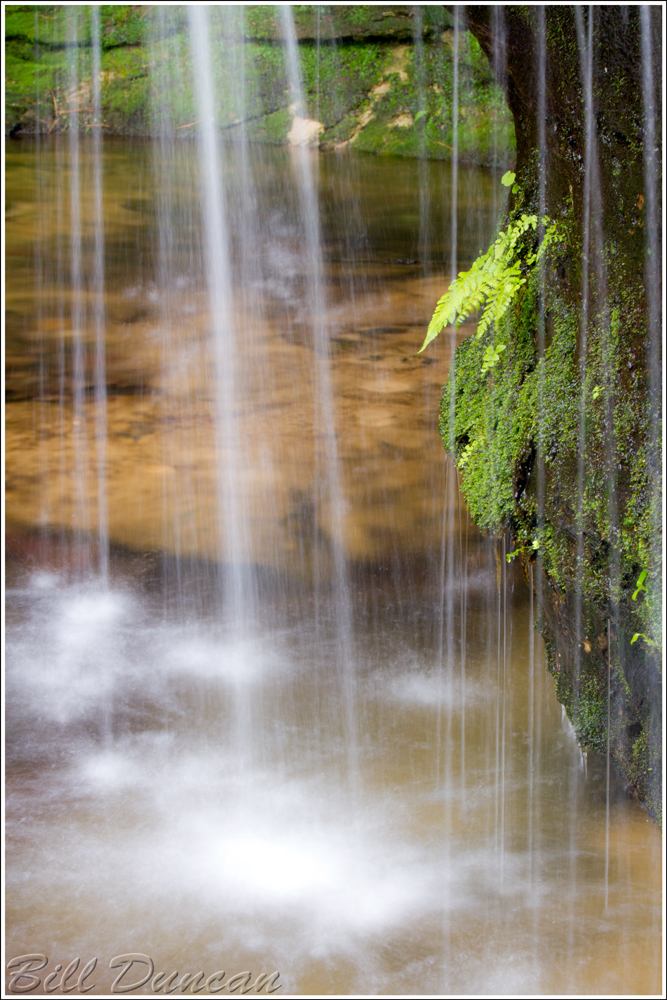
Two short hikes are available at Hickory Canyons N.A. Both offer great views of the rock formations, including wet-weather waterfalls like the one shown below.

“The Bath House”
Technical details: Canon EOS 7D camera, EF70-200mm f/4L IS USM lens @ 70mm, ISO 320, f/16, 1.3 sec
The overhangs and cracks created in these box canyons, gorges and cascades provide opportunities for ferns, mosses and lichens. In fact, these three spots mentioned above in Ste Genevieve Co are the only place the fern enthusiast need travel to in Missouri. The well-draining, sandy and acidic soils found here are perfect for species like wild-rose azalea, hay fern and rattlesnake orchid. White oak, hickories, sugar maples, short-leaf pine and flowering dogwood are the primary tree species found at this location. A few trips during spring time are definitely worth it to find some of these fantastic plants in bloom set against these dripping canyons and ephemeral cascades and waterfalls. The wild-rose azaleas bloomed about six weeks early this spring and I missed them. Oh well, something to look forward to next year.
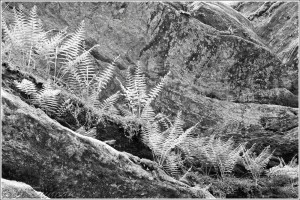
“The Senate”
Technical details: Canon EOS 7D camera, EF24-105mm f/4L IS USM lens @ 28mm, ISO 160, f/16, 2.5 sec

“Floralia”
Technical details: Canon EOS 7D camera, EF70-200mm f/4L IS USM lens @ 93mm, ISO 250, f/16, 1 sec

“Virere Candere”
Technical details: Canon EOS 7D camera, EF24-105mm f/4L IS USM lens @ 24mm, ISO 160, f/16, 1.6 sec

“Arboris Relictus”
Technical details: Canon EOS 7D camera, EF100mm f/2.8L Macro IS USM lens, ISO 160, f/16, 0.5 sec
As the glaciers of the last major ice age retreated, species that required lower temps and had higher water requirements moved back north as well. These canyons provide cooler and wetter environments for relict species like the one pictured above, the partridge berry. This evergreen vine-like tiny shrub can be found throughout the canyon and hollow floors along with lichens and mosses.




 A Thousand Acres of Silphiums