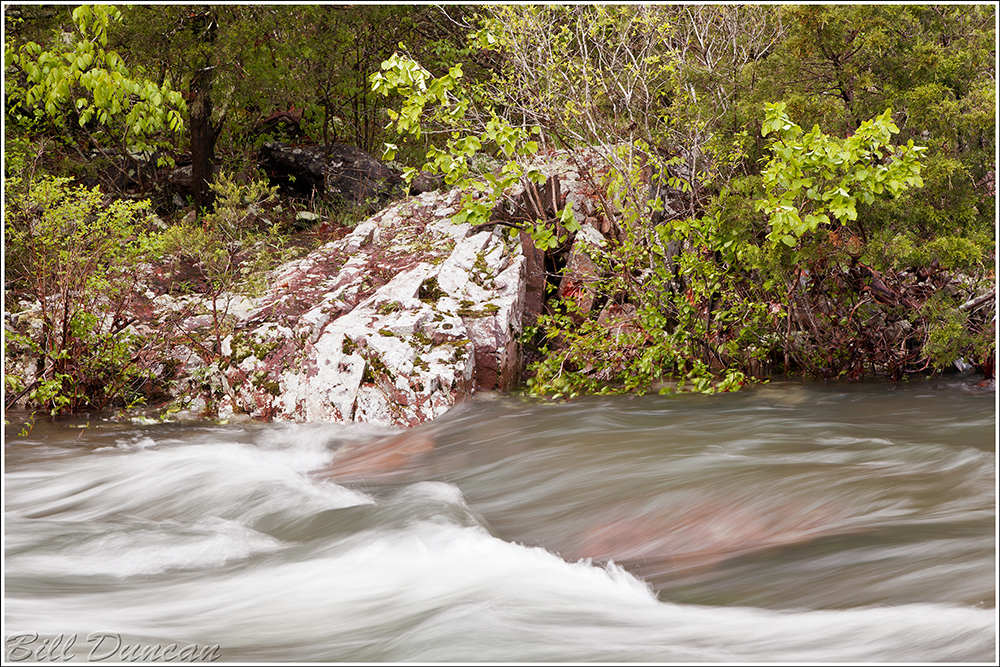
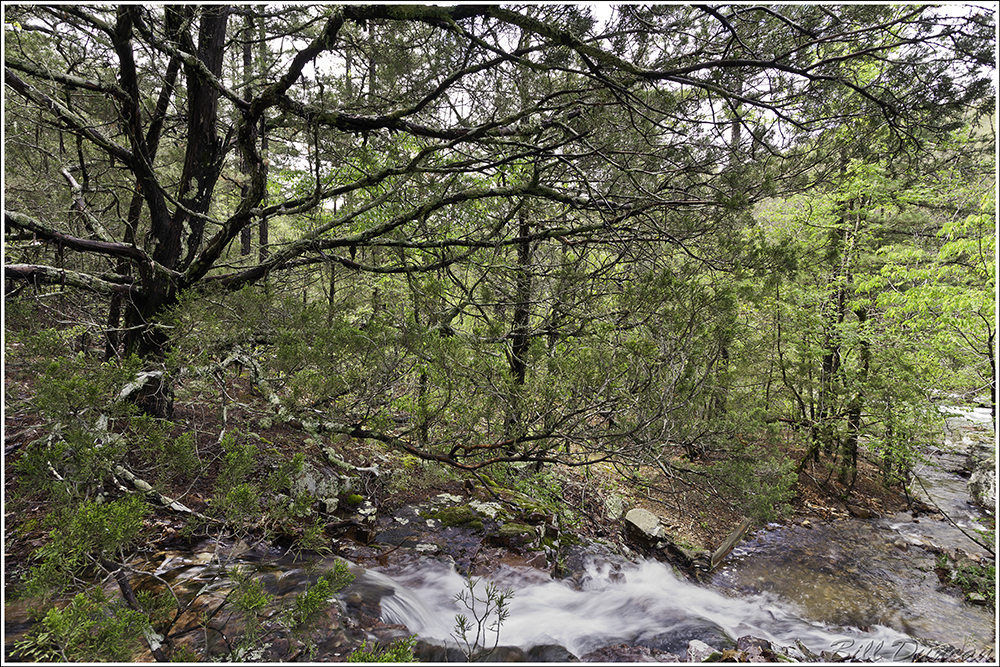
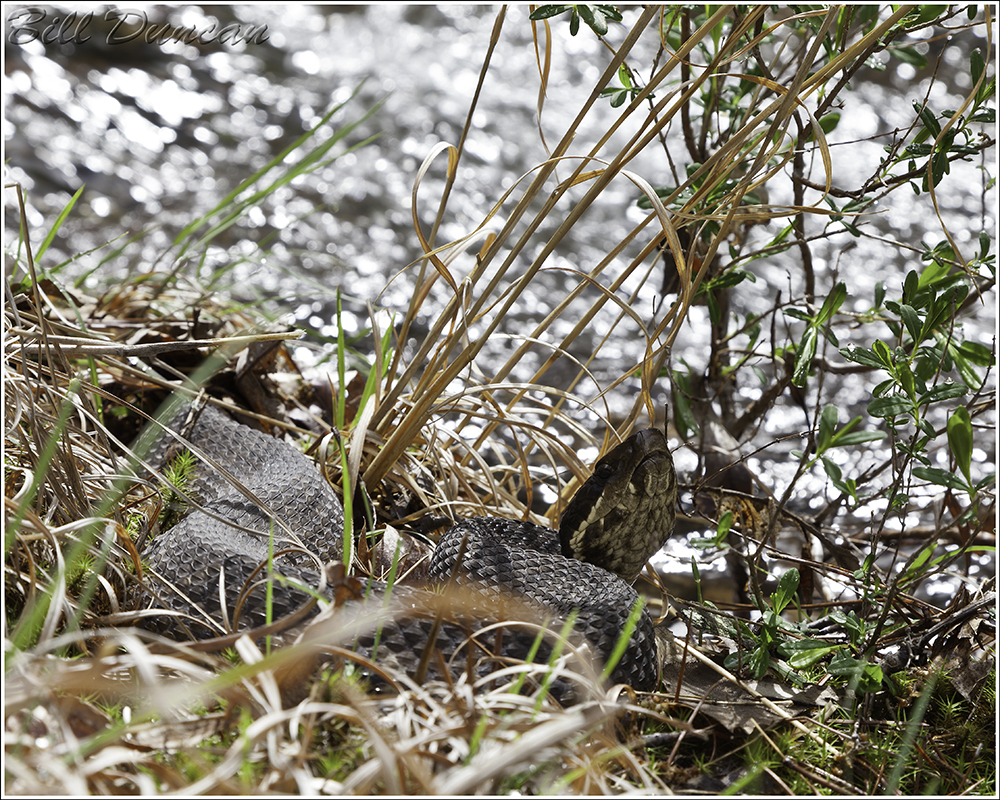
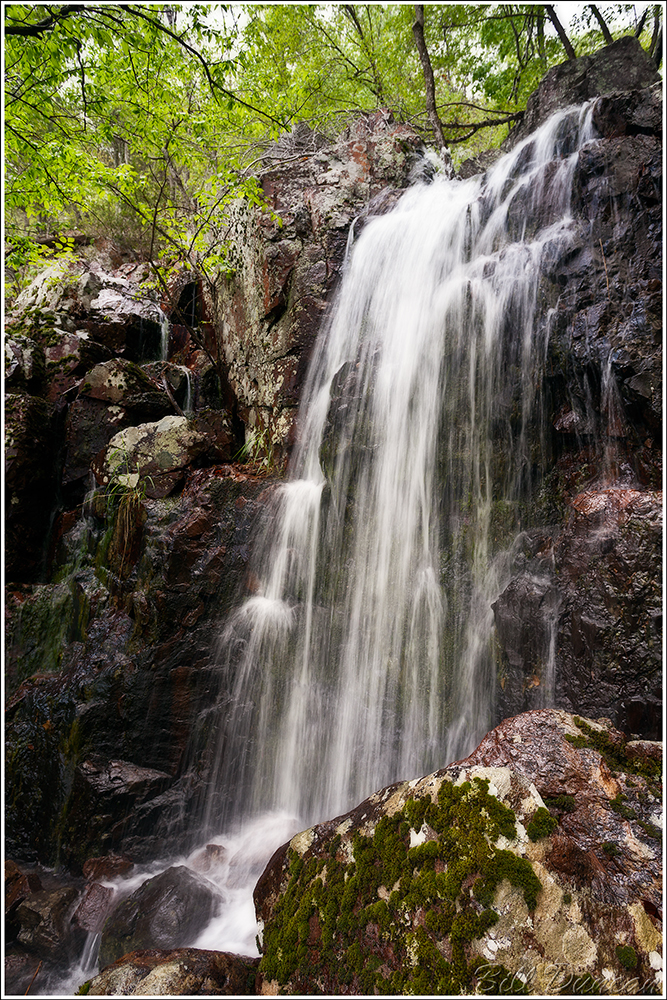
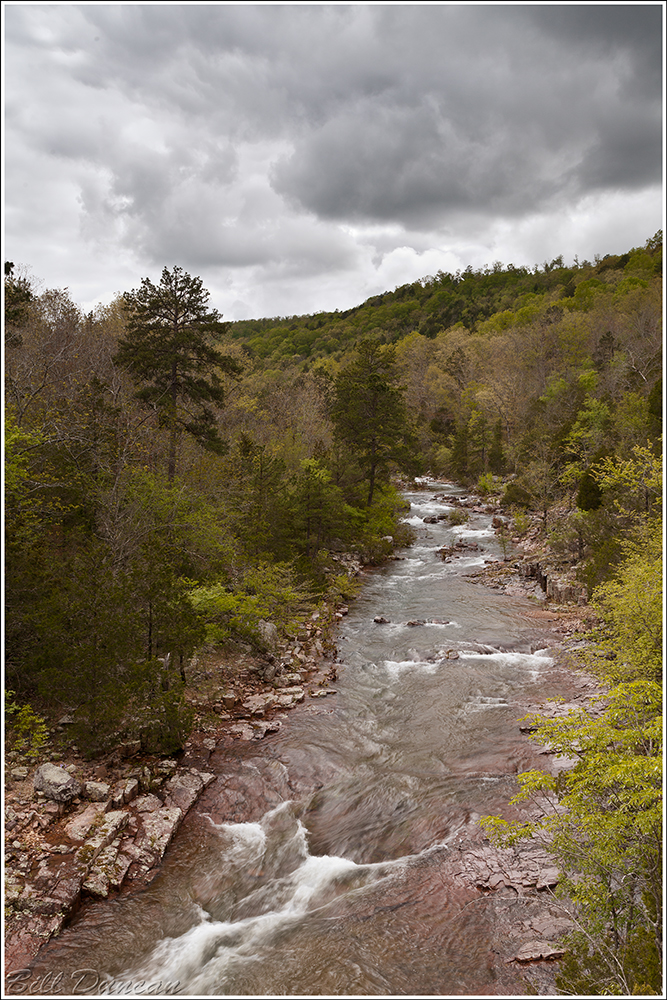
Here are a few of my favorites from a hike along Lower Rock Creek that Steve and I had this past May.
"What a thousand acres of Silphiums looked like when they tickled the bellies of the buffalo is a question never again to be answered, and perhaps not even asked." -Aldo Leopold
Here are a few of my favorites from a hike along Lower Rock Creek that Steve and I had this past May.
Specifically referred to as potholes, this feature was found in the long stretch of shut-ins of the St. Francis River between Silvermines Recreation Area and Millstream Gardens. Steve and I took this, one of our favorite hikes, this autumn, just before peak color came into this section of the Ozarks. Here is a wonderful description of this feature’s formation from Tom Beveridge’s Geologic Wonders and Curiosities of Missouri:
“Potholes are formed at the nearly right-angled intersection of channelways where the direction of flow is abruptly changed. The abrupt changes in direction of flow and the intersecting channelways create local whirlpools where the swirling waters grind out circular holes using sand and gravel carried in suspension as a natural abrasive. Man did not invent sandblasting – he only mechanized it! Deepening of the holes is also expedited by the steep gradient of the stream; some holes are in part plunge pools formed by the impact of water descending vertically and gouging out the bed at the base of individual waterfalls.”
See my Flickr account for similar images made on this day.
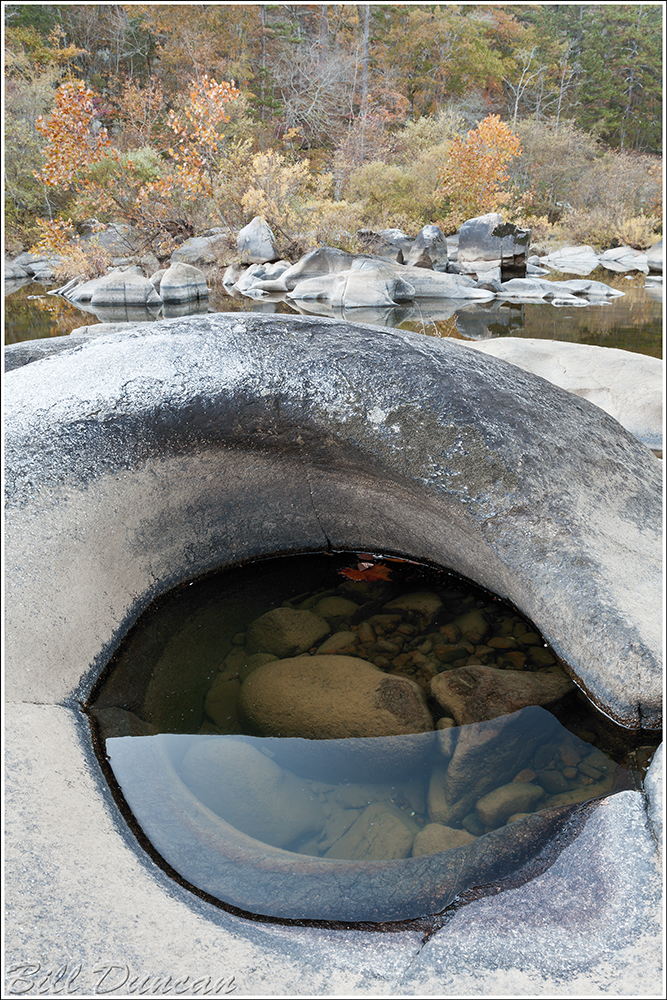
“All Seeing Eye”
For me, a landscape does not exist in its own right, since its appearance changes at every moment; but the surrounding atmosphere brings it to life — the light and the air which vary continually. For me, it is only the surrounding atmosphere which gives subjects their true value.
-Claude Monet

“Ageless Banks”

“Amber Mists”

“Changing Time”
These three images were taken this past September during a hike that Steve and I took around the Heron Pond area of RMBS. By far the most commonly come across rail in this part of the world, the Sora, fills the perfect role of chicken in the fresh-water marshes. I never get tired of watching these guys wade out into shallow open waters to feed, ready to sprint back into the cover of the marsh plants at the least sign of danger. At just the peak of migration, I have been fortunate to see nearly 100 of these birds at Heron Pond at a given time.
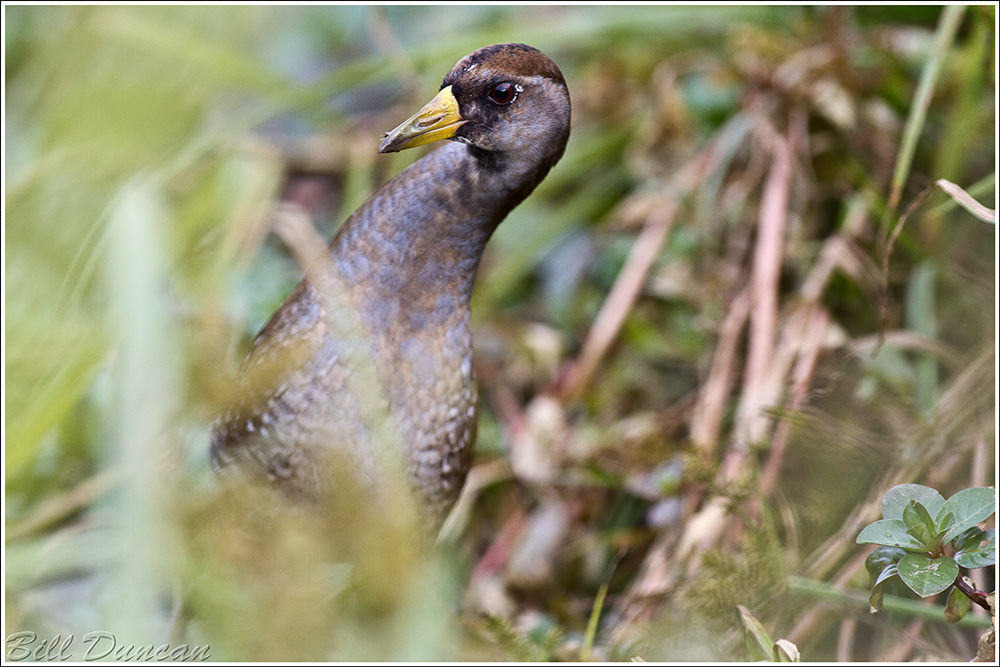 “Suspiciously Sora”
 “Sora with Snail”

“The Marsh Chicken”
Referred to as the “feathered mouse”, the Sedge Wren is most easily seen in his nesting territory during breeding season. During this time one must simply listen for his song and follow by ear. With patience, the vociferous little wren can be viewed. These guys were plentiful at Dunn Ranch and adjacent Pawnee prairies this past July. This species has been affected by the destruction wet prairies, meadows and wetland type habitats that they rely upon.
 “Sunshine & Song”
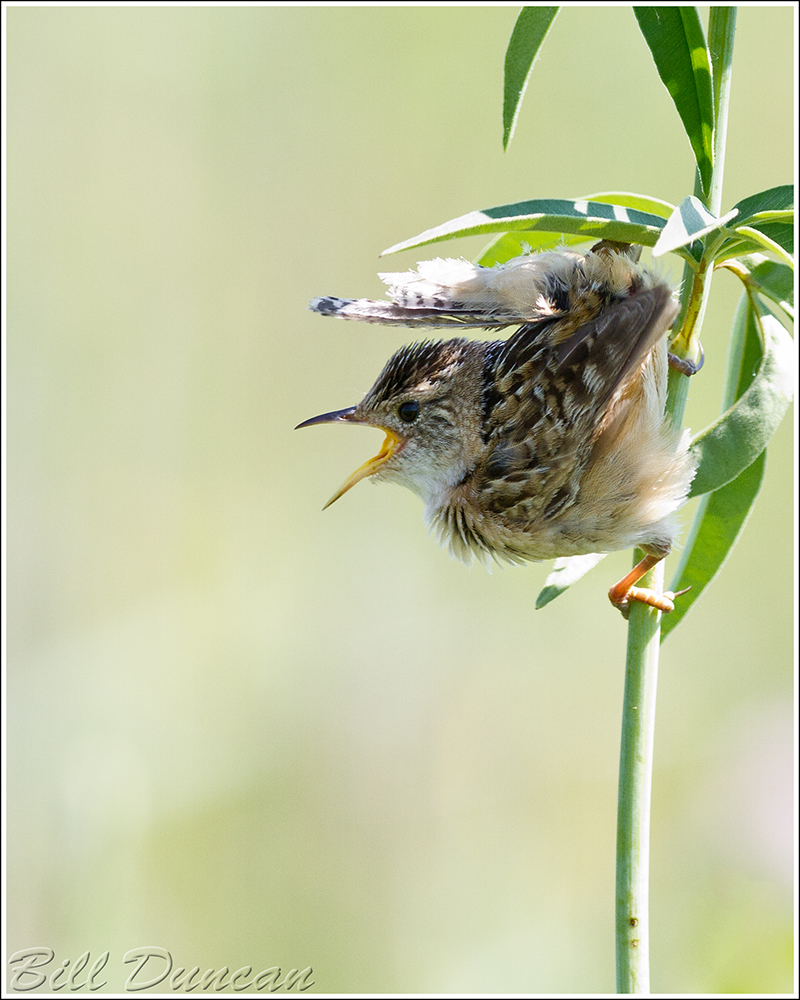 “Con Fuoco”
Don’t forget to thank a turkey today.
 “Turkey Pride”
Every since I heard of the weird sandpiper that decided to live in the plains, away from considerable amounts of water, I dreamed of seeing and photographing them. Our trip this summer to Dunn Ranch Prairie provided for that, adding a new bird to both Steve’s and my life lists.
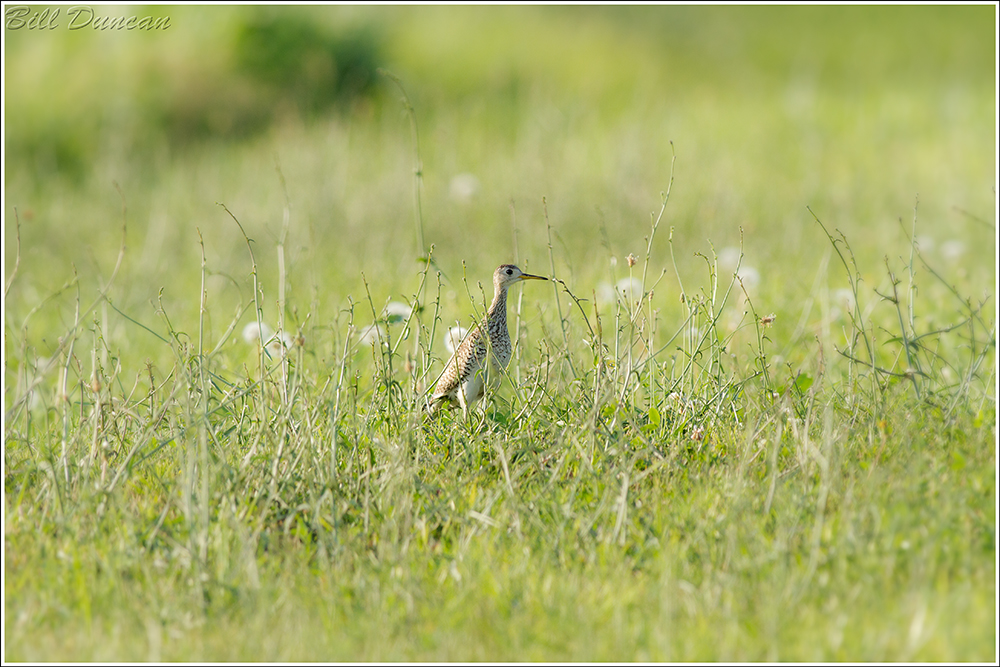 “Upland Sandpiper, Dunn Ranch Prairie, 2013”
 “Upland Sandpiper in Flight, Dunn Ranch Prairie, 2013”
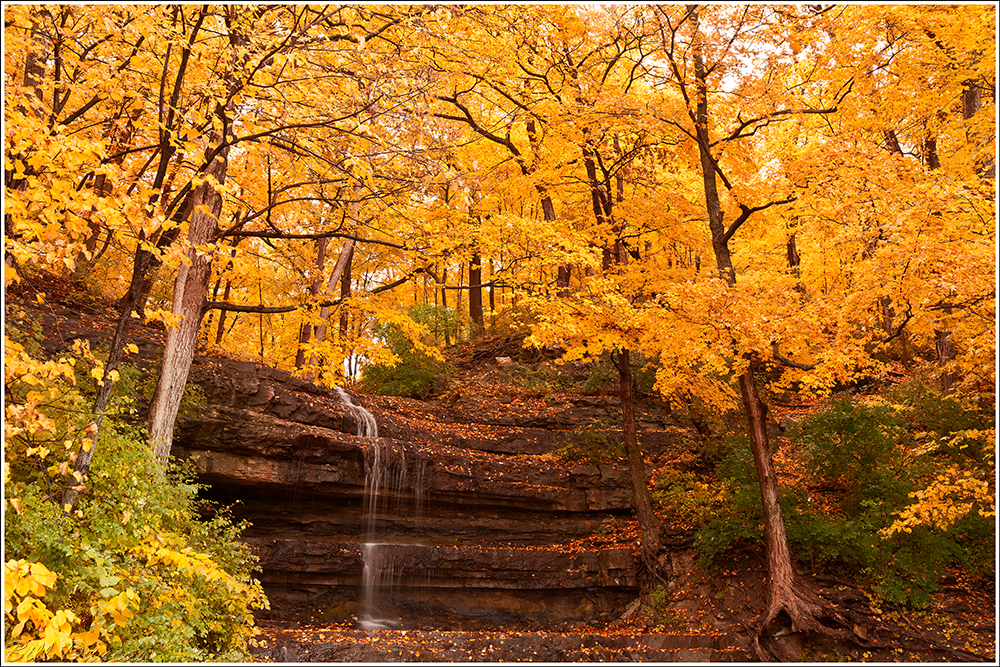
A couple taken of “Dripping Springs” at Creve Coeur Lake this Autumn.

Bobwhite Quail were surprisingly and pleasantly abundant across Dunn and neighboring Pawnee Prairies. We even flushed a covey of chicks along our drive. This guy was kind enough to find a nice perch to pose on.
 “Bobwhite Quail”
Going on four months ago, Steve and I made a road trip to the western half of the state to find some birds of the plains, run with bison, and generally harass any other creatures that we might encounter. Our primary destination was Dunn Ranch Prairie, a Nature Conservancy tallgrass prairie habitat, but there were other stops along the way. This looking like a week that winter is first saying its hello, I thought it might be time to remember July.
Our first stop on our journey was Tucker Prairie CA, located near Columbia. This was a small patch of prairie, located within sight of busy Interstate 70. On an isolated Persimmon tree near the parking pull-in we found these guys.
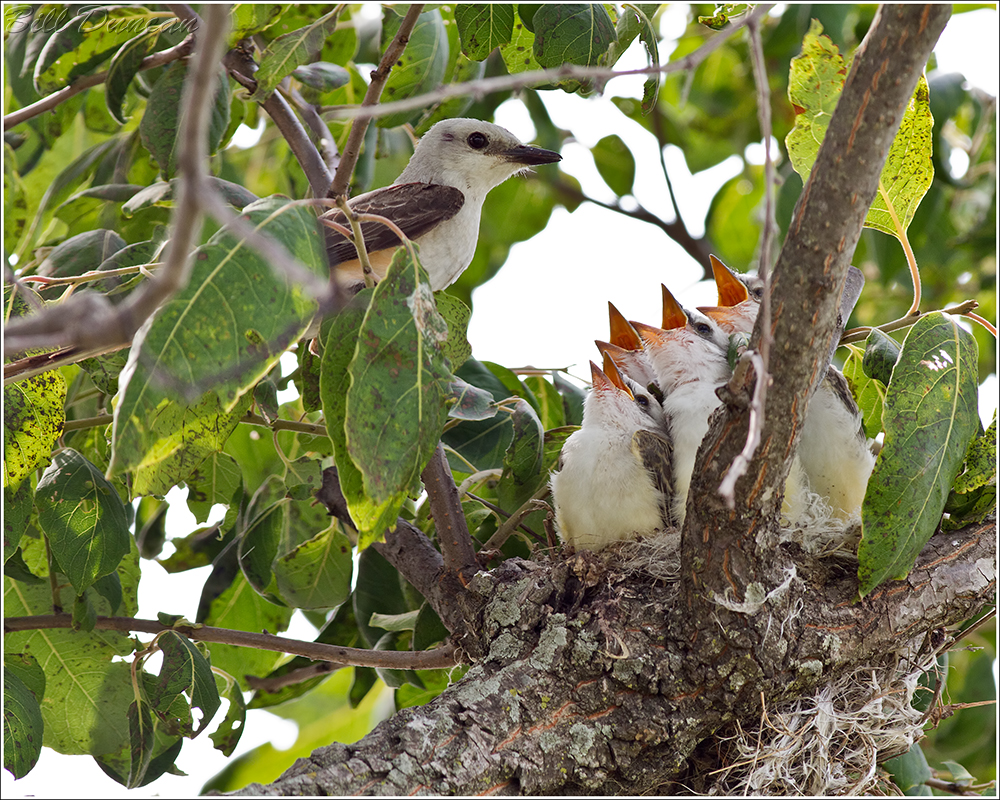 “Four Patient Ones”
Here’s Mom trying her best…
 “Is That All You Brought?”
Dad helped out once in a while. Here he brought a dragonfly…

“Are You Sure It’s Dead?”
This is where and how we left them. We knew they were within mere days of fledging. We also knew we were at risk of staying and watching these guys until they did. With our heads full of second thoughts we continued our trip to the north-west, wondering and hoping the young ones the best.
With dutiful mom watching over how could anything go wrong?
 “Mom”
“Mom”

