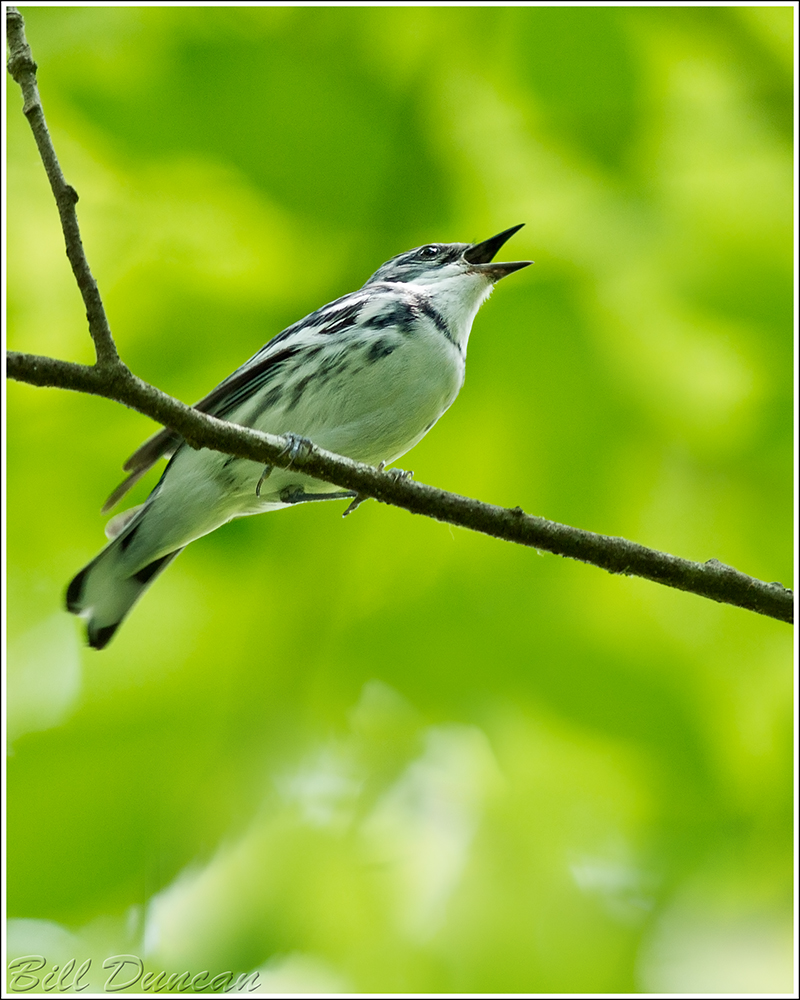
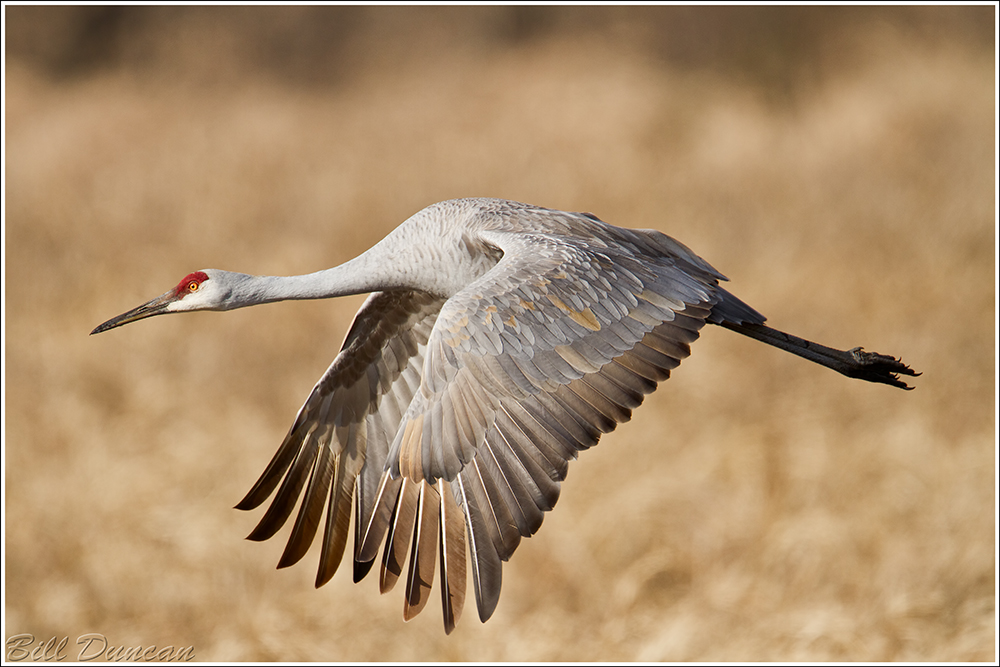
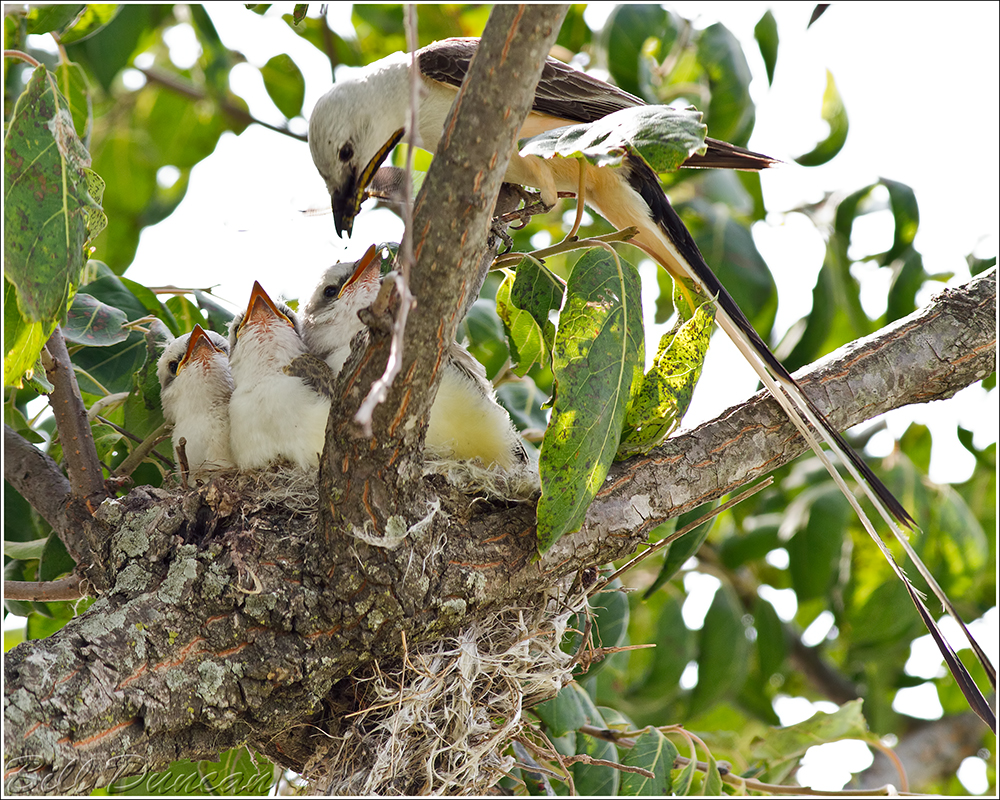
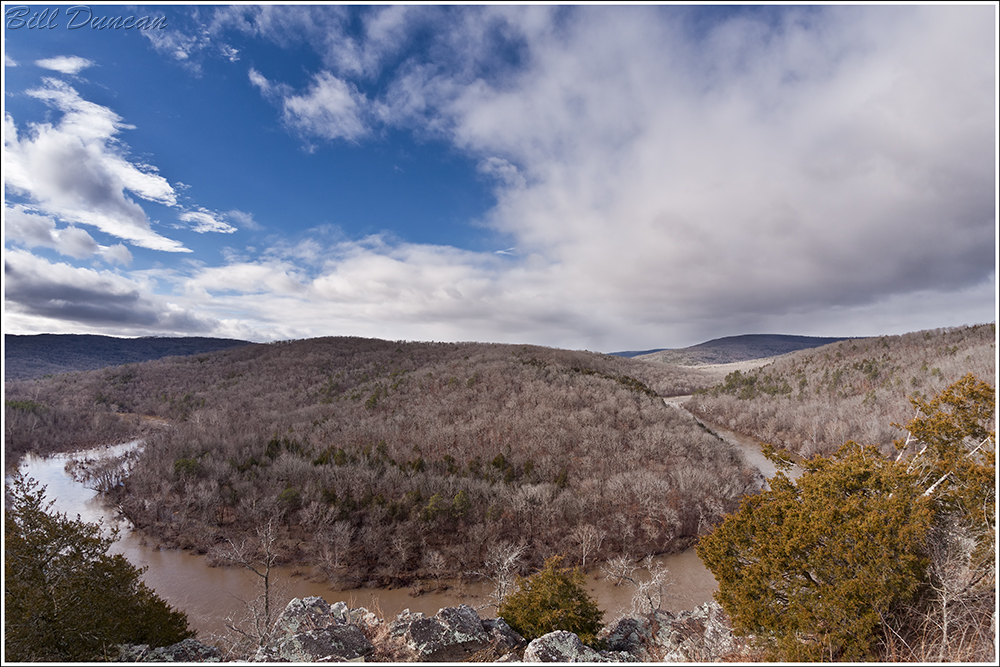
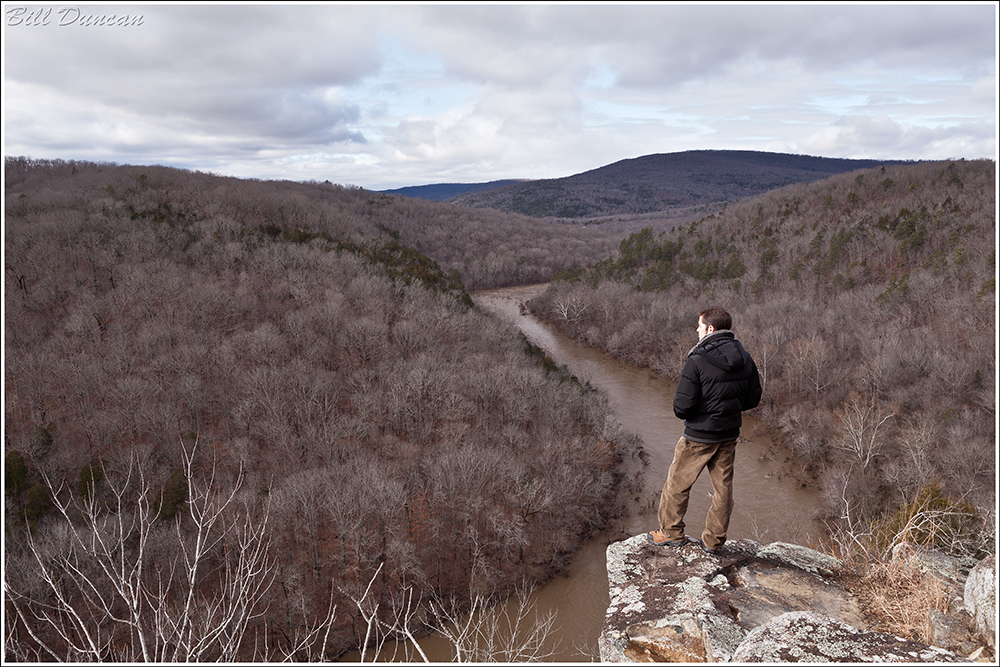
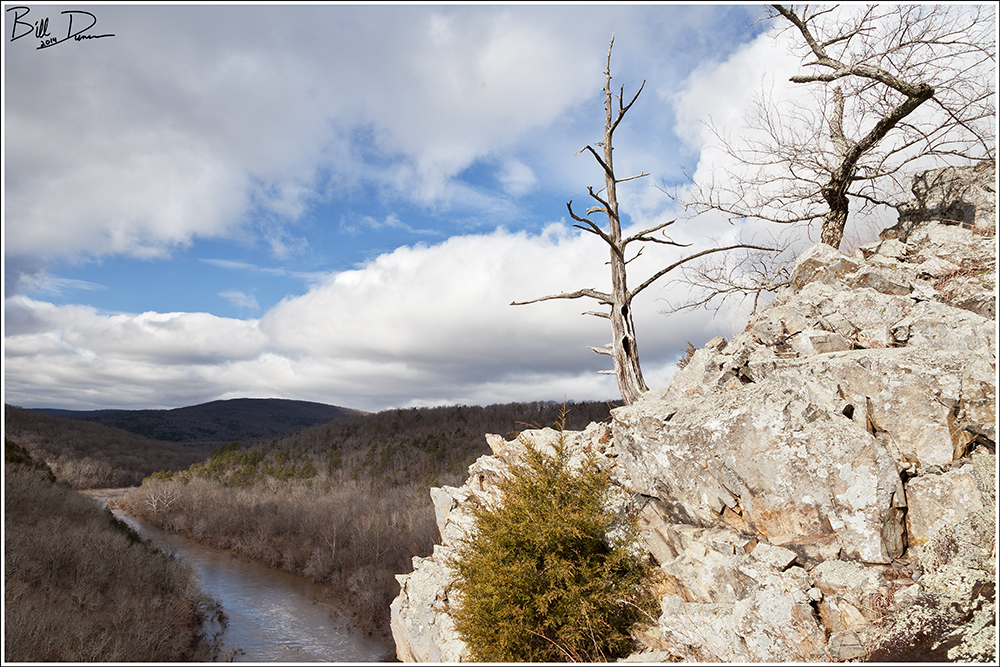
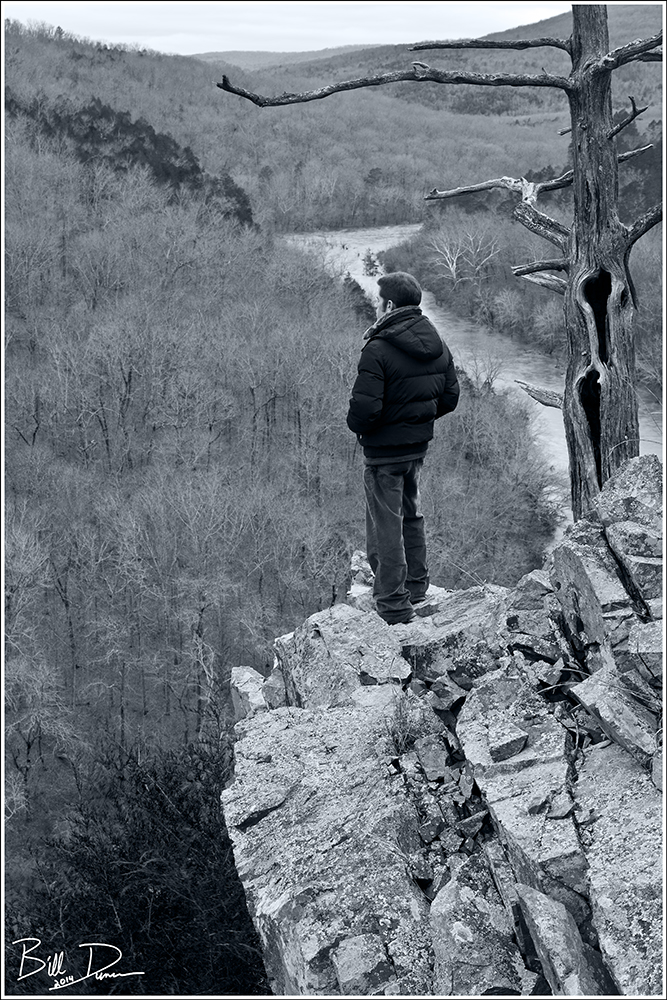
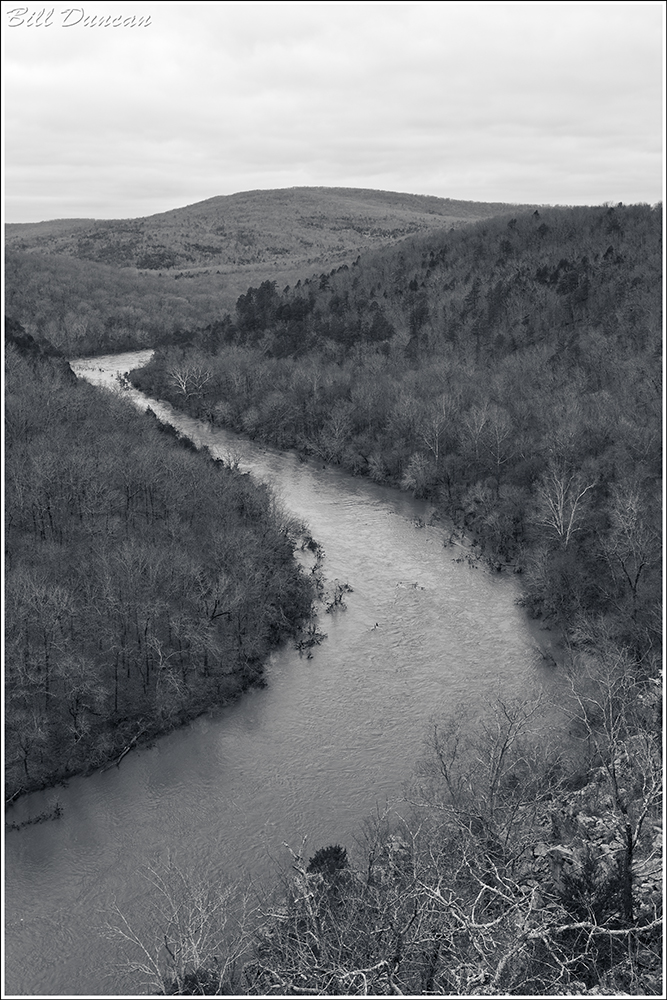
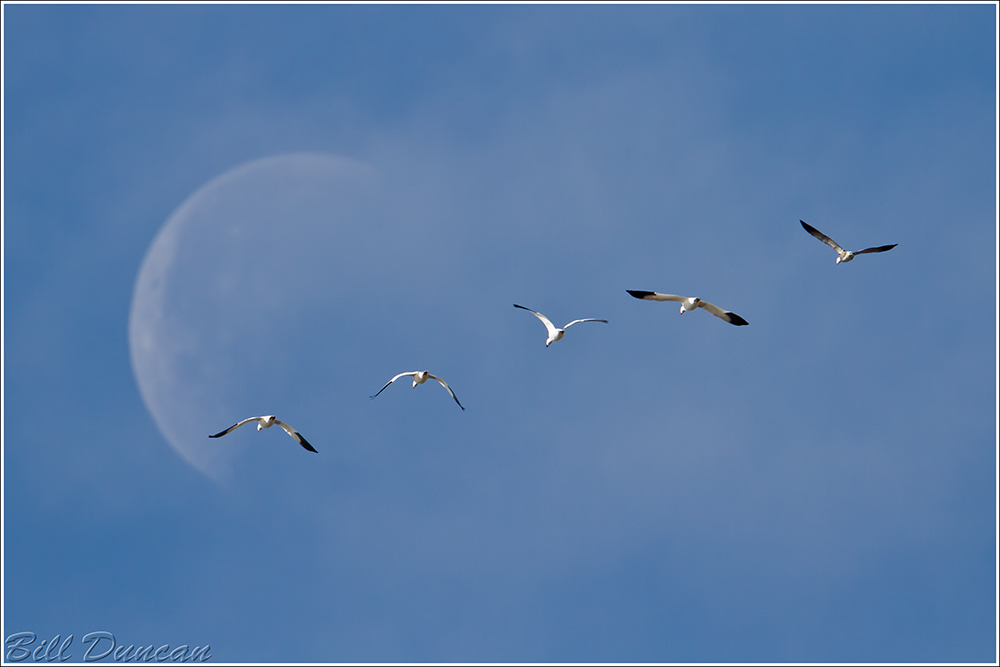
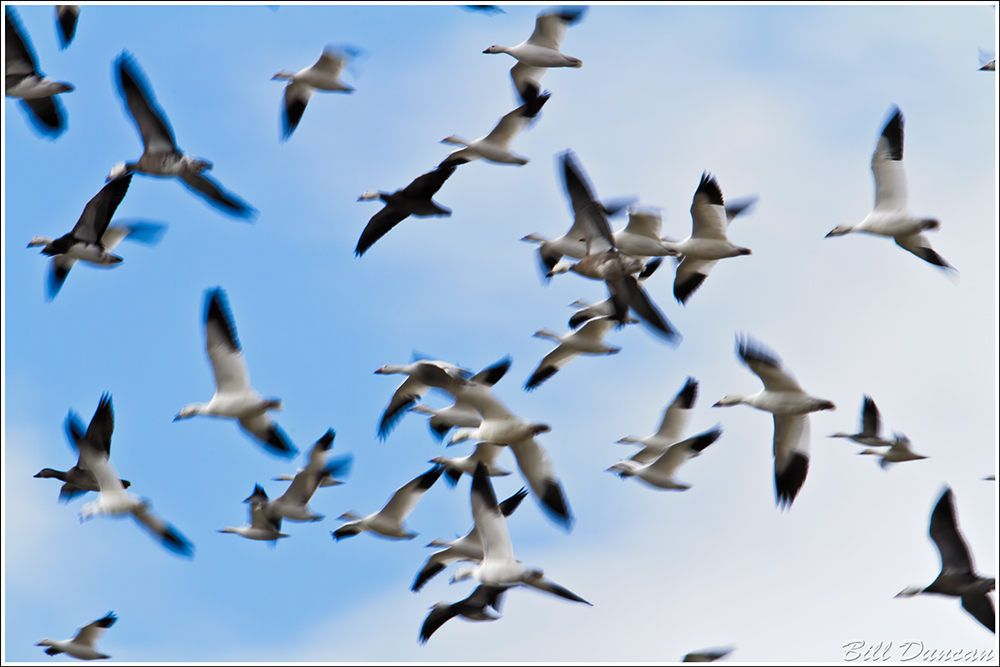
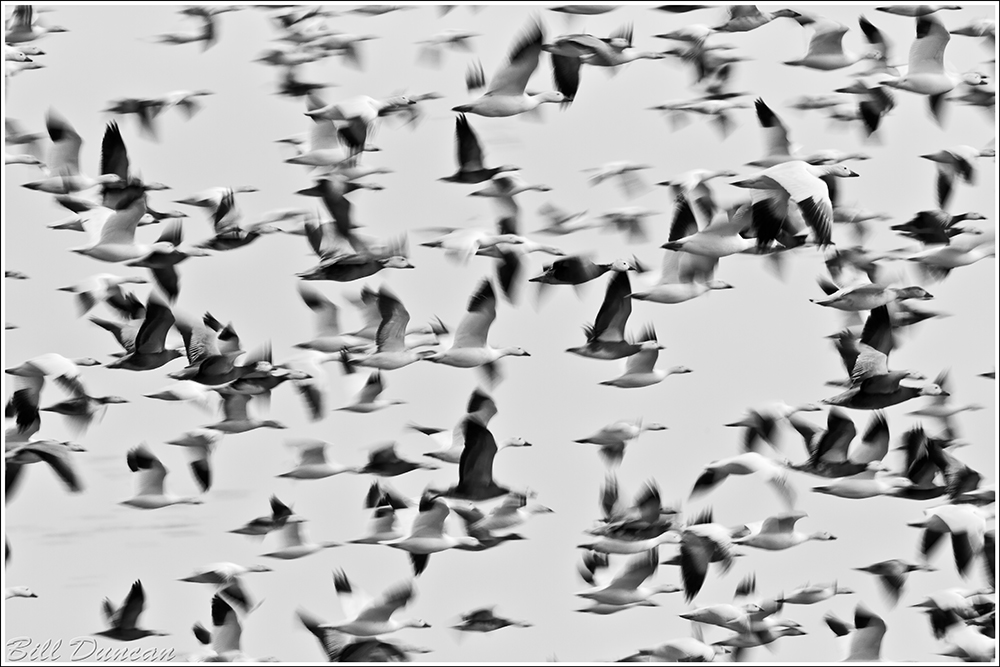
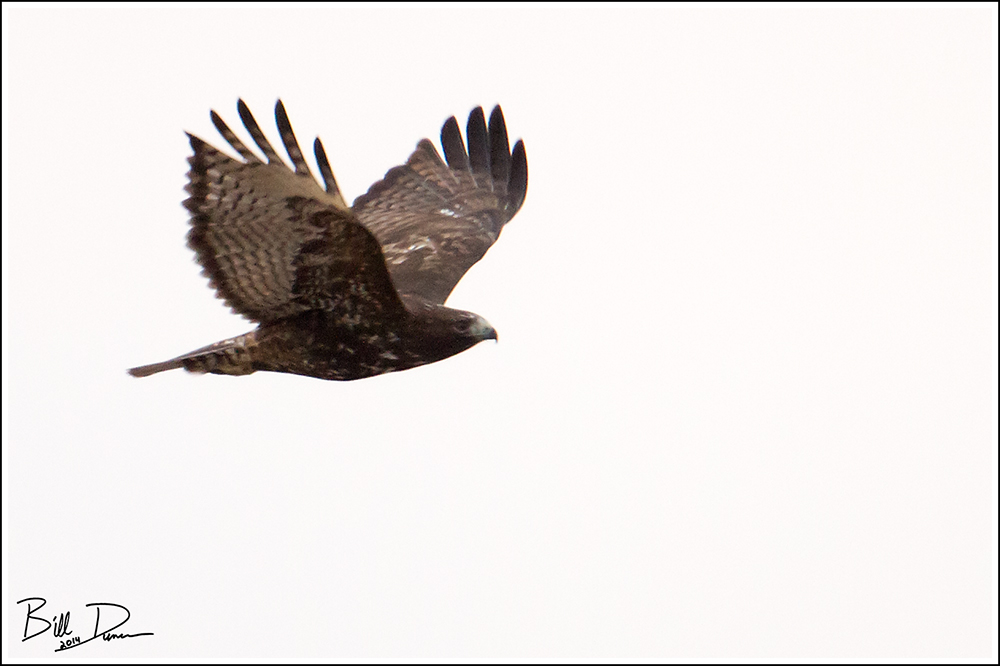
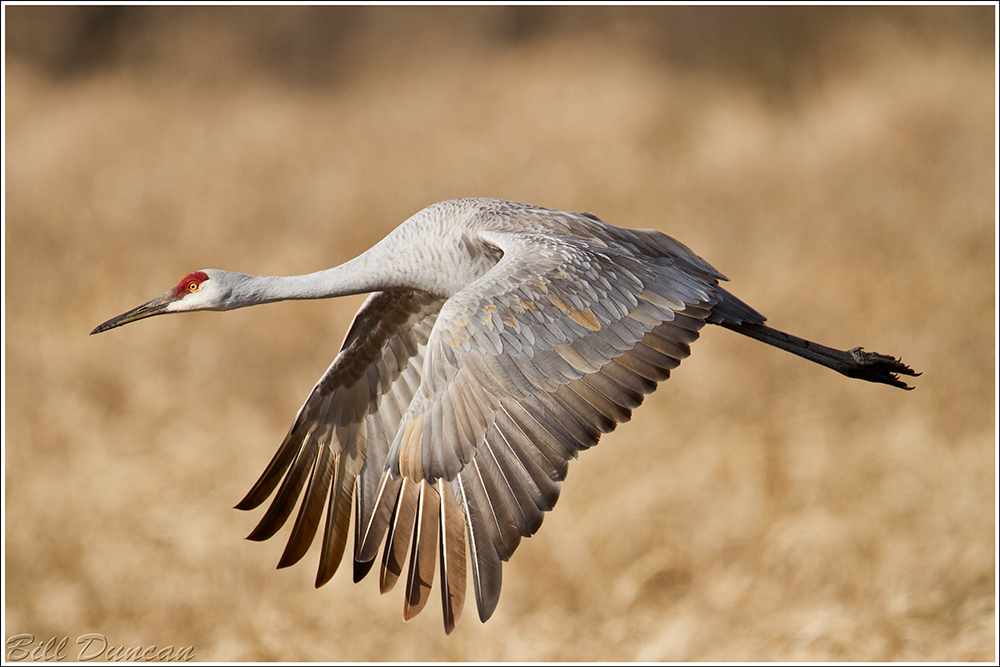
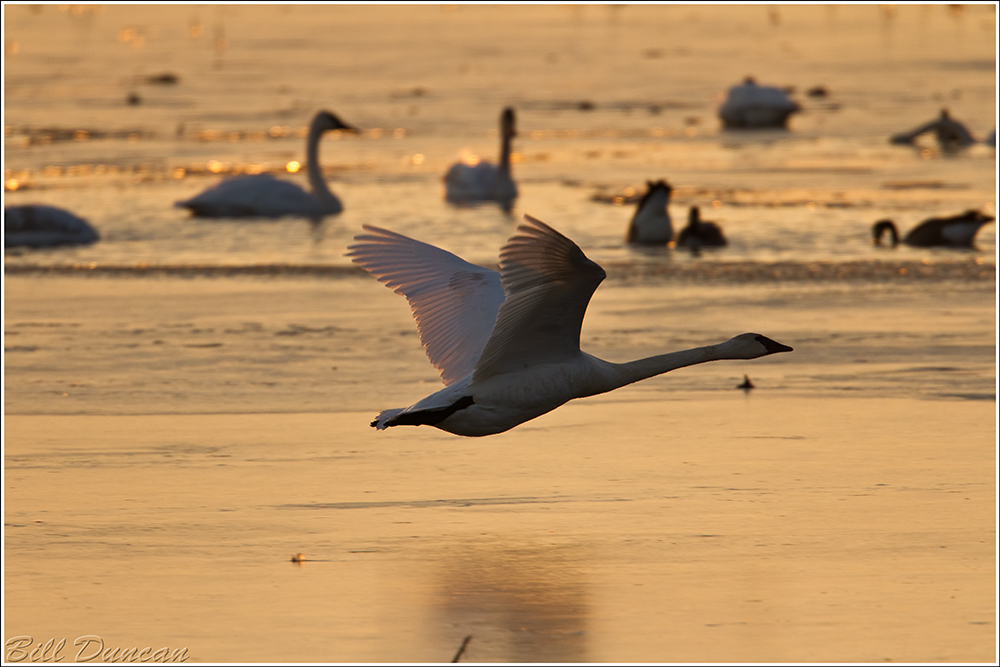
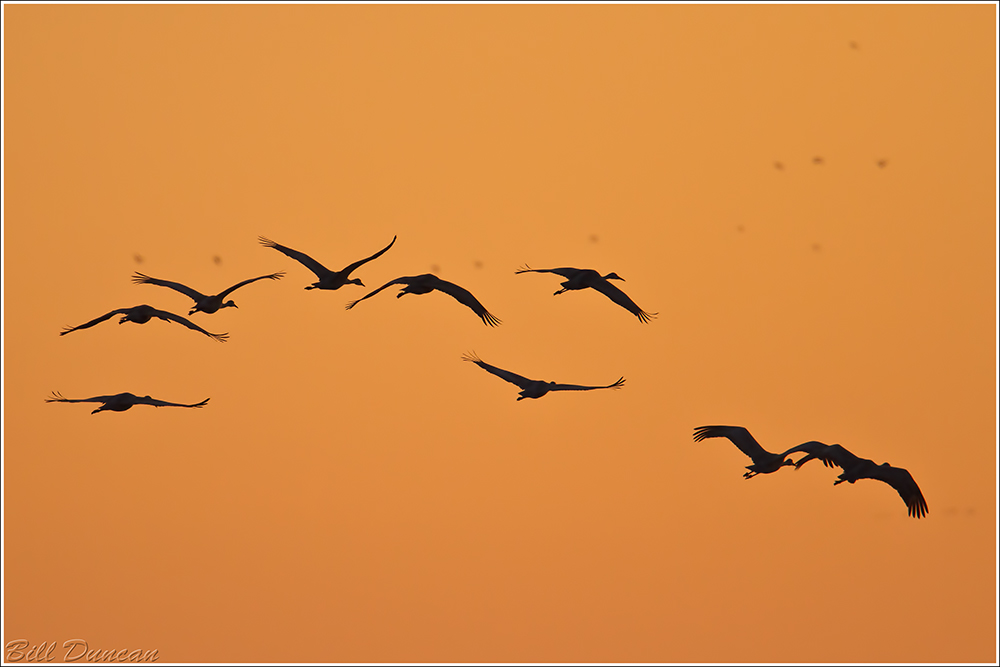
Known for their tendency to hang upside down while foraging for prey, the Golden-winged Warblers are partial to early successional habitats. Pressures from habitat changes and from the closely related Blue-winged Warbler have forced a downward shift in overall numbers of this species.
Tag: missouri
Species of Conservation Concern: Rusty Blackbird
Swainson’s Thrush
Blue-Grey Gnatcatchers: St. Francois State Park Wrap Up
Here are just a few more photos from the aborted Gnatcatcher nest that we found this spring. Steve and I jointly found an active and very successful nest of the same species at SNR recently. I will hopefully get to those photos before first snowfall. 😉
Fast Action Photography
No, I do not mean catching a bird on the wing or some split second sports action in camera. Sometimes the landscape photograph has equal timing requirements and this one will serve to remind me of what could have been and to be ready and prepared whenever in setting. I hiked to the top of Hughes one early spring evening with the full kit. Arriving at the top, I was a bit disappointed in the lack of clouds for a potential sunset shot, but I can never be in the dumps at this location no matter what nature is presenting. So I just decided to sit and enjoy the silence and see what may come my way. Not paying much attention I suddenly noticed a fairly small, beautifully pastel-colored cloud popped out of nowhere and was positioned in the perfect place, just in a perfect frame along with blooming Service Berry in the foreground. Of course the gear was where it was nice and safe – all wrapped up in the camera bag. I could tell this cloud was ephemeral and sprang into action.
Pulled the tripod off and extend the legs, unzip, pick lens, attach lens to camera, attach polarizing filter, attach shutter release cord, attach camera to tripod, shoot, I forgot the graduated neutral density filter, which one do I need, OK, how to compose? Compose? Just hurry up! By the time I had everything ready and was hitting the shutter the cloud has diminished by more than three fold and lost all of that wonderful color. I then identified that irritating high pitch noise I was hearing. I was screaming.
The Missouri House Wren
My grandparents have had nesting House Wrens for a number of years now. Next to Cardinals baseball watching these guys go about their daily business is their next biggest form of summer entertainment. This past Mother’s Day I brought the big lens and made some images.
It is amazing to hear what large and complicated songs come from such a little package. This guy’s melodies were bouncing off of all the neighbor’s houses.
Here one of the parents is visiting the nest box. I believe they had eggs in the nest at this particular time.
Here is a little bit of photo talk (like I am qualified to give advice). These ultra-telephoto lenses have a long minimum focusing distance, or the minimal distance the lens must be to achieve focus. On my 500mm, this is close to 17 feet! In the case of shooting this male Wren as he scans his territory, I was able to put a chair next to the screened porch and was probably 10-12 feet from him. I was prepared and had a strategy to overcome this issue, I just didn’t think I’d ever get close enough to a feathered target to need it! Out popped an extender that moves the lens a few millimeters further from the camera’s sensor. Through the physics of optics that I will not try to explain (like I could if I wanted to), the minimal focusing difference drops low enough to get sharp focus of the close bird!
As with everything in photography there are compromises to be had with every advantage. The good thing is there is no loss of image quality here, because you are adding no extra lens elements. The extenders are simply extra space holders. The losses here are the inability to obtain far distance focus (at infinity or thereabouts) as well as losing just a bit of light.
These guys never stop building and redecorating the nest.
I have heard the chicks recently fledged and the parents are already on the wing. Maybe next year I’ll try to get some shots of the chicks on their first days outside the nest.
Falling Spring
Twenty years from now…
“…you want me to tell you that story that happened that night at Falling Spring? You sure? Alright, it’ll be your sleepless night.
Me and my cuz were giggin’ frogs down in that beaver pond one spring night when out of the blue we saw a fella wearin’ a strange hat walkin’ alone. We asked him what he was doing out here all alone and where he came from. He answered he came from a place with tall buildin’s and he was searching for answers that nobody had.
He stood there, the palest, most pathetic creature you’d ever seen. Paler than the moon standin’ above us, when all of a sudden eery red lights started comin’ from inside that old mill shack! Now, we had been standin’ outside there fer hours and hadn’t seen a soul inside or out. Before we could think, a sound that was louder and more fierce than a 10′ tall hoot-owl started and the trees began moving back and forth, even though there tweren’t a bit a breeze on the air to be had!
My cuz and I had grabbed our poles and slowly backed ourselves out to the road and the safety of the truck. We looked over to where the stranger had been and noticed he was walkin’ towards the old shack! We shouted something to the effect of what the Sam Hill are you doing? He replied that he was going to see if the agnostics were right. I couldn’t get at what he was sayin’, and we couldn’t get him to stop movin’ towards that obvious poltergeist.
The last question I asked was what his name was. He said something like Beelzebub, Bufford, Ozark Bill, or somethin’ like that. The last time I saw him he was walkin’ inside and stripping down to the suit he was born in. The lights got brighter and hotter. So hot and bright I had to turn away. We heard a screech worse than a Tom cat trying to mate with a pot belly stove and all of a sudden everything went back to normal.
As we were making dust away from that place I heard a really sweet, low and soft voice singing…
‘Way down in Missouri where I heard this melody
When I was a little feller on my mommie’s knee
The old folks were humming the banjos were strumming so sweet and low‘
Ozark Bill’s Private Shangri-La
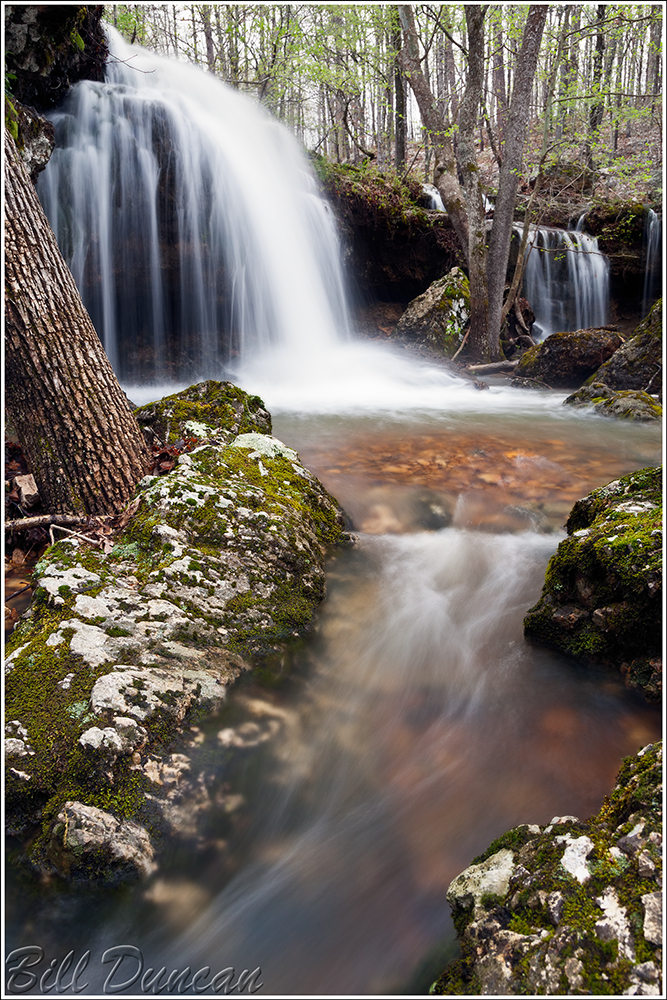
In a land of dolomite and granite, the chert-based rocks of Cowards Hollow Natural Area really stand out to the experienced Ozark traveler. I first read about Cowards Hollow more than five years ago and had two previous and unsuccessful attempts at finding it. Recently I had acquired some resources that helped me get a firm idea where to look and during our Big Spring break this spring Sarah and I went out to finally find it. Literally within minutes of parking the car and heading down the trail the sky opened up and began raining. Half-soaked, I retreated to the car and decided to try again later. It would be about 18 hours and near five inches of rain later before I got back there the next morning. I knew the area would be full of water and that the efforts would be worthwhile. Here is the first look upon reaching the hollow named for the refuge it provided civil war draft dodgers. I sure couldn’t blame anyone for preferring this place over the hell that awaited them on the battlefield or the chaos that was most of Missouri during that time.
“An Ozark Shangri-La″
Technical details: Canon EOS 5D Mark II camera, EF24-105mm f/4L IS USM @ 50mm, ISO 320, f/14, 6 sec
At only 56 acres, this relatively small NA has so much to offer. Seeps, a plant-fen community, a series of shut-ins, a shelter cave and lots of nooks and crannies to discover what plants and animals are waiting where are plenty to keep one busy for a full day’s visit. That’s not to mention these fantastic waterfalls!
“Flint Falls″
Technical details: Canon EOS 5D Mark II camera, EF24-105mm f/4L IS USM @ 24mm, ISO 125, f/11, 1.3 sec
I did not have too much time to spend here, unfortunately. In the three hours I visited, the falls took much of my attention. The birds and plants were screaming for my attention and I regret I could not give them more. The Waterthrush songs were constantly ringing off the chert walls of the hollow and were pretty much the only thing I could hear over the roaring water.
“Behind the Veil″
Technical details: Canon EOS 5D Mark II camera, EF24-105mm f/4L IS USM @ 28mm, ISO 200, f/11, 1.3 sec
Once again, mother nature did not let me down. A perfect overcast morning allowed for great exposure settings for running water and allowed for that glorious limon-colored new spring green from mosses and trees to pop. Anything lacking from these images is my own fault completely.
“Cowards Hollow″
Technical details: Canon EOS 5D Mark II camera, EF24-105mm f/4L IS USM @ 28mm, ISO 320, f/14, 0.8 sec
Well, that was Cowards Hollow. It is only about a 30 minute drive from Big Spring and is so secluded it seems to be a day’s travel from any sign of civilization. I wish I had the opportunity to explore this area more, but the vegetation was not yet doing much during this April visit. I can’t wait to make another visit in the near future.
I realized I had presented nothing but these masculine vertical compositions, so here is a landscape orientation…
“Cowards Hollow II″
Technical details: Canon EOS 5D Mark II camera, EF24-105mm f/4L IS USM @ 32mm, ISO 125, f/9, 1 sec
Disappointment at the Gnatcatchers’
Steve selflessly checked on the Gnatcatcher’s nest at St. Francois SP late this past week to give me an update to help plan for the weekend. When he arrived he watched as the pair appeared to be deconstructing the nest and moving the materials! This was surprising as they definitely were incubating eggs when I had visited about five days prior. We found one description of this kind of behavior in Harrison’s Eastern Bird Nests:
“Unusual characteristic of this bird: it tears up a completely or partly completed nest and reuses the material to build nest nearby. Author has seen this several times; believes that awareness of possible discovery during building may be cause.”
I have a few pieces of evidence to possibly explain why they would move a nest in which they were already incubating a clutch.
1) They built this nest ~20 feet above a rather popular State Park trail and the numbers of people walking underneath caused them to seek a different spot.
2) Egg predation. Someone found the nest and relieved them of their brood.
3) Cowbirds. The BHCB activity was apparent around the nest when I visited. Perhaps they snuck an egg in and the host birds discovered the ploy?
I guess we will never know. Steve tried his best to follow the “contractors” as they moved their building materials to the new construction site. Their speed and the fully-leaved trees made this an impossible task. Oh well, maybe next time.
“Housing Crisis”
Technical details: Canon EOS 7D camera, EF500mm f/4.5L USM lens, ISO 640, f/6.3, 1/200 sec
Big Spring Handles Big Waters
Sarah’s and my recent trip to Big Spring country provided us with lots of different looks that only the Ozarks in spring can provide. On our second day the region was subjected to a strong storm front that dumped nearly five inches of rain in about a 12 hour period. Although that limited the time spent outside cabin or vehicle, it did bring some learning opportunities. I have often wondered with what speed and “precision” these large Ozark springs and their karst systems reacted to new rainfall in their watershed. Would a deluge such as this become immediately apparent in the relative rate of discharge at Big Spring? Or would the dynamics take a longer period of time? My prediction would have been that the system would take up some considerable slack and act like a sponge. That the effluent from the spring would rise eventually, but not as quickly as the rains came. I turned out to be wrong. During the first 12-18 hours, the increase of discharge from the spring seemed to keep pace with the rate of rise in the Current River. This photo was taken at mid-morning the day after the rains. Here the spring’s aquamarine waters are flowing into the already mud-laden flood waters of the Current. I estimate the waters were about two to three feet above normal at this time.
“Confluence Contradiction″
Technical details: Canon EOS 5D Mark II camera, EF24-105mm f/4L IS USM @ 58mm, ISO 320, f/10, 1/25 sec
The next morning the scene looked quite different. It looked to me the Current had gained enough water to rise over the shallow points of land this far into the effluent channel. Water was everywhere, completely covering the lower section of the Chubb trail, completely covering the dock and railings surrounding it, and blocking access to the spring accept by the main road. Even with the extra water the boil from the spring was still quite noticeable.
“Current Rising″
Technical details: Canon EOS 5D Mark II camera, EF24-105mm f/4L IS USM @ 65mm, ISO 640, f/9, 1/20 sec
This scene is always one of my favorites. This tree’s load of mistletoe is easily seen. Thanks for pointing this out to me, Steve!
“ ‘Planely’ Flooded ″
Technical details: Canon EOS 5D Mark II camera, EF24-105mm f/4L IS USM @ 75mm, ISO 100, f/10, 0.4 sec
Since the spring had lost a good deal of its potential for interesting compositions, I played a bit with some macro work. Here is that symbol of Missouri’s Natural Area System, the Jack-in-the-Pulpit, taken within the Big Spring Natural Area.
“Jack in the Pulpit″