“Hangin’ around, nothing to do but frown;
Rainy days and Mondays always get me down”
-Karen Carpenter-
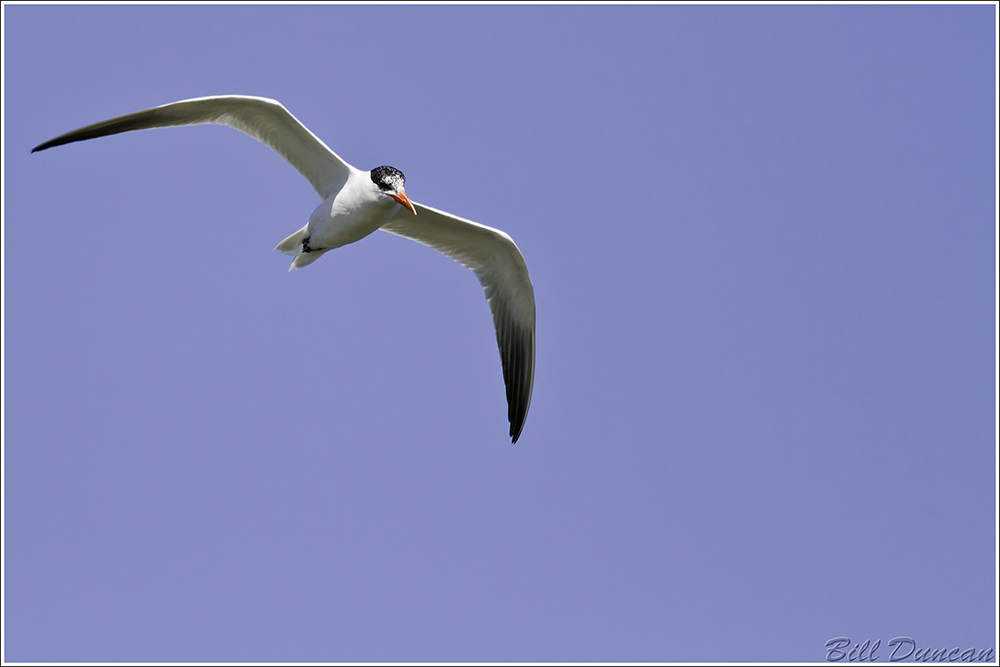
“Caspian Tern”
Technical details: Canon EOS 7D camera, EF400mm f/5.6L USM lens, ISO 400, f/5.6, 1/1250 sec
"What a thousand acres of Silphiums looked like when they tickled the bellies of the buffalo is a question never again to be answered, and perhaps not even asked." -Aldo Leopold
“Hangin’ around, nothing to do but frown;
Rainy days and Mondays always get me down”
-Karen Carpenter-
“Caspian Tern”
“When a page is written over but once it may be easily read; but if it be written over and over with characters of every size and style, it soon becomes unreadable, although not a single confused meaningless mark or thought may concur among all the written characters to mar its perfection. Our limited powers are similarly perplexed and overtaxed in reading the inexhaustible pages of nature, for they are written over and over uncountable times, written in characters of every size and colour, sentences composed of sentences, every part of a character a sentence. There is not a fragment in nature, for every relative fragment of one thing is a full harmonious unit in itself. All together form the one grand palimpsest of the world.”
-John Muir-
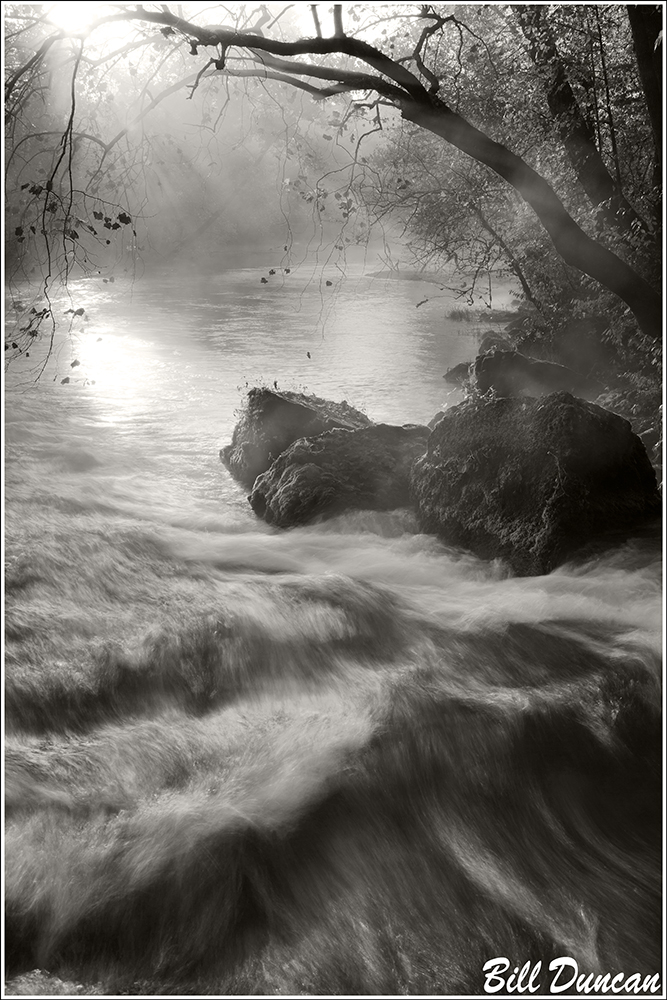
“Probably if our lives were more conformed to nature, we should not need to defend ourselves against her heats and colds, but find her our constant nurse and friend, as do plants and quadrupeds.”
-Henry David Thoreau-

“The world, we are told, was made especially for man – a presumption not supported by all the facts. A numerous class of men are painfully astonished whenever they find anything, living or dead, in all God’s universe, which they cannot eat or render in some way what they call useful to themselves.”
-John Muir-

“Black-throated Green Warbler”
“Indeed, without the evergreens for contrast, the autumnal tints would lose much of their effect.”
-Henry David Thoreau-

“We love to see any redness in the vegetation of the temperate zone. It is the color of colors. This plant speaks to our blood. It asks a bright sun on it to make it show to best advantage, and it must be seen at this season of the year.”
-Henry David Thoreau-

“Rainy days and Mondays always get me down”
-Karen Carpenter-
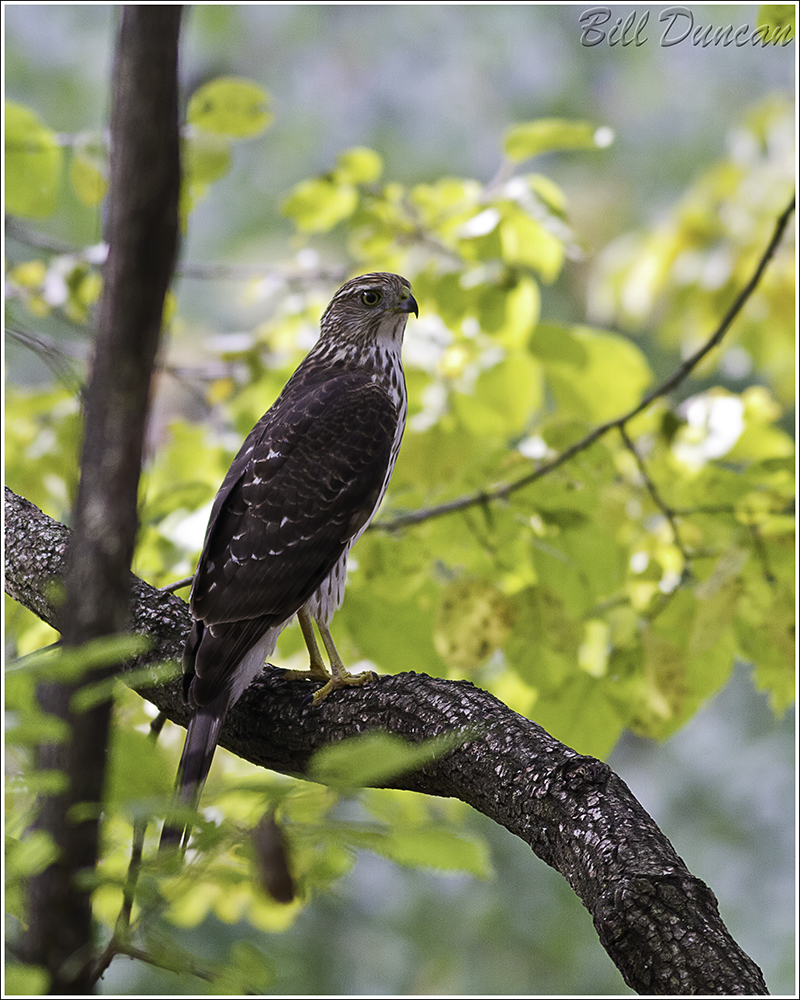
“Cooper’s Hawk”
While growing up in the inner St. Louis suburbs, I have relatively few memories of nature before entering my twenties. One memory that particularly stands out is on a trip south seeing an Osage orange fruit for the first time. Just what the heck was this strange fruit, so reminiscent of the cerebral cortex of the human brain? Like so many ignorant of nature, I wondered what its purpose was and why it had to be so creepy.
Thirty years later I realized I still did not know much about this tree. Sarah found this fruit on our trip through the Ozarks and I brought it back to make it the subject of this study. The common name, “Osage orange” is rather self explanatory. The name Osage comes from the Osage tribe that was historically found over much of Missouri and the fruit does resemble an orange, so commonly eaten. I have since learned that the best adaptive story to explain such a large amount of flesh covering the hidden nut is that the primary disperser of these seeds were the Mastadons. Following the disappearance of these large herbivores, humans became the primary dispersers of this species, planting these trees as windbreaks and fences. The wood of these trees is some of the heaviest, densest and hardest in the Ozarks. This fact plus the thorns on young branches made this the perfect species for such purposes.
The nature of this species wood also made them perfect for use in making bows by native Americans. This fact prompted the French to name them “Bois d’Arc” or bowwood. This name is the most favored in being responsible for the name “Ozarks” given to the hills and habitats of Missouri, Arkansas and surrounding states. It is theorized that Bois d’Arc was bastardized to “Bodark”, and later to Ozarks by English settlers. To my understanding, this cannot be proven, but is the best conjecture given by historians. That is why I titled this post “The Ozark Tree”.
So, I brought this fruit home and took it out in the backyard and placed it among colorful white-oak leaves, a milkweed pod, Monarda seed heads, and a prairie dock leaf. It is still siting in my backyard. I want to see, if left alone to rot over winter, whether or not the seeds will germinate.

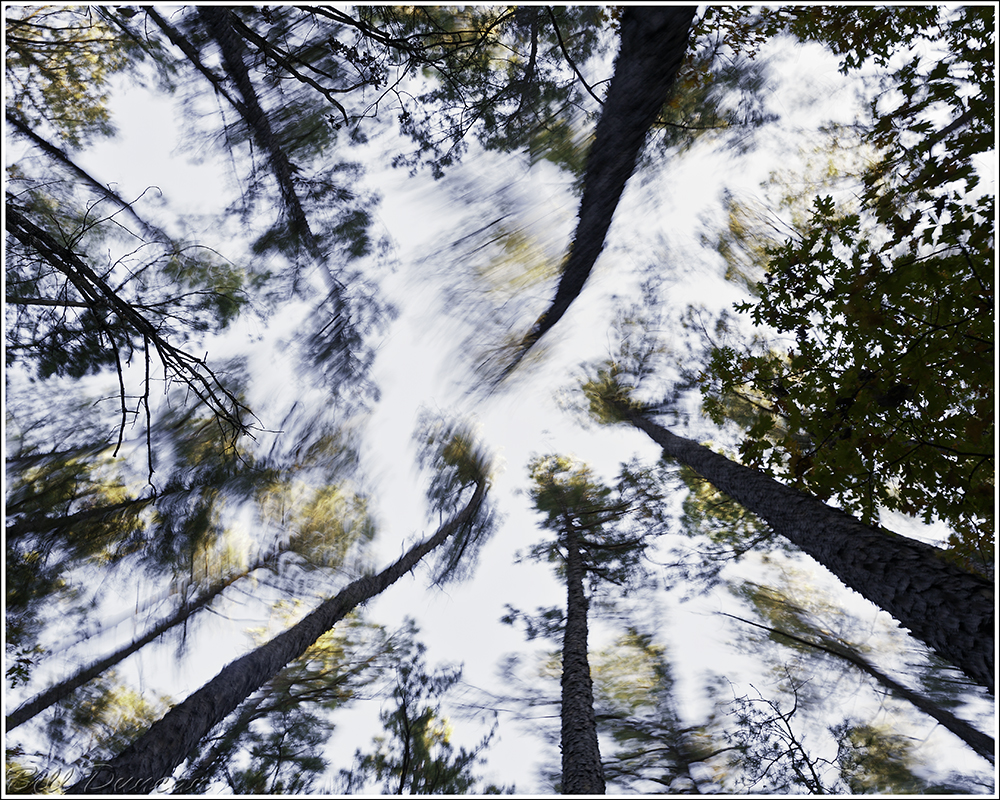
During the first day of our short vacation this fall, Sarah and I took the winding, yet scenic Hwy 19 south. Always a nice drive, it is particularly attractive in autumn. About halfway through the drive the sky opened up on us, but I did use this opportunity to find a few new places and at least get them on the ol’ GPS. This stretch of highway contains many potential destinations and we have only begun making real visits or hikes into most of these. Later, we went back to a place I’ve had on my radar for quite some time, the “Virgin Pine Forest”. This amounts to a strip of apparently virgin shortleaf pine, many of which are over 200 years old, on both sides of the road. The wind was very strong here so I let the pines tell their story…
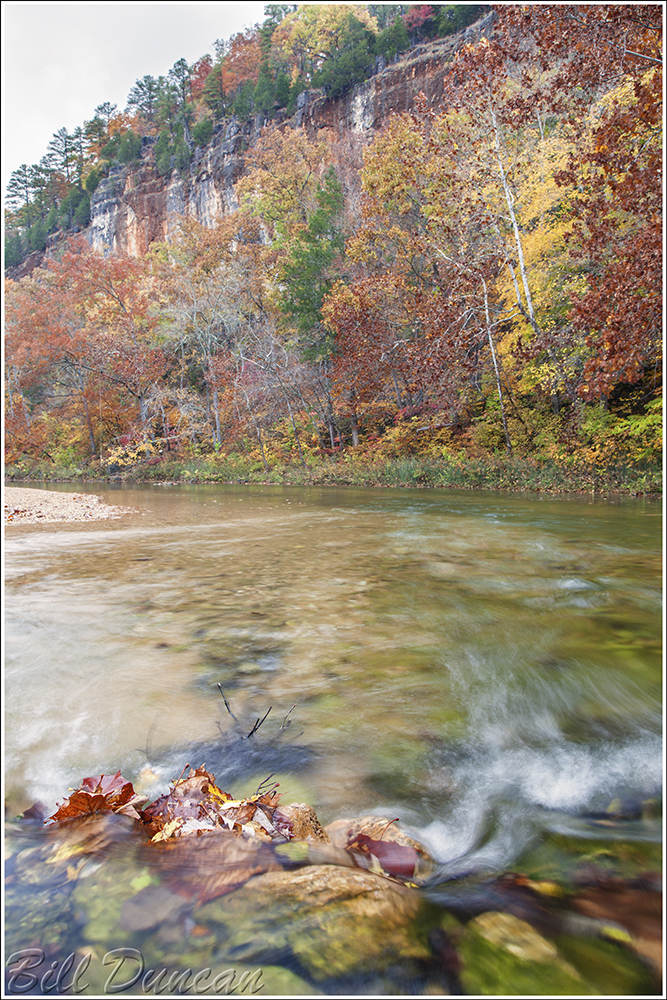
Just a short drive from the town of Steelville lies the aptly-named “Red Bluff Recreation Area”. I have seen photographs of this place and it was as beautiful in person. Carved over time by Huzzah Creek, these bluffs get their color from the high amounts of iron oxide in the limestone. This spot was almost indescribable. Incredibly peaceful and full of singing birds, the first thing I did was take off my shoes and pants and wade into the river to make this picture. At times like these my city-slicker feet never fail to disappoint me. Each step was painful and it was then that I realized my mitochondria training regimen was getting me nowhere. Anyway, this place has lots that would make a return trip worth the drive, including a natural arch and the ruins of an old grist mill site. Definitely a place on my “return to” list.
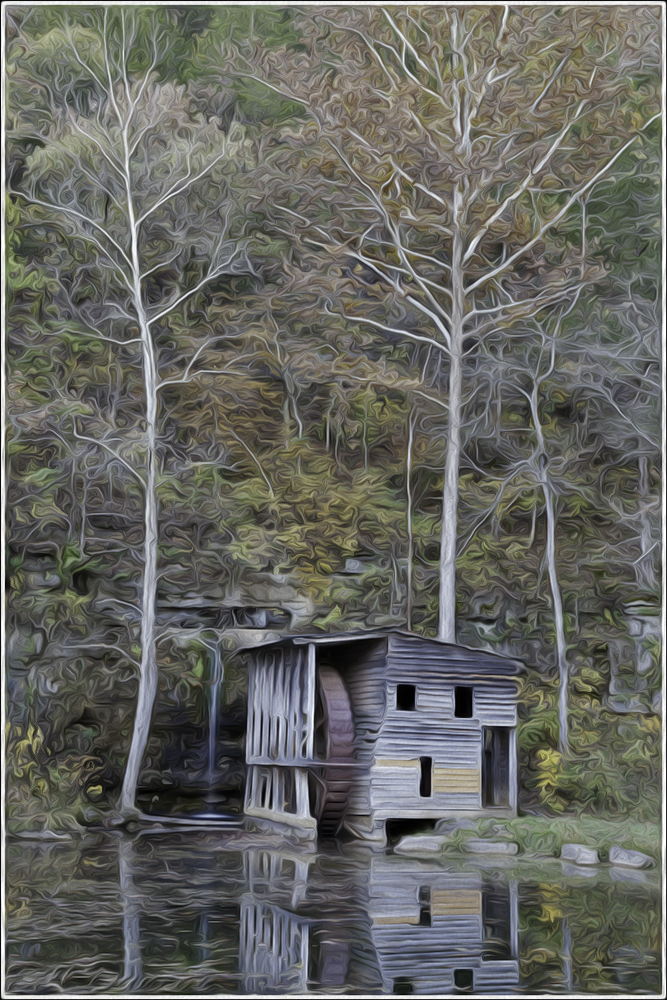
Continuing on Hwy 19, south of Winona is another of our favorite visited spots – Falling Spring. This spot is out of the way and if the spring is flowing, will never disappoint. My mind’s eye pictured better autumn colors than were actually found, but it is always a treat to find that vandals have not completely taken the old structure down.
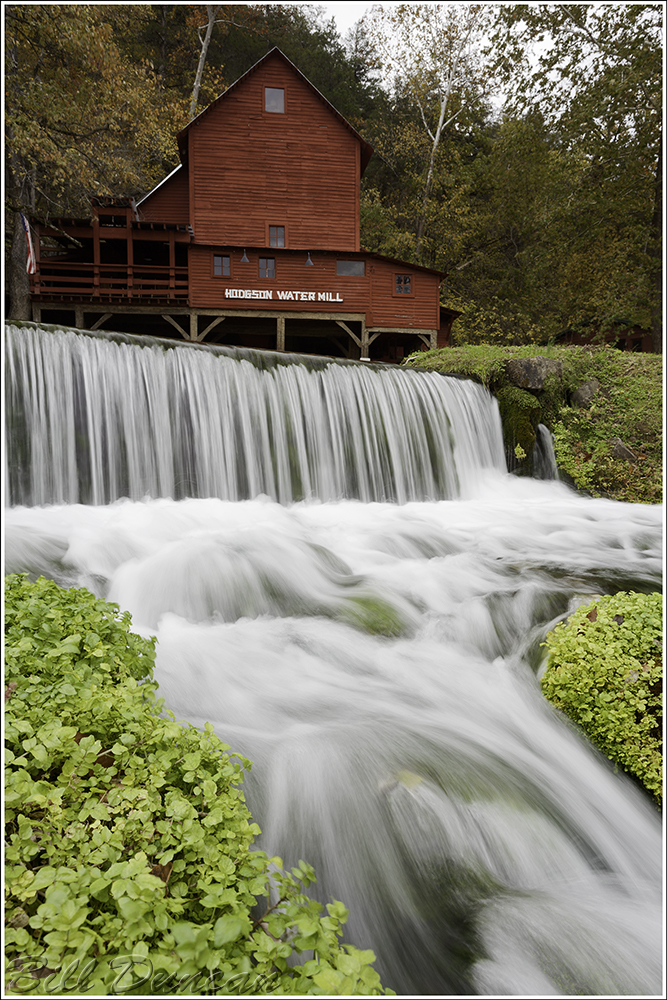
Further west in south-central Missouri Sarah and I visited the Hodgson Water Mill located on Bryant Creek. This picturesque mill is still in business as a museum/store. The spring discharges from a cave just behind the building and its 24 million gallons per day powered two underwater turbines for milling operations.
So that’s a little more from our splendid autumn Ozark trip from 2012. I still have a few images to share and will hopefully post some in the near future. I’m quite thankful that there are so many nicely written books available with descriptions of these locations. I use these books quite often and one of these days I will list them in a post.
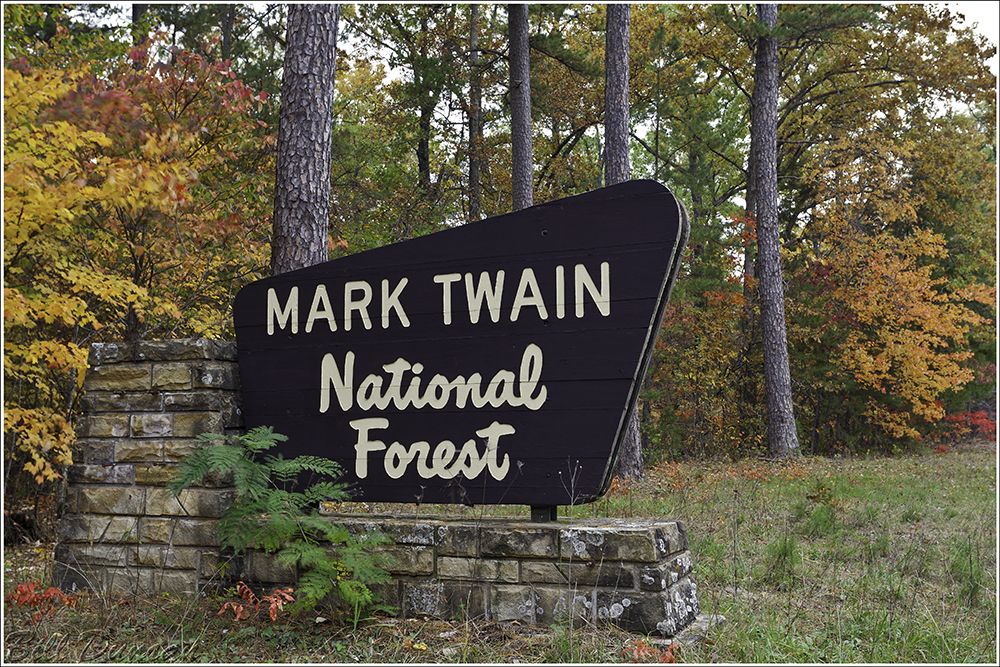
The Mark Twain National Forest contains near 1.5 million acres across the Missouri Ozarks. Make some time to pay a visit, as it belongs to us all, except the areas that are logged… ;=)
Did you know…?
-The first nest of the Le Conte’s Sparrow was was not discovered until almost 100 years after the bird was first described by science.
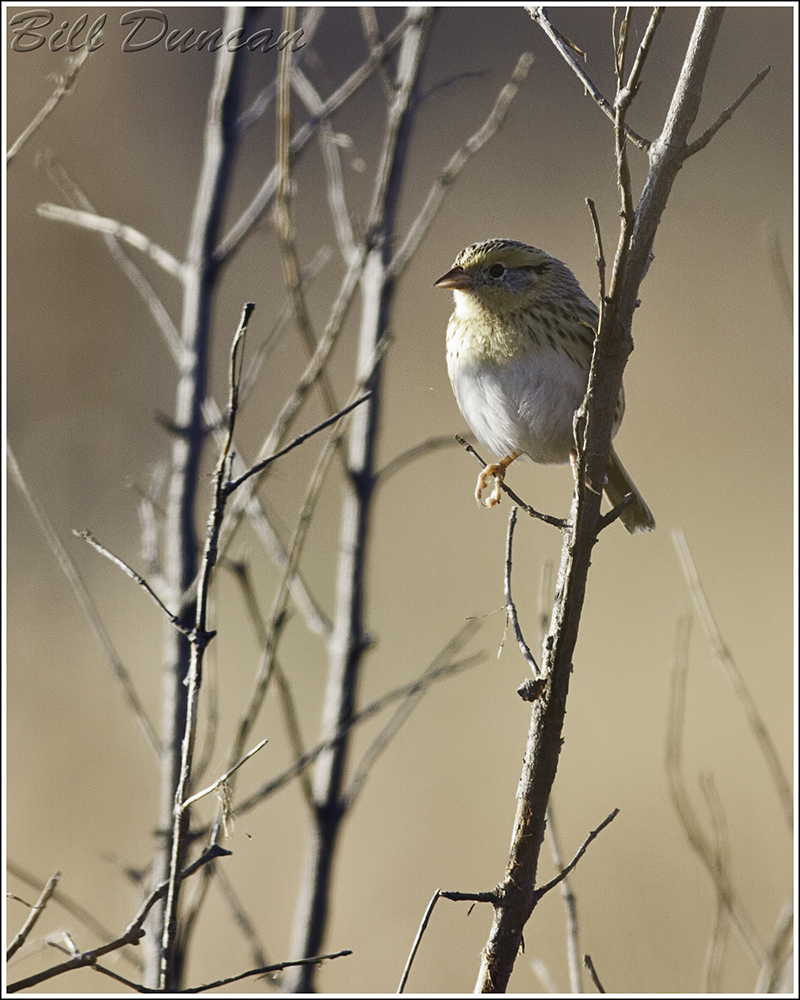
“Le Conte’s Sparrow”
 A Thousand Acres of Silphiums