"What a thousand acres of Silphiums looked like when they tickled the bellies of the buffalo is a question never again to be answered, and perhaps not even asked." -Aldo Leopold
The male Hooded Warbler’s song can be heard within the Ozark National Scenic Riverways longer into the heat of the day than many other songbirds. This guy, singing alongside quite a few other males occupying adjacent territories, was photographed on the Greer Spring Trail this spring.
From Harrison on the Worm-eating Warbler nest: “On the ground, concealed under drifts of leaves, usually protected overhead by shrubs, briars, saplings. Built of skeletonized leaves; lined with hair moss (Polytrichium), fine grass, hair. Typically on hillside or bank of ravine.” As cryptic as the birds themselves, the nest of a Wormy would only be found with the combination of utmost patience and fortune. If found, it has been reported that one can get quite close to the nest, the female only flushing if touched!
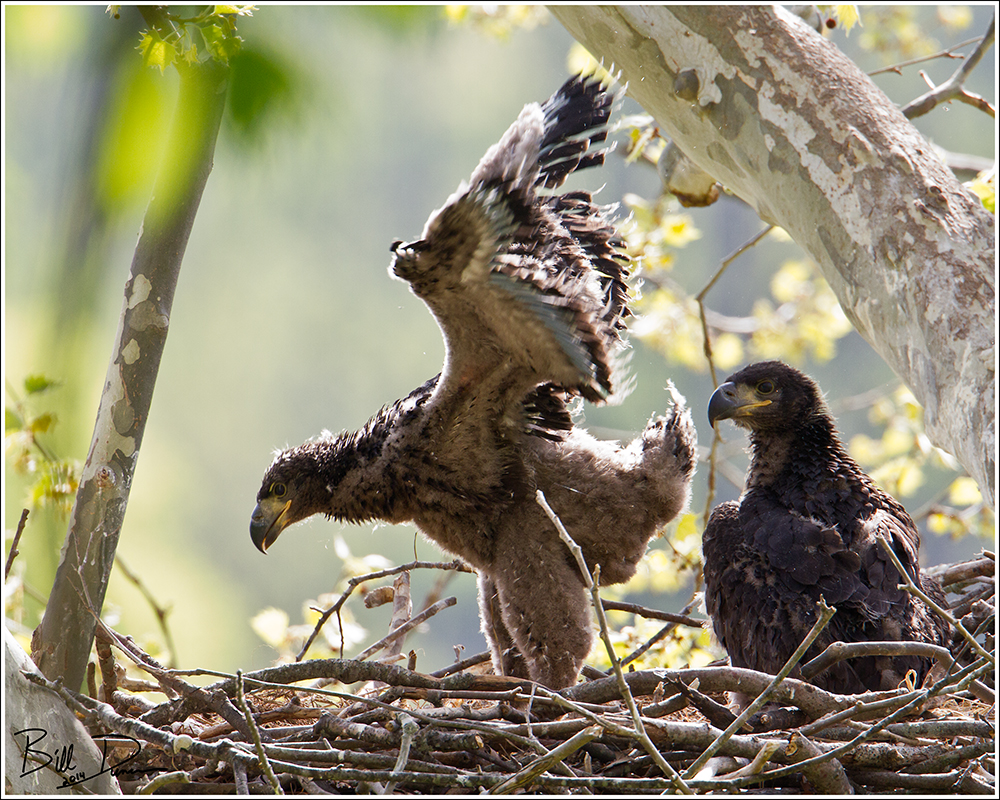
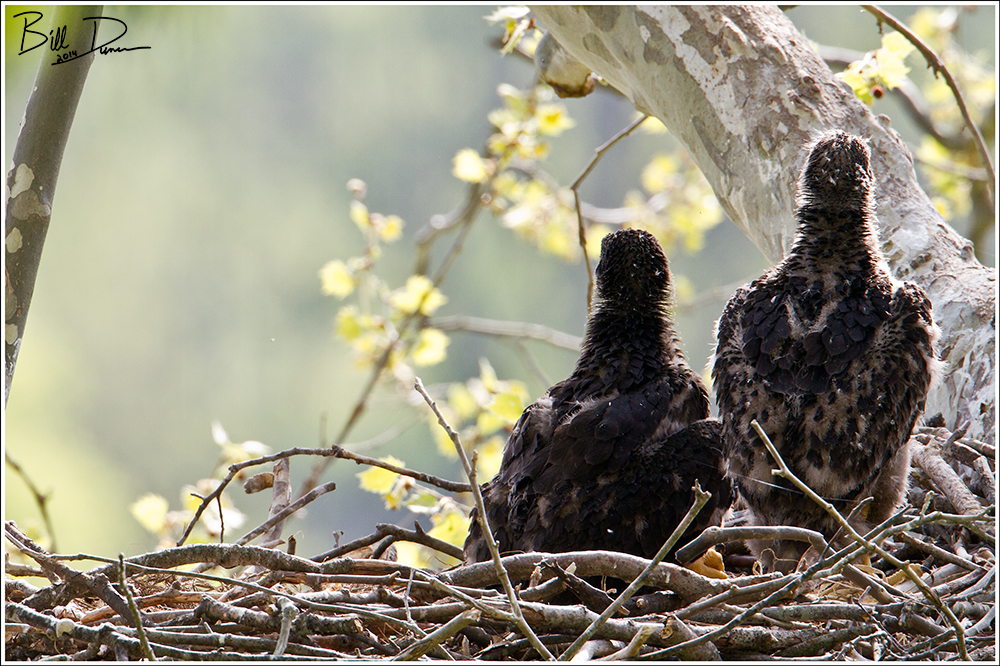
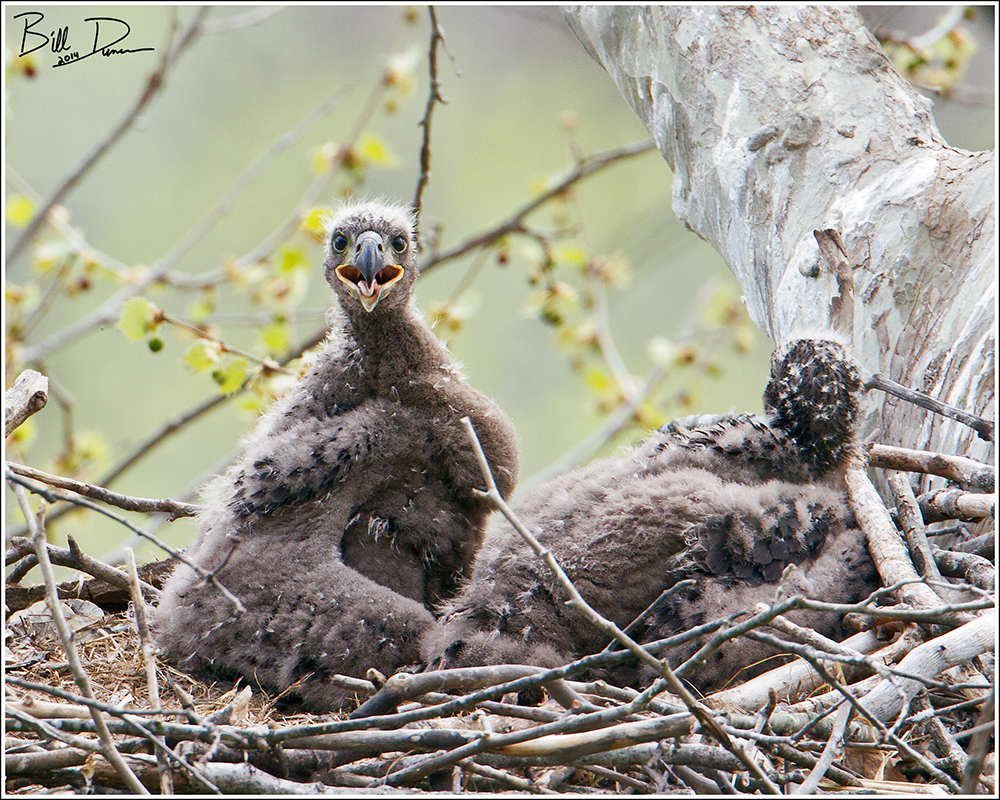
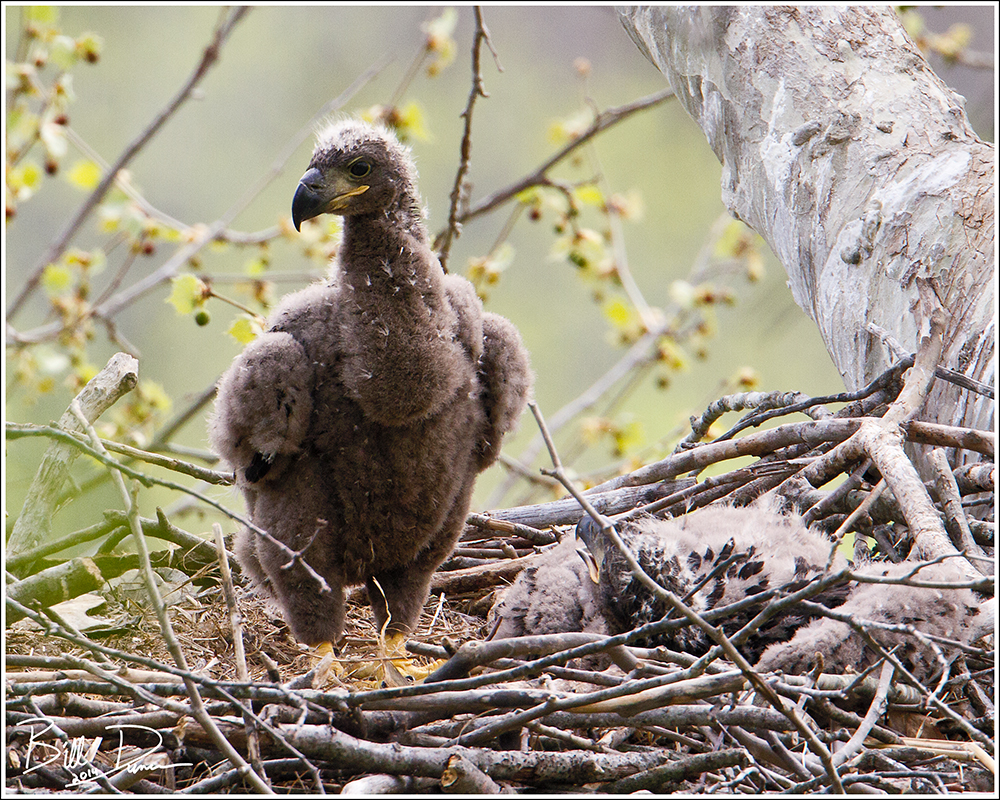
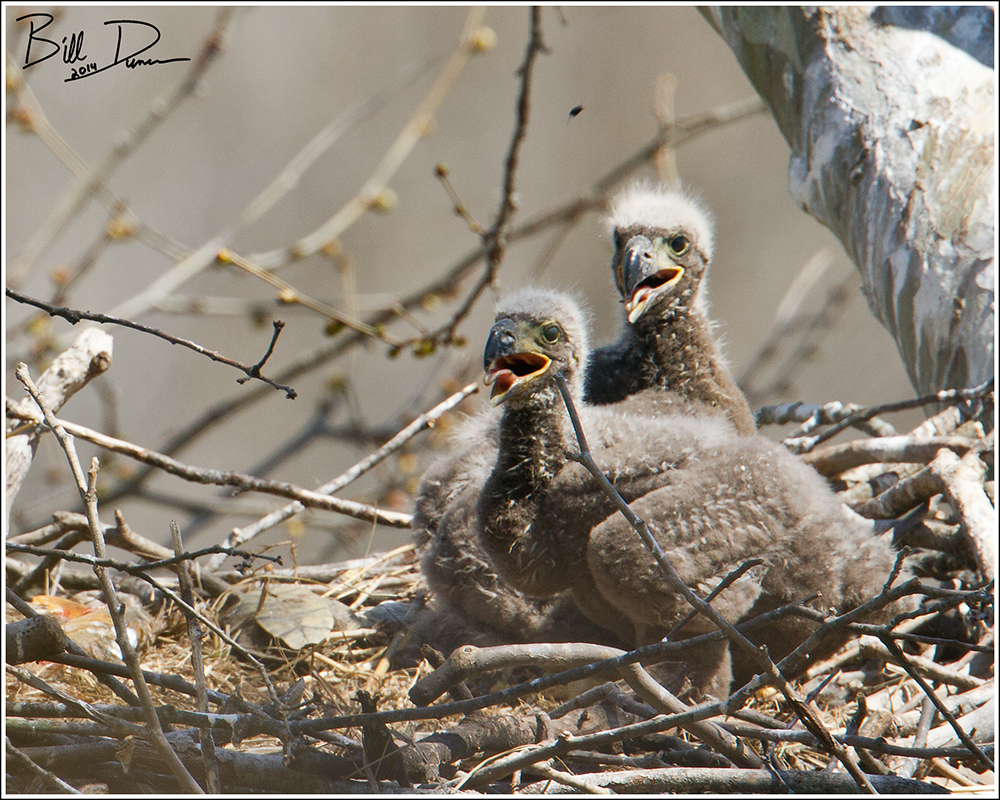
During what was assumed to be the chicks fourth week, dark flight feathers start to be seen. The chicks were more mobile, moving around the nest, and much more aware of things outside the nest.
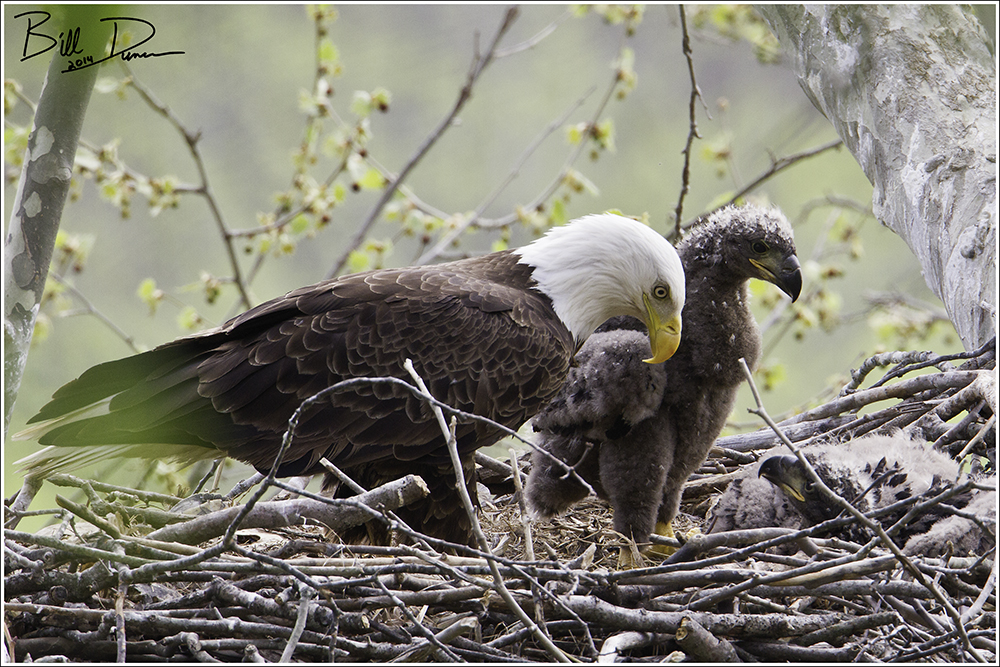
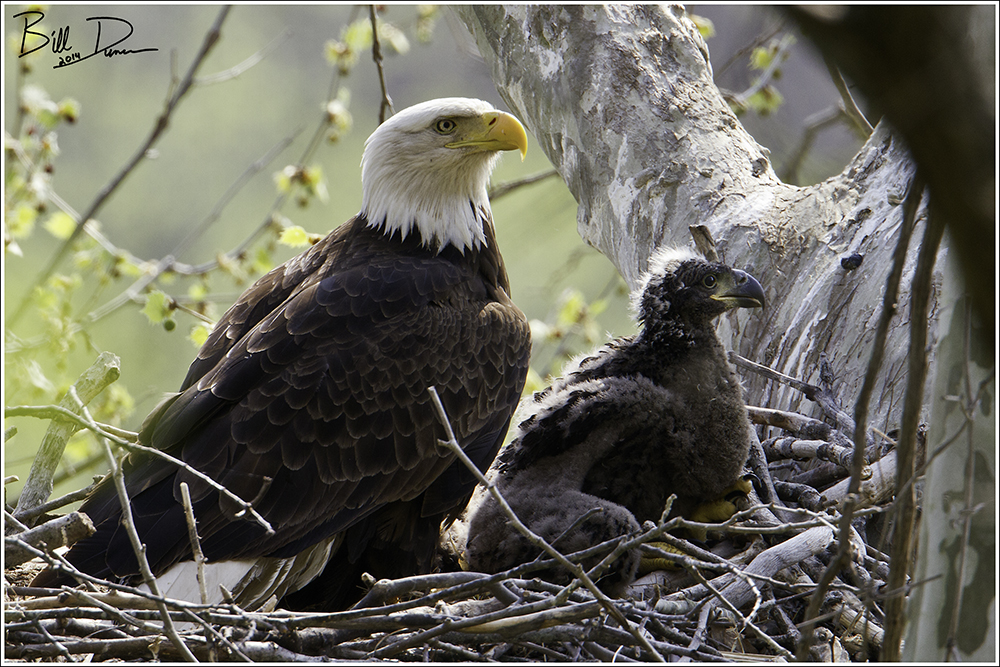
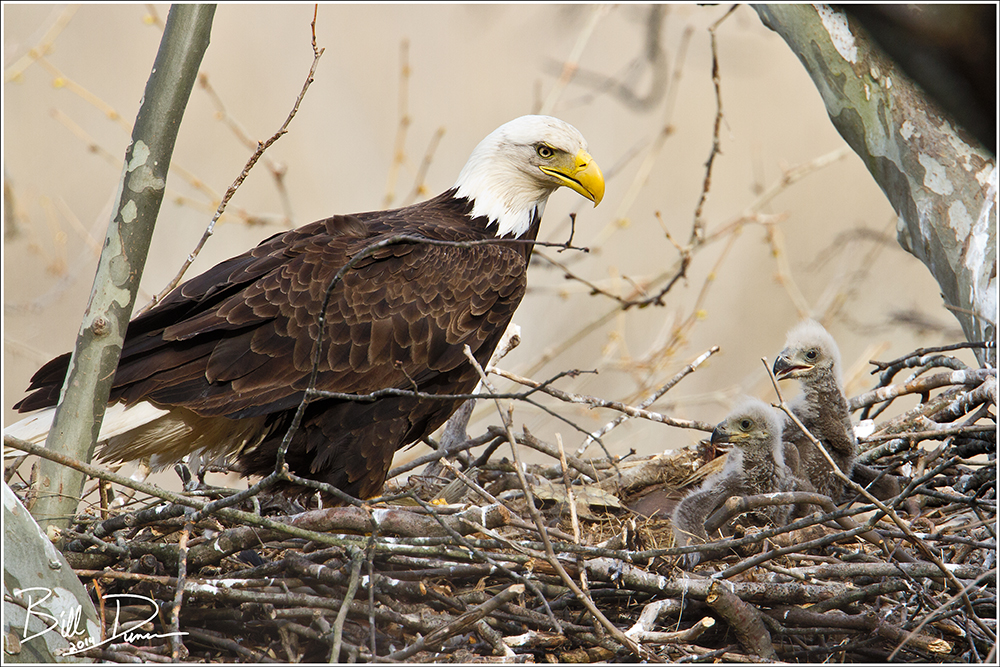
At week two the chicks were much more mobile, able to hold their heads up for more than a couple seconds at a time. Mom always gives them a thorough look over when arriving at the nest.
Week Two
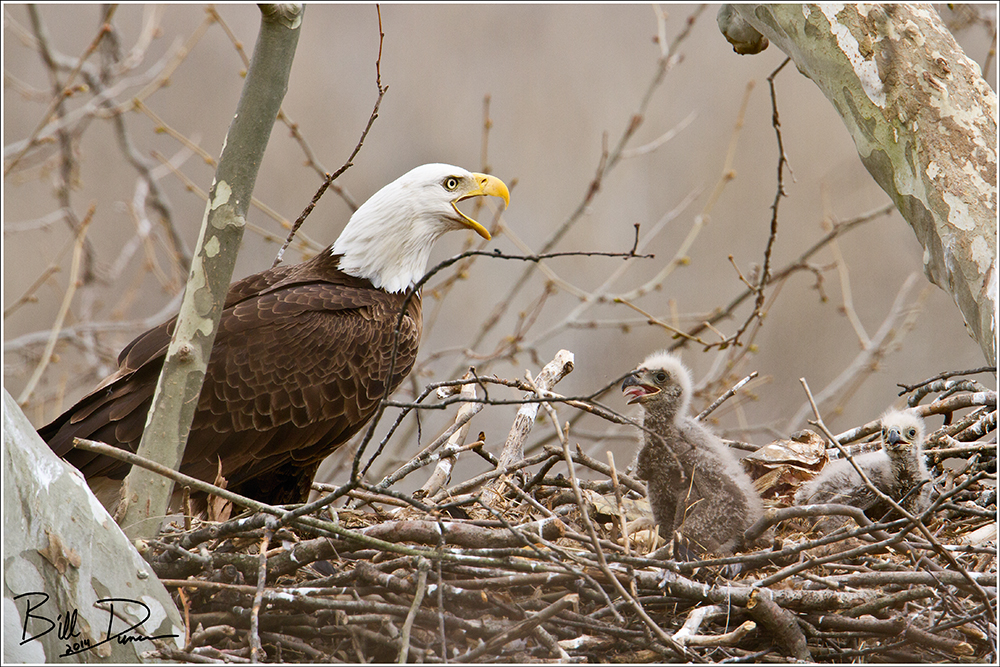
Here one adult vocalizes on the nest while its mate circles the river valley treetops.
Week Two
Below is one of the melting looks that the chicks give when the adults are at the nest. This is my favorite type of photo to capture in the nest.
Week Two
The only visit where I observed both parents at the nest simultaneously was during my week two visit.
Week Two
Finally, even at this early age, the chicks exercise their future flight muscles.
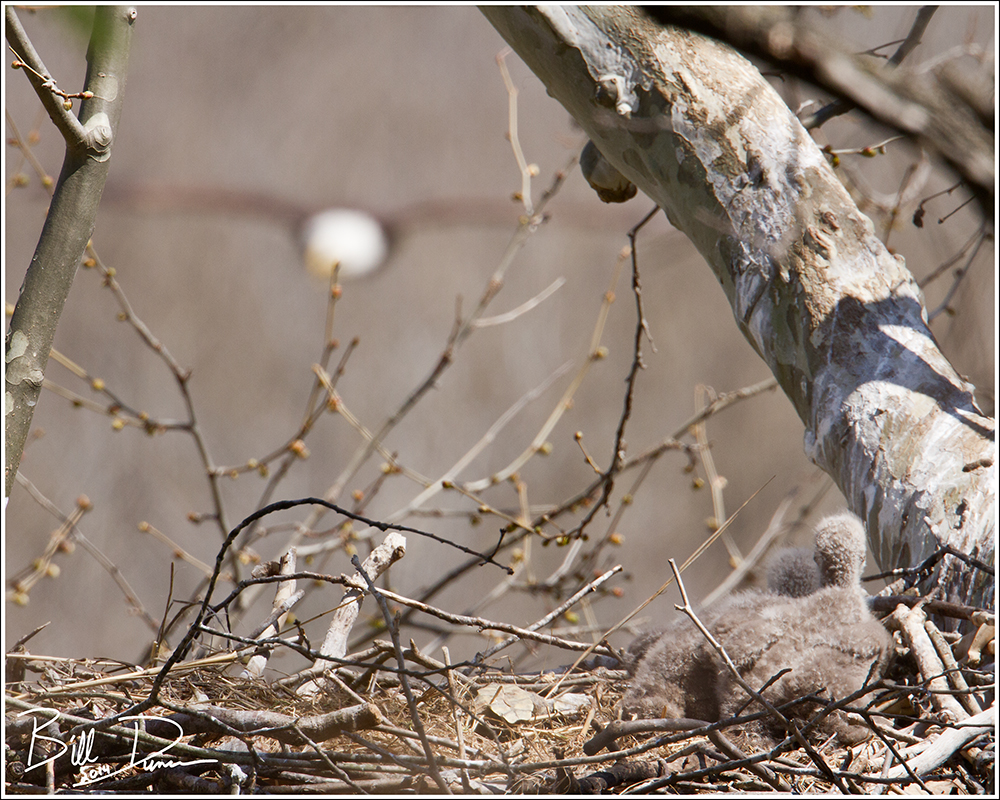
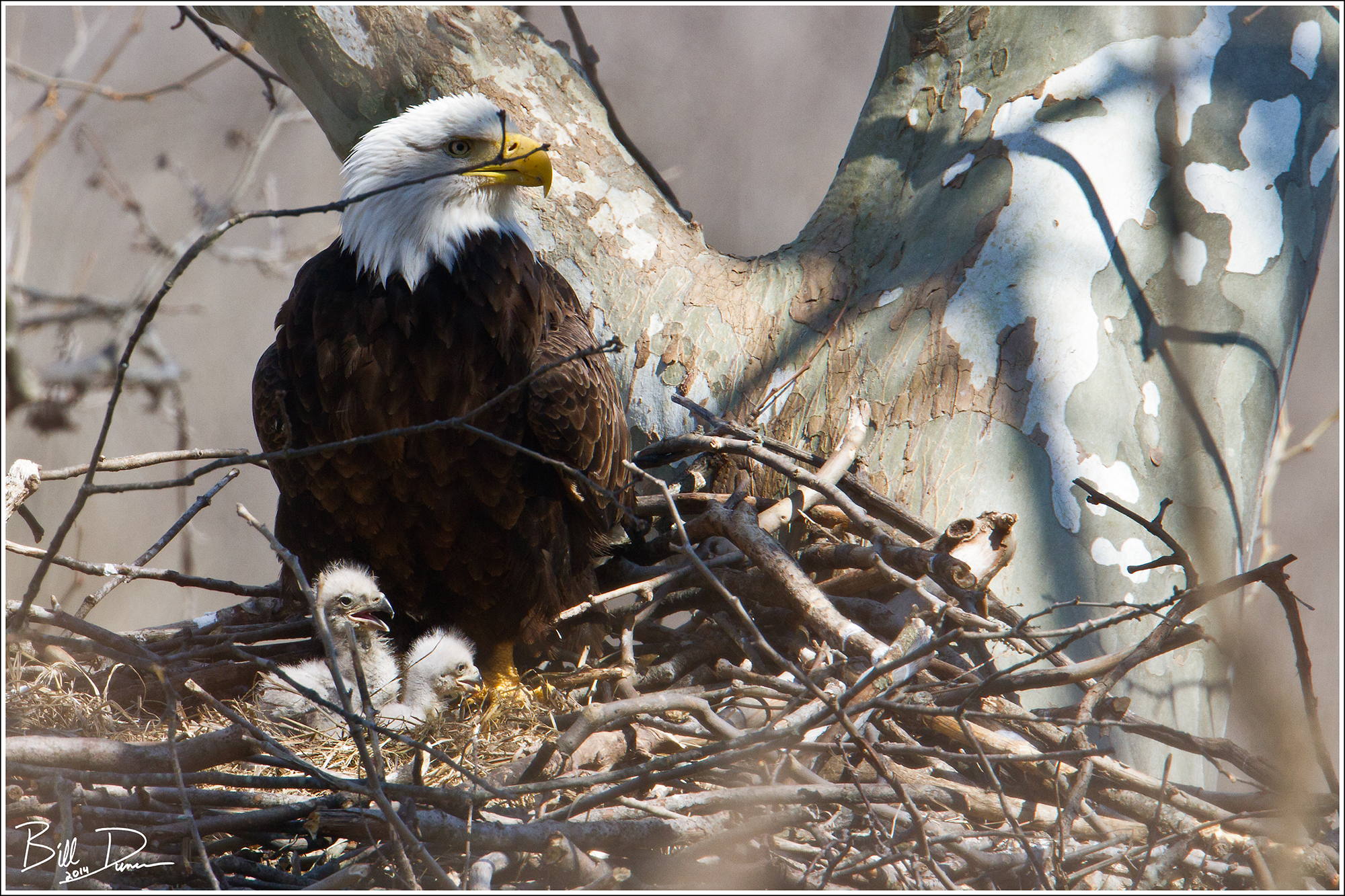
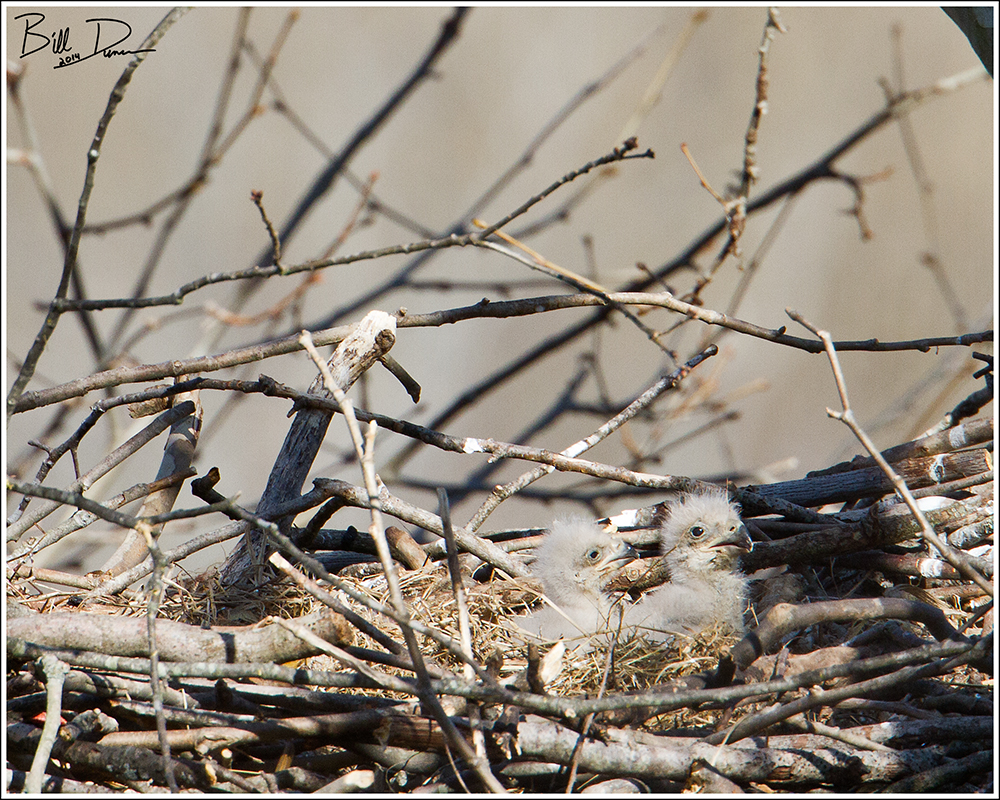
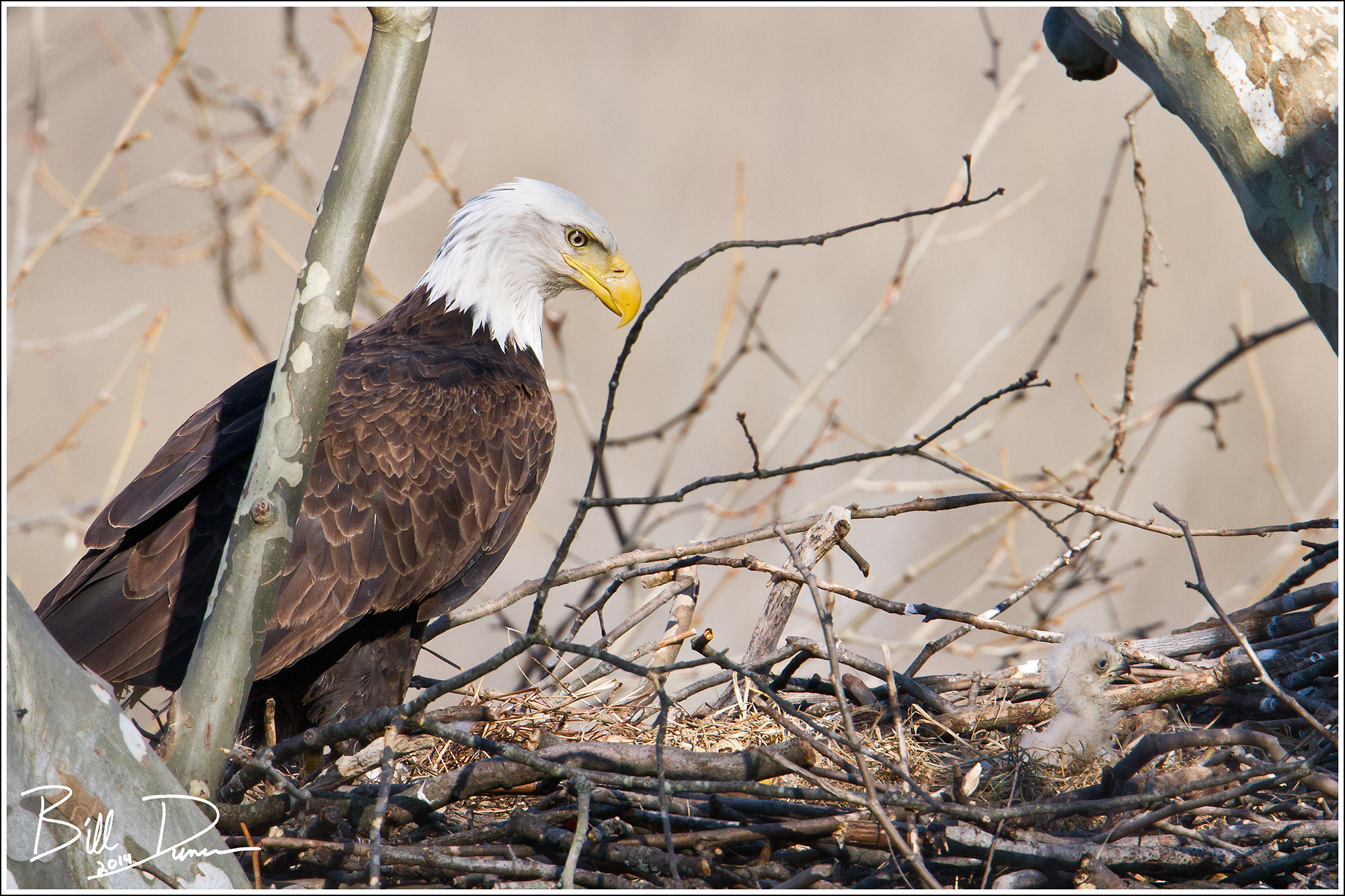
Hello there. I am ready to announce an ongoing project we have started recently. A friend of mine informed me of a newly built Bald Eagle nest on his neighbor’s property. With his help and that of the property owners, G & C, we discovered some viewing locations that worked well for photography while not stressing the birds too terribly. We are keeping the location secret, but I will say it is found along the Meramec River in St. Louis County, MO. Thanks so much to everyone involved who has helped me get these images. It has been an incredible experience. The chicks are now approximately five weeks old. The images in this post were taken when the chicks were less than a week old. I hope to continue weekly monitoring and photography until they fledge, which should take place at 10-12 weeks.
Week One
The nest is located ~ 75 feet in a large sycamore. The reason we have such an excellent viewing angle into the nest is that the nest tree grows at the bottom of the river valley’s ridge. We are placed at about the same height on the steep ridge, about 200-300 feet or so from the nest. An uncomfortable place to watch, but worth it.
Week One
We have all been shocked by their speedy growth rate. These are likely first time parents, but they have been doing an excellent job of raising these two, as far as I can tell. 😉 There is an obvious difference in size between the two chicks, that can still be see today.