"What a thousand acres of Silphiums looked like when they tickled the bellies of the buffalo is a question never again to be answered, and perhaps not even asked." -Aldo Leopold
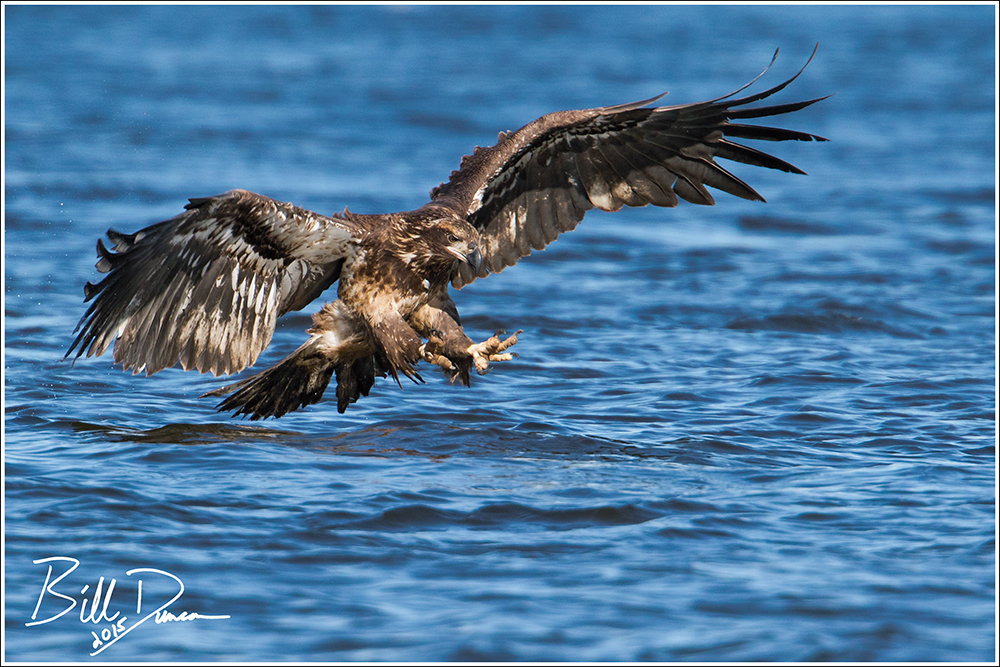
During the past week were were fortunate enough to have sub-freezing temperatures across the region, signifying the beginning of one of my favorite parts of the season – the congregation of much of the mid-western population of Bald Eagles at the lock and dams along the Mississippi River. Although we will still need to wait a couple or few more weeks for the large numbers, hoping for the cold in order to freeze the river completely, I was still able to make a few photos of fishing birds at Clarksville’s Lock and Dam #24 yesterday. The image below, showing what I believe to be a late-second year bird just before impact, is an early favorite.
On the Hunt…
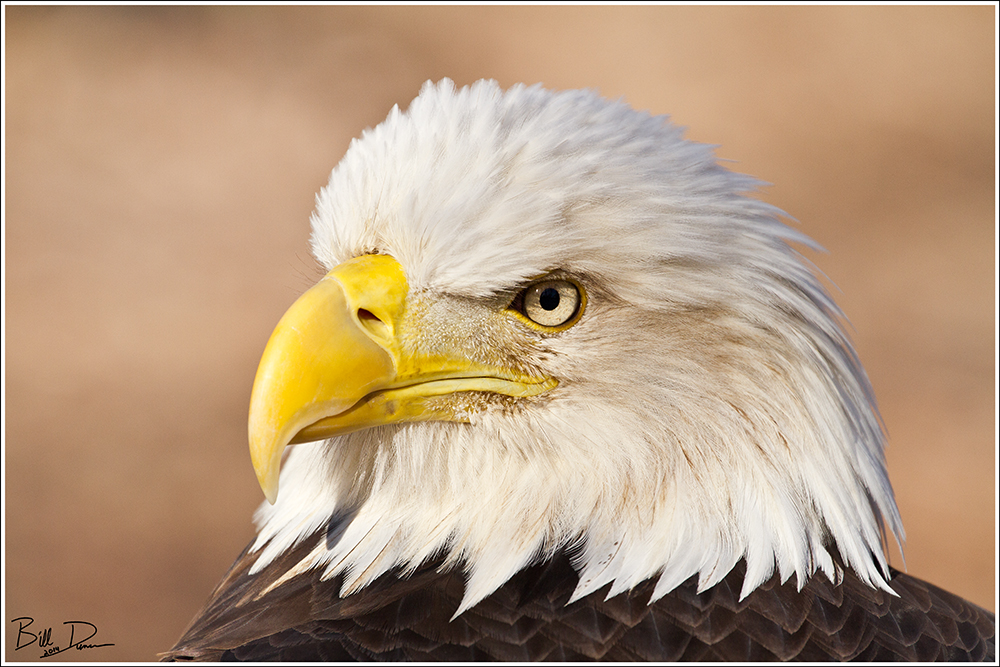
The next image is a head-shot of an adult bird from a nice walk-through of the World Bird Sanctuary that Sarah and I took over the holiday break.
Finally, my first successful photos of a Glaucous Gull. This 1st winter bird was photographed yesterday as I tried to make some eagle fishing photos at Lock and Dam #24 at Clarksville MO. In an interesting coincidence, I ran into Brenda Hente, from Great-Horned Owls Will and Kate fame, and Danny Brown, from MDC Photography fame.
1st Winter Glaucous Gull
Earlier in the day I joined Josh Uffman, from uber birder fame, and the hoard of birders from across the country at Lock and Dam #21 at Quincy, looking for what is likely the most famous bird in the nation – the Ivory Gull. Unfortunately, this was to turn out to be the first day the bird was not successfully found since its discovery on or about 2-January. I am so glad Steve and I headed there last weekend to get a look and a few pics (yet to be posted).
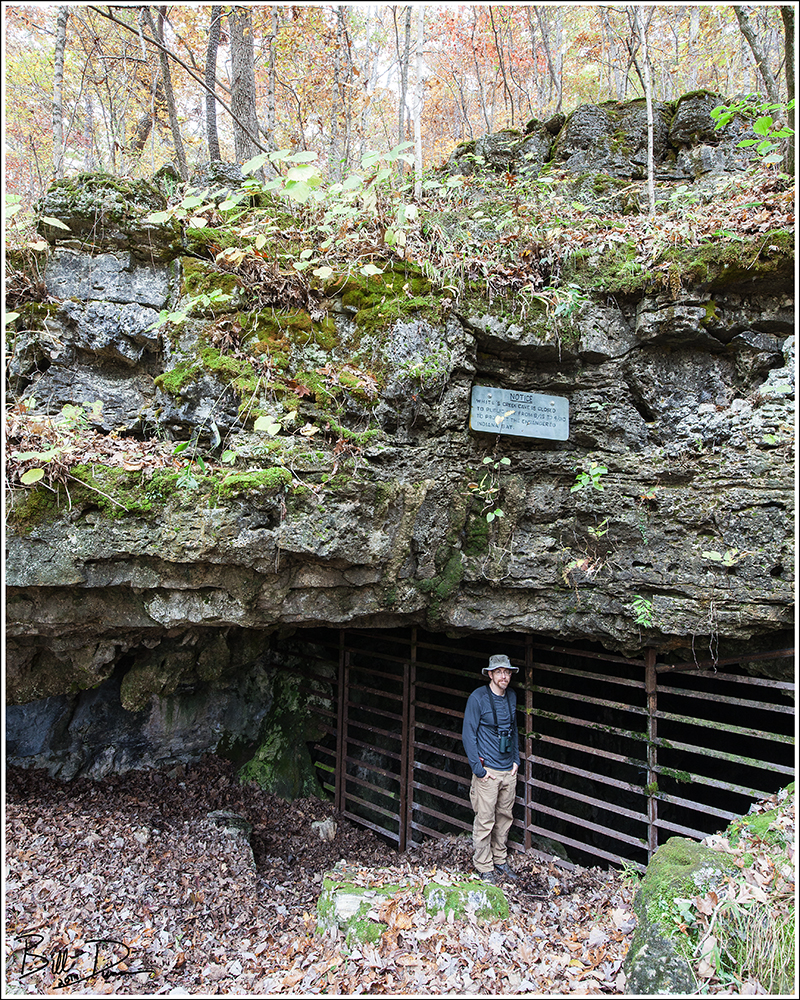
Back in October, Steve and I had the pleasure of spending a couple days doing our favorite things in the Missouri Ozarks. We made our base at our usual, the cabins at Big Spring SP, our last stay here for at least three years as the cabins will be closed for construction. For our first day, we decided to take care of something that had been on my list for a number of years, to hike the largest official Wilderness Area in the state – the Irish. Named after the Irish immigrants who settled in this area in the mid nineteenth century, the Irish was visited and pushed for protection by Aldo Leopold himself. The Irish was finally designated by law as an official wilderness area in 1984 after close to two decades of work by a number of caring people. This area was virtually cleared of its timber by the early years of the 1900s, but was replanted with its current deciduous hardwood mix by the CCC in the 1930s.
Ozark Bill in the Irish
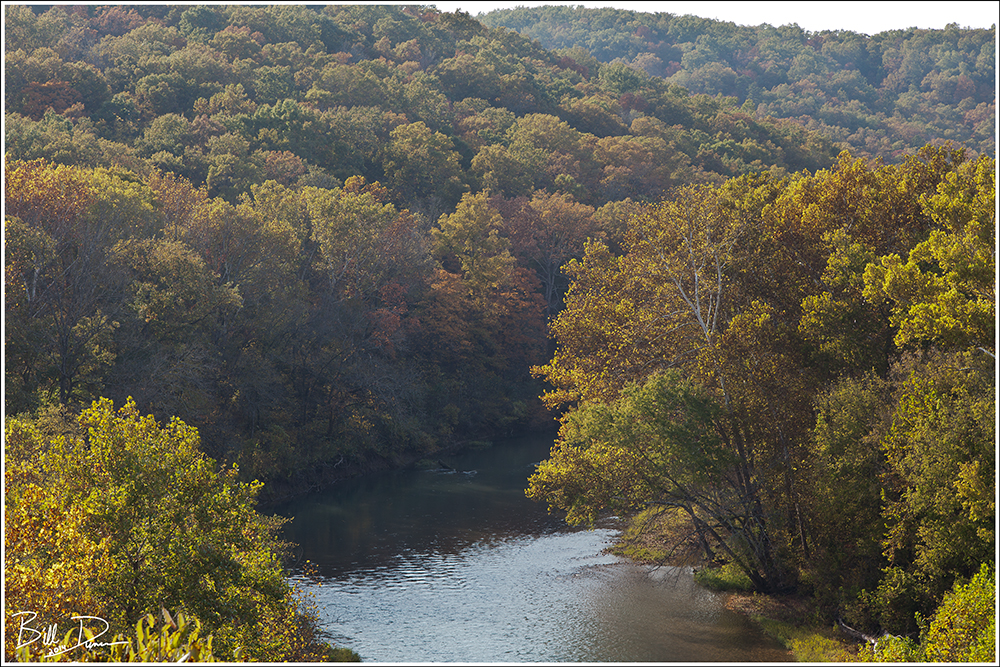
Officially listed as 18.4 miles, the Irish Wilderness loop trail is typically tackled with a night or two of backpacking. Being the athletic super-freaks that we are, Steve and I put down an estimated 22 miles, with some back tracking and assisting a lost backpacker (a GPS unit with topographic map display is quite the asset here), in about 16 hours. It would have been more enjoyable with a night or two sleeping in the woods and spending more time, but we had other plans in store as well. The image below is from an overlook of the Eleven Point River at close to the halfway point of the hike. I will never forget standing here in the late afternoon light with hundreds of ladybird beetles covered the rocks and filled the air.
The Eleven Point
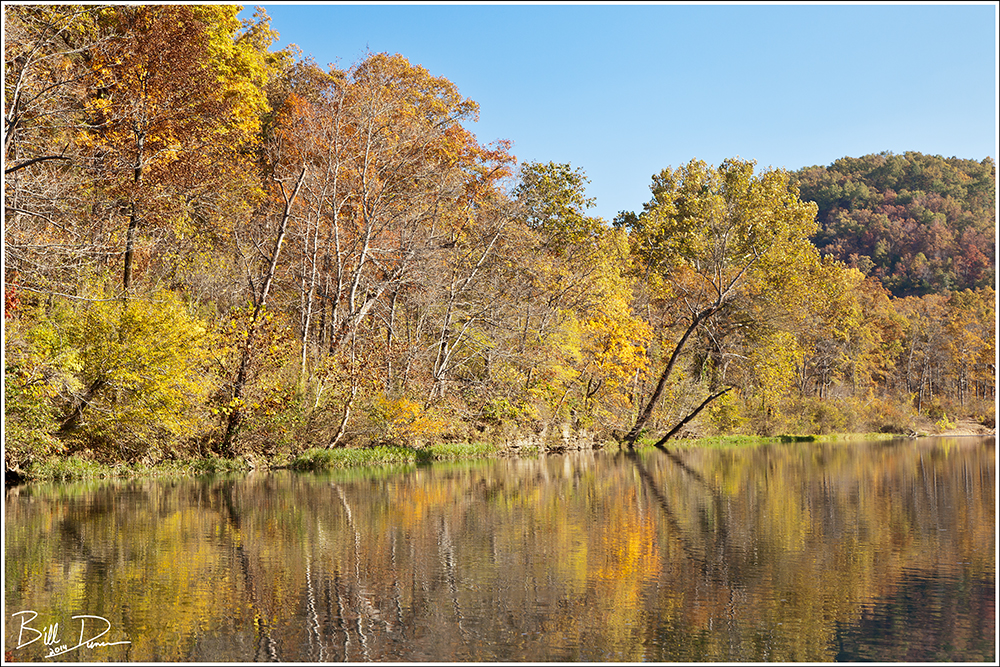
Covering 20 miles in a single day does not leave much time for taking photos. After getting some much appreciated sleep back at the cabin, we arose early to arrive at Richard’s Canoes to be in the water by ~07:30. We put in at Greer Spring Access (mile 16.6) and had the day to move the ~12 miles to our take out at Whiten Access (mile 27.6). The Eleven Point offers a perfect mix of slower moving stretches and deep pools mixed with just enough class 2 rapids to keep things interesting. Make sure to bring along some wet bags if carrying delicate camera or other electronic equipment. We were offered autumn views like this around nearly every bend.
Autumn on the Eleven Point
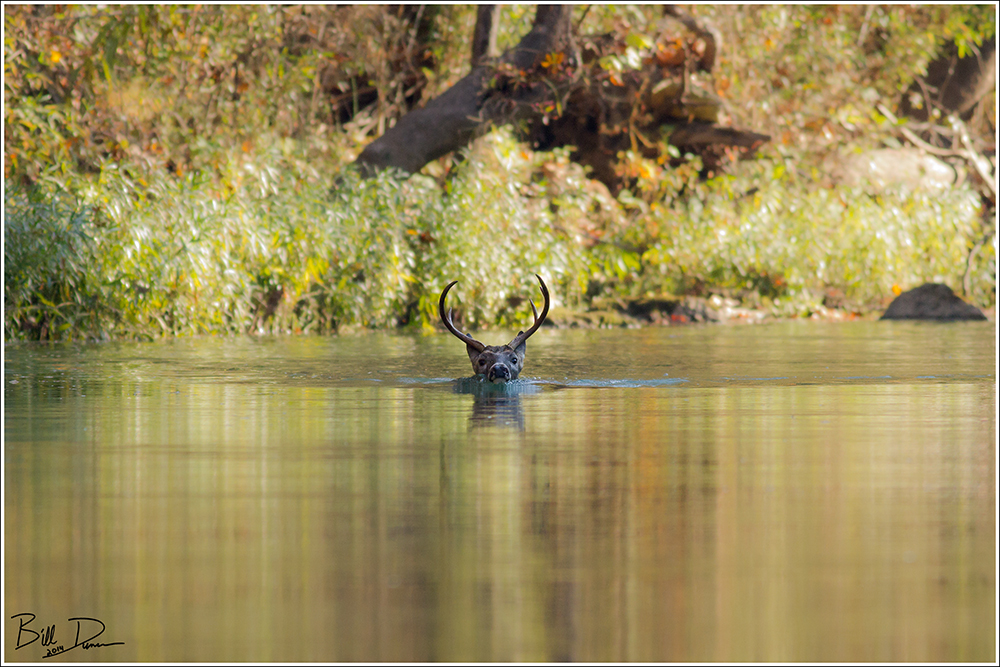
As if the landscape and feelings of being on the river were not enough, the wildlife opportunity are surely the highlights for a float trip like this, assuming you are quite and keep your eyes open. This White-tailed buck was moving upstream when Steve spotted him.
Swimming Buck
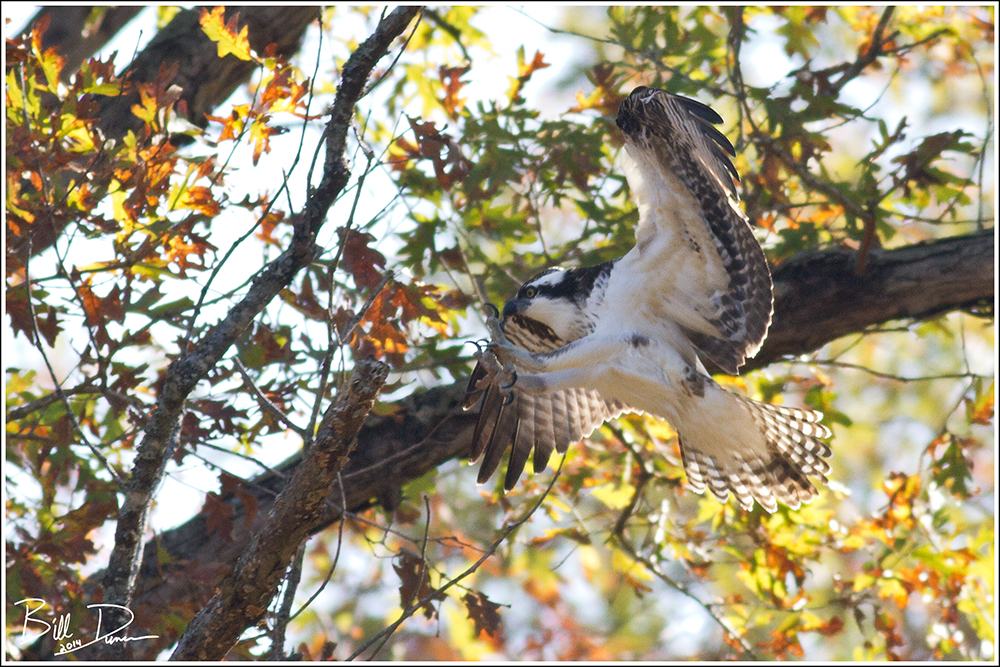
Of course the birds will be abundant along any Missouri Ozark stream at any time of year. We were thrilled to see this Osprey come in to perch nearby as we floated.
Osprey
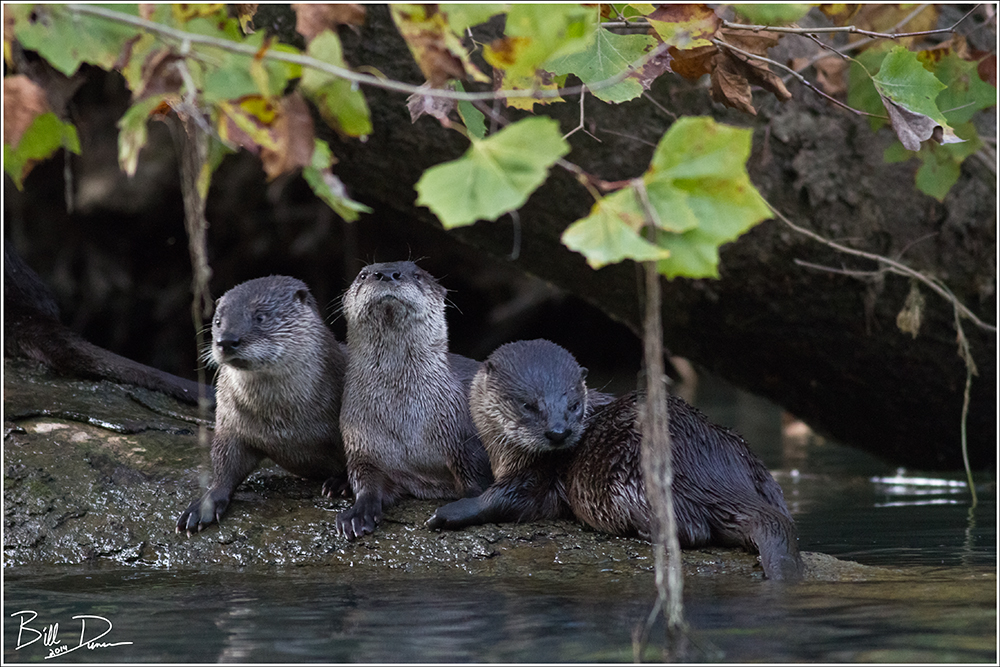
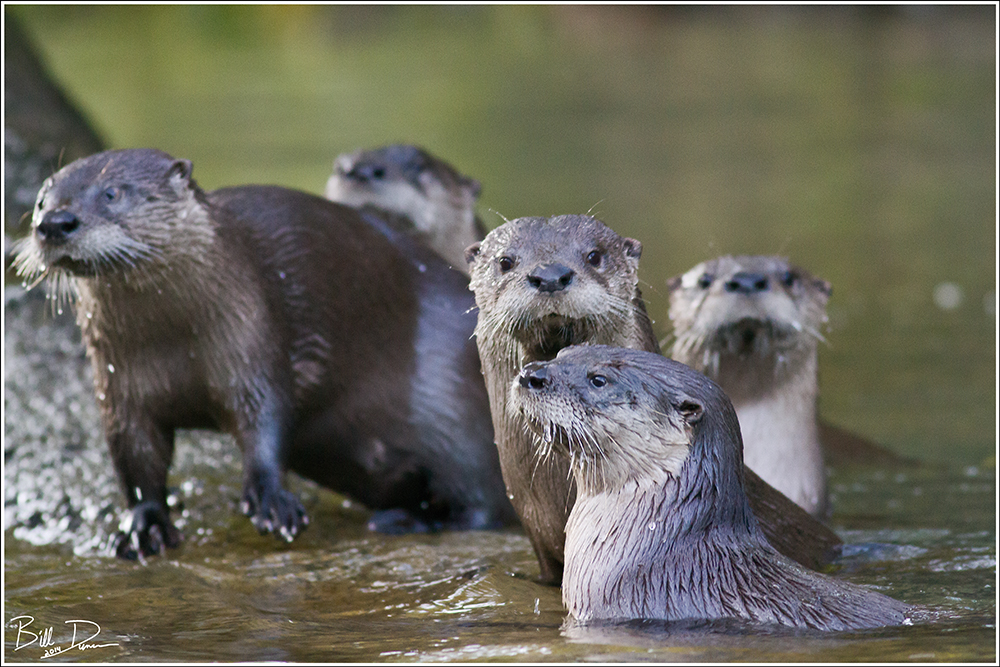
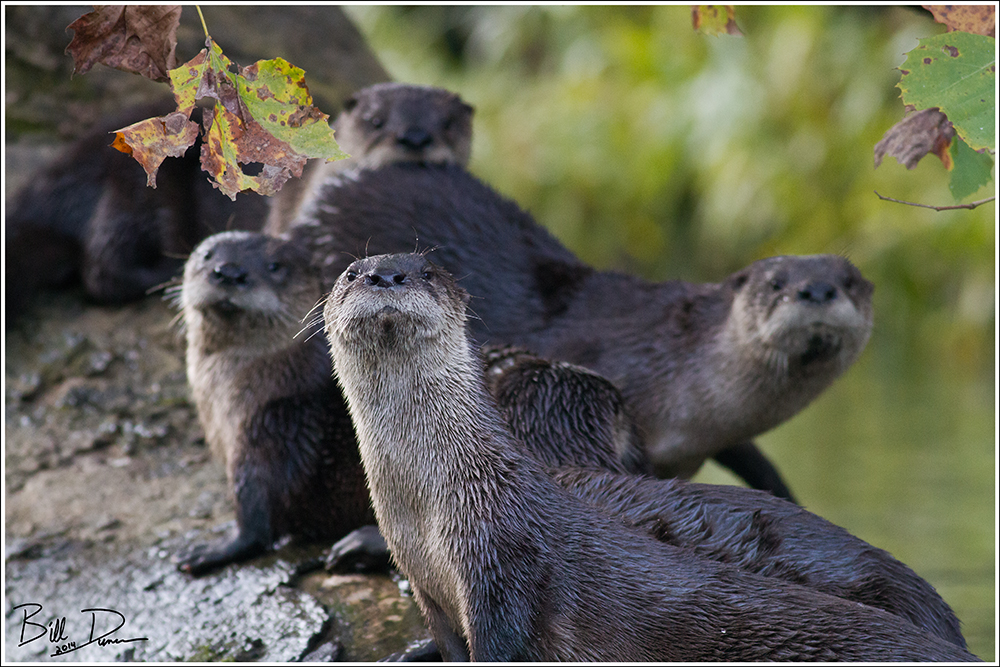
Within a couple of miles from our take-out point, we were presented with our pièce de résistance for the float, two groups of River Otters! The images below are the first group, a mom and four pups. These animals were venturing out of their den to play in the day’s last light.
Three Pups
The pups seemed not too concerned, but mom kept a close eye on the floating log with ugly heads.
Otter FamilyOtter Family II
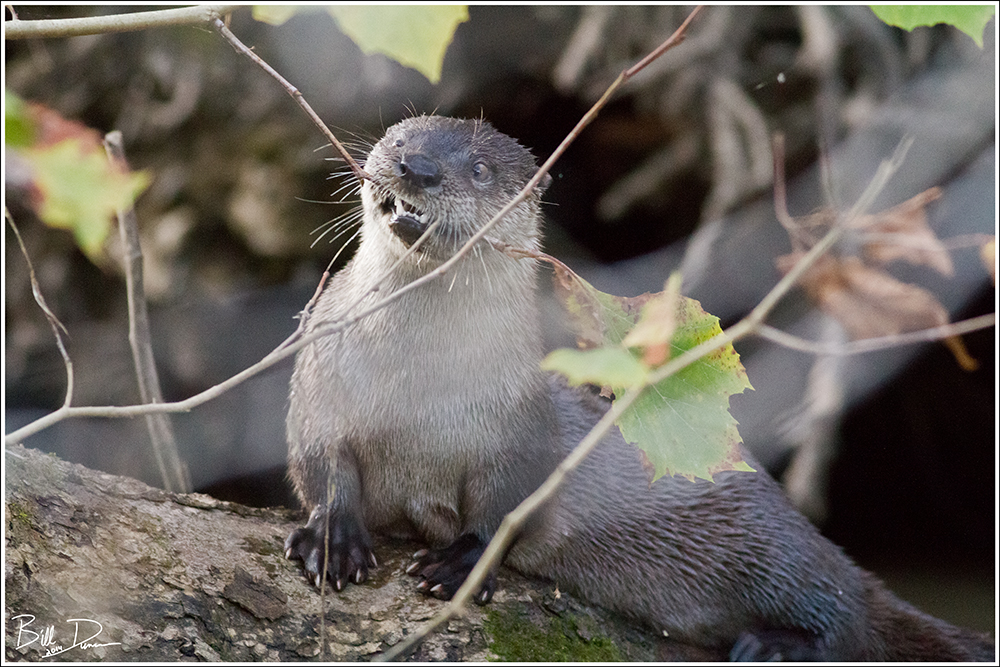
These guys will turn anything into a toy… 😉
Playing with a Twig…
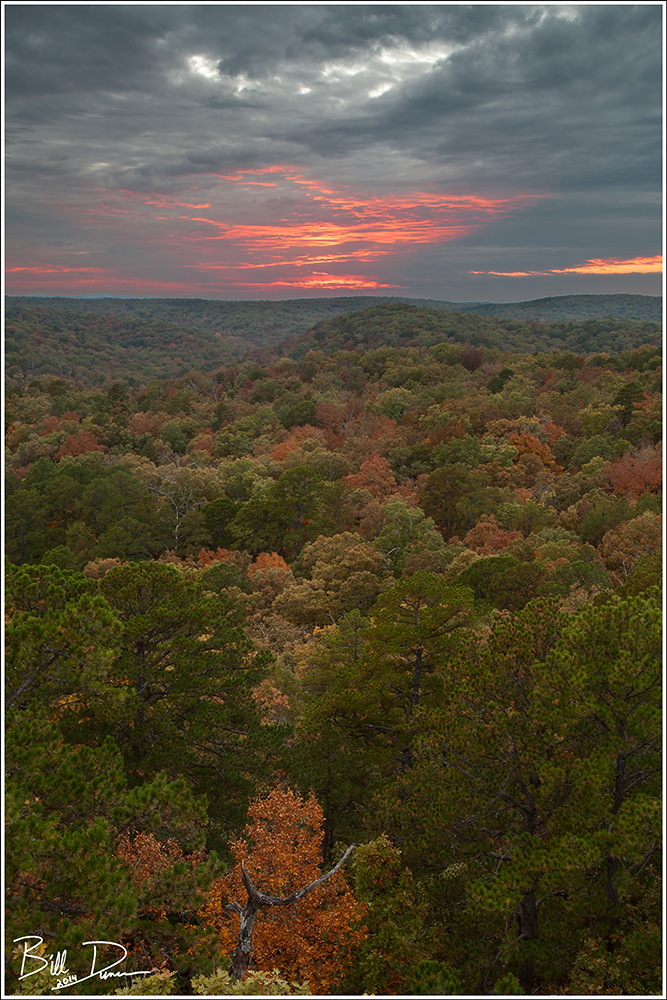
I leave you with a sunset from the nearby Big Spring State Park and eternal thanks to those who worked so hard against heavy opposite forces so that, at a minimum, we have what we have today.
The day is almost upon us when canoe travel will consist in paddling up the noisy wake of a motor launch and portaging through the back yard of a summer cottage. When that day comes canoe travel will be dead, and dead too will be a part of our Americanism…
These five were all taken at the confluence, either at RMBS or CBCA.
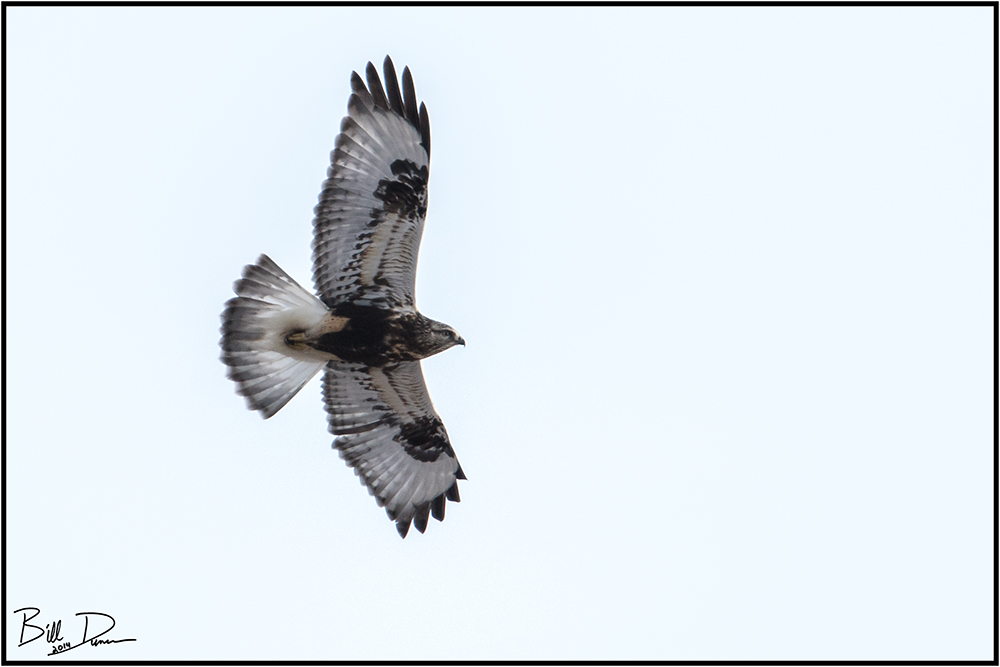
Rough-legged Hawk
This gorgeous juvenile light-phase Rough-legged Hawk spent nearly a week at the confluence recently. These infrequent winter residents nest up north, far north, like arctic circle north. One of my favorite birds, it is always a pleasure to find one of these guys. Sarah and I very much enjoyed this bird, nearly the size of a Red-tailed Hawk, as it hover-hunted much like what is seen by the American Kestrel.
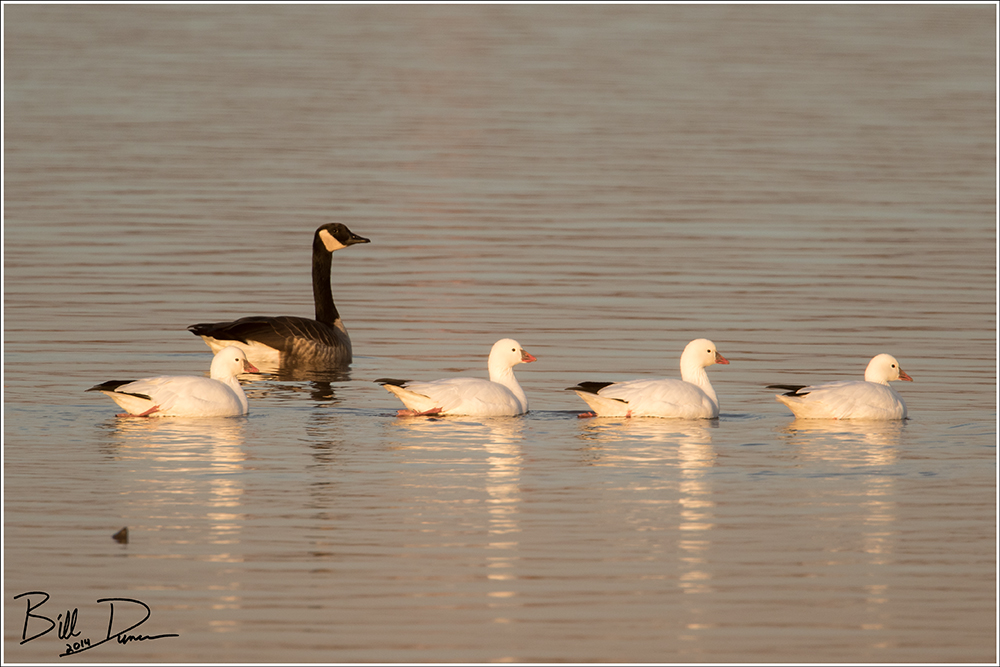
The Rosses Came to Town
Steve and I were tipped off to these Ross’s Geese at Teal Pond by a kind birder. I can’t imagine a cuter bird. Well, maybe a few.
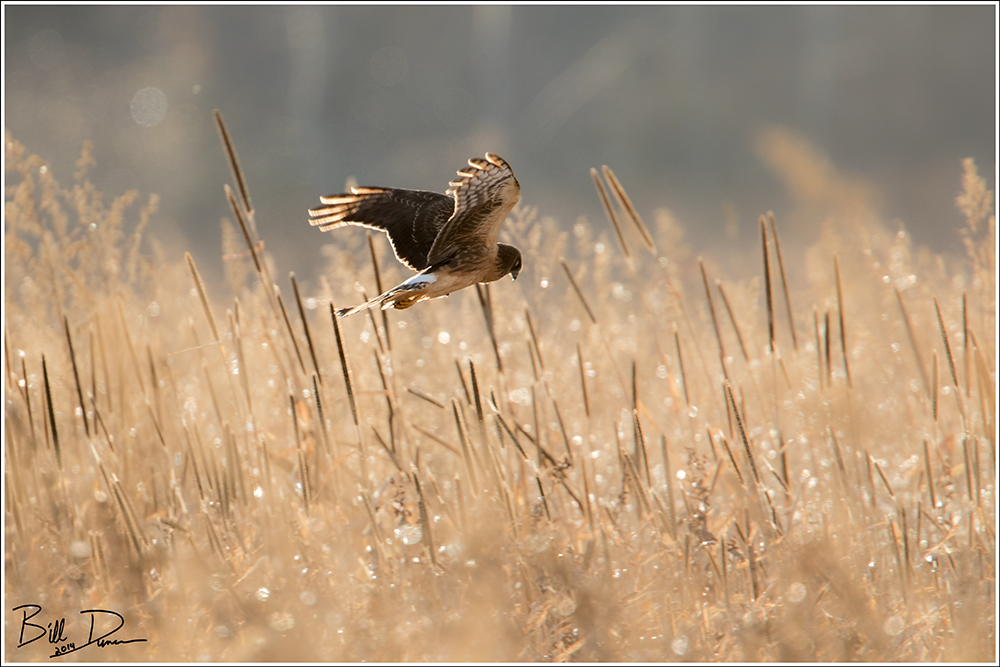
The Marsh Hawk
This has really been my year with the Harriers. I don’t know if it is luck, patience, or what. This one drifted by closely yo me at CBCA recently.
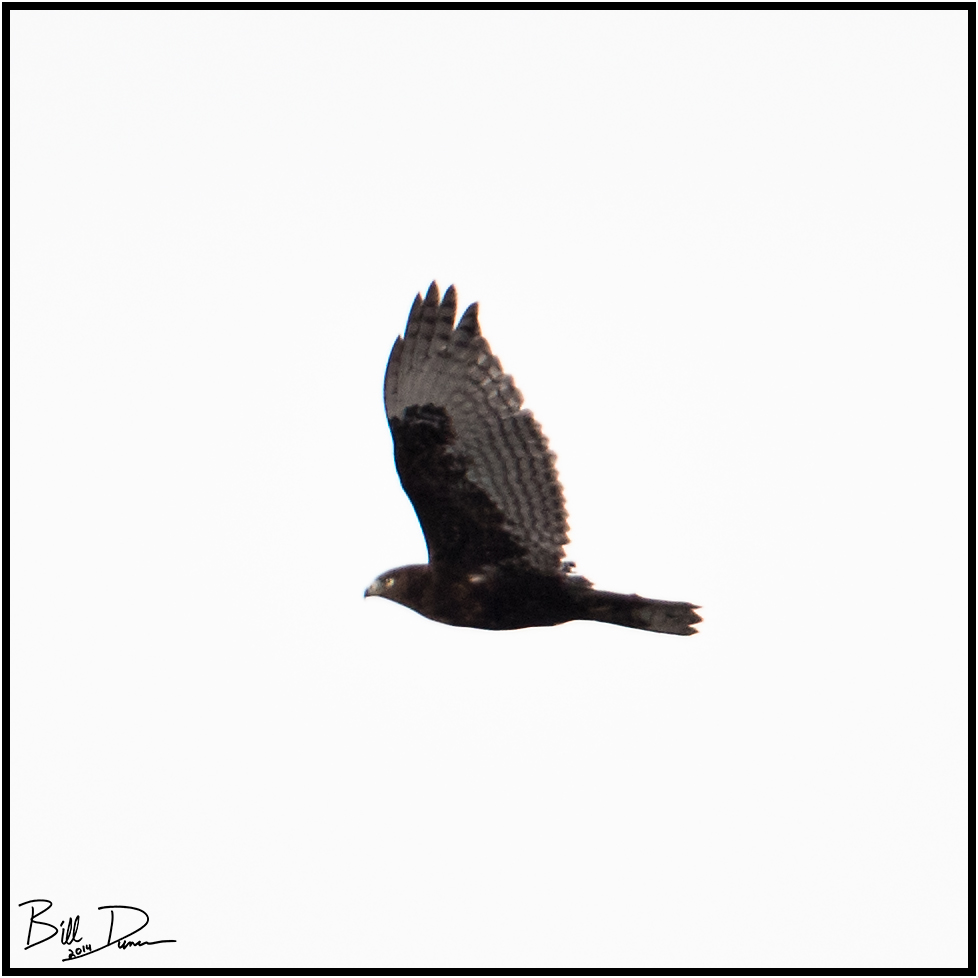
Harlan’s Hawk
Over the Thanksgiving holiday, the dark-phase Red-taileds invaded the confluence area. I do not believe I have ever seen such a dark RTHA on the eastern side of Missouri before this one.
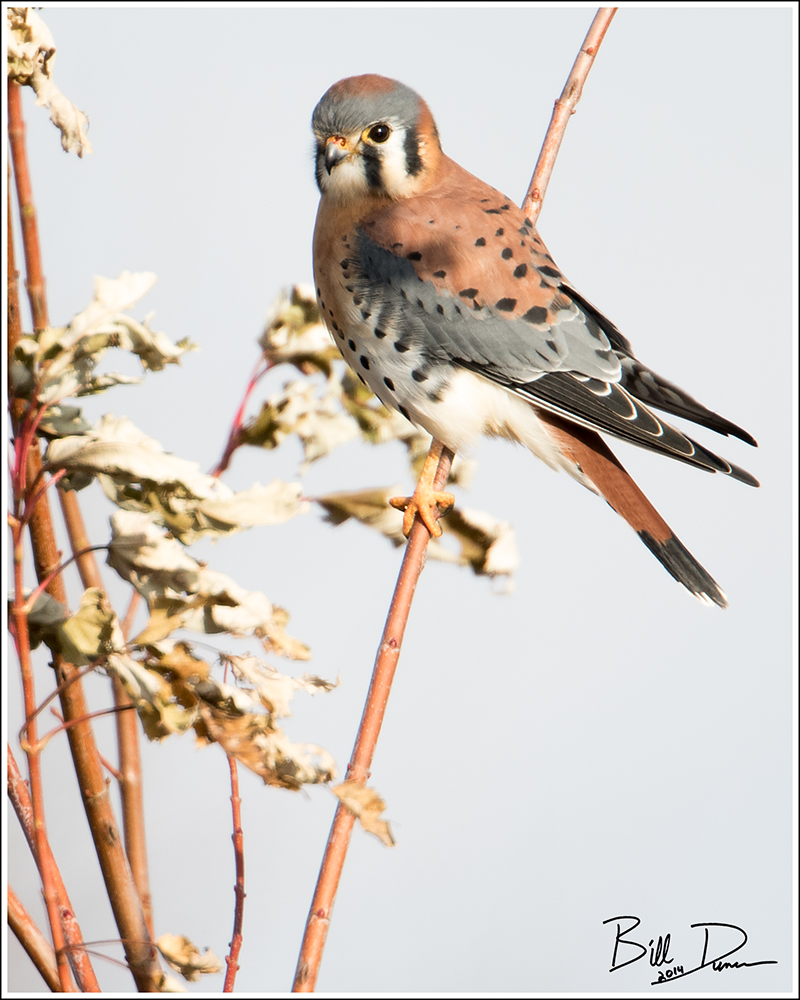
American Kestrel
This handsome young Kestrel was quite cooperative in posing for me recently at RMBS.
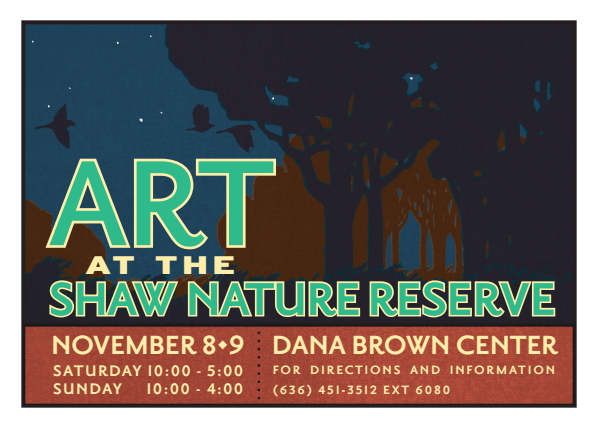
That’s right! I am excited to announce that OZB will once again be presenting his work (~100 unique prints will be available) at Art at the Shaw Nature Reserve 9th Annual Show & Sale to be held the weekend of November 8th and 9th. I would love to meet and say hello to all of you who have given me support through our relationships via Flickr and A Thousand Acres of Silphiums over the years. There will be more than 20 artists, providing art in a wide variety of mediums, including one particularly pathetic photographer… 😉 Here are directions to the show…
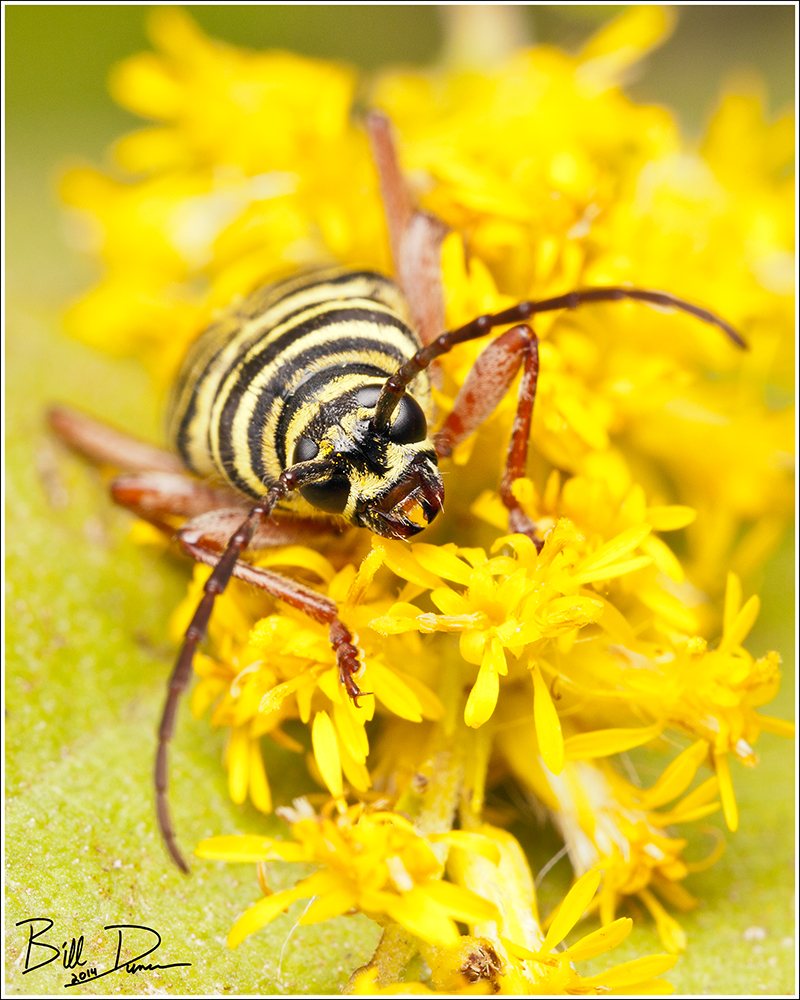
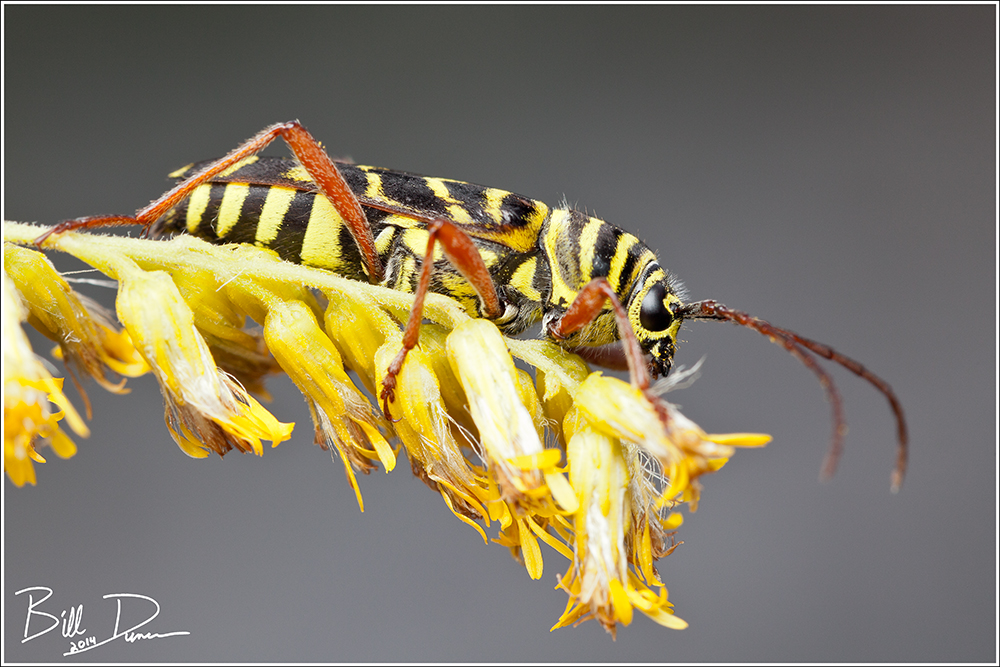
This Locust Borer (Family Cerambycidae) was photographed this fall feeding on Tall Goldenrod (Solidago altissima) that grow in my wildflower patches in our yard.
Locust Borer
The Locust Borer’s preferred larval host plant, the black locust tree, is now widespread across North America and Europe, but was originally found in the Appalachian and Ozark regions.
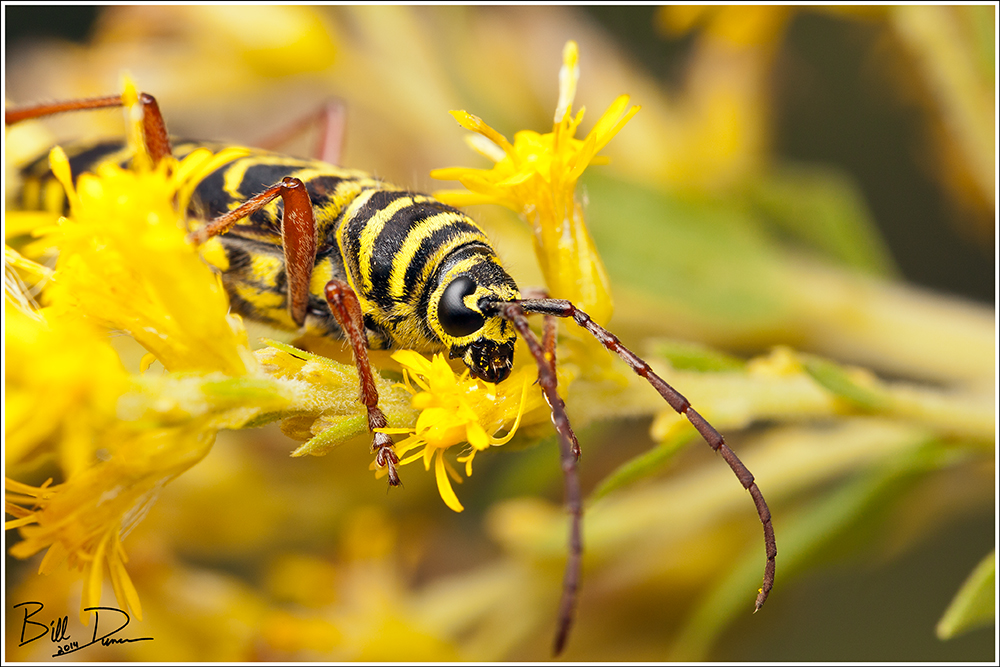
Locust Borer
It is unclear whether the color and pattern of this long-horned beetle serves to mimic the aposematic coloration of the well-known yellow jacket wasps (Batesian mimicry), or for crypsis – allowing for camouflage in the goldenrod, where they are often found.
I apologize for the tacky post title. I just wanted to let everyone know that I am busy at work in preparation for the ninth annual Art at the Shaw Nature Reserve Show and Sale – 2014. If you are reading this and have the ability to visit, please stop by to see more than 20 talented artists of many different media. I look forward to meeting and talk with you. It is a very nice event.
Warning: although I find the material in this post quite interesting and I am pleased with the observations made and detective work accomplished, there is not, unfortunately, a happy ending.
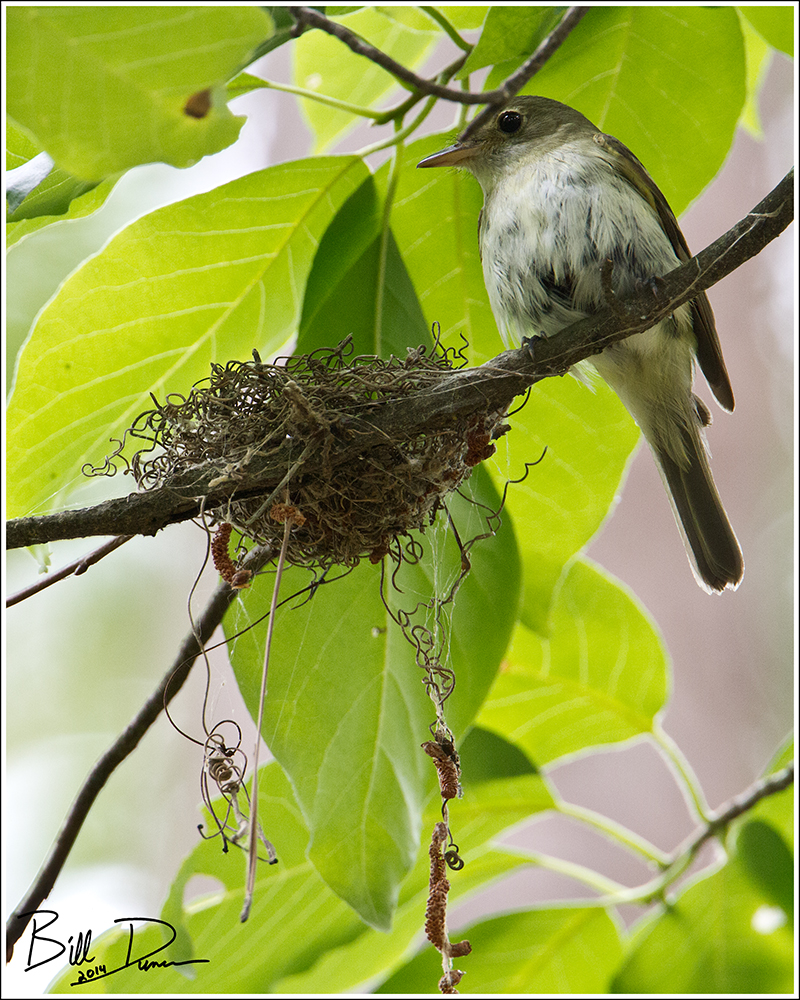
Having the fortune of living within minutes of a few Ste. Genevieve County gems, this summer Steve was fortunate to find something we had been on the lookout for while on a stroll at Hawn S.P. He sent word that he had found an active nest of a pair of Acadian Flycatchers. Not only that, but it was in a fairly nice position for photography and the pair did not seem too concerned if the viewer stayed low and silent. Needless to say, I was excited. We visited days later to find mom on the eggs – yet to hatch.
Acadian Flycatcher – On Nest
The female would leave the nest for less than three to four minutes at a time to feed herself. The male was primarily concerned with scouting and announcing his territory, vocalizing continuously as he traveled its circumference.
Acadian Flycatchers – Mom Taking a Break
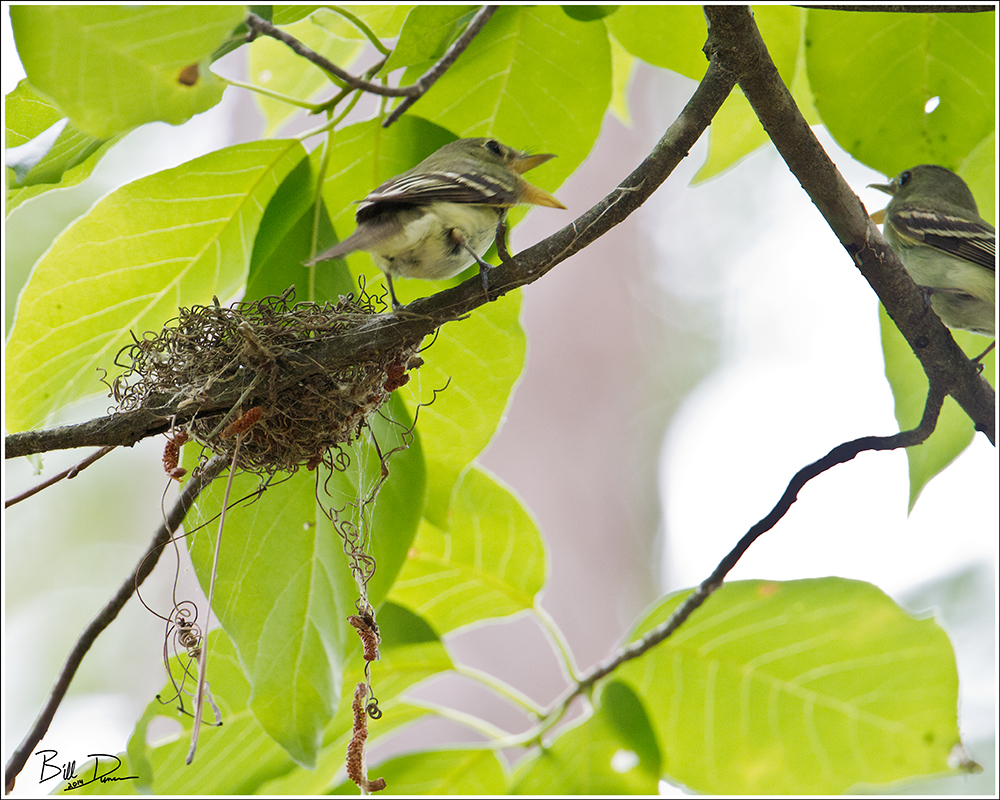
Once in a while both parents would be at the nest at the same time. Gee, I wonder why dad doesn’t come around more often… 😉 We were surprised by the relatively large size of the bird’s beaks and the small size of the nest!
Acadian Flycatchers – Giving the Business
To give some idea of the habitat these guys were using… These are definitely forest dwelling birds. This section of Hawn was close to a 50:50 mix of Short-leaf Pine and deciduous trees. The nest itself was located in a Black Gum that was approximately 30-40′ tall.
Acadian Flycatchers – Habitat Shot
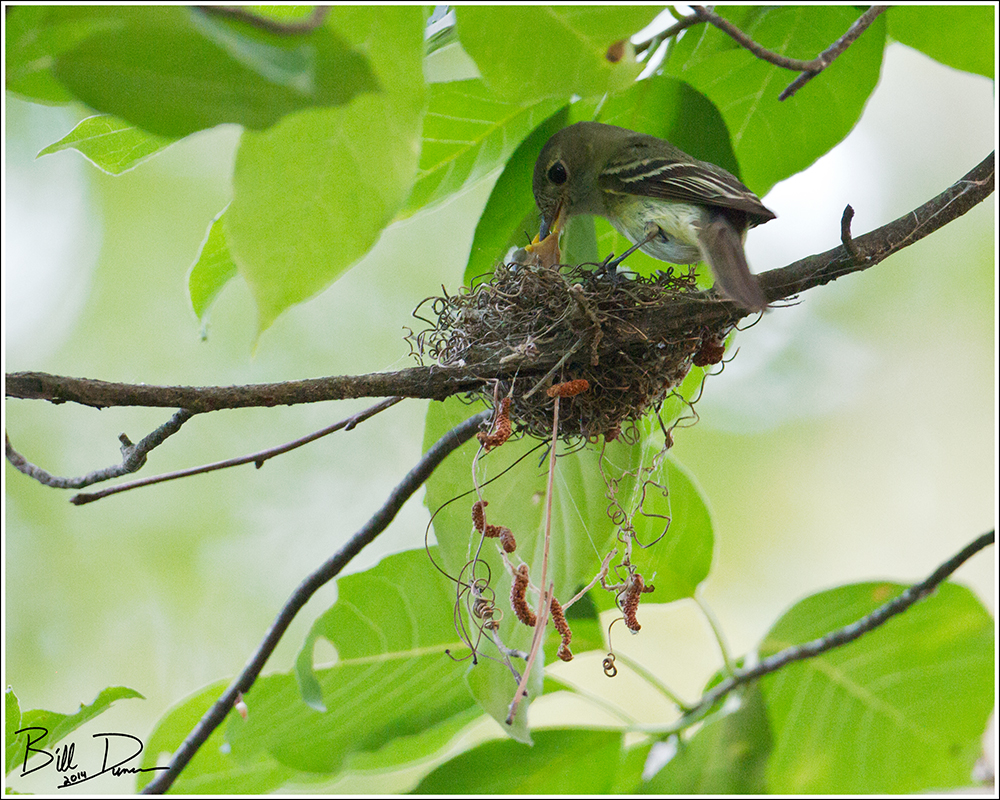
A follow up visit a week later found that two visible chicks were in that tiny nest! In the photo below, one of the parents had just brought a spider back to feed to one of the altricial young.
Acadian Flycatchers – Feeding Time
The next photo documents the large, developing eyes of these sightless young. Also take note of the characteristic nests of these birds. The tendrils on these nests are strung up with spider webs and can be up to a meter long. According to the literature, this nest is near the maximum height range from the ground (~25′) that this species will build. As great as this was, I would love to find a nest built lower.
Acadian Flycatchers – Unmistakable
The following Saturday we visited during prime lighting hours for where the nest was located. With the relatively quick fledging time of these songbirds, we gave it about a 50% chance that the chicks would still be in the nest. We got to our viewing spot – a dry creek bed that gave us partial cover, and waited. Other than an occasional song from dad at a distance, we had no sign whatsoever of anything going on at the nest. After sitting silent and ready for about 40 minutes, we had concluded that the nest was no longer in use. The chicks might have fledged?
We decided we could safely walk directly under the nest without interfering with anything. When we arrived we were disappointed to find that both chicks were lying directly underneath the nest, dead. For a while we contemplated what could have happened. Could a storm or wind gust have knocked them from the perch? As we lamented the demise of these fresh beings, Steve saw something near the crotch where the nest branch met the trunk. Here is what we observed and answered our questions.
Black Rat Snake – Eater of Chicks
See that bulge in this young Rat Snake? We hypothesized that this was a third chick that this guy had preyed upon. We suppose that during the process of ingesting this chick, the other two were either pushed or decided they were better off jumping from the nest, then wait for the fate of the unfortunate sibling. We were fortunate to arrive at the nest in time to spot this snake before it had moved on. We bothered it long enough to take some images, then let him hide in peace to digest his meal.
Another common visitor to native wildflower gardens are metallic sweat bees (Halictidae: Agapostemon sp.) such as the one posted here. Most species are quite small and are usually very active. It is best to try and photograph these guys (like most insects) at first light on a relatively cool morning.
Hey everyone. This one comes from a recent Saturday morning I spent using a new DIY flash difusser I built. I had eight species of native bee as well as lots of honey bee on the Silphium and other native forbs blooming in my wildflower patches. It is really something to see the difference in the number of pollinators and other insects that can be found in a native plant garden in comparison to the typical exotic landscaping plants used predominantly in the suburbs.