Return to Squaw Creek NWR

I have posted about Squaw Creek National Wildlife Refuge before.  One of the prime birding locations in the state, I asked Steve to accompany me for a Thanksgiving week’s trip.  Nothing is assured during this time on the calendar in Missouri, and we knew that there was a chance the entire refuge could be frozen over, pushing the 500,000 snow geese that could potentially be visiting to warmer, more southerly locations.  The weather that week was barely below freezing so we were optimistic that the refuge would be mostly open and the birding would be good.  Arriving in Mound City after dark, we were forced to wait until the next morning to check out the refuge.  Being the proper naturalists/photographer/birders that we are, we arose in plenty of time to fill ourselves with coffee and roughage, pack up the car with optics and winter gear and make it to the refuge before first light.  Driving around the well-placed road, we could hear little but wind.  At one point we left the car and Steve through a rock into the black.  The response was quite an unusual sound that was definitely not the plash expected of liquid water, but could only be the vibrations of a rock on a large flat ice sheet.  As the light grew we could see that most of the refuge was indeed frozen (>90%).  We would not get to see the numbers of snowies that could potentially be visiting, but we would see 10,00-20,000 birds that were using the two small ice-free spots.  Steve seemed impressed, nonetheless.

Presented first is an image of a few geese flying with the wind between us and the moon.  Any nature photographer worth their glass would have pre-visualized this and remembered to have taken a sharp capture of the moon in focus and then combined that with the in-focus geese to make a much nicer final photograph.  One of these days…
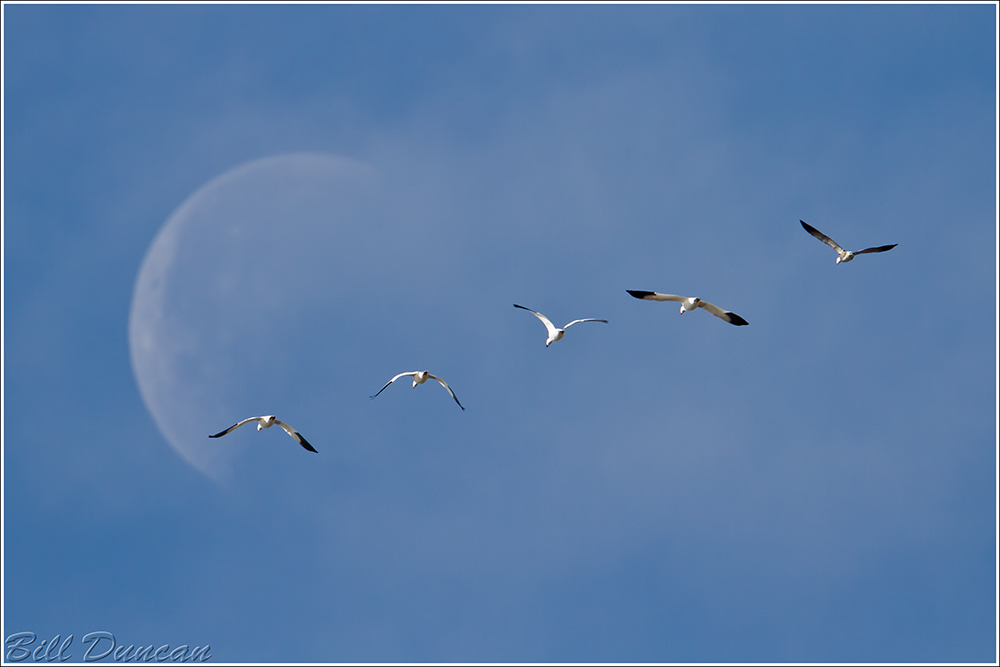
IMG_1520

We were subjected to a few flybys of large groups of geese as they moved from the refuge to surrounding fields to feed on spent grain.  Collisions do occur, but when looking at it this way, it’s a wonder they don’t happen more regularly.  Of course, I was pooped on. 😉
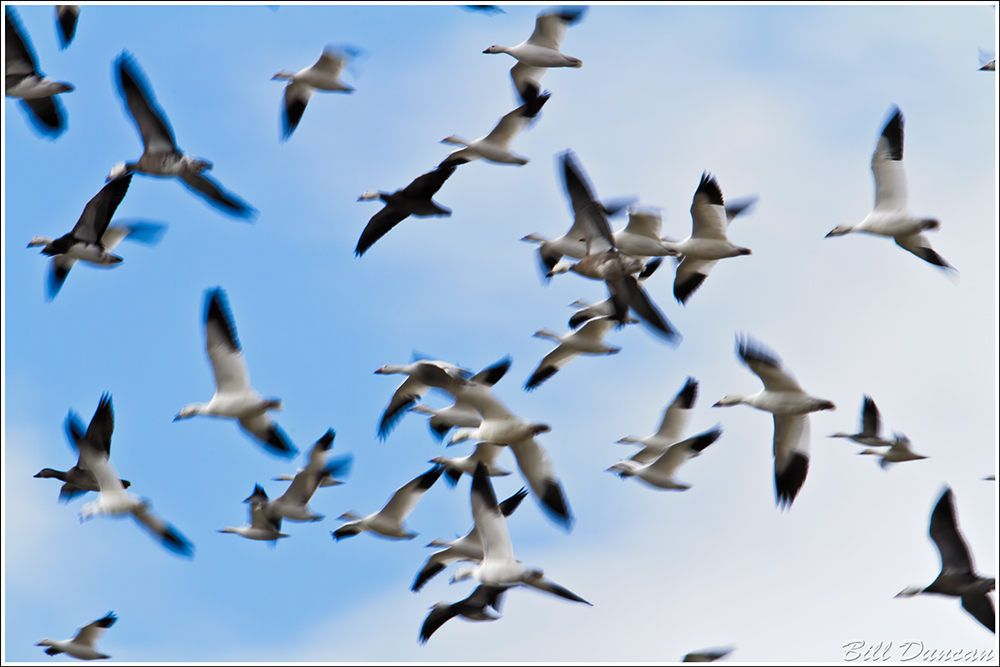
IMG_1742

The image below really shows the difference between the lighter, “snow” and the darker, “blue” phases this species comes in.
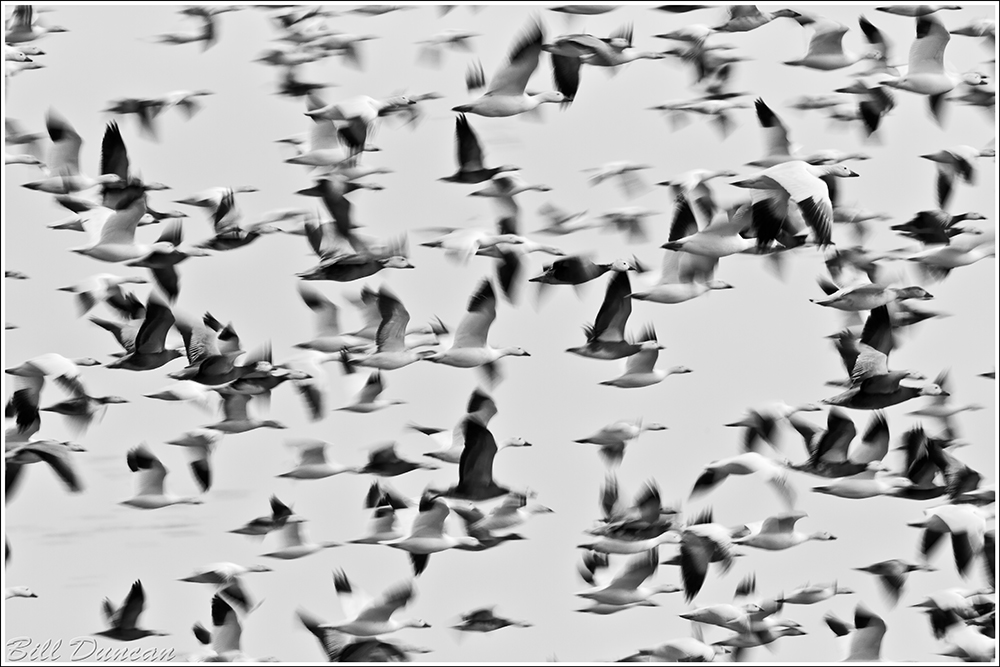
IMG_1795

Red-tailed Hawks were quite common in this area of the state, but were very much different than the typical plumage seen from the eastern subspecies from the opposite side of Missouri.  This is what I believe should be considered the “western” subspecies, but can be difficult to distinguish from “Harlan’s” subspecies in winter.  The ABA has a nice article on this variably-plumed raptor.
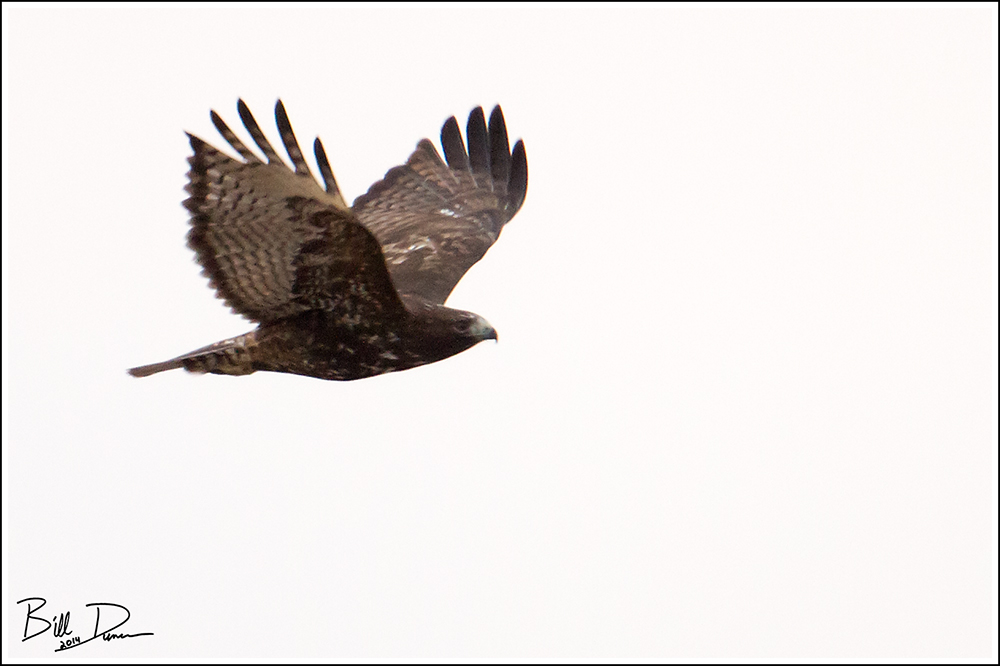
IMG_2351

The beauty of Squaw Creek is the potential for all sorts of bird species and other wildlife one is likely to find.  The snow show is definitely the main attraction this time of year, but other migrants are likely to be found as well.  Taking the ~10 mile auto route allows for close-up viewing in a variety of wetland habitats.  Across a canal, in some warm winter grasses we found a couple of familiar heads sticking up.  Two Sand-hill Cranes!  I got out of the car as silently as possible and set up the tripod and big lens.  They did not seem too concerned with us.  As they foraged we watched and I took photos.  A couple in an SUV pulled up not too far down the road and were not as considerate.  This seemed to be too much for the pair, who took to wing.  Luckily, I was prepared and was somehow able to squeeze this keeper.
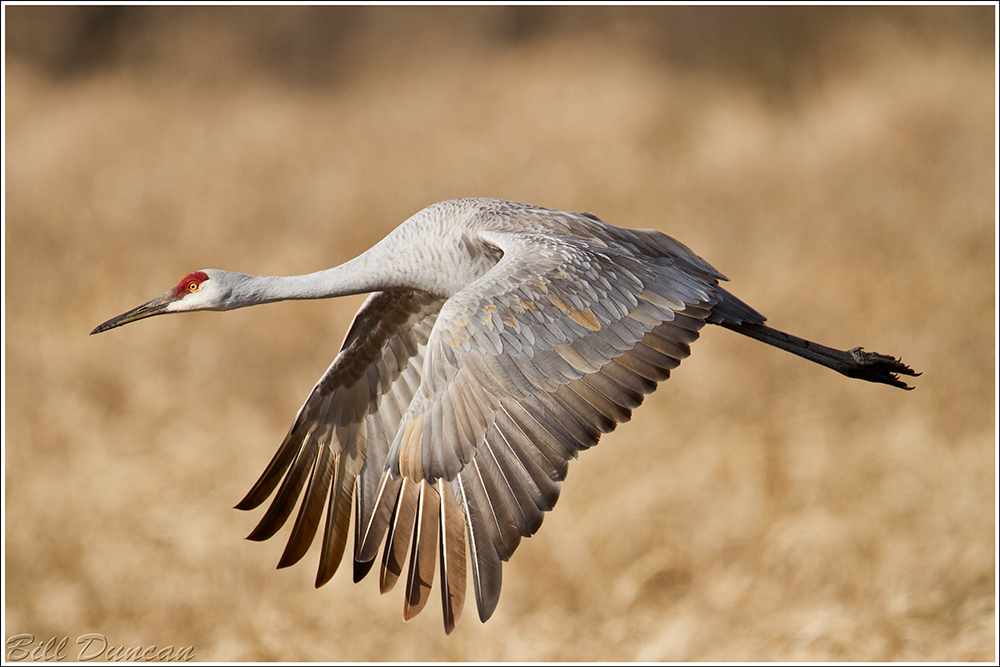
IMG_1998

Sunrise and sunset are the times to be in a wetland.  The lighting is perfect and the birds are most active, heading into open water for roost.  It really does seem that many birds on the wetlands fly around for the sheer enjoyment.  Trumpeter Swans are a favorite of mine to watch.
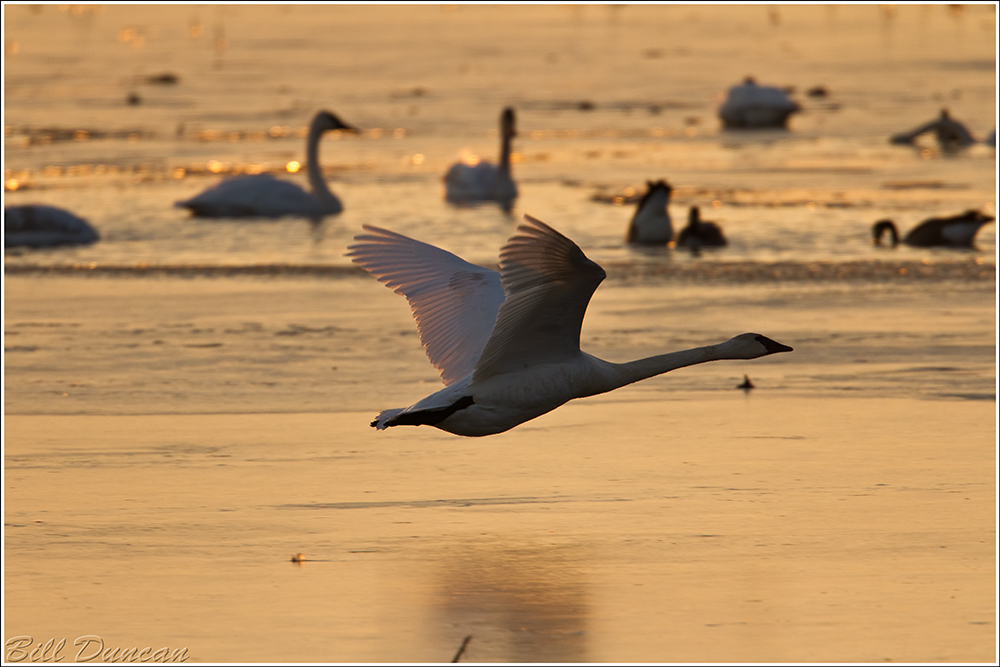
IMG_2188

As we watched the show, we hear a familiar and longed-for music.  I can’t explain it better than Aldo… “High horns, low horns, silence, and finally a pandemonium of trumpets, rattles, croaks, and cries that almost shakes the bog with its nearness, but without yet disclosing whence it comes.”  Travelling south passed a group of Cranes.
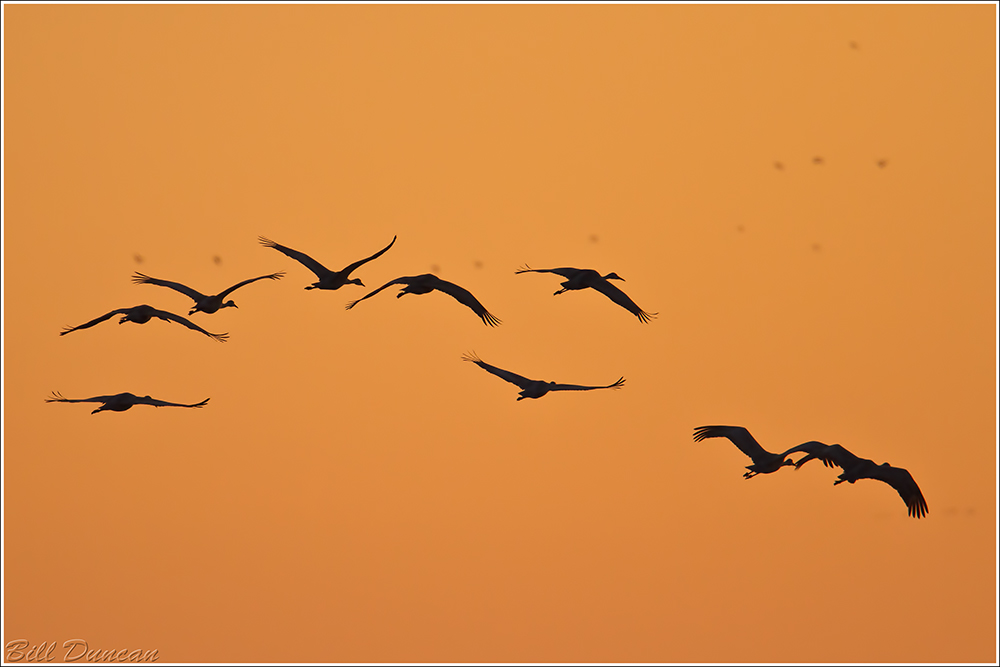
IMG_2246

The warm temperature of the light near sunset betrays the senses.  The skin knows the eye is false.  Even so, watching this show makes it all worthwhile.
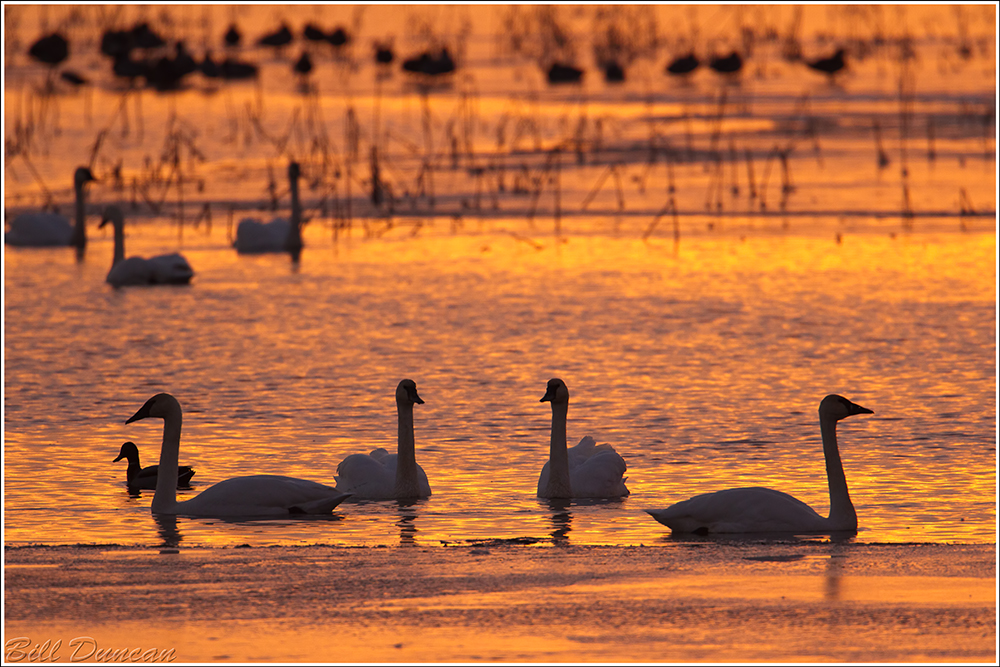
IMG_2263

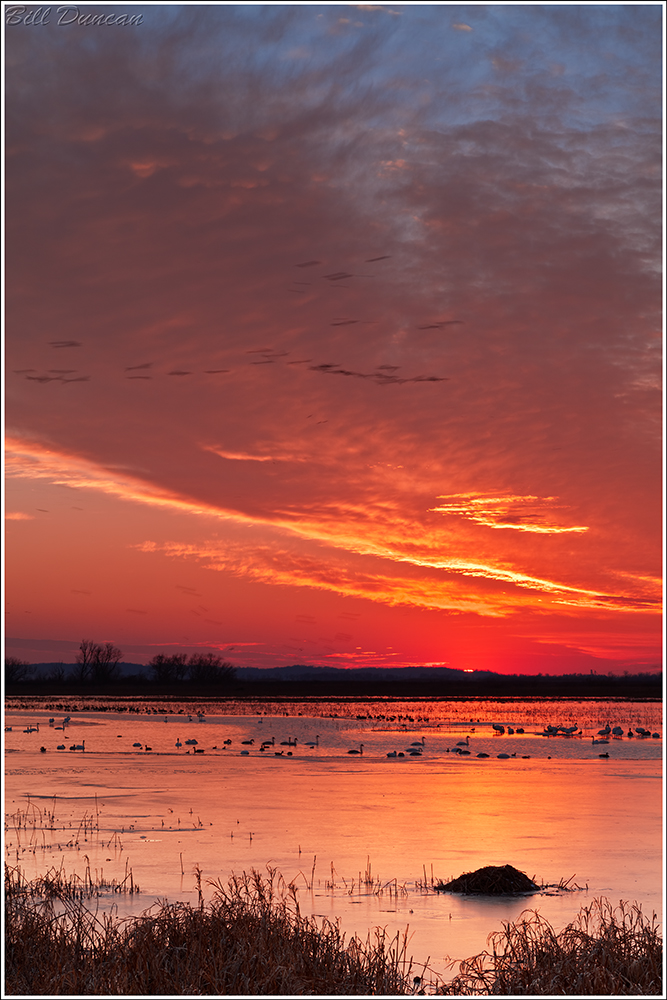
Marsh grasses, muskrat mounds and loess hills.  Can you imagine a more satisfying landscape?
IMG_6732

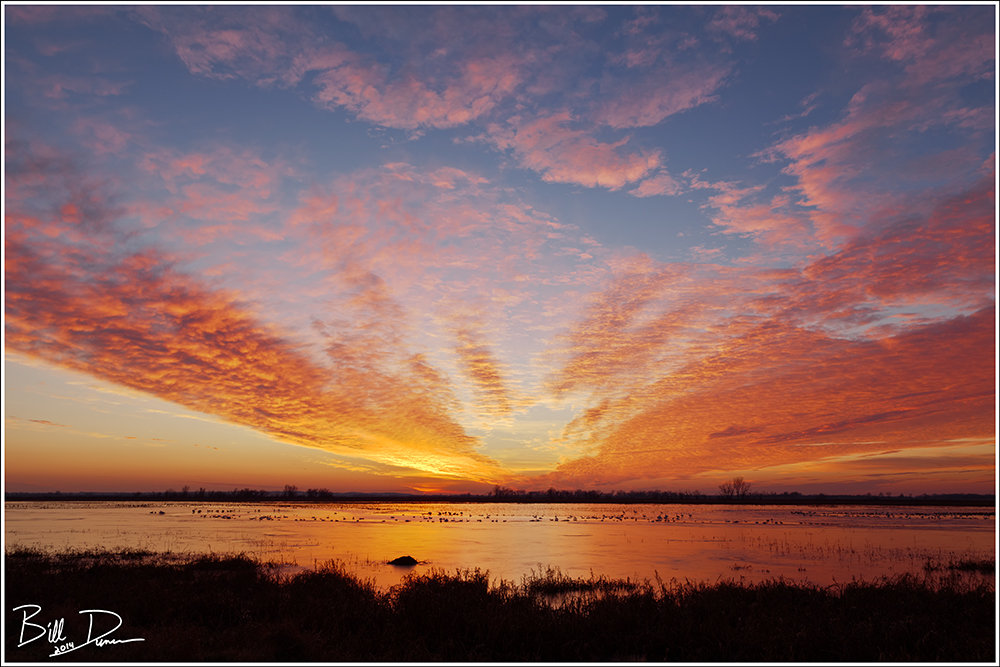
I’m not sure I’ll get there next year or not, but it goes without saying that I can’t get enough of Squaw Creek.
IMG_6750

Clarksville Lock and Dam #24

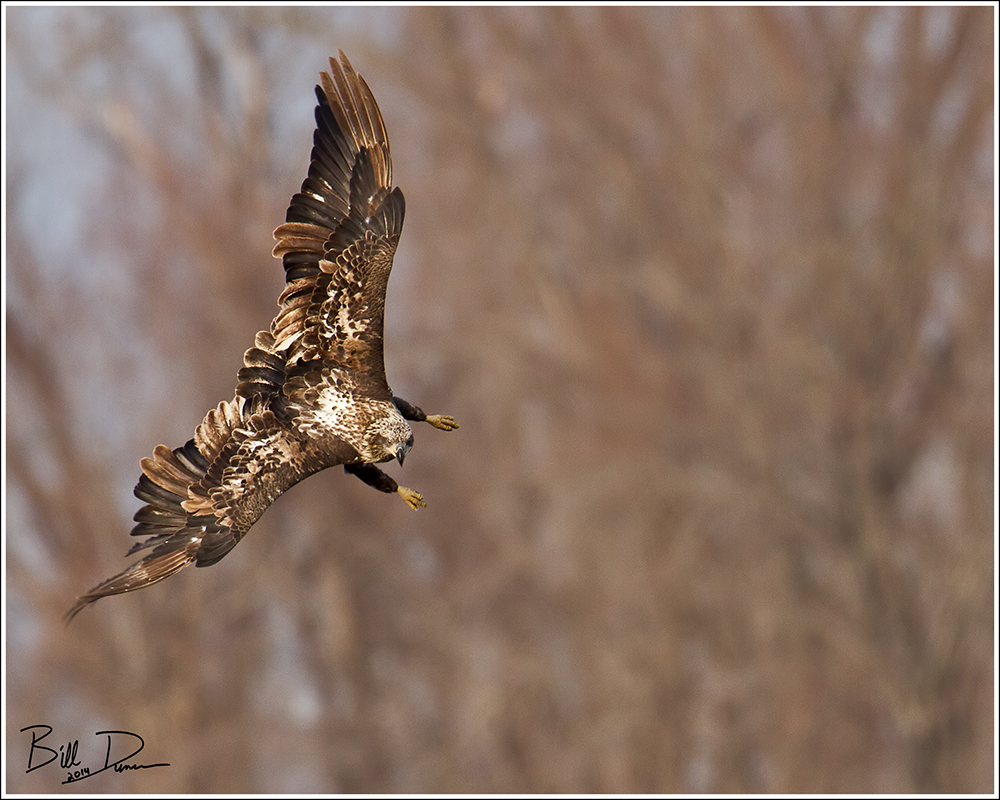
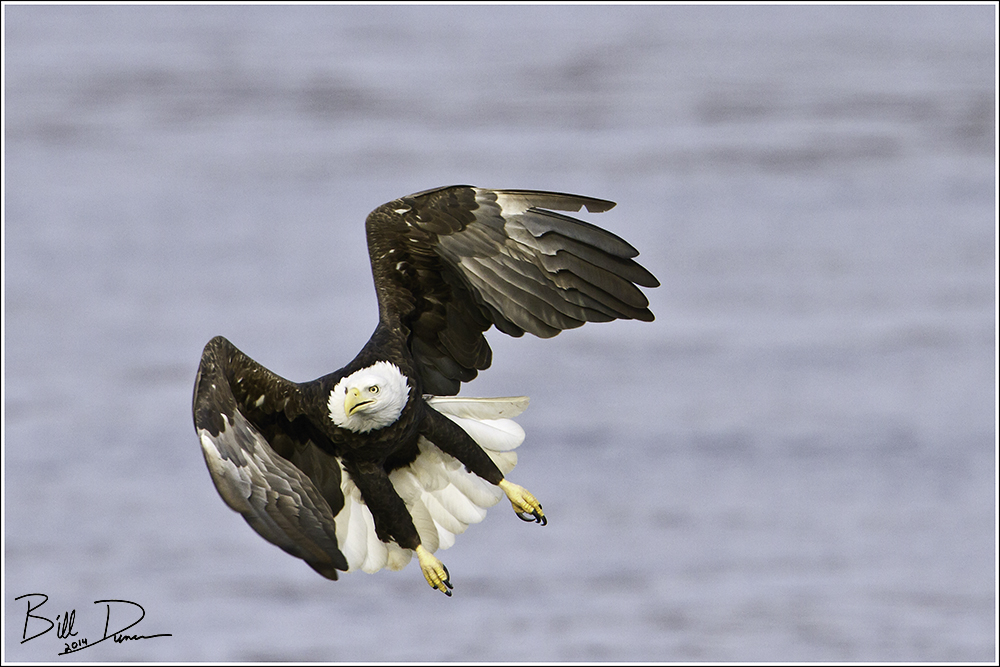
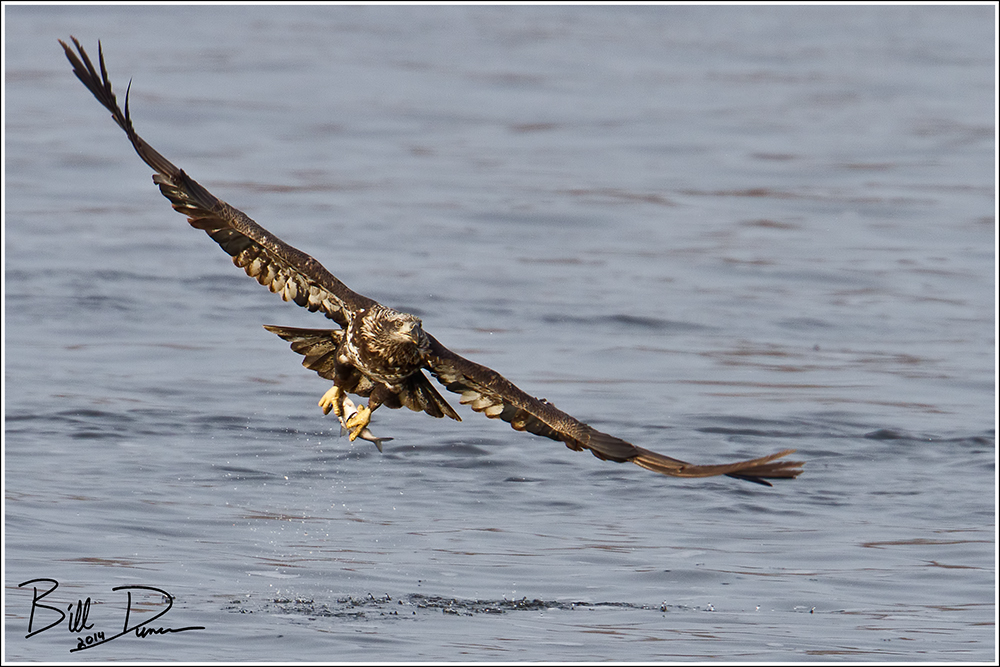
We finally seem to be primed for an excellent winter for viewing and photographing eagles at the Clarksville Dam.  Steve and I visited for a couple of hours during a birding trip up Hwy 79, where surprisingly we were fortunate to find a little bit of nice light.  Here are a few I think are worthy to share.  I’m looking forward to paying another visit after a week or two in the deep freeze with hopes the ice will bring more birds and closer opportunities.  Come on winter!

IMG_3058

IMG_3049

IMG_2954

Dunn Ranch Bison

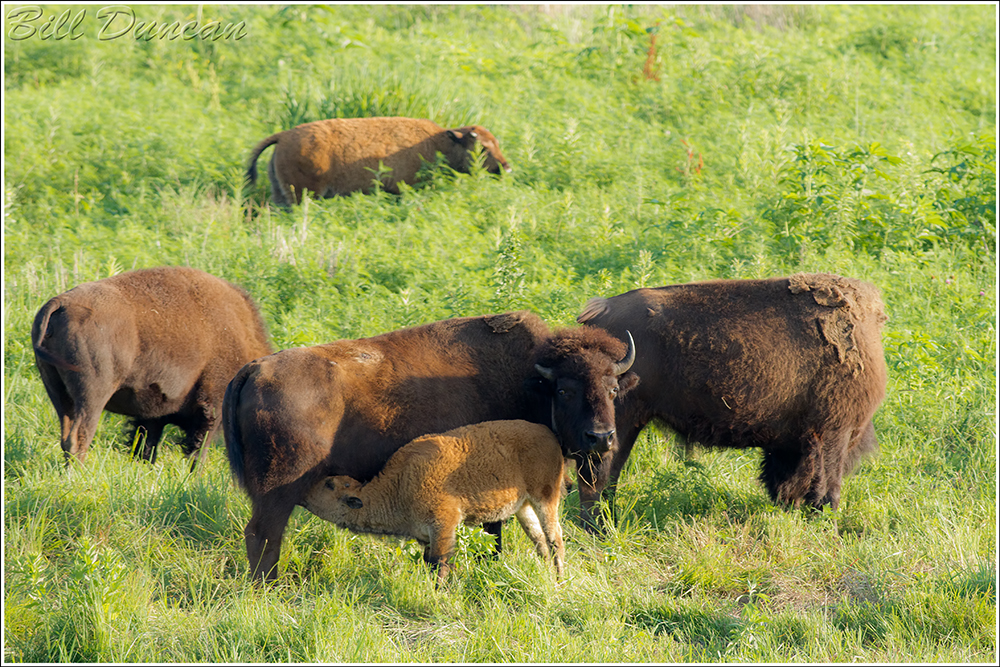
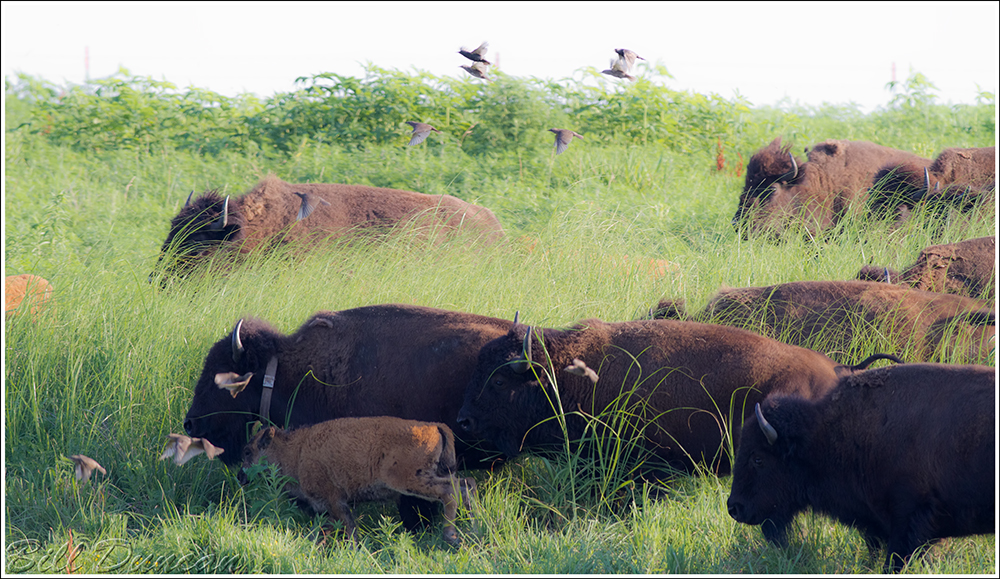
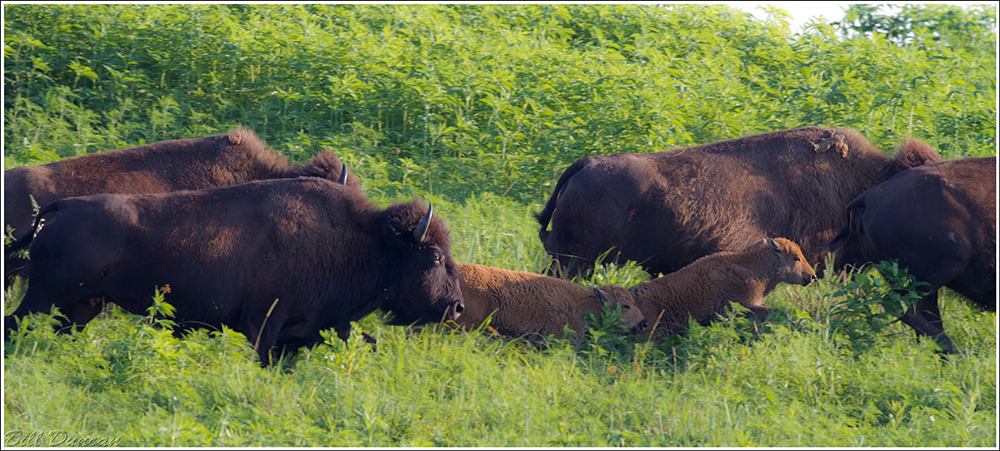
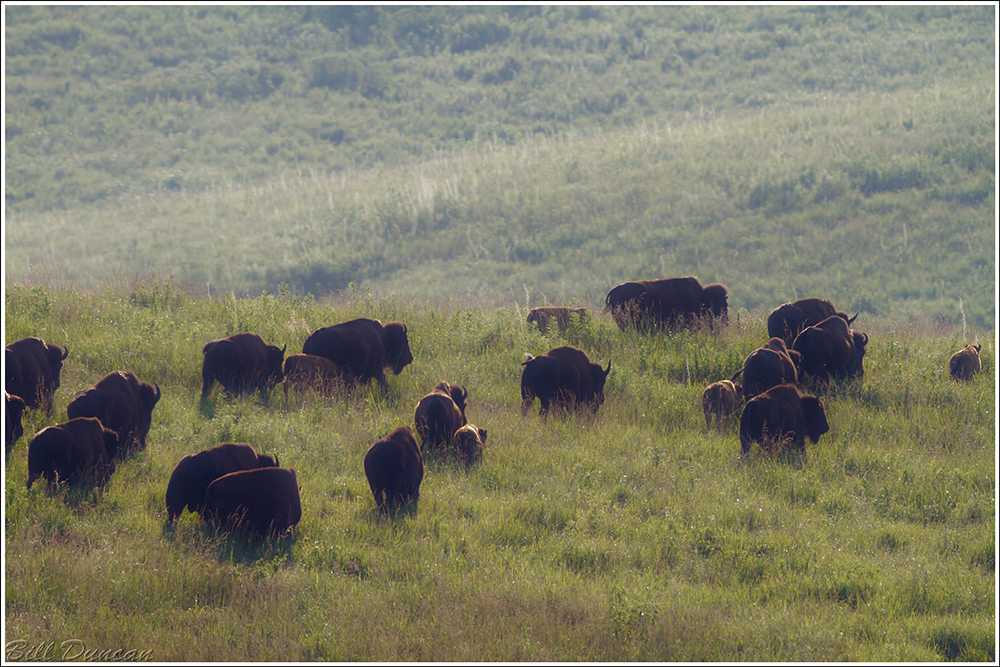
Here are a few of my favorite images of Buffa Bison that make their home at Dunn Ranch Prairie.  These were taken during Steve and my trip there this past summer.


Young had been born just a couple months before our arrival.

IMG_9321

Oh no, run!  It’s Ozark Bill!

IMG_9358

I’m continuously amazed by the speed of these guys.  They slowed down for the youngsters a little, but not much.

IMG_9400

Moving up and over the hilly landscape is no problem for these guys.

IMG_9464

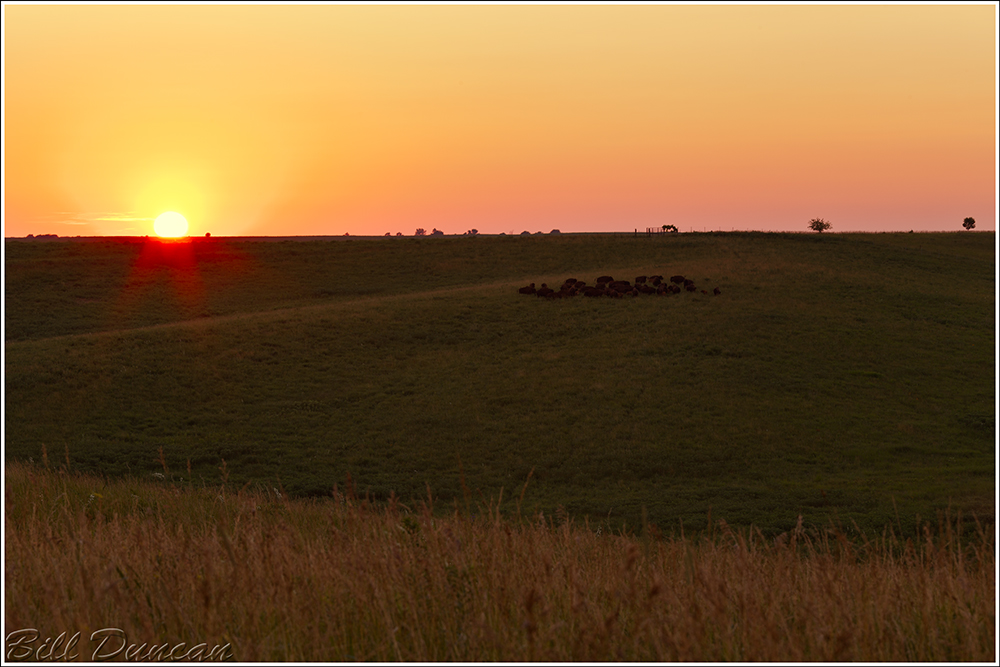
What could possibly be more satisfying than watching that hot globe fall out of a large open sky with a view like this?

IMG_4957

Happy Holidays

Happy winter solstice holidays to all my friends and family!


A Winter Eden

by Robert Frost

A winter garden in an alder swamp,

Where conies now come out to sun and romp,

As near a paradise as it can be

And not melt snow or start a dormant tree.

It lifts existence on a plane of snow

One level higher than the earth below,

One level nearer heaven overhead,

And last year’s berries shinning scarlet red.

It lifts a gaunt luxuriant beast

Where he can stretch and hold his highest feast

On some wild apple-trees tender young bark,

What well may prove the year’s high girdle mark.

So near to paradise all pairing ends:

Here loveless birds now flock with winter friends,

Content with bud-inspecting.  They presume

To say which buds are leaf and which are bloom.

A feather-hammer gives a double knock.

This Eden day is gone at two o’clock.

An hour of winter day might seem too short

To make it worth life’s while to wake and sport.


IMG_6901

“A Winter Eden”

Potholes In My Lawn

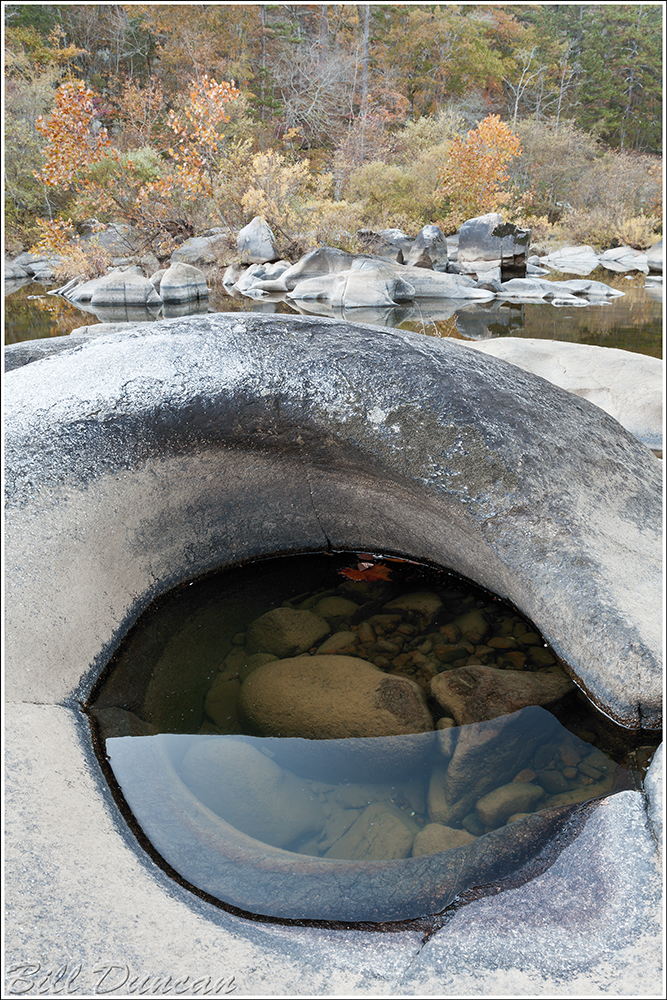
Specifically referred to as potholes, this feature was found in the long stretch of shut-ins of the St. Francis River between Silvermines Recreation Area and Millstream Gardens.  Steve and I took this, one of our favorite hikes, this autumn, just before peak color came into this section of the Ozarks.  Here is a wonderful description of this feature’s formation from Tom Beveridge’s Geologic Wonders and Curiosities of Missouri:

Potholes are formed at the nearly right-angled intersection of channelways where the direction of flow is abruptly changed.  The abrupt changes in direction of flow and the intersecting channelways create local whirlpools where the swirling waters grind out circular holes using sand and gravel carried in suspension as a natural abrasive.  Man did not invent sandblasting – he only mechanized it!  Deepening of the holes is also expedited by the steep gradient of the stream;  some holes are in part plunge pools formed by the impact of water descending vertically and gouging out the bed at the base of individual waterfalls.”

See my Flickr account for similar images made on this day.

IMG_6294

“All Seeing Eye”

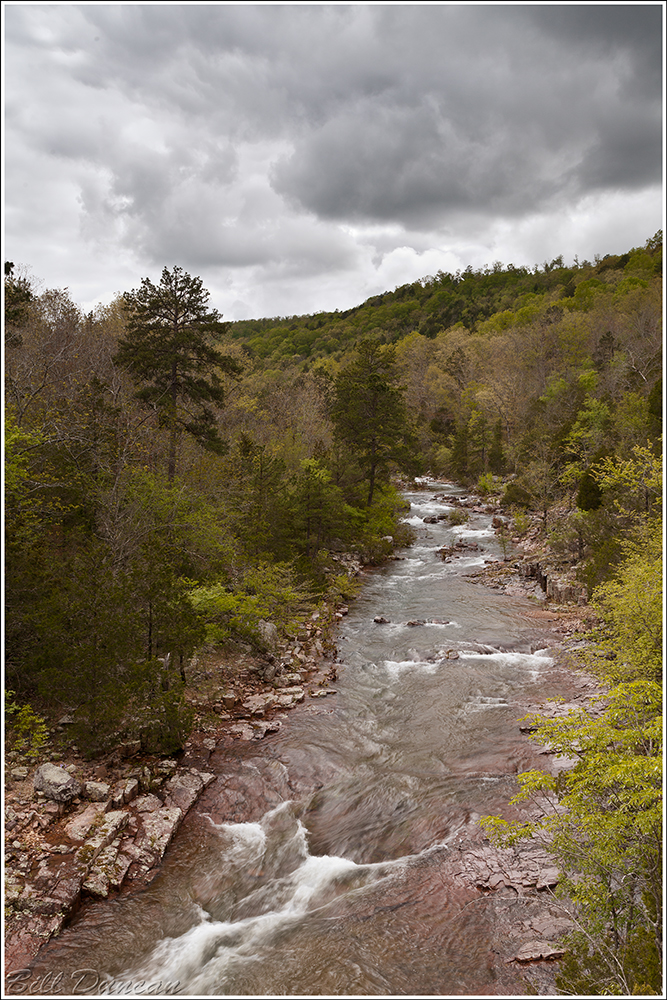
Big Spring Trip – Autumn, 2013

For me, a landscape does not exist in its own right, since its appearance changes at every moment; but the surrounding atmosphere brings it to life — the light and the air which vary continually. For me, it is only the surrounding atmosphere which gives subjects their true value.

-Claude Monet

IMG_6162

“Ageless Banks”

IMG_6220

“Amber Mists”

IMG_6171 - 76

“Changing Time”

The Marsh Chicken

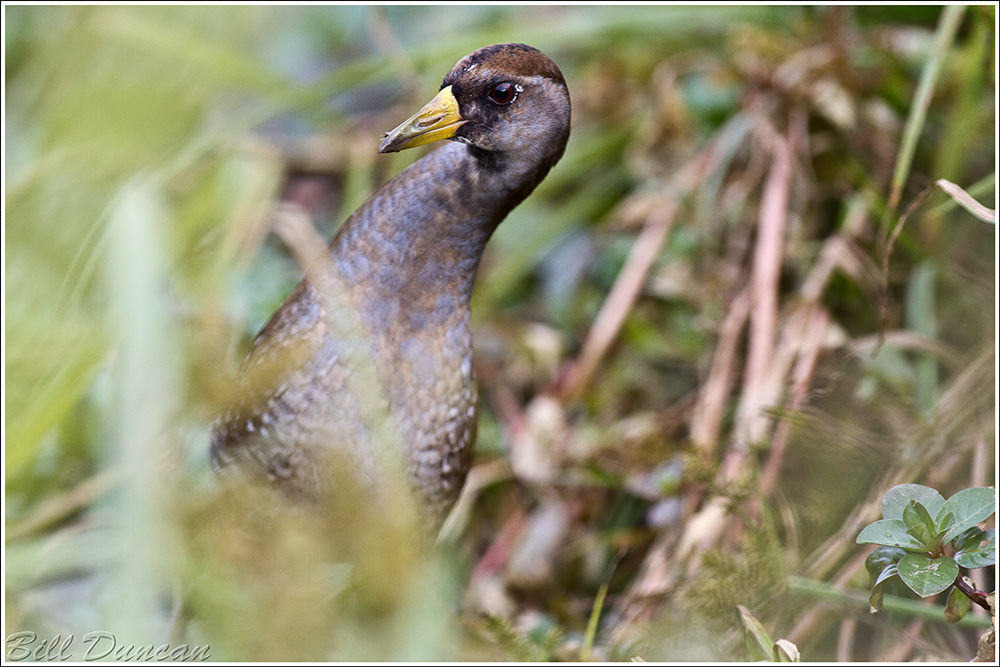
These three images were taken this past September during a hike that Steve and I took around the Heron Pond area of RMBS.  By far the most commonly come across rail in this part of the world, the Sora, fills the perfect role of chicken in the fresh-water marshes.  I never get tired of watching these guys wade out into shallow open waters to feed, ready to sprint back into the cover of the marsh plants at the least sign of danger.  At just the peak of migration, I have been fortunate to see nearly 100 of these birds at Heron Pond at a given time.

IMG_0564“Suspiciously Sora”

IMG_0554“Sora with Snail”

IMG_0538

“The Marsh Chicken”

The Sedge Wren

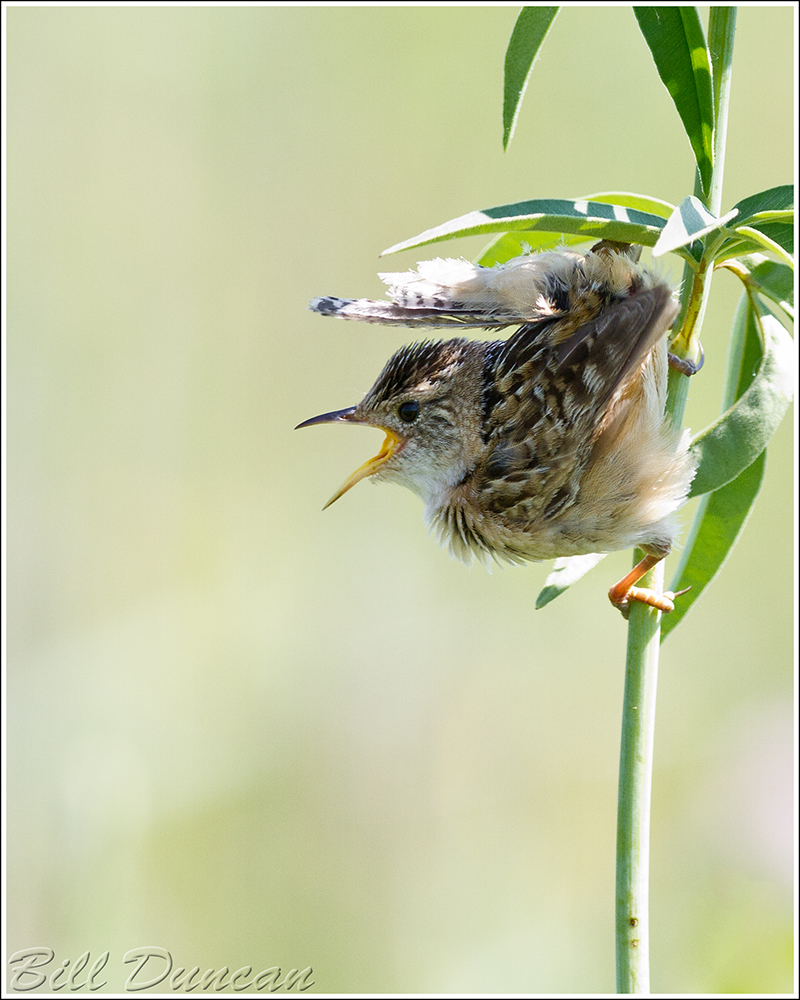
Referred to as the “feathered mouse”, the Sedge Wren is most easily seen in his nesting territory during breeding season.  During this time one must simply listen for his song and follow by ear.  With patience, the vociferous little wren can be viewed.  These guys were plentiful at Dunn Ranch and adjacent Pawnee prairies this past July.  This species has been affected by the destruction wet prairies, meadows and wetland type habitats that they rely upon.

IMG_8897“Sunshine & Song”

IMG_9034“Con Fuoco”