"What a thousand acres of Silphiums looked like when they tickled the bellies of the buffalo is a question never again to be answered, and perhaps not even asked." -Aldo Leopold
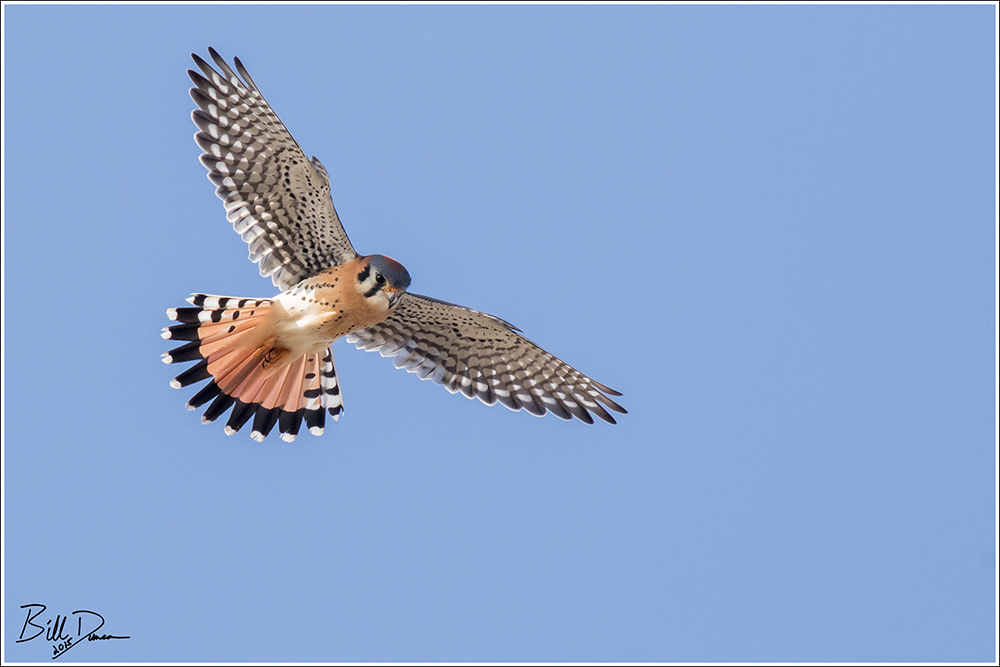
I was able to catch this male Kestrel hovering along a patch of grass at RMBS, hunting for insects and small rodents. Kestrels don’t always hover-hunt, but will do so when they have a good source of wind to work with, as is often the case at Riverlands.
Most of us are familiar with many of the parasites that infect animals, since we, as animals, are susceptible to many. Tonight I am sharing a few easily spotted and recognizable forms of parasitism in the plant kingdom. The photograph above was taken, as were all in this post, at Shaw Nature Reserve and shows a relentless parasite that can infect a number of prairie plant species. Dodder (Cuscuta sp.) is an obligate parasite, meaning it must find a specific living host plant to infect in order to survive and reproduce. One can see by the orange coloration, this plant does not contain chlorophyll and must pull the necessary nutrients from its host plant.
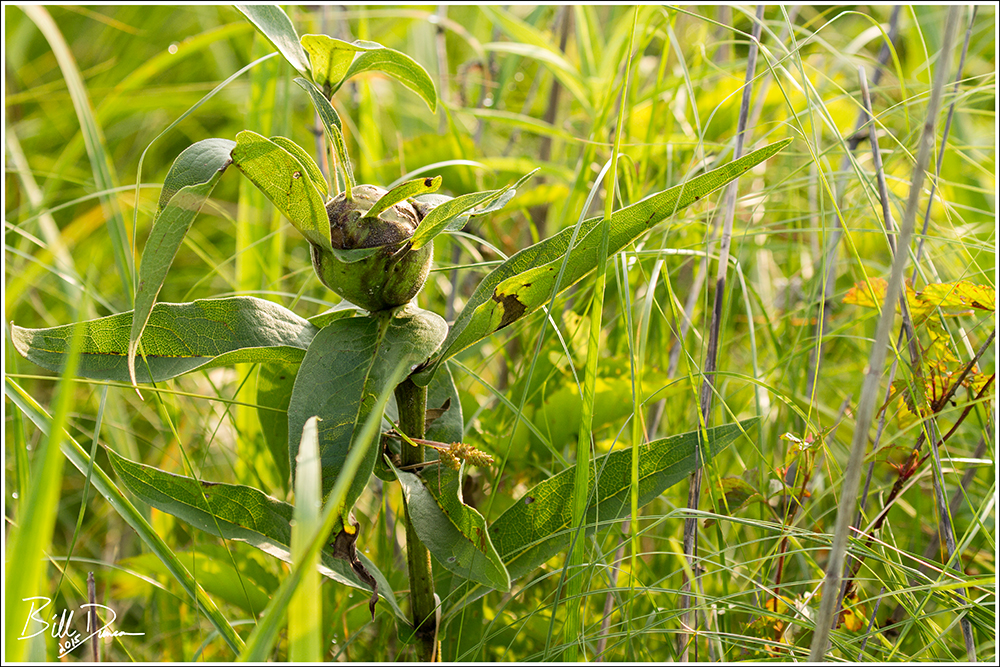
Silphium Wasp Gall
The next parasite is of a form that I am just beginning to study and am finding quite interesting. Plant galls are simply growths of plant tissue, formed not by the host plant, but by other organisms. The variety of gall former as well as gall formation is astounding, to put it mildly. Insects are the primary organisms that cause gall formations, but other arthropods, fungi, bacteria and viruses form galls as well. Researchers are just beginning to learn the basics behind how these parasites cause the formation of such specific, and often beautiful galls.
The particular gall that is found on this poor Rosinweed plant pictured above is caused by a Silphium Gall Wasp (Antistrophus sp.). One of the gloriously interesting facts about galls, much like other forms of parasitism, is the specificity most commonly found between host and gall former. Most often a gall former can infect only one species of plant, or sometimes a group of closely related plant taxa. Such is the evolutionary arms race between host and its necessarily specific parasite. In the case of so many prairie host and gall former relationships, the outcome is sad for both. The near elimination of this habitat has caused dramatic reductions in the variety and abundance of prairie plant species, and accordingly, has had similar effects on the insects that form galls on these plants.
Silphium Gall Wasp
Having observed these galls for so many years, I decided to cut one open to see the developments within. A single gall can host many developing was larvae. In this small section I was able to count no fewer than five wasp galleries, each harboring a developing wasp. The two examples of parasites presented above are just a small example of the number of parasitic species that the Silphium support. A number of other insects/arthropods use Silphium for food and shelter. Birds love the seed and use the plants’ long strong stems for perches. In many ways the Silphium are keystone species and can be considered as important to the prairies as trees are to the forests.
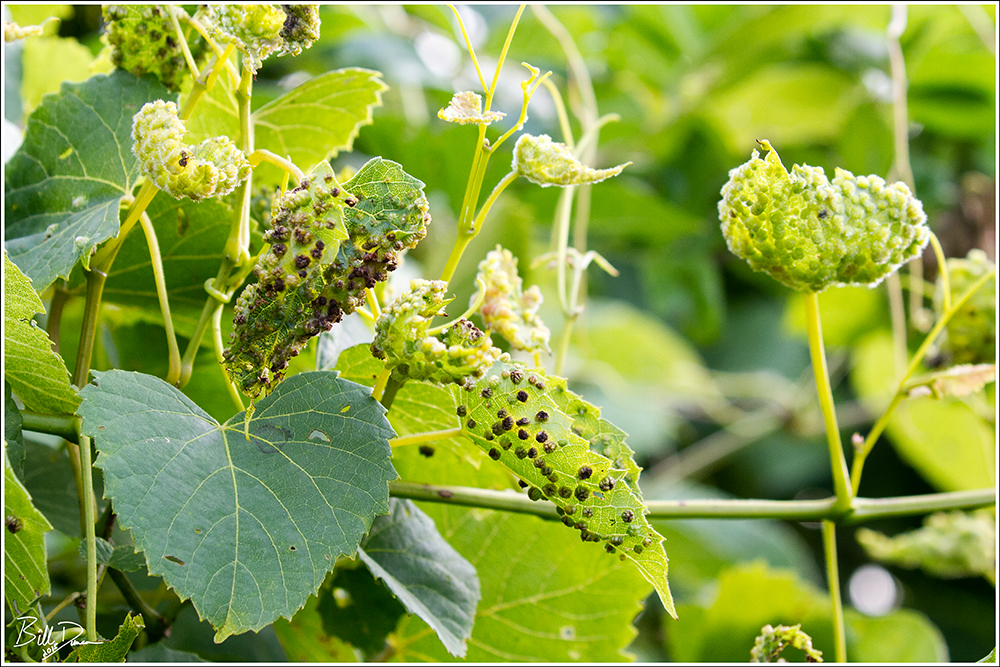
Grape Phylloxera
Grape Phylloxera is caused by an aphid-like insect and is a parasite to native grapes. In the mid-1800s this species was accidentally released in Europe and nearly destroyed the French wine industry. The life cycle of this insect and its relationship to its host is mind-boggling. As many as 18 different life stages have been identified – from sexual to asexual, winged, foliage feeding to root feeding. This complexity, as with so many other multi-stage, specific host-parasite relationships creates major problems in man’s attempt at developing commercial controls. To date, this parasite cannot be controlled with any pesticide solution; the only remedy is still resistant stock that nature has developed in this host-parasite arms race.
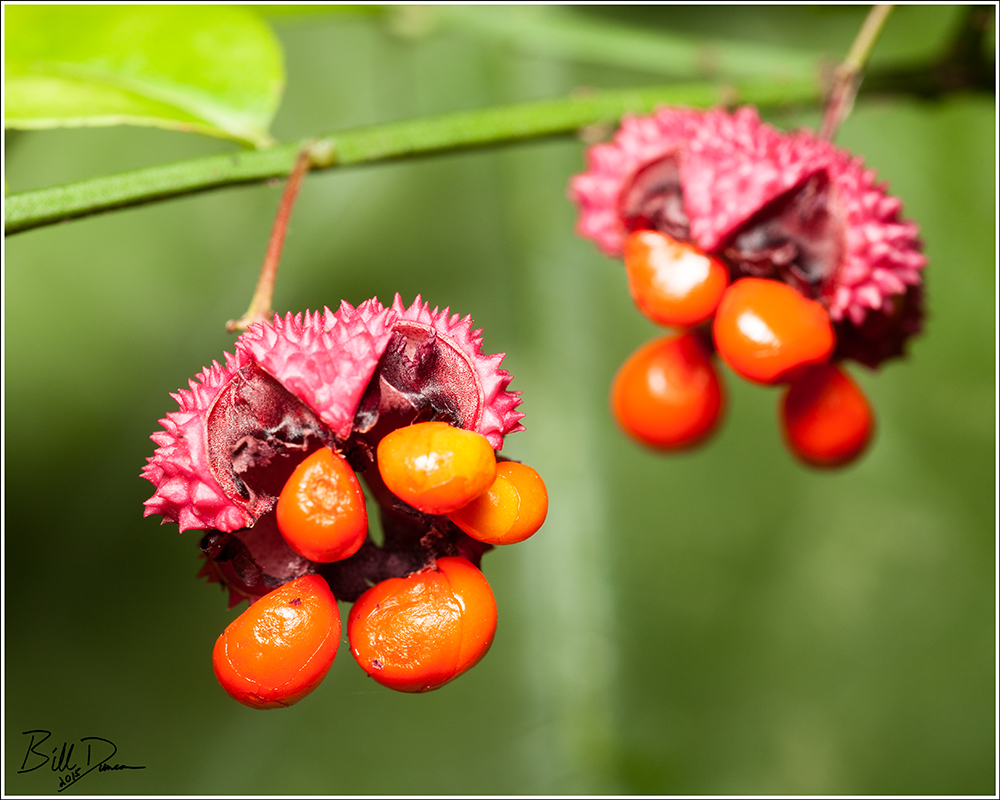
The Strawberry Bush is a rather new one for me. Steve and I found these plants, with freshly opened fruit capsules along the St. Francis River within Millstream Gardens CA this autumn. Rare due to loss of preferred habitat, this plant prefers moist, sandy soils along stream banks. Along with the St. Francois Mountain region, this plant also grows in extreme south-eastern Missouri.
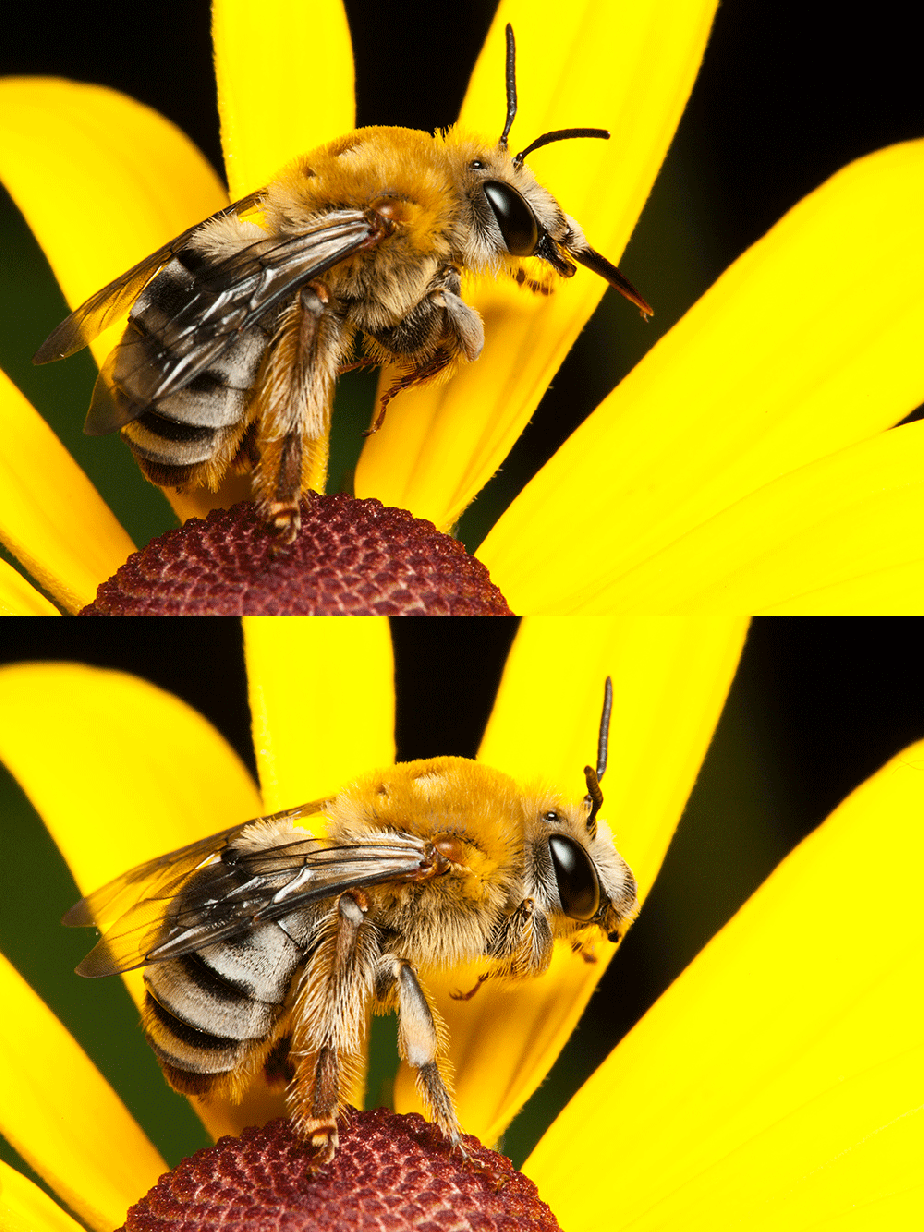
Tonight I thought I’d share a male Long-horned Bee. These guys are very tricksy in getting a photograph as they never seem to stop moving. I haven’t been able to find them resting early in the day yet.
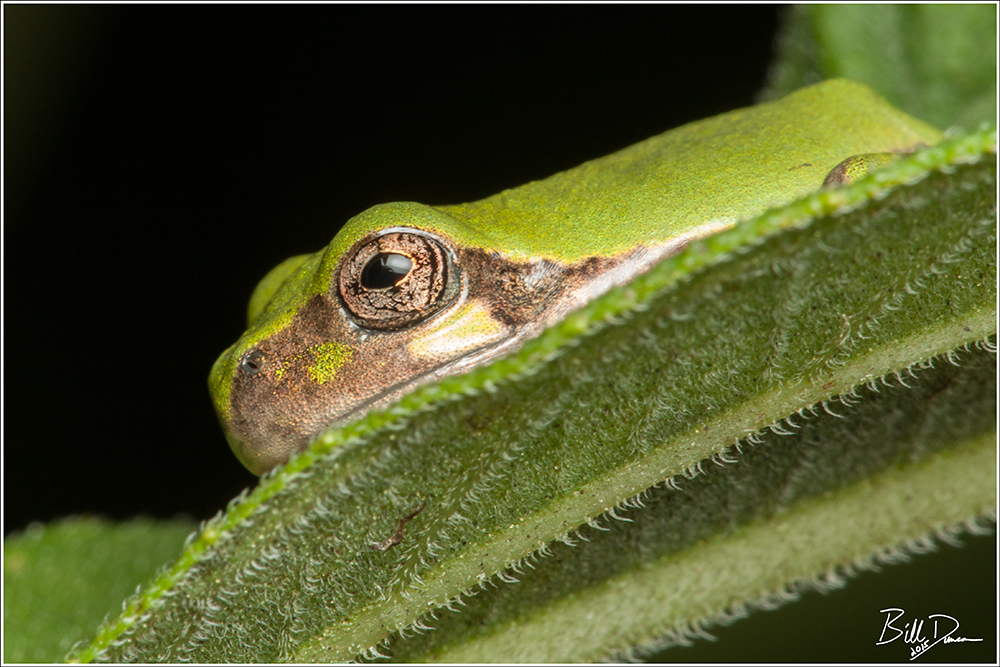
While hunting for interesting arthropods to shoot this summer at the wetlands of SNR, I cam across a large number of younger Grey Treefrogs.
Grey Treefrog
Some folks might get confused by the green coloration of the young Grey Treefrog, however this is likely due to the younger frogs being fond of denser vegetation.
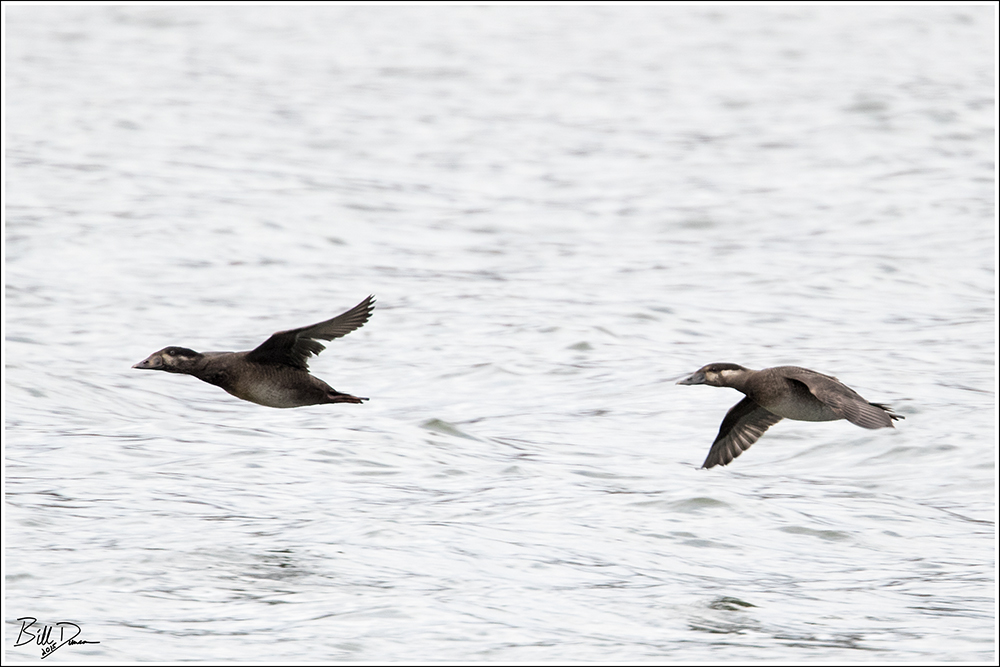
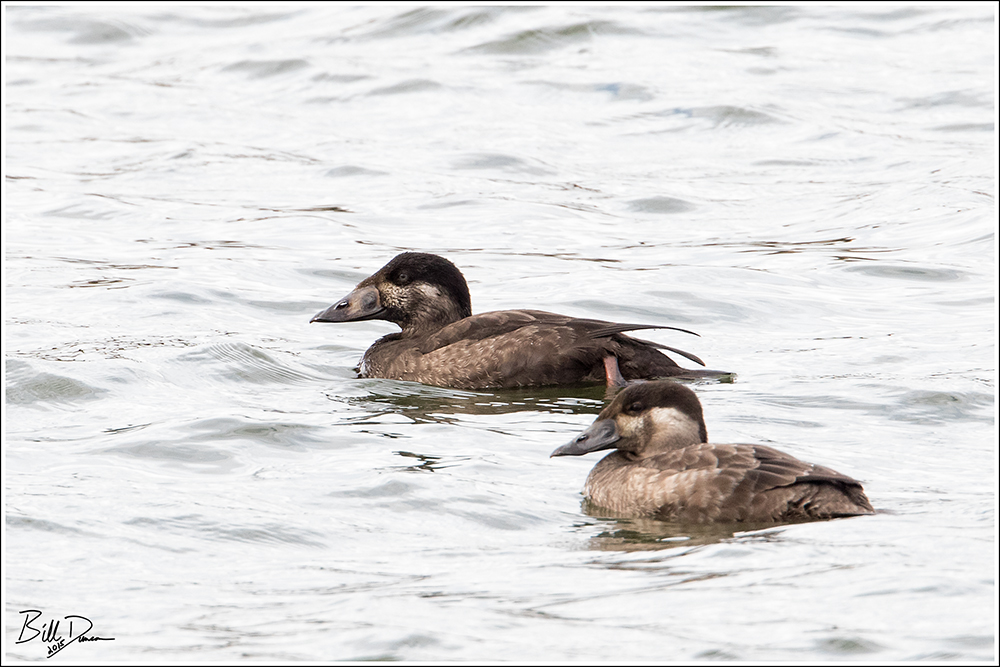
As has been my luck with the rarities lately, if I can find them at all, it will be under poor light. This is the pair of Surf Scoters that have been spending time lately at Binder Lake, just outside Jefferson City. This was my first trip to the lake and it held a number of interesting waterfowl species.
Scoters Landing
Surf Scoters typically winter on almost any coastal waters of North America. My best guess is that these guys were on their way to gulf waters and decided to have an extended stay in a midwestern lake during this quite autumn we have had so far.
Scoter Hens
In my opinion, this is a couple of hens, but I am no expert.
Steve and I took advantage of a long holiday break by making a pilgrimage to Squaw Creek NWR. Even though the temps were in the 50s and 60s, you can see we still had white out conditions… 😉
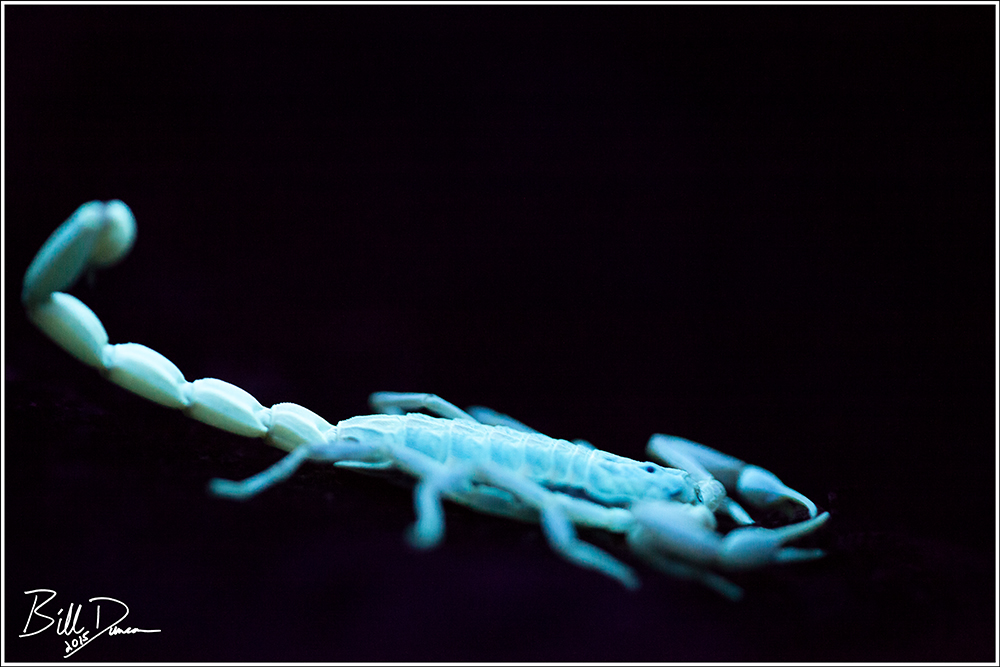
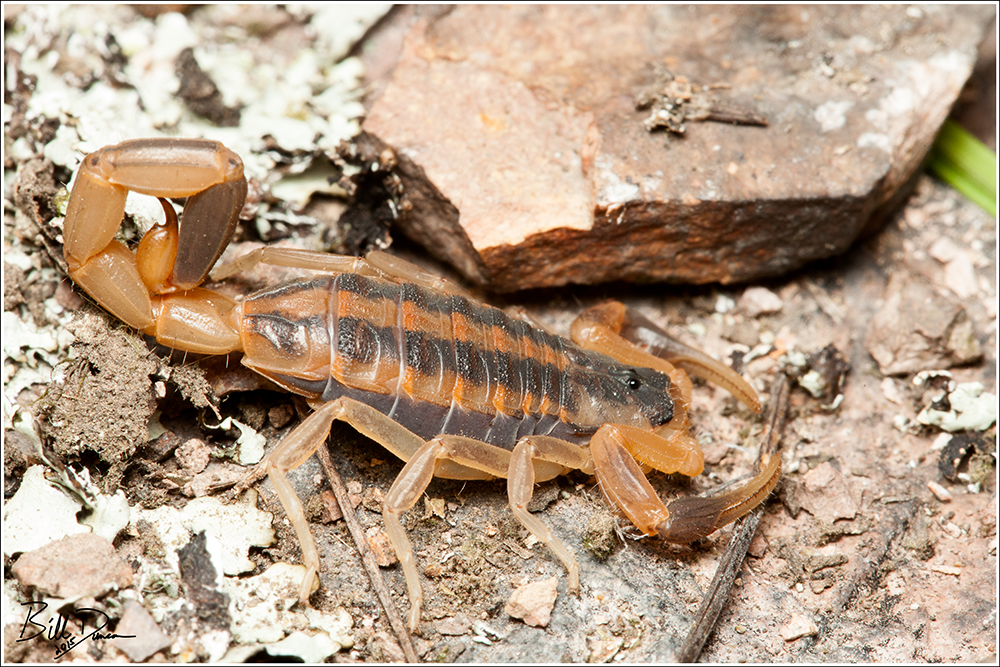
For today’s post I am presenting a few photos taken of a very common arachnid found in glades and drier forests of southern Missouri – the Striped Bark Scorpion. No, there is no reason to fear these secretive scorpions; they are only dangerous if you happen to be an arthropod smaller than they are. They are, however, much more common than I ever would have expected. Steve and I had much success finding them in the glades of Hughes Mountain Natural Area this past summer. Wait until the sun has well set, turn on your blacklight and walk around for a while. We were finding them easily every few steps.
The Striped Bark Sorpion
The photo above shows what they look like to the naked eye (illuminated by flash). These guys are extremely fast as well as stealthy. The use of blacklight is almost mandatory to efficiently find them. These lights as well as a typical flashlight/torch brings all sorts of other arthropod visitors to the glade top as well.
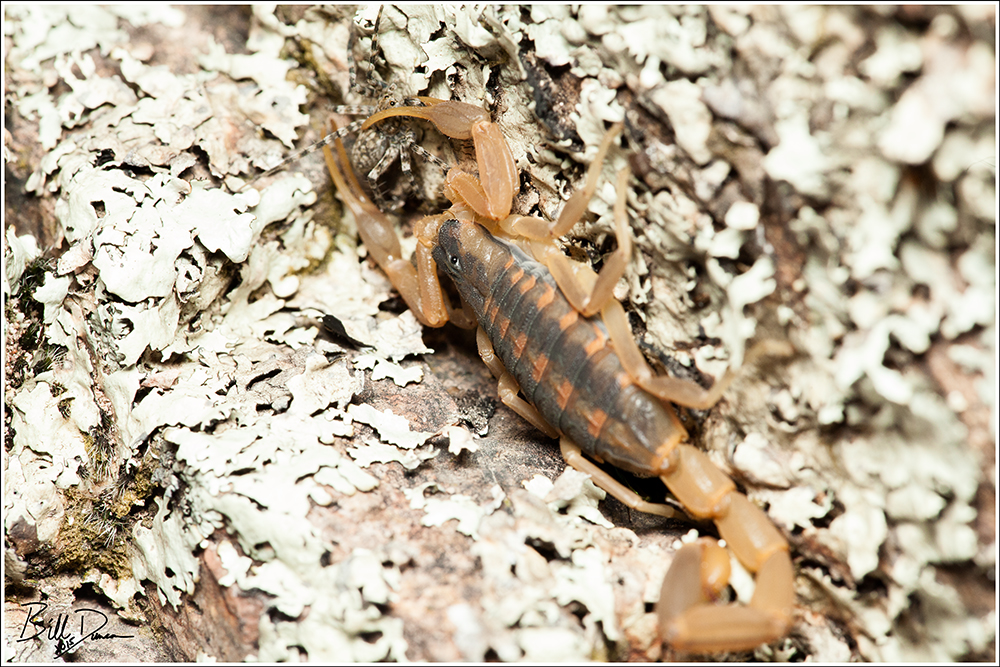
So, why do they glow under ultraviolet light? This is an interesting question that has not yet been satisfactory answered by those who study these creatures. Hypothesis range from helping to attract prey, to aiding in their ability to see and sense light. I took the photo above soon after we watched this guy sprint approximately a meter towards us in the blink of an eye. At the time, Steve and I assumed it was a defensive run (or lunge) in reaction to us being near it. It was not until days later that I discovered what the real purpose of that dash had been…
Can you see what that reason was? Here’s a closer look…
Yes, I believe its dash was in capturing a prey – this small wolf spider – probably the only other predator that might be as common or more common than the scorpions themselves in this nocturnal food web.
Missouri marshes are a great place to find a number of bird species in late summer and early fall. This Common Yellowthroat, a species of wood warbler, was photographed this August at Riverlands Migratory Bird Sanctuary. This guy was packing Mayfly in his beak two or three at a time to bring back to the hungry chicks in the nest.
Caspian Tern
A visitor to Missouri’s marshes during migration, the Caspian Tern will always take advantage of the easy fishing that can be found at Riverlands and surrounding wildlife refuges along our great rivers.
Great Blue Heron
Anyone who spent any amount of time in the marsh will know the Great Blue Heron. This giant, yet leery bird is a common site, hunting for fish or any other vertebrate it can catch.
Dickcissel
A very common nester in Missouri marshes and fields, the Dickcissel advertises its presence with its incessant song.
Marsh Wren
So attached to the Marsh, they named the bird after it. The Marsh Wren sings its musical song throughout the day and is quite territorial.