"What a thousand acres of Silphiums looked like when they tickled the bellies of the buffalo is a question never again to be answered, and perhaps not even asked." -Aldo Leopold
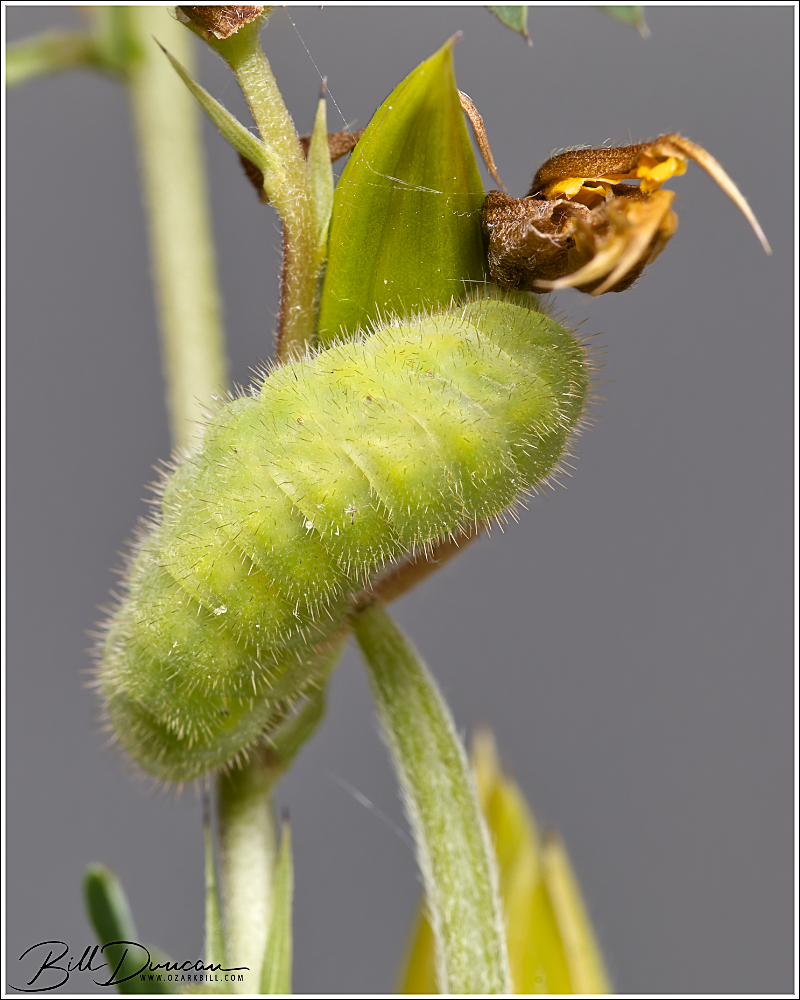
Gray Hairstreak Strymon melinus fam. Lycaenidae (Hodges#4336) Host plant: Found on partridge pea (Chamaecrista fasciculata) Date found: 07, Aug, 2025 Location found: Backyard prairie patch, St. Louis County, MO Notes: After years of searching for a hairstreak caterpillar, I found 11 of these guys in one evening while searching the backyard prairie with a UV flashlight. Plant partridge pea!
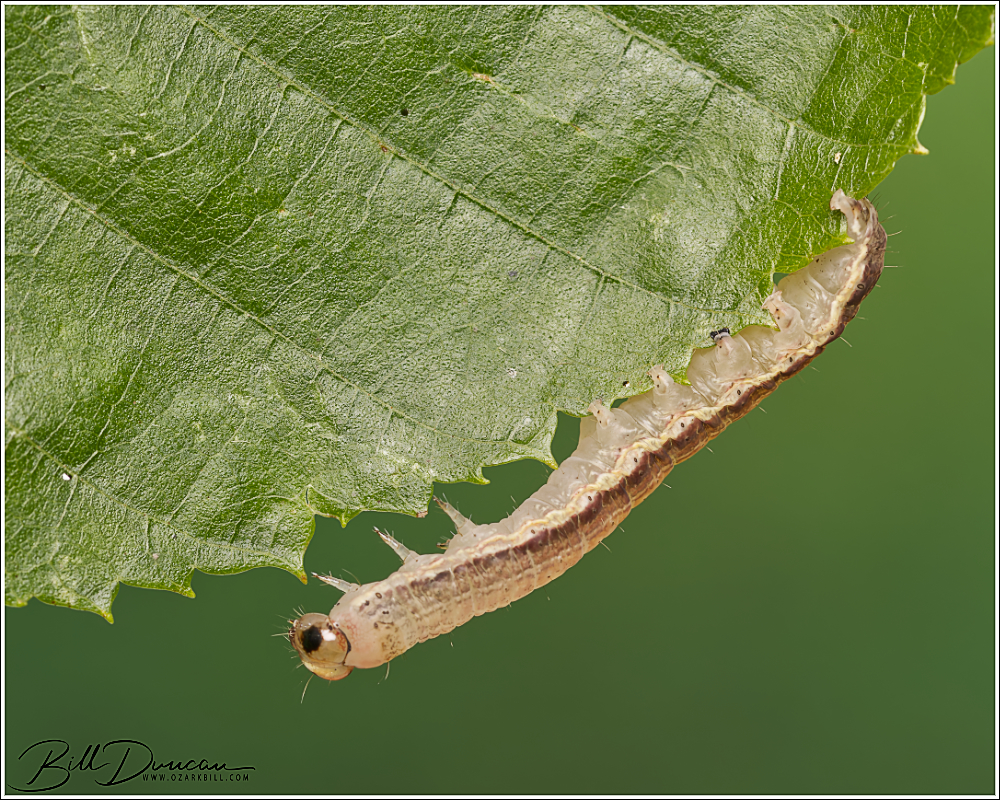
Fluid Arches Morrisonia latex fam. Noctuidae (Hodges#10291) Host plant: Found on hop hornbeam (Ostryavirginiana) Dates found: 05, Jul, 2025 Locations Found: Logger’s Lake Recreation Area, Shannon County, MO Notes: This is a very polyphagous species and can be found on almost any native woody plant.
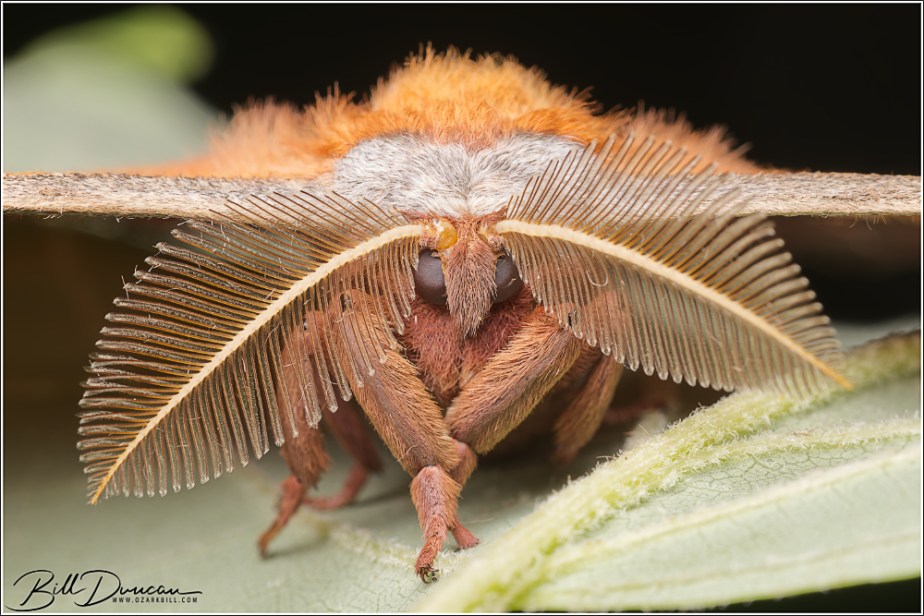
Last month the WGNSS Nature Photography Group took a side trip back to one of our favorite places – the Roston Native Butterfly House in Springfield, MO. Among other fantastic native leps on display were adult and larval forms of Hyalophora cecropia, or the Cecropia Moth. Named after the legendary King Cecrops of Athens, H. cecropia is the largest moth native to North America. Thanks again to the Roston Butterfly House and to the great volunteers who staff the facility and put up with a bunch of old dudes with cameras.
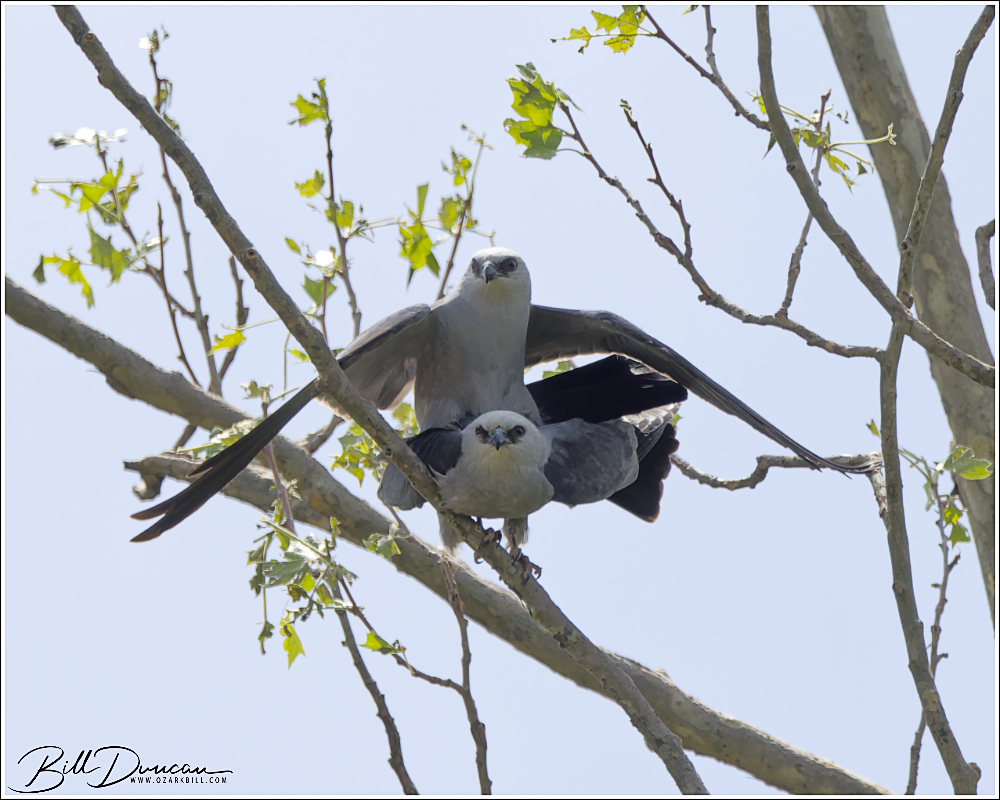
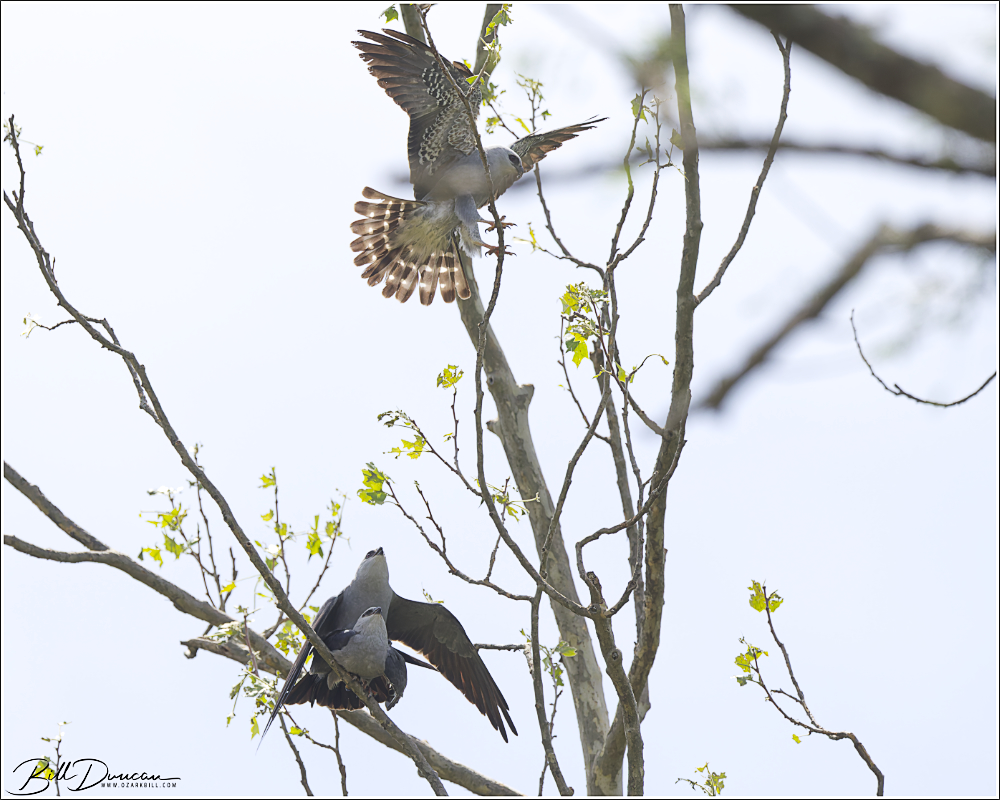
Here are a couple from a birding hike that Miguel and I took along the Lost Valley Trail at Weldon Springs Conservation Area back in May. The light was harsh but the story unforgettable. We watched this adult pair take turns perching and soaring above the treetops. Eventual the female called in the male that resulted in a few matings. On the last one we watched, this juvenile came in to their tree to try and break it up. Eventually the male lost his patience and went after the juvenile. I’m not sure if this might be their chick from last year or an unrelated individual.
Mississippi Kites at Weldon Spring C.A.
Right before “dad” had to dish out some punishment
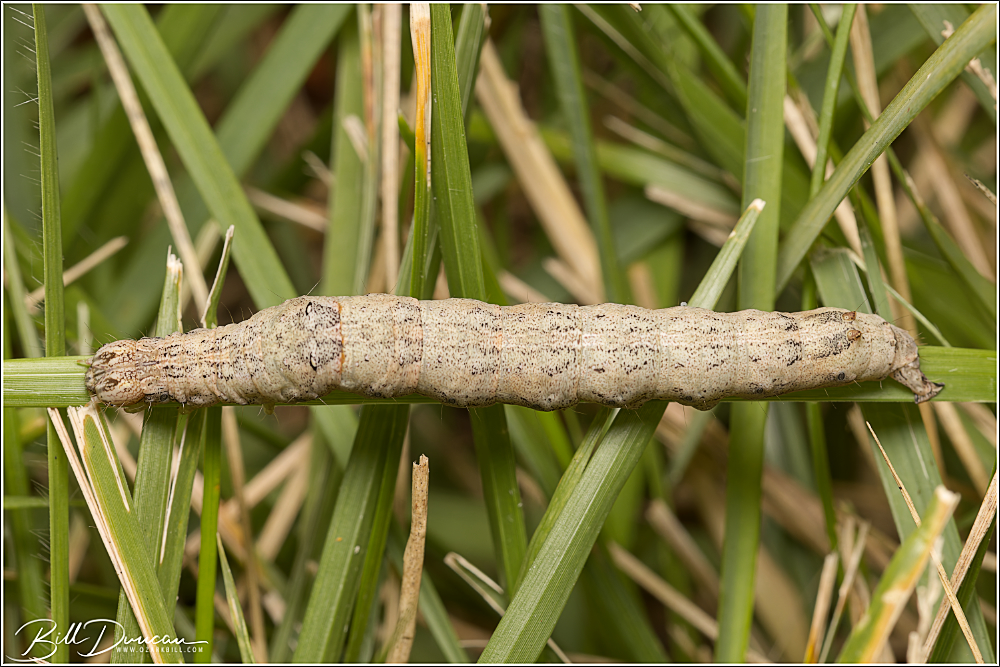
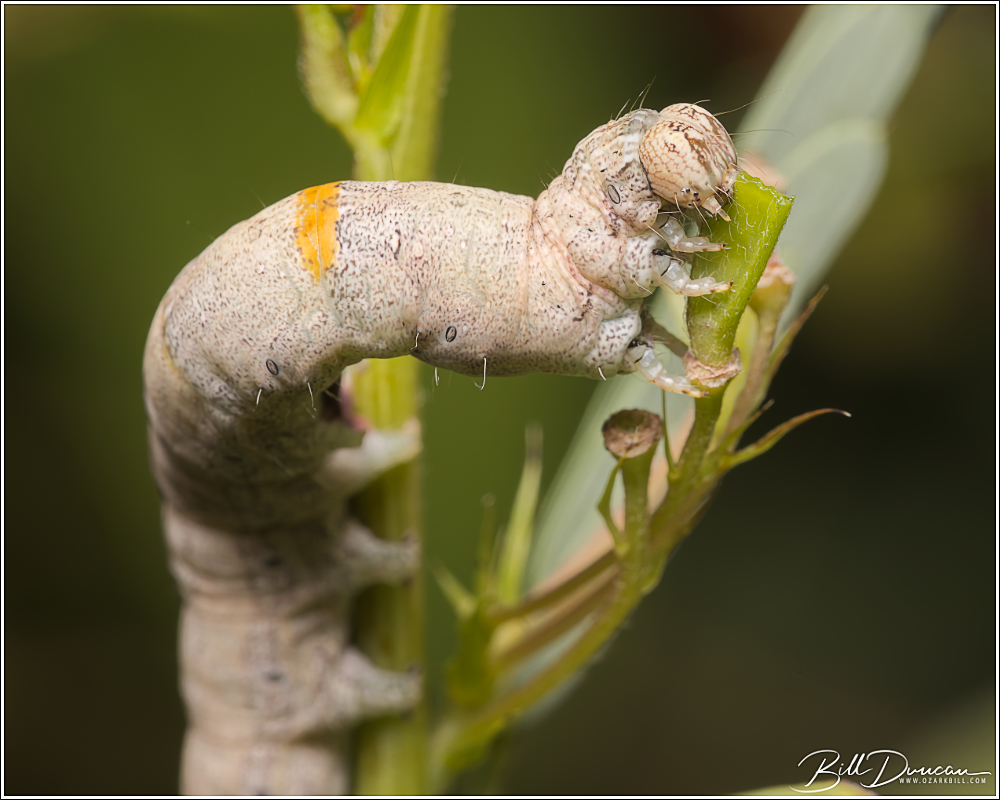
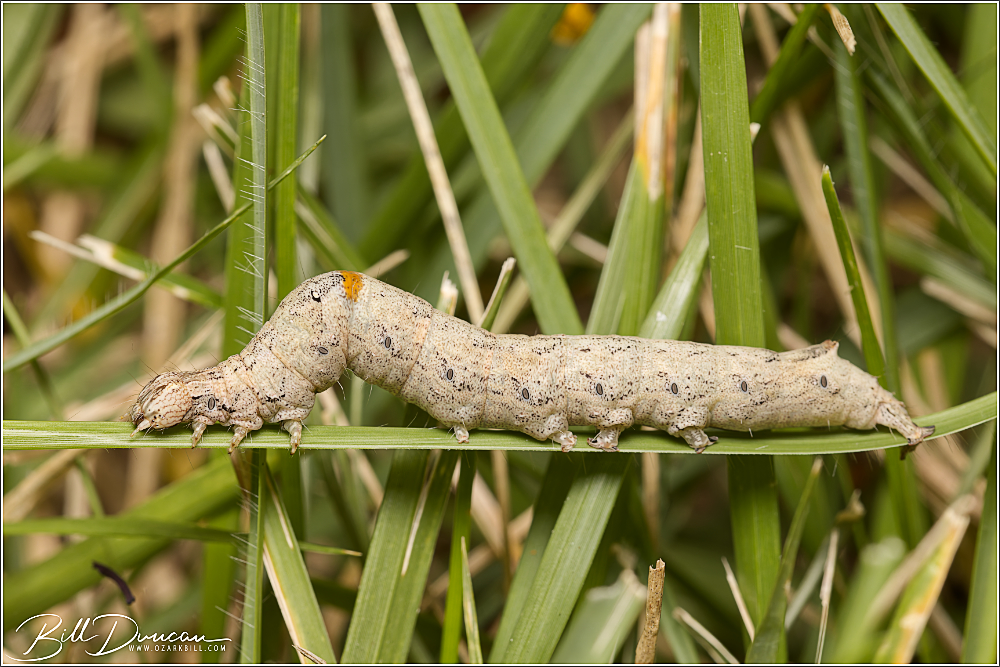
I’ve tried hunting for caterpillars among my native plants in the yard over the past several years, hoping to find some interesting caterpillars with very little success. This past weekend I was looking around my little prairie patch in the backyard with my UV flashlight and found something exciting. Two large caterpillars feasting on partridge pea (Chamaecrista fasciculata). It took me quite a bit of research to finally identify them as one of the Zale moths (Zale sp.) in the Family Erebidae. I am fairly certain this must be Zale lunata (lunate zale), but according to Wagner in “Caterpillars of North America” and “Owlet Caterpillars of Eastern North America,” Z. lunata and Z. minerea are nearly indistinguishable as larvae. However, because there are no records I could find of Z. minerea feeding on herbaceous plants and Z. lunata is known to feed occasionally on herbaceous plants, particularly those in the pea family, I think it is a safe bet to call these Z. lunata. To test this for certain, I hope to be able to find them again and try rearing one to an adult, which are easy to distinguish between these two species.
15-August update:
A couple of nights after taking these photos, I visited the prairie patch and found four of these zale caterpillars. I collected one and put it into a flight cage along with some freshly cut partridge pea.
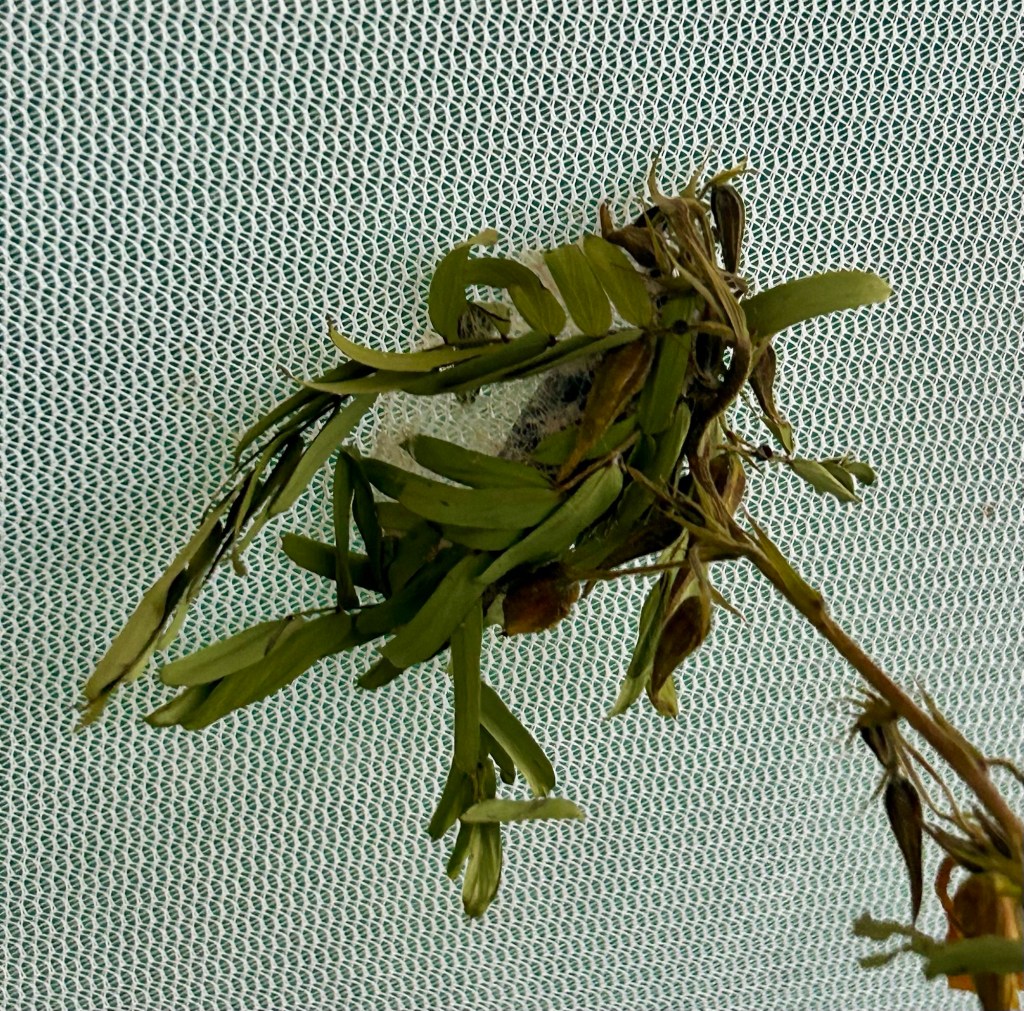
After not being able to find the caterpillar for the past two days, I finally discovered that it had pupated and has used some of the vegetation to cover its cocoon. There’s a chance it might eclose this year. If not, I’ll have to wait until the spring, assuming it survives that long. Here’s a photo of its pupation site.
Zale sp. cocoon
28-August update:
Upon returning from work today, I found that my Zale had eclosed! I took a few photos and I think we can now definitely say this is Zale lunata.
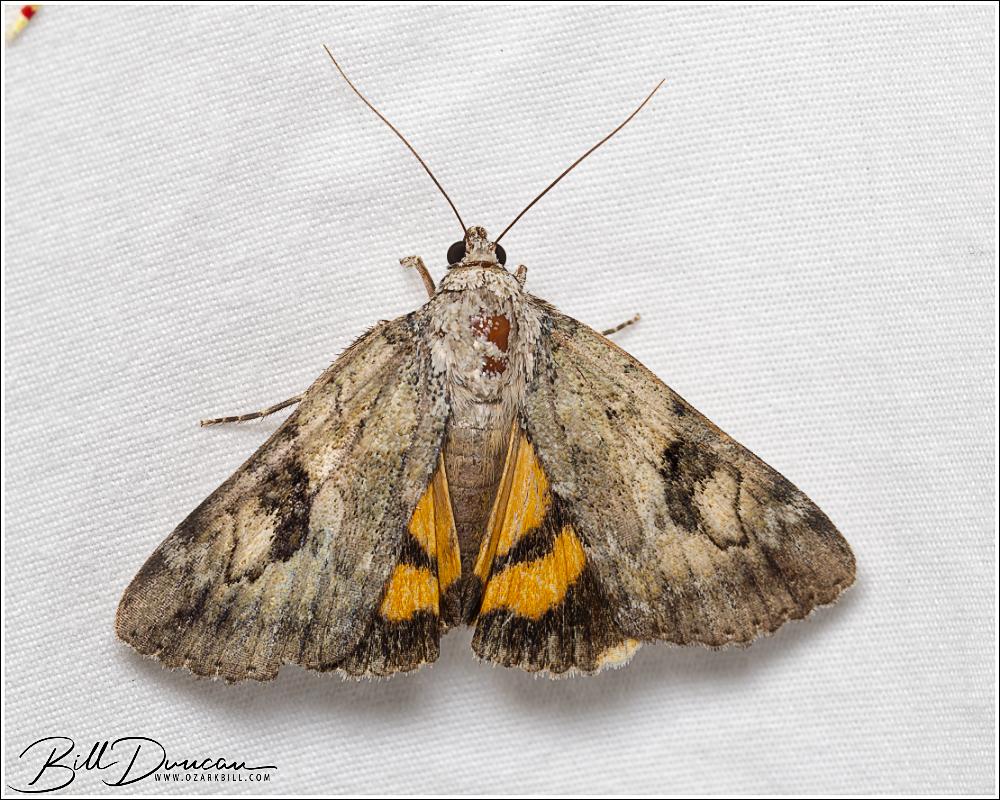
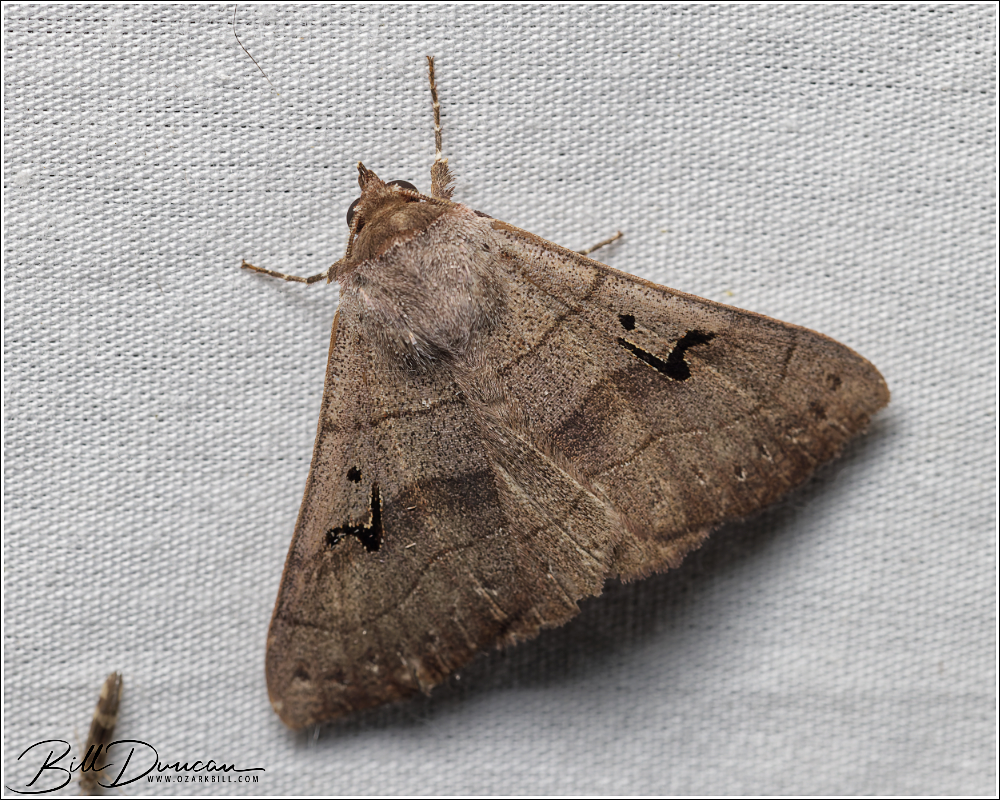
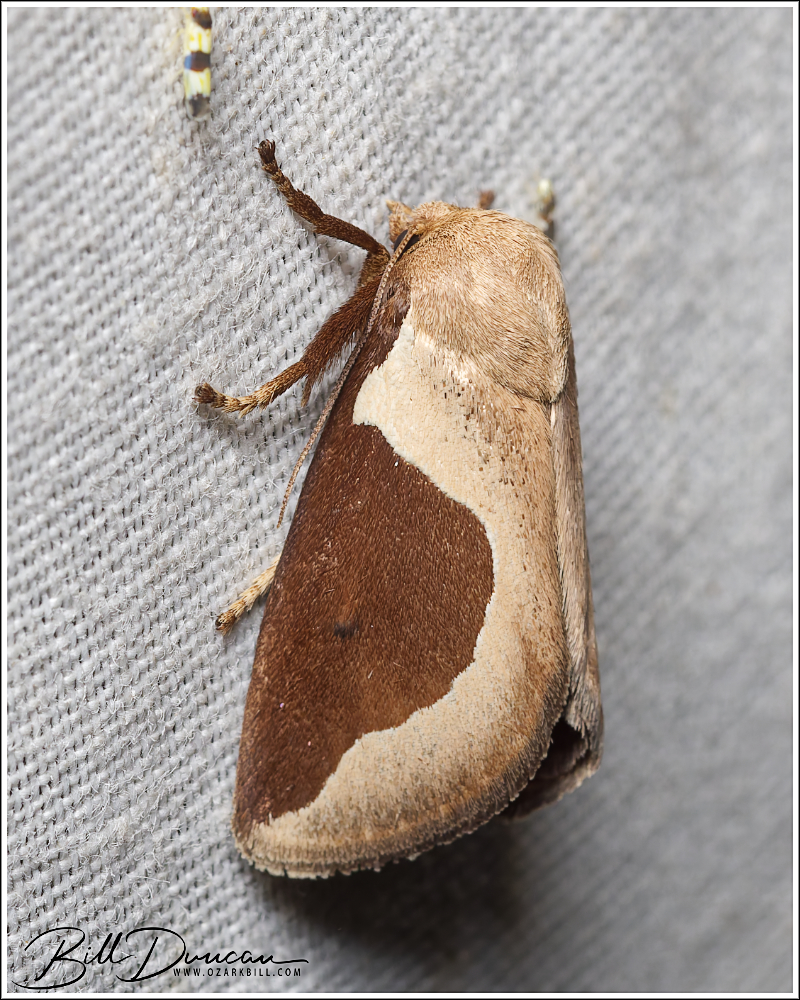
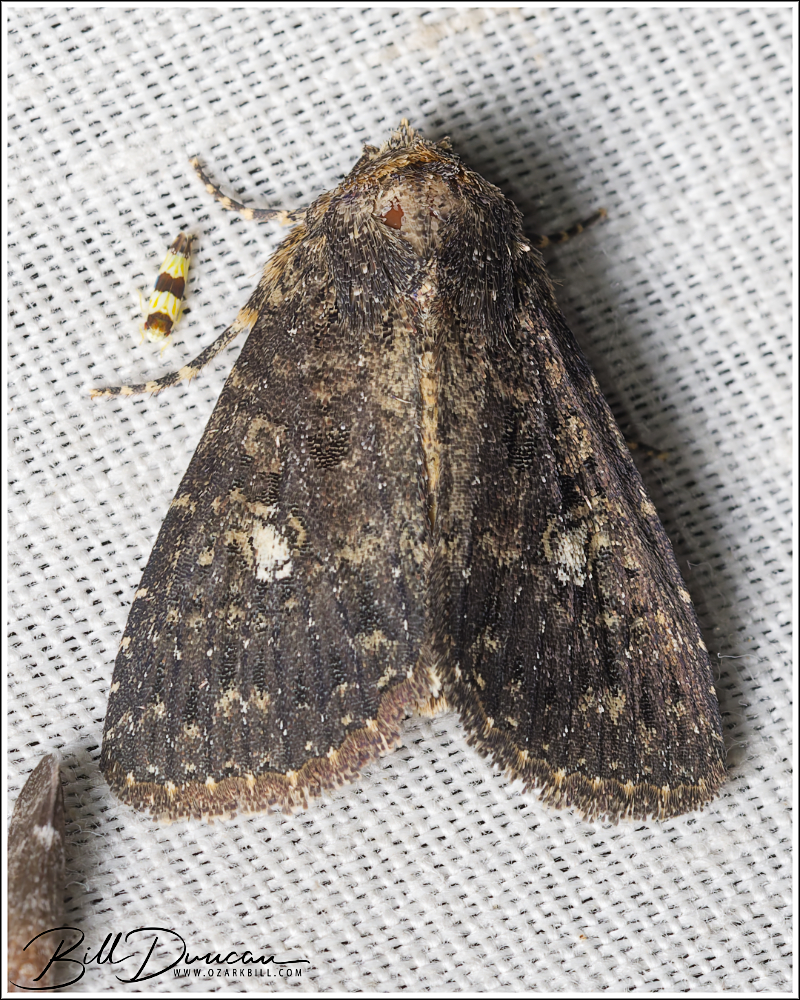
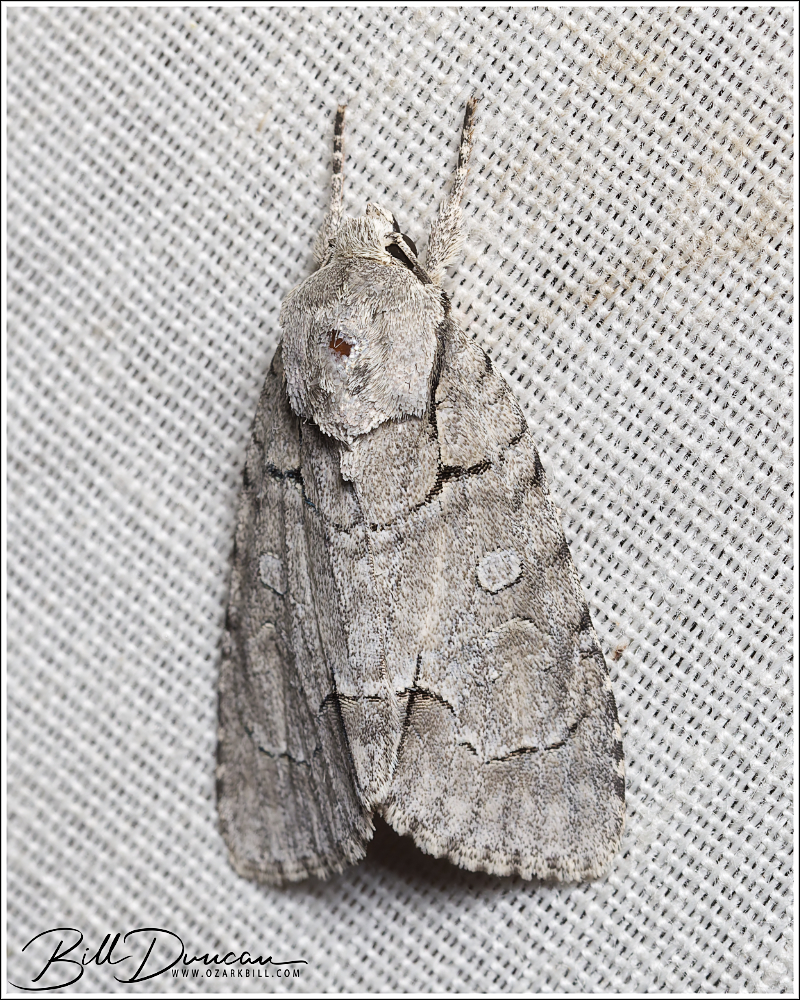
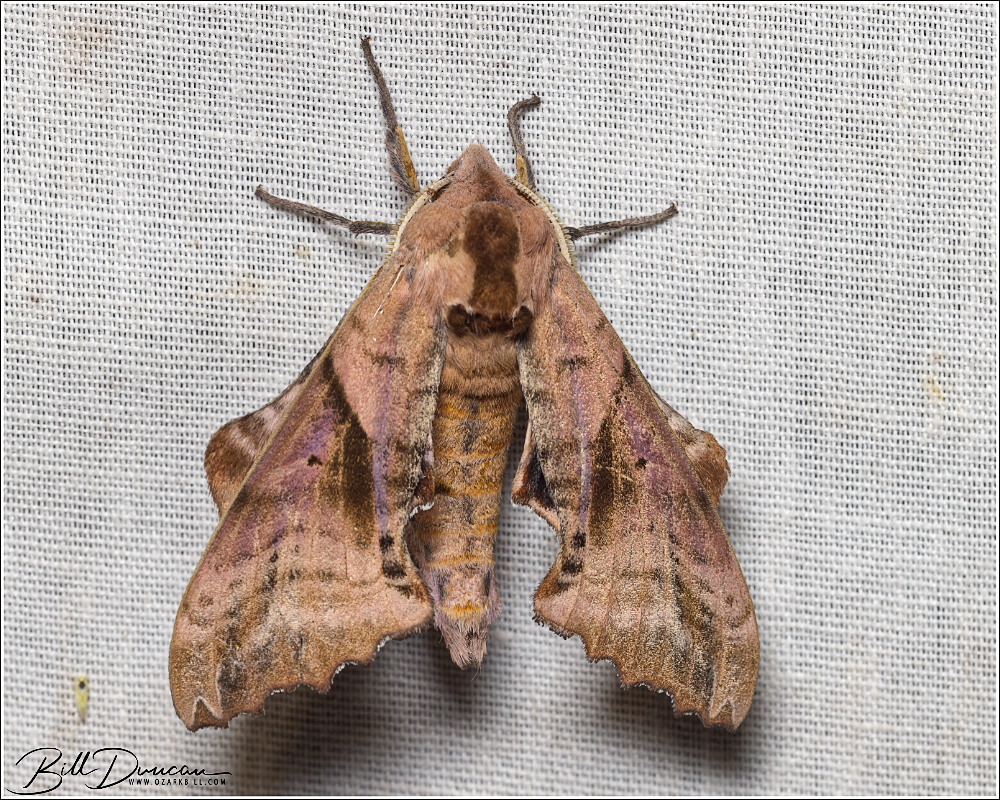
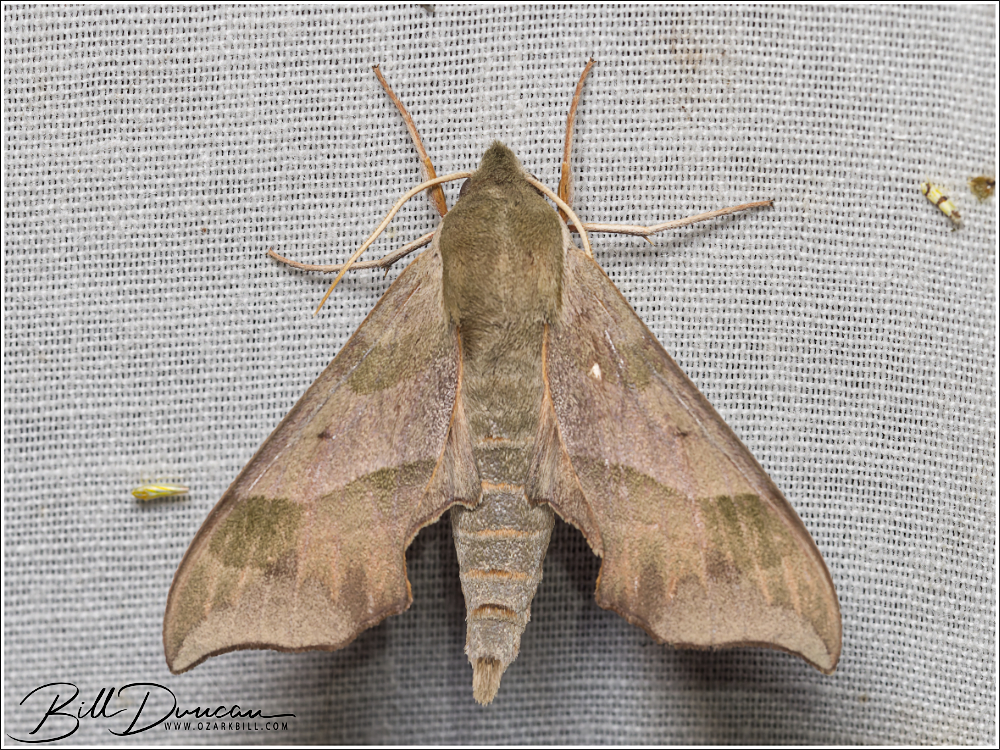
On the 24th of July, during the new moon and National Moth Week, the WGNSS Entomology Group set up several blacklighting stations at Tyson Research Center as a start of an entomological survey. Between WGNSS members, TRC staff and students from Washington University, I estimate there were 25-30 people in attendance until around midnight. Overall, I think the evening was a success and the numbers and diversity of insects was good. We had a few nice highlight species, but because of the number of people, I did not spend time trying to remove moths from the sheet and onto a natural background. I still have a few to process, but this post covers the moths I cared to photograph.
Many thanks to Katie Westby and Rich Thoma for organizing this event. I’d also like to thank jwileyrains at butterfliesandmoths.org for confirming and helping me with some identifications.
I did not take a lot of video footage during my brief time at the nest, but I did get some interesting enough footage to put the following together. Available in 4K on YouTube. Enjoy!
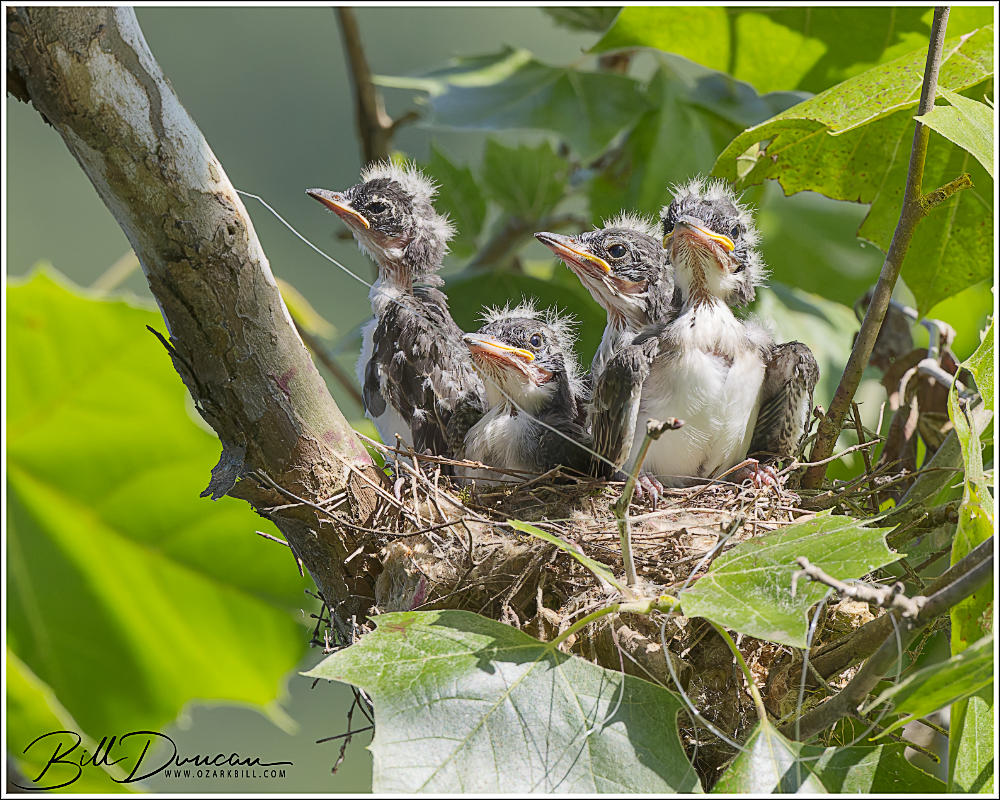
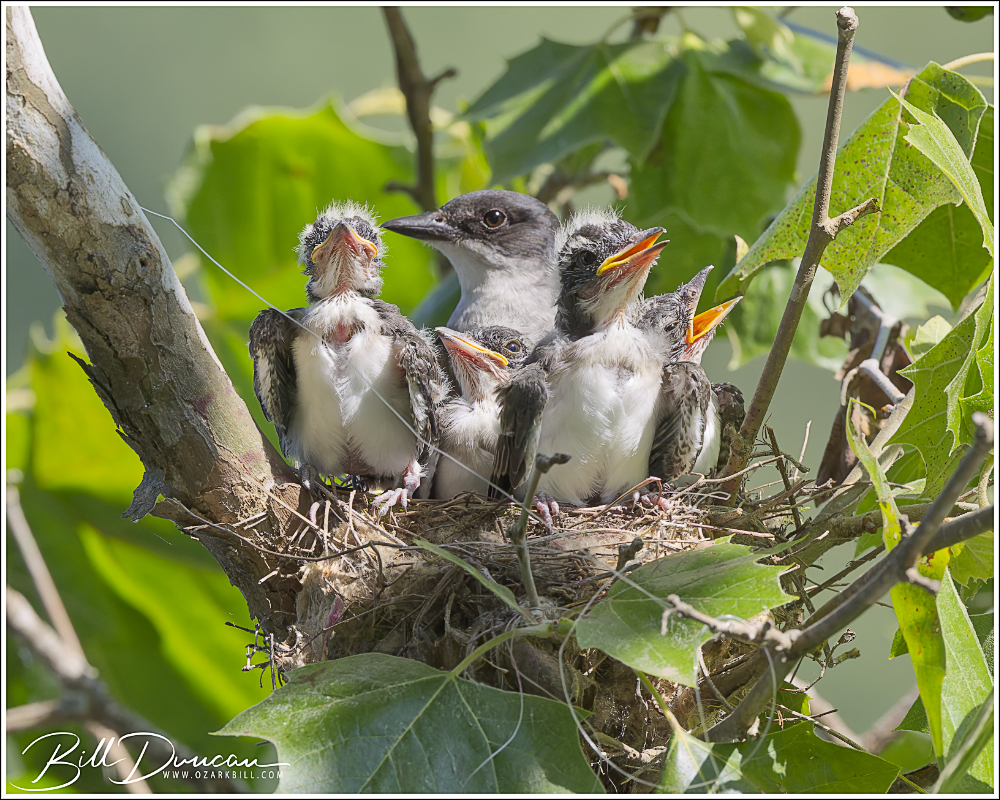
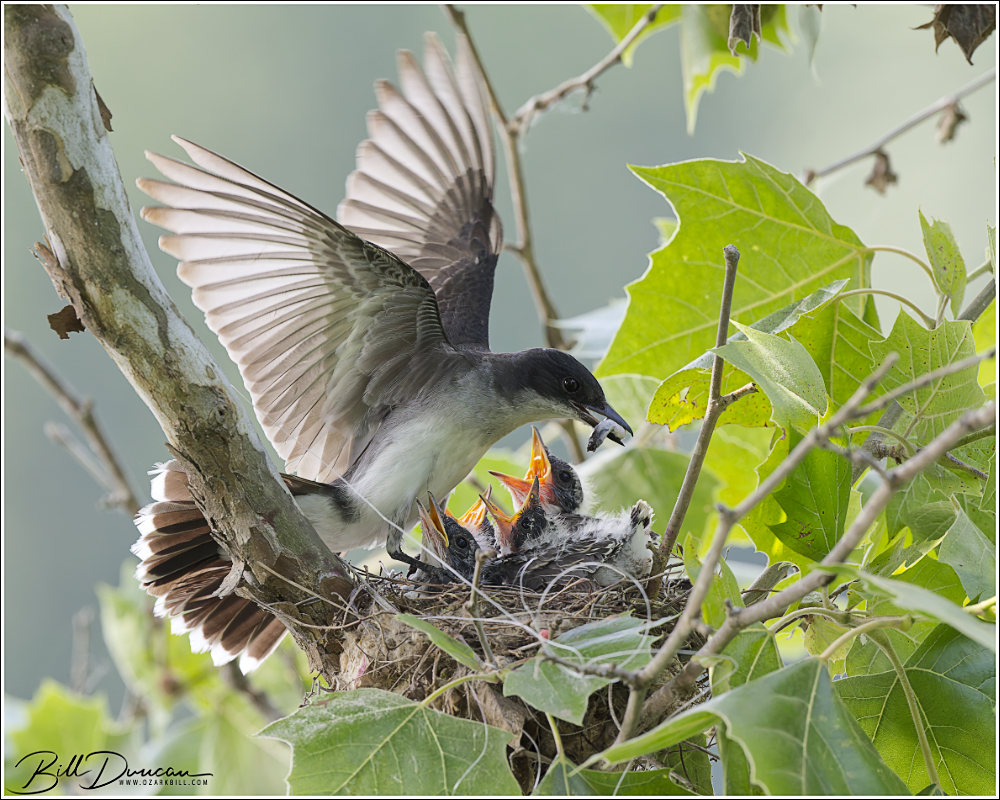
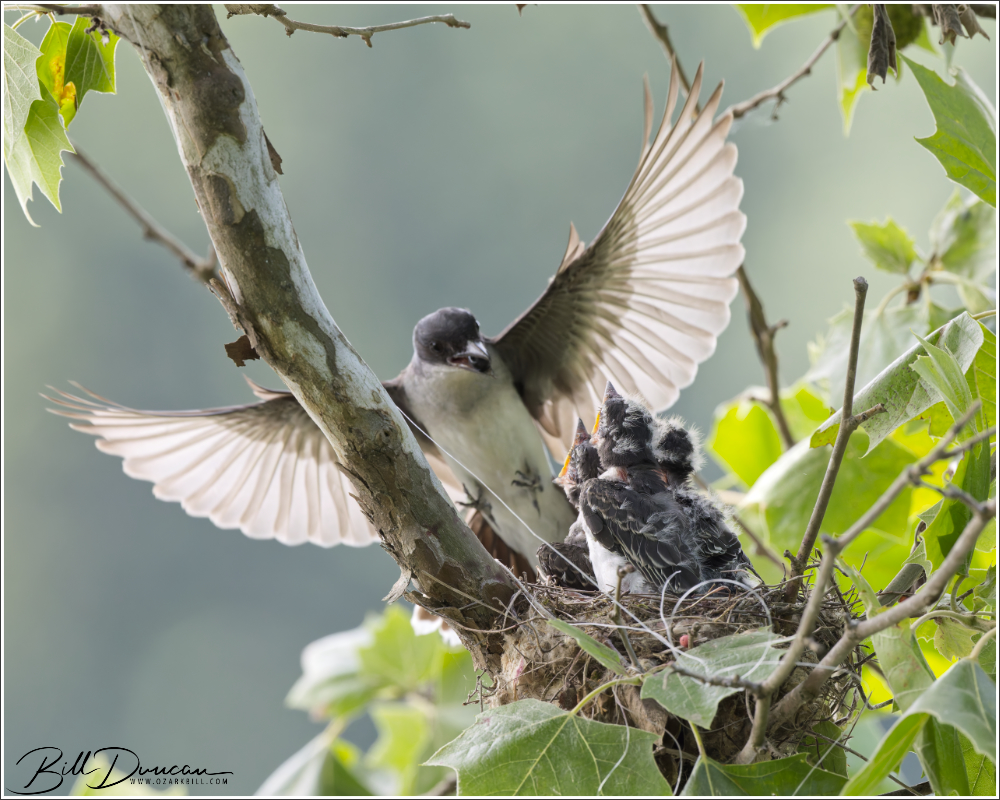
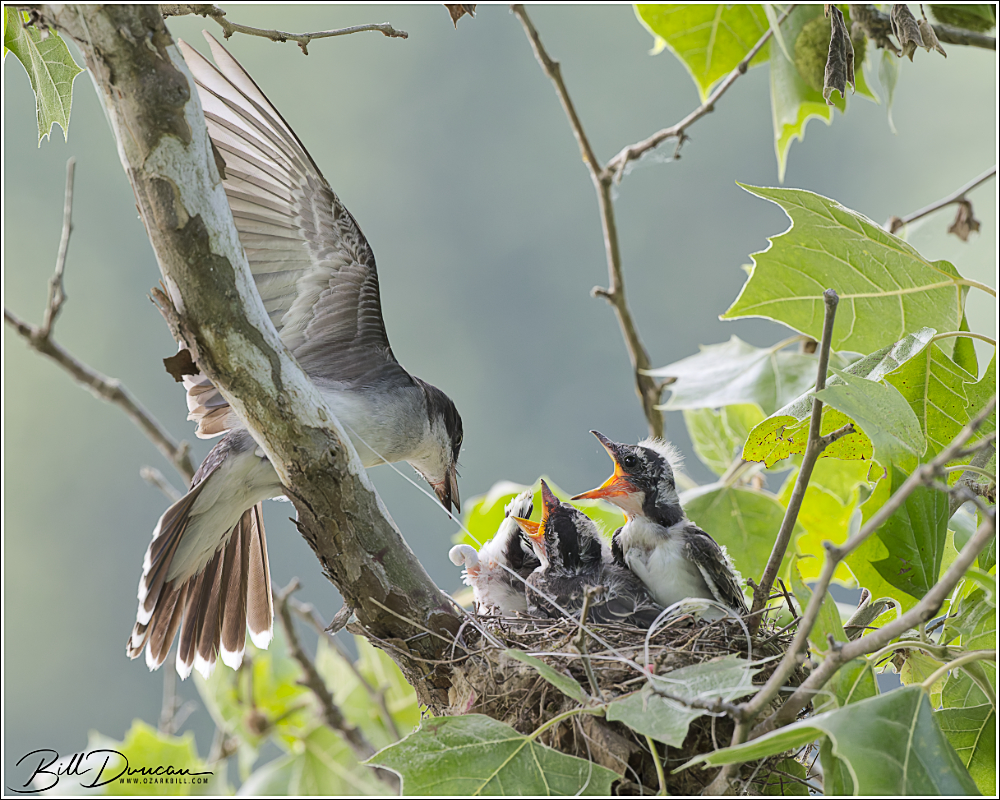
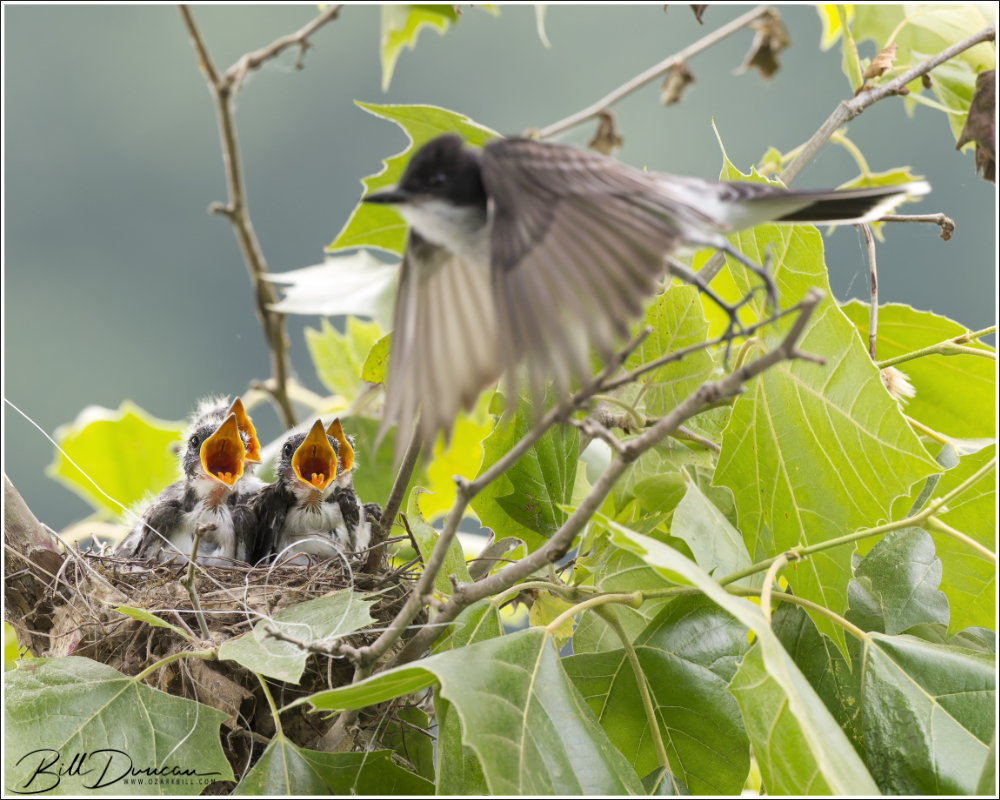
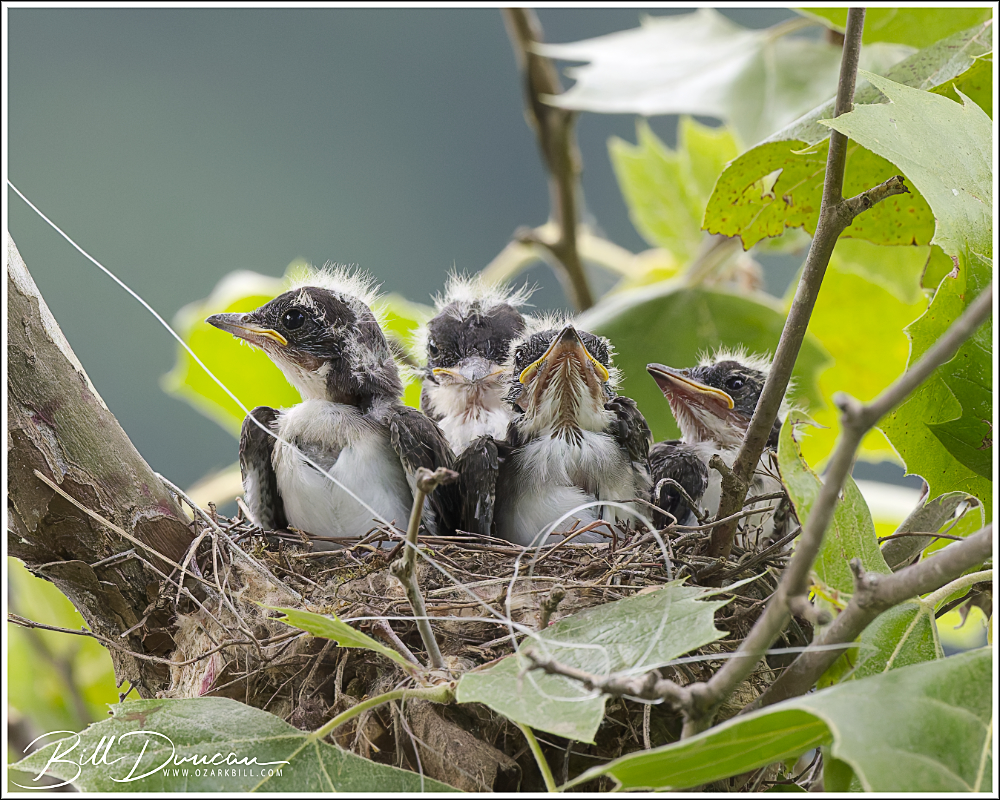
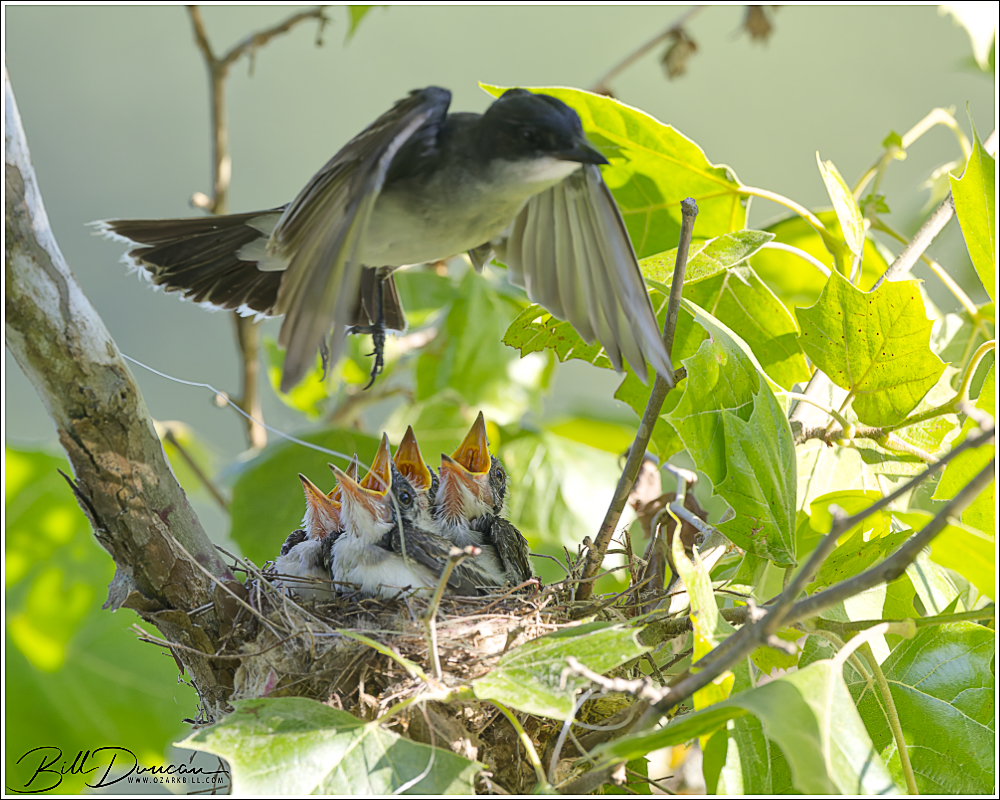
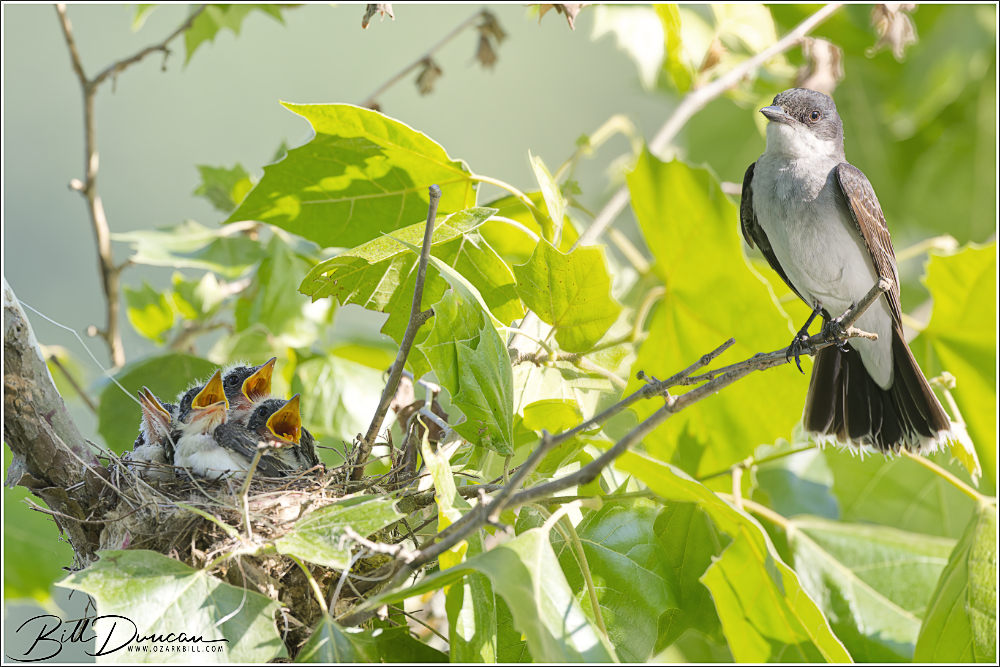
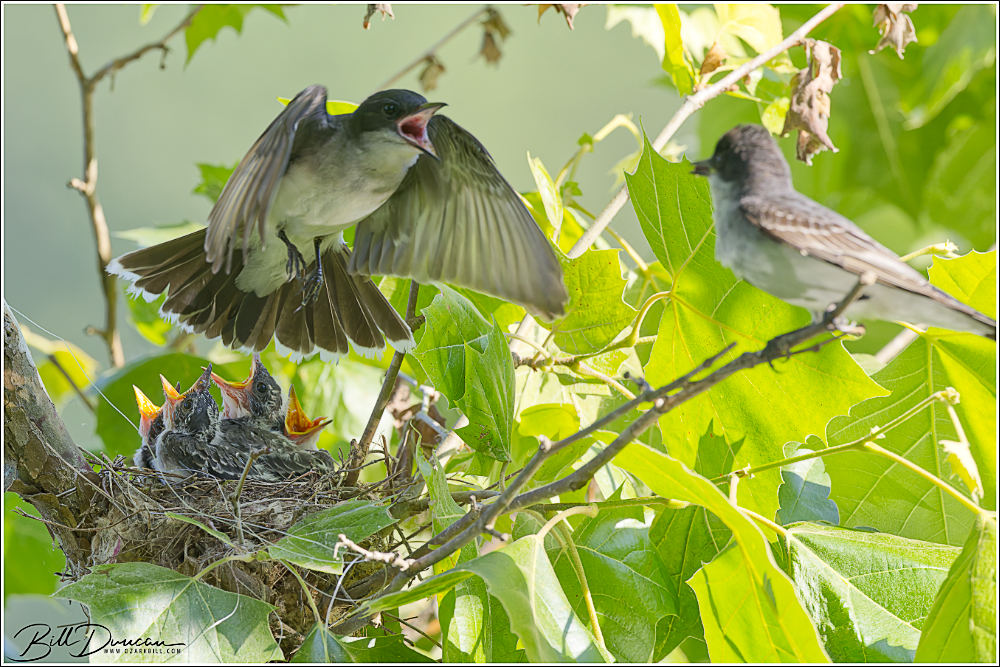
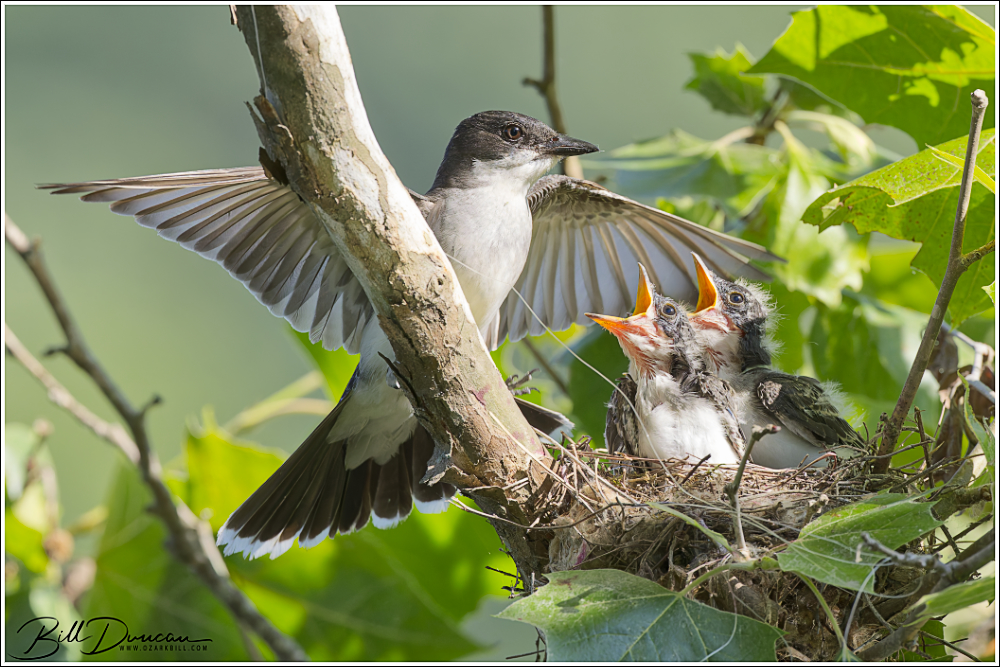
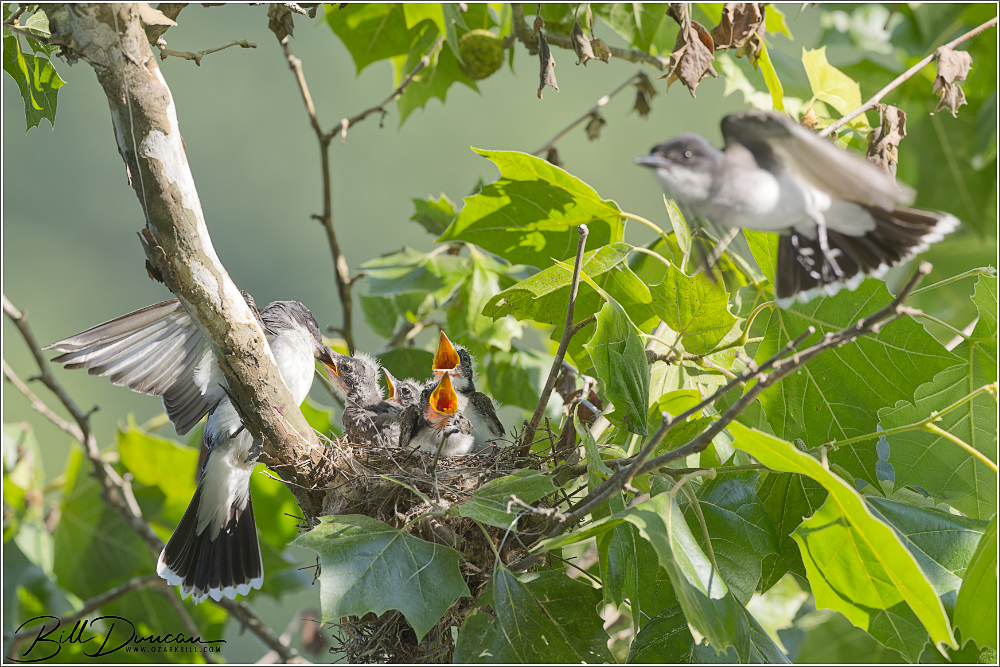
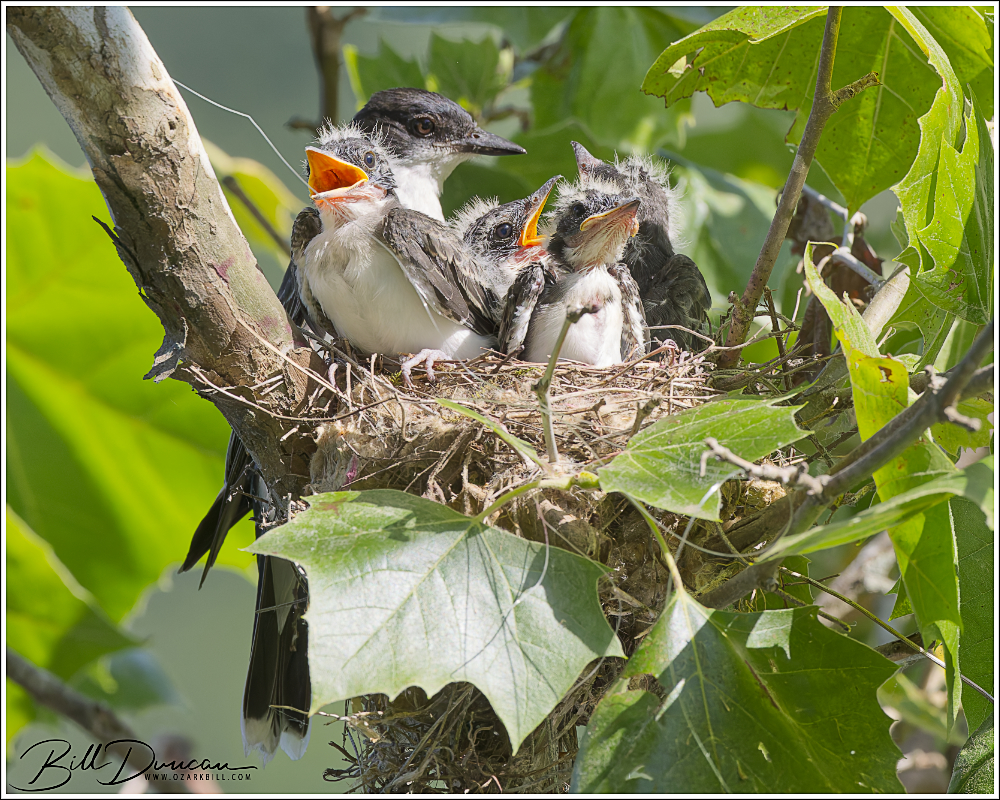
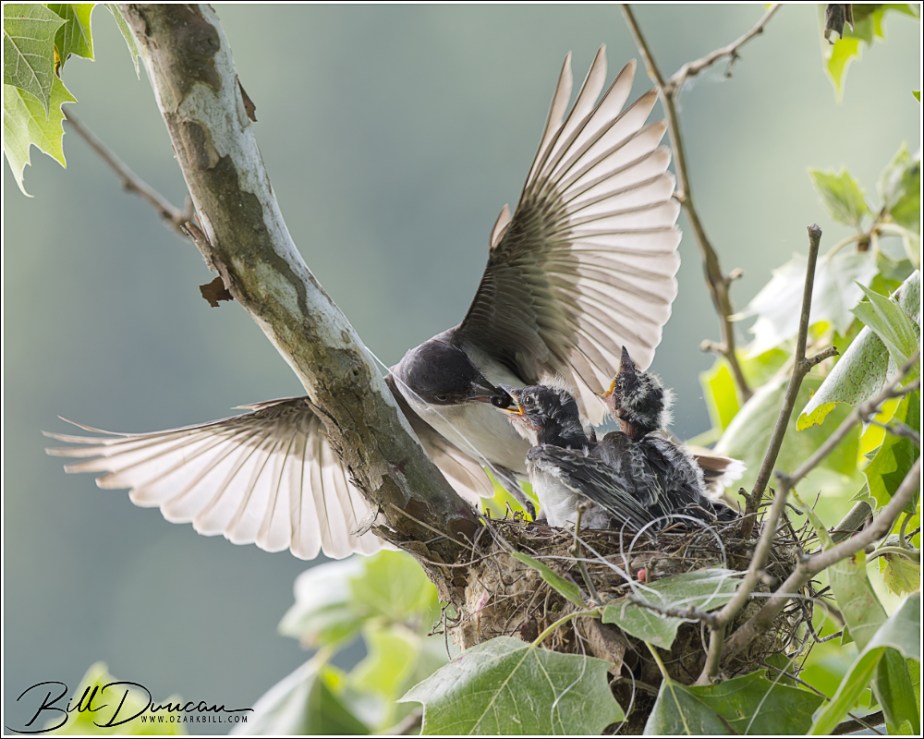
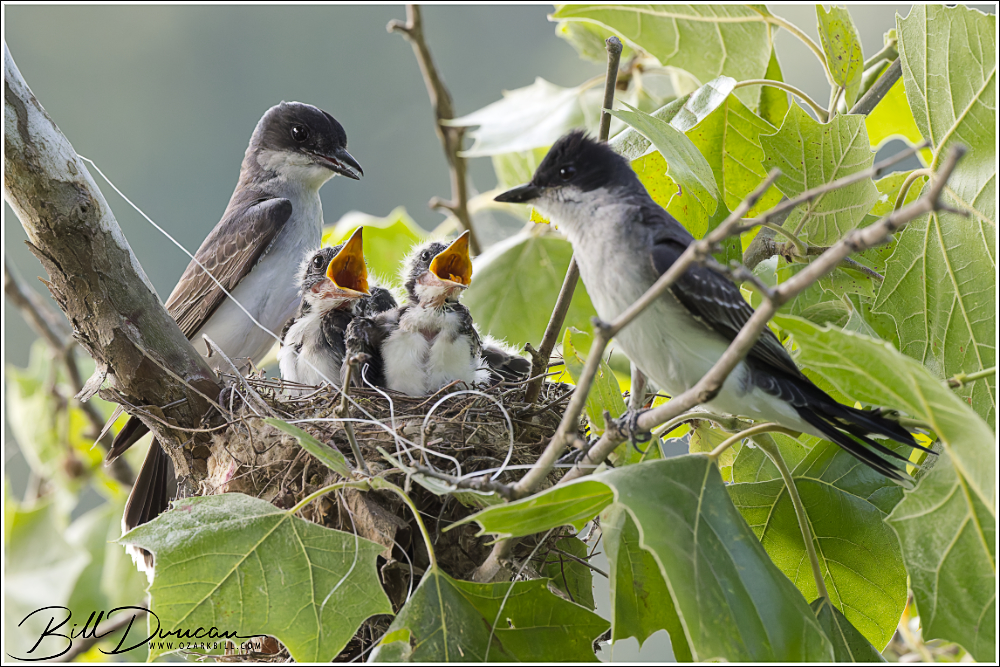
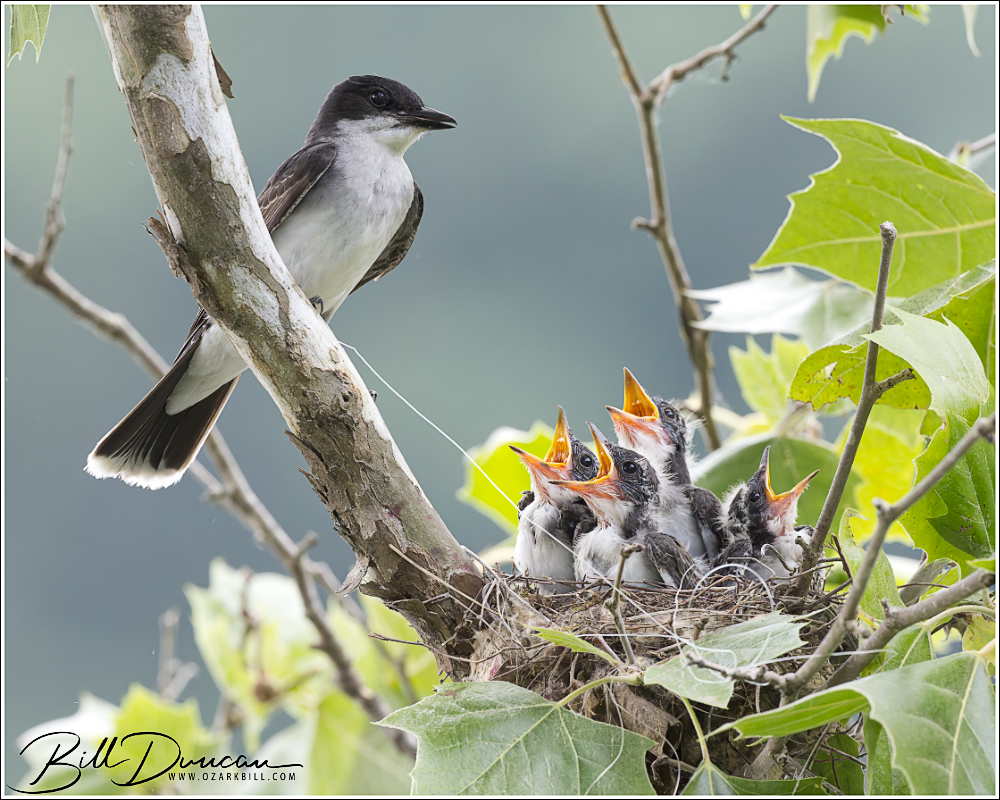
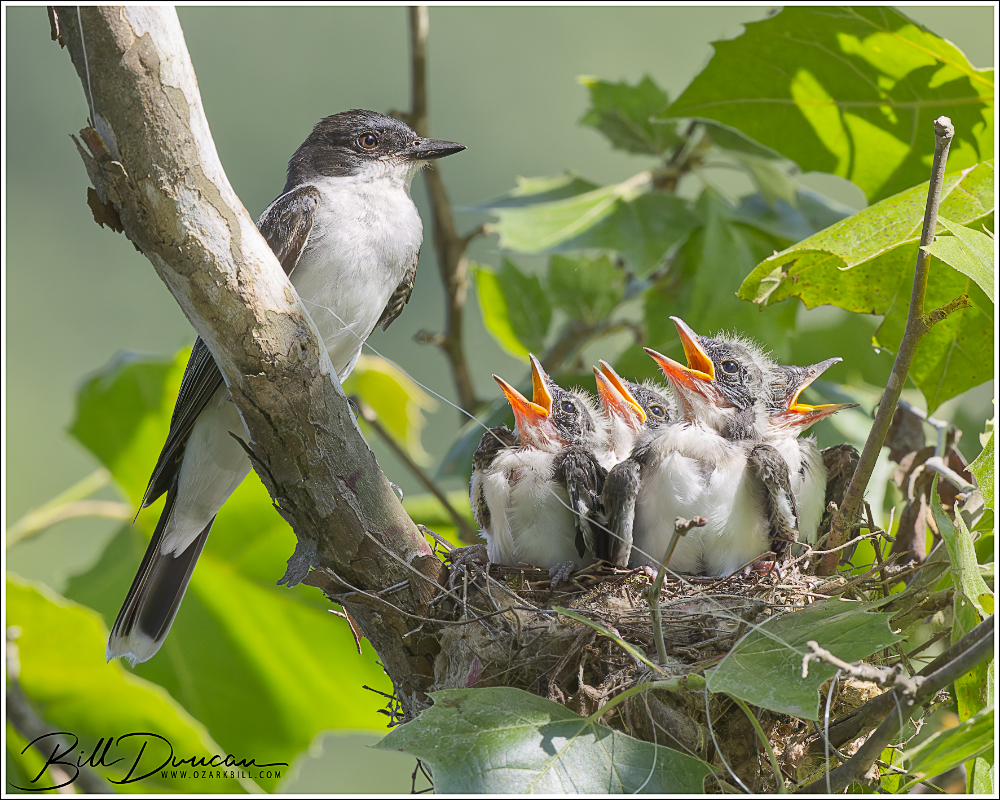
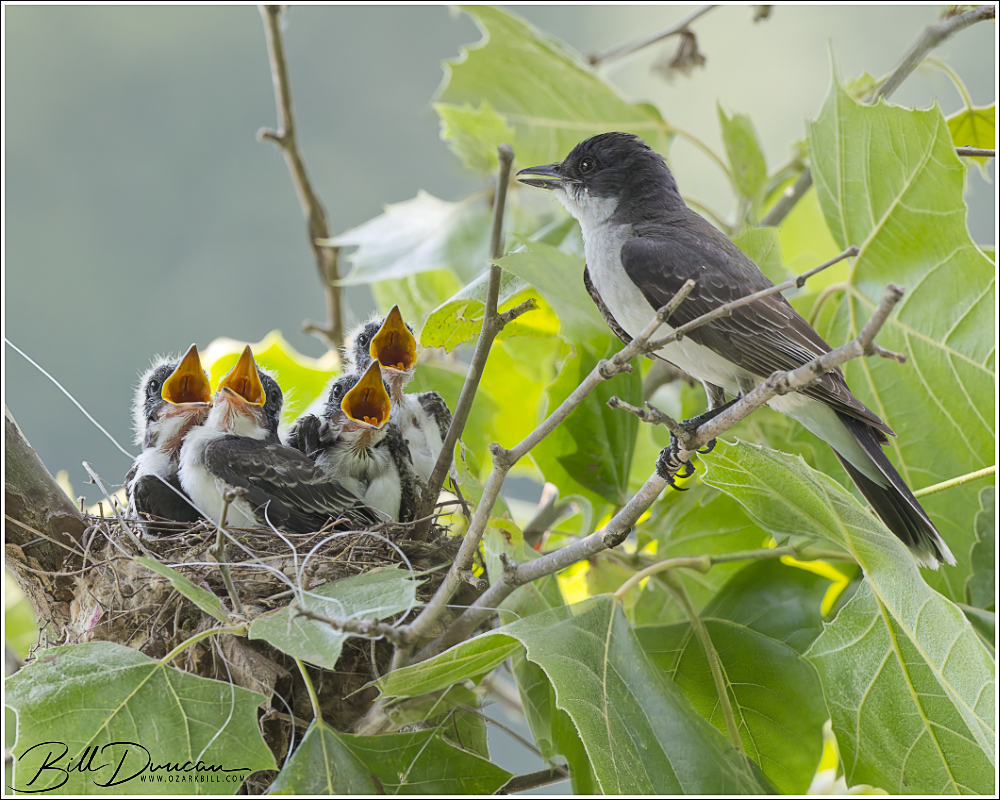
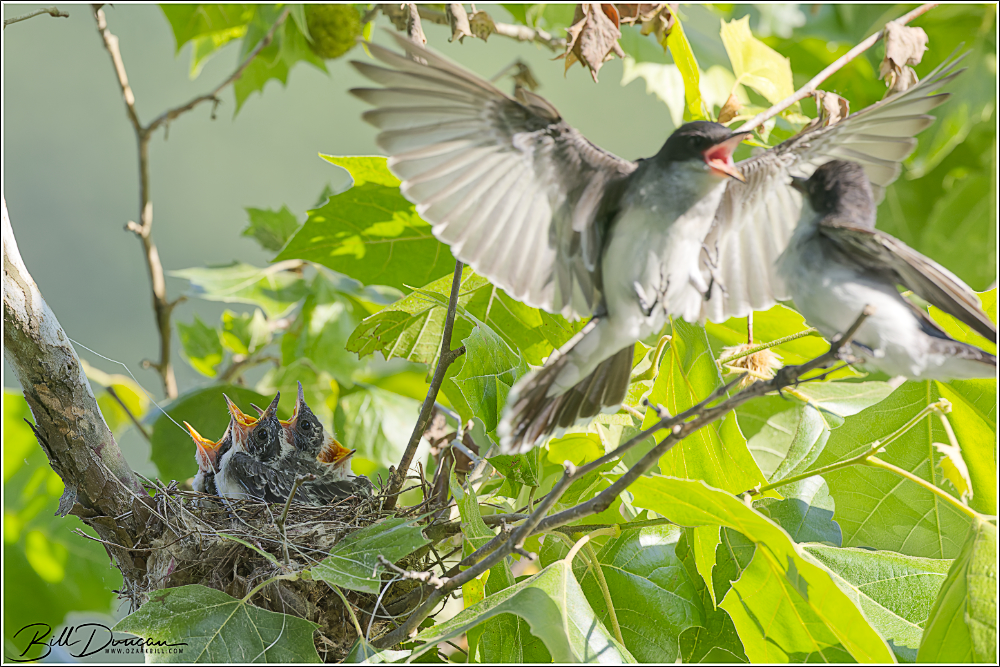
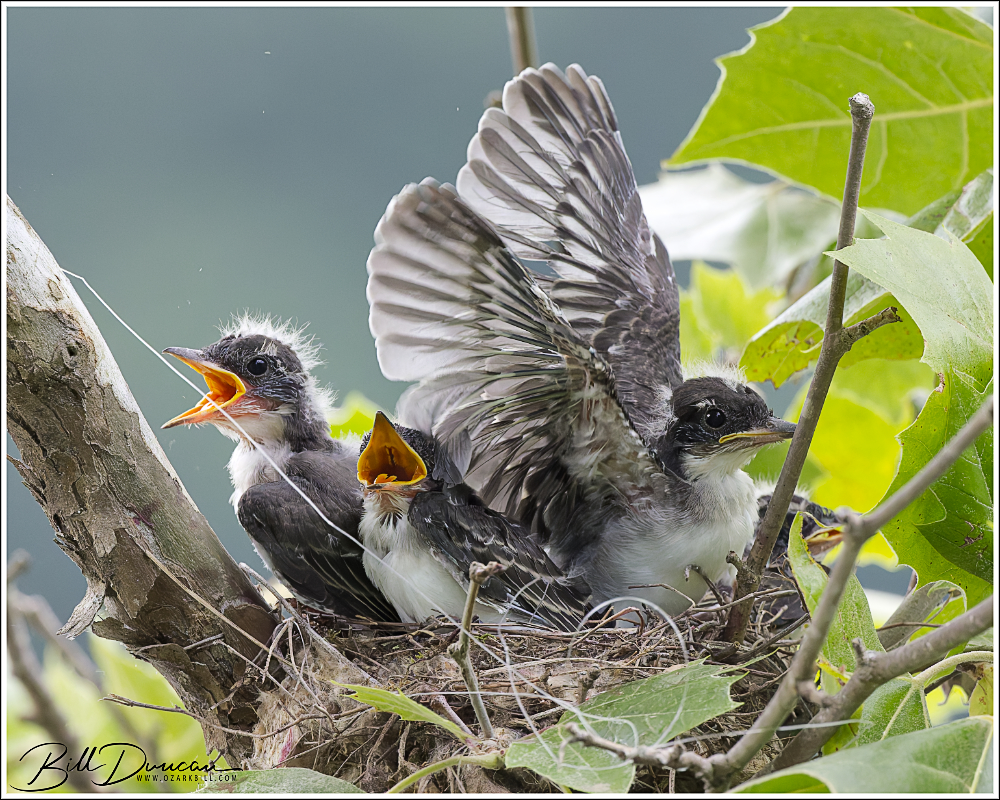
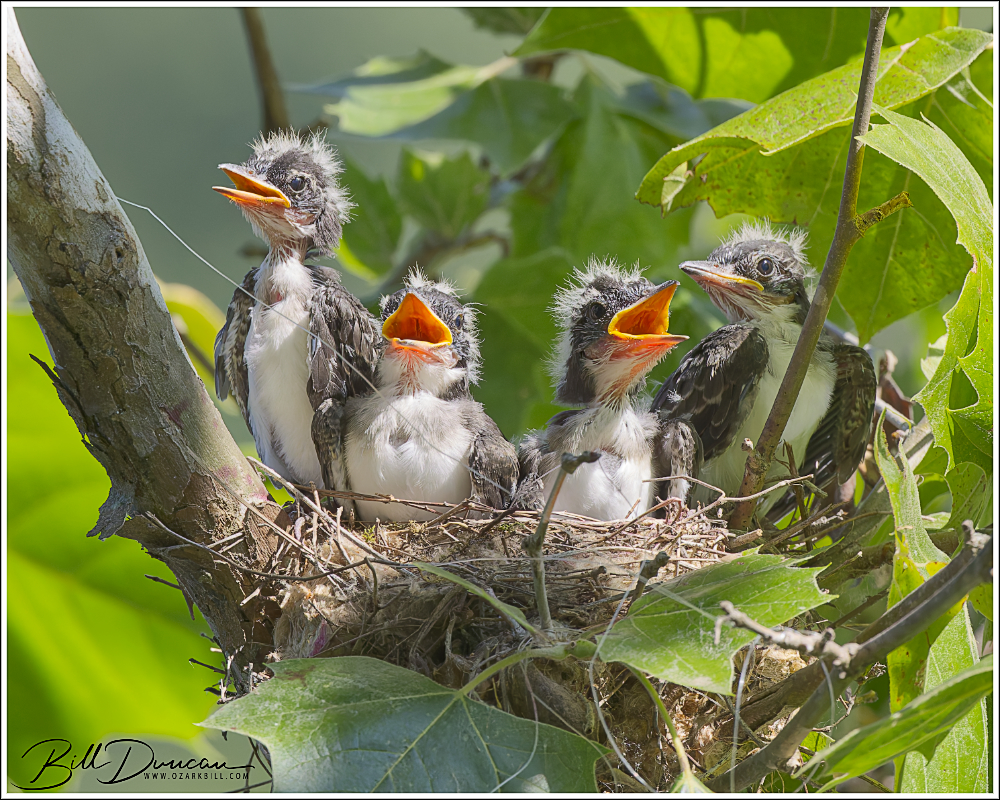
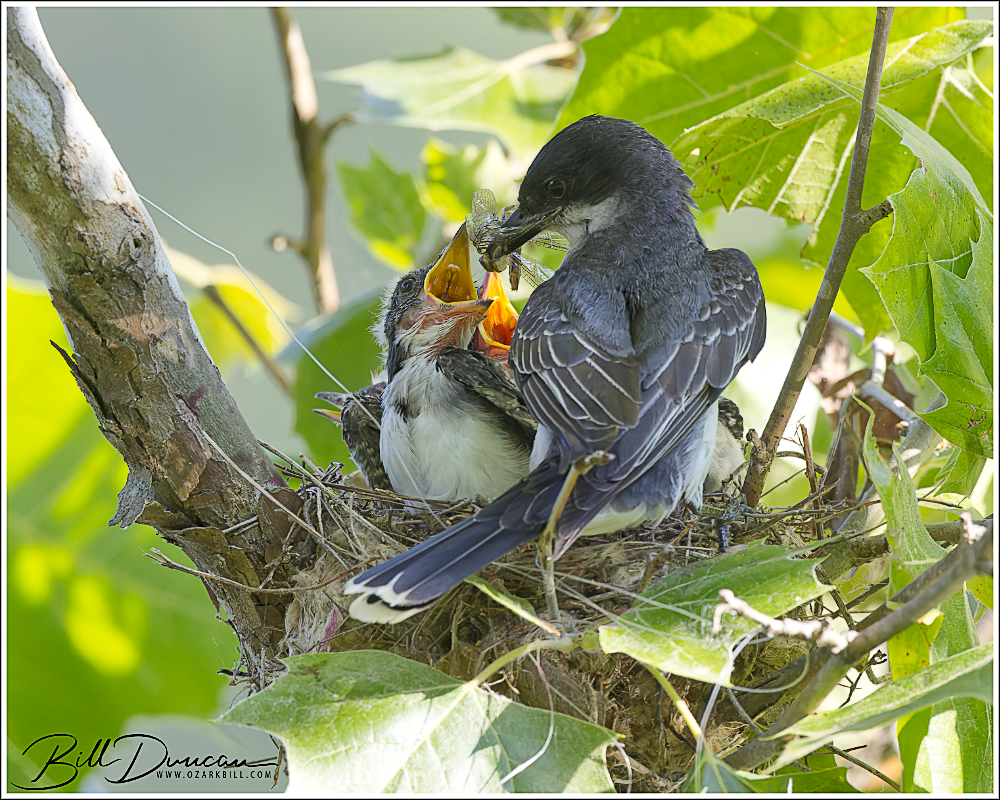
I processed all of these, so I might as well share them. This is the remainder of the images from the second day I spent photographing the Eastern Kingbird nest at Logger’s Lake.
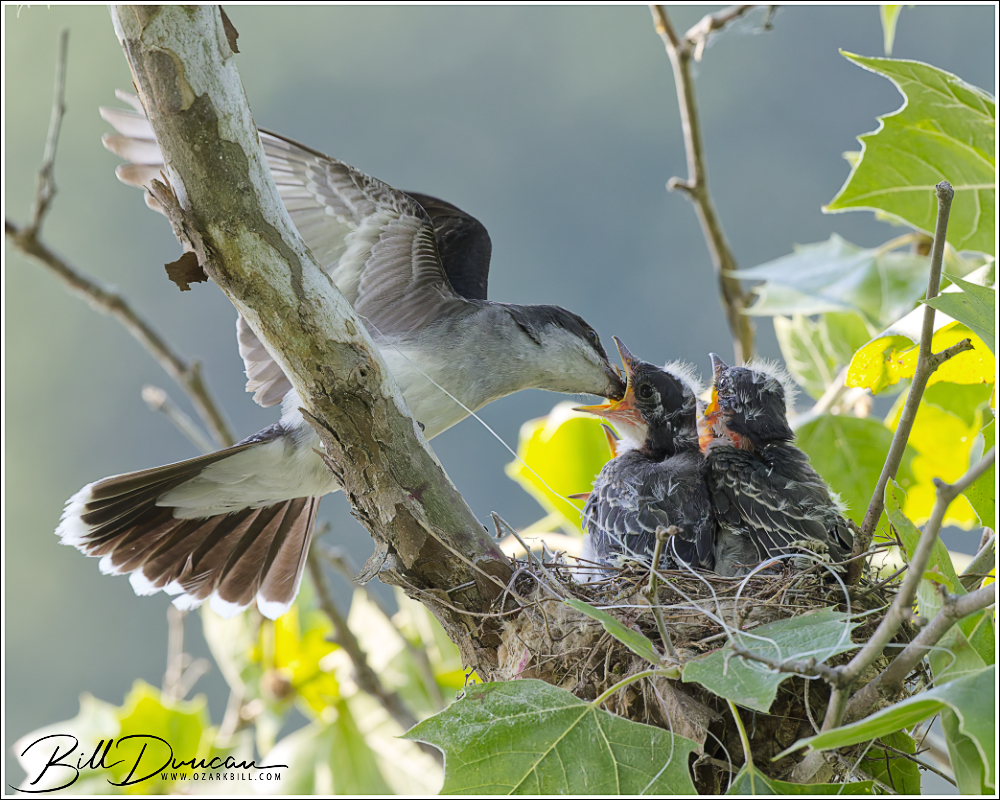
A few of my favorites of the Eastern Kingbird nest photographed at Logger’s Lake.
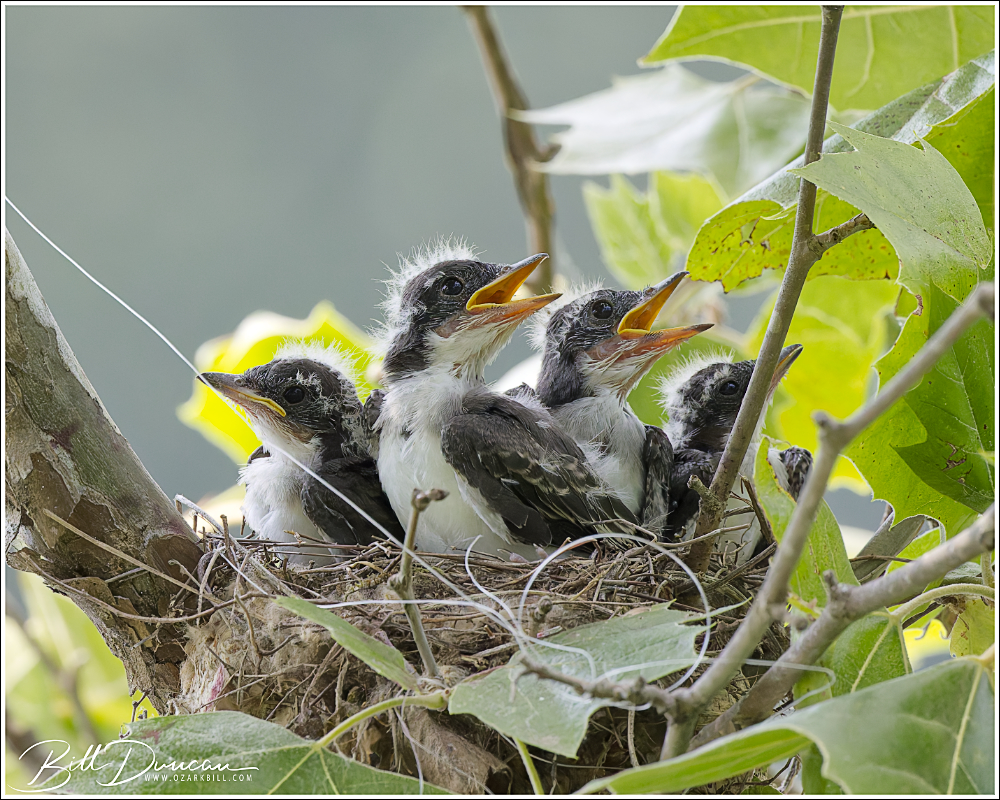
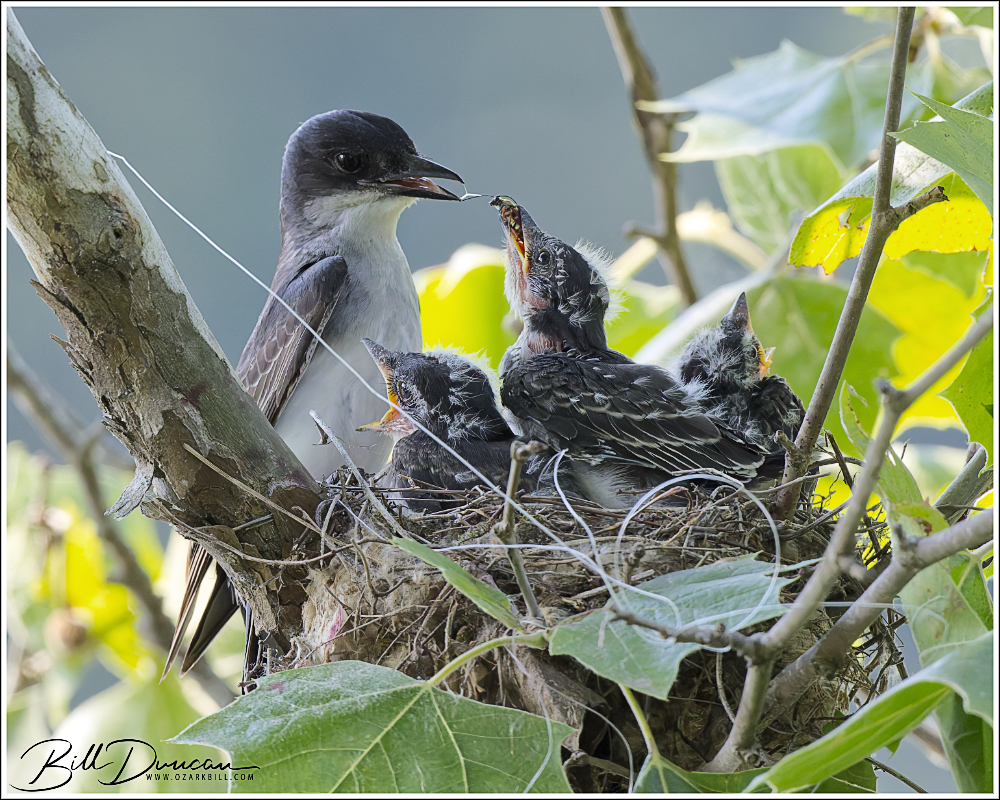
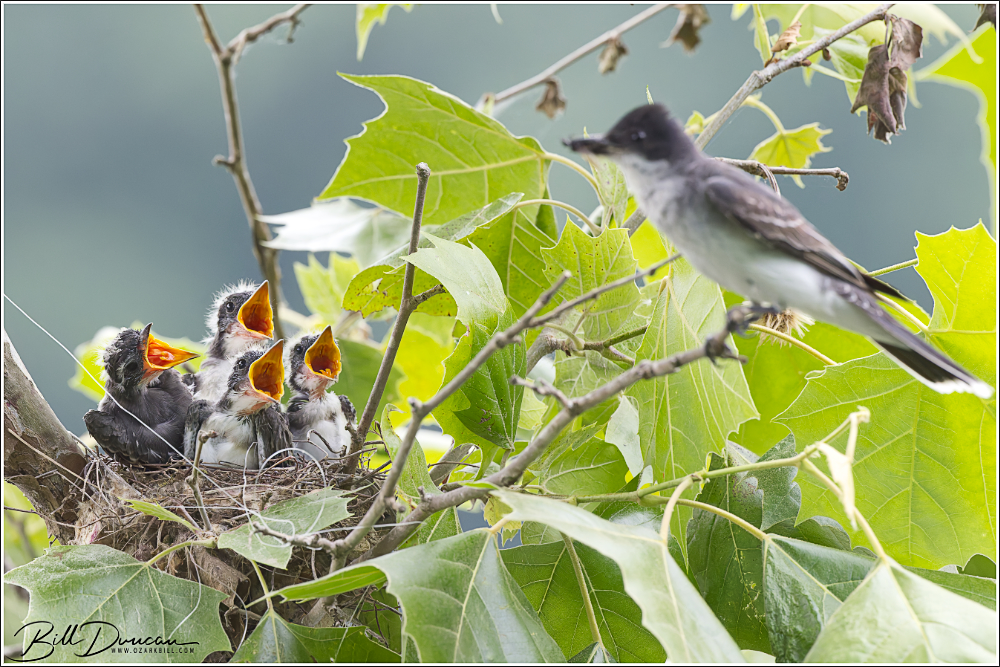
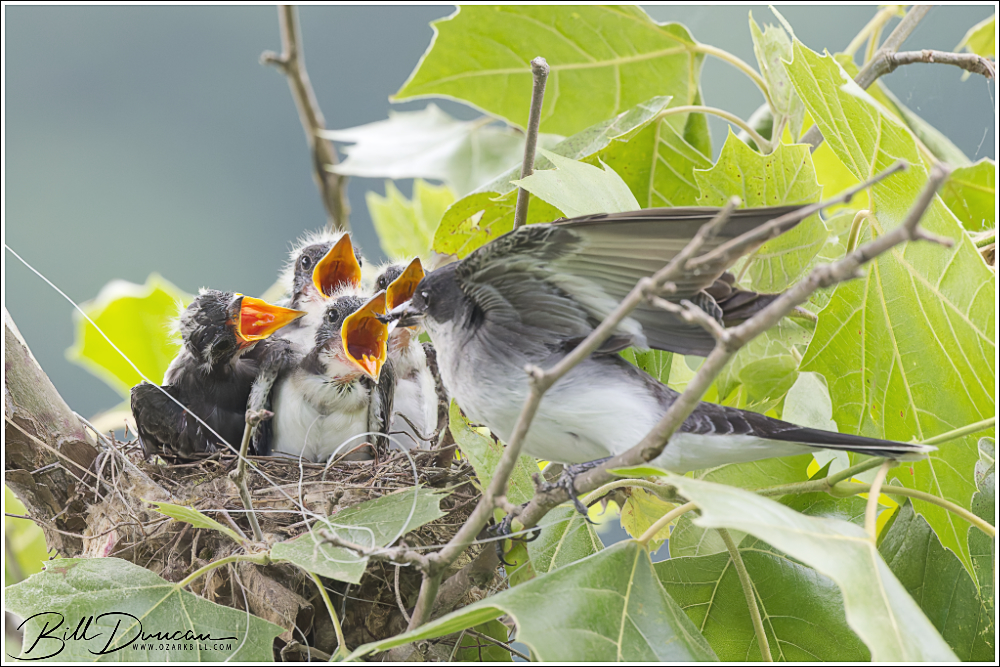
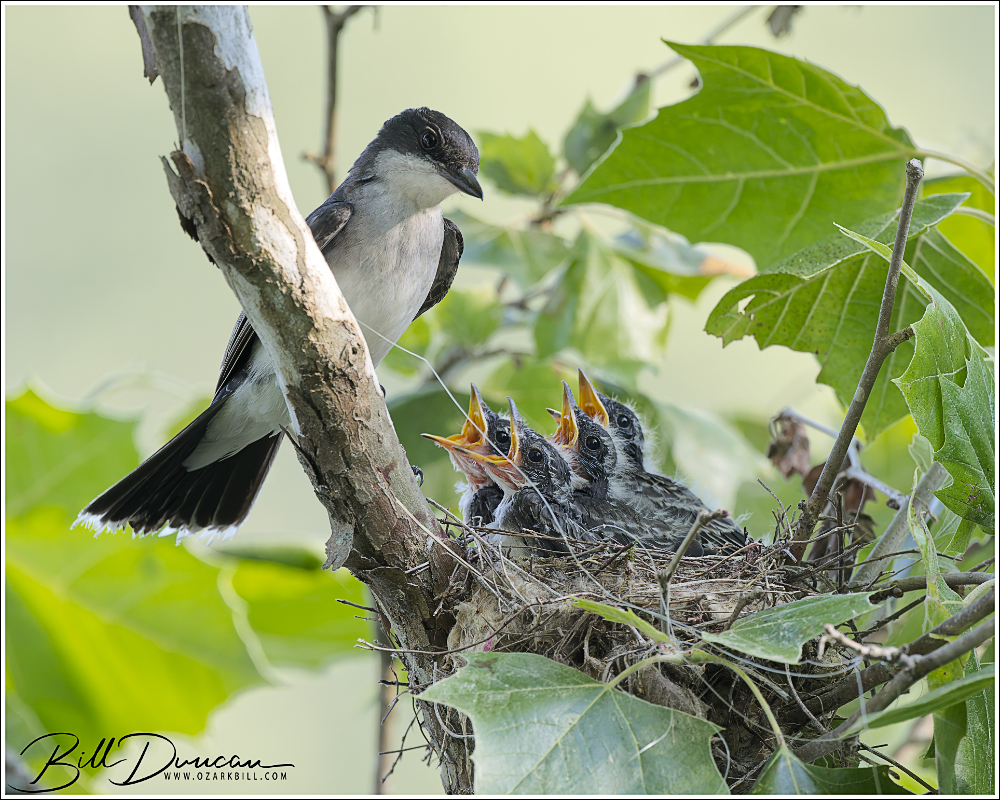
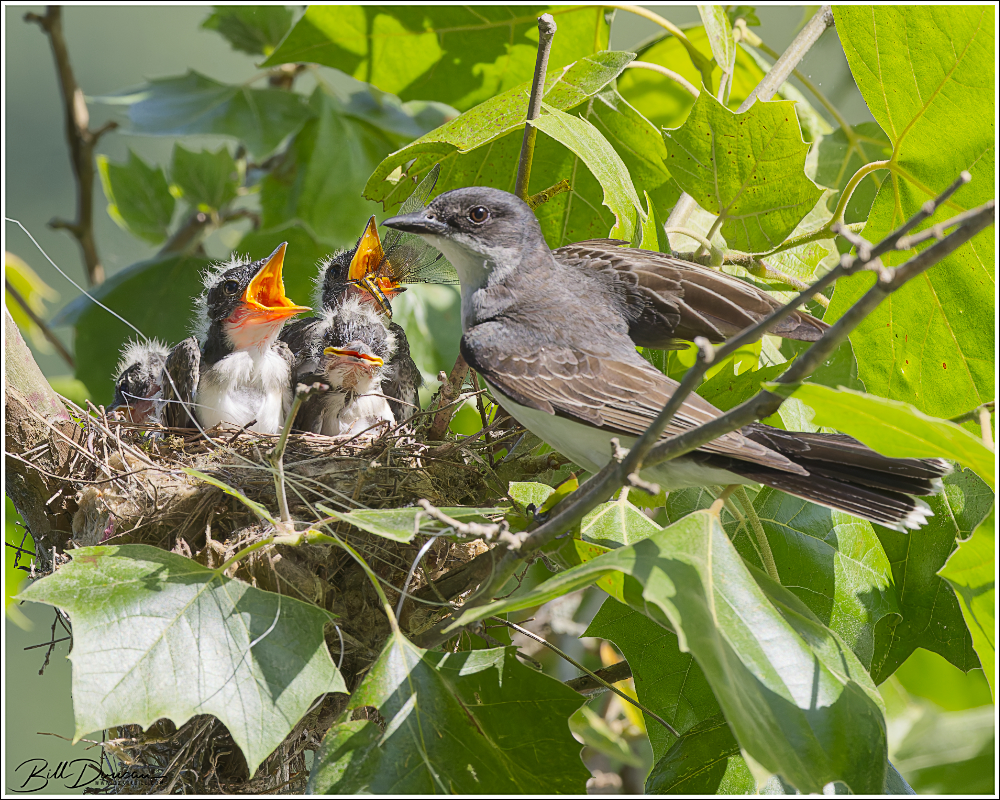
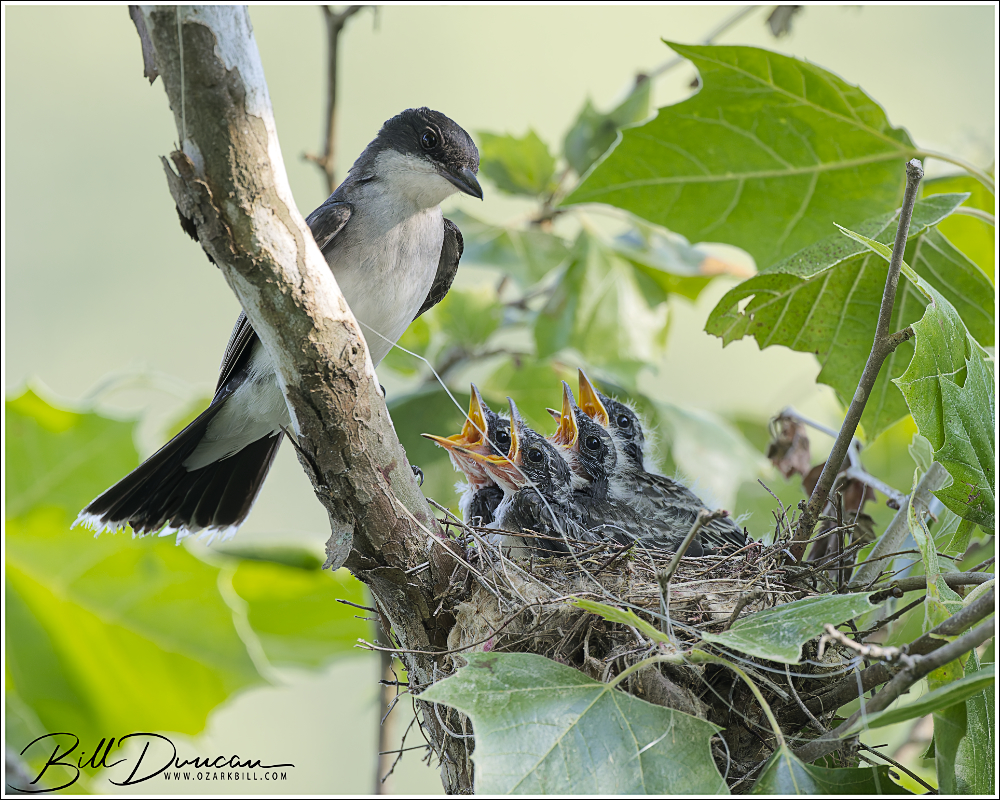
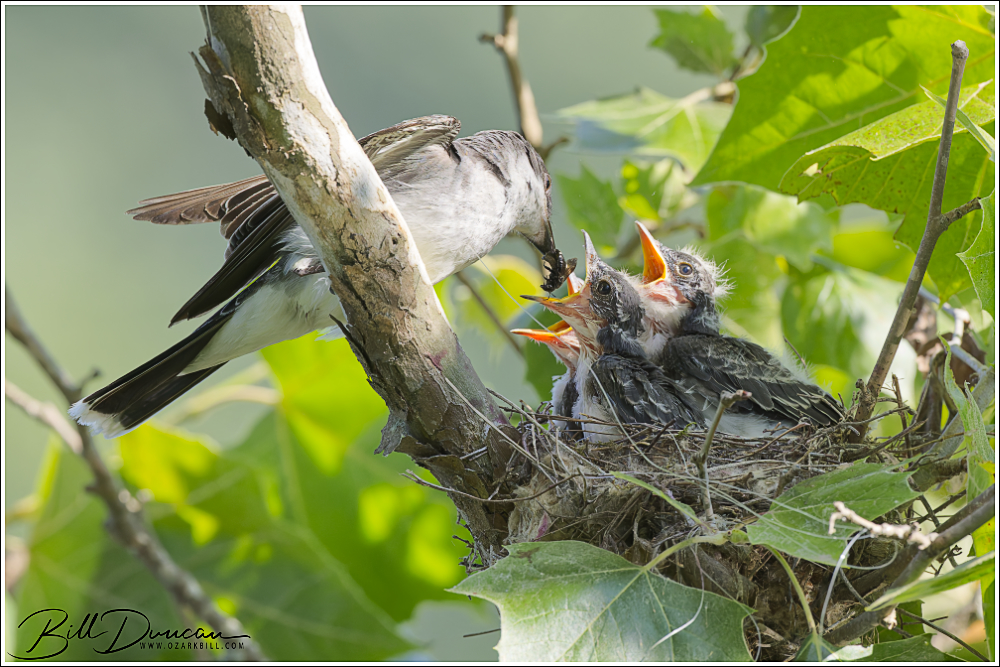
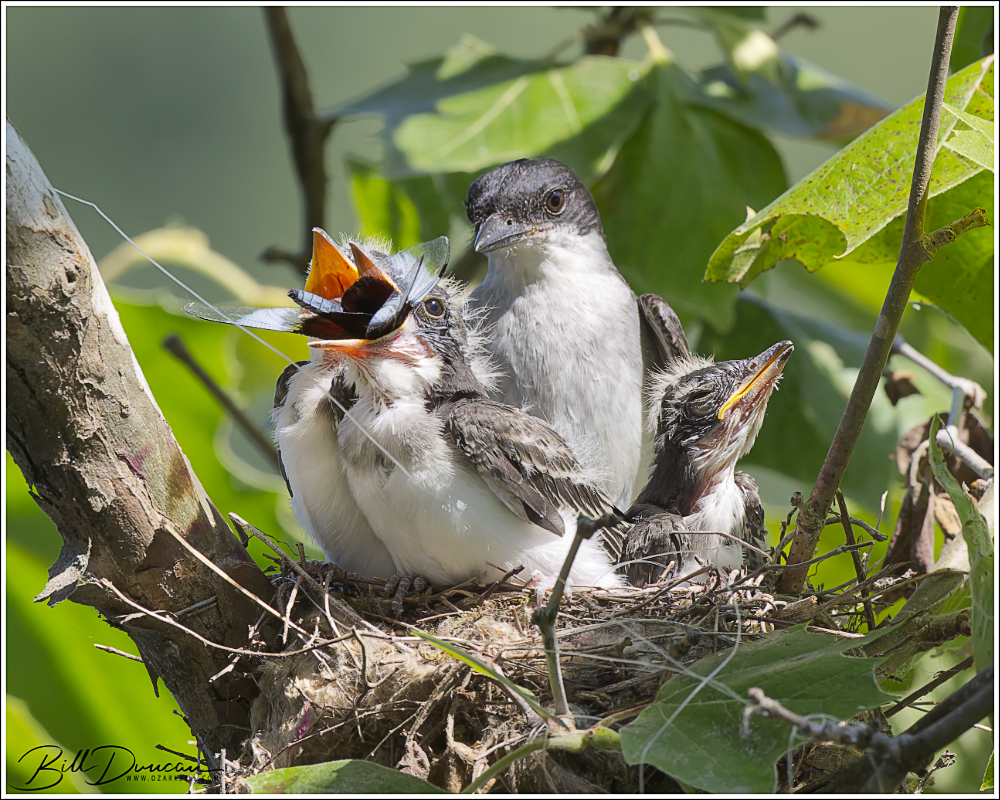
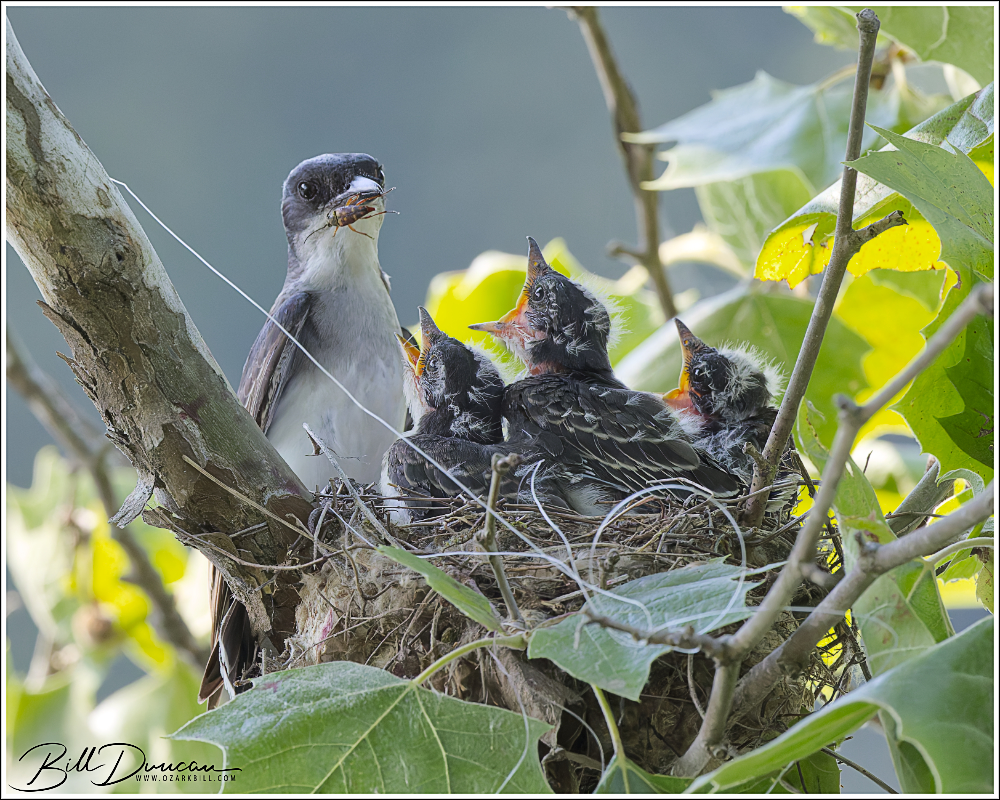
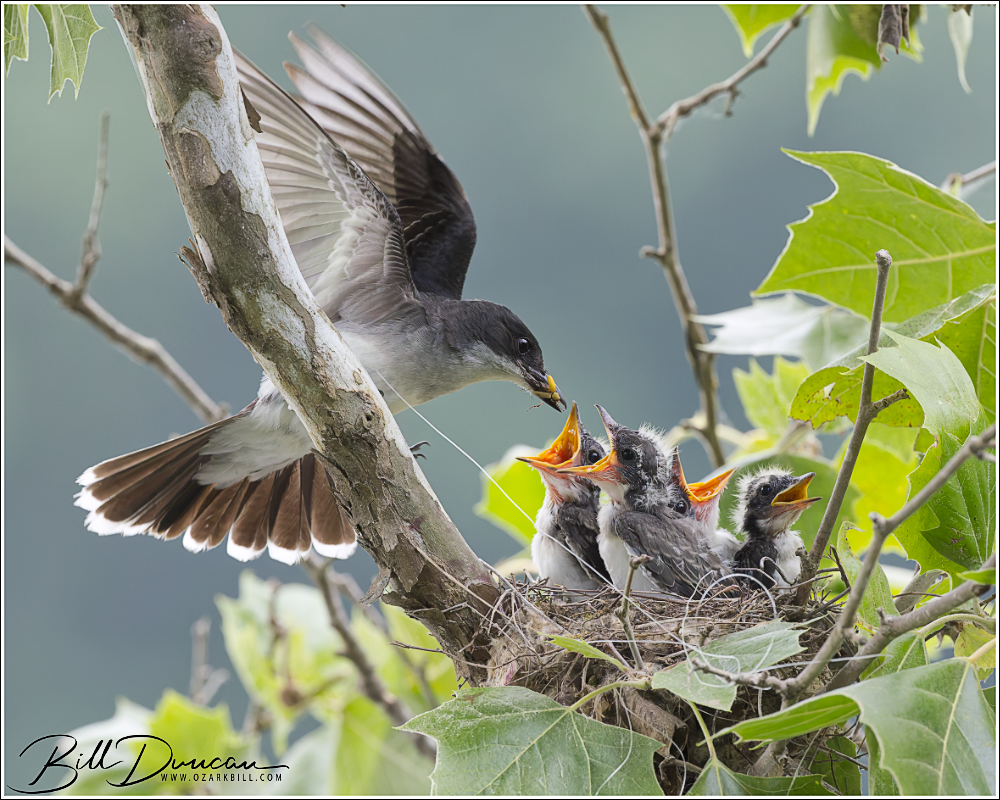
This first batch consists of the begging brood with a parent sitting nearby, usually just after delivering an insect. These guys never stopped their food response. If a parent was in sight, they were begging.
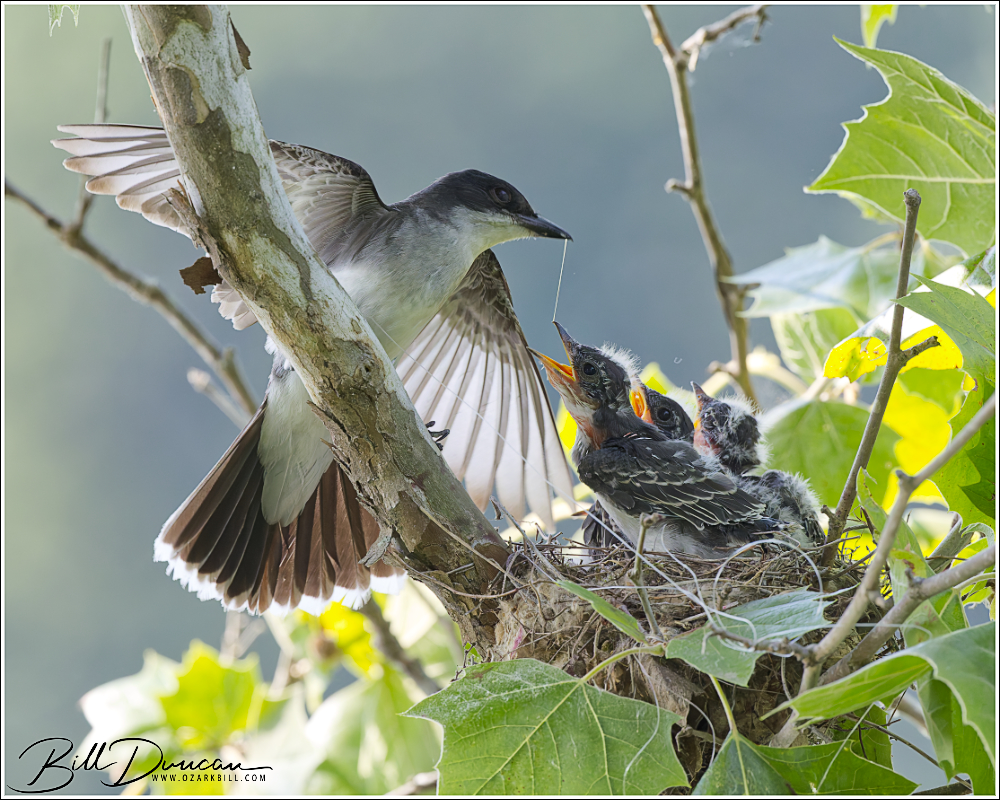
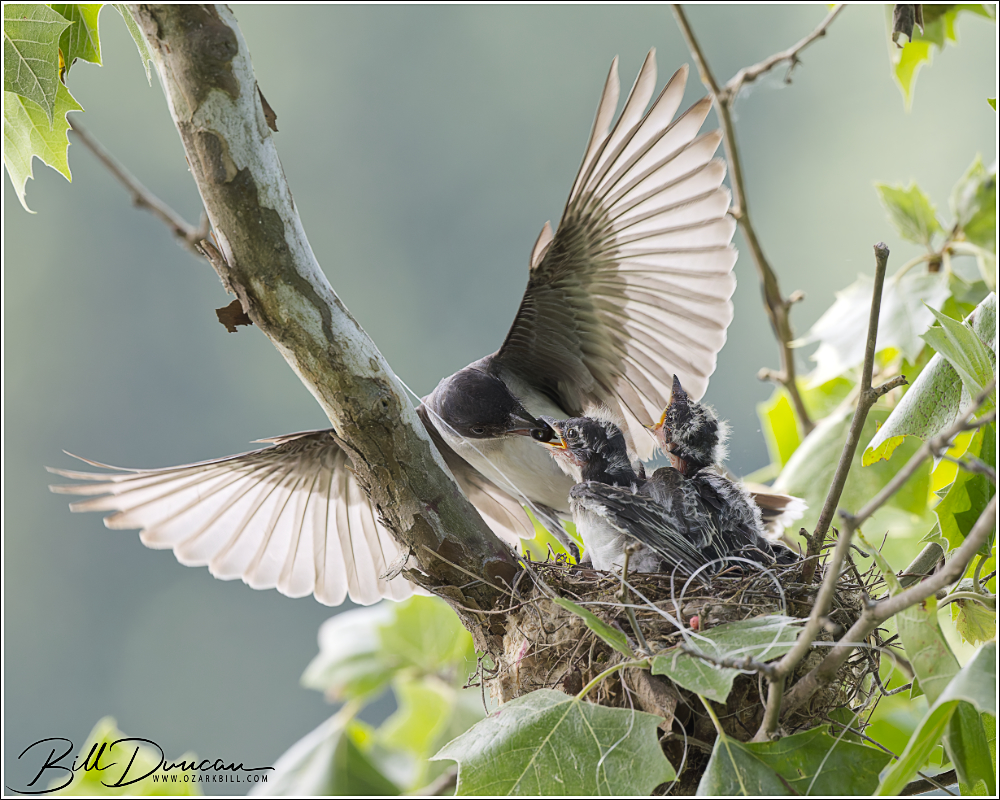
Immediately after dropping off a meal.
I was surprised to find that the parents would sometimes bring in berries to feed the brood. I do not know which species the berries came from.
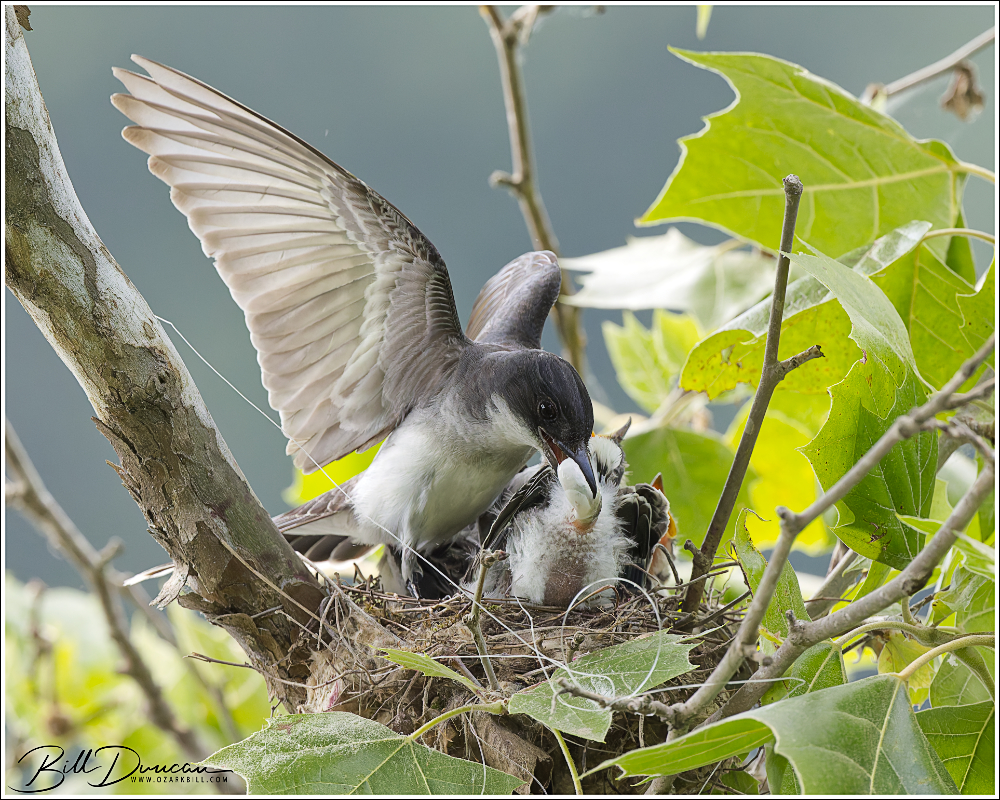
Just as automatic as the begging response, nearly every instance of a parent bringing a food item, one of the young would present the adult with a fecal pellet. The parent would usually wait and watch for this event and be ready to grab it as it was being eliminated. It then would take it away from the nest to be disposed, assumedly as part of a predator defense strategy.
A parent decided to meet the other parent on its perch to take the prey item back to the nest itself.
One of the chicks exercising its wings.
Here the chicks are gaping, not as a begging response to a parent bringing in food, but as a cooling method as the sun is in position to shine down directly on the nest.
It’s funny when I think of some of the interactions I’ve had with friends who are specialists. I remember multiple times when bringing up insects in the field with birders, that I would hear some form of the reply “they’re just food for the birds.” Alternatively, when on an insect outing, you’re lucky to have an entomologist lift their head from the ground to see or listen to an interesting or rare bird. And the botanists? Well, let’s just say they typically have a very specialized set of interests.
One of the things I love about spending lots of time watching and photographing bird’s nests is that, at least with good enough optics, you can often be fortunate to identify the food that the parents bring to feed their young. This sure beats killing a bird or causing them to regurgitate in order to identify their prey.
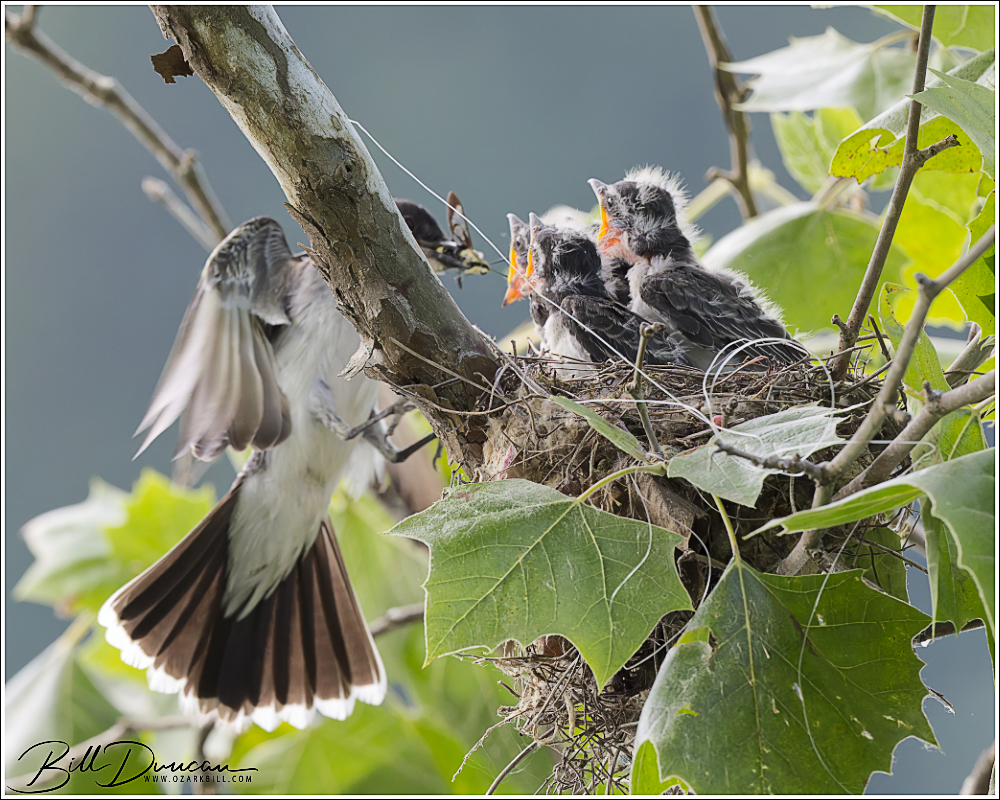
Being a tyrant flycatcher after all, these kingbirds do not typically bring in the caterpillars that are so often the main prey that passerines feed upon. Instead, the kingbirds prefer taking their prey on the wing, which means any arthropods that can fly. Here are a few images where I can get a good idea of the identification on the insect prey.
I’m no expert in identifying the Odonata, but dragonflies seemed to be a staple food source brought back to the nest. If you have a good idea on the identification of this one, please let me know.
A large dark bee. Potentially a Bombus?
A widow skimmer (Libellula luctuosa) goes down the hatch.
One of these lucky nestlings will soon be ingesting a very pretty snowberry clearwing moth (Hemaris diffinis).
While dragonflies seem to make up the bulk of the prey brought to the nest during the heat of the day, early morning and later evening prey seem to mostly consist of beetles. Here a parent holds a cerambycid beetle (Typocerus sp. prob. velutinus).
Here a parent brings in a rose chafer beetle (Macrodactylus sp., either M. subspinosus or M. angustatus).
I hope you enjoy seeing some of these nest photos. In the next couple of posts I will share more of these showcasing other behaviors.

















 A Thousand Acres of Silphiums