"What a thousand acres of Silphiums looked like when they tickled the bellies of the buffalo is a question never again to be answered, and perhaps not even asked." -Aldo Leopold
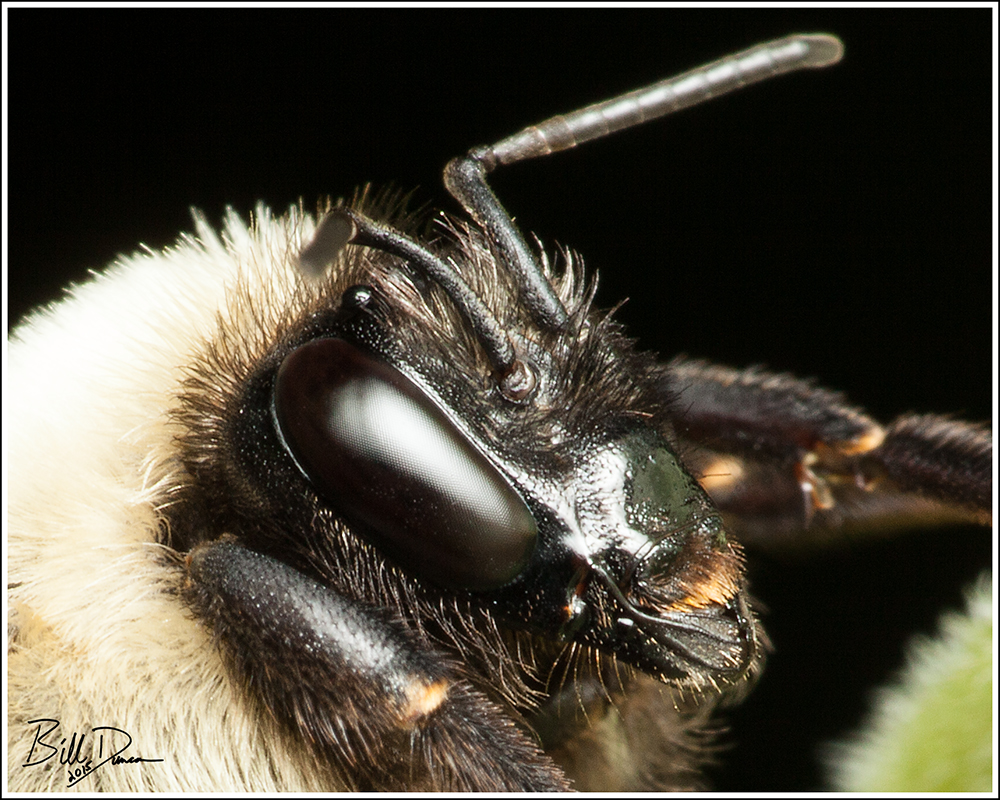
Even with a couple great guides, I still am having troubles identifying the Bumble Bees. Getting the right image makes a big difference and I need to remember to take photos from multiple angles in order to get sure IDs. Missouri is home to ten species of bumblebee and I imagine identification will get easier with practice.
Bumble Bee
The native wildflowers in my yard are huge attractants for all bees, and especially bumblebees. The long-tongued bumblebees and honeybees cover the Echinacea and Silphium in the garden, while the smaller, shorter tongued species are mostly attracted to the Rudbeckia.
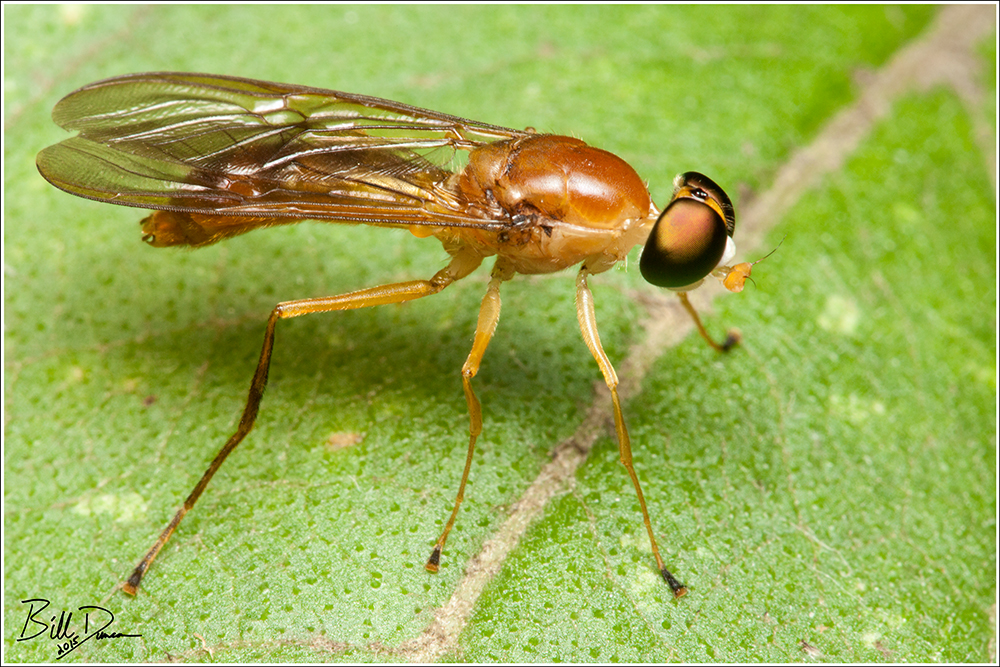
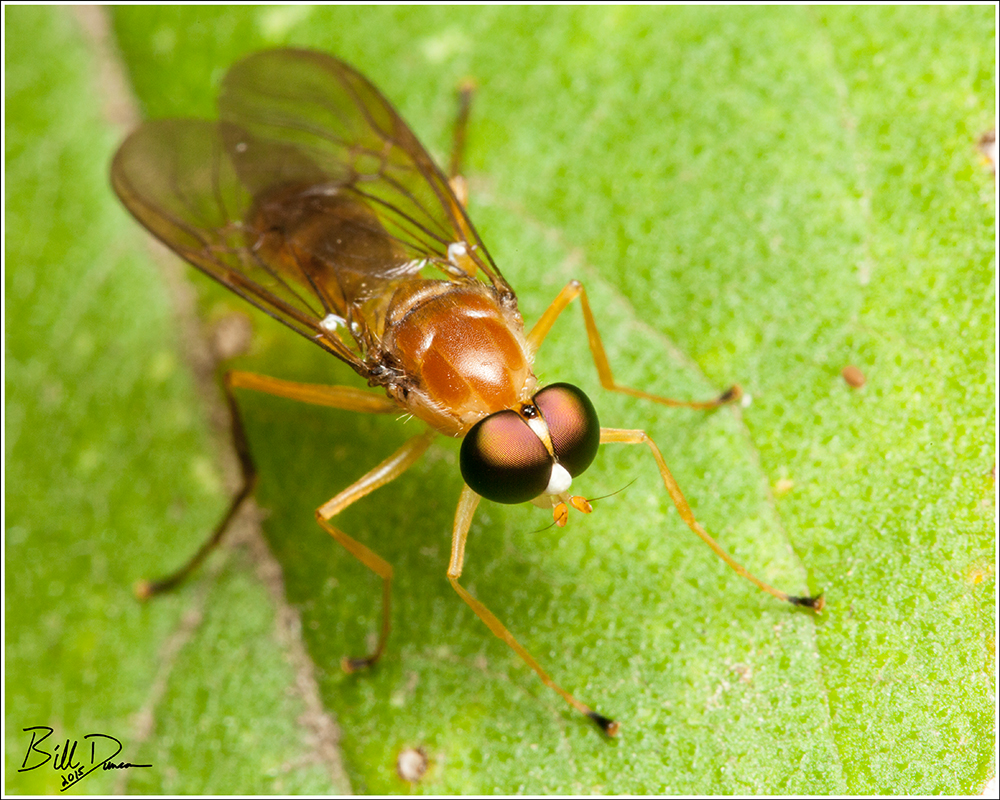
This species of soldier fly (Ptecticus trivittatus) is attracted to rotting vegetation and can often be found around compost heaps. This guy was seriously into some cucumber scrap I threw into the yard.
Oh tell me where did Katy live, And what did Katy do? And was she very fair and young, And yet so wicked, too? Did Katy love a naughty man, Or kiss more cheeks than one? I warrant Katy did no more Than many a Kate has done.
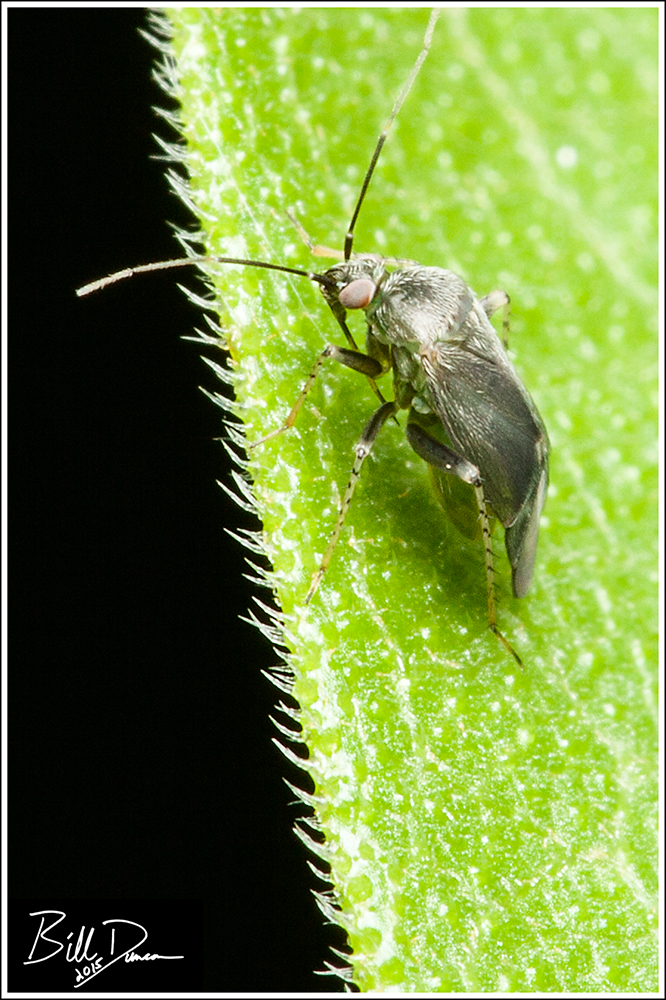
Today’s “From the Garden” spotlight is on another insidious predator, the Minute Pirate Bugs, or Flower Bugs. These true bugs, classified within the Family Anthocoridae, specialize in piercing and sucking the contents of any soft-bodied insects that are roughly their own size or smaller. These prey insects, such as thrips, aphids, caterpillars and their eggs, are important insect pests. I believe the insect pictured in this post falls within the genus Orius.
Planthoppers and Leafhoppers are groups of insects collectively found within the insect Order Hemiptera. Both groups have piercing and sucking mouth parts and feed primarily on plant saps and tissues. These groups are highly diverse. I have been able to capture a few of these fascinating creatures with the camera in the backyard, but these are generally the more common species. The insect pictured above is known as a Spittlebug – named for the behavior of encasing themselves as nymphs in a spittle-like mucous for protection.
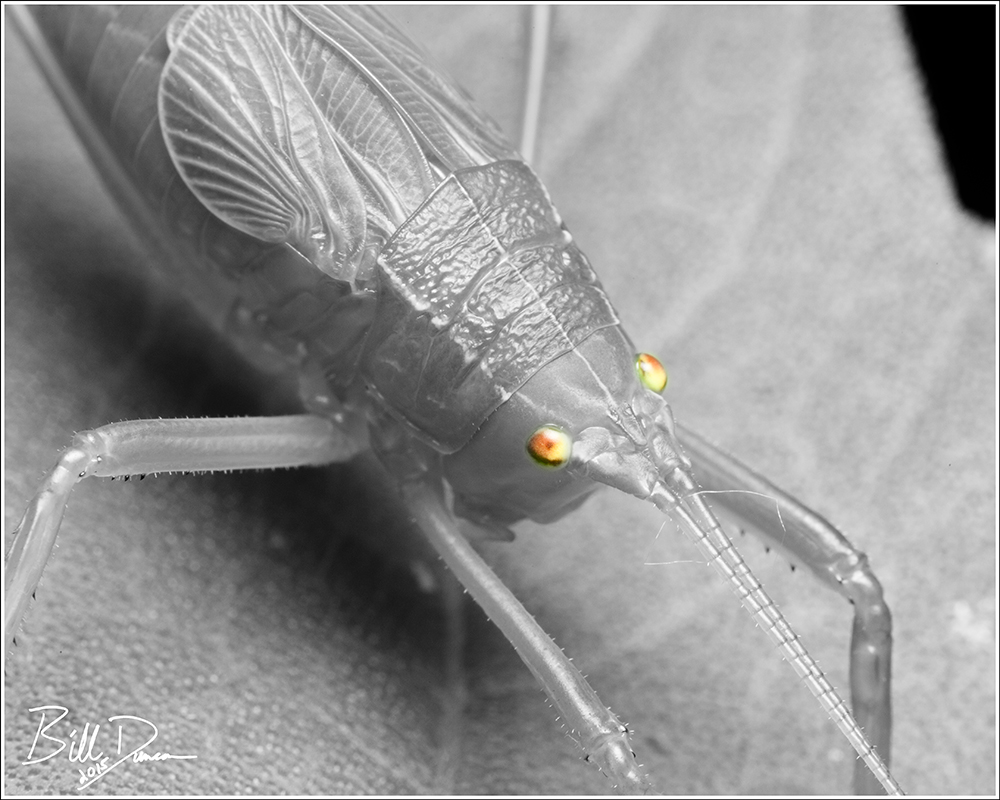
The Stormtrooper
I’ve said before that there is no such thing as an original idea in fantasy or sci fi. I’ve found that almost every creature or effect you can find to celebrate in these films or books has been taken (consciously or not) from nature, most often from invertebrates or the deep sea.
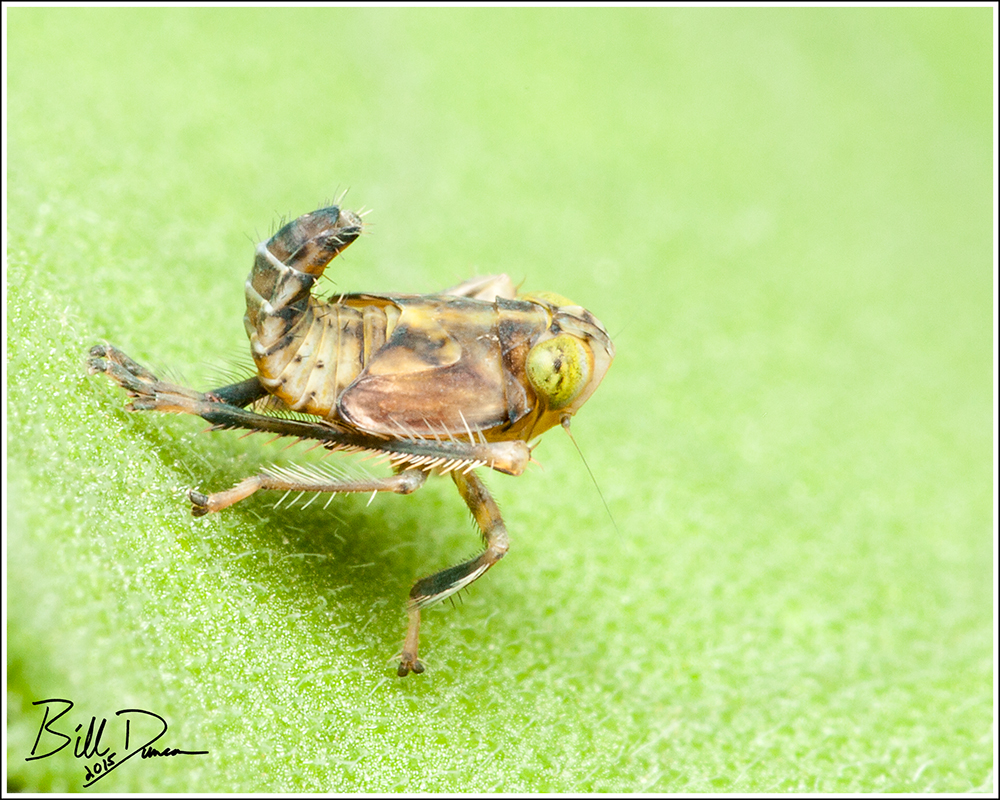
Planthopper Nymph
This ultra-tiny guy posted above is a planthopper nymph. Often members of this group will have long, colorful waxy lengths of fibers extruding from their tail ends that are used for multiple purposes, including predator avoidance.
Candy Stripers
Many folks who have spent any time in the backyard have surely seen the Candy-striped Leafhoppers, one of the most abundant species in this group. Gorgeously colored and quick to disappear, the two pictured above are busy making more.
I look forward to sharing more photos of members of these groups in the near future.
The beetles (order Coleoptera) are famous for being the most diverse group of animals on the planet. The flies, however, are not too far behind and many people are surprised to hear how many forms and places flies can be found. I have been able to find and photograph a few of these forms in my own backyard and will share them here. I photographed this carrion fly (Calliphoridae) hanging out on my rosinweed.
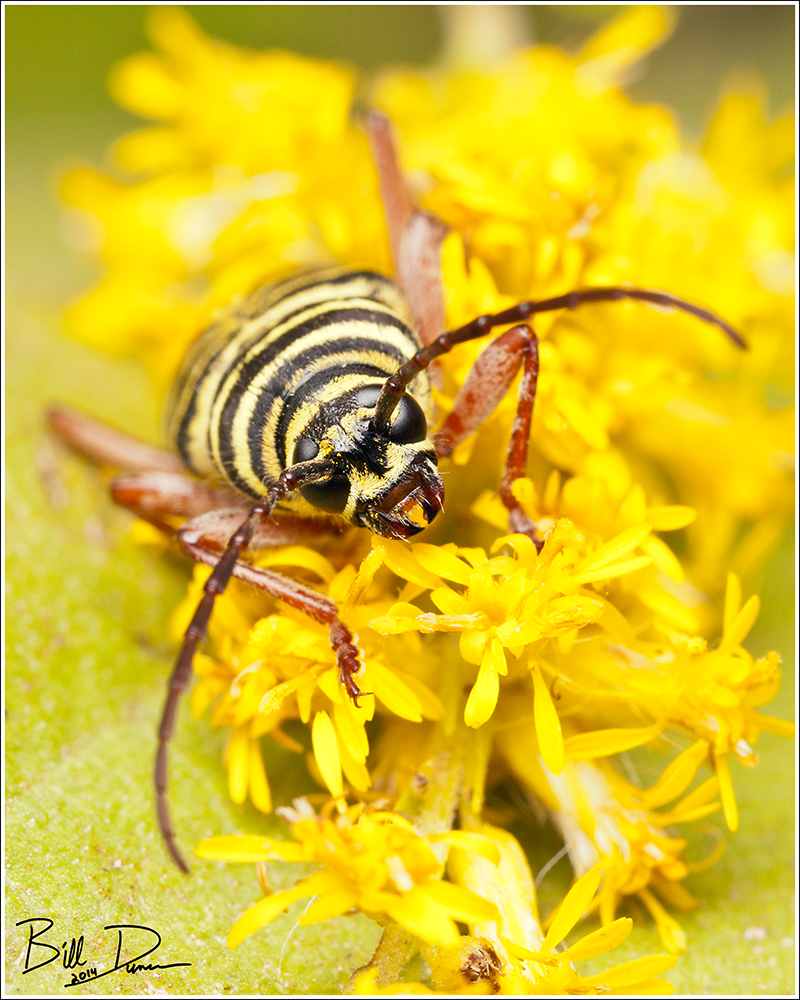
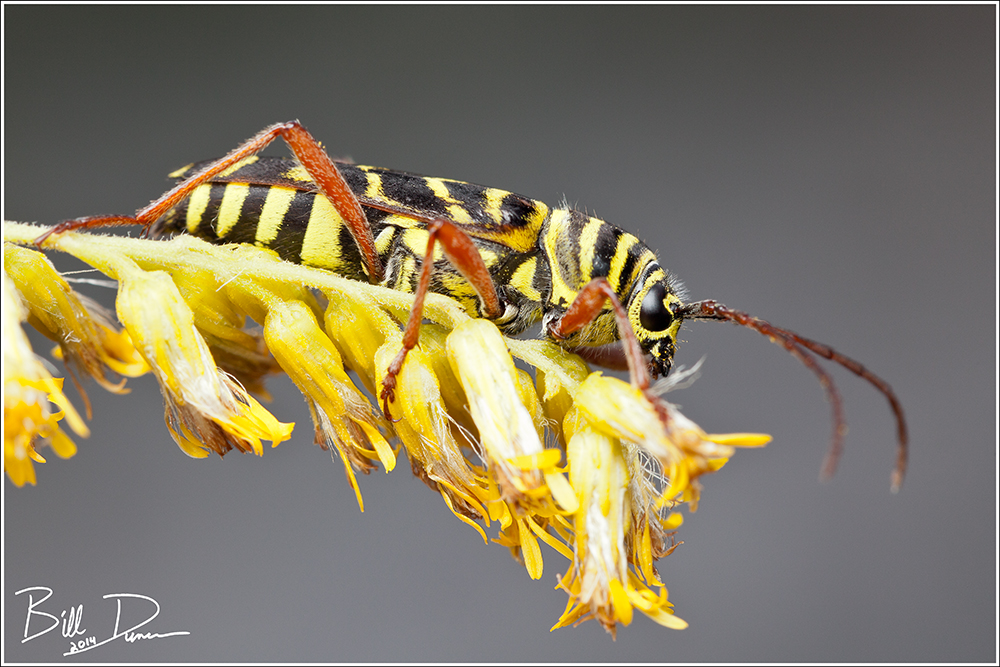
This Locust Borer (Family Cerambycidae) was photographed this fall feeding on Tall Goldenrod (Solidago altissima) that grow in my wildflower patches in our yard.
Locust Borer
The Locust Borer’s preferred larval host plant, the black locust tree, is now widespread across North America and Europe, but was originally found in the Appalachian and Ozark regions.
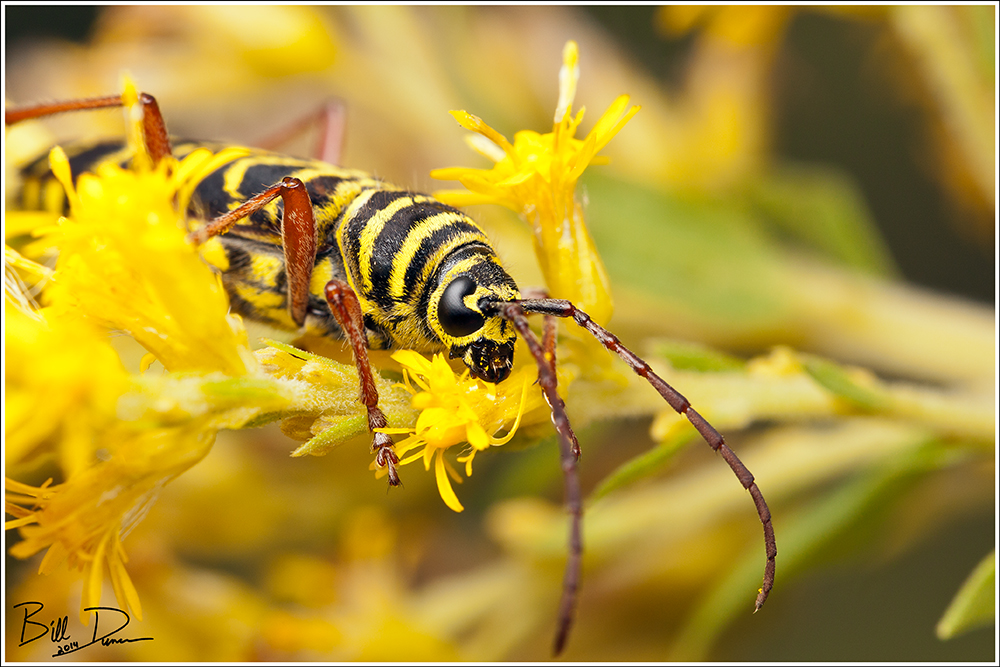
Locust Borer
It is unclear whether the color and pattern of this long-horned beetle serves to mimic the aposematic coloration of the well-known yellow jacket wasps (Batesian mimicry), or for crypsis – allowing for camouflage in the goldenrod, where they are often found.