
“Song Sparrow, Autumn 2012”
"What a thousand acres of Silphiums looked like when they tickled the bellies of the buffalo is a question never again to be answered, and perhaps not even asked." -Aldo Leopold
“Song Sparrow, Autumn 2012”
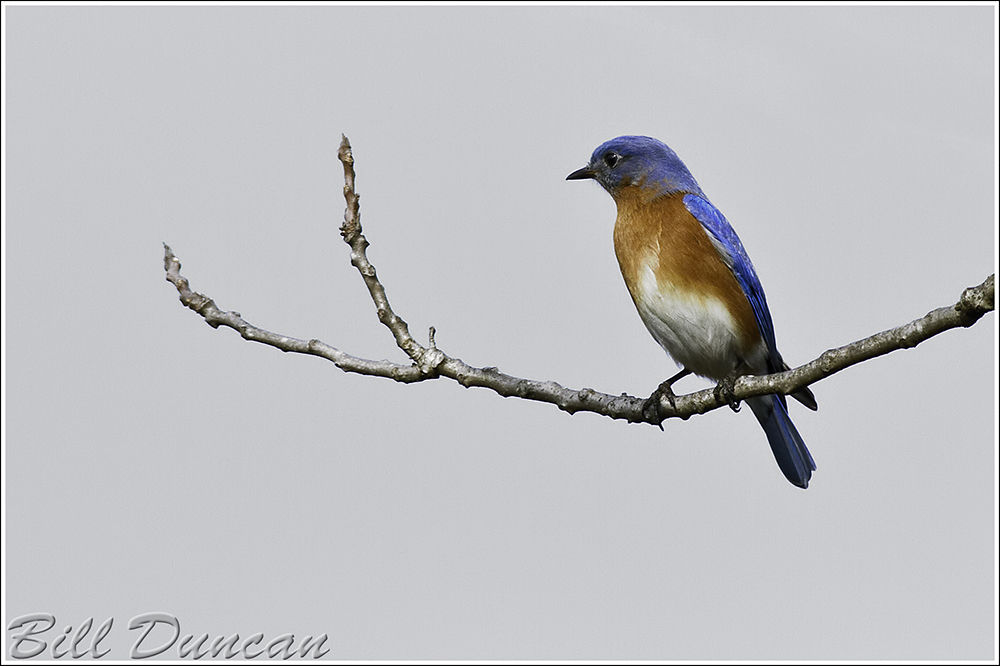
“Eastern Bluebird, SNR, Autumn 2012”
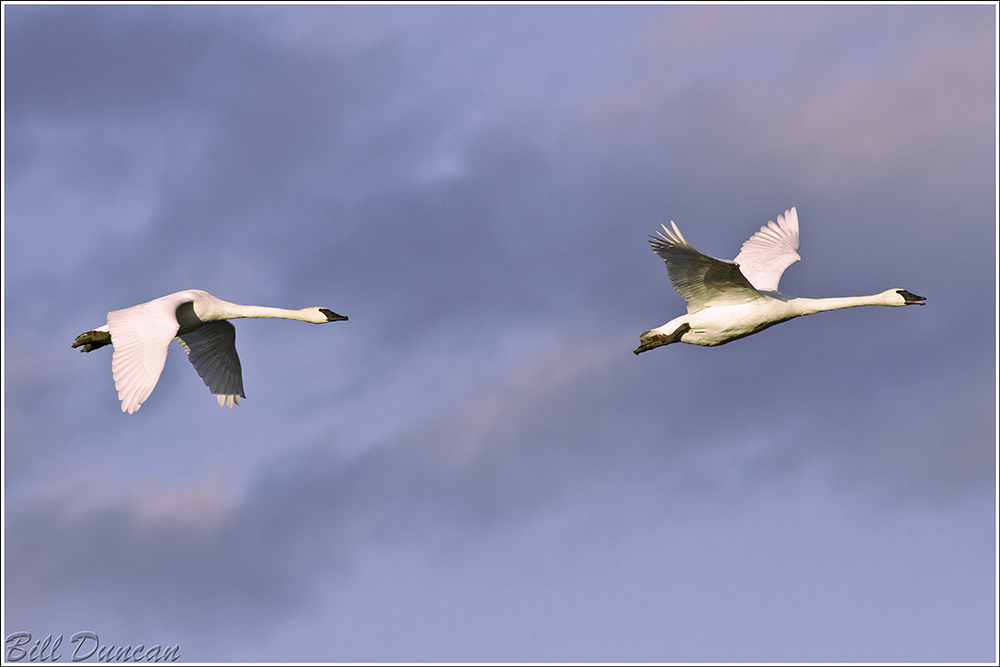
“Changing Skies”
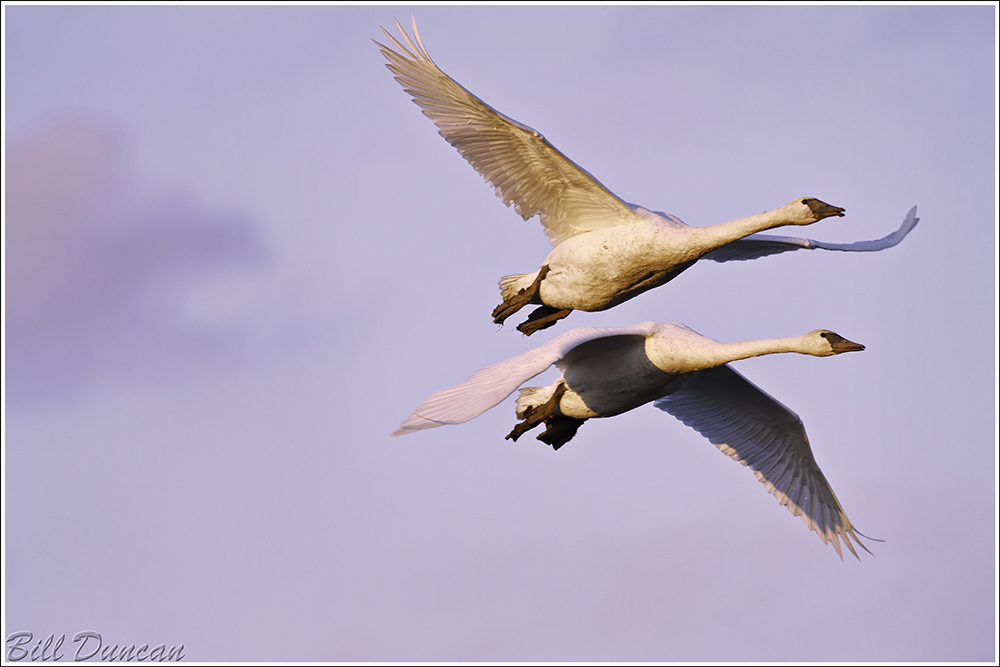
“I Never Dreamed Today Would Come, When Love Was Young”
“A sense of history should be the most precious gift of science and of the arts, but I suspect that the grebe, who has neither, knows more history than we do. His dim primordial brain knows nothing of who won the Battle of Hastings, but it seems to sense who won the battle of time. If the race of men were as old as the race of grebes, we might better grasp the import of his call. Think what traditions, prides, disdains, and wisdoms even a few self-conscious generations bring to us! What pride of continuity, then, impels this bird, who was a grebe eons before there was a man.”
-Aldo Leopold-
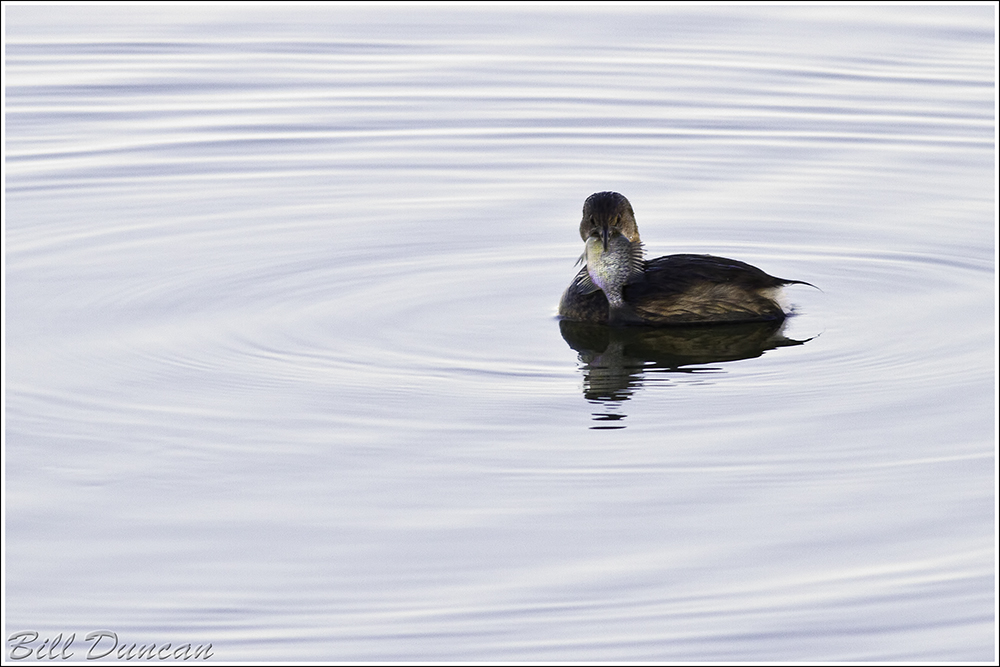
“Peid-billed Grebe with Fish”
“The outstanding characteristic of perception is that it entails no consumption and no dilution of any resources. The swoop of a hawk, for example, is perceived by one as the drama of evolution. To another it is only a threat to the full frying-pan. The drama may thrill a hundred successive witnesses; the threat only one – for he responds with a shotgun.”
-Aldo Leopold-
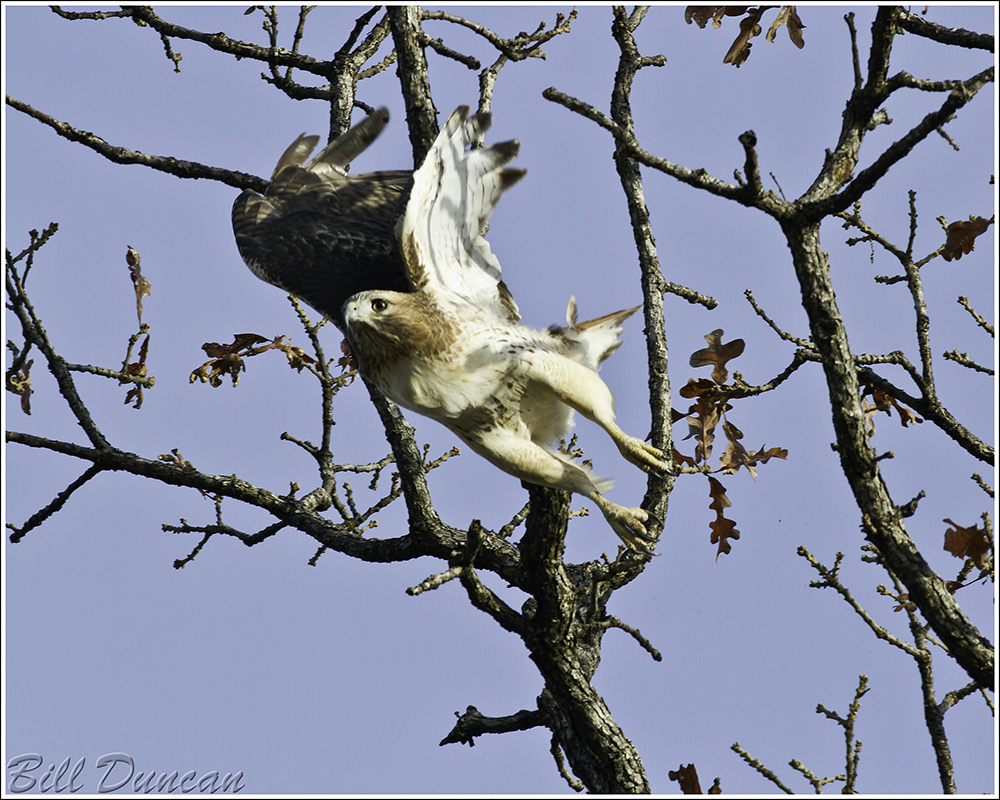
“Red-tailed Hawk”
“That thing called ‘nature study’, despite the shiver it brings to the spine of the elect, constitutes the first embryonic groping of the mass-mind toward perception.”
-Aldo Leopold-

“Tennessee Warbler – Autumn Migration 2012”
No, I’m not talking Yankees or those pesky French-Canadians. The invaders I’m speaking about are rare northern birds that are moving further south than usual, including the Ozarks. I’ve been having some fun trying to find these rarities, and some of these we can’t even call rare this winter. During the past month Missouri has had multiple reports of sightings of at least these birds: Common Redpoll, Pine Siskin, Red-breasted Nuthatch, Red Crossbill, White-winged Crossbill and Northern Shrike. I have been able to photograph all these with the exception of the WWCB and CORE, but it looks as though I may have ample time to find these species yet.
In the five or six years I have been bird watching I can count on one hand how many times I’ve been able to see a Red-breasted Nuthatch. In the past month or two I’ve literally been able to spot more than 100 of these birds. It has been fun training my ear to discern the differences between the nasal call notes of the WBNH and the more nasal notes of the RBNH. From what I’ve heard and read the irruption southward of this species happens periodically every few years or so.
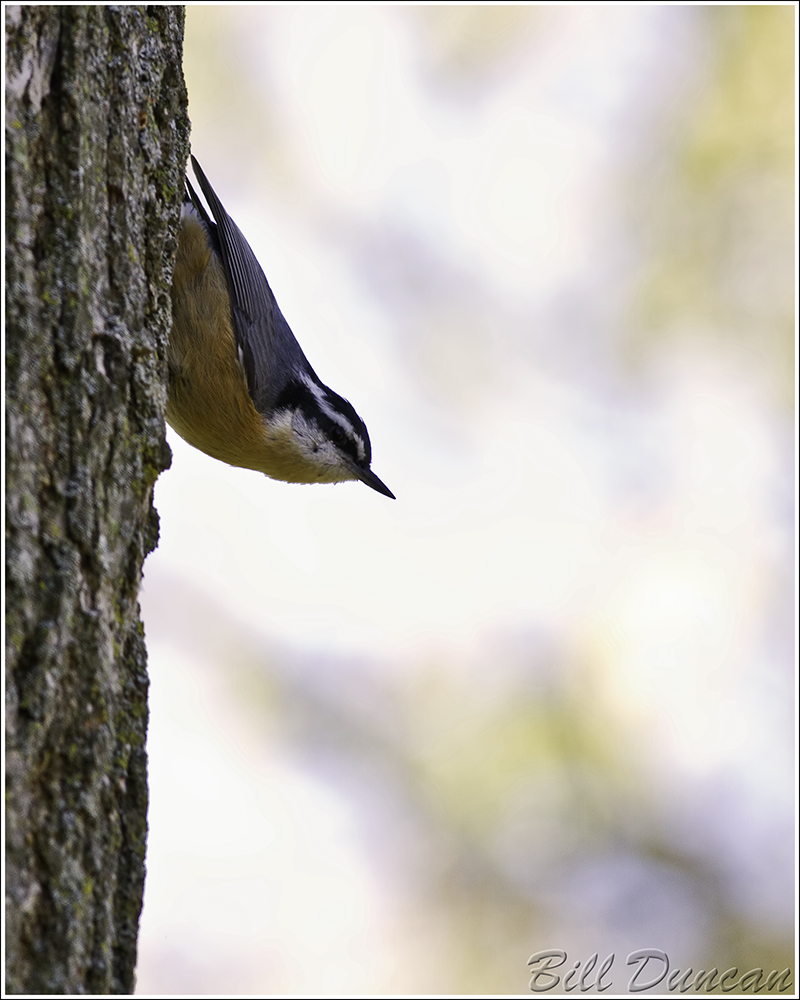
“Red-breasted Nuthatch”
Pine Siskins can also be found over most of Missouri right now. Almost always found in flocks ranging from six to thirty or more birds, these guys typically prefer to forage at the top of branches of seed-bearing trees, like this hemlock. Similar to the RBNH, this species is well known to have irruption years where they plunge southward in great numbers.
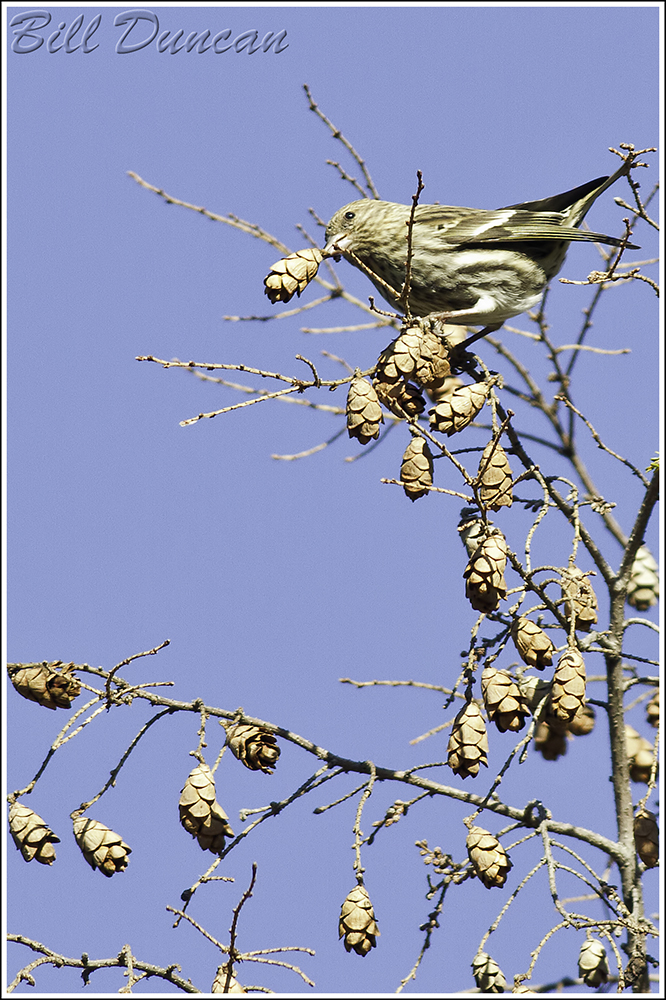
“Pine Siskin”
Not only was this the first photograph of a Red Crossbill I was able to get, but it was a lifer for me as well. This was definitely an unexpected and exciting development in the StL area this year. These guys are feeding mainly on Hemlocks and Sweetgums in selected parks where these trees are found around the metropolitan area. You can just make out the characteristic crossed-bills in this photo, apparent adaptations for better removing seeds from the cones of tree species like hemlocks. Like I mentioned earlier, I have yet to photograph the WWCR, but I did get to see one lone individual briefly.
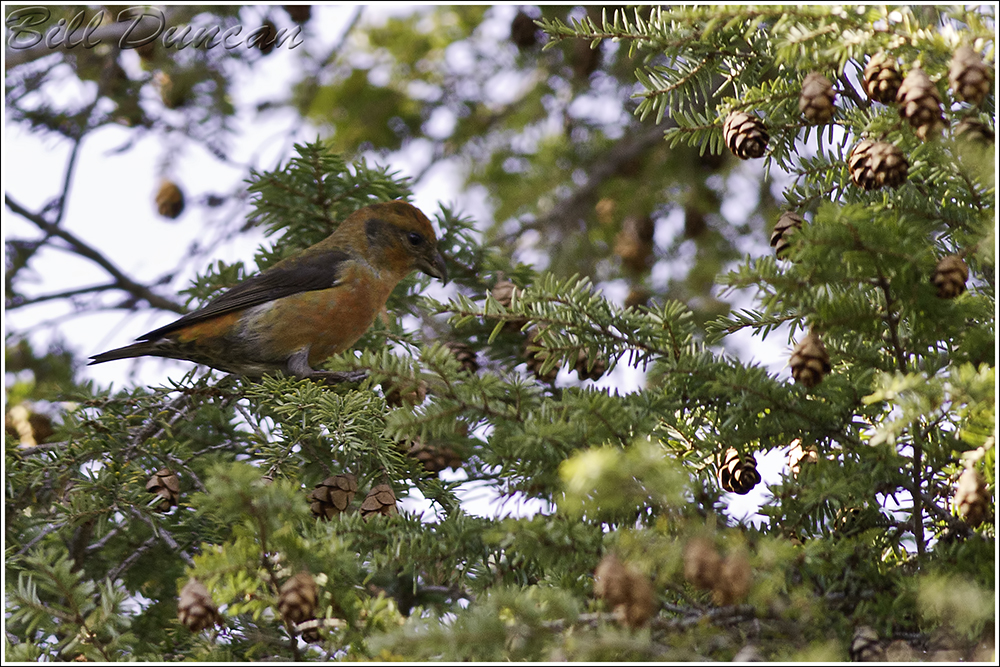
“Red Crossbill”
The next and final bird in this post is one of those special and unusual species for my tenure as a birder. The Northern Shrike is apparently much more uncommon in Missouri than the Loggerhead Shrike. I believe this is the forth NOSH I have seen and I have yet to see a LOSH. It seems that the NOSH might find something it likes around the StL area, where they seem to have been spotted more frequently. For any “non-birder” reading this, if you do not know about the Shrikes, look them up now. These birds are too cool for school and I love watching them. Check out this interesting link for more information.
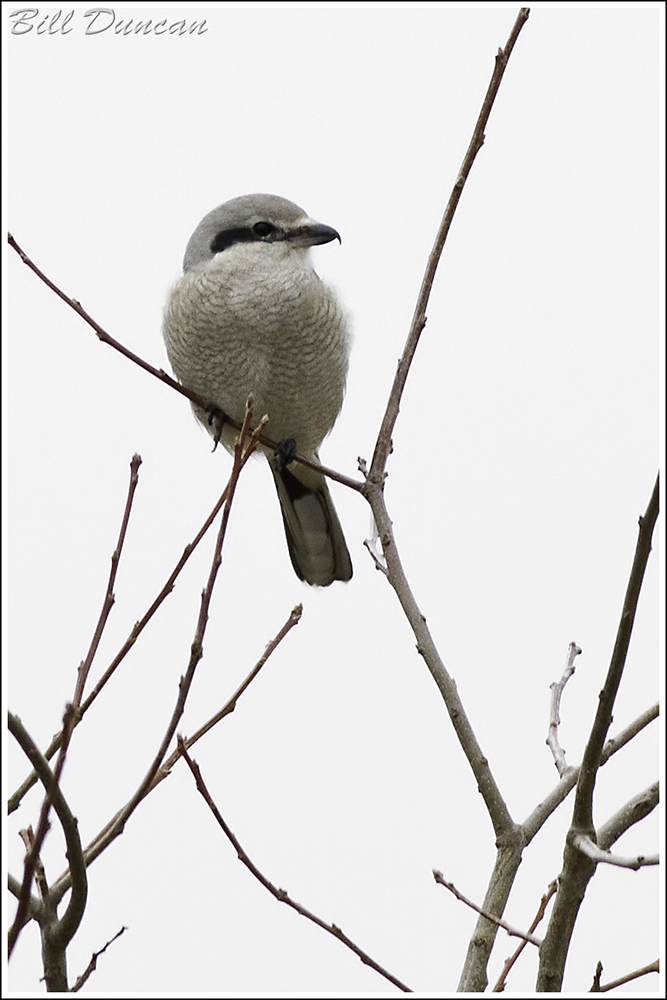
“Northern Shrike”
During my hunt through the fields of this nice little park, located in the western outskirts of the StL metro area, I was stoked to be able to find three short honey-locust trees that this bird was using as food caches. There are several reasons proposed for the uses of these caches, including use as a food reserve, territory marking and attracting mates. All three of these ideas sound like they could be plausible. These birds will use barbed-wire to do this as well, and sometimes small vertebrates such as lizards, small rodents and even smaller song birds can be found stuck on thornes. Not only was I pleased to find these cache’s, but I am really excited about bringing my love for all things Lionel Ritchie, by using this photo’s title… ;=)
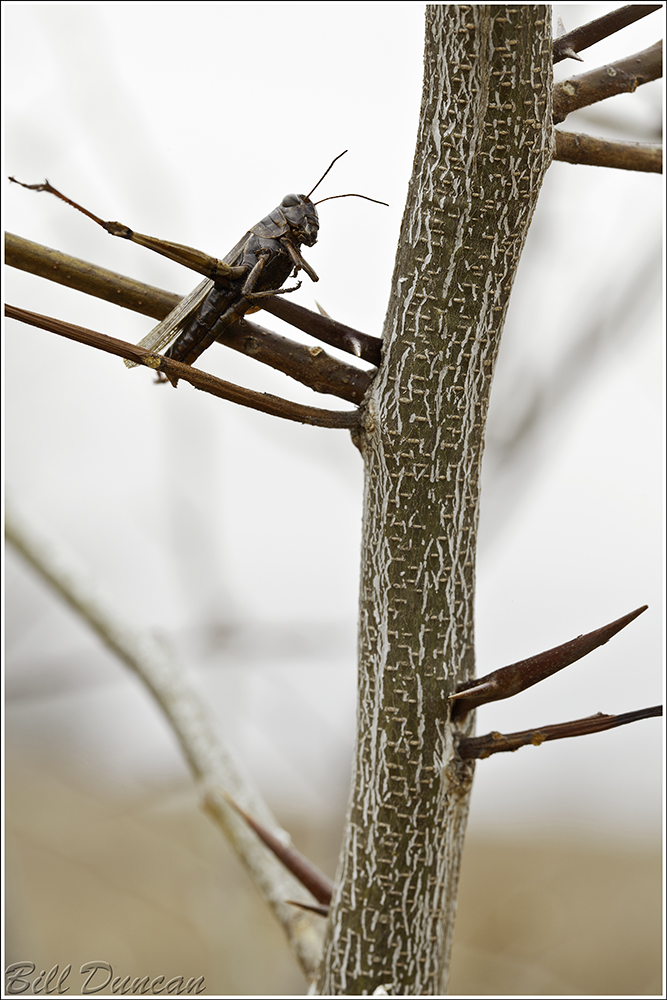
“…Yes I’m on my way, I’m mighty glad you stayed…”
Did you know…?
The YBSS can be identified from other woodpeckers by their drumming? Sapsuckers have a stuttering, Morse-code like cadence to their drumming. Listen for this the next time you are in the woods.

“Yellow-bellied Sapsucker”
“To him who seeks in the woods and mountains only those things obtainable from travel or golf, the present situation is tolerable. But to him who seeks something more, recreation has become a self-destructive process of seeking but never quite finding, a major frustration of mechanized society.”
-Aldo Leopold-

“Chestnut-sided Warbler”
“Hangin’ around, nothing to do but frown;
Rainy days and Mondays always get me down”
-Karen Carpenter-
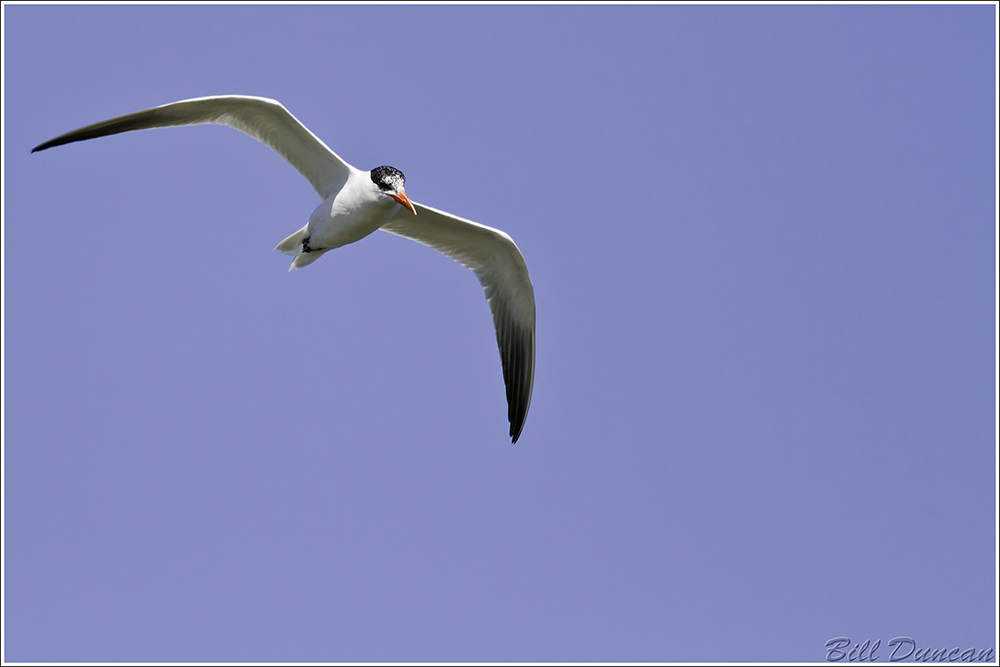
“Caspian Tern”
This post is likely only to interest photographers, particularly wildlife photographers, if even them. So, if you are not in this category go ahead and have a look at this mediocre photograph of an absolutely stunning bird – the Cedar Waxwing – having fun with its food (what I believe are the berries of the green hawthorn). Go ahead, I assure you. You will not care a bit about what I’m about to ramble on about.
I’m always confused when trolling around the nature photography forums, as I sometimes do, when I see a photographer presenting their work proudly claim that “this image has not been cropped in any way.” So what? I could close this by simply saying that a viewer of a photograph doesn’t give a damn what you did to make the final image. Nor should they! The end product-the photograph, should stand by itself and tell the story you are attempting to relate. End of story.
But, to take this a bit further. To try and understand why someone should take pride in such an “accomplishment”, I will try and dig through this a bit. What these folks are saying is that the bird or other creature is presented exactly as they were in the viewfinder of the camera at time of exposure. One reason they take pride in this is that they were able to accomplish the final composition “in camera” and did not “recompose” in post-processing. Okay, there may be something to be said for this, but I do not find it all that motivating. I think boasts like this, as well as the fact that some can do it, says a couple of potential things about the person making the image. One: they are likely able to afford long glass. In the majority of cases they need a very long focal length to accomplish a final non-cropped image. Or, two: they likely got too close to the animal being photographed. Don’t get me wrong. I think anyone who spends a considerable amount of time photographing wildlife – particularly birds, will get too close, or at least wonder if they are putting too much stress on their subject. I know I have. Having explored this a bit, I do not see a reason for the prideful boasts.
These same types will then exclaim that any photographer who must crop an image in post to make the final composition of a centralized subject (gasp!!) must then present it as a cropped image when exhibiting that photograph. Once again, the concept of the photograph as the ultimate piece of the process makes me beg the question, why? I think we are fortunate to live in this era of high-resolution. Those of us who can’t or won’t afford to spend for the super-tele, super-fast glass now have the opportunity to make a worthwhile image by cropping as much as 75% of the captured image! Of all the bird photos I have made, I estimate that I cropped 98% in post. I typically shoot the bird using the center positioned AF point to maximize proper exposure and get the subject as sharp as possible. I will then crop as the final action in my post work flow. Usually, this is the first time I think about composition. In the field tracking a wild bird you simply must grab the shot when the animal presents itself. You cannot ask if it would please sit on the horizontal branch in the open with the bright red berries while showing us a particular side. Well, I guess you can if you are one to use bait to draw in your subject, but that’s a subject of a different post…
Please forgive my boring rambling. And please, do let me know if you have a dissenting opinion. I would love to hear any other reasoning behind this line of thinking.
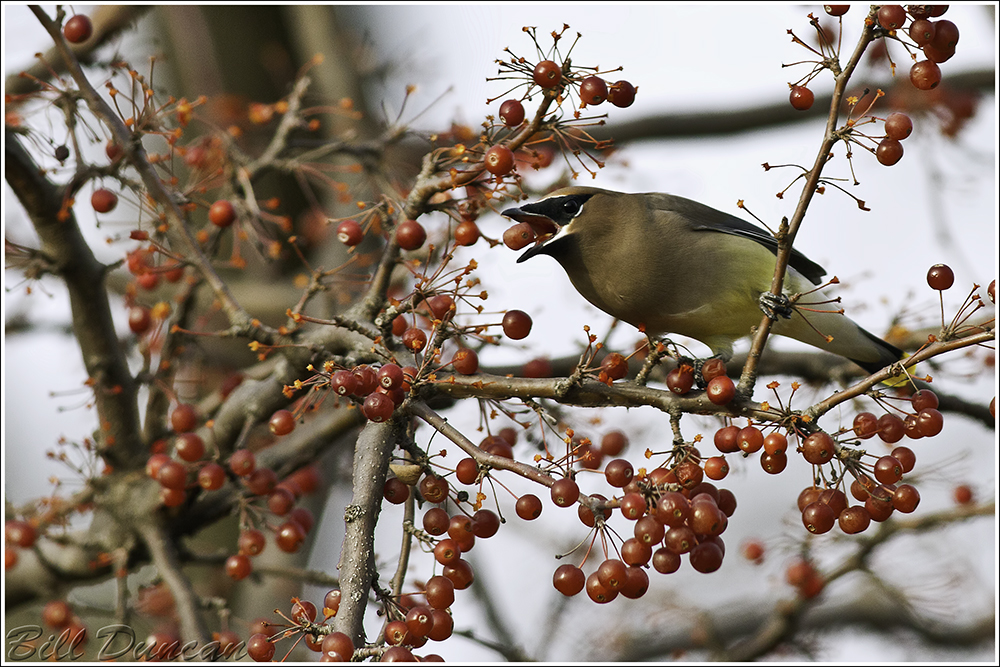
“You Are What You Eat”
 A Thousand Acres of Silphiums