"What a thousand acres of Silphiums looked like when they tickled the bellies of the buffalo is a question never again to be answered, and perhaps not even asked." -Aldo Leopold
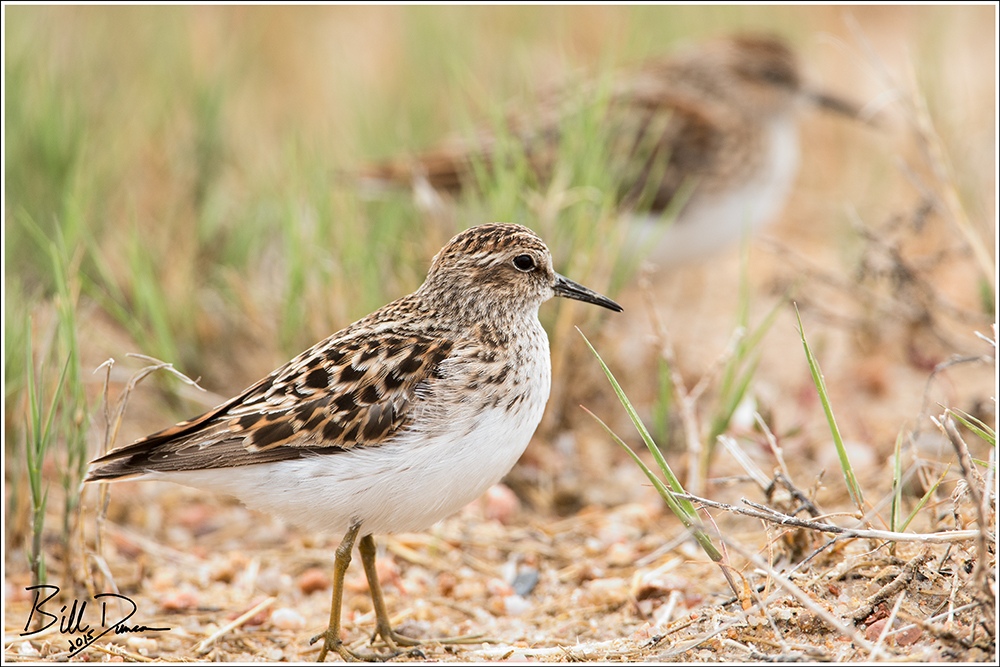
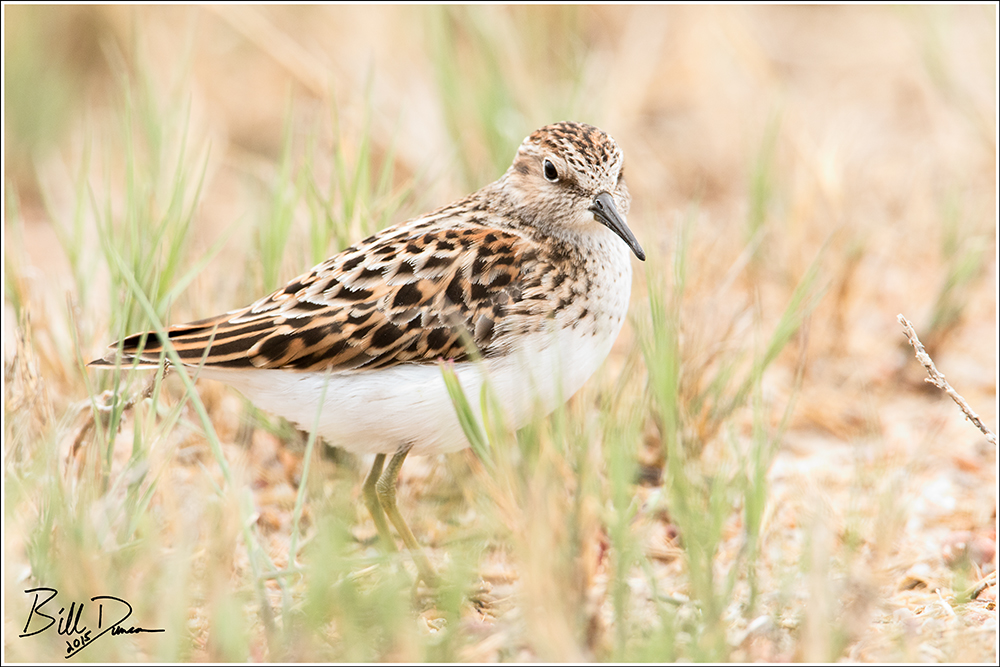
Peeps, or “stints” if you find yourself in the old world refer to a group of small shorebirds in the genus Calidris (formally Erolia). The smallest of the peeps, and therefore, all shorebirds is the Least Sandpiper, which is also one of the more abundant shorebirds to travel through the interior of the United States on its way to its near-arctic nesting grounds.
Least Sandpiper
Peeps are notoriously difficult to identify, but much depends on the circumstances. During winter, with few other species or birds available for comparison, it can be quite difficult. In breeding plumage, with other Calidris species in near proximity, proper identification will be easier with a little practice. There are plenty of resources to help you with identification, so I will not repeat those here. The Least Sandpiper is one of the more tame of the shorebirds, often coming quite close to a patient birder.
In that half-forgotten era, With the avarice of old, Seeking cities he was told Had been paved with yellow gold,
In the kingdom of Quivira-
Came the restless Coronado To the open Kansas plain, With his knights from sunny Spain; In an effort that, though vain,
Thrilled with boldness and bravado.
In the year 1540 a band of Spaniards led by ultra-badass Francisco Vasquez de Coronado set out to find the fabled “Seven Cities of Cibola” within the kingdom known as “Quivira”. You can probably guess why. The region was supposedly overflowing with rich mines of gold and silver, and New Spain was bound and determined to get some of that. Coronado’s righteous expedition, into what is now central Kansas, yielded no riches to return to the crown and was thus considered a failure.
Fast forward 475 years when a two-man expedition, this time based in the french port of Saint Louis, set out for the Kingdom of Quivera. This expedition would in fact find riches that Coronado wouldn’t have noticed unless they were hanging from his fire spit. Way back in early May (where in the world is time going?), Steve and I packed up the N.E.V. and headed west to Quivira NWR to observe one of the natural wonders of the great plains.
Long-billed Curlew
League by league, in aimless marching, Knowing scarcely where or why, Crossed they uplands drear and dry, That an unprotected sky
Had for centuries been parching.
But their expectations, eager, Found, instead of fruitful lands, Shallow streams and shifting sands, Where the buffalo in bands Roamed o’er deserts dry and meager.
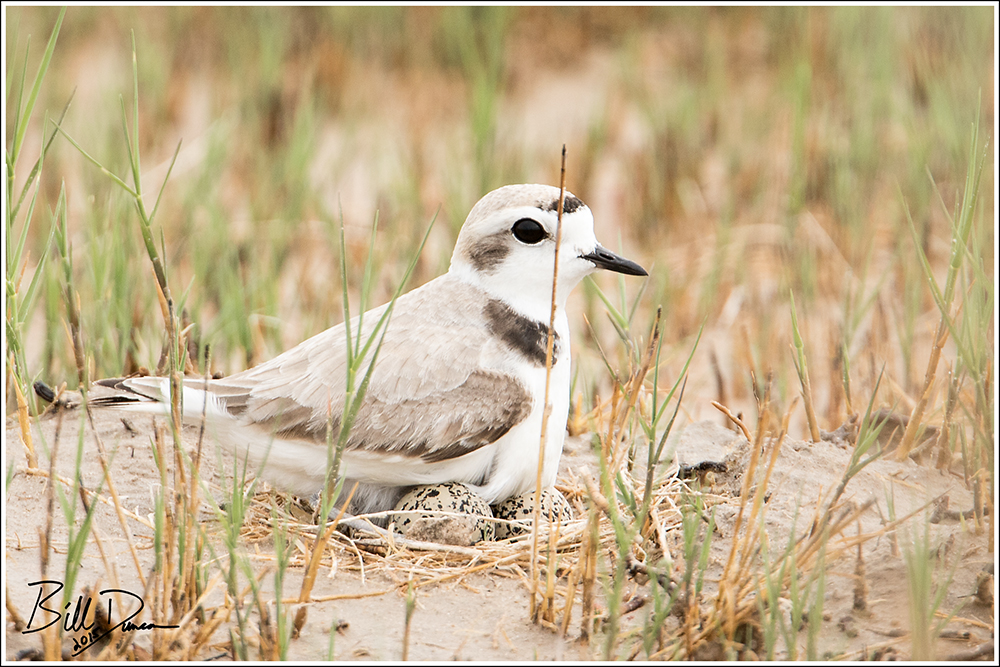
This section of south-central Kansas (near the town of Great Bend) is a crossroads of different habitat type and is a critical staging area for migrating birds throughout the central flyway. Parts tallgrass prairie, shortgrass prairie, sand prairie, salt marsh, salt flats and fresh water wetlands – this region is used by birds of the east and the west. More than 340 species of bird have been documented within the NWR and it has been estimated that up to 90% of all shorebirds that use the Central Flyway (and up to 45% of all NA shorebirds) on their way to arctic nesting grounds will stop here and in nearby Cheyenne Bottoms Reserve to have a fill-up.
Blue Grosbeak
Back to the scenes more trite, yet tragic, Marched the knights with armor’d steeds; Not for them the quiet deeds; Not for them to sow the seeds
From which empires grow like magic.
For centuries the Europeans looked upon the prairie – particularly the short-grass regions of the great plans – as worthless desert. Although the livestock – cows and green-colored deere the Europeans introduced nearly extinguished these grassland habitats, these few low and wet patches were mostly spared and are now offered some, if imperfect protection.
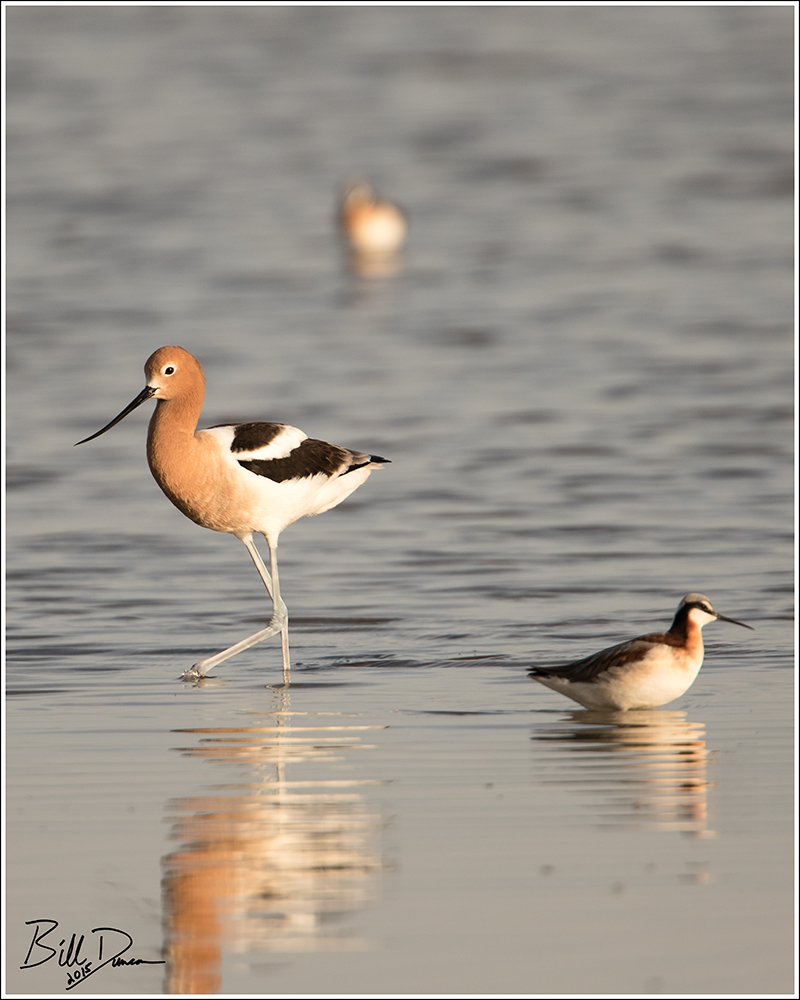
American Avocet and Wilson’s Phalarope
Thus Quivira was forsaken; And the world forgot the place Through the lapse of time and space. Then the blue-eyed Saxon race
Came and bade the desert waken.
— Eugene Ware —
It has been a crazy spring, with this trip, a short sail along the Jacks Fork and a puddle jump to the enchanted isle of Puerto Rico (another former Spanish colony). I will be sharing much more about the birds and ecosystems of the Kingdom of Quivira as well as the rest of these locals over the coming weeks and months.
Thanks so much for paying a visit and keeping in touch.
OZB
You can email me at: handsomeozarkbillyboy@gmail.com
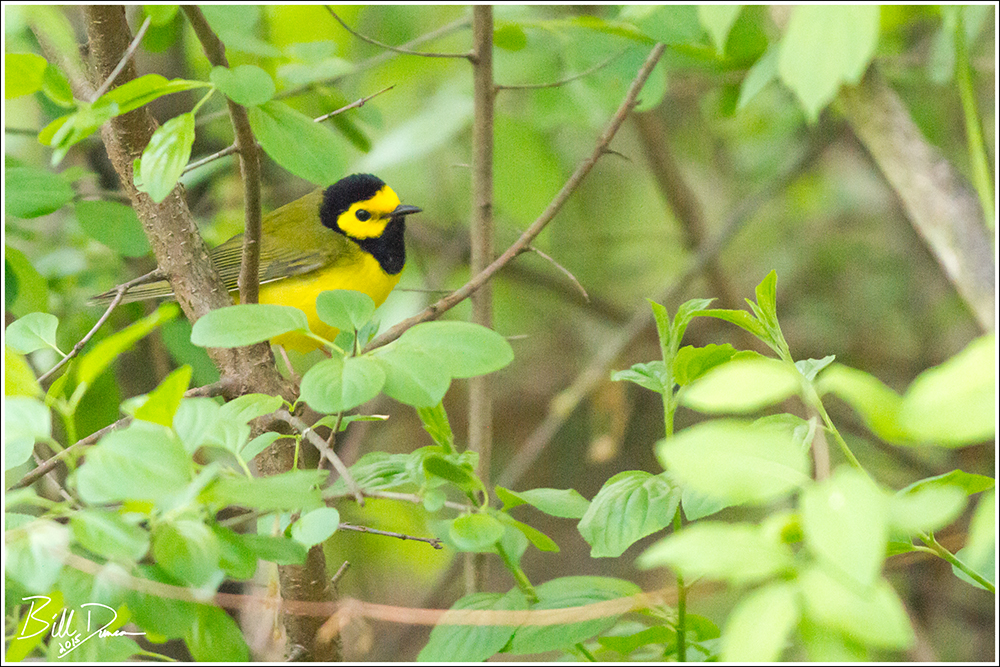
Here are a couple of pics of a Hooded Warbler that visited a favorite birding spot of mine a couple of weeks ago. Quite low light on a cloudy early morning, so I apologize for the grain and poor detail.
Before we get to a few birds from this spring… Why do people like Adobe Lightroom so much? I know it definitely helps in cataloging my images and I am better off than what I was before, but the hassle and bugs I have to deal with… Just yesterday, we lost power during the storms and then next time I was able to load up LR, all my settings went back to default! I guess I should be thankful that all of my images appear to be in the right spot. Computers…
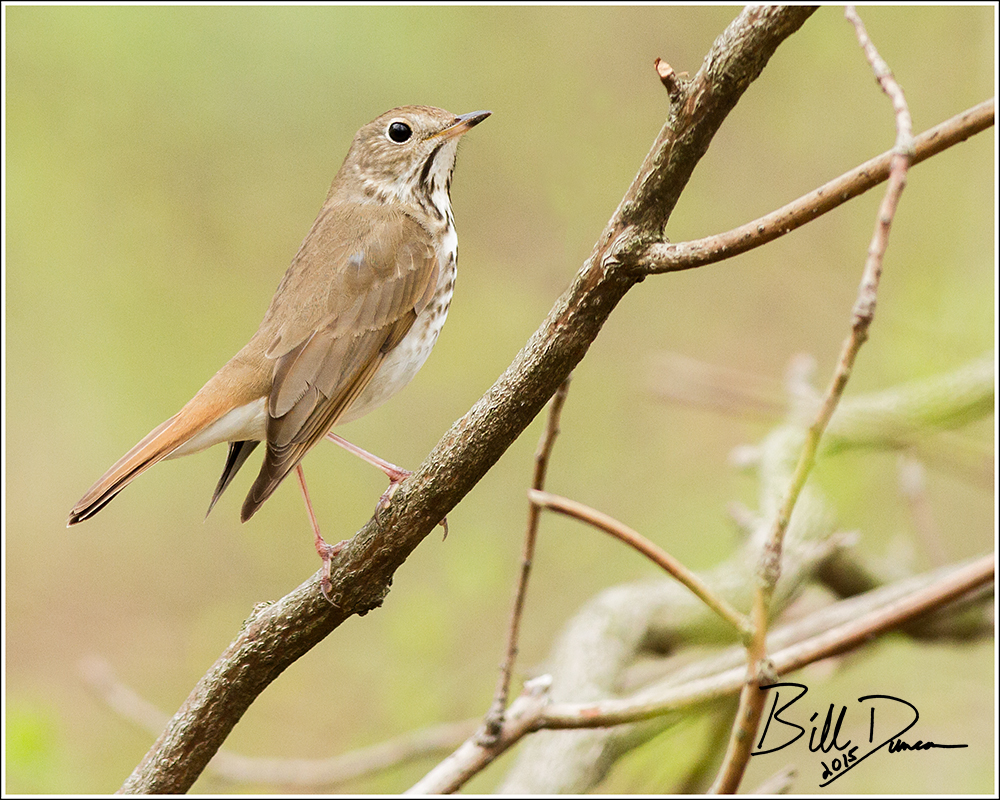
Hermit Thrush
Such a silent bird. Whenever I am lucky enough to cross its path, it is almost always found by eyesight. This guy patiently hung out with me for a bit.
Hermit Thrush
Mallard Drake
Pretty much a staple in the pond at my working location. Sometimes I don’t seem to bother them, while others I cause them to flush.
Mallard Drake in Repose
Brown Creeper
I have seen these guys all over the place this spring. Always one of my favorites, it has been a real treat to seem them so regularly the past two weeks.
“Knowing the place and the hour, you seat yourself under a bush to the east of the dance floor and wait, watching against the sunset for the woodcock’s arrival. He flies in low from some neighboring thicket, alights on the bare moss, and at once begins the overture: a series of queer throaty peents spaced about two seconds apart, and sounding much like the summer call of the Nighthawk.”
-Aldo Leopold, A Sand County Almanac–
Peent!
Whether for a hunt, photograph or just to watch, knowing an animal’s favored habitat, the likelihood of finding them at a particular time (circadian and calendar), and specific behaviors are crucial for finding a species of focus. The American Woodcock, also known as a Timberdoodle or Bogsucker, arrives early in the spring to its preferred display grounds.
Young forest is required for nesting Woodcock, and to observe their courtship displays one must find their preferred singing grounds. Woodcock prefer young, dense, successional forest that is somewhat on the wet side, with marsh or forest streams nearby. The singing grounds are typically located in an opening with mixed grassland habitat. An optimal location would be a treeless opening large enough for several males to establish their ground and that allows room for flight. Around 10-15 minutes after sunset from late February to late April, the males slowly begin to peent (see video below) usually from a more covered location. As darkness takes over, the males will venture out onto their preferred open grounds to allow the girls the best possible views. A nice spot for this in Missouri is often a mowed path through native grassland habitat.
After a series of peents, the male jumps into a spiraling flight while emitting a twitter due to stiff feathers that he takes advantage of in his performance. Upon reaching 300 feet or so, he heads back to ground, this time in a zig-zag fashion and making a peculiar liquid-like warble, which sounds to me like an alien’s egg-timer counting down to a perfect soft-boil. While on the singing grounds, you may on occasion be “buzzed”; however, there is no need for alarm, as their eyesight at night is supposedly very good. This “sky-dance” as Leopold so perfectly described it, ends approximately 35 minutes or so after sunset. It is possible to hear them vocalizing and dancing throughout the night, but it is nothing compared to the concert that is just on the darker side of crepusculum.
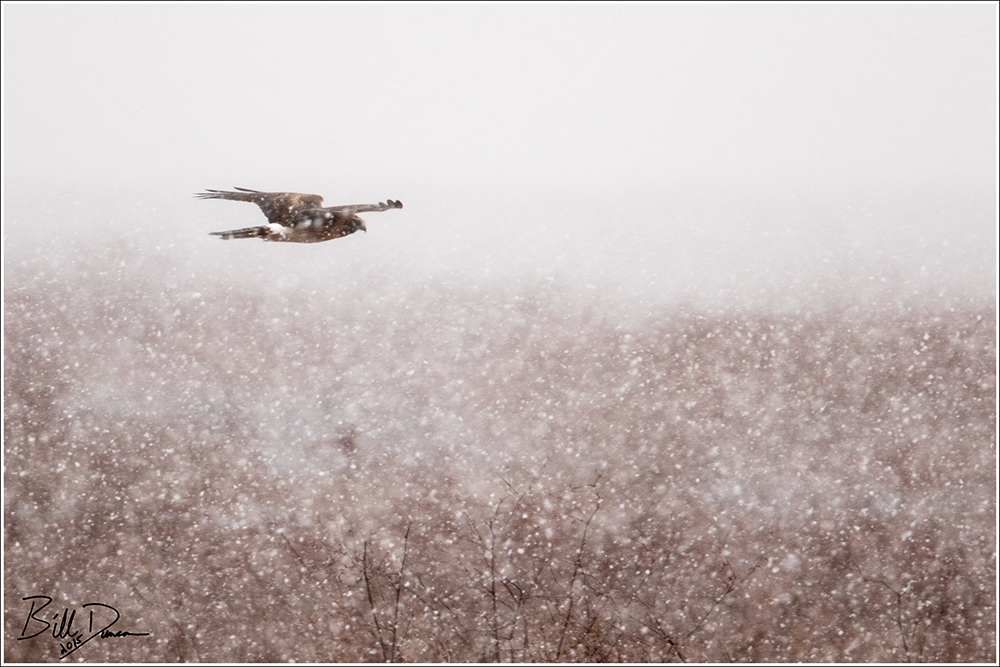
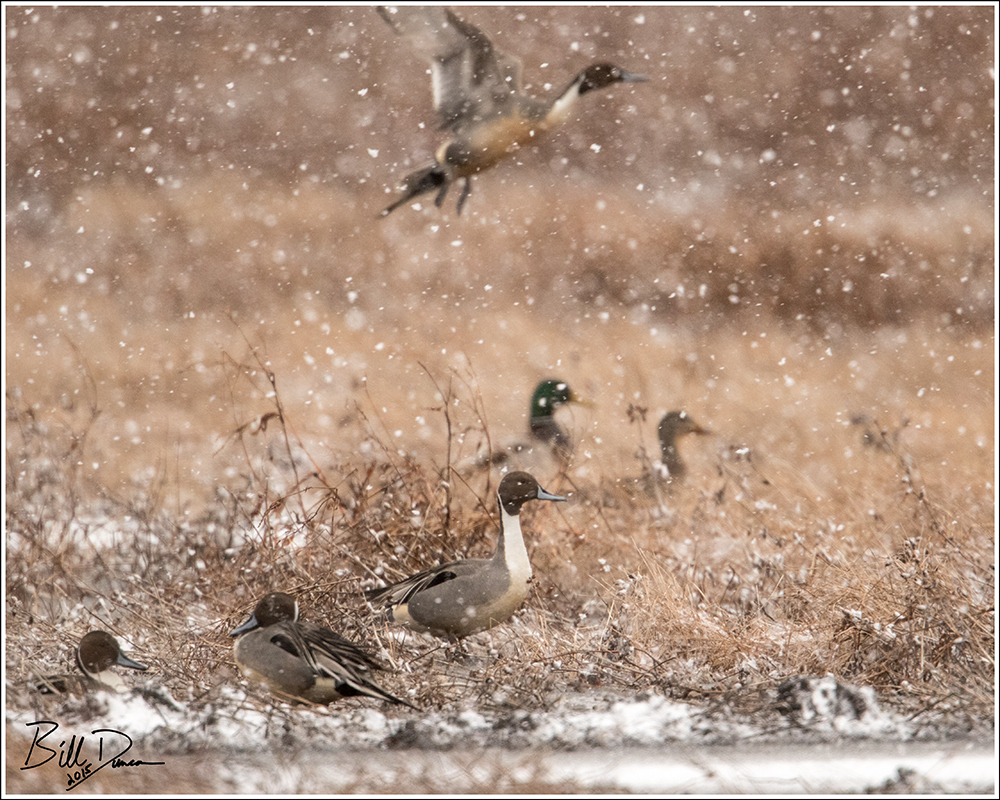
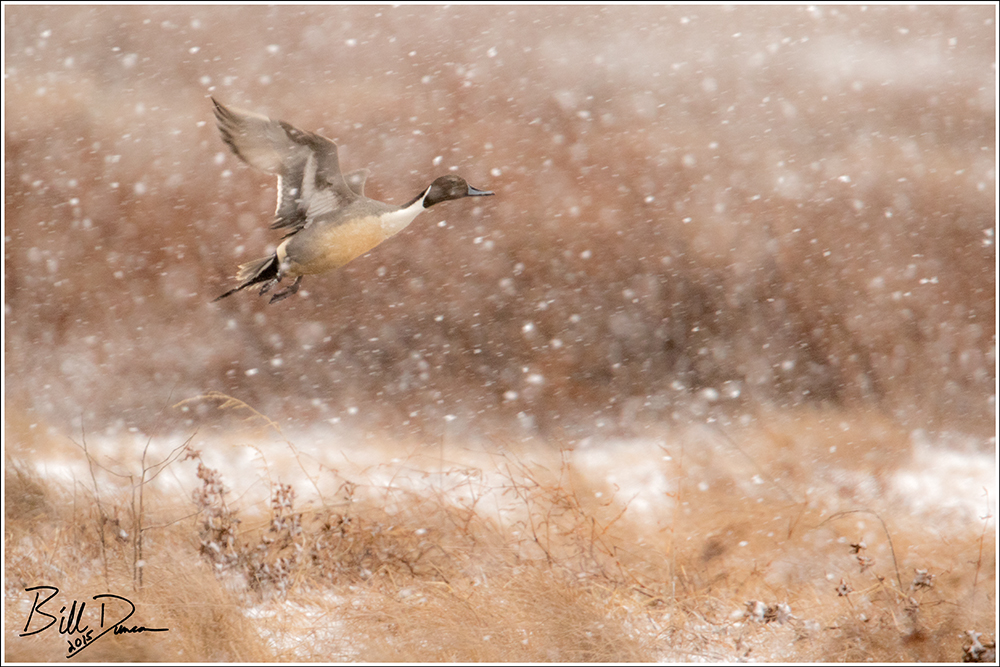
This past Saturday I headed up north on Highway 79. Knowing that the frigid temps and predicted winds of 30 mph + would not afford many great opportunities, the chance of snow in these areas made me think that something interesting could happen. Here are a few I thought worthy to share.
Harrier Still HuntingSnow Falling on PintailsFebruary
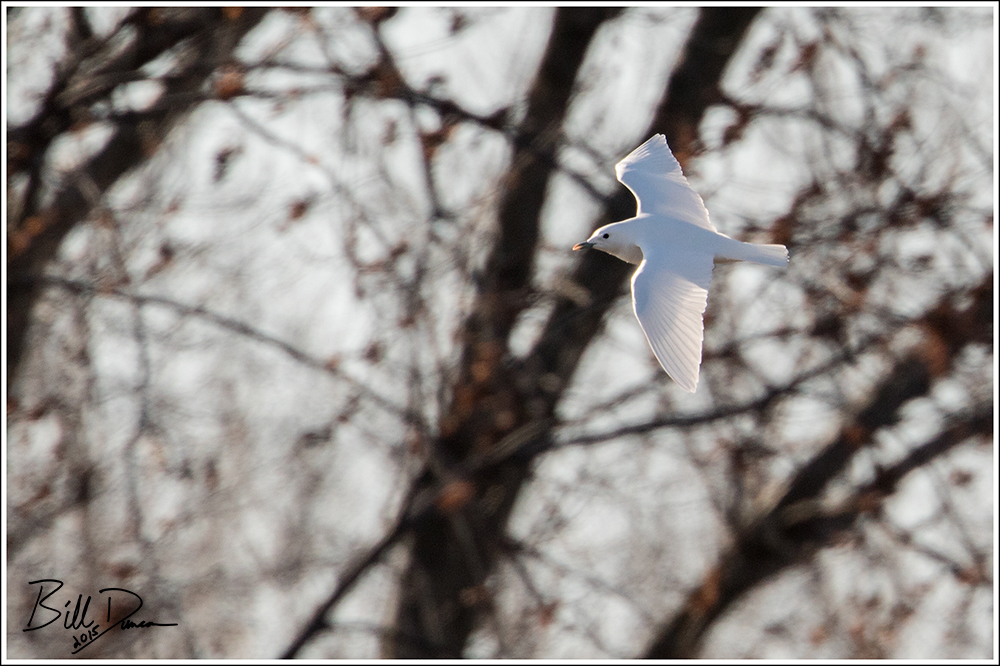
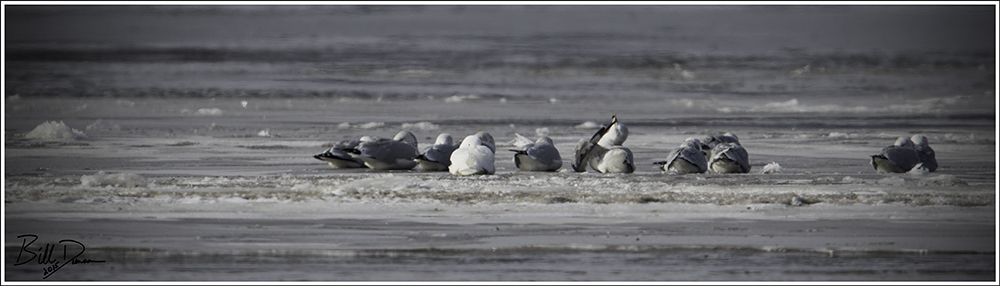
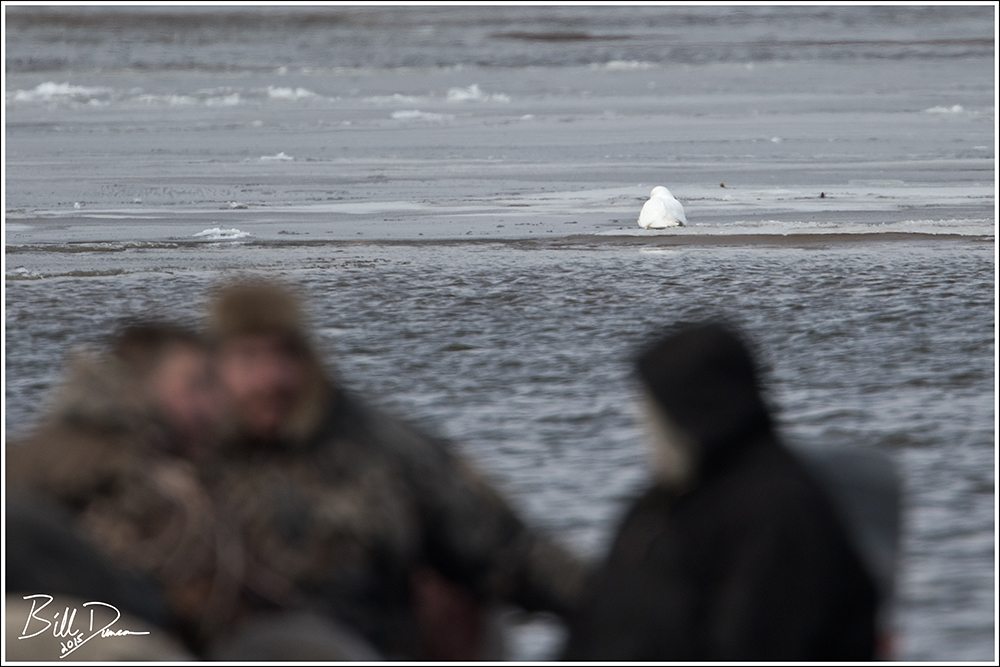
In case you have not heard, Missouri had it’s first documented visit by an Ivory Gull this past month. This species is typically found north – way north. We’re talking fighting with Polar Bears for scraps north. Once in a while a species like this gets way off track and can be found far from home. This bird was found in the marina and lock and dam areas at Quincy Illinois and Missouri.
Ivory Gull
Folks flocked from as far as Texas and Florida, to the Carolinas and New England. This was a potential once in a lifetime bird, unless you took a trip to their normal range.
Ivory Gull Hanging with the Locals
Although we were not fortunate enough to get super close looks in great light, Steve and I were thrilled with watching the bird for several hours over the course of an extremely cold and windy Sunday.
Ivory Gull
At least one photographer paid a local to motor him past the gull to get a closer shot. A truly surreal experience.
This past Thanksgiving break Steve and I found ourselves back at Jasper-Pulaski to see the tens of thousands of Sandhill Cranes that stop there during their autumn and vernal migrations. Although the spectacle of that many three-foot birds in one place is always worth the drive, of course we wind up with heavy overcast skies, which makes getting interesting photos quite a challenge. The numbers of birds during this visit did not disappoint.
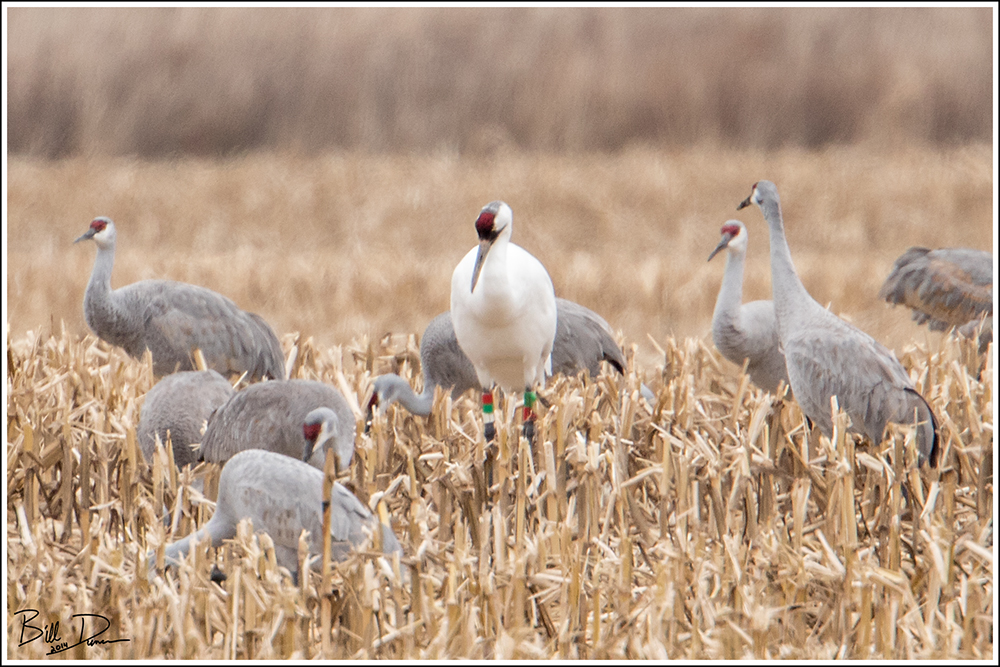
During the night, the majority of birds roost in one or two places on the reserve or nearby. During the day they spend their time picking up fallen grain in the surrounding agricultural fields. After lunch one day, we were driving around watching the different groups move across the landscape. With light as poor as it was, my attention went to staying awake, while Steve lost the fight and started to dose off and on. After a time, I was startled back to full alertness by Steve’s exclamation of “White!” I found a place to pull over at the nearest opportunity. And, after wrenching our necks, we confirmed what we were both anticipating the bird to be…
Nougat the Whooper
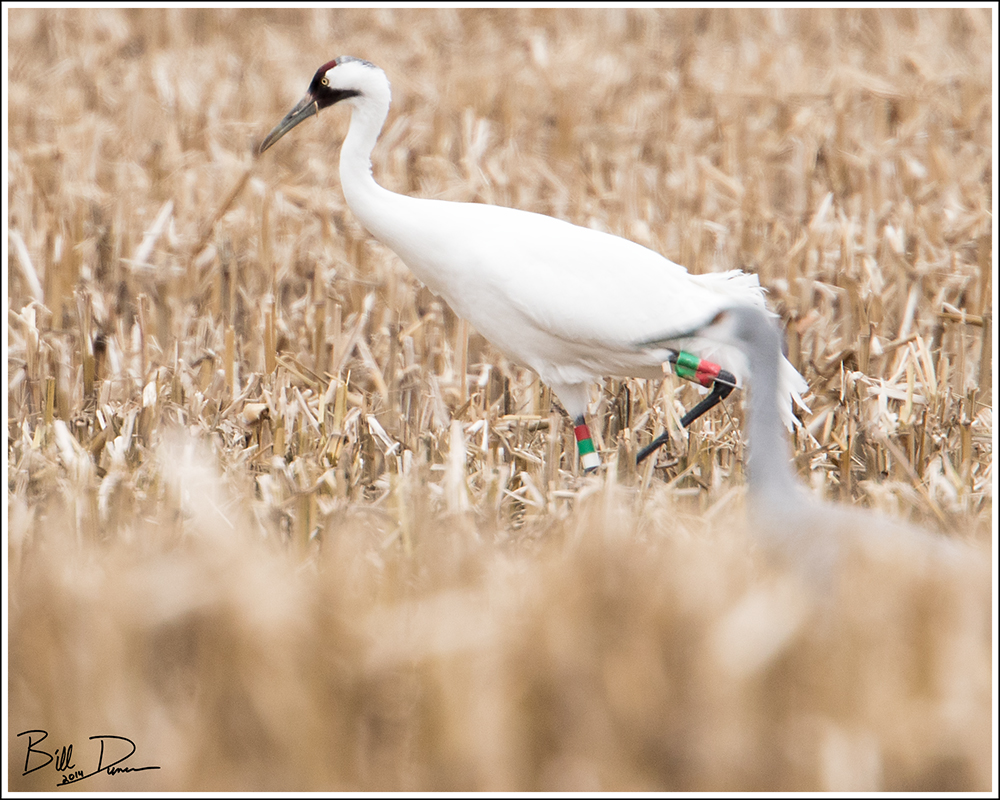
This was a life bird for the both of us, and with about 500 birds left on the entire planet, we were sure going to watch this guy as much as we could. At five feet tall, with nearly an eight foot wingspan, this mostly white bird could be seen for well more than a mile away. This made him easy to follow, but we made sure we gave him his space. He was definitely attached to the Sandhill Cranes, and seemingly was uncomfortable without being near at least a few of his cousins.
Nougat the Sandhill?
How do we know that Nougat is a male? See his colored leg bands in the 2nd and 3rd photos of this post? These are used to identify and keep track of the banded birds.
Crane # 18-11(DAR)
Click on Nougat to read more about this fantastic bird.










 A Thousand Acres of Silphiums