"What a thousand acres of Silphiums looked like when they tickled the bellies of the buffalo is a question never again to be answered, and perhaps not even asked." -Aldo Leopold
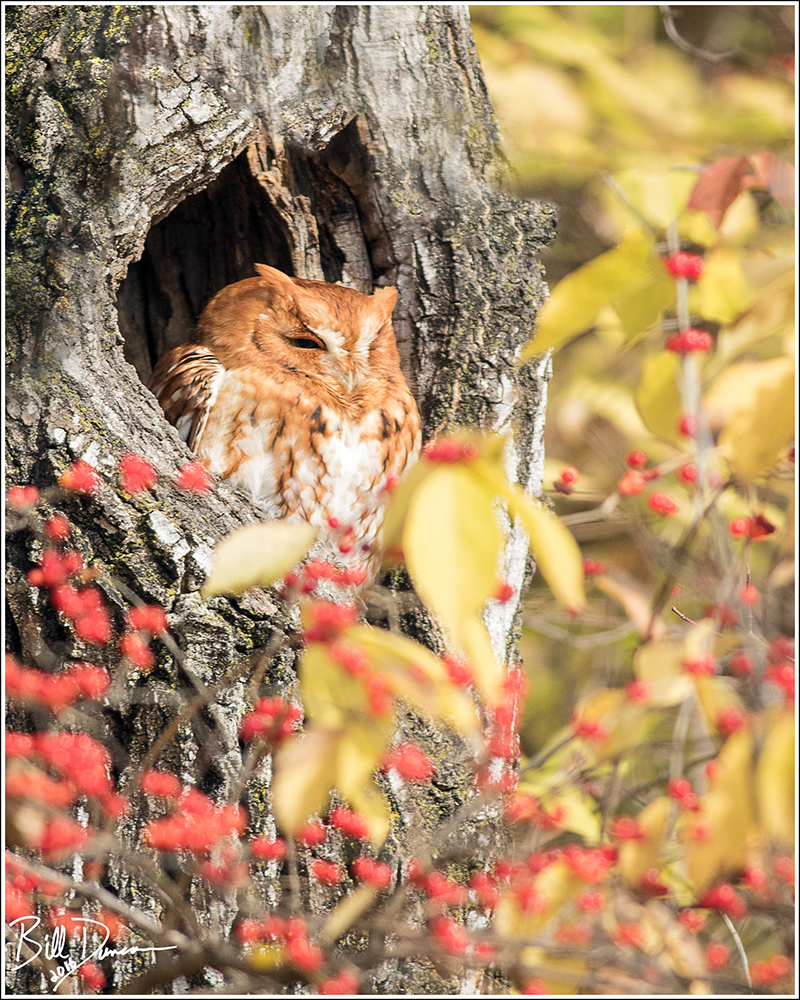
The 275th bird species I have photographed in Missouri and contiguous states turned out to be a special one. This Eastern Screech Owl is definitely the current most famous bird in the bi-state area. Many thanks to Miguel Acosta for the information. A long time coming.
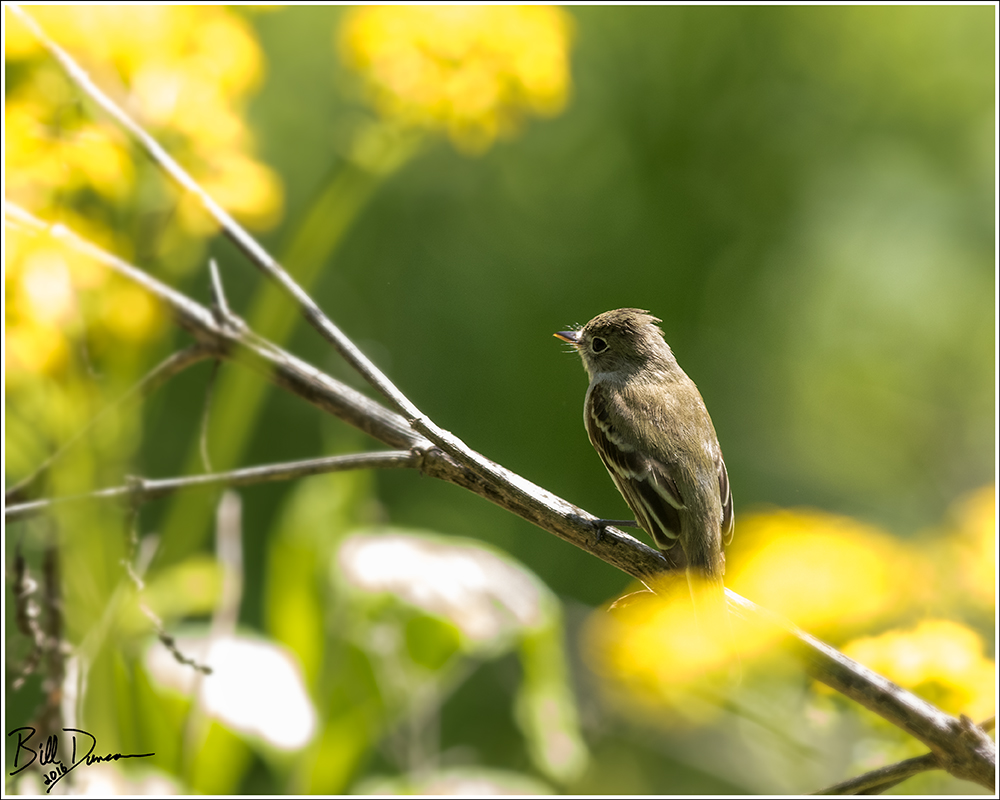
Least Flycatcher – Tyrannidae – Empidonax minimus – Wild Acres Park, St. Louis County, MO.
I happened to notice that I had a few in the queue that featured the color yellow. In most of them the yellow is featured on the bird, but in the one above the yellow is of a flowering plant, perhaps yellow rocket (Barbarea vulgaris), in the foreground and background.
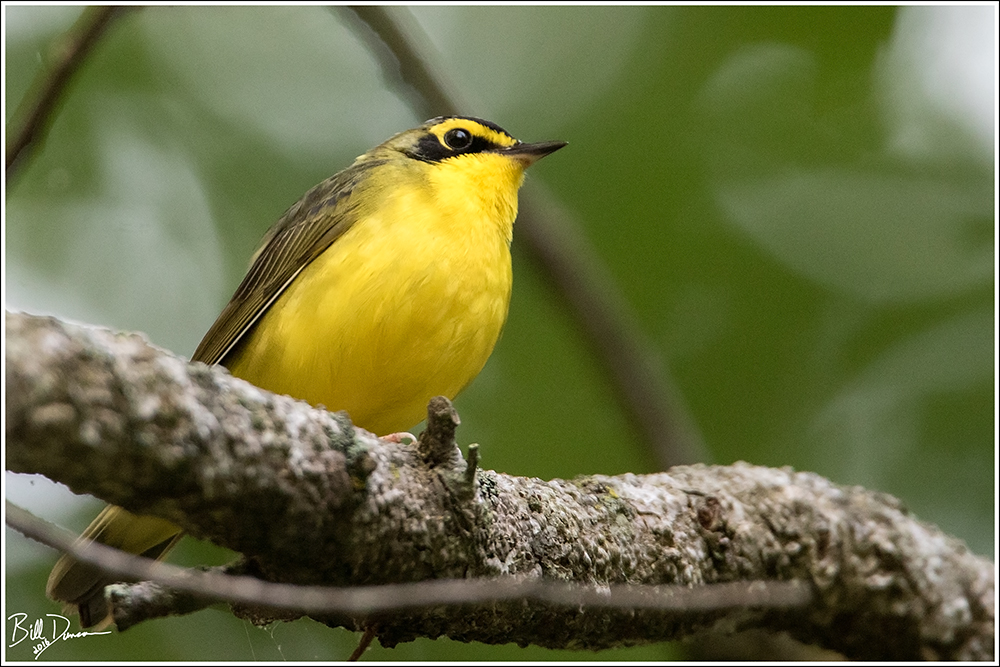
Kentucky Warbler – Parulidae – Oporornis formosus, Greer Spring Recreation Area, Oregon County, MO.
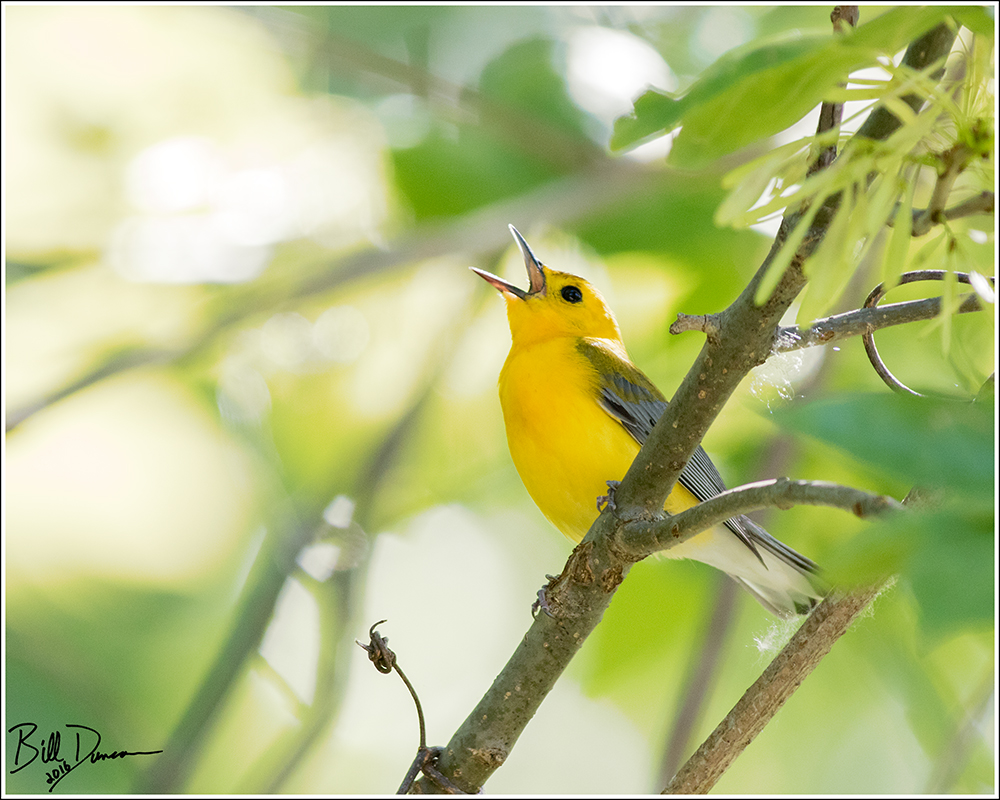
Prothonotary Warbler – Parulidae – Protonotaria citrea – Little Creve Coeur Lake Marsh, St. Louis County, MO.
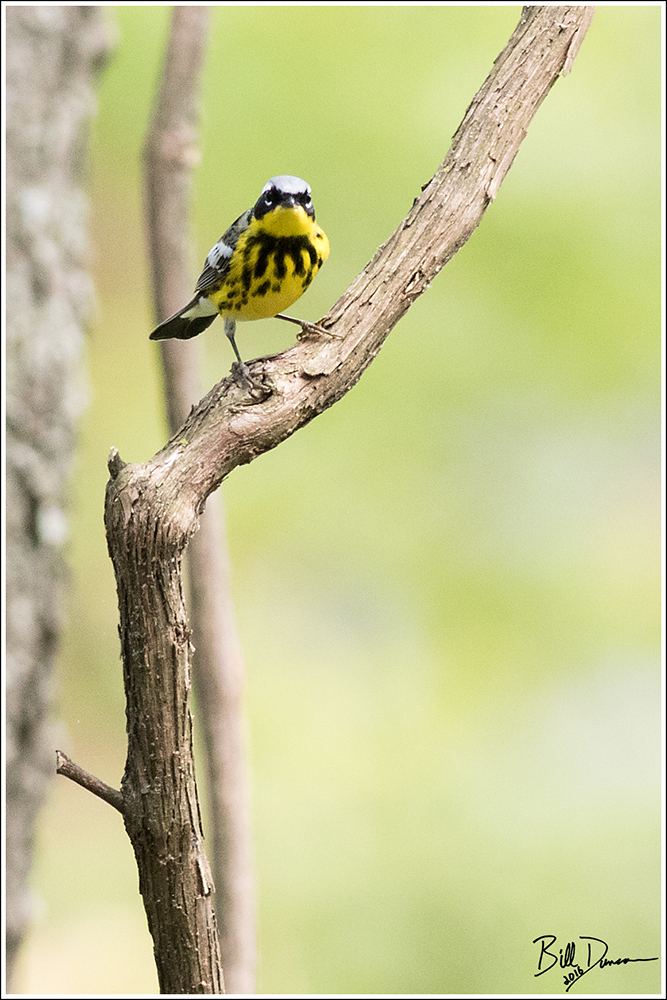
Magnolia Warbler – Parulidae – Dendroica magnolia – Wild Acres Park, St. Louis County, MO.
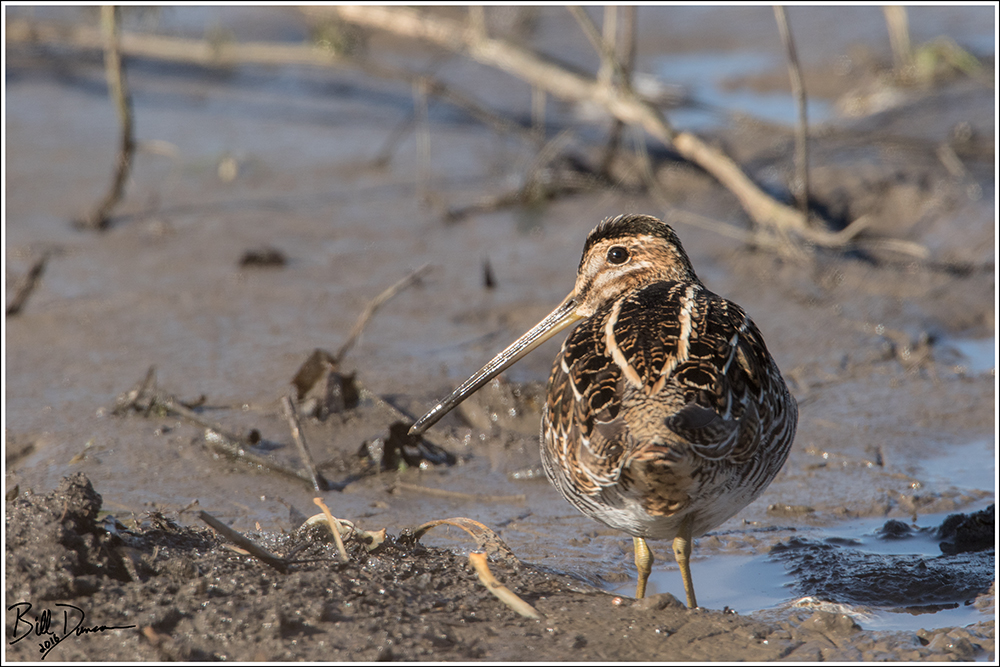
Wilson’s Snipe – Scolopacidae – Gallinago delicata – Confluence Road, St. Charles Co, MO.
With everyone on Facebook posting their great photos of our Thanksgiving Snipe, I thought I would go ahead and process and share before they got lost and forgotten for months. The photo above is, in my opinion, the most pleasing way of capturing a shore bird. The back of most shore birds are often their most colorful and patterned side. I like to try and capture the from behind with their head turned so to see their eye and the length/shape of their bill.
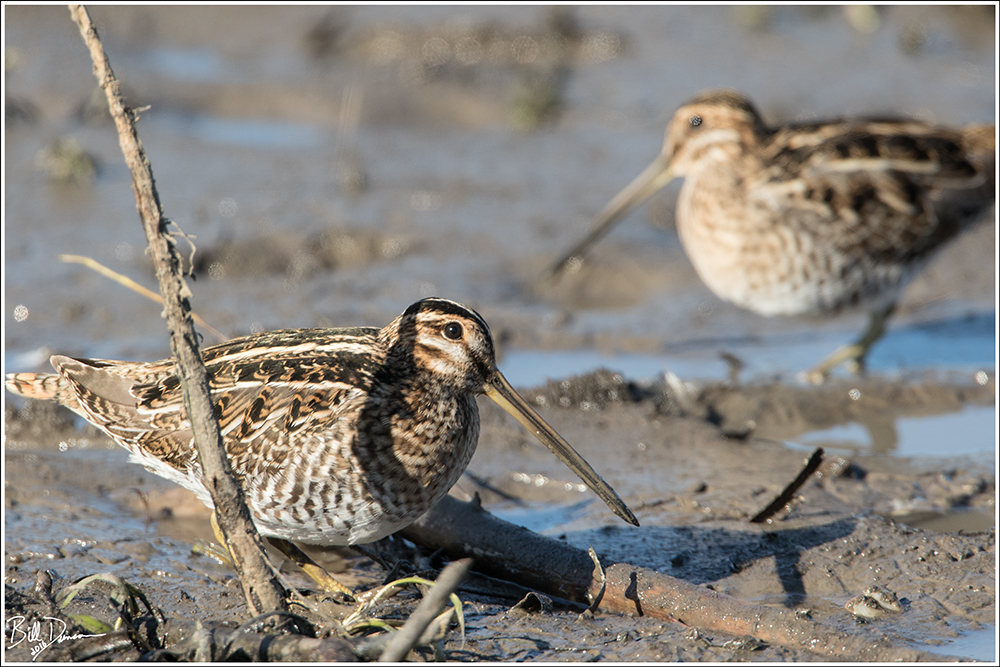
Wilson’s Snipe – Scolopacidae – Gallinago delicata – Confluence Road, St. Charles Co, MO.
I did not bring a wider lens on this morning, but I wish that I had. I counted 17 Snipe within a pretty close distance of each other in a section of sweet and soft mud.
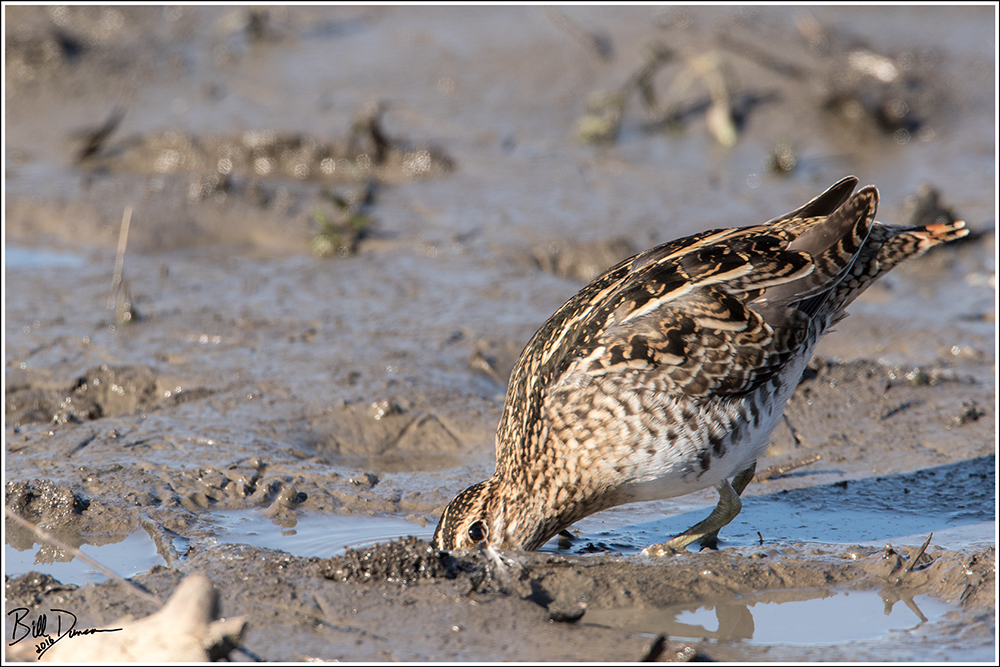
Nares Deep! Wilson’s Snipe – Scolopacidae – Gallinago delicata – Confluence Road, St. Charles Co, MO.
In the image above one can imagine the depth they can get with those lance-like bills as they probe the mud for invertebrates. Check out the video below to get an idea of how these guys feed.
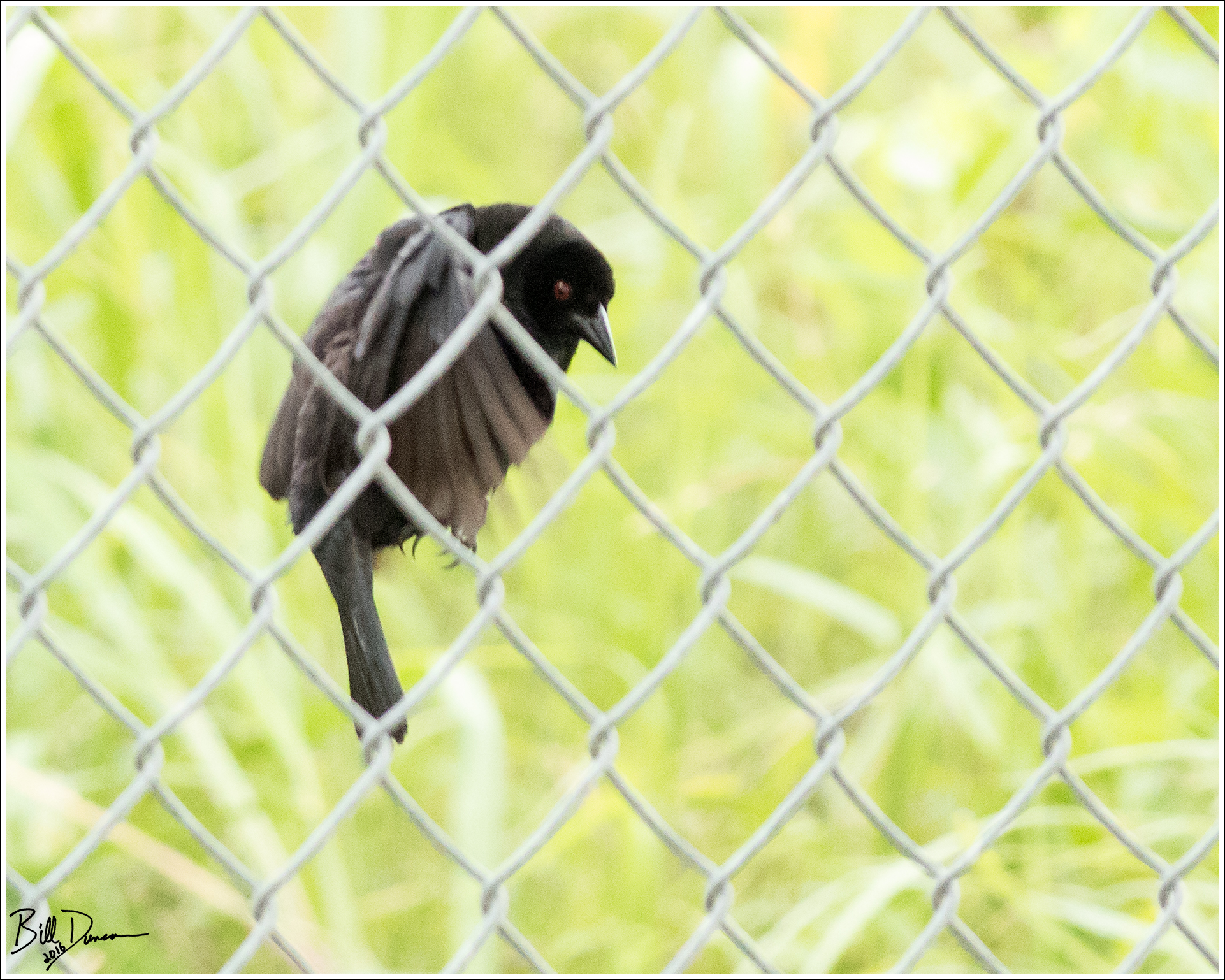
Of course, going to a new region for birding is great for finding those species that you have long-anticipated being able to see. In the Texas gulf coast region the Roseate Spoonbill, the Tri-colored Heron, the Crested Caracara and quite a few others can be fit into this category. I have done enough of this type of birding now to get just as excited by the surprises – finding the species I wasn’t expecting, or had not even heard of. The Bronzed Cowbird was one such species during our trip in May.
And the way we got to see this bird for the first time, by performing this hovering display for the ladies, was quite memorable. He kept this position – not moving his head from the chain-link section seen here for several seconds. Check out the bright red iris on these guys.
We also saw a few of the more common Brown-headed Cowbirds. It was nice seeing them in open habitat where they actually belonged and not reeking havoc in the fragmented forests back home.
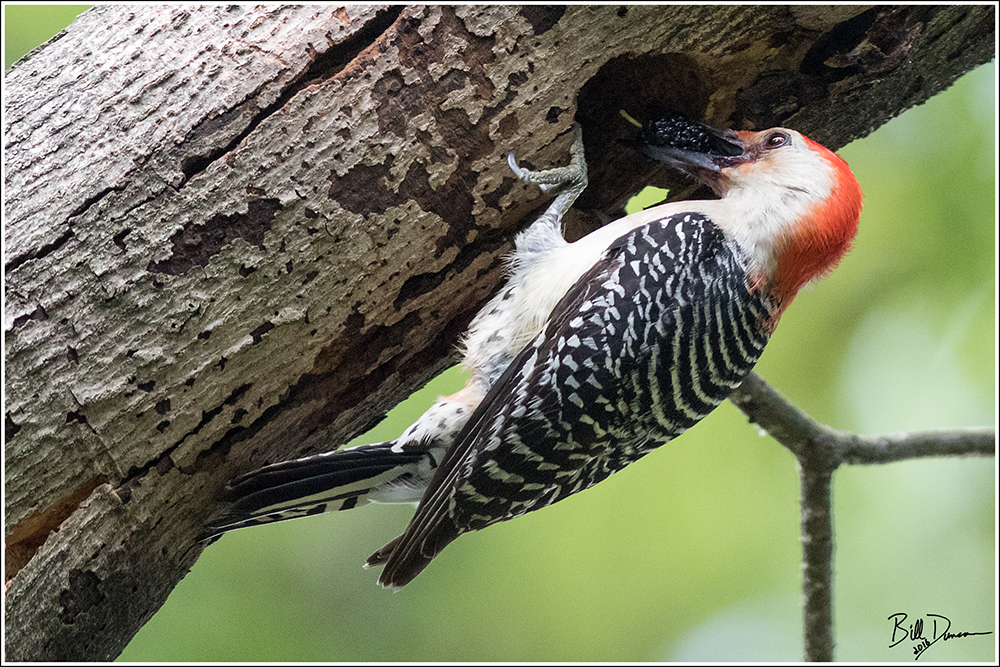
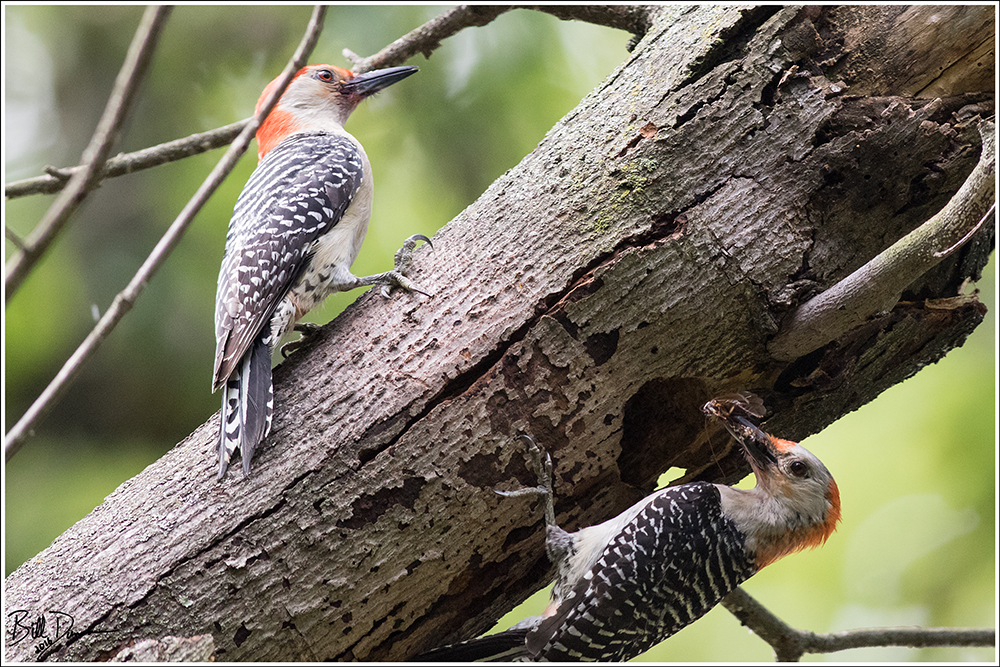
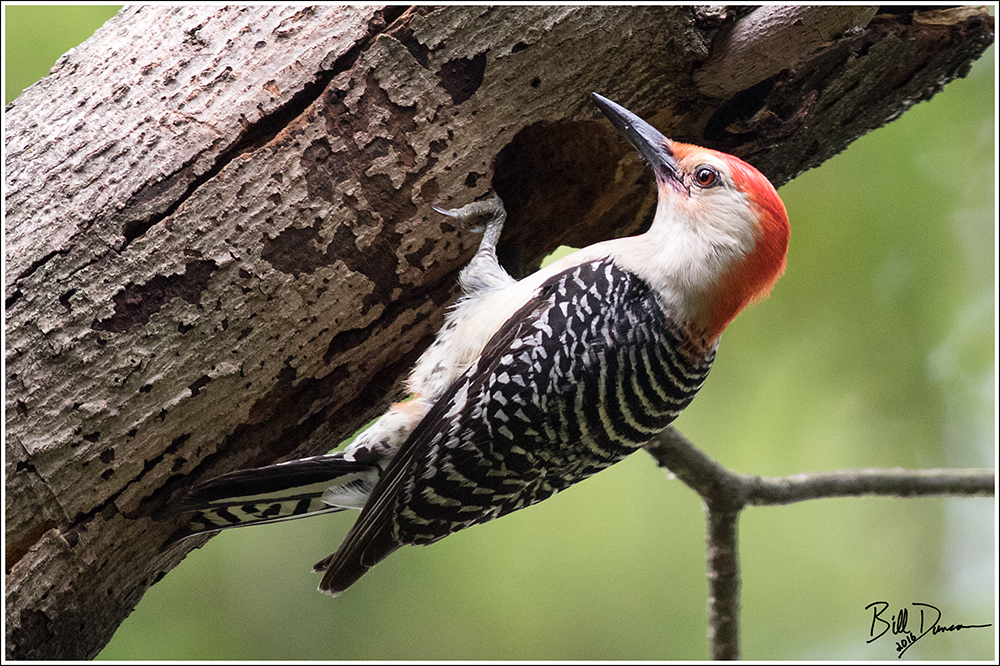
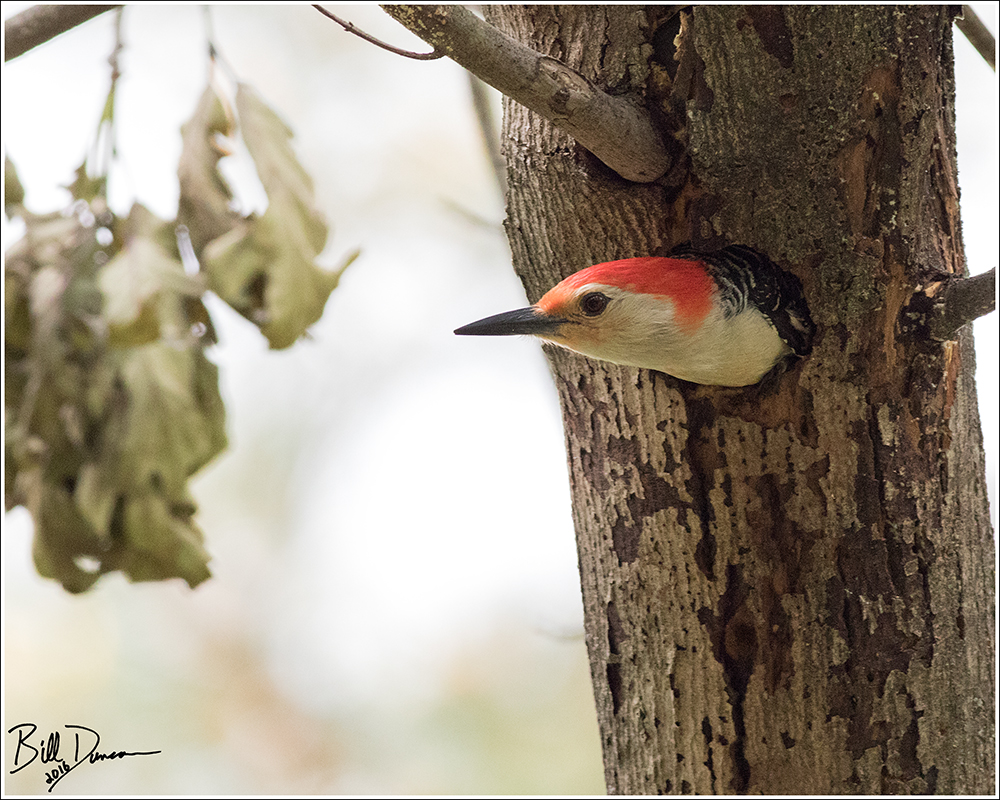
Today I watched as park workers cut down this tree at Wild Acres Park in Overland, MO, a municipality in St. Louis County. I estimate they have removed nearly 75% of all standing dead trees in this park during the last six months. This tree, that provided shelter and food to a number of Woodpeckers, the tree I watched and photographed an Olive-sided Flycatcher this past spring, two dead oaks that I watched Great-horned Owls display and duet in numerous times over the past 6+ years, a tree that provided a place for a nesting Great-horned Owl, dead snags near the pond that provided perches to herons and wood ducks that were stopping to rest on their way to somewhere more worthy. Even if the trees must come down due to “safety”, I wish that they would see the benefit that these trees can bring while decomposing in a forest. Lately, they are even hauling away the carcasses.
The original plans for the park when first established seem to suggest that the park was conceived to provide wildlife with an oasis amidst a suburban desert as much as it was to be a benefit to the humans with similar desires. I find little evidence in recent years that the park management has goals to this effect.
Hidden along the Eleven Point River in the south-eastern Missouri Ozarks lies Greer Spring (the 2nd largest spring in the state). This location and surrounding areas of bottomland and riverfront forest are widely heralded among birders in Missouri as being prime for easily picking up a number of forest species. Cerulean, Swainson’s, Worm-eating, Kentucky, and Hooded Warblers, to name a few, are documented as nesting in this area. These clips were recorded during a trip that Steve and I made this past May.
Beginning in the first few days of April, Ruby-crowned Kinglets move northward through the St. Louis region on their way up to their eventual nesting grounds of the Canadian boreal forests.
Ruby-crowned Kinglet
Moving through our area this early allows for nice opportunities for watching and photography before our deciduous trees have begun leafing out. Although described by Pete Dunne as “A bird that moves like spit on a skillet”, if patient, the nature photographer can find brief periods where even these birds will stop and have a look around.
How on earth did these birds get their name?
When flitting through the branches looking for their insect prey, the intense scarlet-colored crown patch can be difficult to spot. But with camera and patience, this spot that the birds use to aggressively communicate with other Kinglets, can be seen.
The Music Box
The song of the RCKI I find to be quite special. These guys typically start with a couple or three wind-up notes that lead to a wren-like jumble of rapidly progressing complexity. A welcome sound of spring.
See you in the fall…
The Kinglets have mostly removed themselves from the Show-Me State by now. They will return this fall following their nesting season and there will be folks with lenses of all sorts looking to find that ruby-red crown.






 A Thousand Acres of Silphiums