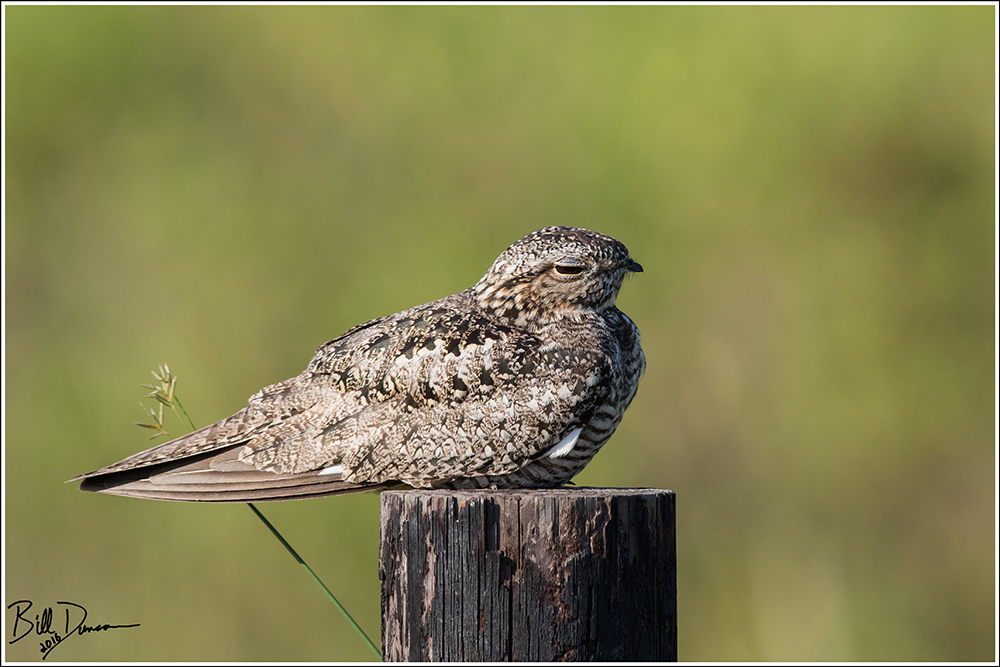
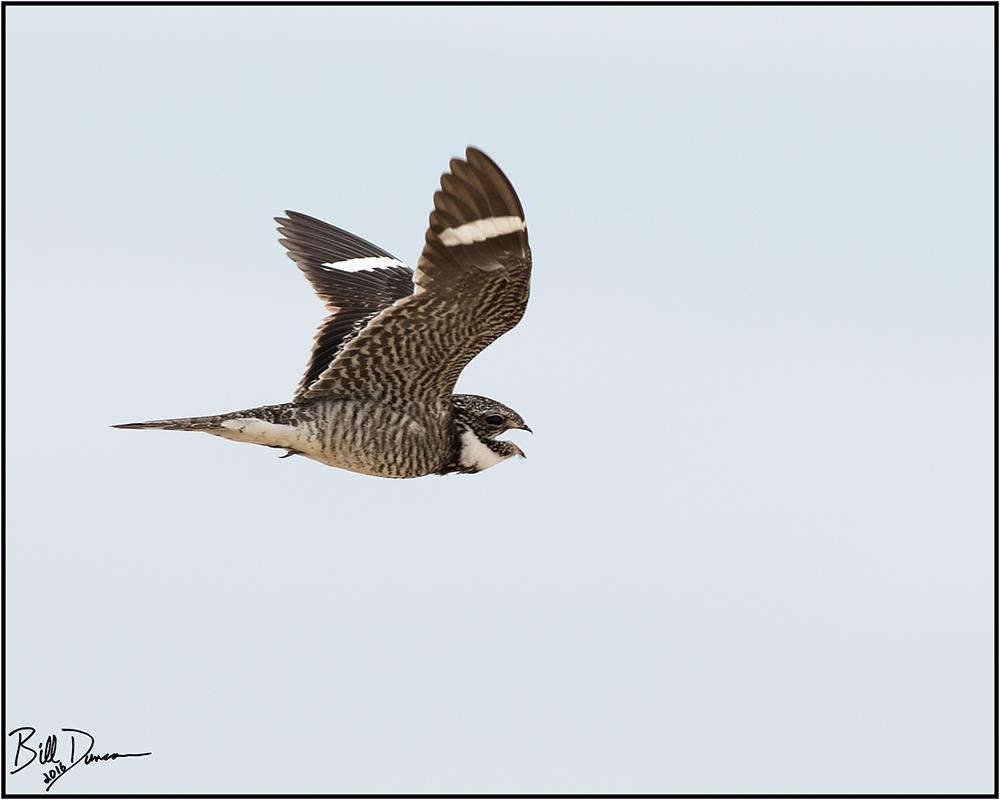
The Nighthawks were abundant and cooperative during our visit to Anahuac National Wildlife Refuge.

"What a thousand acres of Silphiums looked like when they tickled the bellies of the buffalo is a question never again to be answered, and perhaps not even asked." -Aldo Leopold
The Nighthawks were abundant and cooperative during our visit to Anahuac National Wildlife Refuge.
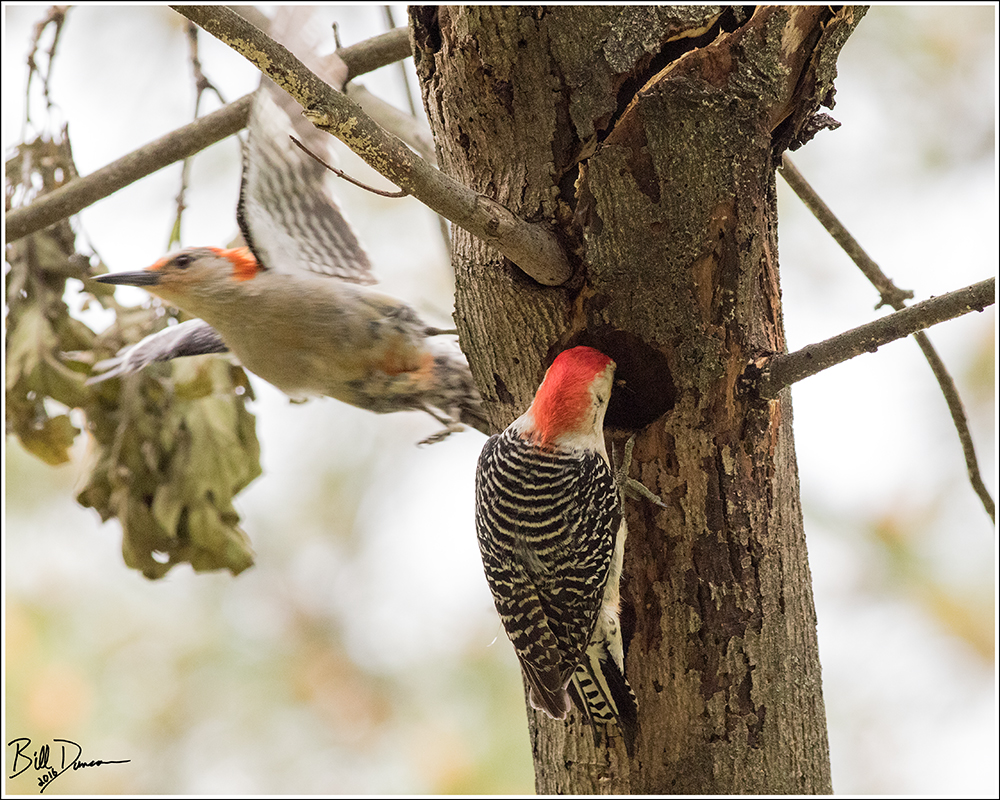
Today I watched as park workers cut down this tree at Wild Acres Park in Overland, MO, a municipality in St. Louis County. I estimate they have removed nearly 75% of all standing dead trees in this park during the last six months. This tree, that provided shelter and food to a number of Woodpeckers, the tree I watched and photographed an Olive-sided Flycatcher this past spring, two dead oaks that I watched Great-horned Owls display and duet in numerous times over the past 6+ years, a tree that provided a place for a nesting Great-horned Owl, dead snags near the pond that provided perches to herons and wood ducks that were stopping to rest on their way to somewhere more worthy. Even if the trees must come down due to “safety”, I wish that they would see the benefit that these trees can bring while decomposing in a forest. Lately, they are even hauling away the carcasses.
The original plans for the park when first established seem to suggest that the park was conceived to provide wildlife with an oasis amidst a suburban desert as much as it was to be a benefit to the humans with similar desires. I find little evidence in recent years that the park management has goals to this effect.
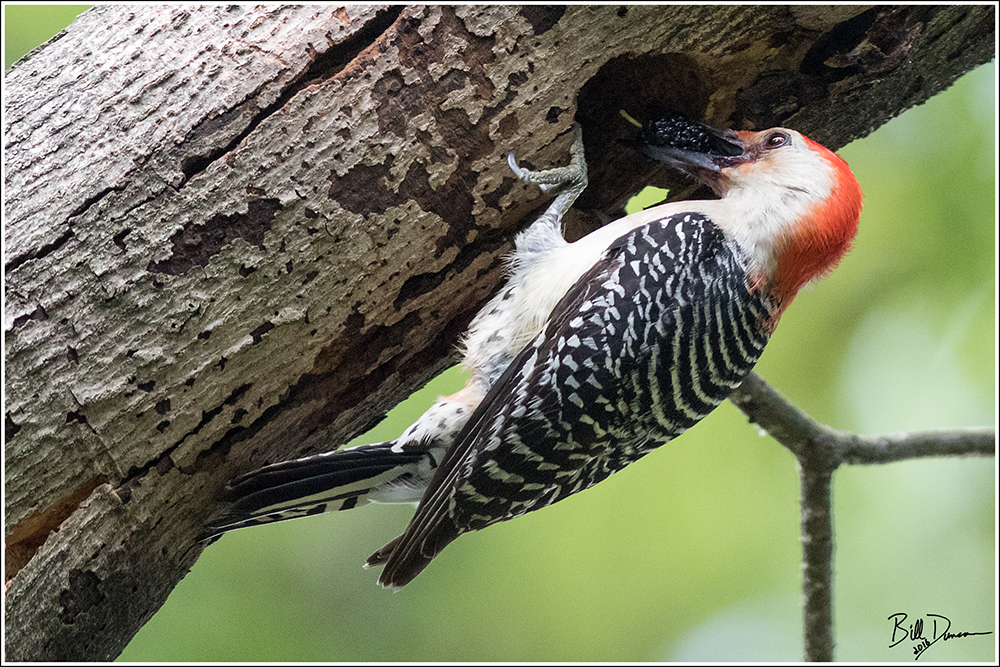
Mulberries and insects were what was on the menu when I was at the nest tree to watch.
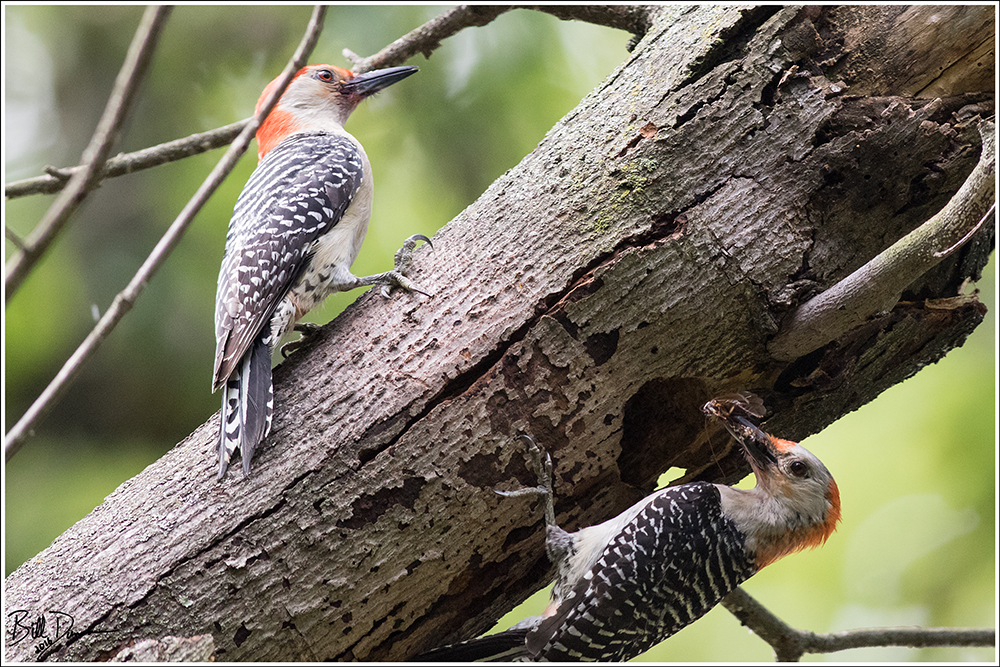
As seems to be pretty typical of species that provide bi-parental care, the ratio of female to male visits seemed to be ~ 3:1… 😉
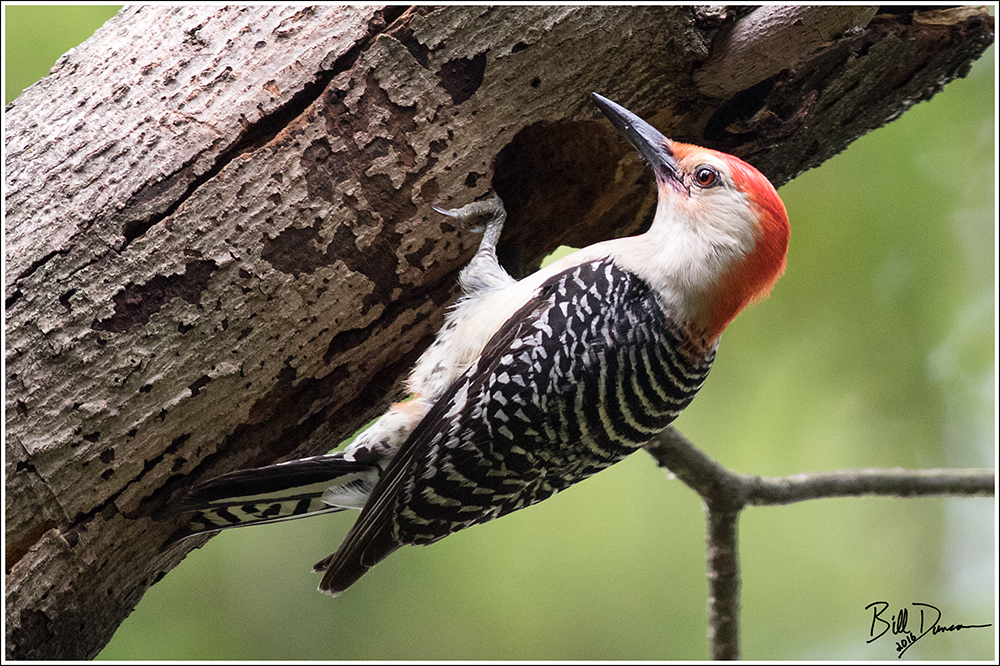
I’m not sure what the next couple of years might show me in the park. It sure looks as though there will be fewer resources for feathered friends.
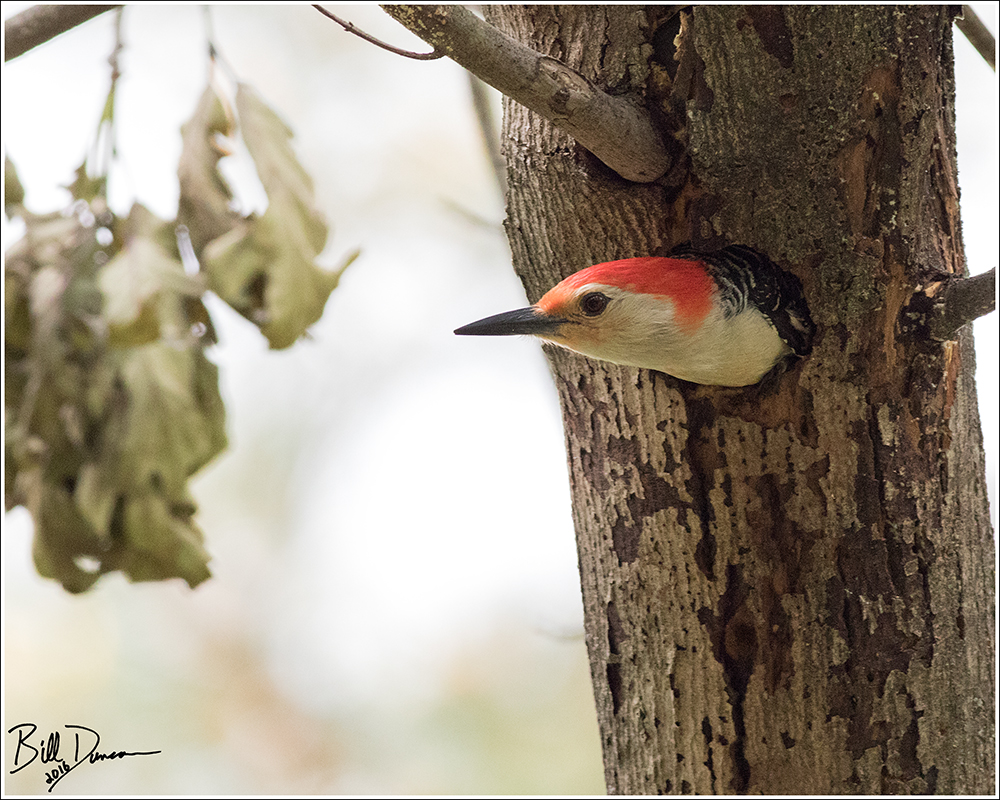
-OZB
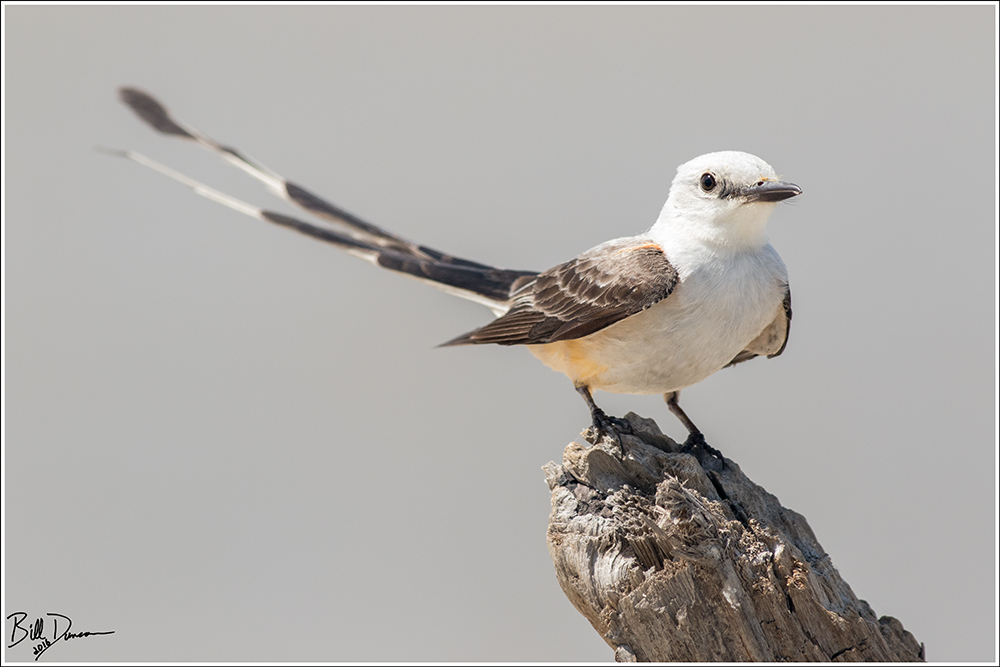
A few birds from our birding trip to the Texas gulf coast during May 2016.
Hidden along the Eleven Point River in the south-eastern Missouri Ozarks lies Greer Spring (the 2nd largest spring in the state). This location and surrounding areas of bottomland and riverfront forest are widely heralded among birders in Missouri as being prime for easily picking up a number of forest species. Cerulean, Swainson’s, Worm-eating, Kentucky, and Hooded Warblers, to name a few, are documented as nesting in this area. These clips were recorded during a trip that Steve and I made this past May.

Beginning in the first few days of April, Ruby-crowned Kinglets move northward through the St. Louis region on their way up to their eventual nesting grounds of the Canadian boreal forests.

Moving through our area this early allows for nice opportunities for watching and photography before our deciduous trees have begun leafing out. Although described by Pete Dunne as “A bird that moves like spit on a skillet”, if patient, the nature photographer can find brief periods where even these birds will stop and have a look around.

When flitting through the branches looking for their insect prey, the intense scarlet-colored crown patch can be difficult to spot. But with camera and patience, this spot that the birds use to aggressively communicate with other Kinglets, can be seen.

The song of the RCKI I find to be quite special. These guys typically start with a couple or three wind-up notes that lead to a wren-like jumble of rapidly progressing complexity. A welcome sound of spring.

The Kinglets have mostly removed themselves from the Show-Me State by now. They will return this fall following their nesting season and there will be folks with lenses of all sorts looking to find that ruby-red crown.
-OZB

On a rainy March day at BK Leach CA Sarah and I came across a couple of young Bald Eagles hanging out. The bird on the left is a 4-year old and his partner is likely a 2nd year bird.
Have a nice weekend.
-OZB

While driving around BK Leach Conservation Area this spring, we came across a Turkey Vulture feeding on a raccoon carcass. Did you know that the Turkey Vulture has the most advanced olfactory system of any known bird? They can pick up the smell of a rotting animal from more than a mile away. As shown below, we noticed the bird would attempt to cover up its meal when it spotted other vultures soaring nearby.

Turkey Vultures can often be seen with their wings widely spread in what is referred to as an “horaltic pose”. The benefits of doing this are not entirely known but have been hypothesized to be an aid in warming the birds and helping to dry feathers. The bird posing in the shot below was taken one morning while I was hiking at Shaw Nature Reserve.

Finally, I thought I would share some video footage that this patient bird let us take whilst it was digging into some coon.
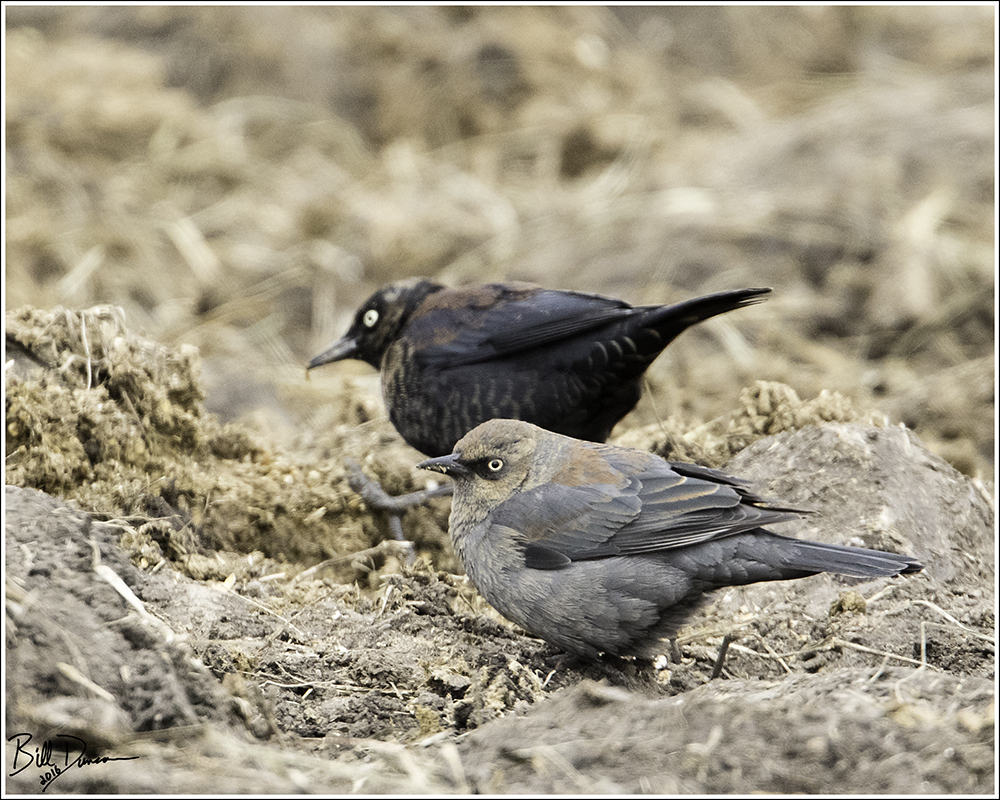
The northernmost breeding blackbird of North America, the Rusty Blackbird unfortunately has the distinction of being in one of the steepest population declines of all N.A. bird species.

Rusty Blackbirds nest throughout the boreal forests of Canada and Alaska, but winters throughout the eastern United States in areas including wet forests near permanent bodies of water. They will also utilize agricultural environments. Among the protected areas considered important for overwintering habitat is Mingo NWR, located in south-eastern MO.
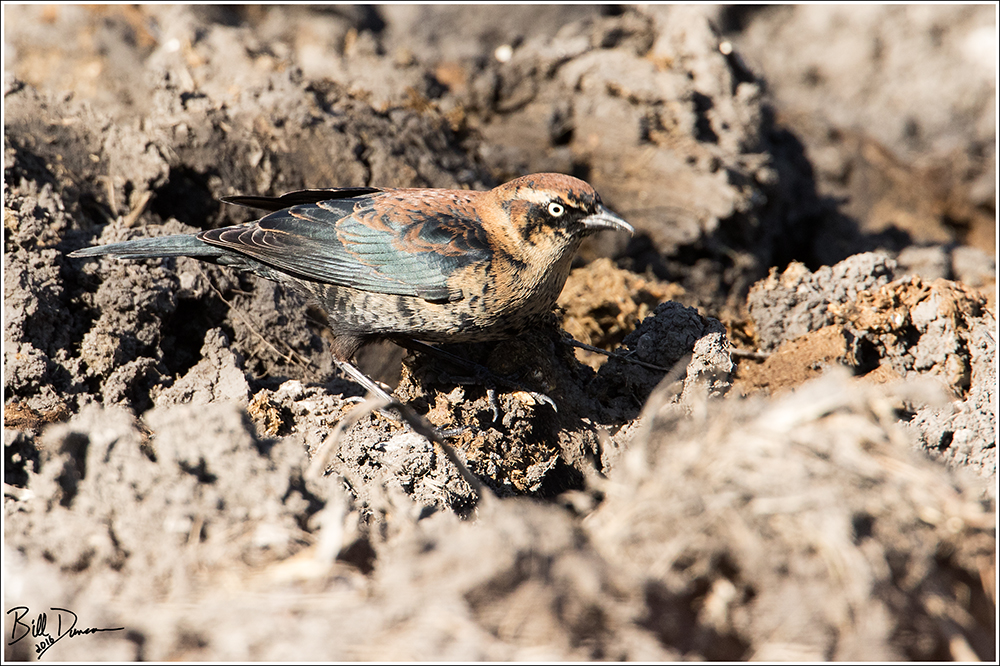
Rusties exhibit an interesting variability in plumage throughout winter and spring, as can be observed in the different birds photographed in this post. Males are dressed with varying amounts of the rusty warm color that gives this species its name. This coloration is located on the tips of newly emerged feathers during the molt. As these fine feather tips wear and break off, the males will become primarily black and luminescent in summer breeding plumage. Female Rusties are even more interestingly plumaged, with tans, browns and blues.
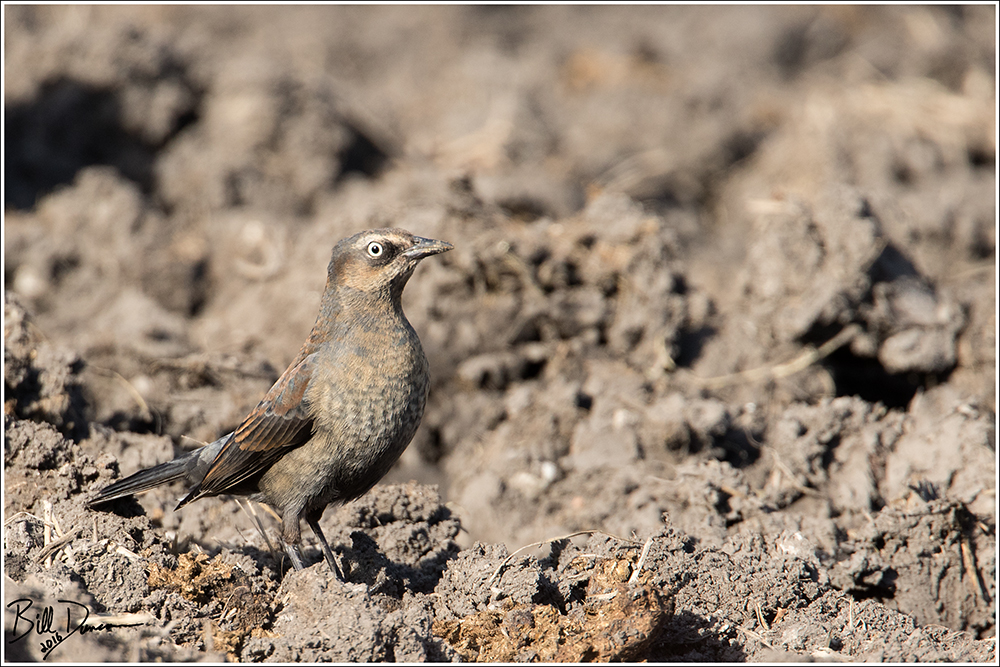
Different survey methods, such as the Breeding Bird Survey and Christmas Bird Count all suggest that the Rusty Blackbird population has declined by more than 90% over the past three decades. Reasons for this decline are not well understood, but are likely to include the acidification of wetlands, loss of wetland habitat in general, loss of forested wetland habitat on wintering grounds and poisoning of mixed-species wintering blackbird flocks in south-eastern United States, where they are considered as agricultural pests.
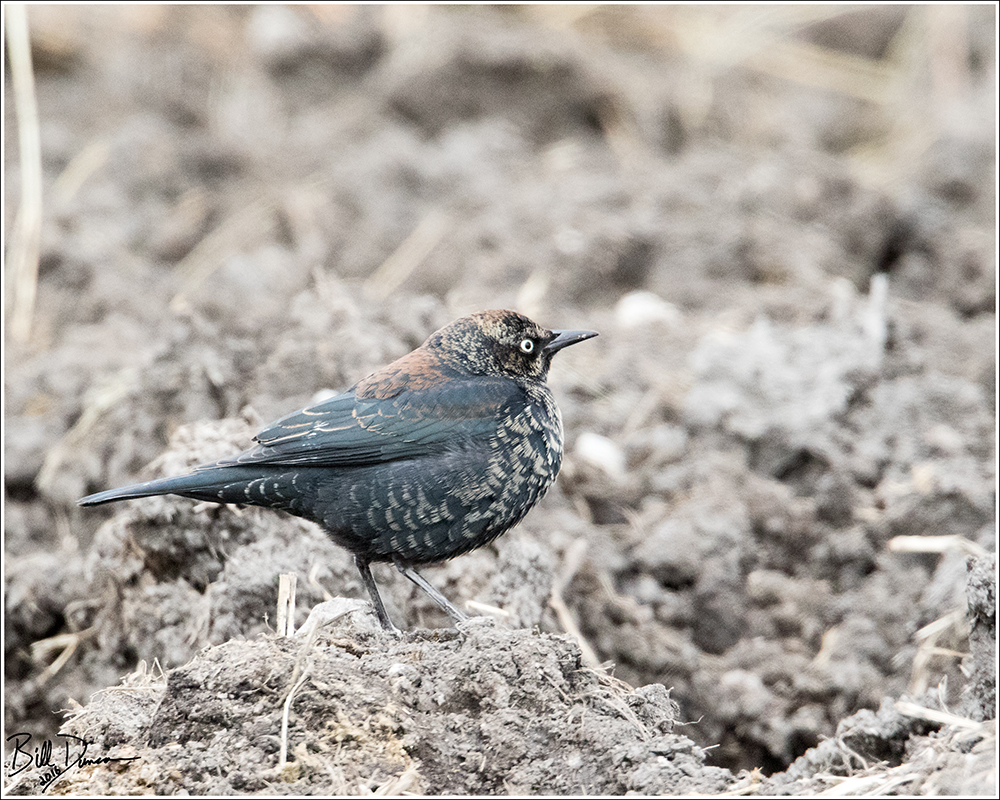
In his book Birder’s Conservation Handbook – 100 North American Birds at Risk, where much of the information in this post was collected, Jeffry Wells suggests the following actions to address the population decline of the Rusty Blackbird:
-OZB
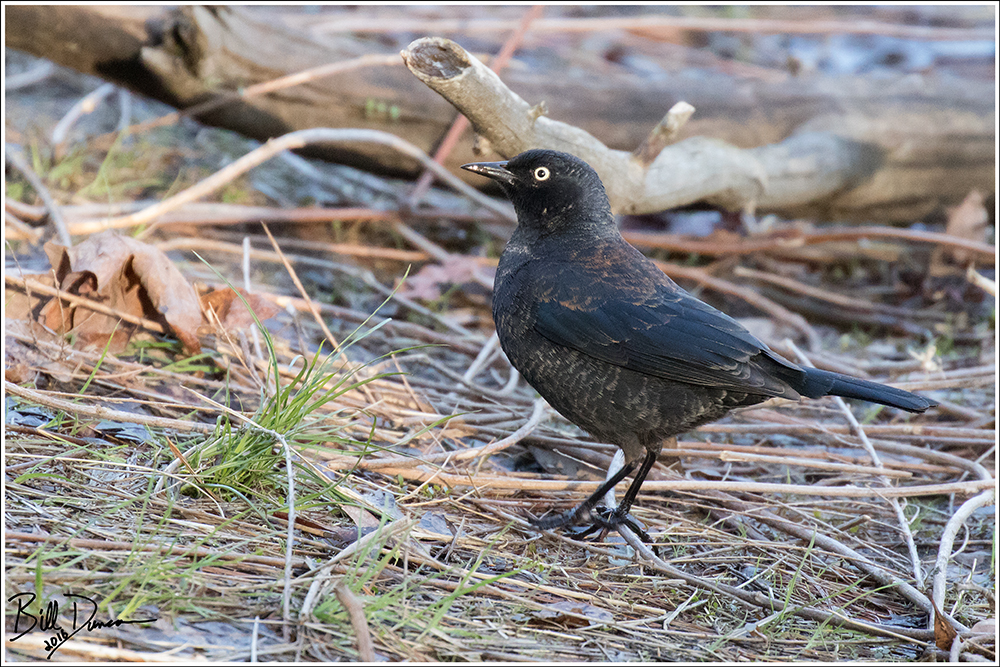
Today I will share a few photos taken this spring at Wild Acres Park in Overland, MO.

Fascinating, Rusty Blackbirds are always a treat to find. I am planning on publishing a post focused on Rusties soon.
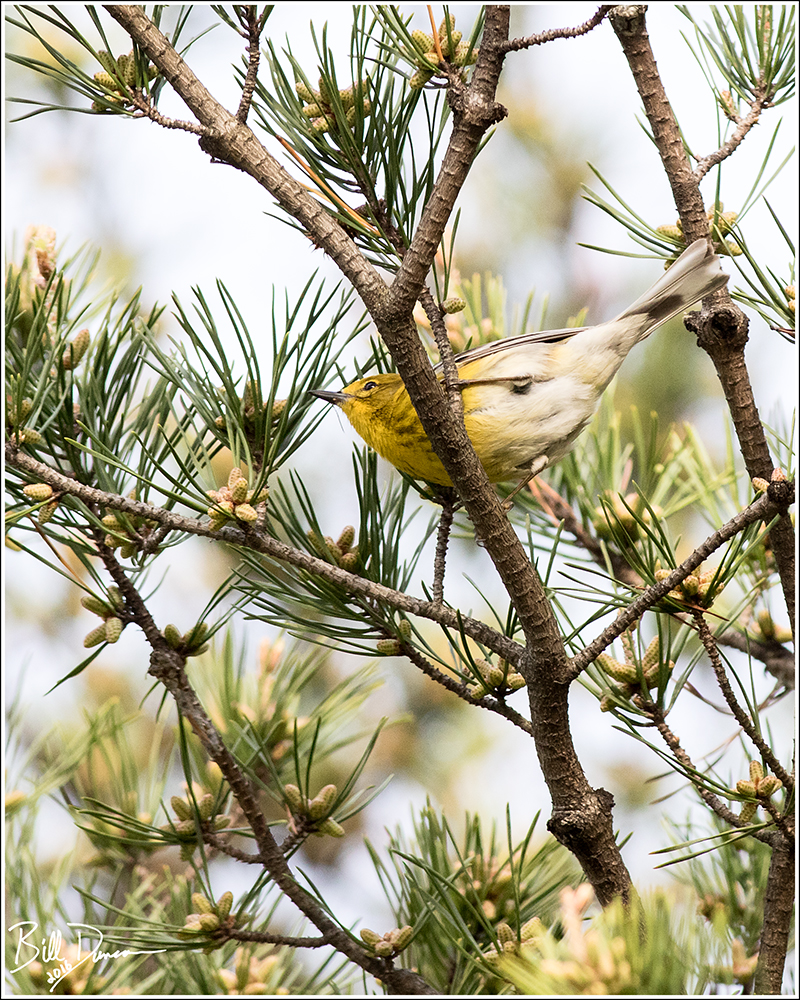
A morning with a singing Pine Warbler is as good as it gets…
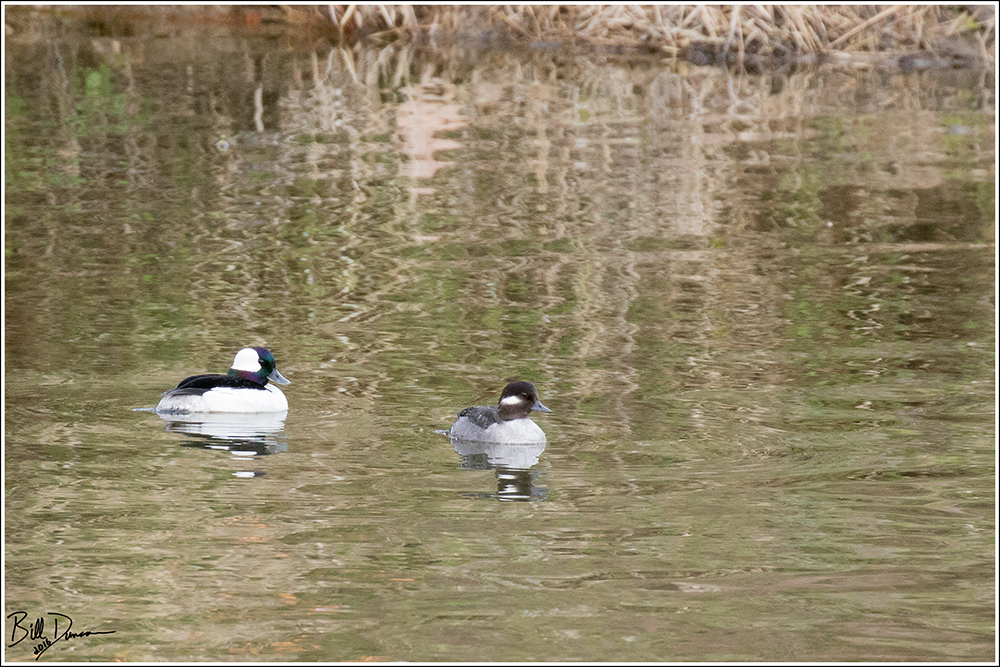
I have been surprised a number of times this spring by the waterfowl I have come across in the park’s lake. Unfortunately, the skittish birds often flush as soon as they see people. This pair of Bufflehead stayed for the entire time I visited the park and allowed me to get close enough to photograph. I have found Wood Ducks, Hooded Merganser and Scaup this spring as well.
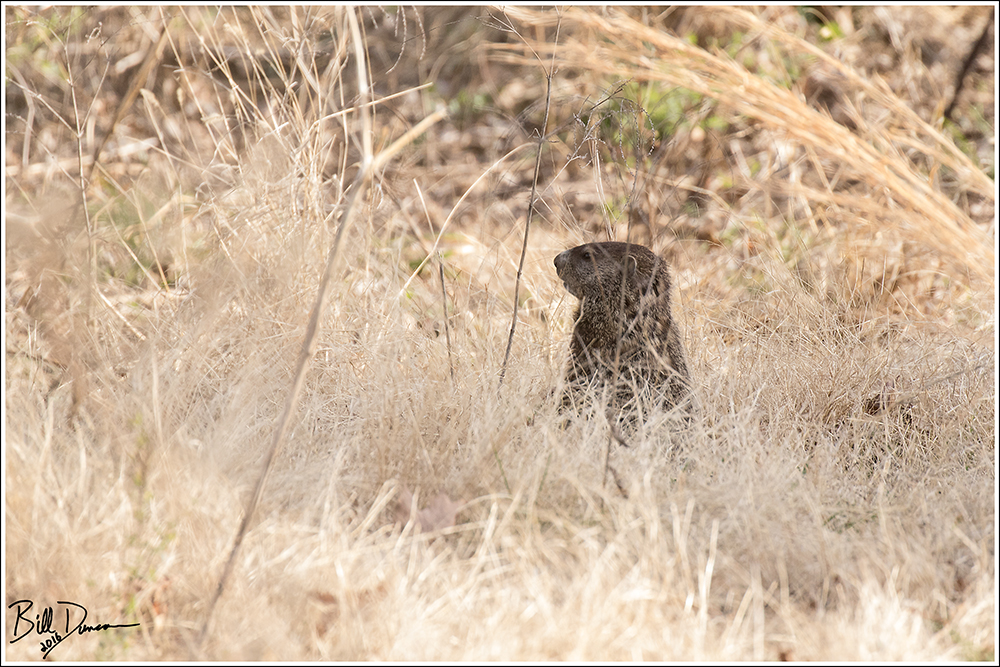
Finally, although it looks as there will not be young Groundhog in the park this year, I still see the adults from time to time.
Thanks for the visit
-OZB
handsomeozarkbillyboy@gmail.com
I have previously discussed and shared a number of our photos from previous trips to Quivira NWR. Steve and I recently returned from a short trip to central Kansas and I wanted to share a quick photo. Last year we had sure looks and photos of Hudsonian Godwits. This year one of the highlights of the trip was finding a group of 23 Marbled Godwits.

We were a bit earlier this year than last and this combined with a longer, cooler spring, bird species diversity and overall numbers were a tad lower. Constant abusing winds made the cool temperatures nearly unbearable to sustain for long, especially with two dudes who dressed for spring. But, we just worked a little harder and made the best use of good light, higher temps and calmer winds when we could find them. Another unforgettable trip.

