On Generic Battery Replacements and Local Camera Stores


I have used the combination of Canon 7D/7D mkii and the 5D mkii camera bodies for about 5 years, give or take.  This pairing has worked well for me as a wildlife/landscape package that provides acceptable image quality along with several other benefits, including the interchangeable use of battery packs.  Until recently I have always used the Canon brand batteries, which have performed very well.  With shooting almost every weekend and sometimes daily, some of my original batteries are beginning to show their age.  I have retired one battery pack and several more are nearing their last days.

Upon receiving a gift card from a loved one, I headed into Creve Coeur Camera with the idea of picking up a few batteries to gradually replace the old ones as they eventually fail.  The associate tells me they rarely carry the primary brands, preferring instead to carry the cheaper and equivalent third party options, like this…

Crap Generic LP-E6
Crap Generic LP-E6

The associate explained that she had been using this battery for years, she strongly felt that they were equivalent in every way and they have had no complaints about them.  Now I had done some research in the past about generic accessories, including these batteries and always turned up mixed reviews.  Some would say they were equivalent, while some would give very negative reviews.  Unless you know something about the shooting habits of the particular reviewer it is hard to know whether they are occasional shooters, pulling out the camera around birthdays and other special occasions, or if they really put the accessories they are reviewing to a real test.

Because this is what they had in stock, because these generics were roughly 40% less the cost of the Canon brand in this particular store, and because of the glowing review by the store associates, I decided to go ahead and pick up three of these.  This was a while ago and I did not fully test these right away.  Instead, I was trying to focus on using up the older Canon brand batteries that were still functioning fine, but slowly loosing their performance.  Lately I have been using these new generics more often, primarily in the 7D mkii under bird and wildlife situations, and have been able to put them to the test.

They are not equivalent.  Starting with a fully charged battery (100%), I estimate I am getting on average about 1/2 the shutter trips that a Canon brand LP-E6 gives me.  This has proven to be the case for all three of them.  But, it’s worse than simply poorer performance.  The other day I was at a local marshy area and checked my battery status before leaving the car.  It read somewhere near 40% remaining.  In my experience with Canon-brand batteries, I knew this should be plenty as I would only be out shhoting for about an hour.  I decided it was not necessary to carry a replacement with me into the field, which proved to be a disastrous mistake.  I watched a pair of Mississippi Kites grow to four and then to six birds, all in the air at once, soaring and diving as they caught dragonflies and other insects on the wing.  I just began shooting when the battery started failing.  It went completely dead and the camera’s LCD screen gave me the empty battery signal.  I was dumbstruck.  How can a battery that was reading ~40% 30 minutes ago be completely dead with so few shutter releases?  How could this happen at such an inappropriate time?

I removed the battery from the compartment.  It did not feel overly warm, the connectors were clean and showed no oxidation.  I slapped it back into the compartment and closed the door.  Turning the camera back on, I was pleasantly surprised to see the display functioning as normal.  I found the nearest Kite in the viewfinder, obtained focus and pressed the shutter release.  Three or four times I heard the mirror clack and then nothing.  The display inside the viewfinder went black.  Dead battery.  I repeated the process described above.  Sometimes it worked, sometimes it would take up to five minutes.  When I was able to get the camera to function I checked the battery status in the menu.  It was still reading between 20 and 30%.  This is not what was supposed to be happening.  I have gotten prime performance with a Canon brand battery with less than 5% remaining.

This was rather long-winded sob story about why I will never again purchase a third-party battery replacement.  But, I also want to discuss my thoughts on the current status of local camera shops and why I will be very careful and weary about what, if any, business I give these places in the future.

I have fond memories of long ago browsing through a number of camera stores looking at equipment I doubt I could ever afford, talking with the friendly store associates about all sorts of things and getting great advice.  Most of these stores are gone and only two that I am aware of remain in the StL area.  Professional and serious photo enthusiasts have mostly moved to online sources in purchasing their equipment as well as print processing services.  It seems that theses stores’primary customers are local beginners with extra spending cash.

The way I see their pricing is that they are pretty competitive with online sources for cameras and lenses.  You do have to pay sales tax, while most online vendors currently do not charge a sales tax..  This can be quite an extra cost, depending on what you are purchasing, but there is the benefit of having someone to talk to if you have a problem or need to make a return.  I’m not sure if this is worth the extra cost, but I can see that side of things.

Where these stores seem to make the extra they need to run their brick and mortars is from the sale of accessories and printing services.  I used CCC for a printing job once or twice years ago and vowed to never do so again based on the quality of what I received.  Accessories is where the markup they charge runs to ridiculous levels.  I would never recommend anyone in the market for an extra memory card or camera bag to purchase from one of these stores.  Recently I picked up the Canon-brand battery replacements from Amazon for a cheaper price than what CCC charged me for the generics!  Memory cards and filters are likewise marked up to levels bordering ridiculous.

Speaking of filters, here is an area where these stores really pull in the cash.  I have sent a number of friends to these stores to purchase new camera kits.  Likewise, I have purchased a few lenses from these stores.  Every time the store associate has forcefully recommend purchasing a “UV filter” – a + $100 hunk of glass to screw on the front of your lens.  I have contemplated using these things for a number of years, but have never done so.  In my opinion, there is no real evidence they help protect the front element of a lens, assuming one is careful.  There is good evidence that they can reduce image quality in certain situations.

This is has been my two pennies on using generic battery replacements for dSLRs and my current perspective on St. Louis camera stores.  If you have read this far and care to share a different perspective, please consider doing so by leaving a comment.

-OZB
Bird Species of Conservation Concern – Rusty Blackbird Revisited

Rusty Blackbirds
Rusty Blackbirds

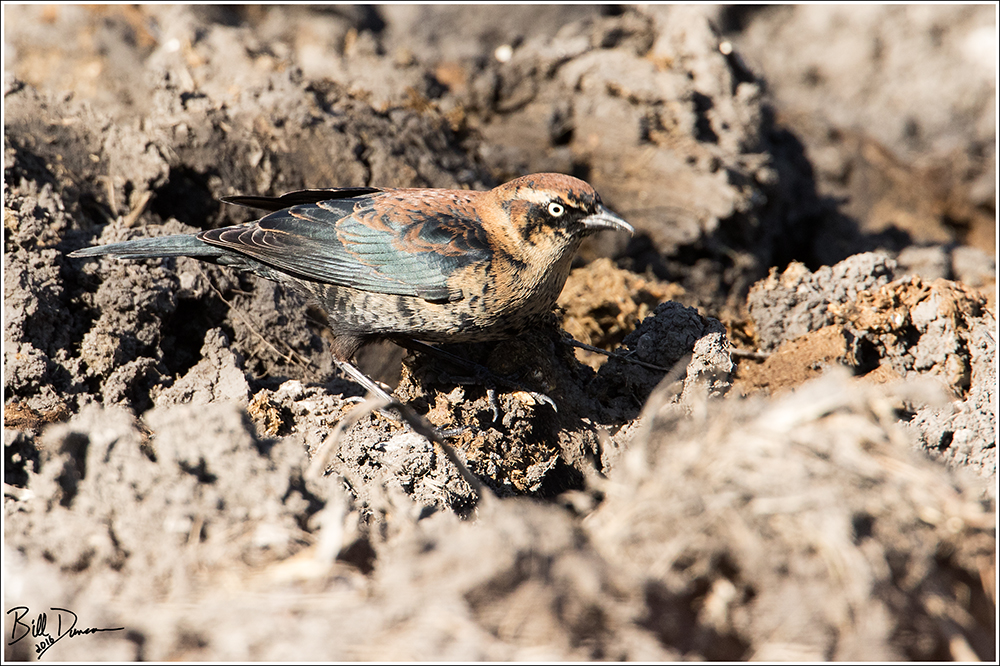
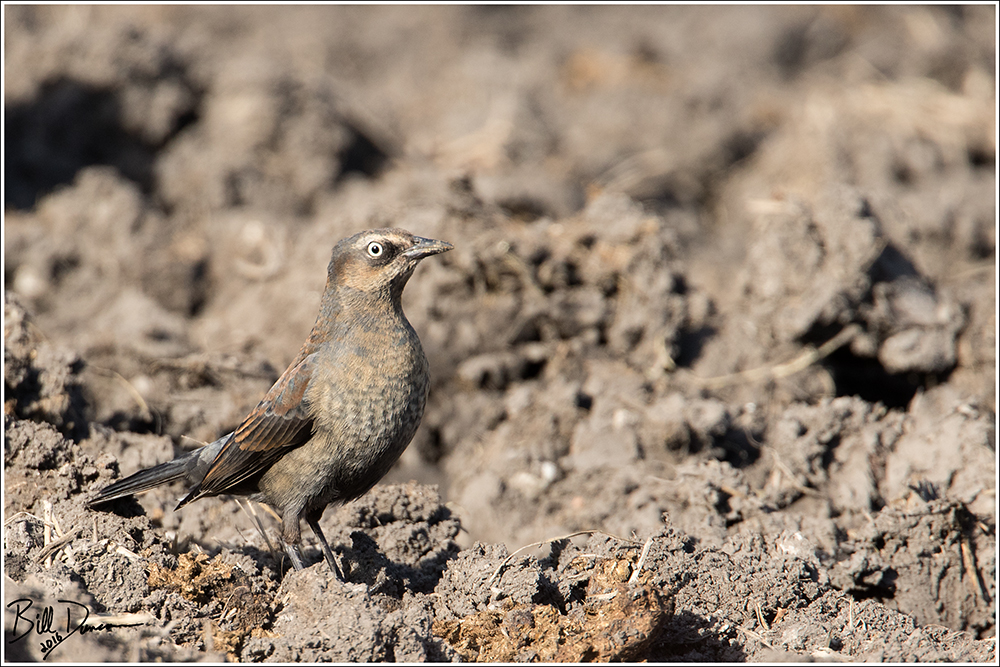
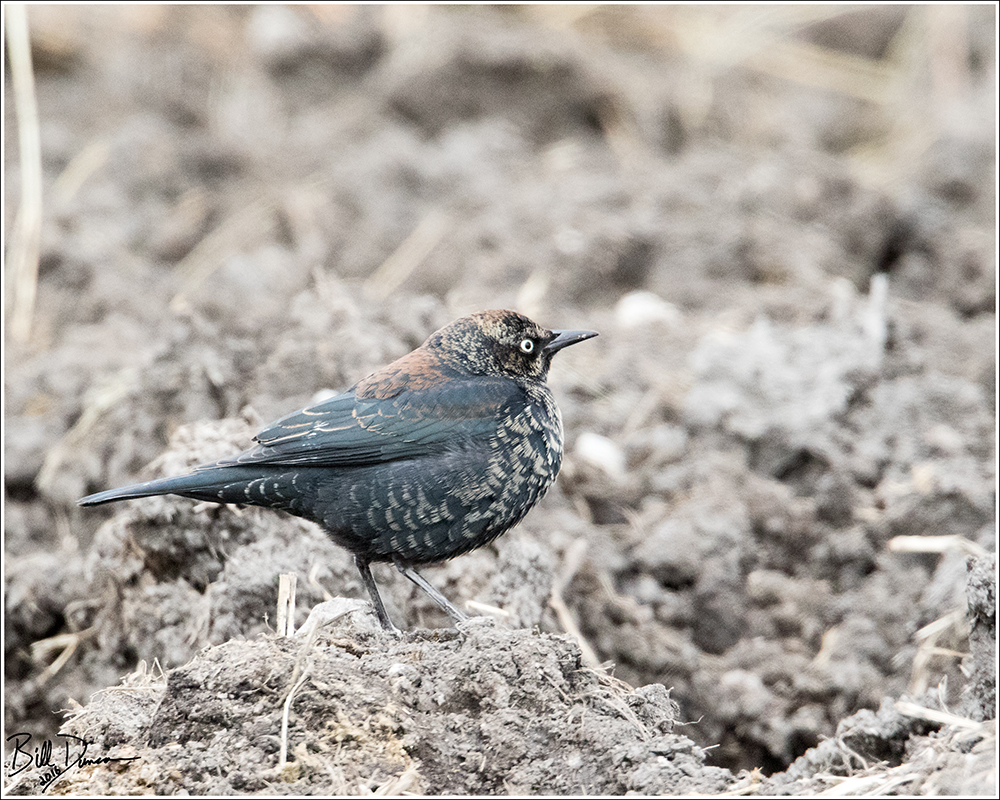
The northernmost breeding blackbird of North America, the Rusty Blackbird unfortunately has the distinction of being in one of the steepest population declines of all N.A. bird species.

Rusty Blackbird - Female
Rusty Blackbird – Female

Rusty Blackbirds nest throughout the boreal forests of Canada and Alaska, but winters throughout the eastern United States in areas including wet forests near permanent bodies of water.  They will also utilize agricultural environments.  Among the protected areas considered important for overwintering habitat is Mingo NWR, located in south-eastern MO.

Rusty Blackbird - Male
Rusty Blackbird – Male

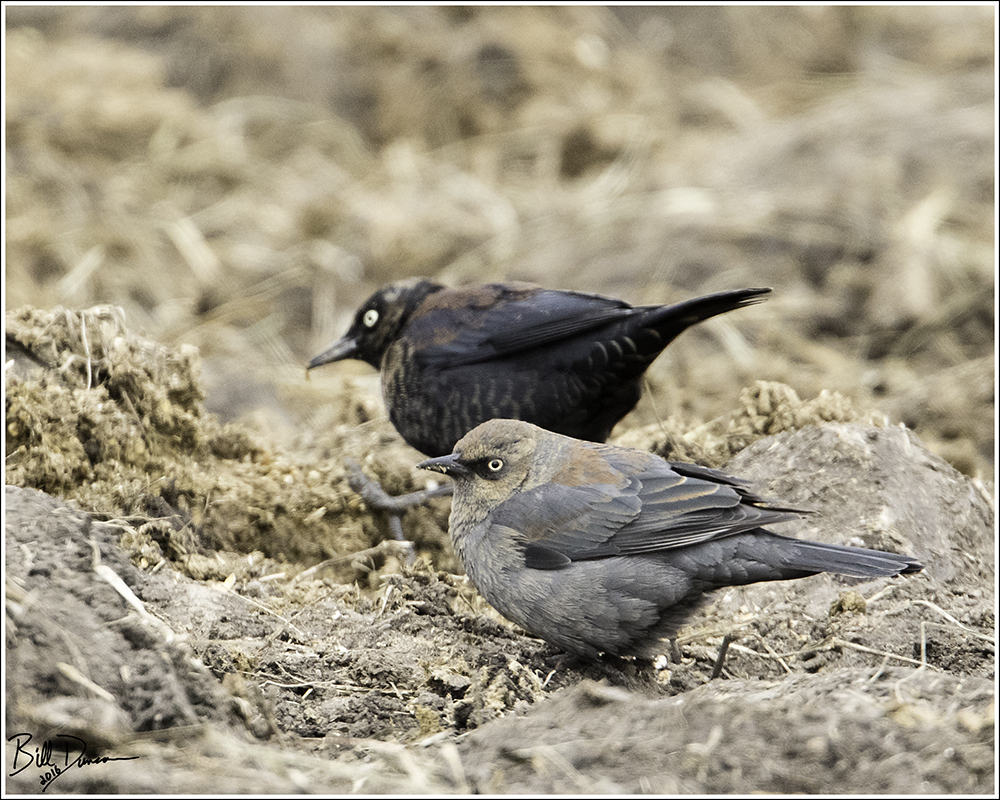
Rusties exhibit an interesting variability in plumage throughout winter and spring, as can be observed in the different birds photographed in this post.  Males are dressed with varying amounts of the rusty warm color that gives this species its name.  This coloration is located on the tips of newly emerged feathers during the molt.  As these fine feather tips wear and break off, the males will become primarily black and luminescent in summer breeding plumage.  Female Rusties are even more interestingly plumaged, with tans, browns and blues.

Rusty Blackbird - Female
Rusty Blackbird – Female


Different survey methods, such as the Breeding Bird Survey and Christmas Bird Count all suggest that the Rusty Blackbird population has declined by more than 90% over the past three decades.  Reasons for this decline are not well understood, but are likely to include the acidification of wetlands, loss of wetland habitat in general, loss of forested wetland habitat on wintering grounds and poisoning of mixed-species wintering blackbird flocks in south-eastern United States, where they are considered as agricultural pests.

Rusty Blackbird - Male
Rusty Blackbird – Male

In his book Birder’s Conservation Handbook – 100 North American Birds at Risk, where much of the information in this post was collected, Jeffry Wells suggests the following actions to address the population decline of the Rusty Blackbird:

  • Limit global warming pollution and acid deposition via air pollution.
  • Implement protections and management plans across the boreal forest of North America.
  • Stop deforestation of wintering habitat and implement habitat restoration.

-OZB
A Few From Wild Acres Park


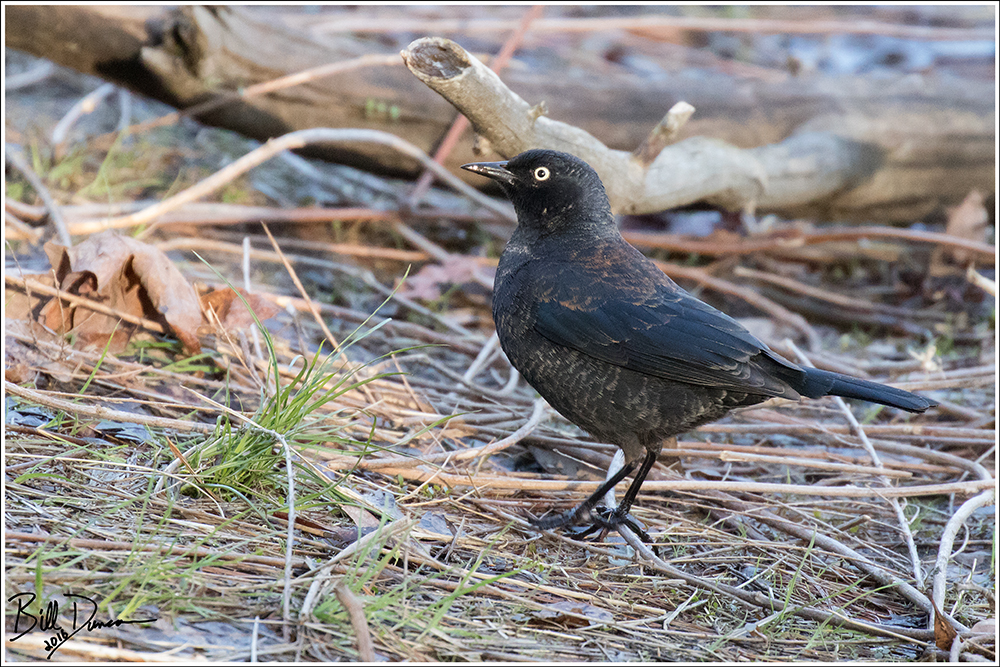
Rusty Blackbird
Rusty Blackbird

Today I will share a few photos taken this spring at Wild Acres Park in Overland, MO.

Rusty Blackbird
Rusty Blackbird

Fascinating, Rusty Blackbirds are always a treat to find.  I am planning on publishing a post focused on Rusties soon.

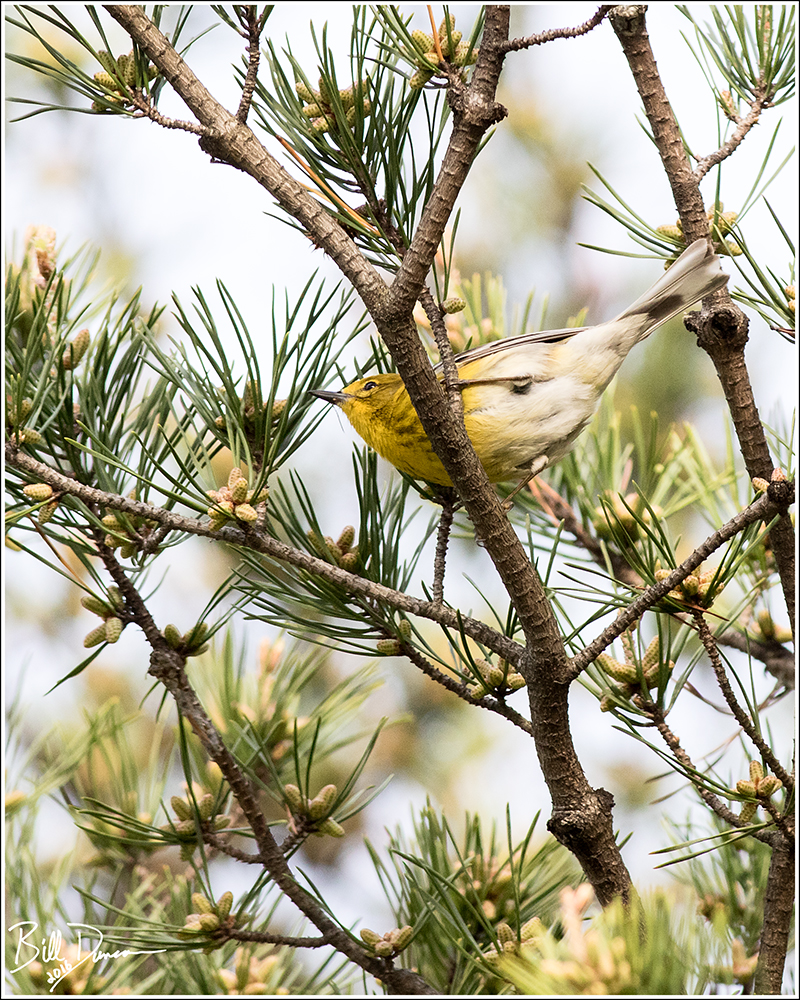
Pine Warbler
Pine Warbler

A morning with a singing Pine Warbler is as good as it gets…

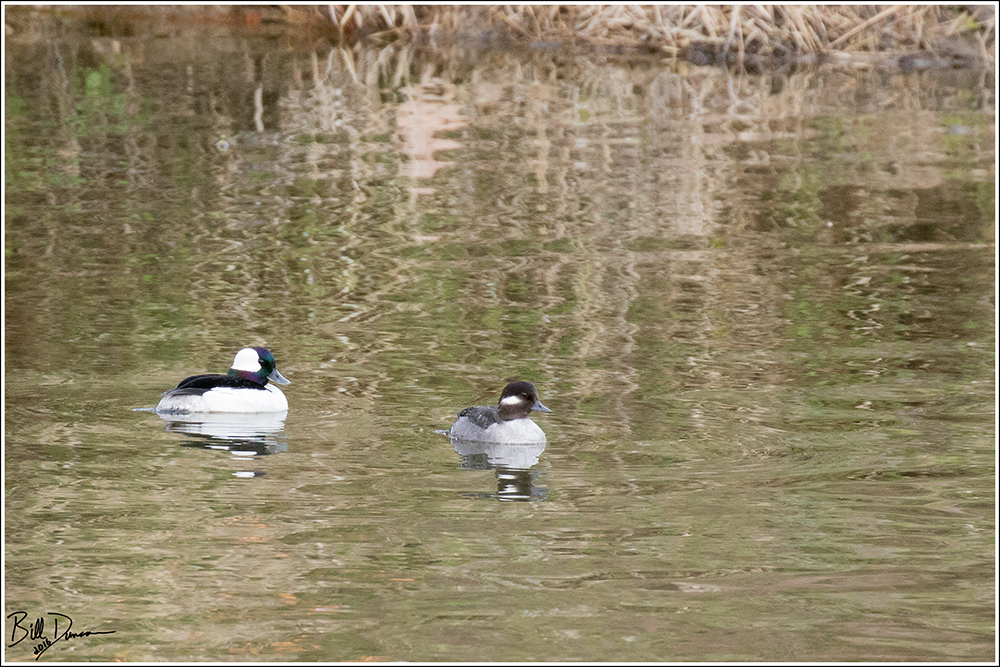
Bufflehead
Bufflehead

I have been surprised a number of times this spring by the waterfowl I have come across in the park’s lake.  Unfortunately, the skittish birds often flush as soon as they see people.  This pair of Bufflehead stayed for the entire time I visited the park and allowed me to get close enough to photograph.  I have found Wood Ducks, Hooded Merganser and Scaup this spring as well.

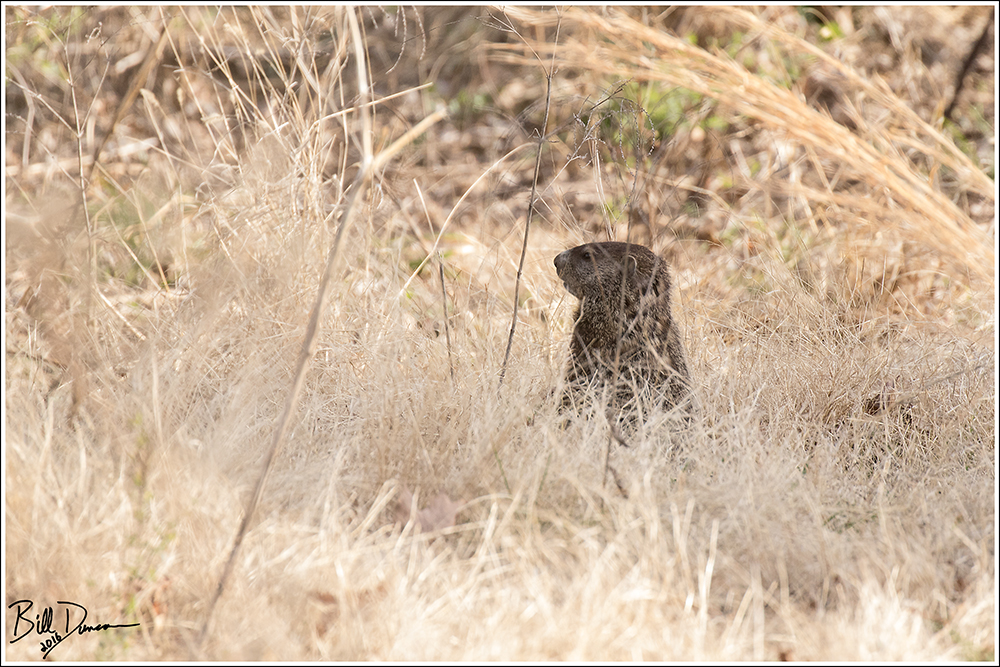
Finally, although it looks as there will not be young Groundhog in the park this year, I still see the adults from time to time.

Groundhog
Groundhog

Thanks for the visit
-OZB
handsomeozarkbillyboy@gmail.com


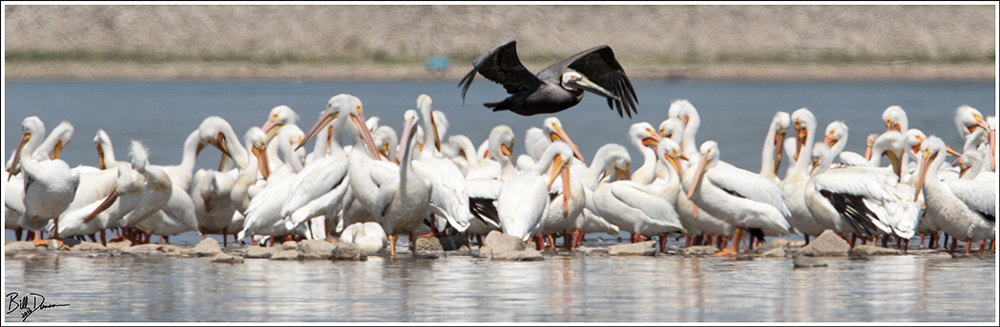
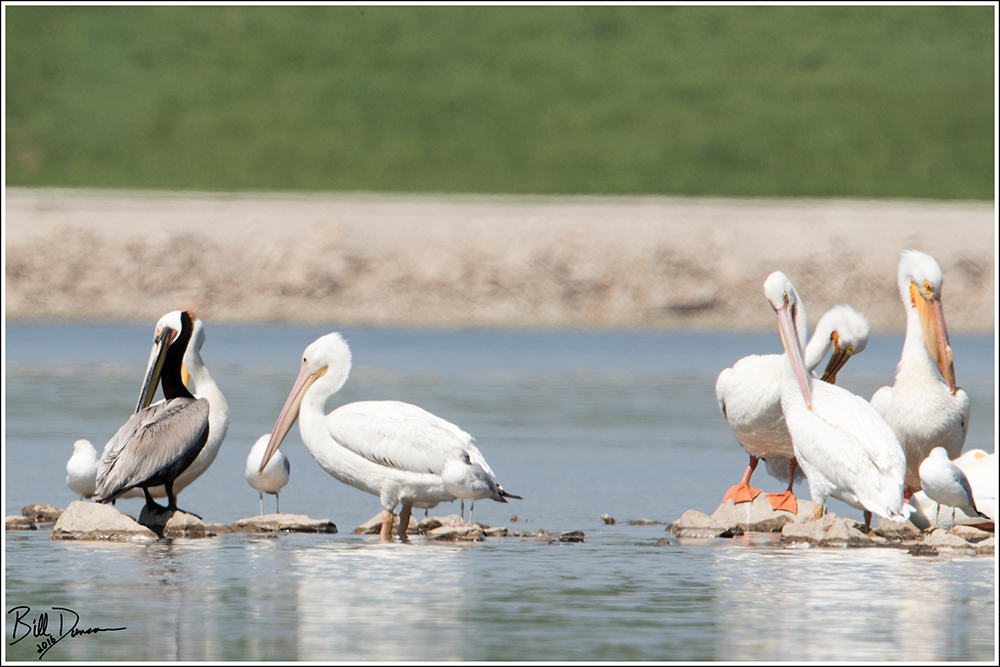
Coastal Wanderer – The Brown Pelican Visits the Show-Me State

Brown Pelican - 6A1A7149
One of these is not like the other…

Typically found in warmer coastal waters of the Americas, St. Louis birders were in for a treat by the visit of this Brown Pelican that arrived about a month ago.

Brown Pelican - Preening
Brown Pelican – Preening

The bird has been seen consistently and may stick around at RMBS for the rest of the summer.

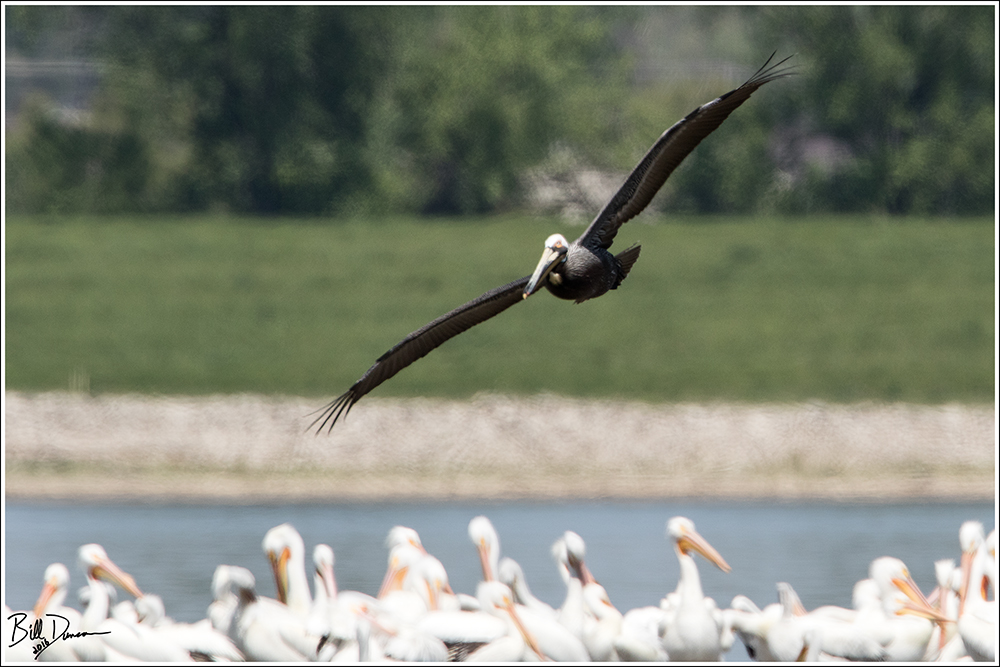
Brown Pelican
Brown Pelican

Unfortunately, these photos were strongly affected by heat wave distortion that was prominant on this clear day.

The Brown Bomber
The Brown Bomber

Thanks for stopping by.
-OZB
 

Winter has Finally Come!

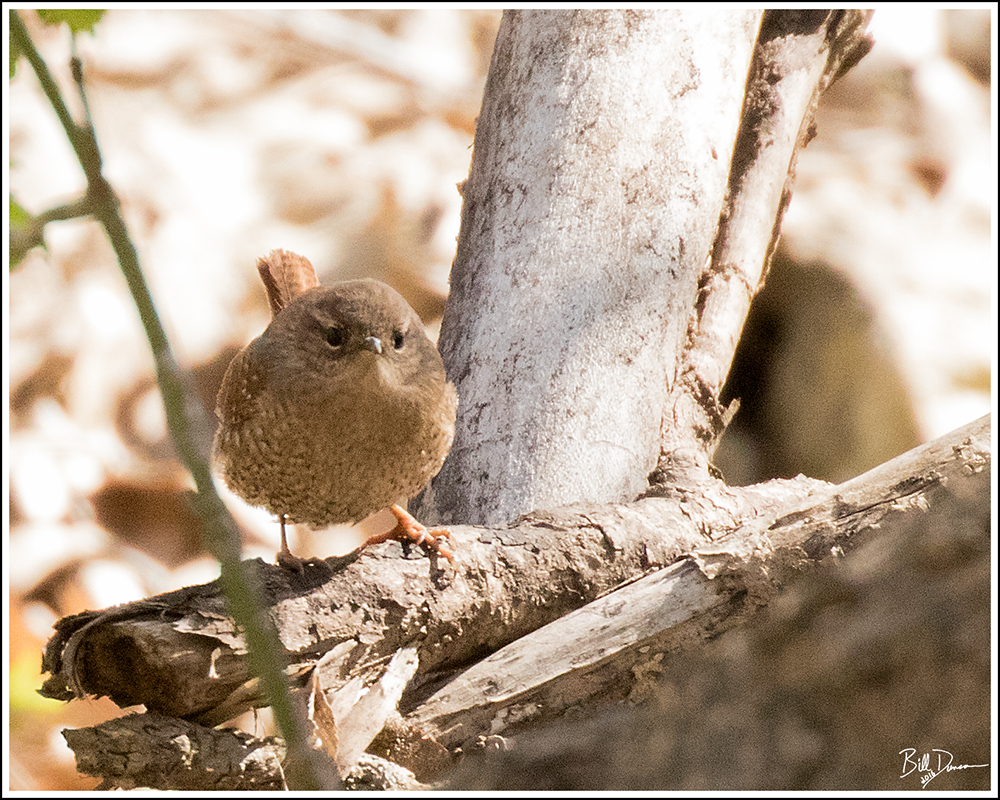
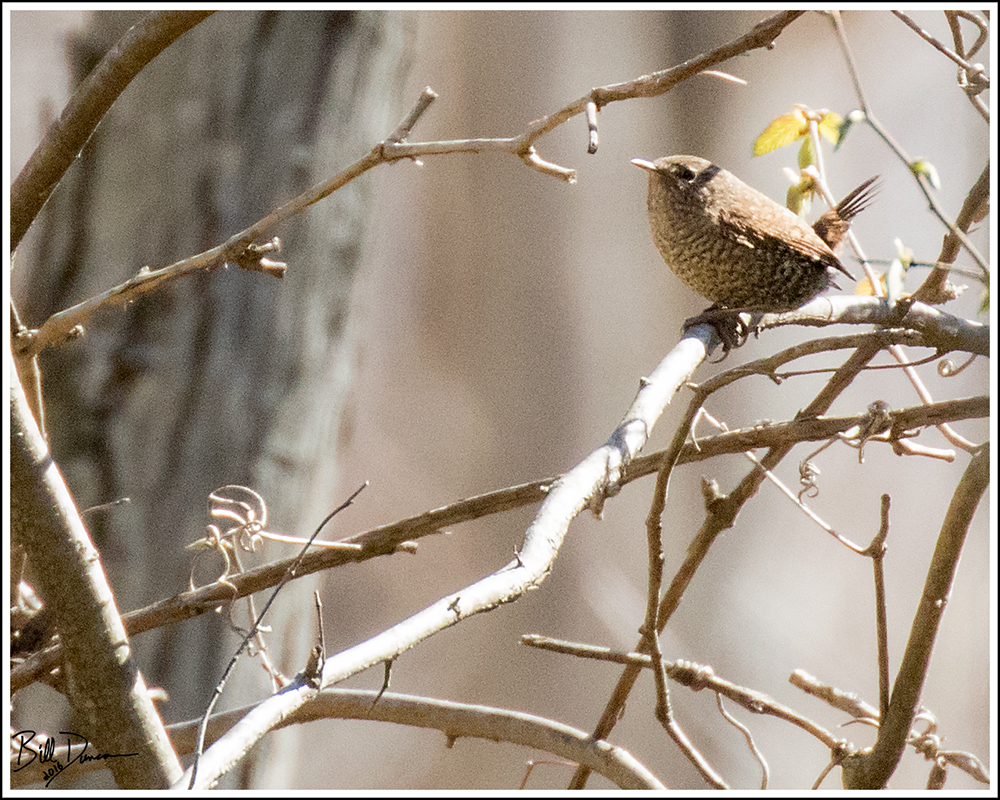
No, I’m not referring to that no account, poor excuse of a season we witnessed a few months back.  What I was finally able to do was capture a few pics of a Winter Wren.  I have never been able to get more than a fleeting glance at this skulking bird as it somehow is able to hide by rarely moving more than a few feet off the ground.  This spring, however, I was in the right place (Shaw Nature Reserve) and was lucky to find a few of these birds and follow them long enough to get a few poor quality images.

Winter Wren
Winter Wren

With more than 35 recognized subspecies, the Winter Wren has an enormous range and is the only member of the wren family to be found outside of the Americas.

Winter Wren
Winter Wren

According to NatGeo, “Per unit weight the Winter Wren delivers its song with 10 times more power than a crowing rooster”.  I was able to hear the quite complex and rapid musical songs as I watched one or two of these birds foraging.  I could tell they were merely partial songs and not delivered with full attention and voice as is often the case of migrating birds, but I was still awed by the sounds.

Winter Wren Tail
Winter Wren Tail

The photo above focuses on the quite short tail of the Winter Wren, a distinguishing and obvious field mark.

Although the next photo is quite poor, I like that it captured the typical squat, egg-like shape of the bird.

Winter Wren
Winter Wren

Finally, I thought I would add an image of a House Wren that I took on the same day, the first of this species that I found this spring.  Notice the much longer tail and the lack of any barring pattern on the flanks forward of the legs.  A generally paler bird.

House Wren
House Wren


-OZB
Return to the Kingdom of Quivira

I have previously discussed and shared a number of our photos from previous trips to Quivira NWR.  Steve and I recently returned from a short trip to central Kansas and I wanted to share a quick photo.  Last year we had sure looks and photos of Hudsonian Godwits.  This year one of the highlights of the trip was finding a group of 23 Marbled Godwits.

Marbled Godwit
Marbled Godwit

We were a bit earlier this year than last and this combined with a longer, cooler spring, bird species diversity and overall numbers were a tad lower.  Constant abusing winds made the cool temperatures nearly unbearable to sustain for long, especially with two dudes who dressed for spring.  But, we just worked a little harder and made the best use of good light, higher temps and calmer winds when we could find them.  Another unforgettable trip.

Sischuan Takin

Takin in the Sights
Takin in the Sights

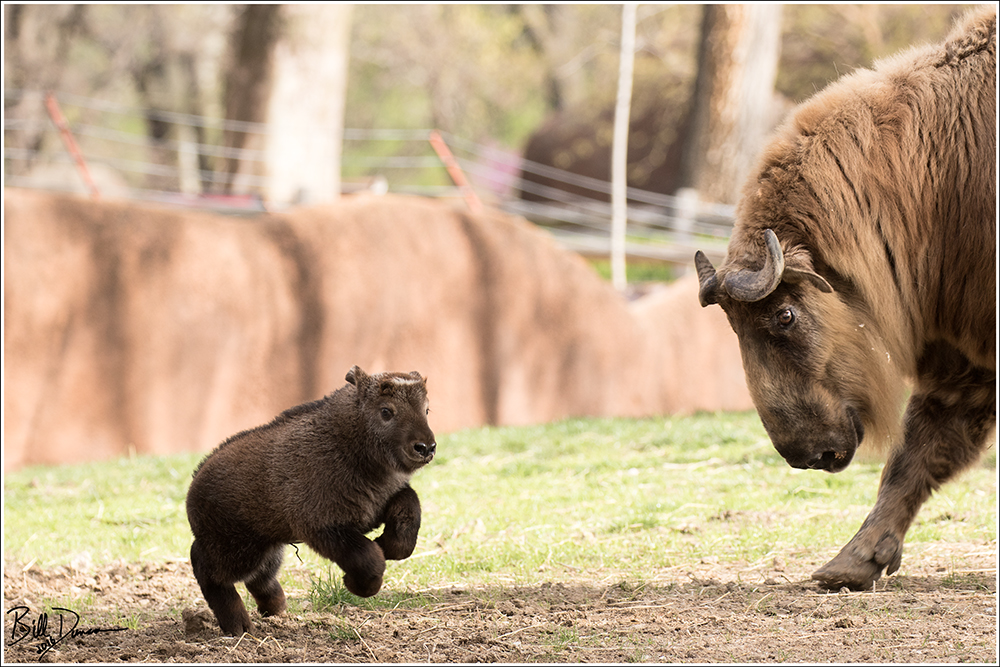
If I were to pick my spirit animal, the Takin would definitely be one of my top contenders.  An impressive animal, the Takin is a perfect mix of brawn and agility.  Phlegmatic, confident and humble (they seem to me), these goats live with the Giant Pandas in the mountainous bamboo forests of China.

Sarah and I took a day off to visit the Zoo and imagine our pleasure at finding the newest Takin in StL.  This little one was about a week old when we made our visit.

Takin it Easy
Takin it Easy

A week old and ready for anything.

Takin Off!
Takin Off!

This guy would go from bluffing and horsing around with mom and the other cow in the enclosure to being timid and weary.

You Takin to me?
Takin to me?

Here she is getting a reassuring nudge from mom.

Takin a Break
Takin a Break

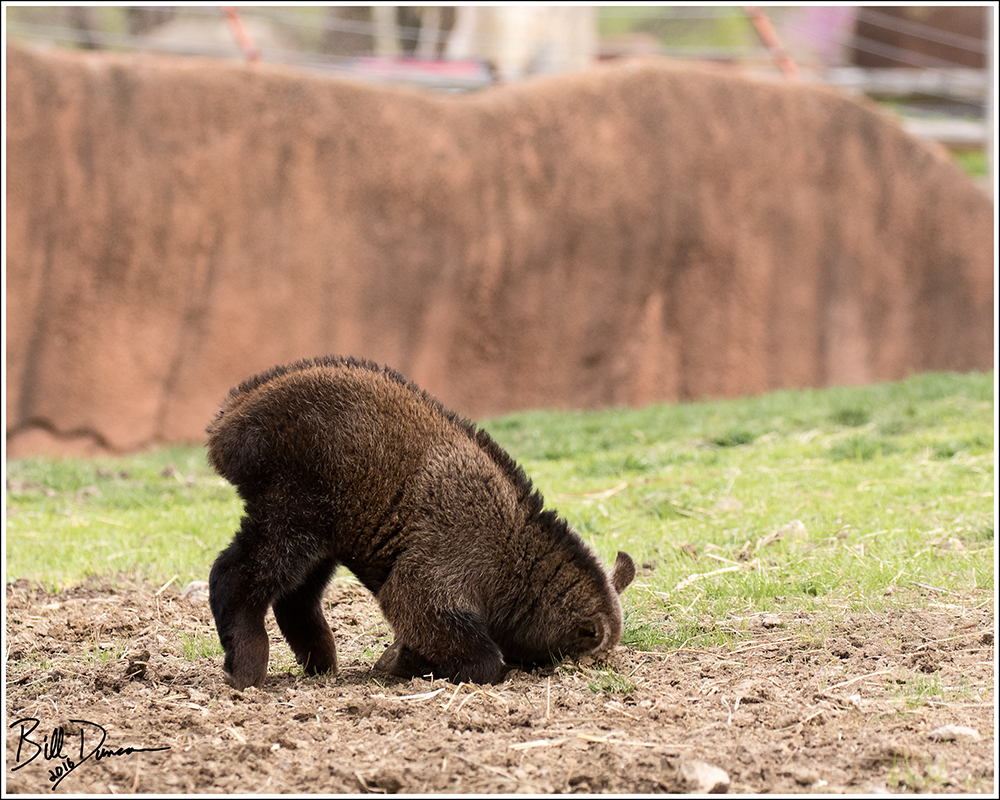
Here you see the little one watching one of the adults having a rub in the dirt.

Takin a Hint
Takin a Hint

And now it’s his turn…

Takin the Example
Takin a Cue

Till next time…

Takin a Load Off
Takin a Load Off

-OZB


Winter of the Short-eared

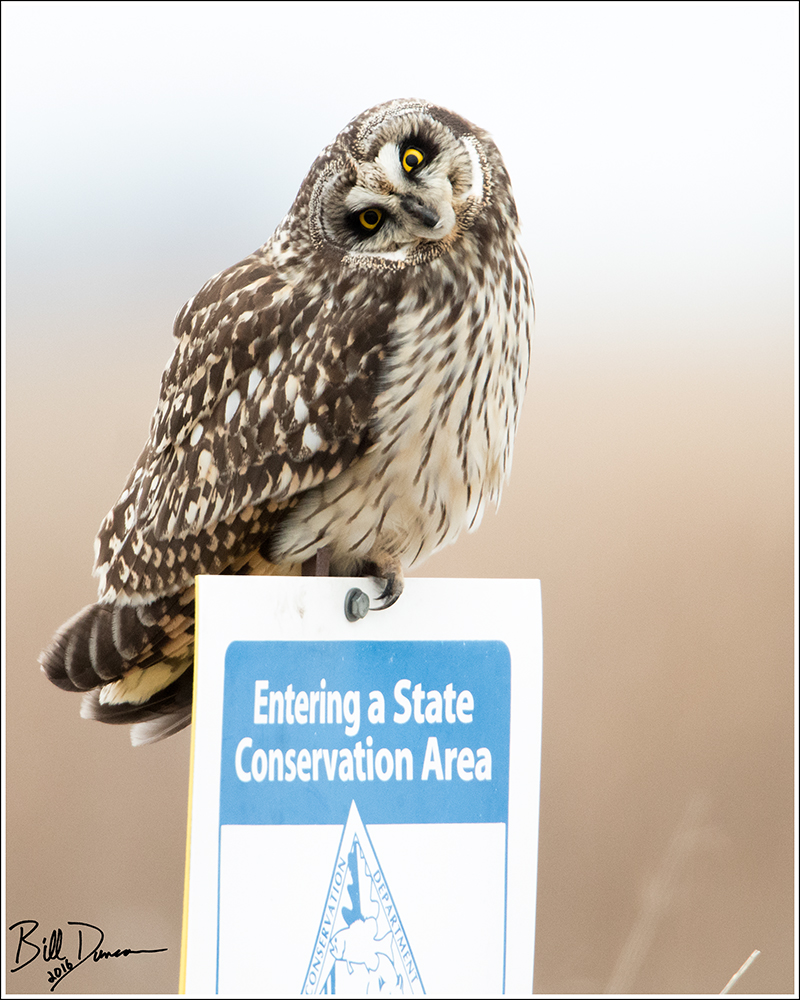
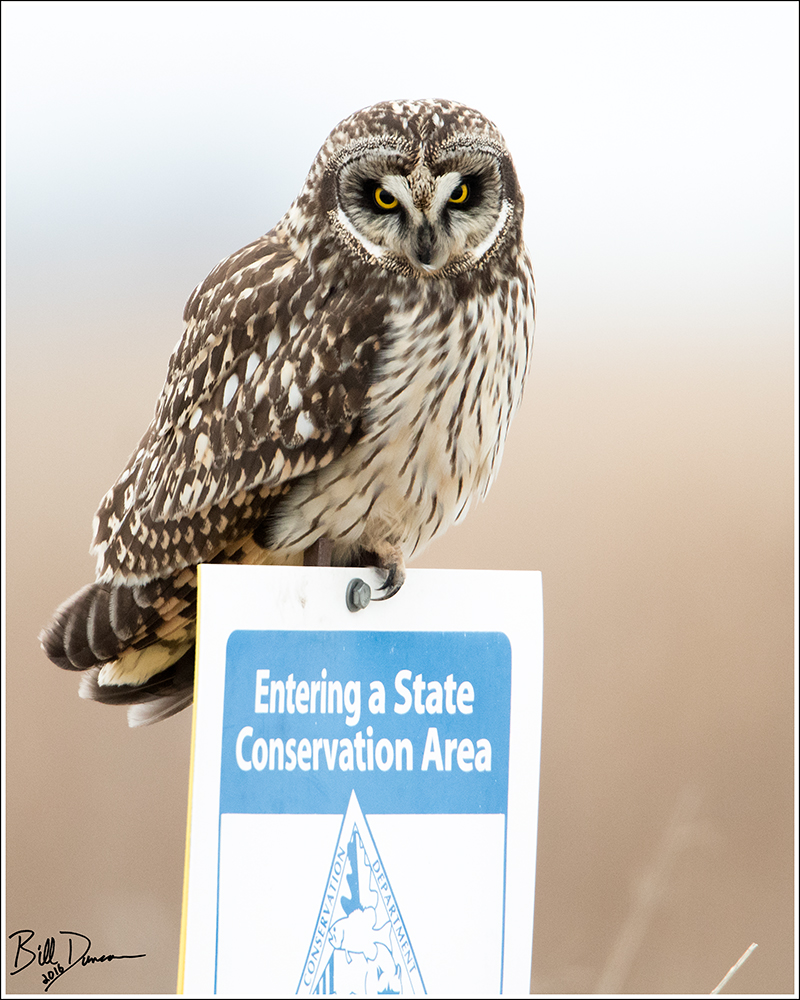
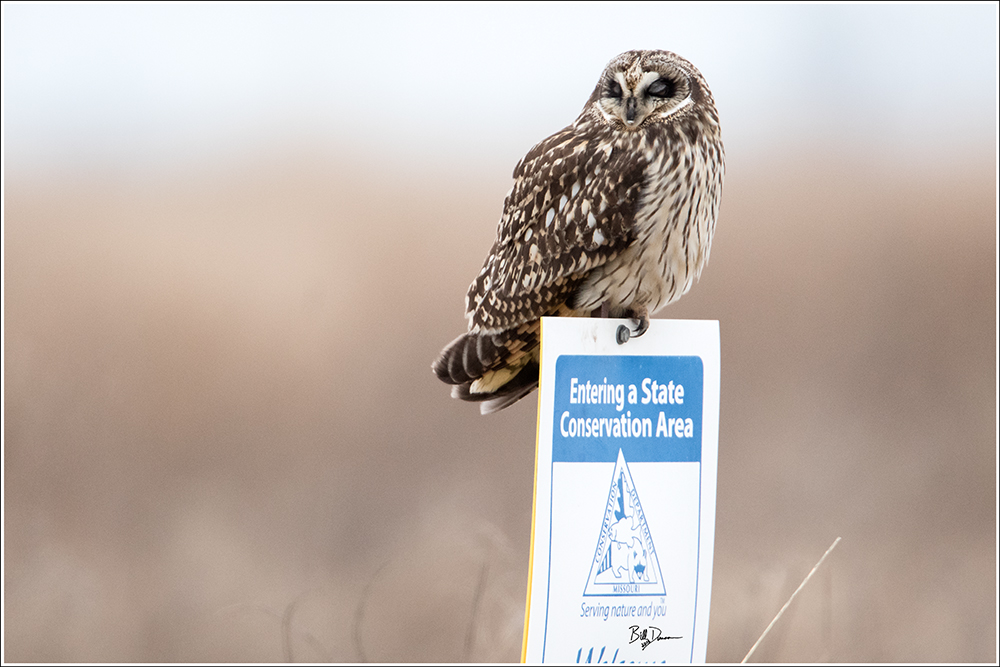
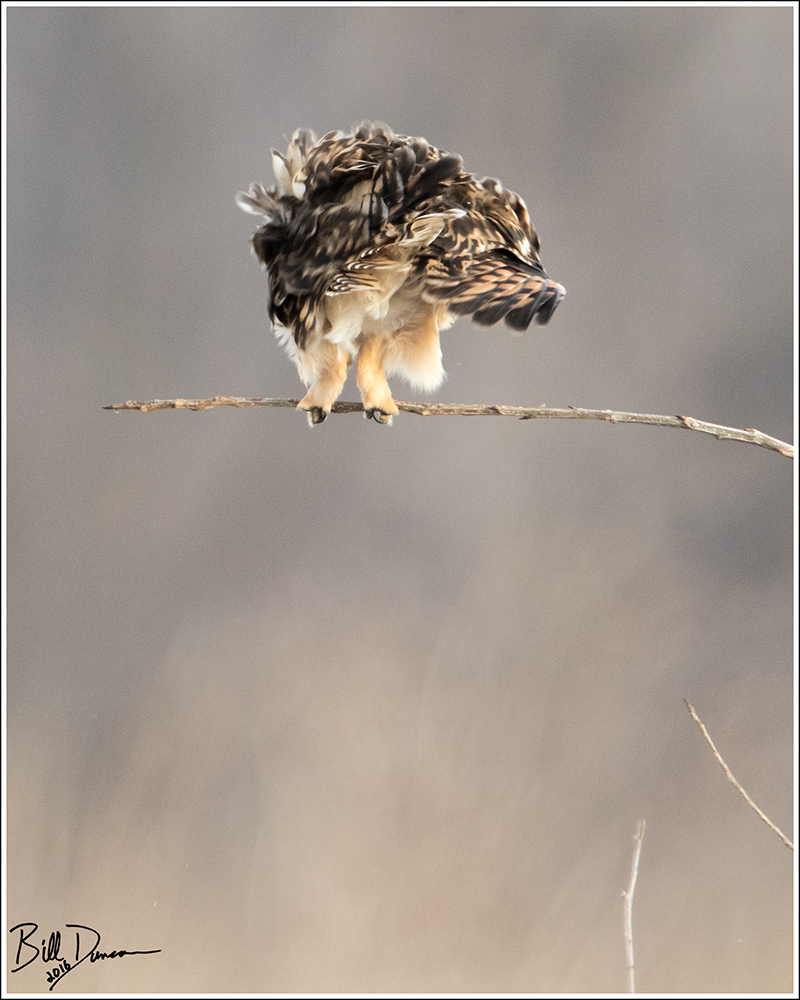
I have shared images and discussed the Short-eared Owl on a number of previous blog posts.  Never did I imagine the “storm” that the “winter” of 2015/2016 was to bring.  On many different trips to a few different places, I along with my partners Sarah and Steve, were fortunate to have great looks at great numbers of these fluffy fascinations in feathers.  I can’t say for certain if this winter in this region was abnormal for hosting a greater than average number of SEOW, or if my observational skills have just improved, but it certainly seemed easier than in past years to find and watch these birds.  I’ve just finished putting together a video with some video clips and highlight images that I wanted to share. Without further ado, here you are…

Oh, the challenges video brings to an inexperienced, unprepared and poorly equipped photographer.  Throw in the fact that these birds are utterly unpredictable and it’s hard to believe I was able to capture what I did.  So, I learn and take notes and hopefully improve next year.

Short-eared Owl
Short-eared Owl

Other than the simians, is there another species easier to anthropomorphize?  Here we have cute and inquisitive SEOW, followed mere seconds later by the evil, harbinger of doom SEOW of which early writers told.

Short-eared Owl
Short-eared Owl

And then we have the indifferent SEOW…

Short-eared Owl
Short-eared Owl

Okay, I’ll stop now before they take my biologist card away from me…
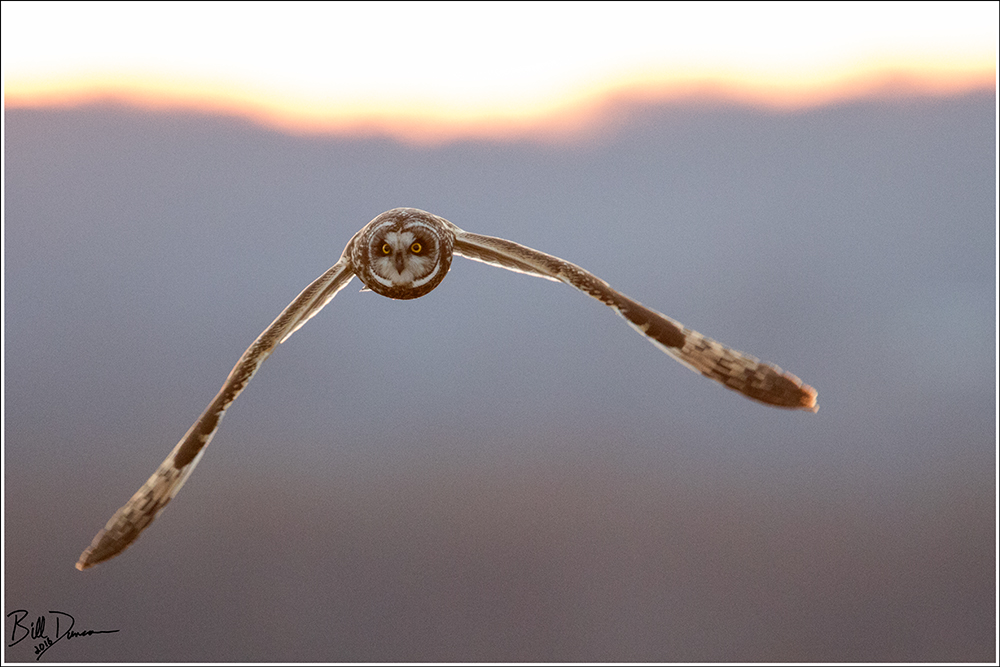
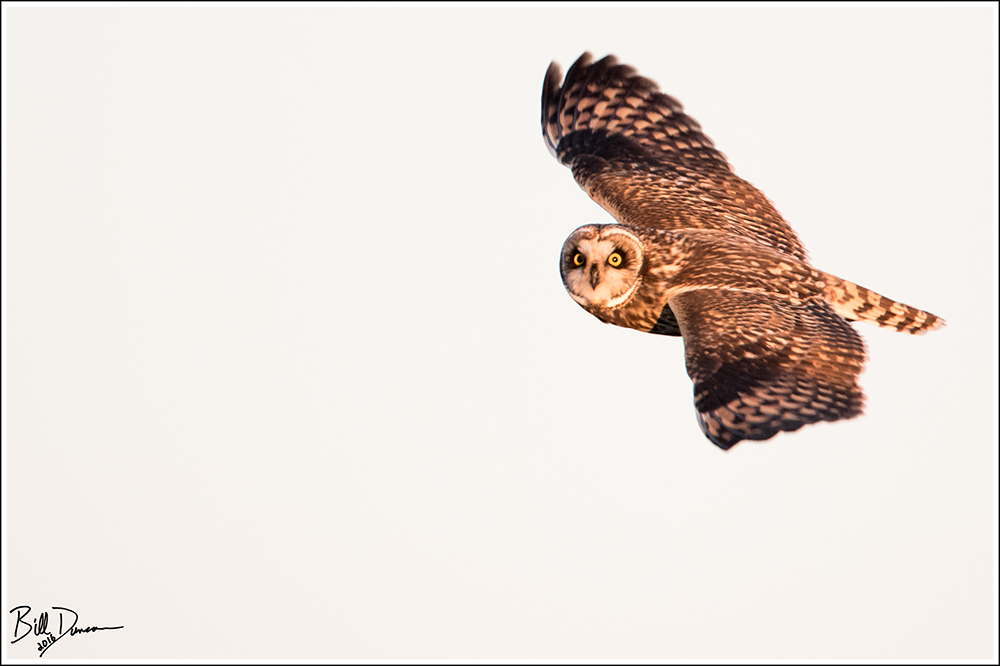
Although I got a few images, I struggled mightily and missed several great opportunities at capturing SEOW in flight this season.  The randomness of the encounters coupled with challenges with lighting and equipment make this a true challenge.  Funnily, one of my better in-flight photographs was taken with a setting sun at the bird’s back – not the best opportunity…

Short-eared Owl
Short-eared Owl

The image below was taken with the sun in a better position.  Notice the catch light, which suggests that the bird was up and in flight with the sun still in the sky.  Something else in this photo that I noticed before is the difference in dilatation of the lit pupil compared to the pupil of the shaded eye.

Short-eared Owl
Short-eared Owl

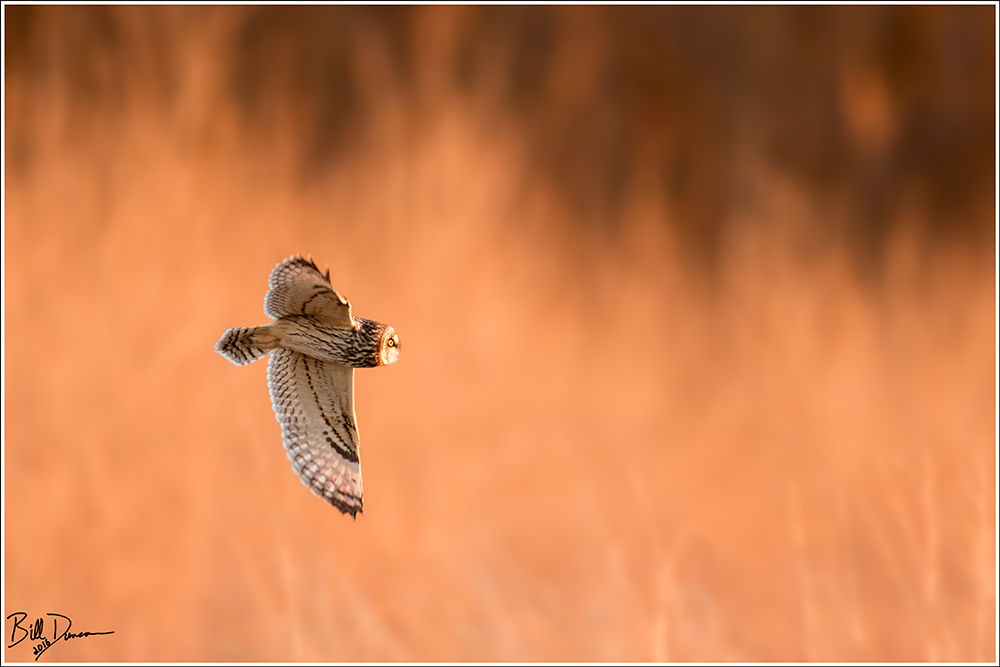
Below is a flight shot from a further distance.  I liked the warm light of the golden hour, painting the dead prairie vegetation in fire.

Short-eared Owl
Short-eared Owl

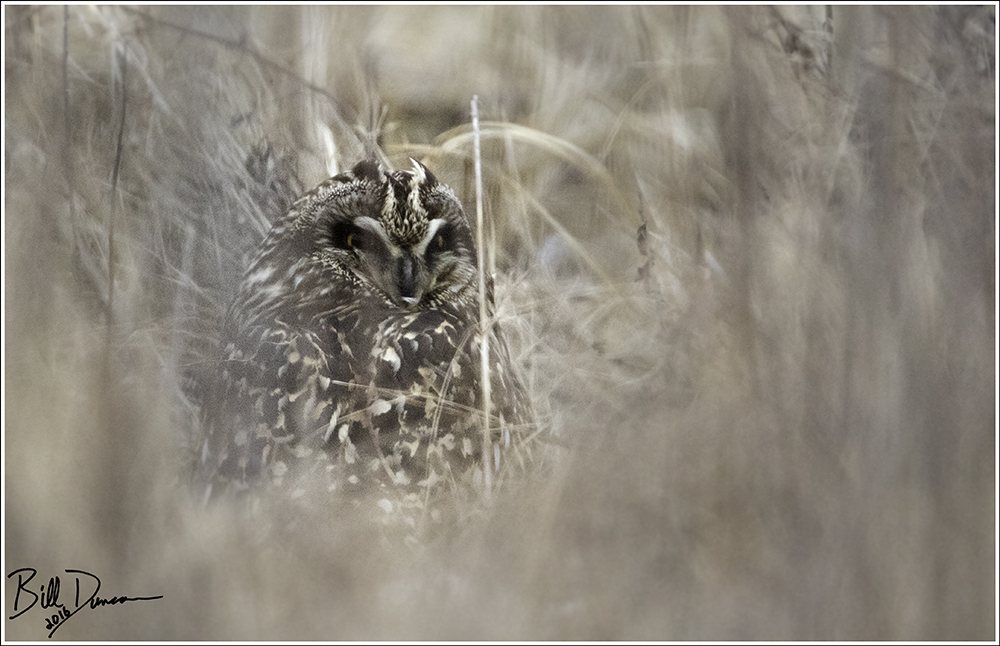
One night Steve and I were fortunate to have an owl perch close to our car well into dusk.  It then left its perch and landed nearby in the vegetation.  We could not tell if it was after a prey or decided to go back to bed, as it sat there for the short remainder of the day.

Short-eared Owl
Short-eared Owl

The final image I am sharing here is just to show off those feather-covered legs.  A great adaptation for the cold climates in which these birds are found.

Short-eared Owl
Short-eared Owl

-OZB
The Leafcutter Bee

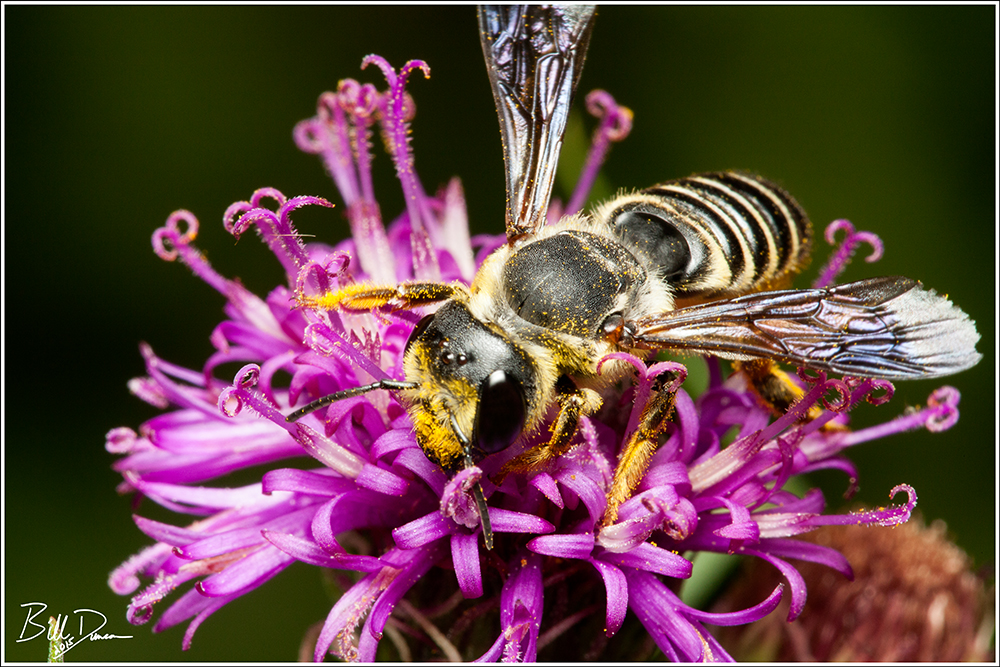
Leafcutter Bee - Megachile sp.
Leafcutter Bee – Megachile sp.

The Leafcutter Bees are an interesting group of native solitary bees found within the Megachilidae Family along with Mason Bees, Resin Bees and Carder Bees.  There are approximately 200 species of Leafcutter Bees (Megachile genus) found in North America and several of these species can be easily found in gardens throughout the eastern United States where they favor the plant families Asteraceae, Campanulaceae and Fabaceae.


Leafcutter Bee - Megachile sp.
Leafcutter Bee – Megachile sp.

Leafcutter Bees get their names from an obvious behavior.  These bees line their chosen nest cavities (stems, cracks, wood-boring beetle borings, holes of all kinds) with circular discs that they cut from green leaves or flower petals.  When a cavity has been sufficiently lined, the bee will deposit an egg along with a provision of nectar and pollen, afterward abandoning the nest.

Leafcutter Bee - Megachile sp.
Leafcutter Bee – Megachile sp.

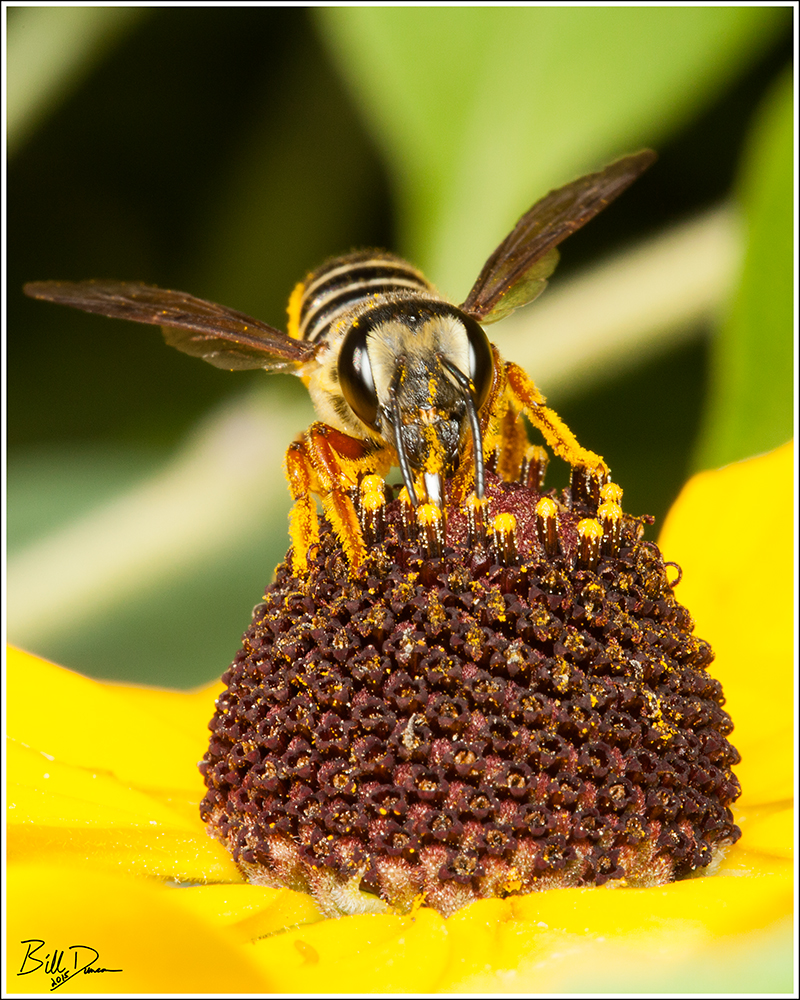
Bees in this family are abdominal pollen collectors, as can be seen in the photo above.  Unlike most bees that hold pollen in brushes on their legs, the Megachilidae hold their pollen on the underside of their abdomens that consist of course, unbranched hairs that curves towards the tail.

Leafcutter Bee - Megachile sp.
Leafcutter Bee – Megachile sp.

A diagnostic behavior of the Leafcutter Bee is their habit of extending their abdomen vertically while they forage.  I have not been able to find an accepted reason that they do this.

Leafcutter Bee - Megachile sp.
Leafcutter Bee – Megachile sp.

This is a group of native insects that anyone can help in their own backyard.  Consider making, purchasing and installing nesting structures for your native pollinating bees.  It’s quite easy to do and will help out a lot in suburban where natural sites for nests are often hard to find.