"What a thousand acres of Silphiums looked like when they tickled the bellies of the buffalo is a question never again to be answered, and perhaps not even asked." -Aldo Leopold
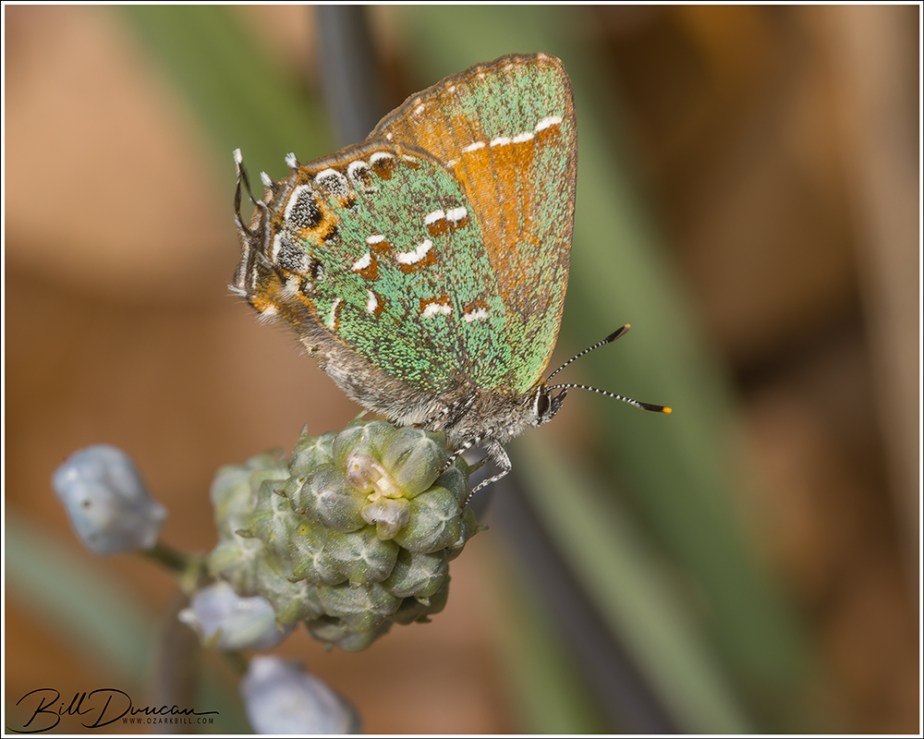
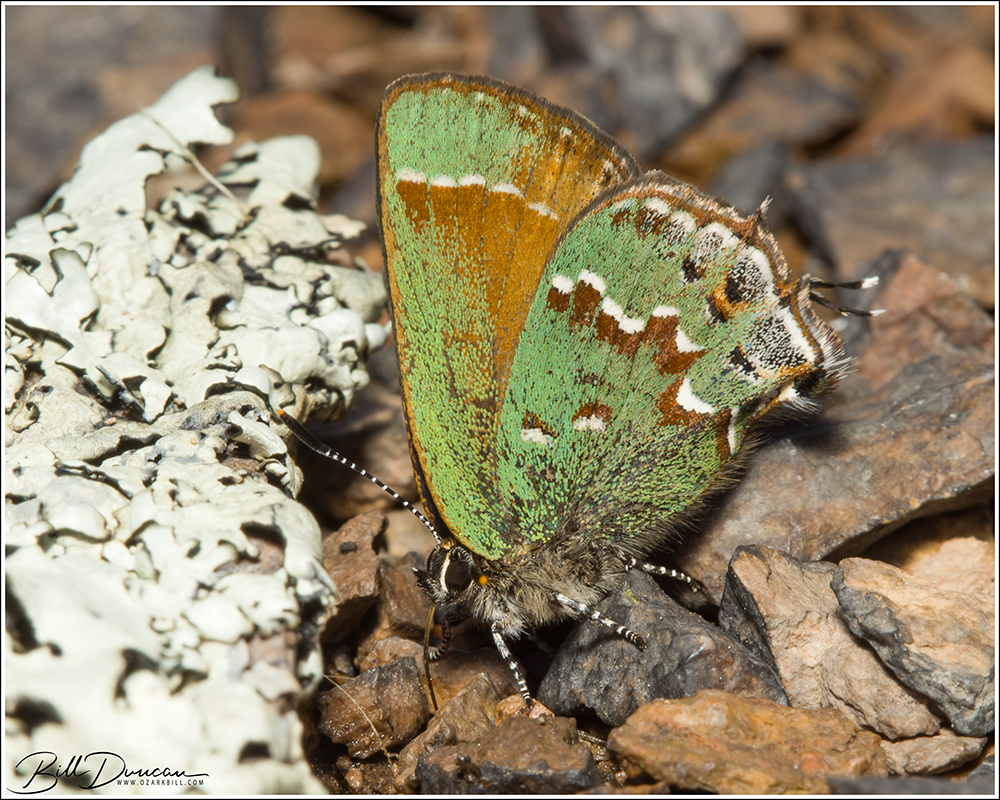
Tonight I’m just sharing some photos of a few lovely Lycaenid butterflies that I had the pleasure of photographing this season. The Lycaenidae family is the second largest family of butterflies, with about 6,000 species worldwide. The highlight was the bountiful season that the juniper hairstreak (Callophrys gryneus) had. Prior to this year, I had only seen one or two in a season, usually without my macro rig with me. In a few trips to the glades in Jefferson County this spring, Casey and I had at least two dozen individuals. They are not usually cooperative, but we worked pretty hard to get something.
First up is the afore mentioned C. gryneus.
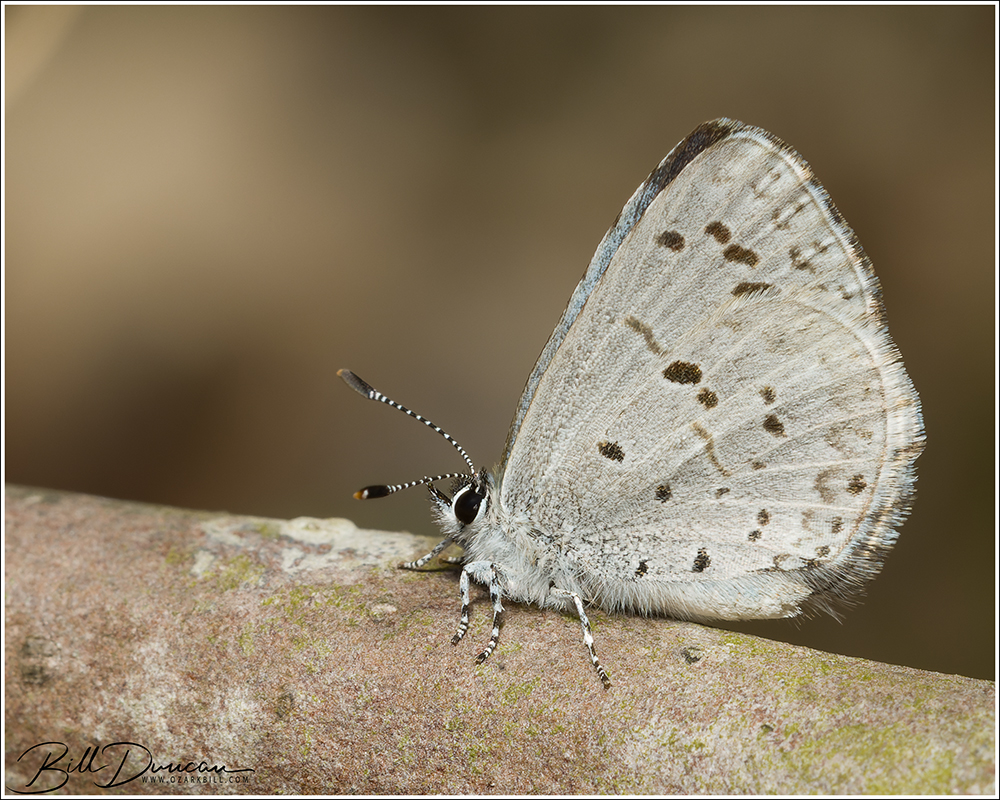
A not so lovely eastern tailed-blue (Cupido comyntas)
The perfectly names spring azure (Celastrina ladon)
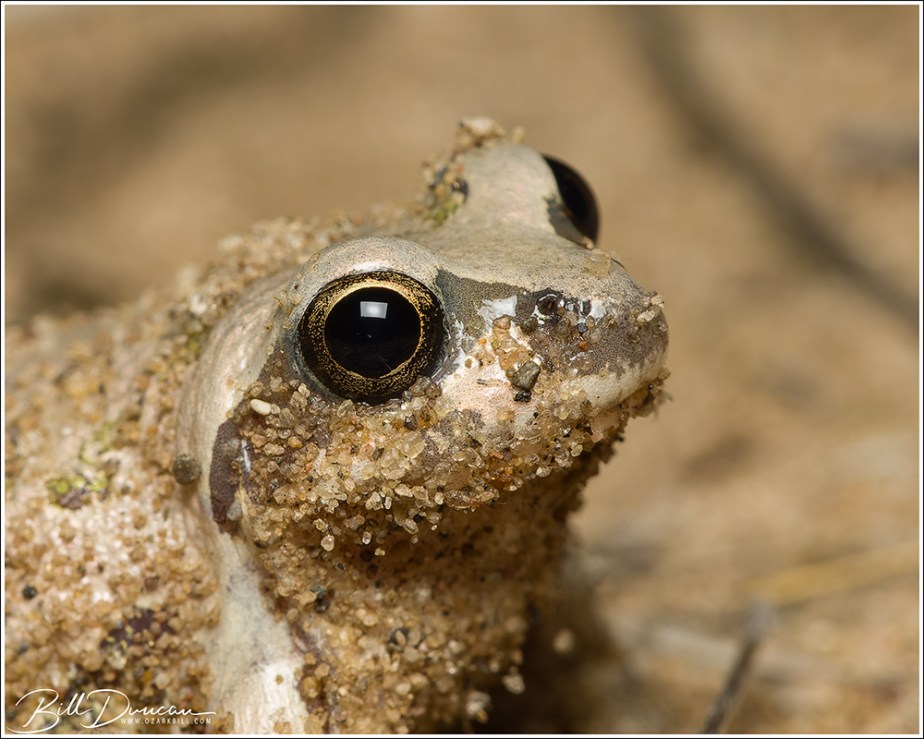
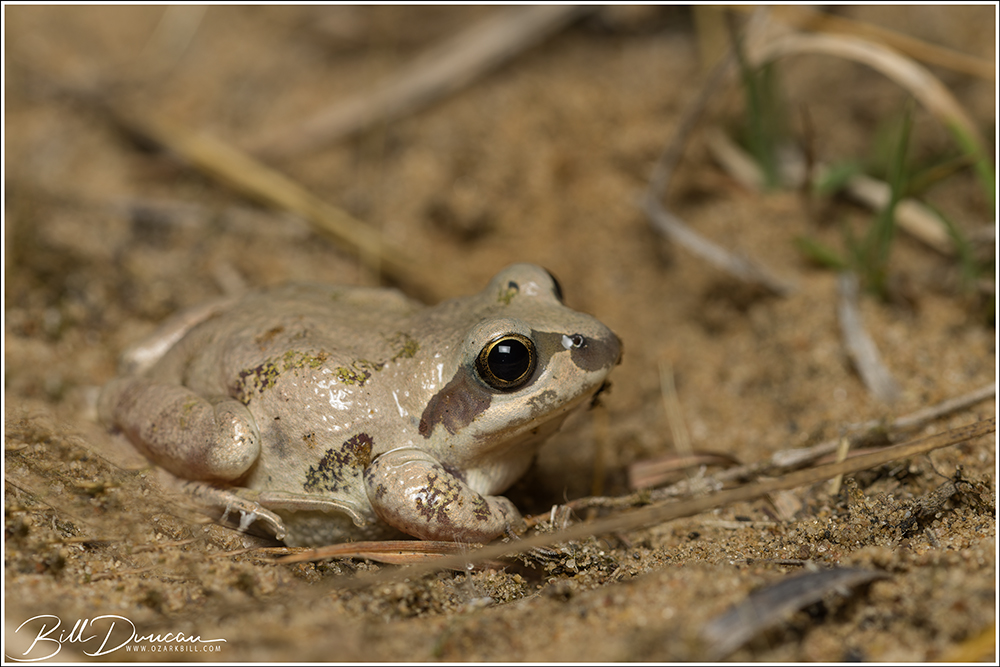
Miguel and I were offered a very special treat back in April when our new friends and gracious hosts, Rick and Jill, offered to show us a very unique and amazing animal, the Illinois chorus frog (Pseudacris illinoensis). The Illinois chorus frog is a species of study for Rick and his students, who are hard at work trying to document the life history and ecological details of this species of conservation concern. Existing in only a handful of counties scattered across Illinois, Missouri and Arkansas, this frog is classified as G3, meaning it is vulnerable to extinction. The primary forces causing the decline of this species is land development, primarily from agriculture.
Illinois chorus frog (Pseudacris illinoensis)
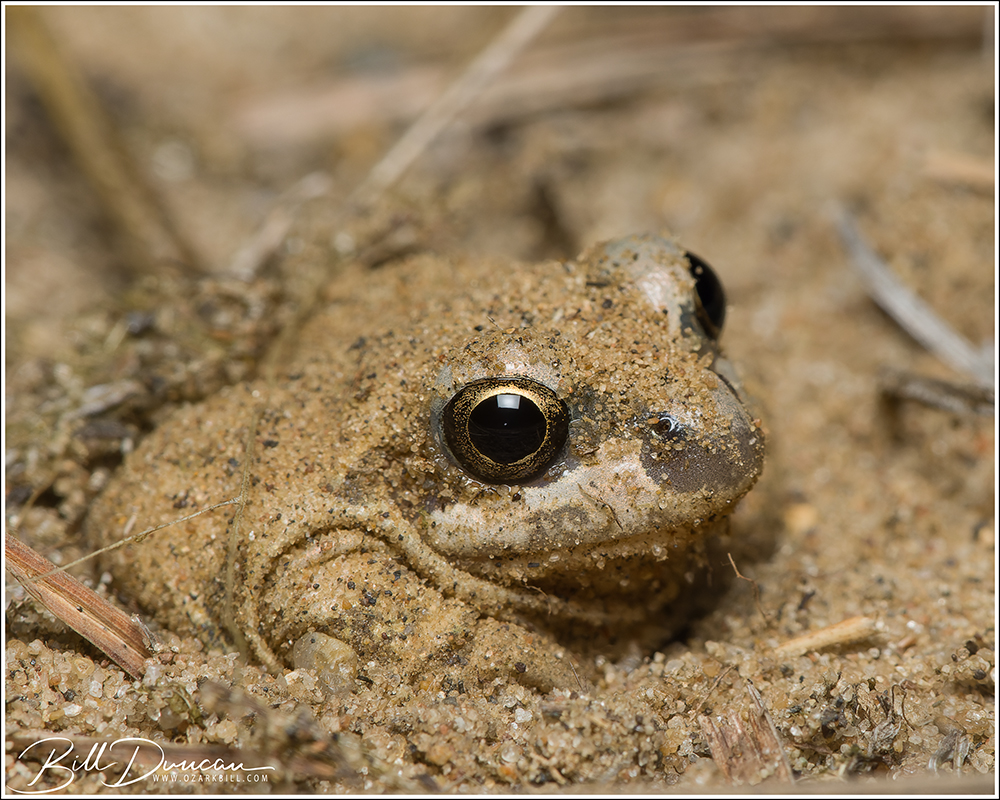
The Illinois chorus frog requires sandy wetlands. These types of areas are being lost due to drainage efforts for agriculture. The scattered remnants of these habitats are increasingly becoming isolated, likely limiting geneflow between pocketed populations.
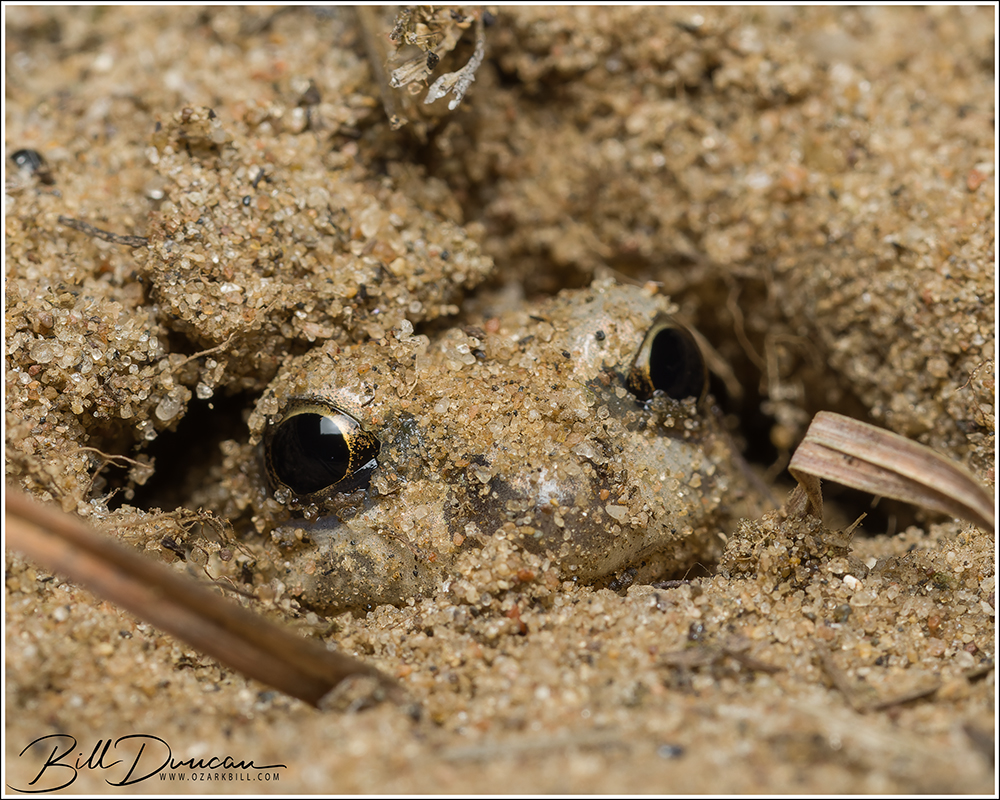
Illinois chorus frog (Pseudacris illinoensis) attempting to back itself under the sand
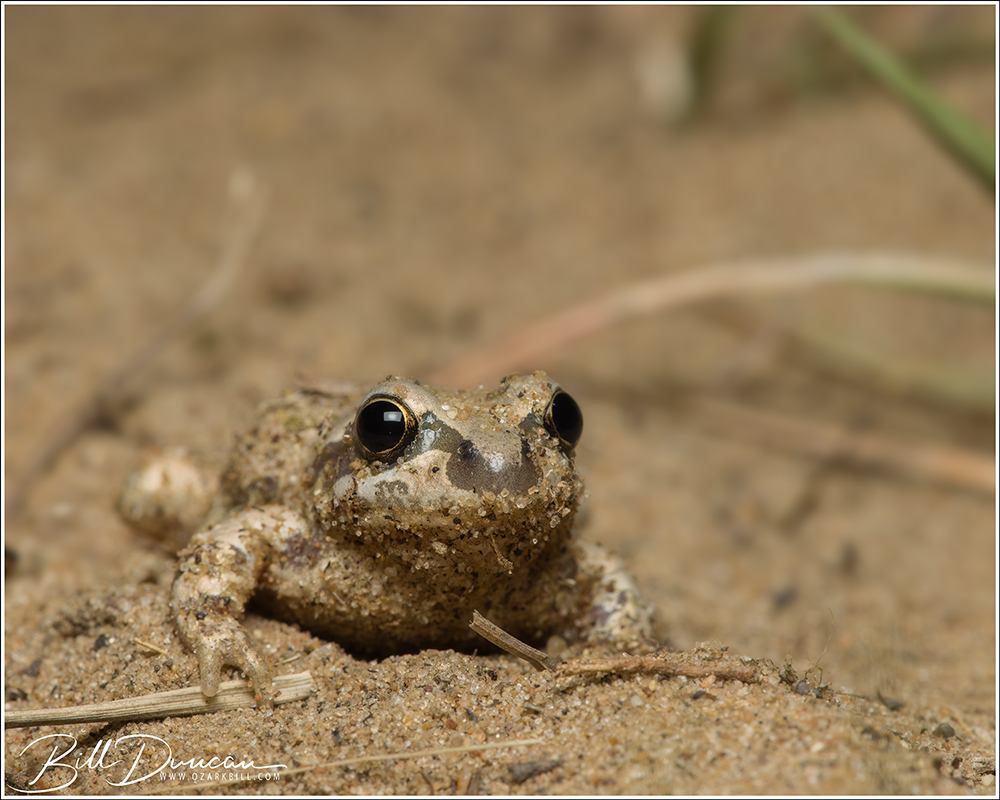
The natural history of this species is incredible. Due to the quick draining nature of their preferred sandy habitat, these frogs spend 90% of their lives below ground. Their breeding season typically begins in February, where they take advantage of water from icy thaws and early spring rains to breed in ephemeral pools. By May, the frogs have buried themselves in underground tunnels that they dig with muscular forearms. Unlike most other frog species that spend large amounts of time in subterranean environments, the Illinois chorus frog is known to feed, eating worms and small invertebrates.
Illinois chorus frog (Pseudacris illinoensis). Here you can see the muscular forearms that these frogs need to burrow underground tunnels where they spend the majority of their lives.
Organizations like the University of Illinois, Illinois Department of Natural Resources and the Heartland Conservancy are doing a lot of work in a number of places to discover more about their ecological needs and protecting and managing habitat these frogs need.
Illinois chorus frog (Pseudacris illinoensis)
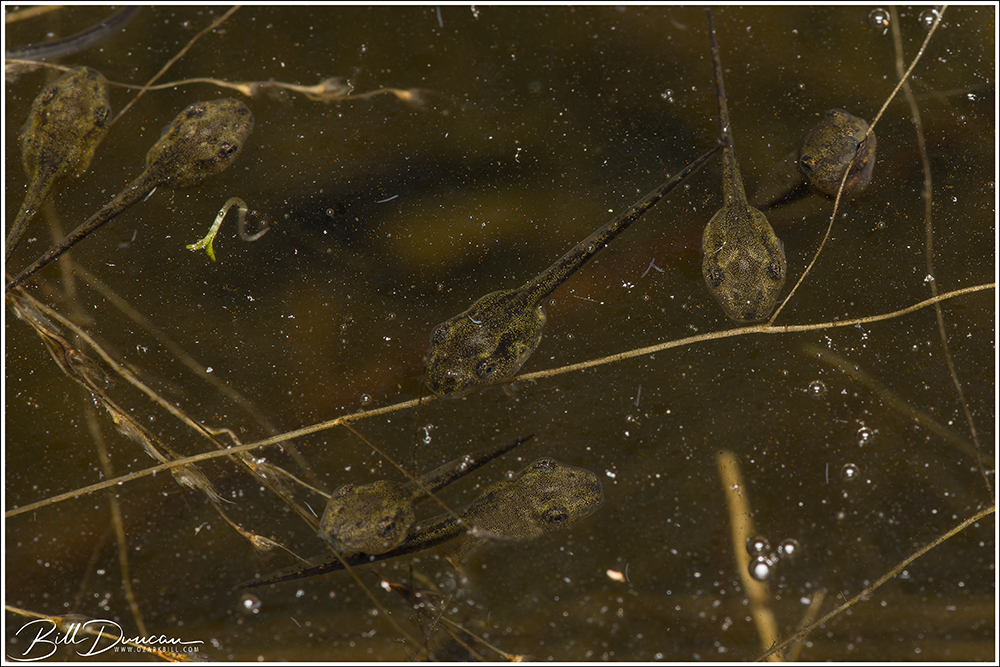
Another great thing Rick and Jill showed us were Illinois chorus frog tadpoles that were in artificial breeding “ponds” that were setup for them. As the hundreds of tadpoles we saw suggest, they were doing really well here.
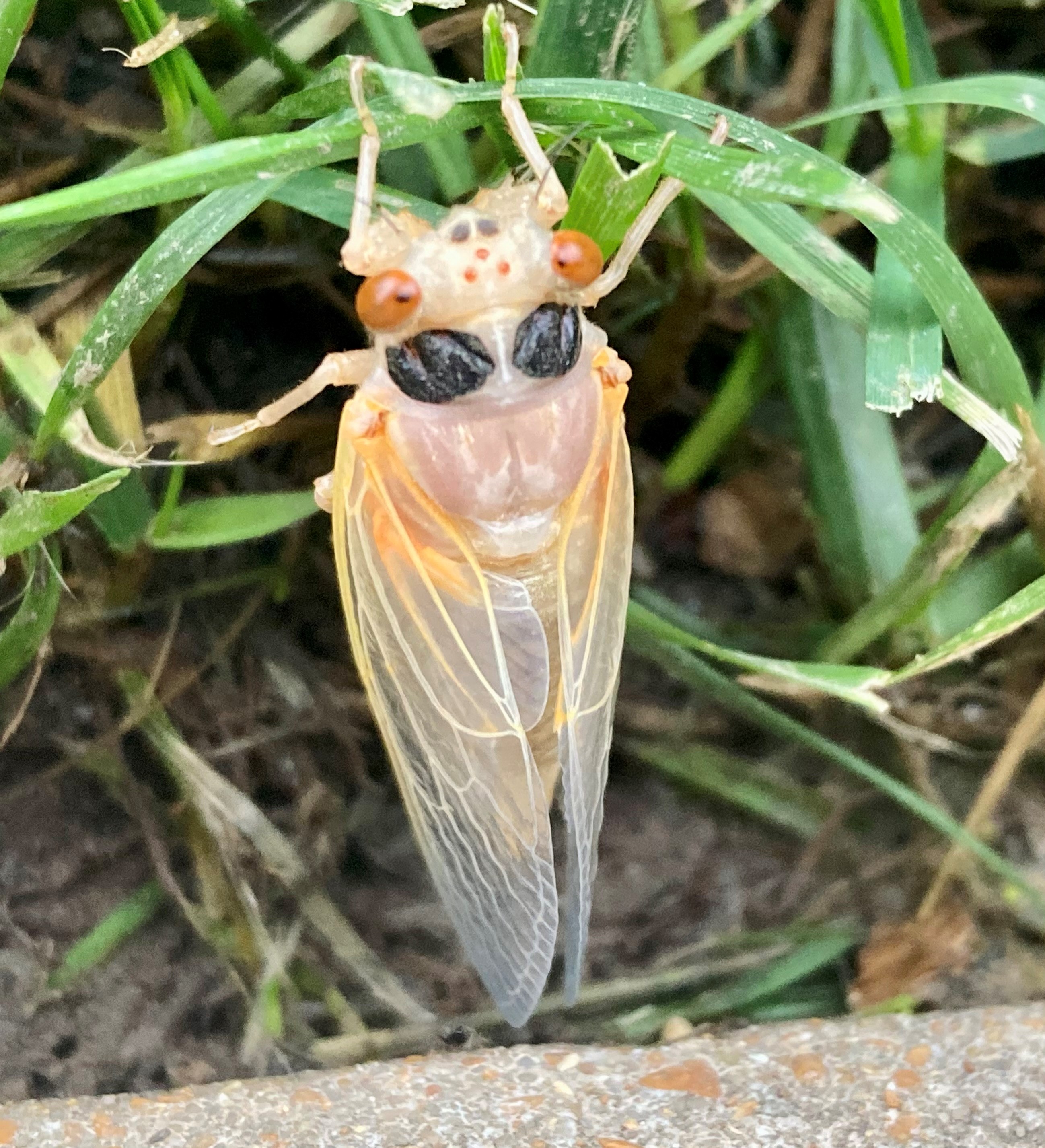
During my morning walk in our Chesterfield suburban neighborhood this morning, I found quite a fascinating thing! I ran across several groups of periodical cicadas (Magicicada spp.) that had emerged during the night. I estimate that I found approximately 250 of these large hemipterans without leaving the sidewalk!
An exuviae (shed exoskeleton) of a recently molted periodical cicada (Magicicada spp.)
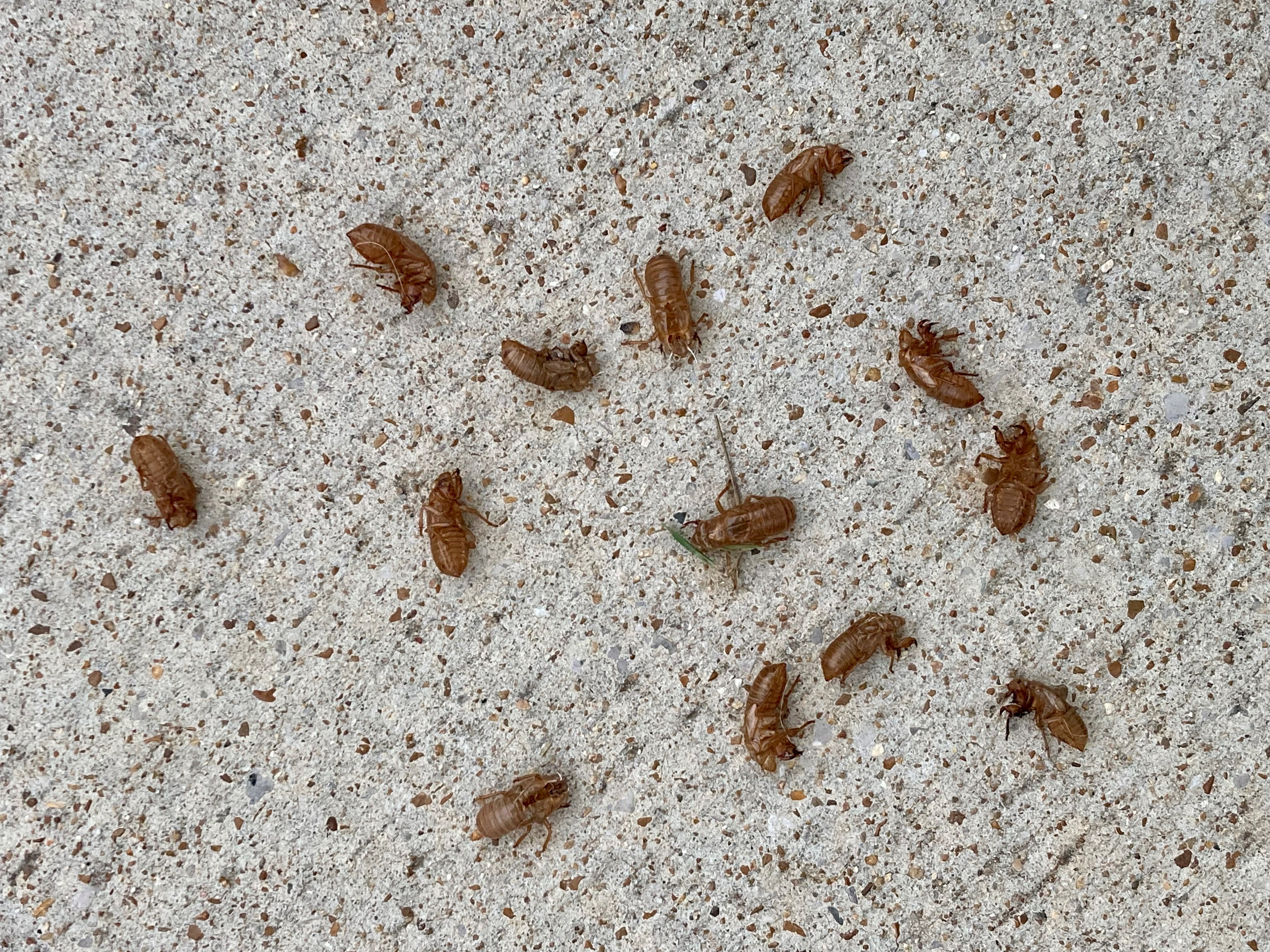
A pile of periodical cicada (Magicicada spp.) exuviae found on a sidewalk underneath a young maple tree.
I am not quite certain about what exactly is going on here. Our next big emergence of these insects is supposed to occur next season in 2024 – the so-called “Brood XIX.” Brood XIX is composed of four species of periodical cicada (Magicicada tredecim, M. tredecassini, M. tredecula, and M. neotredecim) that all follow the 13 year emergence pattern.
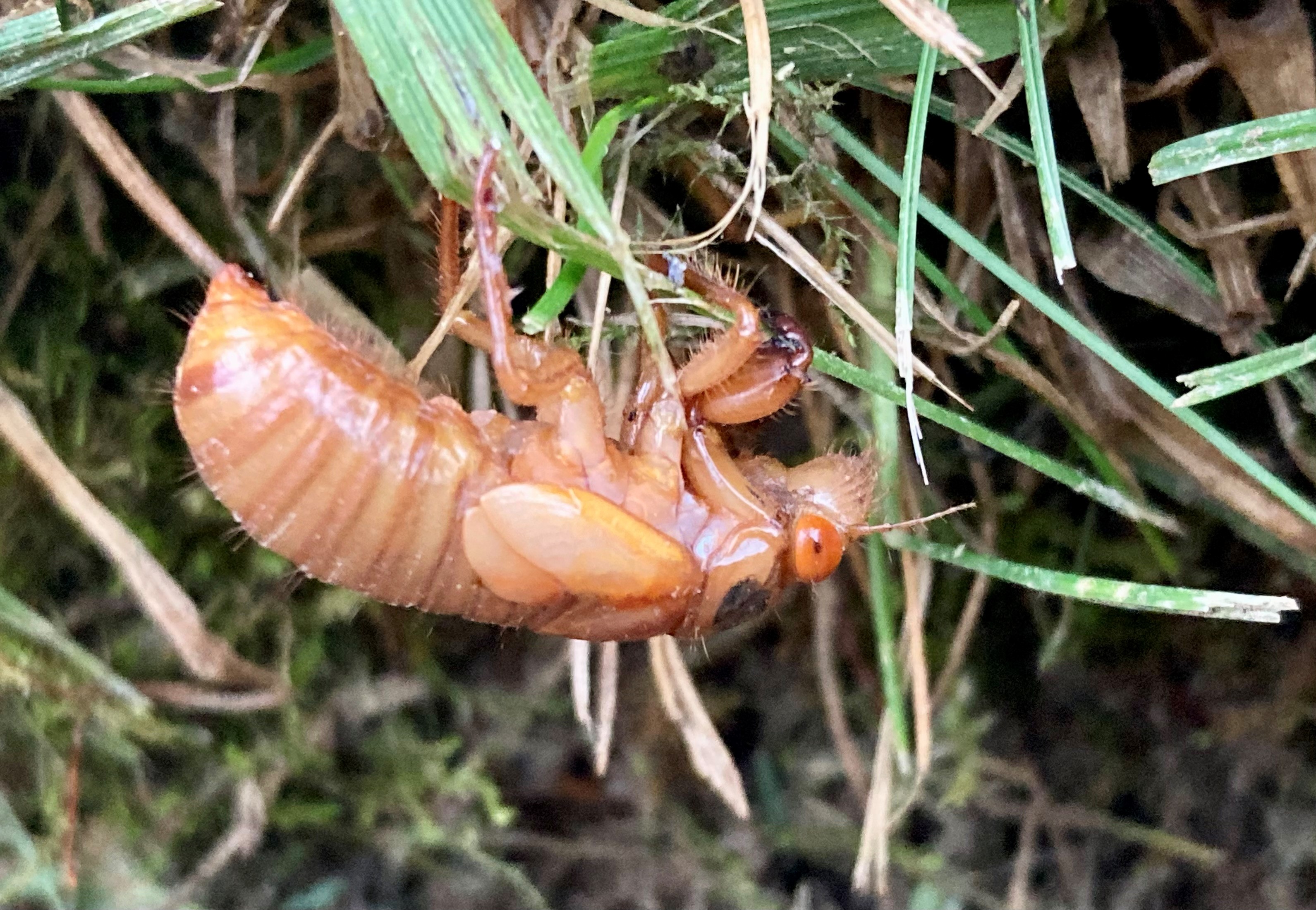
A periodical cicada (Magicicada spp.) nymph. This one is a little behind the others. They usually climb up and fasten themselves to an anchoring place to make their final molt into their adult form during the early night hours.
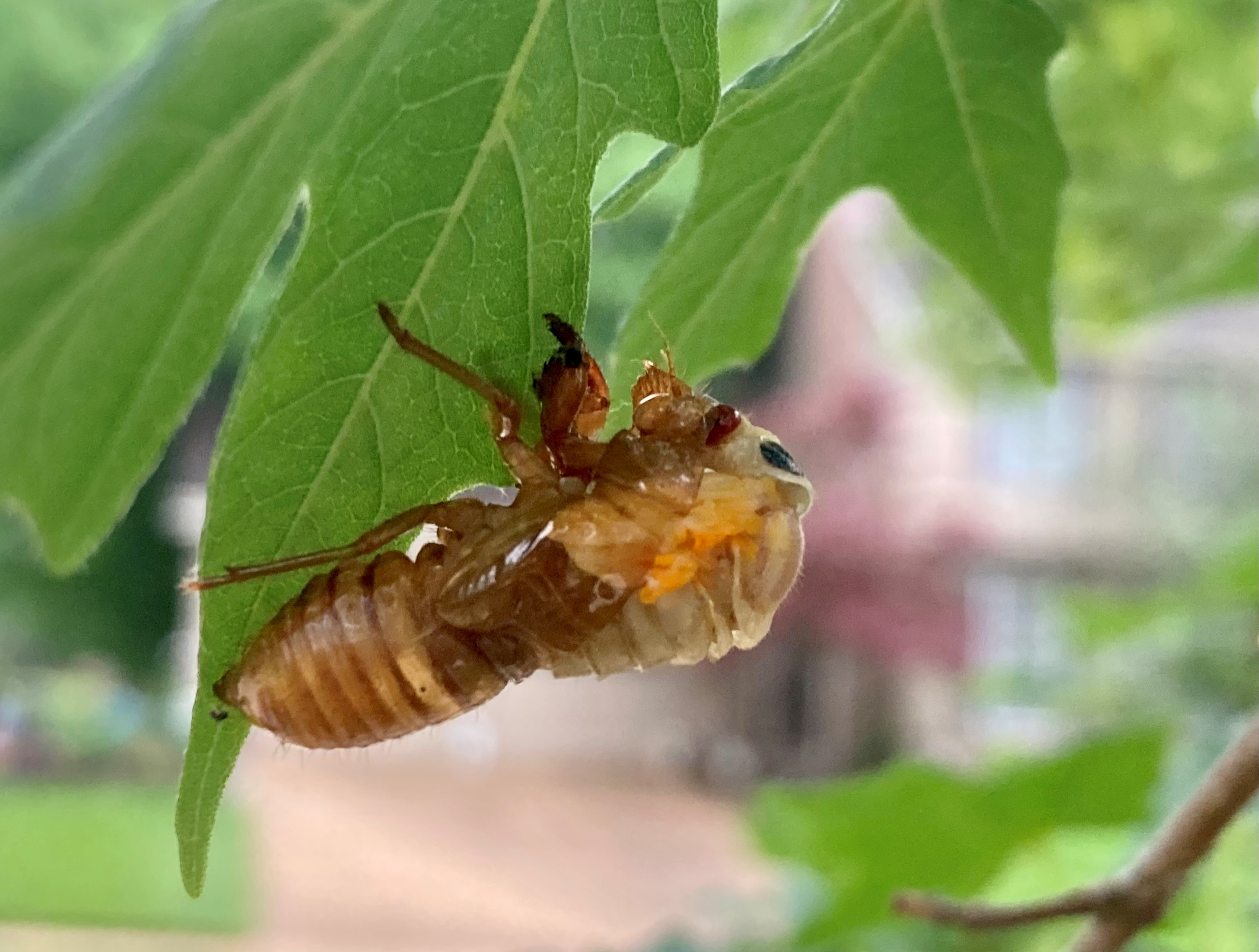
Ecdysis in action! I wish I had my good camera with me on my walk. This is a periodical cicada (Magicicada spp.) making its final molt and will begin its adult form. It took approximately 13 years to get this far.
Why are we seeing these emerge this year? A couple of possible explanations could account for this. These could be “stragglers,” the term used to describe individuals that emerge in years before or after the bulk of the particular brood. This makes evolutionary sense; if the entire brood emerged all on the same year (emergence of the entire brood within a given location occurs within a couple of weeks) and they are struck with a weather or some other disaster, then this would be a very bad day for the brood. With some individuals emerging a year or two before or after the primary year, then this would obviously be beneficial in hedging their bets.
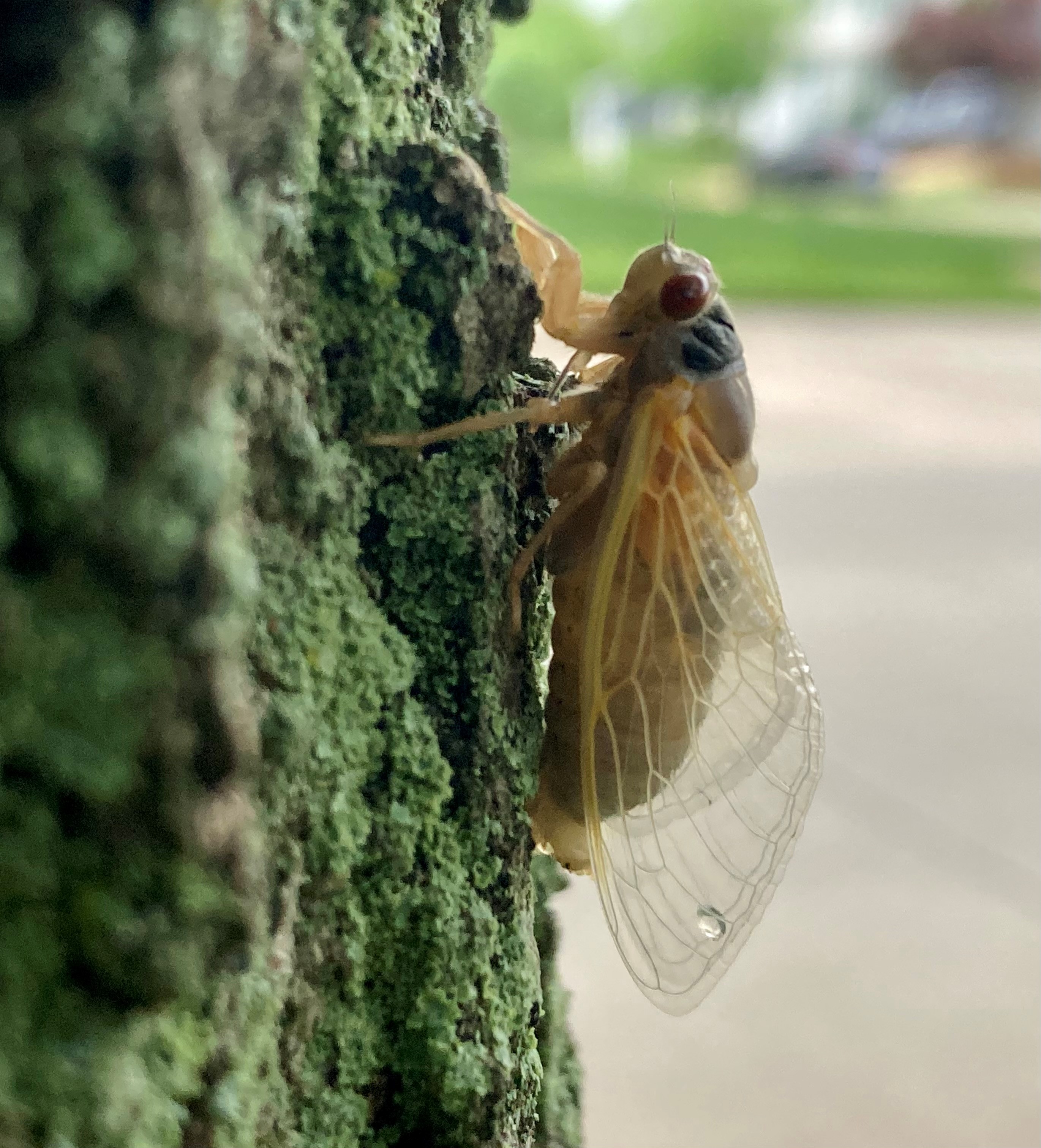
Here you can see a freshly emerged adult periodical cicada (Magicicada spp.) that is still hanging on to its last shed exuviae.
A newly emerged adult periodical cicada (Magicicada spp.) that has not yet hardened its exoskeleton and developed the dark colors that should come over the next few hours.
Another possible explanation is that this could represent a sub-population of Brood XIX that is on a slightly different schedule and may routinely emerge early. This could be due to differences in climate patterns between this one and what the rest of the brood experiences. Brood XIX covers a large area of the southeastern U.S.
An adult periodical cicada (Magicicada spp.) that is waiting for its new shell to dry.
Or, could this be the result of some differentiation between emergence patterns between the four species that constitutes Brood XIX? I don’t know but I would love to hear any thoughts from those of you who are more educated and experienced in these things than I am. I will be keeping my ears open during the next several weeks with hope of hearing this rare song.
An adult periodical cicada (Magicicada spp.) that has made it to its last stage in life and is getting ready to fly into the treetops to find a mate.
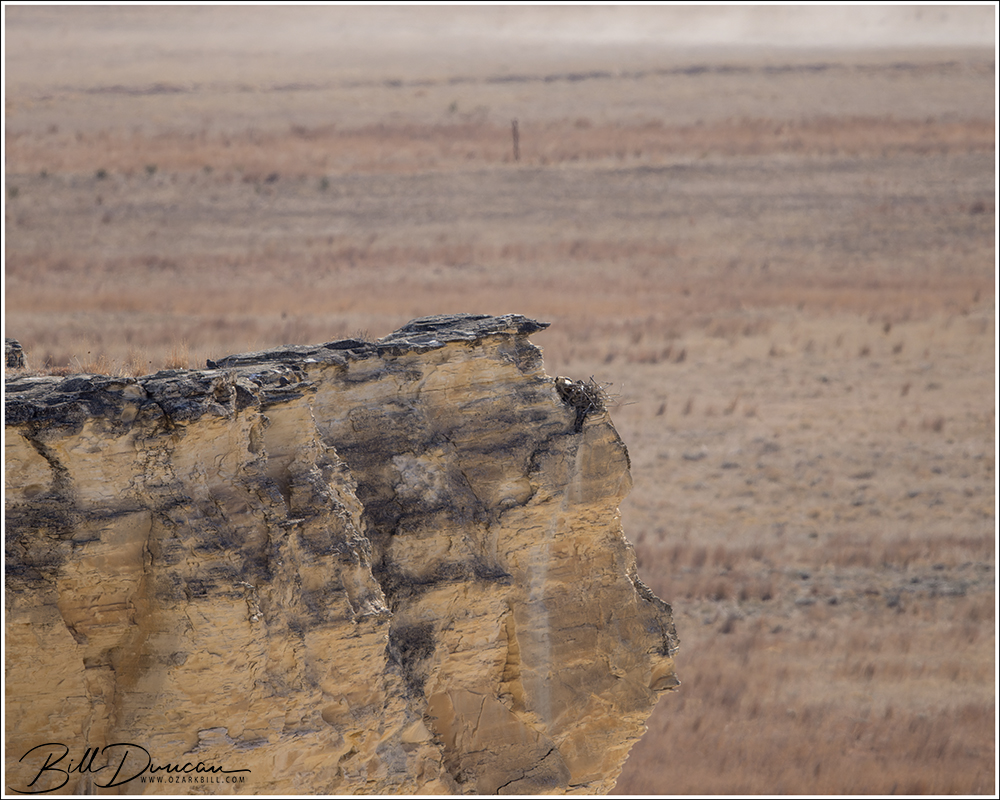
I was definitely on the lookout for Ferruginous Hawks during our visit to western Kansas last year and we were fortunate to have one fly directly over us as we visited a badlands monument. What I didn’t expect is to be able to see an active nest. This was at a private ranch where we had the opportunity to see and photograph Lesser Prairie Chicken leks. The rancher was understandably weary of getting too close or staying too long, so we took our shots from a good distance from the vehicle windows.
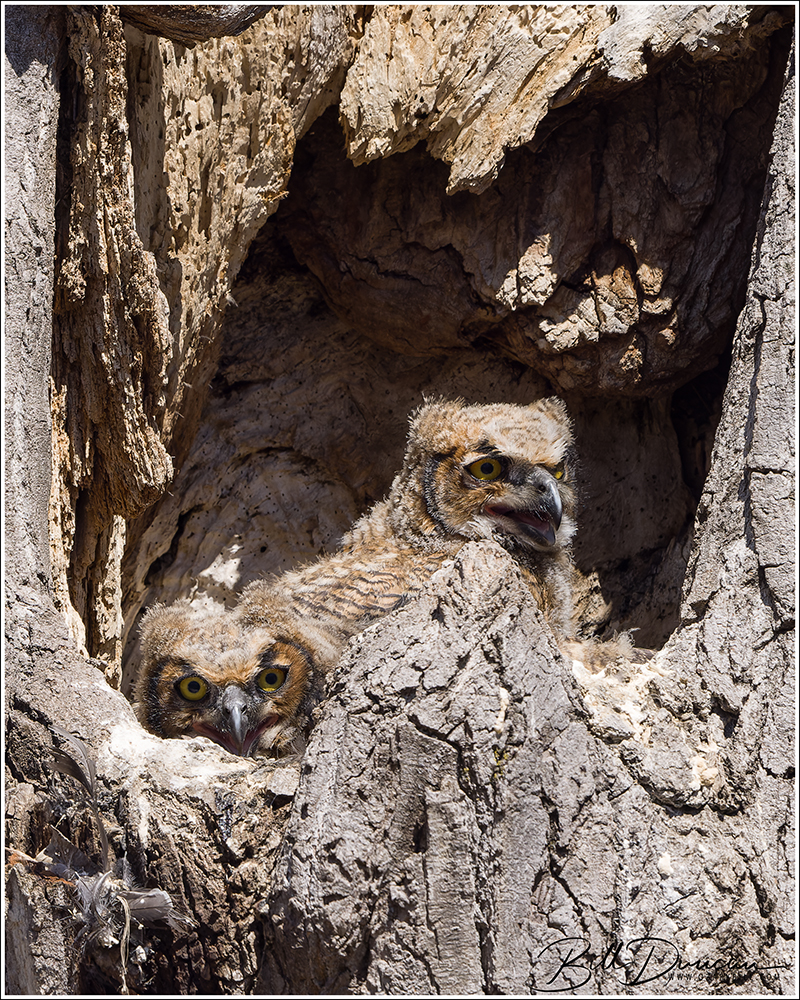
I finally had the opportunity to visit my buddy Jim’s property to check out the nest site of a Great-horned Owl nest. This pair has used this snag for about 5 years to raise their brood and I am disappointed in myself for not visiting sooner. I had no idea how perfect the views into this nest were. You couldn’t ask for a better setup. Unfortunately, I was a bit late this season as well. The chicks fledged within days of my first and only visit. Hopefully next year!
Here are a few from my visit. These were taken in early afternoon so the light was a bit harsh.
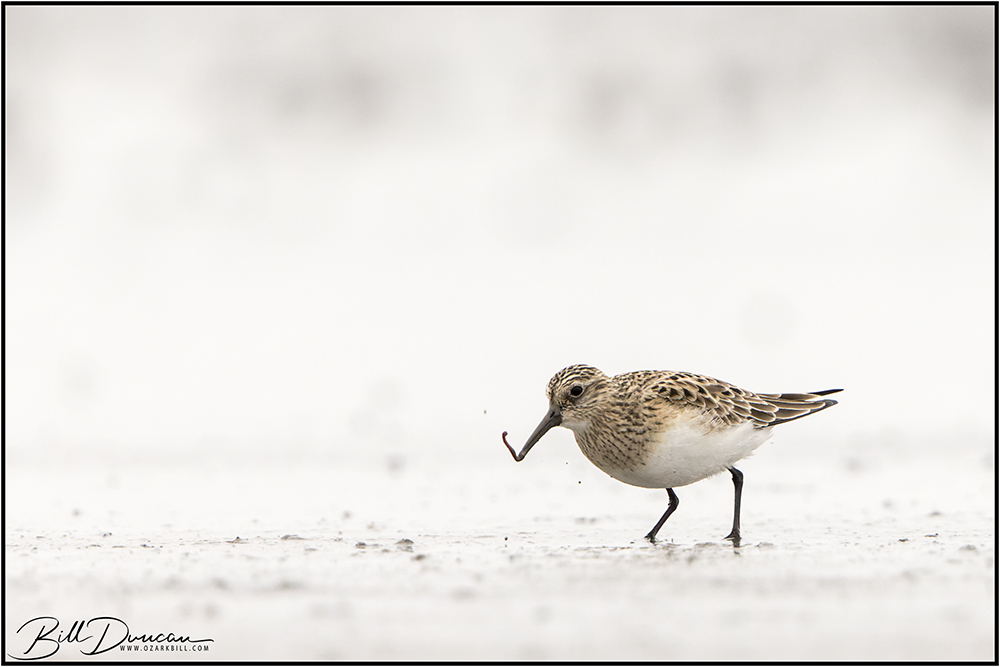
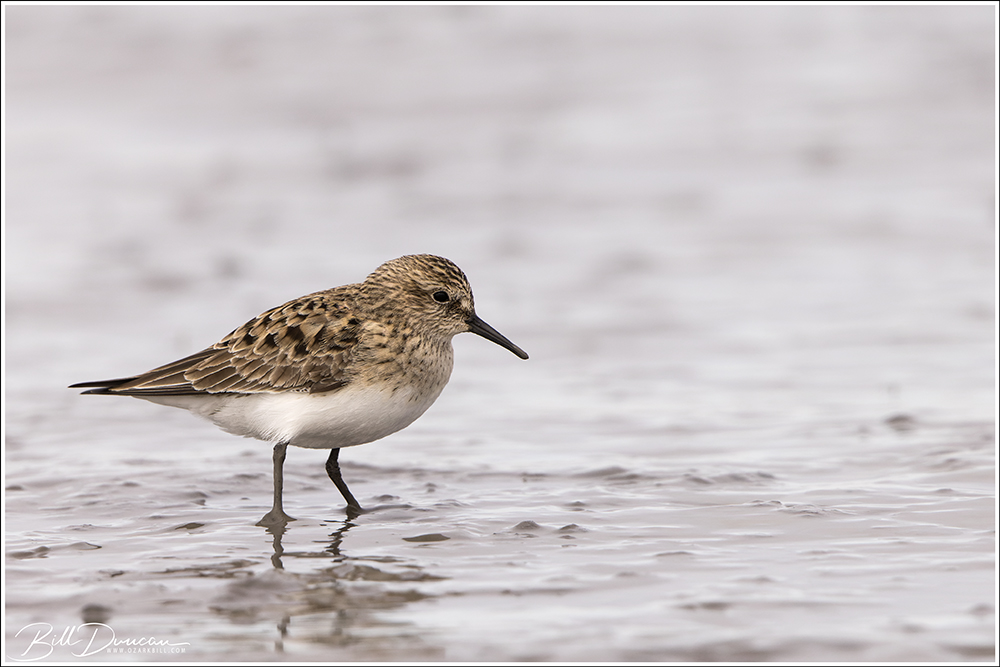
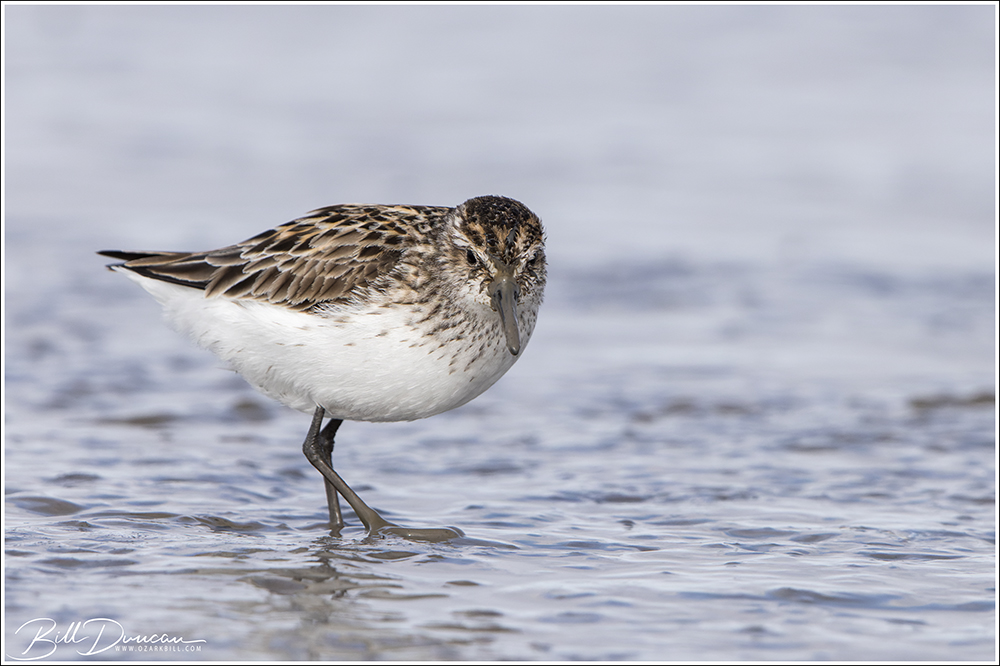
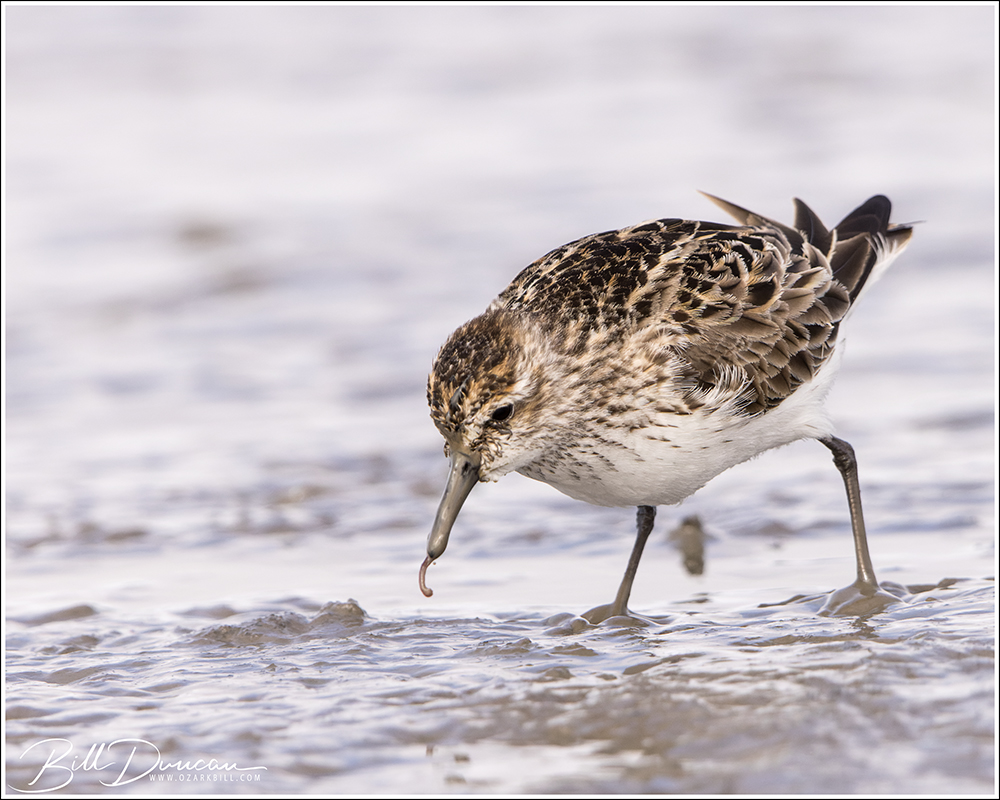
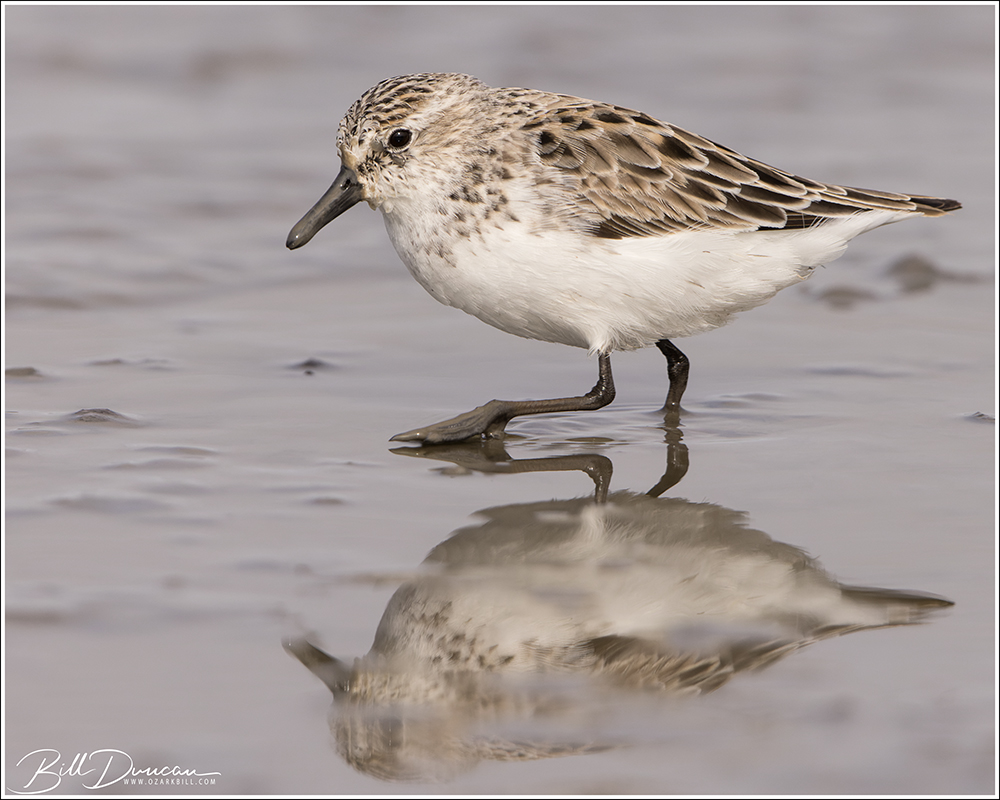
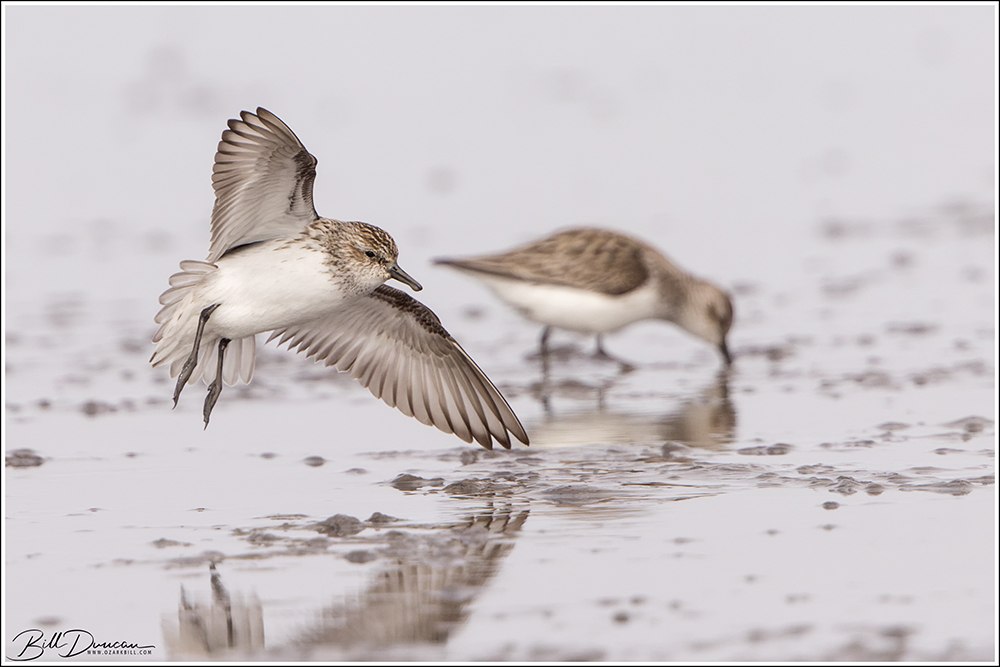
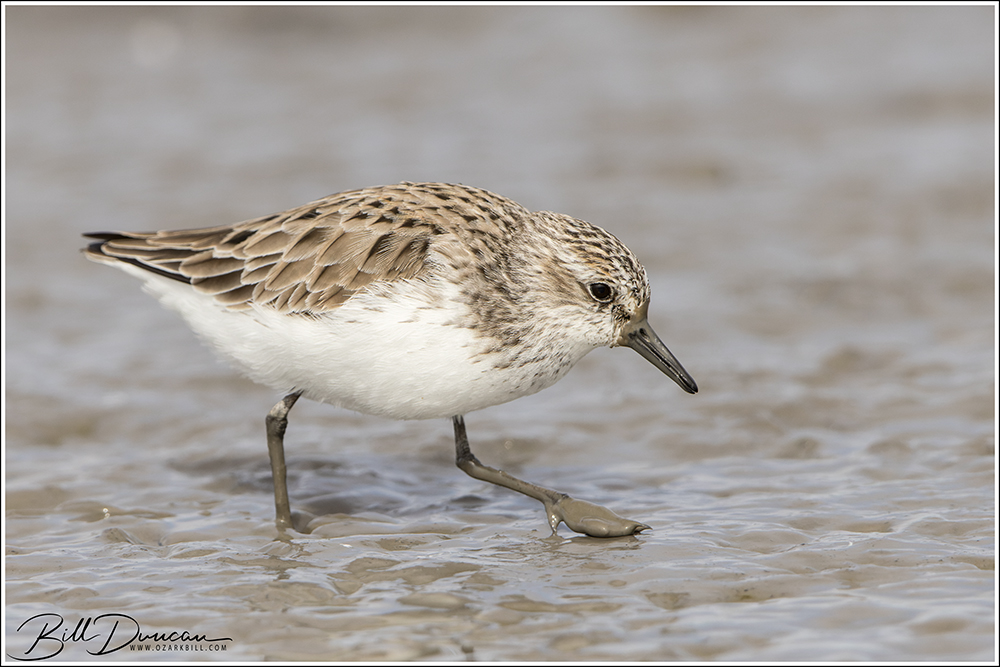
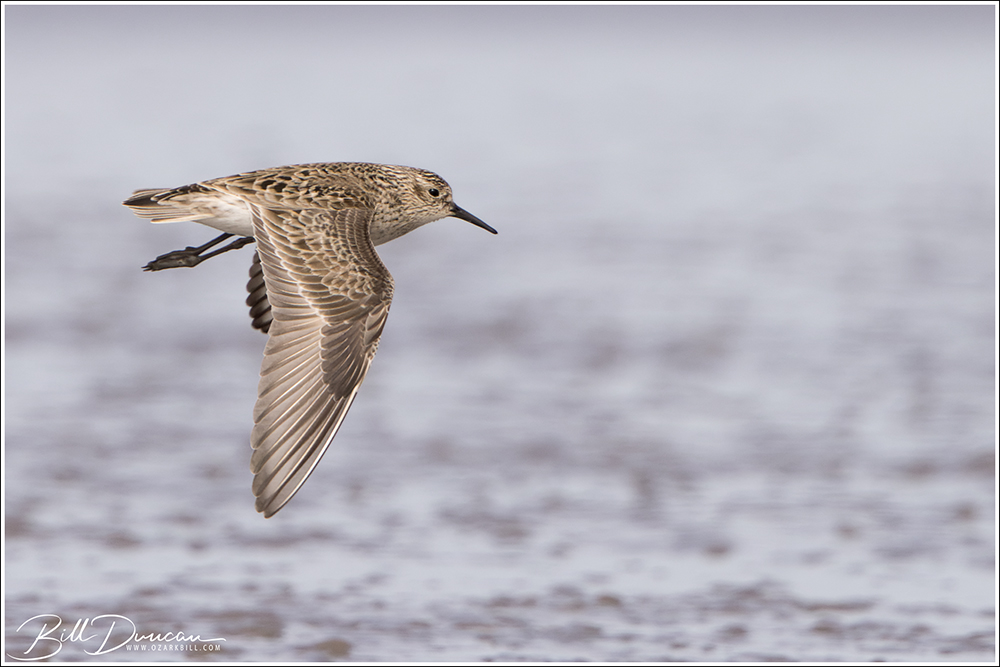
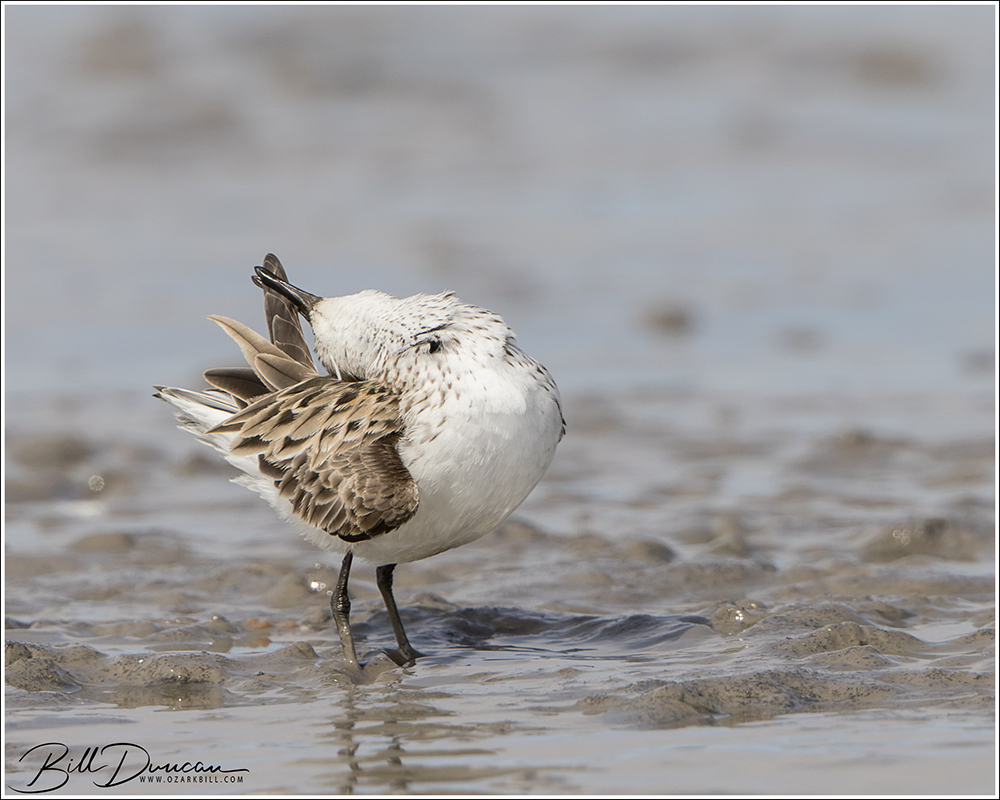
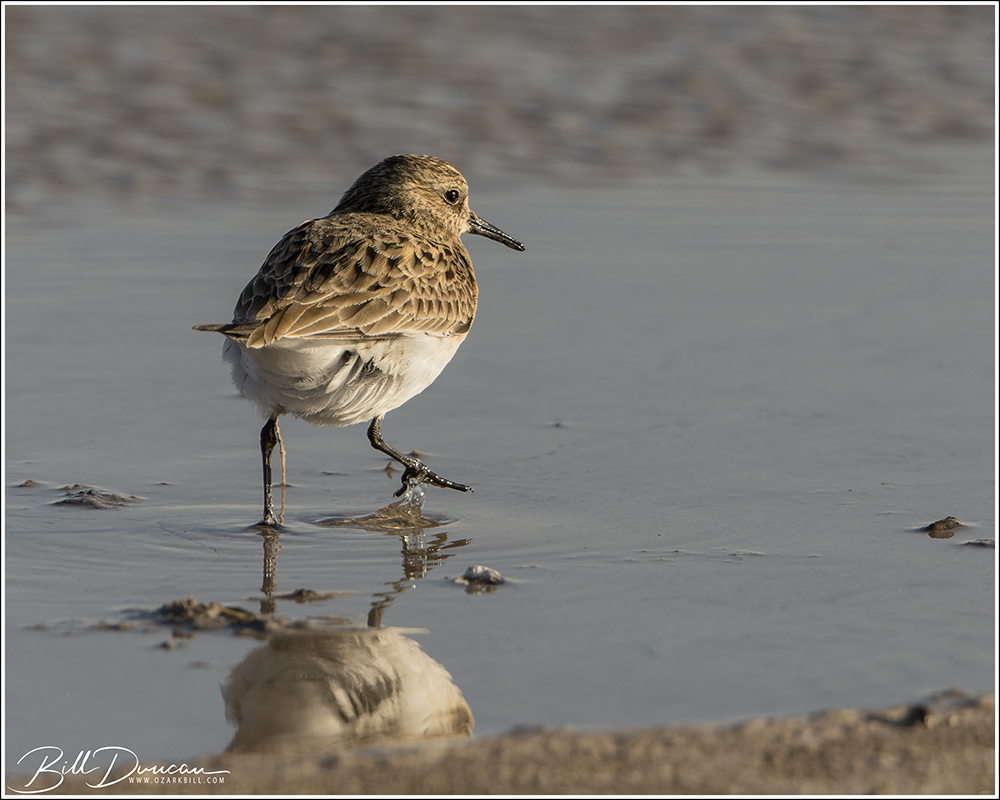
I can’t believe it’s been more than a year since this trip and I still have quite a few photos to share. Not much time or gumption to post much lately. Here are some photos of one of the more abundant shorebirds we had on this particular visit – the Semipalmated Sandpiper. It was fun and interesting to see so many individuals up close. You can really see variations in individual plumages at this time of year, as I hope this collection shows
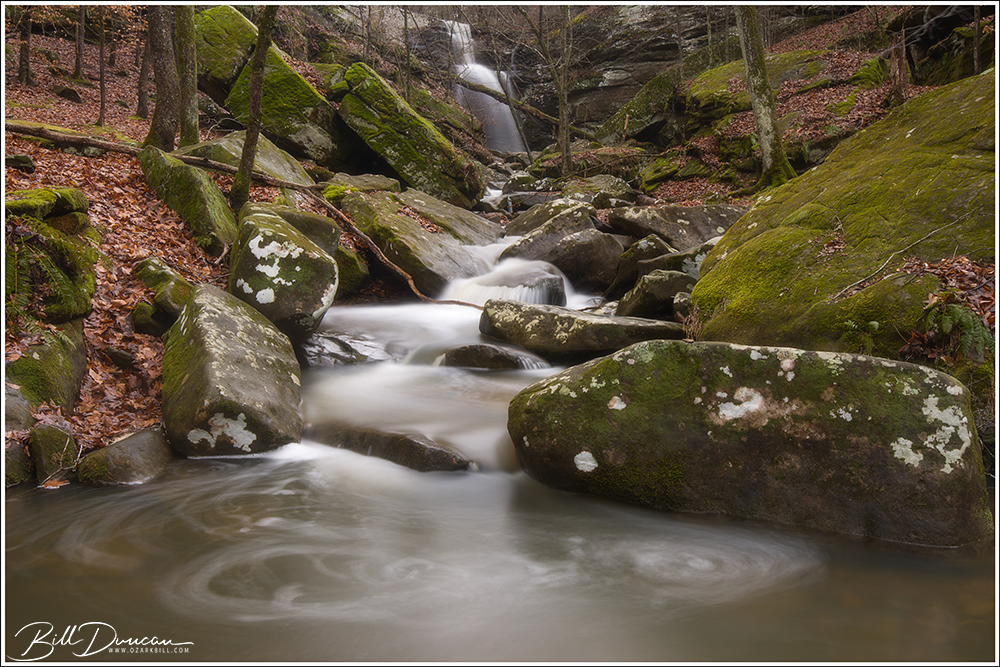
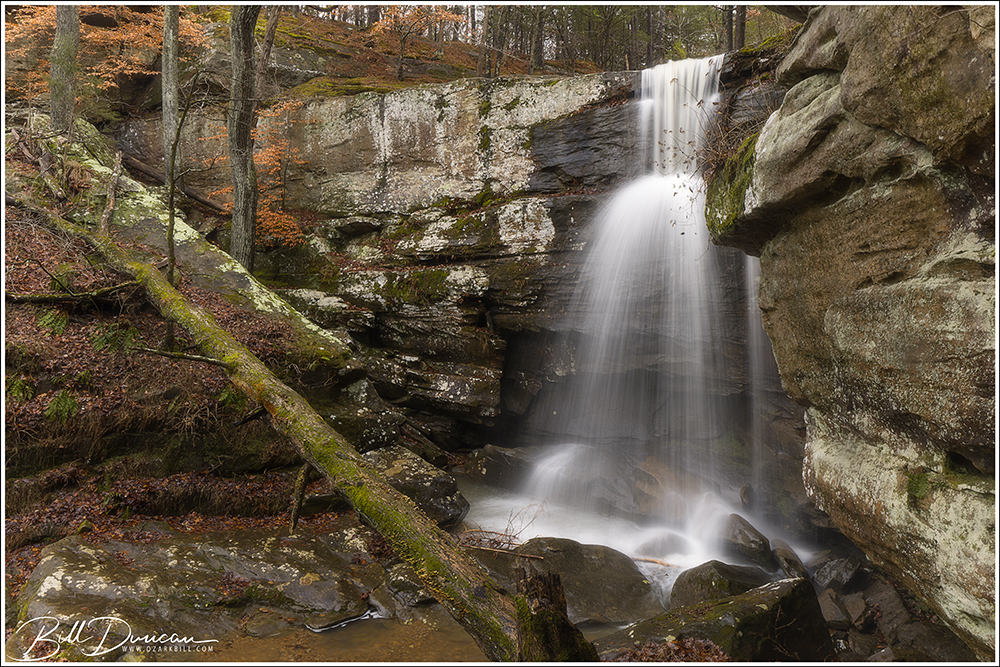
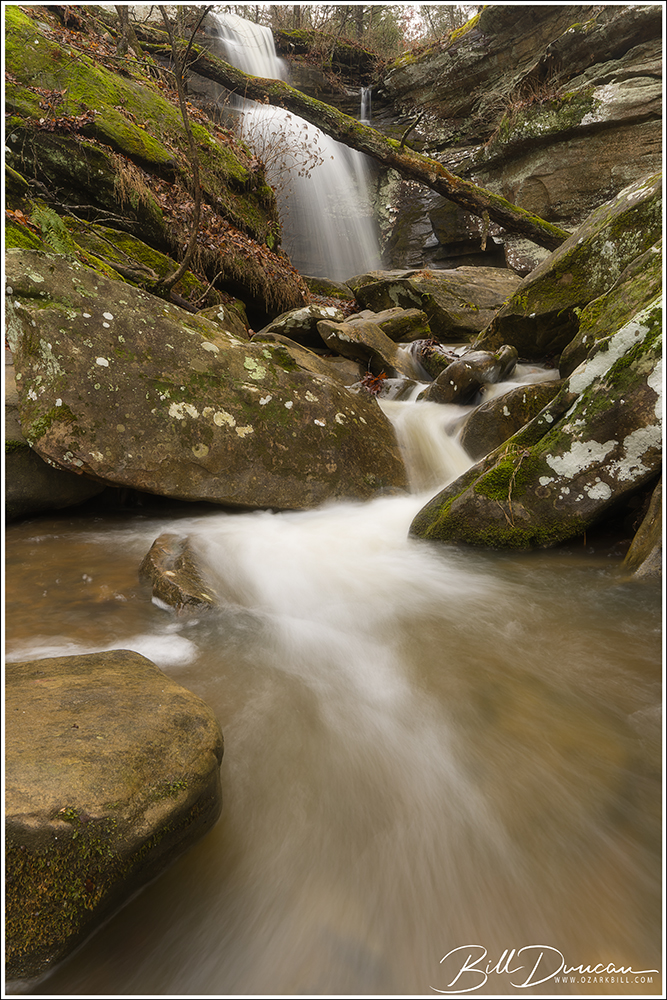
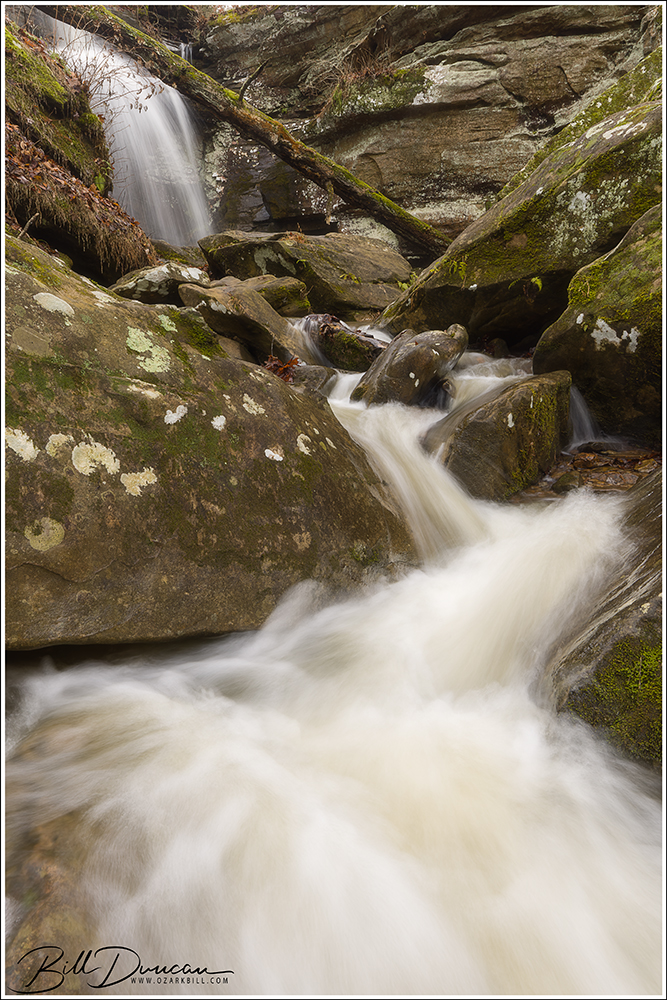
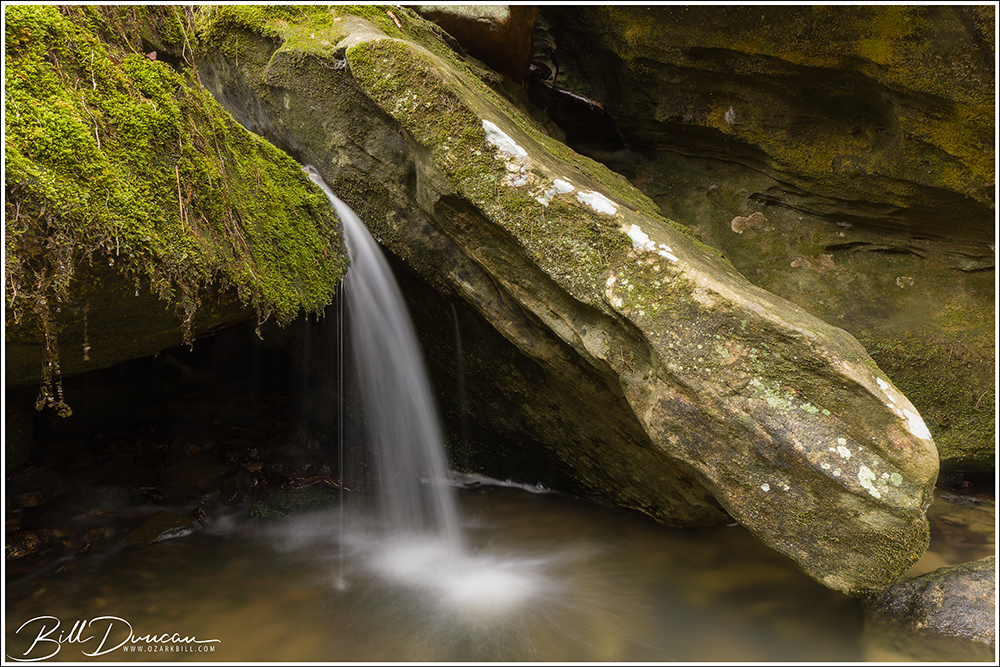
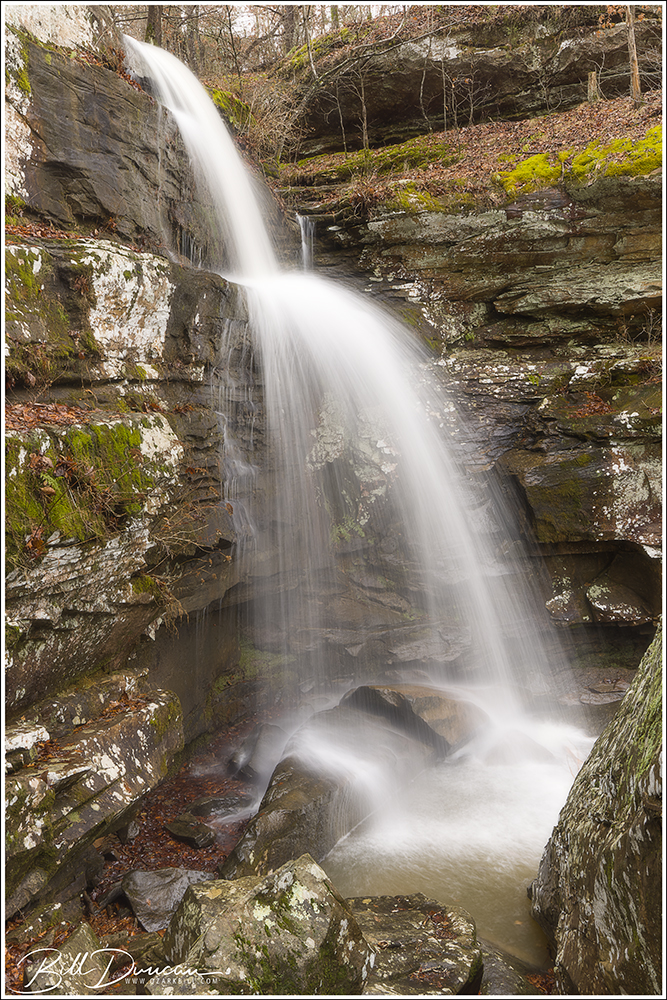
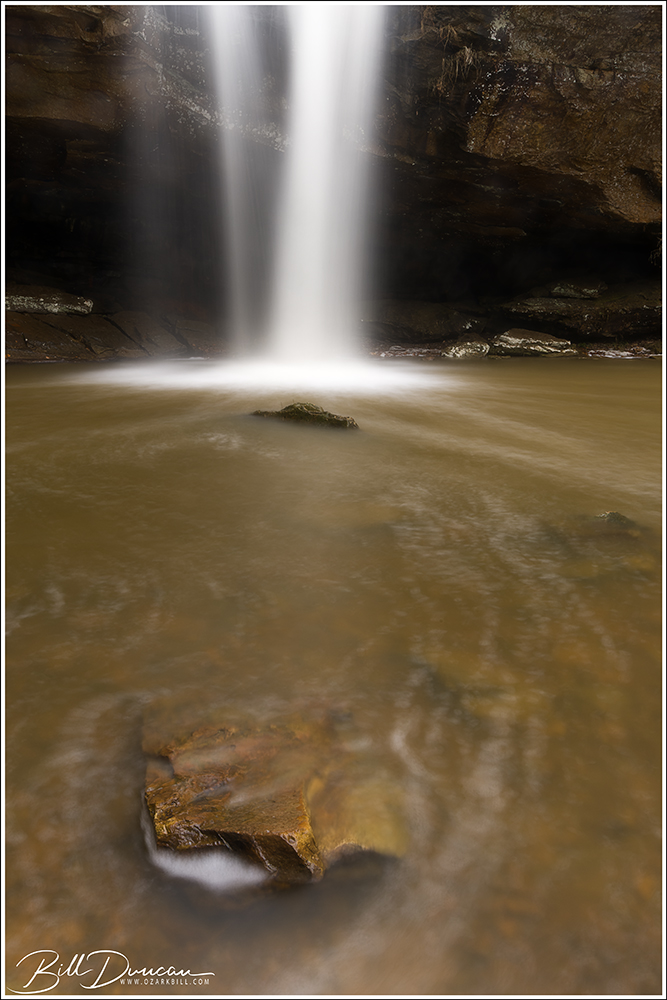
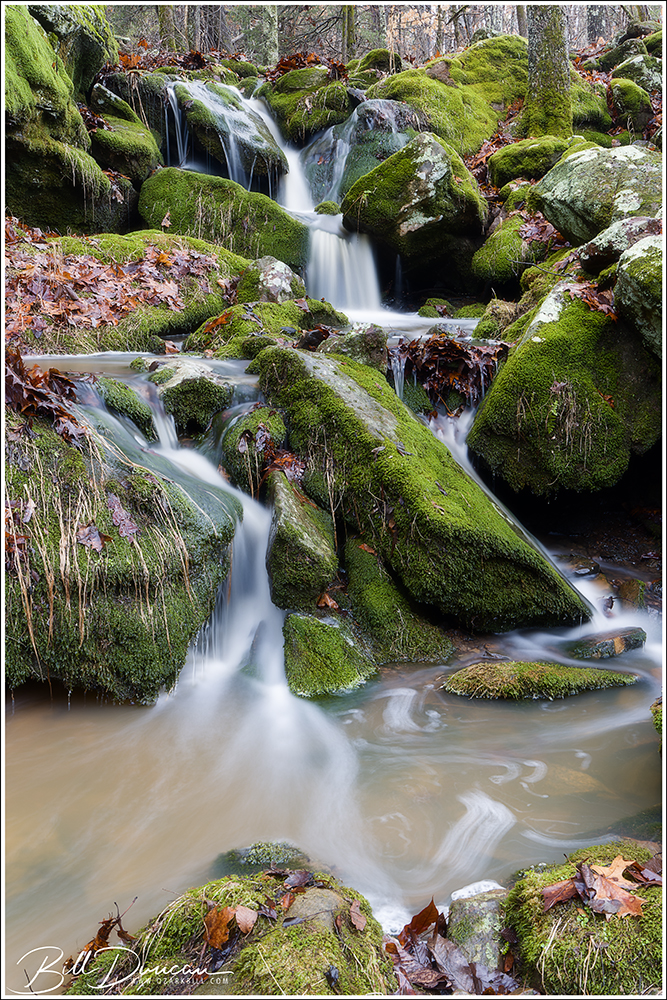
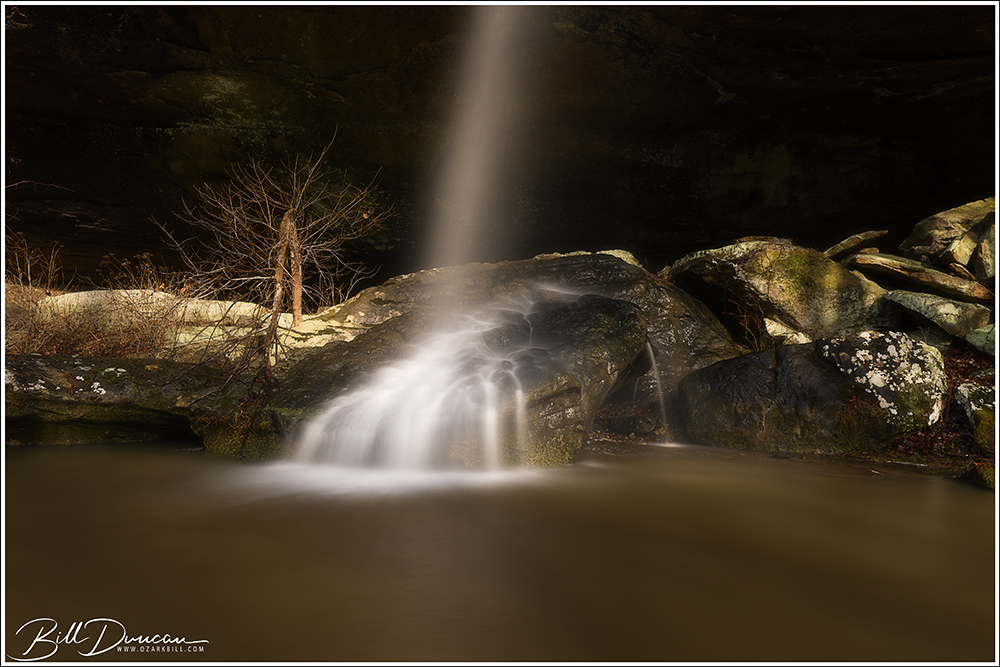
Casey and I hit the roads and trails back in January looking for new waterfalls in the Shawnee Forest area of southern Illinois. January isn’t the prettiest time for waterfalls but finding them is often easier in the winter.
Burden Falls Wilderness Area
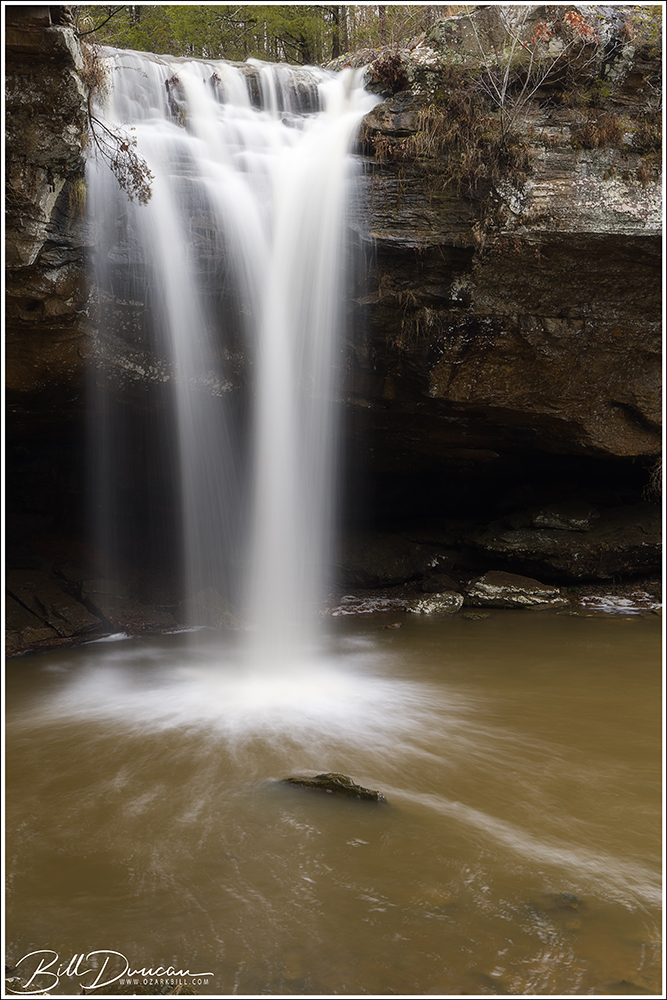
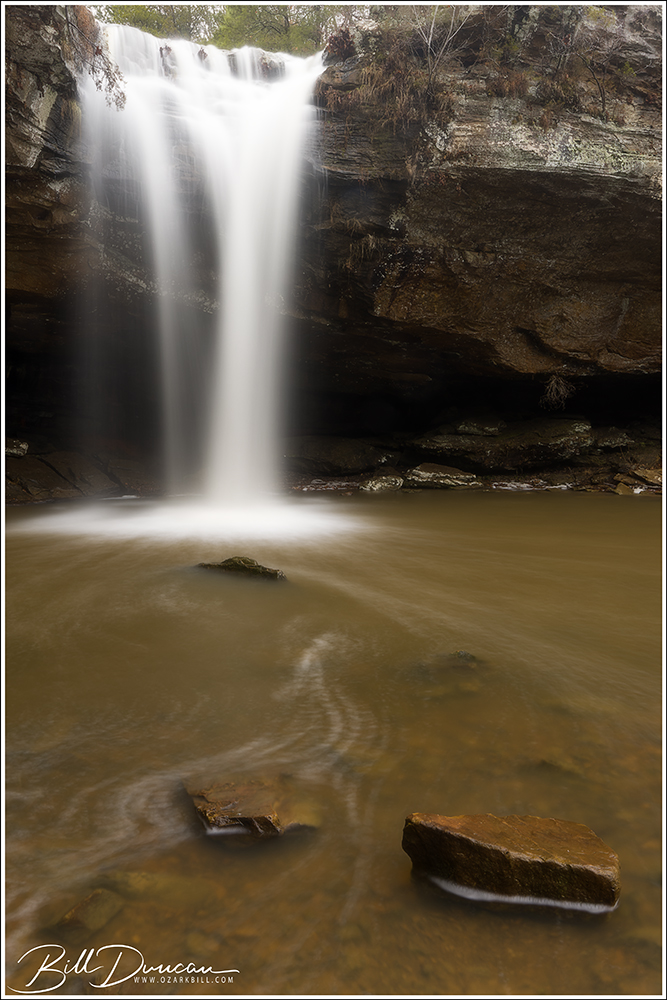
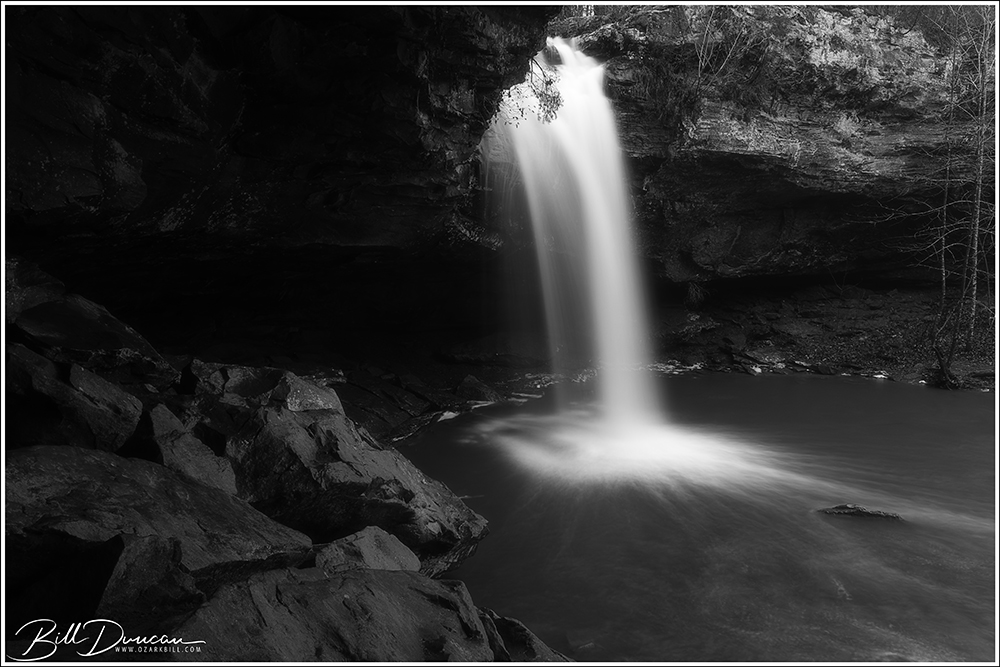
Up first is Burden Falls. Like most of the falls and features in the Shawnee, Burden only flows following significant rainfall. The amount of water flowing over the falls was not the highest it could be, but there was enough flow to be interesting. Here are a few more from this fantastic area.
Next up is Bork Falls.
Happy Hollow Falls
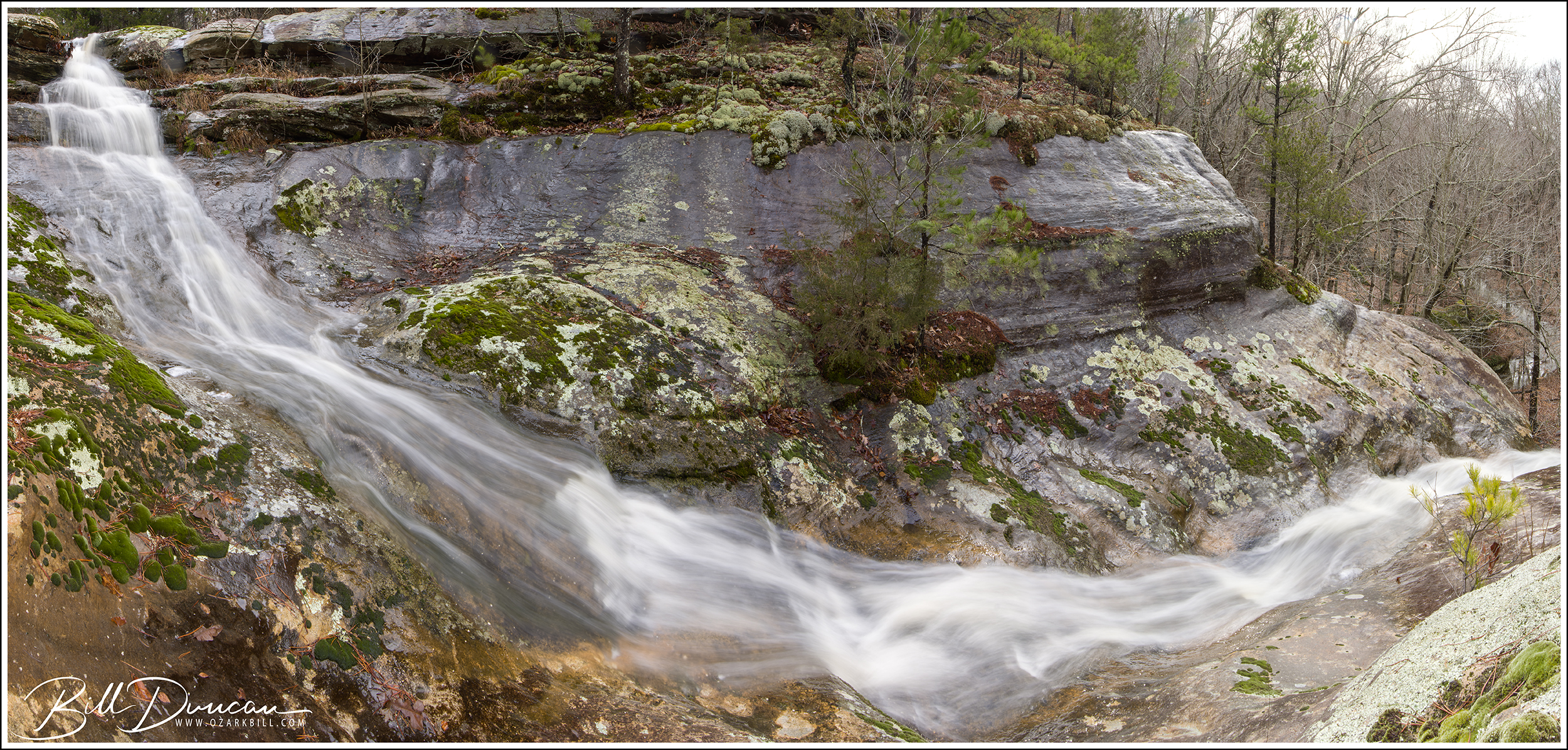
Last up is Jackson Hole Falls. This incredible two-stage set begins with a long slide that I captures in the panorama below. It then ends in an approximate 40′ drop.
Markarian’s Chain – An interesting look into the Virgo Galaxy Cluster
Markarian’s Chain (NGC 4406) Since I picked up astrophotography, I knew I wanted to shoot some galaxy clusters. The first that comes to mind is Markarian’s Chain, a nice curved line of galaxies that lies amidst a large cluster of galaxies known as the Virgo Galaxy Cluster. The Virgo Cluster contains up to 2,000 different galaxies and Markarian’s Chain is an asterism-like chain that provides an interesting order to the randomness of the surrounding cluster. Typically, Markarian’s Chain is considered to be comprised of seven galaxies, all of which are moving in the same relative speed and direction with one another. The distance from earth to the galaxies varies from between 50 -80 million light years! Of course this means we are seeing them where they were up to 80 million years ago.
The galaxies comprising NGC 4406 are mostly elliptical and lenticular in type, but there are some fascinating details that can be found by taking a closer look. I’ve left the image above a bit larger than normal and invite the viewer to search within to see some of the different shapes and go galaxy hunting if you would like. I have counted about 35 galaxies in this frame. Most are quite small. Remember, if it’s a little fuzzy, it’s a galaxy. The stars are typically sharp in contrast to the dark background void.
Markarian’s Chain – annotated. Click for larger view.
Let’s take a look at some of the galaxies making up this frame. First, the two larger appearing galaxies that anchor the chain are M84 and M86. Just to the left of these are two interacting galaxies, NGC 4438 and NGC 4435, known collectively as ‘Markarian’s Eyes.’ I was happy to pick up enough detail to show how NGC 4438 is being distorted by the gravitational pull of it’s neighbor, sweeping out a lot of the gas, dust and likely stars from their normal placement.
Another prominent galaxy in this frame is found in the lower left corner. This is the supergiant elliptical galaxy, M87 (Virgo A, NGC 4486). M87 is one of the largest and most massive galaxies in our local universe, containing several trillion stars.
One last galaxy to bring your attention to is NGC 4440. This is an interesting barred spiral galaxy that I was not expecting to see in such detail. This galaxy is located at the intersection of two lines in this frame. Draw a line going directly downward from the eyes and another starting at Virgo A going to the right. Where these two lines intersect you will be close to NGC 4440.
See the accompanying partially-annotated image showing the names of the more prominent galaxies in this frame.
Collecting the data I have made my bed as an astrophotographer that does not use “go-to” technology and I am frustratingly sleeping in it. This one should have been easier to find. It is literally between two mid-magnitude stars – Denebola, in the Leo constellation and Vindemiatrix in the constellation of Virgo. All I had to do is draw a line between the two and the target is in the dead center. Somehow, I did not take this literally enough and spent nearly an hour finding the target and composing the frame. I do have one excuse; this area is filled with galaxies, so every time I took a test shot, there were several galaxies in the frame and it took me some time to see if the pattern I was looking for was there or not. Other than this, the night went pretty easy. We had perfectly clear skies, cold temps and Miguel and I had extra company. We joined with an imaging party from the Astronomical Society of Eastern Missouri, who just happened to be at Danville C.A. the same night we were. It was fun watching the experienced imagers and viewers pulling out all sorts of big, pretty and expensive optics and mounts. Unfortunately, between trying to concentrate on what I was doing and the very cold temperature, I didn’t find the time to do much socializing.
Date and location Imaged on the night of 19/20 March 2023 at Danville Conservation Area in Montgomery County, Missouri (Bortle 4). Dark period: 20:45 – 05:42 Target period: 19:52 – 07:31; Zenith 01:42
Conditions Clear skies over the course of the session. Temperature in the mid 20’s F. Winds below 5 mph.
Equipment Astro-modified Canon 7D mkii camera, Canon 400mm do mkii lens, Skywatcher Star Adventurer tracker without guiding on a William Optics Vixen Wedge Mount. Gitzo CF tripod, Canon shutter release cable, laser pointer to help find Polaris and sky targets, lens warmer to prevent dew and frost on lens, dummy battery to power camera, lithium battery generator to provide power to camera and dew heater, right-angle viewfinder to aid in polar alignment.
Imaging details Lights taken (ISO 6400, f/4.0, 20 second exposure): 1,076 Lights after cull due to tracker error, wind, bumps, etc.: 912 Used best 90% of remaining frames for stack for a total of 821 subs used for integration (4.56 hours) Darks: 36 taken at same exposure time and ISO as lights
Processing RAW files converted to TIF in Canon DPP, stacked in Astro Pixel Processor, GraXpert for gradient removal, Photoshop CS6 for stretching and other cosmetic adjustments.
Problems and learnings Miguel had to save my bacon with this one. This was the “first light” for astrophotography for my Canon 400mm f/4 do mkii lens. I had been eagerly waiting to try this lens for this purpose and, as I feared, this longer focal length did not allow for the 30 second exposures I had gotten used to using the 300mm lens. Even though this combination was a bit lighter than the 300mm f/2.8 lens, the Star Adventurer tracker just wasn’t up to it. So, I was forced to go with 20 second exposures to limit star trailing and, consequentially, had to use ISO 6400 to keep the signal to noise ratio where I needed it. This ISO setting is really pushing it with the camera I use so I wasn’t at all sure that I would even have a final image worth sharing in the end.
Because I pushed the ISO, the noise was pretty awful. Following a very light stretch after stacking, huge bands of green and purple showed up against the dark sky. I was at a loss on what to do about this, having exhausted all of the tools I knew to use in my processing train. I knew Miguel was beginning to become quite proficient in PixInsight processing so I thought I would ask him to try and see what he could do with my stacked image. I was dumbfounded when he was able to fix my problem in about 10 minutes! The final image could still probably be stretched a little more to bring out further details, but considering the ISO I was using, I have to be satisfied with the end result. I can’t get myself to put down the purchase price for PixInsight anytime soon, but that is something I’ll be considering in the future.
Conclusion Spring is known as galaxy season in the astronomy world. Most of the popular nebulas are not as available as they are in the winter and summer. Unfortunately, I really don’t have the equipment to take closeups of the far off and very small galaxies so I will have to settle for a few of the relatively larger ones as well as the clusters like Markarian’s Chain. I am pleased with what I was able to create here. As usual, it was with some considerable struggles and frustrations but I am coming to find that I kind of like overcoming those obstacles despite what I feel at the time.
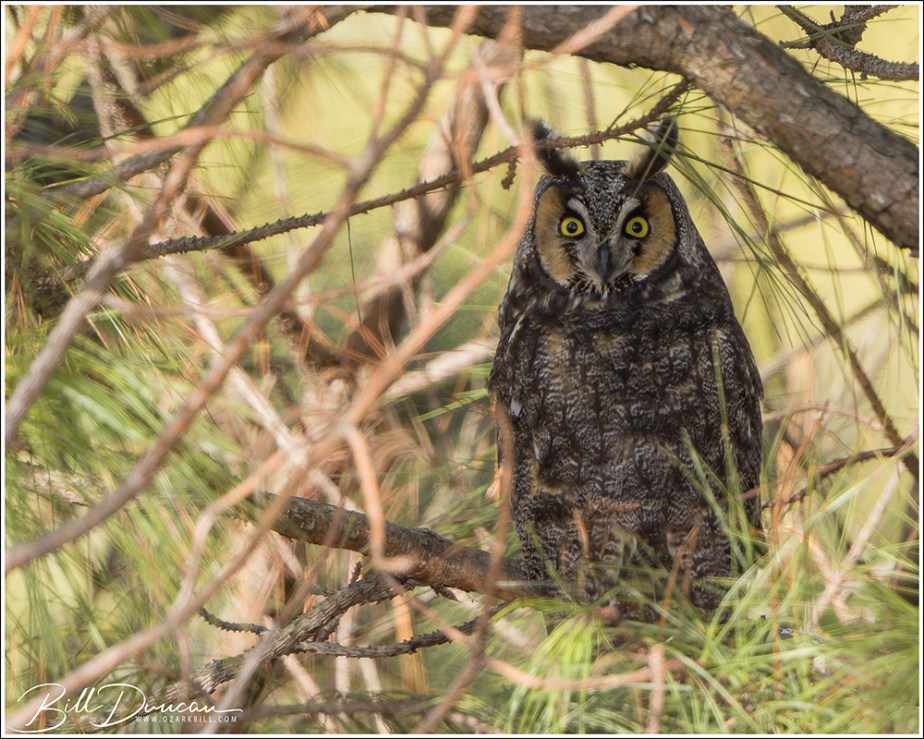
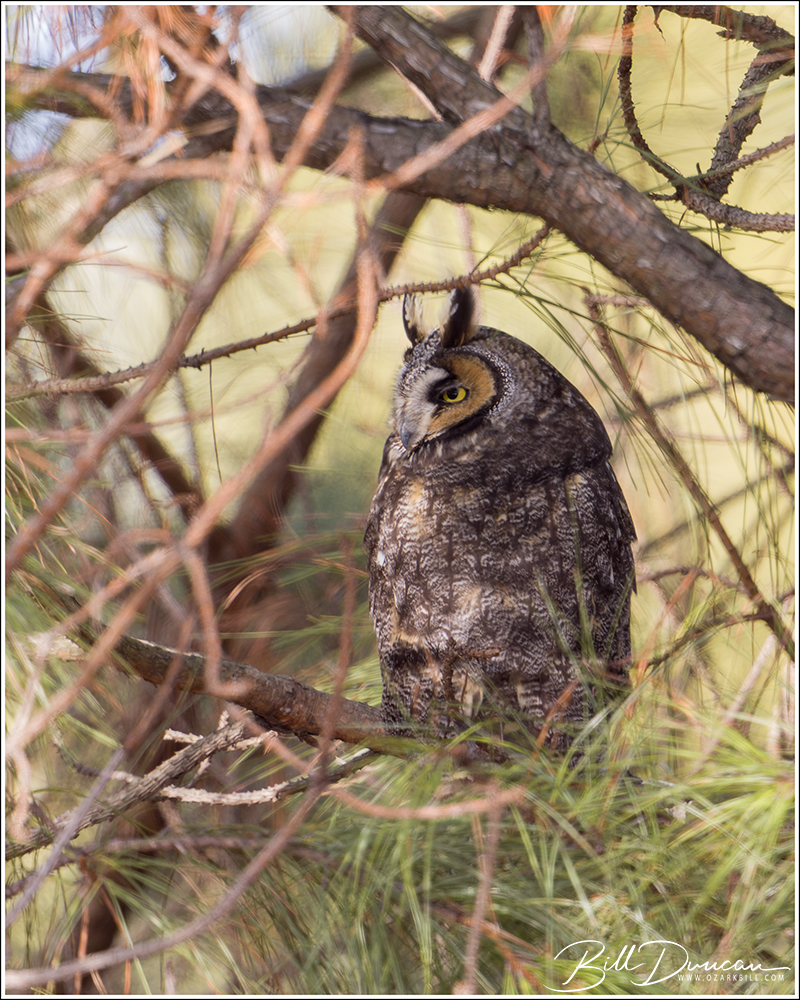
The Long-eared Owl has been on my top most wanted list for adding to my photographed species list for nearly 15 years. During this past New Years Eve, I finally found that opportunity.
Long-eared Owls are a bit different in that they hold and keep winter roosting sites, sometimes using the same trees or a single tree for these winter roosts year after year. This was the case here, where we found five birds roosting in a couple of exotic pine trees. Unfortunately, all but the one pictured here were too far in the mix of branches to be photographed. I am sure happy to have this one.
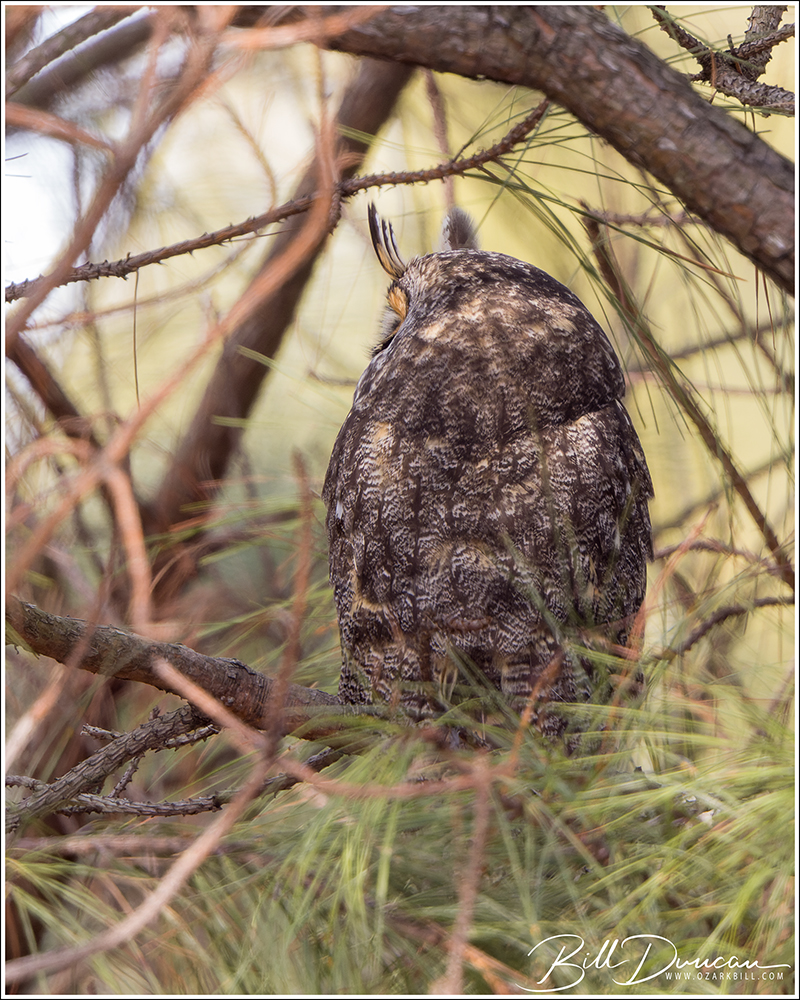
I had heard that this species is particularly weary, flushing with the least provocation. I did not find this to be the case at all with this group. Yes, this was a hard to find location and they do not likely see many visitors. When we stepped from the car they did become aware, moving their heads back and forth to get better looks at us from between branches. But, with keeping low voices, slow movements and respectful distances, they got used to our presence fairly quickly. I was even amused that they began ignoring us, turning their backs to us, going back to sleep and having what seemed to me normal behaviors and interactions. We stayed until dusk at which point they began stirring, moving from perch to perch and interacting with one another. This was too dark for still photographs but I did collect a little bit of video that I hope to process and share someday.
I know this is a sought after species in our region. This roost is on private property in which we were invited. I will not be able to share the location information for this site. Thanks for understanding.