"What a thousand acres of Silphiums looked like when they tickled the bellies of the buffalo is a question never again to be answered, and perhaps not even asked." -Aldo Leopold
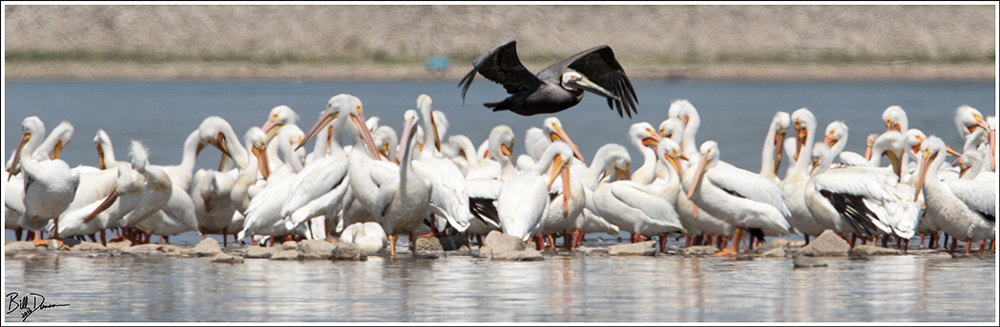
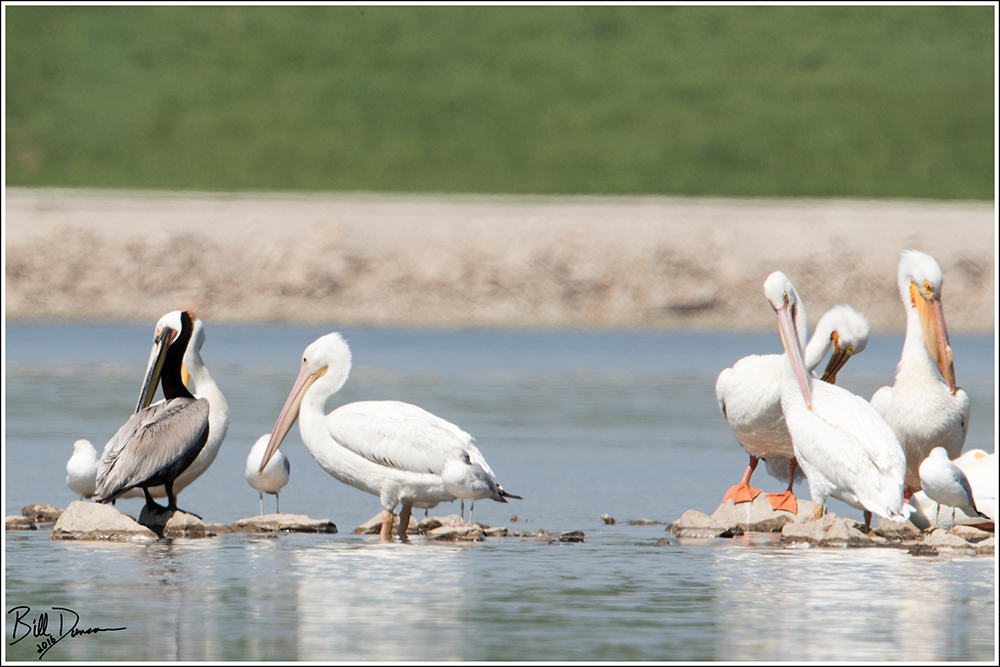
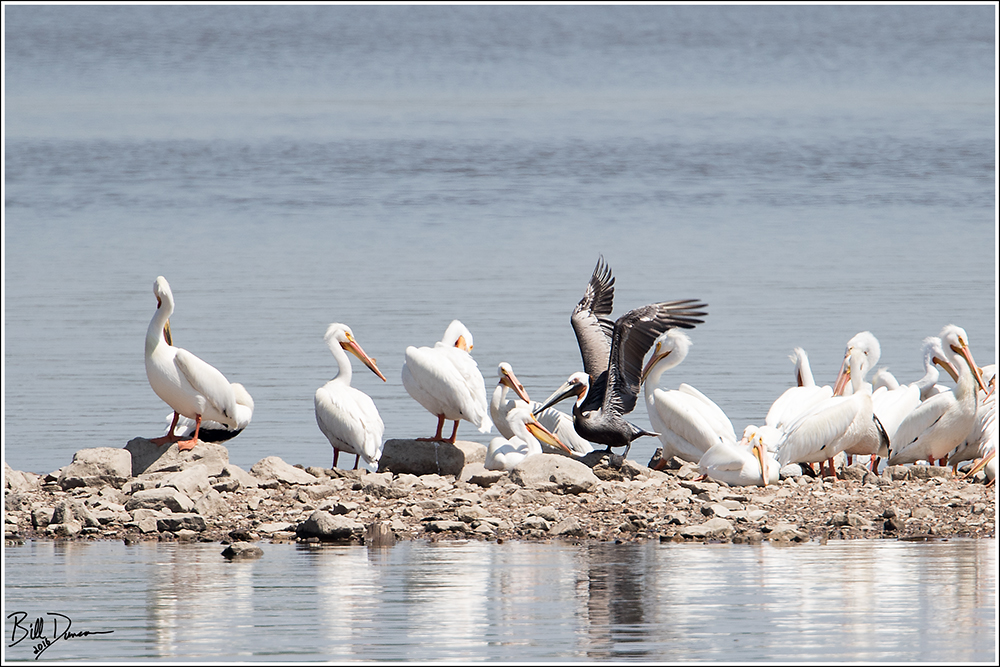
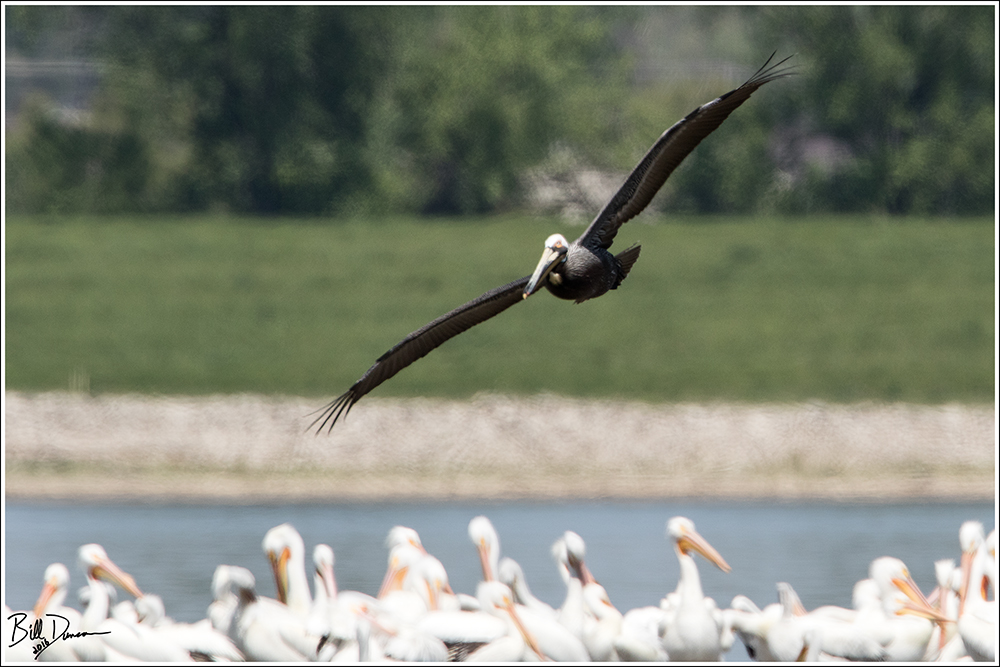
Typically found in warmer coastal waters of the Americas, St. Louis birders were in for a treat by the visit of this Brown Pelican that arrived about a month ago.
Brown Pelican – Preening
The bird has been seen consistently and may stick around at RMBS for the rest of the summer.
Brown Pelican
Unfortunately, these photos were strongly affected by heat wave distortion that was prominant on this clear day.
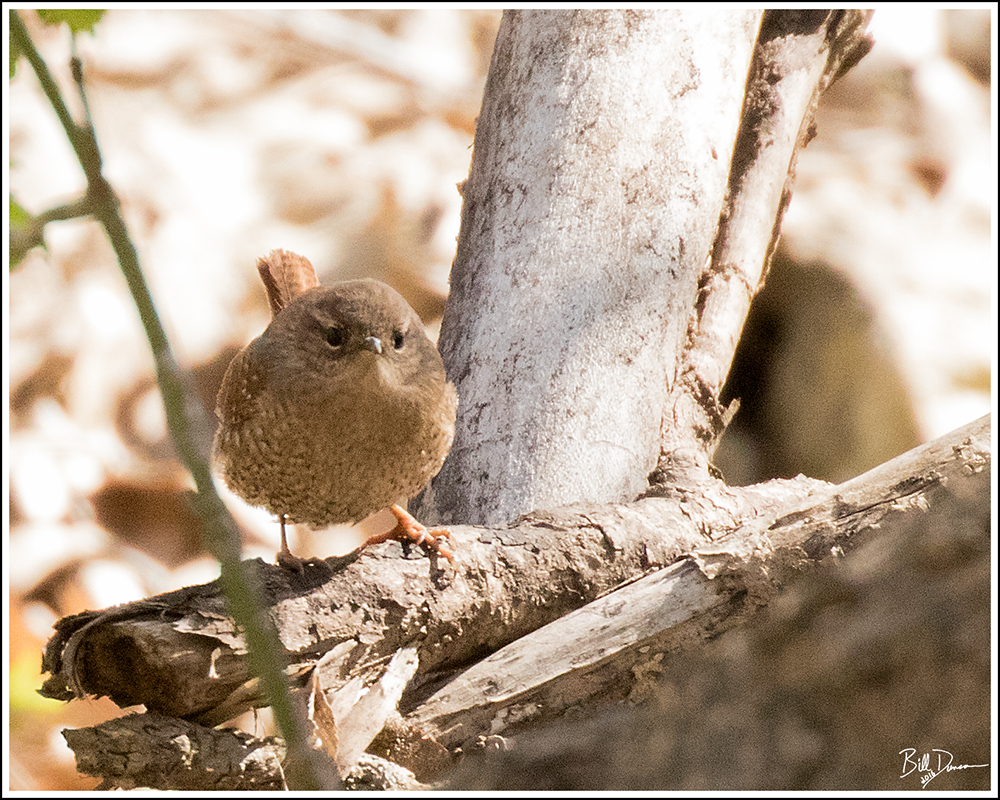
No, I’m not referring to that no account, poor excuse of a season we witnessed a few months back. What I was finally able to do was capture a few pics of a Winter Wren. I have never been able to get more than a fleeting glance at this skulking bird as it somehow is able to hide by rarely moving more than a few feet off the ground. This spring, however, I was in the right place (Shaw Nature Reserve) and was lucky to find a few of these birds and follow them long enough to get a few poor quality images.
Winter Wren
With more than 35 recognized subspecies, the Winter Wren has an enormous range and is the only member of the wren family to be found outside of the Americas.
Winter Wren
According to NatGeo, “Per unit weight the Winter Wren delivers its song with 10 times more power than a crowing rooster”. I was able to hear the quite complex and rapid musical songs as I watched one or two of these birds foraging. I could tell they were merely partial songs and not delivered with full attention and voice as is often the case of migrating birds, but I was still awed by the sounds.
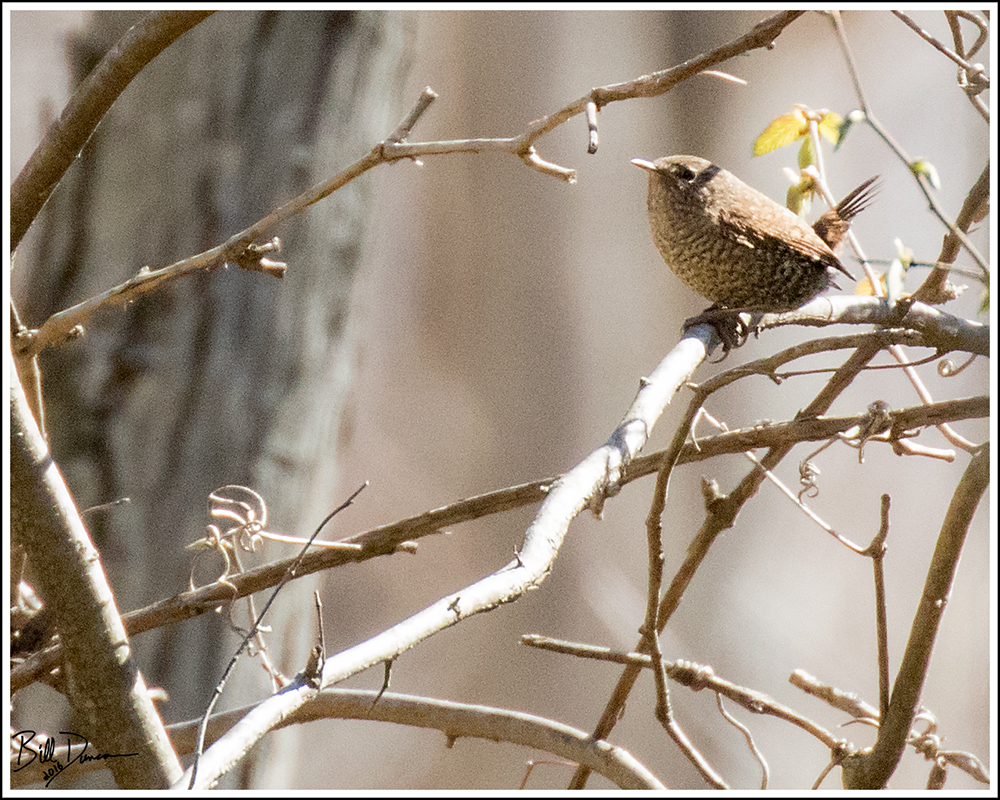
Winter Wren Tail
The photo above focuses on the quite short tail of the Winter Wren, a distinguishing and obvious field mark.
Although the next photo is quite poor, I like that it captured the typical squat, egg-like shape of the bird.
Winter Wren
Finally, I thought I would add an image of a House Wren that I took on the same day, the first of this species that I found this spring. Notice the much longer tail and the lack of any barring pattern on the flanks forward of the legs. A generally paler bird.
I have previously discussed and shared a number of our photos from previous trips to Quivira NWR. Steve and I recently returned from a short trip to central Kansas and I wanted to share a quick photo. Last year we had sure looks and photos of Hudsonian Godwits. This year one of the highlights of the trip was finding a group of 23 Marbled Godwits.
Marbled Godwit
We were a bit earlier this year than last and this combined with a longer, cooler spring, bird species diversity and overall numbers were a tad lower. Constant abusing winds made the cool temperatures nearly unbearable to sustain for long, especially with two dudes who dressed for spring. But, we just worked a little harder and made the best use of good light, higher temps and calmer winds when we could find them. Another unforgettable trip.
If I were to pick my spirit animal, the Takin would definitely be one of my top contenders. An impressive animal, the Takin is a perfect mix of brawn and agility. Phlegmatic, confident and humble (they seem to me), these goats live with the Giant Pandas in the mountainous bamboo forests of China.
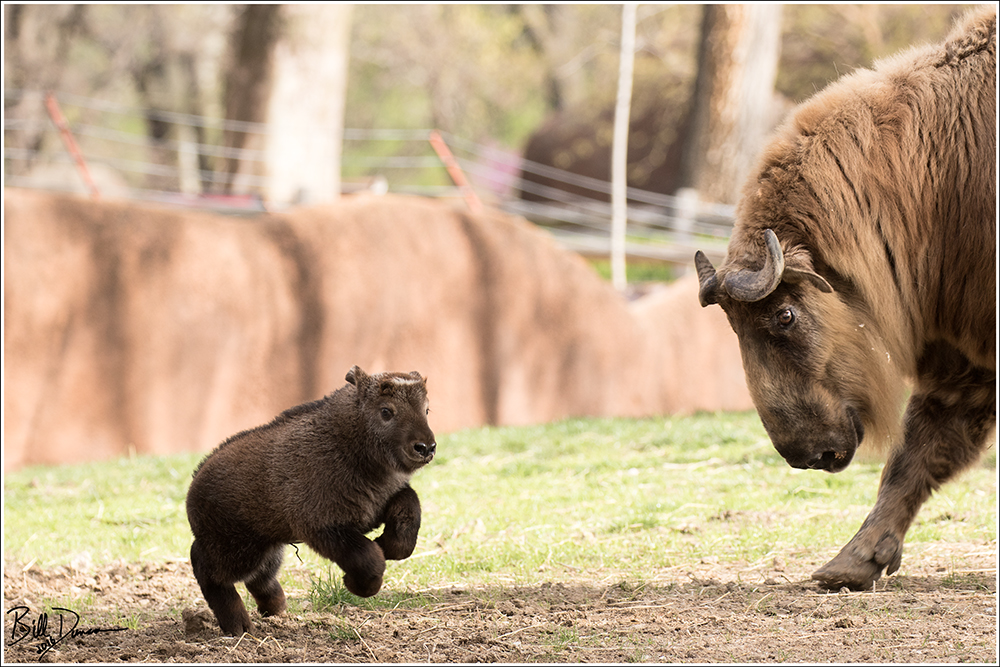
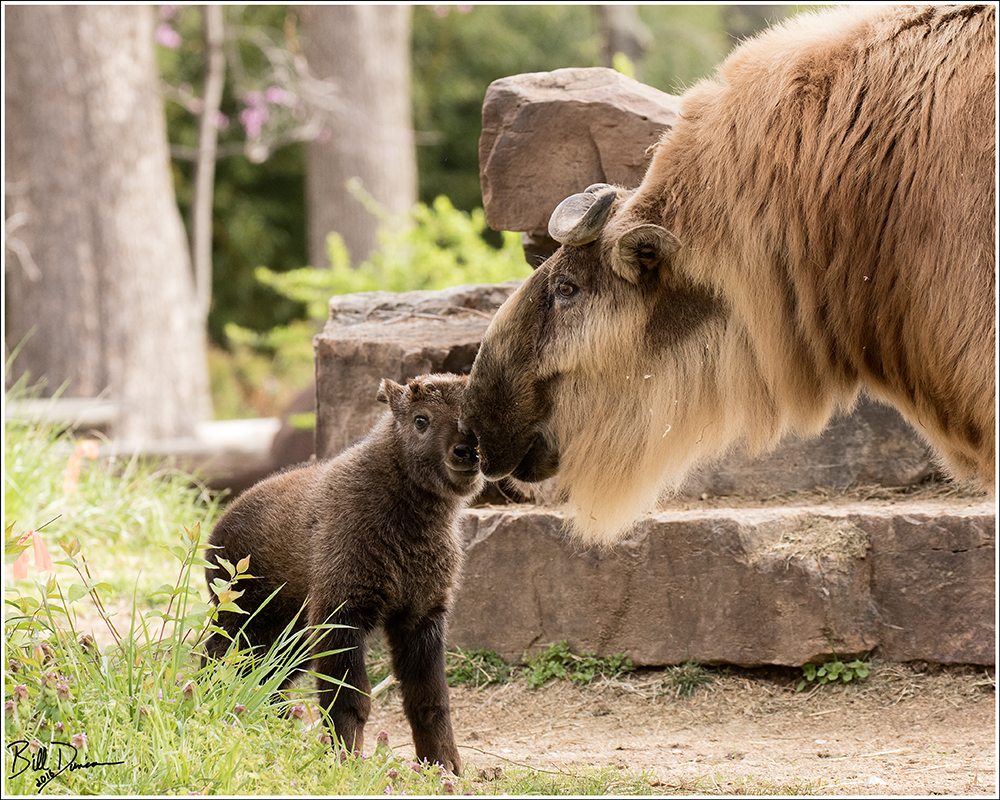
Sarah and I took a day off to visit the Zoo and imagine our pleasure at finding the newest Takin in StL. This little one was about a week old when we made our visit.
Takin it Easy
A week old and ready for anything.
Takin Off!
This guy would go from bluffing and horsing around with mom and the other cow in the enclosure to being timid and weary.
Takin to me?
Here she is getting a reassuring nudge from mom.
Takin a Break
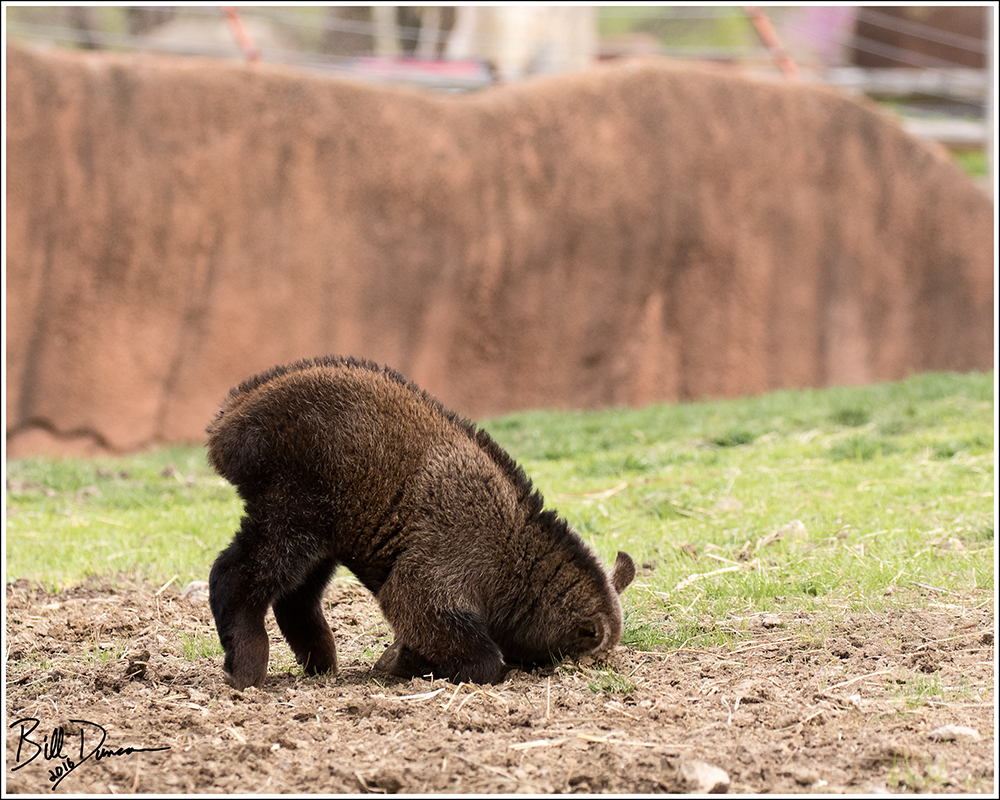
Here you see the little one watching one of the adults having a rub in the dirt.
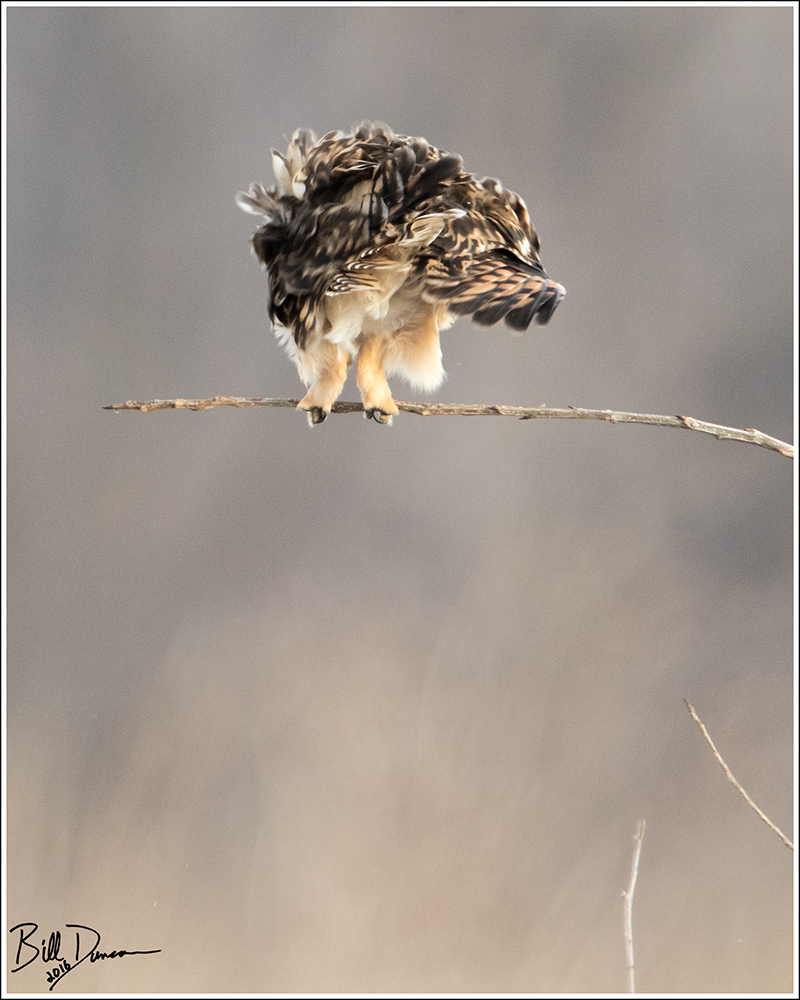
I have shared images and discussed the Short-eared Owl on a number of previous blog posts. Never did I imagine the “storm” that the “winter” of 2015/2016 was to bring. On many different trips to a few different places, I along with my partners Sarah and Steve, were fortunate to have great looks at great numbers of these fluffy fascinations in feathers. I can’t say for certain if this winter in this region was abnormal for hosting a greater than average number of SEOW, or if my observational skills have just improved, but it certainly seemed easier than in past years to find and watch these birds. I’ve just finished putting together a video with some video clips and highlight images that I wanted to share. Without further ado, here you are…
Oh, the challenges video brings to an inexperienced, unprepared and poorly equipped photographer. Throw in the fact that these birds are utterly unpredictable and it’s hard to believe I was able to capture what I did. So, I learn and take notes and hopefully improve next year.
Short-eared Owl
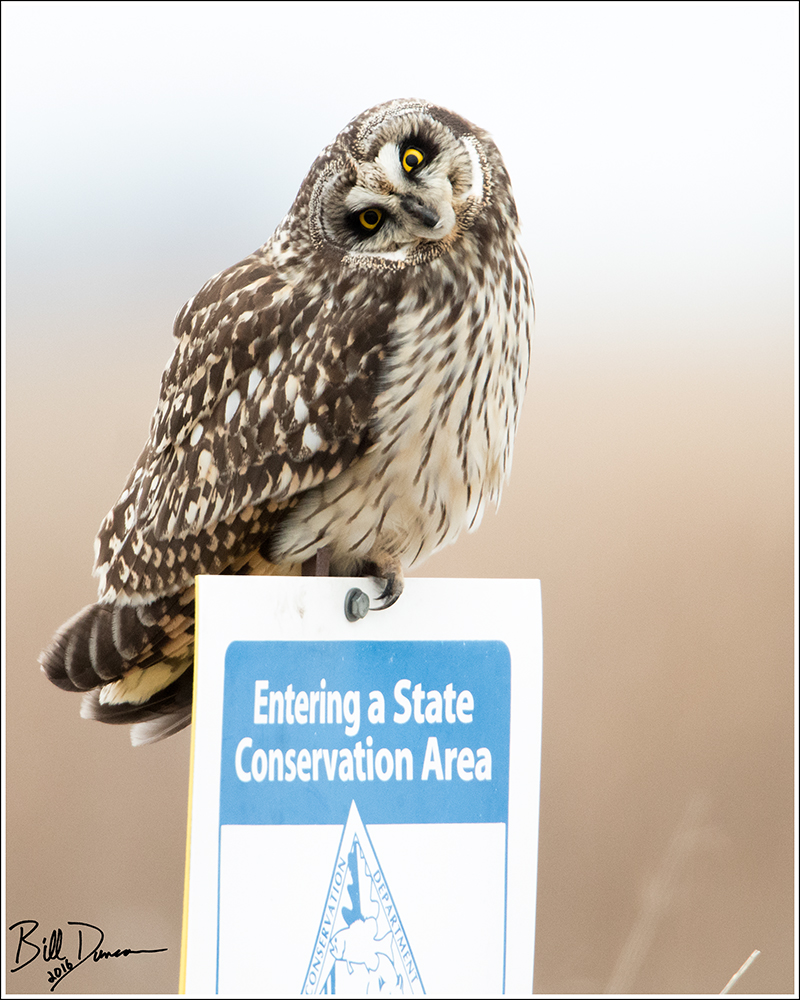
Other than the simians, is there another species easier to anthropomorphize? Here we have cute and inquisitive SEOW, followed mere seconds later by the evil, harbinger of doom SEOW of which early writers told.
Short-eared Owl
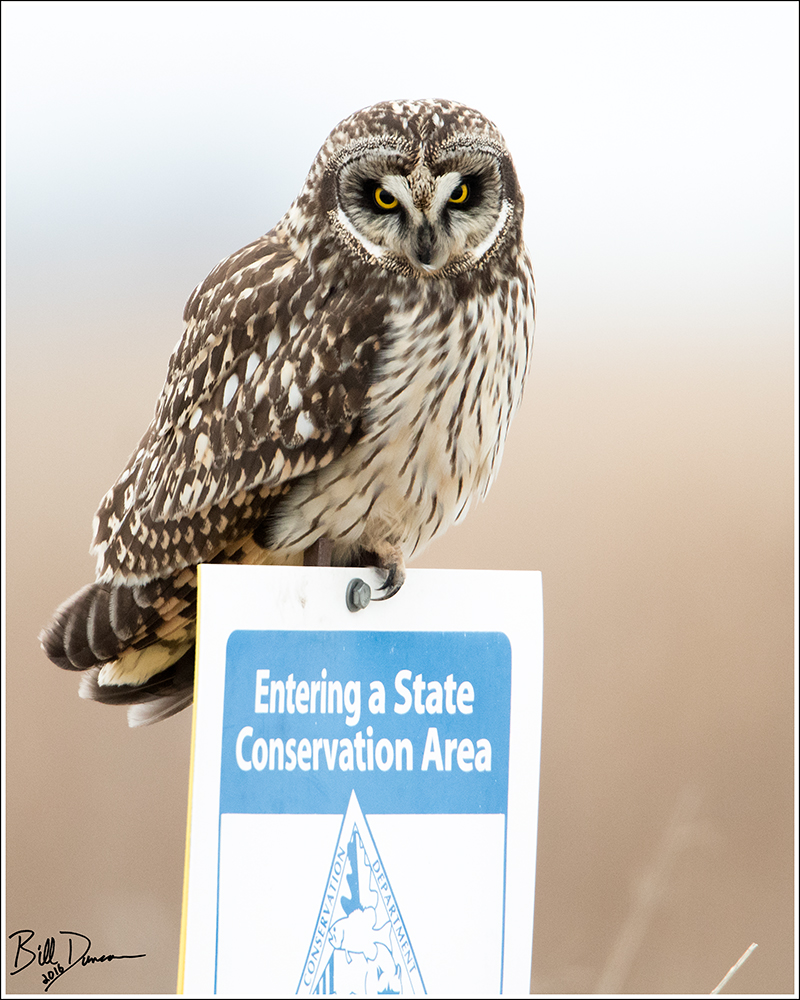
And then we have the indifferent SEOW…
Short-eared Owl
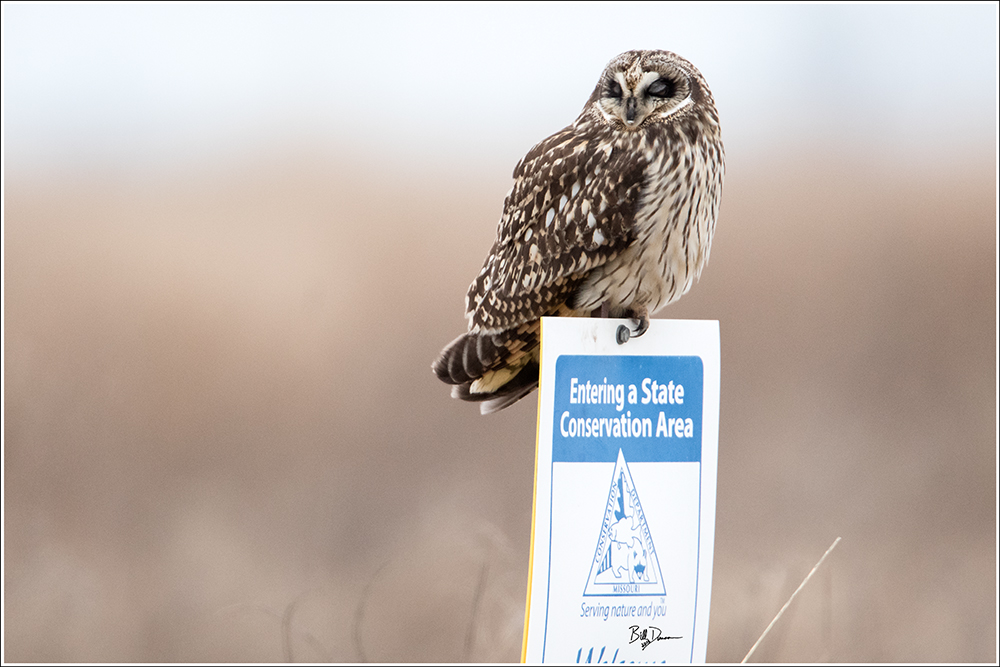
Okay, I’ll stop now before they take my biologist card away from me…
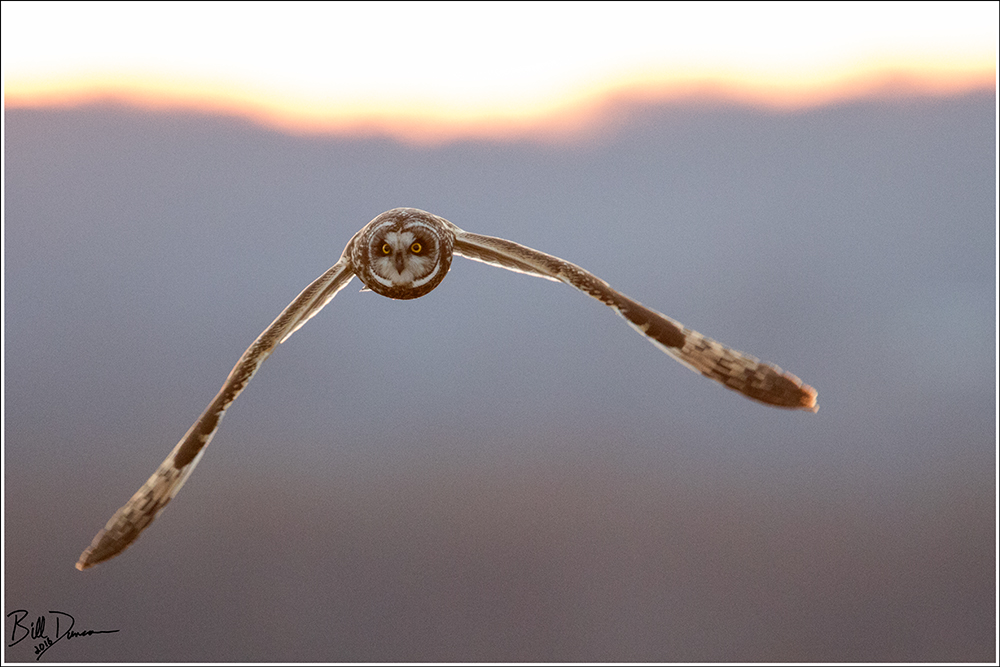
Although I got a few images, I struggled mightily and missed several great opportunities at capturing SEOW in flight this season. The randomness of the encounters coupled with challenges with lighting and equipment make this a true challenge. Funnily, one of my better in-flight photographs was taken with a setting sun at the bird’s back – not the best opportunity…
Short-eared Owl
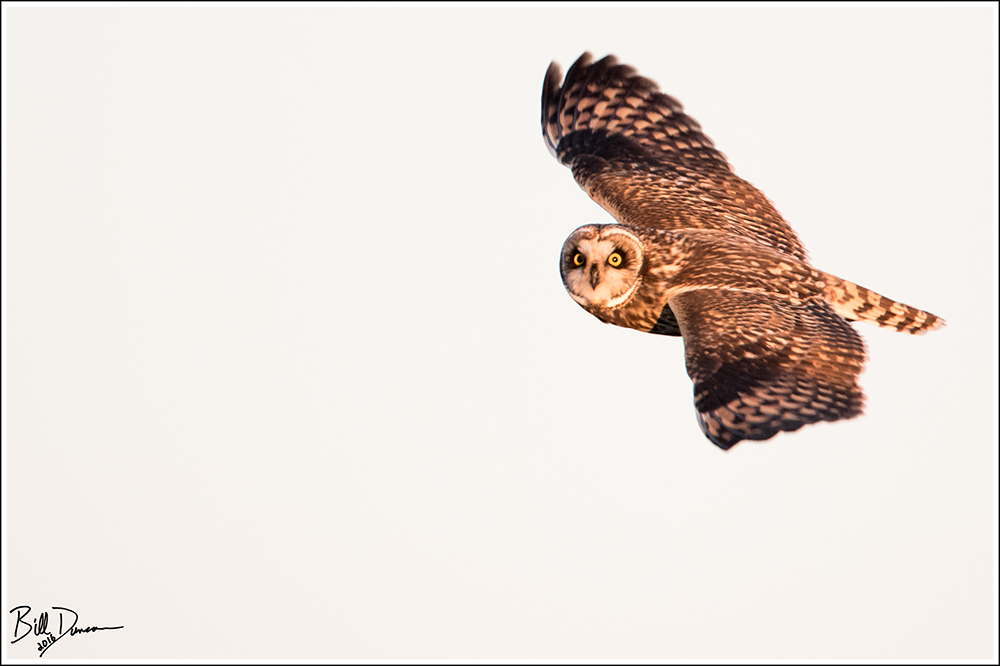
The image below was taken with the sun in a better position. Notice the catch light, which suggests that the bird was up and in flight with the sun still in the sky. Something else in this photo that I noticed before is the difference in dilatation of the lit pupil compared to the pupil of the shaded eye.
Short-eared Owl
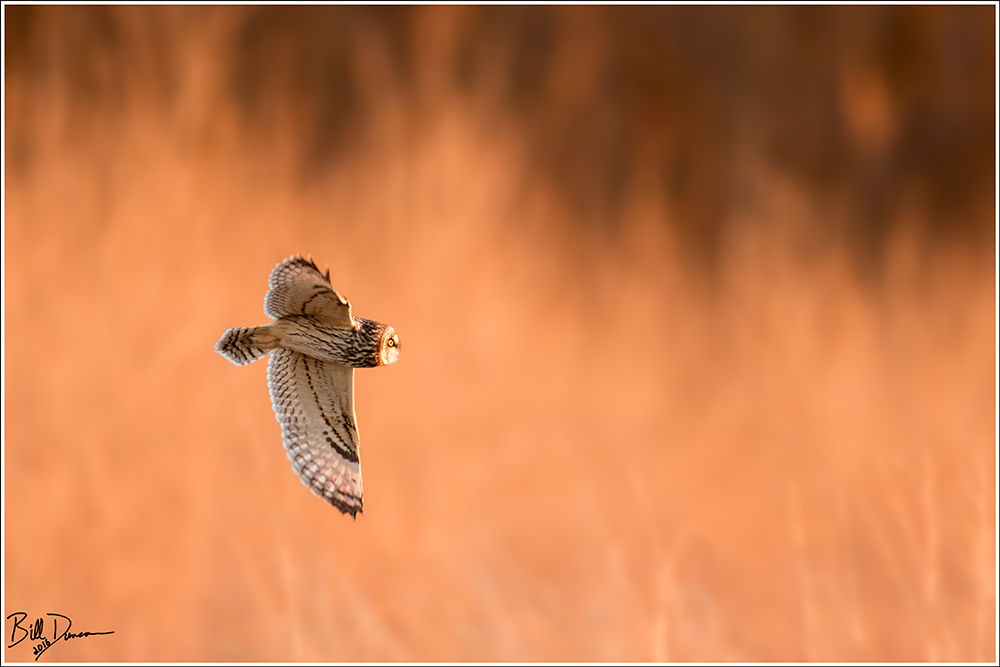
Below is a flight shot from a further distance. I liked the warm light of the golden hour, painting the dead prairie vegetation in fire.
Short-eared Owl
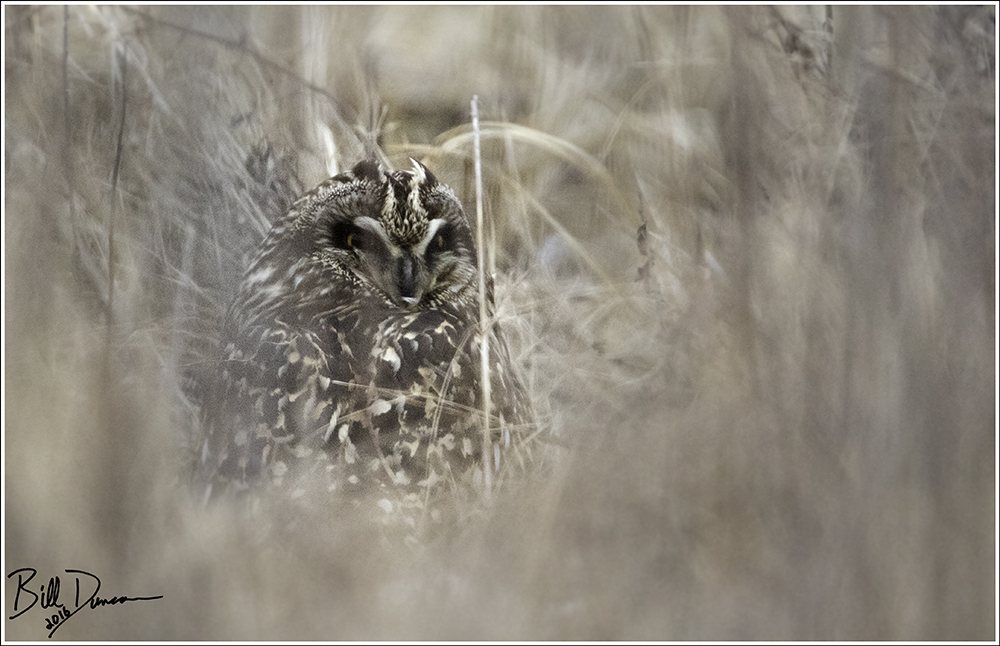
One night Steve and I were fortunate to have an owl perch close to our car well into dusk. It then left its perch and landed nearby in the vegetation. We could not tell if it was after a prey or decided to go back to bed, as it sat there for the short remainder of the day.
Short-eared Owl
The final image I am sharing here is just to show off those feather-covered legs. A great adaptation for the cold climates in which these birds are found.
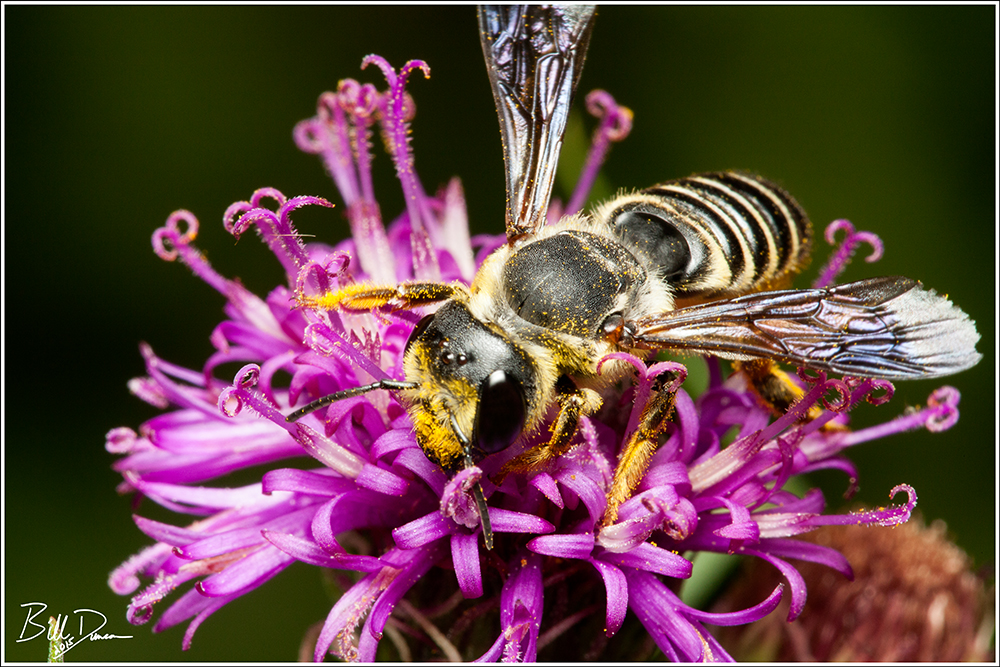
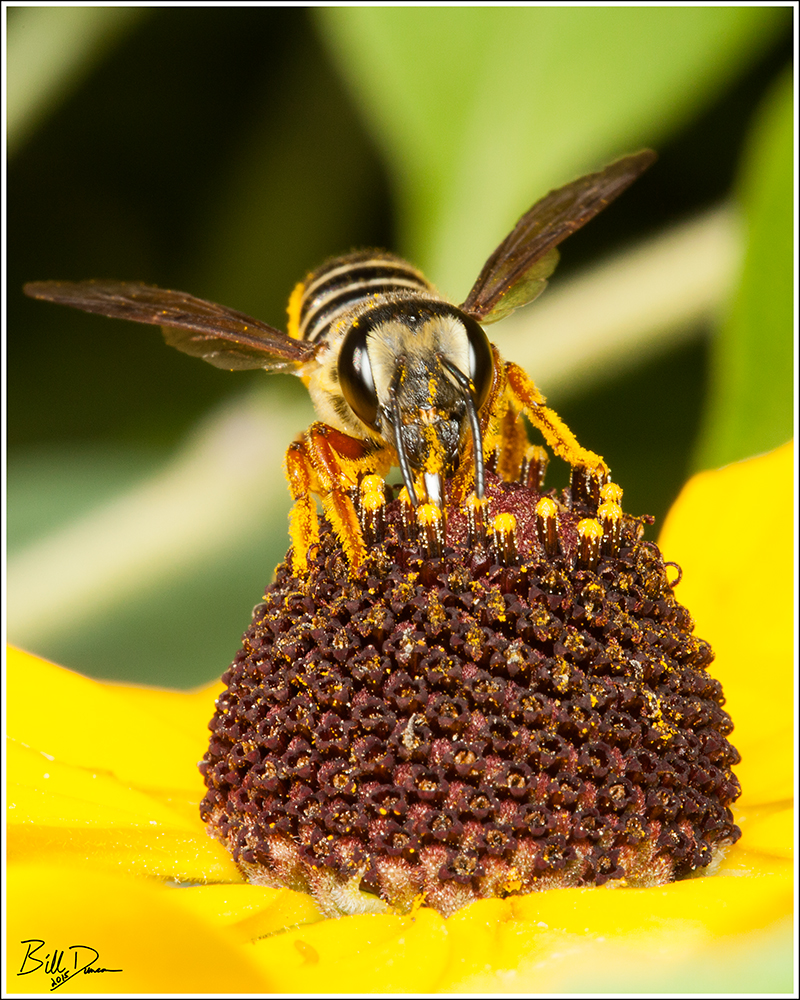
The Leafcutter Bees are an interesting group of native solitary bees found within the Megachilidae Family along with Mason Bees, Resin Bees and Carder Bees. There are approximately 200 species of Leafcutter Bees (Megachile genus) found in North America and several of these species can be easily found in gardens throughout the eastern United States where they favor the plant families Asteraceae, Campanulaceae and Fabaceae.
Leafcutter Bee – Megachile sp.
Leafcutter Bees get their names from an obvious behavior. These bees line their chosen nest cavities (stems, cracks, wood-boring beetle borings, holes of all kinds) with circular discs that they cut from green leaves or flower petals. When a cavity has been sufficiently lined, the bee will deposit an egg along with a provision of nectar and pollen, afterward abandoning the nest.
Leafcutter Bee – Megachile sp.
Bees in this family are abdominal pollen collectors, as can be seen in the photo above. Unlike most bees that hold pollen in brushes on their legs, the Megachilidae hold their pollen on the underside of their abdomens that consist of course, unbranched hairs that curves towards the tail.
Leafcutter Bee – Megachile sp.
A diagnostic behavior of the Leafcutter Bee is their habit of extending their abdomen vertically while they forage. I have not been able to find an accepted reason that they do this.
Leafcutter Bee – Megachile sp.
This is a group of native insects that anyone can help in their own backyard. Consider making, purchasing and installing nesting structures for your native pollinating bees. It’s quite easy to do and will help out a lot in suburban where natural sites for nests are often hard to find.
Here is a series of the freshly blooming Fragrant Water Lilies (Nymphaeaceae – Nymphaea odorata) taken at Shaw Nature Reserve this past summer. I converted these to look like oil paintings using Photoshop CS6.
Fragrant Water Lilies – 2
This plant uses an interesting pollination strategy. Insects are attracted to the flower and land on the concave tip of the ovary which contains a small amount of liquid. If the insect has visited another lily flower previously, then the pollen it is carrying gets washed off in this fluid and pollinates the flower. Often, the insect pollinator (usually small, native bees) will not be able to escape this small pool before the flower closes for the night and will therefore drown. See Steyermark’s Flora of Missouri by George Yatskievych for more details on these interesting wetland plants.
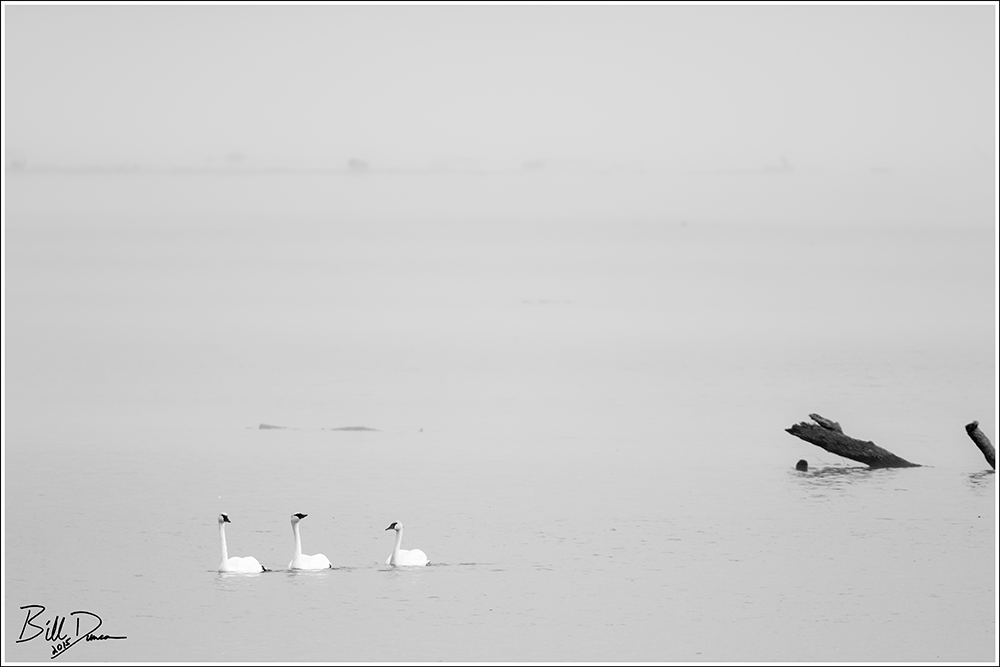
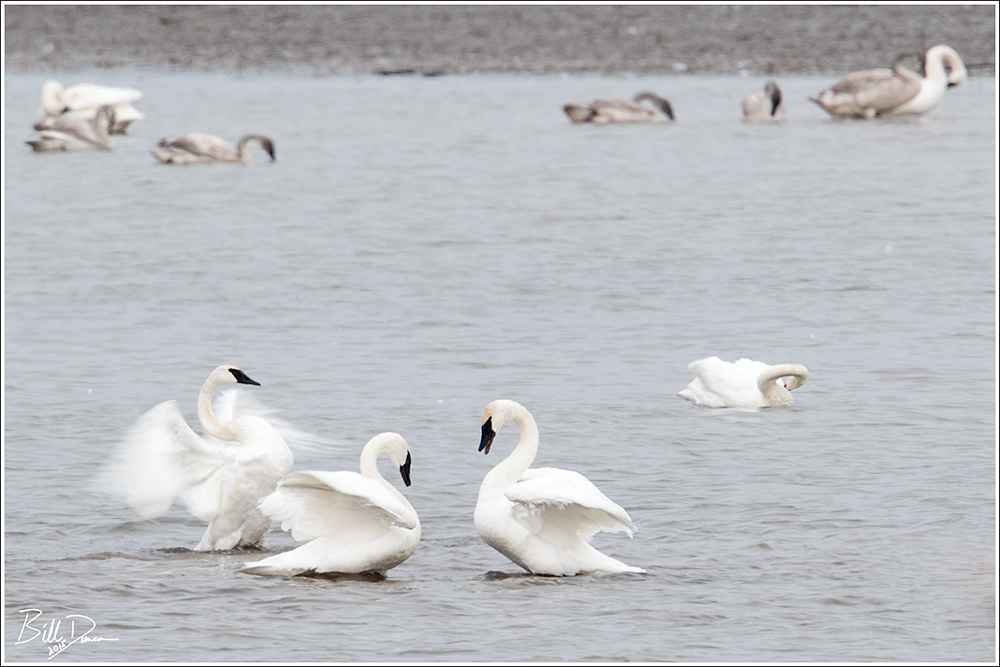
Missouri is home to three giant white swan species that can be difficult to distinguish without a bit of training or education. All three swans belong to the genus Cygnus and rank among the largest waterfowl on the planet. The first species we will consider is the Trumpeter Swan (C. buccinator). Ranked as both the largest waterfowl species in the world and the largest flying bird of North America, the Trumpeter Swan is considered a conservation success. Beginning in the 1600s the birds were collected for their meat, skins and feathers. This unregulated slaughter lasted until the passage of the Migratory Bird Treaty Act, which provided the species some protection. Their population rebounded from a level as low as 32 birds documented in 1932 to 15,000 – 20,000 estimated today. Trumpeter Swans only winter in Missouri, spending their summer nesting season from the upper great plains up to Alaska. As many as 600 birds have been counted at Riverlands Migratory Bird Sanctuary during a winter season.
Trumpeter Swans
The Tundra Swan (C. columbianus) are more widespread across North America compared to its larger relative, the Trumpeter. And, although they far outnumber the Trumpeter in total population, the Trumpeter is actually the more abundant winter resident in Missouri. For reasons unknown, this winter we have seen an unusually high number of the comparatively rare Tundra, giving birders something to be excited about.
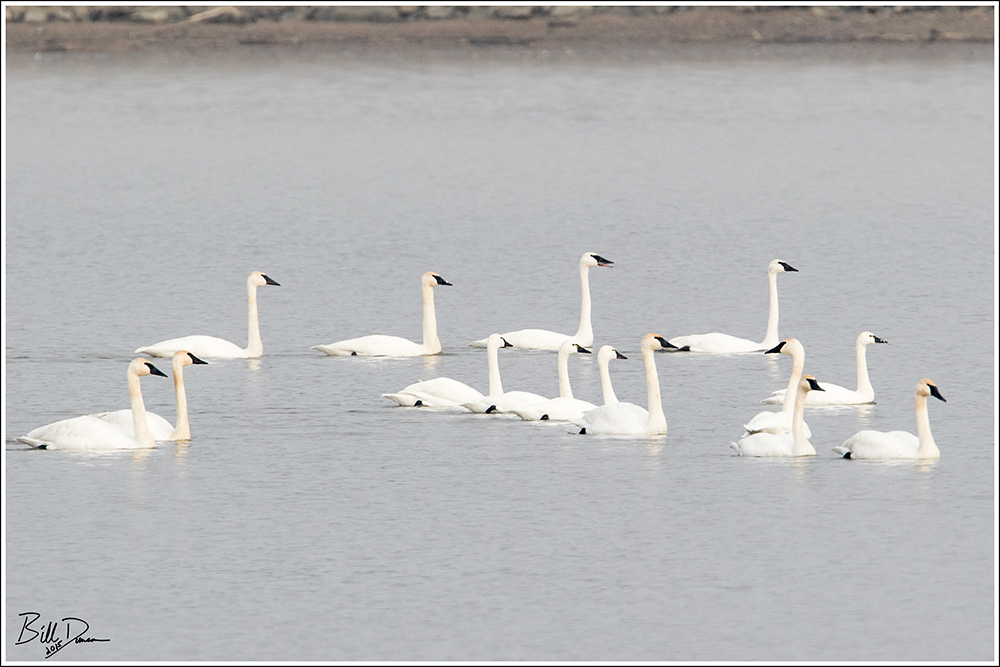
In single species groups, especially at a distance, the two species can be challenging to tell apart. However, when seen up close and spaced closely together, the differences are more easily identified. On average, the Tundra is 1/3 to 1/2 the size of the Trumpeter. In addition the border of the black color surrounding the bill is different in the two species and the Tundra usually has a yellow spot on the lores, near the base of the bill. I’ll guide you to your favorite field guide for more specifics. With this information, can you spot the four Tundras in the image below?
Mix of Swans
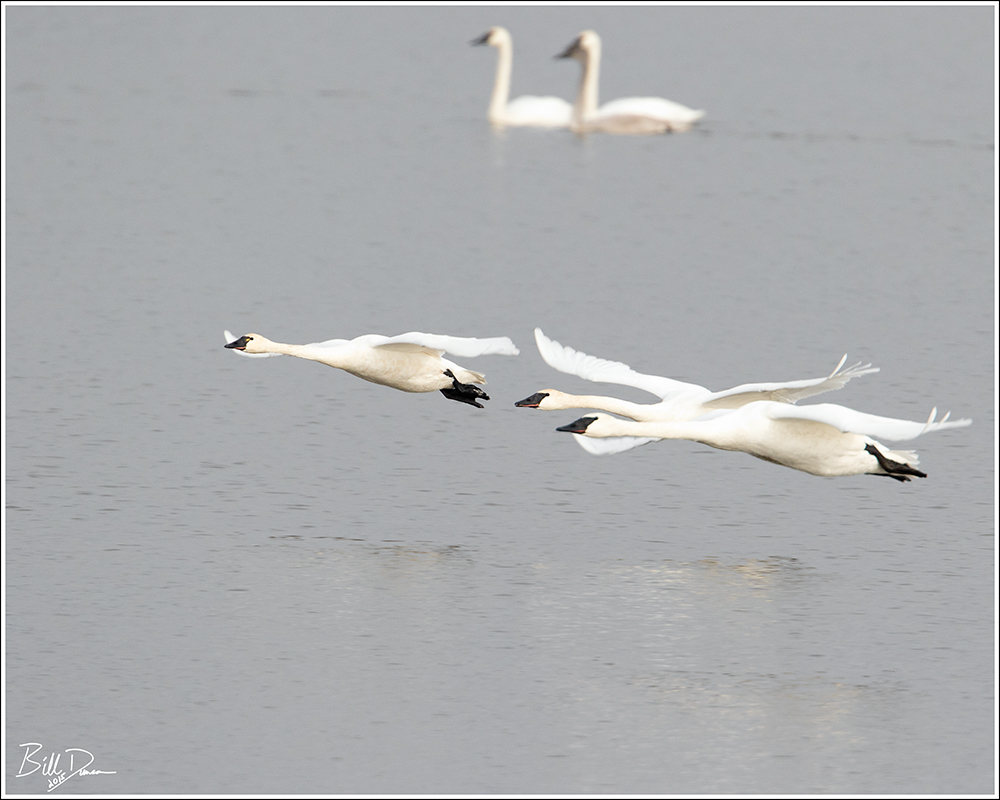
Here is a closeup of the two species in flight. Easy to spot the Tundra here. Right?
Trumpeter : Tundra – 2.1
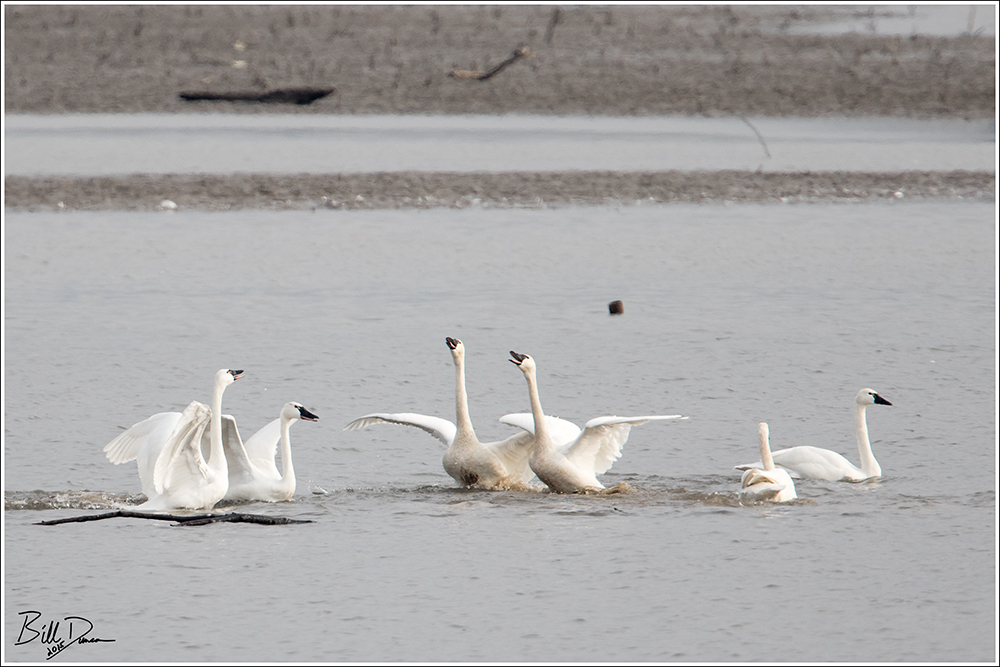
It was such a treat being able to watch a group of Tundras carrying on…
Tundra Swans
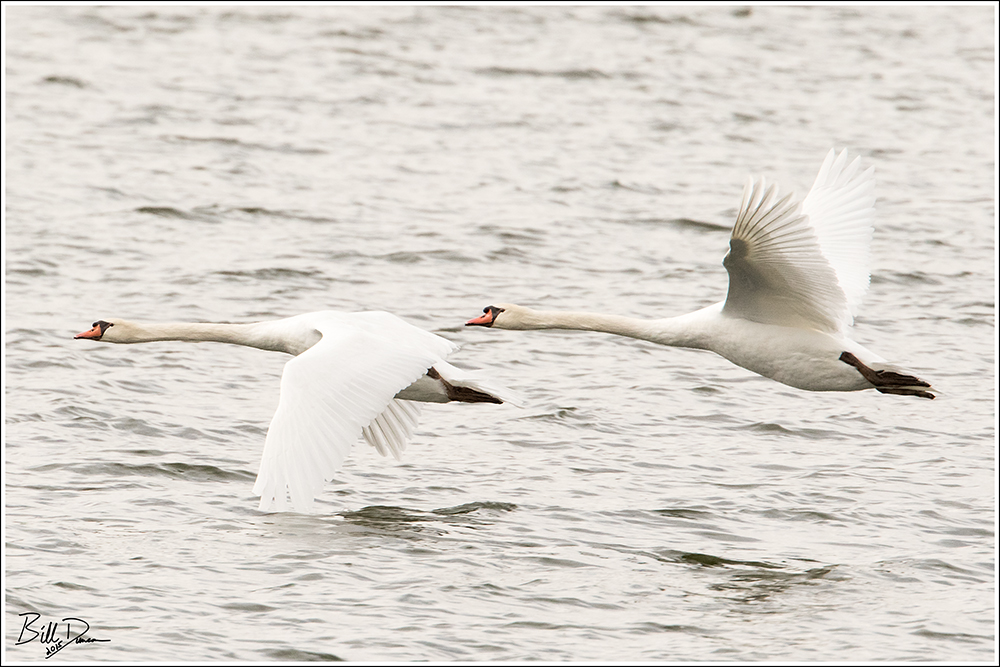
Finally, our last (and quietest) of Missouri’s Cygnus – the Mute Swan (C. olor). The Mute is native to the old world and exists in North America as a naturalized resident. Still raised and sold on the captive market, the Mute is typically a year-round resident in these parts, moving only to find open water in the dead of winter. These birds are easily recognized by the large, orange-collored bills, often with a bulge at its base. I photographed this pair at Binder Lake S.P.
Mute Swans
There you are, a quick overview of the Missouri’s white giants.
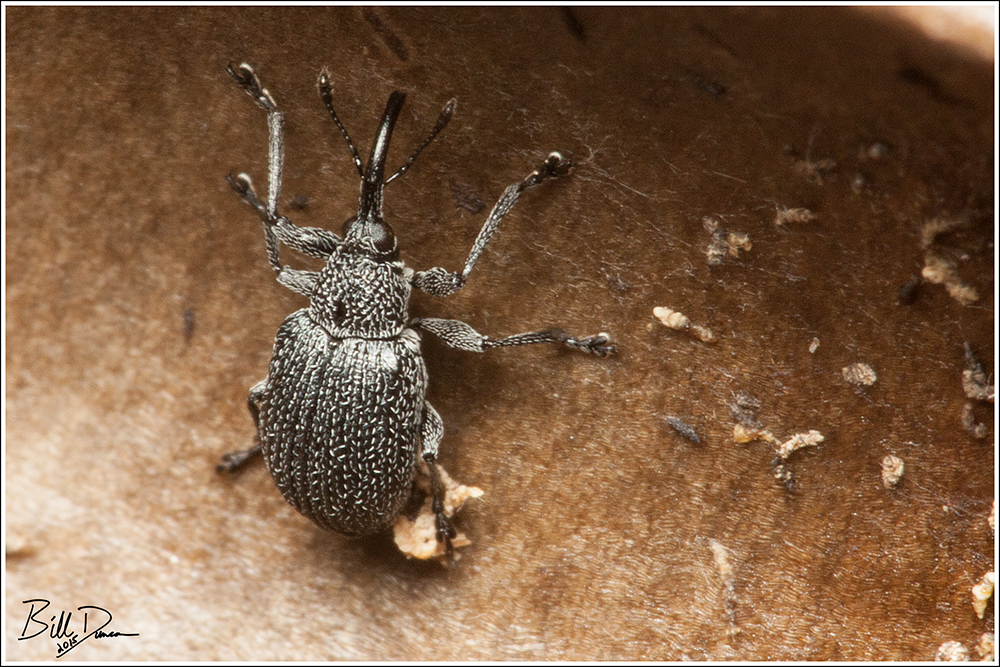
Almost reflexively, I pull the baby rattle-shaped seed pod from the stately White Wild Indigo (Baptisia alba) as I meander through Shaw Nature Reserve’s prairie trails. I can’t help it. I make sure the pods are always black, mature and any seeds left unravaged I simply help to disperse along my walk. But in doing this so often in the late summer and autumn for so many years I have come to notice that this common forb cannot disperse many seed. Because, inside the seed pods, like the one pictured above, I usually find multiple seed predators – the short-snouted weevils, Trichapion rostrum (Family Brentidae).
Trichapion rostrum
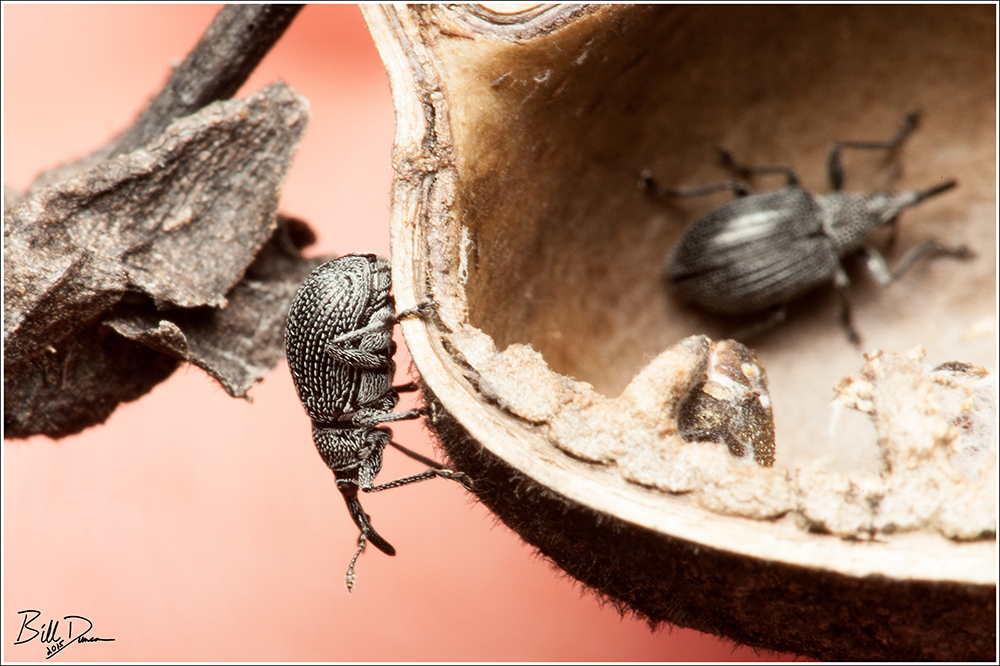
Baptisia seed are favored among other insects as well, but what they may lose in this stage of life, they pick up as they grow, for the false indigo are long-lived, drought-tolerant perennials that contain large amounts of secondary compounds that make them absolutely unpalatable to grazing mammals. The photo below shows these tiny beetles (3.0 – 3.5 mm) among the husks of a number of seeds. I have not been able to find a source that suggests if both larvae and adults feed on these seeds, or just one of the growth stages.
Destroyer of Seeds
Here is an image of a couple, shortly after I split their double-wide…
It’s the Visitors, Martha!
These little one have been a source of fascination for me. I hope to learn more about them someday.
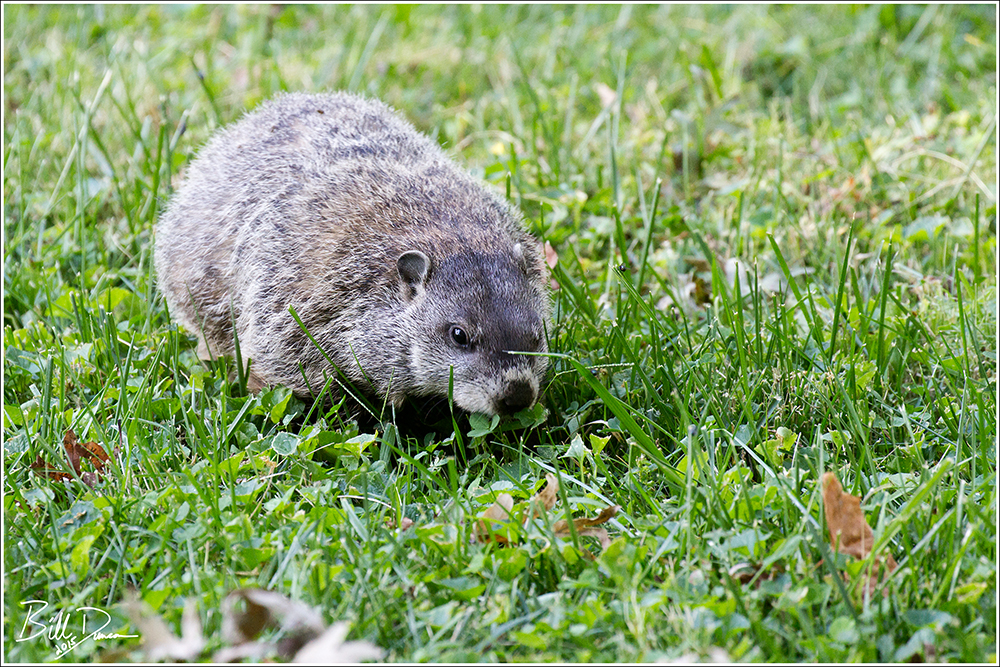
I met a couple new friends this late summer. I had begun to notice a couple of Groundhogs, aka – Woodchucks, at Wild Acres Park in Overland, not too far from home. These fascinating animals are quite tolerant of people and will allow for close viewing in areas like parks where they are accustomed to those who mean them no harm. See the photo below for what I am assuming/hoping is a reproductive pair.
Groundhog Pair?
Groundhogs undergo hard hibernation. I began to see less of these guys, foraging for their favorite plant foods around the entrances to their burrows, as the autumn advanced. I believe the last I saw of them was late November or early December. Once asleep, Groundhogs will hibernate in their burrows until February, in which they may loose up to half their autumn body weight. A brief courtship/mating season is then held, followed by an average of 4-5 pups in late March. I will be keeping an eye out for that.
Lookin’ Out My Backdoor.
The photo above shows a Groundhog doing its second favorite past time, basking in or near a burrow entrance. I have been able to find four burrow entrances in the park so far.
‘Till the Spring
Hopefully this crazy El Niño winter is not affecting these guys too badly as they take their winter naps deep inside their burrows. I’m looking forward to spring.

















 A Thousand Acres of Silphiums