Copyright Law for the Nature Photographer

I’m sure that anyone who has spent time viewing photographs in an online setting has seen them – those watermarks or scripts that contain the ©, often accompanied with text notifying the viewer that the photographer or graphic artist owns the copyright to that image.  But, did you know that this is completely unnecessary?

Many photographers place elaborate and beautifully designed watermarks across their images.  There is nothing wrong with this, especially for those photographers who are interested in building their brand, e.g., wedding or portrait photographers.  But I often find the watermarks are often more interesting or compelling than the images they emboss.  It is my opinion that collectors of nature photographs are more interested in the final product, rather than in a name.  Besides, if one makes a name for oneself, the photograph need simply be signed to identify the artist.

I have “signed” my photographs with generic text or my watermark for years, just as an artist would make their mark or signature when finishing a painting.  I am turned off by the idea of marking a hard worked for photograph with a sign of commerce, especially if it was unnecessary in protecting my rights to my work.  What I am sharing in the remainder of this post is mostly from what I remember from an Intellectual Property class I took during my Master’s program along with some light research to make sure there have been no significant changes.

Did you know that the instant you take/make a photograph your image has copyright protection that you own?  That’s all there is to it.  There is nothing else you need do to have that protection.  As the owner of the copyright you are provided certain rights that can be found here: U.S. Copyright Act at 17 U.S.C. 106.

Many of you have probably heard of ‘registering a copyright’.  If a photographer does not register their copyright with the Library of Congress prior to an infringement of the copyright, then the photographer can only cause two things: 1) cease and desist of the infringement, and 2) recover only actual damages caused by the infringement.  “Actual damages” equates to what you would normally be paid (fair market value) for an image that subject in the specific infringement.  If, like many nature photographers, you don’t sell your works, then the best you can hope for is for the infringement to be stopped.  You will likely not receive payment.

Taking the step to register your copyright with the LoC will allow the photographer to collect statutory damages in the event of an infringement.  Depending on the circumstances, e.g., the willfulness of the infringing party, statutes allow for the collection of between $750 and $150,000.  One must still prove that they attempted to protect their copyrighted work, but there have been more than a few artists that have made a living by simply collecting these settlements of their infringed upon registered copyright.

I registered my copyright to a few hundred photos a few years back.  There is a small fee and some work involved, but I remember it being a relatively painless process.  I have not continued to do so because I feel I take reasonable steps to keep my work protected, e.g., not posting image files online with anything larger than 1000 pixels on the longest edge, and that I know there are many greater photographers that potential infringers will target.  See below for an example of a Certificate of Registration.

copyright-reg

I believe I submitted 500-1000 images on a single CD-ROM (the standard method at the time).  I recommend downsizing the files, which can be quite small and still be identifiable.  I can’t remember the specifics, but they were somewhere around 50-100 pixels on the longest edge.  You can easily do this in a batch process.

There is nothing necessarily wrong with adding that copyright symbol to your image and I realize there are some advantages in having it there.  However, I wanted to make sure those of you reading this know that this is an unnecessary attachment to your well crafted visual property.

That’s about it for the bare basics of copyright protection for the nature photographer.  There are other details if one delves more deeply.  Rules change a bit once you leave this country, but copyright protection can be found in most area of the globe.  If you have any questions that were not covered here or would like to offer a different viewpoint, please let me know by using the comments section of this post.

Until next time
-OZB

In the Land of the Blind the One-eyed Man is King

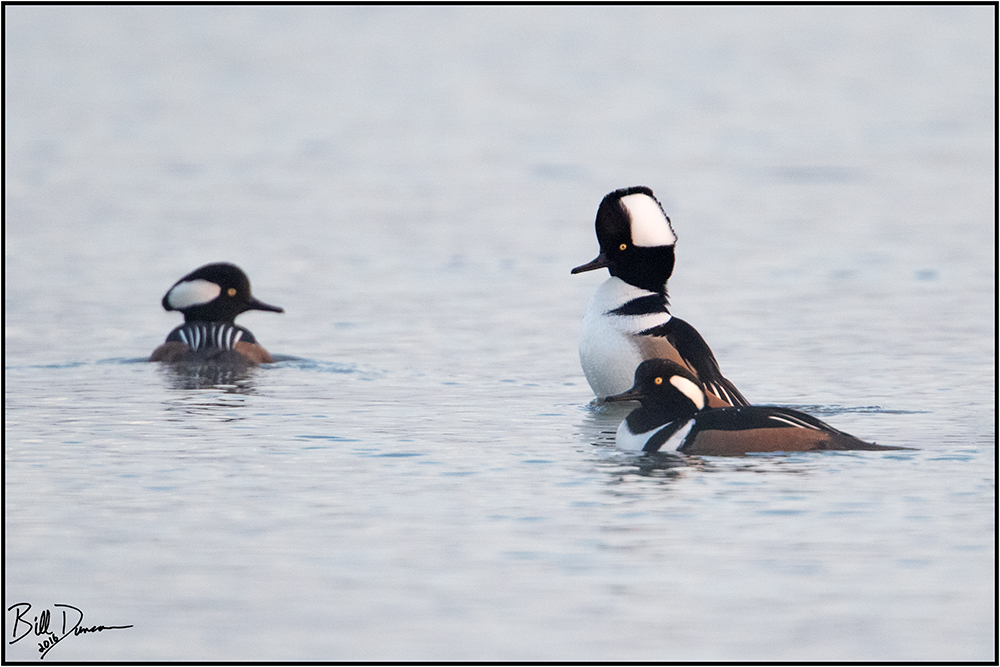
Hooded Mergansers - Riverlands Migratory Bird Sanctuary - St. Charles Co, MO
Hooded Mergansers First Year Males – Riverlands Migratory Bird Sanctuary – St. Charles Co, MO

The one-eyed man referred to in the title of this post is, of course, the photographer with a telephoto lens sticking out of a well-placed blind.  Yes, we are all aware of and use to good effect the mobile blind – our warm vehicles.  However, shooting from a car in a place like RMBS leaves a bit to be desired.

6a1a5722
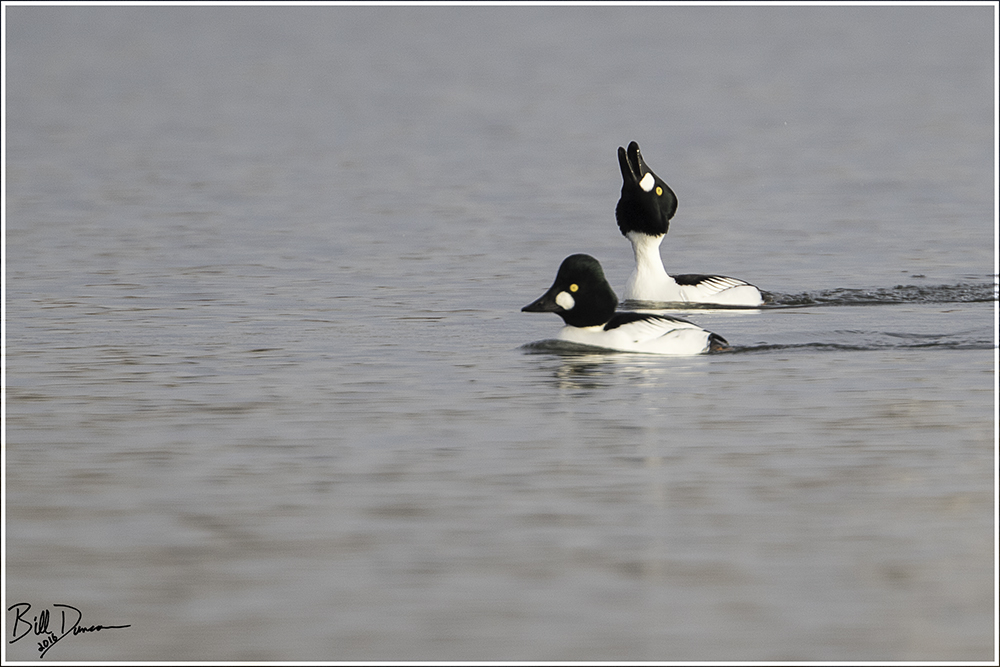
Common Goldeneye – Riverlands Migratory Bird Sanctuary – St. Charles Co, MO

From a car, the angle at which the birds are photographed will always be at the same downwards angle that in my opinion is less desirable than being close to eye level, which sitting low in a a portable ‘bag’ style blind can afford.

6a1a5316
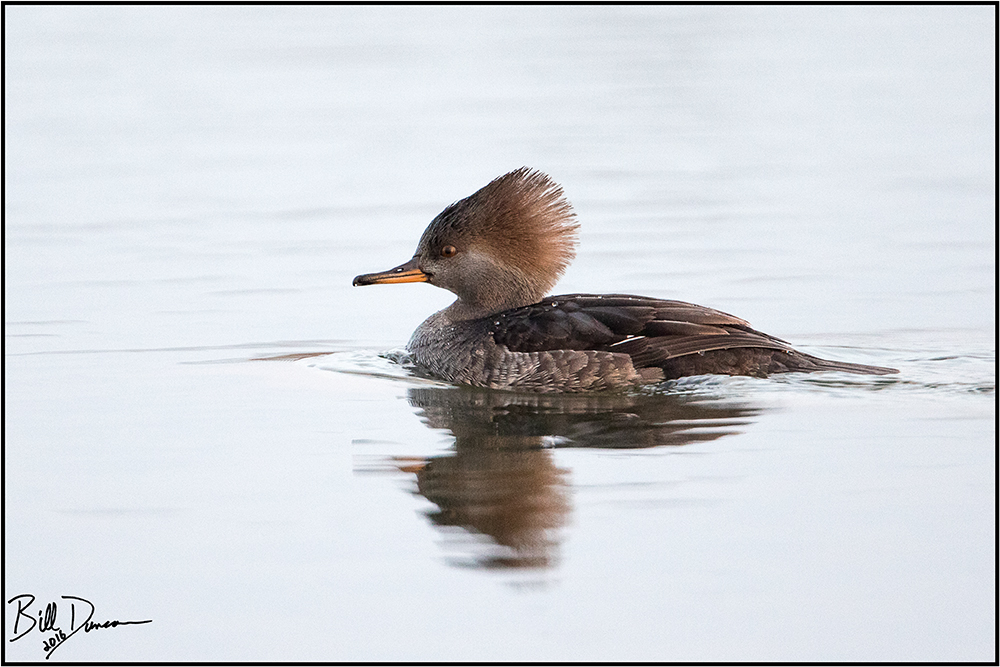
Hooded Merganser Hen – Riverlands Migratory Bird Sanctuary – St. Charles Co, MO

Although I have owned such a blind for a few years, I have only recently given it some real use with friend and fellow like-minded nature photographer, Miguel Acosta.  All of the images from this post were made in our first attempts at this and even with limited light and opportunities, I can already see the potential in using this technique for improving photography of waterfowl.

6a1a5377
Hooded Merganser Big Boys – Riverlands Migratory Bird Sanctuary – St. Charles Co, MO

Getting an eye-level perspective yields more benefits than just a resting duck.  Catching birds taking to flight from the water’s surface from this angle makes for a more powerful image than from above.

6a1a5598
Lift Off! – Riverlands Migratory Bird Sanctuary – St. Charles Co, MO

I’m really glad we tried this out.  It is something I’ve been wishing to do for quite some time and I guess it just makes sense that this is the way to do it.  Now I just need to think of places and opportunities to try more.

6a1a5820
Trumpeter Swans – Riverlands Migratory Bird Sanctuary – St. Charles Co, MO

Until next time.
-OZB

Birds of the Texas Gulf Coast – Willet

willet-scolopacidae-tringa-semipalmata-520a3343
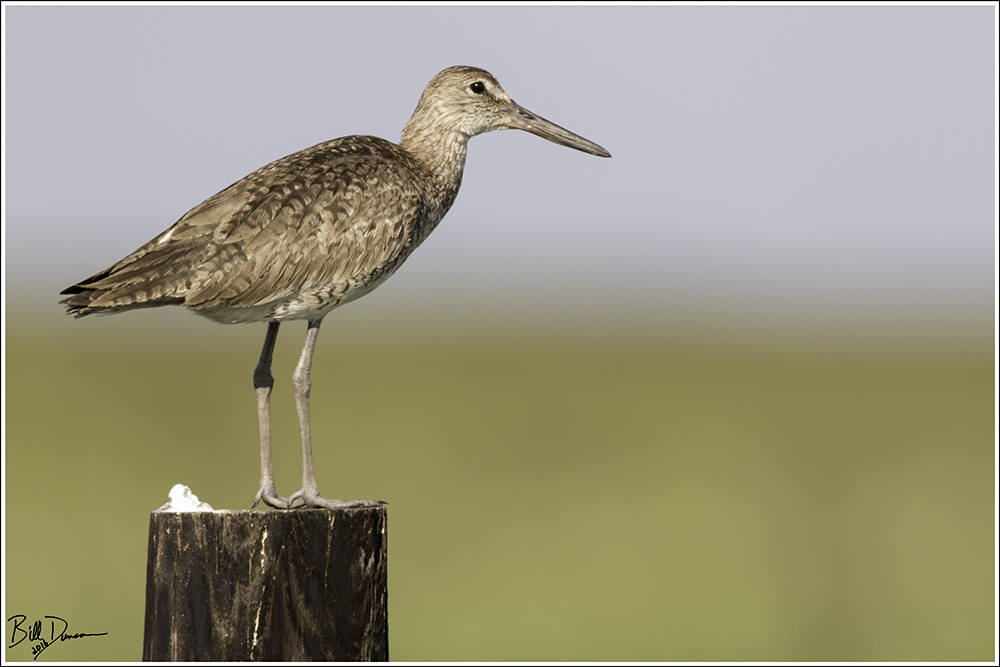
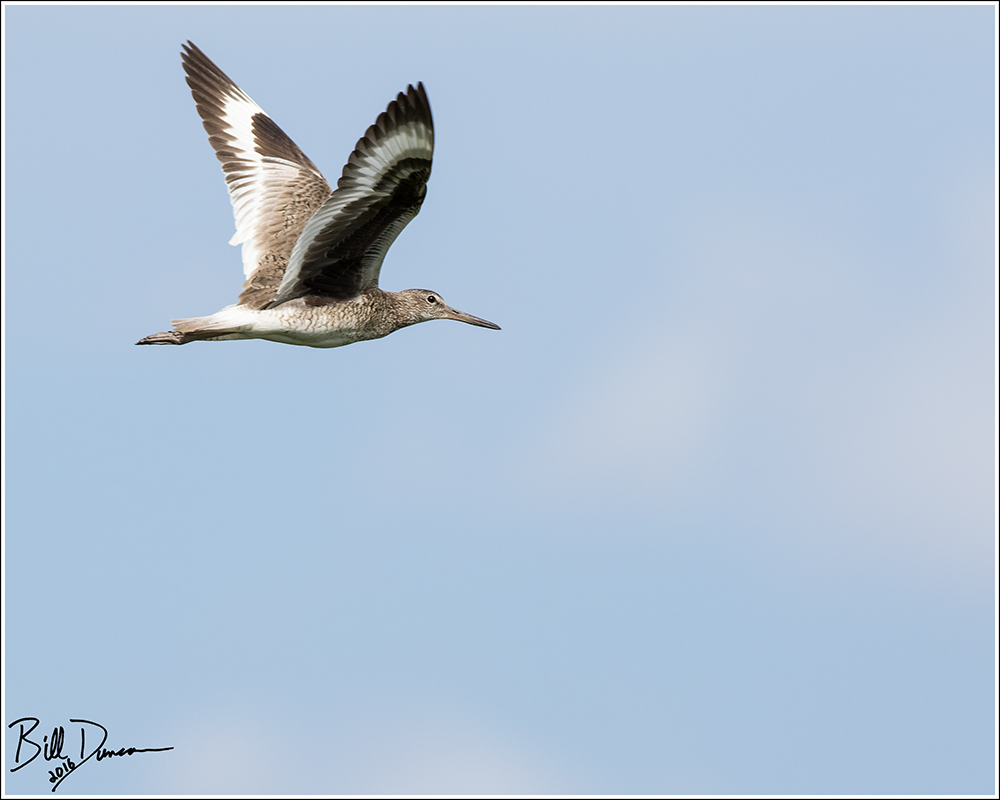
Willet – Scolopacidae – Tringa semipalmata – Anahuac NWR, TX.

It is always interesting to find a bird species you are pretty familiar with in a new location or season.  Such was the case and pleasant surprise that Steve and I found when stumbling upon the Willet in coastal Texas in May, 2016.  This giant puppy dog of a sandpiper is typically a relatively low-key, almost dull bird when spotted in Missouri during its migration.  The individuals we observed in Texas, however, were quite conspicuous as they combined long vocalizations with slow flights that really showed off the contrasting black and white wings.  They were a pleasure to watch and photograph.

willet-scolopacidae-tringa-semipalmata-520a3251
Willet – Scolopacidae – Tringa semipalmata – Anahuac NWR, TX.


willet-scolopacidae-tringa-semipalmata-520a3284
Willet – Scolopacidae – Tringa semipalmata – Anahuac NWR, TX.

-OZB

Bird #275

Eastern Screech Owl - Strigidae - Megascops asio, Grafton IL
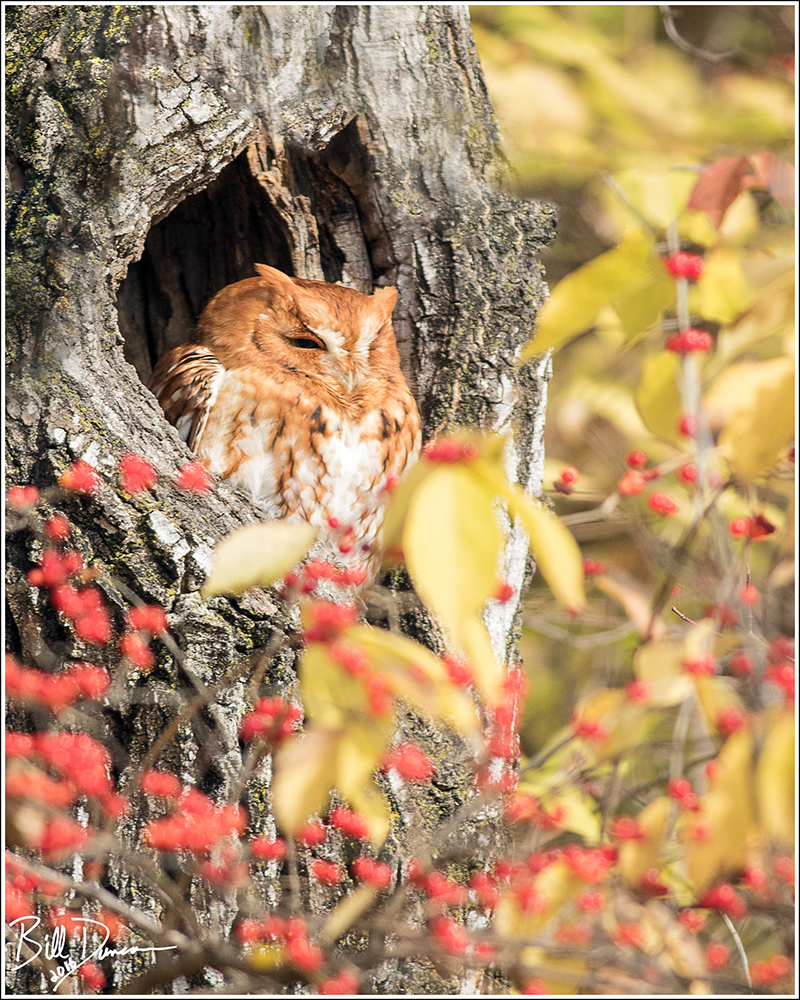
Eastern Screech Owl – Strigidae – Megascops asio – Grafton IL

The 275th bird species I have photographed in Missouri and contiguous states turned out to be a special one.  This Eastern Screech Owl is definitely the current most famous bird in the bi-state area.  Many thanks to Miguel Acosta for the information.  A long time coming.

520a0142
Eastern Screech Owl – Strigidae – Megascops asio – Grafton IL

-OZB

Birds of the Texas Gulf Coast – White-tailed Kite

White-tailed Kite - Accipitridae - Elanus leucurus - Surfside Beach, Texas
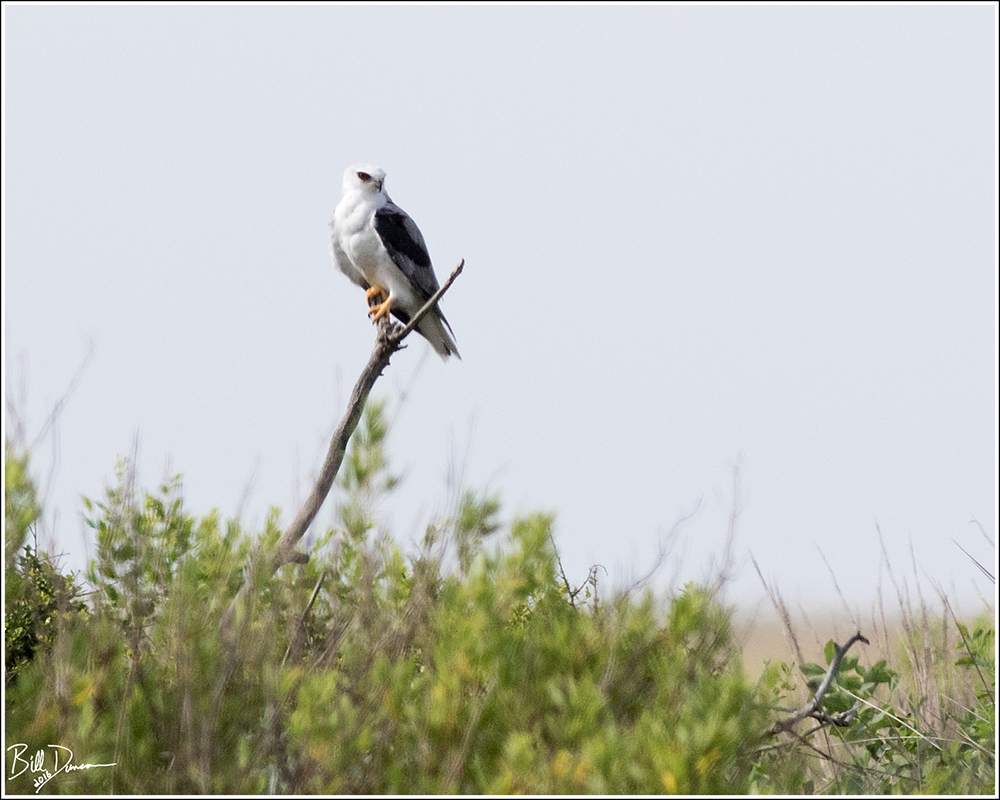
White-tailed Kite – Accipitridae – Elanus leucurus – Surfside Beach, Texas

A lifer for both Steve and me, we found this White-tailed Kite along a depressingly narrow strip of native habitat that stretched between private beaches and housing/commercial development.


white-tailed-kite-accipitridae-elanus-leucurus-520a6303
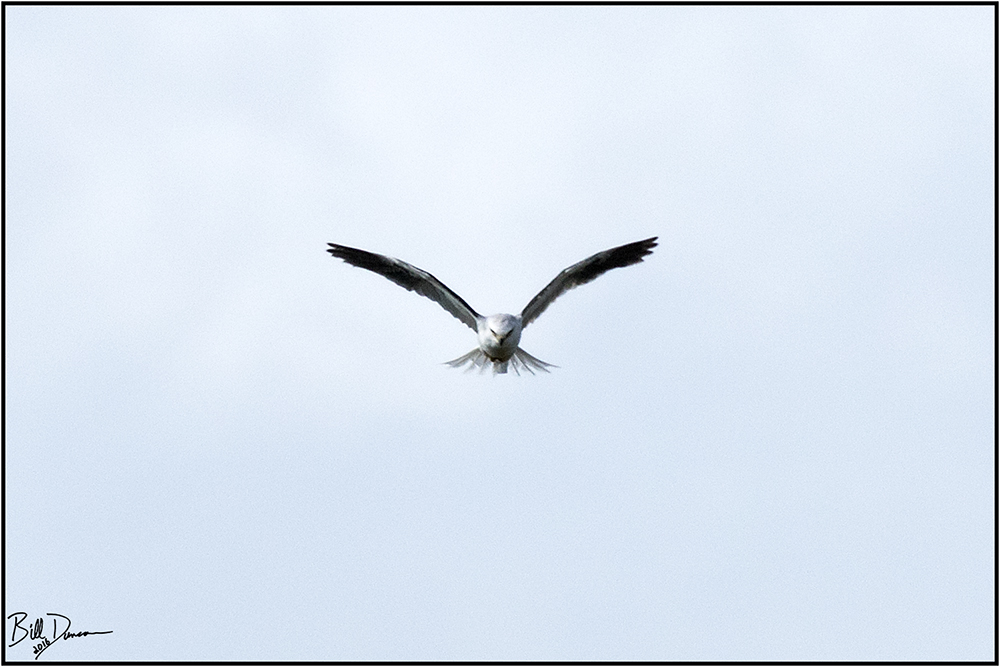
White-tailed Kite – Accipitridae – Elanus leucurus – Surfside Beach, Texas


white-tailed-kite-accipitridae-elanus-leucurus-520a6216
White-tailed Kite – Accipitridae – Elanus leucurus – Surfside Beach, Texas

Yellow + Birds

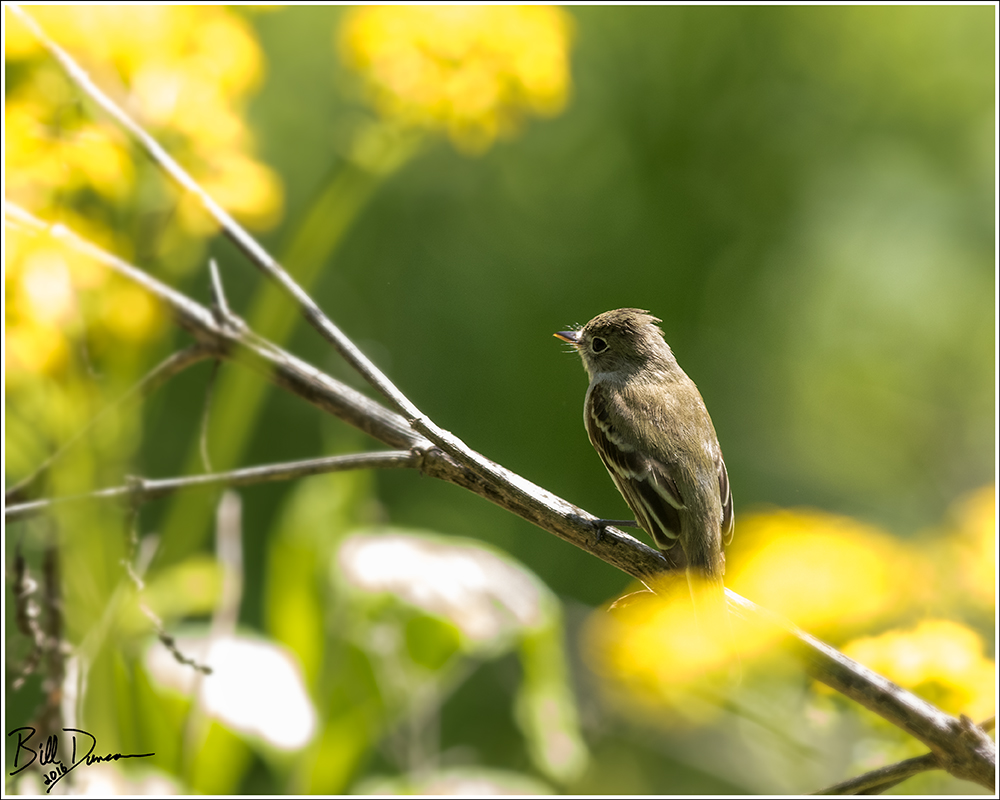
least-flycatcher-tyrannidae-empidonax-minimus-520a1134
Least Flycatcher – Tyrannidae – Empidonax minimus – Wild Acres Park, St. Louis County, MO.

I happened to notice that I had a few in the queue that featured the color yellow.  In most of them the yellow is featured on the bird, but in the one above the yellow is of a flowering plant, perhaps yellow rocket (Barbarea vulgaris), in the foreground and background.

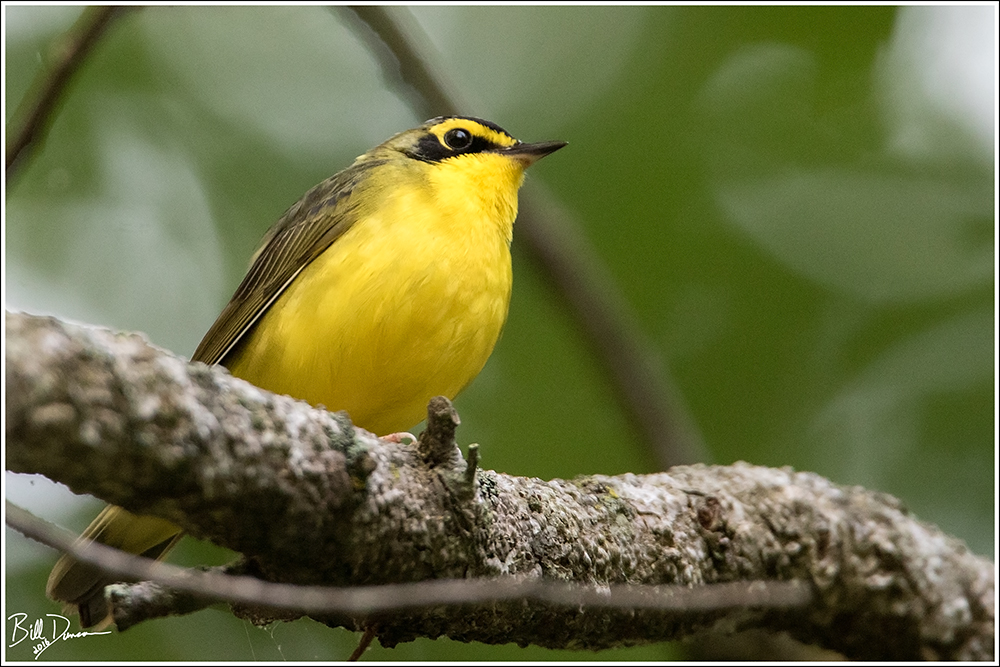
kentucky-warbler-parulidae-oporornis-formosus-6a1a2298
Kentucky Warbler – Parulidae – Oporornis formosus, Greer Spring Recreation Area, Oregon County, MO.


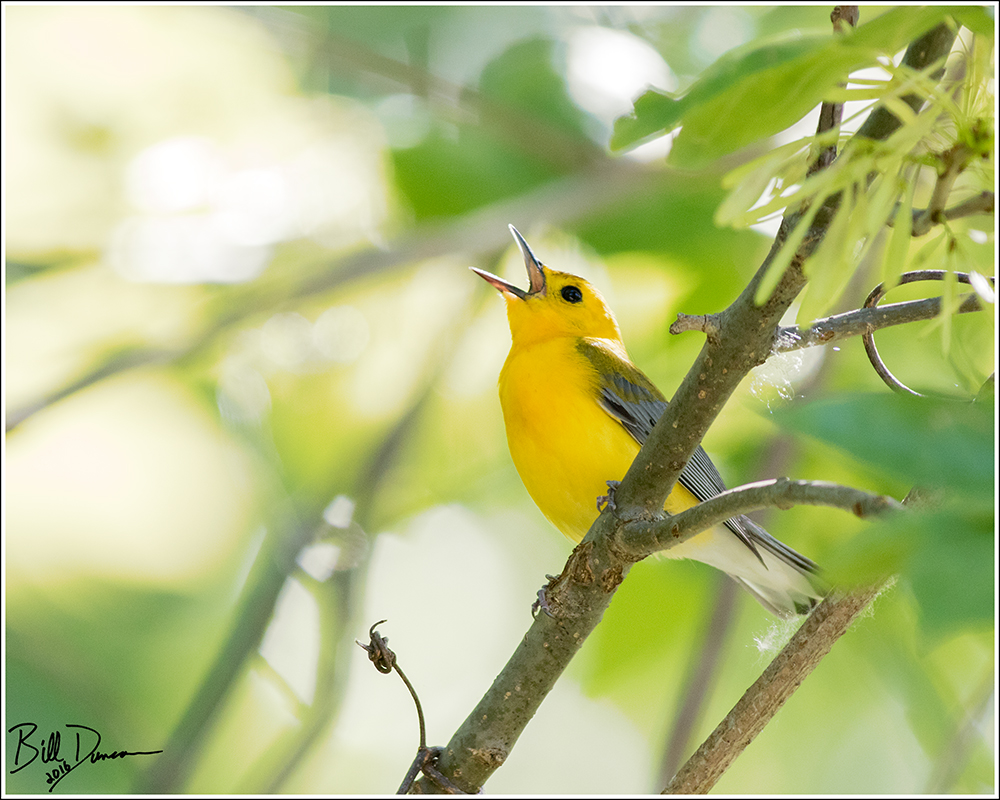
Prothonotary Warbler - Parulidae - Protonotaria citrea
Prothonotary Warbler – Parulidae – Protonotaria citrea – Little Creve Coeur Lake Marsh, St. Louis County, MO.


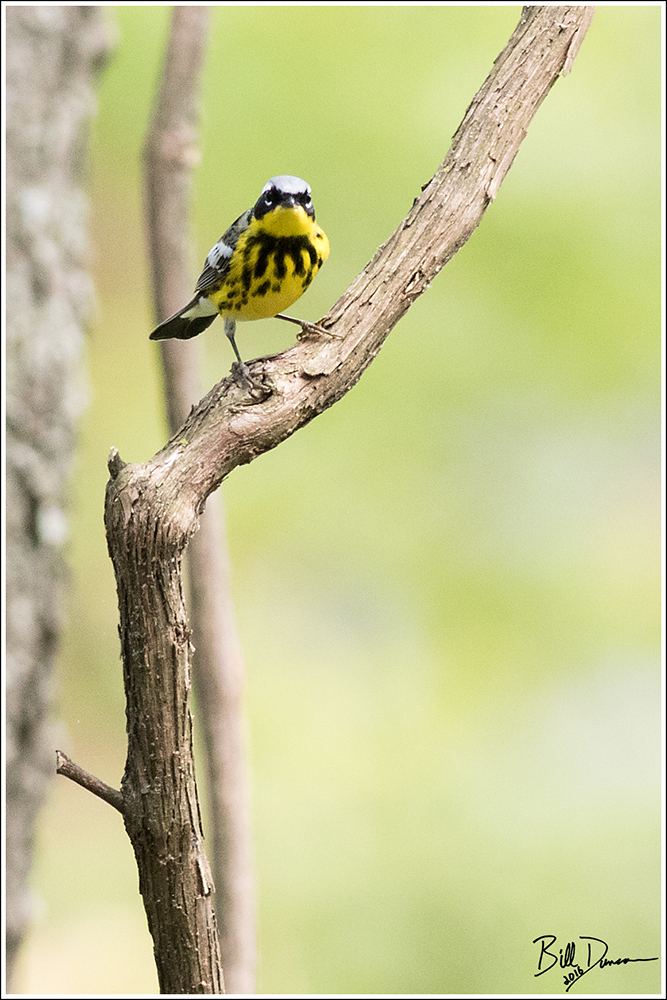
magnolia-warbler-parulidae-dendroica-magnolia-520a0922
Magnolia Warbler – Parulidae – Dendroica magnolia – Wild Acres Park, St. Louis County, MO.


-OZB

Meet the Slugs – Monkey Slug Caterpillar Moth

Monkey Slug - Limacodidae - Phobetron pithecium (4677) - Horseshoe Bend Natural Area, Texas County, MO
Monkey Slug – Limacodidae – Phobetron pithecium (4677) – Horseshoe Bend Natural Area, Texas County, MO

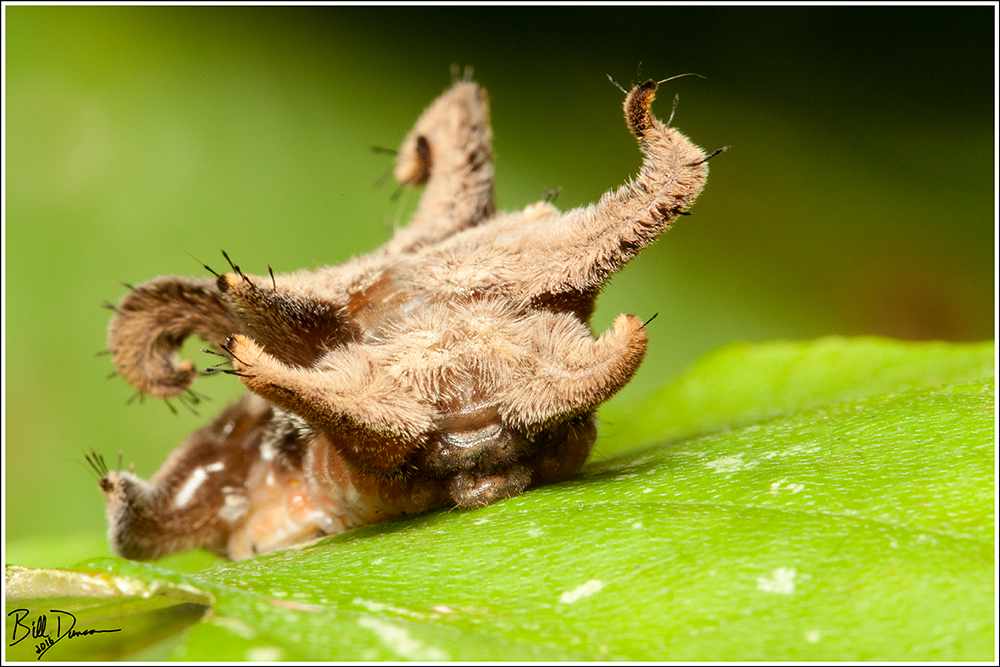
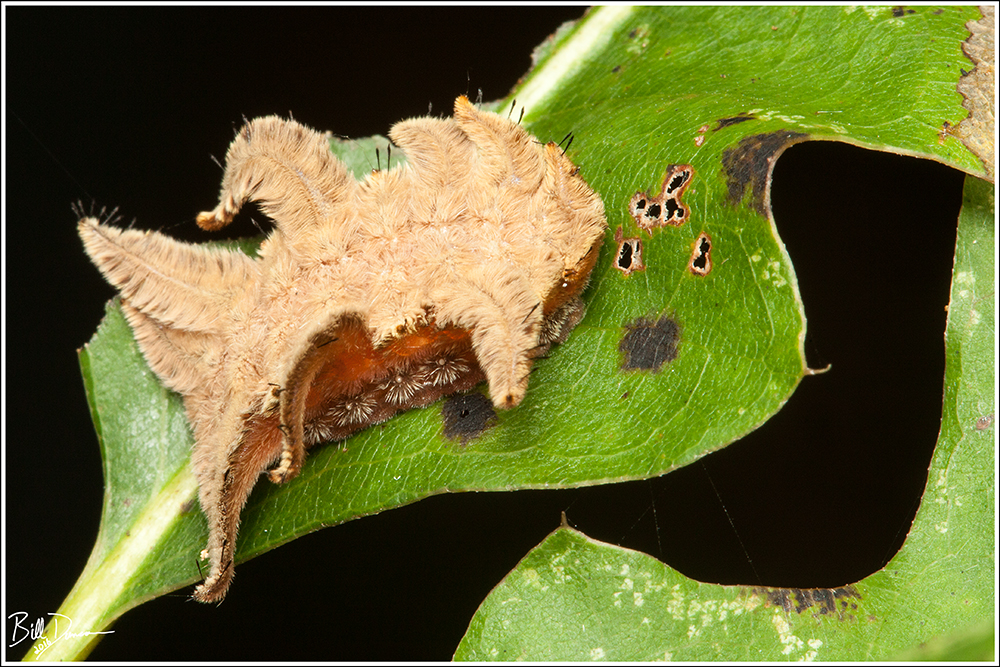
The final and perhaps most stunning of the slug moth caterpillars that we were able to find this past summer was the Monkey Slug, or “Hag Moth” caterpillar.  This particular one was first noticed by Sarah on the upper side of a dogwood leaf during a visit to Horseshoe Bend Natural Area near Houston MO.  We went on to find two in this particular tree.

monkey-slug-limacodidae-phobetron-pithecium-4677-img_8896
Monkey Slug – Limacodidae – Phobetron pithecium (4677) – Horseshoe Bend Natural Area, Texas County, MO

A leading thought on why these guys look the way they do is to mimic the shed exoskeleton of a tarantula.

monkey-slug-limacodidae-phobetron-pithecium-4677-img_8968
Monkey Slug – Limacodidae – Phobetron pithecium (4677) – Cuivre River State Park, Lincoln County, MO

It’s Swan Season!

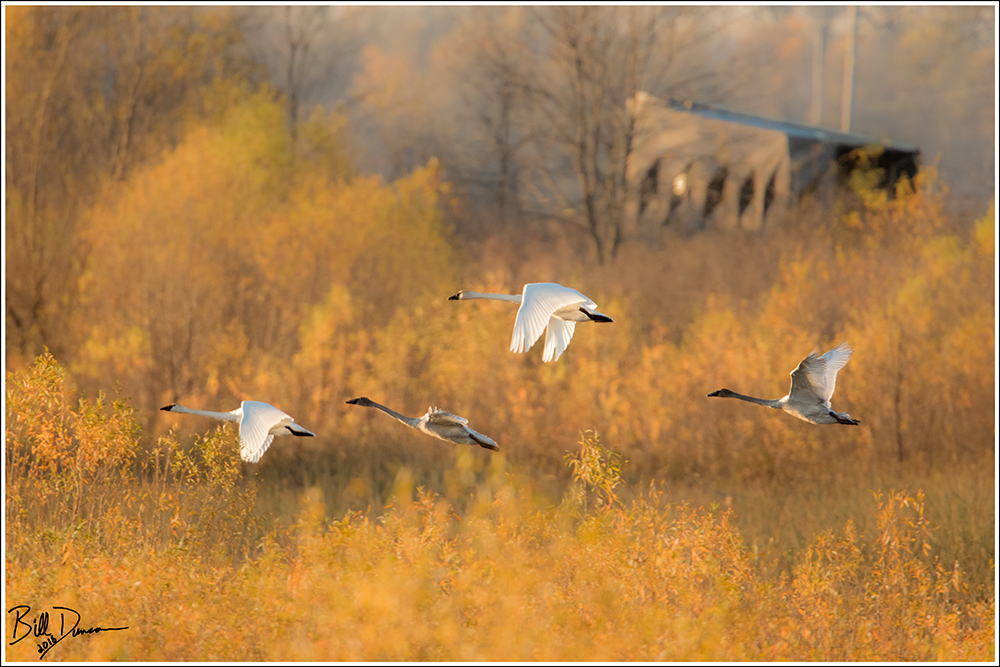
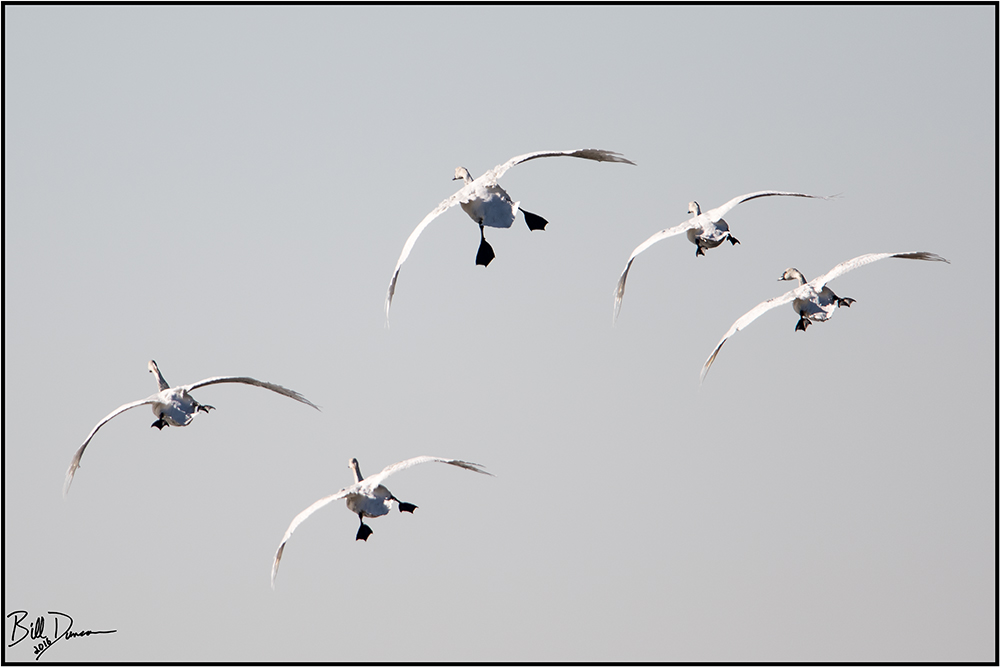
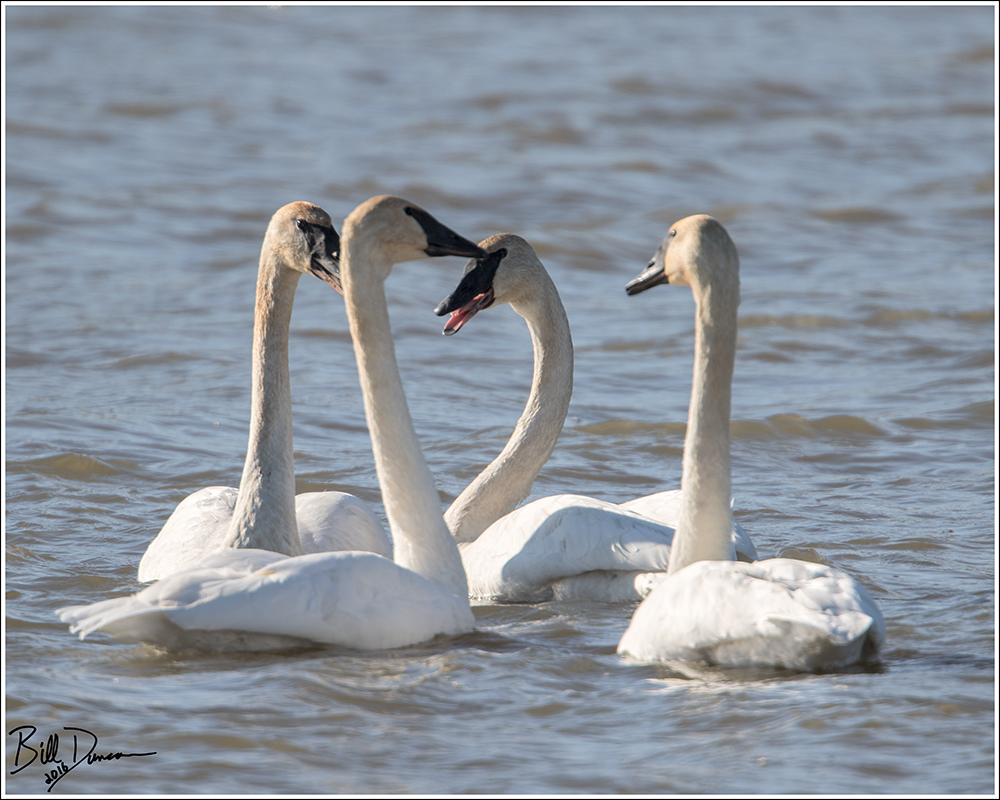
Trumpeter Swans - Riverlands Migratory Bird Sanctuary, St. Charles County, MO
Trumpeter Swans – Riverlands Migratory Bird Sanctuary, St. Charles County, MO


6a1a3601
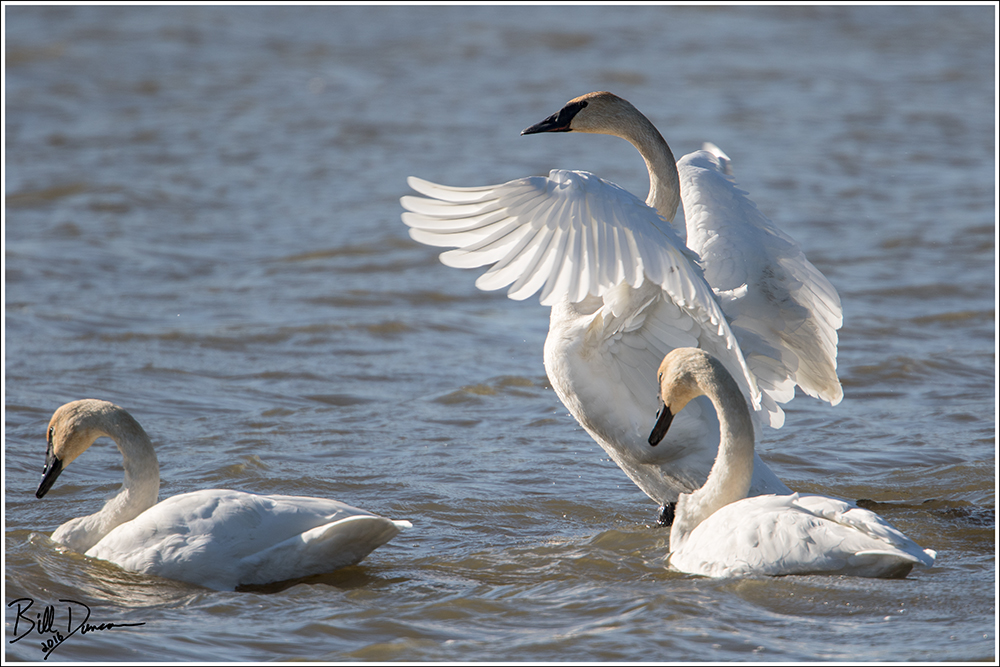
Trumpeter Swans – Riverlands Migratory Bird Sanctuary, St. Charles County, MO


6a1a3610
Trumpeter Swans – Riverlands Migratory Bird Sanctuary, St. Charles County, MO


6a1a3623
Trumpeter Swans – Riverlands Migratory Bird Sanctuary, St. Charles County, MO

Wilson’s Snipe on the Confluence Road

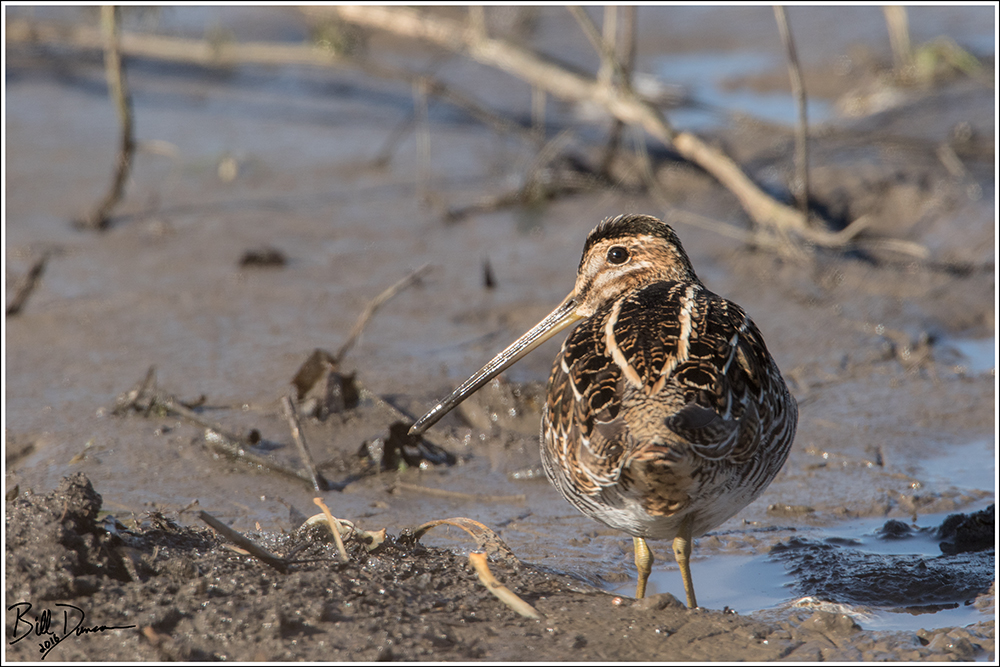
Wilson's Snipe - Scolopacidae - Gallinago delicata - Confluence Road, St. Charles Co, MO.
Wilson’s Snipe – Scolopacidae – Gallinago delicata – Confluence Road, St. Charles Co, MO.

With everyone on Facebook posting their great photos of our Thanksgiving Snipe, I thought I would go ahead and process and share before they got lost and forgotten for months.  The photo above is, in my opinion, the most pleasing way of capturing a shore bird.  The back of most shore birds are often their most colorful and patterned side.  I like to try and capture the from behind with their head turned so to see their eye and the length/shape of their bill.

6a1a3696
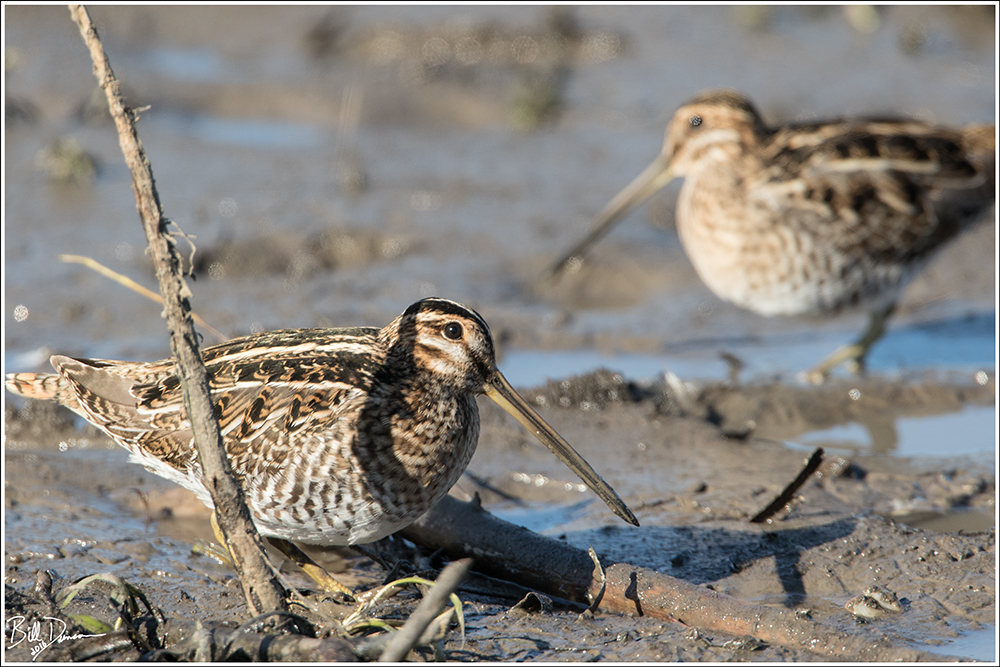
Wilson’s Snipe – Scolopacidae – Gallinago delicata – Confluence Road, St. Charles Co, MO.

I did not bring a wider lens on this morning, but I wish that I had.  I counted 17 Snipe within a pretty close distance of each other in a section of sweet and soft mud.

6a1a3703
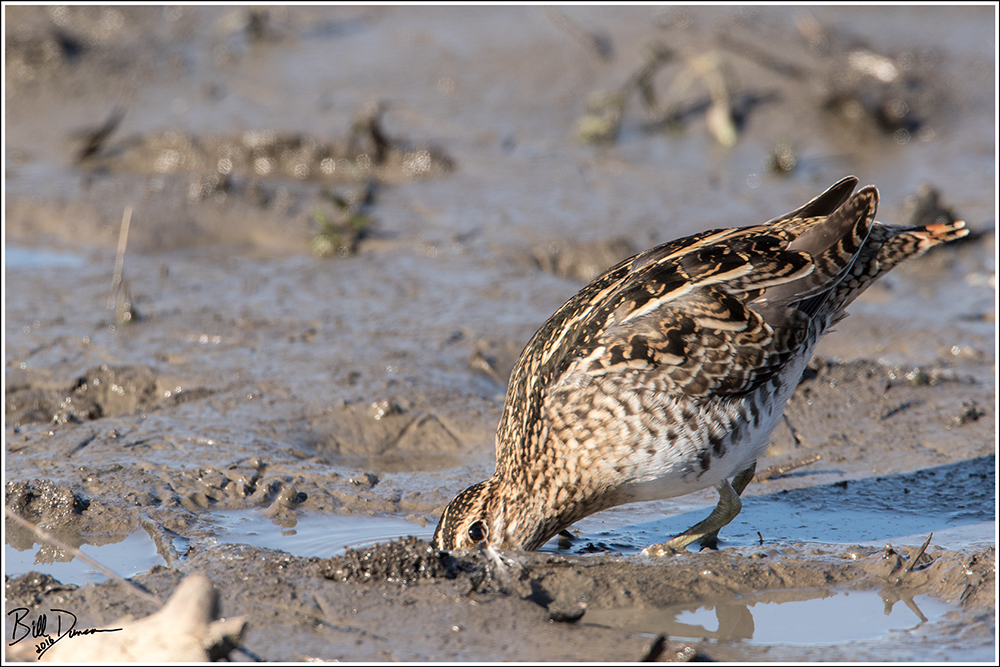
Nares Deep! Wilson’s Snipe – Scolopacidae – Gallinago delicata – Confluence Road, St. Charles Co, MO.

In the image above one can imagine the depth they can get with those lance-like bills as they probe the mud for invertebrates.  Check out the video below to get an idea of how these guys feed.

-OZB

Meet the Slugs – Elegant-tailed Slug Moth Caterpillar

Elegant-tailed Slug Moth - Limacodidae - Packardia elegans (4661)
Elegant-tailed Slug Moth – Limacodidae – Packardia elegans (4661)

I found only a few Elegant-tailed Slugs this year and all were found at Hickory Canyons Natural Area in Ste. Genevieve County, Missouri.  The image below documents the only occasion where I found more than one slug on the same leaf, here a Spiny Oak Slug was found on the same curled leaf as our new Elegant-tailed Slug.

img_8352
Spiny Oak and Elegant-tailed Slug Moths – Limacodidae