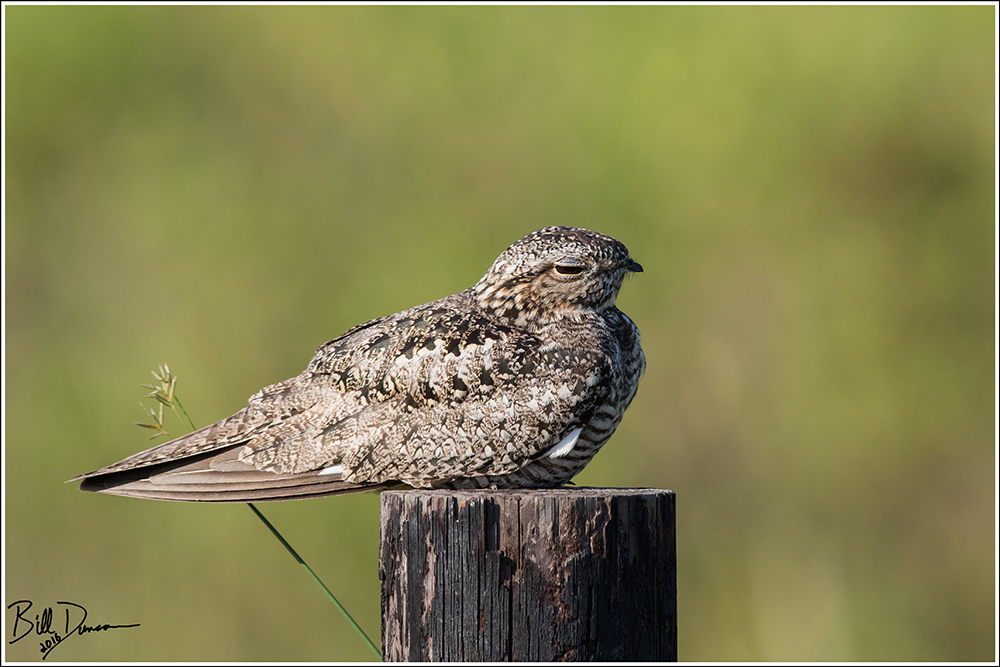
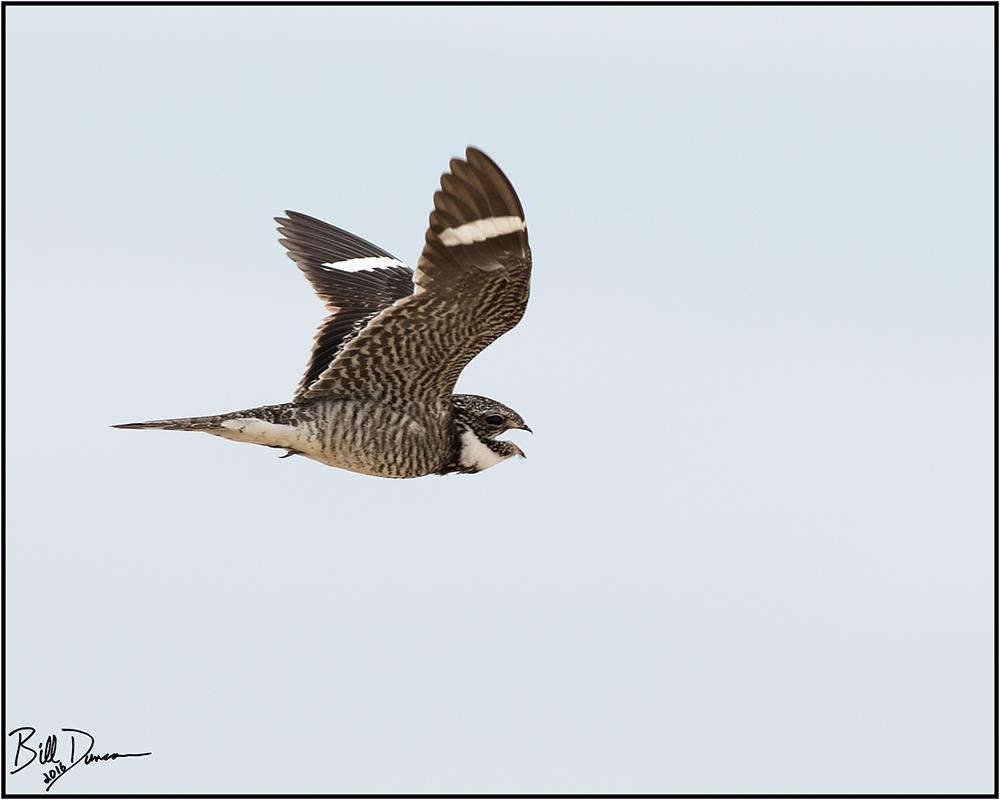
The Nighthawks were abundant and cooperative during our visit to Anahuac National Wildlife Refuge.

"What a thousand acres of Silphiums looked like when they tickled the bellies of the buffalo is a question never again to be answered, and perhaps not even asked." -Aldo Leopold
The Nighthawks were abundant and cooperative during our visit to Anahuac National Wildlife Refuge.
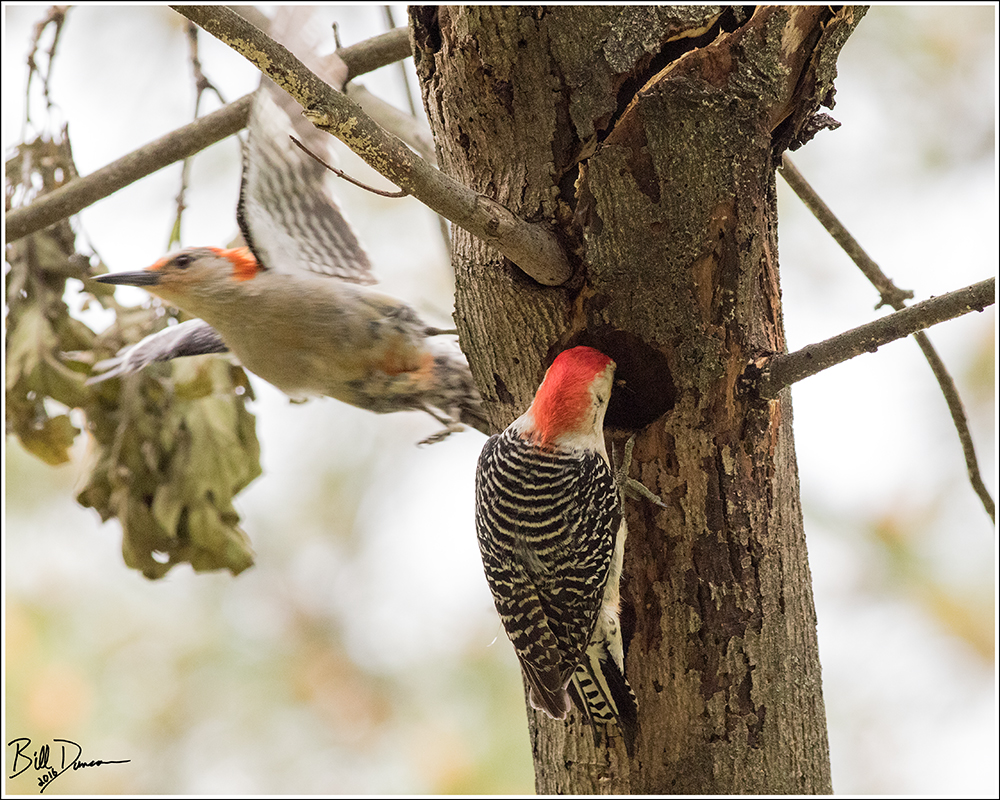
Today I watched as park workers cut down this tree at Wild Acres Park in Overland, MO, a municipality in St. Louis County. I estimate they have removed nearly 75% of all standing dead trees in this park during the last six months. This tree, that provided shelter and food to a number of Woodpeckers, the tree I watched and photographed an Olive-sided Flycatcher this past spring, two dead oaks that I watched Great-horned Owls display and duet in numerous times over the past 6+ years, a tree that provided a place for a nesting Great-horned Owl, dead snags near the pond that provided perches to herons and wood ducks that were stopping to rest on their way to somewhere more worthy. Even if the trees must come down due to “safety”, I wish that they would see the benefit that these trees can bring while decomposing in a forest. Lately, they are even hauling away the carcasses.
The original plans for the park when first established seem to suggest that the park was conceived to provide wildlife with an oasis amidst a suburban desert as much as it was to be a benefit to the humans with similar desires. I find little evidence in recent years that the park management has goals to this effect.
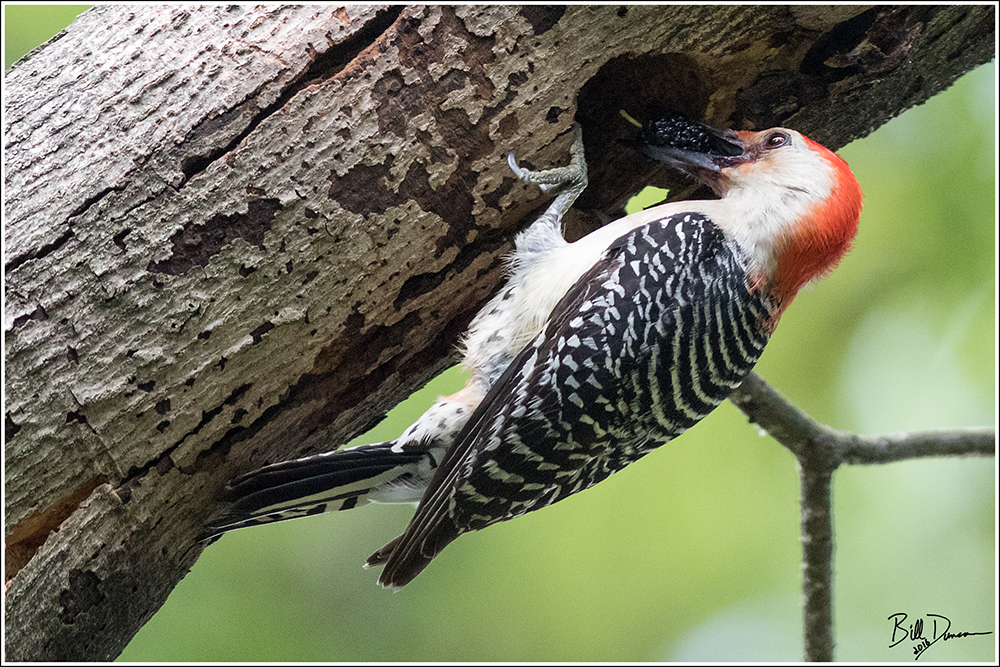
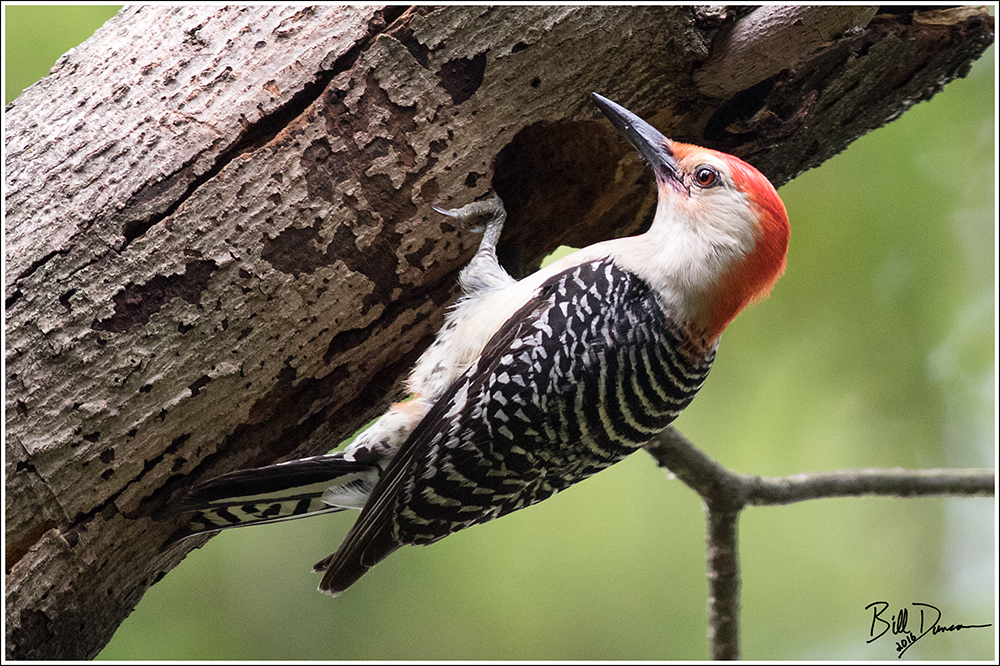
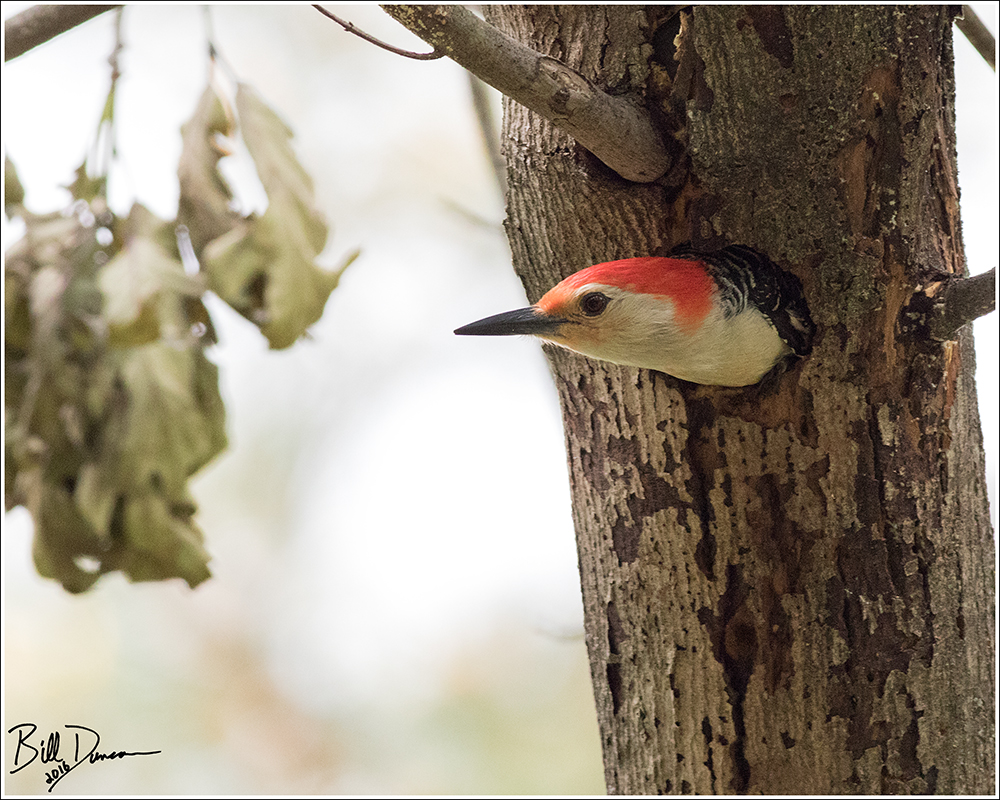
Mulberries and insects were what was on the menu when I was at the nest tree to watch.
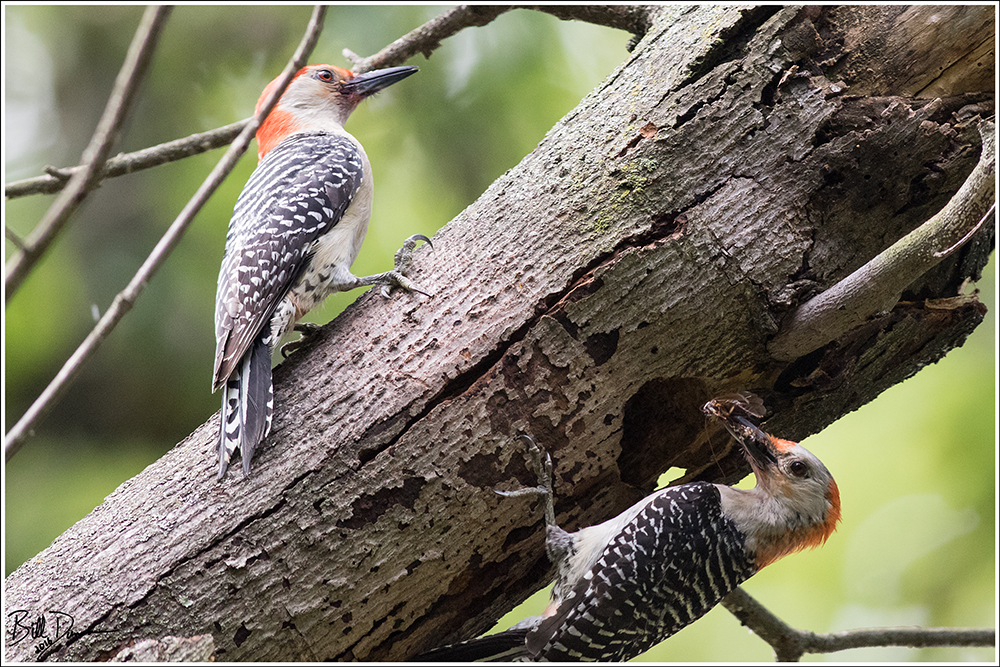
As seems to be pretty typical of species that provide bi-parental care, the ratio of female to male visits seemed to be ~ 3:1… 😉
I’m not sure what the next couple of years might show me in the park. It sure looks as though there will be fewer resources for feathered friends.
-OZB
A few birds from our birding trip to the Texas gulf coast during May 2016.

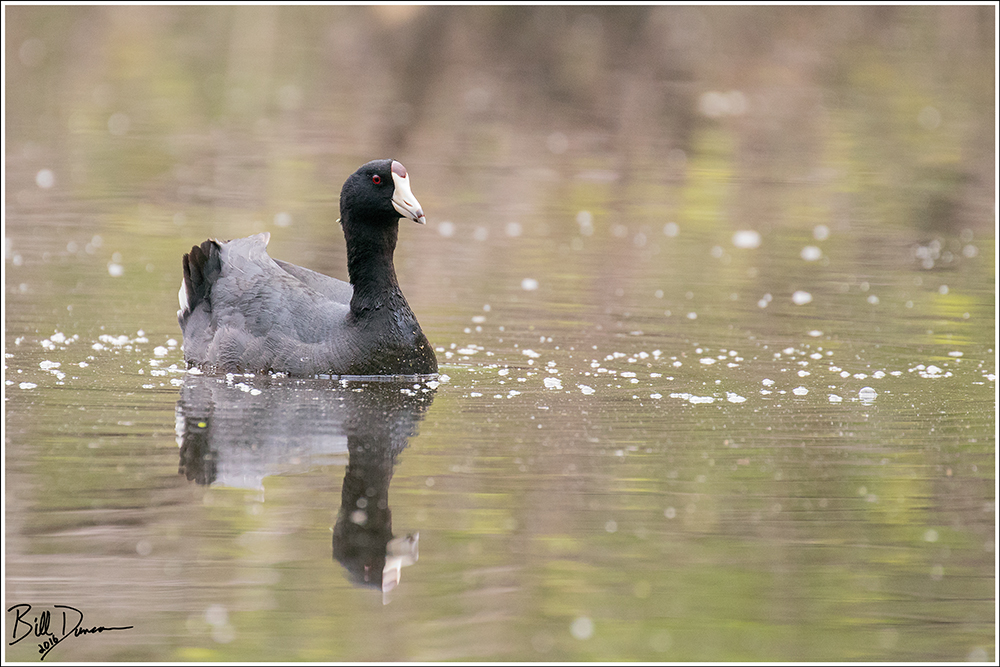
Way back in April, Steve and I grabbed the canoe and took another adventure into Mingo. We believe we were a bit too early in a long spring to catch a lot of wildlife activity, but we did catch a few sites worth remembering. For instance, this single Coot allowed us to get pretty close as we were just getting inside Monopoly Marsh.
Along with water-loving avifauna, certain reptiles can usually be a sure thing to find at Mingo. I heard the expected usual whimpering from the back of the canoe as I attempted to get a steady shot of this Cottonmouth that was trying to absorb some sun on this cool April morning. 😉

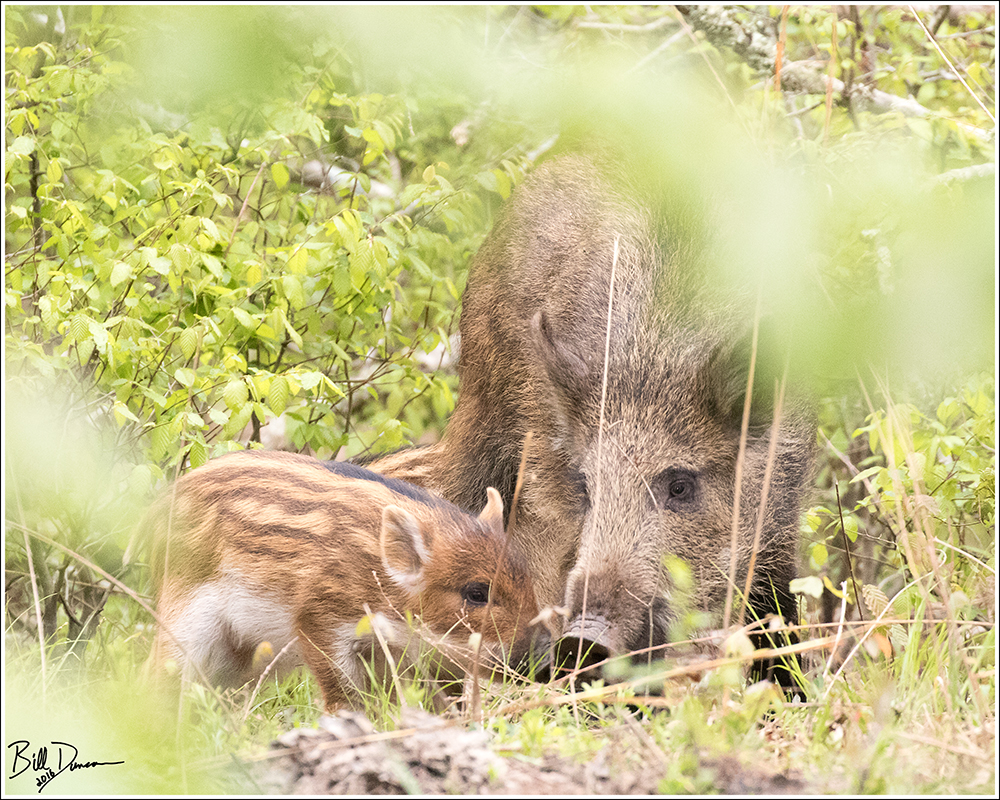
One of the more destructive and unfortunate of invasive species to be found in Missouri, the Feral Hog has a strong foothold at Mingo. Polluting water, destroying vegetation, negatively altering natural communities and competing with native wildlife for acorns and other food sources are the major examples of the damages caused by this invasive. The Missouri Department of Conservation has recently announced new policy that should make significant improvements in reducing the numbers of Feral Hogs in the Missouri Ozarks.
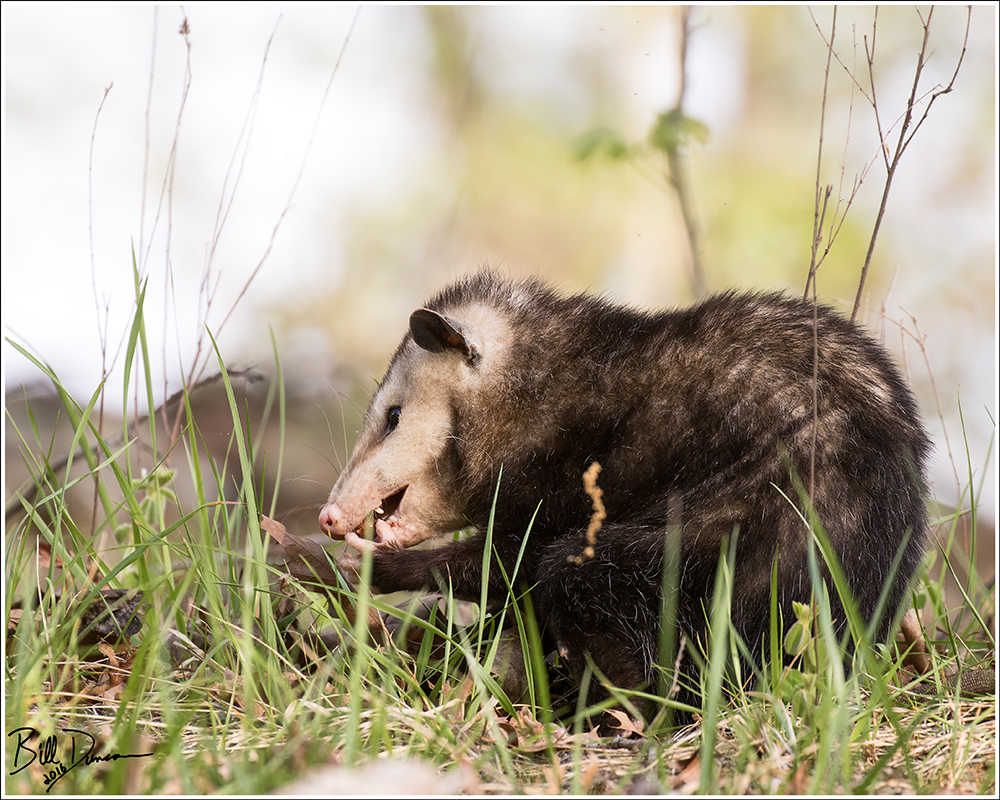
Finally, we have one of the expected and desired of Mingo’s mammals – the Virginia Opossum. This nicely colored possum didn’t mind that Steve and I watch as it had a mid-day snack.
-OZB

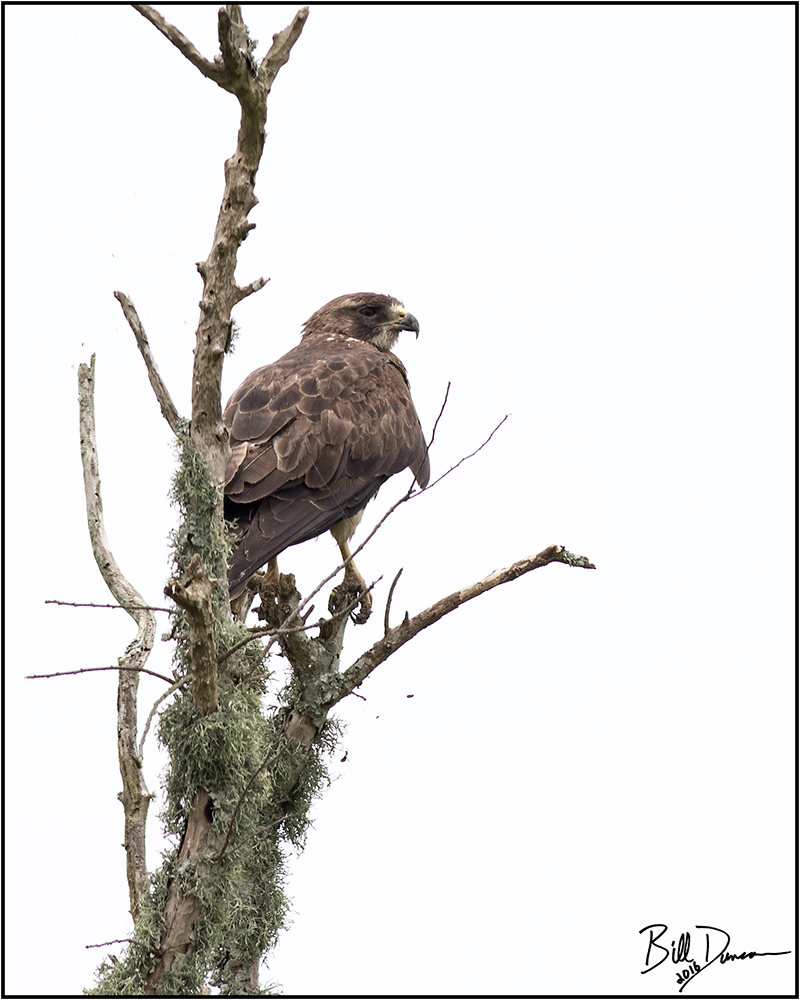
I found two juvenile Zone-tailed Hawks on 10/08/16 at Brazos Bend State Park, just west of Houston, TX. I didn’t know until later how rare of a find that it was. Population estimates for the state of TX are around 50 breeding pairs. Also, this species is usually found further west in Texas – this was only the forth recorded observation at this location.
Hidden along the Eleven Point River in the south-eastern Missouri Ozarks lies Greer Spring (the 2nd largest spring in the state). This location and surrounding areas of bottomland and riverfront forest are widely heralded among birders in Missouri as being prime for easily picking up a number of forest species. Cerulean, Swainson’s, Worm-eating, Kentucky, and Hooded Warblers, to name a few, are documented as nesting in this area. These clips were recorded during a trip that Steve and I made this past May.
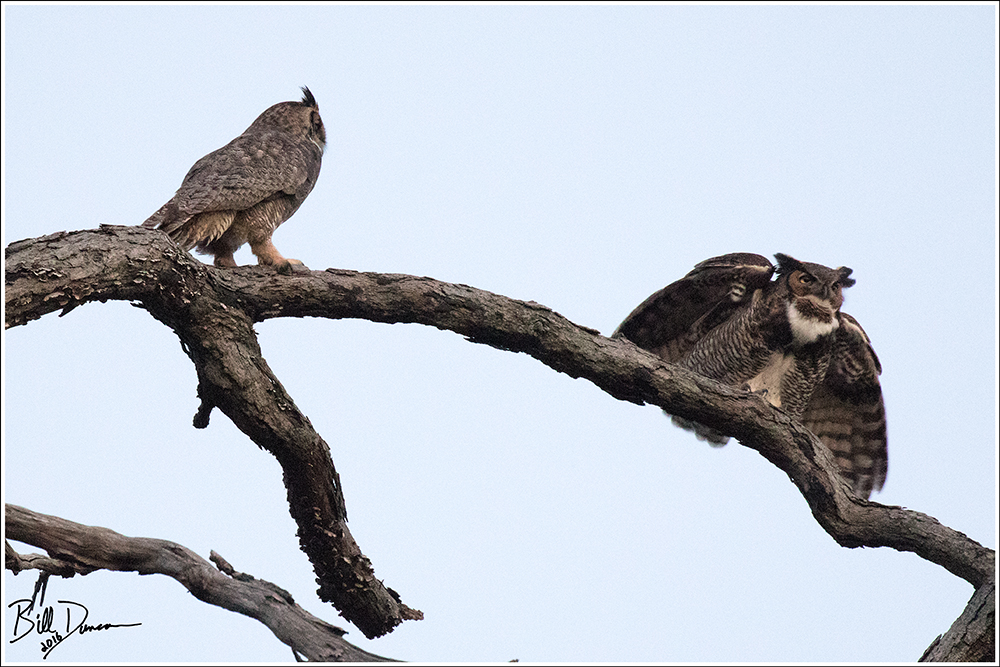
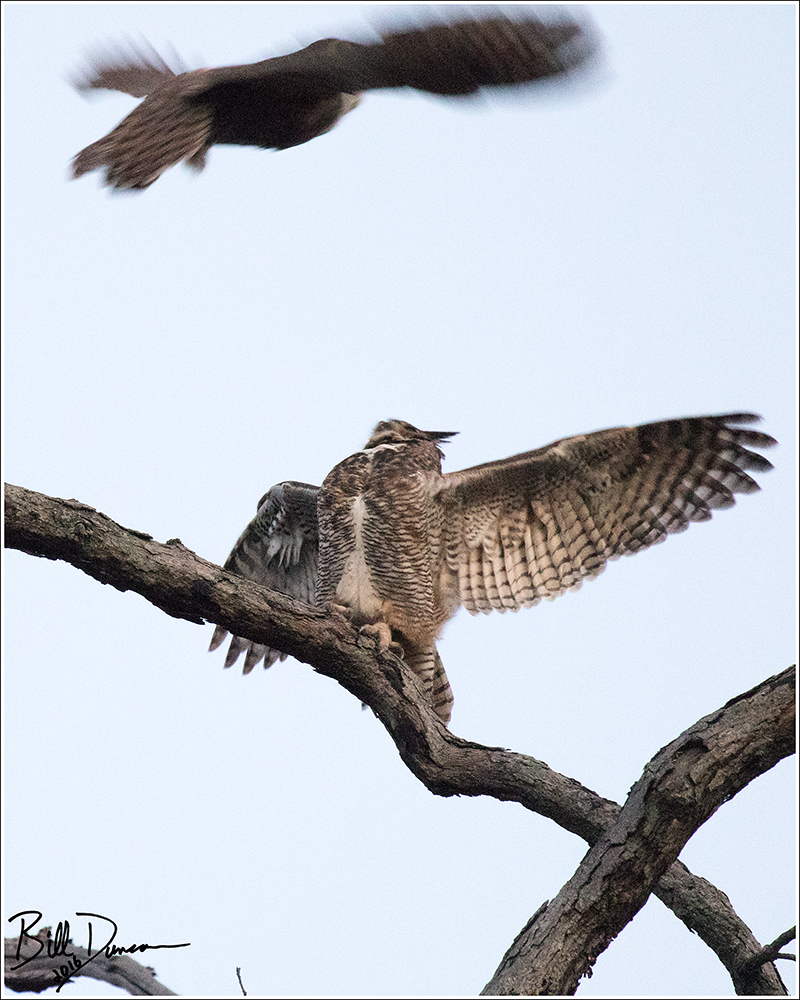
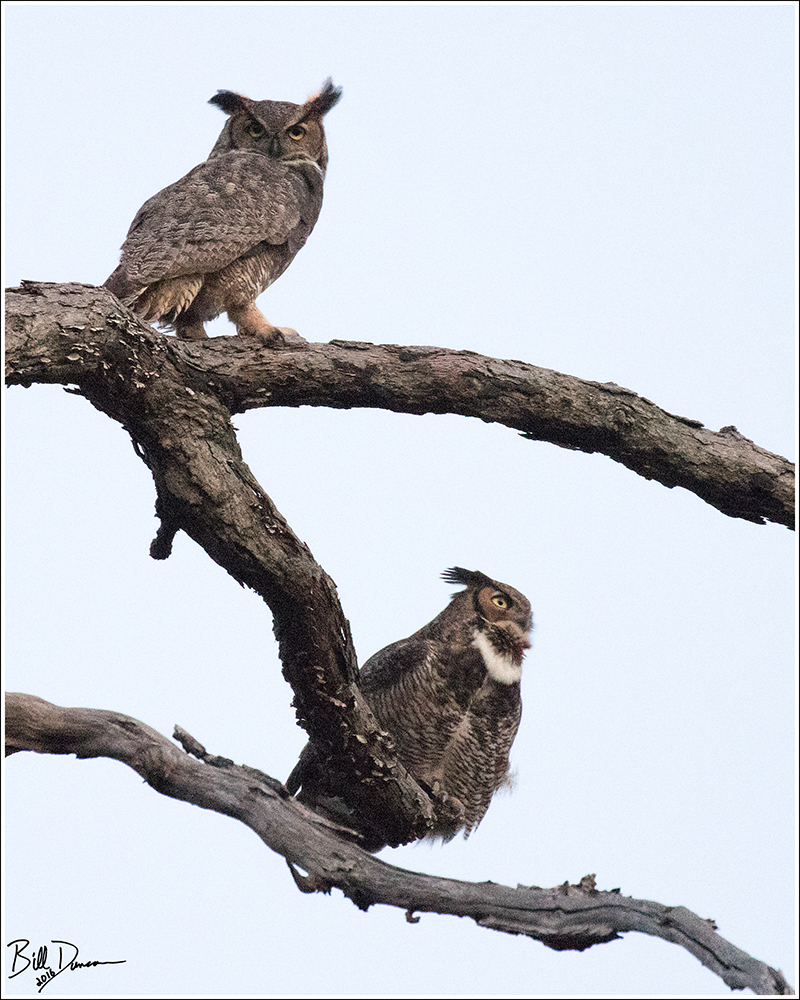
Just a few of the resident pair of Great-horned Owls at Wild Acres Park.

I have featured Bell’s Vireo on this site before, but it is one of my favorites and I never get tired of hunting, watching and photographing this grassland cutie.


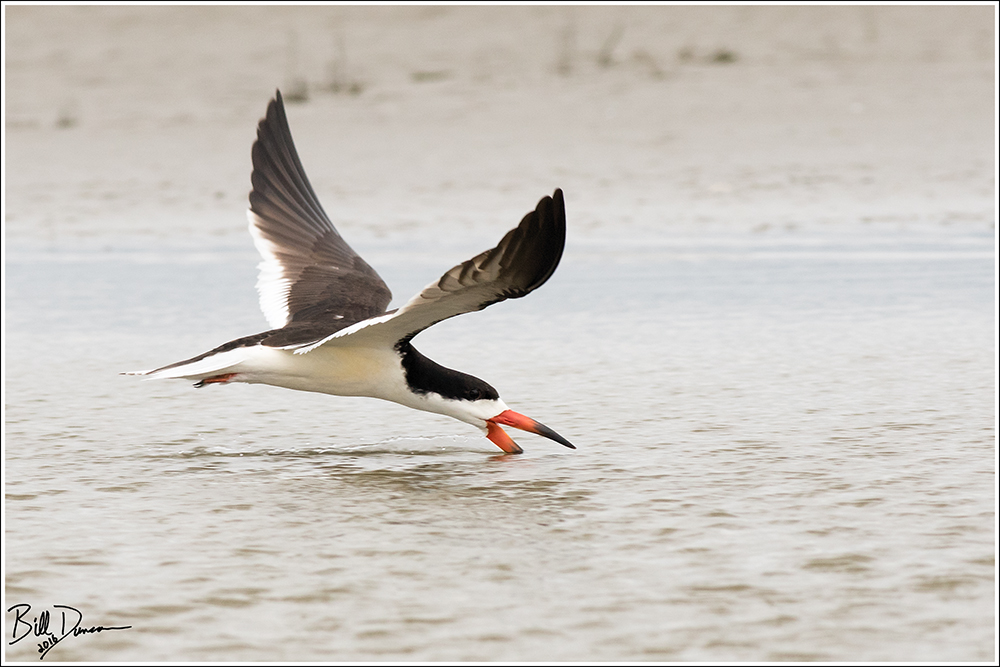
Steve and I are a couple of weeks back from a nice few days of birding the Texas Gulf Coast. We were able to visit a number of habitats and locations along the gulf and were mostly able to dodge the rains and flood waters.

Of course, we were able to pick up a good list of lifers as the number of specialists, such as this Boat-tailed Grackle, in this region was quite impressive.
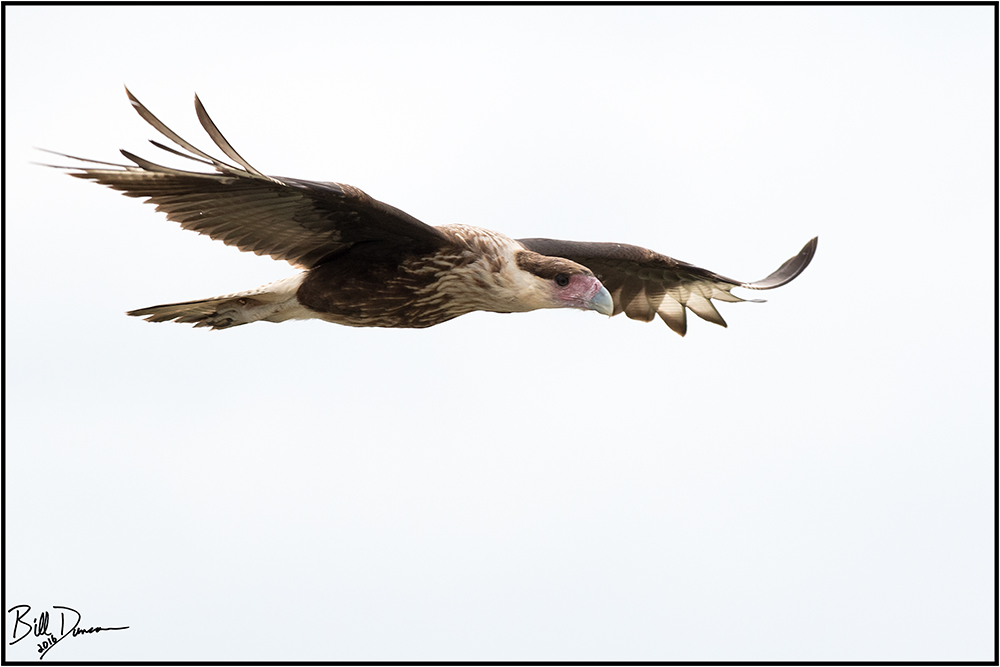
Mostly a bird of the new world tropics, the Crested Caracara is considered to be common in Texas. We were able to find a few.

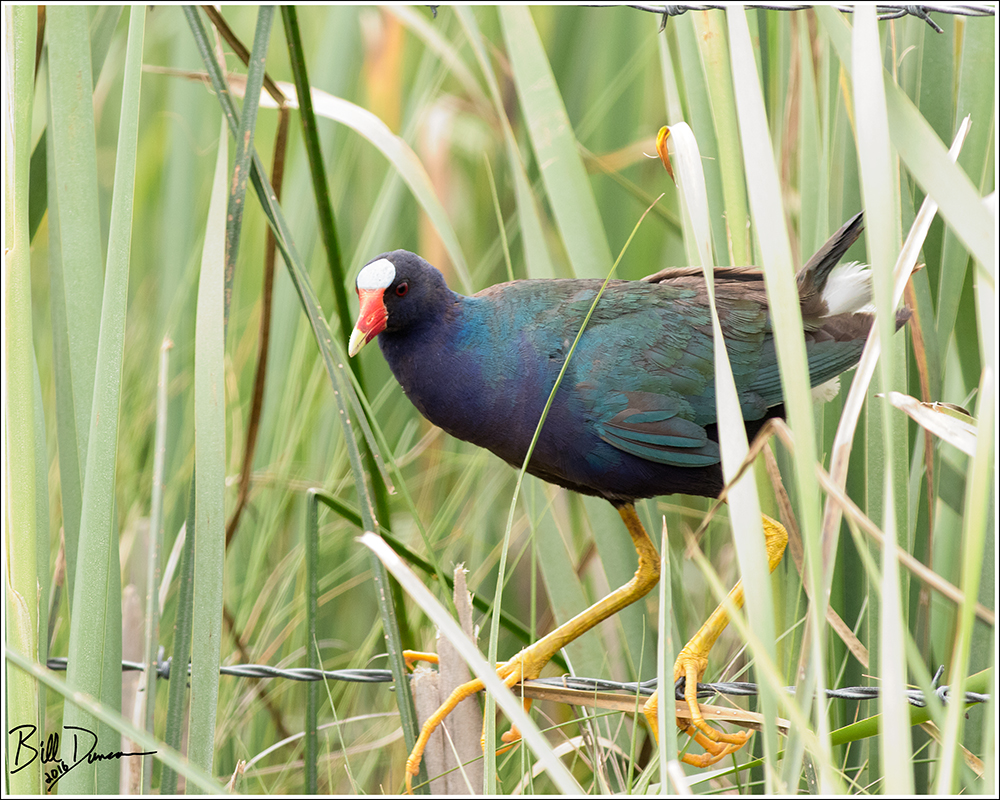
The Spoonbills were quite a treat. At the HAS Smith Oaks Bird Sanctuary we were fortunate to visit at a time when the local rookery was in full swing. We observed active nests of not only the Spoonbills, but also of Great Egret, Snowy and Cattle Egret and Common Gallinule.

The Seaside Sparrow may have been my most exciting find of the trip. I have long wondered about this interesting sparrow that sticks to coastal habitats and sings its interesting song. There are currently nine recognized subspecies of the Seaside Sparrow – this one is likely Ammodramus maritimus fisheri. These birds are among the many that are threatened with destruction of habitat for human coastal development. The Houston metro area is a sprawling web of concrete and Steve and I couldn’t help but notice that natural areas were still being bulldozed and paved.
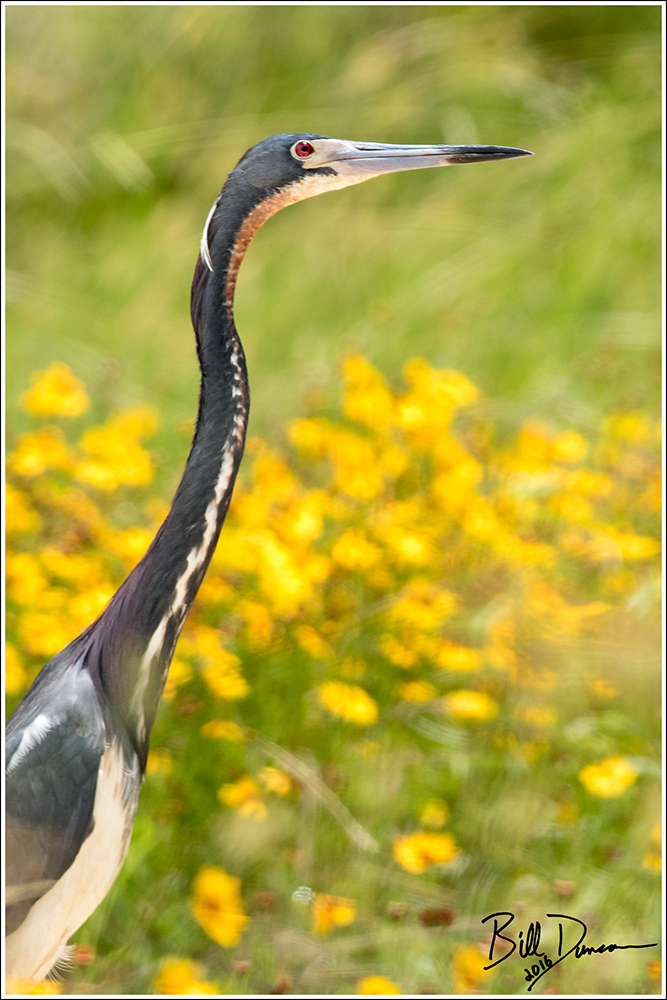
The Tri-colored Heron was yet another lifer for both Steve and me. This gorgeous bird was found with a lovely backdrop of wildflowers at San Bernard NWR, one of several locations that we could have gladly wasted a week in.
That is all that I have processed and am prepared to share for now. More to come.
-OZB
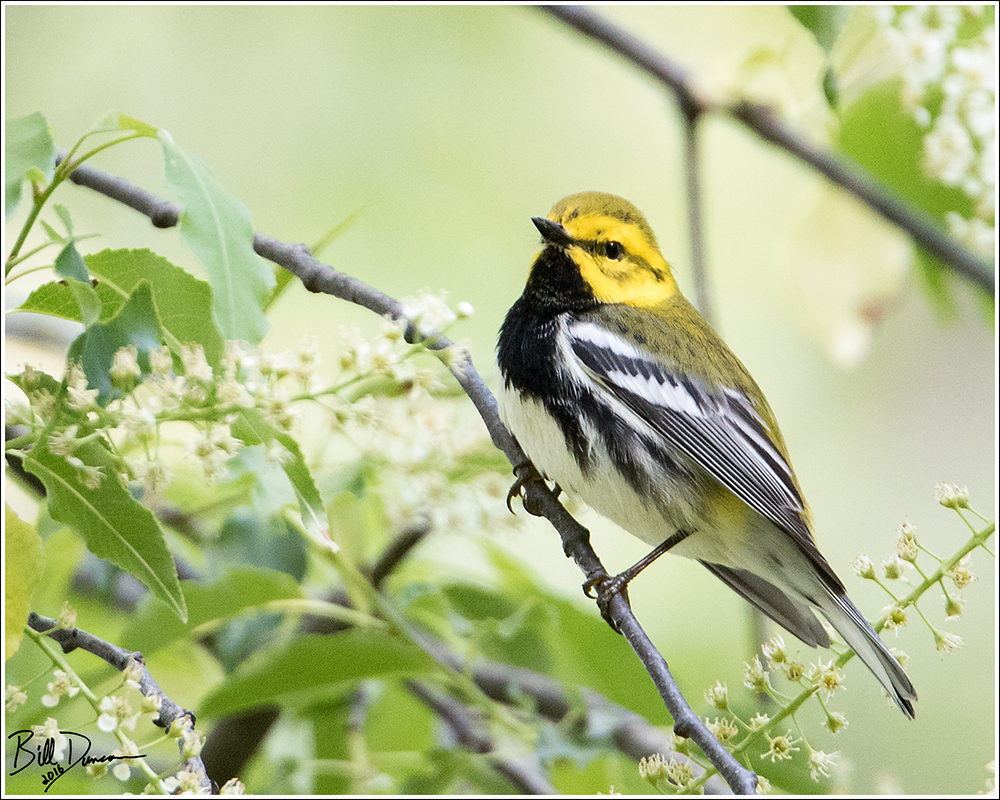
As is often the case, no better description of a bird can be found other than those of Arthur Cleveland Bent. From Life History of American Wood Warblers…
“The northern black-throated green warbler I have always associated with the white pine woods, the delightful fragrance of fallen pine needles carpeting the forest floor and the murmuring of the warm summer breeze. The song has been written as ‘trees, trees, murmuring trees,’ appropriate words that seem to call vividly to mind the pretty little bird in its sylvan haunts and its delicious and soothing voice.”
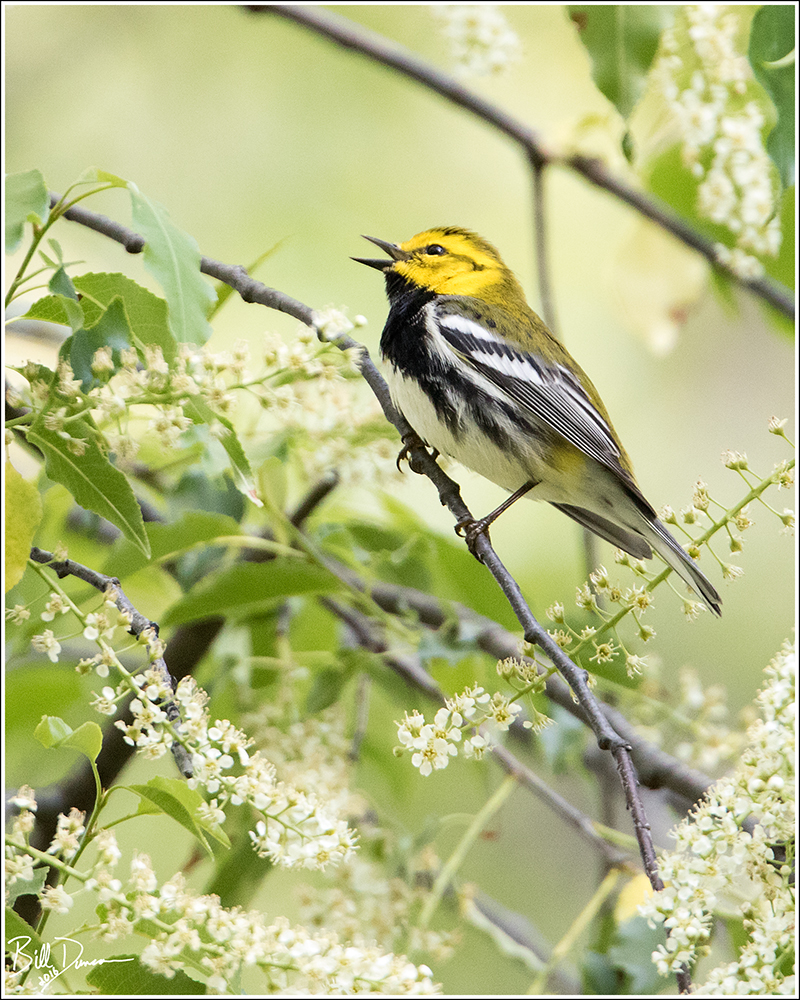
As is usually the case, I was only able to get to Tower Grove Park a few times this year in order to witness the songbird migration that rolls through this migrant trap every spring and fall. Thankfully, I was able to be there for a couple good days in terms of numbers and diversity, and was pleased to find this cooperative BGWA singing and foraging through a flowering Black Cherry.
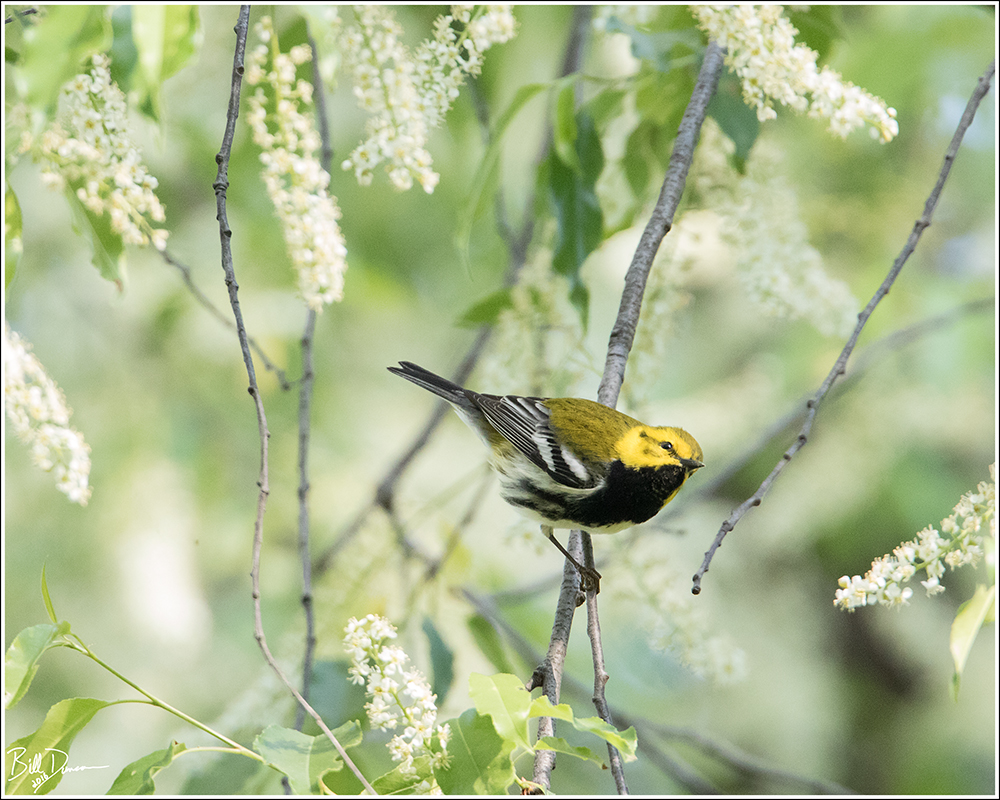
I don’t believe the pleasing colors and patterns of this stately bird could be captured in a single better pose than what is pictured above.

Until next time…
-OZB

