"What a thousand acres of Silphiums looked like when they tickled the bellies of the buffalo is a question never again to be answered, and perhaps not even asked." -Aldo Leopold
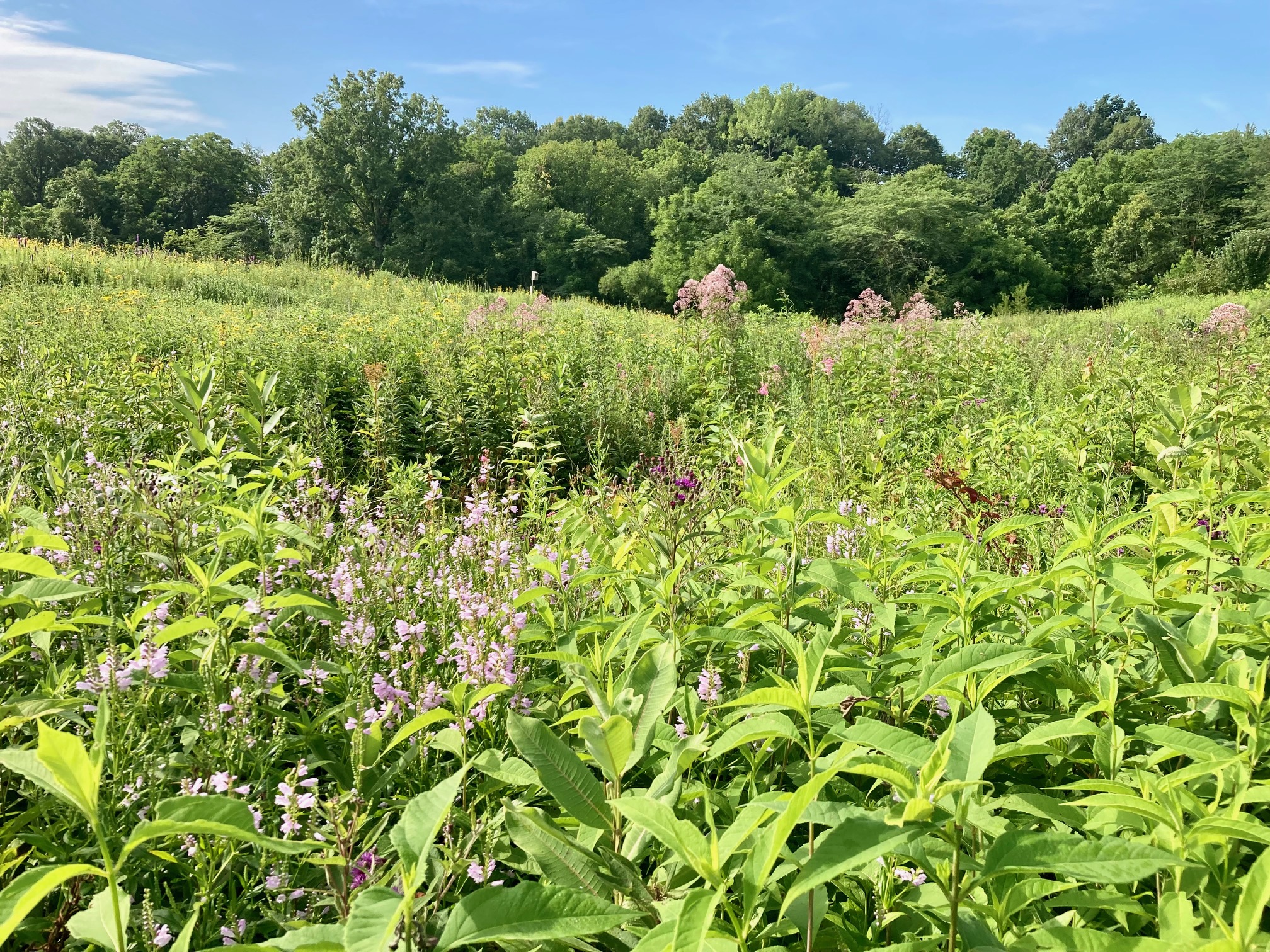
Part of the Horn’s Prairie Grove LWR with obedient plant blooming in the foreground and joe pye weed behind.
The WGNSS Entomology and Nature Photography Groups had a splendid treat in July of 2022 when we jointly visited Horn’s Prairie Grove Land Water Reserve (LWR) near Ramsey IL. This 40 acre patch represents part of the less than 1% of the remaining southern till plain prairie ecosystem that was nearly wiped from the planet due to land conversion for farming. Even better, about 30 acres are original “virgin” prairie, (the largest intact remnant prairie in IL) meaning these spots were never touched by the plow. Even better still, at this location there lies five different types of prairie habitat: seep/wetland, dry hillside, mesic, black soil and savanna.
Keith Horn, owner and guide to Horn’s Prairie Grove LWR
The story of this land is interesting. The current owners, Keith and Patty Horn, purchased the land in 2001 as “junk land” from an old farmer who’s family had owned since the 1870s. They liked the fact that the majority of the land was in a “wild” state. The untouched 30 acres had been used as a wild hay field, being cut almost yearly. They had noticed some nice wildflowers in bloom but did not realize what they had until a few years into a wildlife habitat improvement plan that included periodic burning. Every year they noticed more and more species in bloom. They have sought help in identifying the plant species here and the current list is now at 619 species, including six native orchid species! Bravo to the Horns for identifying what they had and taking the steps to see their land improved. This remnant prairie could have been destroyed in the blink of an eye if it had fallen into the wrong hands.
Although most of us were simply thrilled to be in such high quality habitat, the primary purpose of the trip was to check out the arthropod life. Unfortunately, in late July, we were there on a truly miserable day of weather. The heat and humidity created a heat index that was well above the safety zone. This meant not many of us had the nerve to do a great deal of walking and searching, especially much after lunch time.
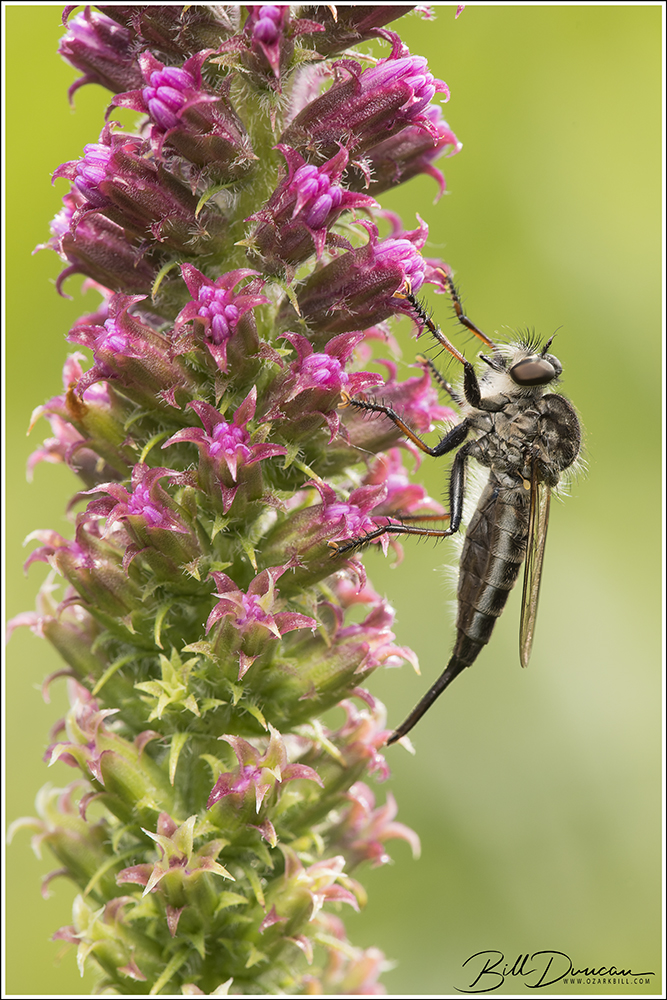
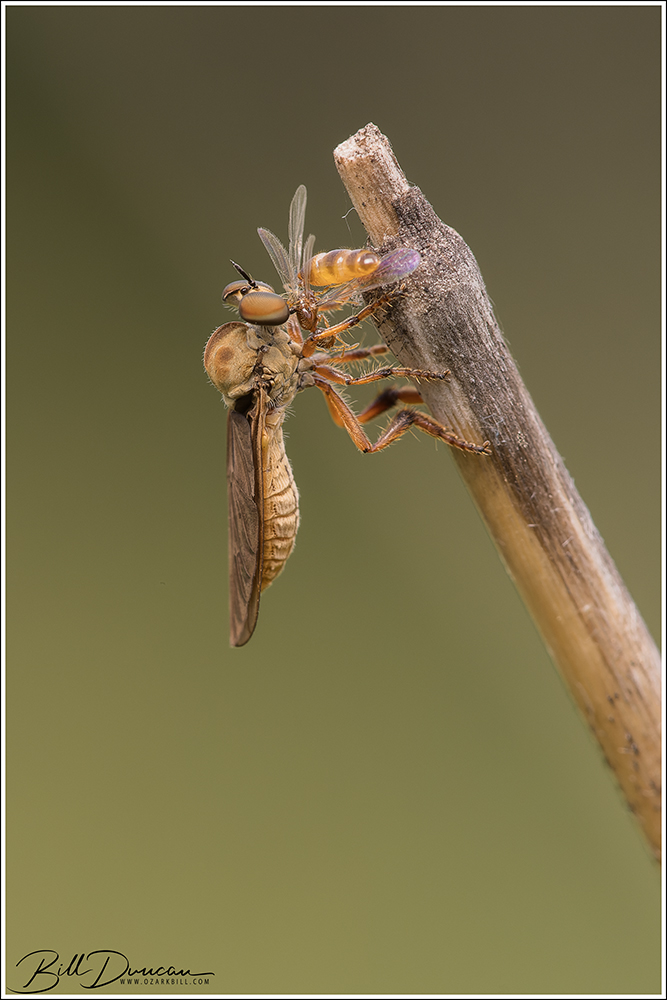
Efferia aestuans, the friendly robber (Family Asilidae)
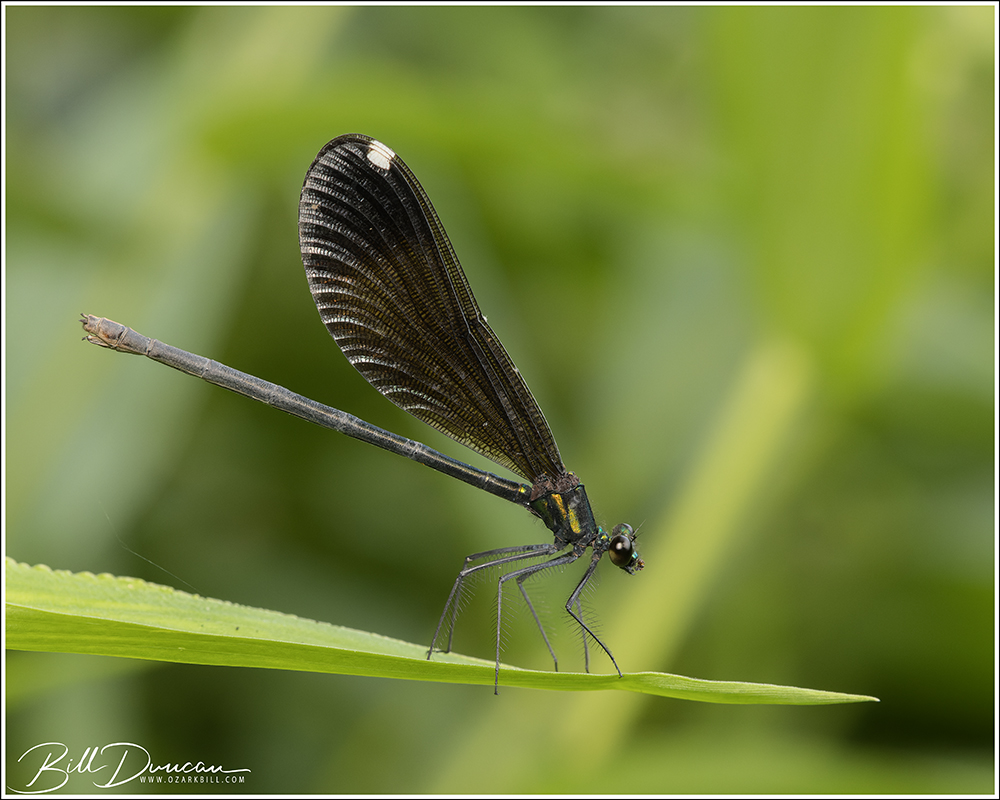
Calopteryx maculata, an ebony jewelwing damselfly that was found on the forest and prairie edge.
Members of our group walking among the blooming Liatris.
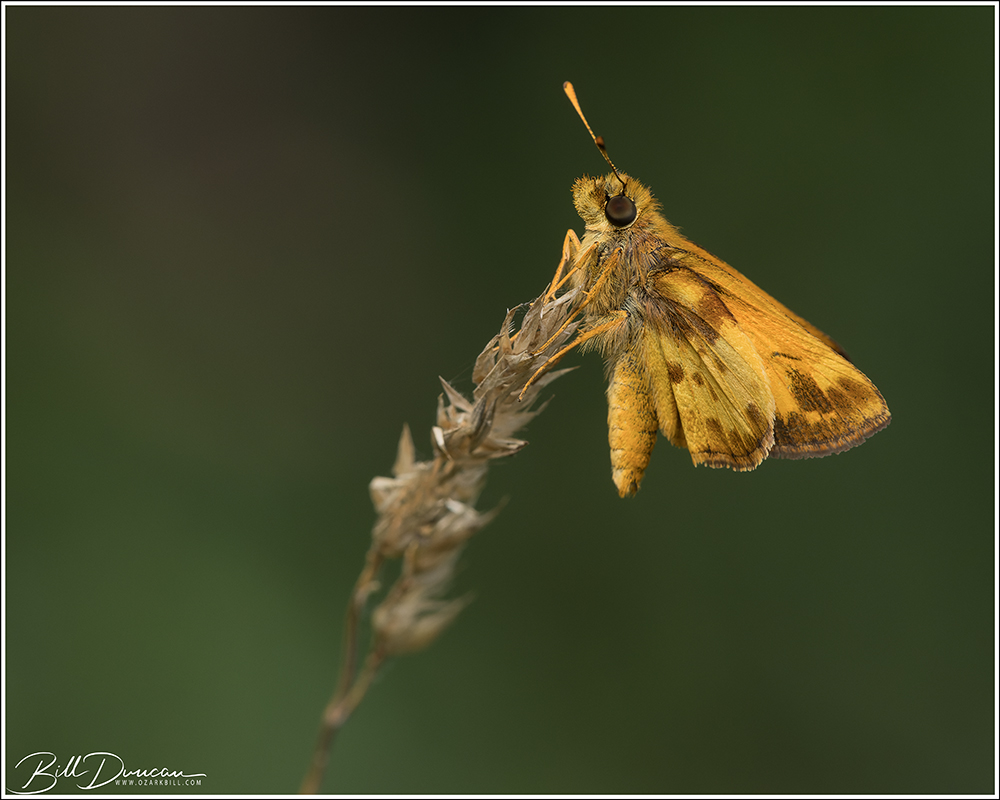
A gorgeous Poanes zabulon, Zabulon skipper (Family Hesperiidae)
What I am calling Wallengrenia egeremet, the northern broken-dash (Family Hesperiidae)
Keith Horn (back) and Chris Brown (front)
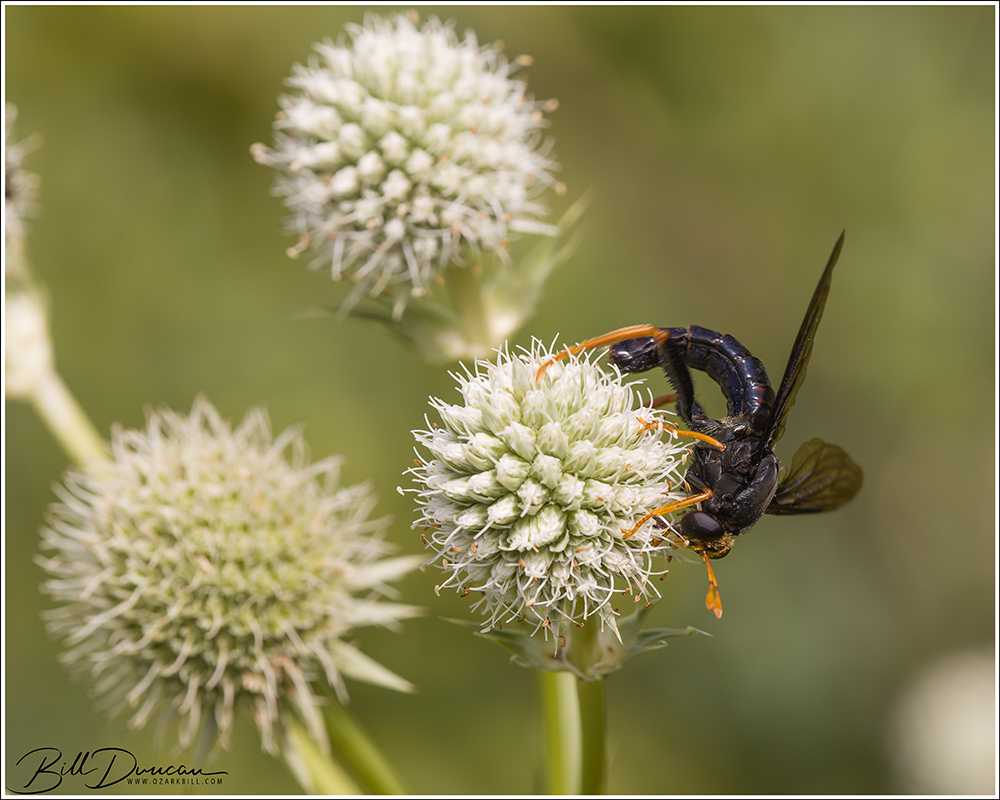
We were lucky to find both Mydas fly species to be found in Illinois, but I was only able to photograph this Mydas tibialis.
The gnat ogre! (Holcocephala sp.)
Interested in making visits to interesting high-quality habitats like this? Then consider joining Webster Groves Nature Study Society! Visit http://www.wgnss.org to find out more.
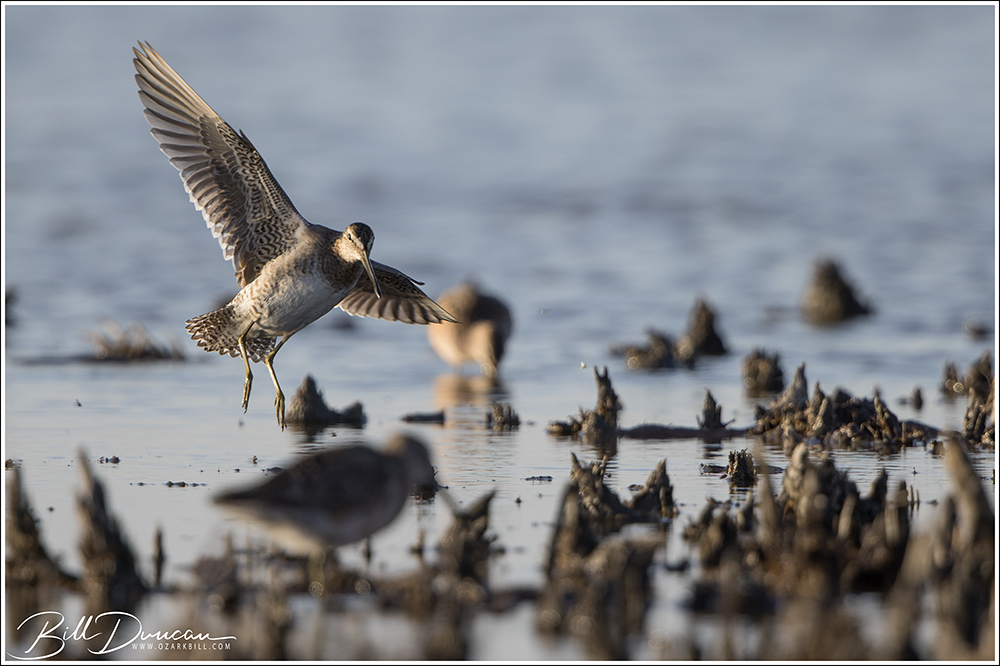
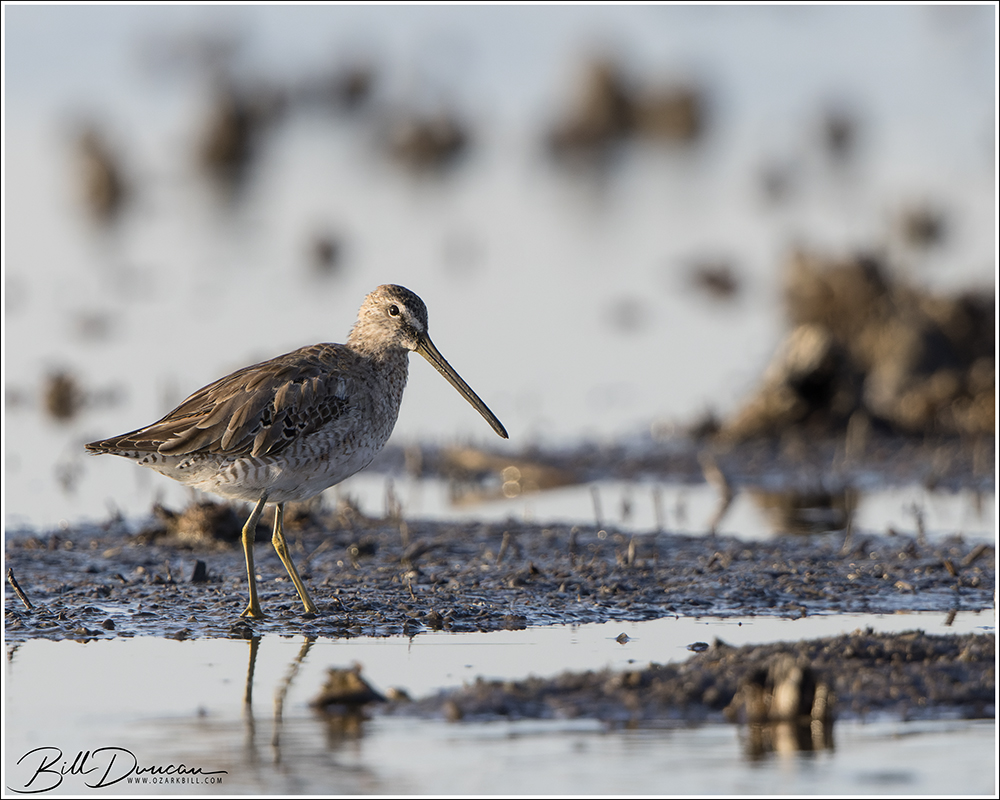
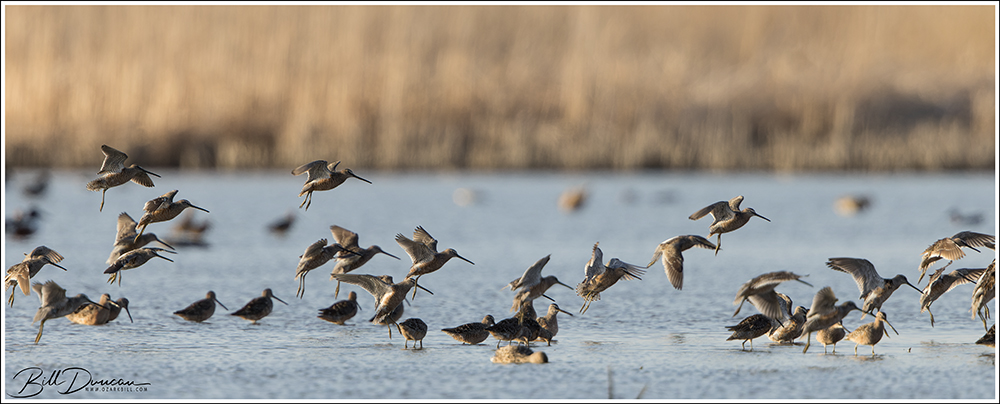
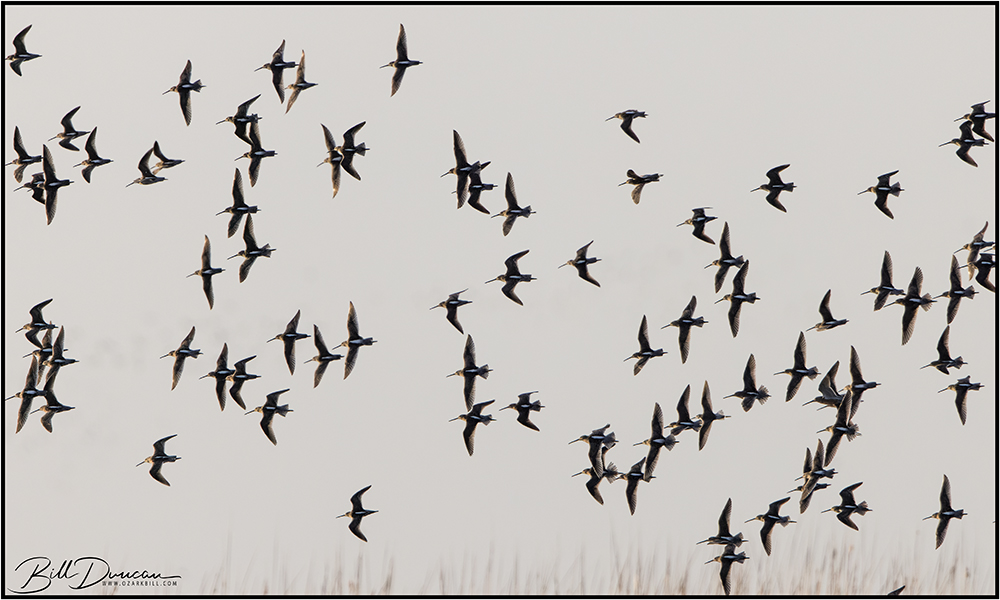
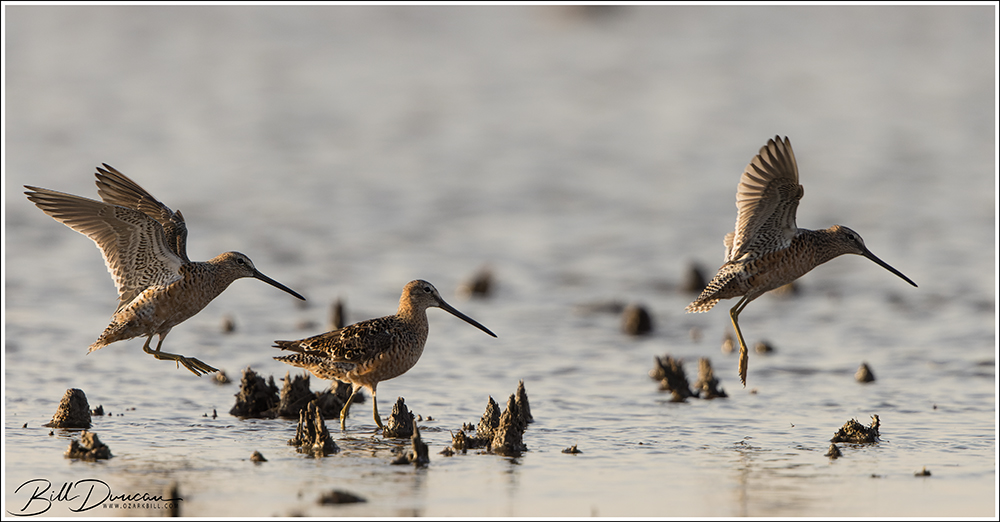
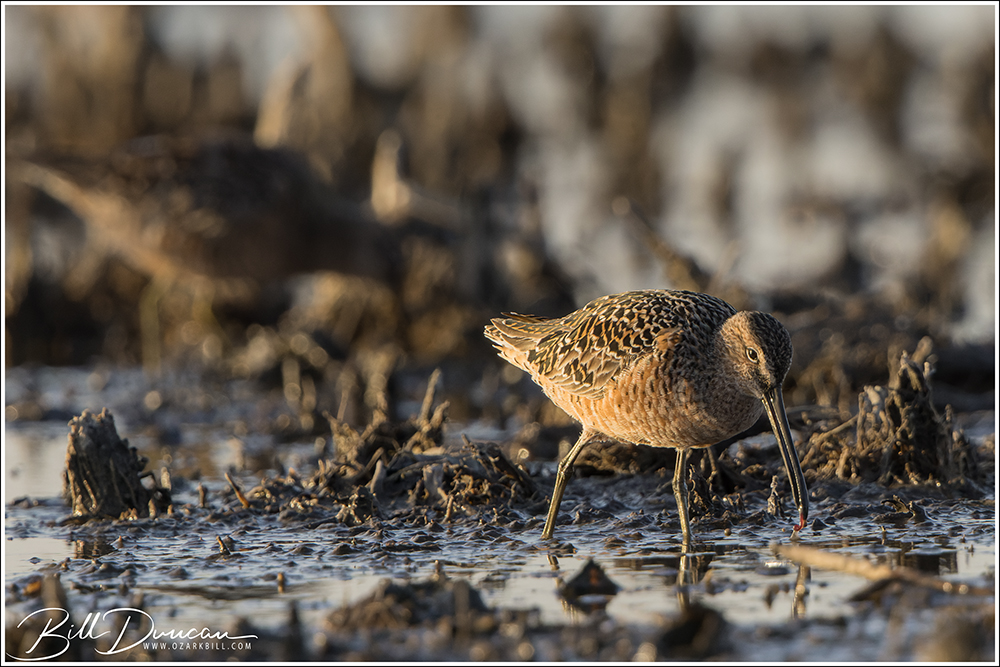
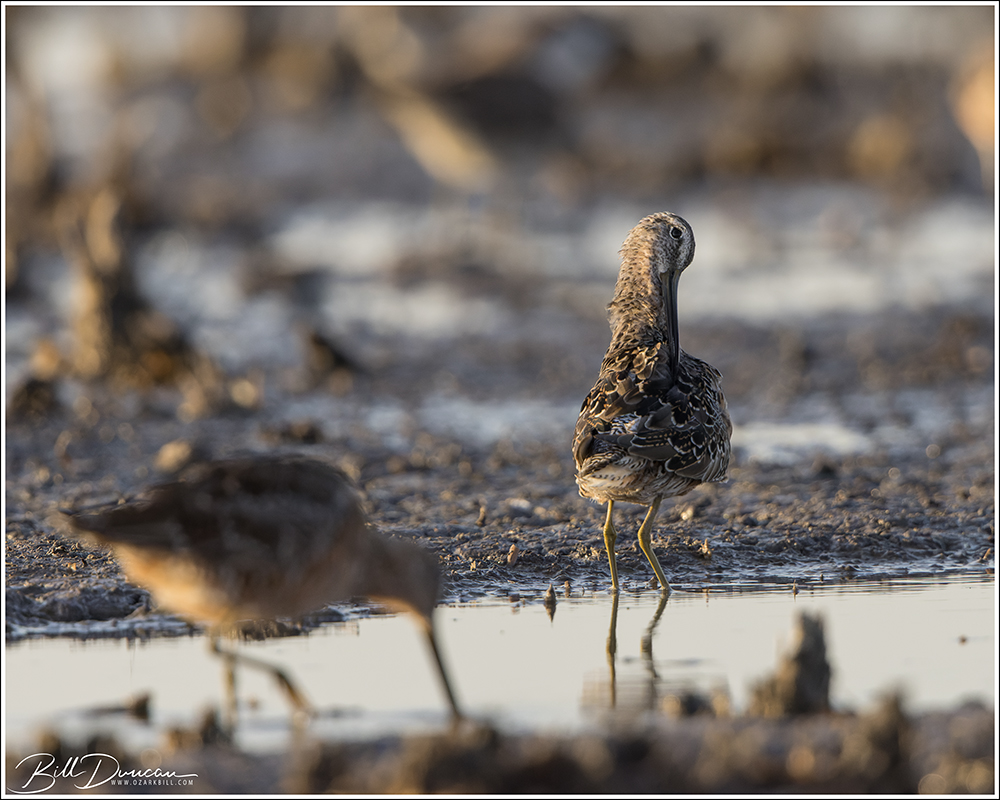
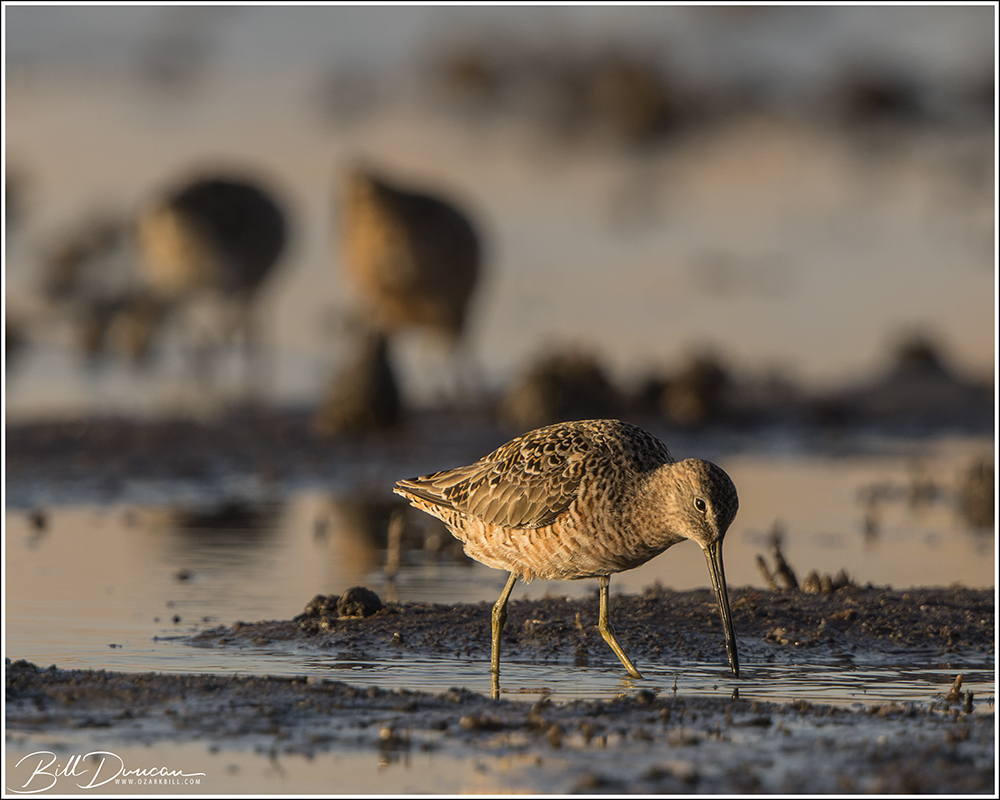
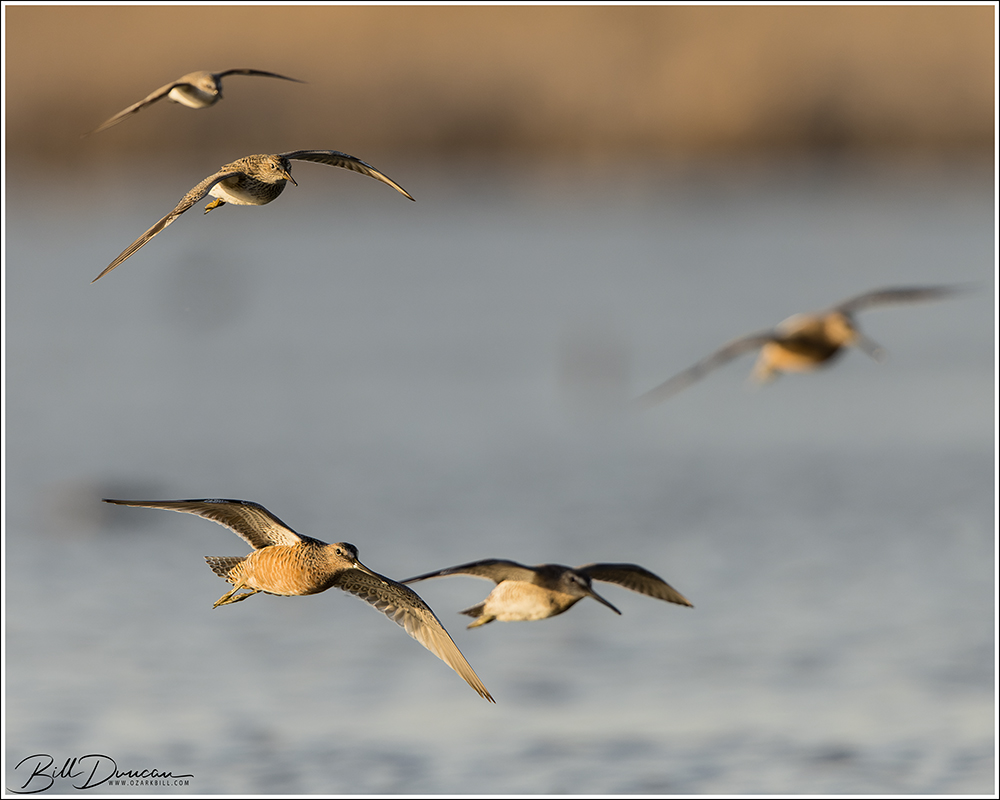
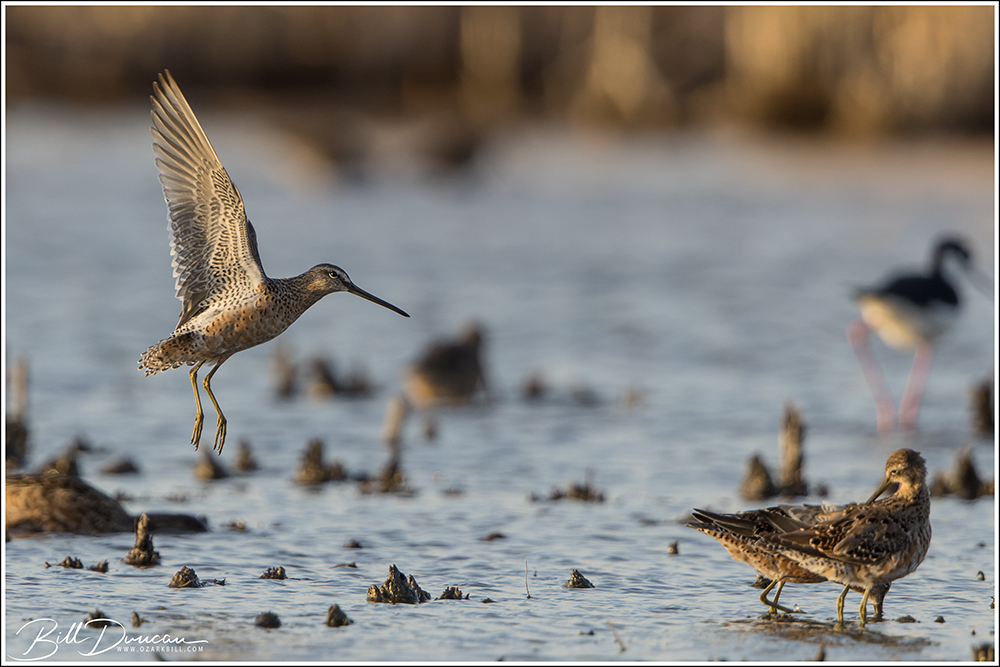
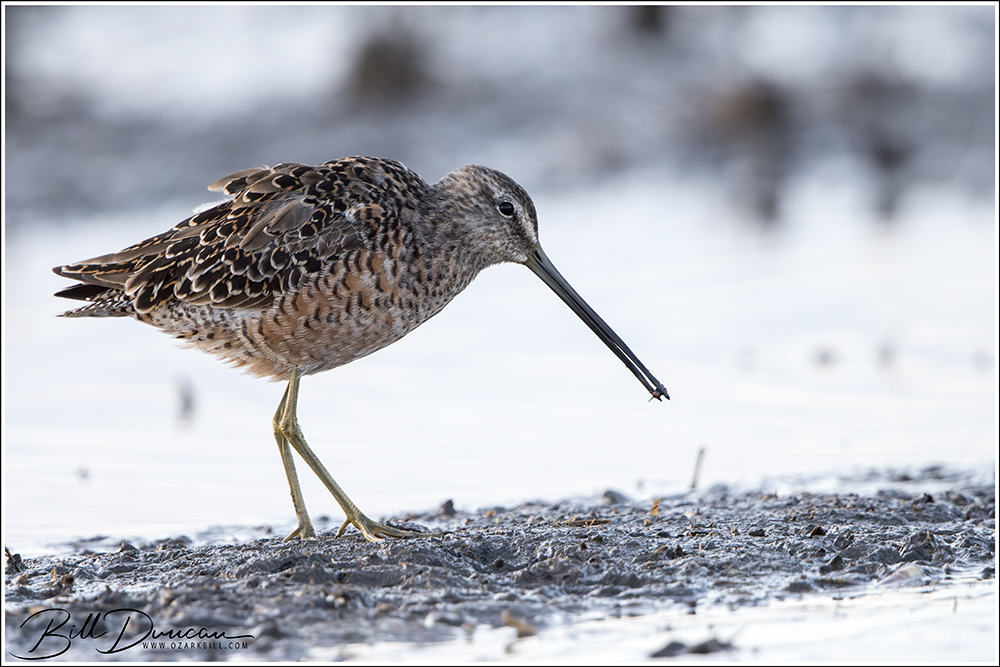
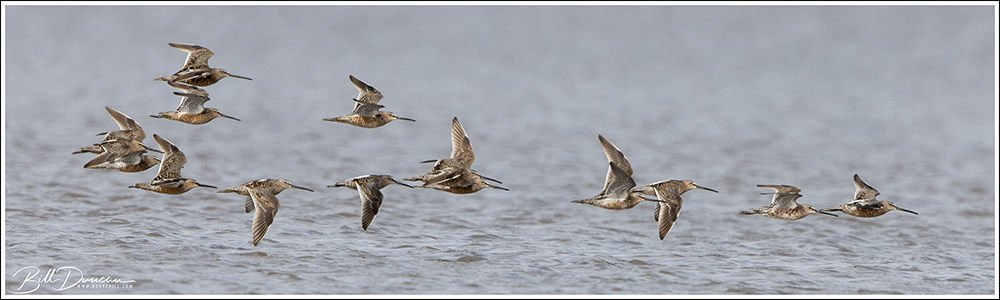
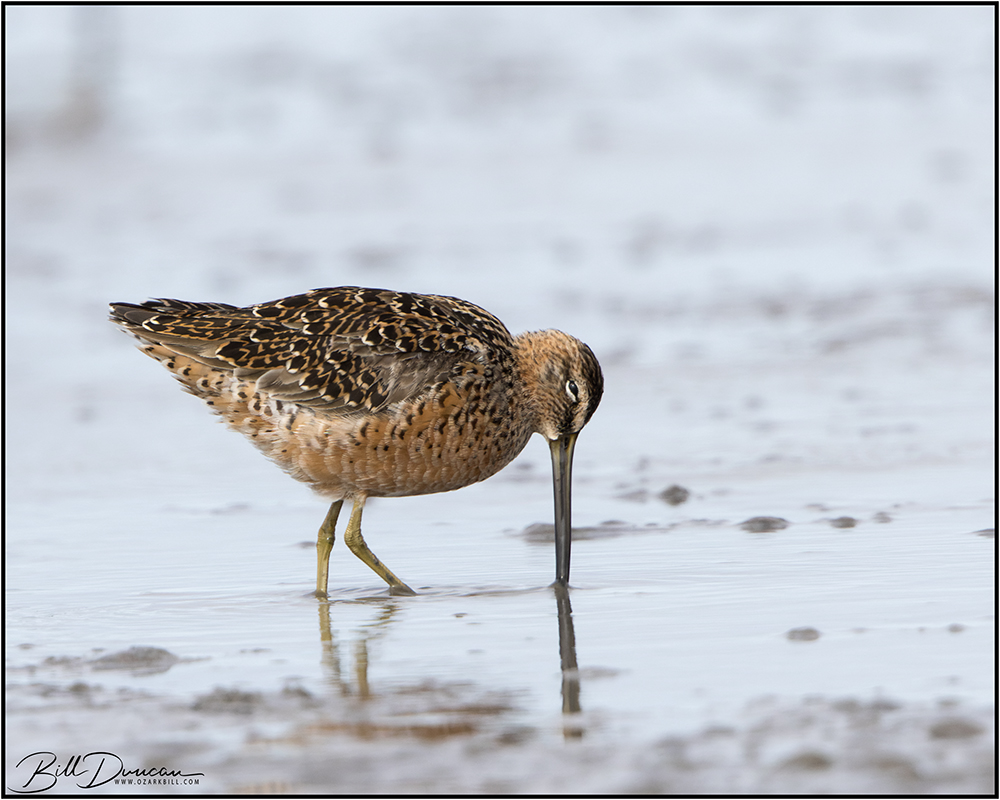
We didn’t have a great deal of diversity in the shorebirds during this early season trip to the “central coast,” but, we had great numbers in the early migrating species like the Long-billed Dowitcher. There may have been some Short-billed Dowitchers mixed in here but none that we could confirm identity. The LBDO uses the central flyway predominantly while the SBDO primarily moves along the coasts during spring migration.
Sarah and I traditionally conduct a caterpillar hunt on the weekend of her birthday in mid-September and 2022 was no different. This year we headed to Meramec State Park. I had recently heard of a short trail that covered the lush river bottom and contained hundreds of pawpaw trees. My hope was to find caterpillars of zebra longwing butterflies – a cat that has been elusive despite my many attempts at finding a late instar to photograph. We wound up short of this goal again, but we did find quite a few interesting species. I know Sarah will want me to mention that she did indeed win the day by finding more cats than I did. 🙂
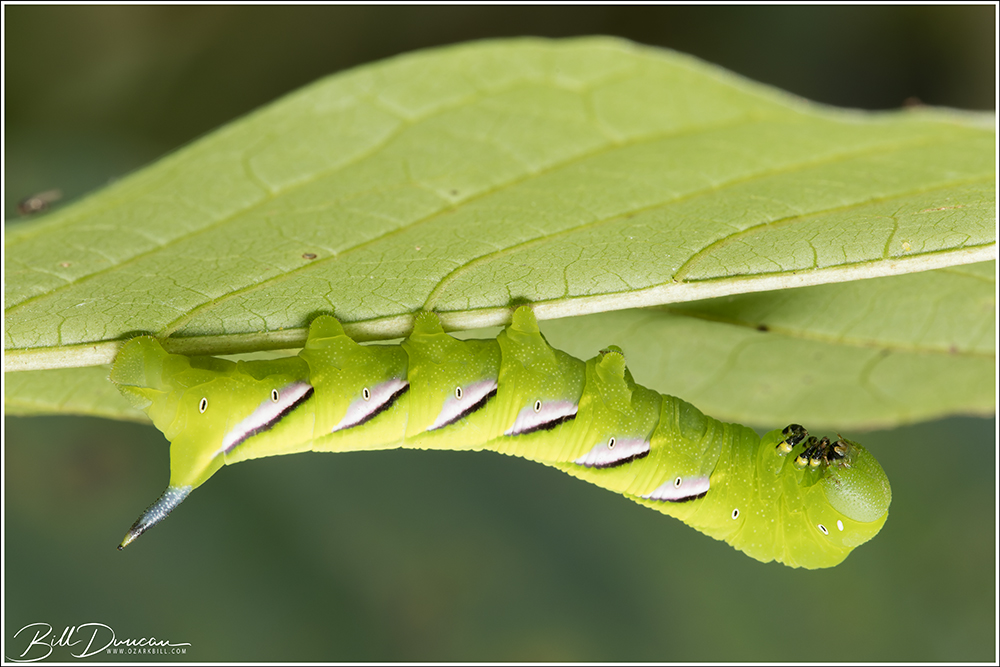
Ceratomia undulosa (waved sphinx) in the family Sphingidae. This impressive cat was found feeding on an ash (Fraxinus sp.).
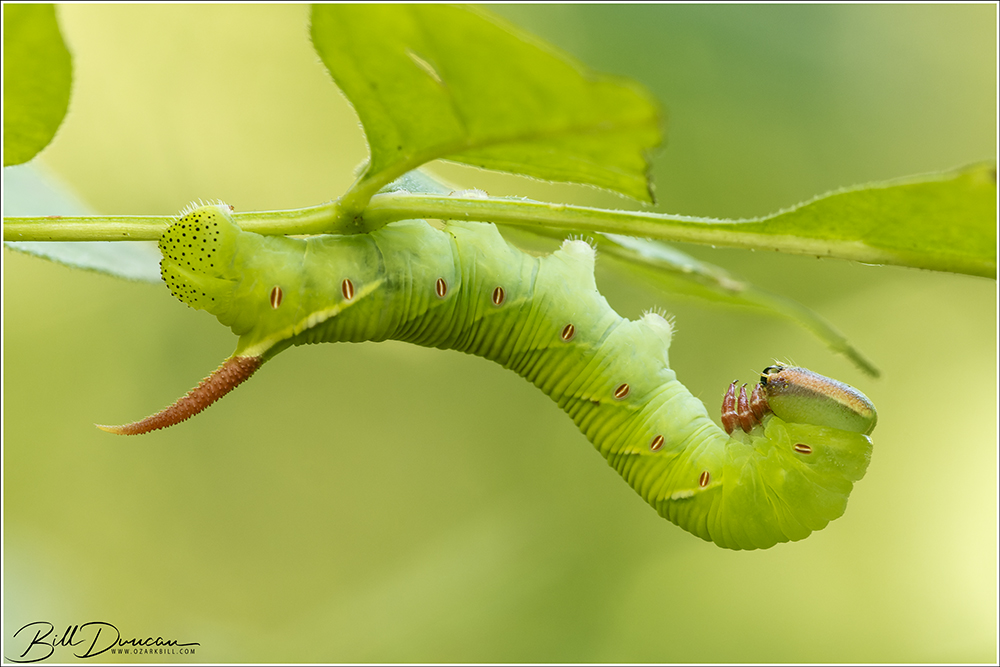
Although we strike out on the zebra longwings, searching through pawpaws still yield results with other specialist feeders, such as this lovely Dolba hyloeus (pawpaw sphinx).
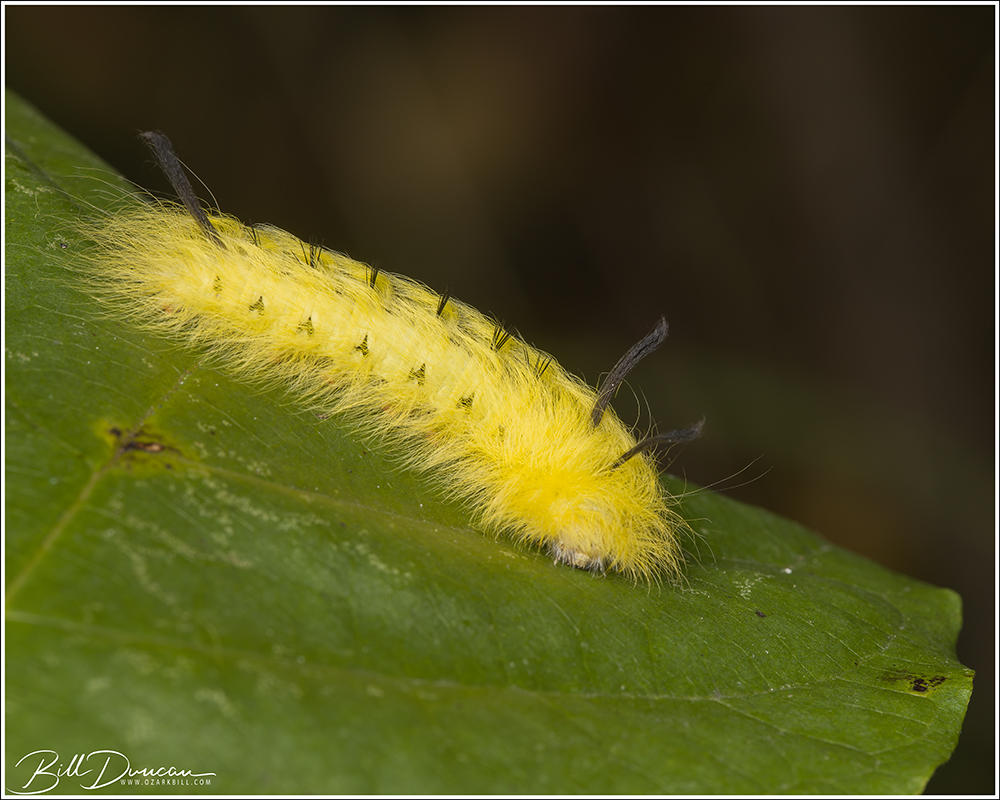
Perhaps because they are so conspicuous, we often have luck finding the cats of the beautiful Apatelodes torrefacta (spotted apatelodes moth) in the Apatelodidae family. These come in two flavors – vanilla white and the more pleasing lemon chiffon pictured here.
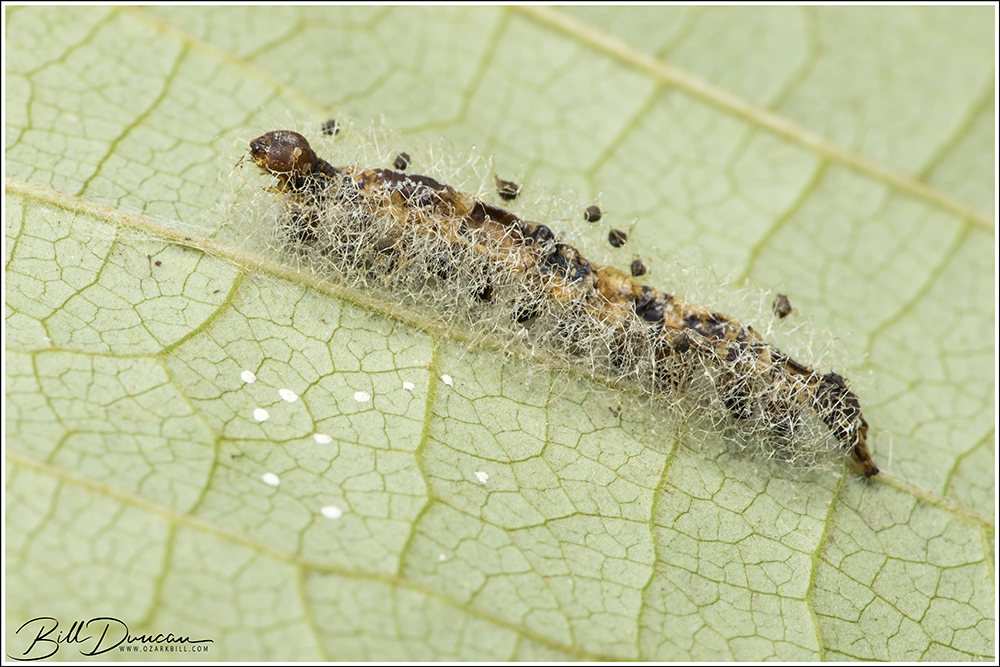
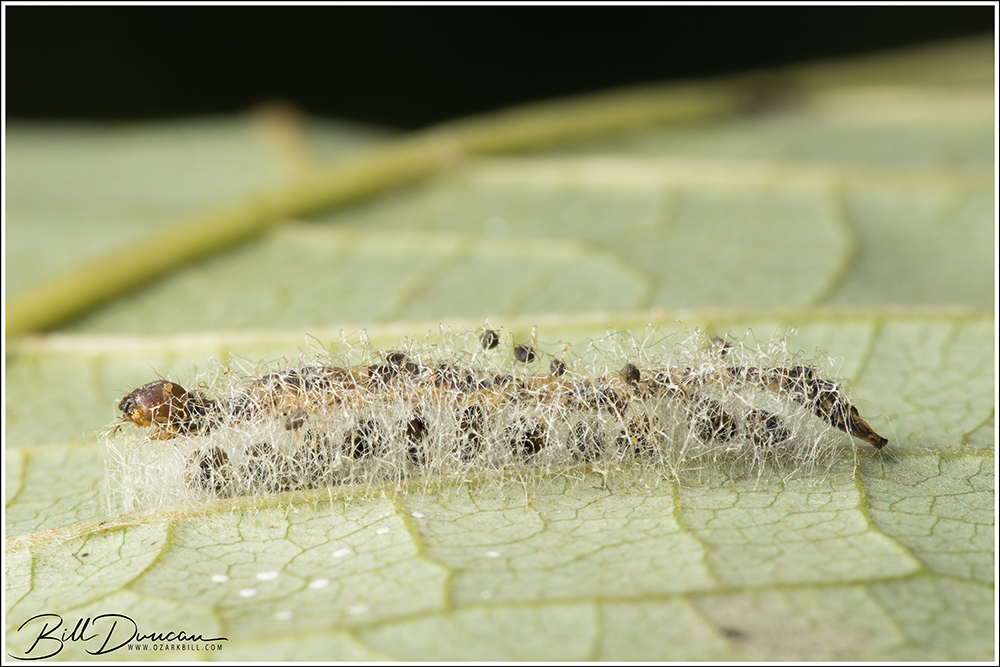
Perhaps my favorite find of the day was this husk of an unknown caterpillar species having been preyed upon by larvae of an Eulophid wasp, likely an Euplectrus species. These wasps are ectoparasitoids that ride on the backs of their caterpillar hosts. When reaching their final stages in development, they spin webs and pupate within, using the remains of the caterpillar and their webs as cover.
Getting the lighting just right on these was challenging. Here, I tried my best to position the flash to illuminate the number of pupae residing beneath the remains of this poor deceased caterpillar.
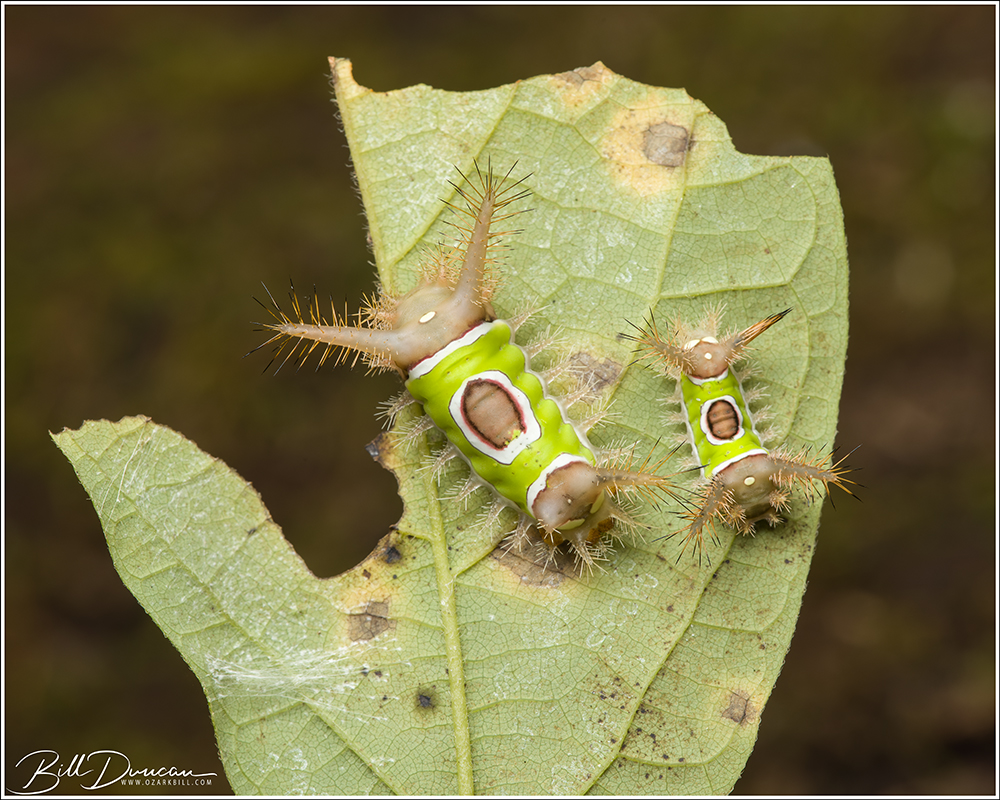
Of course we are always on the lookout for larval members of the Limacodidae, or “slug moth” caterpillars. We found lots of saddlebacks (Acharia stimulea), including the two seen here. I’ve come to see how widely generalist this species is, having found them not only on numerous woody plant species, but in completely different environments, from dry upland woods to corn fields to humid bottomland forests like the one we were in on this day.
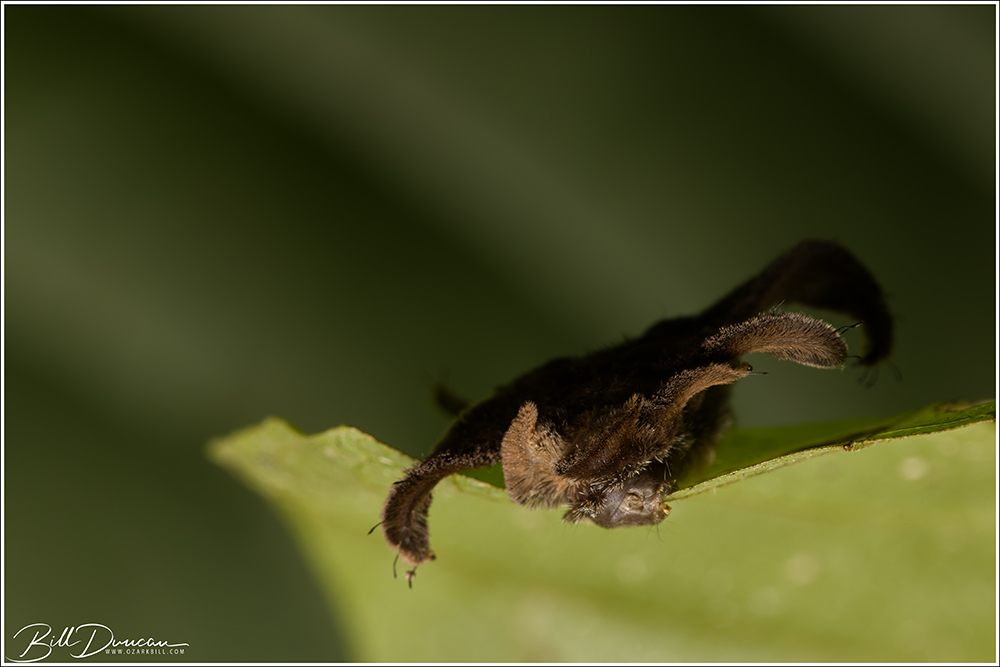
The monkey slug (Phobetron pithecium), purposed to be a mimic of tarantula exuvia, never ceases to fascinate me. Like the saddlebacks pictured above, the monkey slug also contains spines that deliver a toxic punch upon contact.
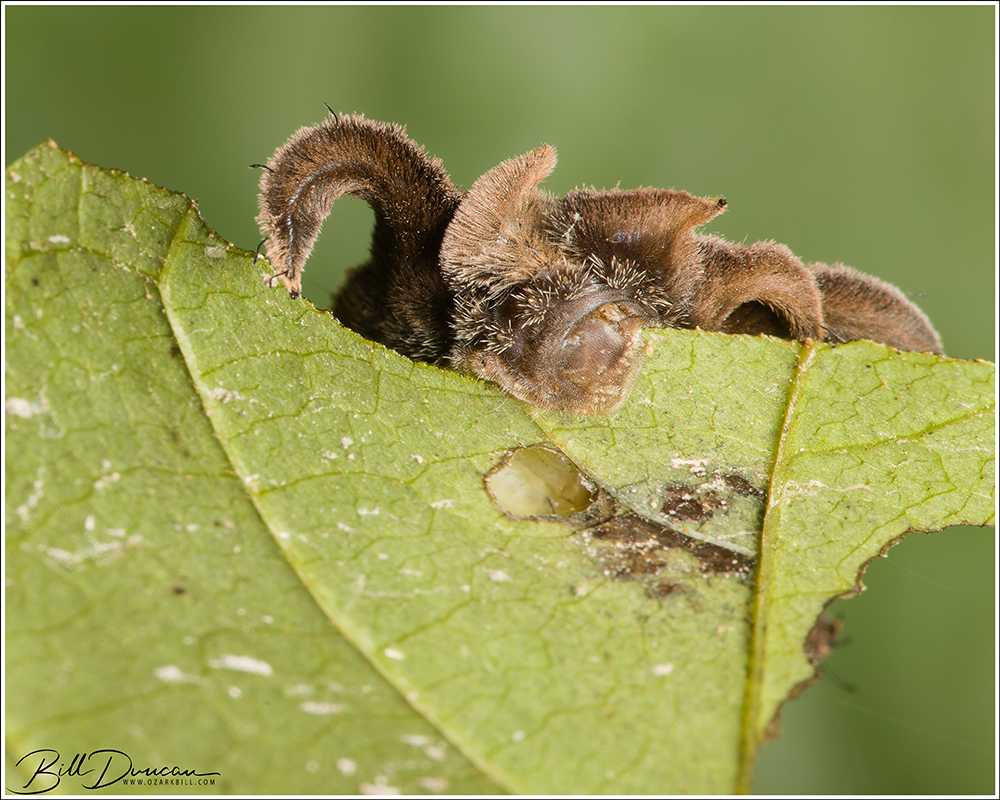
Here you can see the monkey slug’s appendages rising above the leaf it is feeding upon. The problem with being a generalist caterpillar is that these species need to be able to deal with a variety different toxins that reside in the mature leaves of their many host species. This is believed to be the reason it takes the larvae of the Limacodids so much longer to develop compared to similarly-sized caterpillars of other taxa. This comparatively longer development time may also be the selective force that helped drive the development of the stinging spines that are used to defend against parasitoids and other predators.
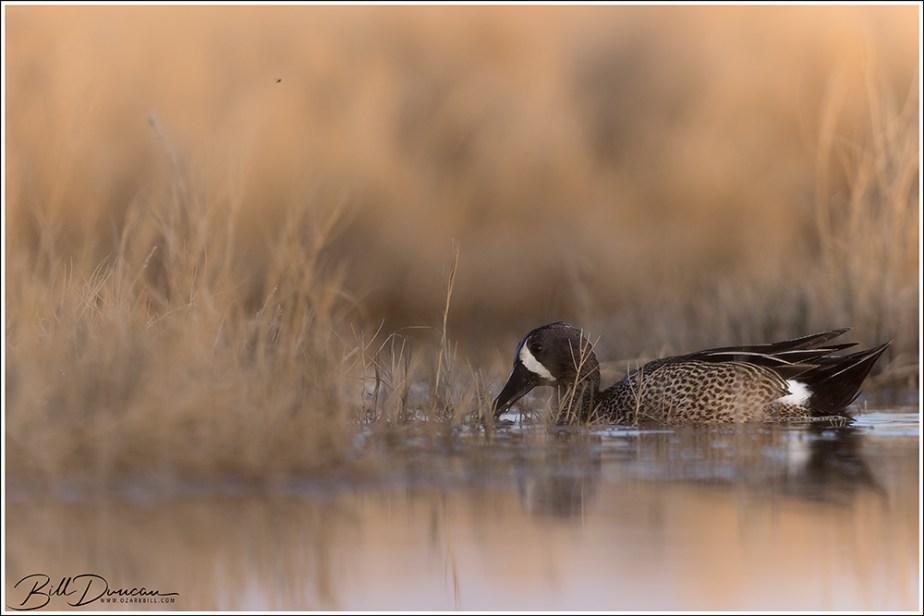
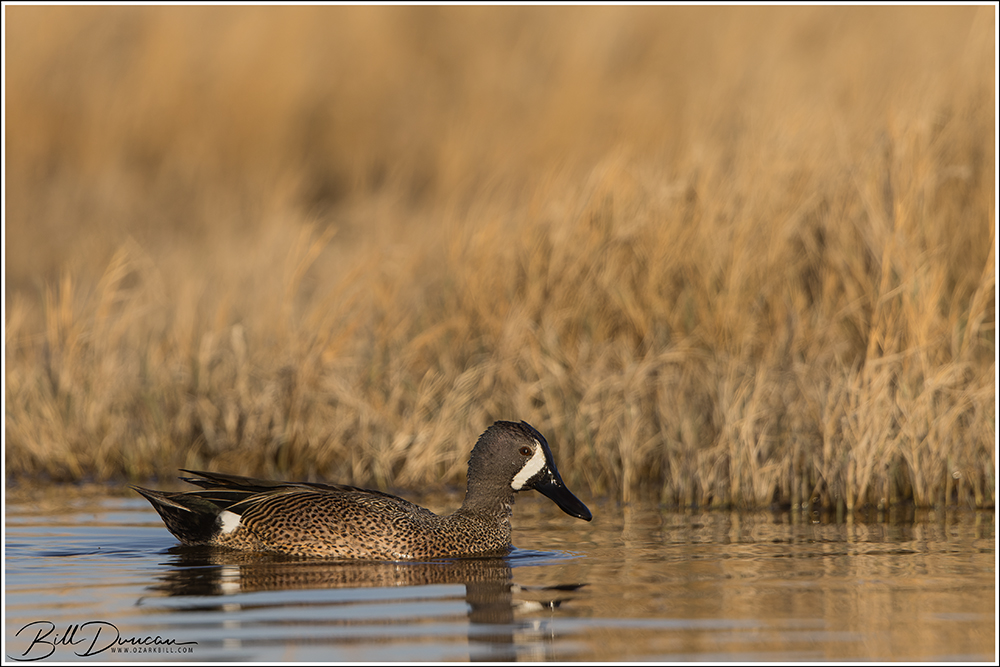
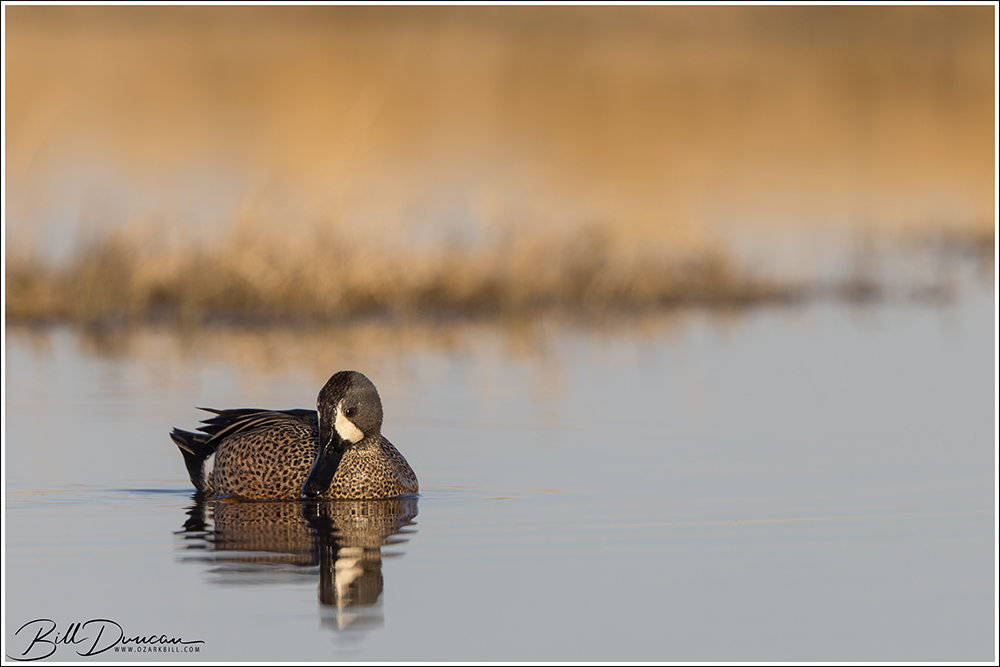
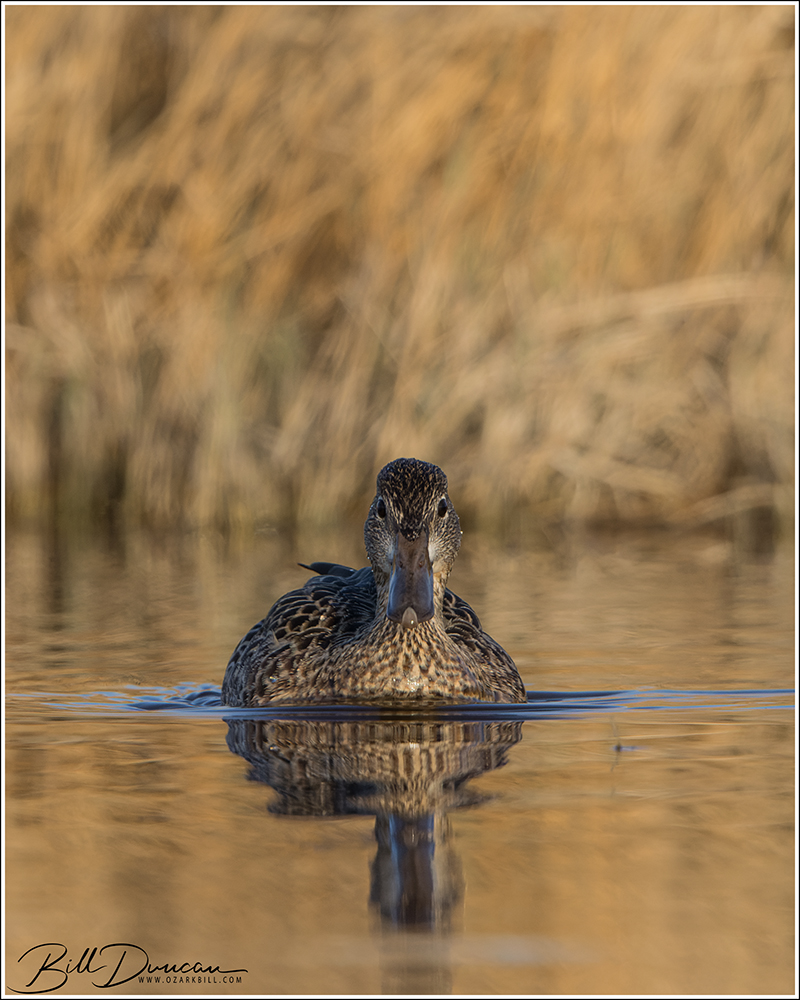
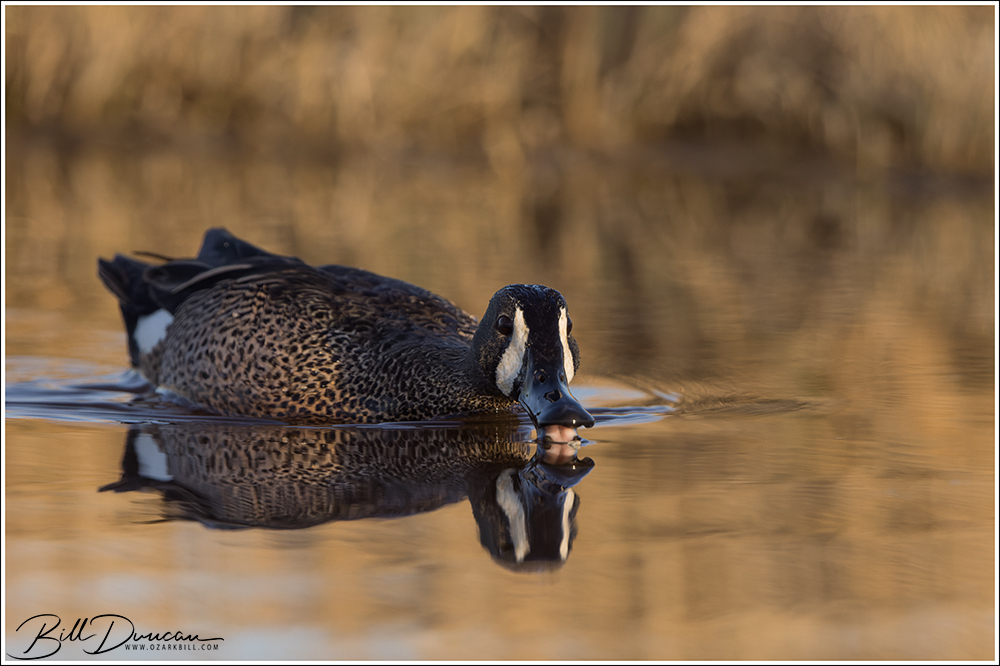
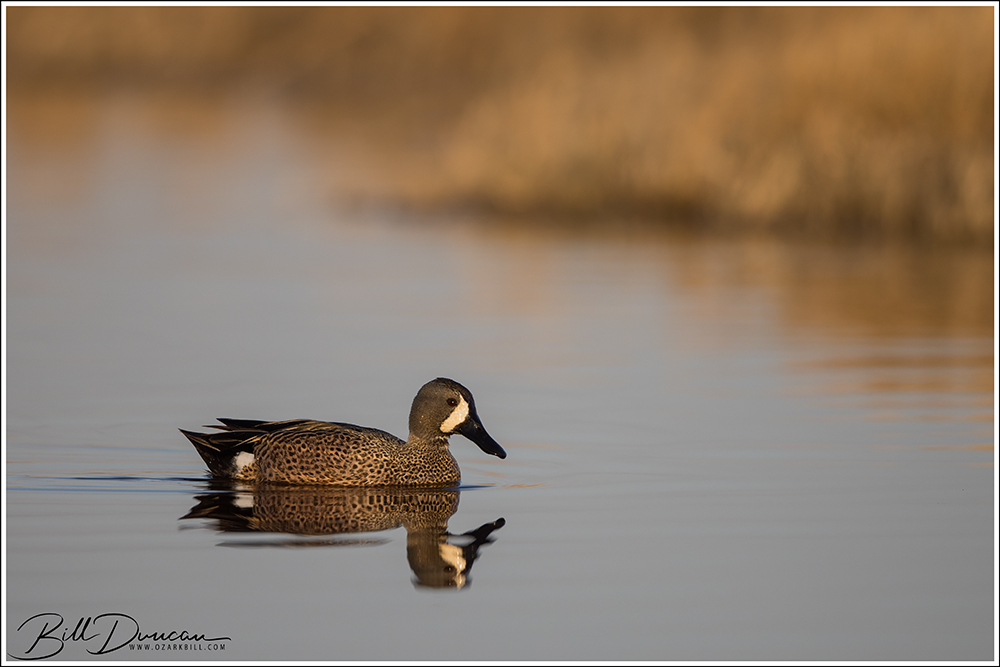
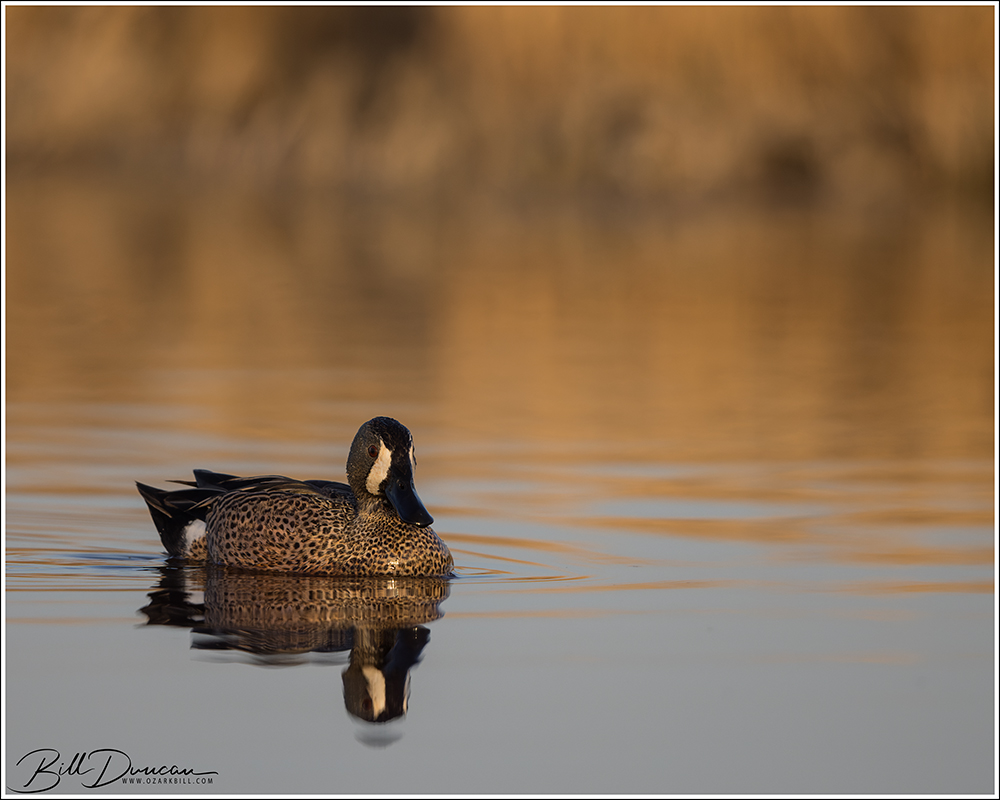
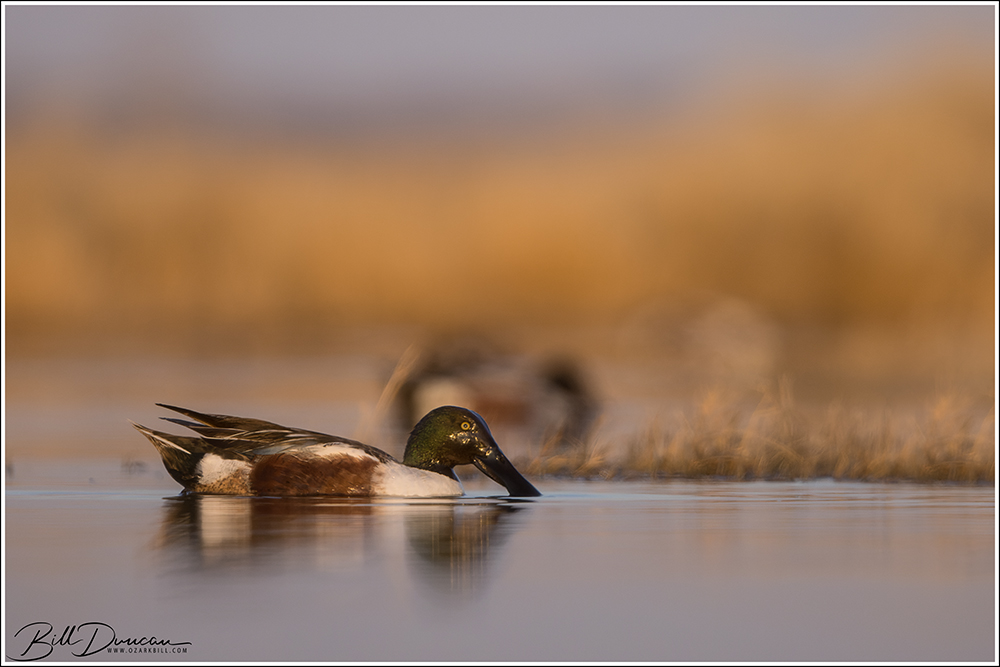
It’s about time I begin posting more from our Kansas trip from last April. The Blue-winged Teal is one species that is easy to find at Quivera NWR and Cheyenne Bottoms Wildlife Area. Dave and I had some great light on this evening. We set up low and waited for the Teal and Shovelers to drift by.
I’m finally getting around to posting photos of some Leps that were taken during the WGNSS Nature Photography Group’s quite enjoyable visit to Prairie Garden Trust located in Calloway County, MO. I can’t express how much I appreciate this location and the people that manage it. Lorna and Henry Domke gave our group a personal walking tour around much of their fabulously managed naturescapes – in my opinion the perfect exemplar of how and why to manage natural areas. I thought I would have been back by now, but time has a way of moving too fast and there’s only so many weekends in the year.
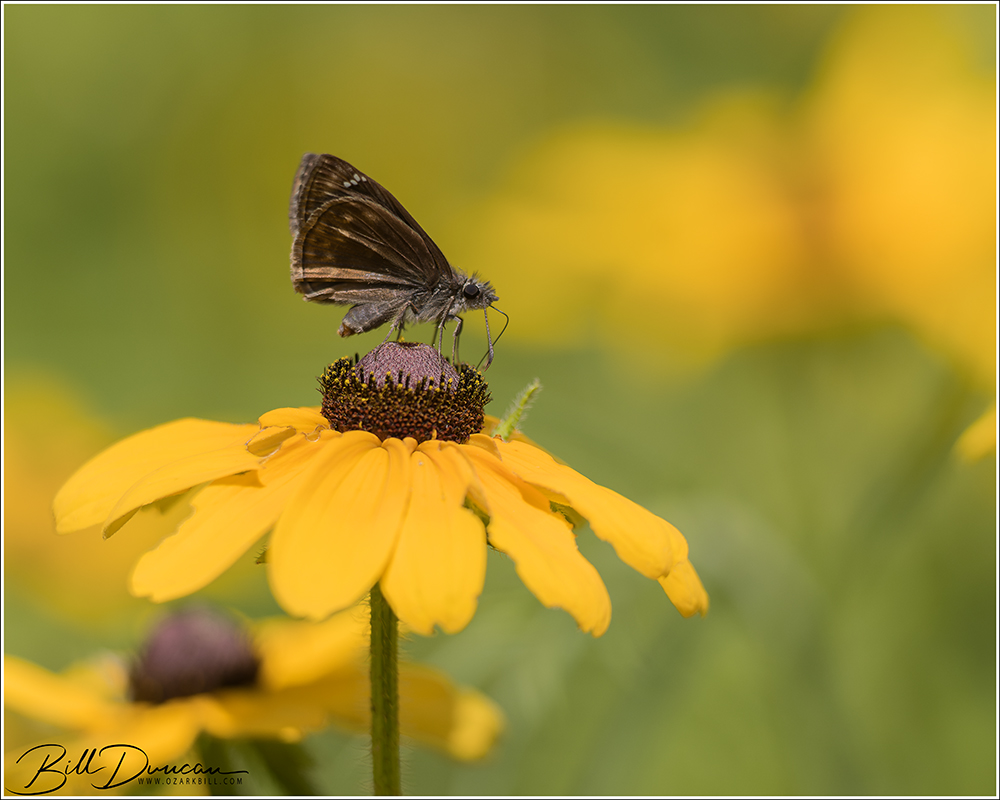
Delaware Skipper (Anatrytone logan)
Text from their website:
Vision
What the PGT will become
The PGT is a gem of a nature garden in central Missouri where people enjoy strolling by woods with large old trees, prairies filled with a mix of native wildflowers, and ponds and streams rich in native aquatic life. It is free of exotic, invasive plants and animals. Visitors are inspired there to learn about and take better care of nature.
Zebra Swallowtail (Protographium marcellus)
Mission
What we do
The Mission of the PGT is to inspire people by letting them experience the beauty of nature found in a variety of enhanced native habitats on the PGT property.
Values
What we believe
Native plants are good for healthy habitats, while invasive, non-native plants are detrimental and should be removed.
We believe that knowing what plants and animals exist here and how they change over time is valuable. We want to avoid harvesting natural resources on the property for income so mature habitats can develop here.
We support removing plants (using fire, herbicides and mechanical means) and animals (by trapping or hunting) as needed for the management of a beautiful habitat and to maintain the balance of nature, but not as a source of income or recreation.
We believe that quiet personal experiences in nature enhance well-being and that crowds detract from that.
Hummingbird Clearwing (Hemaris thysbe)
We believe that unmanaged habitats tend to be messy, but they can be made more visually appealing by following an artistic landscape design. By having some areas of the PGT less tended and other areas along trails more tended, we offer a nature garden within a natural area.
We believe that knowing the natural, geologic and cultural history of the PGT property is of value. It’s where a coral reef developed 360 million years ago, where the Ozark hills meet the glaciated plains, where native Americans hunted 2000 years ago and where settlers built a thriving pottery almost 200 years ago.
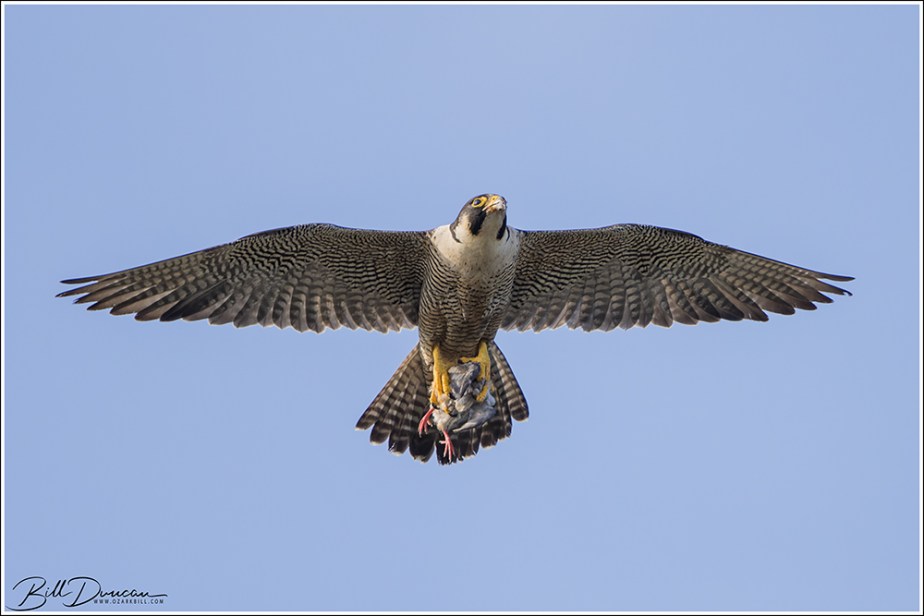
In this post, mom continues to provision the chicks with freshly caught birds. The chicks are beginning to try out their wings and are on the verge of fledging.
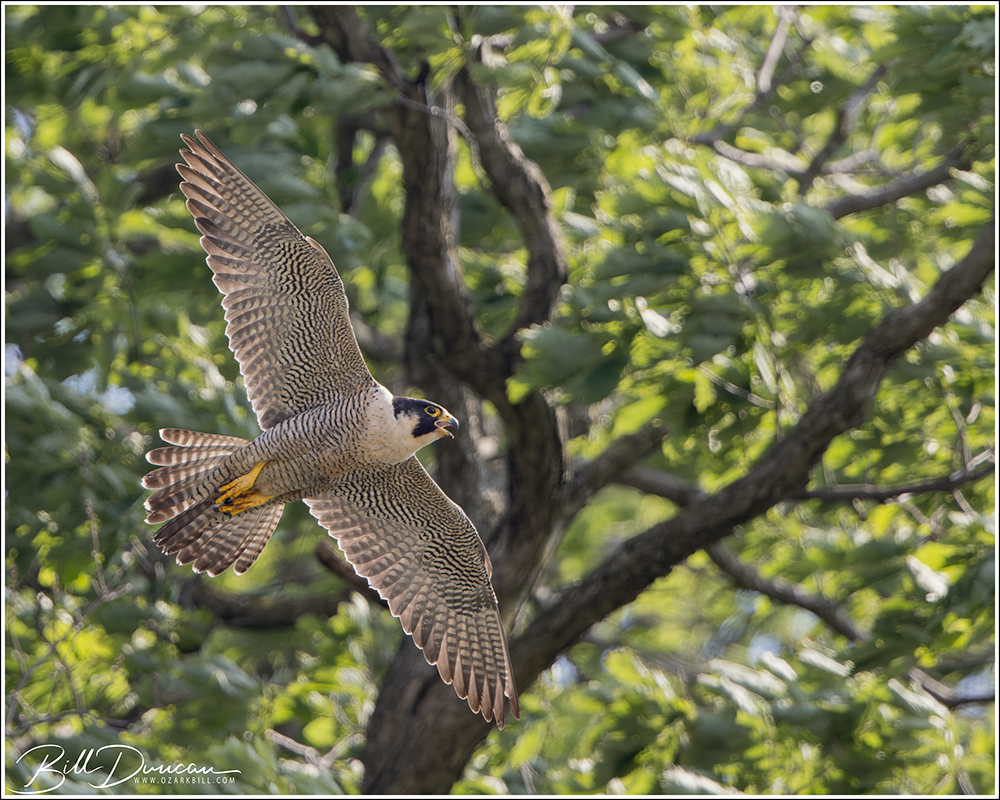
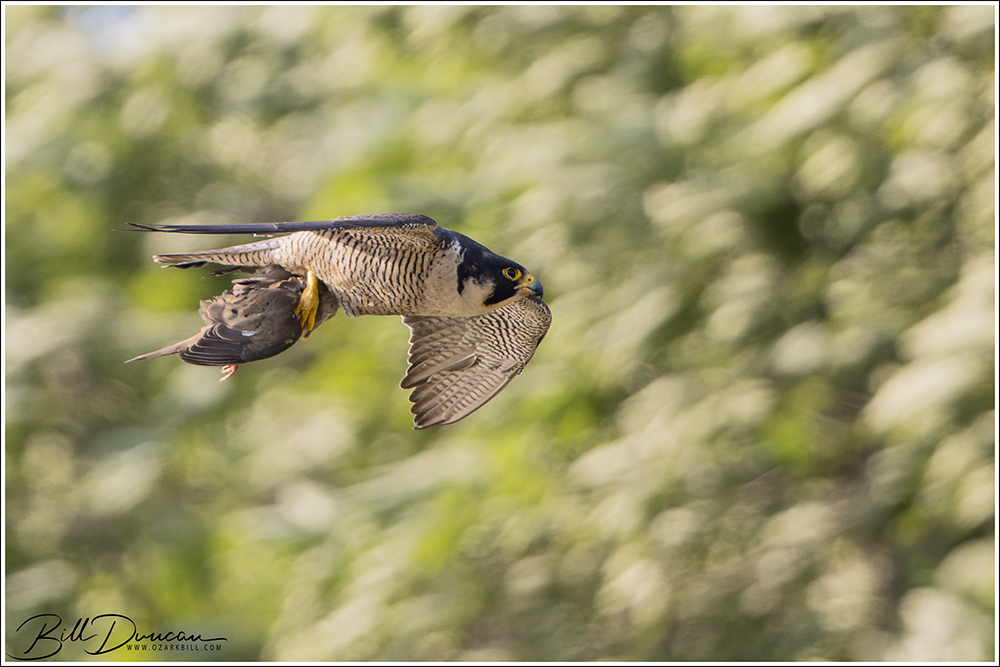
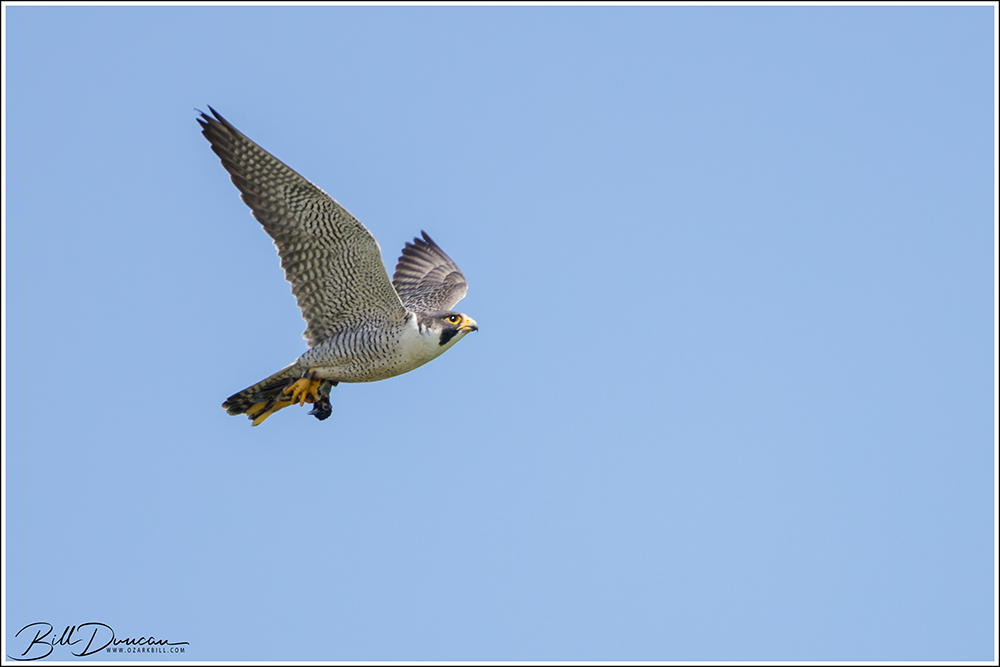
Mom soaring above the nest areaMom soaring above the nest areaA chick trying out its wingsThree chicks hanging outFeeding timeMom moving the remains of a likely pigeon carcass Mom near the trees, heading to the nestThe parents sometimes allowed Turkey Vultures to soar near the nest but had no patience at all for eagles or hawksMore wing exercisesThe remaining set shows mom bringing in a Mourning Dove that she continues to dispatch on the wing!
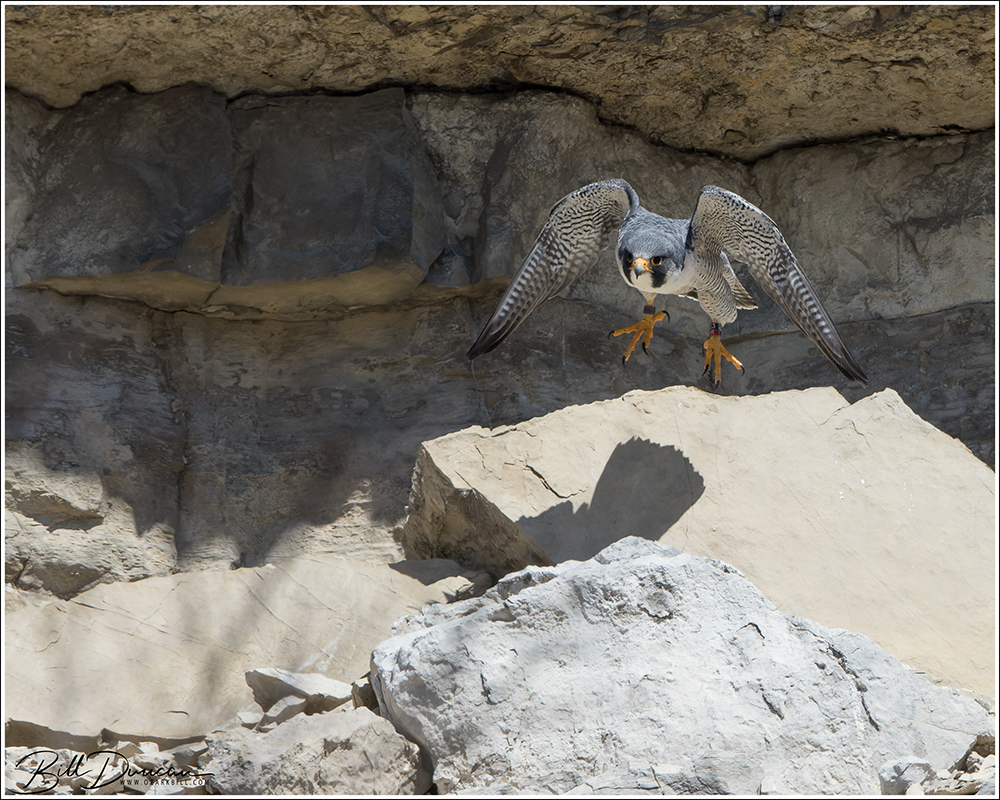
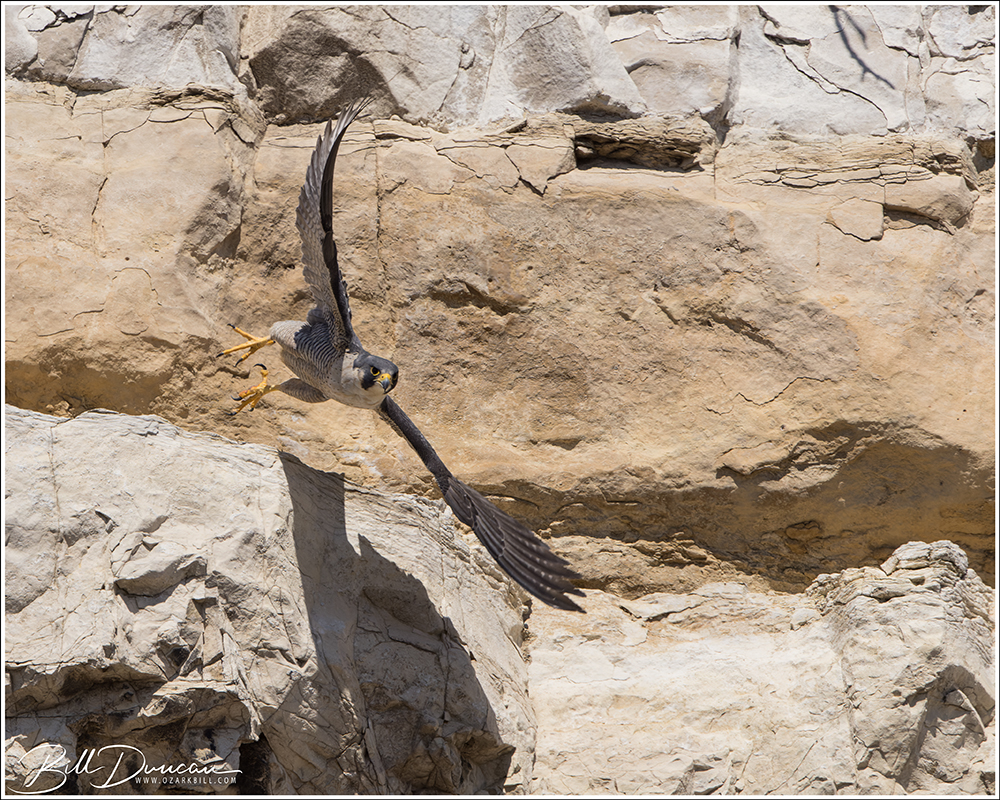
Unfortunately, we didn’t have an opportunity to get back to the nest site until late May. When we returned, we found the parents were busy raising four already good-sized chicks. The photography was challenging. We had to contend with the too-speedy traffic of the river road that lied between us and the bluff face where the nest was located and the heat distortion that this blacktop created. There is also the issue of trying to photograph the fastest vertebrate on the planet.
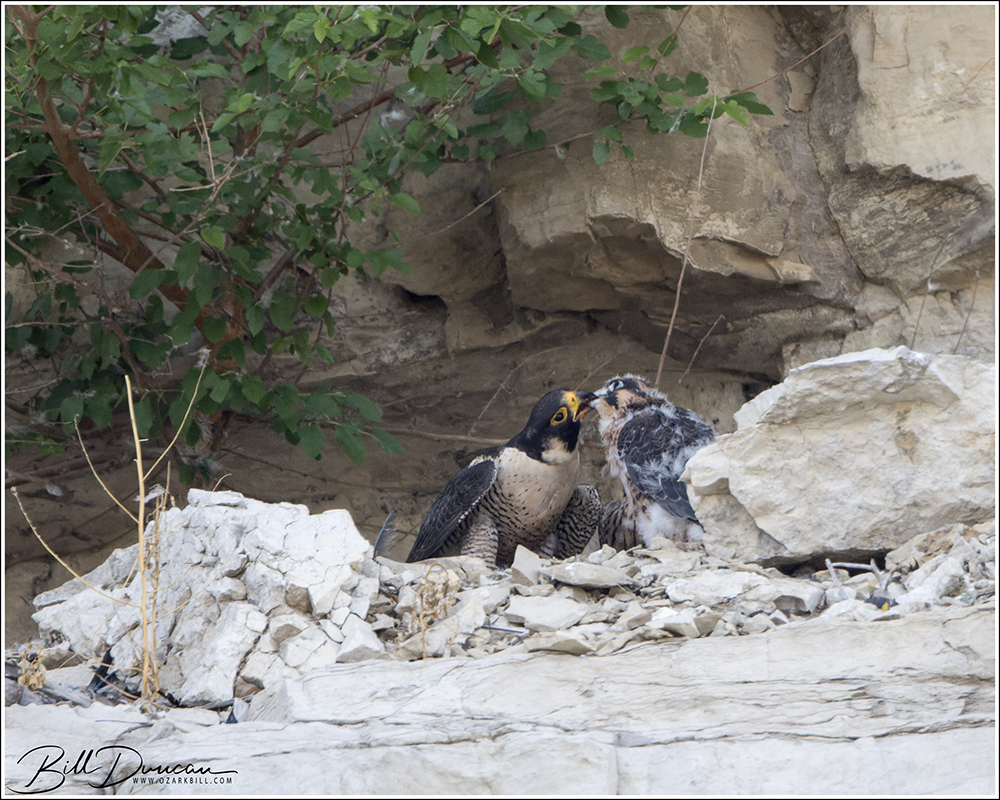
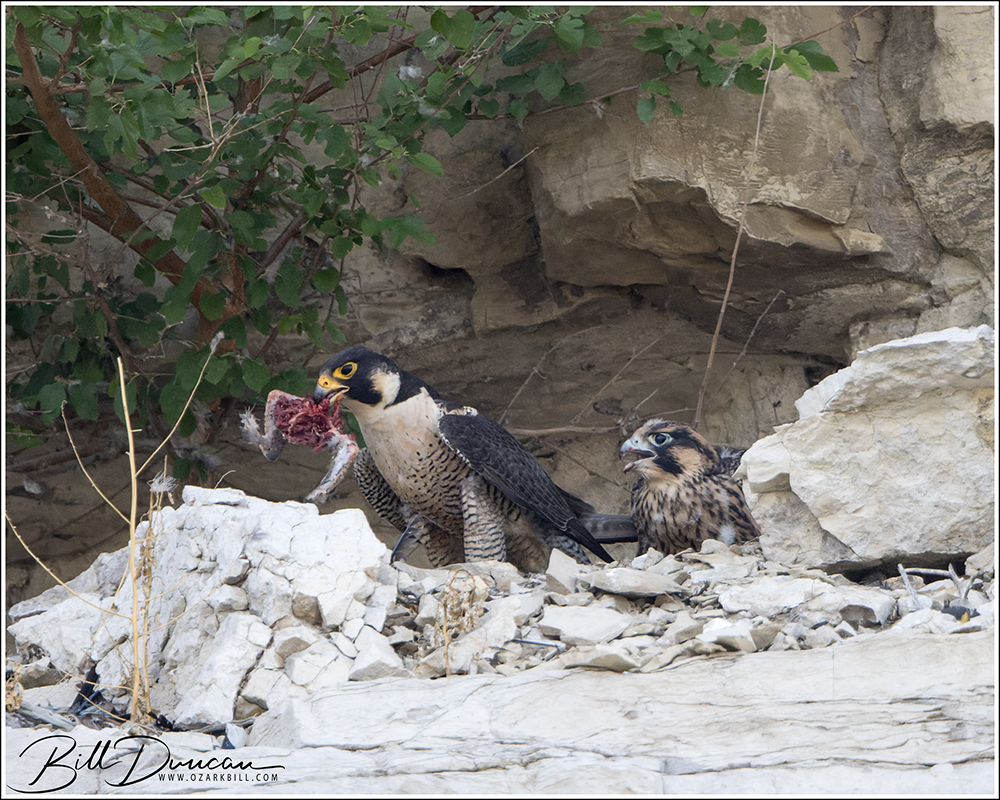
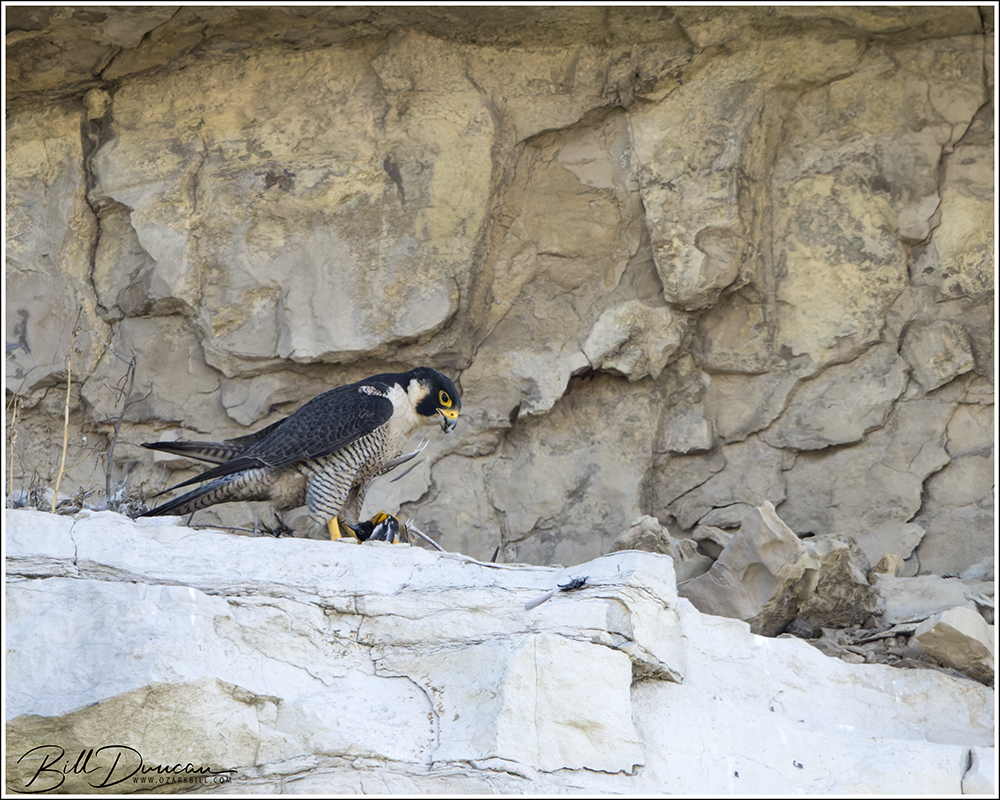
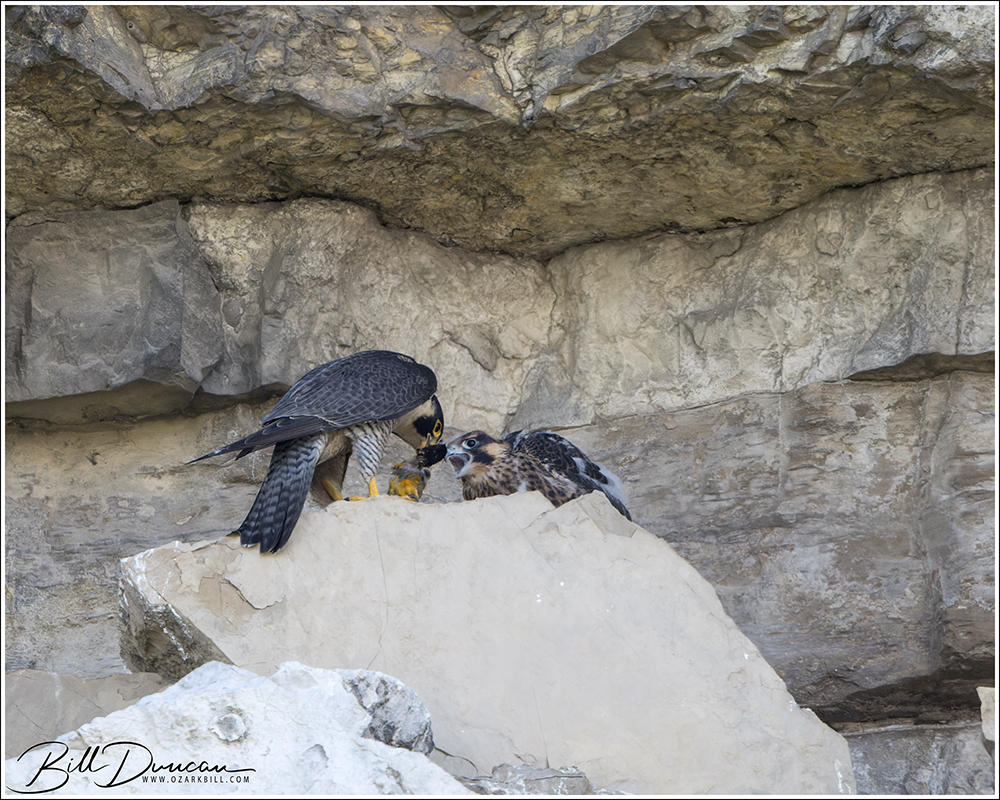
Most often mom would take responsibility of feeding the chicks directly. Dad was primarily the hunter and would drop off prey. Here dad takes some time to piece the prey and feed it to the hungry chicks.
Dad brings a Baltimore Oriole (future Peregrine Falcon) back to the nest.
As typically done, dad would bring the prey back to a spot along the bluff and call for mom. Here mom has just picked up the Oriole and will take the bird to a new spot for processing.
Mom removes feathers from the prey bird on a bluff platform away from the nest site.
Mom begins feeding the impatient chicks.
I suppose at a point of diminishing returns, mom would often take the remains of the carcass away from the nest and would pick the remains to feed herself.
Mom soaring with remains of Oriole.
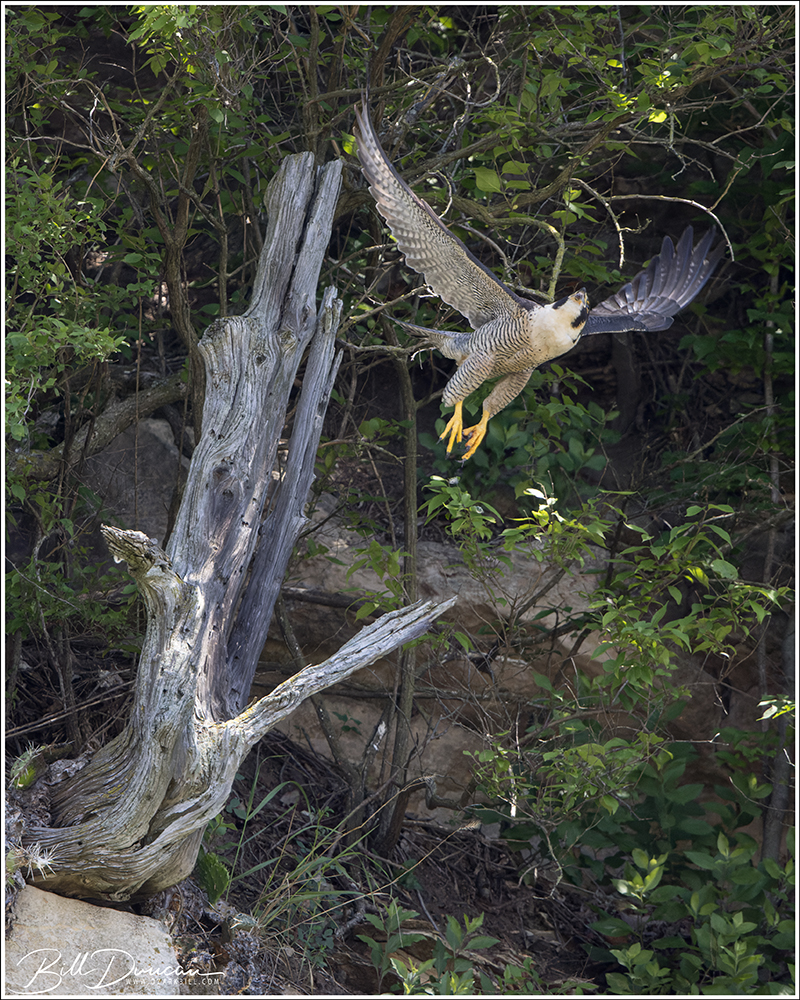
The female’s favorite perch was this dead cedar that provided great looks at the nest and everything above. The parents would sometimes put up with Turkey Vultures soaring near the nest, but would chase away any Red-tailed Hawks or Bald Eagles. They especially hate eagles getting too close to the nest.Mom has spotted some large bird that has strayed to close to the nest and is about to give them the business.
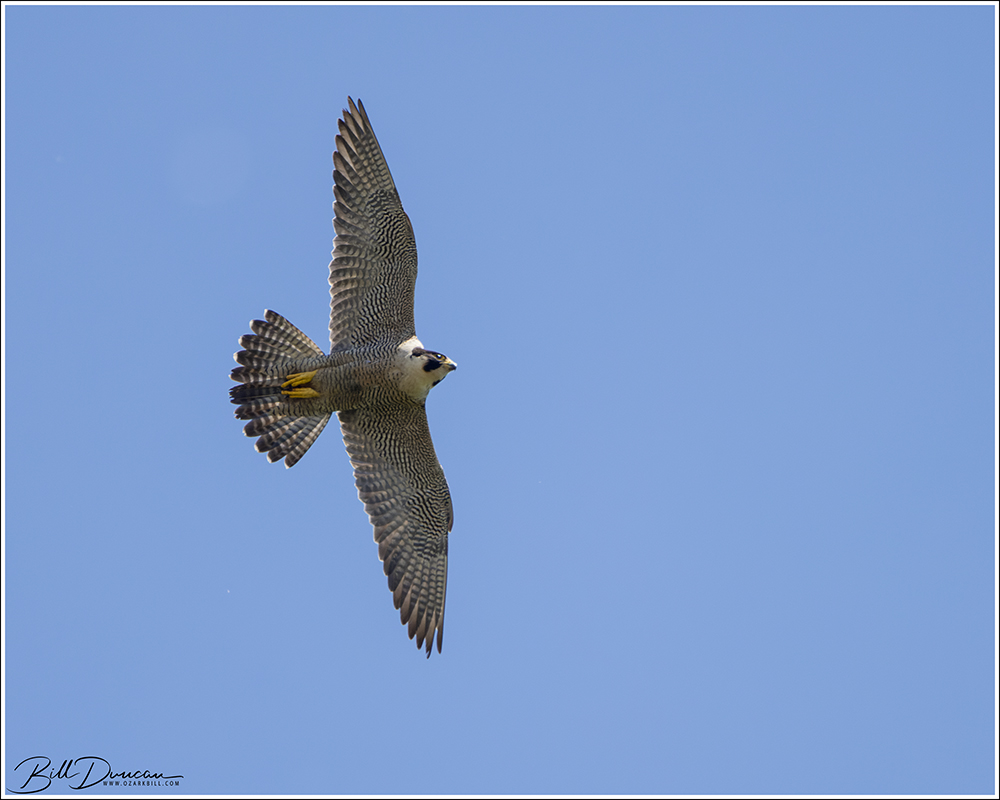
Miguel and I spent a few hours in the spring and early summer of 2022 photographing a pair of Peregrine Falcons in Madison County, IL during their nesting season. In this first post, the photos were taken in March. There were likely no eggs in the nest at this point and the pair was bonding by the male bringing in food for the female and the two soaring the skies of their territory. It wound up being a pretty dramatic nesting season. Lots more pics to follow.
The male adult Peregrine Falcon sporting identification bands he received while he was in the nest.The female Peregrine Falcon was not banded.The male brings a freshly caught Meadowlark, making obvious vocalizations to make his intentions known.The female picks up the prey and flies to another perch to feast on the nuptial gift.
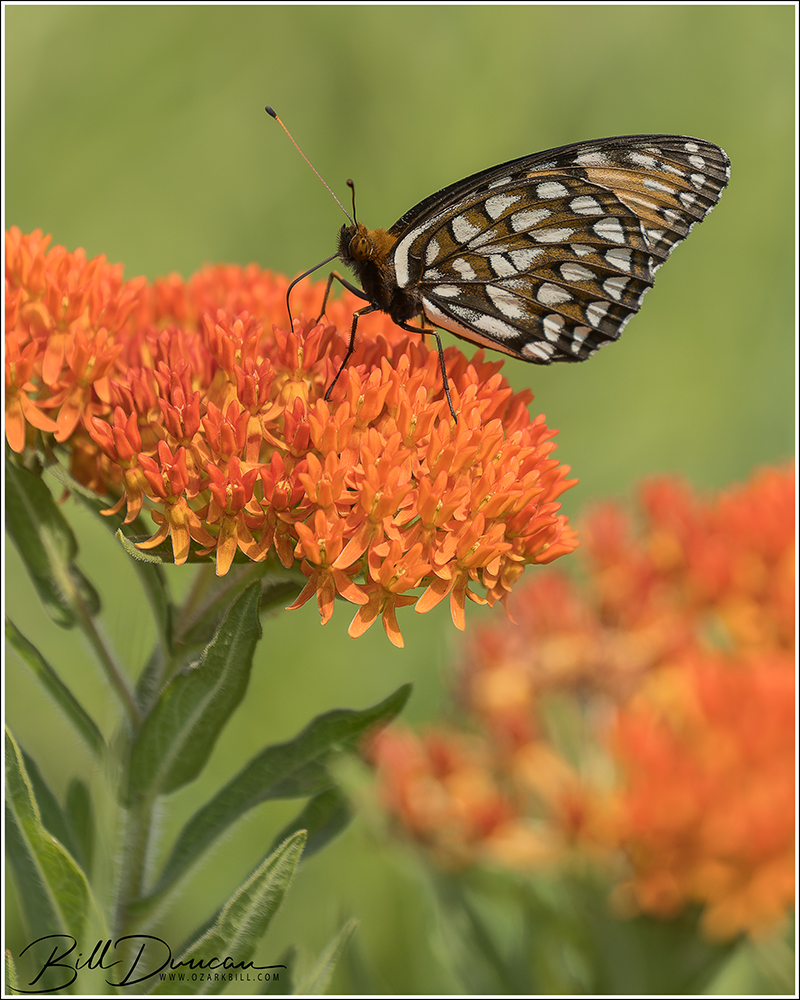
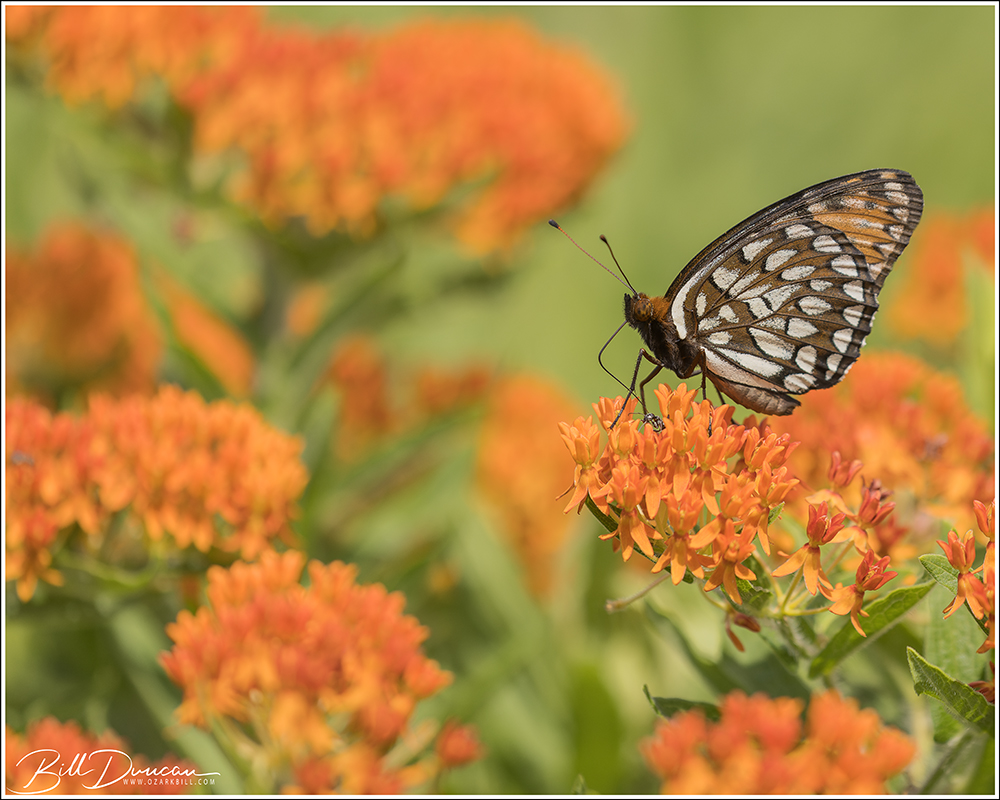
A regal fritillary (Speyeria idalia), photographed at Friendly Prairie, feeding on Asclepias tuberosa, one of the only species in bloom at the time of our visit.
Back in late June, Miguel and I took a trip to the “Cole Camp Prairies” near Sedalia MO. Here, we were after a target I had long wanted to photograph, the regal fritillary butterfly (Speyeria idalia). Once abundant across the ancient prairies, lands that are now mostly used to grow the crops feeding us, the regal fritillary are now listed as a G3/S3 species, meaning they are vulnerable to extinction. The reason for this is that the regal fritillary host plants are violet species that only grow in the scarce remnants of the once vast ocean of prairies that covered much of the central United States. Fewer acres of prairie means fewer prairie violets that leads to fewer butterflies. Fortunately, the pitiful amount of prairie remnants left in the Show-Me State do still support this fantastic butterfly and Miguel and I did our best to find and photograph some.
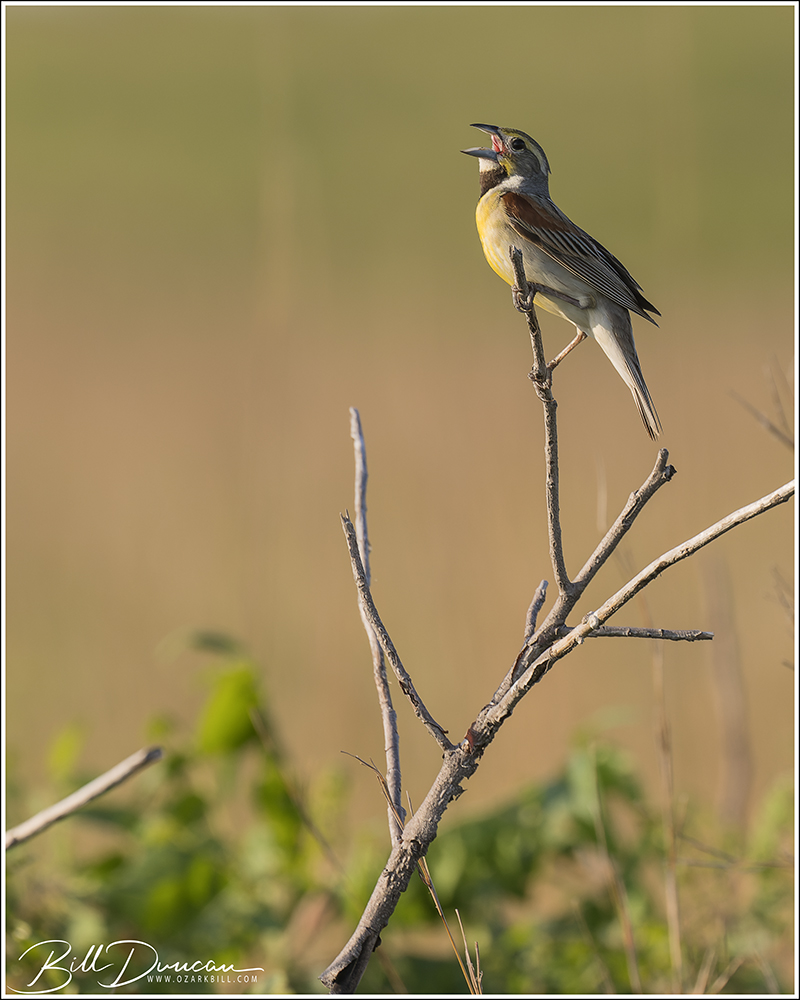
A male Dickcissel, photographed at Friendly Prairie, claiming his territory.A Dickcissel, photographed at Friendly Prairie with a captured prey, likely destined to feed a chick in a nearby nest.
The Cole Camp Prairie complex is a list of approximately eight mostly postage-stamp sized publicly accessible prairies located north of the small town of Cole Camp in Benton County. I did some research to find out which prairies had confirmed sightings in the previous years and which were more likely to have a sizeable population. I knew we would focus on these, but because these prairies are pretty close to one another, we wound up visiting seven locations just to see the differences between them and to give the entire area a good scouting for the regals.
Photographing a butterfly on the wing is no easy task! A regal fritillary (Speyeria idalia) male searches for one of the first females to emerge at Paint Brush Prairie.
Our first stop was at Paint Brush Prairie Conservation Area. This is one of the larger of the Cole Camp Prairies and was reported to hold one of the better-sized populations of regals. Our visit coincided with the early portion of the regals flight period and this would hold ramifications that would complicate the achievement of our goals. Here, we did find an estimated two dozen regals. However, these were all most likely males that typically emerge earlier than females. Although some plants were in bloom, these males were not interested in feeding. Instead, they were constantly cruising, inches above the vegetation, assumedly waiting for one of the first females to emerge and an opportunity to mate. We tried our best. Once in a while, one would stop to rest for a brief second or two, but it was never long enough to get in position, find focus and take the shot. I then tried to see if it was possible to photograph them in flight. This proved to be about as fruitless as it sounds. After hundreds of shots, I wound up with only a single keeper, pictured here.
A regal fritillary (Speyeria idalia), photographed at Friendly Prairie, feeding on Asclepias tuberosa, one of the only species in bloom at the time of our visit.
Our next stop, just a quick drive west, was at Friendly Prairie C.A. This wound up being our most successful stop. Success in photographing these beasts lies in your visit’s timing with flowering plants. In late June, we missed the prolific blooming of most of the Echinacea and Asclepias and were a tad too early for the blooming period of the native Cirsium that support the energy needs of these butterflies over mid to late summer. Thankfully, we did find a few Asclepias tuberosa at peak bloom and the regals had found them as well. We only found four regals here, but they were cooperative indeed!
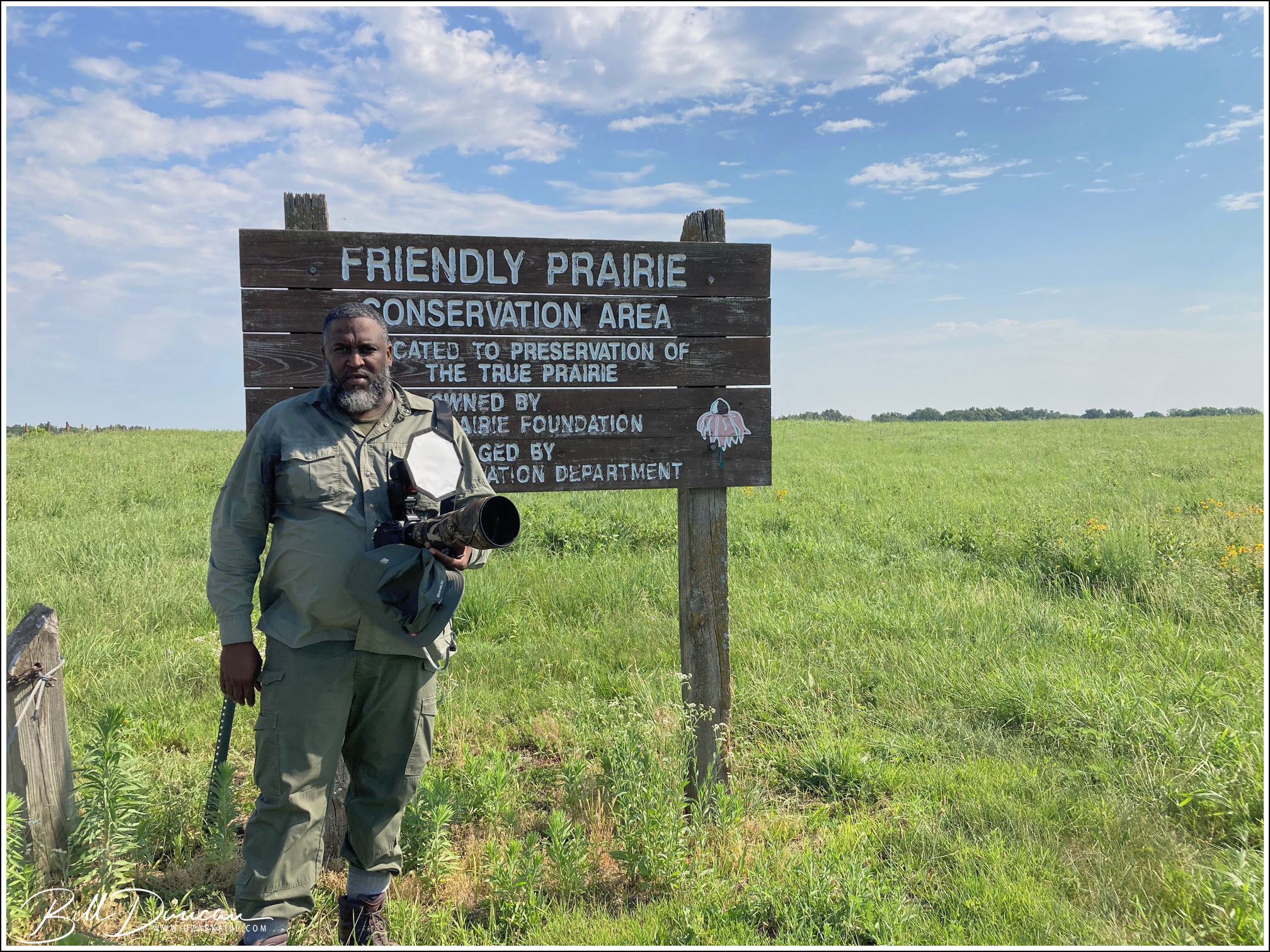
Miguel, ready for action at Friendly Prairie C.A.
A Halloween pennant photographed at Hi Lonesome Prairie. Notice the parasitic water mites that dragonflies often carry on the bottom of its thorax.
We continued our tour of the Cole Camp Prairies, visiting the holdings that the Missouri Department of Conservation had to offer as well as one restoration property owned by The Nature Conservancy. Towards the end of our time, we stopped at the largest prairie parcel in the area – Hi Lonesome Prairie C.A. This prairie was very dry and, perhaps consequentially, we found very few plants in bloom. There were, however, still a number of butterflies. Here we found monarchs and a diversity of swallowtail species as well as five regals. Almost all of these were flitting around the bushes that spotted the prairie’s many hillsides. This prairie also held some nice bird diversity. In addition to the ubiquitous Dickcissel, we found Grasshopper Sparrows, Henslow Sparrows, and Bell’s Vireos. Around a couple of this area’s large ponds, dragonflies were in abundance as well. I took some time to hop the electric fence around the larger pond, finding out the hard way that it was indeed working to keep out the cattle that graze the prairie, and spent some time working with gorgeous Halloween pennant’s (Celithmis eponina). See attached photo.
A regal fritillary (Speyeria idalia), photographed at Friendly Prairie, feeding on Asclepias tuberosa, one of the only species in bloom at the time of our visit.
I had wanted to give the Cole Camp Prairies a good tour for quite a while. I’m happy that we spent the day doing this although I know it was but a snapshot over the course of the seasons. Finding the number of regals we did was thrilling and I’m happy to have gotten a few worthwhile photos from the day. Although these prairies are a good hoof from the StL, at a little less than a three-hour drive, they are still much easier than getting to other prairies in different parts of the state. Hopefully my next visit comes soon.























 A Thousand Acres of Silphiums