

"What a thousand acres of Silphiums looked like when they tickled the bellies of the buffalo is a question never again to be answered, and perhaps not even asked." -Aldo Leopold


The Long-eared Owl has been on my top most wanted list for adding to my photographed species list for nearly 15 years. During this past New Years Eve, I finally found that opportunity.
Long-eared Owls are a bit different in that they hold and keep winter roosting sites, sometimes using the same trees or a single tree for these winter roosts year after year. This was the case here, where we found five birds roosting in a couple of exotic pine trees. Unfortunately, all but the one pictured here were too far in the mix of branches to be photographed. I am sure happy to have this one.
I had heard that this species is particularly weary, flushing with the least provocation. I did not find this to be the case at all with this group. Yes, this was a hard to find location and they do not likely see many visitors. When we stepped from the car they did become aware, moving their heads back and forth to get better looks at us from between branches. But, with keeping low voices, slow movements and respectful distances, they got used to our presence fairly quickly. I was even amused that they began ignoring us, turning their backs to us, going back to sleep and having what seemed to me normal behaviors and interactions. We stayed until dusk at which point they began stirring, moving from perch to perch and interacting with one another. This was too dark for still photographs but I did collect a little bit of video that I hope to process and share someday.
I know this is a sought after species in our region. This roost is on private property in which we were invited. I will not be able to share the location information for this site. Thanks for understanding.


A cooperative Sedge Wren from August of last year.


The WGNSS Entomology and Nature Photography Groups had a splendid treat in July of 2022 when we jointly visited Horn’s Prairie Grove Land Water Reserve (LWR) near Ramsey IL. This 40 acre patch represents part of the less than 1% of the remaining southern till plain prairie ecosystem that was nearly wiped from the planet due to land conversion for farming. Even better, about 30 acres are original “virgin” prairie, (the largest intact remnant prairie in IL) meaning these spots were never touched by the plow. Even better still, at this location there lies five different types of prairie habitat: seep/wetland, dry hillside, mesic, black soil and savanna.
The story of this land is interesting. The current owners, Keith and Patty Horn, purchased the land in 2001 as “junk land” from an old farmer who’s family had owned since the 1870s. They liked the fact that the majority of the land was in a “wild” state. The untouched 30 acres had been used as a wild hay field, being cut almost yearly. They had noticed some nice wildflowers in bloom but did not realize what they had until a few years into a wildlife habitat improvement plan that included periodic burning. Every year they noticed more and more species in bloom. They have sought help in identifying the plant species here and the current list is now at 619 species, including six native orchid species! Bravo to the Horns for identifying what they had and taking the steps to see their land improved. This remnant prairie could have been destroyed in the blink of an eye if it had fallen into the wrong hands.
Although most of us were simply thrilled to be in such high quality habitat, the primary purpose of the trip was to check out the arthropod life. Unfortunately, in late July, we were there on a truly miserable day of weather. The heat and humidity created a heat index that was well above the safety zone. This meant not many of us had the nerve to do a great deal of walking and searching, especially much after lunch time.


We didn’t have a great deal of diversity in the shorebirds during this early season trip to the “central coast,” but, we had great numbers in the early migrating species like the Long-billed Dowitcher. There may have been some Short-billed Dowitchers mixed in here but none that we could confirm identity. The LBDO uses the central flyway predominantly while the SBDO primarily moves along the coasts during spring migration.


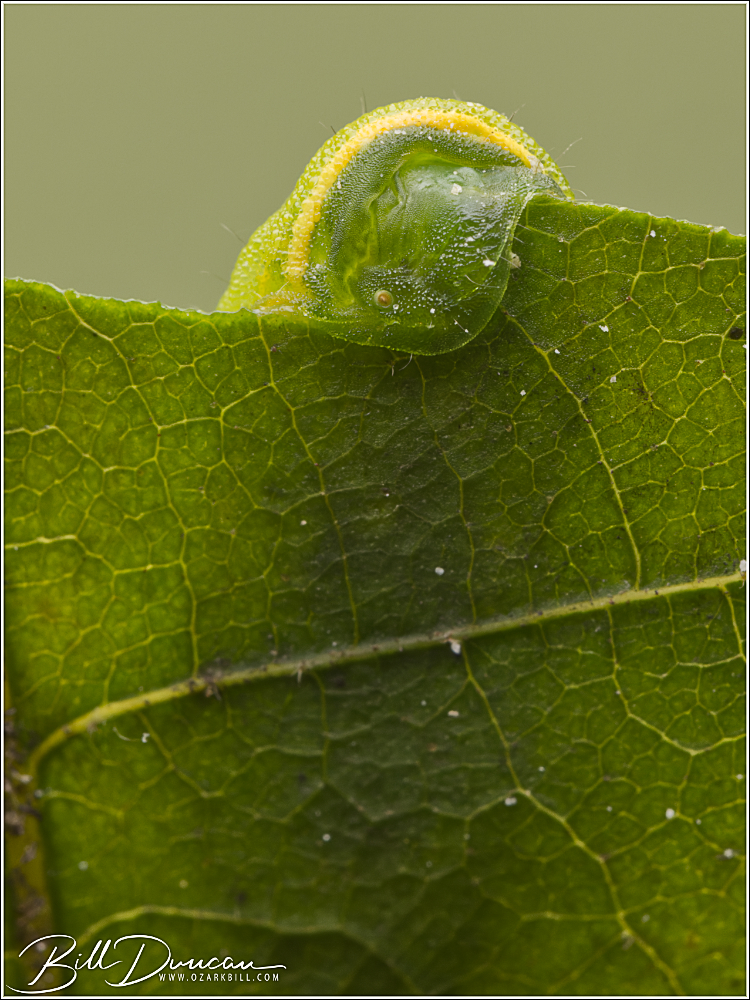
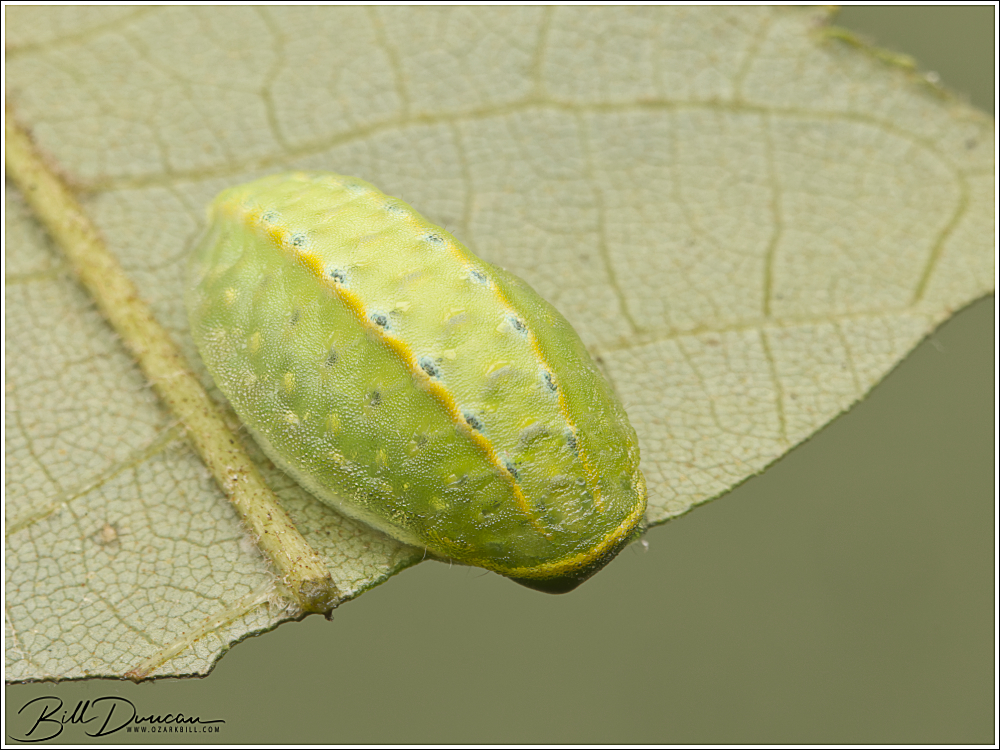
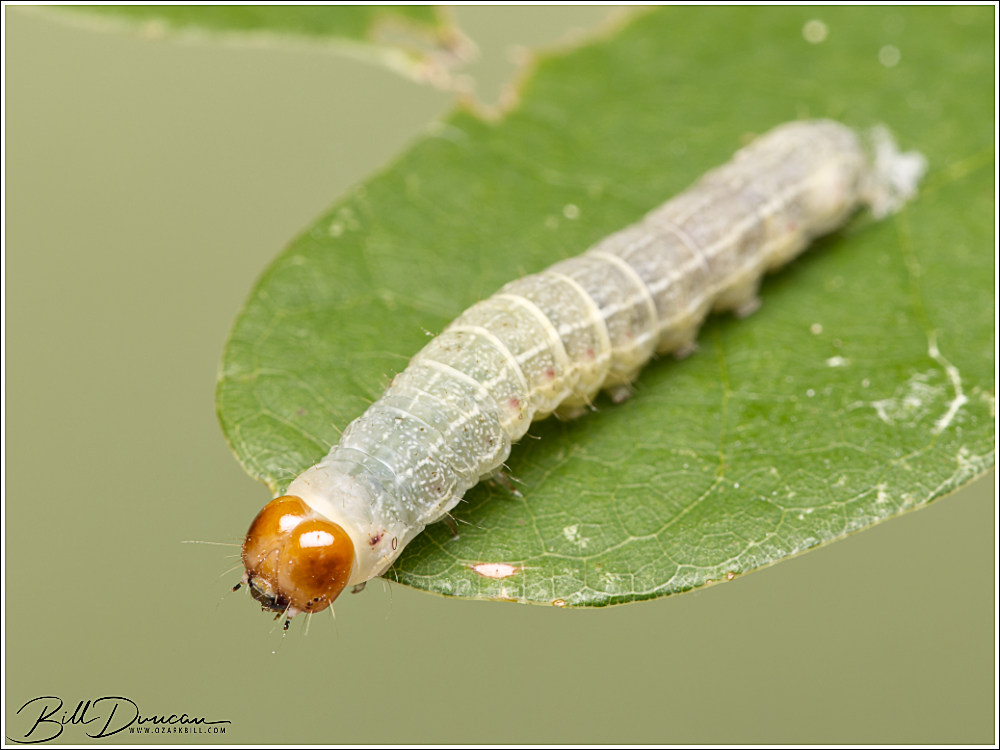
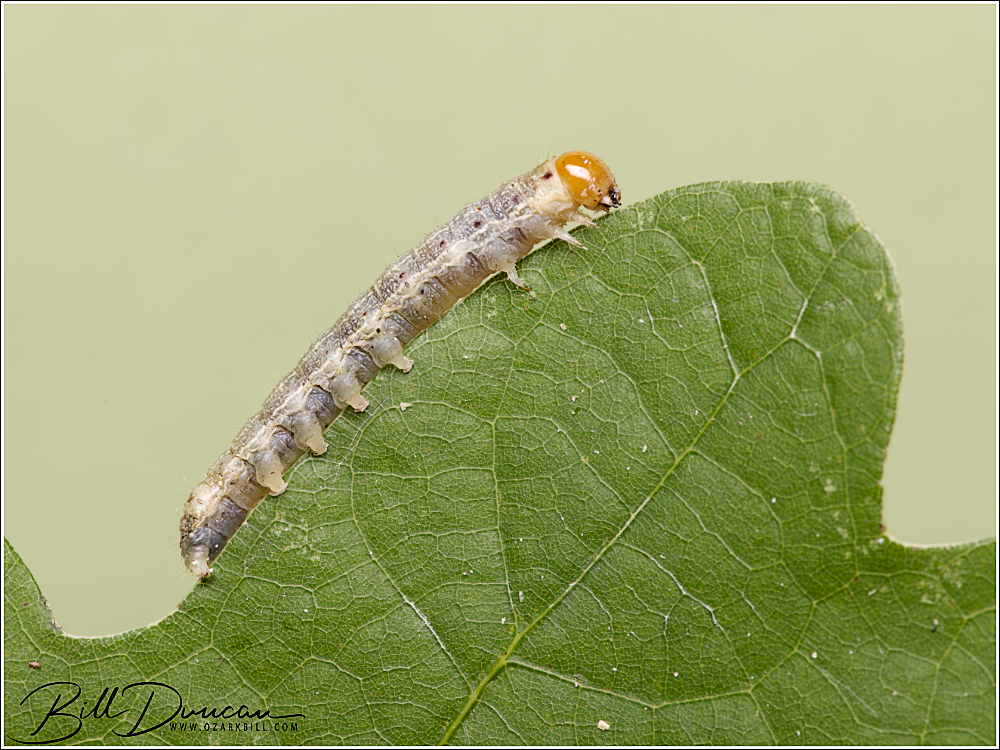
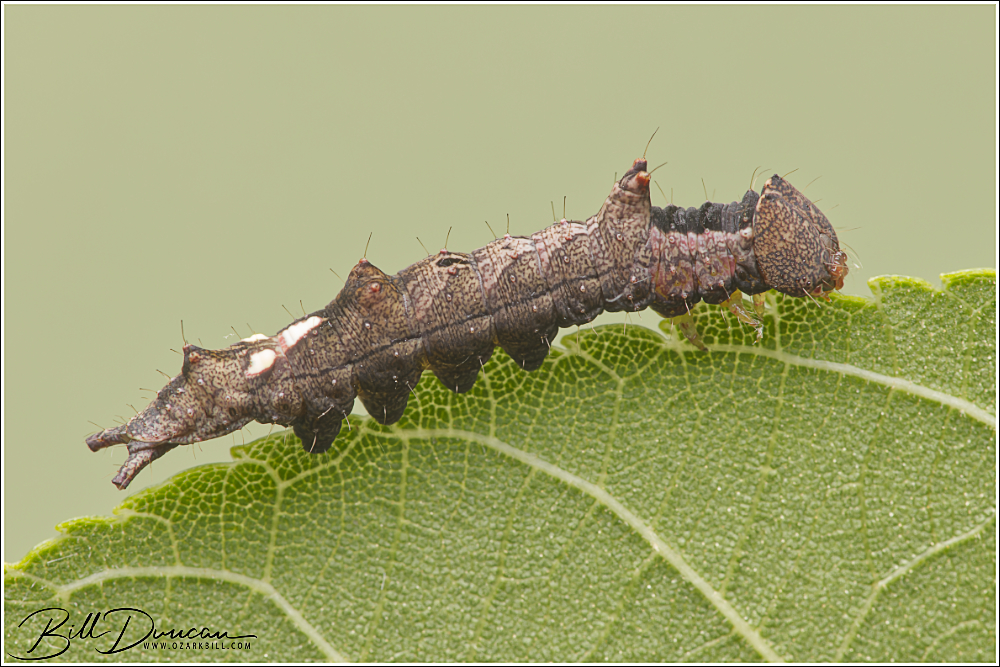
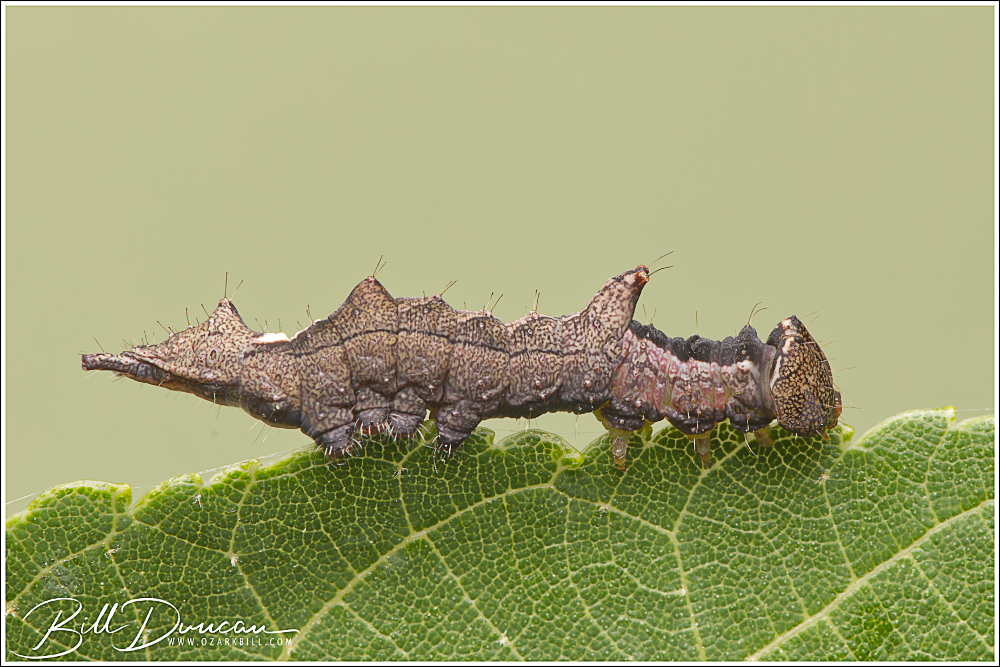
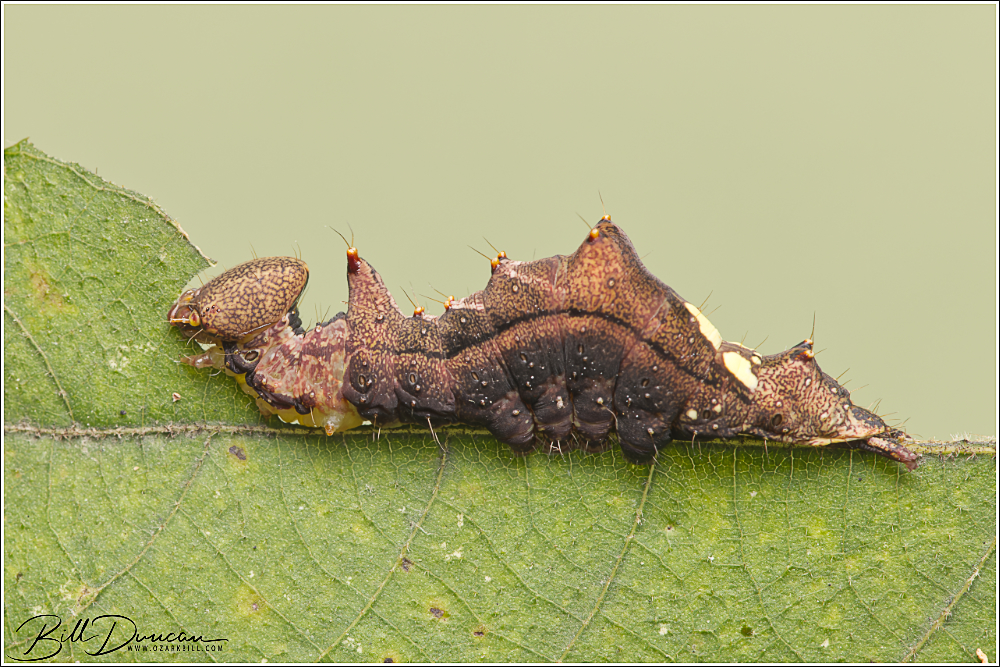
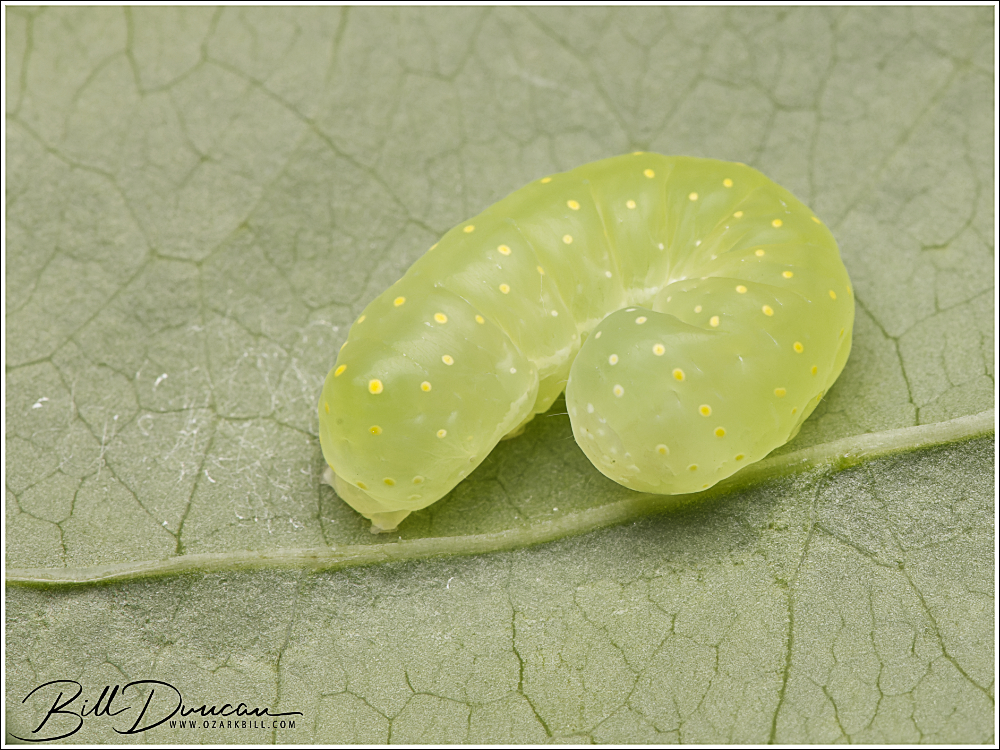
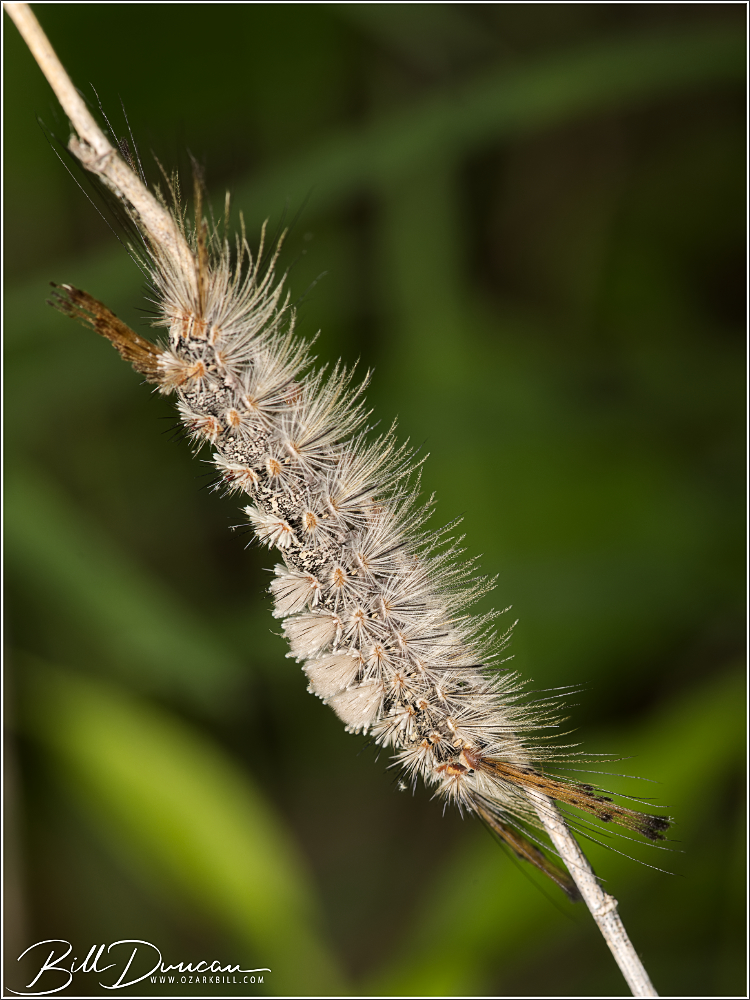
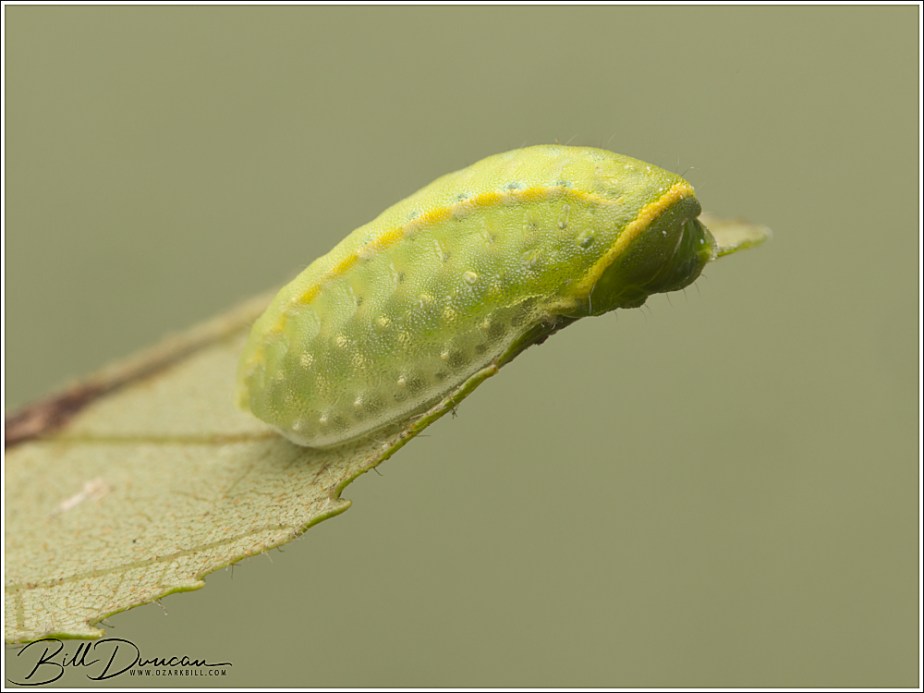
Sarah and I traditionally conduct a caterpillar hunt on the weekend of her birthday in mid-September and 2022 was no different. This year we headed to Meramec State Park. I had recently heard of a short trail that covered the lush river bottom and contained hundreds of pawpaw trees. My hope was to find caterpillars of zebra longwing butterflies – a cat that has been elusive despite my many attempts at finding a late instar to photograph. We wound up short of this goal again, but we did find quite a few interesting species. I know Sarah will want me to mention that she did indeed win the day by finding more cats than I did. 🙂


It’s about time I begin posting more from our Kansas trip from last April. The Blue-winged Teal is one species that is easy to find at Quivera NWR and Cheyenne Bottoms Wildlife Area. Dave and I had some great light on this evening. We set up low and waited for the Teal and Shovelers to drift by.


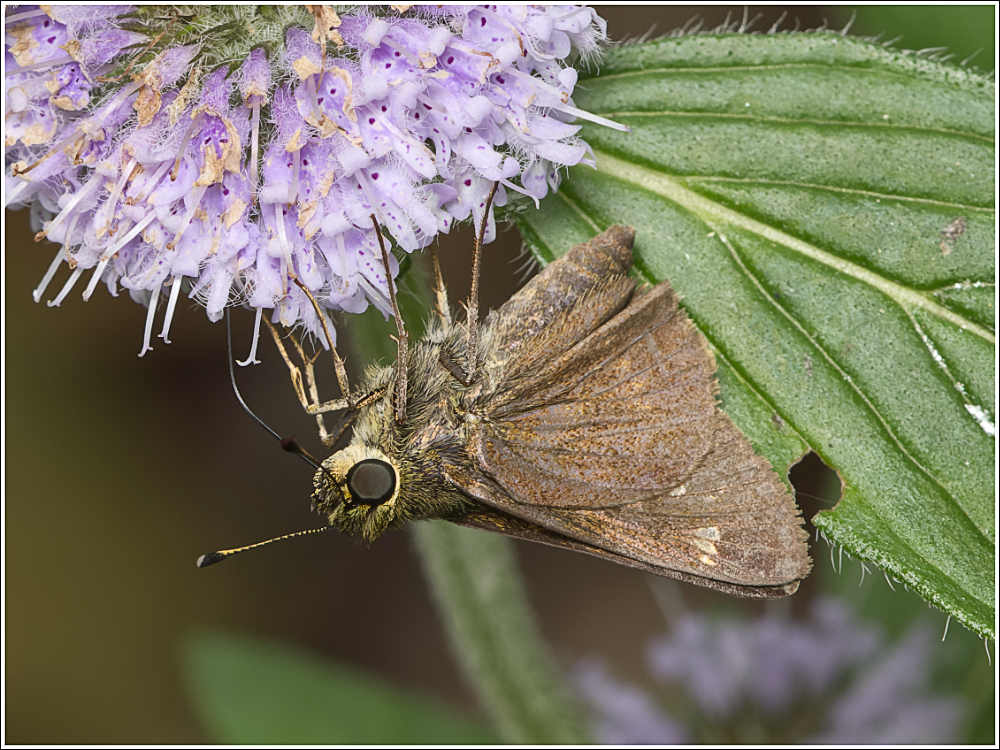
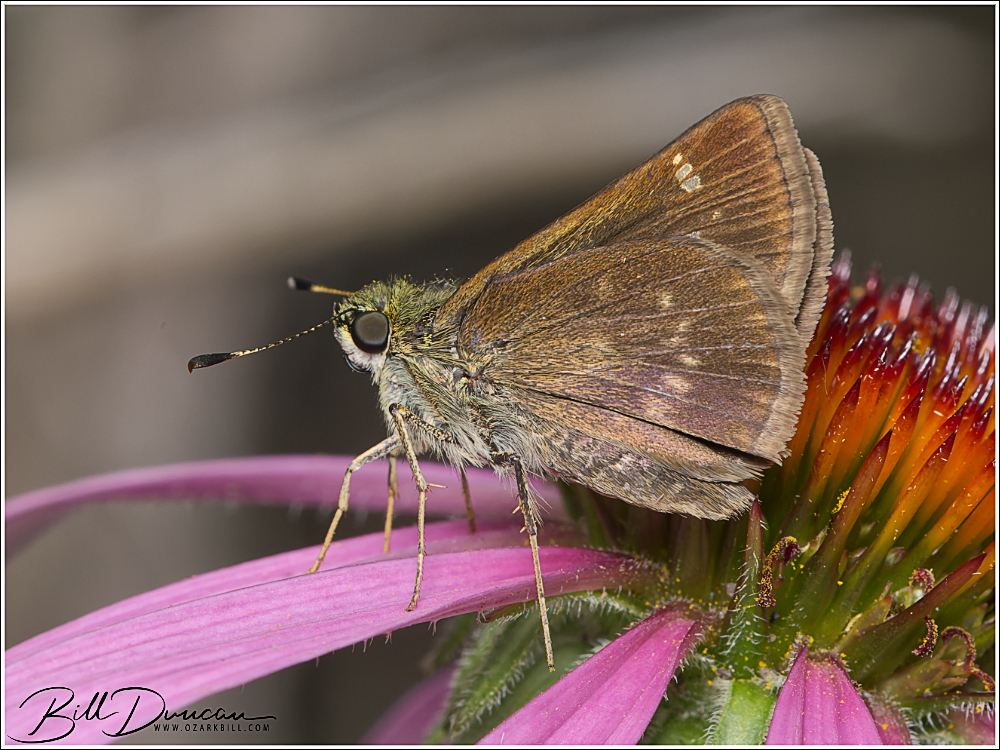
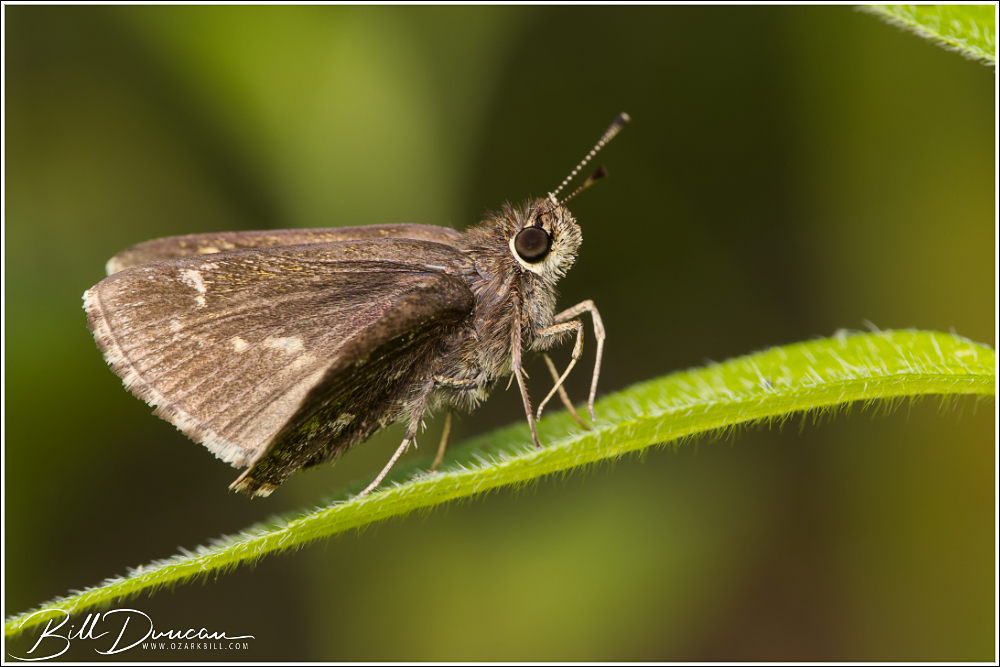
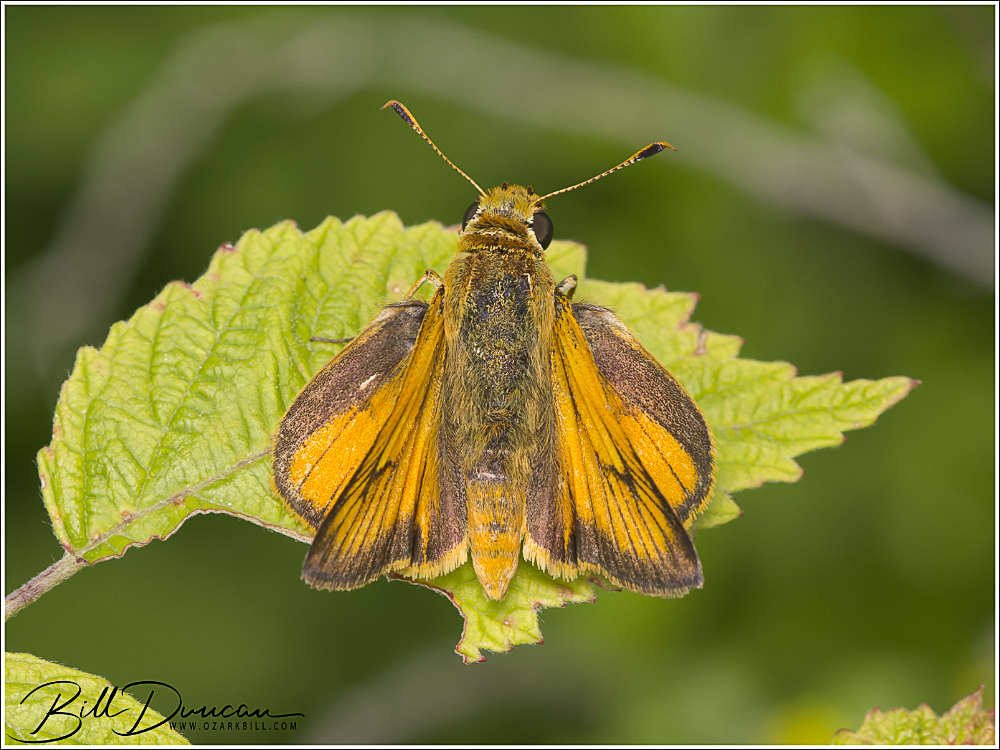
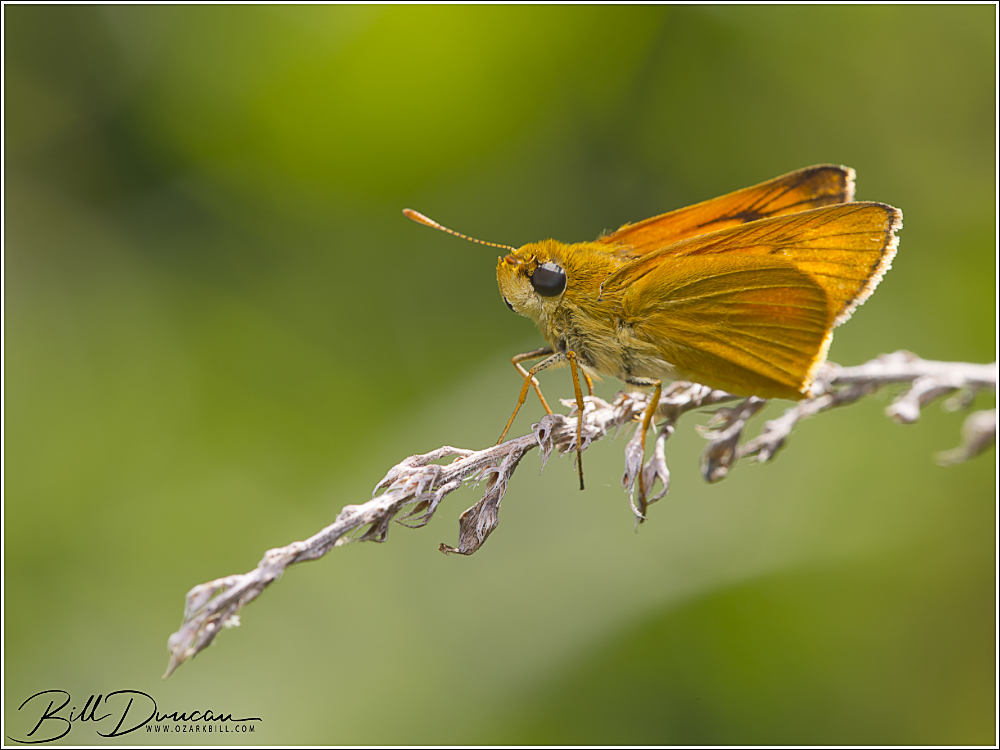
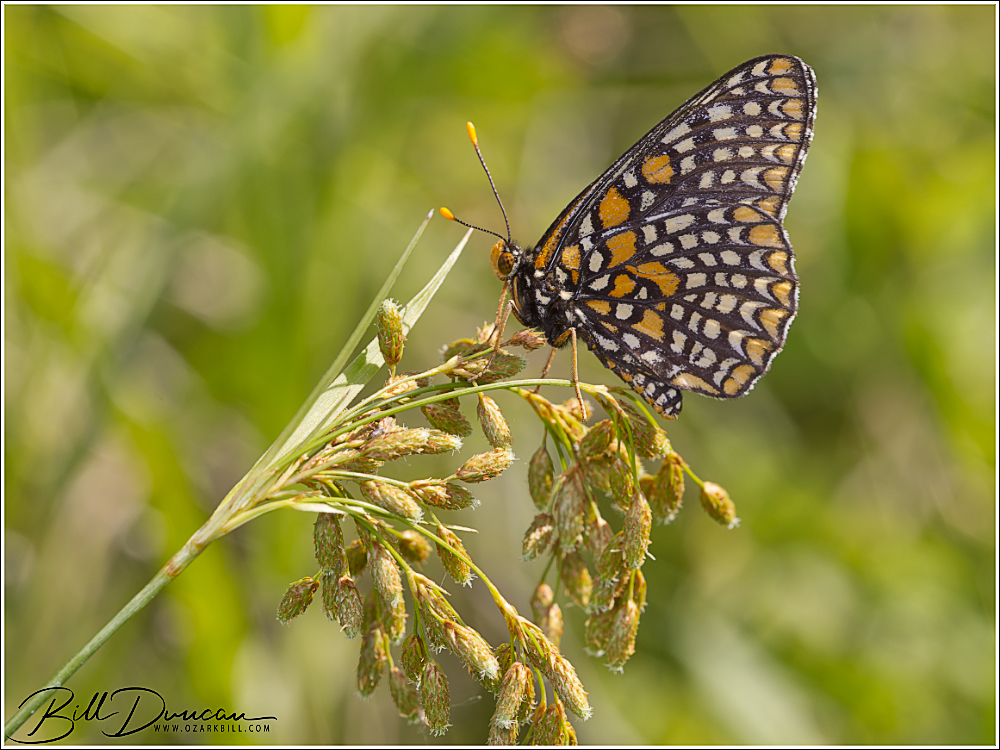
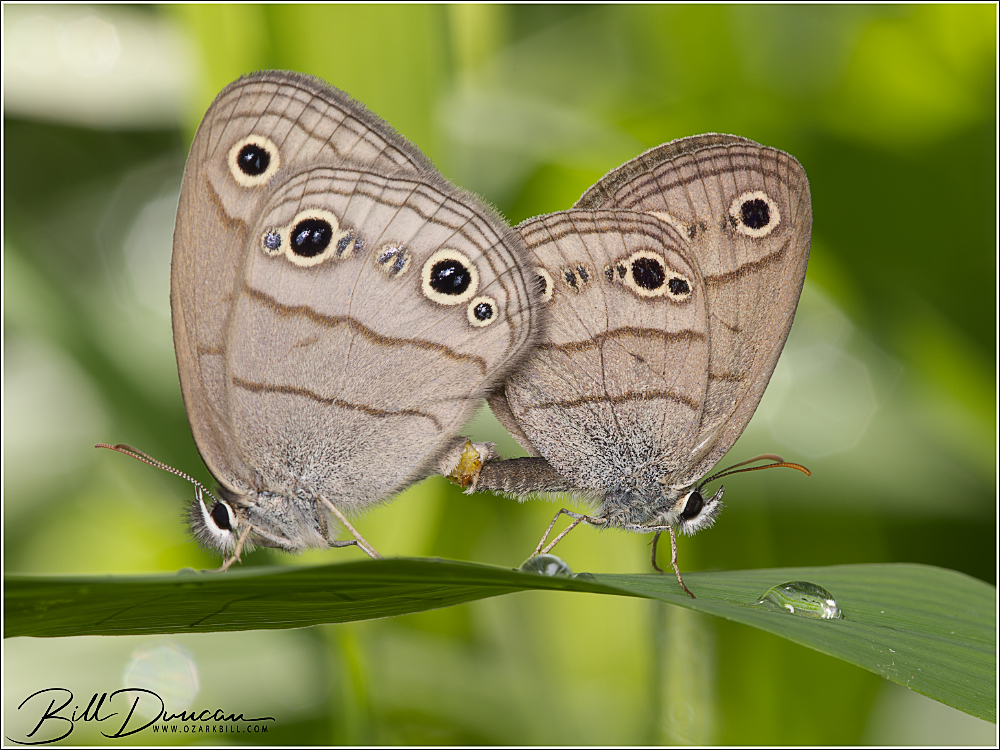
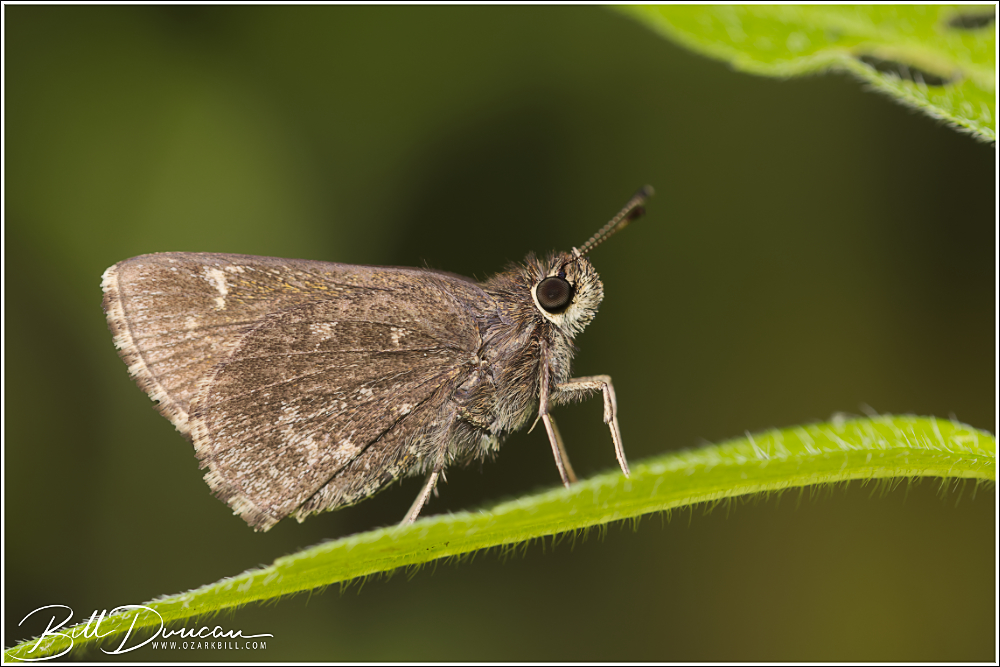
I’m finally getting around to posting photos of some Leps that were taken during the WGNSS Nature Photography Group’s quite enjoyable visit to Prairie Garden Trust located in Calloway County, MO. I can’t express how much I appreciate this location and the people that manage it. Lorna and Henry Domke gave our group a personal walking tour around much of their fabulously managed naturescapes – in my opinion the perfect exemplar of how and why to manage natural areas. I thought I would have been back by now, but time has a way of moving too fast and there’s only so many weekends in the year.
Text from their website:
What the PGT will become
The PGT is a gem of a nature garden in central Missouri where people enjoy strolling by woods with large old trees, prairies filled with a mix of native wildflowers, and ponds and streams rich in native aquatic life. It is free of exotic, invasive plants and animals. Visitors are inspired there to learn about and take better care of nature.
What we do
The Mission of the PGT is to inspire people by letting them experience the beauty of nature found in a variety of enhanced native habitats on the PGT property.
What we believe
Native plants are good for healthy habitats, while invasive, non-native plants are detrimental and should be removed.
We believe that knowing what plants and animals exist here and how they change over time is valuable. We want to avoid harvesting natural resources on the property for income so mature habitats can develop here.
We support removing plants (using fire, herbicides and mechanical means) and animals (by trapping or hunting) as needed for the management of a beautiful habitat and to maintain the balance of nature, but not as a source of income or recreation.
We believe that quiet personal experiences in nature enhance well-being and that crowds detract from that.
We believe that unmanaged habitats tend to be messy, but they can be made more visually appealing by following an artistic landscape design. By having some areas of the PGT less tended and other areas along trails more tended, we offer a nature garden within a natural area.
We believe that knowing the natural, geologic and cultural history of the PGT property is of value. It’s where a coral reef developed 360 million years ago, where the Ozark hills meet the glaciated plains, where native Americans hunted 2000 years ago and where settlers built a thriving pottery almost 200 years ago.
In this post, mom continues to provision the chicks with freshly caught birds. The chicks are beginning to try out their wings and are on the verge of fledging.