





"What a thousand acres of Silphiums looked like when they tickled the bellies of the buffalo is a question never again to be answered, and perhaps not even asked." -Aldo Leopold
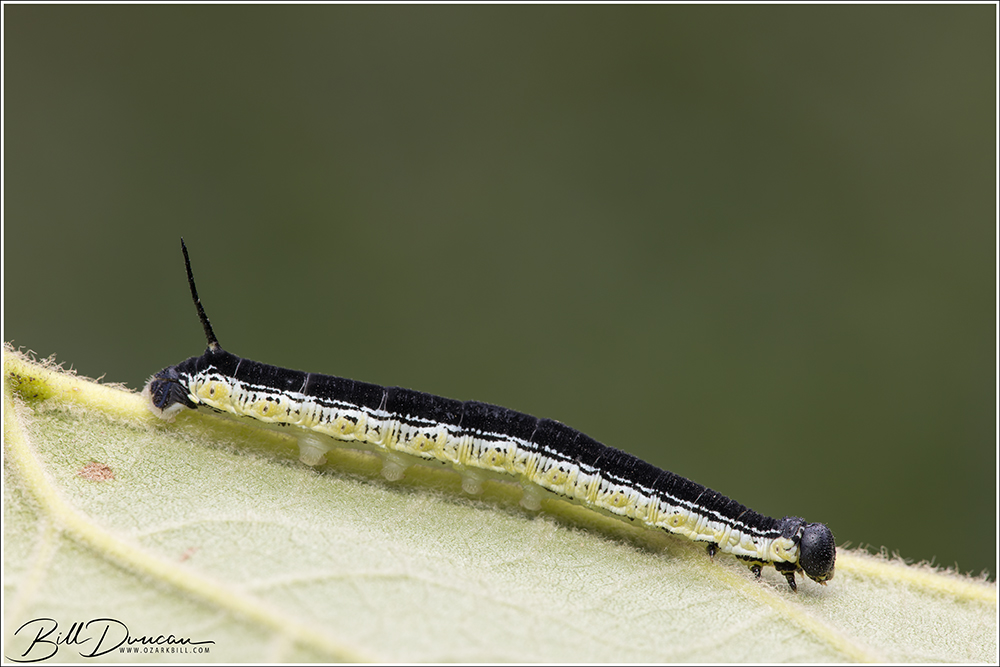
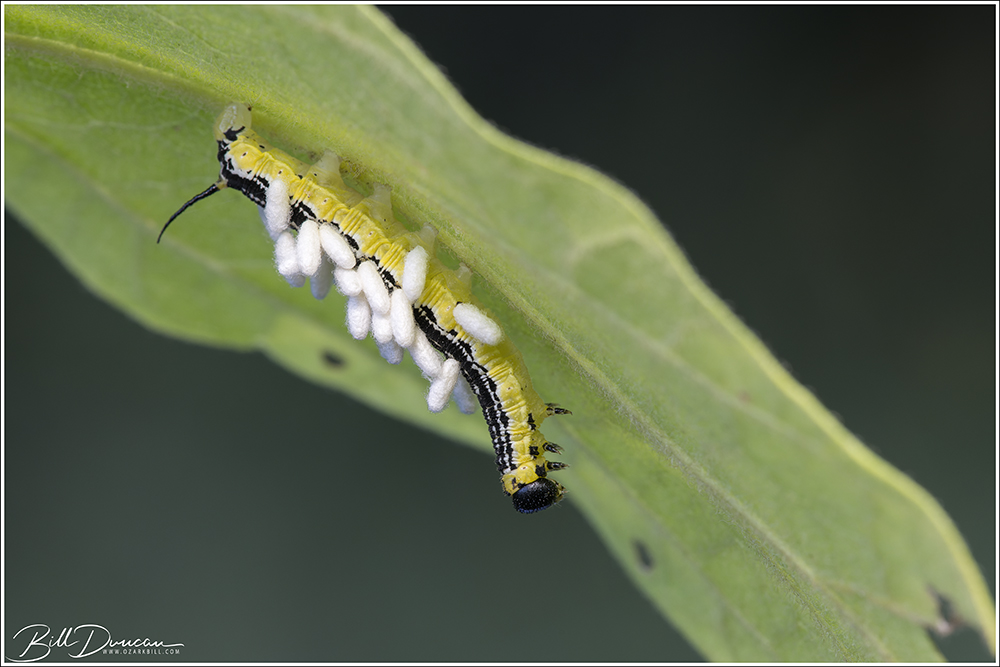
Miguel and I found an aggregation of the catalpa sphinx moth caterpillars on a caterpillar hunt in early September. I have been looking for this species for a while so this was a nice find. Of the ten or so we found, one was infested with the parasitoid braconid wasp cocoons. See photos below.

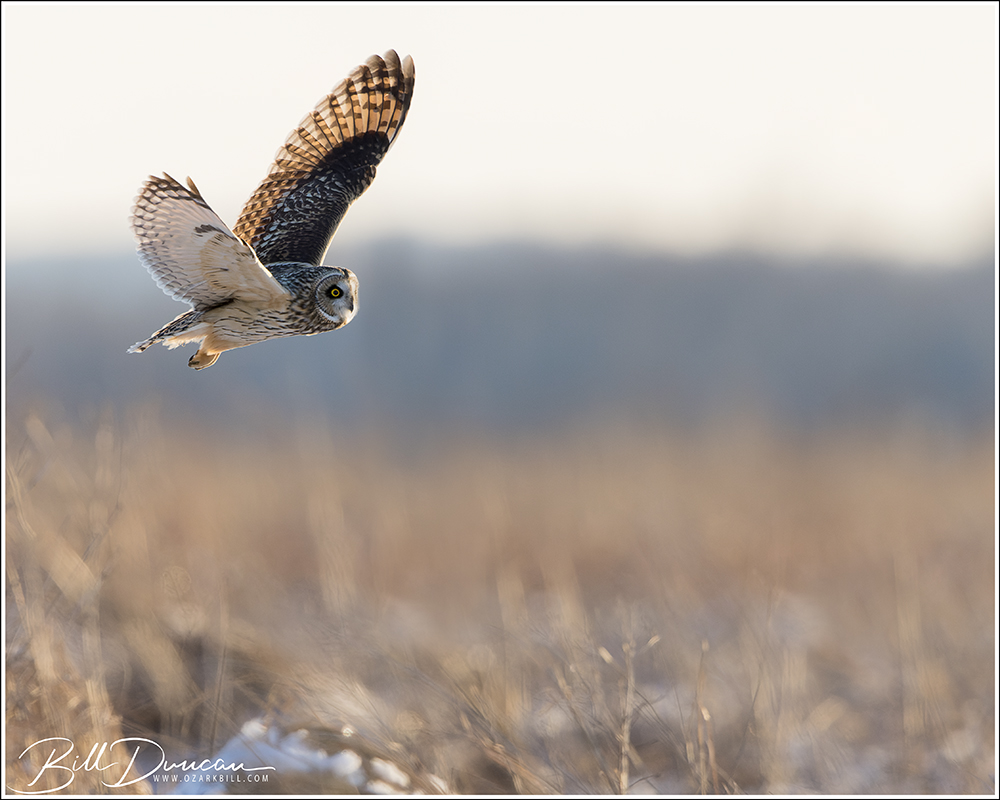
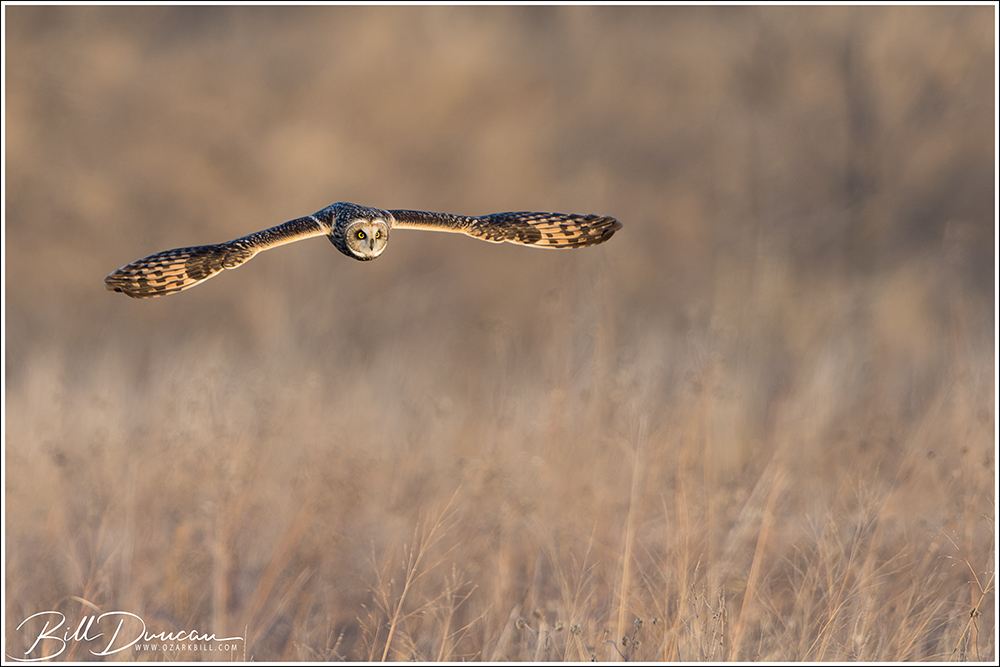
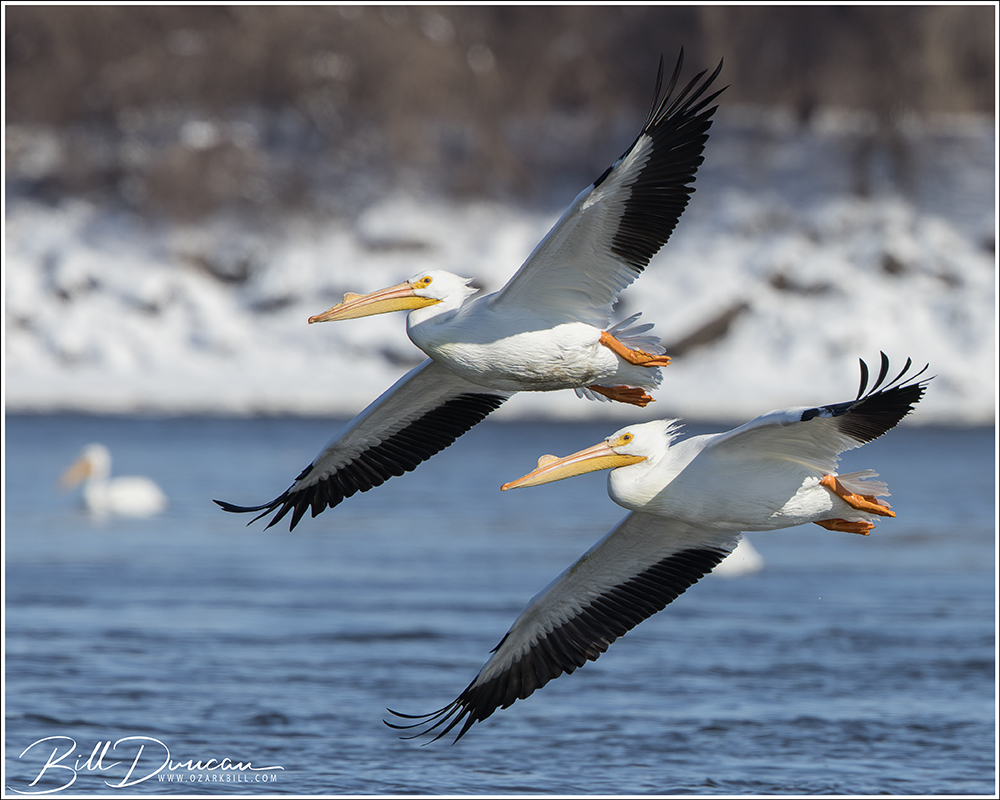
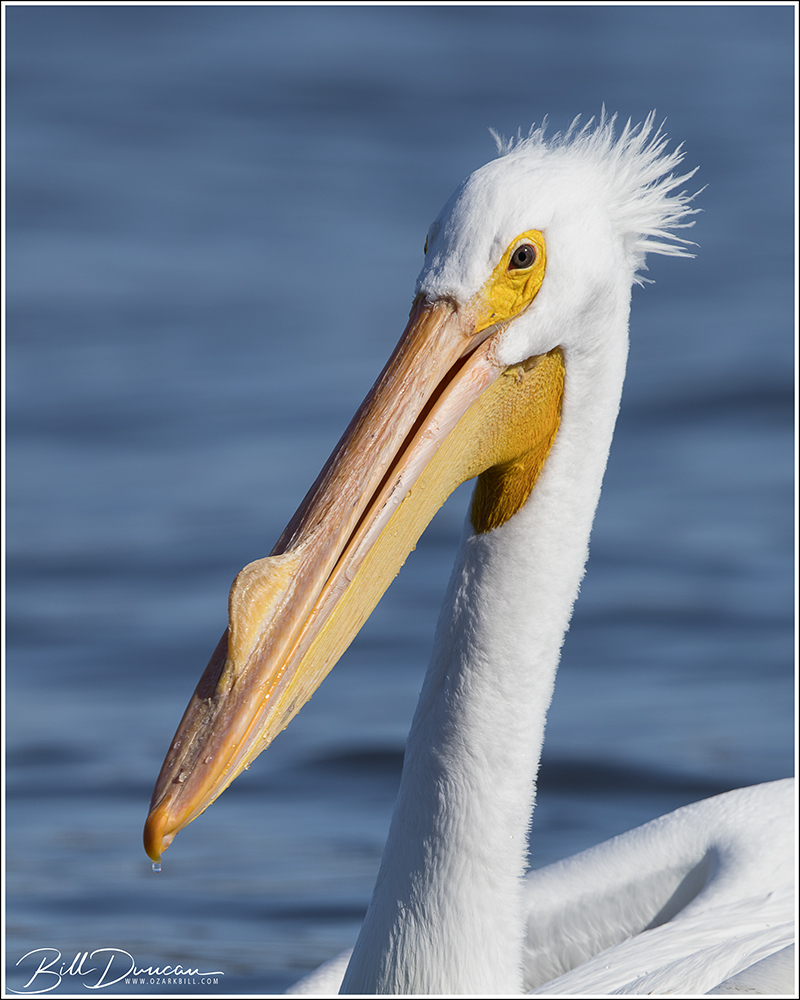
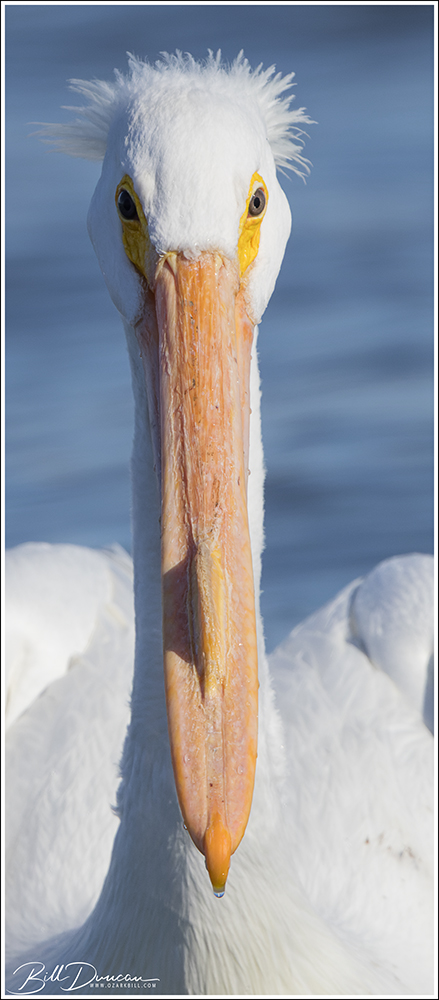
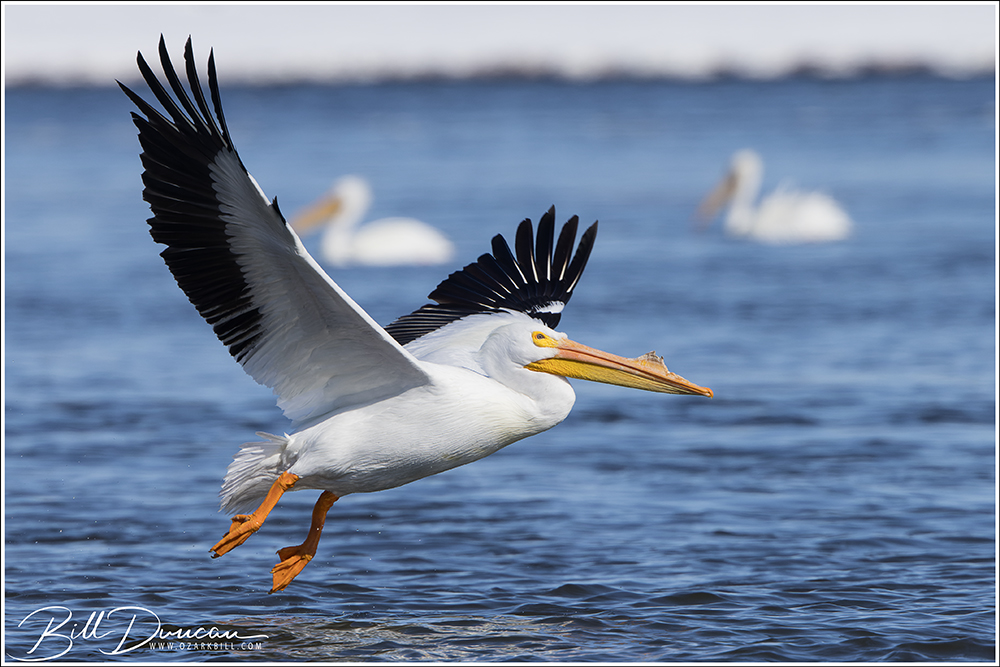
As these guys may be starting to trickle back into the state any day now, I thought I’d better finish up on the spectacular times we had with these birds last winter. Here’s hoping for a repeat this winter!

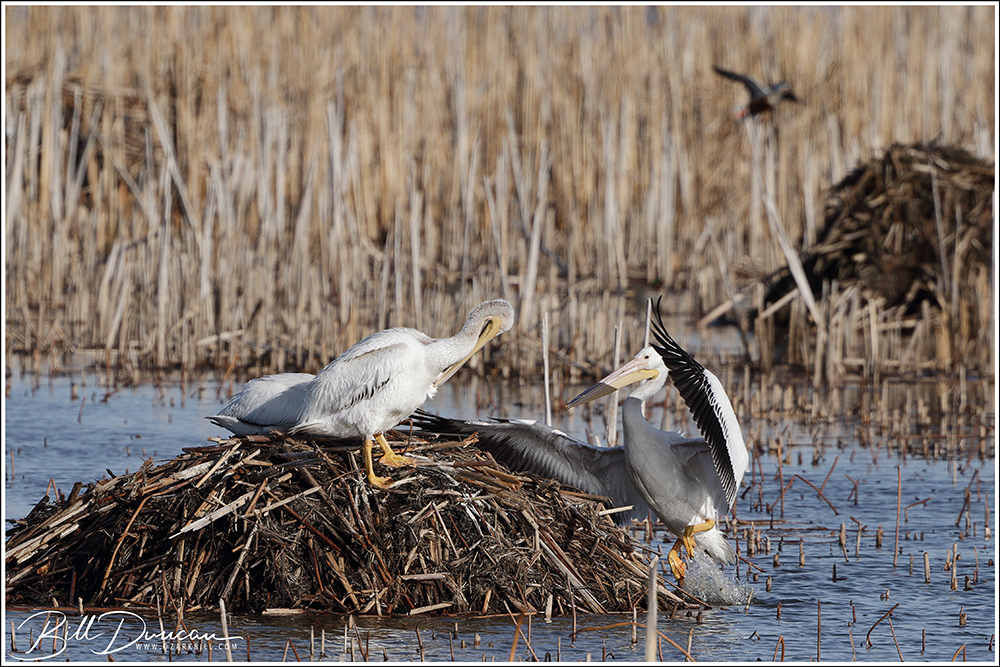
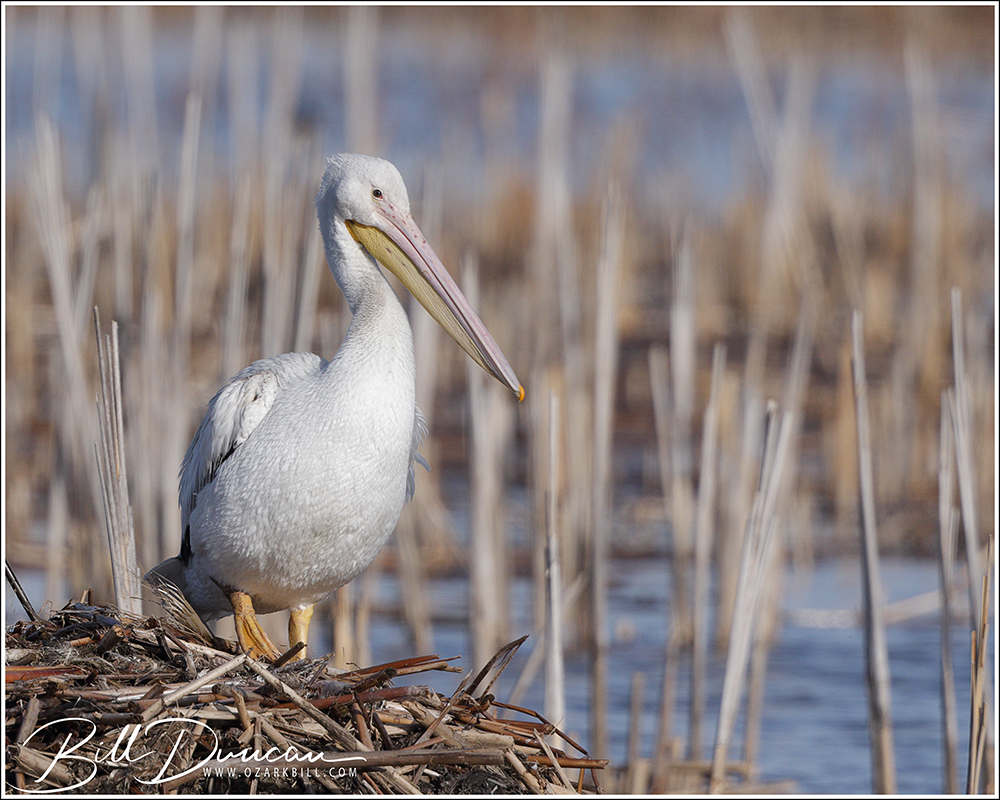
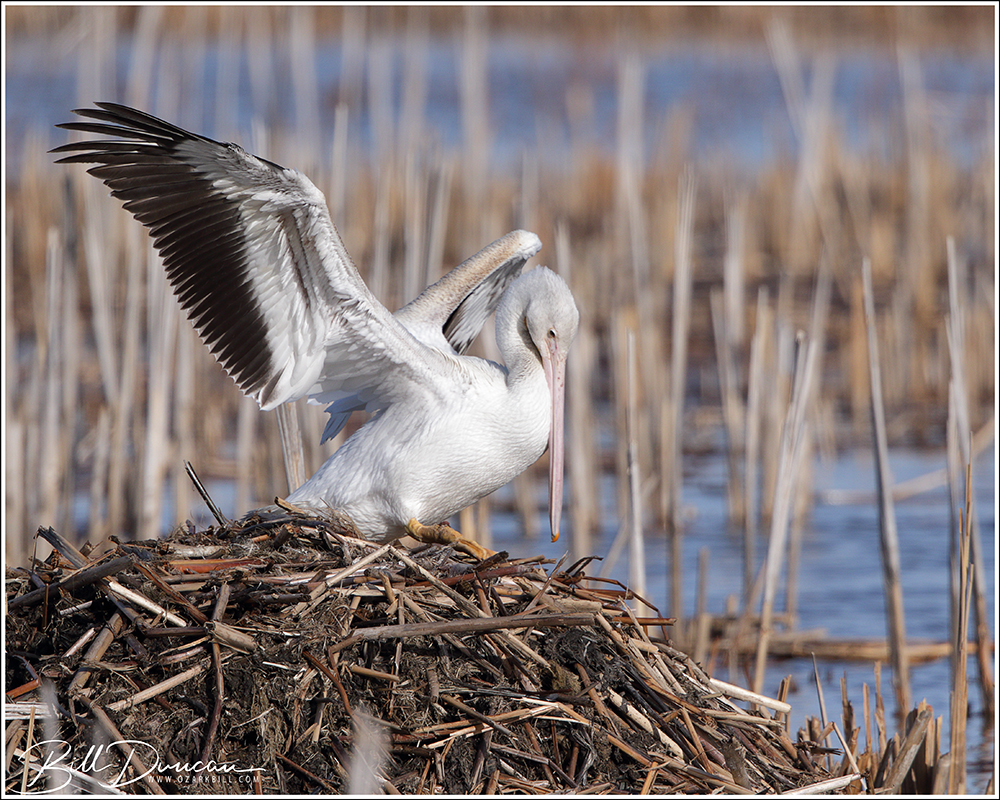
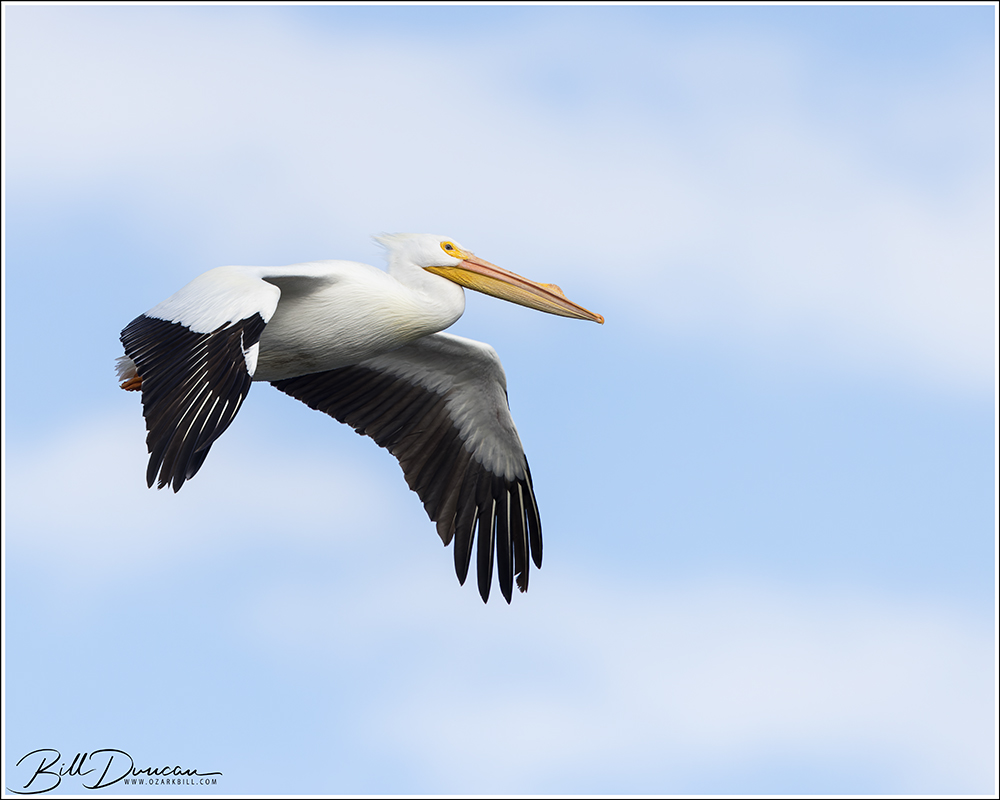
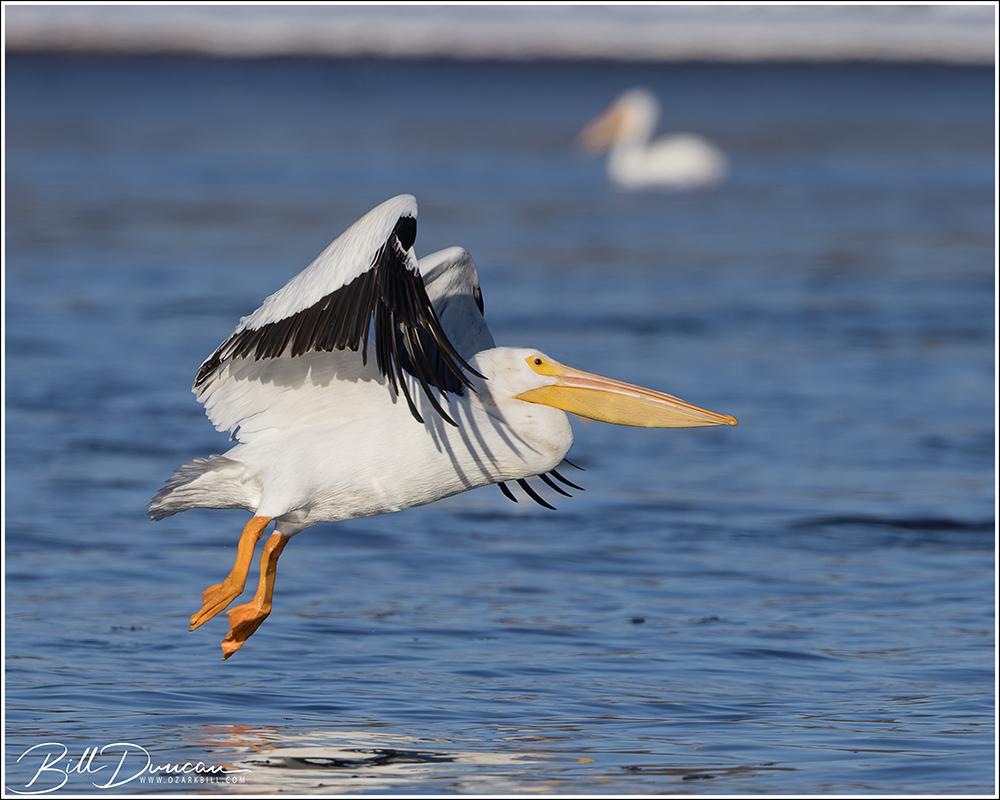
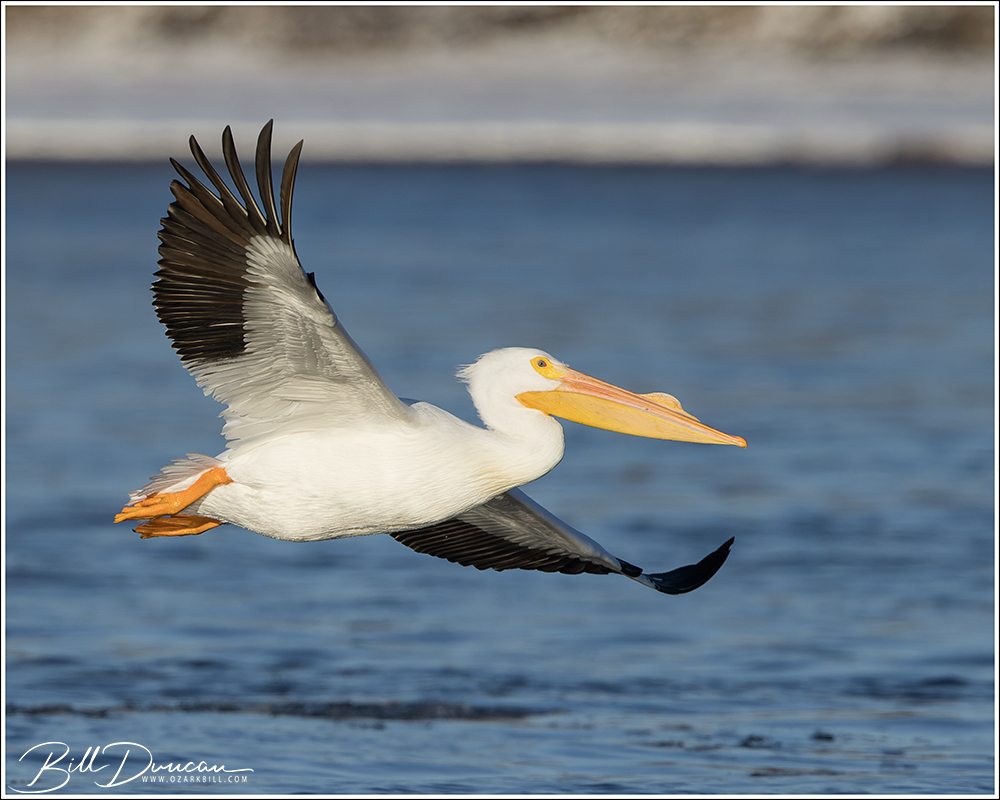
This first group of photos are of pelicans at Loess Bluff NWR taken in 2020 on one of their favorite perches – muskrat mounds.
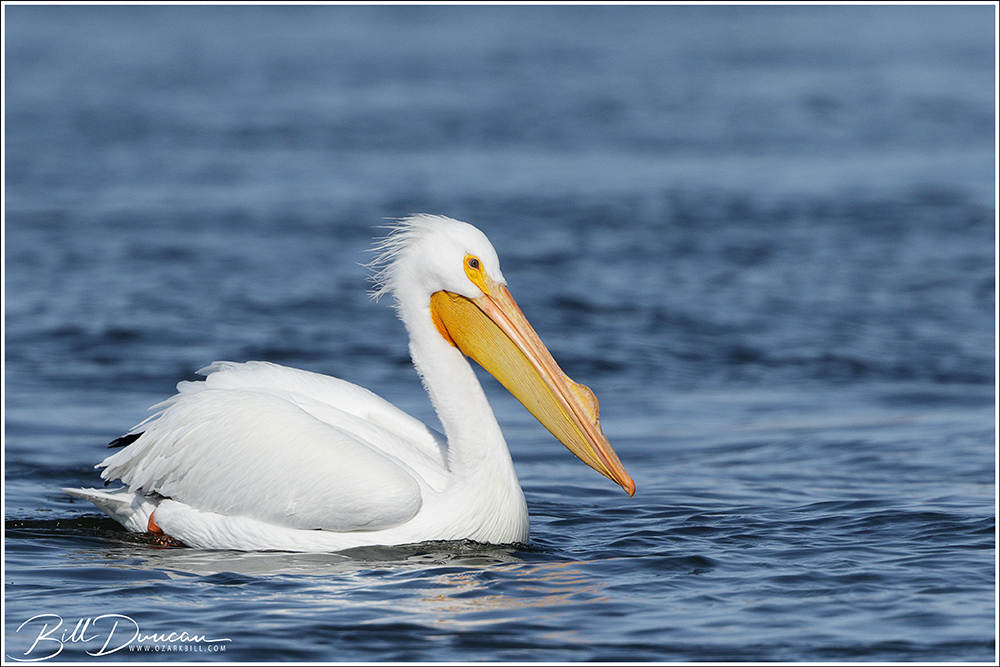
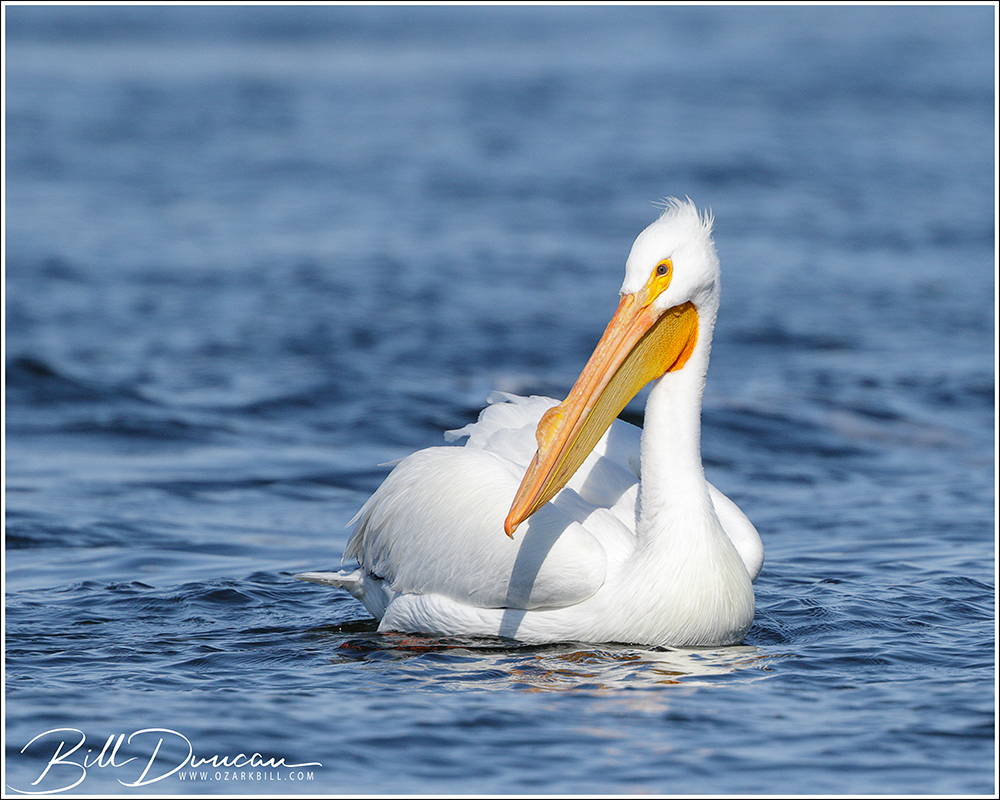
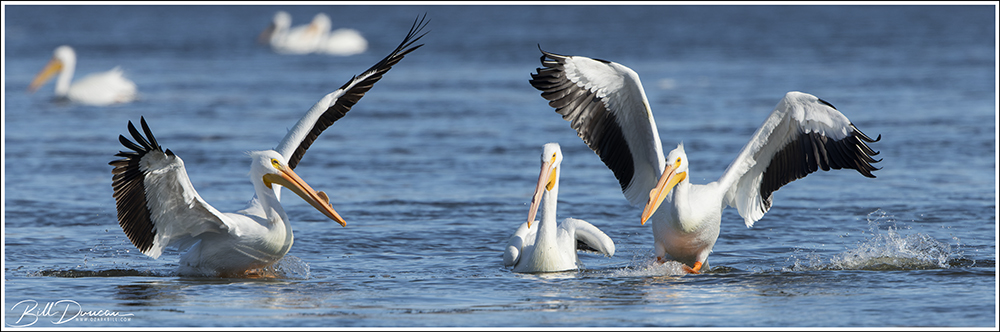
The next group is from February 2022 taken at Clarksville, MO.
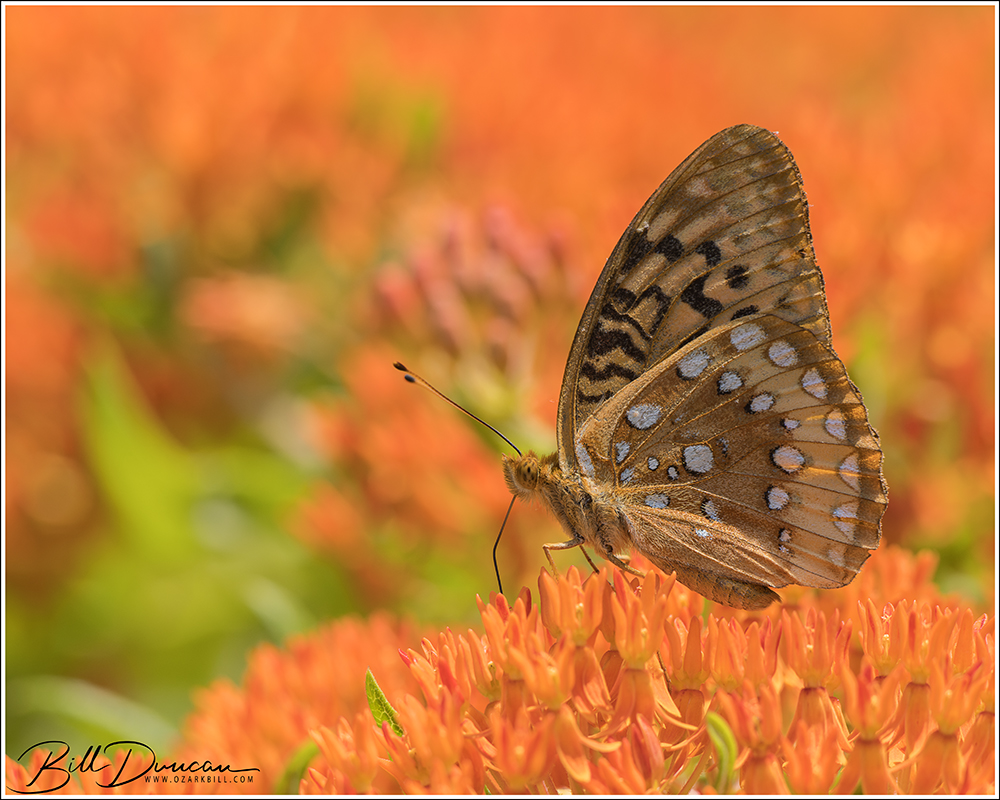
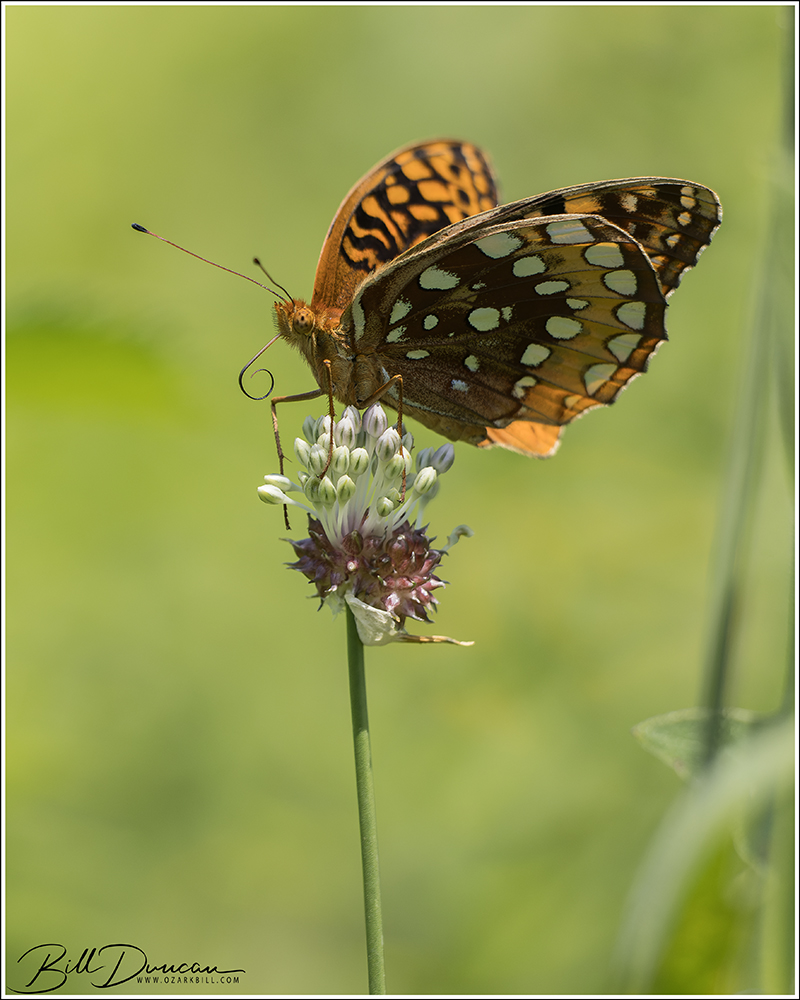
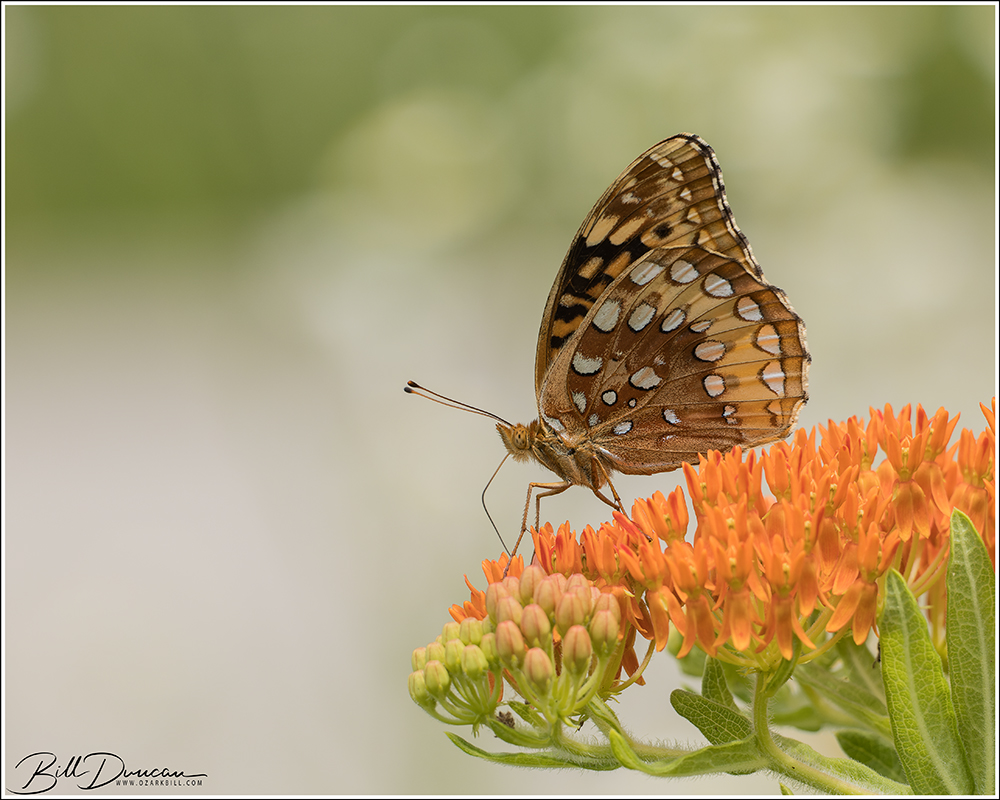
A few photos of great spangled fritillary taken at Prairie Garden Trust in Calloway County, MO.




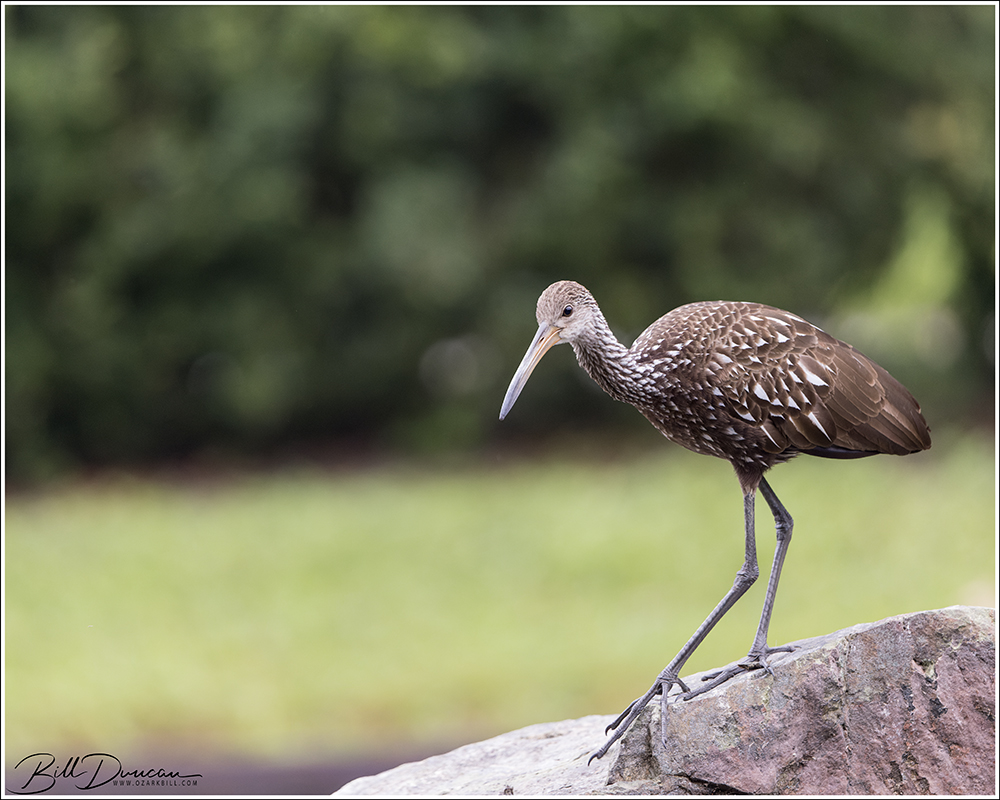
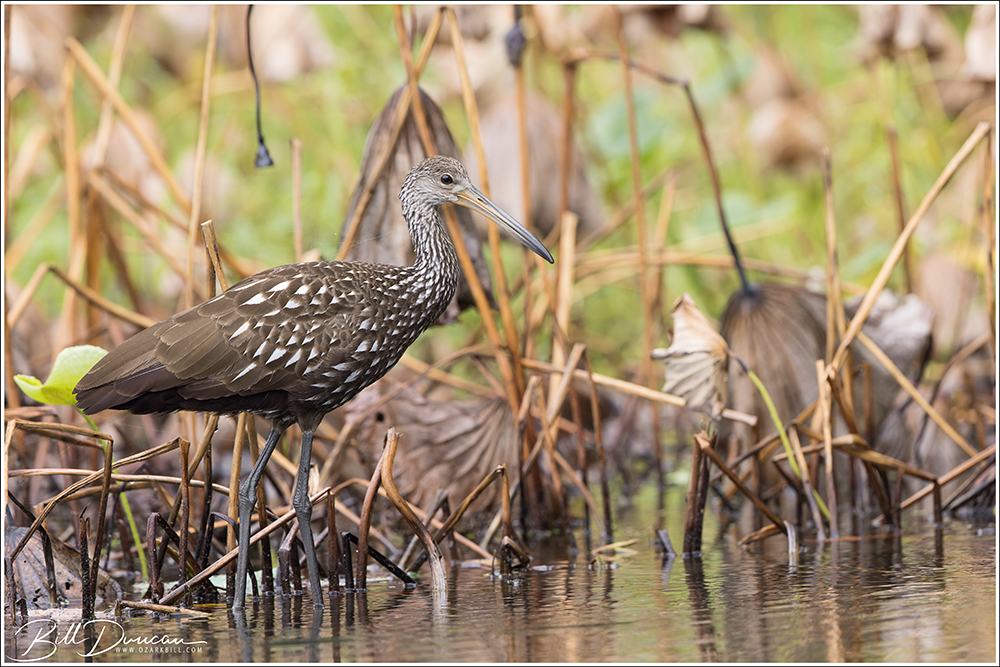
Prior to 2022, the Limpkin, a bird with a normal range from Florida to the north to northern Argentina to the south, had never before been recorded in the state of Missouri. This year there have been at least 10 birds recorded in the state so far, the latest finally coming from the good part of the state! 😉 The bird featured here was found in early September by Cathy Spahn at the Japanese Garden of the Missouri Botanical Garden in downtown St. Louis City. This was extraordinary timing as the annual Japanese festival at MOBOT was going on at the time. This meant large crowds of people. Several of us arrived early on the morning of the 5th and found the bird quickly, giving us great looks and not seeming to mind the presence of people at all.

The Limpkin looks like a heron in appearance, but is actually the only extant member of its own family, the Aramidae, and is actually considered most closely related to the rails. It is also unique in feeding primarily on apple snails but will feed on other types of snails, freshwater mussels and clams and small aquatic arthropods like crayfish as it forages through its preferred habitat of brushy swamps and marshes.
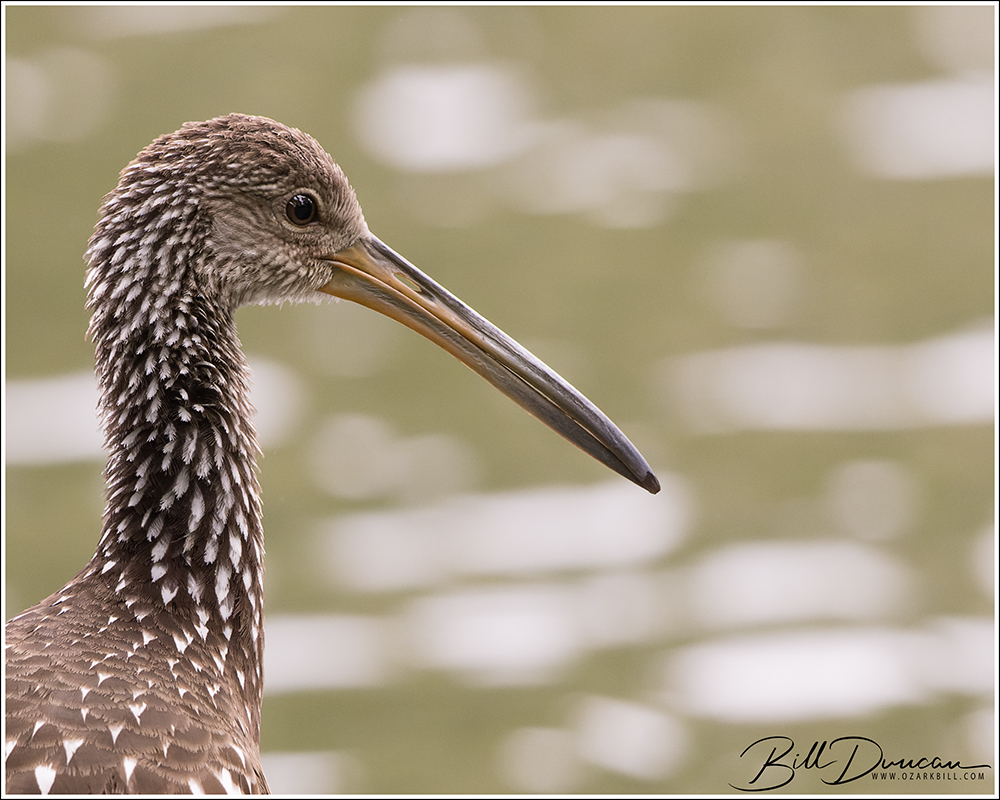
This influx of Limpkins into the Show Me State wasn’t exactly a surprise. Limpkin reports outside of Florida began around 2015, with records being found in Georgia, and other southeastern states over the following years. Birders have been waiting for them to show up in Missouri for a few years and now they finally have. The reasons for their northward spread are uncertain but are likely due to the spread of an exotic island apple snail originally from tropical and subtropical South America.

I had thought about chasing Limpkins previously seen in the state in 2022 but couldn’t get myself talked into the roughly 600 mile round trip drive this would have taken. I’m so glad I saved the gas! This was quite the experience and I’ll be interested in seeing how long this bird stays in St. Louis. Here are a few more photos of this fantastic bird.




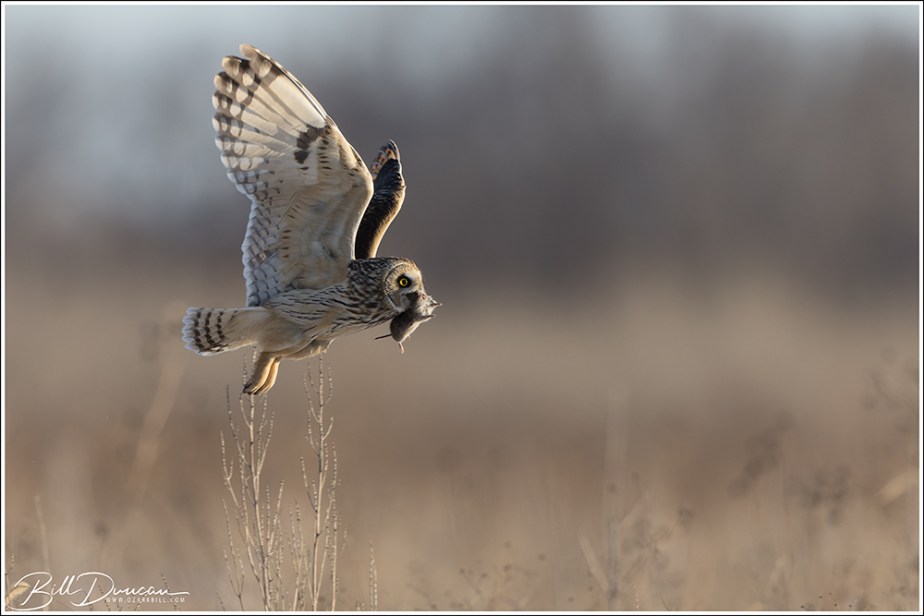
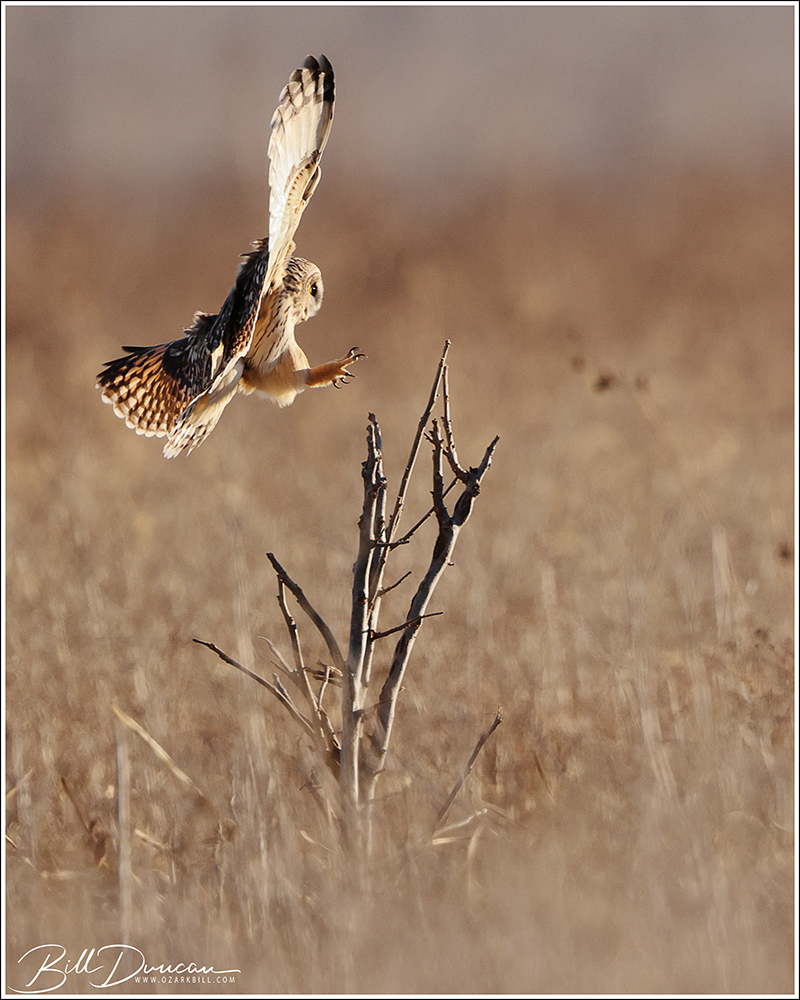
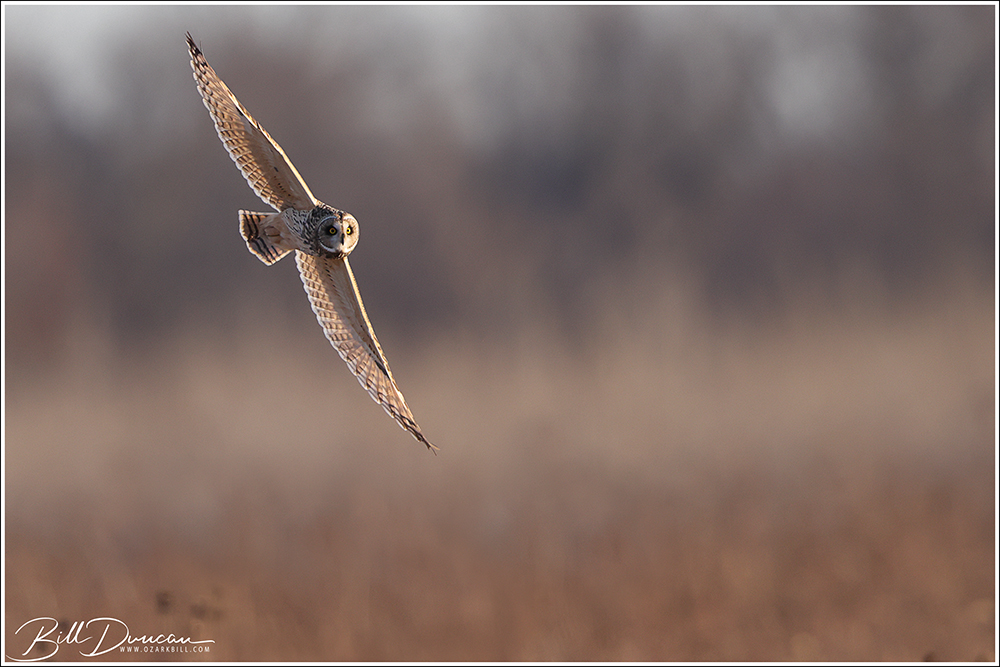
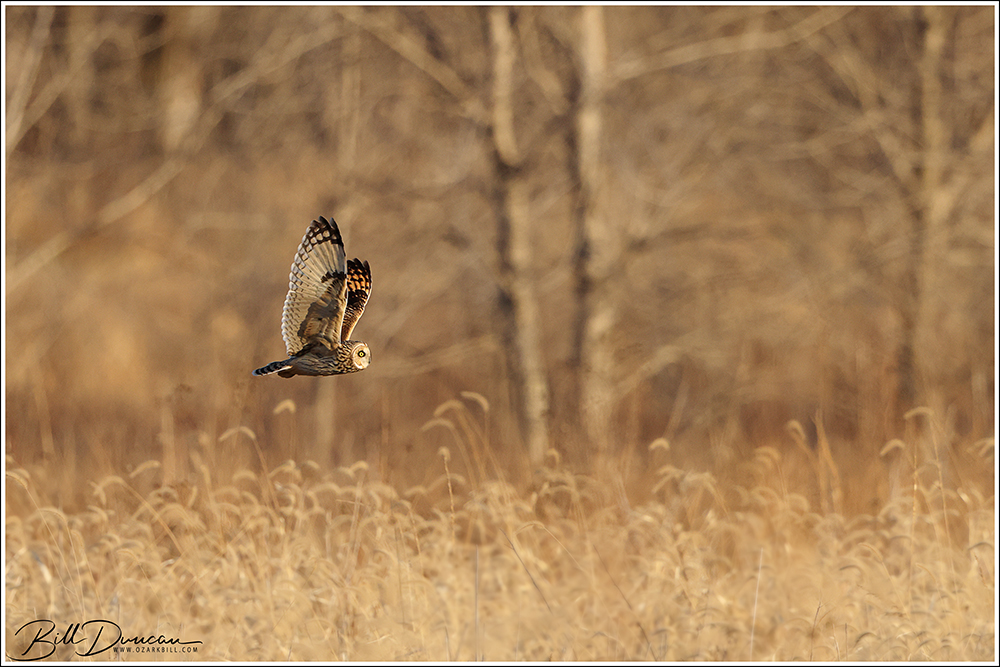
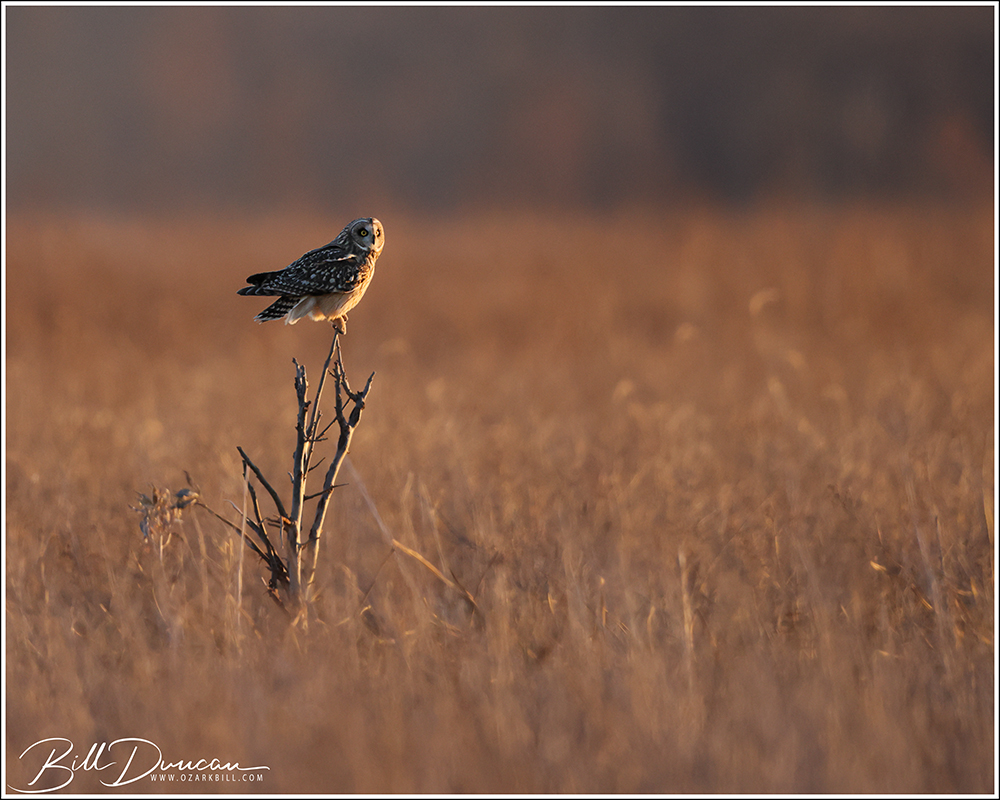
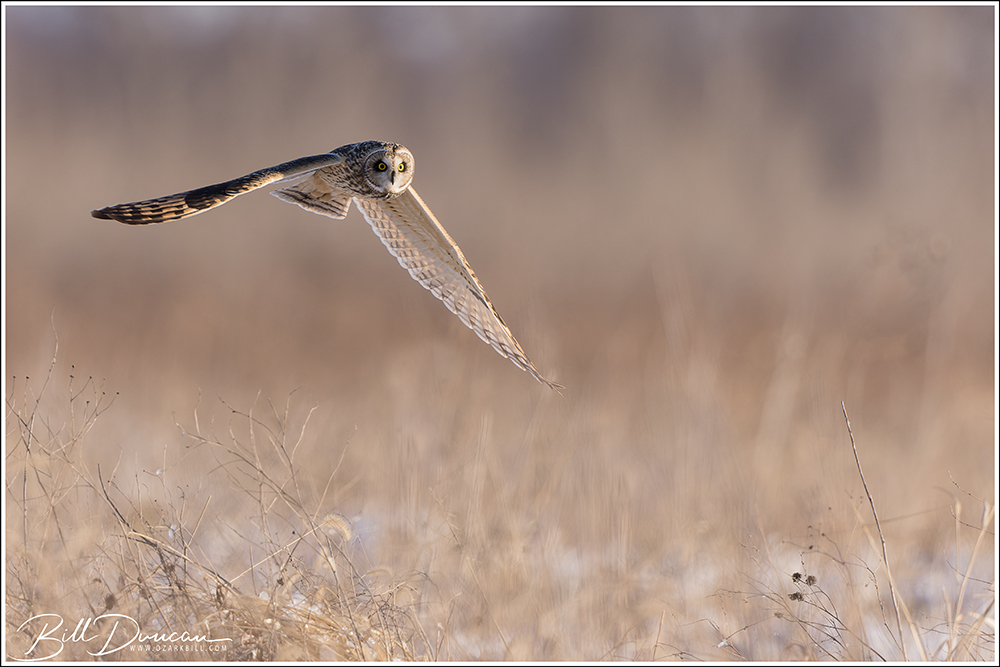
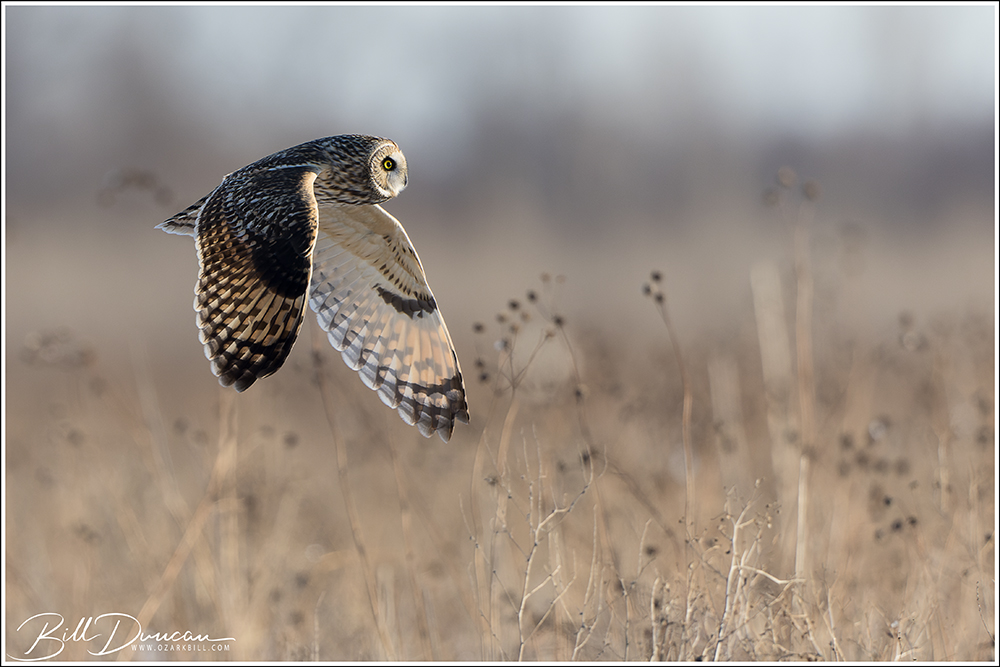
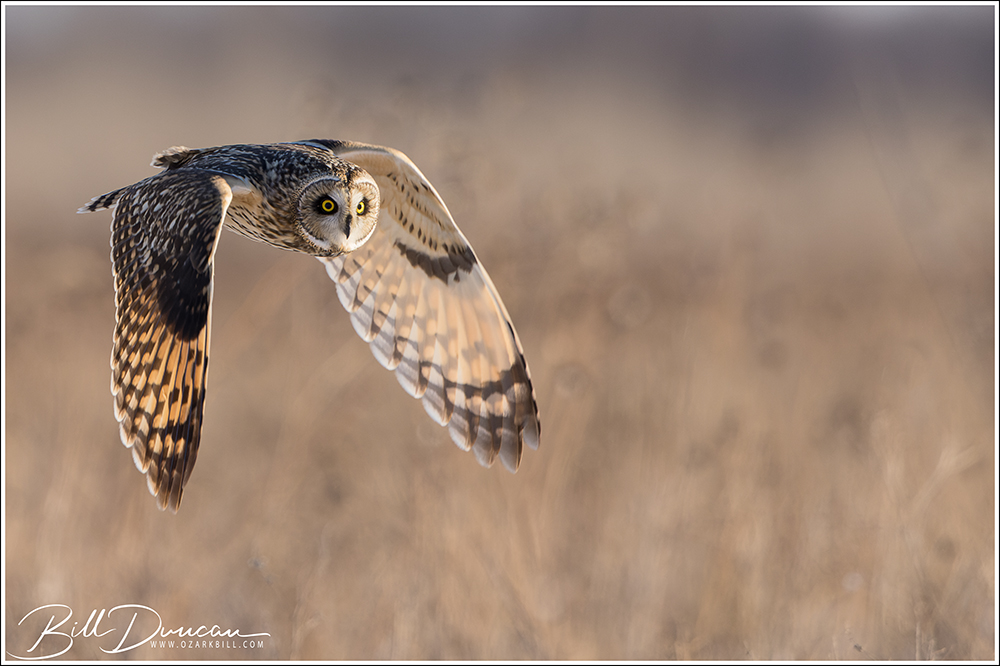
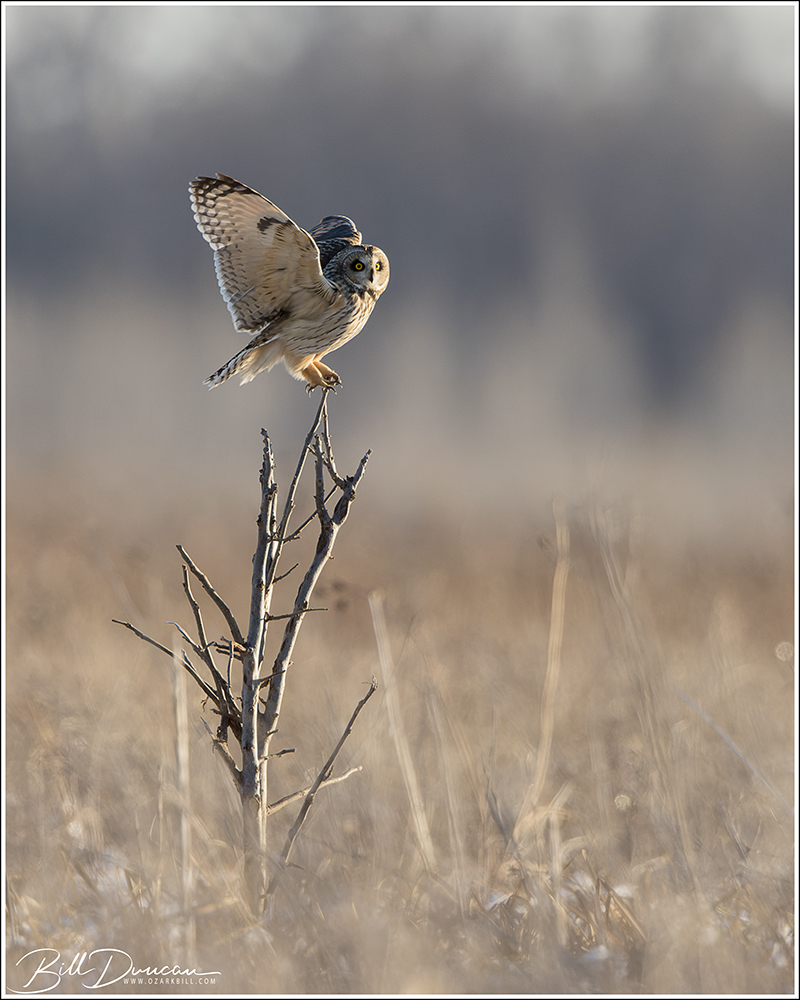
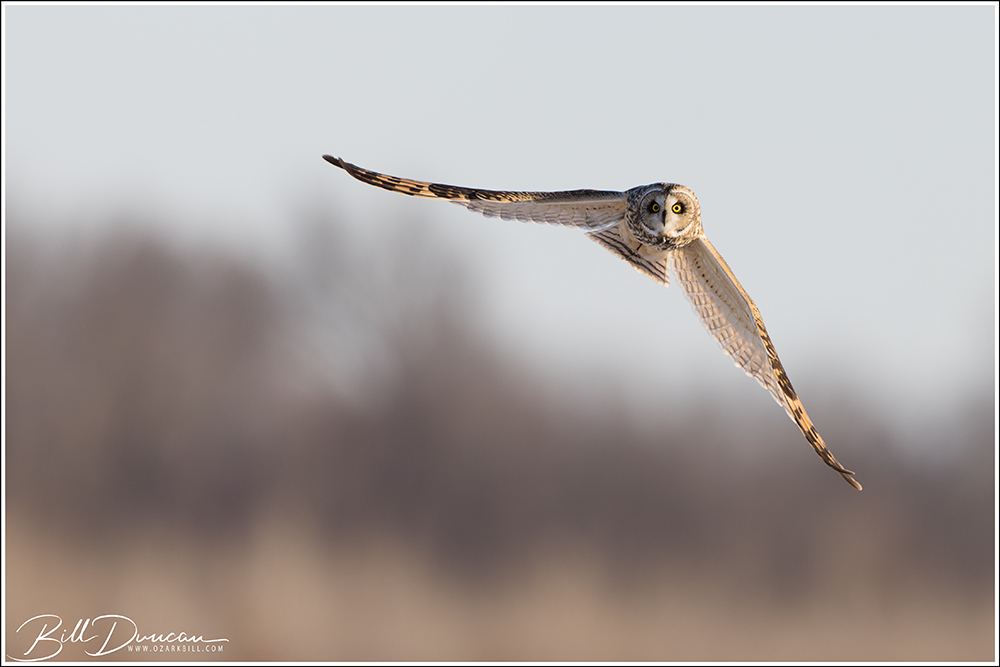
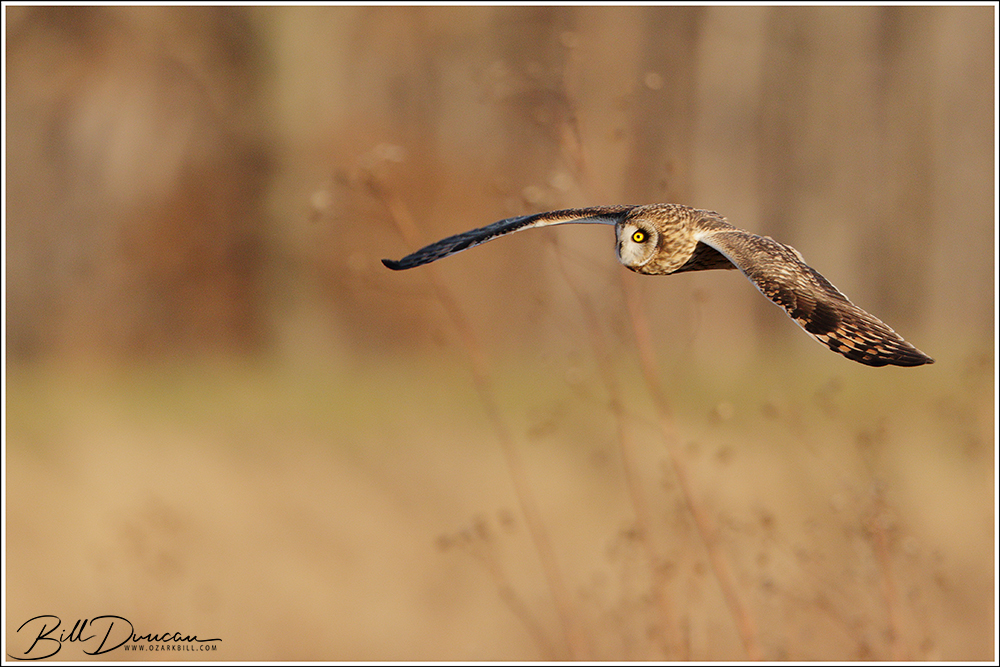
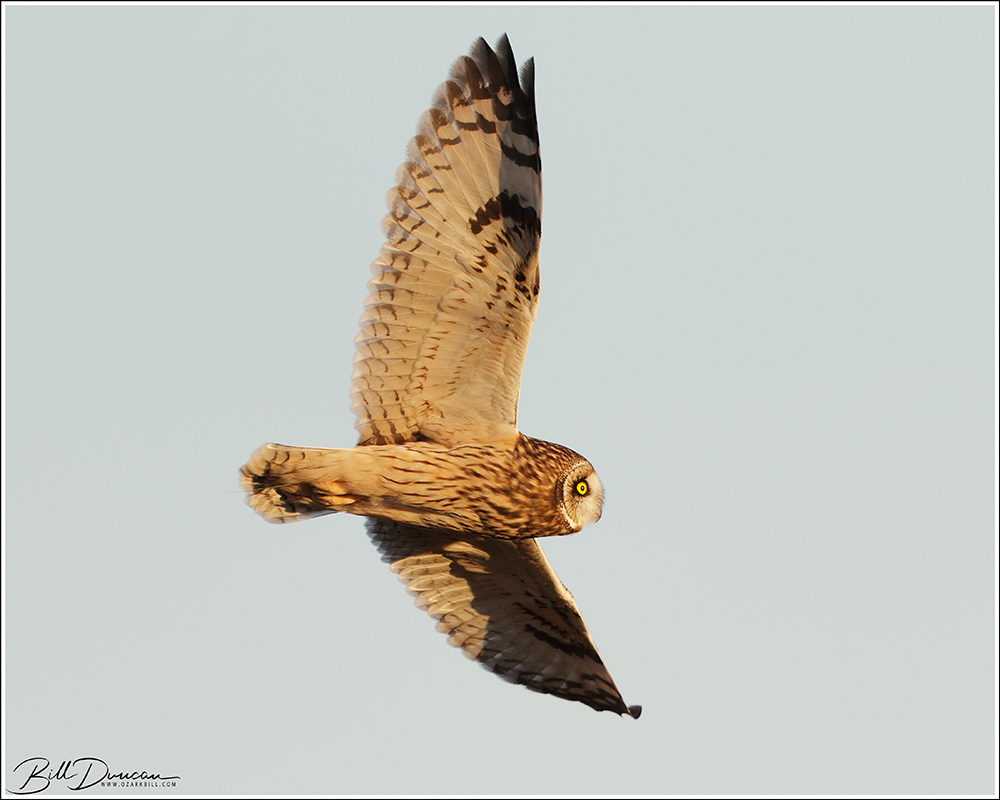
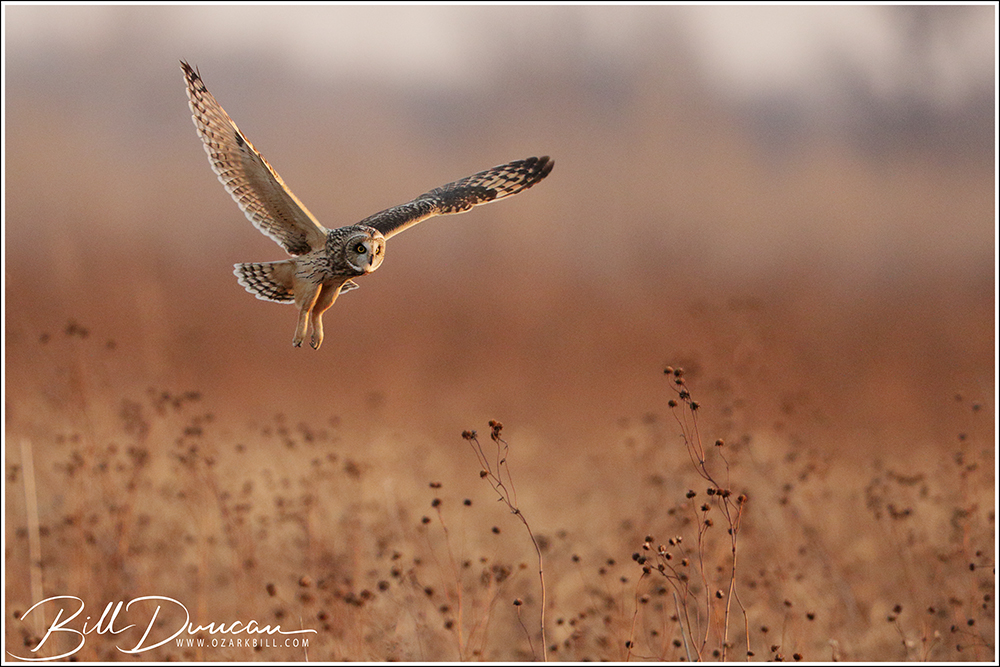
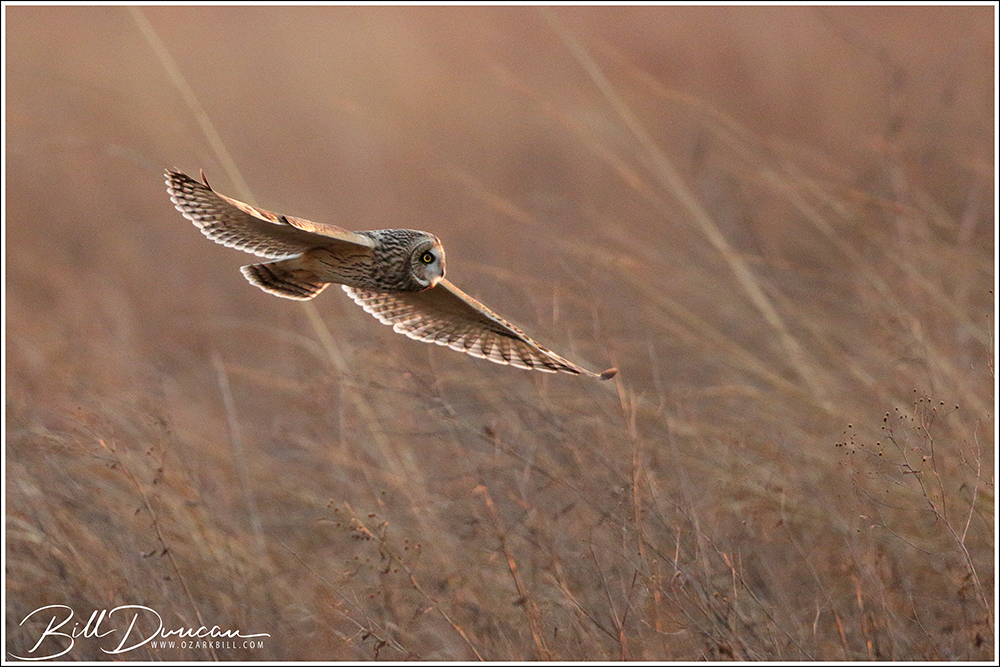
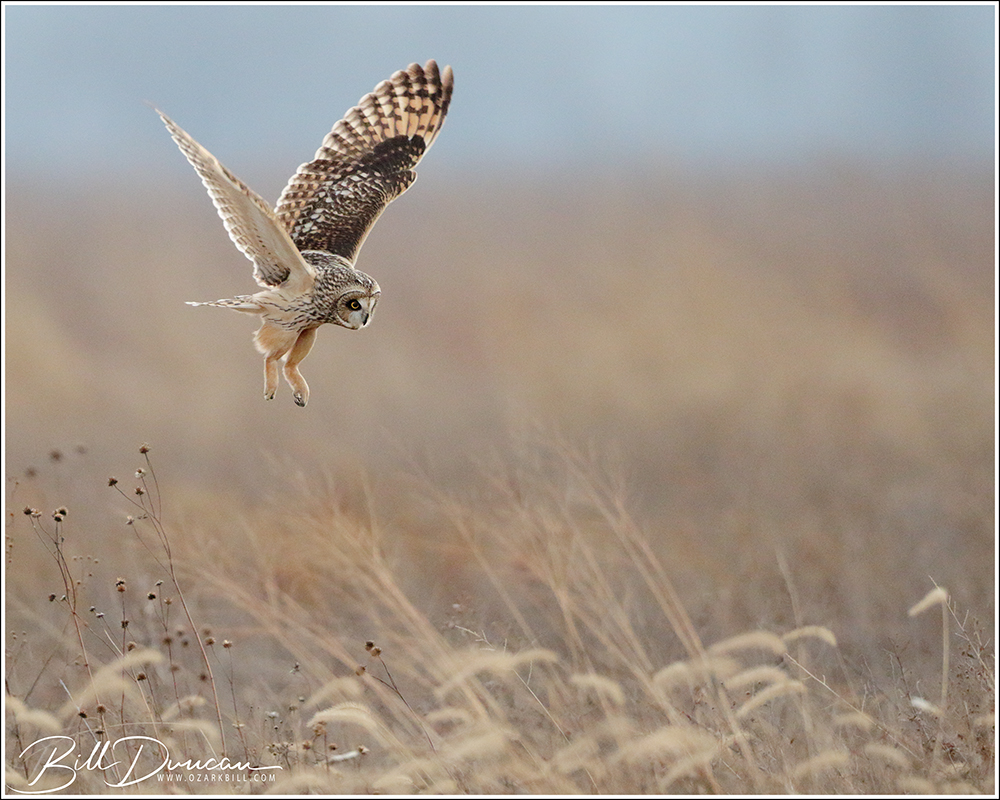
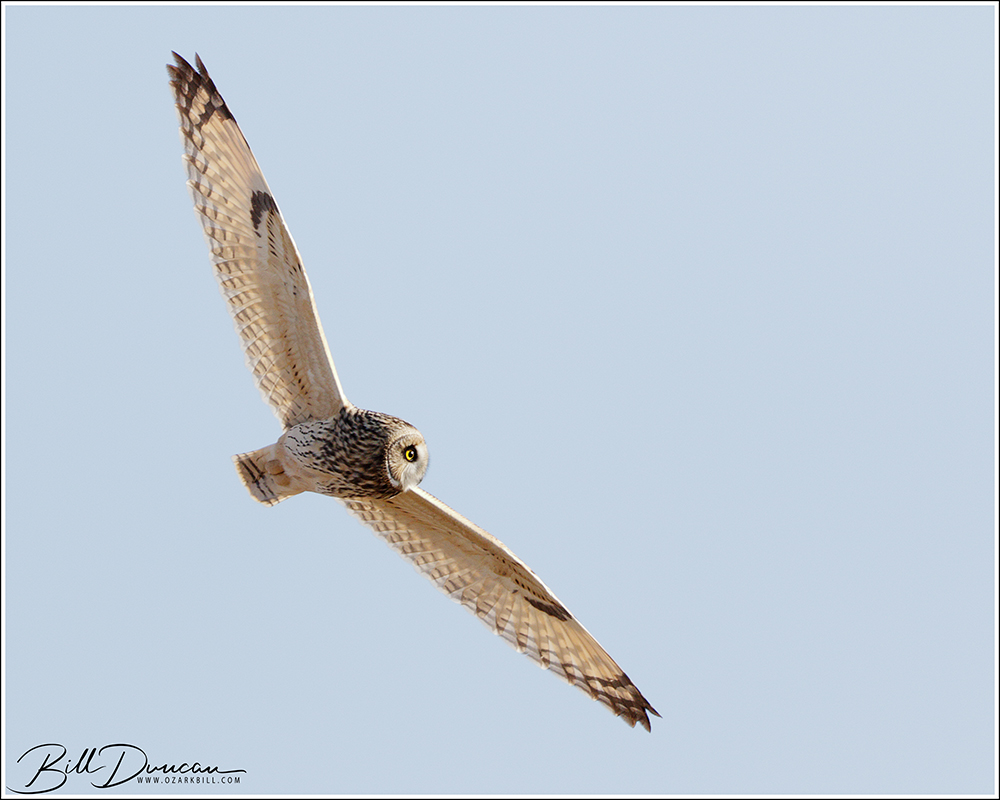
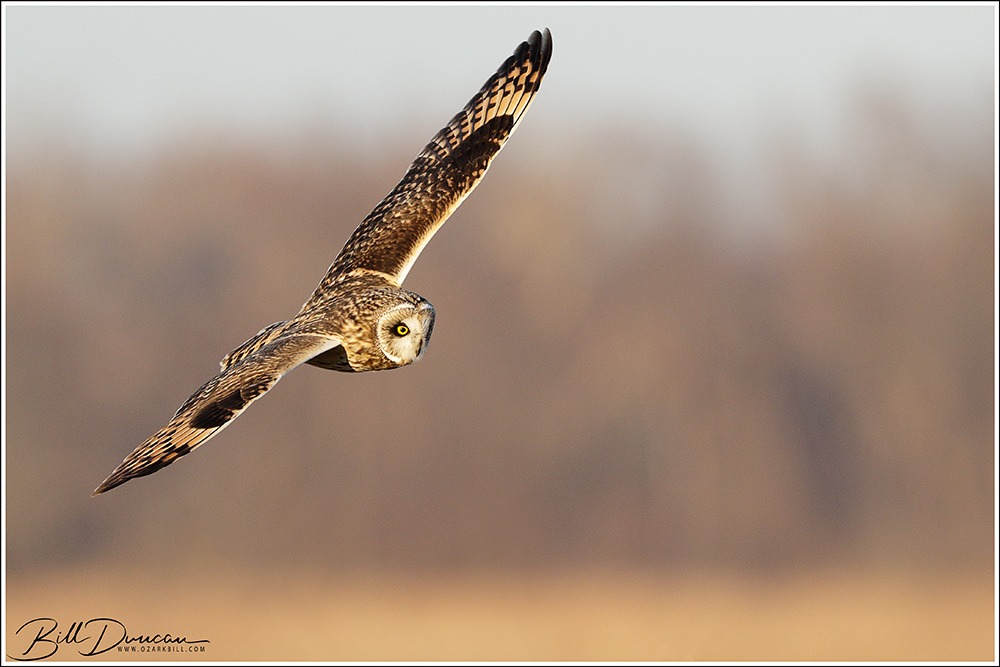
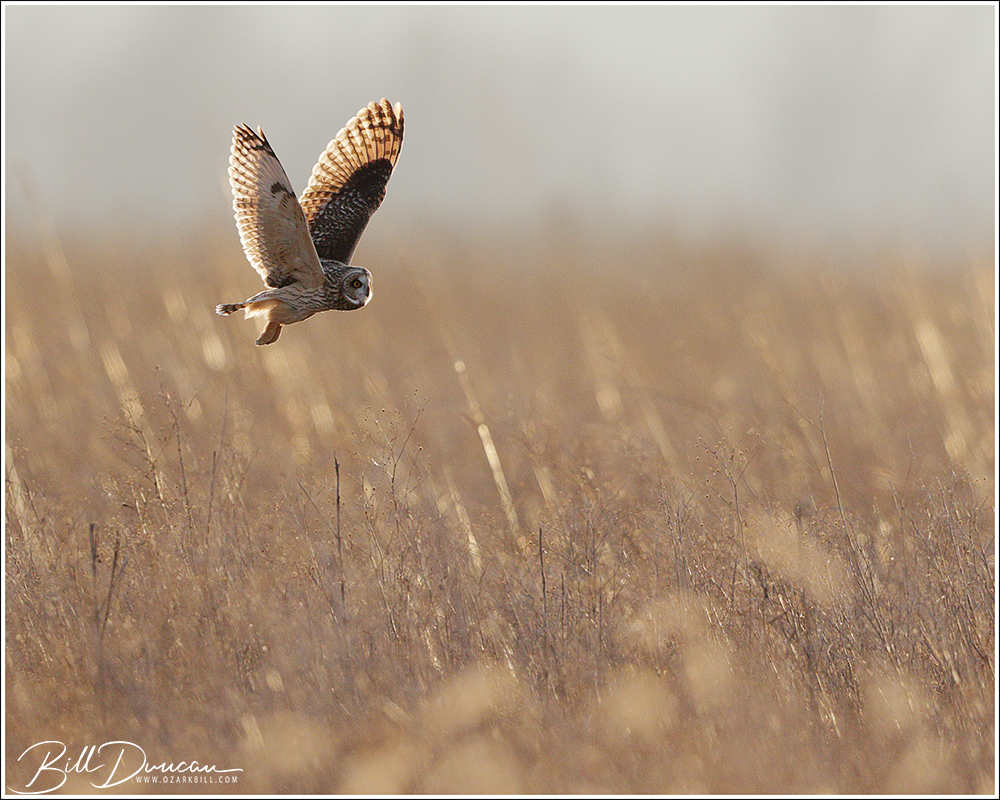
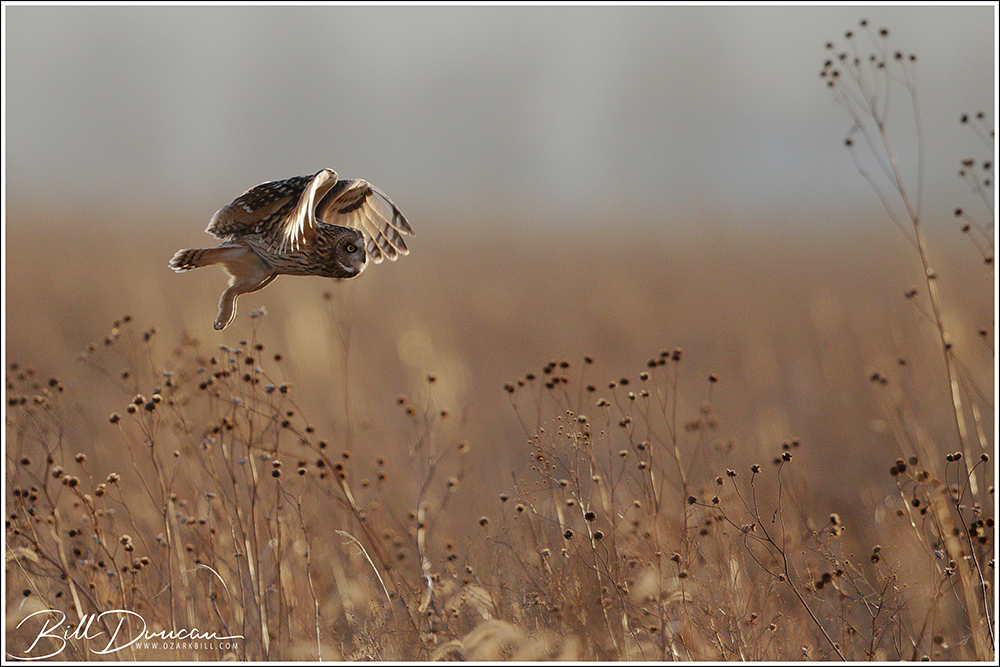
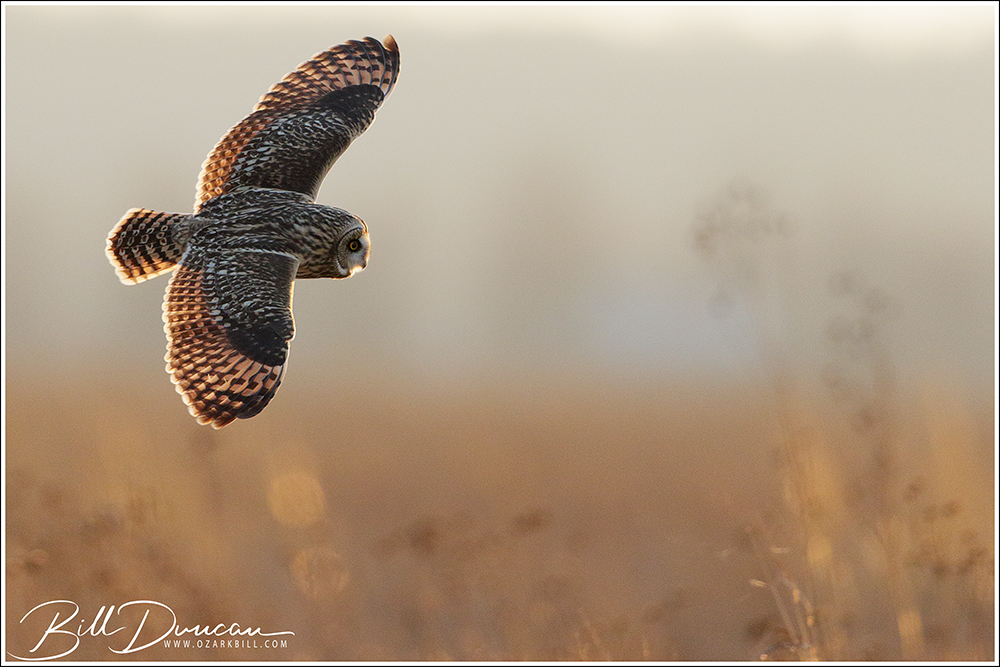
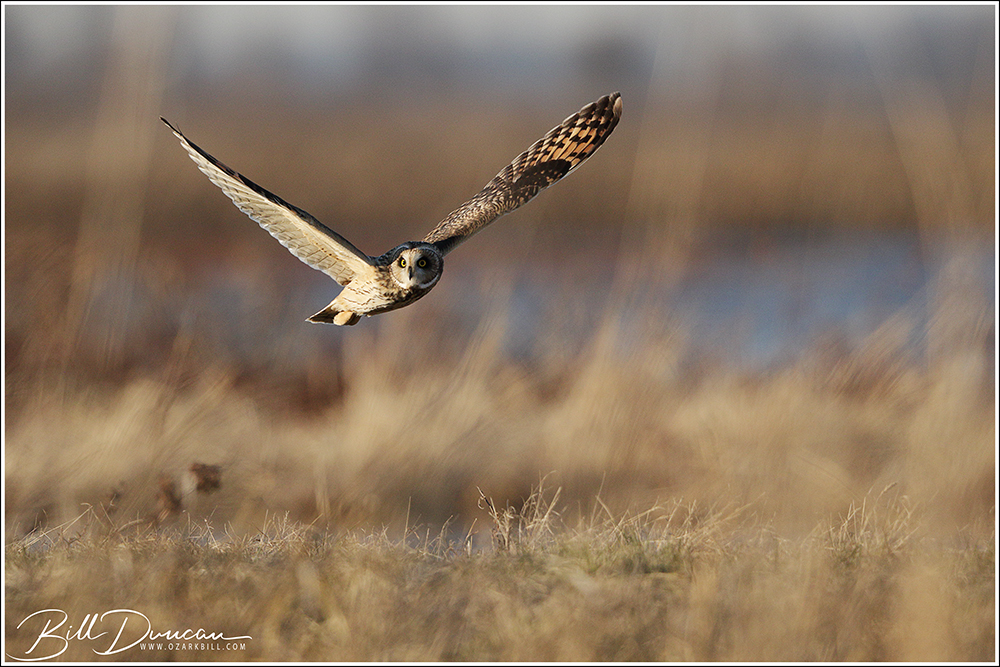
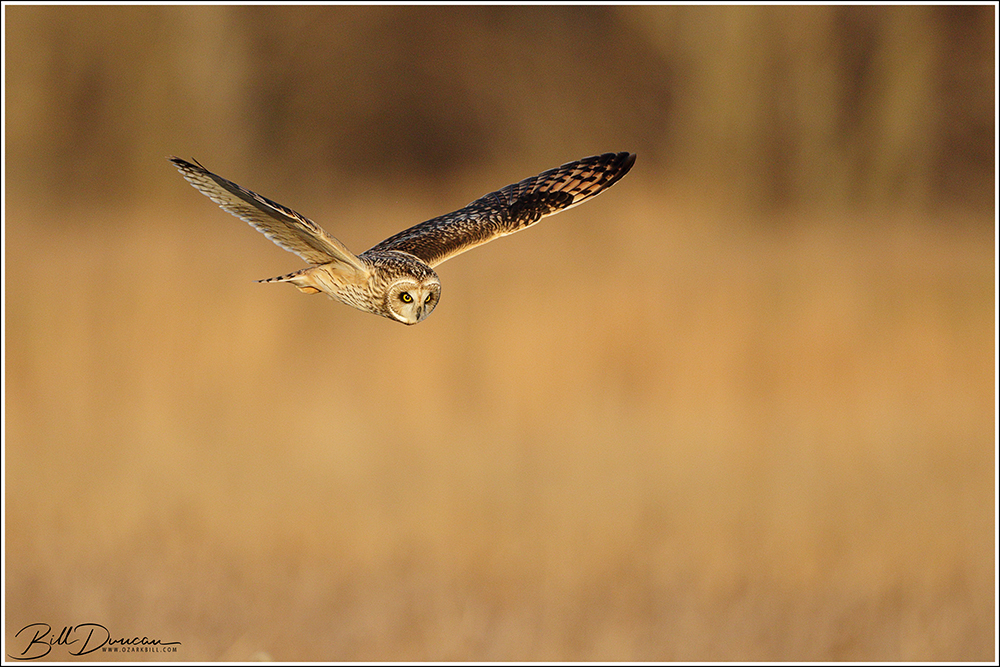
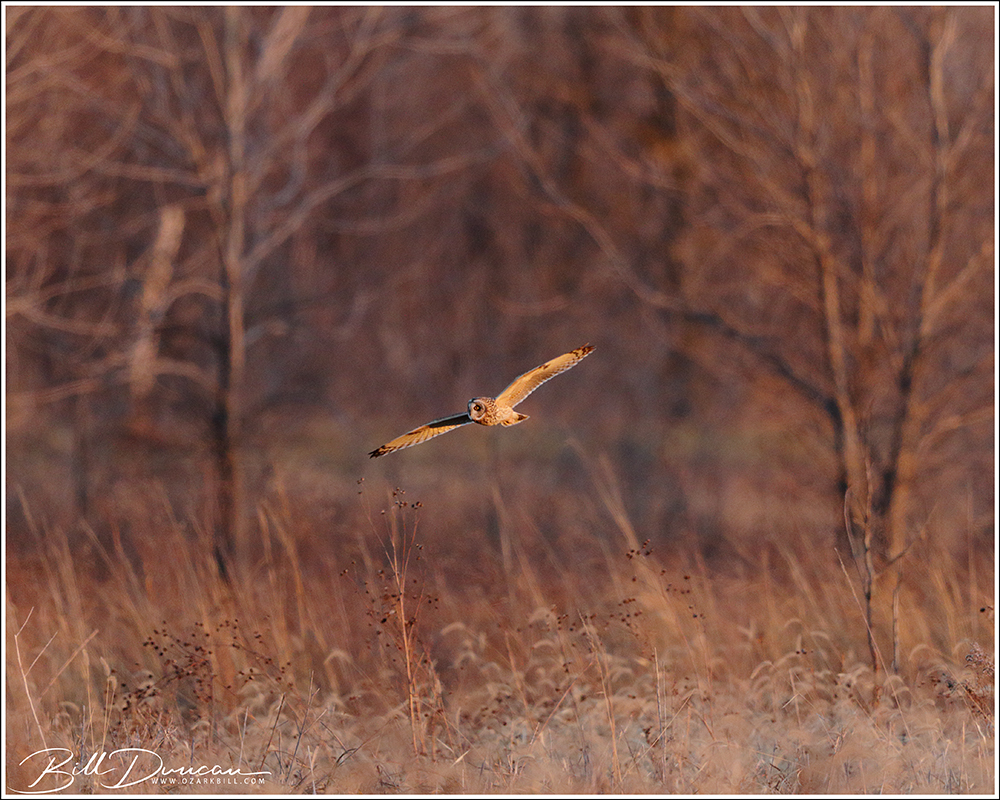
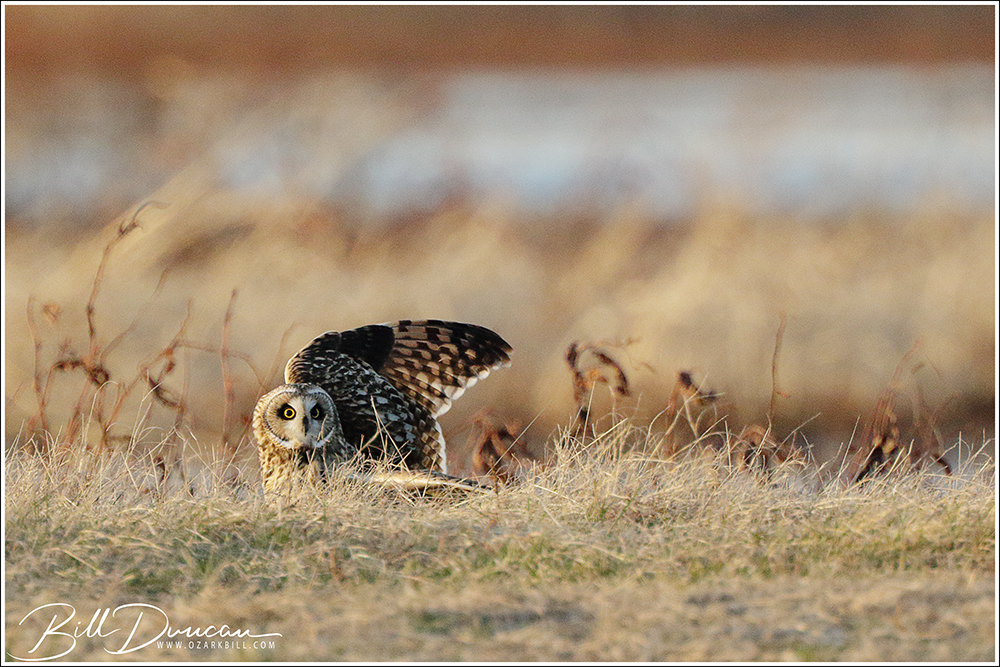
A few more SEOW from last winter.
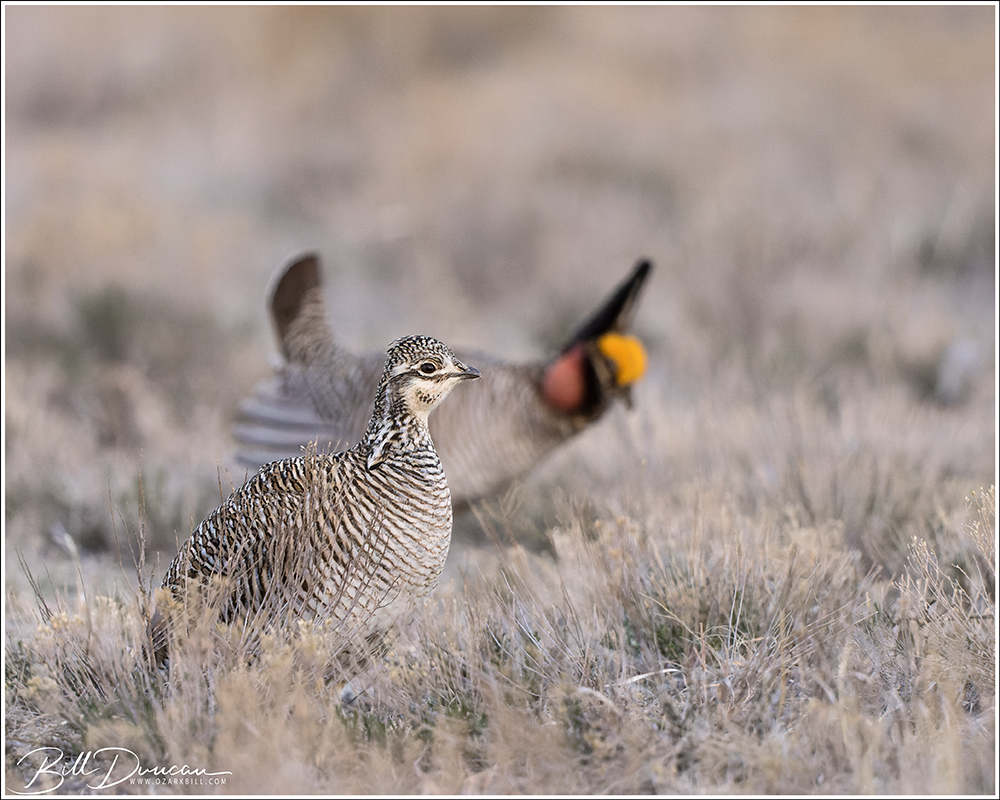
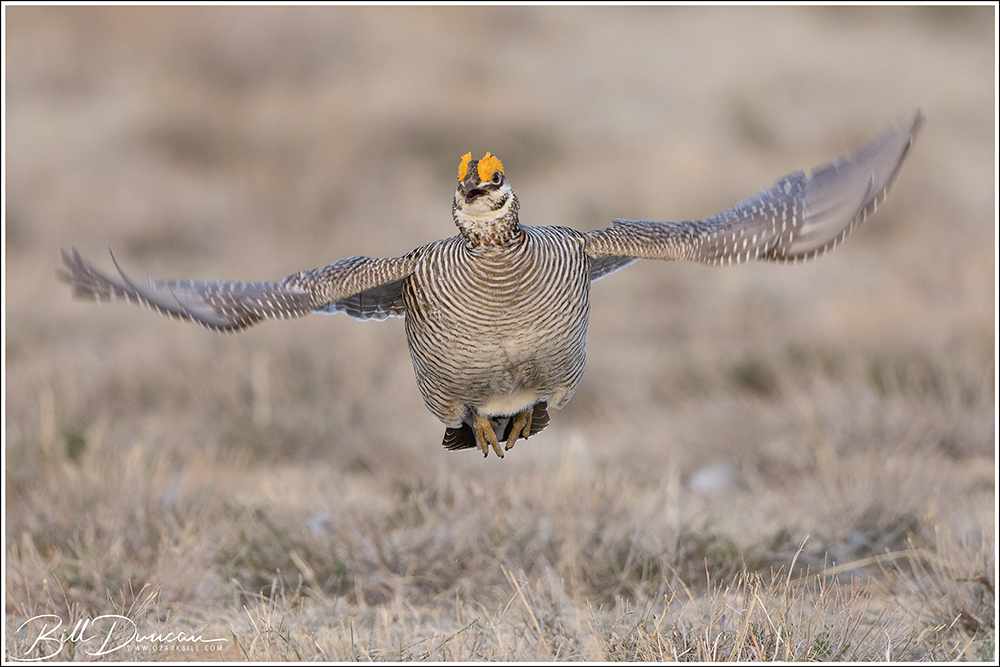
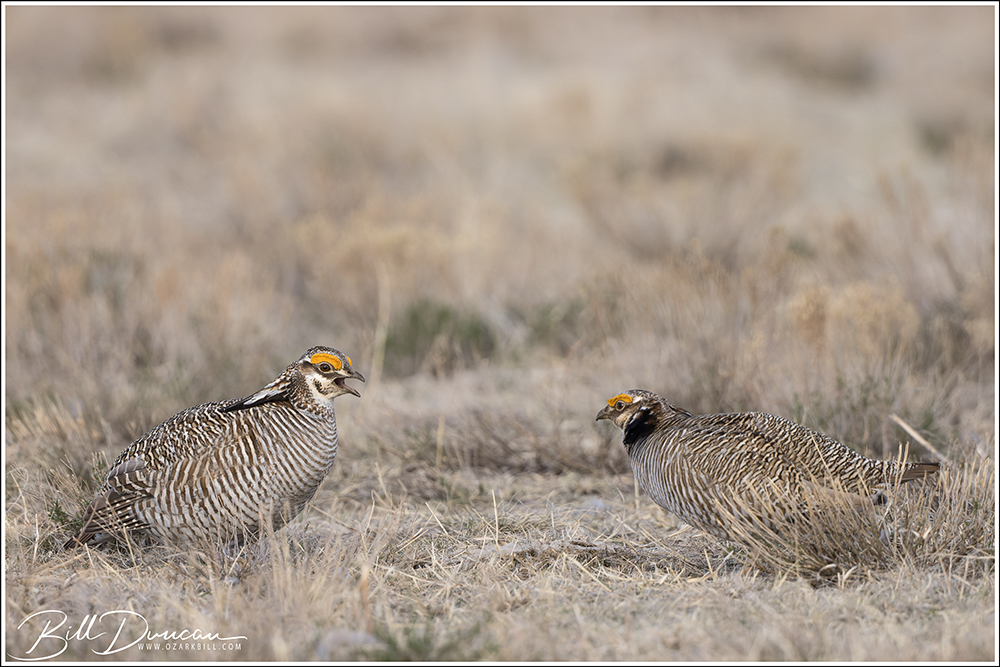
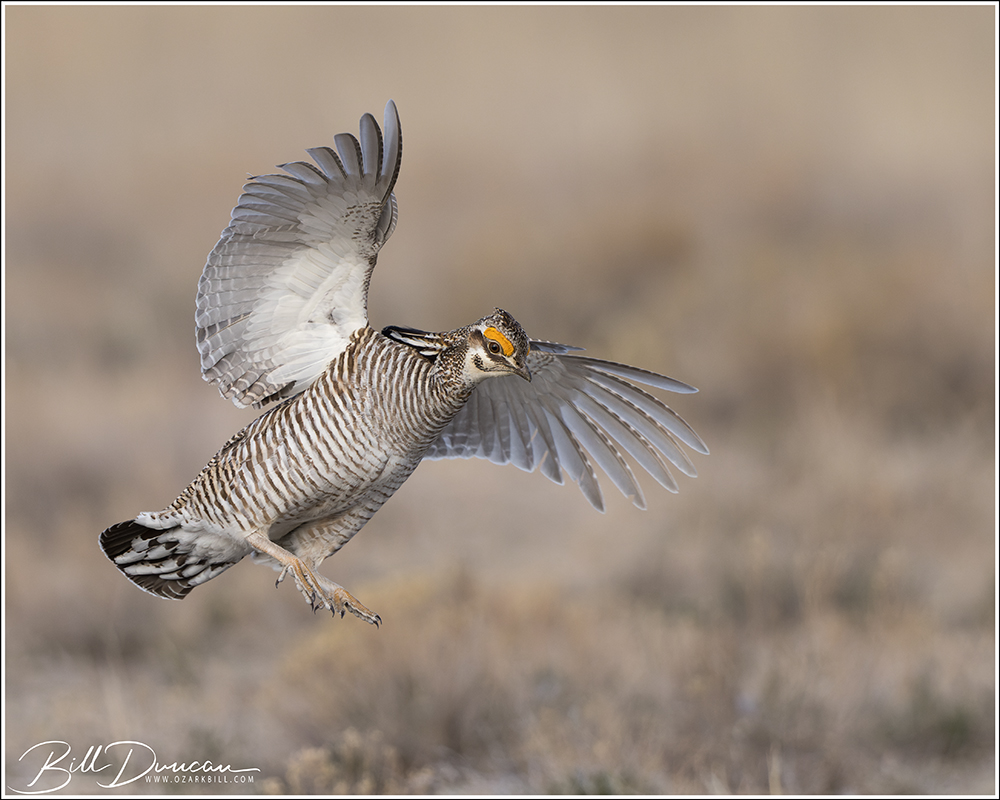
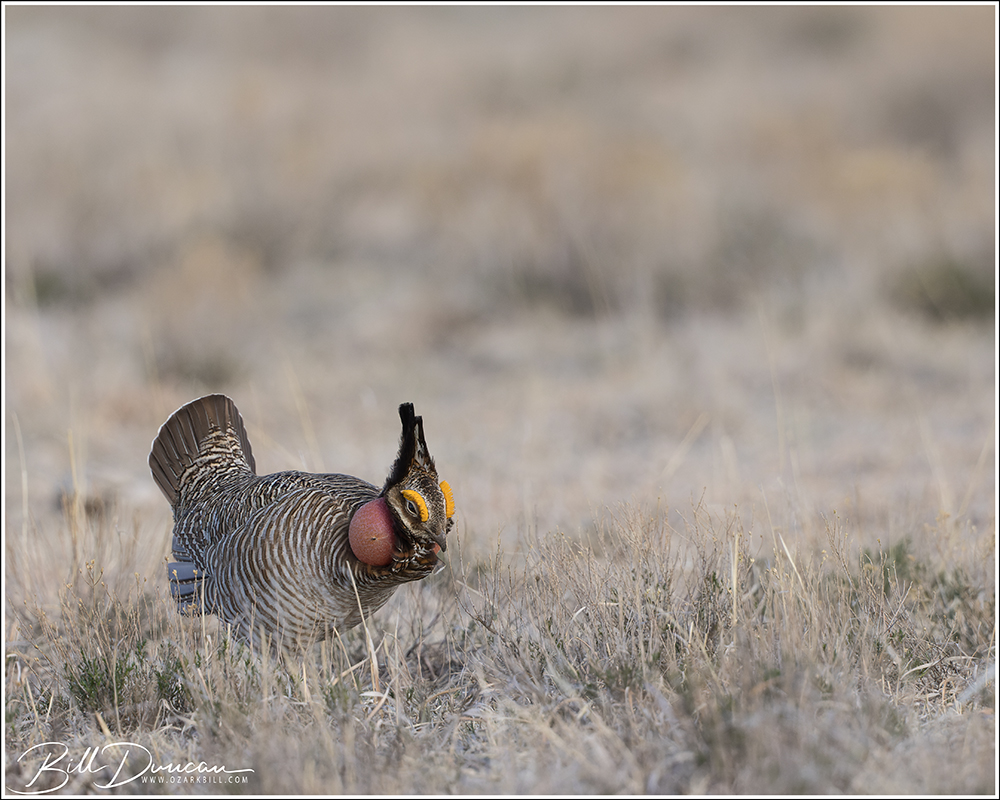
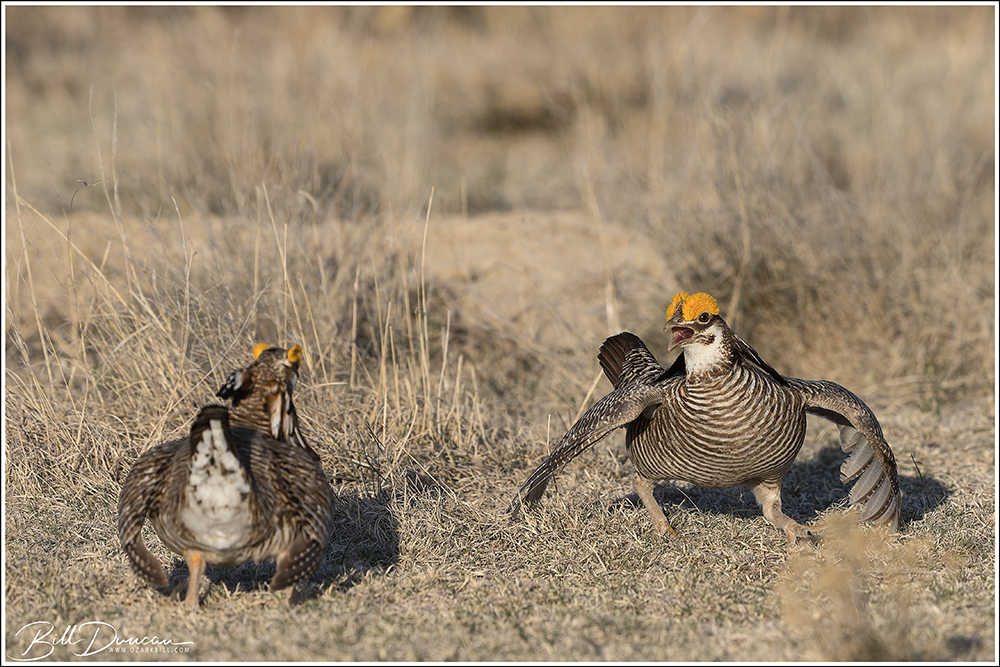
With this crazy summer, full of a time-consuming work project and trying to keep establishing plants alive in the yard, there has been very little time for birding trips. Casey organized this trip from mid April of 2022 and it was definitely memorable. I still have hundreds of photos to process, but here are a few from our first stop, a couple of Lesser Prairie Chicken Leks in western Kansas.


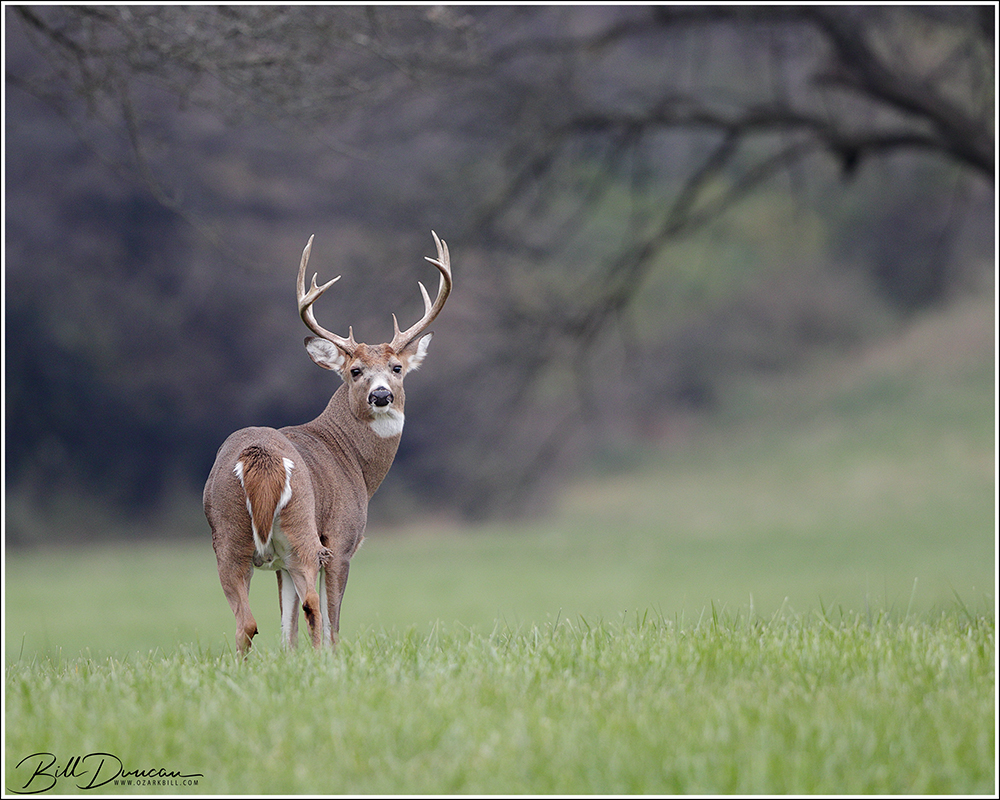
The upcoming rut season brings mixed feelings. I’m definitely looking forward to shooting the brutes in a couple months or so, but I also know they’ll be trying their best to rub on my establishing trees and bushes in the yard. I have most everything protected but still have some trunks that I need to cover before the first of September when they’ll begin rubbing the velvet off of their antlers. We lost a flowering dogwood to one of them last year and hope not to have that repeated.
Here are some photos that I took on an outing with Miguel last autumn. All images were taken with a 500 mm lens.