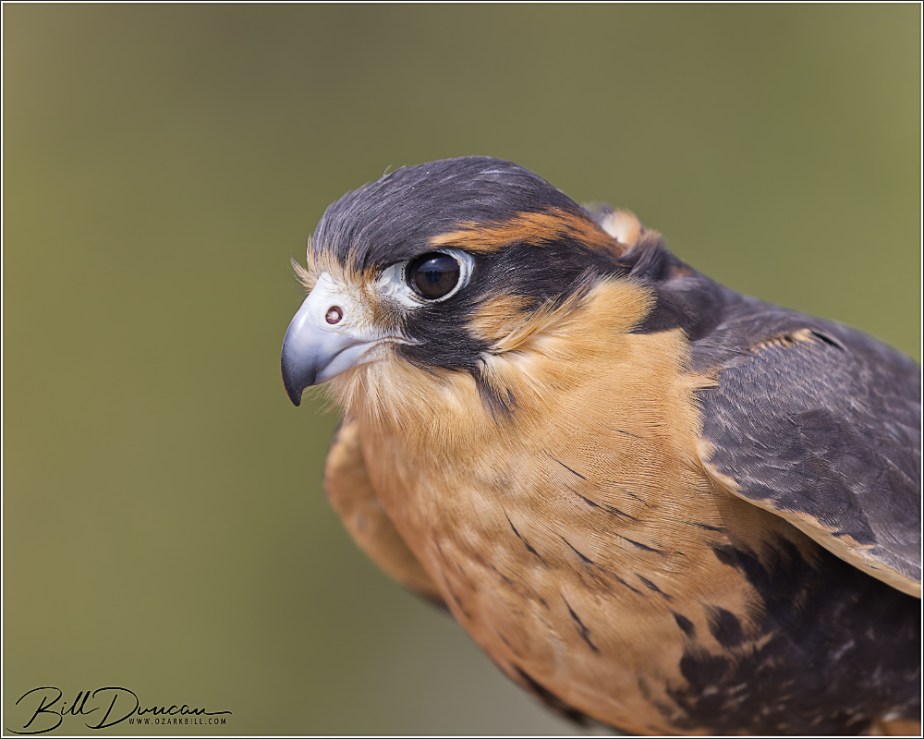
WGNSS Visits Snake Road – October 2025

The Webster Groves Nature Study Society’s (WGNSS) Nature Photography Group headed to the LaRue Pine Hills in mid-October to visit the famous LaRue Rd, better known as the “Snake Road.” Our targets for the day were snakes, of course, along with any other herps that we could be fortunate enough to find. Unsurprisingly, the snake of the day was the cottonmouth (Agkistrodon piscivorus), of which we found close to 15 individuals. We found several different frog species and a real good number of cave salamanders (Eurycea lucifuga).
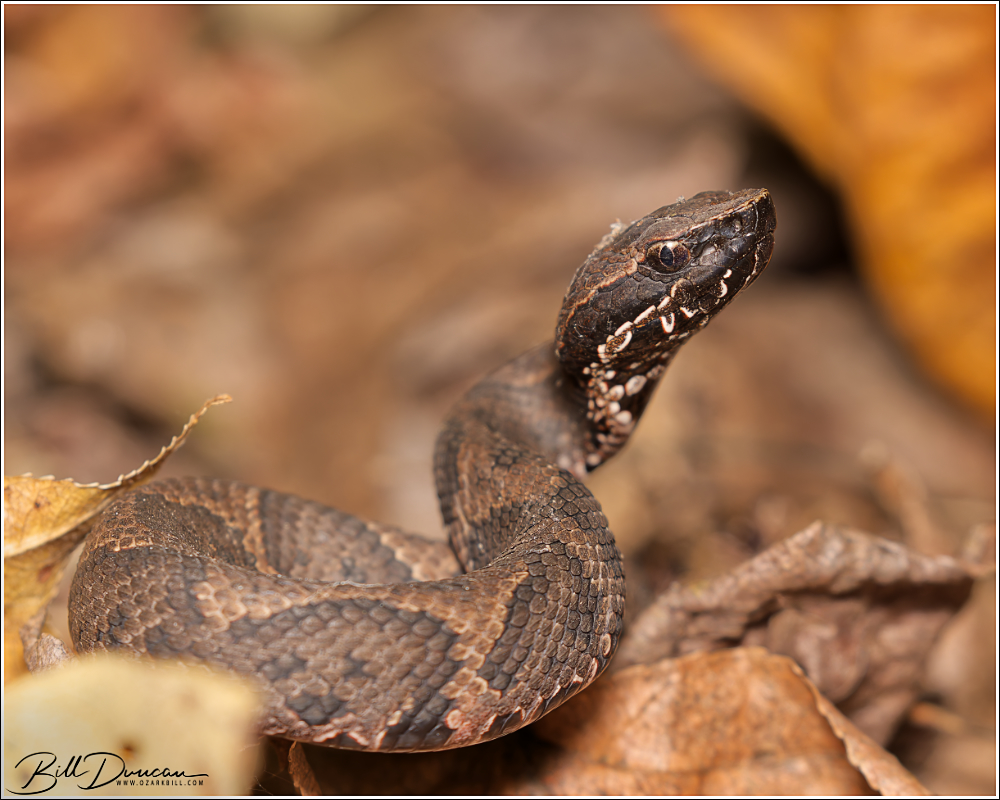
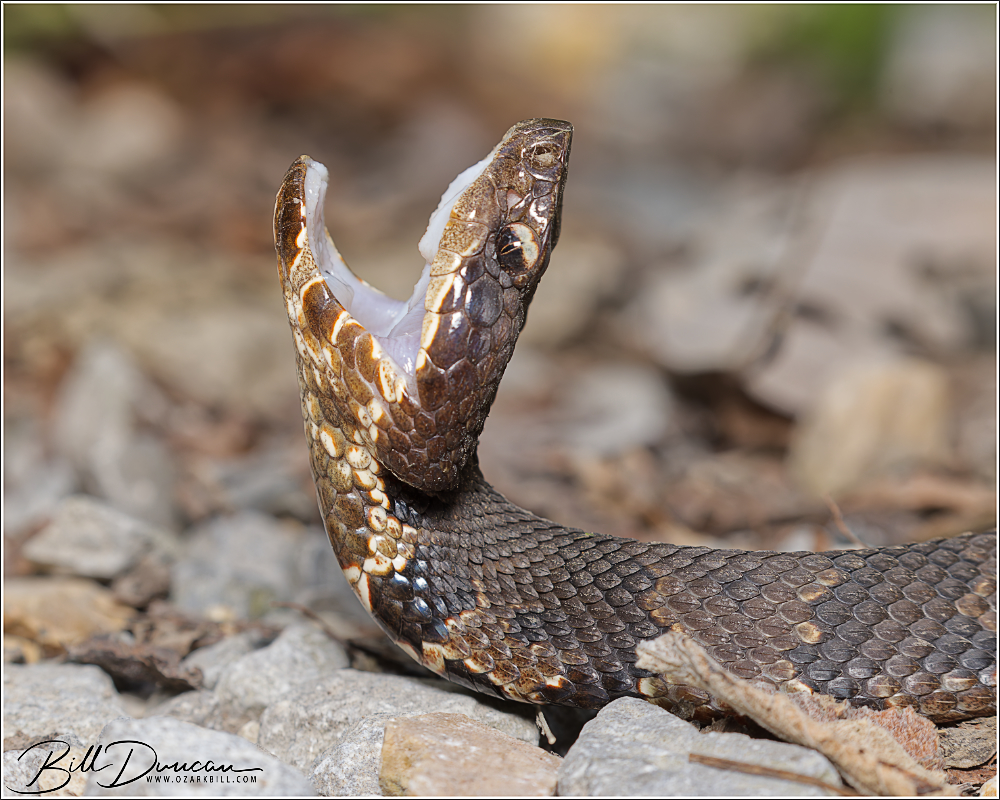
Cottonmouth (Agkistrodon piscivorus)
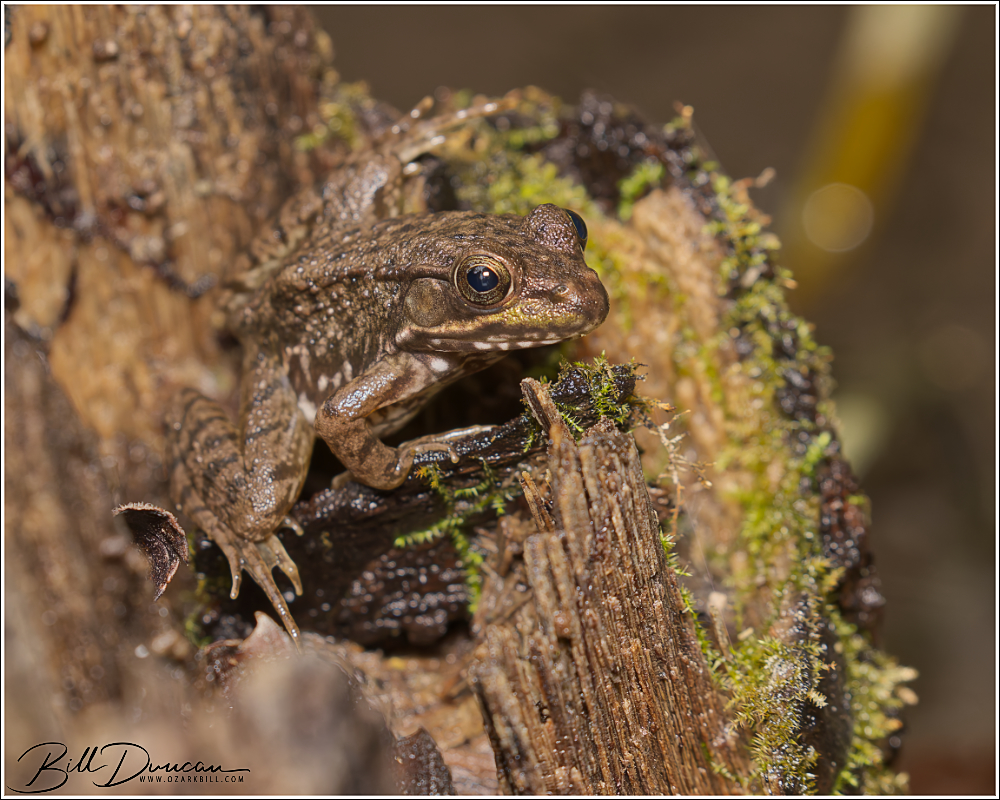
Green Frog (Lithobates clamitans)
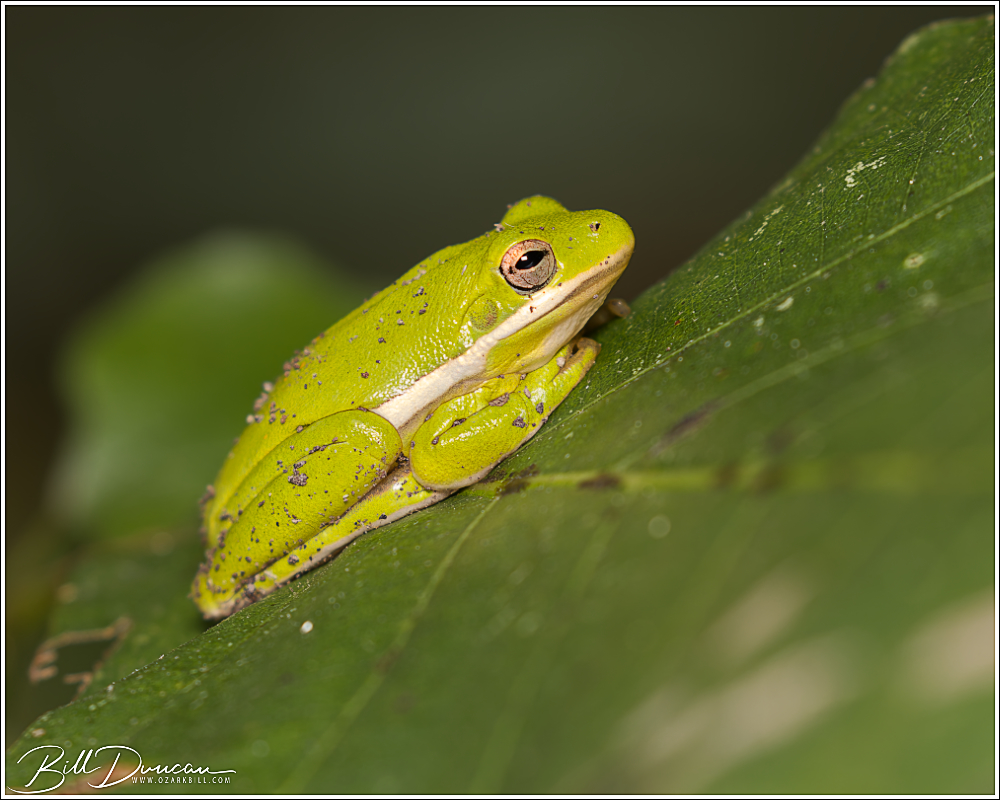
Green Tree Frog (Dryophytes cinereus)
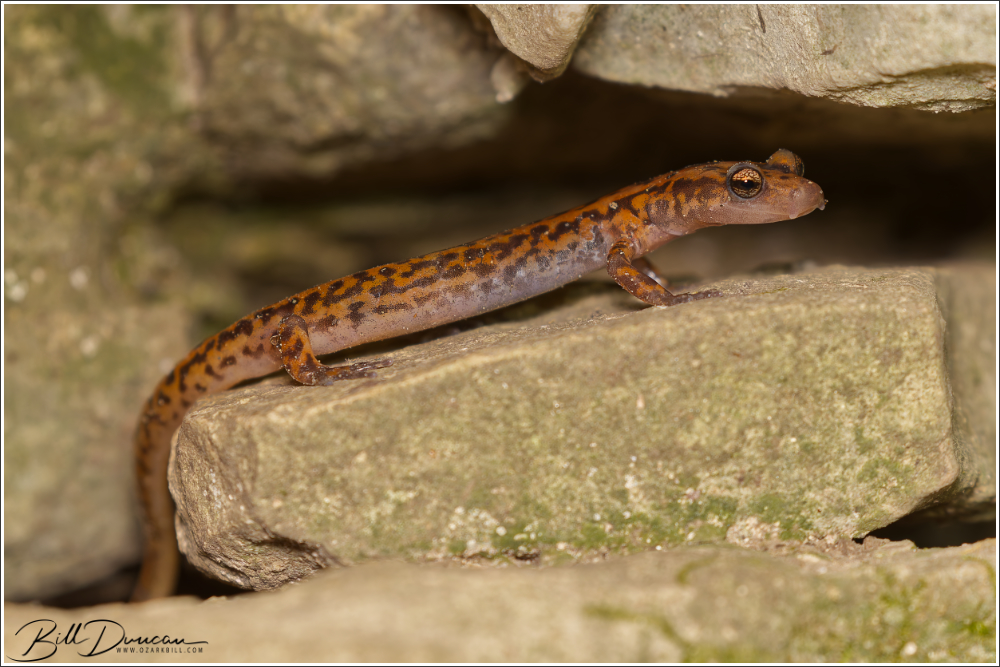
Cave Salamander (Eurycea lucifuga)
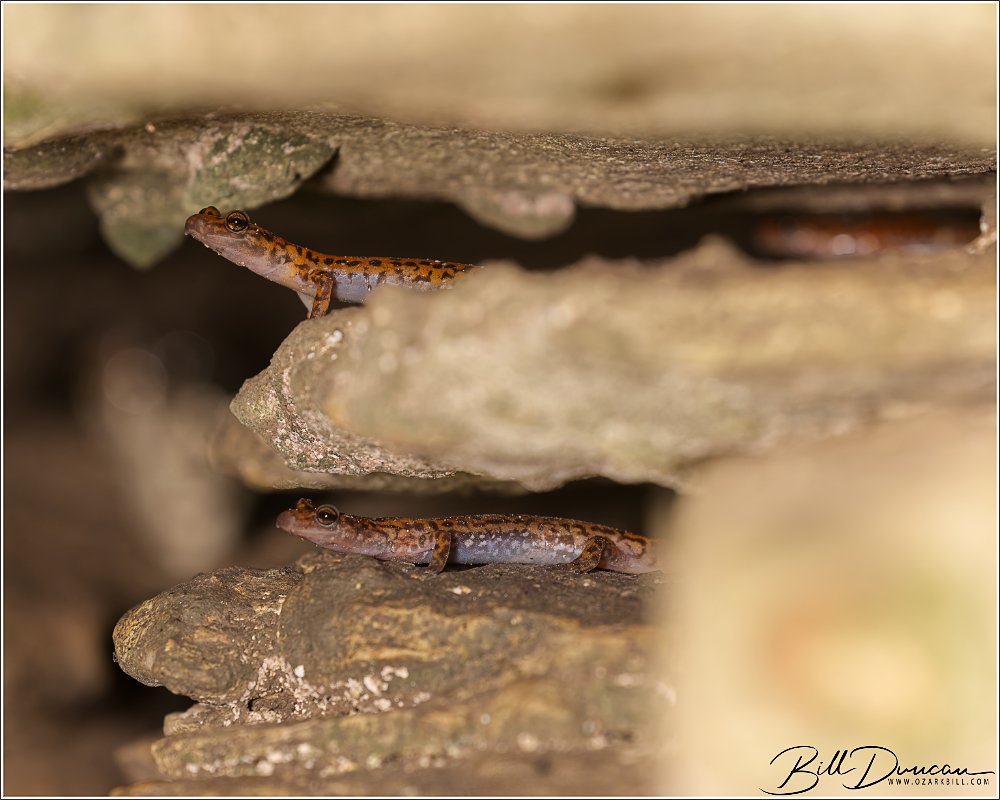
Cave Salamanders (Eurycea lucifuga)

A short ways from the main road, we came across a small grotto. Looking closely with a light, I was able to find at least five cave salamanders resting on different shelves. After about 15 minutes on my knees, working out how to best light and photograph these guys, I finally focused my attention towards the back end of this small cave. There I noticed a medium-sized cottonmouth with its head raised that was apparently watching me the entire time, about a foot or so behind the salamanders.
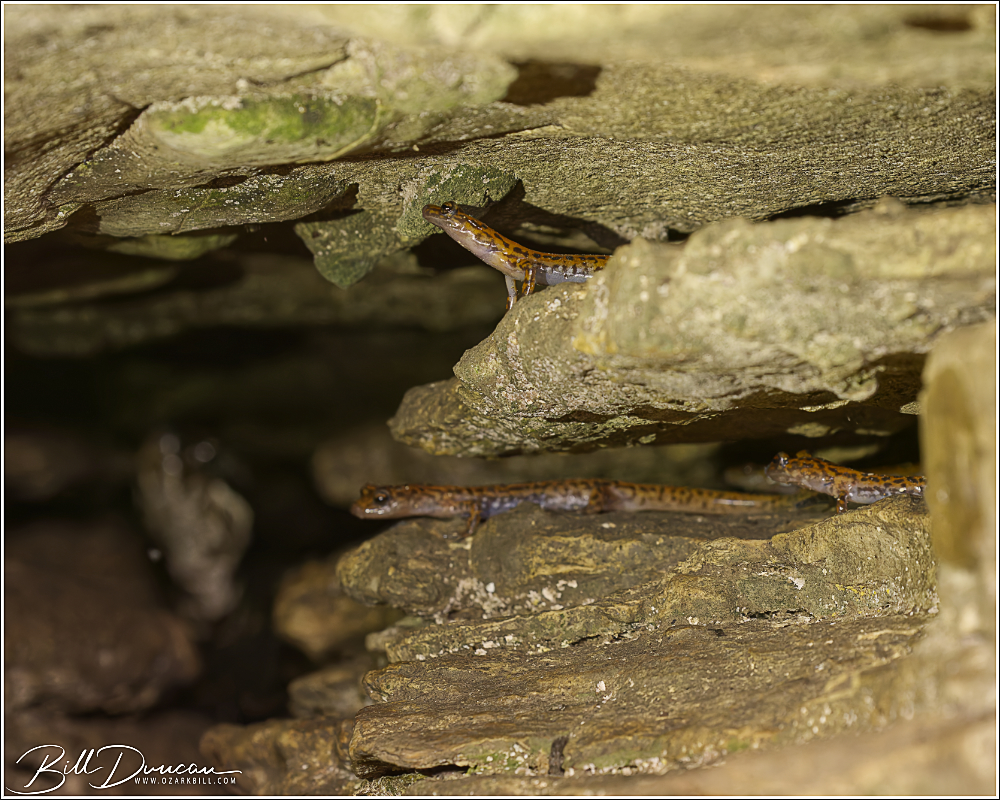
Cave Salamanders and an unexpected guest. Can you find the cottonmouth?

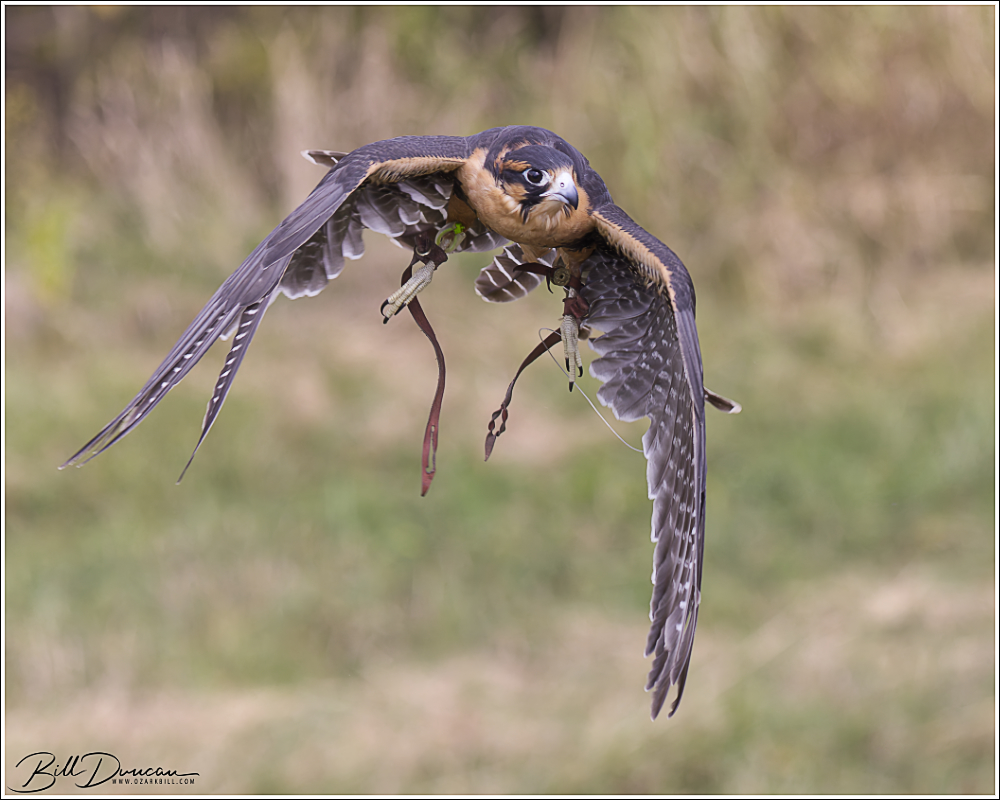
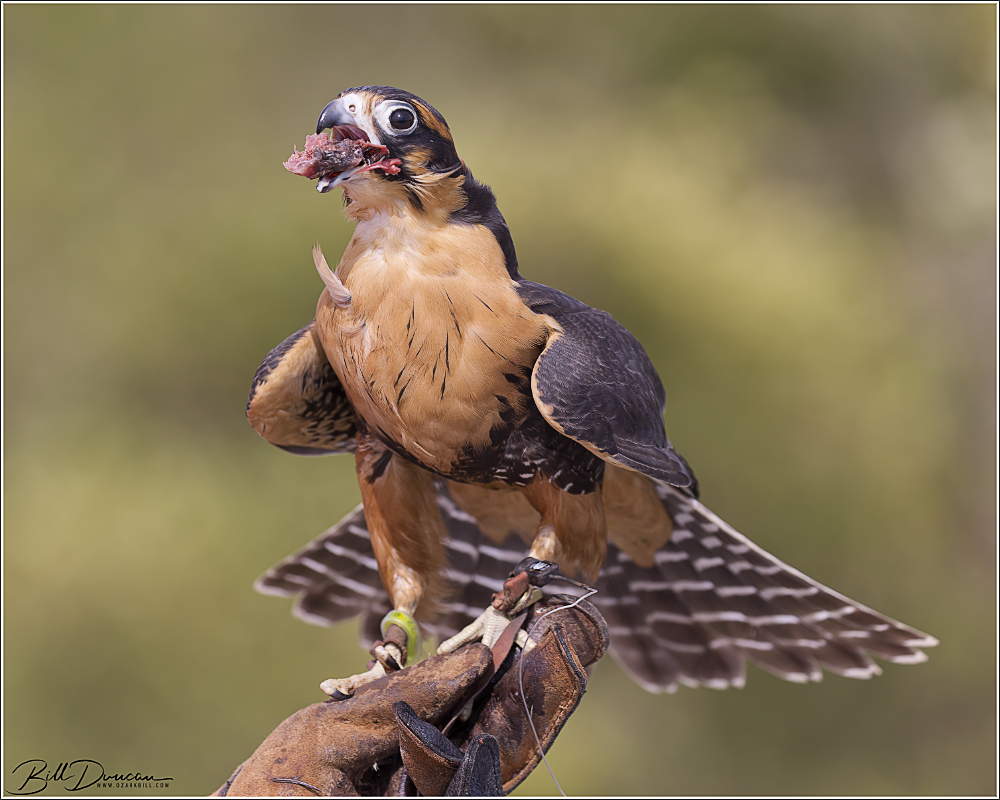
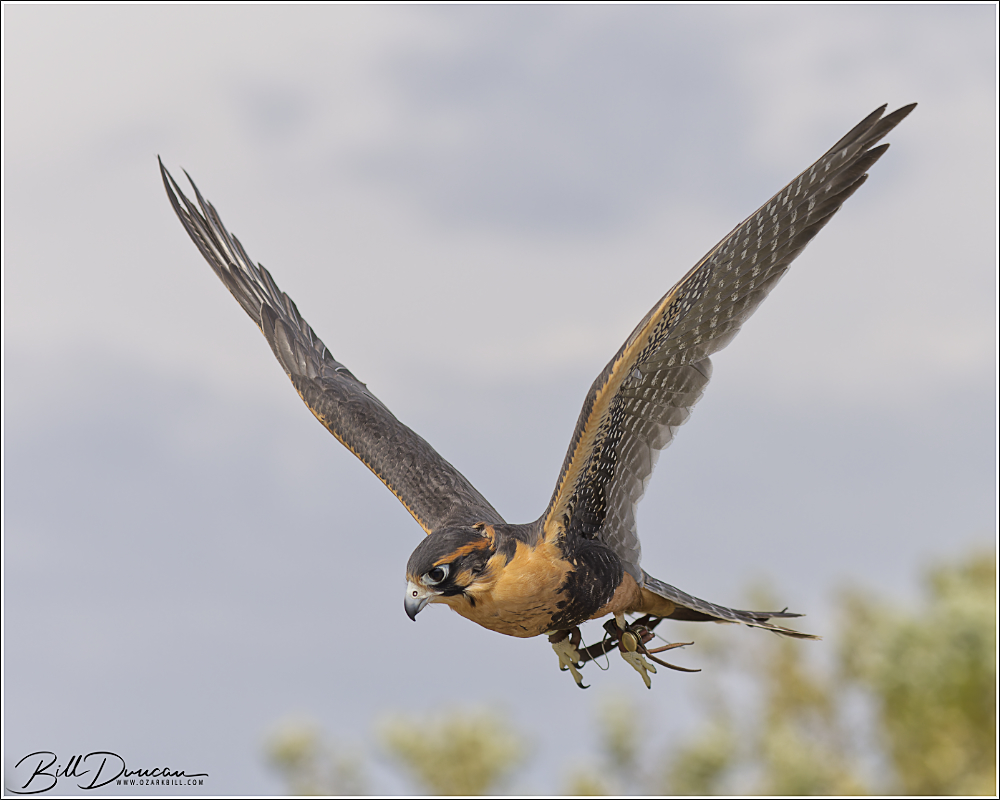
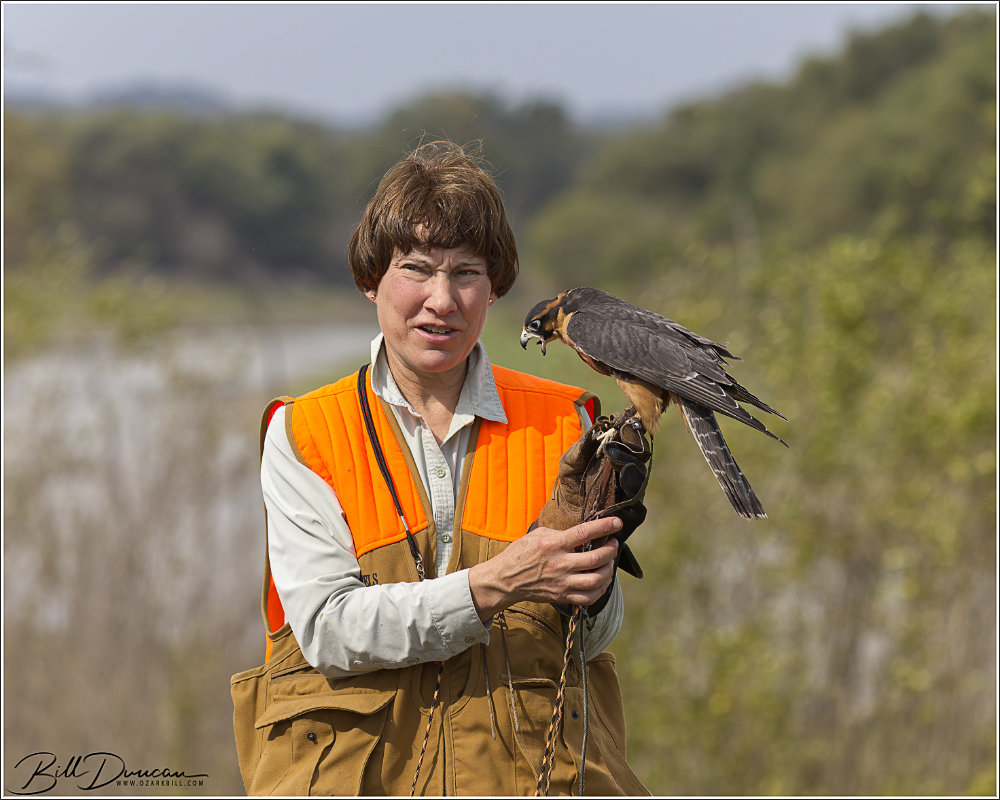
We were joined by our friend, Stacia Novy, on this trip, who provided an unexpected treat! She brought along her two Aplomado Falcons that we had an opportunity to photograph, pet, and watch eat. Unfortunately, strong winds and a few soaring Bald Eagles that would not leave the area limited the amount of flight time the birds had, but we really appreciated the opportunity.
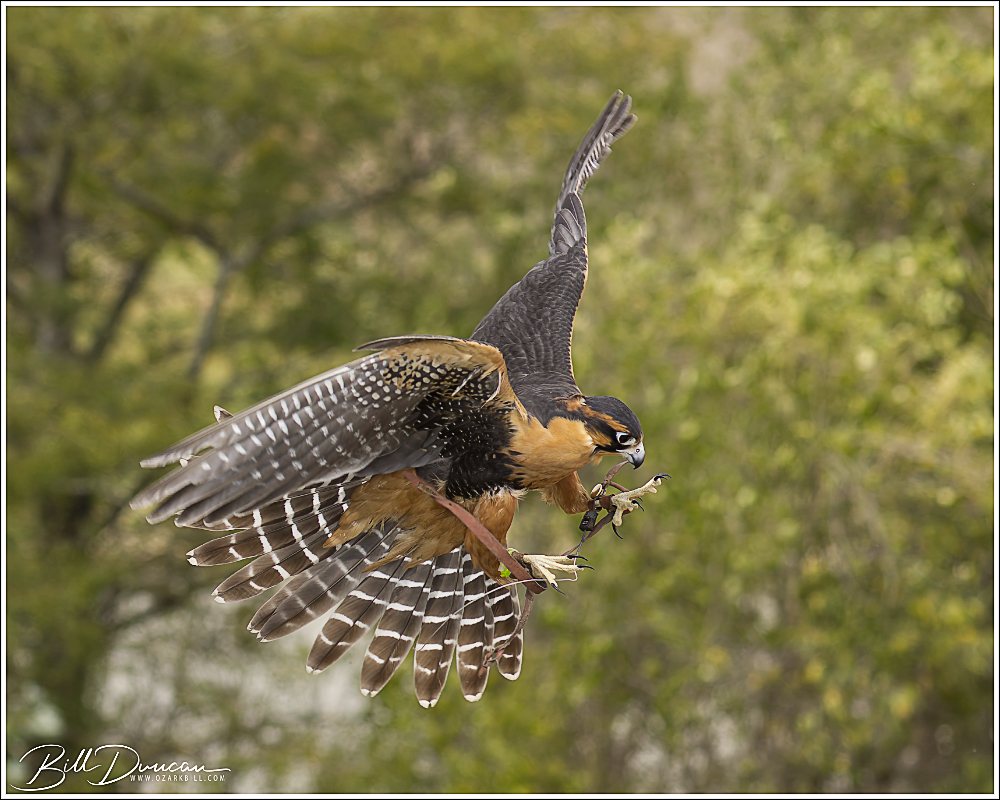
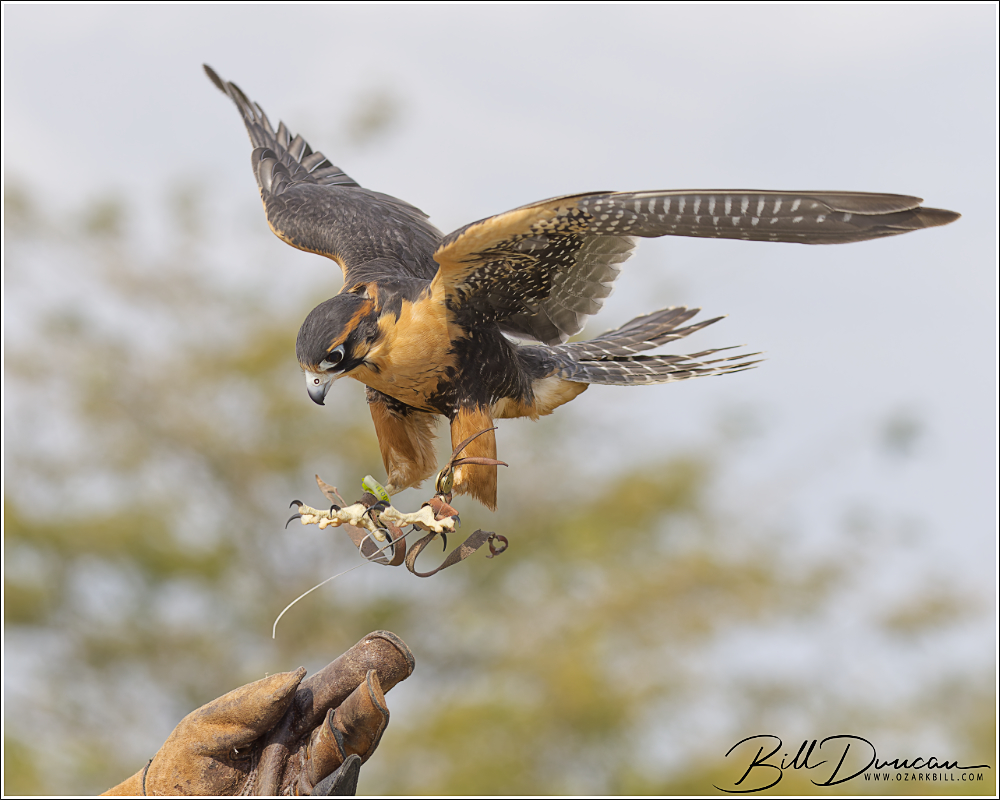
A couple photos of Stacia with her bird

Afterwards, the group headed to one of my favorite breweries – Scratch in Ava Illinois. Stacia brough one of the Falcons to the outside location and we had a most unique partner to go along with our wood-fired pizzas and beer.
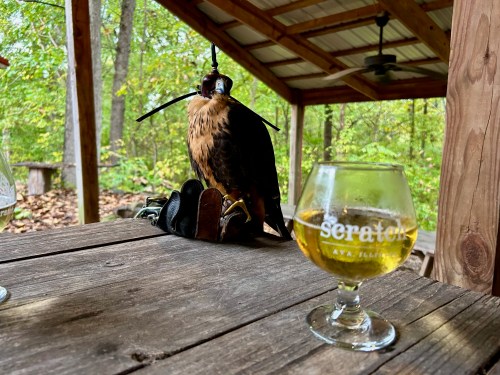
My drinking partner

Australia 2018 – An unexpected treat

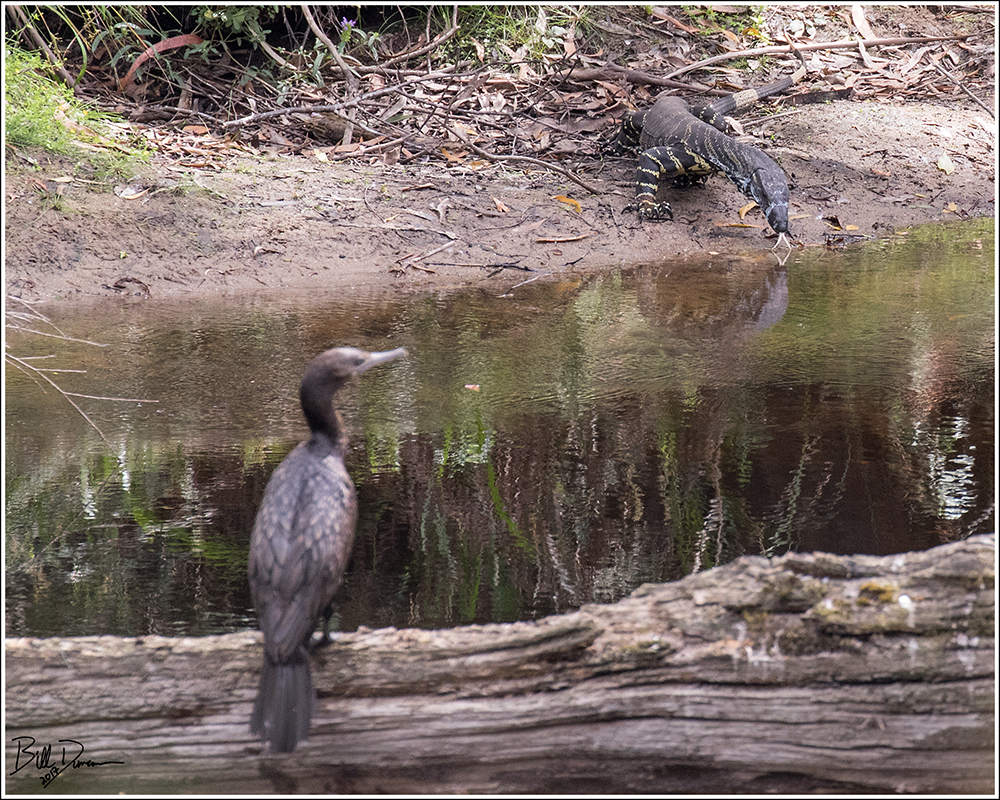
Little Black Cormorant and…

Being a herper from days long ago I was certainly aware of the potential for finding special squamates in the land of spectacular and dangerous reptiles. But, with little time in the right habitats, I did not get my hopes up for finding much. As Collin and I were making our way south, we stopped at a bridge that crossed a stream that drained the tropical rainforest we were driving through into the Tasman Sea. As I watched and photographed a cooperative Little Black Cormorant, I picked up some motion on the other side of the stream.

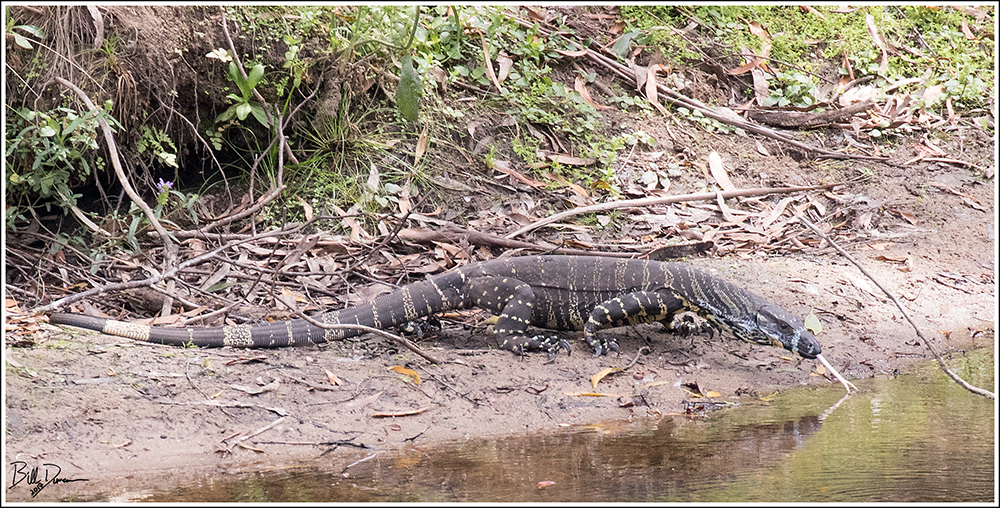
Lace Monitor

Out of the vegetation lumbered this huge varanid, a lace monitor! The lace monitor is the second largest monitor in Australia and this individual was a full-sized adult. I estimate its size at 4.5 – 5.5 feet in length.

Lace Monitor (Varanus varius)

I’m sure the monitor could have made a nice meal of the cormorants, but none of the few birds that were within viewing distance appeared to be too concerned. The lizard took a small drink and then continued downstream before being lost in the vegetation. What a treat!

Timber!

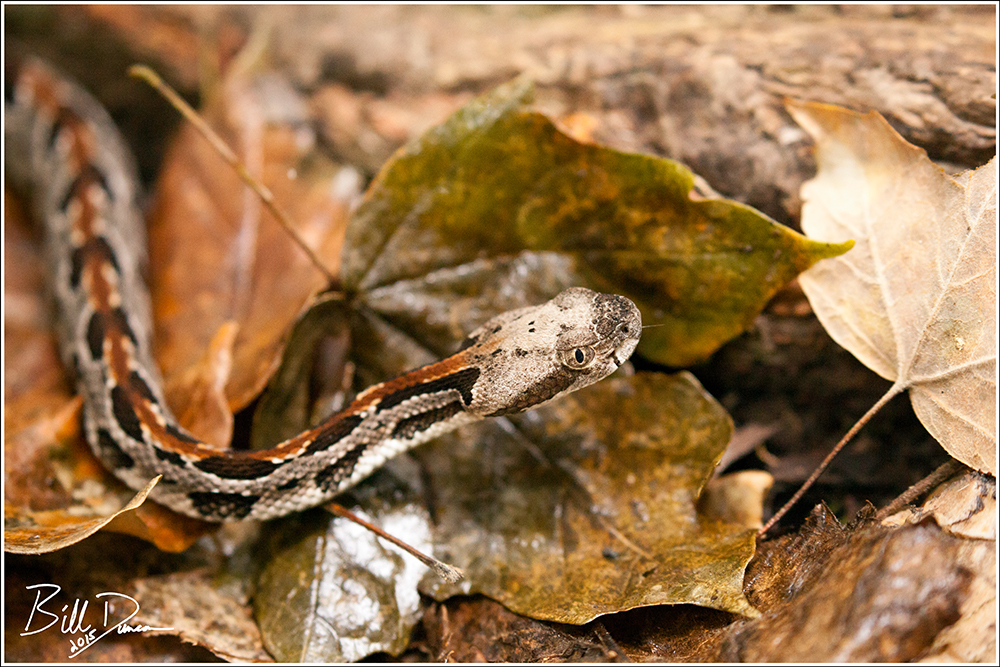
Timber Rattlesnake
Timber Rattlesnake

A recently born Timber Rattlesnake was “found” by Steve during an outing we had in Cape Girardeau County.

Timber Rattlesnake

Rattlesnakes are ovoviviparous, and young are usually born in September or October.  This little one was not long out of mom when we came across it.

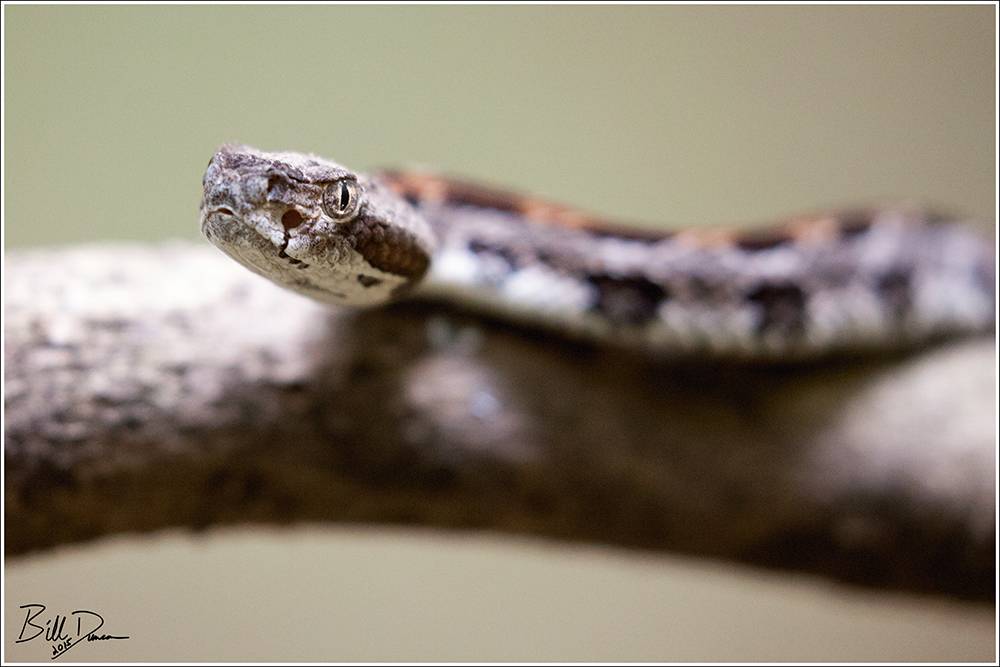
Timber Rattlesnake - IMG_5483

In the photo above the heat sensing pits that give pit vipers their name are easily seen.

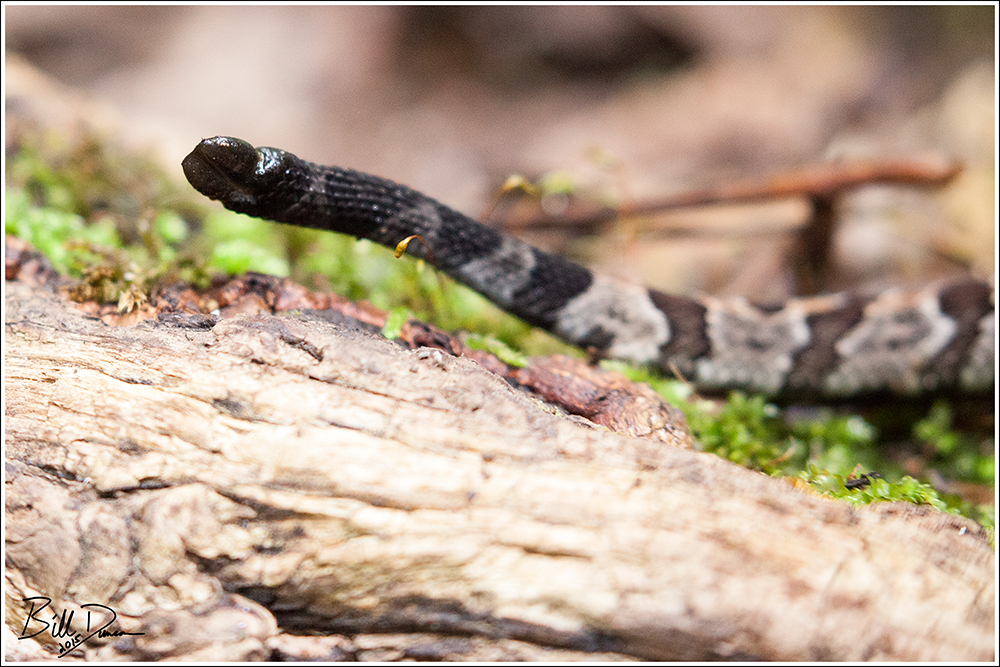
Timber Rattlesnake - IMG_5460

Finally, the little nubbin of a rattle that these guys are born with.  Typically, rattlesnakes will add a rattle every time they shed their skin, which this guy has not done yet.

-OZB