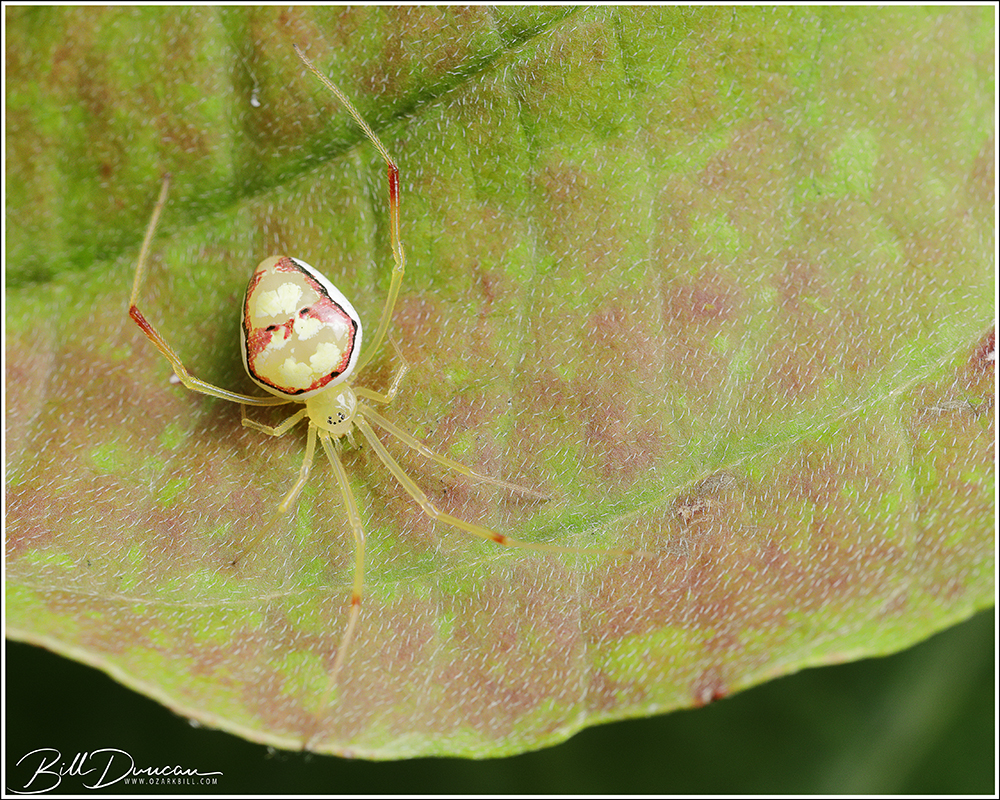
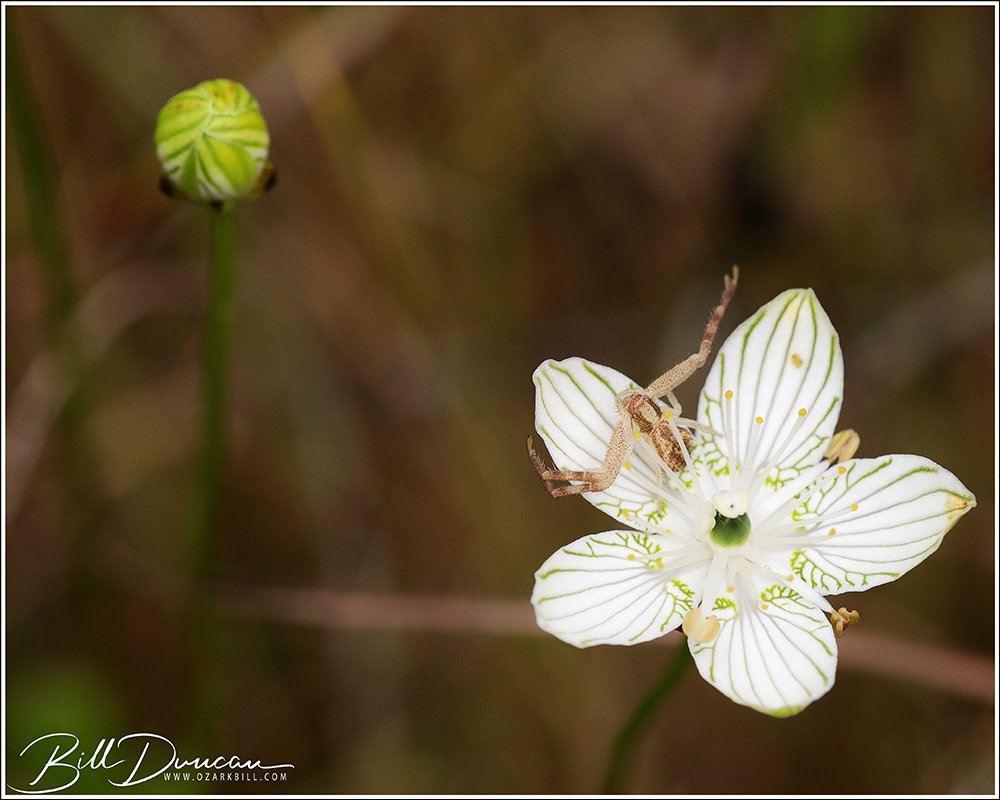
Spintharus flavidus (Cobweb Spider)
"What a thousand acres of Silphiums looked like when they tickled the bellies of the buffalo is a question never again to be answered, and perhaps not even asked." -Aldo Leopold
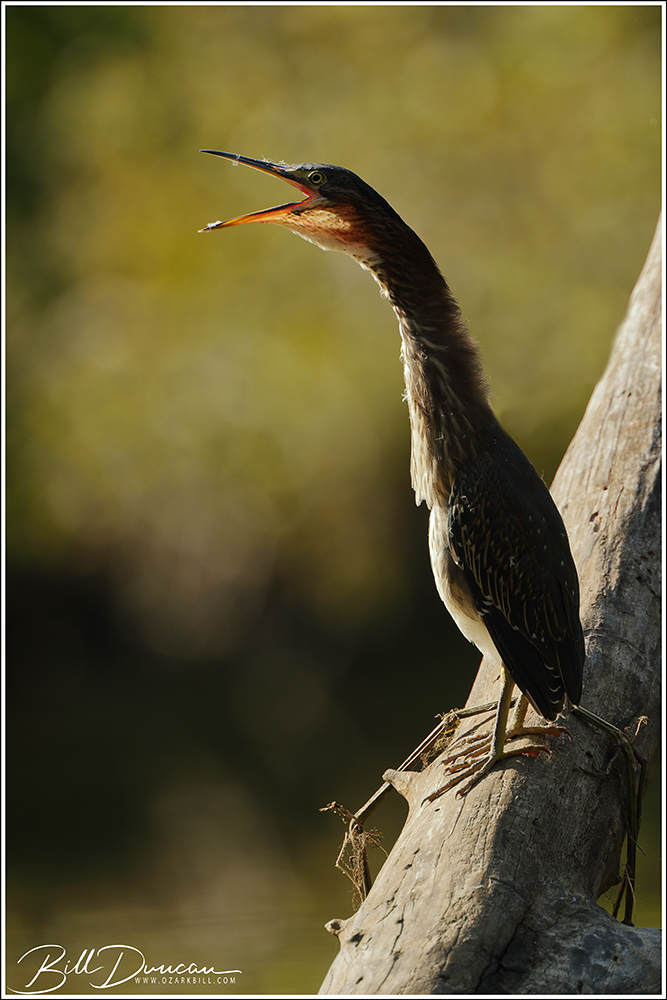
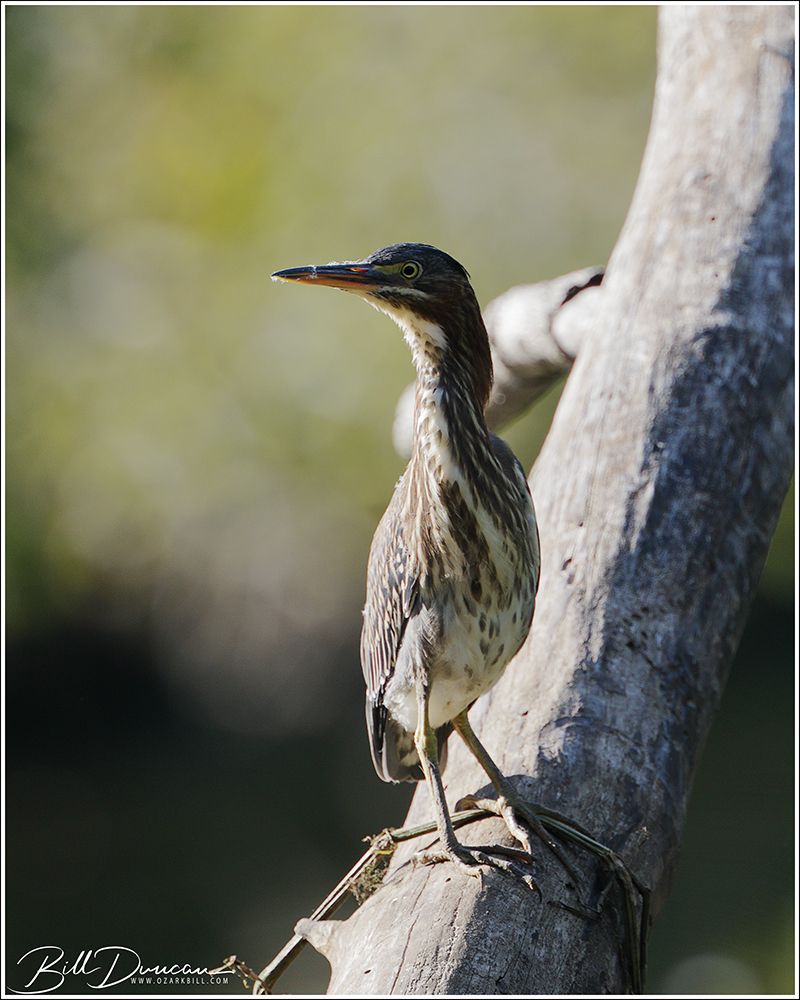
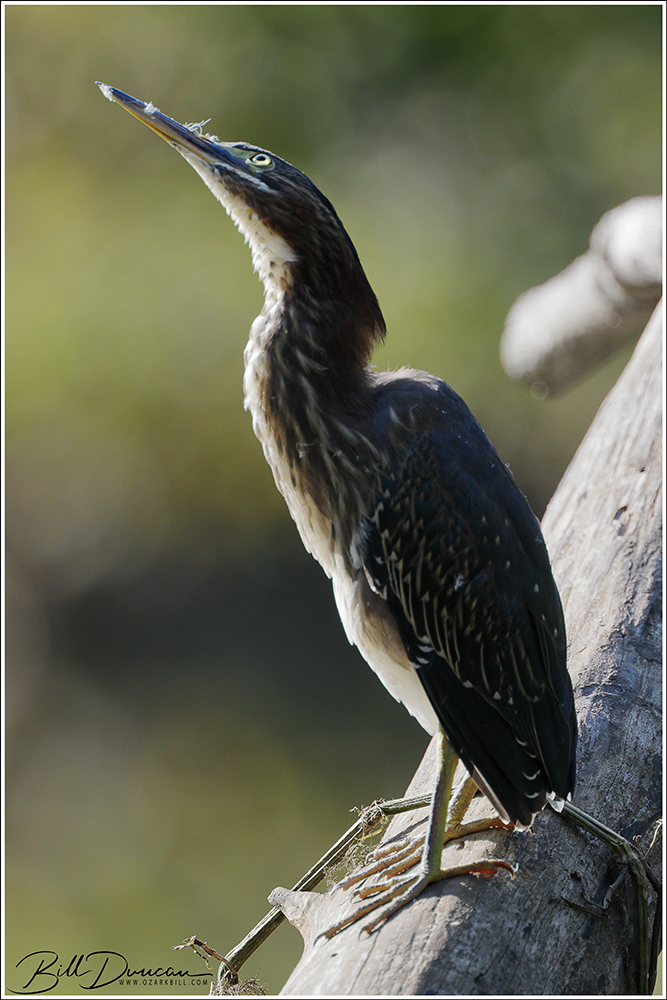
On my last trip out with the canoe, back in September, I came across this most cooperative Green Heron. It did not care at all that I was hanging out watching it hunt. It was a fun challenge, maneuvering around as quietly and methodically as I could in order to get the right light on the bird and the best background possible.
The benefits of wildlife photography from a boat.
Thank you for stopping by.
-OZB




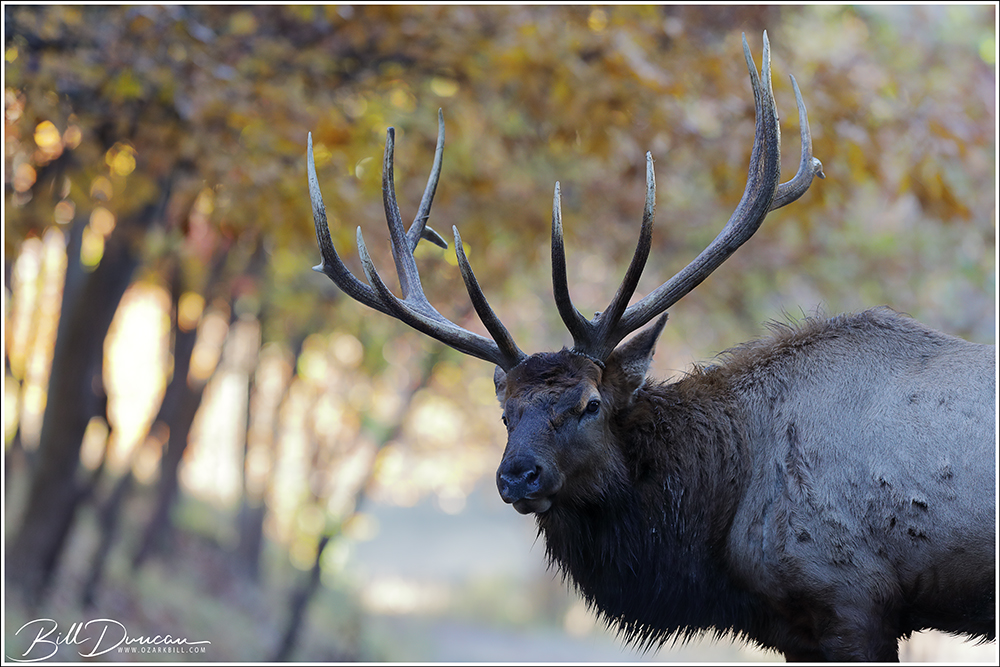
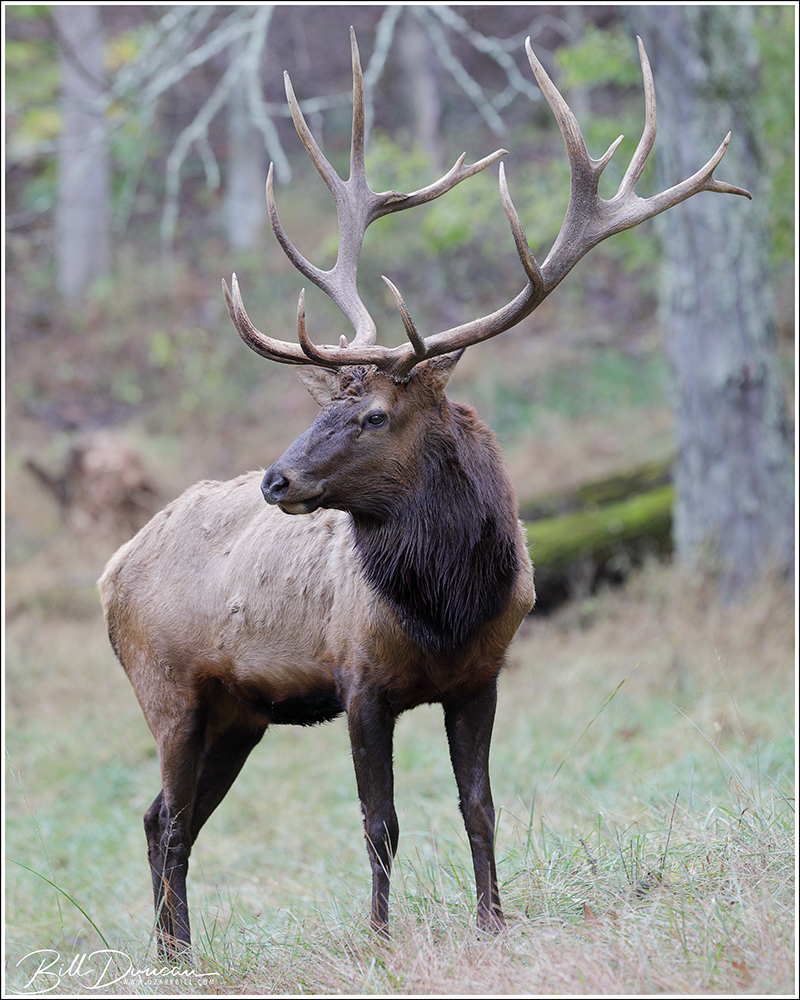
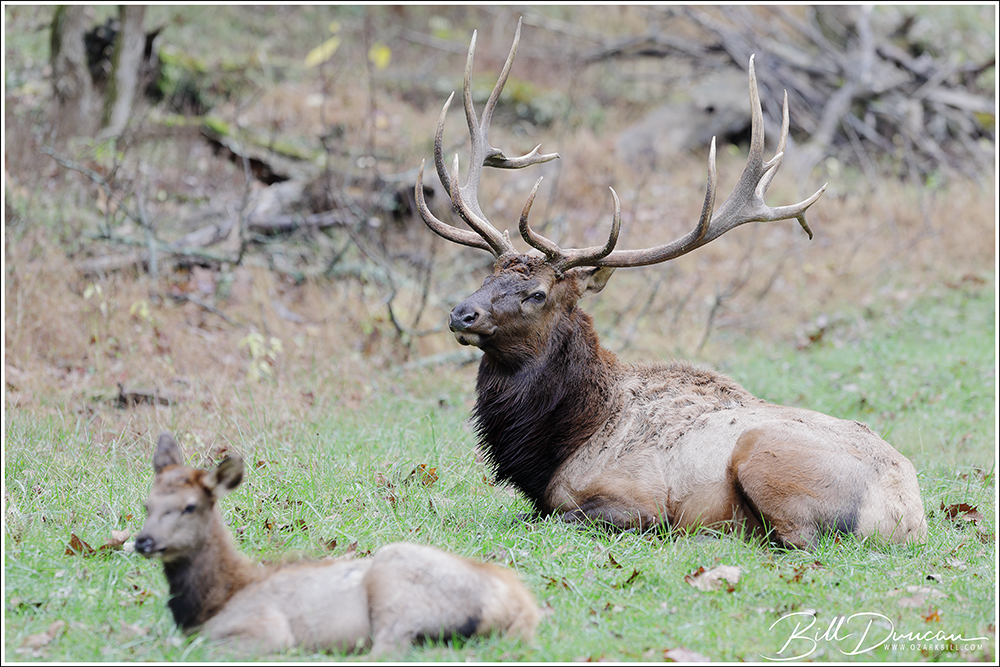
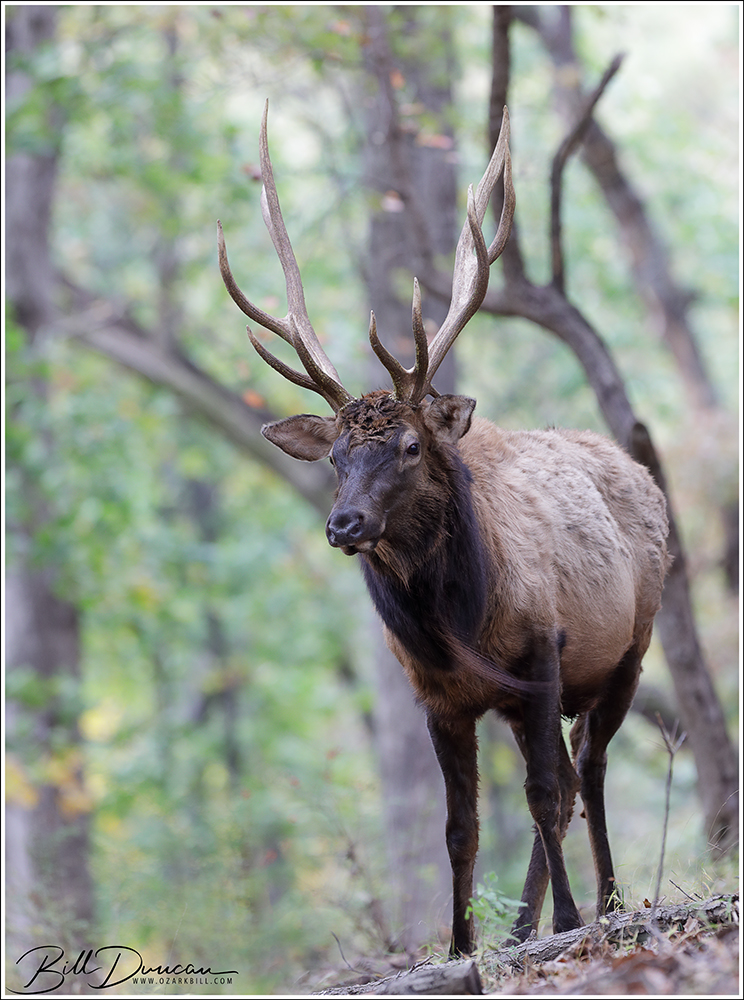
On a crisp and beautiful autumn morning this past Halloween, the WGNSS Nature Photo Group group enjoyed the rare occasion of visiting a relatively close St. Louis County location. Part of the St. Louis County Park system, Lone Elk Park has contained herds of elk and bison in some fashion since the original introduction in 1948. This is a beloved park that offers visitors up close looks at bison, elk, deer and other wildlife. Because of the constant visitors, the animals have no fear of humans and, therefore, are an easy subject for the nature photographer.
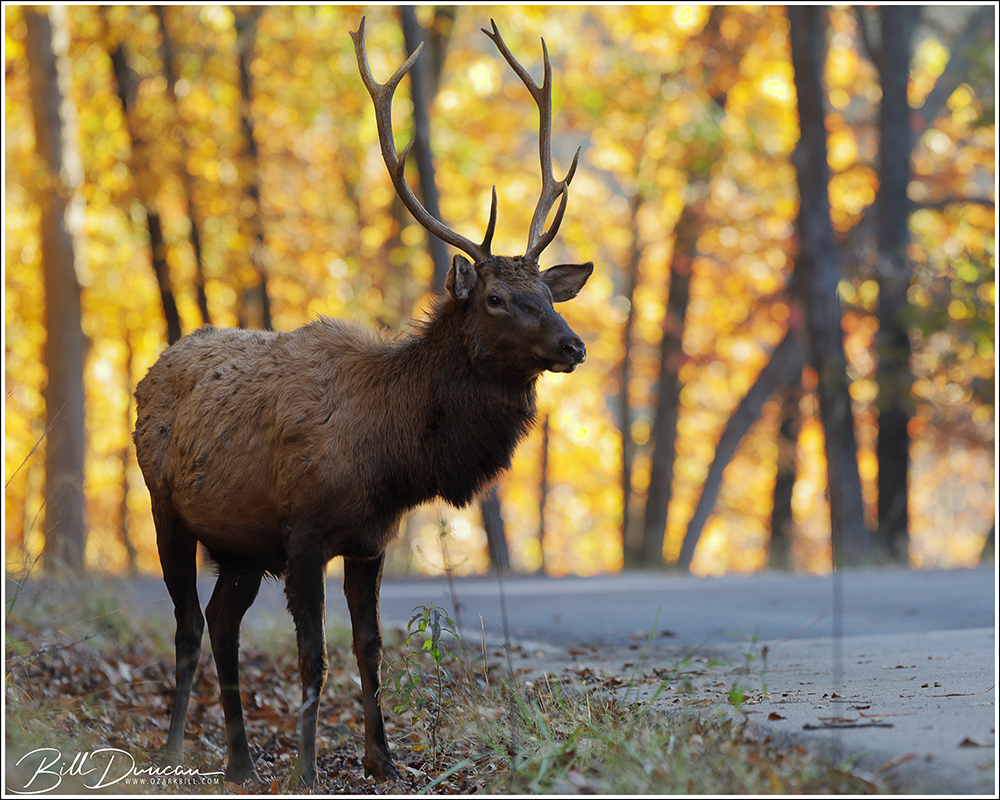
Due to the cooperative nature of these subjects, a long telephoto lens, typically needed for wildlife photography is not required here. However, it is a good idea to give these animals their space and use common sense to keep the proper safe distance or remain in your vehicle while photographing here. Always be aware of your surroundings and photograph in a group when possible.
I recommend a mid-range telephoto focal length – a zoom lens in the neighborhood of 100-400 mm is an ideal choice. Depending on available light, a support like a tripod or monopod may be needed. However, with modern cameras and their ability to provide acceptable results at high sensitivities, handholding is usually a viable option.
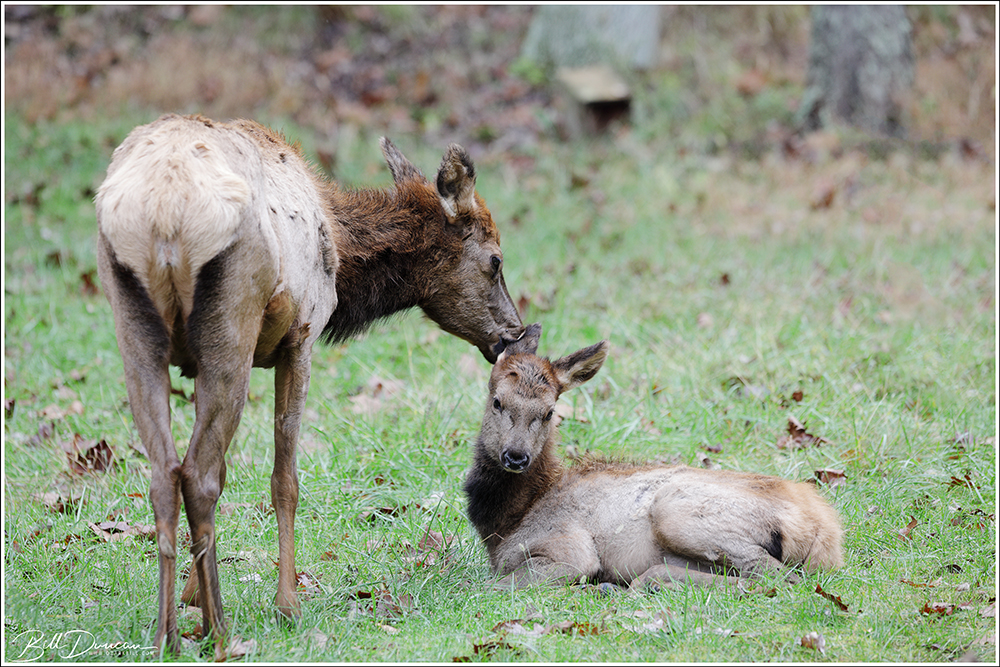
Because this is a nearby location, Lone Elk Park is a great spot to practice with wildlife while building a portfolio of a variety of images. Plan to visit during every season to include the greens of summer, the warm backgrounds associated with autumn and the snows (when available) of winter. Multiple visits will allow for photographing these animals at different life stages, such as when bull elk are in velvet in the summer or while bugling during the autumn rut. From time to time photographers have also been able to capture birthing of bison and elk and the subsequent play of the growing young. I hope to visit this location more frequently in the future.
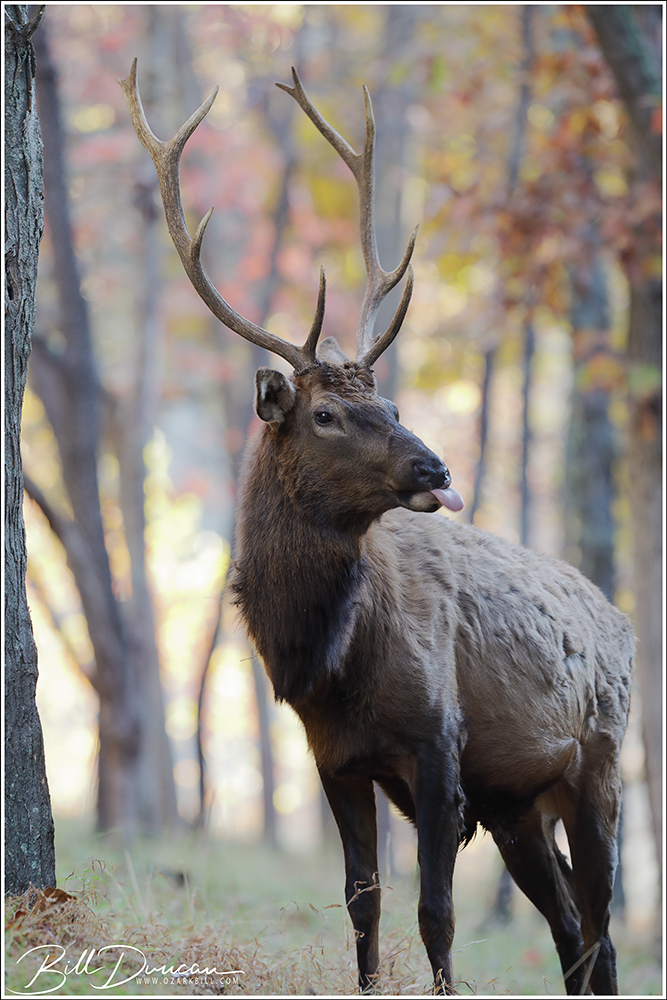
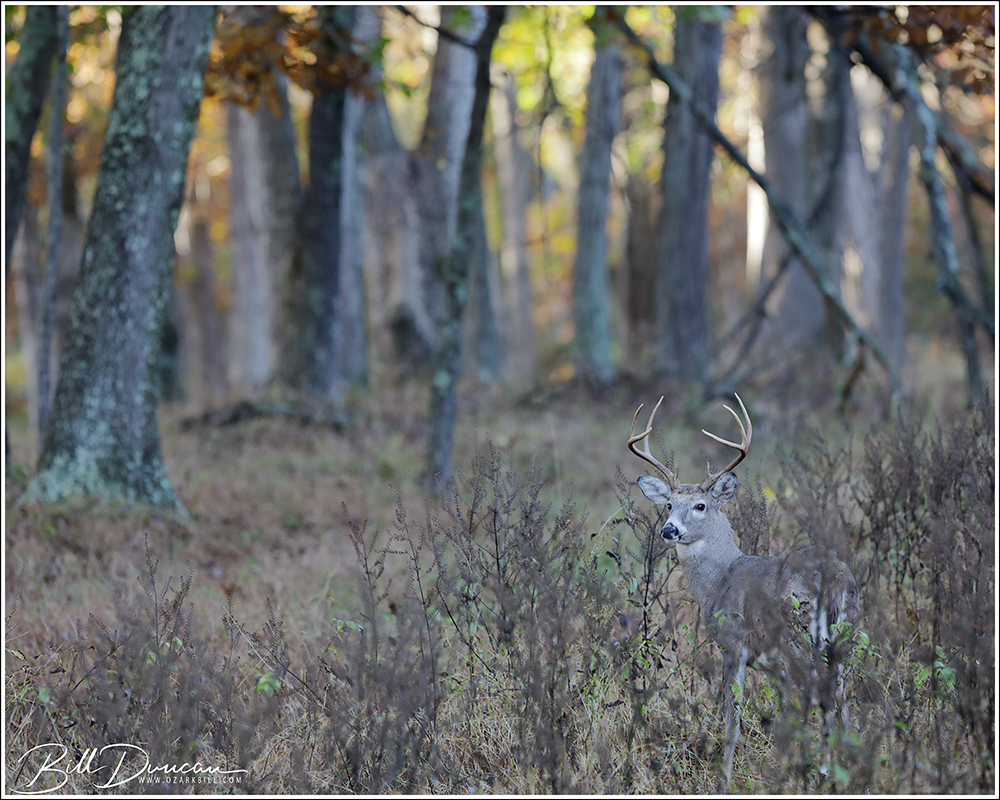
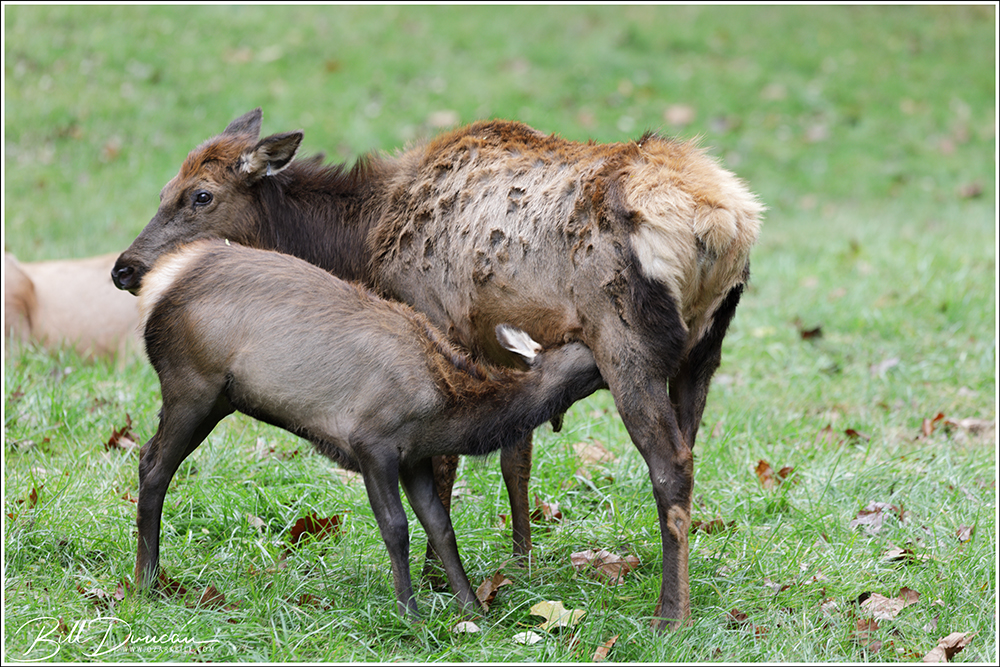
Here are a few other images I took on this visit.
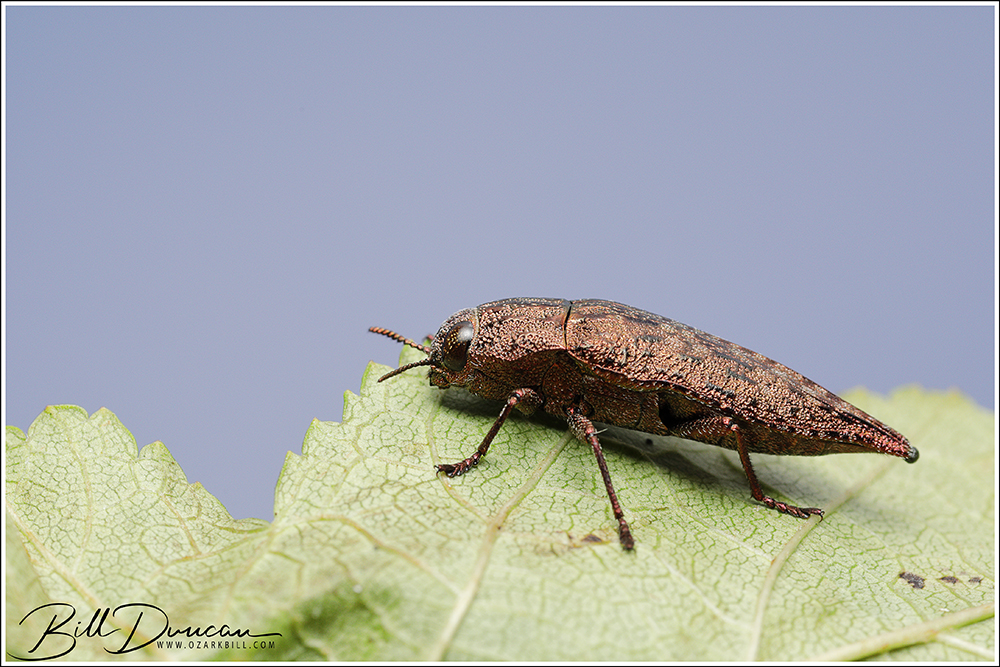
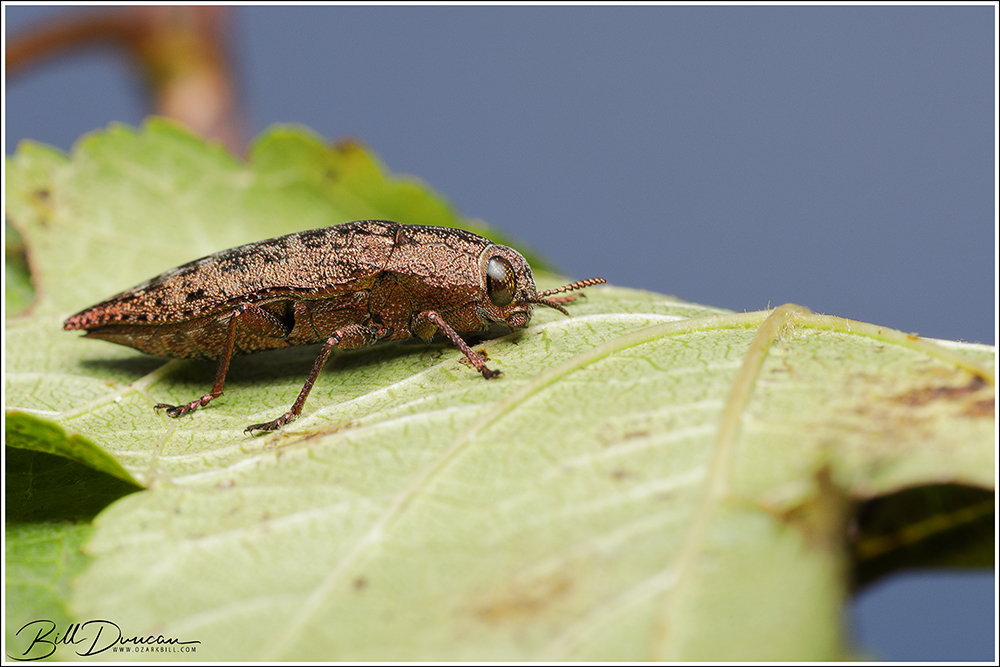
Many thanks to Ted MacRae for introducing me to another stunner of a beetle. On more than one occasion Ted has taken me and others out to the field to find one of the strikingly beautiful and rare beetles that he knows so well. This time the treasure we sought was the jewel beetle, Dicerca pugionata (Buprestidae), also known as the Witch-hazel Borer. Witch-hazels (Hamamelis spp.) may be the preferred host plant but they are also found on alders (Alnus spp.) and ninebark (Physocarpus opulifolius). In this opportunity, we went to a specific patch of ninebark at Victoria Glades where Ted had found them previously.
A couple of interesting Missouri Natives from a monogeneric family – the Hydroleaceae. The genus, Hydrolea, comes from the Greek hydor (water) and eleia (olive), referring to the wet habitats these plants prefer (they definitely like their feet wet and can withstand long periods of partial to complete submersion) and their leaves resemblance to the leaves of the olive. The flowers of these plants are downright stunning – these shades of blue are pretty rare in the flora of Missouri.


Review

After observing Vespula vulgaris foraging for the diaspores of Trillium ovatum in Oregon, Jules (1996) coined the term vespicochory to describe the dispersal of seed by Vespid wasps, specifically members of the Vespinae – the Vespidae subfamily that is comprised of yellowjackets and hornets. Few other descriptions have been recorded on observations of Vespinae acting as secondary seed dispersers in myrmecochorous plants. In controlled experiments, V. maculifrons has been reported to disperse T. cuneatum, T. undulatum and T. catesbaei in North Carolina and South Carolina (Zettler et al., 2001) and T. discolor in South Carolina (Bale et al., 2003). To my knowledge, this is the first recorded observation of the dispersal of T. recurvatum by Vespid wasps.
Before I begin describing my observations, I will first review and discuss the potential implications of Vespinae dispersal as an alternative to myrmecochory in trilliums. In most descriptions, myrmecochory has been described as a mutualist symbiose, meaning that both plant and ant species benefit from the relationship. Ants benefit by gaining the lipid and protein rich eliasome of the diaspore to feed their young while the plants benefit by having their seed dispersed from the parent plant and gain potential benefits in overwintering and germination environments. Similarly, for vespicochory to be considered as an important seed dispersal syndrome, we should consider the benefits to both sides and compare the role these wasps play to that of their ant cousins.

Yellowjackets, in addition to seizing seed directly from ants, removed more seeds (40%) from index cards than did each of three ant species observed (8 – 28%) (Bale et al., 2003). Zettler et al. (2001) measured dispersal distances by V. maculifrons and found an average distance of 1.4 m compared to a mean of 0.98 m in global cases of myrmecochory (Gómez and Espadaler, 1998). This difference in dispersal distance alone is significant; however, 53% of the seeds removed by V. maculifrons in this study were moved beyond 20 m – the furthest extent of their measuring capabilities, and were unrecovered, indicating a much higher than calculated average dispersal distance.
In addition to dispersal distance, another important thing when considering the benefits to the plant in a particular dispersal syndrome, is what is done with the diaspore once removed. The mandibles of Vespids are considerably larger and assumedly much more powerful than those of the ant species involved in dispersing trillium seed throughout their range. It is therefore a possibility that the seed could face catastrophic damage from the foraging wasp. Of the original seed recovered by Zettler et al. (2001), 95.7% had the eliasomes removed. Of these, 17% of the seeds had scarification near where the eliasome was attached but no seeds showed visible signs of embryo damage. The ultimate use of the eliasome was unknown in Zettler et al. (2001); however, Jules (1996) observed yellowjackets taking diaspores directly into their nest where, presumably, they were fed to developing young. Vespids typically nest underground and waste (i.e. seed portions of diaspores) are deposited below the nest. As mentioned by Zettler, “…we do not know how seed burial in these nests might affect seed germination and seedling emergence.” In cases where eliasomes are removed and seed are dropped randomly on the ground, it would be interesting to know how these seed fare in comparison to those buried within the nest. Further study is needed to determine the fate of seeds moved by these wasps when compared to myrmecochory.
Observations

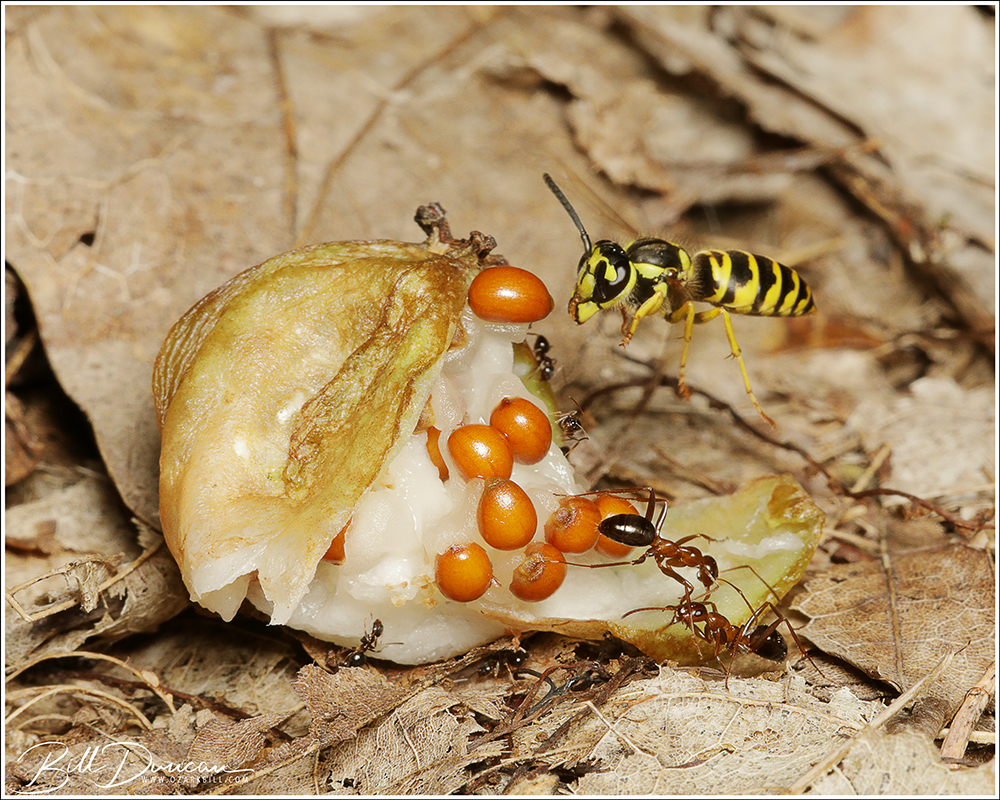
The following observations and accompanying photographs were conducted at August G. Beckemeier Conservation Area in St. Louis County, Missouri. On August 5, 2021 at ~ 18:00 hrs., I collected a ripe fruit of T. recurvatum and placed it with about 25% of the seed exposed within 20 cm of a nest of Formica pallidefulva ants. My goal was to observe and photograph the ants carrying away the diaspores. The ants found the fruit within minutes and quickly began moving the loosely separated diaspores. After approximately 10 minutes the first V. maculifrons found the fruit and quickly left with a diaspore. It returned alone five times with gaps ranging between approximately one and three minutes. After the fifth visit, two to four wasps were at the scene at any given time, each working to free seeds from the fruit until all seeds were removed. I found that the wasps were able to pull the diaspores free from the fruit capsule matrix much easier than the ants. The ants tried, at times, to defend the fruit and the wasps did give them a wide berth. When two or more wasps were on the fruit at one time, however, the ants were ineffectual in their defense.

I was not setup to make accurate counts or to try and make seed dispersal distance measurements. It appeared the wasps moved at least 75% of the seed while F. pallidefulva moved the remaining into their nest. I believe this discrepancy was primarily due to the ability of the wasps to excise the diaspores from the fruit capsule matrix more quickly and easily than the ants. I watched one wasp perched on a short sapling approximately 1.5 m from the fruit. It removed the eliasome, letting the seed fall to the leaf litter below and then left carrying the eliasome with it.
Photography Details
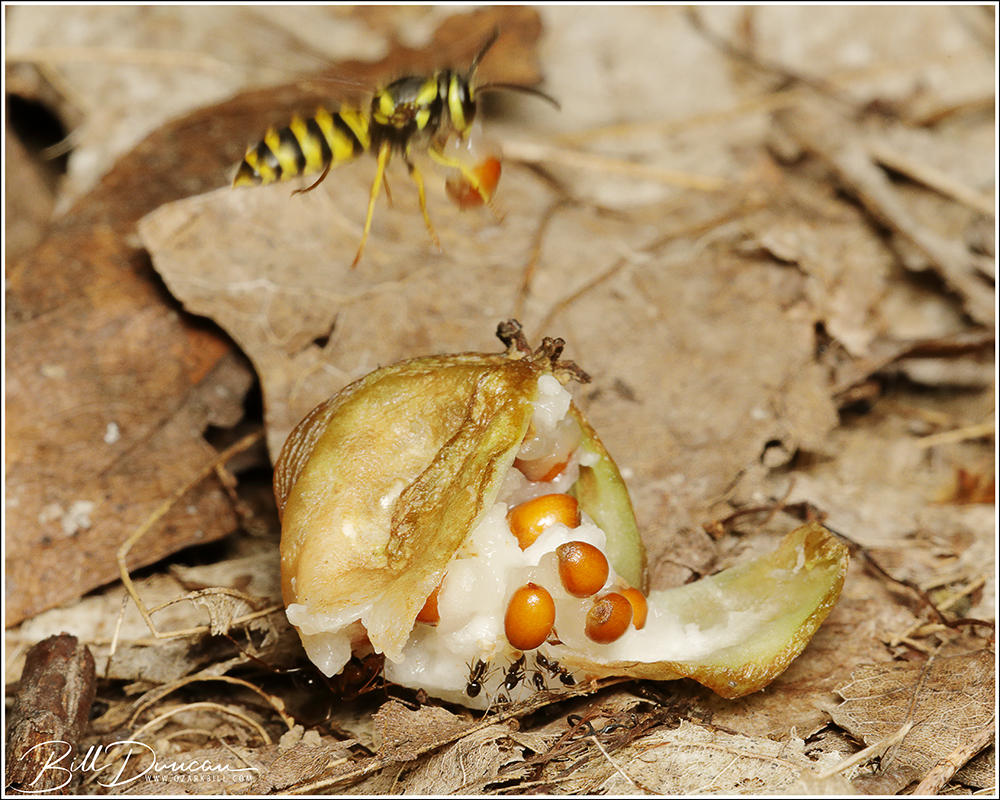
These images were taken using a full-sized sensor digital camera and a 180mm macro lens with a 1.4x teleconverter and 30 mm extension tube stacked between the lens and camera body. This combination of equipment provides quite a long focusing distance, ensuring the photographer does not disturb the subjects. An off-the-body external speedlight “flash” was used at varying levels of power to obtain the extra light needed. Most of these images were taken at f/16, 1/100 sec. and ISO-640 and were taken handheld while using a fallen log for additional support.
Conclusion
This was an anecdotal observation of a single occurrence of vespicochory. This is a subject that warrants further investigation. Could vespicochory be just as or even more important in the dispersal and emergence of some “myrmecochorous” plants as myrmecochory? It would be interesting to know more about the frequency and dynamics of this unique seed dispersal mechanism.
References
This past August while visiting the Weldon Spring Site Interpretive Center in St. Charles, County MO, I stumbled upon one of my favorites that I have not seen since taking entomology at the University close to 20 years ago. When first encountering this insect you immediately think it must be one of the spider wasps or perhaps the great black wasp (Sphex pensylvanicus). For those who don’t immediately flee the area and instead look a little closer, you will see this is actually a very special species of fly.
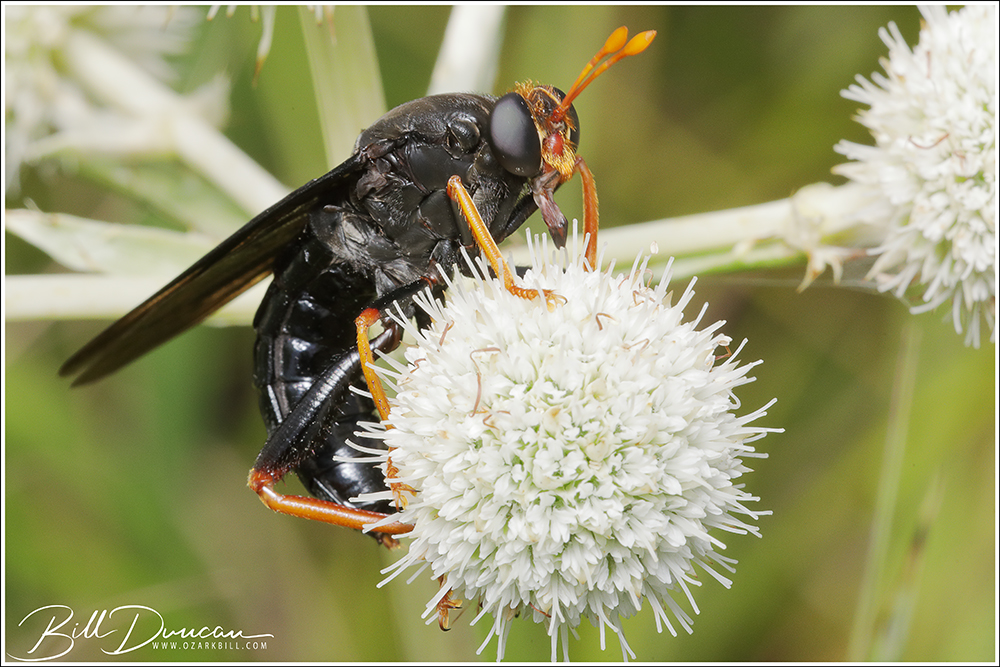
Mydas tibialis (golden-legged mydas) are Batesian mimics, meaning they are harmless mimics of a potentially harmful species, such as wasps. The adult form of mydas flies are purportedly short-lived. They spend the most of their lives underground where they feed on grubs in the soil.
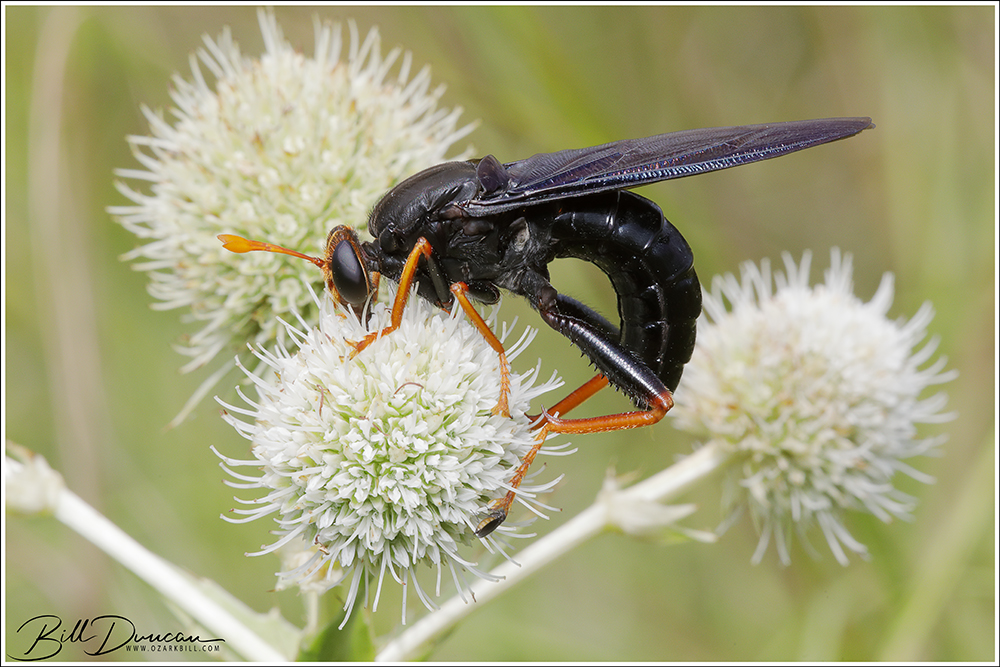
After doing a short bit of research, there doesn’t seem to be nearly enough known about the life history of our mydas flies. This is a shame. Not only are they fascinating animals with much waiting to be discovered but it also looks like they can be good biocontrol agents. Hopefully it won’t be another 20 years before I find one again.

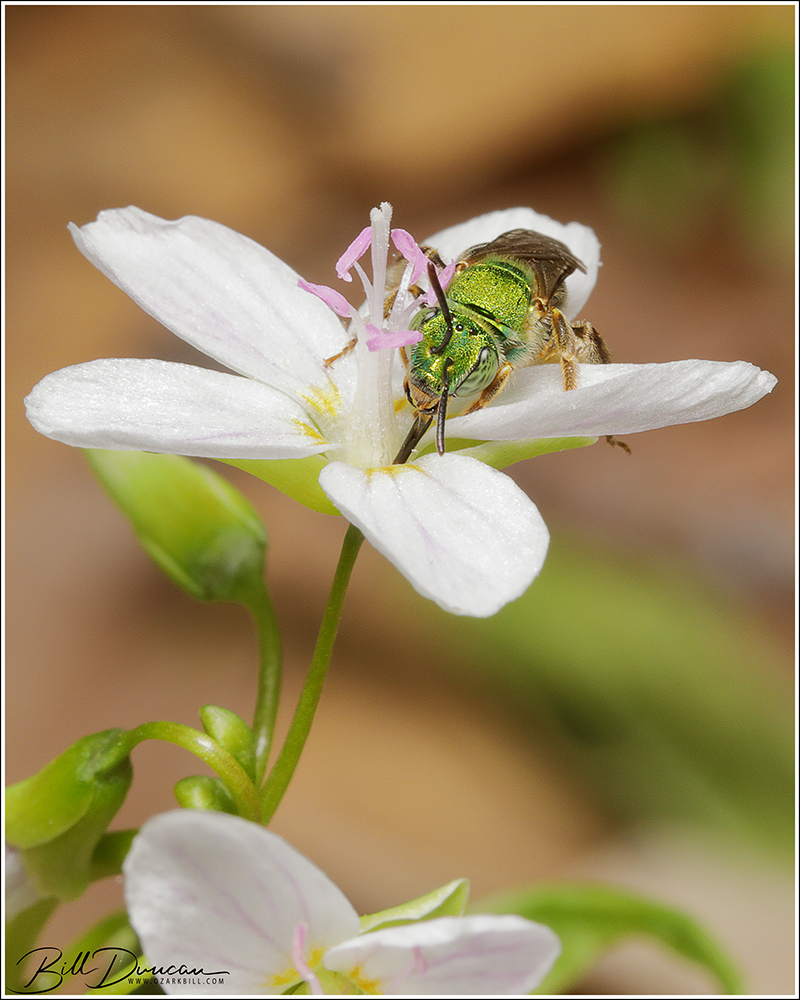
Photographed in April, this Agapostemon (either sericeus or splendens) bee is seen visiting blooms of Claytonia virginica (spring beauty). Agapostemon comes from two Greek words – agapetos, meaning beloved, and stemon, for stamen – these referring to their obvious fondness and attraction to flowers, particularly those in the Asteraceae. We can tell this bee is female because males of this genus have yellow and black striped abdomens.
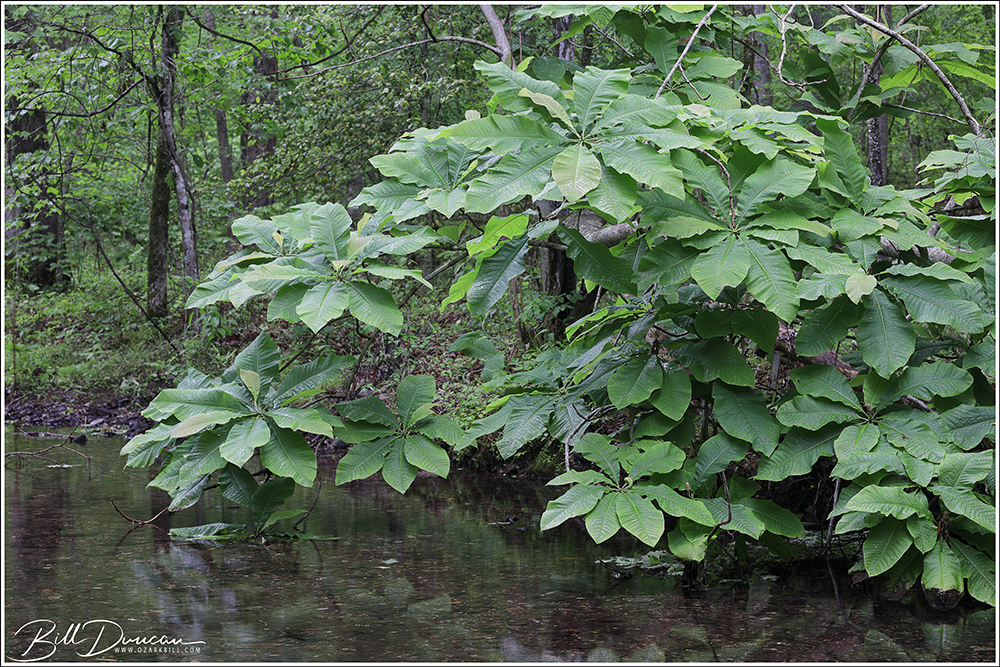
It was a pleasure seeing my first wild Magnolia tripetala on our trip to Arkansas back in May 2021. To make things even better, this plant was found within a hundred feet or so from the Kentucky lady’s slippers we were there to photograph.